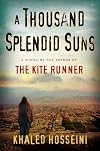
If there were six stars I'd give it six stars. This was one of THE best books I have read in such a long time. It's one of those books that make you understand yourself and humanity better. Also, it makes me want to visit the middle east(not Israel) super bad.

The Guru Review
The Guru by Sean Hicks is a read that takes you by surprise. A work of contemporary fiction, we follow David Ratcliff as he wallows in his quite mediocre life. It is only by a perfect storm of events does his luck change for the better and he finds his fate intertwined with the nationally acclaimed self-help guru, Christopher Maxwell. The question remains for David is, does he truly want to change his luck for the better? Is he willing to give up everything to join the growing, parasitic self-help industry?
When I read the premise for The Guru I was interested, because the premise sounded incredibly unique and one of a kind. I was not prepared for what awaited me. The book begins with a bit of a slow burn, following David, who brings to mind most millennials of the time, who walks continually on the line of being broke, hoping to find someone, and wishing his life was something more. Enter Christopher Maxwell and his “get rich” program of self-mastery, which involves not only a book but a whole program that rivals what a workout kit would entail.
Hicks does a decent job of building tension and has a really nice voice. I was impressed with how easy The Guru reads and the casual reader will not be disappointed! It was one of the reasons that I felt this book was great to begin with because Hicks was able to wrap humor, but also real tension into his pages. Everything is not as it seems with Maxwell and his self-help empire. It keeps the reader turning the show more pages and I found myself rushing through the pages to find out exactly what happens.
David, as far as protagonists go, is a fun one. He is very much an everyman as far as his motivations and desires. It is nice to watch as his character develops more and more, even if he does suffer some setbacks here and there. Most authors miss this element of fiction, but Hicks does not neglect his characters. What shines the most from David is that he is very much a real person, I have known my share of Davids in my life. The initiative that he takes over the course of the novel is refreshing, considering most authors rather have things “happen” to their characters.
The only true criticisms I can offer or add to this review involve how fast things begin to escalate and how the explanations for certain events come late. Given this is Hick’s debut novel, so his style was something to get used to, but I believe it serves him well. There is also a tendency for things to be almost too convenient, such as when David is listening to Maxwell’s self-help book and the “guru”, himself, is giving a seminar nearby the next day. In the long run, these coincidences do not hurt the story, but they do tend to be a little too neat for the more careful reader.
Do not let those small hurdles stop you from enjoying a book that will at the very least give you an afternoon full of laughs! I will be on the watch for Sean Hicks’ next novel. show less
The Guru by Sean Hicks is a read that takes you by surprise. A work of contemporary fiction, we follow David Ratcliff as he wallows in his quite mediocre life. It is only by a perfect storm of events does his luck change for the better and he finds his fate intertwined with the nationally acclaimed self-help guru, Christopher Maxwell. The question remains for David is, does he truly want to change his luck for the better? Is he willing to give up everything to join the growing, parasitic self-help industry?
When I read the premise for The Guru I was interested, because the premise sounded incredibly unique and one of a kind. I was not prepared for what awaited me. The book begins with a bit of a slow burn, following David, who brings to mind most millennials of the time, who walks continually on the line of being broke, hoping to find someone, and wishing his life was something more. Enter Christopher Maxwell and his “get rich” program of self-mastery, which involves not only a book but a whole program that rivals what a workout kit would entail.
Hicks does a decent job of building tension and has a really nice voice. I was impressed with how easy The Guru reads and the casual reader will not be disappointed! It was one of the reasons that I felt this book was great to begin with because Hicks was able to wrap humor, but also real tension into his pages. Everything is not as it seems with Maxwell and his self-help empire. It keeps the reader turning the show more pages and I found myself rushing through the pages to find out exactly what happens.
David, as far as protagonists go, is a fun one. He is very much an everyman as far as his motivations and desires. It is nice to watch as his character develops more and more, even if he does suffer some setbacks here and there. Most authors miss this element of fiction, but Hicks does not neglect his characters. What shines the most from David is that he is very much a real person, I have known my share of Davids in my life. The initiative that he takes over the course of the novel is refreshing, considering most authors rather have things “happen” to their characters.
The only true criticisms I can offer or add to this review involve how fast things begin to escalate and how the explanations for certain events come late. Given this is Hick’s debut novel, so his style was something to get used to, but I believe it serves him well. There is also a tendency for things to be almost too convenient, such as when David is listening to Maxwell’s self-help book and the “guru”, himself, is giving a seminar nearby the next day. In the long run, these coincidences do not hurt the story, but they do tend to be a little too neat for the more careful reader.
Do not let those small hurdles stop you from enjoying a book that will at the very least give you an afternoon full of laughs! I will be on the watch for Sean Hicks’ next novel. show less
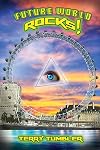
Future World Rocks!: Going Back to Our Roots by Terry Tumbler is as wild as the title precludes it to be. The first book of the Carousels of Life series and it really does come around and around again to spark the reader’s attention. Tumbler opens this novel with a quick summary of what this new future world is like in the year 2170. It is a vision that is at once utopian but also carrying an underlying sense of mysterious unrest. What utopia in literature is free of unrest at its core? On the flip side of this, we follow two Nazi scientists, Fritz and Selik, who are experimenting with UFO and use it to escape their boredom. They do not expect to become time travelers!
The future world is not without their own problems and aliens have come to Earth seeking asylum after their moon destroyed their home world. The question is if these aliens have benevolent intentions. There are even some agents of the government tasked with regulating alien life on earth as well. All of this amounts to somewhat of a thriller subgenre alongside the prevalent science fiction. The sarcasm and quick wit alongside the time traveling made me think of Bill and Ted’s Excellent Adventure from the 80s and I wonder if Tumbler was influenced by the film. The lightness in tone throughout the story, as well as the interesting conflicts that arises for all the characters.
Tumbler’s light humorist skill bends this future world through characters that are at once relatable but also so strange and show more fickle. The hijinks that follow are more than enough to keep this novel bumping even with the rock and roll playing in the background throughout this novel. In some ways, Tumbler takes this novel and very cheekily makes this not only science fiction but a space opera in an almost literal sense. His skill with narrative is as accomplished as he is as being an arm chair thinker with teasing out these subtle cultural phenomena that we take for granted in our day to day.
Overall, Tumbler keeps his book focused and tight, despite the clear temptation to go down some fun rabbit holes. The narrative and strong characters help make Future World Rocks! extremely readable for any age and will please any reader, who enjoys fun, humorous reading. show less
The future world is not without their own problems and aliens have come to Earth seeking asylum after their moon destroyed their home world. The question is if these aliens have benevolent intentions. There are even some agents of the government tasked with regulating alien life on earth as well. All of this amounts to somewhat of a thriller subgenre alongside the prevalent science fiction. The sarcasm and quick wit alongside the time traveling made me think of Bill and Ted’s Excellent Adventure from the 80s and I wonder if Tumbler was influenced by the film. The lightness in tone throughout the story, as well as the interesting conflicts that arises for all the characters.
Tumbler’s light humorist skill bends this future world through characters that are at once relatable but also so strange and show more fickle. The hijinks that follow are more than enough to keep this novel bumping even with the rock and roll playing in the background throughout this novel. In some ways, Tumbler takes this novel and very cheekily makes this not only science fiction but a space opera in an almost literal sense. His skill with narrative is as accomplished as he is as being an arm chair thinker with teasing out these subtle cultural phenomena that we take for granted in our day to day.
Overall, Tumbler keeps his book focused and tight, despite the clear temptation to go down some fun rabbit holes. The narrative and strong characters help make Future World Rocks! extremely readable for any age and will please any reader, who enjoys fun, humorous reading. show less
Braxton Snow P.I. by Danny Estes is a genre busting narrative that will leave a mark on any reader! The reader follows Braxton Snow an arctic-wolf private investigator, who left his family and clan for a more urban setting in the city, Furlton. He takes on a case for a missing respected archeologist, Oscar Sullivan. Snow’s fiancée, Joann South, becomes swept up in the case and little does Snow realize how deep the mystery becomes. Danger only increases for the pair as they get closer and closer to their goal. Everything Snow believes and has ignored, such as, familial ties come back to haunt him. The case inevitably decides his future and his fiancée’s.
Estes writes from Braxton’s point of view, which is highly informal in tone and form. Some readers may enjoy that, others may not. If anything, it enhances the overall impact and feel of this fantasy novella. He manages to give a little bit of everything to the undiscriminating reader. There is some action, noir, mystery, fantasy, and even some steamy romance for the mature readers! (Heads-up parents). For the most part the book is an accessible, and easy to read story for a broad audience.
The story opens to immediately giving the reader a feel for Snow and some of his personality. Estes does a good job with delivering some of that world building as well within a few paragraphs so that the reader can be fully introduced into the world. The characters tend to be fleshed out, although they lean heavily into their show more archetypes at times. Overall, they are given full bodied narratives that play out successfully and satisfying through the novel. Estes leaves some questions up to the reader to keep guessing and throughout the novel the reader may wonder where the “hairless apes” went or why they disappeared from Earth. It’s another great sign of a decent worldbuilder.
Included in the novel are small illustrations of the novel which also help with the world building and picturing these anthropomorphized animals, which can be a struggle at times. The book is an interesting take on urban fantasy and viewing the world from highly intelligent animals can be a fun ride if one is looking for it.
There are a few grammatical and spelling errors in the book, which made me trip up while reading, but I would not go that far to say that it stopped me from enjoying the story. Overall, Braxton Snow P.I. is an enjoyable read for anyone looking for something different and eclectic to break up the usual fare of novels in their library. show less
Estes writes from Braxton’s point of view, which is highly informal in tone and form. Some readers may enjoy that, others may not. If anything, it enhances the overall impact and feel of this fantasy novella. He manages to give a little bit of everything to the undiscriminating reader. There is some action, noir, mystery, fantasy, and even some steamy romance for the mature readers! (Heads-up parents). For the most part the book is an accessible, and easy to read story for a broad audience.
The story opens to immediately giving the reader a feel for Snow and some of his personality. Estes does a good job with delivering some of that world building as well within a few paragraphs so that the reader can be fully introduced into the world. The characters tend to be fleshed out, although they lean heavily into their show more archetypes at times. Overall, they are given full bodied narratives that play out successfully and satisfying through the novel. Estes leaves some questions up to the reader to keep guessing and throughout the novel the reader may wonder where the “hairless apes” went or why they disappeared from Earth. It’s another great sign of a decent worldbuilder.
Included in the novel are small illustrations of the novel which also help with the world building and picturing these anthropomorphized animals, which can be a struggle at times. The book is an interesting take on urban fantasy and viewing the world from highly intelligent animals can be a fun ride if one is looking for it.
There are a few grammatical and spelling errors in the book, which made me trip up while reading, but I would not go that far to say that it stopped me from enjoying the story. Overall, Braxton Snow P.I. is an enjoyable read for anyone looking for something different and eclectic to break up the usual fare of novels in their library. show less
This was a story that I still have to scratch my head at, but then again, I’m not sure Karen Glista was sure where it was going either. The Taking of Peggy Martin begins as a murder mystery where nurse, Peggy Martin, a widow knows who murdered her husband in a bizarre car accident. She is contacted by the murderer’s mother for an impromptu meeting and it descends into the supernatural from there. Strong elements of horror and even science fiction creep into this work as well as more grisly actions of rape and more murder. It is not a book for the faint of heart.
Peggy herself struggles with insanity, which is ironic since she is a nurse at an insane asylum. She is a strong character on her own even with this instability but it does tend to take away from her character rather than add to it. With these mature themes, the book is obviously recommended for a mature or adult audience. Glista uses a lot of “purple” or verbose prose in her novel that can sometimes hide those more violent or disturbing images but they also place a wall in front of the reader if they are not familiar with such “ten dollar” words. While reading, I had to get out a dictionary which for a book like this, you do not want to do.
The plot wasn’t boring by any means, but Glista tackles most of her character and world building in the first fourth of the novel and that can become a bit of a rush and makes the reader struggle to getting into the story. The pacing past this point settles down show more some and actual is a pleasant ride to some degree. Again, not sure what Glista was going for given the slang and verbose style but as a novel set in rural Texas it makes some sense.
To the reader of thrillers, this may be a book for you. Even to readers of horror, this may be a book for you. Aside from those two groups, I’m unsure who else would want to pick this up but if you’re looking for a protagonist who is struggling with a deep internal conflict, The Taking of Peggy Martin is your best bet. Again a warning to readers that there are some intense pieces of gore and violence and is not recommended for the faint of heart. show less
Peggy herself struggles with insanity, which is ironic since she is a nurse at an insane asylum. She is a strong character on her own even with this instability but it does tend to take away from her character rather than add to it. With these mature themes, the book is obviously recommended for a mature or adult audience. Glista uses a lot of “purple” or verbose prose in her novel that can sometimes hide those more violent or disturbing images but they also place a wall in front of the reader if they are not familiar with such “ten dollar” words. While reading, I had to get out a dictionary which for a book like this, you do not want to do.
The plot wasn’t boring by any means, but Glista tackles most of her character and world building in the first fourth of the novel and that can become a bit of a rush and makes the reader struggle to getting into the story. The pacing past this point settles down show more some and actual is a pleasant ride to some degree. Again, not sure what Glista was going for given the slang and verbose style but as a novel set in rural Texas it makes some sense.
To the reader of thrillers, this may be a book for you. Even to readers of horror, this may be a book for you. Aside from those two groups, I’m unsure who else would want to pick this up but if you’re looking for a protagonist who is struggling with a deep internal conflict, The Taking of Peggy Martin is your best bet. Again a warning to readers that there are some intense pieces of gore and violence and is not recommended for the faint of heart. show less
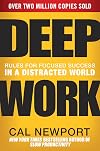
One of the best books I've read on productivity and the focused life. Cal Newport outlines what "deep work" can be in an age of shallow distractions and offers a worthy alternative. Deep Work issues the challenge to leave mediocrity behind and embrace the best possible work you can do.
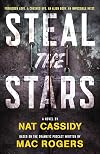
I listened to the audio drama version of this work and it was excellently produced by Gideon Media from Tor Labs. I have no doubt the novelization is just as good. The characters are rich and full-bodied, who make their own decisions and drive the plot. Every time the narrative seemed to go over familiar ground it took a sharp turn and surprised me instead. Overall, great listen and highly recommended.
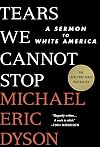
Lots to chew on.
Michael Eric Dyson lays out plenty of thoughts and calls to action for the casual reader to chew on and even dive further into. If anything it reinforces that white voices *must* support black voices in the US. Our increased undermining of #BLM not only sabotages ourselves, but the nation at large. Dyson's style is like reading a contemporary James Baldwin, with all the fervor and eloquence that carries with it. A fascinating, though bitter read as I reflect on my own inaction.
Michael Eric Dyson lays out plenty of thoughts and calls to action for the casual reader to chew on and even dive further into. If anything it reinforces that white voices *must* support black voices in the US. Our increased undermining of #BLM not only sabotages ourselves, but the nation at large. Dyson's style is like reading a contemporary James Baldwin, with all the fervor and eloquence that carries with it. A fascinating, though bitter read as I reflect on my own inaction.
The Slave Boy by Murray Lee Eiland Jr. is a complex tale of self-discovery, adventure, and politics. Set in Kuragalu we follow Cyrus, who is bored with his rather easy life. He journeys to Babylon to find his old friend, Balik, who has recently been having a hard time. They travel to Elam and start up their old roles as merchants and spies, but soon after they are captured and sold into slavery. Cyrus frees himself and ends up commanding a group of ex-slaves and after a skirmish are hired to transport a sister to a powerful general, who is heading home in the east. The adventure only escalates from there, especially when Cyrus finds out the general stands to gain wealth if his sister perishes. It is only the beginning of shadowy intrigue that follows. Cyrus will have to make choices that could not only change his life but the lives of everyone around him, including his good friend, Balik.
Eiland weaves a fascinating story centered on friendship and adventure. The Slave Boy is number six in the Orfeo Saga, but in some ways, it stands on its own. There are some history and the characters clearly tie back into the previous novels in the series, but none of this seriously harms the narrative itself. The setting of the middle east and Iran is great and a welcome breath of fresh air, considering it is not too often anyone in the West rights such a story with a clear intimate connection to the region.
The character arcs are also interesting to witness and Balik goes through the show more most change as he rises to the various challenges that try and stop them in their tracks. Cyrus saves him from drowning in wine in Babylon. Balik grows and deals with his inner struggles, especially a world that no longer cares for the veterans of war.
The added flavor of political intrigue is welcome, considering the novel would otherwise be left with a plot that would be too simplistic, Eiland navigates this with expert handling. He explores royal families and the complex governments of these regions and does so in a way that is sensitive to the setting and cultures involved.
The style of writing is inherently readable and the shorter chapters allow for quick escapes and even encourages readers to not stop as they follow Cyrus and Balik’s journey. Eiland is clearly an accomplished writer and knows what to bring to the table to make an enjoyable story. The small historical note at the end was a nice touch considering the story is grounded in the geography of real places.
I would recommend this read to any who enjoys historical fiction with an adventure bent. show less
Eiland weaves a fascinating story centered on friendship and adventure. The Slave Boy is number six in the Orfeo Saga, but in some ways, it stands on its own. There are some history and the characters clearly tie back into the previous novels in the series, but none of this seriously harms the narrative itself. The setting of the middle east and Iran is great and a welcome breath of fresh air, considering it is not too often anyone in the West rights such a story with a clear intimate connection to the region.
The character arcs are also interesting to witness and Balik goes through the show more most change as he rises to the various challenges that try and stop them in their tracks. Cyrus saves him from drowning in wine in Babylon. Balik grows and deals with his inner struggles, especially a world that no longer cares for the veterans of war.
The added flavor of political intrigue is welcome, considering the novel would otherwise be left with a plot that would be too simplistic, Eiland navigates this with expert handling. He explores royal families and the complex governments of these regions and does so in a way that is sensitive to the setting and cultures involved.
The style of writing is inherently readable and the shorter chapters allow for quick escapes and even encourages readers to not stop as they follow Cyrus and Balik’s journey. Eiland is clearly an accomplished writer and knows what to bring to the table to make an enjoyable story. The small historical note at the end was a nice touch considering the story is grounded in the geography of real places.
I would recommend this read to any who enjoys historical fiction with an adventure bent. show less
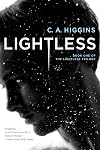
A very slow start
Clearly part of a series, Lightless is primarily the world-building, initiatory start to the Lightless trilogy. The first two-thirds of this book was incredibly slow and slow enough that I think most won't continue reading. I set this book down weeks at time, but I kept coming back to finish because of the inherent mystery Higgins lays out. Overall, a somewhat middling hard science fiction that should please some readers who favor a slow burn.
Clearly part of a series, Lightless is primarily the world-building, initiatory start to the Lightless trilogy. The first two-thirds of this book was incredibly slow and slow enough that I think most won't continue reading. I set this book down weeks at time, but I kept coming back to finish because of the inherent mystery Higgins lays out. Overall, a somewhat middling hard science fiction that should please some readers who favor a slow burn.
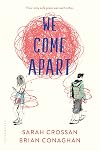
Sucker punch
Excellent YA read. "We Come Apart" is a brilliant story told through free form poetry about two troubled teens. Anyone looking for a nontraditional way of telling a story is in for a treat. And I won't spoil it...but that ending gets you.
See my full review @ www.pylesofbooks.wordpress.com!
Excellent YA read. "We Come Apart" is a brilliant story told through free form poetry about two troubled teens. Anyone looking for a nontraditional way of telling a story is in for a treat. And I won't spoil it...but that ending gets you.
See my full review @ www.pylesofbooks.wordpress.com!

Lurking Horror
Not an easy read nor for the faint of heart, CatHR is truly a testing read for the most open minded thinker. While, also providing an overview of the literary tradition and philosophical thinking that the anti-natalist and nihilist clings to, Ligotti posits a challenging thought for his reader.
If life is not to be an affirmative, what can it be?
Not an easy read nor for the faint of heart, CatHR is truly a testing read for the most open minded thinker. While, also providing an overview of the literary tradition and philosophical thinking that the anti-natalist and nihilist clings to, Ligotti posits a challenging thought for his reader.
If life is not to be an affirmative, what can it be?
Rime by Tim Lebbon

Fun but sad tale
Rime is a tropey sci fi but one written with skill. Lebbon instills the protagonist with a compelling struggle and tale that fills the familiar beats of a generation ship narrative, but manages to engage the subtle undercurrents of emotion. As a Kindle single, it is a short short story but one that is very enjoyable.
Rime is a tropey sci fi but one written with skill. Lebbon instills the protagonist with a compelling struggle and tale that fills the familiar beats of a generation ship narrative, but manages to engage the subtle undercurrents of emotion. As a Kindle single, it is a short short story but one that is very enjoyable.
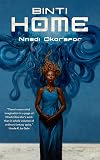
A beautiful follow-up to a fantastic story
Ms. Okorafor's follow up to the strange and wonderful BINTI, HOME, is a jarring, unsettling page turner.
Starting with our heroine, Binti, who returns to Earth and the land of her Himba people, believing she would find peace. Little does she know that her life is going to become all the more complicated.
Ms. Okorafor's follow up to the strange and wonderful BINTI, HOME, is a jarring, unsettling page turner.
Starting with our heroine, Binti, who returns to Earth and the land of her Himba people, believing she would find peace. Little does she know that her life is going to become all the more complicated.
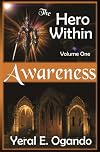
The first volume of The Hero Within series, Awareness, is a classic work of Christian fiction. It is built around a world that is oblivious to the spiritual forces engaged in warfare and battle for the human heart. In the tradition of the Left Behind series, Ted Dekker, and Frank Peretti, the author, Yeral Ogando, brings to mind all the best qualities to a Christian fiction story. Bringing all sorts of characters into play, some of the book plays out like “slices of life,” but with an overshadowing conflict of how people need to choose to be better and choose God and cling to virtue. Overall, it is an inspirational work of fiction that would be enjoyable to any individual who loves Christian fiction.
Awareness reads slightly different from regular Christian works, on the basis that Ogando writes with a little more literary flair. For the regular reader of the genre this may be off-putting, but for those who don’t frequent Christian fiction, this may allow for an easier avenue to enjoy the story. The spiritual elements of the book are the most engaging and for the Christian believer, they will be the most edifying. I found Ogando’s use of the faith and virtue to be the best parts of this book. The way these all interact with our protagonists in the book; Anthony, a man waiting for the end, Janet, who is so timid even with faith, Michael, a drunk, and Deborah, who deals with doubt. I think all of their struggles reflect our own in most ways and thereby help bring us show more further into the story.
Ogando’s strength lies in applying the themes from scripture and making them real in our modern world. In a culture that continually seeks to sap the spiritual sphere of any power, Ogando seeks to replenish and establish that piece that has been missing from our lives for so long. Christian fiction isn’t known for this, and usually only flirts with such robust spiritual narratives and conflicts, but Awareness goes a step further and truly lives up to its title.
The only words of criticism I have towards the book is the pacing considering that it falls into the usual literary trope of milling around at first before it gets its legs. Ogando uses too many characters as well, which weigh the narrative down and makes the reader have to keep a running tally of who we are talking about in the book. And also not sold on the gimmicky cliffhanger.
All in all, a good first entry to a series. show less
Awareness reads slightly different from regular Christian works, on the basis that Ogando writes with a little more literary flair. For the regular reader of the genre this may be off-putting, but for those who don’t frequent Christian fiction, this may allow for an easier avenue to enjoy the story. The spiritual elements of the book are the most engaging and for the Christian believer, they will be the most edifying. I found Ogando’s use of the faith and virtue to be the best parts of this book. The way these all interact with our protagonists in the book; Anthony, a man waiting for the end, Janet, who is so timid even with faith, Michael, a drunk, and Deborah, who deals with doubt. I think all of their struggles reflect our own in most ways and thereby help bring us show more further into the story.
Ogando’s strength lies in applying the themes from scripture and making them real in our modern world. In a culture that continually seeks to sap the spiritual sphere of any power, Ogando seeks to replenish and establish that piece that has been missing from our lives for so long. Christian fiction isn’t known for this, and usually only flirts with such robust spiritual narratives and conflicts, but Awareness goes a step further and truly lives up to its title.
The only words of criticism I have towards the book is the pacing considering that it falls into the usual literary trope of milling around at first before it gets its legs. Ogando uses too many characters as well, which weigh the narrative down and makes the reader have to keep a running tally of who we are talking about in the book. And also not sold on the gimmicky cliffhanger.
All in all, a good first entry to a series. show less
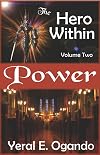
The Hero Within series continues with the entry, Power. As with the first, this book still continues the struggle between good and evil, light and dark. The battleground is waged in our world but from spiritual sources. Yeral Ogando continues a pulse-pounding book that has shed some of its more literary roots in the first and embraced more thriller elements and adventure. In some ways, the novel is better served by this and is a much better read than the previous entry. All around, it seems that Ogando has improved upon the first book in the second and continues with another action-packed Christian fiction story.
We follow our heroes from the first book and watch as they become increasingly transformed by the light of Christ and their faith. This series is becoming more apparent as a must-read for Christians of any stripe. The battleground is a few towns in Ohio that have become captured by the Enemy and it is up to our heroes to free them. Ogando writes with crisp, fun prose that it makes this book a no-brainer when it comes to turning the page.
Of course, this is a recommended read to fans of Christian fiction, but if even a casual reader can get through the first book, then Power will be a pleasant surprise, given how much there is to enjoy. There is plenty for the Christian to devour and be utterly edified by prose that engages the Christian tradition, but there is also enough action and story that does not exactly remain Christian enough for the casual reader. The show more story is still weighed down by a lot of different characters, whom Ogando feels are all necessary even if the reader is not convinced.
When it all comes down to the brass tax, Power is a more than satisfying follow up to Awareness. The real question is if there will be another book in the series, which seems to be the most obvious choice considering the world Ogando has built and the precedent already representative in Christian fiction, such as Ted Dekker’s Circle series.
All I can say is that I hope there is more! show less
We follow our heroes from the first book and watch as they become increasingly transformed by the light of Christ and their faith. This series is becoming more apparent as a must-read for Christians of any stripe. The battleground is a few towns in Ohio that have become captured by the Enemy and it is up to our heroes to free them. Ogando writes with crisp, fun prose that it makes this book a no-brainer when it comes to turning the page.
Of course, this is a recommended read to fans of Christian fiction, but if even a casual reader can get through the first book, then Power will be a pleasant surprise, given how much there is to enjoy. There is plenty for the Christian to devour and be utterly edified by prose that engages the Christian tradition, but there is also enough action and story that does not exactly remain Christian enough for the casual reader. The show more story is still weighed down by a lot of different characters, whom Ogando feels are all necessary even if the reader is not convinced.
When it all comes down to the brass tax, Power is a more than satisfying follow up to Awareness. The real question is if there will be another book in the series, which seems to be the most obvious choice considering the world Ogando has built and the precedent already representative in Christian fiction, such as Ted Dekker’s Circle series.
All I can say is that I hope there is more! show less
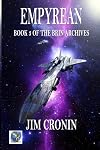
The third book of The Brin Chronicles by Jim Cronin, Empyrean is an overall satisfying conclusion to the science fiction trilogy. Mailche Rocker must risk everything in order to uncover a mystery that make shake their world to its foundations. For three hundred years, the Brin have believed the Skae to be their benevolent benefactors but with recent revelations from a group of hybrids of Brin and Kolandi, the Kolbris, the truth may be more disturbing. It is up to Rocker’s son, Jontar, and two other Kolbris, who use their unique telepathic abilities to travel through thousands of years of space and time to reveal the secret. They may even have to confront the Gorvin, hated enemies of the Skae and instigators of the current war that rages across the stars.
Cronin has given us a fantastic quest story that expands already upon his established universe. For any long time reader of the series, Empyrean will not be a disappointment and should be a satisfying way to send off the series. Cronin writes in a way that brings to mind some of the classics of the science fiction genre, but also with a slight flair all his own. His prose bespeaks of Bradbury and Heinlein, though there is enough of a bend that his prose can speak for itself. He has it all in this book and series, new worlds, space travel, and interesting futuristic technology! Cronin’s best quality is keeping his description of technology simple and clear for the reader to follow, which is usually a hiccup for most show more science fiction writers.
The narrative flows quite well and does not leave anything out. If anything, Cronin may be a little too thorough in his storytelling and slows the pacing down, especially with all the ground they have to cover in this climax of the series. His characters, especially Jontar, are enjoyable to read and while being new characters may still feel like old friends by being Rockers. They help flesh out this strange and new world that has been built around the Brin people and in some ways, keep it familiar.
I would love to comment more on this book, but with it being a third in a series, I’d rather not spoil any of it. Any reader of science fiction would enjoy this final entry of the series and should be encouraged to read it from start to finish, they will not be disappointed! show less
Cronin has given us a fantastic quest story that expands already upon his established universe. For any long time reader of the series, Empyrean will not be a disappointment and should be a satisfying way to send off the series. Cronin writes in a way that brings to mind some of the classics of the science fiction genre, but also with a slight flair all his own. His prose bespeaks of Bradbury and Heinlein, though there is enough of a bend that his prose can speak for itself. He has it all in this book and series, new worlds, space travel, and interesting futuristic technology! Cronin’s best quality is keeping his description of technology simple and clear for the reader to follow, which is usually a hiccup for most show more science fiction writers.
The narrative flows quite well and does not leave anything out. If anything, Cronin may be a little too thorough in his storytelling and slows the pacing down, especially with all the ground they have to cover in this climax of the series. His characters, especially Jontar, are enjoyable to read and while being new characters may still feel like old friends by being Rockers. They help flesh out this strange and new world that has been built around the Brin people and in some ways, keep it familiar.
I would love to comment more on this book, but with it being a third in a series, I’d rather not spoil any of it. Any reader of science fiction would enjoy this final entry of the series and should be encouraged to read it from start to finish, they will not be disappointed! show less
As poignant as the film
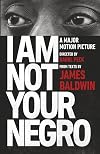
While, this may just be the written version of the film of the same name, it is given context by Peck's introduction. If anything, the book reaffirms why James Baldwin's thoughts are so necessary and vital to our ongoing discussion on face and the continued plight of Black America.
While, this may just be the written version of the film of the same name, it is given context by Peck's introduction. If anything, the book reaffirms why James Baldwin's thoughts are so necessary and vital to our ongoing discussion on face and the continued plight of Black America.
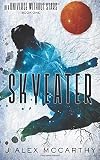
I was able to get my hands on this book a while ago via NetGalley. This was a hard read on the basis of the prose. It was awkward in places and I felt that the pacing was just off. The world building was decent but in places, it was more hammed in than anything else.
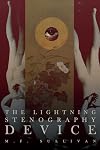
THE LIGHTNING STENOGRAPHY DEVICE, by M. F. Sullivan, is a book that bleeds into a rather "meta" realm of literature. One of the main protagonists is an author who dabbles with the invention of the same name as the title. For those familiar with science fiction, fantasy, or speculative fiction, this may not be your go-to based on how literary this work feels at times and that the beginning feels much slower and dialogue-driven than most novels contain.
The prose is readable and flows nicely even if it feels that Sullivan forces his characters to navel gaze more than actually act with agency. "The Device" as named in the title deals with how to translate thoughts to text, which is what creates this meta element to the narrative. The main character, Cassius Wagner, is an author and continually questions his work in the face of this new tech that is produced for mass consumption.
Using the trope of "writing about writing" the novel presents its readers with a new take on a reality of writing exactly what we think, but does this include the thoughts that come unbidden to our conscious?
I received this ARC via NetGalley.
The prose is readable and flows nicely even if it feels that Sullivan forces his characters to navel gaze more than actually act with agency. "The Device" as named in the title deals with how to translate thoughts to text, which is what creates this meta element to the narrative. The main character, Cassius Wagner, is an author and continually questions his work in the face of this new tech that is produced for mass consumption.
Using the trope of "writing about writing" the novel presents its readers with a new take on a reality of writing exactly what we think, but does this include the thoughts that come unbidden to our conscious?
I received this ARC via NetGalley.
Write Smart, Write Happy: How to Become a More Productive, Resilient and Successful Writer by Cheryl St.John
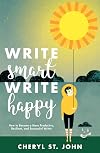
WRITE SMART, WRITE HAPPY by Cheryl St. John is a fun and informative craft book on the writing life. There are all kinds of info chunks for the starting out writer and there are even a few tidbits for the longtime professional. The obvious emphasis is that writers should attempt to maintain a positive outlook because it impacts one's writing. This is the crux of the main argument that St. John lays out and maintains over the course of almost 300 pages.
There isn't much here for an experienced writer, given that after you've read a few craft books, they all begin to say the same thing. The benefit with WRITE SMART, WRITE HAPPY is we have a writer who attempts to approach it from a more lay person's perspective and is sure to break some of the more foundational stigmas that can exist in the writer's world. Commandments such as "Write every day" St. John retorts back, "You do NOT need to write every day." Not every writer works that way and that is okay. The appreciation that some maximums are not universal is always appreciated, especially when every writer's career is not the same.
WRITE SMART, WRITE HAPPY is the perfect book for a budding writer and helpful to the most experienced writer who needs a shot of positivity.
I received this ARC via NetGalley.
There isn't much here for an experienced writer, given that after you've read a few craft books, they all begin to say the same thing. The benefit with WRITE SMART, WRITE HAPPY is we have a writer who attempts to approach it from a more lay person's perspective and is sure to break some of the more foundational stigmas that can exist in the writer's world. Commandments such as "Write every day" St. John retorts back, "You do NOT need to write every day." Not every writer works that way and that is okay. The appreciation that some maximums are not universal is always appreciated, especially when every writer's career is not the same.
WRITE SMART, WRITE HAPPY is the perfect book for a budding writer and helpful to the most experienced writer who needs a shot of positivity.
I received this ARC via NetGalley.
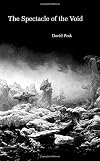
Peak's book is an excellent overview of various themes of the "new horror" that has arisen in recent years that not only defines the genre of film and literature but the horror of existence in our post-modern culture. I am only beginning to become acquainted with the ideas that Peak touches on from Ligotti and Thacker, but luckily my background in philosophy gives me an edge here.
The idea that humanity faces our own extinction is not new and comes specifically from the horror of "the bomb" and how we can quite effortlessly wipe out all life on earth. What Peak is examining is how horror has become more and more defined by this fact, leaving behind some of its more well-known tropes. No longer does horror look to "what was" in ghosts and other artifacts of decades gone, horror instead recontextualizes itself with humanity coming to the realization that we will *never* know everything and we will never *know* all there is in the universe.
Peak does an excellent job bringing in the heavy hitters in this line of thought, including Thomas Ligotti and Eugene Thacker as well as Lovecraft of course. He incorporates various films as well as John Carpenter's Apocalypse trilogy that was begun by THE THING. Even if you haven't seen the films, he pulls out the events that are necessary to understanding his point in a concise enough manner that it does not take anything away from his points.
All in all, I believe this to be a must read of any horror genre enthusiast who is looking for show more some theory behind the genre and wants a quick synopsis of some of these more broad topics in literary/film criticism and theory. show less
The idea that humanity faces our own extinction is not new and comes specifically from the horror of "the bomb" and how we can quite effortlessly wipe out all life on earth. What Peak is examining is how horror has become more and more defined by this fact, leaving behind some of its more well-known tropes. No longer does horror look to "what was" in ghosts and other artifacts of decades gone, horror instead recontextualizes itself with humanity coming to the realization that we will *never* know everything and we will never *know* all there is in the universe.
Peak does an excellent job bringing in the heavy hitters in this line of thought, including Thomas Ligotti and Eugene Thacker as well as Lovecraft of course. He incorporates various films as well as John Carpenter's Apocalypse trilogy that was begun by THE THING. Even if you haven't seen the films, he pulls out the events that are necessary to understanding his point in a concise enough manner that it does not take anything away from his points.
All in all, I believe this to be a must read of any horror genre enthusiast who is looking for show more some theory behind the genre and wants a quick synopsis of some of these more broad topics in literary/film criticism and theory. show less

What a fun adventure
Alana and Marko choose to do something g truly radical, have a child amidst a war, nevermind that they are from opposite sides.
What unfolds is a brilliant tale of a family struggling to find a place and peace in a galaxy on the hunt for them and their child.
Vaughan has created a fun and trendy blend of sci fi and fantasy, that feels familiar and yet so strange. Filled with humor and gory violence it should thrill adult readers.
Alana and Marko choose to do something g truly radical, have a child amidst a war, nevermind that they are from opposite sides.
What unfolds is a brilliant tale of a family struggling to find a place and peace in a galaxy on the hunt for them and their child.
Vaughan has created a fun and trendy blend of sci fi and fantasy, that feels familiar and yet so strange. Filled with humor and gory violence it should thrill adult readers.

Another great installment
These really are excellent, I'm just eating these. Read volume one and two in the same day! Onto volume three!
These really are excellent, I'm just eating these. Read volume one and two in the same day! Onto volume three!
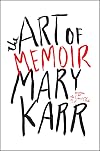
Something of a blue collar hot take
Karr spares little in sharing the very best(in her view) on memoir writing. This is actually a book to all of us and even the most sage writer can take something away. Her blunt style is perfect for a genre so given to conflated importance.
She uses a lot of memoir works I am not yet familiar with, but with such indepth examples, you don't need to be.
All in all a fantastic book on the craft of memoir writing.
Karr spares little in sharing the very best(in her view) on memoir writing. This is actually a book to all of us and even the most sage writer can take something away. Her blunt style is perfect for a genre so given to conflated importance.
She uses a lot of memoir works I am not yet familiar with, but with such indepth examples, you don't need to be.
All in all a fantastic book on the craft of memoir writing.
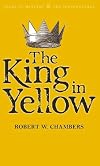
This book really is something. I listened to a free audio recording via my podcast app and boy was this a trip. There's so much going on in each of these short stories and many thematic elements that need to be teased out, but as a classic work of cosmic horror, you don't need to look further.
Chambers truly creates a mythos that has lasted the tick-tock of time and for any horror aficionado looking for the source of the King in Yellow needs to begin and end their search with this book.
The HBO show, True Detective, made me aware of this book and it took me awhile to build up the nerve to finally dive in, knowing how dated it is. In some places, the narrative shows its age, but any mention of Carcosa or the yellow sign or the King in Yellow is more than enough to sate your appetite for these dark tales. I'm going to be coming back to this book for years to come.
Chambers truly creates a mythos that has lasted the tick-tock of time and for any horror aficionado looking for the source of the King in Yellow needs to begin and end their search with this book.
The HBO show, True Detective, made me aware of this book and it took me awhile to build up the nerve to finally dive in, knowing how dated it is. In some places, the narrative shows its age, but any mention of Carcosa or the yellow sign or the King in Yellow is more than enough to sate your appetite for these dark tales. I'm going to be coming back to this book for years to come.
Jane Brady’s Cascading Petals takes the usually typical genres of YA and romance and turns them on their head. We find our heroine, Jewel Hart, beginning her senior year, despite suffering through years of being bullied. Her quaint town of York Mills hides its ugly realities of bullying and suicide in the shadows. Amid all of this darkness, she finds Kaiden Carter and the two begin to fall in love, though it does not go unchallenged as the epidemic of bullying still rampages through their school and it is up to these two young lovers and their friends to overcome it.
Brady writes her characters with a fun flair that one expects when picking up a book from this. Jewel is for all intentions the classic protagonist, even if the reasons of her bullying seem somewhat far-fetched or not exactly true to life, based on her almost “mary sue” qualities. This along with the almost on the nose messaging of her main character’s name, Jewel Hart, aka jewel heart. In those ways, the author’s main intentions of writing, seems to be mostly talking about the issues of bullying and the story of Jewel and Kaiden is almost lost with these themes.
Luckily, the writing style of Brady keeps the story grounded and easy to read. The book itself is an average length, but feels shorter by how easy it reads. What should be noted that Brady does a bit of point of view shifting by jumping to Kaiden’s a few times, while coming back to Jewel of course, but this is something that I have not show more found often enough in YA or romance. This is also taken along side the small asides that include Jewel’s bullies and her mother. It all adds strength to the narrative and deepens it.
Any reader of YA or romance could appreciate this story and it might even be a good introductory into either genre for the curious reader. show less
Brady writes her characters with a fun flair that one expects when picking up a book from this. Jewel is for all intentions the classic protagonist, even if the reasons of her bullying seem somewhat far-fetched or not exactly true to life, based on her almost “mary sue” qualities. This along with the almost on the nose messaging of her main character’s name, Jewel Hart, aka jewel heart. In those ways, the author’s main intentions of writing, seems to be mostly talking about the issues of bullying and the story of Jewel and Kaiden is almost lost with these themes.
Luckily, the writing style of Brady keeps the story grounded and easy to read. The book itself is an average length, but feels shorter by how easy it reads. What should be noted that Brady does a bit of point of view shifting by jumping to Kaiden’s a few times, while coming back to Jewel of course, but this is something that I have not show more found often enough in YA or romance. This is also taken along side the small asides that include Jewel’s bullies and her mother. It all adds strength to the narrative and deepens it.
Any reader of YA or romance could appreciate this story and it might even be a good introductory into either genre for the curious reader. show less
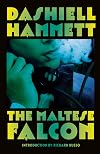
Ace of Spades
Sam Spade is private detective whose partner is murdered. Soon after he gets wrapped up the story spun by Brigid O'Shaughnessy and it escalates into a mystery with a trail of bodies.
This novel prefigures a lot of the noir tropes that have followed it. Considering how old the book is it holds up well in places, but in others not so well.
Sam Spade is private detective whose partner is murdered. Soon after he gets wrapped up the story spun by Brigid O'Shaughnessy and it escalates into a mystery with a trail of bodies.
This novel prefigures a lot of the noir tropes that have followed it. Considering how old the book is it holds up well in places, but in others not so well.
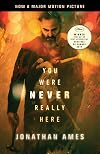
What. A. Wild. Ride.
I found out about this book via the movie of the same name, which I'm sure is driving a lot of new readers here.
If this movie is anything like the book(which I'm sure it will be based on the trailers), I know I'm going to love it as much as I did the book. I'm a sucker for these gritty noir thrillers and Ames' work is no exception.
Joe, a vet, and ex-FBI agent turned hitman is hired to rescue a politicians daughter from a brothel in NYC. Things end up taking a turn for the worst, leaving Joe with his hammer to bash his way out. I couldn't believe it when I got to the end, all I wanted was more.
I found out about this book via the movie of the same name, which I'm sure is driving a lot of new readers here.
If this movie is anything like the book(which I'm sure it will be based on the trailers), I know I'm going to love it as much as I did the book. I'm a sucker for these gritty noir thrillers and Ames' work is no exception.
Joe, a vet, and ex-FBI agent turned hitman is hired to rescue a politicians daughter from a brothel in NYC. Things end up taking a turn for the worst, leaving Joe with his hammer to bash his way out. I couldn't believe it when I got to the end, all I wanted was more.
A quietly enthralling read
Kiernan has written a work that takes time to get into, but like an aged Scotch it's magic.
The pacing of this book is slow, but as the mystery and horror becomes more clear it only brings you through more and more pages until you're begging by the end.
Keeping my eye out for the next installment of this universe.
Kiernan has written a work that takes time to get into, but like an aged Scotch it's magic.
The pacing of this book is slow, but as the mystery and horror becomes more clear it only brings you through more and more pages until you're begging by the end.
Keeping my eye out for the next installment of this universe.