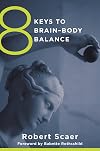
This book is an excellent introduction to the interaction of our brain with the rest of our body, especially how this interaction is impacted by trauma. Scaer also investigates some common illnesses, like chronic fatigues and irritable bowl, and suggests that they might be trauma related, which opens another door for healing them. The 8th key, on healing the damage, was a bit disappointing given the depth of the rest of the book. Maybe this reflects our current level of understanding: We are just starting to understand how trauma impacts the body, so tools for healing us are not yet as developed.

An inspiring book that takes us through the lives of several single women and shows how we can be happy and single.
Singled Out: How Singles Are Stereotyped, Stigmatized, and Ignored, and Still Live Happily Ever After by Bella DePaulo
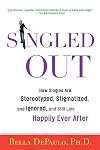
DePaulo wrote a very important book that put a new "ism" on the map: singlism. Her book digs into the existing research that supposedly shows that married folks are happier and shows that this result only holds up if we don't look at the whole picture. Her second chapter is an excellent example of how to analyze research results. She goes on to debunk 10 myths about single people. The book left me inspired and proud to be single!

Great book for any single woman who would like to create a meaningful life for herself but has trouble overcoming some of society's stereotypes of single women. Sometimes Lewis seems to fall into the trap of seeing the single status only as temporary thus somewhat undermining her argument that it could be a permanent lifestyle choice. Overall, though, this is an excellent resource!
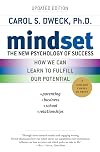
This book could have been a small pamphlet. You can get the essence of it just by reading the last chapter, chapter 8. It is tempting to mix up the idea with the book: The finding and description of mindsets - fixed and growth - is very valuable. As Dr. Dweck shows over and over and over in her book, using the mindset framework deepens our understanding of a lot of behavior, our own and that of other people. The book, however, falls short in fostering the growth mindset, the mindset it so positively describes. After finishing the book, I was left standing outside the candy store: I wanted to learn the growth mindset but I didn't get the tools. Yes, there were some suggestions in the book but most of it felt very superficial and not concrete enough to really use. For example, Dweck writes "enter the growth mindset and listen harder" (p. 232). Okay, I get that. But how do I do it? It almost feels like the book was written from a fixed mindset perspective: Dr. Dweck is such a great scientist and she did some wonderful, remarkable work and we all should be in awe. That is the judge-and-be-judged framework, not the learn-and-help-learn framework (p. 238).
Most of the book is full of anecdotes showing the mindsets in action. They are fun to read since the retelling of the stories is well written. Some of them are inspiring. But, again, the book did not help me learn. It gave me a good taste of a more supportive frame of mind but it did not give me the tools to change my mind. show more That is especially disappointing since this is so contrary to the growth mindset it so vividly and convincingly portraits as a healthier approach... show less
Most of the book is full of anecdotes showing the mindsets in action. They are fun to read since the retelling of the stories is well written. Some of them are inspiring. But, again, the book did not help me learn. It gave me a good taste of a more supportive frame of mind but it did not give me the tools to change my mind. show more That is especially disappointing since this is so contrary to the growth mindset it so vividly and convincingly portraits as a healthier approach... show less

Interesting, though somewhat dated, review of Maslow's psychological theory and how it fits into the history of psychology.
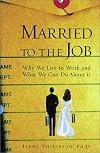
This book contains a compelling, though depressing, analysis of the current state of our society: The workplace has become our sole source for community, friendship, and meaning, argues Philipson, thus endangering our well-being when things go wrong at work. She points out that the work-relationship is more a one-sided contract: the employee is supposed to give her all, in exchange for money but not in exchange for the security he is seeking. The book falls short in providing solutions, which is consistent with Philipson's assessment that this is a societal issue, rather than an individual issue. She does provide a couple pages of guidelines for avoiding being married to the job, argues for the usefulness of support groups, but ultimately, she shows that it is our society's values that drive our unhealthy connection to work. So, her book is more a call for action that a solution.

Since I have just started reading this book, it is difficult to completely evaluate it yet. So far, it's been fascinating! Stenger moves beyond the usual philosophical arguments and builds a testable "God hypothesis" (where God is the Judeo-Christian-Islamic God).