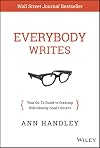
Whether you’re a new writer, looking to kick off your blog, or an experienced writer in the middle of a brain fog, this book is a great toolbox. Sure, some of the stuff seems a bit repetitive but it’s great for improving your writing! Loved it
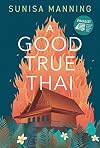
Heartbreaking story from three people’s perspectives on the student protests in Thailand. I didn’t have much knowledge about the political scenario at the time - this is before Khmer Rouge and the atrocities that followed. It was interesting to see the perspectives of a royalist, Det, a Chinese immigrant , and from the working class a and how the need for Revolution comes about.
3 stars because this book felt like a drag and the perspectives kept blurring over each other. Wasn’t my style.
3 stars because this book felt like a drag and the perspectives kept blurring over each other. Wasn’t my style.
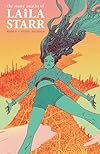
The art was phenomenal, the colors and the way motion was presented made this novel stand out to me.
The concept of the God of Death being a woman was itself very interesting; it was what pushed me toward this book. I enjoyed Laila’s journey following Darius and the ending was thoughtful af
The concept of the God of Death being a woman was itself very interesting; it was what pushed me toward this book. I enjoyed Laila’s journey following Darius and the ending was thoughtful af
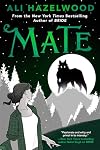
Didn’t excite me as much as book one, but I still enjoyed the romance element and the werewolf vampire human world here.
Skipped the smut because were sex disturbs me
Skipped the smut because were sex disturbs me
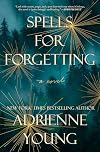
For what I thought would be a cosy magic realism - romance novel on an island, this book turned sinister real quick. And in a good way, honestly.
I’m not a fan of young love and books overdoing the fact that it was true love - it’s an overdone trope that doesn’t factor in the frontal lobe development. Which was my issue initially. But I liked that Alex and emery’s relationships is given more space to grow, and the various perspectives and timelines added to how fun this novel was.
By the end of the book, I was reading page to page! Worth it!
I’m not a fan of young love and books overdoing the fact that it was true love - it’s an overdone trope that doesn’t factor in the frontal lobe development. Which was my issue initially. But I liked that Alex and emery’s relationships is given more space to grow, and the various perspectives and timelines added to how fun this novel was.
By the end of the book, I was reading page to page! Worth it!
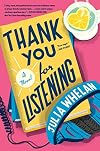
Thank you for Listening has some unique elements in its plot that set it apart from other romance novels. The first is that the protagonist is an audiobook narrator who wanted to be an actress. Now this is a career path one does not really think about: the work that goes into narrating a book, keeping in mind things like breathing and intonation. You also get to think about the advent of AI voices into the audiobook industry, which might not matter to most listeners but for a subset of people, adds to the experience. .
Then, how our protagonist, Sewanee, has lost an eye and how she talks and thinks about it. This is a complex scenario and I thought the writer did a great job giving us her perspective.
The love story itself, of how she meets Brock, their banter and their audiobook narration, was absolutely fun to read. Overall, a slow burner, character driven, and a somewhat realistic romance novel.
Then, how our protagonist, Sewanee, has lost an eye and how she talks and thinks about it. This is a complex scenario and I thought the writer did a great job giving us her perspective.
The love story itself, of how she meets Brock, their banter and their audiobook narration, was absolutely fun to read. Overall, a slow burner, character driven, and a somewhat realistic romance novel.
The Secret Life of Winnie Cox: Slavery, forbidden love and tragedy - spellbinding historical fiction (The Quint Chronicles) by Sharon Maas
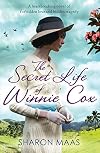
My first time reading a book set in (British) Guyana - a place I'd always felt isn't spoken enough about. The country has a colorful culture today owing to it's diversity, but this diversity comes from a history of colonisation by the French, Dutch and the British. And that's where this story is set, where the daughter of a British plantation owner falls in love with a Black boy. It's a forbidden romance that could spell death for both at the time.
I liked Winnie's naivety coming through in the writing, while showing us the realities of the lives of the Indian 'coolies' and the Caribbean locals in Guyana. Life was harsh in their huts and tough work on the cane fields, while the owners had their luxurious villas and motorcars. The romance itself was childish initially, and felt one-sided, but I liked how she matured as she saw the realities of their love story.
I liked Winnie's naivety coming through in the writing, while showing us the realities of the lives of the Indian 'coolies' and the Caribbean locals in Guyana. Life was harsh in their huts and tough work on the cane fields, while the owners had their luxurious villas and motorcars. The romance itself was childish initially, and felt one-sided, but I liked how she matured as she saw the realities of their love story.
You and Me on Vacation: Now People We Meet on Vacation, the ultimate friends-to-lovers romance from the Sunday Times bestselling author by Emily Henry
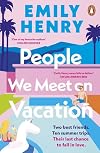
Reread before the film comes out.
I understand poppy a lot better
I understand poppy a lot better
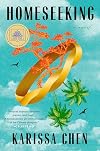
I truly enjoyed this beautiful book, in fact there were many points I had to pause because I felt emotional over a scene.
These estranged lovers meet in the US, and then the book takes us through multiple timelines and places in China as the country went through so much during mao’s cultural Revolution and their childhood during the Japanese invasions. You connect with characters in such a unique way, through suchi and Haiwens perspectives. I generally enjoy Asian literature and how their language is so different from place to place, the author executed these differences applaudably!
These estranged lovers meet in the US, and then the book takes us through multiple timelines and places in China as the country went through so much during mao’s cultural Revolution and their childhood during the Japanese invasions. You connect with characters in such a unique way, through suchi and Haiwens perspectives. I generally enjoy Asian literature and how their language is so different from place to place, the author executed these differences applaudably!
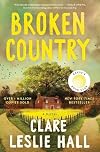
Unexpected twists and turns from a book that’s set around farms and very serene settings. I like that there’s multiple timelines and incidents given to us, starting with Beth and how she grieves for her son, the trial that we’re unsure what’s happening, and her passionate teenage romance with Gabriel. Each page left me wanting more
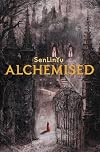
This book was a whole saga, and it felt like I'd been reading it forever! I'd picked it up purely out of curiosity, since it'd been ages since I'd read anything Harry Potter, and I don't mind going back to that world. Alchemised, however, had a bunch of new concepts like the Eternal Flame, resonance, paladins, necrothralls, etc, that left me confused until part 2.
My thoughts on this novel - Unpopular opinion, I thought Helena was a complete fool the way she 'stood' for the eternal flame, which I assume is like a cult/religion, and her 'values'. Because let's be honest, we all know now that it's the Low IQs that fall for things like nationalism and religions, so keeping this in mind her 'sacrificing' herself, this false sense of 'duty', and her accepting all the misogyny just made me roll my eyes. Look, she's capable in the work she does, she's a scientist and reads a lot, but that does not make you smart enough to see the foolishness of being true to a cult/religion. So, having to read through this character's pov was not my favourite thing, especially all the sections where she was roaming around Kaine's backyard in melancholy. I'd have preferred Kaine's perspective instead because he felt more interesting.
The plot was filled with a number of events happening at once but it wasn't for me, it felt like a drag.
My thoughts on this novel - Unpopular opinion, I thought Helena was a complete fool the way she 'stood' for the eternal flame, which I assume is like a cult/religion, and her 'values'. Because let's be honest, we all know now that it's the Low IQs that fall for things like nationalism and religions, so keeping this in mind her 'sacrificing' herself, this false sense of 'duty', and her accepting all the misogyny just made me roll my eyes. Look, she's capable in the work she does, she's a scientist and reads a lot, but that does not make you smart enough to see the foolishness of being true to a cult/religion. So, having to read through this character's pov was not my favourite thing, especially all the sections where she was roaming around Kaine's backyard in melancholy. I'd have preferred Kaine's perspective instead because he felt more interesting.
The plot was filled with a number of events happening at once but it wasn't for me, it felt like a drag.
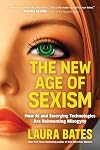
One of the bleakest and scariest books one can read, especially if you're a woman using the internet.
Laura examines different facets of the internet and technology, which are encouraging and pushing sexism and creating a dangerous world for women in the future, which we're already seeing unfold right now.
The book starts strong with a chapter on deepfakes, a technology that I firmly believe is useless to society - aren't there more important issues in the world that needs to be fixed with tech? Why on earth is money being spent on such useless shit?
Moving on to the Metaverse, which barely anyone uses yet, is already unsafe for women and minorities. In fact, they have the blueprints and ideas to make the VR worlds safer, but refuse to. I was not surprised, since we already know how Instagram is a clusturfuck of racism and sexism and these tech lords refuse to spend a few thousand on hiring content moderators. Why create jobs when those leeches keep the money to themselves?
The next chapters are pretty similar - cyber brothels, sex robots and image-based sexual abuse (revenge porn). The fact that there are males buying dolls that look like children is alarming. And that there are some people so deprived they abuse Siri and other female-voiced bots. Insanity.
The final chapter examines how Artificial Intelligence is going to be a hindrance against women if used in recruitment, medicine etc, because it's trained on information that's already misogynic and racist.
The show more solutions she offers to so many of these issues is hoping the governments take note and regulates how they work. Having read of so many depraved people using cyber brothers and creating deepfakes of children, the solution I have is to cull these disgusting people, they should not be a part of society. show less
Laura examines different facets of the internet and technology, which are encouraging and pushing sexism and creating a dangerous world for women in the future, which we're already seeing unfold right now.
The book starts strong with a chapter on deepfakes, a technology that I firmly believe is useless to society - aren't there more important issues in the world that needs to be fixed with tech? Why on earth is money being spent on such useless shit?
Moving on to the Metaverse, which barely anyone uses yet, is already unsafe for women and minorities. In fact, they have the blueprints and ideas to make the VR worlds safer, but refuse to. I was not surprised, since we already know how Instagram is a clusturfuck of racism and sexism and these tech lords refuse to spend a few thousand on hiring content moderators. Why create jobs when those leeches keep the money to themselves?
The next chapters are pretty similar - cyber brothels, sex robots and image-based sexual abuse (revenge porn). The fact that there are males buying dolls that look like children is alarming. And that there are some people so deprived they abuse Siri and other female-voiced bots. Insanity.
The final chapter examines how Artificial Intelligence is going to be a hindrance against women if used in recruitment, medicine etc, because it's trained on information that's already misogynic and racist.
The show more solutions she offers to so many of these issues is hoping the governments take note and regulates how they work. Having read of so many depraved people using cyber brothers and creating deepfakes of children, the solution I have is to cull these disgusting people, they should not be a part of society. show less
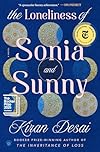
A well-deserved nomination for the Booker Prize 2025! I love multi-generational sagas covering different people's oddities and aspirations, and Kiran Desai has created narratives using rich prose on characters, real and tangible to us readers. Sonia and Sunny, our protagonists, educated in the US, are grappling with questions on identity, class and family expectations, as well as the loneliness from living abroad. We're also given a look into the lives of Babita, a mother obsessed with her son, Sonia's mum and dad, and 'unlucky' daughter Mina Foi.
“For just a few days, I wanted to forget I’m a Third Worlder who must worry about other Third-Worlders”
The belief that an individual's behaviour can affect the way people from other nationalities view your country is something we come across from the perspectives of various characters, from Sunny and Sonia's partners' demeaning attitude towards Indian food (spicy curry), to Babita and Sunny's constant musings about the way they're perceived through their clothing and behaviour. There's a sense of inferiority, of wanting to be beyond expectations, that's not something you see from people from developed countries; you wouldn't see them fear speaking loudly in a public place, afraid of their whole nation being looked down on by others. This was an intriguing thought, which I've noticed personally, too.
I thought the magical element, with Badal Baba and the ghostly hound, was a bit hard to follow - hence the -1 star, but this show more book engaged me even though it's quite long, so I must applaud it. show less
“For just a few days, I wanted to forget I’m a Third Worlder who must worry about other Third-Worlders”
The belief that an individual's behaviour can affect the way people from other nationalities view your country is something we come across from the perspectives of various characters, from Sunny and Sonia's partners' demeaning attitude towards Indian food (spicy curry), to Babita and Sunny's constant musings about the way they're perceived through their clothing and behaviour. There's a sense of inferiority, of wanting to be beyond expectations, that's not something you see from people from developed countries; you wouldn't see them fear speaking loudly in a public place, afraid of their whole nation being looked down on by others. This was an intriguing thought, which I've noticed personally, too.
I thought the magical element, with Badal Baba and the ghostly hound, was a bit hard to follow - hence the -1 star, but this show more book engaged me even though it's quite long, so I must applaud it. show less
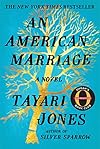
Tayari Jones is a talented writer, the way she was able to section the book into letters and perspectives is applaudable. I like that she created distinct voices for Celestial and Roy, the newly married couple, and Andre, Celestial's friend, whom she ends up getting close to when he's wrongly accused of rape and imprisoned.
I'd picked this book up because I thought the plot was interesting - how does a marriage survive in such a tough scenario? But Roy and Celestial's marriage was complicated right from the start, or even before they married. So was her relationship with Andre, the 'friendship' that never was. It raised questions about whether the couple were truly in love; Roy's perspective was a hard read for me, the way he referred to his wife stems from a religious context - being together 'til death do us part' and wifely duties, but it made me uncomfortable.
A bit dramatic at times, but an excellent read overall.
I'd picked this book up because I thought the plot was interesting - how does a marriage survive in such a tough scenario? But Roy and Celestial's marriage was complicated right from the start, or even before they married. So was her relationship with Andre, the 'friendship' that never was. It raised questions about whether the couple were truly in love; Roy's perspective was a hard read for me, the way he referred to his wife stems from a religious context - being together 'til death do us part' and wifely duties, but it made me uncomfortable.
A bit dramatic at times, but an excellent read overall.
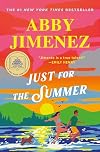
What a cute book! The writing was beautiful and the protagonists (Emma and Justin) felt real, which is a thumbs up already. But also the plot - two characters with “curses” that the person they date end up finding their soulmates after their break ups, the 6-week ‘trial’ and the childhood trauma Emma’s mother created making her more avoidant when it comes to attachments and love.
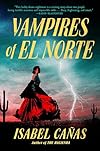
I was swept away by Isabel's writing (again) because this book was truly mesmerising! It felt as if I was taken back in time to a ranch in 1840s Mexico, the vivid descriptions of the places and clothes they wore added to this experience. And the non-sparkly vampires scared me but also fascinated me. Nena and Nestor's love story was the cherry on top, his yearning was beautiful and I was rooting for this couple and Nena's growth right up to the end.
I'm glad I read this on my e-reader with an español dictionary, because there were quite a few words in Spanish that needed translation.
I'm glad I read this on my e-reader with an español dictionary, because there were quite a few words in Spanish that needed translation.
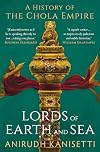
A great entry to learning about the chola dynasty’s origins and ending - walking through how the tax evasions and essentially scamming by the upper classes and priests led to the collapse of an entire civilization.
One thing that stood out to me was how the author wasnt glorifying violence as many people do, but rather showcasing the realities of regular folks who lived through the deaths of everyone they loved for the royals to pride over (which is basically every war). Another plus was him discussing the lives of women at the time; sure, it was better than for those living in mongol or Arabian empires but it wasn’t really a utopia for anyone
One thing that stood out to me was how the author wasnt glorifying violence as many people do, but rather showcasing the realities of regular folks who lived through the deaths of everyone they loved for the royals to pride over (which is basically every war). Another plus was him discussing the lives of women at the time; sure, it was better than for those living in mongol or Arabian empires but it wasn’t really a utopia for anyone
Bury Our Bones in the Midnight Soil: An instant Sunday Times bestseller and a twisting tale of love, rage and retribution. by V. E. Schwab
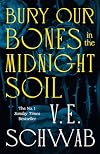
Female rage, sapphic vampires, and desire all around. I'm glad I didn't trust any of the online reviews, because this book is another 'might not be for everyone, but ideal for me'.
Worth mentioning how beautiful Schwab's eerie writing is to set the scene; it almost felt as if we were living through these timelines and seeing places through the character's eyes - be it 1500's Spain in a bad marriage to a Viscount, to 2000's Scotland chasing your sister around. The slow pacing is ideal for a novel with characters killing recklessly, filled with a rage for men and the unfairness of it all, and an otherworldly hunger. And the plot was gripping and very dark.
Worth mentioning how beautiful Schwab's eerie writing is to set the scene; it almost felt as if we were living through these timelines and seeing places through the character's eyes - be it 1500's Spain in a bad marriage to a Viscount, to 2000's Scotland chasing your sister around. The slow pacing is ideal for a novel with characters killing recklessly, filled with a rage for men and the unfairness of it all, and an otherworldly hunger. And the plot was gripping and very dark.
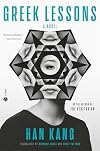
The prose was very dense and filled with metaphors and musings. This made it a slightly harder read for me, because I struggled to understand the characters' thoughts.
I didn't enjoy this book as much as I did The Vegetarian; it wasn't for me.
I didn't enjoy this book as much as I did The Vegetarian; it wasn't for me.
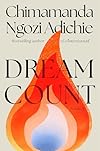
Sometimes I like reading a book very slowly so that I can really savour each sentence - Dream Count was that book for me. I think it was how beautiful the prose was, where it felt as if each sentence held weight and had more to offer when you thought about it.
This wouldn't be a novel - as the author herself says in the Author's Note, Dream Count follows these four women's narrations as they think about desires, careers, families, the longing for marriage and motherhood, living in patriarchy and western society (while comparing it to society in their home countries in Africa). The book had me thinking, questioning and pondering - a 5 star for me. If you're not too fond of character driven books and are looking for plots and a story, this isn't the book for you.
This wouldn't be a novel - as the author herself says in the Author's Note, Dream Count follows these four women's narrations as they think about desires, careers, families, the longing for marriage and motherhood, living in patriarchy and western society (while comparing it to society in their home countries in Africa). The book had me thinking, questioning and pondering - a 5 star for me. If you're not too fond of character driven books and are looking for plots and a story, this isn't the book for you.
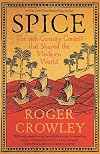
A binge-worthy non-fiction about the 'Spice' trade that reads like a story, following a timeline of events surrounding the rivalry between the Spanish and the Portuguese for the Spice Islands, and the colonisation and mass religious conversions that took place.
We know of Magellan as the guy who proved that the Earth was a globe by circumnavigating it, this book goes into the whys of the voyage - how a Portuguese man pledged allegiance to the Spanish, undertaking a journey to today's Maluku Islands, Indonesia, from Seville. A tedious journey that took the lives of many, but they managed to find the strait in Patagonia that leads to the Pacific. It's noteworthy that he was killed in the Battle of Mactan by a brave Filipino chieftain, LapuLapu, on the 27th of April, close to when I read this book. This day is celebrated in the Philippines as LapuLapu Day, since this man managed to delay the colonisation of the Philippines by 44 years!
But, conversely, Magellan is venerated in the Philippines since he introduced Christianity to the country.
We're given quick overviews of how the Europeans first came in contact with China, how they took over macau, the British getting in touch with Russia and Ivan the Terrible, and how trade essentially bought the world together as one giant group. I like that the author didn't sugarcoat the atrocities the poor and indigenious had to go through as silver was minted, slavery was rampant and people were exploited. He also discusses how the show more locals were also involved in sort of encouraging the Spanish and Portuguese, how these local kings wanted to defeat their rivals and thought these outsiders could help (spoiler: never does). show less
We know of Magellan as the guy who proved that the Earth was a globe by circumnavigating it, this book goes into the whys of the voyage - how a Portuguese man pledged allegiance to the Spanish, undertaking a journey to today's Maluku Islands, Indonesia, from Seville. A tedious journey that took the lives of many, but they managed to find the strait in Patagonia that leads to the Pacific. It's noteworthy that he was killed in the Battle of Mactan by a brave Filipino chieftain, LapuLapu, on the 27th of April, close to when I read this book. This day is celebrated in the Philippines as LapuLapu Day, since this man managed to delay the colonisation of the Philippines by 44 years!
But, conversely, Magellan is venerated in the Philippines since he introduced Christianity to the country.
We're given quick overviews of how the Europeans first came in contact with China, how they took over macau, the British getting in touch with Russia and Ivan the Terrible, and how trade essentially bought the world together as one giant group. I like that the author didn't sugarcoat the atrocities the poor and indigenious had to go through as silver was minted, slavery was rampant and people were exploited. He also discusses how the show more locals were also involved in sort of encouraging the Spanish and Portuguese, how these local kings wanted to defeat their rivals and thought these outsiders could help (spoiler: never does). show less
The Codebreaker's Secret: A WWII Novel – A Thrilling Historical Romance of Hidden Codes and Lost Truths by Sara Ackerman
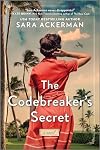
The Codebreaker's secret is a historical fiction novel, with a romance subplot that's not very strong. I enjoy a book with dual timelines, and the genre was what made me pick this book up.
The codebreaking parts felt unengaging for me, but I did think a female codebreaker during the war was cool. The second perspective, from a female journo at a Hawaiian resort, kept me going. 50/50 on this one
The codebreaking parts felt unengaging for me, but I did think a female codebreaker during the war was cool. The second perspective, from a female journo at a Hawaiian resort, kept me going. 50/50 on this one
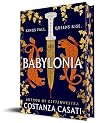
This is my first time reading a book set in Ancient Assyria/Mesapotamia. These are places I avoid reading about because it feels like they're always fighting amongst one another, and put violence, misogyny and degradation of women on a pedestal. The double standards for men and women (in things like the Hammurabi code) make it hard to read and leave me feeling annoyed. I generally do not like women subscribing to patriarchal ideologies so easily
But with Babylonia, I love how Casati breathed life into the culture and places, from Eber Nari to Kalhu, later Bactria and Babylon. Queen Semiramis, who begins as a commoner in a village, rises to power as the governor's wife and later becomes the Queen of Assyria. She has beautifully showcased the somewhat homoerotic relationship between Onnus and Ninus. There's also the clear PTSD that these characters are going through after seeing so much violence and death.
The culture and way of life in Ancient Assyria and Mesopotamia remain topics I'm not that keen on listening to - but Cosati's writing made this a whole adventure.
But with Babylonia, I love how Casati breathed life into the culture and places, from Eber Nari to Kalhu, later Bactria and Babylon. Queen Semiramis, who begins as a commoner in a village, rises to power as the governor's wife and later becomes the Queen of Assyria. She has beautifully showcased the somewhat homoerotic relationship between Onnus and Ninus. There's also the clear PTSD that these characters are going through after seeing so much violence and death.
The culture and way of life in Ancient Assyria and Mesopotamia remain topics I'm not that keen on listening to - but Cosati's writing made this a whole adventure.
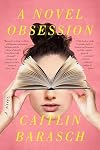
Media like Netflix' 'You' builds this dread inside me, because I'm panicking about the protagonist getting caught but also the curiosity about the following sequence of events. I felt the same dread reading this book following Naomi, the protagonist's obsessive behaviour - stalking her boyfriend's ex, following her actions, reading into everything she was doing....
I was also super tense about Caleb catching up to what she was doing - not sure if it's just me, but this sort of scenario freaks me out, I kept wondering if she'd do a Joe Goldberg!
There's a lot of sympathy for Naomi considering she went through some sad and disturbing events in her life that has moulded her the way she is. There's always a story behind someone's extreme low self esteem, of course. But toward the end, the book became sad and heavy. It felt a bit anticlimactic...there was no closure.
I was also super tense about Caleb catching up to what she was doing - not sure if it's just me, but this sort of scenario freaks me out, I kept wondering if she'd do a Joe Goldberg!
There's a lot of sympathy for Naomi considering she went through some sad and disturbing events in her life that has moulded her the way she is. There's always a story behind someone's extreme low self esteem, of course. But toward the end, the book became sad and heavy. It felt a bit anticlimactic...there was no closure.
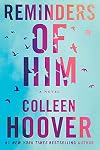
I'd recommend this if you're looking for something to read on the easier side - I binged Reminders of Him in two nights because the writing is pretty simple and the plot kept me on my toes. I wonder if the reasons CoHo is getting cancelled can be seen from a different perspective, that her writing makes books more accessible to new readers trying to read in a world surrounded by distractions (at least, I was).
So the plot's pretty intense: Kenna has finished serving her sentence for the involuntary manslaughter of her boyfriend, Scotty and now she's in town to get her daughter back. Diem, her daughter, is with Scotty's parents, and they (obviously) resent her for killing their son and do not want her to be around their grandchild. In the midst of this, Ledger, Scotty's best friend, begins falling for her and seeing the full picture.
I felt Grace and Patrick (Scotty's parents) were unreasonable and getting on my nerves regarding how obsessed they were with Diem. It's my pet peeve when people do that! Ledger and Kenna and everyone else were a teeny bit one-dimensional, but I think this will translate quite well on screen. Finally, why was everyone going nuts about how wonderful Diem was! She was just an average five-year-old, nothing special or worth sacrificing your whole time over.
So the plot's pretty intense: Kenna has finished serving her sentence for the involuntary manslaughter of her boyfriend, Scotty and now she's in town to get her daughter back. Diem, her daughter, is with Scotty's parents, and they (obviously) resent her for killing their son and do not want her to be around their grandchild. In the midst of this, Ledger, Scotty's best friend, begins falling for her and seeing the full picture.
I felt Grace and Patrick (Scotty's parents) were unreasonable and getting on my nerves regarding how obsessed they were with Diem. It's my pet peeve when people do that! Ledger and Kenna and everyone else were a teeny bit one-dimensional, but I think this will translate quite well on screen. Finally, why was everyone going nuts about how wonderful Diem was! She was just an average five-year-old, nothing special or worth sacrificing your whole time over.
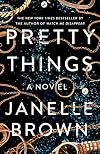
Started slow, but the ending had me reading from page to page in shock because this book was a wild ride!
I'd gone in expecting a heist and scam plot, where the protagonist is a con woman planning to rob a rich heiress' safe, which supposedly has millions of dollars. It's set in Lake Tahoe, a very scenic and postcard pretty location. But then, what I got into was a dark backstory, poverty wrecking a childhood, and revenge...
This sort of book will be perfect on the big screen and I'm excited to see what it'll look like.
I'd gone in expecting a heist and scam plot, where the protagonist is a con woman planning to rob a rich heiress' safe, which supposedly has millions of dollars. It's set in Lake Tahoe, a very scenic and postcard pretty location. But then, what I got into was a dark backstory, poverty wrecking a childhood, and revenge...
This sort of book will be perfect on the big screen and I'm excited to see what it'll look like.
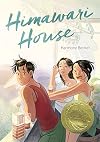
Their friendship, the back stories, and the way they connect to japan had me feeling all sorts of things!
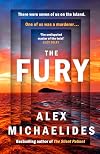
The blurb had given me high hopes about this book.
We’re introduced to distinct characters with fascinating backstories, and motivations that give reason to why they have certain personality traits. The killer and the victim aren’t revealed until the very end, which typically I would’ve enjoyed. However, the writing was in circles and the narrator’s voice left me feeling exasperated.
2.5 stars
We’re introduced to distinct characters with fascinating backstories, and motivations that give reason to why they have certain personality traits. The killer and the victim aren’t revealed until the very end, which typically I would’ve enjoyed. However, the writing was in circles and the narrator’s voice left me feeling exasperated.
2.5 stars
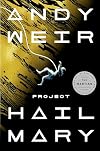
If you'd told me one year ago that I'd be raving about a sci-fi novel, I'd laugh. It's a genre I generally avoid like the plague. Until Project Hail Mary, this sweet book that made me happy, emotional and hooked!
The book follows Grace's mission to save the earth, on a spaceship in outer space. He wakes up, begins remembering why he's there and what the plan is. And this guy is bloody smart, the way he whips things up and grasps concepts on the go. Perks of being a great school teacher - you get to the bare bones of concepts. I don't want to go into the details of the plot, which comes in later and is the main factor to why I feel so much - it's a spoiler. Grace's witty thoughts and dialogues added to the personality.
My only setback was my lack of knowledge (and interest) in physics, which led me skimming through the technical discussions he was having. However, these concepts and events were simplified later on.
The book follows Grace's mission to save the earth, on a spaceship in outer space. He wakes up, begins remembering why he's there and what the plan is. And this guy is bloody smart, the way he whips things up and grasps concepts on the go. Perks of being a great school teacher - you get to the bare bones of concepts. I don't want to go into the details of the plot, which comes in later and is the main factor to why I feel so much - it's a spoiler. Grace's witty thoughts and dialogues added to the personality.
My only setback was my lack of knowledge (and interest) in physics, which led me skimming through the technical discussions he was having. However, these concepts and events were simplified later on.
There are Rivers in the Sky: The beautiful Sunday Times bestseller from the author of The Island of Missing Trees & BBC Between the Covers Book Club pick by Elif Shafak
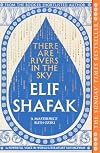
Elif Shafak has written a masterpiece, a tale of three people from different backgrounds and timelines connected by Ancient Mesopotamian elements like Lamassus and poetry, and a droplet of water.
This was also my introduction to Yazidis, a rich culture with complex and beautiful stories and traditions, unfortunately persecuted by some fanatic chimps for centuries. I have this belief that if a community is constantly being accused of being devil worshippers, that faith is worth more respect and probably holds more value than the accusers - which perfectly fits the Yazid culture and the hateful demons they’re surrounded by. Knowing Narin’s harrowing story was based on real women’s stories in Iraq made me really sad.
This was also my introduction to Yazidis, a rich culture with complex and beautiful stories and traditions, unfortunately persecuted by some fanatic chimps for centuries. I have this belief that if a community is constantly being accused of being devil worshippers, that faith is worth more respect and probably holds more value than the accusers - which perfectly fits the Yazid culture and the hateful demons they’re surrounded by. Knowing Narin’s harrowing story was based on real women’s stories in Iraq made me really sad.