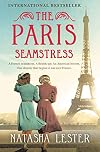
I’m going to be honest and say I started this book with low expectations. I thought it might be a fun read about a Paris seamstress, Estelle, who flees Paris during WWII and becomes a fashion designer in New York. I was not expecting everything else. But folks, this book managed to tear my heart apart. It has everything you could ask for, with romance, murdering psychopaths, children born out of wedlock, *passion*, death, impeccable fashion, twins separated at birth and most important of all: SECRETS.
I loved how clothing played a role throughout the novel. Paris is known for fashion, so it was so interesting to take a walk back through time. Furthermore, Estelle’s focus on practical fashion for women also shadows how fashion changed during the war. The symbolism of the gold dress throughout the novel was spectacular, and I wish I owned it.
Not unlike other popular war stories like All the Light We Cannot See and The Nightingale, The Paris Seamstress uses a dual timeline to tell the story of Estelle in the 1940s and a woman from our period. I didn’t realize that the story was a dual timeline when I first checked out this ebook, but I think that The Paris Seamstress is a case of the literary device done well because both narratives were treated with equal weight.
The ending of the book, while I won’t spoil it, was really what made the story so well rounded. This was a book where I expected things to be okay at the end, so I was blown away by what happened. Everything show more was set up so well and I never felt like any of the sad parts were there solely for a reaction.
Rating: 4.5/5 Even though it’s the beginning of winter, I would call The Paris Seamstress the perfect beach book. It is heavier than the typical beach novel, but was such a fun read and I was glued to every page! Lester is a master storyteller, and I would highly recommend this read! show less
I loved how clothing played a role throughout the novel. Paris is known for fashion, so it was so interesting to take a walk back through time. Furthermore, Estelle’s focus on practical fashion for women also shadows how fashion changed during the war. The symbolism of the gold dress throughout the novel was spectacular, and I wish I owned it.
Not unlike other popular war stories like All the Light We Cannot See and The Nightingale, The Paris Seamstress uses a dual timeline to tell the story of Estelle in the 1940s and a woman from our period. I didn’t realize that the story was a dual timeline when I first checked out this ebook, but I think that The Paris Seamstress is a case of the literary device done well because both narratives were treated with equal weight.
The ending of the book, while I won’t spoil it, was really what made the story so well rounded. This was a book where I expected things to be okay at the end, so I was blown away by what happened. Everything show more was set up so well and I never felt like any of the sad parts were there solely for a reaction.
Rating: 4.5/5 Even though it’s the beginning of winter, I would call The Paris Seamstress the perfect beach book. It is heavier than the typical beach novel, but was such a fun read and I was glued to every page! Lester is a master storyteller, and I would highly recommend this read! show less
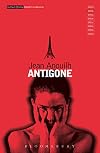
I’m so excited to finally be posting a mini review of one of my favourite french plays, Antigone! Antigone is a retelling of Sophocles’ Antigone from Ancient Greece, adapted by Jean Anouilh during World War II. While the play is close to eighty years old now, it fits the current trend of retelling ancient myths and examining classics from a modern perspective.
The play follows Antigone as she attempts to bury her dead brother even though it’s against the laws of her uncle’s authoritarian regime. As Antigone debates with her uncle the nature of happiness and freedom versus laws and order, the pair also explore the influence of nostalgia on memories from childhood. I loved the contrast between the idealism of youth and the reality of adulthood through the young character of Antigone, as well as the idea of destiny (Antigone’s father is the famed Oedipus, so she feels that she must follow in his footsteps.)
Antigone is a tragedy and despite knowing that all will not end well, Anouilh manages to suspend that to craft an amazing play. In my opinion, the play reads very well, and I don’t think you necessarily have to see it performed to appreciate the writing, though of course the adaption on Youtube I watched was equally amazing.
Rating 5/5: The play is a short and a simple read, the characters all incredibly written. If you ever have the chance to see Antigone in person (I wish I did!) I’d highly recommend it. If not, I’d recommend the read for anyone who is a show more fan of Madeline Miller or the musical Hadestown! show less
The play follows Antigone as she attempts to bury her dead brother even though it’s against the laws of her uncle’s authoritarian regime. As Antigone debates with her uncle the nature of happiness and freedom versus laws and order, the pair also explore the influence of nostalgia on memories from childhood. I loved the contrast between the idealism of youth and the reality of adulthood through the young character of Antigone, as well as the idea of destiny (Antigone’s father is the famed Oedipus, so she feels that she must follow in his footsteps.)
Antigone is a tragedy and despite knowing that all will not end well, Anouilh manages to suspend that to craft an amazing play. In my opinion, the play reads very well, and I don’t think you necessarily have to see it performed to appreciate the writing, though of course the adaption on Youtube I watched was equally amazing.
Rating 5/5: The play is a short and a simple read, the characters all incredibly written. If you ever have the chance to see Antigone in person (I wish I did!) I’d highly recommend it. If not, I’d recommend the read for anyone who is a show more fan of Madeline Miller or the musical Hadestown! show less
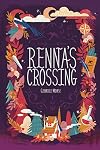
Thanks to Black Rose Writing and LibraryThing for providing me with this eARC in exchange for an honest review.
Renna’s Crossing is a young adult low fantasy novel about sixteen year old Renna’s introduction to witches and magic. As she trains with Job, a witch learning to trust their training, Renna discovers the truth about the death of her parents and a demon posing an imminent threat.
Renna’s journey was interesting to read about and I loved the world Morse created full of diverse and captivating characters. Renna is a great protagonist full of heart that I’m sure all readers will love. Job contrasts Renna’s style of learning magic, provides necessary information about the magical system, and I loved that Job’s nonbinary identity is accepted by all that they meet. Unfortunately, I found secondary characters in Renna’s Crossing, like Sera, Leila and Father Chen, fell flat and could have used more development.
The overall writing was vivid and easy to read, though I found the dialogue to be stilted and unrealistic at points. Most of my issues with Renna’s Crossing have to do with the pacing and conclusion. The plotline about the demon that is supposedly a major threat to Renna never felt like it posed much of a threat at all. Furthermore, the conclusion of the novel felt abrupt and like it came out of nowhere. If there is a sequel, then I’m sure that this ending will make more sense, but as a standalone, the ending of Renna’s Crossing just fizzles show more out.
The cover art of Renna’s Crossing deserves a shout out for being so beautiful!
Rating 3.5/5: Renna's Crossing is a fun debut novel with an entrancing magical world and interesting characters. show less
Renna’s Crossing is a young adult low fantasy novel about sixteen year old Renna’s introduction to witches and magic. As she trains with Job, a witch learning to trust their training, Renna discovers the truth about the death of her parents and a demon posing an imminent threat.
Renna’s journey was interesting to read about and I loved the world Morse created full of diverse and captivating characters. Renna is a great protagonist full of heart that I’m sure all readers will love. Job contrasts Renna’s style of learning magic, provides necessary information about the magical system, and I loved that Job’s nonbinary identity is accepted by all that they meet. Unfortunately, I found secondary characters in Renna’s Crossing, like Sera, Leila and Father Chen, fell flat and could have used more development.
The overall writing was vivid and easy to read, though I found the dialogue to be stilted and unrealistic at points. Most of my issues with Renna’s Crossing have to do with the pacing and conclusion. The plotline about the demon that is supposedly a major threat to Renna never felt like it posed much of a threat at all. Furthermore, the conclusion of the novel felt abrupt and like it came out of nowhere. If there is a sequel, then I’m sure that this ending will make more sense, but as a standalone, the ending of Renna’s Crossing just fizzles show more out.
The cover art of Renna’s Crossing deserves a shout out for being so beautiful!
Rating 3.5/5: Renna's Crossing is a fun debut novel with an entrancing magical world and interesting characters. show less
 This review was written for LibraryThing Early Reviewers.
Thanks to Open Books Publishing for providing an e-arc of The Sugar Maple Grove in exchange for an honest review.
The Sugar Maple Grove follows the inhabitants of the rural coal mining town of Van Lear, Kentucky over the course of generations as mining accidents, white supremacy, and murder affect everyday life. Similar in content to The Devil All the Time and narratively to East of Eden, The Sugar Maple Grove is a novel that you will know within the first chapter if it is right for you.
I must begin this review with a strong content warning. Explicit racism, misogyny, ableism, violence, sexual assault and toxic masculinity are all causally woven into the text. While novels normally include explicit material to develop themes and explore the nuances of a particular issue, the constant violence and use of the n-word among other things in The Sugar Maple Grove seemed to be only used for shock value.
The writing of The Sugar Maple Grove is stark, yet bland. Despite a large cast of characters introduced throughout the novel, very few are expanded upon and the lack of dialogue makes the novel a lot of “telling” without actually ever “showing.” The effect of the excessive exposition made The Sugar Maple Grove feel more like a jumble of short story ideas instead of one coherent novel.
As a non-American, I found that some of the more extreme parts of the book felt unrealistic due to my lack of familiarity with the setting. While I have no doubt that everything these show more characters went through has actually happened at some point in American history, more context and explanation for character motivation would have been helpful to my overall understanding.
One aspect of The Sugar Maple Grove that I thought was extremely relevant was the novel’s discussion of how coal company’s exploit workers and how religion causes prejudice. Despite the novel taking place around a hundred years ago, the issues remain relevant.
Rating 1/5: The writing and character work of The Sugar Maple Grove made for an overall lifeless novel. show less
The Sugar Maple Grove follows the inhabitants of the rural coal mining town of Van Lear, Kentucky over the course of generations as mining accidents, white supremacy, and murder affect everyday life. Similar in content to The Devil All the Time and narratively to East of Eden, The Sugar Maple Grove is a novel that you will know within the first chapter if it is right for you.
I must begin this review with a strong content warning. Explicit racism, misogyny, ableism, violence, sexual assault and toxic masculinity are all causally woven into the text. While novels normally include explicit material to develop themes and explore the nuances of a particular issue, the constant violence and use of the n-word among other things in The Sugar Maple Grove seemed to be only used for shock value.
The writing of The Sugar Maple Grove is stark, yet bland. Despite a large cast of characters introduced throughout the novel, very few are expanded upon and the lack of dialogue makes the novel a lot of “telling” without actually ever “showing.” The effect of the excessive exposition made The Sugar Maple Grove feel more like a jumble of short story ideas instead of one coherent novel.
As a non-American, I found that some of the more extreme parts of the book felt unrealistic due to my lack of familiarity with the setting. While I have no doubt that everything these show more characters went through has actually happened at some point in American history, more context and explanation for character motivation would have been helpful to my overall understanding.
One aspect of The Sugar Maple Grove that I thought was extremely relevant was the novel’s discussion of how coal company’s exploit workers and how religion causes prejudice. Despite the novel taking place around a hundred years ago, the issues remain relevant.
Rating 1/5: The writing and character work of The Sugar Maple Grove made for an overall lifeless novel. show less
This review was written for LibraryThing Early Reviewers.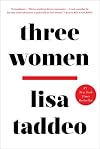
Three women is a nonfiction book that chronicles female desire in America and how it affects the lives of three women. This is a very personal book- Taddeo immersed herself in the lives and towns of the women she interviewed to properly tell their stories. There was a lot of research put into the book and I could tell how much the author wanted to be accurate for the narrative’s sake and for the women. The three women shared stories in hopes that other women would be able to relate and not feel alone. I’m happy that the women didn’t have to hold their stories in anymore.
That was just about the only parts of the book I can say that I enjoyed. My biggest complaint about the novel is that I think Taddeo could have accomplished her goal using fiction. The author is a journalist, so research and reporting is part of her expertise, but knowing that she spent so many years and this is the end product- eek.
Rating: 2/5 This book didn’t work for me. It’s far from being terrible, but I didn't feel much connection to the women or plot.
That was just about the only parts of the book I can say that I enjoyed. My biggest complaint about the novel is that I think Taddeo could have accomplished her goal using fiction. The author is a journalist, so research and reporting is part of her expertise, but knowing that she spent so many years and this is the end product- eek.
Rating: 2/5 This book didn’t work for me. It’s far from being terrible, but I didn't feel much connection to the women or plot.
Thanks to LibraryThing and Candlewick Press for providing this ARC in exchange for an honest review.
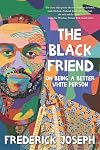
Frederick Jospeh’s debut novel is an excellent anti-racist read for anyone of any age. As an introduction to anti-racist literature for teens, Joseph explains issues of racism and inequality in such a clear and poignant way that I know teens will really get a lot out of the book. By recounting his experiences as a teen and young adult, Joseph is relatable and offers important reflection so white people can become better anti-racists and that young Black teens and other teens of colour don’t make some of his mistakes.
Even if you’ve done an extensive amount of anti-racist reading, The Black Friend still has a lot of insight to offer. Joseph is such a terrific writer. The book is interesting and educational from beginning to end. The interviews interspersed throughout The Black Friend offer additional insights that help to tie together many of the points Joseph makes.
The chapter that stood out to me the most was Joseph’s interview with playwright Tarell Alvin Mccraney. In the interview, Mccraney discusses how he wrote the play that the movie Moonlight is based on as a letter to his younger self. What I thought was really impactful was how Joseph discusses the impact of the movie that wasn’t written for him: “being on the outside looking in, I still learned to love a community more than I did before” (202). I love the quote because I think it perfectly sums up how show more consuming movies, books, plays and really any type of art is a process of learning to appreciate the diverse lives and experiences of others.
An aspect of the book that I thought was a thoughtful addition is an encyclopedia and lists of books, movies, music, and important people. I thought this feature was a great idea because it offers a way to further educate yourself and support Black creators.
Rating 5/5: I really loved this book and Frederick Joseph’s debut stands out on all levels. I spent most of my reading not only learning what I can do better as a white ally, but wishing that I had come across this book when I was much younger. I’m so happy I had the opportunity to read this, and I will be recommending The Black Friend to everyone I know.
“I want us to be more complete people. That starts with dropping our assumptions about a person. It starts with learning their stories.” (66) show less
Frederick Jospeh’s debut novel is an excellent anti-racist read for anyone of any age. As an introduction to anti-racist literature for teens, Joseph explains issues of racism and inequality in such a clear and poignant way that I know teens will really get a lot out of the book. By recounting his experiences as a teen and young adult, Joseph is relatable and offers important reflection so white people can become better anti-racists and that young Black teens and other teens of colour don’t make some of his mistakes.
Even if you’ve done an extensive amount of anti-racist reading, The Black Friend still has a lot of insight to offer. Joseph is such a terrific writer. The book is interesting and educational from beginning to end. The interviews interspersed throughout The Black Friend offer additional insights that help to tie together many of the points Joseph makes.
The chapter that stood out to me the most was Joseph’s interview with playwright Tarell Alvin Mccraney. In the interview, Mccraney discusses how he wrote the play that the movie Moonlight is based on as a letter to his younger self. What I thought was really impactful was how Joseph discusses the impact of the movie that wasn’t written for him: “being on the outside looking in, I still learned to love a community more than I did before” (202). I love the quote because I think it perfectly sums up how show more consuming movies, books, plays and really any type of art is a process of learning to appreciate the diverse lives and experiences of others.
An aspect of the book that I thought was a thoughtful addition is an encyclopedia and lists of books, movies, music, and important people. I thought this feature was a great idea because it offers a way to further educate yourself and support Black creators.
Rating 5/5: I really loved this book and Frederick Joseph’s debut stands out on all levels. I spent most of my reading not only learning what I can do better as a white ally, but wishing that I had come across this book when I was much younger. I’m so happy I had the opportunity to read this, and I will be recommending The Black Friend to everyone I know.
“I want us to be more complete people. That starts with dropping our assumptions about a person. It starts with learning their stories.” (66) show less
This review was written for LibraryThing Early Reviewers.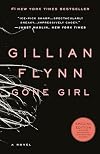
Gone Girl follows Nick and Amy, a married couple of five years who at the beginning of the novel, are in a slump. The novel takes place after the 2008 recession in Nick’s small hometown of North Carthage, Missouri, a far cry from New York where the couple met. After Amy mysteriously disappears in suspected foul play, her diary the only evidence of why she disappeared, Nick becomes the prime subject.
Gone Girl is split into two halves. Part One gives two distinct points of view which are essentially to set up the second part. During the first half, we see how Nick handles the police investigation and the media attention from Amy’s disappearance. Nick is really interesting, we see that he’s been cheating on Amy, that he acts suspiciously and apparently has secrets about his marriage to hide. Nick’s unlikeability is contrasted by Amy’s diary entries of the past six years, which paints their marriage as a fairy tale turned horror story. Amy outright writes she worries that Nick will kill her.
In the second part of the novel, we finally hear Amy's point of view, not what she wrote. Instead of being dead like the police suspect, she is framing her husband for her murder. I don’t read a lot of thrillers, but this is such a plot twist and extremely well written out.
This book is unlike any other I have read. Flynn’s plot is addicting, making it hard not to plow through this in one sitting. Gone Girl is narrated by two unreliable narrators, we can’t trust what they show more are telling us, the reader, because Nick and Amy both have an agenda. The novel is narrated in the first person, and I loved being inside each of the character’s heads, especially Amy’s as she changes from the victim to a villain.
I understand why Gone Girl was so popular a couple years ago. I don’t think it is in any way overhyped, as I once thought it was. I loved that the book constantly kept me on my toes and guessing what I was going to happen next. There are very few books out there that have given me this sort of reading experience, but I hope to read another thriller soon!
5/5 I had a lot of fun reading Gone Girl. It’s well written, the plot is meticulous, and the characters are haunting. I’m sure any thriller fan will view this book as top of the genre, and as someone who doesn’t read many thrillers, Gone Girl works as the perfect introduction. show less
Gone Girl is split into two halves. Part One gives two distinct points of view which are essentially to set up the second part. During the first half, we see how Nick handles the police investigation and the media attention from Amy’s disappearance. Nick is really interesting, we see that he’s been cheating on Amy, that he acts suspiciously and apparently has secrets about his marriage to hide. Nick’s unlikeability is contrasted by Amy’s diary entries of the past six years, which paints their marriage as a fairy tale turned horror story. Amy outright writes she worries that Nick will kill her.
In the second part of the novel, we finally hear Amy's point of view, not what she wrote. Instead of being dead like the police suspect, she is framing her husband for her murder. I don’t read a lot of thrillers, but this is such a plot twist and extremely well written out.
This book is unlike any other I have read. Flynn’s plot is addicting, making it hard not to plow through this in one sitting. Gone Girl is narrated by two unreliable narrators, we can’t trust what they show more are telling us, the reader, because Nick and Amy both have an agenda. The novel is narrated in the first person, and I loved being inside each of the character’s heads, especially Amy’s as she changes from the victim to a villain.
I understand why Gone Girl was so popular a couple years ago. I don’t think it is in any way overhyped, as I once thought it was. I loved that the book constantly kept me on my toes and guessing what I was going to happen next. There are very few books out there that have given me this sort of reading experience, but I hope to read another thriller soon!
5/5 I had a lot of fun reading Gone Girl. It’s well written, the plot is meticulous, and the characters are haunting. I’m sure any thriller fan will view this book as top of the genre, and as someone who doesn’t read many thrillers, Gone Girl works as the perfect introduction. show less

I borrowed the Dear Girls ebook from my local library because I love Ali Wong’s comedy. I am really happy I grabbed it when I did because it is one of the funniest books I’ve read this year!
The novel details Wong’s life experience and some of the lessons she hopes to pass on to her daughters. Each of the chapters is formatted as a letter to Wong’s daughters, which I personally think was a genius way to style the memoir. The writing is so vibrant and really allowed Wong’s voice to shine through. So often author’s write in a way that doesn’t feel lifelike, but Wong’s writing feels so real.
While I don’t think you have to be a fan of stand-up to read Dear Girls, you definitely have to
appreciate Wong’s style of humor. She is not afraid to tell stories one would normally keep to themselves. Alongside the jokes, Wong delved into family relations, struggles of dating, pregnancy, working as a comedian in a male-dominated industry, and so many different issues she’s faced in her life. The humor was perfect in balancing some of the weightier subjects and overall so interesting I read it in one day!
Since a large portion of the book is partly focused on Wong’s experience growing up, she gives lots of advice to her young daughters. I liked the insight into youth, adulthood, dating, marriage, and parenthood. Wong is known for talking about the subjects in her specials and her memoir is an amplification of that. Even though I can’t relate to growing up show more Asian-American nor do the lessons about parenthood apply to me at my stage in life, I felt like there were so many important lessons. Wong’s message to take advantage of traveling and challenging yourself in your youth really resonated with me.
Rating: 5/5 I had fun reading the novel and there weren’t any issues that stood out to me within the writing or the content! Overall, a quick read that's worth it! show less
The novel details Wong’s life experience and some of the lessons she hopes to pass on to her daughters. Each of the chapters is formatted as a letter to Wong’s daughters, which I personally think was a genius way to style the memoir. The writing is so vibrant and really allowed Wong’s voice to shine through. So often author’s write in a way that doesn’t feel lifelike, but Wong’s writing feels so real.
While I don’t think you have to be a fan of stand-up to read Dear Girls, you definitely have to
appreciate Wong’s style of humor. She is not afraid to tell stories one would normally keep to themselves. Alongside the jokes, Wong delved into family relations, struggles of dating, pregnancy, working as a comedian in a male-dominated industry, and so many different issues she’s faced in her life. The humor was perfect in balancing some of the weightier subjects and overall so interesting I read it in one day!
Since a large portion of the book is partly focused on Wong’s experience growing up, she gives lots of advice to her young daughters. I liked the insight into youth, adulthood, dating, marriage, and parenthood. Wong is known for talking about the subjects in her specials and her memoir is an amplification of that. Even though I can’t relate to growing up show more Asian-American nor do the lessons about parenthood apply to me at my stage in life, I felt like there were so many important lessons. Wong’s message to take advantage of traveling and challenging yourself in your youth really resonated with me.
Rating: 5/5 I had fun reading the novel and there weren’t any issues that stood out to me within the writing or the content! Overall, a quick read that's worth it! show less
Thanks to Netgalley and Inkyard Press for providing this ARC in exchange for an honest review.
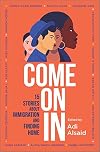
Come On In is a moving collection of short stories edited by Adi Alsaid that chronicle the experiences of young immigrants. The stories range from fitting in at a large family wedding to a character leaving her home country for the first time to go to university. I loved the format of the anthology because the short stories balanced the harsh realities faced by young immigrants and children of immigrants with stories of pride and happiness.
Considering that the interest in diverse stories is only growing, there are many people who can benefit from reading a book about people who emigrated from all over the world. As someone who’s never lived outside of my country, I found it interesting and heartbreaking to read what it’s like to leave your home in hope of a better future. These short stories were at times eye-opening for me, but I’m sure there are many young people who will love reading about characters who have undergone the same experiences of balancing family, culture, and identity as themselves.
One of the reasons I think Come On In works is because of the incredibly important themes the book presents. Many of the characters must work to balance their identity as an immigrant or as a child of immigrants to fit into a foreign culture that isn’t overly accepting. Racism and microaggressions are littered throughout the book as a reminder of how difficult life in show more America is for people who look and sound “different” than Americans (as if there’s one definition of what an American is.) The themes of family are some of my favourite in the book, showing how familial support is more important than anything else.
Rating: 5/5 Whether you are looking to connect with characters whose lives are similar to your own or you want to learn about the diverse experiences of newcomers to your country, Come On In is a celebration of culture and diversity that anyone can pick up and find a story they’ll love. show less
Come On In is a moving collection of short stories edited by Adi Alsaid that chronicle the experiences of young immigrants. The stories range from fitting in at a large family wedding to a character leaving her home country for the first time to go to university. I loved the format of the anthology because the short stories balanced the harsh realities faced by young immigrants and children of immigrants with stories of pride and happiness.
Considering that the interest in diverse stories is only growing, there are many people who can benefit from reading a book about people who emigrated from all over the world. As someone who’s never lived outside of my country, I found it interesting and heartbreaking to read what it’s like to leave your home in hope of a better future. These short stories were at times eye-opening for me, but I’m sure there are many young people who will love reading about characters who have undergone the same experiences of balancing family, culture, and identity as themselves.
One of the reasons I think Come On In works is because of the incredibly important themes the book presents. Many of the characters must work to balance their identity as an immigrant or as a child of immigrants to fit into a foreign culture that isn’t overly accepting. Racism and microaggressions are littered throughout the book as a reminder of how difficult life in show more America is for people who look and sound “different” than Americans (as if there’s one definition of what an American is.) The themes of family are some of my favourite in the book, showing how familial support is more important than anything else.
Rating: 5/5 Whether you are looking to connect with characters whose lives are similar to your own or you want to learn about the diverse experiences of newcomers to your country, Come On In is a celebration of culture and diversity that anyone can pick up and find a story they’ll love. show less
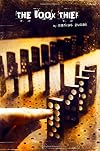
Major Spoilers in the review!
This week, I took a trip back through time. I first read this book when I was in seventh grade. I’m now in university… The Book Thief was always a unique book on my shelf because I never reread it after the first time. Throughout Middle school and early high school, I would normally reread the books I owned at least five times each. Yet each time I went to pick up The Book Thief, I would be reminded of the complete heartbreak I felt after first reading it. So basically, I haven’t read it around eight years. I think having more perspective made me enjoy the novel in a different way. The ending though, is still as tragic as ever.
One of the things that stood out to me while reading was the narration. I LOVED Death as a narrator. I found it very similar to Aphrodite narrating in Lovely War. I think Death is a perfect way to deliver a story taking place during WW2 and definitely makes it stand out in the historical fiction genre. I understand now why it was such a popular novel in the early 2010s. Death’s deliverance of Liesel’s tale was representative of how many times she was close to Death as he took people around her. Personifying a concept of life is not easy, but I thought Zucker did well to make Death Himself feel so real.
To jump ahead to the ending, I love that Death gets the last words in the novel. It’s part of the reason why I’ve written so much about why I love Death as a narrator. The ending line is “I am haunted by show more humans.” In the end, Death always has the last words… Perfect…. Iconic… Never been done before…
I thought that Liesel was a well-developed character and interesting through his eyes. While I would have liked to have heard more of her inside thoughts, I understand it would not have worked due to the style of the novel. I also loved the revelation at the end of the novel that Death only was able to tell Liesel’s story because she wrote it down herself. It was such a nice way of tying everything together.
Hans and Rosa, Liesel’s adopted parents, are the real deal. Such good people and I love the short chapters about them. I don’t think I need to say more than that.
Max, a young Jewish man that Hans takes in, has an arc that is both heartbreaking and hopeful. When I first started reading his parts, I was sad and hating reading them because I thought he died at the end. When I learned Max survived and got a happy ending, I was relieved. One of my favorite things about Max’s parts of the novel is the addition of artwork. I think drawings can be a wonderful addition to storytelling and I love authors that take the risk to include mixed media. I thought the small, hand drawn pieces were perfect and made the book feel even more real. Even though this is a novel and it needs words to be classified as a novel, pictures really can convey a thousand words.
One of my favorite characters of the novel is Frau Holtzapfel. She’s married to the Nazi mayor of the town and is still not living her best life throughout most of the novel. The deaths of all her sons further represents how few benefitted from Nazi Germany. I thought her progression as a character and how she fits into the story was perfect. Her adoption of Liesel at the end really surprised me, as I’d completely forgotten about it. She really gets the chance to grow and redeem herself by the end of the novel.
While there were a lot of things I liked about the novel, there were two things I didn’t like. Firstly, the love story between Liesel and her bestfriend Rudy. I hated how much Liesel expressed disinterest in Rudy and the number of times he didn’t take no for an answer. It seemed like the love story was forced and only leading up to the tragedy at the end. Which leads to the second thing I didn't love. I really liked the end of the story, but the ending epilogue gave off a completely different vibe than the rest of the book. It felt like the main novel was super deep and thought provoking and then the epilogue came along and went Sike! Here’s a happy ending. This is a novel meant for a younger audience, meaning that the ending probably can’t be depressing, but I felt that the ambiguity of the ending without the epilogue would have worked really well. Anyways, both of these points are solely personal opinions and in no way take away from the overall book or its message.
Rating:5/5 The Book Thief is one of the most popular historical fiction books out there and after reading the story for the first times in years, I remember why. I think for any fan of historical fiction, The Book Thief is a classic of the genre and worth the read! show less
This week, I took a trip back through time. I first read this book when I was in seventh grade. I’m now in university… The Book Thief was always a unique book on my shelf because I never reread it after the first time. Throughout Middle school and early high school, I would normally reread the books I owned at least five times each. Yet each time I went to pick up The Book Thief, I would be reminded of the complete heartbreak I felt after first reading it. So basically, I haven’t read it around eight years. I think having more perspective made me enjoy the novel in a different way. The ending though, is still as tragic as ever.
One of the things that stood out to me while reading was the narration. I LOVED Death as a narrator. I found it very similar to Aphrodite narrating in Lovely War. I think Death is a perfect way to deliver a story taking place during WW2 and definitely makes it stand out in the historical fiction genre. I understand now why it was such a popular novel in the early 2010s. Death’s deliverance of Liesel’s tale was representative of how many times she was close to Death as he took people around her. Personifying a concept of life is not easy, but I thought Zucker did well to make Death Himself feel so real.
To jump ahead to the ending, I love that Death gets the last words in the novel. It’s part of the reason why I’ve written so much about why I love Death as a narrator. The ending line is “I am haunted by show more humans.” In the end, Death always has the last words… Perfect…. Iconic… Never been done before…
I thought that Liesel was a well-developed character and interesting through his eyes. While I would have liked to have heard more of her inside thoughts, I understand it would not have worked due to the style of the novel. I also loved the revelation at the end of the novel that Death only was able to tell Liesel’s story because she wrote it down herself. It was such a nice way of tying everything together.
Hans and Rosa, Liesel’s adopted parents, are the real deal. Such good people and I love the short chapters about them. I don’t think I need to say more than that.
Max, a young Jewish man that Hans takes in, has an arc that is both heartbreaking and hopeful. When I first started reading his parts, I was sad and hating reading them because I thought he died at the end. When I learned Max survived and got a happy ending, I was relieved. One of my favorite things about Max’s parts of the novel is the addition of artwork. I think drawings can be a wonderful addition to storytelling and I love authors that take the risk to include mixed media. I thought the small, hand drawn pieces were perfect and made the book feel even more real. Even though this is a novel and it needs words to be classified as a novel, pictures really can convey a thousand words.
One of my favorite characters of the novel is Frau Holtzapfel. She’s married to the Nazi mayor of the town and is still not living her best life throughout most of the novel. The deaths of all her sons further represents how few benefitted from Nazi Germany. I thought her progression as a character and how she fits into the story was perfect. Her adoption of Liesel at the end really surprised me, as I’d completely forgotten about it. She really gets the chance to grow and redeem herself by the end of the novel.
While there were a lot of things I liked about the novel, there were two things I didn’t like. Firstly, the love story between Liesel and her bestfriend Rudy. I hated how much Liesel expressed disinterest in Rudy and the number of times he didn’t take no for an answer. It seemed like the love story was forced and only leading up to the tragedy at the end. Which leads to the second thing I didn't love. I really liked the end of the story, but the ending epilogue gave off a completely different vibe than the rest of the book. It felt like the main novel was super deep and thought provoking and then the epilogue came along and went Sike! Here’s a happy ending. This is a novel meant for a younger audience, meaning that the ending probably can’t be depressing, but I felt that the ambiguity of the ending without the epilogue would have worked really well. Anyways, both of these points are solely personal opinions and in no way take away from the overall book or its message.
Rating:5/5 The Book Thief is one of the most popular historical fiction books out there and after reading the story for the first times in years, I remember why. I think for any fan of historical fiction, The Book Thief is a classic of the genre and worth the read! show less
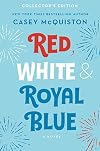
With school ramping up and the american presidential election campaign coming to an end, I thought it was time to jump back into the lives of Alex and Henry. This is my third reread and even though I always tell myself I’m going to take this book slowly, I inevitably rush through Red, White & Royal Blue in under two days. This isn’t because Casey McQuiston’s pacing is off or that it’s a short book, but rather that McQuiston has crafted an addicting rom-com.
I first read RWRB summer 2019 after impulse buying it. I was blown away by how much I loved it, mainly because it is a book that genuinely makes me laugh out loud. One of the reasons I think this book works the way it does, and has so many people gushing about it, is what McQuiston calls herself “a tongue-in-cheek parallel universe…[an] escapist, trauma-soothing, alternate-but-realistic reality.” The books makes the perfect escape. Imagine the US government as full of progressive, diverse politicians who all care about the american people. Imagine a world where the sons of world leaders can date. In 2020, in the middle of a global pandemic and changing world governments, it’s soothing to read about Alex and Henry, who love each other so much, zipping around.
This book is loved because it’s fun, light-hearted, incredibly hilarious, and even though bad things happen in the book, everything turns out alright in the end. McQuiston nailed the atmosphere and emotions, and has you laughing and crying along show more with all the characters. I felt all the feels at all the right moments. This is the perfect book if you are looking for something to read after having read heavy, and the ultimate summer read.
This is a third-person narrated rom-com. While I find personally unusual for the genre, it does work well and does what it needs to do. That being said, I did have issues with Alex’s characterization. The narrative follows his story. While he’s an interesting character, I understand how some people call him unlikeable. At the start, he is a bit of a brat, and can be a self-centered twat. But within the genre, this is not an uncommon character-trait and I think that McQuiston takes the time to show his character development. Alex is flawed, but with good intentions. More than anything, I never felt like Alex or any of the other characters fell flat. In fact, all the characters were loveable.
One of the things that makes this book so loveable to people around my age, older teenagers and people in their twenties, is also one of the things that can be its downfall. The language in the book is very modern and is funny if you get the humor, but alienating if you don’t. A lot of the humor requires knowledge of millennial/gen z humor, american politics, tumblr, gay twitter, or some sort of mixture of all four.
Additionally, the book reads life fanfiction. Depending on who you are, that’s either a good thing or a bad thing. For me, I’m a sucker for the enemy to lover trope, along with characters ending up in outrageous situations. Of course, I think to write this off as just a rom-com is to undermine how important LGBT representation is in fiction. In an era where I still hear “why does there have to a **insert minority character** in the media I consume!” RWRB is refreshing. It is, to repeat myself, a lot of fun, but also has a diverse cast.
I think for anyone who has read the scathing Goodreads reviews, or is worried that Red, White & Royal Blue won’t live up to the Bookstagram praise, I would recommend reading it as a cute fluffy romance away from the real issues within life. Even if the book isn’t your jam, I doubt you’ll be disappointed.
Rating: 9.5/10 If you’ve made it this far into the review, do I even need to repeat myself? I’ve had fun every time I’ve read this book, and Red, White & Royal Blue stands on my bookshelf for anytime I need an escape from real life. show less
I first read RWRB summer 2019 after impulse buying it. I was blown away by how much I loved it, mainly because it is a book that genuinely makes me laugh out loud. One of the reasons I think this book works the way it does, and has so many people gushing about it, is what McQuiston calls herself “a tongue-in-cheek parallel universe…[an] escapist, trauma-soothing, alternate-but-realistic reality.” The books makes the perfect escape. Imagine the US government as full of progressive, diverse politicians who all care about the american people. Imagine a world where the sons of world leaders can date. In 2020, in the middle of a global pandemic and changing world governments, it’s soothing to read about Alex and Henry, who love each other so much, zipping around.
This book is loved because it’s fun, light-hearted, incredibly hilarious, and even though bad things happen in the book, everything turns out alright in the end. McQuiston nailed the atmosphere and emotions, and has you laughing and crying along show more with all the characters. I felt all the feels at all the right moments. This is the perfect book if you are looking for something to read after having read heavy, and the ultimate summer read.
This is a third-person narrated rom-com. While I find personally unusual for the genre, it does work well and does what it needs to do. That being said, I did have issues with Alex’s characterization. The narrative follows his story. While he’s an interesting character, I understand how some people call him unlikeable. At the start, he is a bit of a brat, and can be a self-centered twat. But within the genre, this is not an uncommon character-trait and I think that McQuiston takes the time to show his character development. Alex is flawed, but with good intentions. More than anything, I never felt like Alex or any of the other characters fell flat. In fact, all the characters were loveable.
One of the things that makes this book so loveable to people around my age, older teenagers and people in their twenties, is also one of the things that can be its downfall. The language in the book is very modern and is funny if you get the humor, but alienating if you don’t. A lot of the humor requires knowledge of millennial/gen z humor, american politics, tumblr, gay twitter, or some sort of mixture of all four.
Additionally, the book reads life fanfiction. Depending on who you are, that’s either a good thing or a bad thing. For me, I’m a sucker for the enemy to lover trope, along with characters ending up in outrageous situations. Of course, I think to write this off as just a rom-com is to undermine how important LGBT representation is in fiction. In an era where I still hear “why does there have to a **insert minority character** in the media I consume!” RWRB is refreshing. It is, to repeat myself, a lot of fun, but also has a diverse cast.
I think for anyone who has read the scathing Goodreads reviews, or is worried that Red, White & Royal Blue won’t live up to the Bookstagram praise, I would recommend reading it as a cute fluffy romance away from the real issues within life. Even if the book isn’t your jam, I doubt you’ll be disappointed.
Rating: 9.5/10 If you’ve made it this far into the review, do I even need to repeat myself? I’ve had fun every time I’ve read this book, and Red, White & Royal Blue stands on my bookshelf for anytime I need an escape from real life. show less

THE PICTURE OF DORIAN GRAY book review
•
•
•
Over the years in the classic lit community, I have heard so much about The Picture of Dorian Gray. After reading The Picture of Dorian Gray, I can only agree about the book’s beauty and meme-ability.
•
•
•
I will be honest in saying that I did struggle a bit reading this book. At the time I started this book, it had been over a year since I last picked up a book published before 1970 for fun. Trying to enjoy classics instead of studying them like I do for school takes time, but in the end, it was worth it!
•
•
•
Wilde’s prose is vivid and unlike anything I’ve ever read. Every chapter has dozens of quotable lines. Wilde’s work in poetry shines through and adds a lot of feeling to the characters.
•
•
•
The character Dorian Gray is truly what makes this novel. He is such an interesting character study. I liked how the book spans many years to show how much his character stays the same as he ruins the life of those who surround him.
•
•
•
As much as I adored reading The Picture of Dorian Gray, I can’t write this review without acknowledging that there are parts of this book that may not be comfortable for some to read. Overall, I really wanted to write about this because this is far from being the last classic book I talk about on here, and because I think it’s important to highlight problematic elements in old books. While I’m far from saying that I or anyone else can’t adore some elements of The Picture show more of Dorian Gray, it’s important to acknowledge how other parts of this book perpetuate harmful stereotypes and have the possibility to cause pain.
•
•
•
Overall, I enjoyed the reading experience, and would highly recommend the book, though I would also recommend checking out articles that talk about the problematic elements.
•
•
•
7/10 Since I couldn’t fit everything into this post, the article is up on my blog!
https://readingfromtherock.blogspot.com/2020/10/the-picture-of-dorian-gray-book-... show less
•
•
•
Over the years in the classic lit community, I have heard so much about The Picture of Dorian Gray. After reading The Picture of Dorian Gray, I can only agree about the book’s beauty and meme-ability.
•
•
•
I will be honest in saying that I did struggle a bit reading this book. At the time I started this book, it had been over a year since I last picked up a book published before 1970 for fun. Trying to enjoy classics instead of studying them like I do for school takes time, but in the end, it was worth it!
•
•
•
Wilde’s prose is vivid and unlike anything I’ve ever read. Every chapter has dozens of quotable lines. Wilde’s work in poetry shines through and adds a lot of feeling to the characters.
•
•
•
The character Dorian Gray is truly what makes this novel. He is such an interesting character study. I liked how the book spans many years to show how much his character stays the same as he ruins the life of those who surround him.
•
•
•
As much as I adored reading The Picture of Dorian Gray, I can’t write this review without acknowledging that there are parts of this book that may not be comfortable for some to read. Overall, I really wanted to write about this because this is far from being the last classic book I talk about on here, and because I think it’s important to highlight problematic elements in old books. While I’m far from saying that I or anyone else can’t adore some elements of The Picture show more of Dorian Gray, it’s important to acknowledge how other parts of this book perpetuate harmful stereotypes and have the possibility to cause pain.
•
•
•
Overall, I enjoyed the reading experience, and would highly recommend the book, though I would also recommend checking out articles that talk about the problematic elements.
•
•
•
7/10 Since I couldn’t fit everything into this post, the article is up on my blog!
https://readingfromtherock.blogspot.com/2020/10/the-picture-of-dorian-gray-book-... show less
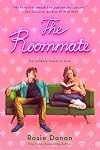
Even though I consider it one of my top genres, I definitely don't read nearly as much romance compared to other genres I love, like classics and historical fiction. I picked up The Roommate in the middle of a book slump, and the lighthearted rom-com made for the perfect fall afternoon read.
The book follows Clara Wheaton, a twenty-something from the east coast, after she moves to California in hopes that her childhood crush, who asked her to be his roommate, finally likes her back. Instead, her crush is leaving her to go on tour with his band. After learning that her new roommate, Josh, is a porn star, Clara is initially shocked. The book follows the two as they learn to live together, and as they decide to team up and start a business.
When I first read the concept and learned that Bookstagram is loving this book, I'll admit I was skeptical. But honestly, this book was fun. While the characters come off a bit as stock characters, it works within the genre. I liked how sex positive the book is, and that Clara isn't a "distressed maiden" as I see so often in *steamier* books.
Rating: 6/10 While I enjoyed the reading experience, the book didn't truly blow me away on any fronts. The writing is decent, but I felt like Clara and Josh lacked the depth I needed to be truly invested in their character arcs. Overall, I would recommend this book to anyone looking for a read on the lighthearted side.
The book follows Clara Wheaton, a twenty-something from the east coast, after she moves to California in hopes that her childhood crush, who asked her to be his roommate, finally likes her back. Instead, her crush is leaving her to go on tour with his band. After learning that her new roommate, Josh, is a porn star, Clara is initially shocked. The book follows the two as they learn to live together, and as they decide to team up and start a business.
When I first read the concept and learned that Bookstagram is loving this book, I'll admit I was skeptical. But honestly, this book was fun. While the characters come off a bit as stock characters, it works within the genre. I liked how sex positive the book is, and that Clara isn't a "distressed maiden" as I see so often in *steamier* books.
Rating: 6/10 While I enjoyed the reading experience, the book didn't truly blow me away on any fronts. The writing is decent, but I felt like Clara and Josh lacked the depth I needed to be truly invested in their character arcs. Overall, I would recommend this book to anyone looking for a read on the lighthearted side.
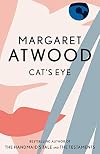
Margaret Atwood is my favorite author of all time. I was in grade 10 when I first read The Handmaid’s Tale, and was blown away by the writing and that a book could cause me to question the world around me for days. While I have read and been introduced to a lot of other amazing authors since I was a tenth grader, I haven’t read any author that makes me question my worldview quite like Atwood. Despite my love for Margaret Atwood, I have not come close to reading even a quarter of her entire book collection yet.
Cat’s Eye has been sitting on my bookshelf now for well over two years and it wasn’t until recently that I felt like it was the right time to pick it up. Even though the book has essentially been sitting around to collect dust, I think I’m happy that I waited so long to read it, as the themes center on growing up and identity.
The book works as a dual timeline, moving between protagonist Elaine’s life as a middle aged artist and her untraditional childhood. I liked how the book explored Toronto and northern Ontario through the perspective of younger and older Elaine. The writing and creation of the plot is so on point that even though the time period changes at times between paragraphs, I was never confused as a reader. Additionally, I loved how quickly time seems to move in the novel. I remember reading a scene where Elaine had her first child and thinking “I swear Elaine was only a child a couple minutes ago!” Atwood really captured how fast time show more passes and identity changes as we move and meet new people.
The scope of the novel is spectacular, and I loved Elaine’s voice through the first person. She was such an interesting character ‘to grow up with’ in the sense we learn about her from her childhood to her adulthood. Her life is so interesting, and I love reading about characters that fascinate me.
This review really could be my longest yet, but I’d much rather you read the novel than my analysis of it.
Rating: 10/10 I loved every moment I spent reading this novel. Atwood is such an amazing author whose work continues to amaze me no matter how many of her books I’ve already read. show less
Cat’s Eye has been sitting on my bookshelf now for well over two years and it wasn’t until recently that I felt like it was the right time to pick it up. Even though the book has essentially been sitting around to collect dust, I think I’m happy that I waited so long to read it, as the themes center on growing up and identity.
The book works as a dual timeline, moving between protagonist Elaine’s life as a middle aged artist and her untraditional childhood. I liked how the book explored Toronto and northern Ontario through the perspective of younger and older Elaine. The writing and creation of the plot is so on point that even though the time period changes at times between paragraphs, I was never confused as a reader. Additionally, I loved how quickly time seems to move in the novel. I remember reading a scene where Elaine had her first child and thinking “I swear Elaine was only a child a couple minutes ago!” Atwood really captured how fast time show more passes and identity changes as we move and meet new people.
The scope of the novel is spectacular, and I loved Elaine’s voice through the first person. She was such an interesting character ‘to grow up with’ in the sense we learn about her from her childhood to her adulthood. Her life is so interesting, and I love reading about characters that fascinate me.
This review really could be my longest yet, but I’d much rather you read the novel than my analysis of it.
Rating: 10/10 I loved every moment I spent reading this novel. Atwood is such an amazing author whose work continues to amaze me no matter how many of her books I’ve already read. show less
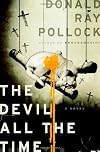
This is a review solely on the book, not the movie. This is a rant review from my blog, so bear with me. Warning: Not only is this a full spoiler review, but I will be discussing the difficult topics the book covers, some of which could be triggering.
I finished The Devil All the Time two days ago, just in time for the film's release. While I am excited to watch the movie, especially with all the big names attached, I’m more interested to see if the movie can rectify some of the major issues I had with the novel. So welcome to my first rant review!
I am not from the American South, which I’m pretty sure affected the way I interacted with the characters and landscape. I’ve never been to Ohio or West Virginia, and I can’t say that the novel gave me a great view or idea of what the states are like. Then again, maybe it’s because I’m not a white dude.
I haven’t read many books in my life that disgust me. Typically, I can read bloody books full of gore, and read novels that explore the minds of terrible people, without too much issue. I’ve always felt that literature is a chance to explore difficult subjects and look at how these issues pertain to our current world, or are possible in the future. That being said, I think that the way The Devil All the Time dealt with such subjects, with such a pessimistic view, made it difficult to read.
I think what truly made me uncomfortable reading The Devil All the Time was the author’s casual use of violence against women, show more homophobic and stereotypical treatment of the LGBT community, racist slurs, troubling portray of the disabled community, and pedophilia.
The Devil All the Time follows a large cast of characters over the course of two decades. The novel begins with Willard, a troubled young man arriving home after the end of the second world war. He eventually settles down, marrying a young woman named Charlotte and having a son, Arvin. When Charlotte contracts cancer, Willard slaughters animals, and eventually a man, as sacrifices. Charlotte dies and Willard commits suicide the same day. Arvin, now around 10, is sent to live with his grandmother, Emma. Arvin isn’t the only orphan Emma has taken in. Lenora has been living with Emma since she was a baby, when her travelling preacher/drifter father, Roy, and his cousin, Theodore, killed her mother (though she doesn’t know this.)
Eight years later, Arvin is still recovering from everything he lived through in his childhood. Lenora is bullied for her plainness and dedication to God. A new preacher comes to town, a pedophile, and begins to abuse young girls, including Lenora. Lenora commits suicide (accidentally, known to no one but the reader,) after she gets pregnant. Arvin figures out what happened, and follows in his father’s murderous footsteps by killing the corrupt preacher.
After leaving Emma and heading back to his hometown, he is picked up by Sandy and Carl. Sandy helps her husband to seduce hitchhikers, exclusively young men, then kill them. The two previously killed Roy as he was on his way back to see Lenora after the death of Theodore. Arvin catches on to what they want to do and kills them. When he arrives back to his hometown, he is hunted down by Lee Bodecker, Sandy’s older brother. Arvin kills Brodecker in the same circle his father killed himself. At the end of the novel, Arvin is one of the few still living characters.
If you find this summary confusing to follow, that’s because A LOT happens in the book. I’ll give Pollock credit for the intricacies of how all the characters interact, but the large cast had me flipping back pages to see which characters were which.
Now, time to talk about the women of The Devil all the Time. All of them were heartbreaking to read and made it difficult for me to finish the book. None of them felt like real women, and few had more than the occasional couple lines. Their worth is attributed to their appearance. Take how Arvin talks about his half-sister, whom he has lived with now for more than half a decade:
Though just a few months younger than Arvin, she already seemed dried up, a pale winter spud left too long in the furrow. [...] “She ain’t never gonna make cheerleader, that’s for sure,” he [Arvin] told Uncle Earskell. (p. 111, ebook)
When I was thinking back over the ways the women died in this novel, I realized most of them die in a way that is often referred to as ‘fridging.’ The phrase is used to describe women who die to propel the character arcs of the main, male characters.
Perhaps worst of all, most of the women endure incredibly horrible, repeated acts of grooming and sexual assault. The case that made me want to throw my e-reader at the wall was that of Lenora. The young teenager is targeted by the new preacher because her looks and bullying make her “easy.” He grooms her over the course of several months, and continually rapes her. Lenora’s point of view and her trauma is barely explored, instead replaced by the pastor talking about how she is filling out and is more beautiful than before. After she gets pregnant and is gas-lighted by the pastor, Lenora dies. The entire situation felt like it was described and dealt with in the worst way possible. Lenora’s sexual assault is used to propel Arvin’s character arcs and that of the preacher, whereas Lenora has a very small arc and we learn little about her. Using violence against women for this purpose is disgusting, there’s no other way to put it,
I’m not going to get into detail as much with the other issues, because I think they pretty much speak for themselves. The n-word is said by two (minor) characters to show how racist they are, while the one (also minor) black character ends up in jail for a crime he didn’t commit. The two ‘gay’ characters. (it’s not official but HEAVILY implied,) further perpetuate harmful stereotypes against the LGBT community. One is a pedophile: “Theodore swore that the boy asked for help in zipping his pants up, but not even Roy could buy that one.” (p. 137, ebook). The other, Carl, kills young men after he takes their picture.
The prose that describes all of these events is stark and in the third person. Even though I had a view inside of the character’s head, I never felt like I understood them or their emotions. All felt very surface level, and in-your- face evil. The setting is also not obvious or clear to someone like me who has never visited the area. I found it uninspiring to read and at times unclear as to how a scene was being played out. The novel does deliver its promise of evil and pessimism, with despicable characters and a bleak setting, but I don’t think any of it had the effect Pollock likely anticipated. I left The Devil All the Time feeling empty. I didn’t feel like I better understood the Southern Gothic, nor did I feel like I had watched characters delve into darkness in an eerily real-to-life way. Honestly, I regretted reading this book.
The only reason I finished this book was because I wanted to watch the movie. One of the things that worries me is that there are going to be young girls who watch the movie and idolize the very bad characters just because they’re played by their ‘favs’ and ‘idols’. I was excited to watch the movie and read the book after I first watched the trailer, but I am far from saying the same thing now.
Rating 2/10: I didn’t have a good time reading this novel for many reasons that you now know. I highly DON’T recommend The Devil All the Time. show less
I finished The Devil All the Time two days ago, just in time for the film's release. While I am excited to watch the movie, especially with all the big names attached, I’m more interested to see if the movie can rectify some of the major issues I had with the novel. So welcome to my first rant review!
I am not from the American South, which I’m pretty sure affected the way I interacted with the characters and landscape. I’ve never been to Ohio or West Virginia, and I can’t say that the novel gave me a great view or idea of what the states are like. Then again, maybe it’s because I’m not a white dude.
I haven’t read many books in my life that disgust me. Typically, I can read bloody books full of gore, and read novels that explore the minds of terrible people, without too much issue. I’ve always felt that literature is a chance to explore difficult subjects and look at how these issues pertain to our current world, or are possible in the future. That being said, I think that the way The Devil All the Time dealt with such subjects, with such a pessimistic view, made it difficult to read.
I think what truly made me uncomfortable reading The Devil All the Time was the author’s casual use of violence against women, show more homophobic and stereotypical treatment of the LGBT community, racist slurs, troubling portray of the disabled community, and pedophilia.
The Devil All the Time follows a large cast of characters over the course of two decades. The novel begins with Willard, a troubled young man arriving home after the end of the second world war. He eventually settles down, marrying a young woman named Charlotte and having a son, Arvin. When Charlotte contracts cancer, Willard slaughters animals, and eventually a man, as sacrifices. Charlotte dies and Willard commits suicide the same day. Arvin, now around 10, is sent to live with his grandmother, Emma. Arvin isn’t the only orphan Emma has taken in. Lenora has been living with Emma since she was a baby, when her travelling preacher/drifter father, Roy, and his cousin, Theodore, killed her mother (though she doesn’t know this.)
Eight years later, Arvin is still recovering from everything he lived through in his childhood. Lenora is bullied for her plainness and dedication to God. A new preacher comes to town, a pedophile, and begins to abuse young girls, including Lenora. Lenora commits suicide (accidentally, known to no one but the reader,) after she gets pregnant. Arvin figures out what happened, and follows in his father’s murderous footsteps by killing the corrupt preacher.
After leaving Emma and heading back to his hometown, he is picked up by Sandy and Carl. Sandy helps her husband to seduce hitchhikers, exclusively young men, then kill them. The two previously killed Roy as he was on his way back to see Lenora after the death of Theodore. Arvin catches on to what they want to do and kills them. When he arrives back to his hometown, he is hunted down by Lee Bodecker, Sandy’s older brother. Arvin kills Brodecker in the same circle his father killed himself. At the end of the novel, Arvin is one of the few still living characters.
If you find this summary confusing to follow, that’s because A LOT happens in the book. I’ll give Pollock credit for the intricacies of how all the characters interact, but the large cast had me flipping back pages to see which characters were which.
Now, time to talk about the women of The Devil all the Time. All of them were heartbreaking to read and made it difficult for me to finish the book. None of them felt like real women, and few had more than the occasional couple lines. Their worth is attributed to their appearance. Take how Arvin talks about his half-sister, whom he has lived with now for more than half a decade:
Though just a few months younger than Arvin, she already seemed dried up, a pale winter spud left too long in the furrow. [...] “She ain’t never gonna make cheerleader, that’s for sure,” he [Arvin] told Uncle Earskell. (p. 111, ebook)
When I was thinking back over the ways the women died in this novel, I realized most of them die in a way that is often referred to as ‘fridging.’ The phrase is used to describe women who die to propel the character arcs of the main, male characters.
Perhaps worst of all, most of the women endure incredibly horrible, repeated acts of grooming and sexual assault. The case that made me want to throw my e-reader at the wall was that of Lenora. The young teenager is targeted by the new preacher because her looks and bullying make her “easy.” He grooms her over the course of several months, and continually rapes her. Lenora’s point of view and her trauma is barely explored, instead replaced by the pastor talking about how she is filling out and is more beautiful than before. After she gets pregnant and is gas-lighted by the pastor, Lenora dies. The entire situation felt like it was described and dealt with in the worst way possible. Lenora’s sexual assault is used to propel Arvin’s character arcs and that of the preacher, whereas Lenora has a very small arc and we learn little about her. Using violence against women for this purpose is disgusting, there’s no other way to put it,
I’m not going to get into detail as much with the other issues, because I think they pretty much speak for themselves. The n-word is said by two (minor) characters to show how racist they are, while the one (also minor) black character ends up in jail for a crime he didn’t commit. The two ‘gay’ characters. (it’s not official but HEAVILY implied,) further perpetuate harmful stereotypes against the LGBT community. One is a pedophile: “Theodore swore that the boy asked for help in zipping his pants up, but not even Roy could buy that one.” (p. 137, ebook). The other, Carl, kills young men after he takes their picture.
The prose that describes all of these events is stark and in the third person. Even though I had a view inside of the character’s head, I never felt like I understood them or their emotions. All felt very surface level, and in-your- face evil. The setting is also not obvious or clear to someone like me who has never visited the area. I found it uninspiring to read and at times unclear as to how a scene was being played out. The novel does deliver its promise of evil and pessimism, with despicable characters and a bleak setting, but I don’t think any of it had the effect Pollock likely anticipated. I left The Devil All the Time feeling empty. I didn’t feel like I better understood the Southern Gothic, nor did I feel like I had watched characters delve into darkness in an eerily real-to-life way. Honestly, I regretted reading this book.
The only reason I finished this book was because I wanted to watch the movie. One of the things that worries me is that there are going to be young girls who watch the movie and idolize the very bad characters just because they’re played by their ‘favs’ and ‘idols’. I was excited to watch the movie and read the book after I first watched the trailer, but I am far from saying the same thing now.
Rating 2/10: I didn’t have a good time reading this novel for many reasons that you now know. I highly DON’T recommend The Devil All the Time. show less
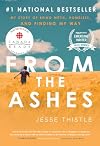
From the Ashes is a multi-award nominated memoir by Jesse Thistle. It was the first memoir I have read in years and completely changed my idea of the genre. I always thought that memoirs were boring and for most of my life, I avoided any books in the nonfiction genre. Now that I’m older and trying to read more outside of my comfort zone, I decided to read From the Ashes after seeing it in the front of my local bookstore. After reading Thistle’s memoir, I want to read more autobiographies not only for how interesting they can be, but also for the important perspective into another’s life.
I think in an ever changing world full of people, it’s important to read memoirs and nonfiction books to understand what we might not experience in our own lives. It takes compassion and empathy to understand another point of view. I read this book in the midst of Black Lives Matter protests and ongoing discussions of injustices within Canada. Thistle really dives into his life experiences, and in doing so covers so many different issues within Canada. Thistle’s narrative covers his early life as a young indigenous boy to his experience with homelessness, addictions, and access to healthcare/wellness services as a young adult. Perhaps most importantly, Thistle’s story is about power and hope. I’m truly so happy that he found the strength to write and share his story with the world. I’m even happier that Thistle is receiving recognition for what he has written.
One of the show more reasons I loved the memoir was because of Thistle's narrative voice. The style of short chapters was like a snapshot of different portions of Thistle’s life. I was invested from start to finish. Along with the chapters, Thistle included images and photographs from his life so the reader could put a face to the real people within the novel. I also loved that the beginning of some chapters began and ended with poetry. It contextualized the events and gave more emotion to the content within. If Thistle plans on publishing again in the future, I would love to read a book of poetry!
As a Canadian, I thought From the Ashes not only told Thistle’s life story, but that of many other Canadians who are forgotten. Canada has a representation of being a welcoming, open place full of accepting people. Citizens within my country are quick to comment how we are ‘better than our neighbors in the South.’ While a lovely thing to hear, it is far from the truth when reading of what Thistle has gone through in his life. If you’re not Canadian, or even if you are, From the Ashes definitely has the potential to change your image of Canada as a perfect country for all of its citizens.
Rating 9/10: I loved everything about this book and one of those books I think anyone interested in expanding their reading horizon should read! show less
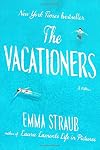
This is Full Spoilers because I hope no one will subject themselves to this book after reading my review.
The Vacationers follows the Post family vacation in Spain as truths are revealed and characters interact.
As you may have been able to tell by my summary of the novel, I felt very little connection to the book. There was nothing in the characters, plot, or writing that made me care about what happened in this book. The Vacationers is marketed as a beach novel, with raving critic reviews on the cover and inside pages. I honestly don’t know how anyone read this book and wrote so positively about it. I did everything right to try and enjoy this book, reading it on the beach and when I was in the mood for a light rom-com. It did not give me the dramatic plot, interesting characters, or any of the humor I had been promised.
One of the things I hated about this book was the third person narration. It gave the point of view of seven characters, doing none of them justice. Everyone pretty much sounded the same. I would have loved to have known more about each of the characters. There was potential for them to be interesting, but the large cast was too much
Since I am assuming you have now decided you are not going to read this novel, here is the rundown of each of the characters. This is all you need to know about the plot. It’s each of these characters and their baggage interacting in the most boring way possible.
Frannie: 55, mother to Syliva and Jim’s wife. She is a food show more critic who travels around the world. Straub makes sure to tell us multiple times throughout the novel how she has let herself go. She also takes back her cheating husband who tells us from his point of view how much he dislikes his wife.
Jim: 60, cheated on Frannie with a 23 year old at his magazine company. He was subsequently fired because the 23 year old’s father was on the board. Jim is now retired and bored, but he does not regret what he did because his wife let herself go and is overweight…
Sylvia: 18, her entire plot centers on a boy *sigh.* I wouldn’t have hated it if it didn’t feel so clichéd and if Sylvia actually sounded like an 18 year old. Author included paragraphs about how Sylvia isn’t like other girls because she doesn’t wear makeup, she doesn’t care about clothes, she reads books etc. Even worse, the author, through third person, talks about how pretty she would be if she reinvented herself. It’s implied that Sylvia will follow in her mother’s footsteps.
Bobby: 28, Frannie’s and Jim’s oldest child. He was a realtor in Miami, but business was bad, so he became a personal trainer at a gym for some reason that’s not super clear. 150k in debt because he bought into a protein powder MLM scheme. He’s an extremely unlikable character who seems to have zero motive for his badness. Cheats on his girlfriend Carmen literally all the time.
Carmen: 40, Bobby’s girlfriend. She’s been a personal trainer for years and loves it. I really liked her and wish she’d been developed more. She actually leaves Bobby in the end. The entire Post family hates her because she’s older and has muscles and knows what she wants to do in life…
Charlie: a painter, 60, Frannie’s best friend and Lawrence’s husband. Jim hates him for being too close to Frannie. Not quite sure why he came along on the Post family vacation. His relationship with Lawrence is not explored as much as it could have been, making him the token gay best friend.
Lawrence: Charlie’s husband, much younger than him, desperately wants to have a child. The couple succeeds in adopting a child at the end. They were probably the only two people I was rooting for.
This is my second rant review on my blog, and so far I see a theme. My previous rant review was on The Devil All the Time, and I hated the third person narration for the large cast of characters. It seems to me that a number of authors are taking on too many characters that they can't handle without making them sound the same.
3/10 The Vacationers was not interesting at all and all of the characters acted nothing like real people. The only thing I can say is that I made it through the novel. show less
The Vacationers follows the Post family vacation in Spain as truths are revealed and characters interact.
As you may have been able to tell by my summary of the novel, I felt very little connection to the book. There was nothing in the characters, plot, or writing that made me care about what happened in this book. The Vacationers is marketed as a beach novel, with raving critic reviews on the cover and inside pages. I honestly don’t know how anyone read this book and wrote so positively about it. I did everything right to try and enjoy this book, reading it on the beach and when I was in the mood for a light rom-com. It did not give me the dramatic plot, interesting characters, or any of the humor I had been promised.
One of the things I hated about this book was the third person narration. It gave the point of view of seven characters, doing none of them justice. Everyone pretty much sounded the same. I would have loved to have known more about each of the characters. There was potential for them to be interesting, but the large cast was too much
Since I am assuming you have now decided you are not going to read this novel, here is the rundown of each of the characters. This is all you need to know about the plot. It’s each of these characters and their baggage interacting in the most boring way possible.
Frannie: 55, mother to Syliva and Jim’s wife. She is a food show more critic who travels around the world. Straub makes sure to tell us multiple times throughout the novel how she has let herself go. She also takes back her cheating husband who tells us from his point of view how much he dislikes his wife.
Jim: 60, cheated on Frannie with a 23 year old at his magazine company. He was subsequently fired because the 23 year old’s father was on the board. Jim is now retired and bored, but he does not regret what he did because his wife let herself go and is overweight…
Sylvia: 18, her entire plot centers on a boy *sigh.* I wouldn’t have hated it if it didn’t feel so clichéd and if Sylvia actually sounded like an 18 year old. Author included paragraphs about how Sylvia isn’t like other girls because she doesn’t wear makeup, she doesn’t care about clothes, she reads books etc. Even worse, the author, through third person, talks about how pretty she would be if she reinvented herself. It’s implied that Sylvia will follow in her mother’s footsteps.
Bobby: 28, Frannie’s and Jim’s oldest child. He was a realtor in Miami, but business was bad, so he became a personal trainer at a gym for some reason that’s not super clear. 150k in debt because he bought into a protein powder MLM scheme. He’s an extremely unlikable character who seems to have zero motive for his badness. Cheats on his girlfriend Carmen literally all the time.
Carmen: 40, Bobby’s girlfriend. She’s been a personal trainer for years and loves it. I really liked her and wish she’d been developed more. She actually leaves Bobby in the end. The entire Post family hates her because she’s older and has muscles and knows what she wants to do in life…
Charlie: a painter, 60, Frannie’s best friend and Lawrence’s husband. Jim hates him for being too close to Frannie. Not quite sure why he came along on the Post family vacation. His relationship with Lawrence is not explored as much as it could have been, making him the token gay best friend.
Lawrence: Charlie’s husband, much younger than him, desperately wants to have a child. The couple succeeds in adopting a child at the end. They were probably the only two people I was rooting for.
This is my second rant review on my blog, and so far I see a theme. My previous rant review was on The Devil All the Time, and I hated the third person narration for the large cast of characters. It seems to me that a number of authors are taking on too many characters that they can't handle without making them sound the same.
3/10 The Vacationers was not interesting at all and all of the characters acted nothing like real people. The only thing I can say is that I made it through the novel. show less
** Spoiler-free **
I picked up this novel after emmmabooks on Youtube recommended it in a video about her transition to the adult novel world (youtube link here). Where the Crawdads Sing was the perfect novel to begin my dive into the adult novel world. The book spans the lifetime of protagonist Kya, following the character as she grows up in the outer banks of North Carolina in the 1950s. At a young age, Kya is abandoned by her family and learns to survive alone. Later portions of the novel explore how her years spent alone as a young child affect her into adulthood. The novel follows a dual narrative, divided between Kya’s childhood experience and her trial as an adult for the murder of a local man in town.
The plot was very interesting and I was drawn into the novel. Where the Crawdads Sing takes place in a landscape completely foreign to my own. I have never lived in an area as isolated as Kya nor have I ever visited the Southern United States. Despite my lack of familiarity with the setting, Owen has an amazing ability to capture the North Carolina setting. Nature and its preservation is a big theme of the novel, and Owens writes it in a way that lives and breaths. In the way that nature flows and ebbs through Kya’s character, the natural landscape brings life to the books.
I really enjoyed the exploration of Kya’s character. It was interesting to get inside her head and see how her inner narration differed from that of other characters because of the isolation. show more Her experience felt believable and still relatable.
One of my only complaints about the book would be some of the dialogue. I have a thing where I like to whisper some of the protagonists’ dialogue out loud to get a feel for the character. Some of Kya’s biggest moments, where she is talking out loud and voicing her thoughts, the dialogue felt stilted past the point of awkwardness. Even though Kya is a character without much socialization, I felt the weird phrasing brought me out of her experience.
Nonetheless, I understand why this book is so popular and talked about. While I may not have found it as life altering as some other readers, it is an interesting read and truly makes you wonder what you would do in the Kya's shoes.
6/10 show less
I picked up this novel after emmmabooks on Youtube recommended it in a video about her transition to the adult novel world (youtube link here). Where the Crawdads Sing was the perfect novel to begin my dive into the adult novel world. The book spans the lifetime of protagonist Kya, following the character as she grows up in the outer banks of North Carolina in the 1950s. At a young age, Kya is abandoned by her family and learns to survive alone. Later portions of the novel explore how her years spent alone as a young child affect her into adulthood. The novel follows a dual narrative, divided between Kya’s childhood experience and her trial as an adult for the murder of a local man in town.
The plot was very interesting and I was drawn into the novel. Where the Crawdads Sing takes place in a landscape completely foreign to my own. I have never lived in an area as isolated as Kya nor have I ever visited the Southern United States. Despite my lack of familiarity with the setting, Owen has an amazing ability to capture the North Carolina setting. Nature and its preservation is a big theme of the novel, and Owens writes it in a way that lives and breaths. In the way that nature flows and ebbs through Kya’s character, the natural landscape brings life to the books.
I really enjoyed the exploration of Kya’s character. It was interesting to get inside her head and see how her inner narration differed from that of other characters because of the isolation. show more Her experience felt believable and still relatable.
One of my only complaints about the book would be some of the dialogue. I have a thing where I like to whisper some of the protagonists’ dialogue out loud to get a feel for the character. Some of Kya’s biggest moments, where she is talking out loud and voicing her thoughts, the dialogue felt stilted past the point of awkwardness. Even though Kya is a character without much socialization, I felt the weird phrasing brought me out of her experience.
Nonetheless, I understand why this book is so popular and talked about. While I may not have found it as life altering as some other readers, it is an interesting read and truly makes you wonder what you would do in the Kya's shoes.
6/10 show less
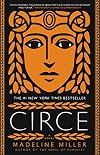
**Spoiler-free**
Normally, when I’m buying a book, I take the time to research the story and read reviews. I hate buying books on impulse, disliking them, and then having them sit on my shelf to collect dust. For some reason, I went against my normal book buying routine and bought Circe on an impulse. There was something about the cover that drew me in. When I went to read the summary on my local bookstore’s website, the site indicated they only had one copy left. I took this as a sign from the Gods that Circe must be a good book. And....
Circe was one of my favorite books I read this year. I think it may even be one of my favorite books of all time.
To preface this, I should mention that I am not overly familiar with Greek mythology. I never read Percy Jackson growing up (although I hope to read it someday.) The only part of Greek lore I am familiar with is Circe's chapter in The Odyssey, which I happened to have read in an English Lit course. My background allowed me to see how well Miller immerses her reader into Circe’s world. The vast Greek myth isn’t confusing or isolating, instead Miller does well to portray the intricacies within the tale. After finishing the book, I want to learn more about ancient Greece myth.
While reading the novel, I never felt like the plot was taking place in a world now old, dusty and irrelevant. Miller obviously put a lot of thought and research into the writing, which made the book feel even more like a masterpiece. Circe’s tale is show more now thousands of years old, yet felt timeless and new.
I think that the perspective of the novel is part of its charm. I’ve always felt that some mythologies are uber male, so hearing the myths from a different perspective of someone in the background was really interesting. Circe may not be the biggest name in Greek mythology, but she certainly has had a large role in many events that I was not aware of.
I absolutely loved the scope of the novel. I am a sucker for books that take place over a lifetime. If they are done well, the narrative shows the growth of a character through experiences and how they affect them later in life. Circe was so beautifully developed. Her naive perspective from being a young child and teenager is different than that of her wizened self isolated on her island. Even though Circe is a mythical God, she always felt real and relatable as a protagonist. I’m sure that many readers will find a part of themselves in Circe, and many parts of her that they wished they embodied.
I went into this book with few expectations, not knowing much about the story, Greek mythology or even if the book has good reviews. I feel so happy that I took the risk because of how much this book blew me away in every aspect!
My rating: 10/10 Circe is a fun and deep read that I highly recommend. show less
Normally, when I’m buying a book, I take the time to research the story and read reviews. I hate buying books on impulse, disliking them, and then having them sit on my shelf to collect dust. For some reason, I went against my normal book buying routine and bought Circe on an impulse. There was something about the cover that drew me in. When I went to read the summary on my local bookstore’s website, the site indicated they only had one copy left. I took this as a sign from the Gods that Circe must be a good book. And....
Circe was one of my favorite books I read this year. I think it may even be one of my favorite books of all time.
To preface this, I should mention that I am not overly familiar with Greek mythology. I never read Percy Jackson growing up (although I hope to read it someday.) The only part of Greek lore I am familiar with is Circe's chapter in The Odyssey, which I happened to have read in an English Lit course. My background allowed me to see how well Miller immerses her reader into Circe’s world. The vast Greek myth isn’t confusing or isolating, instead Miller does well to portray the intricacies within the tale. After finishing the book, I want to learn more about ancient Greece myth.
While reading the novel, I never felt like the plot was taking place in a world now old, dusty and irrelevant. Miller obviously put a lot of thought and research into the writing, which made the book feel even more like a masterpiece. Circe’s tale is show more now thousands of years old, yet felt timeless and new.
I think that the perspective of the novel is part of its charm. I’ve always felt that some mythologies are uber male, so hearing the myths from a different perspective of someone in the background was really interesting. Circe may not be the biggest name in Greek mythology, but she certainly has had a large role in many events that I was not aware of.
I absolutely loved the scope of the novel. I am a sucker for books that take place over a lifetime. If they are done well, the narrative shows the growth of a character through experiences and how they affect them later in life. Circe was so beautifully developed. Her naive perspective from being a young child and teenager is different than that of her wizened self isolated on her island. Even though Circe is a mythical God, she always felt real and relatable as a protagonist. I’m sure that many readers will find a part of themselves in Circe, and many parts of her that they wished they embodied.
I went into this book with few expectations, not knowing much about the story, Greek mythology or even if the book has good reviews. I feel so happy that I took the risk because of how much this book blew me away in every aspect!
My rating: 10/10 Circe is a fun and deep read that I highly recommend. show less
This is my first recommendation from someone else and also my first book by a local author! I’m really happy that my hairdresser recommended this to me because I must admit that I don’t read a lot of books by local authors. After reading The Birth House, I was reminded of how comforting it is to read books where the landscape is familiar, and how many amazing authors live nearby!
The Birth House takes place in Scot’s Bay, Nova Scotia, just outside the Valley if I have any locals reading this. I’m lucky to have visited the area a couple years ago, and I drive through every so often. The plot follows eighteen year old Dora as she apprentices with a midwife in the early twentieth century. Dora is the first daughter born to her family in generations, and some ostracize her for being constantly surrounded by boys. She eventually takes over the practice from Miss. B, the midwife, and faces hardships from poverty and men who don’t believe in midwifery.
McKay put a lot of research into early twentieth century life to, in my opinion, accurately depict Nova Scotia life in a small village. The research into old medical practices is equally in-depth, and super interesting to read about. All of the small details create a believable and immersive landscape.
As for the characters, I liked the cast, though some came across as one dimensional through Dora’s eyes. One example was Archer, Dora’s abusive husband. While Archer could have been an interesting villain and someone who show more prevents Dora from achieving her dream of becoming a midwife, he came across as unnecessary. All he did was disappear for a large portion of the novel.
Overall, I enjoyed the experience of reading THE BIRTH HOUSE, though I’m not sure how I would have felt if I wasn’t familiar with the area. Additionally, the novel is fast paced with little descriptions of everyday actions and routines. I just felt like the plot could have moved a little slower and taken the time to establish a bit more.
6.5/10 Even if this wasn’t a perfect novel, I don’t know of many other books that take place in this time period that take the time to cover as many subjects as The Birth House did, especially with such a young protagonist. show less
The Birth House takes place in Scot’s Bay, Nova Scotia, just outside the Valley if I have any locals reading this. I’m lucky to have visited the area a couple years ago, and I drive through every so often. The plot follows eighteen year old Dora as she apprentices with a midwife in the early twentieth century. Dora is the first daughter born to her family in generations, and some ostracize her for being constantly surrounded by boys. She eventually takes over the practice from Miss. B, the midwife, and faces hardships from poverty and men who don’t believe in midwifery.
McKay put a lot of research into early twentieth century life to, in my opinion, accurately depict Nova Scotia life in a small village. The research into old medical practices is equally in-depth, and super interesting to read about. All of the small details create a believable and immersive landscape.
As for the characters, I liked the cast, though some came across as one dimensional through Dora’s eyes. One example was Archer, Dora’s abusive husband. While Archer could have been an interesting villain and someone who show more prevents Dora from achieving her dream of becoming a midwife, he came across as unnecessary. All he did was disappear for a large portion of the novel.
Overall, I enjoyed the experience of reading THE BIRTH HOUSE, though I’m not sure how I would have felt if I wasn’t familiar with the area. Additionally, the novel is fast paced with little descriptions of everyday actions and routines. I just felt like the plot could have moved a little slower and taken the time to establish a bit more.
6.5/10 Even if this wasn’t a perfect novel, I don’t know of many other books that take place in this time period that take the time to cover as many subjects as The Birth House did, especially with such a young protagonist. show less