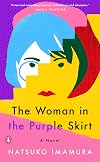
The Woman in the Purple Skirt is an ordinary woman who only ever wears a purple-colored skirt. She doesn’t do anything particularly unusual or unique. She looks for work. She eats a cream bun while sitting on a park bench. She seems to barely make ends meet.
Our narrator isn’t the Woman in the Purple Skirt. It’s the woman in the yellow cardigan, who watches the woman in the purple skirt, and know her life thoroughly. She seems to want to be friends with the woman in the purple skirt.
“When the Woman in the Yellow Cardigan goes out walking in the shopping district, nobody pays the slightest bit of attention. But when the Woman in the Purple Skirt goes out, it’s impossible not to pay attention. Nobody could ignore her.”
But it’s not just watching, the reader realizes. The narrator helps the woman in the purple skirt by putting out the job listing magazines at the convenience store, she drops off shampoo at her apartment to make sure her hair gets washed. She eventually finds the Woman a job at the same hotel, cleaning rooms.
This is part of her attempt to befriend the Woman, by making them colleagues at the same job. But still she watches from afar.
The Woman in the Purple Skirt becomes popular with the other employees. But the narrator remains invisible, not just to the woman but it seems to almost everyone else working there.
Some might say this book is disturbing. But I just felt this sadness for the Woman in the Yellow Cardigan. A nameless, faceless woman show more who nobody knows, not even the reader. The loneliness of living in a city leads her to longing for a friend, into voyeurism and idolization of an everyday person. show less
Our narrator isn’t the Woman in the Purple Skirt. It’s the woman in the yellow cardigan, who watches the woman in the purple skirt, and know her life thoroughly. She seems to want to be friends with the woman in the purple skirt.
“When the Woman in the Yellow Cardigan goes out walking in the shopping district, nobody pays the slightest bit of attention. But when the Woman in the Purple Skirt goes out, it’s impossible not to pay attention. Nobody could ignore her.”
But it’s not just watching, the reader realizes. The narrator helps the woman in the purple skirt by putting out the job listing magazines at the convenience store, she drops off shampoo at her apartment to make sure her hair gets washed. She eventually finds the Woman a job at the same hotel, cleaning rooms.
This is part of her attempt to befriend the Woman, by making them colleagues at the same job. But still she watches from afar.
The Woman in the Purple Skirt becomes popular with the other employees. But the narrator remains invisible, not just to the woman but it seems to almost everyone else working there.
Some might say this book is disturbing. But I just felt this sadness for the Woman in the Yellow Cardigan. A nameless, faceless woman show more who nobody knows, not even the reader. The loneliness of living in a city leads her to longing for a friend, into voyeurism and idolization of an everyday person. show less
I was here for the Armitage narration but the rest of the narrators (Georgia Maguire and Emily Watson) won me over.
I was surprised to learn that this was written in 2017. It feels a lot...older...and not in a good way.
This is such an entertaining and adorable read. Reena’s parents have set her up with Nadim. And it turns out they actually do hit it off as they pretend to be engaged for a TV cooking competition that’s only for families.
Of course that’s not the only secret they’re keeping but you’ll have to read this book to find out more.
I’d recommend you either be prepared with some Indian food or some delicious bread or both when you read this book. It made me hungry…
Of course that’s not the only secret they’re keeping but you’ll have to read this book to find out more.
I’d recommend you either be prepared with some Indian food or some delicious bread or both when you read this book. It made me hungry…
(written August 16, 2020)
Rain in August and a lightning storm to boot. Also we are in the middle of a heatwave. Isn’t 2020 crazy enough already?
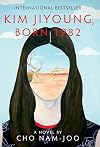
But this strange weather gave me the chance to sit down and think more about this interesting book by South Korean author Cho Nam-Joo, translated by Jamie Chang, and originally published in 2016
A story that begins with a 30-something-year-old “everywoman” who’s pressured to leave her job to care for her newborn. She begins to impersonate other women, both alive and dead. And her husband sends her to a psychiatrist.
The book focuses on the gender inequality experienced by Korean women - in their families, in schools, in the workplace, in society.
It’s told in a rather cold third-person voice and this may be a little difficult to get into, but it is a fascinating portrait of the life of this Korean everywoman, following all the sexism she faces, right from a very young age - when Kim Jiyoung is born, her mother even apologizes to her mother-in-law for not having had a boy instead.
It’s a short book but the 176 pages sure pack a punch
Rain in August and a lightning storm to boot. Also we are in the middle of a heatwave. Isn’t 2020 crazy enough already?
But this strange weather gave me the chance to sit down and think more about this interesting book by South Korean author Cho Nam-Joo, translated by Jamie Chang, and originally published in 2016
A story that begins with a 30-something-year-old “everywoman” who’s pressured to leave her job to care for her newborn. She begins to impersonate other women, both alive and dead. And her husband sends her to a psychiatrist.
The book focuses on the gender inequality experienced by Korean women - in their families, in schools, in the workplace, in society.
It’s told in a rather cold third-person voice and this may be a little difficult to get into, but it is a fascinating portrait of the life of this Korean everywoman, following all the sexism she faces, right from a very young age - when Kim Jiyoung is born, her mother even apologizes to her mother-in-law for not having had a boy instead.
It’s a short book but the 176 pages sure pack a punch
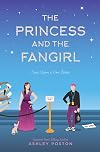
A fun read that was a nice break for me from some emotional reads. I loved the con setting, and the adorable romance!
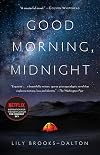
I hadn’t heard of this book before the movie adaptation, Midnight Sky, came out on Netflix. You might have seen it or heard of it, maybe? It has George Clooney acting and directing.
The movie was ok. It left me with many questions and a general feeling that a lot was missing. But reading the book allowed me to fill in many gaps, especially about Sully.
(I’ll try not to reveal spoilers but will talk a little about the plot. So skip this post if you haven’t seen the movie/read the book yet and don’t really want to know much about it! But come back when you have!).
Essentially the story is about an ageing (ageing in the book, sick in the movie) astronomer, alone in a research centre in the Arctic, after everyone else has evacuated because of a major global catastrophe that isn’t exactly detailed. But he’s lost contact with the rest of the world, and he’s alone, until he comes upon Iris, a young girl who doesn’t say much. What is she doing by herself in this outpost? The other part of the story is on board Aether, a spacecraft on its return trip from Jupiter. Because of this catastrophe, they have not had contact with Mission Control for some time now. And they’re wondering if they can get back to Earth.
It’s a contemplative journey.
However, I was really surprised by the many changes made in the script. Not just Sully – actress Felicity Jones was pregnant during the filming, which resulted in a pregnancy being introduced to the film. Also small things like show more different characters used, the fact that Augustine wasn’t actually actively looking to talk to Aether (in the book it seems like a coincidence that he picks up their signal), and the way a death and mishap happen. I suppose it was to spice it up and make it more dramatic for the movie audience. Although one of them made no logical sense at all. How can you crash through ice and live through it when you’re out in the middle of nowhere in the freezing subzero temperatures?
But for me, the ultimate difference was that small nuances were lacking in the movie. It didn’t feel like they were all that anxious about being out of contact with Earth. They didn’t explore more about the other characters. Everyone seemed like they were fine with being on the spacecraft – I suppose this also comes from my watching the Netflix space TV series Away in which one of the characters has space blindness, and all kinds of things (too many perhaps) happen to their spacecraft. So the movie was definitely an “eh” and a “meh” for me.
Also, the endings were so different! When I finished the book, I marvelled at how so many small changes were made. And so, while I cannot recommend the movie (except for its cinematography) , I would not hesitate to recommend this book. It was a great read, a reflective one, and a different take on the dystopian novel. show less
The movie was ok. It left me with many questions and a general feeling that a lot was missing. But reading the book allowed me to fill in many gaps, especially about Sully.
(I’ll try not to reveal spoilers but will talk a little about the plot. So skip this post if you haven’t seen the movie/read the book yet and don’t really want to know much about it! But come back when you have!).
Essentially the story is about an ageing (ageing in the book, sick in the movie) astronomer, alone in a research centre in the Arctic, after everyone else has evacuated because of a major global catastrophe that isn’t exactly detailed. But he’s lost contact with the rest of the world, and he’s alone, until he comes upon Iris, a young girl who doesn’t say much. What is she doing by herself in this outpost? The other part of the story is on board Aether, a spacecraft on its return trip from Jupiter. Because of this catastrophe, they have not had contact with Mission Control for some time now. And they’re wondering if they can get back to Earth.
It’s a contemplative journey.
However, I was really surprised by the many changes made in the script. Not just Sully – actress Felicity Jones was pregnant during the filming, which resulted in a pregnancy being introduced to the film. Also small things like show more different characters used, the fact that Augustine wasn’t actually actively looking to talk to Aether (in the book it seems like a coincidence that he picks up their signal), and the way a death and mishap happen. I suppose it was to spice it up and make it more dramatic for the movie audience. Although one of them made no logical sense at all. How can you crash through ice and live through it when you’re out in the middle of nowhere in the freezing subzero temperatures?
But for me, the ultimate difference was that small nuances were lacking in the movie. It didn’t feel like they were all that anxious about being out of contact with Earth. They didn’t explore more about the other characters. Everyone seemed like they were fine with being on the spacecraft – I suppose this also comes from my watching the Netflix space TV series Away in which one of the characters has space blindness, and all kinds of things (too many perhaps) happen to their spacecraft. So the movie was definitely an “eh” and a “meh” for me.
Also, the endings were so different! When I finished the book, I marvelled at how so many small changes were made. And so, while I cannot recommend the movie (except for its cinematography) , I would not hesitate to recommend this book. It was a great read, a reflective one, and a different take on the dystopian novel. show less
Earthlings: From the author of the international bestseller, Convenience Store Woman: Sayaka Murata by Sayaka Murata
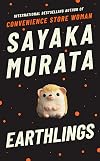
I don’t know where to begin with this book. Perhaps I should start with, it’s not for the faint of heart. It is intense. It is full of taboos. There is abuse. And so very much more. And there is the way the mind works to handle all this trauma. It is, in its strange way, about survival. Don’t be fooled by that kawaii cover.
The story opens with a young Natsuki, age 11, who is convinced that her stuffed hedgehog is an alien from Popinpobopia. She shares this with her cousin Yuu, who is also her boyfriend, when they meet in the mountains at a family gathering.
(Something happens at this gathering but I don’t want to unleash any spoilers). But after the first two chapters, we fast-forward to Natsuki at age 34. She’s married, but to someone who has a similar mindset, both of them feeling alienated from society, preferring to believe that they themselves are aliens.
“Everyone believed in the Factory. Everyone was brainwashed by the Factory and did as they were told. They all used their reproductive organs for the Factory and did their jobs for the sake of the Factory. My husband and I were people they’d failed to brainwash, and anyone who remained unbrainwashed had to keep up an act in order to avoid being eliminated by the Factory.”
Natsuki and her husband return to the mountains where Yuu is staying and the three of them decide to train to avoid becoming Earthlings, to come up with their own ideas for living on a planet that isn’t their own. And it descends show more into something shocking and bizarre, that, as I said, isn’t for the faint of heart.
“I want to use the form of the novel to conduct experiments,” Murata once said in an interview. And this is one extremely outrageous experimental story. Yet to be honest, is it really all that outlandish? The trauma that a young girl experiences from the various abuses she suffers, from people who ought to be her defenders, has led her to believe that she’s not of this earth. For who would want to be, if you were in her shoes? And that feeling of being alienated, not fitting into the norms of society, is something many of us can relate to, I reckon, although the three characters take it to such an extreme level.
Earthlings is an uncomfortable read, it’s dark and twisted. It’s not for everyone. I hesitate to say “read this” because I know some are likely to be put off by, well, many parts. But for me, it was something I couldn’t stop reading. It’s way out of the box and unconventional but well, this past year has been anything but ordinary. Maybe I just needed something extremely bizarre to kick off my 2021 reading. Whatever the reason, Earthlings is a book I’m definitely not going to forget. show less
The story opens with a young Natsuki, age 11, who is convinced that her stuffed hedgehog is an alien from Popinpobopia. She shares this with her cousin Yuu, who is also her boyfriend, when they meet in the mountains at a family gathering.
(Something happens at this gathering but I don’t want to unleash any spoilers). But after the first two chapters, we fast-forward to Natsuki at age 34. She’s married, but to someone who has a similar mindset, both of them feeling alienated from society, preferring to believe that they themselves are aliens.
“Everyone believed in the Factory. Everyone was brainwashed by the Factory and did as they were told. They all used their reproductive organs for the Factory and did their jobs for the sake of the Factory. My husband and I were people they’d failed to brainwash, and anyone who remained unbrainwashed had to keep up an act in order to avoid being eliminated by the Factory.”
Natsuki and her husband return to the mountains where Yuu is staying and the three of them decide to train to avoid becoming Earthlings, to come up with their own ideas for living on a planet that isn’t their own. And it descends show more into something shocking and bizarre, that, as I said, isn’t for the faint of heart.
“I want to use the form of the novel to conduct experiments,” Murata once said in an interview. And this is one extremely outrageous experimental story. Yet to be honest, is it really all that outlandish? The trauma that a young girl experiences from the various abuses she suffers, from people who ought to be her defenders, has led her to believe that she’s not of this earth. For who would want to be, if you were in her shoes? And that feeling of being alienated, not fitting into the norms of society, is something many of us can relate to, I reckon, although the three characters take it to such an extreme level.
Earthlings is an uncomfortable read, it’s dark and twisted. It’s not for everyone. I hesitate to say “read this” because I know some are likely to be put off by, well, many parts. But for me, it was something I couldn’t stop reading. It’s way out of the box and unconventional but well, this past year has been anything but ordinary. Maybe I just needed something extremely bizarre to kick off my 2021 reading. Whatever the reason, Earthlings is a book I’m definitely not going to forget. show less
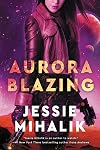
This is probably going to sound odd but I honestly thought I was reading a book about the main character of the first book. They seemed too similar at first? I don’t know. It took me a while to realize that this book is from the perspective of her sister.
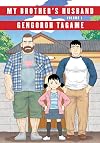
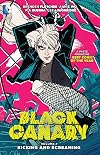
A bit confused by the story, but the artwork is awesome
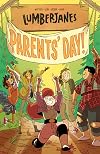
After not reading this series for a while, it was with such glee that I jumped back in and it was such a fun distraction for a weird week.
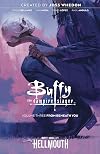
Buffy without Buffy is odd. Also, while I have watched the show, it was quite a while ago, and I find it disappointing that this series is doing a crossover type thing. Vol 2 and 3 thus make little sense if you’re just following the comics.
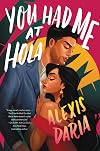
YOU HAD ME AT HOLA by ALEXIS DARIA was exactly the book I needed at 218am on Saturday night. I was awake, and not because I wanted to be, but because the kids had decided that Sunday night was to be an at-home camping night where we would all stay downstairs in the family room and “camp” on the floor. I’m a terrible sleeper when I’m not in my own bed, and my 7yo is a very restless sleeper, tossing and turning many times, his legs kicking at me until I gave up at 218 and just sat up with my tablet and did some reading.
Maybe this wasn’t the right book to read at that time as it had me awake for a good hour or so, it was such a fun read. Middle of the night reads should probably be more sleepy reads.
You Had Me At Hola was just delightful. It was fun and adorable but also had its hot moments. Can someone make this into a movie or Netflix special?
Maybe this wasn’t the right book to read at that time as it had me awake for a good hour or so, it was such a fun read. Middle of the night reads should probably be more sleepy reads.
You Had Me At Hola was just delightful. It was fun and adorable but also had its hot moments. Can someone make this into a movie or Netflix special?
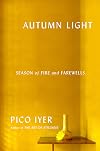
Some days you need that quick read. That fast paced, heart-racing, blood-pumping kind of book. This is not that. Autumn Light is the gentle kind of read that takes days, weeks to wander through and ponder, and to appreciate Iyer’s gentle musings and observations about life in Japan, issues about aging, and the fragility of life. A beautiful and thoughtful read. Highly recommended!
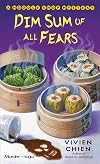
this is the second book in the series, the first was Death by Dumpling. And Lana Lee is back but this time she is (gasp!) put in charge of the restaurant while her parents visit her grandmother in Taiwan. She’s not exactly thrilled about that. But worse news are to come - her friend Isabelle, who works at the new business next door, and her husband are found dead.
An enjoyable read with some interesting twists that I wasn’t expecting! The different characters that are involved in the series (set in a strip mall full of Asian-owned businesses in Ohio) are what make this series for me. I did however find the romance part a bit awkward, maybe it will be discussed more in the next book?
A fun cozy mystery that will make you want to eat some dim sum and drink tea
An enjoyable read with some interesting twists that I wasn’t expecting! The different characters that are involved in the series (set in a strip mall full of Asian-owned businesses in Ohio) are what make this series for me. I did however find the romance part a bit awkward, maybe it will be discussed more in the next book?
A fun cozy mystery that will make you want to eat some dim sum and drink tea
Dirt: Adventures in Lyon as a Chef in Training, Father, and Sleuth Looking for the Secret of French Cooking by Bill Buford
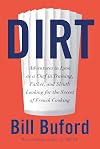
“I pressed on. “No one in America eats food out of a pig’s bladder.”
Oh boy, it’s been ages since I’ve read a foodie book, and I was so excited to read this one. I read Buford’s previous book, Heat (published in 2006), and really enjoyed his adventures in the cooking world. In that book, he got to train in Mario Batali’s kitchen (of course, now that things have come to light about Batali, I wouldn’t know what to think of that), but at that time, I really enjoyed Buford’s writing, and his brashness in being able to jump into a professional kitchen and move from station to station.
Similarly, this happens again in Dirt, this time in Lyon, France. Why Lyon? It’s the home of Paul Bocuse, Daniel Boulud grew up near there, and some consider it the gastronomy capital of the world.
Also, Buford had come across the idea that French cuisine originated in Italian Renaissance kitchens:
“In any case, the implications were intriguing to consider: that at one point French cuisine did not exist, or at least not in a form that we would recognise today; and that then, at another point, it did, and that the Italians may have had something to do with its coming into being.”
Packing up and heading to a new country for a while is nothing new to Buford and his family. They lived in Tuscany for a year, his wife loved to travel and could easily pick up languages. And Buford had been wanting to work in a French kitchen. But they soon learned that France was not Italy. That is, show more while it was easy to land in Italy, figure things out as they went along, even just the process of getting to France (legally that is) was hard. All kinds of supporting documents were needed, even financial statements for each child (though they were still in diapers). And somehow needing to prove residence in France – although they were still in the process of applying to be residents??
At any rate, they made it there, with a little help from some friends.
But there, still, Buford had a hard time getting his foot into any restaurant kitchen. He does, however, work for a baker, and attends culinary school for a bit – not just any culinary school, but L’Institut Bocuse – then eventually lands up at La Mère Brazier, which first opened in 1921.
I have enjoyed eating French food, one of my favourite all-time meals is Duck Confit. But I have no clue about the food of Lyon, some of which sounds like nothing I’ve ever seen on French restaurant menus. For instance, andouillette, which sounds like the andouille sausage (common in the US), but is instead full of pigs intestines and stomach. Or the volaille à Noelle (I could only find recipes in French, so the link here is to a Youtube video of a chef making the dish), it’s essentially a deboned bird, refilled and stuffed with vegetables and meat. And then there’s the Poulet en Vessie, which is a chicken cooked in a pig’s bladder. Yup. The dish looks like a ball in which a chicken is enclosed. Fascinating!
“After twenty minutes, the vessie is transformed: No longer thick and opaque, it has the appearance of a beautifully golden, nearly translucent beach ball that some maniac is still insisting on pumping more air into. Also, you can see the chicken.”
And reading about French schools, especially their school lunches – three course meals, the food served at the table, and kids cannot get the next course if they haven’t finished.
Another fascinating part, is the principles of a French plate:
“If your dish uses colour strategically, volume (i.e. has height), and texture (mixes soft and hard, or juicy and crunchy), then it will appeal to a diner.”
This was a book I needed to read. The thought of someone travelling to a different country is such a foreign concept right now. Getting on a plane and moving your family to another part of the world, to live there for a few months – which turns into five years? What a dream! This was armchair – and foodie – travelling during a pandemic.
Here’s a tip: If you’ve ever watched the late Anthony Bourdain’s TV series Parts Unknown, Season 3 Episode 4 is the Lyon episode and it features Daniel Boulud, who is often mentioned in Dirt. The episode also brings in Buford himself. The season was aired in 2014 and so that possibly means that he was still living in Lyon when it was taped? He had moved to Lyon in 2009 and they stayed for five years. Also, the chefs cook the Poulet en Vessie, and that is quite a sight. show less
Oh boy, it’s been ages since I’ve read a foodie book, and I was so excited to read this one. I read Buford’s previous book, Heat (published in 2006), and really enjoyed his adventures in the cooking world. In that book, he got to train in Mario Batali’s kitchen (of course, now that things have come to light about Batali, I wouldn’t know what to think of that), but at that time, I really enjoyed Buford’s writing, and his brashness in being able to jump into a professional kitchen and move from station to station.
Similarly, this happens again in Dirt, this time in Lyon, France. Why Lyon? It’s the home of Paul Bocuse, Daniel Boulud grew up near there, and some consider it the gastronomy capital of the world.
Also, Buford had come across the idea that French cuisine originated in Italian Renaissance kitchens:
“In any case, the implications were intriguing to consider: that at one point French cuisine did not exist, or at least not in a form that we would recognise today; and that then, at another point, it did, and that the Italians may have had something to do with its coming into being.”
Packing up and heading to a new country for a while is nothing new to Buford and his family. They lived in Tuscany for a year, his wife loved to travel and could easily pick up languages. And Buford had been wanting to work in a French kitchen. But they soon learned that France was not Italy. That is, show more while it was easy to land in Italy, figure things out as they went along, even just the process of getting to France (legally that is) was hard. All kinds of supporting documents were needed, even financial statements for each child (though they were still in diapers). And somehow needing to prove residence in France – although they were still in the process of applying to be residents??
At any rate, they made it there, with a little help from some friends.
But there, still, Buford had a hard time getting his foot into any restaurant kitchen. He does, however, work for a baker, and attends culinary school for a bit – not just any culinary school, but L’Institut Bocuse – then eventually lands up at La Mère Brazier, which first opened in 1921.
I have enjoyed eating French food, one of my favourite all-time meals is Duck Confit. But I have no clue about the food of Lyon, some of which sounds like nothing I’ve ever seen on French restaurant menus. For instance, andouillette, which sounds like the andouille sausage (common in the US), but is instead full of pigs intestines and stomach. Or the volaille à Noelle (I could only find recipes in French, so the link here is to a Youtube video of a chef making the dish), it’s essentially a deboned bird, refilled and stuffed with vegetables and meat. And then there’s the Poulet en Vessie, which is a chicken cooked in a pig’s bladder. Yup. The dish looks like a ball in which a chicken is enclosed. Fascinating!
“After twenty minutes, the vessie is transformed: No longer thick and opaque, it has the appearance of a beautifully golden, nearly translucent beach ball that some maniac is still insisting on pumping more air into. Also, you can see the chicken.”
And reading about French schools, especially their school lunches – three course meals, the food served at the table, and kids cannot get the next course if they haven’t finished.
Another fascinating part, is the principles of a French plate:
“If your dish uses colour strategically, volume (i.e. has height), and texture (mixes soft and hard, or juicy and crunchy), then it will appeal to a diner.”
This was a book I needed to read. The thought of someone travelling to a different country is such a foreign concept right now. Getting on a plane and moving your family to another part of the world, to live there for a few months – which turns into five years? What a dream! This was armchair – and foodie – travelling during a pandemic.
Here’s a tip: If you’ve ever watched the late Anthony Bourdain’s TV series Parts Unknown, Season 3 Episode 4 is the Lyon episode and it features Daniel Boulud, who is often mentioned in Dirt. The episode also brings in Buford himself. The season was aired in 2014 and so that possibly means that he was still living in Lyon when it was taped? He had moved to Lyon in 2009 and they stayed for five years. Also, the chefs cook the Poulet en Vessie, and that is quite a sight. show less
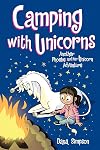
Definitely what I needed as a breather from all this crap going on. Reliably adorable and fun
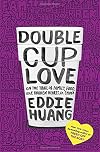
I listened to the audiobook version and would highly recommend it!
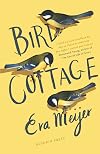
It’s funny when you stumble across a book that is just right for your frame of mind. This book, in all its pastoral ramble-y ways, was that quiet I did not know I needed, in a world that is strangely quiet in ways (less traffic) but crazily loud in so many other ways (ALL THE NEWS).
This is a book about a woman and her birds, and I was startled to learn at the end of the book that Len was a real person, a woman who did live in Sussex, and who observed and wrote about the birds who lived in her garden, although her work wasn’t deemed scientific enough and are now out of print.
It’s strangely charming and yet profoundly sad, this woman’s life among her birds, especially in contrast to her younger self as a musician in London. An explanation for her reclusiveness isn’t exactly stated (at least not that I recall) but maybe the reader is meant to reflect on that and wonder
This is a book about a woman and her birds, and I was startled to learn at the end of the book that Len was a real person, a woman who did live in Sussex, and who observed and wrote about the birds who lived in her garden, although her work wasn’t deemed scientific enough and are now out of print.
It’s strangely charming and yet profoundly sad, this woman’s life among her birds, especially in contrast to her younger self as a musician in London. An explanation for her reclusiveness isn’t exactly stated (at least not that I recall) but maybe the reader is meant to reflect on that and wonder
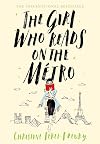
Which booklover can resist a book about books? A book about readers? And also ticking some boxes for me, a book written by a woman, and translated into English from French. And then it begins with one of my favourite quotes, “I have always imagined that Paradise will be a kind of library” by Jorge Luis Borges.
We begin on the metro where Juliette spends her commute watching people who are reading. There’s the man in the green hat reading a history of insects. The young woman reading romance novels whose eyes begin to tear around page 247. Juliette prefers watching readers to reading her own book.
One day, Juliette steps off the train at a different stop, takes a walk around the strange neighborhood, and finds herself at a house with the front door wedged open with a book.
There she meets Soliman whose house is full of books. And book passeurs come by, they deliver books to people. Not just randomly, but people they have watched, followed, until they can sense the book that person needs.
And it all sounds kind of lovely, the way I’m describing it, but while I expected to be enchanted by this book, I just wasn’t. Although I can’t quite put my finger on it. Maybe because she doesn’t seem to really do much as a book passeur. And maybe because I didn’t really feel much of a connection to any of the characters. Maybe I was looking for something more whimsical.
Maybe it might be a better fit for you?
We begin on the metro where Juliette spends her commute watching people who are reading. There’s the man in the green hat reading a history of insects. The young woman reading romance novels whose eyes begin to tear around page 247. Juliette prefers watching readers to reading her own book.
One day, Juliette steps off the train at a different stop, takes a walk around the strange neighborhood, and finds herself at a house with the front door wedged open with a book.
There she meets Soliman whose house is full of books. And book passeurs come by, they deliver books to people. Not just randomly, but people they have watched, followed, until they can sense the book that person needs.
And it all sounds kind of lovely, the way I’m describing it, but while I expected to be enchanted by this book, I just wasn’t. Although I can’t quite put my finger on it. Maybe because she doesn’t seem to really do much as a book passeur. And maybe because I didn’t really feel much of a connection to any of the characters. Maybe I was looking for something more whimsical.
Maybe it might be a better fit for you?
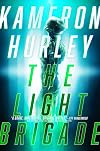
This is THE LIGHT BRIGADE by KAMERON HURLEY.
A book I hadn’t heard of before going over the Tor.com reviewers’ best books of 2019.
Some years ago, if you’d have said “military sci-fi” my answer would have been, what? no!
But this was fascinating! Mars and Earth are at war and Dietz has signed up to fight. He’s part of a team that is turned into particles of light and then beamed at lightspeed to wherever they’re ordered, sometimes Mars. But something keeps going wrong with his drops, he seems to be joining his team at different times and situations. And soon he learns the truth behind it all.
It is an intense read. So much happens and the reader is trying to puzzle it out along with Dietz. I’ve seen a few reviews since that talked about this book being a new take on Starship Troopers, which I don’t know about as I’ve not seen the movie or read the book. So I’ve come into this as a reader who doesn’t really know much about more classic SF or military novels.
But what I really liked about this book is the way she constructed her future world. Where there are no nations, just corporations. Where you are either citizens or not. And if not, you have no rights and privileges. You are a “ghoul”. Dietz is a one of these “ghouls”, once an inhabitant of São Paulo which has been wiped out by the Martians.
What a read this is. It is brutal and bloody. It discusses politics and capitalism that, while set in a future society, rings so relevant and true show more to our current one. Loved it. show less
A book I hadn’t heard of before going over the Tor.com reviewers’ best books of 2019.
Some years ago, if you’d have said “military sci-fi” my answer would have been, what? no!
But this was fascinating! Mars and Earth are at war and Dietz has signed up to fight. He’s part of a team that is turned into particles of light and then beamed at lightspeed to wherever they’re ordered, sometimes Mars. But something keeps going wrong with his drops, he seems to be joining his team at different times and situations. And soon he learns the truth behind it all.
It is an intense read. So much happens and the reader is trying to puzzle it out along with Dietz. I’ve seen a few reviews since that talked about this book being a new take on Starship Troopers, which I don’t know about as I’ve not seen the movie or read the book. So I’ve come into this as a reader who doesn’t really know much about more classic SF or military novels.
But what I really liked about this book is the way she constructed her future world. Where there are no nations, just corporations. Where you are either citizens or not. And if not, you have no rights and privileges. You are a “ghoul”. Dietz is a one of these “ghouls”, once an inhabitant of São Paulo which has been wiped out by the Martians.
What a read this is. It is brutal and bloody. It discusses politics and capitalism that, while set in a future society, rings so relevant and true show more to our current one. Loved it. show less

In A Song for a New Day, there is the Before, that is, before the virus hit, and before the terror attacks on large public gatherings. And then there is the After, when large gatherings like concerts and performances are banned.
Tied in with both Before and After is Luce Cannon, who had been on her way to stardom with her hit song Blood and Diamonds. And despite the ban on concerts, she’s persisting in playing live, via a series of illegal performances. Then there’s Rosemary Laws, who doesn’t quite know of life in the Before. She lives in a virtual world, in what is known as the Hoodspace, where she works her online job, helping customers with their drone deliveries. She isn’t good with crowds – or real live people in general – as she works in isolation on her parents’ farm. But a job opportunity comes up with a company called StageHoloLive or SHL to discover new musicians for their virtual reality performances. That means going out into the real world and finding them.
Reading this book in today’s COVID-19 panicked world, I can so easily see this happening, and in a sense, it has, in parts of the world. Cities in Hubei province in China have been locked down. A live fashion show in Italy was altered in that models walked the runway to an empty theatre and the show was live-streamed. Travelers in a hotel in Tenerife have been quarantined.
And I wonder, how far will this go?
Could life end up like in A Song for A New Day?
I really enjoyed the music aspect of the show more book and wish there could have been a soundtrack to go along with it! Pinsker effortlessly captures that magic of being in a concert, amidst a sea of fans all singing the lines together. She’s a musician herself and her love for music is evident throughout.
Rosemary is a fascinating character, having lived all her life on the farm, she’s not used to, well, people. And when she begins her new job, she has to attend concerts, be among a crowd, take public transport. Life in the After means isolation booths in restaurants, and interstate buses. It means drones delivering you everything you need. Imagine growing up in that and never being out and among other people besides your family. This new job requires such growth from her and Pinsker gradually coaxes it out, nothing too shocking or dramatic, and in the end, satisfying.
A Song for a New Day is an entertaining and immersive read that will stay with me for a long time. show less
Tied in with both Before and After is Luce Cannon, who had been on her way to stardom with her hit song Blood and Diamonds. And despite the ban on concerts, she’s persisting in playing live, via a series of illegal performances. Then there’s Rosemary Laws, who doesn’t quite know of life in the Before. She lives in a virtual world, in what is known as the Hoodspace, where she works her online job, helping customers with their drone deliveries. She isn’t good with crowds – or real live people in general – as she works in isolation on her parents’ farm. But a job opportunity comes up with a company called StageHoloLive or SHL to discover new musicians for their virtual reality performances. That means going out into the real world and finding them.
Reading this book in today’s COVID-19 panicked world, I can so easily see this happening, and in a sense, it has, in parts of the world. Cities in Hubei province in China have been locked down. A live fashion show in Italy was altered in that models walked the runway to an empty theatre and the show was live-streamed. Travelers in a hotel in Tenerife have been quarantined.
And I wonder, how far will this go?
Could life end up like in A Song for A New Day?
I really enjoyed the music aspect of the show more book and wish there could have been a soundtrack to go along with it! Pinsker effortlessly captures that magic of being in a concert, amidst a sea of fans all singing the lines together. She’s a musician herself and her love for music is evident throughout.
Rosemary is a fascinating character, having lived all her life on the farm, she’s not used to, well, people. And when she begins her new job, she has to attend concerts, be among a crowd, take public transport. Life in the After means isolation booths in restaurants, and interstate buses. It means drones delivering you everything you need. Imagine growing up in that and never being out and among other people besides your family. This new job requires such growth from her and Pinsker gradually coaxes it out, nothing too shocking or dramatic, and in the end, satisfying.
A Song for a New Day is an entertaining and immersive read that will stay with me for a long time. show less
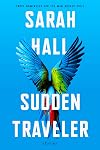
“We are, all of us, sudden travelers in the world, blind, passing each other, reaching out, missing, sometimes taking hold.”
Reviewing a collection of short stories isn’t an easy task. With a few exceptions, short story collections tend to feel like they need to be read over a longer time than it takes to read a book. For example, read one story, take a break and go read something else. Then come back to another story after that breather.
And in a collection such as this slim volume by Sarah Hall, a lot of breaks are needed, as the stories take on such varied settings, some weird and otherworldly and a bit experimental, some more rooted in the every day. Is that why the title is such? That as we read the stories, we are, too, “sudden travelers”, having to switch our perspectives completely?
For these stories are set in Turkish forests, Cumbrian villages, some that seem more like dreamscapes with weird transformations.
There is no doubt that Hall is a great writer. The stories are full of beautiful writing. For myself, as I am not much of a reader of more experimental turns, I was more drawn to her more ‘real’ stories like Orton and, especially the penultimate story, Sudden Traveler. And her writing pulled me in deep to those stories, tears falling, even, for one of them.
So while I stumbled during a couple of stories, unsure of where these pieces were leading me, the end result was worth it.
Reviewing a collection of short stories isn’t an easy task. With a few exceptions, short story collections tend to feel like they need to be read over a longer time than it takes to read a book. For example, read one story, take a break and go read something else. Then come back to another story after that breather.
And in a collection such as this slim volume by Sarah Hall, a lot of breaks are needed, as the stories take on such varied settings, some weird and otherworldly and a bit experimental, some more rooted in the every day. Is that why the title is such? That as we read the stories, we are, too, “sudden travelers”, having to switch our perspectives completely?
For these stories are set in Turkish forests, Cumbrian villages, some that seem more like dreamscapes with weird transformations.
There is no doubt that Hall is a great writer. The stories are full of beautiful writing. For myself, as I am not much of a reader of more experimental turns, I was more drawn to her more ‘real’ stories like Orton and, especially the penultimate story, Sudden Traveler. And her writing pulled me in deep to those stories, tears falling, even, for one of them.
So while I stumbled during a couple of stories, unsure of where these pieces were leading me, the end result was worth it.
Had high hopes for this one. Monica Ali who wrote the amazing Brick Lane! And a book set (partly at least) in a restaurant, with a chef as the main character. Sadly it was a rather tedious read. It starts out interesting with the death of a man, one of the restaurant staff, in the kitchen cellar. And a mysterious young woman appears, needing help. The kitchen staff is a great mix of migrant workers and all the scenes set in the kitchen or restaurant are great. I guess I just didn’t really care about the main character Gabriel enough and in the end, the dead man seems to have been forgotten. A bit of a disappointment.
The description of this book ticked lots of boxes for me.
It’s a translated book, written by a woman, and it’s set in South America, specifically Venezuela, a country I have never been to and don’t know very much of, and sadly haven’t read much about. So I was thrilled to receive this book and immediately set myself to read it.
And while it is heavy, while it is full of sadness and grief (it begins with the death of the main character’s mother and the difficulty in giving her a proper funeral, fearing thieves will descend on the grave before night falls), it was an absorbing read.
Life in Venezuela is a continuous struggle. Supplies are scarce. Rationing is so bad that sanitary napkins are more valuable than toilet paper. Cash is worthless. The banking system “a complete fiction”. Protesters on the street. The air constantly filled with tear gas.
“That’s the way we were all living: peering at what was in each other’s shopping bag. Sniffing out when a neighbour came home with something in short supply, so we could investigate where to get hold of it. We were all becoming suspicious and watchful. We would distort solidarity into predation.”
Adelaida falls into more trouble. The apartment that she lives in gets taken over by a gang of armed women. Luckily (and perhaps a little bit too conveniently), the death of a neighbour offers her an opening, a possible way out.
The story moves from present to past and the happier memories that Adelaida has of her show more childhood in the city.
It Would Be Night in Caracas is an intense read. It brings a personal narrative to all that is going on in Venezuela, what I’ve seen as headlines and news articles take on new meaning in this debut. show less
It’s a translated book, written by a woman, and it’s set in South America, specifically Venezuela, a country I have never been to and don’t know very much of, and sadly haven’t read much about. So I was thrilled to receive this book and immediately set myself to read it.
And while it is heavy, while it is full of sadness and grief (it begins with the death of the main character’s mother and the difficulty in giving her a proper funeral, fearing thieves will descend on the grave before night falls), it was an absorbing read.
Life in Venezuela is a continuous struggle. Supplies are scarce. Rationing is so bad that sanitary napkins are more valuable than toilet paper. Cash is worthless. The banking system “a complete fiction”. Protesters on the street. The air constantly filled with tear gas.
“That’s the way we were all living: peering at what was in each other’s shopping bag. Sniffing out when a neighbour came home with something in short supply, so we could investigate where to get hold of it. We were all becoming suspicious and watchful. We would distort solidarity into predation.”
Adelaida falls into more trouble. The apartment that she lives in gets taken over by a gang of armed women. Luckily (and perhaps a little bit too conveniently), the death of a neighbour offers her an opening, a possible way out.
The story moves from present to past and the happier memories that Adelaida has of her show more childhood in the city.
It Would Be Night in Caracas is an intense read. It brings a personal narrative to all that is going on in Venezuela, what I’ve seen as headlines and news articles take on new meaning in this debut. show less
The covers of the books in this series always turn me off and as a result I never bothered picking it up. But along comes RIPXIV and I wanted to find some urban fantasy to read so I finally gave this a try. And I quite liked it. I like Mercy and her unusual background as well as her friendly neighbors the werewolf pack. It was a fun and quick read and I’ve already gone on to the second book.
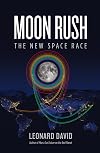
’ve read many works of fiction that are set in space, watched many movies and TV shows set in space, but I’ve never really read much nonfiction about space.
And you can rest assured that you are in good hands here with journalist Leonard David, who has been reporting on space-related news for over 50 years.
The race to the moon began in the 1960s, between the Soviet Union and the US. But today it is a very different landscape – in January, the Chinese landed a spacecraft on the far side of the moon; a spacecraft from an Israeli nonprofit crash-landed on the moon in April; India’s moon-lander is scheduled to take off later this year; or how about Japan, which plans its own lunar rover to land next year? The race to space is definitely back on and this book is published just at the right time to tell us all about the history behind it all, as well as what’s upcoming developments that we can expect in lunar exploration.
Some fascinating tidbits of information were gathered from my reading of this book.
Such as:
“Three sealed samples, one each from Apollo 15, 16, and 17, remain unopened, intentionally saved until technology and instrumentation has advanced to the point that investigators can maximize the scientific return on these unique specimens.”
I couldn’t help wondering when exactly that would be. How, for instance, could anyone decide, oh we should open this year, when who knows what kind of scientific advancement could happen next year? It’s not like show more science and technology is going to stop improving (or at least I hope not) so who makes that decision and how do they make such a decision?
Reading this book made me wonder, would I go to space if that were an option in the future? Would I want to go to the moon? I don’t know if I would. I don’t think I like the idea of hurtling up in a spacecraft powered by rockets (that’s probably why the first astronauts were pilots). How about you? Would you want to be a space tourist? show less
And you can rest assured that you are in good hands here with journalist Leonard David, who has been reporting on space-related news for over 50 years.
The race to the moon began in the 1960s, between the Soviet Union and the US. But today it is a very different landscape – in January, the Chinese landed a spacecraft on the far side of the moon; a spacecraft from an Israeli nonprofit crash-landed on the moon in April; India’s moon-lander is scheduled to take off later this year; or how about Japan, which plans its own lunar rover to land next year? The race to space is definitely back on and this book is published just at the right time to tell us all about the history behind it all, as well as what’s upcoming developments that we can expect in lunar exploration.
Some fascinating tidbits of information were gathered from my reading of this book.
Such as:
“Three sealed samples, one each from Apollo 15, 16, and 17, remain unopened, intentionally saved until technology and instrumentation has advanced to the point that investigators can maximize the scientific return on these unique specimens.”
I couldn’t help wondering when exactly that would be. How, for instance, could anyone decide, oh we should open this year, when who knows what kind of scientific advancement could happen next year? It’s not like show more science and technology is going to stop improving (or at least I hope not) so who makes that decision and how do they make such a decision?
Reading this book made me wonder, would I go to space if that were an option in the future? Would I want to go to the moon? I don’t know if I would. I don’t think I like the idea of hurtling up in a spacecraft powered by rockets (that’s probably why the first astronauts were pilots). How about you? Would you want to be a space tourist? show less