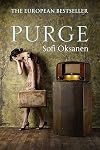

OMG...I was looking for a summer book, to read on the beach. No intellectual elucubrations, no philosophy on metaphysics, no where-am-I-who-am-I kinda essay, just a plain, fun and easy-reading book. The cover looked promising, half da vinci code, half Angelina Jolie running around in Lara Croft gear. Well, I ended up with a Fox News intern first book, full of cliches about everything and just SO so easy to read. My 3-years old French speaking niece enjoyed it as well, coloring the pages accross the book to fill in the blanks.
I cant' believe I actually paid for that.
I cant' believe I actually paid for that.
Qui a écrit ce livre? Ca n'est pas Grangé pantoute! C'est faible, trame du complt incroyablement facile à suivre, et conclusion totalement invraisemblable. Bof bof bof.
Une sorte de Paris-match de l'histoire des rois maudits. Mal écrit mais pas inintéressant. Il ne faut pas s'attendre à de la rigueur historique ou à un ouvrage destiné à nous éclairer sur l'histoire de la capitale française. Celle-ci est à peine effleurée. Elle sert plus de prétexte à présenter certaines périodes de l'histoire française injustement laissées dans les oubiettes de notre éducation. En cela, le livre de Deutsch présente un certain attrait.
Ma petite faiblesse...Akounine est le Dostoievski du roman de gare. C'est facile mais tellement agréable à lire.
Sorry but it's just unreadible. I don't see the point... or maybe I see it too vividly...
Rather boring and kind of useless insight on the Iranian society. Not worth all the fuss around it. For those who are not familiar with Iran and its complexity, it can be a good introduction to the daily life of a very specific cast of the Iranian population. It's not what Iran looks like though. I was a bit disappointed by this very politically correct book. Lipstick Jihad was much more interesting.
 This review was written for LibraryThing Early Reviewers.
Written before the recent abductions of French citizens in the Sahara area, Ruffin's novel depicts the complexity and meanders of islamisation in subsaharian Africa. You can see that Ruffin is quite familiar with the situation over there and does not fall into simplistic western proselytism. It's rather classic though. Even the most dramatic events that brings structure to the tale are factually described with no hint of drama whatsoever. It could have used a little more of politically incorrectness. Pleasant to read.
Difficile de sortir indemne d'une telle oeuvre. Le verbe de Marie Ndiyae est certainement puissant. C'est un livre tout en ambiance et ressentis. Impressionnant de justesse et de poésie très crue.
Expérience intéressante de découverte d'une terre "inconnue" à l'époque par une véritable aventurière. Le style est tout de même très empesé et peut nuire à la lecture. Typiquement 19ème.
A very good introduction to contemporary persian poetry.
This review was written for LibraryThing Early Reviewers.
Reading Dan Brown's novels is like watching Lost. The first season was captivating, but then it turned into a nonsensical complicated and farfetched story. We know that it won't get any better but we still have hope.
The Lost Symbol is a condensed version of Brown's most prominent novels. He put everything in a pot, mixed, cooked and served a pale story whose ingredients are so common that it feels like eating yesterday dish. It's still OK but savor and color have faded away.
I'm done with Dan...till the next one.
The Lost Symbol is a condensed version of Brown's most prominent novels. He put everything in a pot, mixed, cooked and served a pale story whose ingredients are so common that it feels like eating yesterday dish. It's still OK but savor and color have faded away.
I'm done with Dan...till the next one.
This novel would be great hadn't follett published Pillars of the Earth first. What to say about this one, a pale copycat of a great great work.
I midly enjoyed The Templars Legacy and read the Charlemagne Pursuit only because I've been lucky enough to get picked as an early reviewer.
Unfortunately, Berry doesn't have the wits of a Dan Brown. It lacks something...Un je ne sais quoi which makes the book look like an unsuccessful attempt to deliver a true hold-your-breath story.
It's far-fetched, unplausible and sometimes really dull. On top of it, Berry's characters lack substance. I don't like the book rythm set forth by the too-short chapters.
Unfortunately, Berry doesn't have the wits of a Dan Brown. It lacks something...Un je ne sais quoi which makes the book look like an unsuccessful attempt to deliver a true hold-your-breath story.
It's far-fetched, unplausible and sometimes really dull. On top of it, Berry's characters lack substance. I don't like the book rythm set forth by the too-short chapters.
This review was written for LibraryThing Early Reviewers.
Not the best Grange. It takes too long before the plot is actually set up. The characters are typical Grange-style retired rogue cops. The plot thread is rather interesting and original though.
I really liked the Black line, Empire of the wolves and the Purple rivers. Miserere could have used a little more sophistication and less of horrid torture descriptions. You have to be aware that it's from time to time disturbing, especially when it comes to pictures of tortured children.
For someone who doesn't know Grange, Miserere can be a good introduction to his world. Then you can switch to his earlier works.
I really liked the Black line, Empire of the wolves and the Purple rivers. Miserere could have used a little more sophistication and less of horrid torture descriptions. You have to be aware that it's from time to time disturbing, especially when it comes to pictures of tortured children.
For someone who doesn't know Grange, Miserere can be a good introduction to his world. Then you can switch to his earlier works.

I got it from the first pages of the book. No need to go any further along this boring and tortuous way. I didn't like it. I didn't like his writing and the name thing is utterly annoying.
Harlem, just a few blocks further north from home. Land of mistery, legends and darkness, as warned me my dear 85-year-old upper eastsider neighbour, eyes full of fear and the corners of her lips trembling softly. "Don't go north of 96th!" I'll strongly recommend her to read through this humourous, witty and well-written book about Harlem gentrification and its side effect: the whitification of northern Manhattan.
She's seen it all, wars, slaughters, crualty, human stupidity at its upmost. She had no fears, risking the life of her unborn baby, boldness in hands as her sole weapon, and journalist immunity as a shield. Judith was definitely the only woman who could have pioneered West Harlem in the mid-nineties and open the way for further gentrifiers to set up their nests in those shabby but still-beautiful brownstones.
Oops, sorry about that, they're not browntsones as brownstone is just a material used in upper west and east to build bourgeois mansions. They're townhouses. Rather decrepit but so quaint and appealing to 90s bobos.
So she's seen it all, at least that's what she thought. Judith came back home to find peace and set up a family haven. She was far from imagine that the wild far west (she moved from Moscow to NY) was neither west of Kansas city, nor south of Guadelajara, but a few blocks north of the Jackie Kennedy Reservoir.
Judith draws an interesting parallel betwewen the refurbishing of her old townhouse she bought in the mid nineties and the gentrification show more of Harlem. Her characters are really likeable, rich and beautifully depicted. There's the pathetic crack addict whose name made me grin each time I read it (Salami!) or this clandestine homeless in love with opera and books.
9/11 was clearly a turning point in the book. It's clearly not the backbone of the book but Matloff made me realized the extent to which this horrible event brushed off a new face on the city and shaked up all the old landmarks, included relationships between communities. I had too egocentric a vision of 9/11. Thanks Judith for opening my eyes.
Anyway, it's too late but I wish I could live in Harlem (too expensive now).
PS: two weeks after I finished the book, I read a very intersting article in New York magazine about the famous Harlem real estate broker Willie Suggs who's been playing a major role in the gentrification of the neighbourhood. If you have a chance to read it, it's a good continuation of the book. show less
She's seen it all, wars, slaughters, crualty, human stupidity at its upmost. She had no fears, risking the life of her unborn baby, boldness in hands as her sole weapon, and journalist immunity as a shield. Judith was definitely the only woman who could have pioneered West Harlem in the mid-nineties and open the way for further gentrifiers to set up their nests in those shabby but still-beautiful brownstones.
Oops, sorry about that, they're not browntsones as brownstone is just a material used in upper west and east to build bourgeois mansions. They're townhouses. Rather decrepit but so quaint and appealing to 90s bobos.
So she's seen it all, at least that's what she thought. Judith came back home to find peace and set up a family haven. She was far from imagine that the wild far west (she moved from Moscow to NY) was neither west of Kansas city, nor south of Guadelajara, but a few blocks north of the Jackie Kennedy Reservoir.
Judith draws an interesting parallel betwewen the refurbishing of her old townhouse she bought in the mid nineties and the gentrification show more of Harlem. Her characters are really likeable, rich and beautifully depicted. There's the pathetic crack addict whose name made me grin each time I read it (Salami!) or this clandestine homeless in love with opera and books.
9/11 was clearly a turning point in the book. It's clearly not the backbone of the book but Matloff made me realized the extent to which this horrible event brushed off a new face on the city and shaked up all the old landmarks, included relationships between communities. I had too egocentric a vision of 9/11. Thanks Judith for opening my eyes.
Anyway, it's too late but I wish I could live in Harlem (too expensive now).
PS: two weeks after I finished the book, I read a very intersting article in New York magazine about the famous Harlem real estate broker Willie Suggs who's been playing a major role in the gentrification of the neighbourhood. If you have a chance to read it, it's a good continuation of the book. show less
This review was written for LibraryThing Early Reviewers.
Desperate housewives in Turkey.
I turned the last page of this novel feeling half frustrated half intrigued.
Frustrated because I couldn't come to like any of the characters. How comes that Helms doesn't even care about them? Even worse, she entices us away from them to a point where we're left with no other choice but dislike them.
Grace, the main character, is alone and depressed. The dullness of the city (Ankara) where she and her family live seems to have rubbed off on her moods. She's devoted her whole life to an ever-absent and aloof husband. Moving from a foreign capital to another. Trying to adjust to new people and new cultures.
She realized too late that there is no love in her life. Her daughter is ungrateful, selfish and spoiled. Her naivety borders on foolishness. Grace's acquaintances are either crual, mean (in the feminine way), manipulative or jealous.
Men existence is just implied. They're used as a pretext to underline their wives or lovers' weaknesses. They despise those women and seem to live in a parallel world, rebuked by all this superficiality.
I didn't like the clichéesque daughter/mother relationship. It's supposed to be the backbone of the book but actually stands for a cheap excuse. Helms intends to draw a parallel between mother's and daughter's feelings but, in my humble opinion, failed to connect both of them in a kind of dialog using the reader as a witness. They don't interact at all, don't talk about each other. One mentions the other show more from time to time, very matter-of-factly . There are a few hints about their mutual weariness but no real interconnection. Thus the reader is taken away from their common story and ends up reading two different tales successively. Grace's one and her daughter's, Canada (ridiculous name by the way).
At some point, I thought I was bored. But I wasn't really. I was feeling what those women were. That's the intriguing part of this novel. It's sharp, precise and well-written. There is no plot, no real story, no tearful drama, no strong or meaningful character, but still you go on reading because you have nothing else to do. Helms magistrally sets the stage in dusty, dull and plain-beigeish Ankara. It couldn't have taken place in another city. Still, you feel like bored...You're waiting in vain for something to happen. It is so frustrating. Back to square one!
Mildly recommended. show less
I turned the last page of this novel feeling half frustrated half intrigued.
Frustrated because I couldn't come to like any of the characters. How comes that Helms doesn't even care about them? Even worse, she entices us away from them to a point where we're left with no other choice but dislike them.
Grace, the main character, is alone and depressed. The dullness of the city (Ankara) where she and her family live seems to have rubbed off on her moods. She's devoted her whole life to an ever-absent and aloof husband. Moving from a foreign capital to another. Trying to adjust to new people and new cultures.
She realized too late that there is no love in her life. Her daughter is ungrateful, selfish and spoiled. Her naivety borders on foolishness. Grace's acquaintances are either crual, mean (in the feminine way), manipulative or jealous.
Men existence is just implied. They're used as a pretext to underline their wives or lovers' weaknesses. They despise those women and seem to live in a parallel world, rebuked by all this superficiality.
I didn't like the clichéesque daughter/mother relationship. It's supposed to be the backbone of the book but actually stands for a cheap excuse. Helms intends to draw a parallel between mother's and daughter's feelings but, in my humble opinion, failed to connect both of them in a kind of dialog using the reader as a witness. They don't interact at all, don't talk about each other. One mentions the other show more from time to time, very matter-of-factly . There are a few hints about their mutual weariness but no real interconnection. Thus the reader is taken away from their common story and ends up reading two different tales successively. Grace's one and her daughter's, Canada (ridiculous name by the way).
At some point, I thought I was bored. But I wasn't really. I was feeling what those women were. That's the intriguing part of this novel. It's sharp, precise and well-written. There is no plot, no real story, no tearful drama, no strong or meaningful character, but still you go on reading because you have nothing else to do. Helms magistrally sets the stage in dusty, dull and plain-beigeish Ankara. It couldn't have taken place in another city. Still, you feel like bored...You're waiting in vain for something to happen. It is so frustrating. Back to square one!
Mildly recommended. show less
This review was written for LibraryThing Early Reviewers.
A bit disappointed by Rory's testimonial on his Iraqi experience. I've been enthralled by his Afghan adventure and was eager to follow him through the meanders of the Iraqi quagmire expecting a new, fresh and witty eye on the biggest lie of the century. I ended up feeling very frustrated, wondering where this courageous, iconoclast farsi-speaking Scottsman had gone. Iraqi society is complex, multi layered and unfit to democracy: wow, major breakthrough. Why on earth did he go there?
It's very hard to really get into the plot. Characters are drowned in the flow of railways and turn-of-the-20th-century pub slang. First half of the novel is simply boring and very slow-motionned. It's hard to find its way through the meandrous platforms of gloomy trains sheds. In my opinion, Martin's novel falls short to captivate readers in time. When everything is put together, it's simply too late.
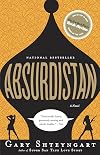
Shteyngart leads his character through interesting states of mind but fails to really get the reader into it. Why did he choose to dot his book with digusting genital detailed descriptions (i hate the Russian word "khui")? is it meant to keep any normal reader away? If so, goal is achieved. Otherwise, it was totally and utterly unnecessary.
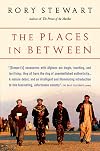
Great tale of a fantastic adventure in post-Taliban Afghanistan. Stewart nicknames himself the first tourist in Afghanistan and I guess it's true. He makes us feel as we are his travel companions, walking in his boots, and magic just reveals itself through the pages. Thanks for this great tale, without ostentation or superiority complex so common among those who accomplished uncommon or truly amazing things in their lives.
Bof, ce n'est meme pas du travail de journalisme. On a l'impression d'etre au cafe de la gare. Aussi creux que le personnage
Sep 27, 2007French
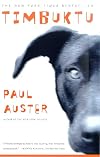
OK...not quite convinced by this story. Auster did not pit all his heart in this easy-reading novel.
Poor dog, he lives, eats, thinks, stinks and barks like humans do. This no dog life!
By far the "Austeriest" end ever.
Poor dog, he lives, eats, thinks, stinks and barks like humans do. This no dog life!
By far the "Austeriest" end ever.
Good take-off, long and hardly entertaining flight, smooth landing. It was OK though but don't expect a vibrant thriller. Characters seem frozen by the swedish breezy wind.
Typical English humor. Caustic and sharp picture of the conservative English countryside society.
A kind of deja-vu...I read it with Da Vinci Code in mind and couldn't help but compare.
Brillant essai sur la composition et la decomposition de l'empire russe.
Apr 13, 2007French
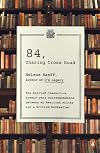
A true delight. A parcel of witty humourous letters from an Upper West Side writer to a so-English-to-the-brim book-seller.
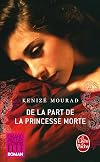
It smells like a Barbra Cartland's novel, too much of everything, gowns, perfumes, birds, flowers, blood, wounds, tears, and so little of what could have been a great historical saga. But what upset me the most is the constant denial of the 1915 Armenian genocide.