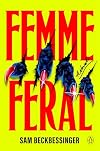
Femme Feral is wild in the best way: funny, furious, gross, and weirdly tender. Ellie’s werewolf spiral works because it feels less like a gimmick and more like every swallowed insult finally growing teeth. It does get properly dark, and the gore won’t be for everyone, but I loved how sharp it is about work, motherhood, marriage, and midlife rage. Messy, clever, cathartic, and very bitey. 🐺
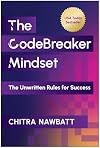
The Codebreaker Mindset is useful because it attacks the real problem. Most career advice assumes the system is fair. It is not. Nawbatt starts closer to first principles. Success has rules. Some are written. The important ones usually are not.
The core insight is simple. If you do not know the game, you are not really competing. You are just hoping. The book gives a framework for reading the room, spotting hidden constraints, using pivots, and turning pattern recognition into better judgment. That works. The strongest parts are the practical ones. Written rules. Unwritten rules. Pivots. Serendipity. Informed intuition. These are not abstract motivational slogans. They are inputs in a decision system.
One small problem I thought is that the book sometimes repeats the same signal too often. The message is strong enough that it does not always need another layer of emphasis. Some sections could be tighter. Still, the value is real. Nawbatt understands outsiders, gatekeepers, and the cost of naive merit thinking. That matters.
Good book. Not because it gives you a magic formula. It does not. Because it gives you a better operating system for chaos.Worth reading if you are building a career, changing direction, or trying to stop playing by rules nobody explained.
The core insight is simple. If you do not know the game, you are not really competing. You are just hoping. The book gives a framework for reading the room, spotting hidden constraints, using pivots, and turning pattern recognition into better judgment. That works. The strongest parts are the practical ones. Written rules. Unwritten rules. Pivots. Serendipity. Informed intuition. These are not abstract motivational slogans. They are inputs in a decision system.
One small problem I thought is that the book sometimes repeats the same signal too often. The message is strong enough that it does not always need another layer of emphasis. Some sections could be tighter. Still, the value is real. Nawbatt understands outsiders, gatekeepers, and the cost of naive merit thinking. That matters.
Good book. Not because it gives you a magic formula. It does not. Because it gives you a better operating system for chaos.Worth reading if you are building a career, changing direction, or trying to stop playing by rules nobody explained.
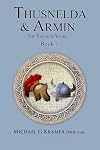
What Michael G. Kramer sets out to do here is not simply to dramatize the youth of Thusnelda and Armin, but to build the long historical pressure that makes their resistance to Rome intelligible. The novel is part chronicle, part military history, part origin story; it moves from Germanic custom and Roman organisation through Caesar, Augustus, Varus, and the machinery of empire before arriving at the household tensions of Segestes, Thusnelda, and Armin. That broad design is ambitious, and for the most part it is sustained by the author’s clear sense that private loyalties do not exist apart from public violence.
The most memorable passages are not always the largest battles, although those are plentiful; they are the moments when social custom becomes plot. Thusnelda’s training with the wooden sword, her command of the Cherusci women near the creek, and her refusal to let Segestes choose her husband do more to establish her than any declaration of heroine status could. Armin, too, is strongest when positioned between Roman discipline and Germanic allegiance; his military intelligence, learned from the very power he intends to defeat, gives the book its best structural irony.
By the final movement, with Varus misreading Segestes and Armin quietly turning Roman confidence into Germanic opportunity, the book has found its proper rhythm. The ending here is less a closure than a tightening of the net, but it is earned, because the novel has spent its pages teaching us why show more every delay, insult, and misjudgment matters. Recommended for readers who like their historical fiction capacious, unsparing, and serious about the cost of freedom. show less
The most memorable passages are not always the largest battles, although those are plentiful; they are the moments when social custom becomes plot. Thusnelda’s training with the wooden sword, her command of the Cherusci women near the creek, and her refusal to let Segestes choose her husband do more to establish her than any declaration of heroine status could. Armin, too, is strongest when positioned between Roman discipline and Germanic allegiance; his military intelligence, learned from the very power he intends to defeat, gives the book its best structural irony.
By the final movement, with Varus misreading Segestes and Armin quietly turning Roman confidence into Germanic opportunity, the book has found its proper rhythm. The ending here is less a closure than a tightening of the net, but it is earned, because the novel has spent its pages teaching us why show more every delay, insult, and misjudgment matters. Recommended for readers who like their historical fiction capacious, unsparing, and serious about the cost of freedom. show less
Seeking Fairness at Work: Cracking the New Code of Greater Employee Engagement, Retention & Satisfaction by Hanna Hasl-Kelchner
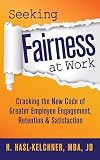
Business books usually lose me by page twenty. This one did not.
I read it in chunks over lunch breaks, which is usually where books like this go to die. This kept me picking it back up. The reason is simple. Hanna Hasl Kelchner does not treat fairness at work like some soft bonus thing. She treats it like the thing that decides whether people trust the place they work or start looking for the door.
The examples helped. The boss emailing Marta on vacation. Omar getting cut off and embarrassed in meetings. Mary being told remote work was fine until suddenly it was not. That stuff felt familiar. Too familiar, probably. It reads less like a lecture and more like sitting with someone who has heard every management excuse and is not buying it anymore.
I liked the practical side most. Trust, empathy, accountability, hiring, training, policies. It all connects. The book makes a good case that people do not leave only because of pay. They leave because they get tired of swallowing unfairness.
Small complaint. A few sections lean heavy on research and could be tighter. That is more my patience than the book’s fault. Good book. Managers should read it before another good employee quietly checks out.
I read it in chunks over lunch breaks, which is usually where books like this go to die. This kept me picking it back up. The reason is simple. Hanna Hasl Kelchner does not treat fairness at work like some soft bonus thing. She treats it like the thing that decides whether people trust the place they work or start looking for the door.
The examples helped. The boss emailing Marta on vacation. Omar getting cut off and embarrassed in meetings. Mary being told remote work was fine until suddenly it was not. That stuff felt familiar. Too familiar, probably. It reads less like a lecture and more like sitting with someone who has heard every management excuse and is not buying it anymore.
I liked the practical side most. Trust, empathy, accountability, hiring, training, policies. It all connects. The book makes a good case that people do not leave only because of pay. They leave because they get tired of swallowing unfairness.
Small complaint. A few sections lean heavy on research and could be tighter. That is more my patience than the book’s fault. Good book. Managers should read it before another good employee quietly checks out.
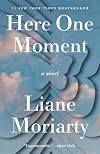
5⭐ Moriarty turns a weird plane prophecy into something surprisingly tender. A little long in places, but the grief, fate, and control questions really stuck with me. Dark, clever, and oddly comforting. ✈️

In Blessing, by Brian J. Twiddy, two friends who are undocumented immigrants are brought to London to build new lives for themselves. Each as a very different personality: Dev is full of charm and is aspirational, as he strives to chase his dreams and become successful, while Adey can be a bit ruthless, doesn’t always make the best choices, and is willing to do whatever it takes to survive and make money.
I enjoyed the two different storylines and the character development of Dev and Adey, especially watching Dev chase his dreams while Adey remains a bit more in the shadows. Both Dev and Adey make mistakes, sometimes costly, and ones that could lead to serious consequences.
The generational “blessing” that runs through the story adds a layer of fate and spiritual influence, raising questions about how much control the characters and people in general have over their lives. Twiddy’s dual narrative structure keeps both perspectives engaging and highlights the contrast between the two characters.
This is a compelling book that explores themes such as ambition, the cost of success, identity, immigration, marriage, betrayal, morality, faith, family, and destiny. There is a lot packed into this family drama, making it an engaging and thought provoking read.
I enjoyed the two different storylines and the character development of Dev and Adey, especially watching Dev chase his dreams while Adey remains a bit more in the shadows. Both Dev and Adey make mistakes, sometimes costly, and ones that could lead to serious consequences.
The generational “blessing” that runs through the story adds a layer of fate and spiritual influence, raising questions about how much control the characters and people in general have over their lives. Twiddy’s dual narrative structure keeps both perspectives engaging and highlights the contrast between the two characters.
This is a compelling book that explores themes such as ambition, the cost of success, identity, immigration, marriage, betrayal, morality, faith, family, and destiny. There is a lot packed into this family drama, making it an engaging and thought provoking read.
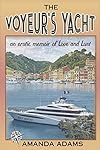
The Voyeur’s Yacht by Amanda Adams is a short erotica novel with romantic elements. The story follows an American woman named Mandy who goes to Europe to experience adventure, perhaps find love, and spend some time doing self-discovery. She meets a man named Michael in Paris and they quickly form a connection that leads them on a shared journey aboard a yacht.
The story leans heavily into sensual and explicit scenes, which may not appeal to every reader. At times, the level of detail felt a bit too much for my taste, though readers who enjoy erotica will likely appreciate it. One of the interesting aspects of the book is its focus on sexual awakening and exploration. It highlights the idea that it’s okay to step outside of comfort zones and discover new aspects of oneself
The storyline between Mandy and Michale keeps the book engaging. The writing is strong, and the book stands out from more traditional romance novels by pushing into edgier and spicier territory. Overall, it’s an entertaining read, especially for those who enjoy steamy, character-driven stories.
The story leans heavily into sensual and explicit scenes, which may not appeal to every reader. At times, the level of detail felt a bit too much for my taste, though readers who enjoy erotica will likely appreciate it. One of the interesting aspects of the book is its focus on sexual awakening and exploration. It highlights the idea that it’s okay to step outside of comfort zones and discover new aspects of oneself
The storyline between Mandy and Michale keeps the book engaging. The writing is strong, and the book stands out from more traditional romance novels by pushing into edgier and spicier territory. Overall, it’s an entertaining read, especially for those who enjoy steamy, character-driven stories.
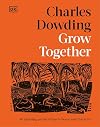
Honestly, this completely pulled me in.
What really made this work for me was how usable it is. Charles Dowding is clearly writing from real experience, and that comes through on every page. The book covers 50 planting partnerships, but it never feels like a random list. There’s a strong sense of method behind it, especially around interplanting, succession, timing, spacing, and his no dig approach. I really liked that it explains the why, not just the what.
This just felt very readable in the best way. The examples are specific enough to be genuinely helpful, like tomatoes with garlic and beetroot with onions, but the tone stays encouraging instead of overwhelming. I ended up getting way more invested in the process than I expected, which is always a good sign with gardening nonfiction.
I did want a little less repetition in a few sections, and it’s probably a book I’d dip in and out of rather than read straight through in one go. Still, it’s clear, practical, and genuinely inspiring. Definitely worth picking up if you want smarter, more space-efficient growing.
What really made this work for me was how usable it is. Charles Dowding is clearly writing from real experience, and that comes through on every page. The book covers 50 planting partnerships, but it never feels like a random list. There’s a strong sense of method behind it, especially around interplanting, succession, timing, spacing, and his no dig approach. I really liked that it explains the why, not just the what.
This just felt very readable in the best way. The examples are specific enough to be genuinely helpful, like tomatoes with garlic and beetroot with onions, but the tone stays encouraging instead of overwhelming. I ended up getting way more invested in the process than I expected, which is always a good sign with gardening nonfiction.
I did want a little less repetition in a few sections, and it’s probably a book I’d dip in and out of rather than read straight through in one go. Still, it’s clear, practical, and genuinely inspiring. Definitely worth picking up if you want smarter, more space-efficient growing.
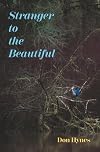
This is a quiet, spiritually rooted collection, and it is stronger than I expected. The poems move through winter, light, tide, rain, and old age with a steady hand. Hynes clearly trusts his material, which helps. He does not crowd the page or try to impress you into submission, always a welcome quality in poetry.
What worked best for me was the control. The book returns again and again to earth, sea, stone, birds, silence, and weather, but it rarely feels like repetition for its own sake. It feels like a poet worrying at the same essential questions until something honest gives way. There is real clarity in that. The seasonal structure also helps the collection hold together, so it reads like more than a stack of individual poems.
A few pieces blur together in the middle, mostly because the meditative tone is so consistent. Still, when Hynes shifts into something more plainly personal, especially in Blind Optimist and Quiet Descent, the emotional landing is very real and very well judged.
This is not flashy poetry. It does not need to be. It is thoughtful, grounded, and quietly moving. I finished it feeling calmer, which is not nothing.
What worked best for me was the control. The book returns again and again to earth, sea, stone, birds, silence, and weather, but it rarely feels like repetition for its own sake. It feels like a poet worrying at the same essential questions until something honest gives way. There is real clarity in that. The seasonal structure also helps the collection hold together, so it reads like more than a stack of individual poems.
A few pieces blur together in the middle, mostly because the meditative tone is so consistent. Still, when Hynes shifts into something more plainly personal, especially in Blind Optimist and Quiet Descent, the emotional landing is very real and very well judged.
This is not flashy poetry. It does not need to be. It is thoughtful, grounded, and quietly moving. I finished it feeling calmer, which is not nothing.
Notes from the Brand Stand: Thoughts on Emotional Branding from Someone Who Has Fought for Consumer Attention and Won by Warren Kornblum
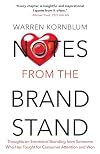
This book has been priceless as I work on branding myself as an independent author and illustrator. Warren Kornblum breaks it down from corporations to individuals who strive to excel in a competitive market. Notes from the Brand Stand showcase the key elements needed to make a difference and bring back customers, viewers, and contributors. He explains what needs to be done to make that connection that turns them from an emotional loyal customer and fosters a long-term commitment. I love how the author views brands as becoming a part of someone’s life. This is true! There are some brands I am committed to because of the value they added to my life when I needed it. And others just left me wanting. I will definitely refer to this book as I grow in my business.

This is a fun little story targeted for a younger audience. The book is broken up into easily digestible chapters and follows our titular character, Oswald the Opossum, as he takes control of his life and embarks on some wild adventures, all in the name of finding a bit of local notoriety in the Animal Watch. Though we never end up where we think we will, things have a way of putting us right where we need to be, and that's something Oswald learns throughout.
Overall, this book is great for kids getting into reading longer books. There’s some well-done art, as well. Pascoe did a wonderful job with this piece; I definitely recommend it for young readers.
Overall, this book is great for kids getting into reading longer books. There’s some well-done art, as well. Pascoe did a wonderful job with this piece; I definitely recommend it for young readers.

This one is a messy, gripping tangle of space politics, identity panic, and oh no everyone is lying and I kind of loved it.
Jim Brown is heading back to Earth after shutting down a revolution and thwarting an invasion on Pirrus, only to learn a detail about himself that changes the shape of everything. He is part alien, and that secret was kept from him since birth. So while he is trying to make it home aboard the Space Adventurer, a luxury cruise ship that is very much not built for covert power games, he starts seeing the seams in the world he thought he understood. Aliens have blended in on Earth, artificial humans and androids are part of the plan to bolster population and armies, and different factions are nudging the whole system toward war.
What worked for me is the momentum. The story is constantly moving, constantly escalating, and it has that satisfying conspiracy feel where every new reveal makes the previous scene click into place. I also liked how personal the stakes stay, even when the plot gets big. Jim is not just dealing with shadow rulers and military strategy, he is dealing with who he is, what he has been used for, and what kind of man he wants to be now. The book plays with ideas like regeneration, language aptitude, and shape shifting Changelings, and the concept of a polymorph lands as genuinely intriguing rather than just a flashy title.
Marika and Leela add a lot of tension in different ways. Marika, his EPA minder, keeps the pressure on, and Leela show more arrives with charm, privilege, and her own dangerous knowledge. The push pull of trust versus survival is one of the best threads here.
My small critiques are mostly about density. There are a lot of moving parts, acronyms, and political angles, and sometimes information is delivered a little too directly in conversation. Also, the occasional emphasis on “two beautiful women” made me roll my eyes, even when the characters themselves were fun to watch.
If you like fast paced sci fi with conspiracies, infiltrators, androids, and a lead who is trying to do the right thing while the universe makes that very hard, this is for you. I finished it feeling entertained, slightly stressed, and definitely curious about what happens next. show less
Jim Brown is heading back to Earth after shutting down a revolution and thwarting an invasion on Pirrus, only to learn a detail about himself that changes the shape of everything. He is part alien, and that secret was kept from him since birth. So while he is trying to make it home aboard the Space Adventurer, a luxury cruise ship that is very much not built for covert power games, he starts seeing the seams in the world he thought he understood. Aliens have blended in on Earth, artificial humans and androids are part of the plan to bolster population and armies, and different factions are nudging the whole system toward war.
What worked for me is the momentum. The story is constantly moving, constantly escalating, and it has that satisfying conspiracy feel where every new reveal makes the previous scene click into place. I also liked how personal the stakes stay, even when the plot gets big. Jim is not just dealing with shadow rulers and military strategy, he is dealing with who he is, what he has been used for, and what kind of man he wants to be now. The book plays with ideas like regeneration, language aptitude, and shape shifting Changelings, and the concept of a polymorph lands as genuinely intriguing rather than just a flashy title.
Marika and Leela add a lot of tension in different ways. Marika, his EPA minder, keeps the pressure on, and Leela show more arrives with charm, privilege, and her own dangerous knowledge. The push pull of trust versus survival is one of the best threads here.
My small critiques are mostly about density. There are a lot of moving parts, acronyms, and political angles, and sometimes information is delivered a little too directly in conversation. Also, the occasional emphasis on “two beautiful women” made me roll my eyes, even when the characters themselves were fun to watch.
If you like fast paced sci fi with conspiracies, infiltrators, androids, and a lead who is trying to do the right thing while the universe makes that very hard, this is for you. I finished it feeling entertained, slightly stressed, and definitely curious about what happens next. show less
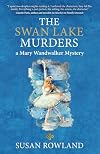
Not my usual territory. Witches, ballet, a sorcerer who fancies himself the next John Dee. Glad I stuck it out.
Billy Dee is the thing that makes this work. Not loud, not theatrical. Just a predator who operates in plain sight, a man who spent fifteen years working his way toward a fifteen year old girl. The book does not soften that. It earns its darkness.
The storm pinning everyone down at Holywell is where the book gets traction. Small cast, no exits, and the suspects pile up fast. Mary Wandwalker is sharp without being smug. Her team, Anna and Caroline, generate real friction, and the long stretch where Caroline becomes the chief suspect carries actual weight.
The drag is the witchcraft theory. Celtic folklore, séance chapters, spells to control the weather. The crime thriller buried in here gets soft every time it stops to explain what swan mythology means. One subplot in the final act could disappear entirely.
Two murders. A killer that makes sense when you get there. An ending that does not cheat. That is enough.
Billy Dee is the thing that makes this work. Not loud, not theatrical. Just a predator who operates in plain sight, a man who spent fifteen years working his way toward a fifteen year old girl. The book does not soften that. It earns its darkness.
The storm pinning everyone down at Holywell is where the book gets traction. Small cast, no exits, and the suspects pile up fast. Mary Wandwalker is sharp without being smug. Her team, Anna and Caroline, generate real friction, and the long stretch where Caroline becomes the chief suspect carries actual weight.
The drag is the witchcraft theory. Celtic folklore, séance chapters, spells to control the weather. The crime thriller buried in here gets soft every time it stops to explain what swan mythology means. One subplot in the final act could disappear entirely.
Two murders. A killer that makes sense when you get there. An ending that does not cheat. That is enough.
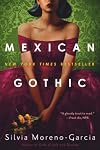
Just finished, No idea what is going on with low rating.... but I actually like this book.
Well maybe it's not for everyone or actually just hit some of the wrong reader's target.
Well maybe it's not for everyone or actually just hit some of the wrong reader's target.