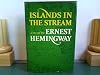
I've long been a fan of Old Man and the Sea - it was my all time favorite beach read a while back. So, when I learned that these stories constituted the foundation and origin of that story, I was eager to read it on vacation this year. Our vacation was interrupted, and reading wasn't an option, so I'm just now finishing it - far from the shore.
Islands in the Stream are three connected stories published together posthumously by Hemingway's wife and publisher. They had editing duties - giving 400 or so pages the ax - but informed sources say they were well acquainted with EH's editorial preferences, and they added nothing to the text.
The protagonist is a wealthy painter with a history of being an international celebrity who hobnobs with the greatest minds and creators of his time... this isn't a relatable circumstance, but probably what readers wanted most with their escapism reading. The wealth and privilege aren't very becoming when it comes to how his life of leisure, stable of servants, and variety of luxury living situations are concerned. This isn't to say he lives a life free of pain. Pain is something he has no shortage of, and as the story progresses - it becomes nearly all he has.
It was endearing and fascinating to read how "the other half" lives, and how that life relates to (and is in contrast with) my own experience. Especially when we have art in common. Thomas Hudson prides himself on a strong work ethic - probably to not lose his male audience who already show more has to swallow the story of a man who lives in luxury doing as he wishes, with occasional visits from (virtually abandoned) children and starlet ex-wives. Very little of his character's mindset is relatable to an artist. Rather - TH sounds a lot more like a writer posing as an artist (several factors make Stephen King's Duma Key look to be influenced by IitS).
The sections were of distinctly different tones and flavors. The protagonist at times only feels like the same character because he shares the same name, and sparse sentences of reference to an earlier phase of life. He certainly strives to erase his pain by both ignoring it, and drinking his brain into a state malleable enough to forget. The sources of his pain are felt and empathized with by this reader, at least, so that tenuous connection still holds.
It isn't 100% clear how Old Man and the Sea originated with this period of working - but if it was intended as follow-up to a struggle in the first act (Bimini), the result will always be a different staging when reading OMatS, and a powerful one.
Hemingway is forever analyzed for his portrayal of gendered issues - and those looking closely tend to give him more slack as the years go by. I don't personally get the sexist claims and demonized perspective others paint him with - I see genuine reflection, given honestly, by someone who loves women - but is not himself a woman or a man who would make an effort to put himself in a woman's shoes, not being one. There may be an empathy gap there - but his empathy gap is broad and showing at all times for other men, of other race, proclivity, social and financial means. He's true to himself (whatever we think of that self), and he proudly broadcasts that women are frequently at the center of all his happiest memories, relationships, and enriching life moments.
A man feeling a need to erase painful loses is at the heart of the stories. So much so, that a couple of those critical and pointed loses are never again referred to after book one. The absence hurt me. The lost lives were more pronounced for it. By not dealing with some things, he made those things much, much bigger - but the notion that a man must cry, but that seeing that crying is a chief disgust, has shackled him to a damaged and hobbled existence with dwindling meaning. And we (I) never stop relating and connecting with that life. At times uncomfortable, to say the least, I never stopped liking the story and wanting more of it.
The book reads like an album assembled by the family, and remaining band members, after the death of a band's lead vocalist. I can't see it as complete or as a pure product of its creator - however hard I try. That is what keeps it from achieving a 5th star, for me. But it is his work, and what's there of it is absolutely worth the time to share with him. show less
Islands in the Stream are three connected stories published together posthumously by Hemingway's wife and publisher. They had editing duties - giving 400 or so pages the ax - but informed sources say they were well acquainted with EH's editorial preferences, and they added nothing to the text.
The protagonist is a wealthy painter with a history of being an international celebrity who hobnobs with the greatest minds and creators of his time... this isn't a relatable circumstance, but probably what readers wanted most with their escapism reading. The wealth and privilege aren't very becoming when it comes to how his life of leisure, stable of servants, and variety of luxury living situations are concerned. This isn't to say he lives a life free of pain. Pain is something he has no shortage of, and as the story progresses - it becomes nearly all he has.
It was endearing and fascinating to read how "the other half" lives, and how that life relates to (and is in contrast with) my own experience. Especially when we have art in common. Thomas Hudson prides himself on a strong work ethic - probably to not lose his male audience who already show more has to swallow the story of a man who lives in luxury doing as he wishes, with occasional visits from (virtually abandoned) children and starlet ex-wives. Very little of his character's mindset is relatable to an artist. Rather - TH sounds a lot more like a writer posing as an artist (several factors make Stephen King's Duma Key look to be influenced by IitS).
The sections were of distinctly different tones and flavors. The protagonist at times only feels like the same character because he shares the same name, and sparse sentences of reference to an earlier phase of life. He certainly strives to erase his pain by both ignoring it, and drinking his brain into a state malleable enough to forget. The sources of his pain are felt and empathized with by this reader, at least, so that tenuous connection still holds.
It isn't 100% clear how Old Man and the Sea originated with this period of working - but if it was intended as follow-up to a struggle in the first act (Bimini), the result will always be a different staging when reading OMatS, and a powerful one.
Hemingway is forever analyzed for his portrayal of gendered issues - and those looking closely tend to give him more slack as the years go by. I don't personally get the sexist claims and demonized perspective others paint him with - I see genuine reflection, given honestly, by someone who loves women - but is not himself a woman or a man who would make an effort to put himself in a woman's shoes, not being one. There may be an empathy gap there - but his empathy gap is broad and showing at all times for other men, of other race, proclivity, social and financial means. He's true to himself (whatever we think of that self), and he proudly broadcasts that women are frequently at the center of all his happiest memories, relationships, and enriching life moments.
A man feeling a need to erase painful loses is at the heart of the stories. So much so, that a couple of those critical and pointed loses are never again referred to after book one. The absence hurt me. The lost lives were more pronounced for it. By not dealing with some things, he made those things much, much bigger - but the notion that a man must cry, but that seeing that crying is a chief disgust, has shackled him to a damaged and hobbled existence with dwindling meaning. And we (I) never stop relating and connecting with that life. At times uncomfortable, to say the least, I never stopped liking the story and wanting more of it.
The book reads like an album assembled by the family, and remaining band members, after the death of a band's lead vocalist. I can't see it as complete or as a pure product of its creator - however hard I try. That is what keeps it from achieving a 5th star, for me. But it is his work, and what's there of it is absolutely worth the time to share with him. show less
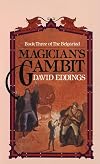
I'm really enjoying the series. There's a set of characters that you really grow to like, and a whole chapter can go by where you only get one comment or mention from one of them and you still feel like its a well-oiled machine. Not a lot happens to advance the plot in this installment, but we get great character backgrounds, evolutions, and a unique addition in the form of Relg. Relg is definitely the best thing to happen to Magician's Gambit - he strains archetypes, and has a critical contribution to make. That his motivation arises from being chewed out by his God, is seriously classic and fun to explore as well.
As part of my daughter's bedtime ritual, she reads with my wife for a while - then I read whatever novel I'm into aloud in her room as she falls asleep. So, she gets only parts - maybe 50% - of the book, in 30 minute increments - - she was still able to follow this story, and get the gist of who everyone is, and what they're up to - even when missing chapters. I think that speaks well of the storytelling, and the classic "journey of a team of heroes" motif.
As part of my daughter's bedtime ritual, she reads with my wife for a while - then I read whatever novel I'm into aloud in her room as she falls asleep. So, she gets only parts - maybe 50% - of the book, in 30 minute increments - - she was still able to follow this story, and get the gist of who everyone is, and what they're up to - even when missing chapters. I think that speaks well of the storytelling, and the classic "journey of a team of heroes" motif.
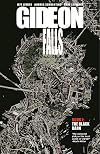
The highly acclaimed Gideon Falls doesn't contain any original ideas that I can see. It's largely well-drawn, though there are consistency problems with some characters (a common problem when the artist's reliance on photo reference includes some gaps in said reference). I like the paneling a lot, and the texture effects.
The story jumping read smoothly, and I was about equally interested in both stories - the connections between the stories have some satisfying payoffs, and one of them is even surprising (the one based on location identity, not character identity).
I wish that volume one could have had some conclusions in it, because comics are a serious financial investment compared to any other reading - and most other entertainment in general. Can't say I was impressed enough to want to read beyond volume 1, but if my library ends up with a copy - I'll gladly read it (at the very least skim it).
I didn't get any horror vibe, and some of the cliches are cringe-worthy (walls of newspaper clippings... can we retire that stupid visual already?). At its best moments, there was a Twin Peaks feel... but only in superficial ways. It's rough when there are so few characters pulling so much weight in a story, and that robs it of a lot of realism and believability.
I would love for horror comics to come into their own for modern readers - but maybe film is just so accessible that talented creators go straight for that medium. There is a serious dearth of capable horror writers. It show more was disappointing to see Mark Millar call this his favorite comic of 2018... the comic doesn't rate that kind of praise. I wish I'd borrowed it rather than bought it. show less
The story jumping read smoothly, and I was about equally interested in both stories - the connections between the stories have some satisfying payoffs, and one of them is even surprising (the one based on location identity, not character identity).
I wish that volume one could have had some conclusions in it, because comics are a serious financial investment compared to any other reading - and most other entertainment in general. Can't say I was impressed enough to want to read beyond volume 1, but if my library ends up with a copy - I'll gladly read it (at the very least skim it).
I didn't get any horror vibe, and some of the cliches are cringe-worthy (walls of newspaper clippings... can we retire that stupid visual already?). At its best moments, there was a Twin Peaks feel... but only in superficial ways. It's rough when there are so few characters pulling so much weight in a story, and that robs it of a lot of realism and believability.
I would love for horror comics to come into their own for modern readers - but maybe film is just so accessible that talented creators go straight for that medium. There is a serious dearth of capable horror writers. It show more was disappointing to see Mark Millar call this his favorite comic of 2018... the comic doesn't rate that kind of praise. I wish I'd borrowed it rather than bought it. show less
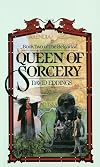
Better than Pawn of Prophecy (The Belgariad, #1), because the characters are more established, I read Queen of Sorcery more quickly. Carry around a book called Queen of Sorcery, as an adult man, and you'll finish it quickly too, I bet. It frequently felt like an eastern story - like a Japanese Manga derivative - moving from small adventure to small adventure and building to a lot of great character evolution and a more significant set of threats than the first instillation.
The names aren't friendly to my brain for some reason, neither characters or place names, I have a strange relationship with names in fiction and for whatever reason I find these very difficult to commit to memory. It isn't a big problem, but jotting them onto a bookmark would probably be handy (for me).
I like the algroths (scaley goat apes? yes please), poisonous leeches, dryad and snake people cultures. Mister Wolf and Aunt Pol have got to be one of the most fun and notable father/daughter relationships in all of fiction.
Looking forward to book 3. Looks like I'm binging this series. Can't bring myself to rating it 5 stars, yet - but I'm getting closer
The names aren't friendly to my brain for some reason, neither characters or place names, I have a strange relationship with names in fiction and for whatever reason I find these very difficult to commit to memory. It isn't a big problem, but jotting them onto a bookmark would probably be handy (for me).
I like the algroths (scaley goat apes? yes please), poisonous leeches, dryad and snake people cultures. Mister Wolf and Aunt Pol have got to be one of the most fun and notable father/daughter relationships in all of fiction.
Looking forward to book 3. Looks like I'm binging this series. Can't bring myself to rating it 5 stars, yet - but I'm getting closer
I've read reviews from a lot of people all-but apologizing for their fondness of The Belgariad. They start off with statements like "while this is obviously a book for children, I none the less take guilty pleasure in calling it one of my favorites" - - cut that out! It's a fine read for any age, there isn't anything patronizing or juvenile about the writing - and it's full of well-realized and cliche-defying characters.
The first installation does leave a bit to be desired, in terms of offering a full story. It ends at the beginning, in a sense - and most of the long-awaited revelations were telegraphed as far back as in the introduction. But I'm really enjoying the series. Honestly, enjoying it more than LOTR, in some respects (character development).
Hopefully The Belgariad will make its way closer to the top of reader favorite lists in the future. It deserves it.
The first installation does leave a bit to be desired, in terms of offering a full story. It ends at the beginning, in a sense - and most of the long-awaited revelations were telegraphed as far back as in the introduction. But I'm really enjoying the series. Honestly, enjoying it more than LOTR, in some respects (character development).
Hopefully The Belgariad will make its way closer to the top of reader favorite lists in the future. It deserves it.
Released for free, as a publishing experiment, when no publishers were interested enough in publishing it - The Painted Darkness managed what its author had hoped: that "free" would mean more circulation, and that more circulation would achieve a profitable audience when it may not have had one as a traditionally published novella.
This is a short novel composed of three or four Stephen King ideas that the author seems to have enjoyed. When he says the boiler is based on one in a home he had, you are apparently supposed to stop thinking of it as the boiler from The Shining. That one creeps, while this one gulps, after all. I'm not buying it for a second.
The story ultimately doesn't make sense, and not in the less-than-clean not-making-sense that is intended and at the heart of the story. You couldn't make it more clear with more information... or, if you did, that additional information would not hold the audience's interest. This is only my suspicion - you can't say for certain what something is or isn't, beyond what it is... but I think the illusion of this story being more than it seems is a faulty one, and that the smoke and mirrors we're supposed to be enjoying are instead disheartening crutches that reveal a story that never quite worked or stood on its own two feet.
It's a shallow creation, heartless and without substance in the end. I cared up until the end, but only because I thought I had a lot more story to look forward to - - for the author to reveal what he'd show more been doing, and for that feat to be interesting and fun. Instead, it felt cheap and disappointing.
Every revelation is exposition. The story may not technically even qualify as one. show less
This is a short novel composed of three or four Stephen King ideas that the author seems to have enjoyed. When he says the boiler is based on one in a home he had, you are apparently supposed to stop thinking of it as the boiler from The Shining. That one creeps, while this one gulps, after all. I'm not buying it for a second.
The story ultimately doesn't make sense, and not in the less-than-clean not-making-sense that is intended and at the heart of the story. You couldn't make it more clear with more information... or, if you did, that additional information would not hold the audience's interest. This is only my suspicion - you can't say for certain what something is or isn't, beyond what it is... but I think the illusion of this story being more than it seems is a faulty one, and that the smoke and mirrors we're supposed to be enjoying are instead disheartening crutches that reveal a story that never quite worked or stood on its own two feet.
It's a shallow creation, heartless and without substance in the end. I cared up until the end, but only because I thought I had a lot more story to look forward to - - for the author to reveal what he'd show more been doing, and for that feat to be interesting and fun. Instead, it felt cheap and disappointing.
Every revelation is exposition. The story may not technically even qualify as one. show less
Beautifully plotted and written. A delicate and often mishandled set of subjects. Authors who cover death, and children's reaction to it, often stray into schmaltzy contrived territory. The same thing happens with stories about the magical properties of human relationships with dogs. MacLachlan skirts along the edge of these tropes, but never falls in. The result is a truly feeling and valuable story for any child or adult, alike.
As an aside - I picked this up from the NEW selections at our library, because our librarian is a rock star, and her ordering choices have been brilliant more often than not. It is a true joy to grab a title you had no awareness of, or intention to read, and then have it surprise you to tears when you read it at home. Thank you Leigh Anne :)
As an aside - I picked this up from the NEW selections at our library, because our librarian is a rock star, and her ordering choices have been brilliant more often than not. It is a true joy to grab a title you had no awareness of, or intention to read, and then have it surprise you to tears when you read it at home. Thank you Leigh Anne :)
Steranko had a history as a notorious hard worker who earned a lot of opportunities with his capable efforts. He built from Kirby's style (long after it was expected of him), and appears to have inspired Kirby himself to push some of his work into more experimental places. Healthy competition, IOW.
The artwork in this collection represents a new age of expectations for the artwork in comics - and there would be no going back (if artists knew what was good for them).
Sadly, it's really not well written - to the point of being unpleasant to read. There's a lot of timely racism, too - something to accept in historical context, but still cringe worthy when it presents as enthusiastically disparaging.
Some people celebrate Steranko as the best comic artist of all time. I don't think he holds a torch to Kirby (whom he never stopped emulating, and in a less dynamic or consistent way), and I guess the personality quirks show through in ways that make his work end up rubbing me the wrong way sometimes. If he'd been paired with a capable writer on this project it would have been soo much better.
The genre-spanning that closes the book (international, gothic, etc.) feels like flailing - and I never really got to find many redeeming qualities in Nick Fury - which is a problem, in a book about Nick Fury.
The artwork in this collection represents a new age of expectations for the artwork in comics - and there would be no going back (if artists knew what was good for them).
Sadly, it's really not well written - to the point of being unpleasant to read. There's a lot of timely racism, too - something to accept in historical context, but still cringe worthy when it presents as enthusiastically disparaging.
Some people celebrate Steranko as the best comic artist of all time. I don't think he holds a torch to Kirby (whom he never stopped emulating, and in a less dynamic or consistent way), and I guess the personality quirks show through in ways that make his work end up rubbing me the wrong way sometimes. If he'd been paired with a capable writer on this project it would have been soo much better.
The genre-spanning that closes the book (international, gothic, etc.) feels like flailing - and I never really got to find many redeeming qualities in Nick Fury - which is a problem, in a book about Nick Fury.
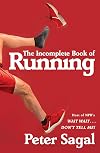
I enjoyed reading this, and liked getting to know one of my favorite radio personalities on a different level. I started running when I was 39, with the intention of heading-off a mid-life crisis (or stacking the odds in my favor, at least) - and I fully appreciate and empathize with his running motivations and reflection on this span of life. I hope to avoid the suffering many men my age experience when their marriages dissolve, and I felt a lot of sympathy for his predicament and the pain he experiences having had this life turned inside out. Seeing someone push through that kind of pain is an inspiration. The stories about his running could have been a little more varied and informative at times - but he certainly shares some interesting ones. I couldn't go to 4 or 5 stars... I want to, I like him, but the book doesn't warrant it - as far as literature goes. It's certainly worthwhile, though - especially if you are a fan of the subjects in question.
ETA - I want to speak up about how he covered his divorce, because I find some of the reviews here grossly unfair on the subject. He was, I feel, VERY tasteful and respectful in his account.
ETA - I want to speak up about how he covered his divorce, because I find some of the reviews here grossly unfair on the subject. He was, I feel, VERY tasteful and respectful in his account.
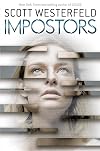
Disinterested-making.
(this "-making" thing is peppered through the book, and it's like nails on a chalkboard)
Somehow, this book - full of endless action tropes and character cliches - manages to be unusually boring. Maybe its a good sign - in that the various assorted dystopian futures-of-the-month have run their course.
Smelled an unconvincing sales pitch for the next installment (with its promise of a non-ending) about 75% in.
(this "-making" thing is peppered through the book, and it's like nails on a chalkboard)
Somehow, this book - full of endless action tropes and character cliches - manages to be unusually boring. Maybe its a good sign - in that the various assorted dystopian futures-of-the-month have run their course.
Smelled an unconvincing sales pitch for the next installment (with its promise of a non-ending) about 75% in.
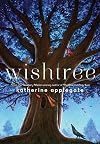
A nice book to read with your children, but a little obvious and contrived for my tastes.
It reads a lot like a story a grandmother would make up for her grandchildren - with a generational take on intolerance and hardship that feels detached from the actual experience of the disadvantaged, put through the lens of the advantaged in order to convey some progressive values. All of which is positive... but we're a culture becoming more accustomed to the disadvantaged speaking for themselves in a more authentic way.
I love the illustrations (they push the book from a 3 to a 3.5 for me).
It reads a lot like a story a grandmother would make up for her grandchildren - with a generational take on intolerance and hardship that feels detached from the actual experience of the disadvantaged, put through the lens of the advantaged in order to convey some progressive values. All of which is positive... but we're a culture becoming more accustomed to the disadvantaged speaking for themselves in a more authentic way.
I love the illustrations (they push the book from a 3 to a 3.5 for me).
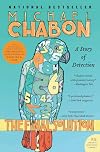
A really enjoyable read.
I would have liked to spend more time with the old detective, and to have seen some of the threads about his life followed. I would have liked to get more of his perspective on the times in which he lived, his experience of WW2 in particular. It would also have been nice to get to know Linus and his parrot better.
I know it's often a hallmark of a good read for the reader to wish the book hadn't ended - but in this case, I think that feeling comes as much from missed opportunities as it does from fondness with the story itself.
Probably too much to ask for the author to return to the subject, but I'd pick it up in a heartbeat if he did.
I would have liked to spend more time with the old detective, and to have seen some of the threads about his life followed. I would have liked to get more of his perspective on the times in which he lived, his experience of WW2 in particular. It would also have been nice to get to know Linus and his parrot better.
I know it's often a hallmark of a good read for the reader to wish the book hadn't ended - but in this case, I think that feeling comes as much from missed opportunities as it does from fondness with the story itself.
Probably too much to ask for the author to return to the subject, but I'd pick it up in a heartbeat if he did.
I think I've given the Rincewind books as much of a chance as I can. This book was chock-full of descriptions of action that felt like inconsequential gobbledy gook. About halfway through, I'd decided I need to give Pratchett a break. He's a smart, funny writer... but the last few have fallen flat for me. I have to read later Discworld books when I'm ready to give them another try - the early ones aren't very good, in my opinion.
This instillation comes some way toward justifying the previous two - the problem with the presentation of A Nation Under Our Feet is the way it was chopped into chunks that don't come close to standing on their own, and - more importantly - with the assumption that any good writer can write good comics. 95% of aNUOF is conversations. List your top 10 favorite comics based on conversations. If it's tricky, this one might make the final cut for you. Preacher had issues of conversation. Sandman, even, may have done so for a few issues. But both of those books had comics professionals at the helm (even if it's one of Neil's earlier efforts - he was born and bred on comics).
Anyway - I'll stop whining (see my reviews for books 1 and 2 for that).
One improvement in this trade paperback is that they didn't fill 20% of it with alternative covers. What are fans doing with all these covers? How about reading a book... how would that be? (stopping myself from heading backing into whining now)
There's a fault in the book in that it gives a slapdash effort to put elements from 3 New Avengers issues into it to remind readers of critical events in that series that lead to conditions in this one. It isn't enough to give you a story - so it's for reminder purposes only. If you'd made it through the whole book without these "reminders", they'll do you no good reading them at the end. So - foolish and lacking publishing integrity again, Marvel's selling you unwanted printed pages.
The action show more sequences in this book go by too quickly, with no sense of narrative art timing. That said, they at least held attention better than the previous two books. The philosophical elements are more enjoyable in this book - as they are doing their intended job of paying off for all the build up. I like them. I went to 3 stars in Vol 3 (vs. 2 stars for previous). It also shows that the Eisner nomination wasn't strictly an elitist gentrification thing. There was a good story here after all.
Coates was given a hard job - to establish a new order and clean up all the well-intended but confusing and choppy efforts to write Wakanda in recent years. We're left with a nation intact, with struggles and a vision. Best of all, we got the single page that leads readers to believe we may even get a reversal on one of the most nonsensical break-ups in comics history (really saying something for a company that proudly broke up Peter and Mary Jane). That alone gives me reason to check out Vol. 4.
I didn't love this book, but I liked it - and it did make some sense of Volumes 1 and 2. It was something of a necessary evil, handled by a capable writer. Even though that writer is NOT a capable comics writer (yet). show less
Anyway - I'll stop whining (see my reviews for books 1 and 2 for that).
One improvement in this trade paperback is that they didn't fill 20% of it with alternative covers. What are fans doing with all these covers? How about reading a book... how would that be? (stopping myself from heading backing into whining now)
There's a fault in the book in that it gives a slapdash effort to put elements from 3 New Avengers issues into it to remind readers of critical events in that series that lead to conditions in this one. It isn't enough to give you a story - so it's for reminder purposes only. If you'd made it through the whole book without these "reminders", they'll do you no good reading them at the end. So - foolish and lacking publishing integrity again, Marvel's selling you unwanted printed pages.
The action show more sequences in this book go by too quickly, with no sense of narrative art timing. That said, they at least held attention better than the previous two books. The philosophical elements are more enjoyable in this book - as they are doing their intended job of paying off for all the build up. I like them. I went to 3 stars in Vol 3 (vs. 2 stars for previous). It also shows that the Eisner nomination wasn't strictly an elitist gentrification thing. There was a good story here after all.
Coates was given a hard job - to establish a new order and clean up all the well-intended but confusing and choppy efforts to write Wakanda in recent years. We're left with a nation intact, with struggles and a vision. Best of all, we got the single page that leads readers to believe we may even get a reversal on one of the most nonsensical break-ups in comics history (really saying something for a company that proudly broke up Peter and Mary Jane). That alone gives me reason to check out Vol. 4.
I didn't love this book, but I liked it - and it did make some sense of Volumes 1 and 2. It was something of a necessary evil, handled by a capable writer. Even though that writer is NOT a capable comics writer (yet). show less
Breathe Like a Bear: 30 Mindful Moments for Kids to Feel Calm and Focused Anytime, Anywhere by Kira Willey
I usually don't review kid's lit or books aimed at a young audience, which is weird - because I have a lot of involvement with those books. I had to chime in about this one, though - beautifully illustrated and full of advice and activities that connect immediately with a young audience and provide them with healthy habits that can serve them for a lifetime.
Especially recommended for parents of children prone to anxiety and emotions that get out of their control regularly. I love it.
Especially recommended for parents of children prone to anxiety and emotions that get out of their control regularly. I love it.
Neil's prose works better as prose. This is likely a lovely piece to read, but the visual narrative doesn't work well. The interpretation/adaptation is a... unique vision - whatever the intention, it does not translate.
The first half translates alright - and does this goofy thing, which is the crux of the premise, suggesting that a young man's fear of being unable to communicate with young women is fully founded on the possibility that they aren't even fellow human beings. The joke aspect is clever for a few pages, then I started wondering if anyone needs to keep extending that concept out to such a drastic extent - - truly preaching this notion that men and women are incalculably separated by such a gulf of misunderstanding. What a depressing concept that joke became.
The ending leaves you with a lot of uninteresting intentional questions.
The first half translates alright - and does this goofy thing, which is the crux of the premise, suggesting that a young man's fear of being unable to communicate with young women is fully founded on the possibility that they aren't even fellow human beings. The joke aspect is clever for a few pages, then I started wondering if anyone needs to keep extending that concept out to such a drastic extent - - truly preaching this notion that men and women are incalculably separated by such a gulf of misunderstanding. What a depressing concept that joke became.
The ending leaves you with a lot of uninteresting intentional questions.
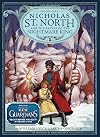
I'd have gone to 5 stars if the story had covered more ground and stood alone a little more strongly, but it was mostly an origin story - and any long-time comic reader will know that those are a tricky prospect (with the double whammy of being essential reading). William Joyce has a wonderful voice in his writing. Sprawling and intimate at the same time, with a preternatural connection to what WORKS in the hearts and minds of the young and young-at-heart.
I love the set-up of this series, how it functions as the creation of a mythic pantheon that kids know they can believe in because it comes from love. Evil, darkness, and mistakes aren't sources of negative motivation for loving the heroic idols within - they are instead rejected and contained, fought and sequestered away where they can still be seen and understood.
These are "gods" who have your back, want you to succeed, and don't threaten to torture you - they frankly don't care what you think of them, they're too busy being good and experiencing the same struggles and flaws that their readers understand all too well.
Thank you, William Joyce. I don't know if these books will ever attain the heights that they should - but I see what they are, what they are worth, and the love that went into them. I'm never going to be too old to know the value of a nightlight.
I love the set-up of this series, how it functions as the creation of a mythic pantheon that kids know they can believe in because it comes from love. Evil, darkness, and mistakes aren't sources of negative motivation for loving the heroic idols within - they are instead rejected and contained, fought and sequestered away where they can still be seen and understood.
These are "gods" who have your back, want you to succeed, and don't threaten to torture you - they frankly don't care what you think of them, they're too busy being good and experiencing the same struggles and flaws that their readers understand all too well.
Thank you, William Joyce. I don't know if these books will ever attain the heights that they should - but I see what they are, what they are worth, and the love that went into them. I'm never going to be too old to know the value of a nightlight.
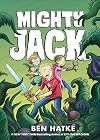
If the art were a little more polished (better inking and finishes), I'd easily have gone to a 4 - but this book is well-worth the time of any young readers you may have hanging about. There is a Miyazaki and Henson feel to it, and the gender and social roles are written in a progressive fashion. I'm not sure what I thought it would be - but when the cover teases a dragon, my brain definitely had something in mind that stuck closer to the classic Jack tales. Beans sans stalk/giant worked just fine, though.
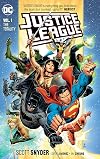
Beautifully drawn, but not narrative art.
Most of the dialog is exposition, because the story is convoluted and incomprehensible. Frequently, I'd read a page and pause to think "There is no one who could make that page make sense.".
If this is Snyder's writing style, I'm going to have to pass on him from now on. It's a damn shame, because this book had some of the best art in the whole industry built into it.
Comics artwork should carry at least *some* of the weight in the storytelling duties. It didn't happen here. In fact - the storytelling appeared to be all seasoning, and no meat.
Most of the dialog is exposition, because the story is convoluted and incomprehensible. Frequently, I'd read a page and pause to think "There is no one who could make that page make sense.".
If this is Snyder's writing style, I'm going to have to pass on him from now on. It's a damn shame, because this book had some of the best art in the whole industry built into it.
Comics artwork should carry at least *some* of the weight in the storytelling duties. It didn't happen here. In fact - the storytelling appeared to be all seasoning, and no meat.
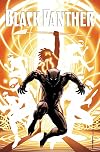
This book needs to be saved from itself, post haste. It still suffers from being a convoluted diatribe about fictional diplomacy and machinations far too subtle for the visual medium. The "Crew" issue even manages to only be worth reading when the guest stars are in effect - and the brief dialogs between BP and Ororo were the highlight of the book (all two or three panels of them).
There's comics, and there's this. Marvel had the opportunity to really build on the super-massive success of the movie - and instead this happened. Marvel rubs some salt into the wound by only filling 1/2 of this trade with actual comic pages from the series. The rest is absurd cross-promotional alternative covers that cheapen the whole industry, and reprints of old mediocre BP comics unrelated to the narrative in the current story (of course they are... the current story is like watching paint dry on the walls of a room during a congressional hearing).
Would never have kept reading if it weren't a library borrow.
There's comics, and there's this. Marvel had the opportunity to really build on the super-massive success of the movie - and instead this happened. Marvel rubs some salt into the wound by only filling 1/2 of this trade with actual comic pages from the series. The rest is absurd cross-promotional alternative covers that cheapen the whole industry, and reprints of old mediocre BP comics unrelated to the narrative in the current story (of course they are... the current story is like watching paint dry on the walls of a room during a congressional hearing).
Would never have kept reading if it weren't a library borrow.
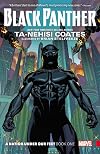
One half of this trade paperback is comics, the rest is reprints of alternate covers. None of the issues contains a complete or compelling story, the trade itself doesn't contain a complete story. I can't tell who this book is for - perhaps fans of the geopolitics from the Star Wars prequels. Kirby wept.
I read this through hungrily - not because of its revelations, but rather because of how frighteningly this man has managed to get a following in 2018. He clearly represents a piece of flotsam for any white men desperately searching for a way to escape their sense of persecution. His logic and reason are so blatantly peppered with nonsensical comparisons, cherry picking, and deep-rooted fear and loathing for women and minorities, that it seems artfully designed to both appeal to cavemen and to extract delicious liberal tears to enjoy while they gather their war-party.
Because lobster males subjugate lobster females - it's fighting the natural order of things for women to resist subjugation. Because women are outperforming men in school and the workplace, women should be resisted in school and the workplace - so men don't feel outperformed. It hurts their feelings (the feelings they don't have, at that... don't ask me to make it make sense - the point is that it doesn't pass the merest scratch test on any area of its philosophy). Because a man invented the tampon (in a nation and cultural climate where female industry hadn't a prayer of gaining traction), there is no patriarchy (I shit you not).
After telling his audience what an ideologue is, and why they are to be avoided and cautioned against, he reveals to his literate audience that he is exactly that - while the portion of his audience who came for the delicious bowl of red pills yuck it up at the concession stand.
Truly show more a wine that pairs perfectly with the age of Trump - while proudly parading the irony in front of anyone who knows what irony actually is. Another example of a personality that unintelligent people will mistake for intelligent - because they have the same brands of hate, now with 100% more multisyllabic apologetics. Nothing could be more reprehensible than lying and deception, he says - while paving the hungry minds of confused and frightened white guys with arguments designed to make them think Orwell is holding their hand up the cattle chute into an age of tyranny.
Please teach your children well. Otherwise, some of them will be drawn under this tent - where might always makes right, and the downtrodden and disenfranchised are asking for it. show less
Because lobster males subjugate lobster females - it's fighting the natural order of things for women to resist subjugation. Because women are outperforming men in school and the workplace, women should be resisted in school and the workplace - so men don't feel outperformed. It hurts their feelings (the feelings they don't have, at that... don't ask me to make it make sense - the point is that it doesn't pass the merest scratch test on any area of its philosophy). Because a man invented the tampon (in a nation and cultural climate where female industry hadn't a prayer of gaining traction), there is no patriarchy (I shit you not).
After telling his audience what an ideologue is, and why they are to be avoided and cautioned against, he reveals to his literate audience that he is exactly that - while the portion of his audience who came for the delicious bowl of red pills yuck it up at the concession stand.
Truly show more a wine that pairs perfectly with the age of Trump - while proudly parading the irony in front of anyone who knows what irony actually is. Another example of a personality that unintelligent people will mistake for intelligent - because they have the same brands of hate, now with 100% more multisyllabic apologetics. Nothing could be more reprehensible than lying and deception, he says - while paving the hungry minds of confused and frightened white guys with arguments designed to make them think Orwell is holding their hand up the cattle chute into an age of tyranny.
Please teach your children well. Otherwise, some of them will be drawn under this tent - where might always makes right, and the downtrodden and disenfranchised are asking for it. show less
Fingers-crossed for Marvel to keep amping up their support of the X-Men, now that they own the multi-media rights again. A good treatment of The New Mutants - very happy to see Illyana in the lead, and Rahne along for the ride for the first time in ages. Less happy with Guido, Tabby, and Richter - but they were handled pretty well too. Stories that played to a relatively savvy audience, and good characterization. tNM are among my favorite Marvel characters - and I'd love to see them get a worthy ongoing series (the last attempt started strong, but ended poorly).
A lot of fun - even moreso than the first installment. A lot of recognizable influences - especially Jim Henson's Labyrinth. Also some strong Star Wars vibes in this one - featuring virtual Yoda and virtual Jabba the Hutt. Even Time Bandits and Futurama play a role in the story. A fun series I'd recommend to all families with emergent independent readers.
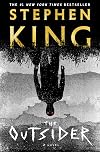
A four-star rating for a modern King novel is pretty high praise from me - - as much as I love him, and wholly qualify as one of his constant readers, I know where he tends to have shortcomings.
One of those shortcomings is weak endings - and I don't think that was the case here.
The first third (half?) of the book is of a very different flavor than the second half. I like the tone of the first half better, and my wife was watching me speed through and she took notice when I started turning pages a little slower, and putting it down more. It doesn't go to pot, by any stretch, but a high-quality mystery transforms into a mediocre-quality episode of The X-Files. I love even the mediocre X-Files, and I love King's voice and (usually) his characterizations. It's laugh-out-loud funny to me that every third protagonist he's created seems to be named Ralph (maybe I'm crazy and remembering wrong - I don't count out the possibility).
I was legitimately shocked by one of the surprises along the way, and this book made great companionship for me on an otherwise stress-laden trip.
I don't quite like the Finders Keepers connections well enough to read about comatose meanies exacting revenge via astral projection/possession... but who knows, maybe I'll get there.
One of those shortcomings is weak endings - and I don't think that was the case here.
The first third (half?) of the book is of a very different flavor than the second half. I like the tone of the first half better, and my wife was watching me speed through and she took notice when I started turning pages a little slower, and putting it down more. It doesn't go to pot, by any stretch, but a high-quality mystery transforms into a mediocre-quality episode of The X-Files. I love even the mediocre X-Files, and I love King's voice and (usually) his characterizations. It's laugh-out-loud funny to me that every third protagonist he's created seems to be named Ralph (maybe I'm crazy and remembering wrong - I don't count out the possibility).
I was legitimately shocked by one of the surprises along the way, and this book made great companionship for me on an otherwise stress-laden trip.
I don't quite like the Finders Keepers connections well enough to read about comatose meanies exacting revenge via astral projection/possession... but who knows, maybe I'll get there.
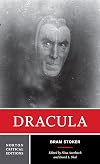
Revolutionary as it must have been, the read is painfully slow, repetitive, and focused on travel. I say this as someone who's happy to read 1000 travel-centric LOTR pages, Stoker just wasn't using language in a manner I can remain fixed on for longer than 30-45minute sessions.
It's impossible for me to properly weigh the book's influence and importance from the POV of it having informed the horror genre narrative for generations before my birth - I can only say that reading it became a chore, and the two sentences devoted to the story's climax were about as anti-climactic as could be.
I feel like Linus being led back inside from the pumpkin patch, as I spent the vast majority of my quality October reading time on a purported gem, only to be left wishing I had spent the time differently.
An abridged version, as anathema to reading as I usually find them to be, would be the route I'd recommend to others.
It's impossible for me to properly weigh the book's influence and importance from the POV of it having informed the horror genre narrative for generations before my birth - I can only say that reading it became a chore, and the two sentences devoted to the story's climax were about as anti-climactic as could be.
I feel like Linus being led back inside from the pumpkin patch, as I spent the vast majority of my quality October reading time on a purported gem, only to be left wishing I had spent the time differently.
An abridged version, as anathema to reading as I usually find them to be, would be the route I'd recommend to others.
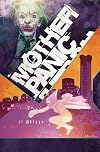
A pretty unsatisfactory Elseworlds-type continuation of the confused Mother Panic series. There aren't any new ideas in here, and everything recalls the last time you read it - although that last time was in books that had better grounding, characterization, and resolution. Gala is a one-trick-pony villain who should have been retired at the end of the first 6 issue arc. Man... I wish this had been a good book. I like the character design, and the Tommy Lee Edwards artwork on the first series was beautiful (he provides covers this time around - to mixed effect).
Skip it, folks - sadly, this goes for all of Young Animal except for Doom Patrol, which is officially playing second fiddle to Way's bigger priority, Umbrella Academy, now.
Skip it, folks - sadly, this goes for all of Young Animal except for Doom Patrol, which is officially playing second fiddle to Way's bigger priority, Umbrella Academy, now.
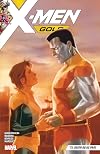
Some classic feel, and not entirely predictable. Took an interesting turn that I suspected was possible, and it will be curious to see where some relationships go from here. I can't say I'm happy with the outcomes - but I think I'm unhappy with them in a good way. Touching moments.
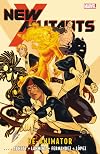
A weak outing for my favorite mutants (sans Cannonball, Majik, Wolfsbane).
A clear fan of Doug Ramsay, Abnett sets the scene for a great story - only to have it rendered by a third tier artist, and barely make any sense anyway. Wasted opportunities and all indications of a hack job forced in under a deadline that killed whatever creativity was available.
Shoehorning Nate Grey into this book was its death knell, and it would only get worse as Blink is forced in. The second story is an uneventful come-down where they are supposedly celebrating Warlock's birthday - by ignoring him in Madripoor and having unproductive ruminations.
A clear fan of Doug Ramsay, Abnett sets the scene for a great story - only to have it rendered by a third tier artist, and barely make any sense anyway. Wasted opportunities and all indications of a hack job forced in under a deadline that killed whatever creativity was available.
Shoehorning Nate Grey into this book was its death knell, and it would only get worse as Blink is forced in. The second story is an uneventful come-down where they are supposedly celebrating Warlock's birthday - by ignoring him in Madripoor and having unproductive ruminations.
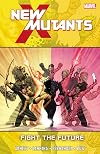
Marvel really dropped the ball on the last year or two of this book. I had such high hopes, and it started off pretty well - but by the time this instillation came alone, it was toast and being rushed towards its cancellation.
It's especially hard when your favorite characters are treated this way. I hope Marvel does right by the New Mutants again someday.
It's especially hard when your favorite characters are treated this way. I hope Marvel does right by the New Mutants again someday.