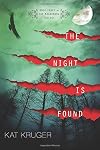
If you’ve not read the first two books in The Magdeburg Trilogy, beware! This review contains spoilers. Go read the first two!
I think trilogies work so well because dramas have been presented in a three-act form for centuries. Act one: Set up the scene and the characters and give the leading actors a confrontation or situation to deal with. Act two: The protagonists find themselves up to their eyeballs in trouble, the antagonists look strong, and the action rises. Act three: everything crashes down in a wave of tension, action, and resolution. The Night is Found, book three of this trilogy, is a satisfying end to Connor Lewis’ story.
Charged by Roul Aquilla’s dying words to “Lead the Packs,” Connor wants to find a way to unify the packs of Europe against the murderous Luparii and the Hounds of God. He returns to New York to meet with pack leaders there, both to warn them of the threat against the werewolf species, and to find out how they unified their people.
Connor knows he’s out of his league. With Amara’s backup, he carefully manages his leadership role in the uncertain territory of his own home city. The American wolf pack leaders play their cards close, and their loyalties are completely unknown. One of the leaders is pushing a legal contract between their two lucrative international businesses. Another pack leader is trying to broker an entirely different kind of partnership with Connor directly. The New York pack seems unconcerned about the threat of show more the Luparii, and he wonders, quite reasonably, whose side they’re on. If there’s anything he’s learned so far, it’s not to trust anyone until their intentions are clear.
As in book two, Madison is seen in brief chapters from her point of view. Arden is still in Europe, working hard to notify all of the far-flung packs about the threats to their people. The Hounds of God are amassing an army, ready to bring the born wolves fully under their control and rule. Breber is out for revenge.
“It is the dawn of a new era,” he continues. “Those who will not follow the rule of law must be eliminated for the greater good. Heaven’s Hand begins its march today to protect humankind from the evils of the beast.”
And Bouget? Oh, don’t forget about him. With the three factions officially at each others’ throats after the trial, he wouldn’t miss the chance to further his own goals.
Kruger brings this trilogy to a close through well-timed tension and tactics almost as militaristic as her characters’. It should surprise no one that loyalties shift and blur. Actions that may seem out-of-character at first glance make sense as the situation unfolds.
One of the themes of the trilogy is Connor’s coming-of-age, rising from a clumsy nerd teenager to a young man taking up a mantle of leadership and responsibility. As Madison says, “When did you become such a badass?” I appreciated that Connor’s emotional journey wasn’t a solo trek. He learns that other people have experience and information to share, from battle tactics to leadership skills to knowing the right time to make an exit. Without the mentors who helped him, he’d still be a confused, snarling “whelp” with no control over his form or his emotions. These people aren’t parents or classic authority figures like teachers, they are his friends, allies, and even his enemies.
I’ll toss in an aside that Madison still has some serious growing up to do. I am disappointed that she wound up in a damsel-in-distress scenario after she proved her mettle in The Night Has Claws. I’m holding out hope that Ms. Kruger will return to this world for a second trilogy, and let us see what becomes of Madison, Josh, the American packs, (particularly the Wilds) and Connor’s own pack.
All in all, The Magdeburg Trilogy is a satisfying series, appropriate for young adult and older readers. I’d call this a supernatural thriller with memorable characters, international intrigue, and a plausible historical background and setting. There’s a bit of perfectly age-appropriate romance that doesn’t feel at all forced. I look forward to more work from Kat Kruger. show less
I think trilogies work so well because dramas have been presented in a three-act form for centuries. Act one: Set up the scene and the characters and give the leading actors a confrontation or situation to deal with. Act two: The protagonists find themselves up to their eyeballs in trouble, the antagonists look strong, and the action rises. Act three: everything crashes down in a wave of tension, action, and resolution. The Night is Found, book three of this trilogy, is a satisfying end to Connor Lewis’ story.
Charged by Roul Aquilla’s dying words to “Lead the Packs,” Connor wants to find a way to unify the packs of Europe against the murderous Luparii and the Hounds of God. He returns to New York to meet with pack leaders there, both to warn them of the threat against the werewolf species, and to find out how they unified their people.
Connor knows he’s out of his league. With Amara’s backup, he carefully manages his leadership role in the uncertain territory of his own home city. The American wolf pack leaders play their cards close, and their loyalties are completely unknown. One of the leaders is pushing a legal contract between their two lucrative international businesses. Another pack leader is trying to broker an entirely different kind of partnership with Connor directly. The New York pack seems unconcerned about the threat of show more the Luparii, and he wonders, quite reasonably, whose side they’re on. If there’s anything he’s learned so far, it’s not to trust anyone until their intentions are clear.
As in book two, Madison is seen in brief chapters from her point of view. Arden is still in Europe, working hard to notify all of the far-flung packs about the threats to their people. The Hounds of God are amassing an army, ready to bring the born wolves fully under their control and rule. Breber is out for revenge.
“It is the dawn of a new era,” he continues. “Those who will not follow the rule of law must be eliminated for the greater good. Heaven’s Hand begins its march today to protect humankind from the evils of the beast.”
And Bouget? Oh, don’t forget about him. With the three factions officially at each others’ throats after the trial, he wouldn’t miss the chance to further his own goals.
Kruger brings this trilogy to a close through well-timed tension and tactics almost as militaristic as her characters’. It should surprise no one that loyalties shift and blur. Actions that may seem out-of-character at first glance make sense as the situation unfolds.
One of the themes of the trilogy is Connor’s coming-of-age, rising from a clumsy nerd teenager to a young man taking up a mantle of leadership and responsibility. As Madison says, “When did you become such a badass?” I appreciated that Connor’s emotional journey wasn’t a solo trek. He learns that other people have experience and information to share, from battle tactics to leadership skills to knowing the right time to make an exit. Without the mentors who helped him, he’d still be a confused, snarling “whelp” with no control over his form or his emotions. These people aren’t parents or classic authority figures like teachers, they are his friends, allies, and even his enemies.
I’ll toss in an aside that Madison still has some serious growing up to do. I am disappointed that she wound up in a damsel-in-distress scenario after she proved her mettle in The Night Has Claws. I’m holding out hope that Ms. Kruger will return to this world for a second trilogy, and let us see what becomes of Madison, Josh, the American packs, (particularly the Wilds) and Connor’s own pack.
All in all, The Magdeburg Trilogy is a satisfying series, appropriate for young adult and older readers. I’d call this a supernatural thriller with memorable characters, international intrigue, and a plausible historical background and setting. There’s a bit of perfectly age-appropriate romance that doesn’t feel at all forced. I look forward to more work from Kat Kruger. show less
If you’ve not read book one, The Night Has Teeth, this review may contain spoilers. Go read the first one!
The Night Has Claws is the second book in the Magdeburg Trilogy. I am happy to be able to review the entire trilogy, because this series is shaping up to be a complex and entertaining foray into the werewolf genre.
When we last saw Connor Lewis, his conflicted position between three factions left him unsure of who to trust. The first chapter drops directly into the aftermath of the violence that erupted between the pack wolves, the Hounds of God and the enforcers of Boguet Biotechnology. Arden, injected by Boguet’s “cure” is thought to be dead and buried alive. Arden claws his way out of a shallow grave, all traces of his lycan heritage gone. He’s human, and is abandoned by his pack and his mate, Amara.
Connor is faced with a dilemma. His DNA made Boguet’s terrible weapon possible, but Connor is now a werewolf with all the power of one born to the blood. He feels that he’s responsible for Arden, and wants to help him learn to live as a human. Arden, in his way, tries to help Connor learn to live as a werewolf. This is easier said than done.
Due to the events in Paris, the Hounds of God demand a trial, and Connor is called as a witness. Madison Dallaire, concerned for Connor, (and trying not to admit her attraction to him,) embarks on her own investigation of the Boguet “cure” for lycanthropy. Her findings may tip the centuries-old balance of loyalty show more and power between the born and bitten wolves.
The Night Has Claws is a ferocious continuation of the series. Second books in a trilogy can suffer from “sophomore syndrome” where the story doesn’t live up to the promises of the first novel. I can assure you that this isn’t the case here. In my opinion, this may be a better novel than the first.
Adding chapters in Madison’s point of view was delightful. Getting to know her from her own perspective kept me fully engaged. All of my questions about the first novel, notably the reason why the born werewolves accepted the laws of the Hounds, were answered in a way that made the situation understandable and plausible. The tension of the upcoming trial and the machinations of all the factions, plus a new group introduced to the plot, gave me a bad case of one-more-chapter-itis.
The last chapter is one of the best endings I’ve read all year. It will grab you by the throat and drag you into book three. Highly recommended, grab a copy, you won’t be disappointed.
I received this book for free in exchange for an honest review. This does not affect my opinion of the book or the content of my review. Originally published at www.bookie-monster.com show less
The Night Has Claws is the second book in the Magdeburg Trilogy. I am happy to be able to review the entire trilogy, because this series is shaping up to be a complex and entertaining foray into the werewolf genre.
When we last saw Connor Lewis, his conflicted position between three factions left him unsure of who to trust. The first chapter drops directly into the aftermath of the violence that erupted between the pack wolves, the Hounds of God and the enforcers of Boguet Biotechnology. Arden, injected by Boguet’s “cure” is thought to be dead and buried alive. Arden claws his way out of a shallow grave, all traces of his lycan heritage gone. He’s human, and is abandoned by his pack and his mate, Amara.
Connor is faced with a dilemma. His DNA made Boguet’s terrible weapon possible, but Connor is now a werewolf with all the power of one born to the blood. He feels that he’s responsible for Arden, and wants to help him learn to live as a human. Arden, in his way, tries to help Connor learn to live as a werewolf. This is easier said than done.
Due to the events in Paris, the Hounds of God demand a trial, and Connor is called as a witness. Madison Dallaire, concerned for Connor, (and trying not to admit her attraction to him,) embarks on her own investigation of the Boguet “cure” for lycanthropy. Her findings may tip the centuries-old balance of loyalty show more and power between the born and bitten wolves.
The Night Has Claws is a ferocious continuation of the series. Second books in a trilogy can suffer from “sophomore syndrome” where the story doesn’t live up to the promises of the first novel. I can assure you that this isn’t the case here. In my opinion, this may be a better novel than the first.
Adding chapters in Madison’s point of view was delightful. Getting to know her from her own perspective kept me fully engaged. All of my questions about the first novel, notably the reason why the born werewolves accepted the laws of the Hounds, were answered in a way that made the situation understandable and plausible. The tension of the upcoming trial and the machinations of all the factions, plus a new group introduced to the plot, gave me a bad case of one-more-chapter-itis.
The last chapter is one of the best endings I’ve read all year. It will grab you by the throat and drag you into book three. Highly recommended, grab a copy, you won’t be disappointed.
I received this book for free in exchange for an honest review. This does not affect my opinion of the book or the content of my review. Originally published at www.bookie-monster.com show less
Genre fiction has been full of zombies and vampires in the past few years, but with a few exceptions, werewolves don't seem to get the same amount of press. Werewolves have been a metaphor for the transition of youth to adult since Tony Rivers fell into the clutches of Dr. Alfred Brandon in 1957. The Night Has Teeth returns to that metaphor with a tale of modern shape-shifters fighting a centuries-old battle in the streets of Paris, France.
Connor Lewis is on the trip of a lifetime. Selected to spend his senior year of high school at a prestigious Paris school, he hopes to shed his geeky past and reinvent himself. His host family seems odd to him. Amara doesn't look much older than he is, and both her dog, Lou, and her boyfriend Arden seems to have a grudge against him. At school, he makes friends, Josh and Madison, Canadian "army brats" who are also at the school on scholarship. Madison leads him into the underground music and social scene of Paris. They visit a hidden nightclub, buried deep in the tunnels under Paris, and Connor is inadvertently bitten by a werewolf. He finds himself pulled between three warring factions, with no idea which of them is telling the truth, or which group he should trust.
Author Kat Kruger creates a plausible origin for the two types of werewolf tropes found in pop culture. Werewolves are either born or bitten. Natural born werewolves transform, at will, into full wolf form, indistinguishable from normal wolves. Humans who are bitten by the show more born transform into grotesque half-man, half-wolf forms.
I particularly enjoyed the character-driven story. Connor's first-person account of his experiences is completely engaging. Seeing Paris through his eyes feels natural, without pointless exposition. This leads to my second compliment: The author creates an excellent sense of place in a city that has been used as a stage for centuries. The dialogue is engaging, the story well-paced, and I was never jarred out of the story by poor writing.
Another delight is that the secondary characters have their own emotional arcs. They are just as interesting and integral to the story as Connor. I also appreciate that the choices offered to Connor are never defined in a good vs. evil manner. All major characters have an agenda, and they pursue it with a vengeance.
There were a few sore thumbs that stuck out. I feel the prologue is unnecessary. Getting bitten by, or biting another kid in Kindergarten is a problem, but not that traumatic. I was bitten and scarred by a little boy when I was in Kindergarten, and I barely remember it. It begs the question that is never sufficiently answered in this novel: Did Connor's parents have a reason to overreact to the bite?
I noticed an issue with consistency. We learn that one of the factions, which appears to consist of bitten werewolves, make and enforce a rule of law for all werewolves. I wonder, why would bloodline werewolves abide by the rules set down by bitten humans? It's a social order that doesn't quite work for me. Also, these rules are inconsistent. If biting a human is punished by death, why are characters who bit a human, and there are several of them, merrily walking around, not dead?
I recommend this book for both young adult and adult readers. It's solid story featuring appealing characters who have a realistic sense of agency and influence over their own lives. The trilogy continues with The Night has Claws and The Night is Found.
We received this book for free in exchange for an honest review. This does not affect the opinion of the book or the content of the review. This review was originally published at http://www.bookie-monster.com show less
Connor Lewis is on the trip of a lifetime. Selected to spend his senior year of high school at a prestigious Paris school, he hopes to shed his geeky past and reinvent himself. His host family seems odd to him. Amara doesn't look much older than he is, and both her dog, Lou, and her boyfriend Arden seems to have a grudge against him. At school, he makes friends, Josh and Madison, Canadian "army brats" who are also at the school on scholarship. Madison leads him into the underground music and social scene of Paris. They visit a hidden nightclub, buried deep in the tunnels under Paris, and Connor is inadvertently bitten by a werewolf. He finds himself pulled between three warring factions, with no idea which of them is telling the truth, or which group he should trust.
Author Kat Kruger creates a plausible origin for the two types of werewolf tropes found in pop culture. Werewolves are either born or bitten. Natural born werewolves transform, at will, into full wolf form, indistinguishable from normal wolves. Humans who are bitten by the show more born transform into grotesque half-man, half-wolf forms.
I particularly enjoyed the character-driven story. Connor's first-person account of his experiences is completely engaging. Seeing Paris through his eyes feels natural, without pointless exposition. This leads to my second compliment: The author creates an excellent sense of place in a city that has been used as a stage for centuries. The dialogue is engaging, the story well-paced, and I was never jarred out of the story by poor writing.
Another delight is that the secondary characters have their own emotional arcs. They are just as interesting and integral to the story as Connor. I also appreciate that the choices offered to Connor are never defined in a good vs. evil manner. All major characters have an agenda, and they pursue it with a vengeance.
There were a few sore thumbs that stuck out. I feel the prologue is unnecessary. Getting bitten by, or biting another kid in Kindergarten is a problem, but not that traumatic. I was bitten and scarred by a little boy when I was in Kindergarten, and I barely remember it. It begs the question that is never sufficiently answered in this novel: Did Connor's parents have a reason to overreact to the bite?
I noticed an issue with consistency. We learn that one of the factions, which appears to consist of bitten werewolves, make and enforce a rule of law for all werewolves. I wonder, why would bloodline werewolves abide by the rules set down by bitten humans? It's a social order that doesn't quite work for me. Also, these rules are inconsistent. If biting a human is punished by death, why are characters who bit a human, and there are several of them, merrily walking around, not dead?
I recommend this book for both young adult and adult readers. It's solid story featuring appealing characters who have a realistic sense of agency and influence over their own lives. The trilogy continues with The Night has Claws and The Night is Found.
We received this book for free in exchange for an honest review. This does not affect the opinion of the book or the content of the review. This review was originally published at http://www.bookie-monster.com show less

I received this book for free in exchange for an honest review. This does not affect my opinion of the book or the content of my review. This review was originally published at www.bookie-monster.com
When I begin reading a new book, I go in with high expectations. As a voracious reader, I know what I want to see in a novel and if those elements aren't there, it's a letdown. I look for characters I can relate to, people with distinct voices and personalities that come alive on the pages and make me care about them. If it’s a genre novel, I want to know the how and the why behind the science, magic, or new world that I’m entering. Good writing is a must. The plot has to be plausible and possible, well-supported by the world and the characters in it. Above all, I want a good story that transports me to a different time and place, and makes me reach for the next chapter even when I know I need to put the book down and go pretend to be a responsible adult.
The Last Days of Ordinary is a bloody good ride. I am giving it five stars because it lived up to every one of my expectations.
I sat down with The Last Days of Ordinary with my notebook and pen, ready to take notes on the critique sheet with two columns: “WOW” and “WTF.” Four hours later, I hadn’t taken a single note. The novel had me so completely sucked in that I didn’t want to stop reading. This novel deserves every single one of the five-star ratings it's gathered so far.
Laurence Clarke is the type of show more person I would hang out with. He’s intelligent, witty with sarcastic tendencies, and he cares deeply for his friends and family. His parents were murdered, leaving him and his brother alone. Laurence graduates high school and says goodbye to his only real friend, Jolene Mason. She leaves the country to study ballet in France, and he’s left behind in California, working his way through the local university.
His brother Denny enlists to fight the Vietnam war and returns with injuries that confine him to a wheelchair. Laurence steps up to care for his brother while trying to finish his degree. He still pines for Jolene, despite the fact that her father is the president of a notoriously violent outlaw biker club.
When she steps back into his life unexpectedly, he accidentally witnesses the murder--and resurrection--of her father, Boone. Jolene’s father and his crew are Paxios, vampire-like immortals created by an accident of alchemy. Boone forces Laurence to make an impossible choice: Live as Boone’s errand-boy and never see Jolene again, or die.
This story hit every single one of my buttons. Horror? Check. Paranormal? You bet. Fantastic characters, witty dialogue, great pacing, and blood-spattered carnage? It’s all in there. Everything happens for a reason, and while the plot is simple, the storytelling is so well-crafted that it makes for a quick and satisfying read.
Wrenching a five-star review out of this jaded old reader is tough, but Ms. Archer has done it. When I reached the end of the book, my only question was, “There's going to be a sequel, right?” show less
When I begin reading a new book, I go in with high expectations. As a voracious reader, I know what I want to see in a novel and if those elements aren't there, it's a letdown. I look for characters I can relate to, people with distinct voices and personalities that come alive on the pages and make me care about them. If it’s a genre novel, I want to know the how and the why behind the science, magic, or new world that I’m entering. Good writing is a must. The plot has to be plausible and possible, well-supported by the world and the characters in it. Above all, I want a good story that transports me to a different time and place, and makes me reach for the next chapter even when I know I need to put the book down and go pretend to be a responsible adult.
The Last Days of Ordinary is a bloody good ride. I am giving it five stars because it lived up to every one of my expectations.
I sat down with The Last Days of Ordinary with my notebook and pen, ready to take notes on the critique sheet with two columns: “WOW” and “WTF.” Four hours later, I hadn’t taken a single note. The novel had me so completely sucked in that I didn’t want to stop reading. This novel deserves every single one of the five-star ratings it's gathered so far.
Laurence Clarke is the type of show more person I would hang out with. He’s intelligent, witty with sarcastic tendencies, and he cares deeply for his friends and family. His parents were murdered, leaving him and his brother alone. Laurence graduates high school and says goodbye to his only real friend, Jolene Mason. She leaves the country to study ballet in France, and he’s left behind in California, working his way through the local university.
His brother Denny enlists to fight the Vietnam war and returns with injuries that confine him to a wheelchair. Laurence steps up to care for his brother while trying to finish his degree. He still pines for Jolene, despite the fact that her father is the president of a notoriously violent outlaw biker club.
When she steps back into his life unexpectedly, he accidentally witnesses the murder--and resurrection--of her father, Boone. Jolene’s father and his crew are Paxios, vampire-like immortals created by an accident of alchemy. Boone forces Laurence to make an impossible choice: Live as Boone’s errand-boy and never see Jolene again, or die.
This story hit every single one of my buttons. Horror? Check. Paranormal? You bet. Fantastic characters, witty dialogue, great pacing, and blood-spattered carnage? It’s all in there. Everything happens for a reason, and while the plot is simple, the storytelling is so well-crafted that it makes for a quick and satisfying read.
Wrenching a five-star review out of this jaded old reader is tough, but Ms. Archer has done it. When I reached the end of the book, my only question was, “There's going to be a sequel, right?” show less
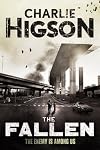
The Fallen is book #5 in Charlie Higson’s The Enemy Series. Although this is the fifth book, the events occur 28 seconds after the end of The Enemy (#1), and are concurrent with events in The Sacrifice (#4).
I don’t always get to read books in order. When I wind up with an out-of-sequence book to review, the first challenge is to see if the book gives me enough backstory and context to let the novel stand on its own. In the opening chapter, a girl called Maxie is on the move through the streets of London, celebrating escape from Buckingham Palace. She’s with a pack of other youth and children called, “The Holloway kids.” It’s a perfect introduction to the characters, offering a bit about each without dumping too much information at once.
Maxie is a natural leader who cares about the kids around her. She sees their strengths first, and understands how every one of them contribute to their overall safety. She’s joined by Blue, the young man who leads the Morrisons gang, and it’s clear that their teamwork was the key to freeing them from the palace.
“It felt good to be with her friends. The world had turned cold and cruel, and friendship helped keep them warm. It was more important than ever to help each other and work together.”
Their intention is to get to the Natural History Museum, where another group of children have a secure place to live. Once they arrive, the Holloway kids find the museum under attack, overrun with “sickos,” the diseased, show more zombie-like grown-ups that roam London looking for children to kill and eat.
The Museum crew includes the would-be-scientist, Einstein, and other intelligent older kids who are studying the disease. Their plan to find medicines to help them survive, and the equipment needed to learn more about the disease, leads to a secret kept for over 15 years.
Of course, safety and survival is their ultimate goal. There are so many stories about adults in this scenario that it’s refreshing to read one where the fate of the world is in the hands of children. Yes, they make stupid mistakes. I cringed through several scenes, knowing their decisions were dangerous and foolish. The results were often tragically predictable.
Don’t get attached to too many characters. Higson kills people with wave after wave of puss-spewing, eyeball-bursting horror. His monsters are gloriously gross, whether they are bursters, diseased feral dogs, or the grotesquely disgusting “mothers and fathers” that hunt the children.
My issues with the novel are few. At first, I was put off by the number of chapters. Staring at a table of contents with 96 chapters made me wilt. Was it really that long? No, not really. The chapters are very short, some just a few pages, and it made me wonder if this was a device to manipulate the pacing of the story. When things slowed down, or when characters got a few hours of rest, the inevitable surprise attack was predictable and repetitive. When a group gets attacked by something other than “sickos”, I was relieved that it was something different, until the “sickos” showed up on cue.
I liked The Fallen. It was a quick read, because I had a hard time putting it down. Thanks to my eReader, I don’t need a flashlight anymore when I’m up way past my bedtime trying to squeeze in just one more chapter. That said, I know I’m not the intended audience for this series. I’m certain that the YA audience it was written for will have a much different opinion than I do.
I look forward to going back into the series, to catch up on the story that precedes this one, and find out what’s going on in other parts of the city.
I recommend this book for people who want a different perspective on survival post-zombie. The characters in this novel are fully-realized people with their own faults, fears, and hangups. Although they are children, they see and understand far more than many adults give them credit for. Some are brutal, some are kind, and some are tragically stupid.
I received this book for free in exchange for an honest review. This does not affect my opinion of the book or the content of my review. This review originally published at www.bookie-monster.com show less
I don’t always get to read books in order. When I wind up with an out-of-sequence book to review, the first challenge is to see if the book gives me enough backstory and context to let the novel stand on its own. In the opening chapter, a girl called Maxie is on the move through the streets of London, celebrating escape from Buckingham Palace. She’s with a pack of other youth and children called, “The Holloway kids.” It’s a perfect introduction to the characters, offering a bit about each without dumping too much information at once.
Maxie is a natural leader who cares about the kids around her. She sees their strengths first, and understands how every one of them contribute to their overall safety. She’s joined by Blue, the young man who leads the Morrisons gang, and it’s clear that their teamwork was the key to freeing them from the palace.
“It felt good to be with her friends. The world had turned cold and cruel, and friendship helped keep them warm. It was more important than ever to help each other and work together.”
Their intention is to get to the Natural History Museum, where another group of children have a secure place to live. Once they arrive, the Holloway kids find the museum under attack, overrun with “sickos,” the diseased, show more zombie-like grown-ups that roam London looking for children to kill and eat.
The Museum crew includes the would-be-scientist, Einstein, and other intelligent older kids who are studying the disease. Their plan to find medicines to help them survive, and the equipment needed to learn more about the disease, leads to a secret kept for over 15 years.
Of course, safety and survival is their ultimate goal. There are so many stories about adults in this scenario that it’s refreshing to read one where the fate of the world is in the hands of children. Yes, they make stupid mistakes. I cringed through several scenes, knowing their decisions were dangerous and foolish. The results were often tragically predictable.
Don’t get attached to too many characters. Higson kills people with wave after wave of puss-spewing, eyeball-bursting horror. His monsters are gloriously gross, whether they are bursters, diseased feral dogs, or the grotesquely disgusting “mothers and fathers” that hunt the children.
My issues with the novel are few. At first, I was put off by the number of chapters. Staring at a table of contents with 96 chapters made me wilt. Was it really that long? No, not really. The chapters are very short, some just a few pages, and it made me wonder if this was a device to manipulate the pacing of the story. When things slowed down, or when characters got a few hours of rest, the inevitable surprise attack was predictable and repetitive. When a group gets attacked by something other than “sickos”, I was relieved that it was something different, until the “sickos” showed up on cue.
I liked The Fallen. It was a quick read, because I had a hard time putting it down. Thanks to my eReader, I don’t need a flashlight anymore when I’m up way past my bedtime trying to squeeze in just one more chapter. That said, I know I’m not the intended audience for this series. I’m certain that the YA audience it was written for will have a much different opinion than I do.
I look forward to going back into the series, to catch up on the story that precedes this one, and find out what’s going on in other parts of the city.
I recommend this book for people who want a different perspective on survival post-zombie. The characters in this novel are fully-realized people with their own faults, fears, and hangups. Although they are children, they see and understand far more than many adults give them credit for. Some are brutal, some are kind, and some are tragically stupid.
I received this book for free in exchange for an honest review. This does not affect my opinion of the book or the content of my review. This review originally published at www.bookie-monster.com show less
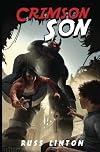
Spencer is not a normal nineteen-year-old. He’s the son of the world’s most powerful Augment - a superhuman solder called the Crimson Mask. His life has been in a constant state of upheaval. He’s changed his name so many times he can’t really keep track of what it really is. He’s moved from city to city, changed his schools, and left friends behind, all in order to keep both him and his mother safe. When your father is a superhero, your family becomes a target for his enemies. His father’s nemesis, the Black Beetle, has already struck at the family, kidnapping Spencer’s mother and forcing Spencer to hide in a secret arctic bunker.
Locked in the “Icehole” for his own safety, Spencer has nothing but time on his hands. Tinkering with the equipment and computers in the bunker is his only relief from the boredom and solitude. It’s also the only outlet for his obsession to rescue his mother. Other than a sharp mind and impressive electronic skills, he has no augmented super-powers to fall back on. When he’s forced to flee the bunker, he’s launched into a shady world of government secrets, technological warfare, and a race to save his mother from a psychopathic super-villain.
When you pick up this book, brace yourself. You’re in for a hell of a story. The mysteries, failures, twists and obstacles that keep it moving from start to finish. Although the main character is an older teen, I hesitate to call this a young adult novel -- there’s plenty of appeal show more for all readers.
Most of the story is told from Spencer’s point of view. He’s a smartass with the intelligence to back up his snark, and enough technical skills to know when he’s out of his league. His voice comes through loud and clear. Whether it’s his frustration with his distant father, or his obsession for an underdog baseball team, he is as genuine as any other young man of my acquaintance. Seeing the events unfold through his eyes sent me deep into the characters fears, dreams and disasters.
Superhero stories commonly fall on the shoulders of the heroes themselves. We see very little of the Crimson Mask, and when we do, he’s in the role of an overbearing father. Spencer is no slacker. He’s fully equipped to take out a killer robot, rescue himself, and assemble his own team of experts to fight back. Among them are Emily, a researcher who worked with his father on another mission, and his high school friend and fellow computer hacking genius, Eric.
Did I say killer robots? Well yes, of course. No superhero tale would be complete without cinematic steel-ripping block-busting action, and nothing creates panic and destruction quite like robotto. Missiles, flying robotic armor with an arsenal of weapons, remote-controlled destructive drones -- yes, there are explosions and chases and nail-biting action sequences here. The villain is a master of mecha, and uses his strengths to great advantage.
I’m particularly glad that the villain also gets his fair share of exposure in the story. When the bad guy is “on stage” the author shifts to third-person perspective. I noticed it right away, but it’s consistent through all the villain's chapters, so it’s clearly a point of sytle. I think it was a smart choice. As I read the book, I strongly identified with Spencer, and the perspective shift was a clever way to keep readers from getting too close to sympathize with the adversary.
The elements of science fiction are also at play here. The Augment super heroes were created in government programs and shady research centers all over the world. They were intended to be super-soldiers, military weapons in human form. I can’t say much more than that without giving spoilers, but the details are in the book. After a few passages sent me to the web for a quick geek-check, I was pleased to see that the science in this fiction was plausible. I’m certain that someone more savvy with cryptography might find some flaw in the technology, but for the average reader like me, I was never buried under a pile of tech jargon.
Overall, Crimson Son is a solid, entertaining novel. The story works on many levels. It’s more than just a “superhero” novel, it has emotional subplots that touch on coming of age, seeing your parents as other adults, trusting friends, and the unpredictability of the human spirit. My only tiny quibble is the stereotyping of the fat computer geek who lives in his mother’s basement. I’ll get over it.
I recommend this book to fans of superhero movies and comics, people who enjoy near-future SF and suspense-filled adventure. I enjoyed the immersion into Spencer’s world, joined the fights right along with him, and marveled at the secrets he uncovered. Pick up a copy for a fantastic summer read. show less
Locked in the “Icehole” for his own safety, Spencer has nothing but time on his hands. Tinkering with the equipment and computers in the bunker is his only relief from the boredom and solitude. It’s also the only outlet for his obsession to rescue his mother. Other than a sharp mind and impressive electronic skills, he has no augmented super-powers to fall back on. When he’s forced to flee the bunker, he’s launched into a shady world of government secrets, technological warfare, and a race to save his mother from a psychopathic super-villain.
When you pick up this book, brace yourself. You’re in for a hell of a story. The mysteries, failures, twists and obstacles that keep it moving from start to finish. Although the main character is an older teen, I hesitate to call this a young adult novel -- there’s plenty of appeal show more for all readers.
Most of the story is told from Spencer’s point of view. He’s a smartass with the intelligence to back up his snark, and enough technical skills to know when he’s out of his league. His voice comes through loud and clear. Whether it’s his frustration with his distant father, or his obsession for an underdog baseball team, he is as genuine as any other young man of my acquaintance. Seeing the events unfold through his eyes sent me deep into the characters fears, dreams and disasters.
Superhero stories commonly fall on the shoulders of the heroes themselves. We see very little of the Crimson Mask, and when we do, he’s in the role of an overbearing father. Spencer is no slacker. He’s fully equipped to take out a killer robot, rescue himself, and assemble his own team of experts to fight back. Among them are Emily, a researcher who worked with his father on another mission, and his high school friend and fellow computer hacking genius, Eric.
Did I say killer robots? Well yes, of course. No superhero tale would be complete without cinematic steel-ripping block-busting action, and nothing creates panic and destruction quite like robotto. Missiles, flying robotic armor with an arsenal of weapons, remote-controlled destructive drones -- yes, there are explosions and chases and nail-biting action sequences here. The villain is a master of mecha, and uses his strengths to great advantage.
I’m particularly glad that the villain also gets his fair share of exposure in the story. When the bad guy is “on stage” the author shifts to third-person perspective. I noticed it right away, but it’s consistent through all the villain's chapters, so it’s clearly a point of sytle. I think it was a smart choice. As I read the book, I strongly identified with Spencer, and the perspective shift was a clever way to keep readers from getting too close to sympathize with the adversary.
The elements of science fiction are also at play here. The Augment super heroes were created in government programs and shady research centers all over the world. They were intended to be super-soldiers, military weapons in human form. I can’t say much more than that without giving spoilers, but the details are in the book. After a few passages sent me to the web for a quick geek-check, I was pleased to see that the science in this fiction was plausible. I’m certain that someone more savvy with cryptography might find some flaw in the technology, but for the average reader like me, I was never buried under a pile of tech jargon.
Overall, Crimson Son is a solid, entertaining novel. The story works on many levels. It’s more than just a “superhero” novel, it has emotional subplots that touch on coming of age, seeing your parents as other adults, trusting friends, and the unpredictability of the human spirit. My only tiny quibble is the stereotyping of the fat computer geek who lives in his mother’s basement. I’ll get over it.
I recommend this book to fans of superhero movies and comics, people who enjoy near-future SF and suspense-filled adventure. I enjoyed the immersion into Spencer’s world, joined the fights right along with him, and marveled at the secrets he uncovered. Pick up a copy for a fantastic summer read. show less
I received this book for free in exchange for an honest review. This does not affect my opinion of the book or the content of my review.
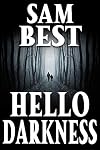
In the horror genre, many authors try for something new and different, something with a twist to surprise their readers. But when it comes right down to it, tales of good vs. evil have scared us for hundreds of years. Why mess with a good thing? Sam Best offers up a tale of ancient evil that delivers a reminder of why we should fear the monsters under the bed.
The setting is the idyllic Colorado town of Falling Rock. The tourists are leaving and the locals are getting ready for the long. cold winter. Ben Howard returns to his family home with his daughter, Annabelle to start a new life after his wife’s death. We meet the rest of the town’s residents and see that not everything is as it seems. The foundations are laid for the escalating horrors that await us. The characters are engaging and well-rounded, with plenty of back story to gain insight into their motivations.
Tommy Bridges knows there’s a monster under his bed. Four-year-old Annabelle Howard is making friends with wolves in the back yard. There’s a fire burning in a black pit near The Last Valley Church and it’s growing every day. The police are ignoring warnings from the church’s pastor, who urges them to evacuate the town. The population is thinning and it’s not because the tourists are heading home for the season. Something’s in the woods, and only one man is show more truly prepared for what is coming.
When a school girl is abducted from the woods outside the playground, be prepared for evil unleashed. Ben, his family, and the local police chase false leads, dead ends, and creatures that evoke images straight out of a Hieronymus Bosch nightmare. The action is tense and well-paced, with scenes that play out almost cinematically. The author gives you just enough time to catch your breath and let it all soak in before diving into the next blood-soaked tableau.
I recommend this book for readers who like classic supernatural horror stories, complete with unlikely heroes, self-serving villains, blood, gore, and depraved hellspawn. My complaints are few. Some of the character backgrounds are a bit too wordy, and I found myself skipping some paragraphs that didn't seem relevant. Without giving spoilers, there’s a character who is repeatedly taken in by the same trick, despite knowing full well it’s a ploy. I found that implausible. I also felt the epilogue was weak. However, none of these things kept me from enjoying the novel. It’s a solid page-turner that will keep you guessing at who--or what--will survive until the end.
bookie-monster.com show less
In the horror genre, many authors try for something new and different, something with a twist to surprise their readers. But when it comes right down to it, tales of good vs. evil have scared us for hundreds of years. Why mess with a good thing? Sam Best offers up a tale of ancient evil that delivers a reminder of why we should fear the monsters under the bed.
The setting is the idyllic Colorado town of Falling Rock. The tourists are leaving and the locals are getting ready for the long. cold winter. Ben Howard returns to his family home with his daughter, Annabelle to start a new life after his wife’s death. We meet the rest of the town’s residents and see that not everything is as it seems. The foundations are laid for the escalating horrors that await us. The characters are engaging and well-rounded, with plenty of back story to gain insight into their motivations.
Tommy Bridges knows there’s a monster under his bed. Four-year-old Annabelle Howard is making friends with wolves in the back yard. There’s a fire burning in a black pit near The Last Valley Church and it’s growing every day. The police are ignoring warnings from the church’s pastor, who urges them to evacuate the town. The population is thinning and it’s not because the tourists are heading home for the season. Something’s in the woods, and only one man is show more truly prepared for what is coming.
When a school girl is abducted from the woods outside the playground, be prepared for evil unleashed. Ben, his family, and the local police chase false leads, dead ends, and creatures that evoke images straight out of a Hieronymus Bosch nightmare. The action is tense and well-paced, with scenes that play out almost cinematically. The author gives you just enough time to catch your breath and let it all soak in before diving into the next blood-soaked tableau.
I recommend this book for readers who like classic supernatural horror stories, complete with unlikely heroes, self-serving villains, blood, gore, and depraved hellspawn. My complaints are few. Some of the character backgrounds are a bit too wordy, and I found myself skipping some paragraphs that didn't seem relevant. Without giving spoilers, there’s a character who is repeatedly taken in by the same trick, despite knowing full well it’s a ploy. I found that implausible. I also felt the epilogue was weak. However, none of these things kept me from enjoying the novel. It’s a solid page-turner that will keep you guessing at who--or what--will survive until the end.
bookie-monster.com show less
I received this book for free in exchange for an honest review. This does not affect my opinion of the book or the content of my review.
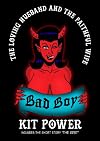
There is no horror quite like suburbia. Kit Power offers two tales of domestic darkness from two very different men from opposite sides of English society.
In the title story, we meet a man and wife who are sure to be introduced as a “charming couple” to others, but are never named. The husband loves his wife with an obsessive passion, noticing every nuance of her bearing and emotion. He knows how to reassure her, how to read her mood, how to love her. Keeping her reassured and happy is his joy.
“I love her with all my heart and soul and would do anything to keep that smile on her lips and protect what we’ve built together.”
When the couple decides to build an addition to their home, the husband finds himself perplexed by a change in his wife’s habits. The wonders at the cause of this change, becoming fixated on one of the workmen in their house. Dark thoughts drive him to drastically alter his own routine in order to protect their reputation, pride, and loving marriage.
In the second story, The Debt, we meet two men from the working class. Del grew up rough, but he works an honest job in a car salvage yard, has a wife and daughter, and a problem. His old classmate, Tel didn’t take the straight road; he’s a career criminal with enough reputation to be respected in low places.
“He turns and leaves… They just move around show more him, like some pole magnets being repulsed. I follow in his wake, swimming under the safety of the belly of the shark.”
Del is drowning in debt, an insurmountable beast that grows even as he tries his best to reduce it. He works overtime, robs Peter to pay Paul, tries to keep his life from collapsing. Despite his efforts, he finds himself on the brink of losing his home and surely his family with it. His hopes hang on getting a side job from Tel. He knows it won’t be exactly legal, or safe, but it’s the only way he’ll be able to raise the kind of money he needs.
Both stories have similar themes, looking at the lengths a man will go to in protecting his family. Neither husband is a practiced criminal, yet both go into their tasks with a mix of grim determination and stomach-twisting horror at what they must accomplish. The stories mirror each other in several places: an ill-timed phone call, a realization of just what must be done, and the thoughts of their loved ones that steady their nerves.
The Debt is told in the language of the street with bits of rhyming slang that can perplex an American reader. However, the author puts in enough context to get the gist of the conversations. I enjoyed The Debt a bit more than the Loving Husband for this reason. The Debt reads with a grimy veneer of oil and sweat and tobacco-scented moral decay. It’s easy to sympathize with Del and the decisions he is faced with.
Overall, this sampling of Kit Powers fiction is a short and entertaining read. The horror here is personal, close, and psychological. I liked it, and would recommend it to readers who are looking for an adult drama with aspects of psychological horror. show less
There is no horror quite like suburbia. Kit Power offers two tales of domestic darkness from two very different men from opposite sides of English society.
In the title story, we meet a man and wife who are sure to be introduced as a “charming couple” to others, but are never named. The husband loves his wife with an obsessive passion, noticing every nuance of her bearing and emotion. He knows how to reassure her, how to read her mood, how to love her. Keeping her reassured and happy is his joy.
“I love her with all my heart and soul and would do anything to keep that smile on her lips and protect what we’ve built together.”
When the couple decides to build an addition to their home, the husband finds himself perplexed by a change in his wife’s habits. The wonders at the cause of this change, becoming fixated on one of the workmen in their house. Dark thoughts drive him to drastically alter his own routine in order to protect their reputation, pride, and loving marriage.
In the second story, The Debt, we meet two men from the working class. Del grew up rough, but he works an honest job in a car salvage yard, has a wife and daughter, and a problem. His old classmate, Tel didn’t take the straight road; he’s a career criminal with enough reputation to be respected in low places.
“He turns and leaves… They just move around show more him, like some pole magnets being repulsed. I follow in his wake, swimming under the safety of the belly of the shark.”
Del is drowning in debt, an insurmountable beast that grows even as he tries his best to reduce it. He works overtime, robs Peter to pay Paul, tries to keep his life from collapsing. Despite his efforts, he finds himself on the brink of losing his home and surely his family with it. His hopes hang on getting a side job from Tel. He knows it won’t be exactly legal, or safe, but it’s the only way he’ll be able to raise the kind of money he needs.
Both stories have similar themes, looking at the lengths a man will go to in protecting his family. Neither husband is a practiced criminal, yet both go into their tasks with a mix of grim determination and stomach-twisting horror at what they must accomplish. The stories mirror each other in several places: an ill-timed phone call, a realization of just what must be done, and the thoughts of their loved ones that steady their nerves.
The Debt is told in the language of the street with bits of rhyming slang that can perplex an American reader. However, the author puts in enough context to get the gist of the conversations. I enjoyed The Debt a bit more than the Loving Husband for this reason. The Debt reads with a grimy veneer of oil and sweat and tobacco-scented moral decay. It’s easy to sympathize with Del and the decisions he is faced with.
Overall, this sampling of Kit Powers fiction is a short and entertaining read. The horror here is personal, close, and psychological. I liked it, and would recommend it to readers who are looking for an adult drama with aspects of psychological horror. show less
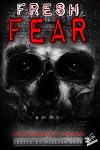
There is no set theme for this anthology, but each story touches on the fears of the modern world. In the introduction, a selection from W.J. Renham's The Art of Darkness: Meditations on the Effect of Horror Fiction, we are reminded that, "Horror serves to reconnect us with our primal selves, provides temporary respite from the droning conditions of modern life."
Some stories examine the experience of being bullied, losing a child, and the terror of becoming a drooling husk devoid of emotion. Primal fears of ghosts, demons and ancient evil unleashed upon humanity are also found here. Some of these tales are a closer look at the horrors we view on the 24-hour news feeds where serial killers, rapes and murders keep us both frightened and entertained. Some authors examine the quiet horrors of isolation, insanity, and the the complacency of those who look at evil but do nothing to stop it.
Be warned: none of the authors shy away from vivid imagery, gore, violence or misogyny. The one story that haunts me the most, "Camps" by Jack Dann, was a glimpse into the history of World War II. The images conjured in his words are as haunting as the photographs that survive the Nazi concentration camps. Another favorite was "Welcomeland" by Ramsey Campbell. His portrait of a dilapidated town and the equally ramshackle amusement park gave me chills. The lyrical, "Darkness Dancing in Your Eyes" by WH Pugmire was a glimpse of eternal loyalty, beauty, and pain.
I highly recommend Fresh Fear for show more lovers of gut-wrenching horror.
Scathe meic Beorh – God of the Wind: An academic research trip to Mora, New Mexico brings a man face-to-face with the gods of the desert and teaches him more than he wants to know.
Ramsey Campbell – Welcomeland: A man travels home to visit the amusement park he he helped finance. Meant to revitalize the economy, he finds the park failed and the town in shambles. You can’t go home again, but if you do, can you ever leave?
Lily Childs – Strange Tastes: She’s the perfect caretaker. Loyal, neat, clean, and a fantastic gourmet cook. When her employers are arrested for tax fraud, she discovers they share her tastes in more than kitchen appliances.
Lincoln Crisler – Nouri and the Beetles: In a time of war, the young men leave to fight. What does a girl have to do to get a husband?
Jack Dann – Camps: People often speak of those suffering a terminal disease as being fighters. Stephen fights his war for survival on two fronts. The first is a war of pain and drugs. The second is a battle of memories long past and never forgotten.
Robert Dunbar – High Rise: Brandon, his brother Tyrone, and their mother move to a better room in an ill-kept high rise. When Tyrone meets one of the ghostly former tenants, Brandon must save his life before he wastes away.
Thomas Erb – Spencer Weaver Gets Rebooted: A teen has only the internet, and his mother to help him get through his last year of High School, and get revenge on the bully who tormented him.
Brandon Ford – Scare Me: As a reviewer, I can honestly say that this was my favorite story in the whole anthology. It was fantastic! I swear it. Really. Not joking. Looks nervous.
Carole Gill – Raised: A boy’s despair over his mother’s madness leads him to a career in medicine. While dissecting corpses for his classes, he discovers he has a passion for studying the deceased. Will his mother’s curse follow him, or is there something else in the past that haunts him?
Lindsey Beth Goddard – The Tooth Collector: When her daughter is killed in traffic, Jenny knows it wasn’t an accident. She seeks out the man responsible and demands her daughter be returned to her.
JF Gonzalez – Love Hurts: A tale of the Black Dahlia, the Laguna State Mental Hospital, undying love, and the transforming ecstasy of pain.
Dane Hatchell – The ‘takers: Mr Jaffe is being held in a medical testing facility, desperate to escape. The Rooks shoot him full of drugs to steal his soul. The ‘takers shuffle him from place to place and whisper the words that strike terror in his heart, “It’s Wednesday, and it’s time for Bingo!”
E.A. Irwin – Justice through Twelve Steps: Particularly disturbing tale of insanity, rape and murder that went too far for this reader.
Charlee Jacob – Locked inside the Buzzword Box: Clanci Feamy is her father’s greatest experiment in terminal insanity. She's thinking outside box, and she's hungry.
K Trap Jones – Demon Eyed Blind: A demon-hunter pursues her prey with skill and precision until she backs him -- and herself -- into a corner. She’s down to two souls, one body, and the police banging on the locked door.
Tim Jones – Protein: When the ice melts and the world is awash with water, the next world war will be fought over calories. You can survive if you have enough protein.
Vada Katherine -Block: Block’s wife, Luna was murdered. Now he is investigating a series of murders that may be related.
Roy C. Booth and Axel Kohagen – Just Another Ex: A private investigator goes after a man suspected of cheating on his wife. Unfortunately, it’s not his wife who has hired the detective.
Shane McKenzie – So Much Pain, So Much Death: Distraught parents are overjoyed to discover that their missing daughter has been found alive. The man responsible for her disappearance rots in a cell, but her father has suspicions that all is not as it seems.
Shaun Meeks – Perfection Through Silence: Tom is tormented by a sound. All he wants is silence, to quiet the ticking that no one else can hear. His grandmother could help him, but she’s been dead for almost a year.
Adam Milliard – The Incongruous Mr Marwick: Which is the greater evil, the perpetrator of torment, or the one who stands by and merely observes?
Christine Morgan – Nails of The Dead: Plenty of people are preparing for the end of the world. Some intend to merely survive it, others work to build the vehicles that will usher it in.
Billie Sue Mosiman – Verboten: Dorothy wants to be a singer in Nashville, but her sister vanished from the truck stop up the road. Her grandfather says strangers are verboten, but it doesn't stop her from looking.
D.F. Noble - Psych: Working on the psych ward is a difficult job. Sometimes it helps to talk to a professional so your work doesn't follow you home.
Chantal Noordeloos – The Door: Jen’s sister Mila is having nightmares. Their stepfather is acting strangely and the basement door is locked. Is the danger on this side of the door or beyond it?
WH Pugmire - Darkness Dancing in Your Eyes: Enoch Blade awakens in his master’s house, alone and despondent. He still seeks to serve the alchemist who taught him to dance when there is nothing left but grave stones and shadows in the mirror.
William Todd Rose – The Grave Dancer: People have attempted to film and photograph ghosts for as long as the technology has been available. When Jamie and his friends view an 8mm film from his late grandfather’s collection, they decide to find out if the local ghost stories are real.
Anna Taborska – Out of the Light: In the vast stacks of the Bodleian Libraries, a student’s book request becomes a scholar’s worst nightmare.
www.bookie-monster.com show less
Some stories examine the experience of being bullied, losing a child, and the terror of becoming a drooling husk devoid of emotion. Primal fears of ghosts, demons and ancient evil unleashed upon humanity are also found here. Some of these tales are a closer look at the horrors we view on the 24-hour news feeds where serial killers, rapes and murders keep us both frightened and entertained. Some authors examine the quiet horrors of isolation, insanity, and the the complacency of those who look at evil but do nothing to stop it.
Be warned: none of the authors shy away from vivid imagery, gore, violence or misogyny. The one story that haunts me the most, "Camps" by Jack Dann, was a glimpse into the history of World War II. The images conjured in his words are as haunting as the photographs that survive the Nazi concentration camps. Another favorite was "Welcomeland" by Ramsey Campbell. His portrait of a dilapidated town and the equally ramshackle amusement park gave me chills. The lyrical, "Darkness Dancing in Your Eyes" by WH Pugmire was a glimpse of eternal loyalty, beauty, and pain.
I highly recommend Fresh Fear for show more lovers of gut-wrenching horror.
Scathe meic Beorh – God of the Wind: An academic research trip to Mora, New Mexico brings a man face-to-face with the gods of the desert and teaches him more than he wants to know.
Ramsey Campbell – Welcomeland: A man travels home to visit the amusement park he he helped finance. Meant to revitalize the economy, he finds the park failed and the town in shambles. You can’t go home again, but if you do, can you ever leave?
Lily Childs – Strange Tastes: She’s the perfect caretaker. Loyal, neat, clean, and a fantastic gourmet cook. When her employers are arrested for tax fraud, she discovers they share her tastes in more than kitchen appliances.
Lincoln Crisler – Nouri and the Beetles: In a time of war, the young men leave to fight. What does a girl have to do to get a husband?
Jack Dann – Camps: People often speak of those suffering a terminal disease as being fighters. Stephen fights his war for survival on two fronts. The first is a war of pain and drugs. The second is a battle of memories long past and never forgotten.
Robert Dunbar – High Rise: Brandon, his brother Tyrone, and their mother move to a better room in an ill-kept high rise. When Tyrone meets one of the ghostly former tenants, Brandon must save his life before he wastes away.
Thomas Erb – Spencer Weaver Gets Rebooted: A teen has only the internet, and his mother to help him get through his last year of High School, and get revenge on the bully who tormented him.
Brandon Ford – Scare Me: As a reviewer, I can honestly say that this was my favorite story in the whole anthology. It was fantastic! I swear it. Really. Not joking. Looks nervous.
Carole Gill – Raised: A boy’s despair over his mother’s madness leads him to a career in medicine. While dissecting corpses for his classes, he discovers he has a passion for studying the deceased. Will his mother’s curse follow him, or is there something else in the past that haunts him?
Lindsey Beth Goddard – The Tooth Collector: When her daughter is killed in traffic, Jenny knows it wasn’t an accident. She seeks out the man responsible and demands her daughter be returned to her.
JF Gonzalez – Love Hurts: A tale of the Black Dahlia, the Laguna State Mental Hospital, undying love, and the transforming ecstasy of pain.
Dane Hatchell – The ‘takers: Mr Jaffe is being held in a medical testing facility, desperate to escape. The Rooks shoot him full of drugs to steal his soul. The ‘takers shuffle him from place to place and whisper the words that strike terror in his heart, “It’s Wednesday, and it’s time for Bingo!”
E.A. Irwin – Justice through Twelve Steps: Particularly disturbing tale of insanity, rape and murder that went too far for this reader.
Charlee Jacob – Locked inside the Buzzword Box: Clanci Feamy is her father’s greatest experiment in terminal insanity. She's thinking outside box, and she's hungry.
K Trap Jones – Demon Eyed Blind: A demon-hunter pursues her prey with skill and precision until she backs him -- and herself -- into a corner. She’s down to two souls, one body, and the police banging on the locked door.
Tim Jones – Protein: When the ice melts and the world is awash with water, the next world war will be fought over calories. You can survive if you have enough protein.
Vada Katherine -Block: Block’s wife, Luna was murdered. Now he is investigating a series of murders that may be related.
Roy C. Booth and Axel Kohagen – Just Another Ex: A private investigator goes after a man suspected of cheating on his wife. Unfortunately, it’s not his wife who has hired the detective.
Shane McKenzie – So Much Pain, So Much Death: Distraught parents are overjoyed to discover that their missing daughter has been found alive. The man responsible for her disappearance rots in a cell, but her father has suspicions that all is not as it seems.
Shaun Meeks – Perfection Through Silence: Tom is tormented by a sound. All he wants is silence, to quiet the ticking that no one else can hear. His grandmother could help him, but she’s been dead for almost a year.
Adam Milliard – The Incongruous Mr Marwick: Which is the greater evil, the perpetrator of torment, or the one who stands by and merely observes?
Christine Morgan – Nails of The Dead: Plenty of people are preparing for the end of the world. Some intend to merely survive it, others work to build the vehicles that will usher it in.
Billie Sue Mosiman – Verboten: Dorothy wants to be a singer in Nashville, but her sister vanished from the truck stop up the road. Her grandfather says strangers are verboten, but it doesn't stop her from looking.
D.F. Noble - Psych: Working on the psych ward is a difficult job. Sometimes it helps to talk to a professional so your work doesn't follow you home.
Chantal Noordeloos – The Door: Jen’s sister Mila is having nightmares. Their stepfather is acting strangely and the basement door is locked. Is the danger on this side of the door or beyond it?
WH Pugmire - Darkness Dancing in Your Eyes: Enoch Blade awakens in his master’s house, alone and despondent. He still seeks to serve the alchemist who taught him to dance when there is nothing left but grave stones and shadows in the mirror.
William Todd Rose – The Grave Dancer: People have attempted to film and photograph ghosts for as long as the technology has been available. When Jamie and his friends view an 8mm film from his late grandfather’s collection, they decide to find out if the local ghost stories are real.
Anna Taborska – Out of the Light: In the vast stacks of the Bodleian Libraries, a student’s book request becomes a scholar’s worst nightmare.
www.bookie-monster.com show less
I’ve been reading horror stories since I was dexterous enough to hold both a flashlight and a book under the covers. I’m hard to scare. Starers creeped me right the %$!@# out.
The plot is deceptively simple. Dylan Keene and his brother Len are a couple of average, working-class guys. They hit the pub at the end of the week, get drunk with friends, close the pub and head home to play video games. The brothers wake up with vicious hangovers and a strange surprise--their neighbors are staring at them.
The rest of the book follows Len, Dylan, his wife Kirsty and daughter Lucy as they deal with the siege-like situation. The author brings us along for the ride with a well-crafted blend of tension, surprises, and some of the best dialogue I’ve read in a long time. I wasn’t waiting for the next thing to happen; the action flowed well and kept me hooked.
What I liked most about this book was that the Keene family didn’t have a clue what was going on and neither did I. We were all along for the ride together. That sense of shared suspense is what made the book so good. That the characters acted and reacted like normal everyday people made it even better.
My only quibble with the book was the ending. The tension and inevitable violence should have hit like a double-decker bus, but it stalled. The long internal monologues of one of the characters made me release my white-knuckled hold on my e-reader. I was tempted to roll my eyes like a petulant teenager and skip ahead to the show more good bits.
Read this book. After you’ve put it down, you’ll be watching over your shoulder for a creepy old man standing on the street, staring at you. It’s a fantastic read. Did I mention it made my skin crawl in a most delightful manner? Yes. You want to read Starers.
I received this book for free in exchange for an honest review. The opinion in this review is unbiased and reflects my honest judgment of the book.
www.bookie-monster.com show less
The plot is deceptively simple. Dylan Keene and his brother Len are a couple of average, working-class guys. They hit the pub at the end of the week, get drunk with friends, close the pub and head home to play video games. The brothers wake up with vicious hangovers and a strange surprise--their neighbors are staring at them.
The rest of the book follows Len, Dylan, his wife Kirsty and daughter Lucy as they deal with the siege-like situation. The author brings us along for the ride with a well-crafted blend of tension, surprises, and some of the best dialogue I’ve read in a long time. I wasn’t waiting for the next thing to happen; the action flowed well and kept me hooked.
What I liked most about this book was that the Keene family didn’t have a clue what was going on and neither did I. We were all along for the ride together. That sense of shared suspense is what made the book so good. That the characters acted and reacted like normal everyday people made it even better.
My only quibble with the book was the ending. The tension and inevitable violence should have hit like a double-decker bus, but it stalled. The long internal monologues of one of the characters made me release my white-knuckled hold on my e-reader. I was tempted to roll my eyes like a petulant teenager and skip ahead to the show more good bits.
Read this book. After you’ve put it down, you’ll be watching over your shoulder for a creepy old man standing on the street, staring at you. It’s a fantastic read. Did I mention it made my skin crawl in a most delightful manner? Yes. You want to read Starers.
I received this book for free in exchange for an honest review. The opinion in this review is unbiased and reflects my honest judgment of the book.
www.bookie-monster.com show less
I received a free copy of this book in the member giveaways.
I had a lot of fun reading this book. I plan to share this with my 13-year-old niece because I think she would enjoy it as much as I did. The book was a bit slow to start, but once we slipped out of the "real" world and into the middle of a great battle, the story took off and only rarely stopped to catch its breath.
The chapter illustrations were delightful.
I had a lot of fun reading this book. I plan to share this with my 13-year-old niece because I think she would enjoy it as much as I did. The book was a bit slow to start, but once we slipped out of the "real" world and into the middle of a great battle, the story took off and only rarely stopped to catch its breath.
The chapter illustrations were delightful.
This review was written for LibraryThing Member Giveaways.
Feral Darkness
by Doranna Durgin
Brenna Fallon is a dog person. When she was nine years old, she read about an old God called Mars Nodens. Upset that her beloved old dog was dying, she found a place on her family farm where the elements aligned with the ancient places that Nodens was worshiped. Offering up a heartfelt prayer to save her dog’s life, she also offers the thing most important to her: She cuts off her hair with her pocket knife and her faithful hound lives a remarkably long time.
Years later, a group of drunk young men break through the pasture fence and tear through the pasture on their ATV’s. They foul the spring and the old dog’s gravesite. They tear up the ground, and kill a rabbit injured by the tires of their machines. Their actions awaken a violent darkness that will affect the lives of everyone in this rural community.
Brenna is now working as a groomer at a large pet store. She’s harassed by a bullying manager, a dismissive brother and a new employee who all seem intent on belittling her skill and professionalism. When her friends and clients begin to talk of a feral dog pack and the specter of a rabies outbreak, Brenna finds herself fighting an evil born of both greed and a supernatural malevolence.
I don’t give five star ratings lightly. This novel deserves it. When I’m sitting at work with my eReader strategically placed next to my keyboard so I can snatch another page or two during slow moments, I know I’m on to something good. show more Can’t-put-it-down good.
What I liked: Durgin knows how to build suspense. The plot ebbs and flows with unseen threats followed by lulls, circumstantial evidence, grief and joy. It builds to a satisfying standoff that kept me up way past my bedtime. The characters are realistic. Brenna, her friend Emily, her boss Roger, her asshole brother and the suspicious new dog trainer, Gil Masera. Even the dogs, Sunny and Druid, are important characters. I was particularly delighted by the mystery game of “who’s the villain?” that kept me riveted.
Another thing I appreciated is the obvious care the author took to get the details right. Every small thing from grooming procedures to dog handling to modeling good firearm safety speaks of her attention to detail. I could easily see this little upstate rural farmstead clearly in my mind.
What I disliked: Very little, and it speaks to why this is a fantastic book. There were a few points where I wanted to grab the protagonist by the shoulders and shake some sense into her. But that’s the whole point, isn’t it? Humans beings are human, and when I get so invested in the story that I feel like jumping in? Yeah. Five stars.
I’m guessing the author got her copyright released for digital versions and is putting some of her backlist into the digital market. I’m glad she did, otherwise I would have missed it. It’s a little gem that will be a great addition to your eBook collection.
I’d recommend this book to dog lovers who enjoy a tale full of magical realism and a little romance with some Celtic paganism on the side. show less
by Doranna Durgin
Brenna Fallon is a dog person. When she was nine years old, she read about an old God called Mars Nodens. Upset that her beloved old dog was dying, she found a place on her family farm where the elements aligned with the ancient places that Nodens was worshiped. Offering up a heartfelt prayer to save her dog’s life, she also offers the thing most important to her: She cuts off her hair with her pocket knife and her faithful hound lives a remarkably long time.
Years later, a group of drunk young men break through the pasture fence and tear through the pasture on their ATV’s. They foul the spring and the old dog’s gravesite. They tear up the ground, and kill a rabbit injured by the tires of their machines. Their actions awaken a violent darkness that will affect the lives of everyone in this rural community.
Brenna is now working as a groomer at a large pet store. She’s harassed by a bullying manager, a dismissive brother and a new employee who all seem intent on belittling her skill and professionalism. When her friends and clients begin to talk of a feral dog pack and the specter of a rabies outbreak, Brenna finds herself fighting an evil born of both greed and a supernatural malevolence.
I don’t give five star ratings lightly. This novel deserves it. When I’m sitting at work with my eReader strategically placed next to my keyboard so I can snatch another page or two during slow moments, I know I’m on to something good. show more Can’t-put-it-down good.
What I liked: Durgin knows how to build suspense. The plot ebbs and flows with unseen threats followed by lulls, circumstantial evidence, grief and joy. It builds to a satisfying standoff that kept me up way past my bedtime. The characters are realistic. Brenna, her friend Emily, her boss Roger, her asshole brother and the suspicious new dog trainer, Gil Masera. Even the dogs, Sunny and Druid, are important characters. I was particularly delighted by the mystery game of “who’s the villain?” that kept me riveted.
Another thing I appreciated is the obvious care the author took to get the details right. Every small thing from grooming procedures to dog handling to modeling good firearm safety speaks of her attention to detail. I could easily see this little upstate rural farmstead clearly in my mind.
What I disliked: Very little, and it speaks to why this is a fantastic book. There were a few points where I wanted to grab the protagonist by the shoulders and shake some sense into her. But that’s the whole point, isn’t it? Humans beings are human, and when I get so invested in the story that I feel like jumping in? Yeah. Five stars.
I’m guessing the author got her copyright released for digital versions and is putting some of her backlist into the digital market. I’m glad she did, otherwise I would have missed it. It’s a little gem that will be a great addition to your eBook collection.
I’d recommend this book to dog lovers who enjoy a tale full of magical realism and a little romance with some Celtic paganism on the side. show less
 This review was written for LibraryThing Early Reviewers.
Socrates Singer is a loner. He’s just graduated from High School, has a job at the food court at the mall. He spends most of his free time trying to avoid the local bullies: Frankie Bottinelli and his cronies, Grinder and Duffman. After a strange and startling incident with the pigeons at Gustav park, Socrates gets a pet parrot and discovers he has a way with birds. His talent leads to startling discoveries that lead him and his friends into a nightmare that will leave none of them untouched.
Syndicate: Tales from the Twisted Eden Sector is a collection of related short stories set in a world where magic exists in the shadowed backstreets. Gangs, cults and criminal enterprises use magicians for their own ends, but with the warning to their members, “Don’t let the Syndicate catch you doing that.”
The Syndicate seems to be an organization of freelance magicians using their own spells and powers to keep magic from being noticed by the wider world. When a powerful magical artifact called the Phoenix Brand appears in the city, it begins to change hands with disastrous effect. When the Chief of the freelance department gets wind of it, his first thought is to find it and use it to resurrect his dead wife.
Through the course of the collection, we meet and follow the stories of those both working for, and hunted by the Syndicate. Each story stands alone, but together, they form a serial narrative that lets the reader view the world through different eyes. I also get a sense that the Syndicate may be trying to keep magic out of the wrong hands -- but is this loosely-governed organization the right hands to hold on to the stuff?
What I liked: I admit my bias here. I love short fiction, no matter the genre. Hand me a good story that I can read in one sitting and I’m happy. I enjoyed that these stories came from different viewpoints and different characters: Flint, Norm, the Twins, Dawn, Gabe, and Kate. My particular favorites were Ezra and Di, the “terror show more twins” because I got to see them through several points of view, including their own.
I also appreciated that the magic-wielders were fallible. They screw up and get their asses kicked. They don’t always win. They pass the job to someone else. Characters who have the skills don’t just pull them out of thin air; they study, prepare, get rushed for time and when things look bad enough, they retreat.
What I didn't like: The only character who is immune to magic is named Norm. That made me wince. The other dislikes I had were purely technical. I downloaded this as a .mobi file and there are no chapters set up in the menu. This made it hard for me to move around the text when I wanted to. I found a few “spell check’ errors (i.e., wrong word, but spelled correctly). As much as people talk about poor editing in e-reader files, getting these little things worked out is critical.
I’d recommend this book to people who enjoy urban fantasy and horror. The ebooks and individual stories are comfortably priced and available in several formats from reliable sources. Check out the author’s website: www.lylestanner.com for more.
Note: I received a free copy of this book in exchange for a review. show less
The Syndicate seems to be an organization of freelance magicians using their own spells and powers to keep magic from being noticed by the wider world. When a powerful magical artifact called the Phoenix Brand appears in the city, it begins to change hands with disastrous effect. When the Chief of the freelance department gets wind of it, his first thought is to find it and use it to resurrect his dead wife.
Through the course of the collection, we meet and follow the stories of those both working for, and hunted by the Syndicate. Each story stands alone, but together, they form a serial narrative that lets the reader view the world through different eyes. I also get a sense that the Syndicate may be trying to keep magic out of the wrong hands -- but is this loosely-governed organization the right hands to hold on to the stuff?
What I liked: I admit my bias here. I love short fiction, no matter the genre. Hand me a good story that I can read in one sitting and I’m happy. I enjoyed that these stories came from different viewpoints and different characters: Flint, Norm, the Twins, Dawn, Gabe, and Kate. My particular favorites were Ezra and Di, the “terror show more twins” because I got to see them through several points of view, including their own.
I also appreciated that the magic-wielders were fallible. They screw up and get their asses kicked. They don’t always win. They pass the job to someone else. Characters who have the skills don’t just pull them out of thin air; they study, prepare, get rushed for time and when things look bad enough, they retreat.
What I didn't like: The only character who is immune to magic is named Norm. That made me wince. The other dislikes I had were purely technical. I downloaded this as a .mobi file and there are no chapters set up in the menu. This made it hard for me to move around the text when I wanted to. I found a few “spell check’ errors (i.e., wrong word, but spelled correctly). As much as people talk about poor editing in e-reader files, getting these little things worked out is critical.
I’d recommend this book to people who enjoy urban fantasy and horror. The ebooks and individual stories are comfortably priced and available in several formats from reliable sources. Check out the author’s website: www.lylestanner.com for more.
Note: I received a free copy of this book in exchange for a review. show less
This review was written for LibraryThing Member Giveaways.
When I received Netherworld, based on the cover image, I was prepared for a Steampunk spin on a horror novel. I should know better than to judge a book by its cliche. It’s a different blend of historical fiction, travelogue and classic horror.
When we meet Lady Diana, she is the bride of Lord William Furnaval and apprentice to his position as a gatekeeper. His family has presided over the gateway on their family estate for generations. Gateways are places where spirits, apparitions and other manifestations from the “other side” are able to cross over into this world. Lord William has never met another gatekeeper but he assumes there must be others.
Diana eagerly learns at his side. Over several years she becomes well-read and well-trained in the occult arts. She and her husband find and banish troublesome spirits with the aid of an old grimoire titled, The Book of Gateways, Conjurations and Banishments.
William is contacted by another gatekeeper who desperately needs his help. Though he is cautious, he travels to Transylvania to offer his assistance. Months later, Diana receives news that William is dead. Through the intercession of a psychic friend and a mysterious bookseller, Diana believes that he may be alive on the other side of a gateway.
Emboldened by these revelations, she is determined to seek out other gateways and discover the truth about William.She and her cat undertake a journey across Europe, the Orient, and the Americas to closed the gates to the show more netherworld and bring her husband home. Along they way, she befriends Yi-kin, a Chinese man raised by British missionaries. His friendship and knowledge quickly becomes indispensable to her mission.
I liked this novel. The first chapter had me hooked, getting the novel off to a fast start that kept me up past my bedtime a night or two.
The character Diana Furnaval was just a little too anachronistic. Yes, there were many notable women of that era who were writing and speaking out for women’s suffrage. (Susan B. Anthony and Antoinette Brown Blackwell are two I’m familiar with.) Based on the real lives and opinions of period feminists, I think the author used too heavy a hand with Diana. I also felt bludgeoned by yet another lesson on how Victorian imperialism and American manifest destiny was terrible for anyone who wasn't white. To her credit, the author represented other cultures with an even hand, showing both the bad and the good that was typical of the era.
The novel began to get repetitive around the middle of the story. The same situation was presented, wrapped in a new location. I was left a little flat by the use of magic. With a few exceptions, the occultism and rituals used to banish the antagonists seem a bit too simplistic to me. Yi-kin's use of martial arts is believably realistic, but overall the action varied from good to lukewarm.
The story picks up at the end. The last several chapters had me back to my up-too-late reading habits, eager to find out how it ended.
I would recommend this book to those who enjoy strong female characters, romance, clever cats and globe-trotting adventures. Those who are well-versed in paranormal fiction may be disappointed by the lack of magical detail.
Note: I received an advance copy of this novel in exchange for a review. show less
When we meet Lady Diana, she is the bride of Lord William Furnaval and apprentice to his position as a gatekeeper. His family has presided over the gateway on their family estate for generations. Gateways are places where spirits, apparitions and other manifestations from the “other side” are able to cross over into this world. Lord William has never met another gatekeeper but he assumes there must be others.
Diana eagerly learns at his side. Over several years she becomes well-read and well-trained in the occult arts. She and her husband find and banish troublesome spirits with the aid of an old grimoire titled, The Book of Gateways, Conjurations and Banishments.
William is contacted by another gatekeeper who desperately needs his help. Though he is cautious, he travels to Transylvania to offer his assistance. Months later, Diana receives news that William is dead. Through the intercession of a psychic friend and a mysterious bookseller, Diana believes that he may be alive on the other side of a gateway.
Emboldened by these revelations, she is determined to seek out other gateways and discover the truth about William.She and her cat undertake a journey across Europe, the Orient, and the Americas to closed the gates to the show more netherworld and bring her husband home. Along they way, she befriends Yi-kin, a Chinese man raised by British missionaries. His friendship and knowledge quickly becomes indispensable to her mission.
I liked this novel. The first chapter had me hooked, getting the novel off to a fast start that kept me up past my bedtime a night or two.
The character Diana Furnaval was just a little too anachronistic. Yes, there were many notable women of that era who were writing and speaking out for women’s suffrage. (Susan B. Anthony and Antoinette Brown Blackwell are two I’m familiar with.) Based on the real lives and opinions of period feminists, I think the author used too heavy a hand with Diana. I also felt bludgeoned by yet another lesson on how Victorian imperialism and American manifest destiny was terrible for anyone who wasn't white. To her credit, the author represented other cultures with an even hand, showing both the bad and the good that was typical of the era.
The novel began to get repetitive around the middle of the story. The same situation was presented, wrapped in a new location. I was left a little flat by the use of magic. With a few exceptions, the occultism and rituals used to banish the antagonists seem a bit too simplistic to me. Yi-kin's use of martial arts is believably realistic, but overall the action varied from good to lukewarm.
The story picks up at the end. The last several chapters had me back to my up-too-late reading habits, eager to find out how it ended.
I would recommend this book to those who enjoy strong female characters, romance, clever cats and globe-trotting adventures. Those who are well-versed in paranormal fiction may be disappointed by the lack of magical detail.
Note: I received an advance copy of this novel in exchange for a review. show less
This review was written for LibraryThing Early Reviewers.
A Quiet Place
J.W. Schnarr
This is a collection of horror fiction from Canadian author J.W. Schnarr. I went looking for an overall theme to the collection, and while many of the stories were rooted in Biblical traditions of hell, demons, and not pissing off God, there was a good bit of diversity to the plots. The opening piece, Love Disappears, is the quietest story in the bunch. First love is fleeting, but this beachside tale stayed with me for days. There are werewolves, demons, Elvis impersonators and zombies.
Yes this is a book of horror. You’d certainly expect pools of blood and flies and some gruesome imagery, but often the author goes into a level of detail that may be disturbing to some. I was disappointed that some stories used blood and gore in a way that seemed added for shock value and nothing else. It stuck out. It didn’t fit. I didn’t finish one story because my eyes were rolling so hard I couldn't read. I think nearly every collection of shorts has a dud, and I found mine.
But there were gems I couldn't ignore. Two tales were gorged on imagery that fed from the deepest pits of hell into something I had to think hard about to visualize completely. I was disturbed by what I read, and delighted that it raised the hairs on the back of my neck. Gory? Yes, but it was perfectly appropriate and necessary and gorgeous.
The last piece of the collection was my favorite and the most disturbing. Opt-in. In the near future, advertising is crafted just for you by the show more people who know you best. They just want to help you. They want you to be a better person, a better friend, a better human being. The mad men are on the phone and It’s for you. show less
J.W. Schnarr
This is a collection of horror fiction from Canadian author J.W. Schnarr. I went looking for an overall theme to the collection, and while many of the stories were rooted in Biblical traditions of hell, demons, and not pissing off God, there was a good bit of diversity to the plots. The opening piece, Love Disappears, is the quietest story in the bunch. First love is fleeting, but this beachside tale stayed with me for days. There are werewolves, demons, Elvis impersonators and zombies.
Yes this is a book of horror. You’d certainly expect pools of blood and flies and some gruesome imagery, but often the author goes into a level of detail that may be disturbing to some. I was disappointed that some stories used blood and gore in a way that seemed added for shock value and nothing else. It stuck out. It didn’t fit. I didn’t finish one story because my eyes were rolling so hard I couldn't read. I think nearly every collection of shorts has a dud, and I found mine.
But there were gems I couldn't ignore. Two tales were gorged on imagery that fed from the deepest pits of hell into something I had to think hard about to visualize completely. I was disturbed by what I read, and delighted that it raised the hairs on the back of my neck. Gory? Yes, but it was perfectly appropriate and necessary and gorgeous.
The last piece of the collection was my favorite and the most disturbing. Opt-in. In the near future, advertising is crafted just for you by the show more people who know you best. They just want to help you. They want you to be a better person, a better friend, a better human being. The mad men are on the phone and It’s for you. show less
This review was written for LibraryThing Early Reviewers.
If you've read the original "The Picture of Dorian Grey" the theme of this book shouldn't come as a surprise. I assumed it was a vehicle for some scandalous tales, continuing the debauchery and treachery of the Oscar Wilde story. There was a hint of it in the introduction. I had hopes for more. My hopes were dashed.
I gave up reading the story about midway through Marrakesh. This book completely failed to catch or hold my interest. Pity.
I gave up reading the story about midway through Marrakesh. This book completely failed to catch or hold my interest. Pity.
This review was written for LibraryThing Early Reviewers.
Dog Days: Deadly Passages
Joe McKinney and Sanford Allen
Dog Days by Joe McKinney is the first of this two-part offering from JournalStone.
The day after Hurricane Alexis pounds the Texas Gulf Coast, 14-year old Mark and his family find their neighborhood flooded and damaged by debris. Mutilated bodies are discovered on a shrimp boat washed inland by the storm surge. Mark’s father, a police sergeant, is one of the first on the scene. A day later, the killer has struck again.
As the police investigate the gruesome murders, Mark and his friends embark on their own journey to find the killer. Is it a supernatural killer, driven by some bestial instinct to kill during the full moon? Or is it something no less frightening?
The first few paragraphs of Dog Days had me hooked. Anyone who has ever huddled in their house during a catastrophic storm, hoping the roof stays put, knows the feeling. When the storm is over, the world has changed. Everyone is stressed here - families ravaged by the loss of loved ones, marriages under strain, a community trying to deal with brutal attacks from both the weather and something darker.
I was happy to see a 14-year-old character making some spectacularly 14-year-old decisions. The tone of the character’s narration seems like an adult looking back on a past event. In a few spots the tone gets a little too adult and veers into finger-wagging. I particularly enjoyed that the big question as to the nature of the killer was never definitively show more answered. The author lets us draw our own conclusion. It’s a good read
Deadly Passage, by Sanford Allen, is, the second half of the book. This story deals with multiple horrors on several levels. The first horror we confront is a mysterious creature with a hunger for human blood. The second is the spectre of slavery and the third is the greed and cruelty of the men who trade in human lives.
George Bell, a legally free black man from Barbados has taken a job on a slaving ship moving “cargo” between Africa and the Americas. He hopes the coin he earns will allow him to tempt his lover to run from her plantation. He believes that if he has land and a profession, she will come to him. After the slave ship takes on its human cargo, mysterious deaths among the slaves perplex the crew and terrify the survivors.
As the creature begins to hunt its prey, the evil within the hearts of the captain and crew become as vicious as the African demon that plagues the ship. As Bell discovers, the white crew clings to hollow words and vicious brutality rather than listen to a negro, even a free man who had earned his worth as a member of the crew. They must stand together or die.
This was a hard story to read, but it was my favorite of the two. Bell’s transformation was a little too predictable, but given the subject, I wouldn’t have expected anything else. The author doesn’t shy away from the disgusting state of a slave ship or it’s inhabitants. The story may be a bit gory for some and a few scenes may have you dabbing a bit of perfume on your hanky to drive away the reek of the the cargo hold that you’re certain you can smell.
Both stories are a fast read and kept my interest over a weekend and a couple of lunch breaks at work. I’d recommend the e-reader version; it was entertaining but I wouldn’t want to take up shelf space with it later. show less
Joe McKinney and Sanford Allen
Dog Days by Joe McKinney is the first of this two-part offering from JournalStone.
The day after Hurricane Alexis pounds the Texas Gulf Coast, 14-year old Mark and his family find their neighborhood flooded and damaged by debris. Mutilated bodies are discovered on a shrimp boat washed inland by the storm surge. Mark’s father, a police sergeant, is one of the first on the scene. A day later, the killer has struck again.
As the police investigate the gruesome murders, Mark and his friends embark on their own journey to find the killer. Is it a supernatural killer, driven by some bestial instinct to kill during the full moon? Or is it something no less frightening?
The first few paragraphs of Dog Days had me hooked. Anyone who has ever huddled in their house during a catastrophic storm, hoping the roof stays put, knows the feeling. When the storm is over, the world has changed. Everyone is stressed here - families ravaged by the loss of loved ones, marriages under strain, a community trying to deal with brutal attacks from both the weather and something darker.
I was happy to see a 14-year-old character making some spectacularly 14-year-old decisions. The tone of the character’s narration seems like an adult looking back on a past event. In a few spots the tone gets a little too adult and veers into finger-wagging. I particularly enjoyed that the big question as to the nature of the killer was never definitively show more answered. The author lets us draw our own conclusion. It’s a good read
Deadly Passage, by Sanford Allen, is, the second half of the book. This story deals with multiple horrors on several levels. The first horror we confront is a mysterious creature with a hunger for human blood. The second is the spectre of slavery and the third is the greed and cruelty of the men who trade in human lives.
George Bell, a legally free black man from Barbados has taken a job on a slaving ship moving “cargo” between Africa and the Americas. He hopes the coin he earns will allow him to tempt his lover to run from her plantation. He believes that if he has land and a profession, she will come to him. After the slave ship takes on its human cargo, mysterious deaths among the slaves perplex the crew and terrify the survivors.
As the creature begins to hunt its prey, the evil within the hearts of the captain and crew become as vicious as the African demon that plagues the ship. As Bell discovers, the white crew clings to hollow words and vicious brutality rather than listen to a negro, even a free man who had earned his worth as a member of the crew. They must stand together or die.
This was a hard story to read, but it was my favorite of the two. Bell’s transformation was a little too predictable, but given the subject, I wouldn’t have expected anything else. The author doesn’t shy away from the disgusting state of a slave ship or it’s inhabitants. The story may be a bit gory for some and a few scenes may have you dabbing a bit of perfume on your hanky to drive away the reek of the the cargo hold that you’re certain you can smell.
Both stories are a fast read and kept my interest over a weekend and a couple of lunch breaks at work. I’d recommend the e-reader version; it was entertaining but I wouldn’t want to take up shelf space with it later. show less
This review was written for LibraryThing Early Reviewers.