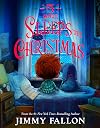
5 More Sleeps ‘til Christmas is a simple, cheerful story that captures the excitement kids feel as Christmas gets closer. The main theme is anticipation—how waiting for something special can feel both fun and impossible. The child in the story doesn’t change in a deep way, but the countdown shows how kids learn patience day by day, even when they’re bursting with energy.
The writing uses rhythm and repetition to sound almost like a song, which helps build the feeling of counting down. Each “sleep” acts like a small milestone, symbolizing how time feels slower when you’re excited.
The illustrations are a big part of the book’s charm. The bright colors, glowing lights, and lively scenes help readers feel the magic of the holiday season. The pictures also show the child’s emotions—jumping, dreaming, and imagining—which makes the excitement feel real. Overall, the artwork and simple writing work together to create a warm, festive mood.
The writing uses rhythm and repetition to sound almost like a song, which helps build the feeling of counting down. Each “sleep” acts like a small milestone, symbolizing how time feels slower when you’re excited.
The illustrations are a big part of the book’s charm. The bright colors, glowing lights, and lively scenes help readers feel the magic of the holiday season. The pictures also show the child’s emotions—jumping, dreaming, and imagining—which makes the excitement feel real. Overall, the artwork and simple writing work together to create a warm, festive mood.
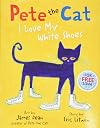
Pete the Cat: I Love My White Shoes is a simple story that teaches kids how to stay positive when things don’t go their way. The main theme is staying calm and flexible. Pete’s shoes keep changing colors, but he doesn’t panic—he just keeps walking and singing. This shows kids that small problems don’t have to ruin their day.
Pete doesn’t grow a lot as a character, but his steady attitude is the point. He models confidence and problem-solving by choosing not to stress over every little change.
The writing uses repetition and rhythm to make the story fun and easy to follow. The color changes act like symbols for life’s surprises—things that happen unexpectedly but aren’t worth getting upset about.
The illustrations are bright, bold, and playful. Pete’s simple expressions and the strong color contrasts help young readers understand his mood and the changes around him. The artwork brings the message to life by keeping the tone cheerful and relaxed. Also, is like the first book I ever remember.
Pete doesn’t grow a lot as a character, but his steady attitude is the point. He models confidence and problem-solving by choosing not to stress over every little change.
The writing uses repetition and rhythm to make the story fun and easy to follow. The color changes act like symbols for life’s surprises—things that happen unexpectedly but aren’t worth getting upset about.
The illustrations are bright, bold, and playful. Pete’s simple expressions and the strong color contrasts help young readers understand his mood and the changes around him. The artwork brings the message to life by keeping the tone cheerful and relaxed. Also, is like the first book I ever remember.
How to Get a Girlfriend by Croatia Senior Kindergarten Students of the American International School of Zagreb

Since “How to Get a Girlfriend” by Croatia Senior Kindergarten students is a class-created book, its strength comes from how honestly it shows children’s ideas about friendship and kindness. The main theme is simple: relationships come from being nice, sharing, and showing respect. The advice the students give isn’t really about romance—it’s about learning how to treat others well. That makes the book feel innocent and genuine.
There isn’t traditional character development, but the children’s voices show early social learning. Their ideas reveal how young kids understand feelings, fairness, and getting along with others.
The writing uses short statements and straightforward language, which matches the age of the authors. This simplicity becomes a literary style of its own, showing how kids see the world in clear, direct ways.
The illustrations—often child-drawn—add charm and emotion. The bright colors and uneven lines make the book feel warm and playful. The drawings also help express the kids’ personalities, making the book feel honest and heartfelt.
There isn’t traditional character development, but the children’s voices show early social learning. Their ideas reveal how young kids understand feelings, fairness, and getting along with others.
The writing uses short statements and straightforward language, which matches the age of the authors. This simplicity becomes a literary style of its own, showing how kids see the world in clear, direct ways.
The illustrations—often child-drawn—add charm and emotion. The bright colors and uneven lines make the book feel warm and playful. The drawings also help express the kids’ personalities, making the book feel honest and heartfelt.
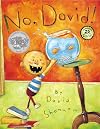
No, David! is a simple story that shows how kids learn rules and how parents guide them with love, even when they misbehave. The main theme is understanding boundaries. David makes a lot of mistakes, but the book shows that discipline and love can happen at the same time. David doesn’t “grow” in a big way, but he does learn that even when he messes up, he’s still cared for.
The writing is very short and direct, using the repeated phrase “No, David!” to show how kids often hear corrections throughout the day. This repetition helps young readers see patterns in behavior and consequences.
The illustrations are one of the most important parts of the book. The bold, messy drawings match David’s wild energy. His facial expressions make the emotions easy for kids to understand—whether he’s excited, guilty, or comforted. The final picture of David getting a hug adds warmth and shows the story’s real message: kids are loved even when they make mistakes.
The writing is very short and direct, using the repeated phrase “No, David!” to show how kids often hear corrections throughout the day. This repetition helps young readers see patterns in behavior and consequences.
The illustrations are one of the most important parts of the book. The bold, messy drawings match David’s wild energy. His facial expressions make the emotions easy for kids to understand—whether he’s excited, guilty, or comforted. The final picture of David getting a hug adds warmth and shows the story’s real message: kids are loved even when they make mistakes.
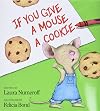
If You Give a Mouse a Cookie uses a very simple chain of events to show how one small action can lead to many unexpected consequences. The main theme is cause and effect—every time the boy gives the mouse something, the mouse immediately wants something else. The story doesn’t focus on deep character growth, but it does show the boy’s patience and the mouse’s endless curiosity. Their behavior helps kids see how actions connect and build on each other.
The writing uses repetition and a circle-style structure, where the story ends right back where it began. This makes the pattern easy for kids to follow and remember. The mouse’s requests can also be seen as a symbol of how tasks can pile up quickly in real life.
The illustrations are bright and playful, helping show the mouse’s energy and the boy’s growing exhaustion. The pictures add humor and make each new request more entertaining, giving the story its charm.
The writing uses repetition and a circle-style structure, where the story ends right back where it began. This makes the pattern easy for kids to follow and remember. The mouse’s requests can also be seen as a symbol of how tasks can pile up quickly in real life.
The illustrations are bright and playful, helping show the mouse’s energy and the boy’s growing exhaustion. The pictures add humor and make each new request more entertaining, giving the story its charm.
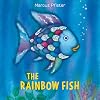
The Rainbow Fish is a simple story that teaches kids about sharing and friendship. The main theme is learning that being kind is more important than being the most beautiful or special. At the start, the Rainbow Fish is proud and lonely because he refuses to share his shiny scales. As the story goes on, he realizes that giving to others makes him happier than keeping everything for himself. His character change is easy to see—he goes from selfish to generous.
The shiny scales in the story act as symbols. They represent things we value, like attention or special belongings, and how sharing those things can bring people closer. The writing is straightforward, using short sentences to make the lesson clear.
The illustrations are the strongest part of the book. The bright colors and sparkly foil scales make the pages eye-catching and help kids feel the magic of the underwater world. The pictures also highlight the emotional changes as the Rainbow Fish learns to connect with others.
The shiny scales in the story act as symbols. They represent things we value, like attention or special belongings, and how sharing those things can bring people closer. The writing is straightforward, using short sentences to make the lesson clear.
The illustrations are the strongest part of the book. The bright colors and sparkly foil scales make the pages eye-catching and help kids feel the magic of the underwater world. The pictures also highlight the emotional changes as the Rainbow Fish learns to connect with others.
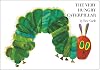
The Very Hungry Caterpillar is a very simple story that teaches kids about growing and changing. The main theme is transformation. The caterpillar starts small, eats a lot, and slowly becomes stronger until it turns into a butterfly. The “character development” is easy to see because the caterpillar changes in both size and confidence as the story goes on.
The writing uses repeating lines and counting to show time passing and to help young readers follow along. The caterpillar eating so much can also be seen as a symbol of learning and trying new things, even if it gets a stomachache from doing too much.
The illustrations are what make the book special. Eric Carle’s bright, colorful artwork gives each page energy. The holes in the pages and the textured look of the pictures make the story fun to touch and look at. The visuals help kids feel the caterpillar’s journey in a simple, friendly way.
The writing uses repeating lines and counting to show time passing and to help young readers follow along. The caterpillar eating so much can also be seen as a symbol of learning and trying new things, even if it gets a stomachache from doing too much.
The illustrations are what make the book special. Eric Carle’s bright, colorful artwork gives each page energy. The holes in the pages and the textured look of the pictures make the story fun to touch and look at. The visuals help kids feel the caterpillar’s journey in a simple, friendly way.
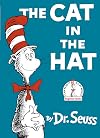
The Cat in the Hat is a playful story, but it also shows how kids deal with rules, responsibility, and temptation. A main theme is the struggle between fun and self-control. The Cat brings chaos into the house, and the kids have to decide whether to join in or worry about the consequences. They don’t change in a deep way, but they do become more aware of what can happen when things get out of hand.
Dr. Seuss uses rhyme, repetition, and silly language to make the story exciting and easy to follow. The Cat acts almost like a symbol of wild curiosity, while the fish represents caution.
The illustrations are bright and exaggerated, helping the reader feel the growing mess and energy in the house. The pictures also add humor and make the chaos clearer. Even though the story is simple, the mix of fast-paced words and bold drawings gives it a lot of life and teaches a gentle lesson about choices.
Dr. Seuss uses rhyme, repetition, and silly language to make the story exciting and easy to follow. The Cat acts almost like a symbol of wild curiosity, while the fish represents caution.
The illustrations are bright and exaggerated, helping the reader feel the growing mess and energy in the house. The pictures also add humor and make the chaos clearer. Even though the story is simple, the mix of fast-paced words and bold drawings gives it a lot of life and teaches a gentle lesson about choices.
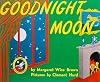
Goodnight Moon is a very simple story, but it uses that simplicity to create a calm, peaceful feeling. The main theme is comfort—how small routines can help a child feel safe at bedtime. The little bunny doesn’t “grow” as a character in a big way, but the act of saying goodnight to everything in the room shows him slowly relaxing and settling down.
The writing uses repetition and gentle rhythm, which almost works like a lullaby. This makes the story feel soothing instead of exciting. Many of the objects the bunny says goodnight to—like the moon, stars, and quiet old lady—act as symbols of stability and calm.
The illustrations are a big part of the book’s effect. The bold colors and changing lighting show the room getting darker, helping kids feel the transition from day to night. The pictures match the slow, peaceful tone of the text, making the whole story feel warm, safe, and perfect for bedtime.
The writing uses repetition and gentle rhythm, which almost works like a lullaby. This makes the story feel soothing instead of exciting. Many of the objects the bunny says goodnight to—like the moon, stars, and quiet old lady—act as symbols of stability and calm.
The illustrations are a big part of the book’s effect. The bold colors and changing lighting show the room getting darker, helping kids feel the transition from day to night. The pictures match the slow, peaceful tone of the text, making the whole story feel warm, safe, and perfect for bedtime.
Walter the Farting Dog: A Triumphant Toot and Timeless Tale That's Touched Hearts for Decades--A laugh- out-loud funny picture book by William Kotzwinkle
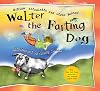
Walter the Farting Dog uses humor to explore themes of acceptance and unconditional love. Even though the story is silly, it shows how a “flaw” can become something that brings people together. Walter doesn’t really change as a character, but the people around him do—they learn to look past what embarrasses them and appreciate him for who he is.
The book uses exaggeration and simple language to make the story funny while still giving it a message about not judging others too quickly. Walter’s constant farting becomes a symbol of how differences can feel embarrassing but aren’t reasons to reject someone.
The illustrations play a huge role in the story’s impact. The bold, slightly chaotic artwork adds to the humor and makes Walter’s situations even more dramatic. The visuals also help show the family’s emotions, turning a goofy plot into a more heartfelt lesson about kindness and acceptance.
The book uses exaggeration and simple language to make the story funny while still giving it a message about not judging others too quickly. Walter’s constant farting becomes a symbol of how differences can feel embarrassing but aren’t reasons to reject someone.
The illustrations play a huge role in the story’s impact. The bold, slightly chaotic artwork adds to the humor and makes Walter’s situations even more dramatic. The visuals also help show the family’s emotions, turning a goofy plot into a more heartfelt lesson about kindness and acceptance.
Hatchet is about surviving and staying strong when things go wrong. The main theme is not giving up, even when the situation feels impossible. Brian starts the story scared and unsure of himself, but over time he learns how to think clearly and solve problems. This makes his growth feel real because he learns by making mistakes.
Brian’s thoughts are an important part of the story because they show his fear, loneliness, and determination. The hatchet is a symbol of hope because it gives him the tools he needs to stay alive and feel in control. The author uses clear, simple descriptions of the forest, animals, and weather to help readers picture what Brian is going through. There are no illustrations in the book, so the emotional impact comes from the way that you can interpret it in your mind.
Brian’s thoughts are an important part of the story because they show his fear, loneliness, and determination. The hatchet is a symbol of hope because it gives him the tools he needs to stay alive and feel in control. The author uses clear, simple descriptions of the forest, animals, and weather to help readers picture what Brian is going through. There are no illustrations in the book, so the emotional impact comes from the way that you can interpret it in your mind.
The Maze Runner explores survival, memory, and the fear of the unknown through a group of boys trapped in a constantly changing maze. One main theme is how identity is shaped by memory. Since the characters can’t remember their pasts, they have to build new versions of themselves based on how they act under pressure. Thomas’s character development is shown through action rather than reflection; he slowly becomes more confident and willing to take risks, but he often acts on instinct instead of clear logic.
Dashner uses fast pacing and short chapters to create tension and keep the reader feeling trapped, just like the characters. The maze itself works as a symbol of confusion and control, showing how little power the boys really have. Because the novel has no illustrations, emotional impact comes from sensory details and tight, urgent writing that keeps the reader feeling stressed and alert.
Dashner uses fast pacing and short chapters to create tension and keep the reader feeling trapped, just like the characters. The maze itself works as a symbol of confusion and control, showing how little power the boys really have. Because the novel has no illustrations, emotional impact comes from sensory details and tight, urgent writing that keeps the reader feeling stressed and alert.
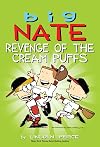
Big Nate: Revenge of the Cream Puffs focuses on competition and pride through Nate’s need to prove he’s better than a rival group. A main theme is how wanting to “win” can make someone act foolish. Nate doesn’t change a lot by the end, but he does have small moments where he realizes he’s gone too far, which makes him feel more realistic.
The characters are built around strong personality traits, especially Nate’s overconfidence and stubbornness. This makes the story funny, but also a bit repetitive at times. The book uses humor, exaggeration, and timing as important literary tools. The simple black-and-white drawings are a big part of the storytelling. Facial expressions and panel layout tell jokes visually and help show Nate’s emotions. While the book is fun and easy to read, it doesn’t go very deep with its ideas or character growth, which gives it an average three star rating for me.
The characters are built around strong personality traits, especially Nate’s overconfidence and stubbornness. This makes the story funny, but also a bit repetitive at times. The book uses humor, exaggeration, and timing as important literary tools. The simple black-and-white drawings are a big part of the storytelling. Facial expressions and panel layout tell jokes visually and help show Nate’s emotions. While the book is fun and easy to read, it doesn’t go very deep with its ideas or character growth, which gives it an average three star rating for me.
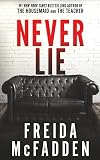
Never Lie focuses on how lies and secrets can slowly damage trust between people. One of the main themes is that hiding the truth doesn’t protect anyone; it makes situations more dangerous. The characters don’t “grow” in a traditional way. Instead, readers learn who they really are as their secrets are revealed, showing how fear and guilt shape their choices.
A key literary element is suspense, which McFadden builds by holding back important information and revealing it little by little. The isolated, snowbound house works as a symbol for being trapped, both physically and mentally. The story also uses recordings and shifts in time to create tension and let readers see how the past affects the present. Since the book has no illustrations, its emotional impact comes from tight pacing and descriptive writing that makes the reader feel the characters’ anxiety and discomfort. Also, the ending is amazing. Best ending to a book ever.
A key literary element is suspense, which McFadden builds by holding back important information and revealing it little by little. The isolated, snowbound house works as a symbol for being trapped, both physically and mentally. The story also uses recordings and shifts in time to create tension and let readers see how the past affects the present. Since the book has no illustrations, its emotional impact comes from tight pacing and descriptive writing that makes the reader feel the characters’ anxiety and discomfort. Also, the ending is amazing. Best ending to a book ever.
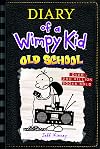
Diary of a Wimpy Kid: Old School focuses on what happens when kids are forced to live without technology and modern comforts. A main theme is how people resist change, especially when they are uncomfortable. Greg Heffley doesn’t suddenly become more mature, but he does start to notice his own mistakes a little more. His growth is realistic because he still tries to take shortcuts instead of doing the right thing.
The book uses humor and exaggeration to show how different expectations can be from reality. Greg often tells the story in a way that makes him look better, which makes him an unreliable narrator. The simple, cartoon-style drawings help show Greg’s limited understanding of the world. The diary format and illustrations make readers feel like they are inside Greg’s head, and they help show the loneliness and confusion he feels when things don’t go his way.
The book uses humor and exaggeration to show how different expectations can be from reality. Greg often tells the story in a way that makes him look better, which makes him an unreliable narrator. The simple, cartoon-style drawings help show Greg’s limited understanding of the world. The diary format and illustrations make readers feel like they are inside Greg’s head, and they help show the loneliness and confusion he feels when things don’t go his way.