Really enjoyed this book. However, it started to drag a lot because it turned too gimmicky when she started on her 'journey' exploring different religions.
I hate to read reviews in which people say they didn't like a novel because they hated the characters. It just doesn't make sense to me--you should surrender yourself to the story; you don't have to *like* the characters at all to enjoy the story. But good god, this book had some hateful characters. So now I'm finding myself giving the low rating of two stars because of these annoying characters. Though he was one of the least annoying, the architect's motivations seemed contradictory and baffling. And yet, Waldman must have done something right because I continued to turn page after page, never once considering not finishing it despite a billion eye rolls everytime a character did or said something irritating. The book touches on some interesting questions related to memory work. Who gets memorialized? What is the role of public memorials? How should the process unfold? Who gets a say?
Reading this book was a pleasant way to while away a few hours on a rainy day. For someone so ambitious, Piet isn’t unlikable at all. I cheered for him all throughout as he fooled and played mind games with those around him in small and big ways. There is nothing particularly deep here, but Richard Mason writes pretty well (the pacing was good, the characters were vivid, and the ambience of the period was on point), and that’s enough for me. Another book that will pick up where this one ends, following Piet’s adventures in South Africa, is on the offing, and I can’t wait to meet up with Piet again.
This novel didn’t work for me on the whole, despite the fulsome praise it’s gotten from so many people. It took quite a few efforts before I could get into the story; the tedious present-day part was the main obstacle. Where was the dazzling writing that caused people to go into raptures and declare it close to a masterpiece? All I came across was dry, tedious, overwriting of every damn detail, every corner of every room, details that added zilch to the mood or the plot. It took getting stuck on a 10 hour international flight for me to power through that part and finally finish the book. The two stories of the deathless man and the tiger’s wife were definitely engrossing and redeem this book to a two-star rank instead of one star. I mostly skimmed the useless present-day parts so I could get back to these stories. Obreht was able to capture the otherworldliness of the grandfather’s stories and it was only through them that I could kind of see how people would be amazed by her talents.
I have lots of respect for Jeffrey Eugenides, but this book just didn’t resonate with me. I wonder if this is related to the point at which I find myself in life right now. Maybe if I had just graduated from college and was still searching for my identity, the themes here would've spoken to me more. I had absolutely zero interest in Madeleine or Mitchell. The Leonard parts broke my heart and kept me engaged, but probably because Leonard is speculated to be a fictionalized version of David Foster Wallace, whom I love. The main emotion I felt after finishing the novel was relief, not exactly what I thought I’d feel after reading one of the most hyped books of 2011.
The story was a bit cliched, but not too bad. I didn't have any expectations going into this and since it was a quick read, my reaction's rather mild. I didn't hate or like it with a passion.
I liked the story, but the whole mystery in the present day about who was supposedly tracking the mother just kind of fizzled out and the novel just ended. I was expecting more.

This has been one of my comfort reads from the time I discovered it at the public library during my pre-teen years (when I was probably too young to be reading it) up until now. The book is a deeply satisfying tale of revenge, redemption, and romance, all in the midst of adventures that take the characters around the world as they take on different disguises to mingle in a glamorous circles and con the rich and the awful. What more could you ask for?
Freedom is not The Great American Novel. It is an okay book that has some serious flaws. There’s no question that Franzen can write—thank god I don’t have to write yet another review in which I pull out my hair bemoaning an author’s use of language. Franzen can’t write women though: Patty doesn’t feel real at all, but I can still excuse it. The situation with the son and the stuff he goes on to do is wacky, but I can still excuse it. What can’t be excused is the last quarter of the book with Walter, his bird cause, and his relationship with Lalitha. Everything here started to veer off into the surreal, stupid, and false. I was bored with most of the book, but I didn’t start to hate it vehemently until I got to this part. Then I started to get pissed off that nobody was calling Franzen on this bullsh*t. I think most people who praised this book were actually applauding Franzen’s ambition as he tried to cram every topic into the story to make important social commentary and capture some of the anxieties of our time. They should have been assessing his execution of this ambitious goal, which was a dismal failure.
I recklessly skipped whole passages just to be done with this novel. Curse my neurotic need to try to finish every book that has lead me past the 100-page mark. Unfortunately, I had gotten quite deep into The Little Stranger before realizing that this crap wasn’t going anywhere. The language wasn’t anything stunning; the focus on the characters and their psyche wasn’t especially deep; and the plot was plodding. So what’s left? The ambience was spooky, but couldn’t make up for all that was lacking. It took so much effort to rein in my impatience for the meandering and repetitive descriptions. The passages on the house were boring. The ‘ghost’ story was boring. The characters were boring. No, this is not a very thoughtful review, but I can’t muster up enough energy to say anything more useful than how torturous it was to get through the book.
This was my first Mary Balogh book. The premise sounded promising, but the execution was underwhelming. The writing was a bit stilted—it didn’t have to be a masterpiece, but the writing shouldn’t ‘get in the way’ of enjoying the book. Perhaps my focus on sentence construction is indicative of how the story failed to grip me in any way. The first quarter of the book was tedious and slow to get going, focusing for too long on Fleur's thoughts on her big decision and dwelling a bit too much on descriptions of the stupid estate. The tension between the hero and heroine saved the story in the middle. Yet by the time we got to the last quarter of the book, it started to get not only tedious, but also repetitive, and finally, cheesy. I kind of resent having made the foolish decision to continue to waste my day reading this when there are so many other books to read.
My love for the Mackenzie family has met a speed bump. This was such a waste of time. The premise of two married people having to overcome angst, which by the way was uninteresting and of their own f*&king making, is too flimsy to support an entire book. The story was tedious; there was no tension; and the whole damn thing was repetitive. Isabella and Mac seem like good people, but I just didn’t care. There was one conversation between Isabella and her sister Louisa, when they were first reunited, that was so cringeworthy in its lack of subtlety. I only forced myself to finish so that it wouldn’t be a waste of my $7.99.
The writing was really beautiful, but by page 150, I was still waiting to be engaged by the story, care about what would happen, or even just plain connect with the protagonist. It never happened. I started skipping passages because I just didn't care.
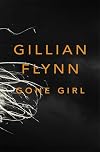
I debated on whether to rate this 3 or 4 stars. I don’t know if it was my frame of mind at the time of reading this, but I literally had to take breaks from the book because it was too emotionally intense. Though I won’t tell you which ones, I will say that it was 'hard" work having to spend so much book time with such awful, miserable, irredeemable characters. I don’t remember having a reading experience like I had with Gone Girl, in which I kept marveling at how good the book was, but also kept wishing that it would be over soon. Ultimately, I went with 4 stars since a book that could push my buttons like that was doing something right.
For this book, any reviews--even ones that proclaim they are spoiler free--will be spoilery, simply because even when a review just mentions the existence of plot twists, you'll already have your antenna up and will be on high alert as you read it, second guessing where the author is trying to lead you. So I am not even going to try to be non spoilery, and am putting most of my thoughts under the spoiler tag.
Throughout the book’s absorbing first section, I had more than an inkling that the alternating Nick and Amy chapters couldn’t be the entire story. If all signs point to Nick’s guilt, then of course he wasn’t guilty. And yet…and yet, I still got a jolt of adrenaline when I finished that last page of the first section!
Gillian Flynn was really good at using the conventional ingredients (emotionally inaccessible husband, show more demanding wife, disillusionment with your spouse, cheating with a young woman, missing wife) in a way that didn’t feel played out at all. I don’t read many psychological thrillers, so I’m not sure whether other books are like this, but Flynn’s plotting and pacing were cleverly executed, I thought. By the time we found out that Amy was a psychopath, Flynn had already so thoroughly manipulated me into hating Nick with the passion of a thousand burning suns that it took a while—even during all of the batshit crazy stuff that Amy was doing and thinking—for me to wind down my Nick hatred for things that he didn’t really do. (He may not have been evil, but he was still a scumbag.) I should be pissed at what Flynn did between the first and second sections, but I wasn’t and I’m not sure why; it just worked for me.
Even if you take out all of the outrageous, amped-up elements, this story is still chilling in its portrayal of the horrific dynamics of marriage and expectations—or at least the breakdown of this particular marriage that sprung from two (fucked up) people who built a relationship based off of lies and idealized versions of themselves. As a character study, however, it wasn’t terribly rich and didn’t break any new ground. Parents can fuck up their children? Meh. Nick has a hard time expressing his emotions? Yawn. Amy is a manipulative, selfish person who feels pressure to be perfect? Double yawn. So really, it’s more the plotting (and the witty, on-point voice), rather than the characterization, that’s the standout here.
Though the first section was very long as Flynn kept tightening the screws on us, the pacing was still pretty brisk; the second section began to drag as it seemed that the characters were mostly killing time; and the third section was brief and underwhelming even though the twisted logic that unfolded there still tracked with the whole fucked-upness of the entire story.
I really liked Flynn’s riffs on our culture through Nick and Amy’s distinct voices. They are on target, including Nick’s observations on how pop culture has shaped the way we view life and how we act and react to things, how it seems like nothing is new anymore, and how it’s difficult to be an authentic person nowadays(p.72-73). And I can’t leave out that zinger from Amy on guys’ idealized versions of ‘the Cool Girl,’ who, among other things, can “jam hot dogs and hamburgers into her mouth like she’s hosting the world’s biggest culinary gang bang…”(p. 222-223). Ha! Love. show less
For this book, any reviews--even ones that proclaim they are spoiler free--will be spoilery, simply because even when a review just mentions the existence of plot twists, you'll already have your antenna up and will be on high alert as you read it, second guessing where the author is trying to lead you. So I am not even going to try to be non spoilery, and am putting most of my thoughts under the spoiler tag.
Gillian Flynn was really good at using the conventional ingredients (emotionally inaccessible husband,
Even if you take out all of the outrageous, amped-up elements, this story is still chilling in its portrayal of the horrific dynamics of marriage and expectations—or at least the breakdown of this particular marriage that sprung from two (fucked up) people who built a relationship based off of lies and idealized versions of themselves. As a character study, however, it wasn’t terribly rich and didn’t break any new ground. Parents can fuck up their children? Meh. Nick has a hard time expressing his emotions? Yawn. Amy is a manipulative, selfish person who feels pressure to be perfect? Double yawn. So really, it’s more the plotting (and the witty, on-point voice), rather than the characterization, that’s the standout here.
Though the first section was very long as Flynn kept tightening the screws on us, the pacing was still pretty brisk; the second section began to drag as it seemed that the characters were mostly killing time; and the third section was brief and underwhelming even though the twisted logic that unfolded there still tracked with the whole fucked-upness of the entire story.
I really liked Flynn’s riffs on our culture through Nick and Amy’s distinct voices. They are on target, including Nick’s observations on how pop culture has shaped the way we view life and how we act and react to things, how it seems like nothing is new anymore, and how it’s difficult to be an authentic person nowadays(p.72-73). And I can’t leave out that zinger from Amy on guys’ idealized versions of ‘the Cool Girl,’ who, among other things, can “jam hot dogs and hamburgers into her mouth like she’s hosting the world’s biggest culinary gang bang…”(p. 222-223). Ha! Love. show less
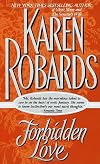
Overall it was an okay way to the pass the time. Guardian-ward relationship books are not usually my cup of tea, because of the weird power dynamic inherent in such a relationship. So I basically tried not to overthink things too much and treat it as the entertainment it is. Though as you'll see from some other reviews, there were certain parts that some readers might consider beyond the pale: the huge age difference between heroine and hero; the hero's...uh...marital status when he first sleeps with the heroine (but you might forgive him after you know the reason); and the hero's use of "bitch" several times to refer to heroine. Even for a historical romance novel, this one felt a bit more 'retro' in its political incorrectness when compared to other romances, and indeed it was originally released in the 1980s, I believe.
Nw by Zadie Smith
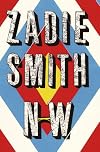
At the beginning of NW, I felt as if I had pried open the door to Smith’s world and was peeking into the colorful scenes that passed quickly by me. I was convinced that eventually, someone from that world would grab me by the collar, pull me over the threshold, through the door, and fully into that world. If only I continued to read on, I reasoned, I’d eventually become immersed in the lives of the characters, gain new insight into their (and our) world, or be struck my some observation that got to the heart of things. Instead, I closed the book at the end feeling empty and dissatisfied; I never really did make it over that threshold.
I understood what Smith was trying to do as she teased out issues of class, social mobility, and identity. The picture that she painted of her beloved northwest corner of London was sharp and alive. And, unsurprisingly, her ability to capture the language as people speak it in real life seemed on point as ever. The prose was stripped down—there were no unnecessary words; at times she’d just throw out single adjectives at you or barely complete sentences (even in the less stream-of-conscious sections). This economizing lent a poetic quality to much of the book. When every single word counts like that, you have to pay attention—this is not a book to read when you’re distracted.
Yet even as I appreciated the artfulness at play, there was an arms-length distance that I felt toward the stories of Leah, Felix, Natalie, and Nathan. Sure, show more we got into the heads of at least those first three characters, but that distance endured. I could never overcome it enough to arrive at a point where I could care about the characters’ motivations and actions or what happened to them. The closest I came to that was in Natalie’s section, but even then my indifference softened only a tiny bit. These characters just didn’t seem entirely real and ‘knowable.’ I ended each section asking, “So what?” I’m not sure that I can attribute this disconnect to the different styles in which each section was written; Leah’s stream of consciousness section (though unengaging) wasn’t as distracting for me as it seemed to be for other readers, and neither was Natalie’s section with the numbered vignettes. But somehow the prose didn’t add up to anything substantive and fulfilling enough. Perhaps it was too impressionistic and subtle for me to appreciate fully.
I’m completely comfortable in conceding that the failure to connect was likely a failure on my end. It pains me to give anything by Zadie Smith less than three stars because I have a lot of respect for her. In the end though, it came down to how NW just didn’t resonate with me. show less
I understood what Smith was trying to do as she teased out issues of class, social mobility, and identity. The picture that she painted of her beloved northwest corner of London was sharp and alive. And, unsurprisingly, her ability to capture the language as people speak it in real life seemed on point as ever. The prose was stripped down—there were no unnecessary words; at times she’d just throw out single adjectives at you or barely complete sentences (even in the less stream-of-conscious sections). This economizing lent a poetic quality to much of the book. When every single word counts like that, you have to pay attention—this is not a book to read when you’re distracted.
Yet even as I appreciated the artfulness at play, there was an arms-length distance that I felt toward the stories of Leah, Felix, Natalie, and Nathan. Sure, show more we got into the heads of at least those first three characters, but that distance endured. I could never overcome it enough to arrive at a point where I could care about the characters’ motivations and actions or what happened to them. The closest I came to that was in Natalie’s section, but even then my indifference softened only a tiny bit. These characters just didn’t seem entirely real and ‘knowable.’ I ended each section asking, “So what?” I’m not sure that I can attribute this disconnect to the different styles in which each section was written; Leah’s stream of consciousness section (though unengaging) wasn’t as distracting for me as it seemed to be for other readers, and neither was Natalie’s section with the numbered vignettes. But somehow the prose didn’t add up to anything substantive and fulfilling enough. Perhaps it was too impressionistic and subtle for me to appreciate fully.
I’m completely comfortable in conceding that the failure to connect was likely a failure on my end. It pains me to give anything by Zadie Smith less than three stars because I have a lot of respect for her. In the end though, it came down to how NW just didn’t resonate with me. show less
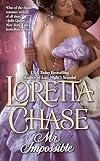
I didn’t pay enough attention in choosing from among my pile of books, so didn’t manage to read the Carsington books in order, but instead have been reading them randomly. Once again, Chase created interesting, lovable characters in Daphne and Rupert. The motivations of each were believable and their interactions were funny and warm. Granted my sample is pretty small (just 4 books), I have to say that Chase is fast becoming a reliable author for me—if I need a quick read that I’m confident will be good, she’s on that author list I turn to. I do have a small quibble though. This bookseemed to have more action than the others. Usually, people bemoan the lack of action in books. But I’m sorry, in this case, I felt like there was a bit too much action. The characters were so busy running away from villains, hiding from villains, or fighting off villains that there wasn’t as much romance as I would’ve liked. This is just a personal preference though, and it didn't seriously deter me from enjoying the story.
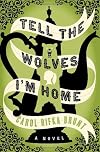
Tell the Wolves I'm Home is a pretty impressive debut novel by Brunt, so kudos to her. I was very close to falling in love with this book as I zipped through all of it in one day. I liked the sound of the premise from the start, examining a friendship between two people drawn together due to a loss of their loved one to AIDS during the 1980s, when most people did not know that much about it.
The story captures the inner life of the young 14-year protagonist in a wonderfully sensitive and authentic way. Nothing she does--even secretly meeting a stranger by herself--ever feels unrealistic or contrived. The memories she and Toby have of the dead Finn are heartbreaking, and so is the tender friendship that she and Toby develop. They're two lost souls who provide each other with an anchor in their lonely world after that death. And even though that previous sentence that I just typed sounds cheesy as hell, that's what the story did to me: it made me feel all earnest and cheesy in a good way!
As I said, it was close to being a great book. But then in the last 70 pages, the story started crumbling. This last part bumped it down to 3 stars for me. These were the problems that I had in the end:
--Characters' actions became unconvincing, like whyJune couldn't just tell her parents about how worried she is for Greta's safety at the end. It was too much to believe that in what seemed like a life and death situation, she wouldn't tell her parents but call Toby instead. It just reeked show more too much of a contrivance to get Toby into the action and propel the plot towards his getting sick from the rain, etc.
--I never really got the sisters storyline. Greta was just the stereotypical mean older sister. A lot of her petulant, cruel behavior was puzzling, and maybe this confusion was meant to reflect how June also didn't understand Greta's behavior. Once we got to the end, and Greta explains why she acted the way she did, I was left with the feeling that the author could've done better in weaving this theme of sibling jealousy more effectively throughout the book. The "signs" that the author tried to convey throughout the book just didn't amount to much. When the tension between the sisters came to a head, I wasn't convinced that I should really care about this part and not feel impatient to get back to the "real" story of June and Toby. It seems like I'm in the minority here. A lot Goodreads reviews--even the ones that ranked the book pretty low--found that the sisters' relationship was a high point of the story.
--I can accept that June deeply loved her uncle, that it was a strong adoration and adulation. Why couldn't the story keep it subtle like it did for most of the book? Instead, it had to be so explicit (in that Toby confronted her and made her say it aloud).Was it really necessary that she had to declare that her uncle was her first love and that she thought she felt a romantic love? Sorry, but even when I tried to rationalize it by thinking that June's love was the pure love of a child (just like when people say that little girls always have crushes on their fathers or whatever), I still found it a wee bit disturbing, and the fact that June was self-aware enough to mention that it was gross, didn't make it any less weird. show less
The story captures the inner life of the young 14-year protagonist in a wonderfully sensitive and authentic way. Nothing she does--even secretly meeting a stranger by herself--ever feels unrealistic or contrived. The memories she and Toby have of the dead Finn are heartbreaking, and so is the tender friendship that she and Toby develop. They're two lost souls who provide each other with an anchor in their lonely world after that death. And even though that previous sentence that I just typed sounds cheesy as hell, that's what the story did to me: it made me feel all earnest and cheesy in a good way!
As I said, it was close to being a great book. But then in the last 70 pages, the story started crumbling. This last part bumped it down to 3 stars for me. These were the problems that I had in the end:
--Characters' actions became unconvincing, like why
--I never really got the sisters storyline. Greta was just the stereotypical mean older sister. A lot of her petulant, cruel behavior was puzzling, and maybe this confusion was meant to reflect how June also didn't understand Greta's behavior. Once we got to the end, and Greta explains why she acted the way she did, I was left with the feeling that the author could've done better in weaving this theme of sibling jealousy more effectively throughout the book. The "signs" that the author tried to convey throughout the book just didn't amount to much. When the tension between the sisters came to a head, I wasn't convinced that I should really care about this part and not feel impatient to get back to the "real" story of June and Toby. It seems like I'm in the minority here. A lot Goodreads reviews--even the ones that ranked the book pretty low--found that the sisters' relationship was a high point of the story.
--I can accept that June deeply loved her uncle, that it was a strong adoration and adulation. Why couldn't the story keep it subtle like it did for most of the book? Instead, it had to be so explicit (in that Toby confronted her and made her say it aloud).
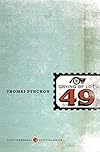
Thomas Pynchon’s books have intimidated me for a long time now. The scary specter of allusions that would fly right over my head kept me away for a while, but I finally just picked up a book and started reading the damn thing. So now that I’ve bitten the bullet, how did it turn out? Not painful at all. It helped that I chose to start with this shorter novel. It was disorienting and the language took some getting used to at first, but I just held on for the ride and hoped for the best. By the time Oedipa is caught up in a gathering of mute people dancing to no music, things were already clicking into place and I found I’d already gotten caught up in the mystery and how far down the rabbit hole Oedipa had found herself.
It’s a modern classic, so there’s not much to say that hasn’t already been said. It is funny, depressing, fucked up, odd, playful, and moving all at the same time. I’m sure that if I read it again, I’d be able to plumb further into the depths of all that Pynchon has packed in here. My favorite passage involved Oedipa’s encounter with the sailor in a flop house who wanted her to deliver a letter to his wife in Fresno, simply because it’s an example of the amazing language scattered throughout the book: “What voices overheard, flinders of luminescent gods glimpsed among the wallpaper’s stained foliage, candlestubs lit to rotate in the air over him, prefiguring the cigarette he or a friend must fall asleep someday smoking, thus to end show more among the flaming, secret salts held all those years by the insatiable stuffing of a mattress that could keep vestiges of every nightmare sweat, helpless overflowing bladder, viciously, tearfully consummated wet dream, like the memory bank to a computer of the lost?” (p. 126) show less
It’s a modern classic, so there’s not much to say that hasn’t already been said. It is funny, depressing, fucked up, odd, playful, and moving all at the same time. I’m sure that if I read it again, I’d be able to plumb further into the depths of all that Pynchon has packed in here. My favorite passage involved Oedipa’s encounter with the sailor in a flop house who wanted her to deliver a letter to his wife in Fresno, simply because it’s an example of the amazing language scattered throughout the book: “What voices overheard, flinders of luminescent gods glimpsed among the wallpaper’s stained foliage, candlestubs lit to rotate in the air over him, prefiguring the cigarette he or a friend must fall asleep someday smoking, thus to end show more among the flaming, secret salts held all those years by the insatiable stuffing of a mattress that could keep vestiges of every nightmare sweat, helpless overflowing bladder, viciously, tearfully consummated wet dream, like the memory bank to a computer of the lost?” (p. 126) show less
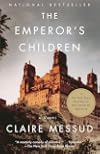
A book about a bunch of self-absorbed, privileged people in New York just couldn't hold my attention. I wanted to like it so much because it had gotten so much buzz and good reviews. I supposed it's just not my type of book.
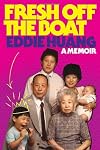
I received an advance copy of Fresh Off the Boat through a Goodreads giveaway.
The readers who will most enjoy this book will be those who already know of Eddie Huang, the young, brash, and outspoken owner of a Taiwanese bao shop in New York, called Baohaus. But even if you’re not familiar with Eddie, the book is still a pretty interesting coming of age tale told in an engaging manner.
I first became aware of Eddie when I stumbled onto his blog and tweets a year or two ago, and have caught some of his articles/interviews in a few other outlets ever since. What you’ll get in Fresh Off the Boat is really a more in-depth development of the themes that he’s been training his eye on aboard those other platforms: food (of course), but also sports, music, culture, and Asian-American identity, plus ways in which these issues intersect or collide. The examination of these issues is all the more interesting because it’s filtered through Eddie’s unique voice, one that’s smart-alecky, slangy, hip hop-inflected, and thoughtful all rolled into one.
The book focuses on Eddie’s childhood in the suburbs of Virginia and Florida, the experience of growing up in an immigrant family, struggles to break out of “model minority” stereotypes, being an obnoxious kid dealing drugs and getting into fights, discovering his voice in an English lit course, becoming a lawyer for minute, all the way to the opening of the first Baohaus, with some anecdotes of defining “food moments” show more thrown in as well.
The book reads as if your wise-ass friend is just hanging out and shooting the shit with you, telling you about what shaped him as a person. It’s not especially deep (even though you see glimpses of depth) and, at times, it could’ve been more coherent as he jumps from one issue and incident to another, but since the book was a brisk read, the positives mostly outweigh the negatives. He mixes it up so the book doesn’t feel one-note. Sometimes the tone is light and playful—his asterisked footnotes calling back to lyrics from hip songs or just making a random, foolish comment are hilarious; other times the tone is earnest, especially in his struggles with his identity and wondering whether there was room for a kid like him to fit in.
My favorite parts of the book are when he talks about food, including an explanation of the nuances of a simple bowl of noodles in Taipei, a joke about how you just needed to add bread to any ethnic food and white people would feel comfortable with it, and the rationale behind his disdain for chefs who take another culture’s cuisine and say that they’re going to “elevate” it. You can really feel his respect for cooking and for food.
Meanwhile, the chronicle of Eddie’s troubles in school with the fights and attitude problems was a bit too drawn out for my tastes, but that’s probably because I couldn’t relate. It’s a memoir though, so who am I to say which parts of his life are more or less important to focus on? I did kind of wish we got more insight into his time building up Baohaus and then his other short-lived restaurant, but instead the books ends when Baohaus first becomes a success. Maybe that’ll be Fresh Off the Boat, part 2? The guy is still pretty young after all. show less
The readers who will most enjoy this book will be those who already know of Eddie Huang, the young, brash, and outspoken owner of a Taiwanese bao shop in New York, called Baohaus. But even if you’re not familiar with Eddie, the book is still a pretty interesting coming of age tale told in an engaging manner.
I first became aware of Eddie when I stumbled onto his blog and tweets a year or two ago, and have caught some of his articles/interviews in a few other outlets ever since. What you’ll get in Fresh Off the Boat is really a more in-depth development of the themes that he’s been training his eye on aboard those other platforms: food (of course), but also sports, music, culture, and Asian-American identity, plus ways in which these issues intersect or collide. The examination of these issues is all the more interesting because it’s filtered through Eddie’s unique voice, one that’s smart-alecky, slangy, hip hop-inflected, and thoughtful all rolled into one.
The book focuses on Eddie’s childhood in the suburbs of Virginia and Florida, the experience of growing up in an immigrant family, struggles to break out of “model minority” stereotypes, being an obnoxious kid dealing drugs and getting into fights, discovering his voice in an English lit course, becoming a lawyer for minute, all the way to the opening of the first Baohaus, with some anecdotes of defining “food moments” show more thrown in as well.
The book reads as if your wise-ass friend is just hanging out and shooting the shit with you, telling you about what shaped him as a person. It’s not especially deep (even though you see glimpses of depth) and, at times, it could’ve been more coherent as he jumps from one issue and incident to another, but since the book was a brisk read, the positives mostly outweigh the negatives. He mixes it up so the book doesn’t feel one-note. Sometimes the tone is light and playful—his asterisked footnotes calling back to lyrics from hip songs or just making a random, foolish comment are hilarious; other times the tone is earnest, especially in his struggles with his identity and wondering whether there was room for a kid like him to fit in.
My favorite parts of the book are when he talks about food, including an explanation of the nuances of a simple bowl of noodles in Taipei, a joke about how you just needed to add bread to any ethnic food and white people would feel comfortable with it, and the rationale behind his disdain for chefs who take another culture’s cuisine and say that they’re going to “elevate” it. You can really feel his respect for cooking and for food.
Meanwhile, the chronicle of Eddie’s troubles in school with the fights and attitude problems was a bit too drawn out for my tastes, but that’s probably because I couldn’t relate. It’s a memoir though, so who am I to say which parts of his life are more or less important to focus on? I did kind of wish we got more insight into his time building up Baohaus and then his other short-lived restaurant, but instead the books ends when Baohaus first becomes a success. Maybe that’ll be Fresh Off the Boat, part 2? The guy is still pretty young after all. show less
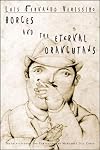
Borges and the Eternal Orangutans is such a whimsical, charming book. I didn’t have expectations going into the book aside from knowing that it’s received pretty good reviews. Verissimo’s novel is a riff on those analytical detective stories, namely those of Edgar Allen Poe, Arthur Conan Doyle, and of course, Jorge Luis Borges. When our protagonist attends an Edgar Allen Poe conference, he gets embroiled in a locked-room type murder mystery and has to work with his idol, the inimitable Borges himself, to get to the bottom of this mystery. I was entertained by the story on its own merits, but I’ll bet you’d find it an even richer reading experience if you recognized the winks and nods to Poe and Borges—the framework of their mysteries, their trademark motifs, names of characters, etc. Actually, this book inspired me to go back and read some of the short stories of these authors.
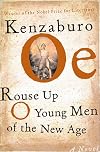
I picked this book up on a whim after reading about it on one of my favorite book blogs and being drawn to its poetic title (from a work by William Blake). This was my introduction to Nobel Prize winner, Kenzaburo Oe. I’m not going to be able to do justice to this book, but still wanted to capture my thoughts on it. The book is about a father, a writer, who tries to write up a dictionary of all that his mentally-handicapped son needs to know about life. All throughout, he meditates on the ways in which his interpretations of William Blake’s works illuminate his understandings of the father-son relationship, death, his own childhood, human communication and connection. It feels like an intensely personal memoir (and indeed there are elements, we’re told by Oe’s translator, that are taken from Oe’s life), diary, and literary analysis all at the same time. I wasn’t so much interested in the parts on Blake’s poetry and indeed, most of it went over my head. Yet, what kept me turning the pages was the father’s recounting the experience of parenting a handicapped child, the difficulties, the fears, but also the joys—never in a trite, overly maudlin way. Apparently this theme is one that runs through many of Oe’s other works, and thanks to this book, I’m eager to explore this father-son relationship further. It’s a quiet book, often esoteric and boring in parts, but deeply moving.
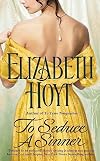
To Seduce a Sinner as an okay story with a likable enough couple. It just wasn’t very memorable. A few weeks after reading this book, I hardly remembered all that much about it, so had to check my notes. It’s your typical marriage of convenience story in which the hero and the heroine grow to love each other. Added into the mix is the ongoing mystery of who betrayed the hero’s group of soldiers in the American colonies during the war. Vale is also scarred physically and mentally from the trauma of being captured and tortured, so his character is a mildly interesting; he’s so affable and cheerful on the outside, but very tortured inside.
I had mentioned before, when reviewing another Elizabeth Hoyt book, that I was bothered by some tortured logic. In this book, again, I felt like mental contortions were required to understand why Melisande married Lord Vale. Melisande has loved Vale for a long time, but past experiences have made her wary of falling in love, so she’s intent on never letting Vale know that she loves him, so she keeps herself at a distance to her husband. But then why did she marry a man that she’s loved, if there’s a danger of, uh, falling in love? What??
I had mentioned before, when reviewing another Elizabeth Hoyt book, that I was bothered by some tortured logic. In this book, again, I felt like mental contortions were required to understand why Melisande married Lord Vale. Melisande has loved Vale for a long time, but past experiences have made her wary of falling in love, so she’s intent on never letting Vale know that she loves him, so she keeps herself at a distance to her husband. But then why did she marry a man that she’s loved, if there’s a danger of, uh, falling in love? What??
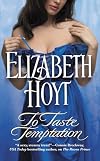
I accidentally read book 2 of this series before reading this book 1, so I was spoiled in already knowing one of the mysteries in here, although it didn’t seem to hamper my enjoyment of the story. Here again we have the opposites attract storyline with our brash American businessman, Samuel Hartley, and our proper Lady Emeline Gordon. They find themselves together when Samuel comes to London to investigate the mystery of who betrayed his military regiment during the war in the American colonies that resulted in a massacre. While in town, Samuel enlists Lady Emeline to tutor his sister on proper etiquette and help her navigate through the various high society events.
The big conflict here is that despite their attraction to each other and the fact that they can’t keep their hands off of one another, Lady Emeline is engaged to her childhood friend Lord Vale, not to mention that she can’t imagine how she and Samuel could get together when they are of different social classes. Eh. I understand that issues of rank and status were a very real concern during that time, but in the confines of this particular story, it didn’t seem like a very convincing obstacle. Aside from mentioning how he weirdly wears moccasins or goes about his business meetings, aka working for a living, the book doesn’t really bring home the point of the not-belonging aspect. Samuel’s still really rich and gets invited without too much hassle to the social events of the aristocrats. Yes, I there show more were huge class differences, but I don’t think the book conveyed that as sharply as it could have.
I enjoyed the story well enough while I was reading it, but it didn't stay in my memory for very long afterwards. Pretty good chemistry, great hero, okay heroine (her prickliness stopped being adorable after a while). It took too much time for the couple to get together though. show less
The big conflict here is that despite their attraction to each other and the fact that they can’t keep their hands off of one another, Lady Emeline is engaged to her childhood friend Lord Vale, not to mention that she can’t imagine how she and Samuel could get together when they are of different social classes. Eh. I understand that issues of rank and status were a very real concern during that time, but in the confines of this particular story, it didn’t seem like a very convincing obstacle. Aside from mentioning how he weirdly wears moccasins or goes about his business meetings, aka working for a living, the book doesn’t really bring home the point of the not-belonging aspect. Samuel’s still really rich and gets invited without too much hassle to the social events of the aristocrats. Yes, I there show more were huge class differences, but I don’t think the book conveyed that as sharply as it could have.
I enjoyed the story well enough while I was reading it, but it didn't stay in my memory for very long afterwards. Pretty good chemistry, great hero, okay heroine (her prickliness stopped being adorable after a while). It took too much time for the couple to get together though. show less
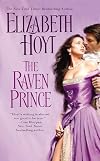
The first in Hoyt’s Princes trilogy is a pretty solid romance between the bad-tempered earl, Edward de Raaf, and his new secretary, the widowed Anna Wren. I know not everyone can accept the main conceit of the story. After all, only in Romance Land is it perfectly believable for Anna to go into a high-class brothel to rendezvous with Edward in disguise, simply because she is frustrated with the idea that Edward refuses to act on his attractions toward her and instead uses the brothel as his outlet. Steamy scenes ensue. These were the only parts that made the book stand out. Everything else about the story was okay, but it just felt a bit rote. The characters weren’t memorable, the romantic tension not thick enough, and there’s not much plot. There’s not much there aside from their growing attraction to one another and the sticky situation of Edward being engaged to a woman who is of his class and able to give him an heir, a role that Anna can’t fulfill. Oh sure, there’s a blackmail thing engineered by one of the jealous village women, but that and the rest of the ‘conflicts’ that were set up got addressed in a mechanical fashion. Despite these weaknesses, the book is still head and shoulders above most romances so I’m not complaining.
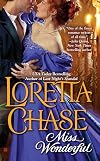
Miss Wonderful was an okay read to while away some free time. I had been reading this Carsington series out of order, and this book focusing on Alistair Carsington came at the tail-end of my Loretta Chase reading binge, paling in comparison to the other installments. What I love most about Chase's books are the witty dialogues and character chemistry, two qualities that were rather scarce in Miss Wonderful. The story just felt a bit rote to me. There wasn't anything wrong with it, but there wasn't anything memorable about it either. In fact, a few weeks after I had finished the book, I couldn't remember a single thing about it and needed to read the back cover summary just to jog my memory. Despite my lukewarm feelings though, I have to say that even Chase's weaker novels are much better than so many romances out there, so I'll continue to gulp down all of her books.
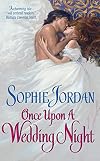
I loved the juicy set-up in Once Upon a Wedding Night and had hoped that the story would be as good as the premise. Good thing the Jordan didn’t disappoint. A widow is left with no money/property when her husband dies, so she has to figure out how not to be kicked out of the house when the new heir arrives to claim his inheritance. She becomes convinced that she can pretend she's pregnant with the dead husband's baby. That turns out to be a bad idea, and upon finding out, our hero decides to marry her off to get her out of his hair. There are growing feelings of attraction between the two, attempts to deny said attraction, a hero that gets all jealous, and a host of other amorous shenanigans, all of which makes this a fun, breezy read.
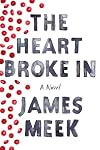
The Heart Broke In feels epic to me. As James Meek homes in on a handful of people around London, putting a magnifying glass on their lives and relationships, he touches on some huge themes: morality and ethics, loyalty and betrayal, forgiveness, immortality, religion, science, love, time, human connection. But instead of being tediously ponderous on these heavy subjects, Meek wraps this exploration into a compelling drama (celebrities! crazy tabloid website! affairs!) that had me turning the pages anxiously. I won’t deny that it's a slow burn at times, but it always feels as if something is coming to a head soon, so I happily put my trust in him and got enmeshed in the lives of the characters and their concerns, both big and small.
The title of the book is a reference to a funny story that one of the characters tells about a Russian scientist’s belief that organs in the body came into being as a result of parasites coming together and evolving and keeping the body going—except for one organ, the heart. According to the scientist, the heart broke in. The novel illustrates how our various characters—and their hearts—navigate through their lives and respond to life-changing events.
Though the novel is unfolds through multiple points of view, I didn’t find the shift between them to be distracting at all. Multiple POVs work best when the author gets you to care about whomever you’re supposed to be focused on in that current chapter, instead of wishing you could show more continue with the plot point from the last chapter—basically, every chapter has to be engaging; and I think Meek did that well here. The characters were so vivid, their plot lines believable (even at their most outrageous) and distinctive enough that the flow of the story was seamless.
I think The Heart Broke In is much more effective at trying to capture and get at the core of the big questions that we’re facing in the 21st century, than say, Jonathan Franzen's Freedom, a book that didn't live up to this ambition. There are so many layers to the story and its themes here that I didn’t even pick up on some in my first read until I went back through the book in search of my favorite passages. I’m sure if I reread the entire thing, I’d stumble upon even more significant points that I missed the previous time. And you can tell how rich the book is just by glancing at reviews everywhere—each one takes over half of the review to just summarize the plot points, and each review zooms in on a different theme.
There are two aspects that fall a bit short of my expectations though. Some of the characters seem rather one-dimensional or cartoonish to me; some could’ve been developed better. Even in the case of one of the main characters, Bec, I don't feel like I truly know her and can't really tell when and why she actually fell in love with Alex so deeply (deep enough to take such dramatic action near the end ). But all of the characters service the themes well and propel the plot enough that I could forgive this.
However, I struggled with the last quarter of the book when it seems like the story veers off towards melodrama that felt jarring, namelyBec’s deception; the focus on Dougie and his spiral, Alex’s puzzling reaction upon hearing about the betrayal, etc. . That was a hard fall for me, because up until then, I had been ready to proclaim the book as one of the best and go into raptures declaring it as the “great 21st century novel.” I’ll have to reflect a bit more on my feelings to figure out whether my dislike of the last section was related to my disagreement with certain character choices (i.e. the problem is my own hang-up) even as they are appropriate for the story, or whether the story’s artificial-seeming turn really did a disservice to all that came before it (i.e. the book’s fault). I suspect the problem is me, and yet I find it difficult to discount that distaste and have it not affect my final opinion of the book. Hence the four stars, instead of the full five.
With that being said, a novel that resonated with me to the extent that I felt a bit betrayed by the ending, that I cared enough, probably did “it” right.
Oh, and I have to mention that the US book cover with the red blood cells is gorgeous; I prefer it to the more ho-hum UK edition. show less
The title of the book is a reference to a funny story that one of the characters tells about a Russian scientist’s belief that organs in the body came into being as a result of parasites coming together and evolving and keeping the body going—except for one organ, the heart. According to the scientist, the heart broke in. The novel illustrates how our various characters—and their hearts—navigate through their lives and respond to life-changing events.
Though the novel is unfolds through multiple points of view, I didn’t find the shift between them to be distracting at all. Multiple POVs work best when the author gets you to care about whomever you’re supposed to be focused on in that current chapter, instead of wishing you could show more continue with the plot point from the last chapter—basically, every chapter has to be engaging; and I think Meek did that well here. The characters were so vivid, their plot lines believable (even at their most outrageous) and distinctive enough that the flow of the story was seamless.
I think The Heart Broke In is much more effective at trying to capture and get at the core of the big questions that we’re facing in the 21st century, than say, Jonathan Franzen's Freedom, a book that didn't live up to this ambition. There are so many layers to the story and its themes here that I didn’t even pick up on some in my first read until I went back through the book in search of my favorite passages. I’m sure if I reread the entire thing, I’d stumble upon even more significant points that I missed the previous time. And you can tell how rich the book is just by glancing at reviews everywhere—each one takes over half of the review to just summarize the plot points, and each review zooms in on a different theme.
There are two aspects that fall a bit short of my expectations though. Some of the characters seem rather one-dimensional or cartoonish to me; some could’ve been developed better. Even in the case of one of the main characters, Bec, I don't feel like I truly know her and can't really tell when and why she actually fell in love with Alex so deeply (
However, I struggled with the last quarter of the book when it seems like the story veers off towards melodrama that felt jarring, namely
With that being said, a novel that resonated with me to the extent that I felt a bit betrayed by the ending, that I cared enough, probably did “it” right.
Oh, and I have to mention that the US book cover with the red blood cells is gorgeous; I prefer it to the more ho-hum UK edition. show less
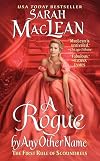
My level of frustration with A Rogue by Any Other Name was sky high, and it was absolutely unexpected because I loved the only other Sarah MacLean book I have read, Eleven Scandals to Start to Win a Duke’s Heart. In my write-up of that book, I had noted that MacLean writes well and is able to do character development and motivation in a very nuanced and believable way. That was a five-star read for me. So book one of this new series should’ve been at the very least passable, right?
And yet, holy crap! It took me *hours* to get through the first two chapters because I kept having to put it down to copy all of the cheesy language into my notebook or just close the book and…grimace at it. Seriously. This was not an auspicious start, to say the least.
No, romance novels don’t have to achieve literary greatness; I understand and have always set my expectations accordingly. I only expect genre books to build a world that’s convincing, include action that’s entertaining, and use language that doesn’t *get in the way* of readers’ enjoyment of the first two points (by being so brazenly bad). All too frequently, the language here was embarrassing; it confirmed every stereotype that haters use to deride romance novels, which is a shame since a lot of other books are excellent.
One problem that I had with the book eventually petered out after the first two chapters, but I have to raise it here because it was my first stumbling block. MacLean kept following a regular show more sentence with a very short one (as a way to reiterate or add onto the previous sentence), like these quotes from Chapter One (page numbers from the large-print edition):
(15) “As though nothing he had wagered had ever been his to begin with. Bourne understood.”
(16) “Notifying him that Temple would not have to fight that evening. Bourne would have it instead.”
(16) “He knew that Croix couldn’t resist the urge to wager. The temptation to win.”
(23) “Now, a decade later, he did not care. He wanted his revenge. The revenge he’d been waiting for.”
Look at these! All in quick succession! There were way more examples beyond these. Why is this a problem? It reads as cheesy, overwrought writing. It’s as if someone’s talking, and says the second sentence in a low, over-dramatic voice. But at least MacLean lays off this style in subsequent chapters.
The other problem that I had was MacLean’s abuse and misuse of italics. This one was unforgivable because it occurred throughout the entire book. What the hell? It may be an exaggeration to say that every other sentence was italicized, but italics were used so, so, frequently to the point of being a motherfucking distraction. It wasn’t as if MacLean was using them as way to differentiate between characters’ inner thoughts and dialogue either, so that can’t be the excuse. Italics are typically used for emphasis, to convey emotion or to distinguish those words from the others. But promiscuously using them here, there, everywhere, just makes the passages read cheesy-like. There was nothing meaningful about what she was supposedly highlighting.
What’s puzzling is that MacLean can write well, and there are tons of passages where she displayed this skill. So I have to chalk up the problems that I had with the book to the most plausible explanation: MacLean purposefully made these stylistic choices. I went back to skim Eleven Scandals to see if these stylistic quirks were present there, and the fucking italics were indeed used there as well. So I guess I was in a more indulgent mood when I read that one…or they were just more appropriately employed.
The pacing of this book was a bit off as well. MacLean seemed to worry some scenes to death, scenes that didn’t have to be as long as they were because they were boring and didn’t shed any new light on the characters’ thoughts that we didn’t already know about from previous scenes.
The description of Bourne as “cold” or “hard” or “cold and hard” abounded. You’d think someone could’ve used a thesaurus to change it up a bit.
And now for the plot points. Once Bourne and Penelope met up after nine years and get married, I was engaged despite my fixation on the writing. The different layers of the characters’ inner lives, their hang-ups, the dynamics between the hero and heroine, etc. reminded me of why I liked Eleven Scandals. Nothing felt one-note or superficial at all. I thought the use of the letters that Penelope and Bourne wrote to one another as kids underscored how much their relationship had changed, making their current situation all the more heartbreaking. I got excited about their plans to concoct a story of their great love to fool society, but meh, that angle was executed in a pretty "blah" manner.
Two-thirds of the way through, the plot seemed to go off the rails a bit as well, becoming too scattered. The angst near the end became too interminable and tiresome that it was all I could do to skim the remaining pages just to get to the end and be done with it. show less
And yet, holy crap! It took me *hours* to get through the first two chapters because I kept having to put it down to copy all of the cheesy language into my notebook or just close the book and…grimace at it. Seriously. This was not an auspicious start, to say the least.
No, romance novels don’t have to achieve literary greatness; I understand and have always set my expectations accordingly. I only expect genre books to build a world that’s convincing, include action that’s entertaining, and use language that doesn’t *get in the way* of readers’ enjoyment of the first two points (by being so brazenly bad). All too frequently, the language here was embarrassing; it confirmed every stereotype that haters use to deride romance novels, which is a shame since a lot of other books are excellent.
One problem that I had with the book eventually petered out after the first two chapters, but I have to raise it here because it was my first stumbling block. MacLean kept following a regular show more sentence with a very short one (as a way to reiterate or add onto the previous sentence), like these quotes from Chapter One (page numbers from the large-print edition):
(15) “As though nothing he had wagered had ever been his to begin with. Bourne understood.”
(16) “Notifying him that Temple would not have to fight that evening. Bourne would have it instead.”
(16) “He knew that Croix couldn’t resist the urge to wager. The temptation to win.”
(23) “Now, a decade later, he did not care. He wanted his revenge. The revenge he’d been waiting for.”
Look at these! All in quick succession! There were way more examples beyond these. Why is this a problem? It reads as cheesy, overwrought writing. It’s as if someone’s talking, and says the second sentence in a low, over-dramatic voice. But at least MacLean lays off this style in subsequent chapters.
The other problem that I had was MacLean’s abuse and misuse of italics. This one was unforgivable because it occurred throughout the entire book. What the hell? It may be an exaggeration to say that every other sentence was italicized, but italics were used so, so, frequently to the point of being a motherfucking distraction. It wasn’t as if MacLean was using them as way to differentiate between characters’ inner thoughts and dialogue either, so that can’t be the excuse. Italics are typically used for emphasis, to convey emotion or to distinguish those words from the others. But promiscuously using them here, there, everywhere, just makes the passages read cheesy-like. There was nothing meaningful about what she was supposedly highlighting.
What’s puzzling is that MacLean can write well, and there are tons of passages where she displayed this skill. So I have to chalk up the problems that I had with the book to the most plausible explanation: MacLean purposefully made these stylistic choices. I went back to skim Eleven Scandals to see if these stylistic quirks were present there, and the fucking italics were indeed used there as well. So I guess I was in a more indulgent mood when I read that one…or they were just more appropriately employed.
The pacing of this book was a bit off as well. MacLean seemed to worry some scenes to death, scenes that didn’t have to be as long as they were because they were boring and didn’t shed any new light on the characters’ thoughts that we didn’t already know about from previous scenes.
The description of Bourne as “cold” or “hard” or “cold and hard” abounded. You’d think someone could’ve used a thesaurus to change it up a bit.
And now for the plot points. Once Bourne and Penelope met up after nine years and get married, I was engaged despite my fixation on the writing. The different layers of the characters’ inner lives, their hang-ups, the dynamics between the hero and heroine, etc. reminded me of why I liked Eleven Scandals. Nothing felt one-note or superficial at all. I thought the use of the letters that Penelope and Bourne wrote to one another as kids underscored how much their relationship had changed, making their current situation all the more heartbreaking. I got excited about their plans to concoct a story of their great love to fool society, but meh, that angle was executed in a pretty "blah" manner.
Two-thirds of the way through, the plot seemed to go off the rails a bit as well, becoming too scattered. The angst near the end became too interminable and tiresome that it was all I could do to skim the remaining pages just to get to the end and be done with it. show less