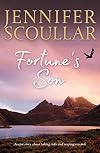
I loved the plot and the unique manner in which the characters were drawn. Set in the highlands of Tasmania in the 1800s and some later parts of the story in South Africa, told in multiple povs, we follow the epic love story of Luke and Belle and the battle to save the Tasmanian Tigers and Devils from extinction.
As a 14 year old boy, Luke and Belle already have a connection - the environment and the love of animals. But when Luke catches a wealthy land and mine owner raping his sister, Becky, and gives the fellow a flogging, it soon becomes apparent that if Luke gives the reason for the incident, it will in-turn cause his sister to be shamed throughout the small town they live in. Sentenced to 13 years hard labour, Luke is separated from all he loves and so begins the longing and planning to return to his family and to see Belle again.
I found the story, with the wonderful descriptions of locations and unusual and occasional slipping into the animals' point of view, a rich and captivating tale.
As a 14 year old boy, Luke and Belle already have a connection - the environment and the love of animals. But when Luke catches a wealthy land and mine owner raping his sister, Becky, and gives the fellow a flogging, it soon becomes apparent that if Luke gives the reason for the incident, it will in-turn cause his sister to be shamed throughout the small town they live in. Sentenced to 13 years hard labour, Luke is separated from all he loves and so begins the longing and planning to return to his family and to see Belle again.
I found the story, with the wonderful descriptions of locations and unusual and occasional slipping into the animals' point of view, a rich and captivating tale.
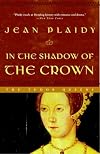
I loved this book and can't believe I had never heard of Jean Plaidy, a writer of more than 200 books. I think the reason why I liked this one so much, was that although I've read a few books on the Tudors, not one on Mary, and I'm greatly lacking in knowledge of the period, so much so until I had read this, I could never quiet get all of Mary's father's wives clearly in my mind, and had always assumed that he had lopped off all his wive's heads.
Although a bit told, it would difficult to tell such a life story on an epic scale, written otherwise. I think Jean Plaidy tells the story well, following Mary from a young child till her death, and in turn we see all of Henry VIIIs wives, and the effect his choices had on his daughter. From a Princess, first in line to the throne to a bastard, pushed back with each successive child from his other wives.
I liked that it provided an insight into all the women Henry VIII married and her half sister, Elizabeth who would ascend the throne after Mary as Elizabeth I, as well as the state of mind Mary may very well have had througout her tuberlant life and reign plus an insight of what her brief and childless marriage to her Spanish cousin, Philip II might have been like.
Although a bit told, it would difficult to tell such a life story on an epic scale, written otherwise. I think Jean Plaidy tells the story well, following Mary from a young child till her death, and in turn we see all of Henry VIIIs wives, and the effect his choices had on his daughter. From a Princess, first in line to the throne to a bastard, pushed back with each successive child from his other wives.
I liked that it provided an insight into all the women Henry VIII married and her half sister, Elizabeth who would ascend the throne after Mary as Elizabeth I, as well as the state of mind Mary may very well have had througout her tuberlant life and reign plus an insight of what her brief and childless marriage to her Spanish cousin, Philip II might have been like.
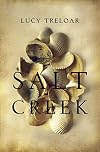
This was a wonderfully written and evocative book and goes a long way to capturing the human condition through its narrative and characterisations. Set in 1855, the Finch family leave the comforts of their city life and “good society” after falling on hard times and set off to the remote and beautiful Salt Creek.
Told through the eyes of Hester Finch, the eldest daughter and fifteen when the story starts, we see the family flung into an inhospitable coastal wildness inhabited by the Ngarrindjeri people. Her father Stanton Finch hopes for a change in his family’s fortunes by becoming a grazier.
The clash of cultures in this appears at first so supple when an Aboriginal boy, Tully, becomes a friend and part of the family. But as we slowly see the destruction not only of the Ngarrindjeri people’s land and the people themselves, we also see what might also be the destruction of the Finch’s family unit as each member deals with Stanton Finch’s unmovable belief that civilisation is best for the natives and in turn progress will return his family fortunes.
Watching her father trying to make right all that is wrong in the world, including his own fundamental flaws and her family and the Aboriginals flounder under his choices, causes Hester to question all she understands about her family, the Aboriginals, and herself.
This has a deceptive and slow build up to a very powerful story about love, loss and hope set during harsh times in a harsh society, told with both empathy show more and insight, which made it impossible for me to put down after I had read a few pages. show less
Told through the eyes of Hester Finch, the eldest daughter and fifteen when the story starts, we see the family flung into an inhospitable coastal wildness inhabited by the Ngarrindjeri people. Her father Stanton Finch hopes for a change in his family’s fortunes by becoming a grazier.
The clash of cultures in this appears at first so supple when an Aboriginal boy, Tully, becomes a friend and part of the family. But as we slowly see the destruction not only of the Ngarrindjeri people’s land and the people themselves, we also see what might also be the destruction of the Finch’s family unit as each member deals with Stanton Finch’s unmovable belief that civilisation is best for the natives and in turn progress will return his family fortunes.
Watching her father trying to make right all that is wrong in the world, including his own fundamental flaws and her family and the Aboriginals flounder under his choices, causes Hester to question all she understands about her family, the Aboriginals, and herself.
This has a deceptive and slow build up to a very powerful story about love, loss and hope set during harsh times in a harsh society, told with both empathy show more and insight, which made it impossible for me to put down after I had read a few pages. show less
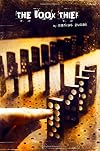
What do you say about a book that has already had so much praise world wide? Simply, it is worthy?
We hear books are judged by covers, but clearly it would be impossible not to judge this book by Words and all the colours brought to describe the most human of emotions such as love, courage,loss, grief, fear, hatred, and lets not forget, Death.
There is a question in the book where we are asked, do they deserve to die simply because they are Germans? You need to read the book to be able to consider the question, and in doing so, it is very difficult for the reality of war, especially World War 2, and all the pain caused to both sides not to kick you in the gut.
This is a wonderfully told and thought provoking book with themes that run through our society still, with all the terror and fear that spreads through us because of cultures unknown and our wish for survival, often ignorant that those we fear as enemies are often driven by not hatred, but political propaganda, and that war and apposing sides are not black and white but many shades in between.
We hear books are judged by covers, but clearly it would be impossible not to judge this book by Words and all the colours brought to describe the most human of emotions such as love, courage,loss, grief, fear, hatred, and lets not forget, Death.
There is a question in the book where we are asked, do they deserve to die simply because they are Germans? You need to read the book to be able to consider the question, and in doing so, it is very difficult for the reality of war, especially World War 2, and all the pain caused to both sides not to kick you in the gut.
This is a wonderfully told and thought provoking book with themes that run through our society still, with all the terror and fear that spreads through us because of cultures unknown and our wish for survival, often ignorant that those we fear as enemies are often driven by not hatred, but political propaganda, and that war and apposing sides are not black and white but many shades in between.