Childhood Disrupted: How Your Biography Becomes Your Biology, and How You Can Heal by Donna Jackson Nakazawa
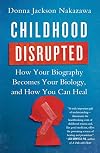
A+. Great option to discuss trauma, the medical, physical, psychological, and physiological impact of adverse childhood experiences. Great for clients and clinicians alike! - Morgan
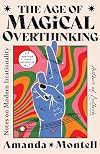
Instead of going niche and deep, this book goes far and wide with a collective concept. Overthinking and irrationality are main themes - including how we define those things and how they show up in society. I appreciated the idea that "irrational" can mean different things, and the research and journalism is solid and helps things come together in a way that makes sense. Not clinical by any means, but a good way to start the conversation and spark some curiosity. Also has some great definitions and clinical vocab words relating to bias and prejudice. - Morgan
By Melody Beattie: Codependent No More: How to Stop Controlling Others and Start Caring for Yourself Second (2nd) Edition by Melody Beattie
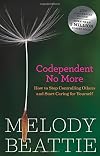
Good start for people pleasers and those with anxious attachment, resentment, and burnout in relationships. Some of the content is a bit dated considering when it was written, but it has some great quotes and sentiments that can be helpful for clients. It is very direct in its style, so it's best for clients who are "ready" for that in the sense that they will be open to being on the receiving end of the personal responsibility that Melody Beattie asks you to take for your role in your own suffering. Codependency doesn't fit into the attachment framework, so for complex trauma survivors I would suggest picking and choosing specific quotes and ideas instead of suggesting the entire book for them to read. -Morgan
Attached: Are you Anxious, Avoidant or Secure? How the science of adult attachment can help you find – and keep – love by Amir Levine
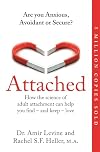
A helpful walk through attachment theory. It's a short book, but still clinical enough to feel medium in my opinion. It's slow paced so sometimes that blends with the clinical stuff, so I would recommend only specific sections or visuals for a client but recommend clinicians read it for themselves and understand the concepts in context. - Morgan
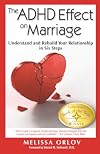
Short, sweet, and to the point. Important lived experience anecdotes and perspectives for both the ADHD and non-ADHD partner. Insightful and jam-packed with good info without being dense or overly clinical. My go-to starter resource for couples navigating ADHD. -Morgan
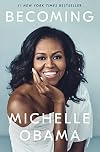
I loved hearing her stories from her perspective. I like the way her brain works. It's nice to listen to the audiobook as it's in her voice.
Cultish: The Language of Fanaticism―Understanding the Social Science of Cult Influence by Amanda Montell
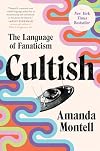
I learned a lot about the mechanisms about cults, how they recruit, what to look out for. I've never read a book on cults before so this was a great introduction!
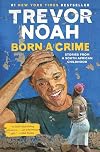
A funny and unique memoir, learned a lot about a culture I knew little about prior to reading.
A funny and unique memoir, learned a lot about a culture I knew little about prior to reading.

Very interesting perspective. Author is a psychiatrist who survived the Holocaust. Very short read on his belief of what matters most in "treatment"/psychiatry/psychology.
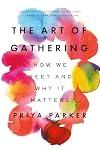
A helpful guide to being more intentional about your events, dinner parties, friend hang outs. Some say it gets a little repetitive or she uses too many examples to illustrate her point, but I thought it was fine personally.
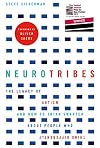
A GIANT book with a lot to say. Overall a good resource, but pretty dense sometimes and there are a lot of memoir-esque stories that are connected to very science-y science words. Way too big to recommend to a client, in my opinion - but has value if you're really getting into the weeds of neurodivergence. -Morgan
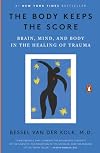
A classic place to start if you're hearing the word "trauma" for the first time. Very big book and at times pretty dense - but overall still a good foundational anchorpoint to say "people are more than the sum of their parts, and trauma really does impact more than just the brain". Major content warning - descriptions of war, violence, sexual trauma, injuries, and just about any other traumatic experience. Descriptions are VERY detailed and some people even consider it to fall into the "trauma p0rn" category wherein the details might just be there for shock value. If you're recommending to a client, choose specific segments instead of suggesting they read the whole thing. -Morgan
Maybe You Should Talk To Someone: A Therapist, HER Therapist, and Our Lives Revealed by Lori Gottlieb
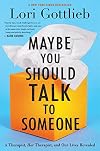
A solid memoir. I enjoyed the perspective - hearing about a therapist's experience in therapy isn't something you get to hear much about. She brings up good topics like transference, countertransference, and how your personal life can impact your therapy work with clients. Very vulnerable at times. Overall, more entertaining and heartfelt than anything. Good for someone who enjoys hearing about people's perspectives and getting engrossed in someone's lived experiences. -Morgan
Healing the Fragmented Selves of Trauma Survivors: Overcoming Internal Self-Alienation by Janina Fisher
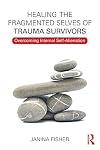
A short read that packs a punch. GREAT start to complex trauma work, parts, and navigating CPTSD with clients in session. Helps build a solid foundation to get you started, and might feel mind blowing. Highly recommend no matter what kind of therapeutic modality you use. Not what I would call a "client read", but for therapists/providers it's a must. -Morgan
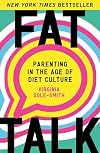
Amazing. Detailed. Research-based. Great resource for parents of kids/teens with eating disorders. Content warning - descriptions of eating disorders, dieting, and potentially triggering examples of lived experiences with disordered eating. Talks about a wide range of things connected to the family's relationship with food. Be warned that some people might not be "ready" to read - it can feel triggering to parents who unintentionally have negatively impacted their child's relationship with food and are feeling defensive. -Morgan
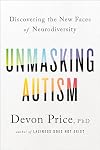
Amazing first-jump if you're wanting to learn about neurodivergence. Specifically centers around the author's lived experiences, but branches off into great research and more broad information for neurodiversity as a concept. Not very dense, but a bigger book. The title might sway some away because it sounds niche, but I experienced it as a great Neurodivergence 101 resource. -Morgan
Should I Stay or Should I Go?: A Guide to Knowing if Your Relationship Can--and Should--be Saved by Lundy Bancroft
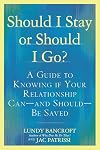
Good read for people who feel "stuck" in the contemplation stage of leaving a relationship. Written by the same dude who wrote Why Does He Do That? - I recommend reading that first if there is abuse in the relationship. This book takes a "no hand holding" approach and is more directed towwards women. Content warning - descriptions of abusive behaviors. - Morgan
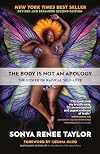
Short read that talks about Radical Self Love. There aren't many books that get into body image in this way, and it's a good place to start. Also has a companion workbook that has good prompts.
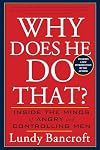
Very direct and helpful for clients who are "ready to hear it". Trigger warning - contains descriptions of abuse and violence. Often when clients read it, they tend to struggle with the "if this is true, then that means...".
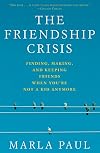
The book has somewhat of a narrow focus on what audience could relate to this, but it is a good overview if you are a cis white female struggling with making or keeping friends in adulthood. Bonus points if you are a mom. It does make some good points and has some appropriate tips.
Nonviolent Communication: A Language of Life: Life-Changing Tools for Healthy Relationships (Nonviolent Communication Guides) by Marshall B. Rosenberg
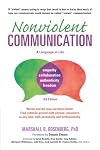
A helpful framework for approaching others. Especially helpful for those in difficult relationships. There are a lot of free resources on the internet based on this approach if one cannot read the full book. It is pretty short with an easy to follow structure
Nonviolent Communication: A Language of Life: Life-Changing Tools for Healthy Relationships (Nonviolent Communication Guides) by Marshall B. Rosenberg
A helpful framework for approaching others. Especially helpful for those in difficult relationships. There are a lot of free resources on the internet based on this approach if one cannot read the full book. It is pretty short with an easy to follow structure

Very impactful read, especially for female therapists. Demonstrates effectively socialization that can sometimes be hard to catch in male clients.
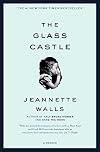
I read this because it was highly rated on every site out there. It was written before Jeannete McCurdy's "I'm Glad My Mom Died" but they are similar in structure and tone. This author does a good job bringing the reader into her conflicting feelings towards her parents. Short chapters give easy stopping points after heavy material.
I read this because it was highly rated on every site out there. It was written before Jeannete McCurdy's "I'm Glad My Mom Died" but they are similar in structure and tone. This author does a good job bringing the reader into her conflicting feelings towards her parents. Short chapters give easy stopping points after heavy material.
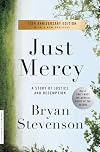
Story from a lawyer who defended marginalized communities
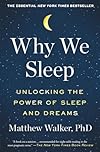
Would have been 5 stars but a few of the research conclusions he made in this book have been debunked. Secondly, there has been reports of people reading this and struggling more with insomnia / feeling more pressure to sleep. I did not experience that but something to keep in mind if giving to others. Some of the claims are a bit dramatic, but overall I found the research compelling, the information super useful, and it give me a lot to think about in relation to my own sleep habits.
Would have been 5 stars but a few of the research conclusions he made in this book have been debunked. Secondly, there has been reports of people reading this and struggling more with insomnia / feeling more pressure to sleep. I did not experience that but something to keep in mind if giving to others. Some of the claims are a bit dramatic, but overall I found the research compelling, the information super useful, and it give me a lot to think about in relation to my own sleep habits.