Experience Curating: How to Gain Focus, Increase Influence, and Simplify Your Life by Joel Zaslofsky

This book achieved its purpose; it got me excited about developing a personal system of keeping track of the things that are important to me, and gave me insight as to the importance and benefits of doing so. I enjoyed reading it, but I have to say.. if you are looking for details, specific methods or examples to draw from, you won't find a whole lot here. I understand the author is coming from the idea that everyone's needs are different and one size does not fit all, even still.. some bare-bones examples would be helpful, especially coming from a guy who's been doing this whole curating thing for a while.
In any case, if this book gives you the spark to get started, you'll figure how to get there without much problem. I'm glad I read it.
In any case, if this book gives you the spark to get started, you'll figure how to get there without much problem. I'm glad I read it.
This review was written for LibraryThing Member Giveaways.
Both the screenplay and the actual movie take their sweet time in building the story up, but patience pays off, because the eventual result is downright chilling.

This book really wasn't so bad. Unfortunately, it really wasn't so good, either. The story itself had promise, and in fact I did get a little weepy towards the end. But basing my opinion on just this book, Nicholas Sparks writes like a man who hasn't read a whole lot of great books, and who studied romance from made-for-TV movies... not like a believable narrator who is truly invested and immersed in his tale. It was just clear and descriptive enough to pull me through, and even a little charming at times, but that's the best I can say about it. My imagination helped to overcome the book's two-dimensional feel, and in truth some parts did tug at my heart, and so I did manage to enjoy this novel somewhat. But I really wouldn't recommend it to too many people.
It's Douglas Adams. You can't go wrong. I'd be lying if I said I was absolutely thrilled about how this one wraps up, but with story-telling this good, it hardly matters. Douglas Adams at his worst is miles above most other writers at their best.
Overcoming Procrastination: Or How to Think and Act Rationally in Spite of Life's Inevitable Hassles by Albert Ellis
The authors - two established doctors of psychiatry who pioneered the "Rational-Emotive Technique" of dealing with and changing behavior - have a clumsy, ham-fisted way of getting their ideas across in this book. The ideas presented are basic; and the many examples of generic patients suffering conveniently generic problems can get tiresome.Even still... if you are holding this book, chances are you are looking for some help, and if this book is what you've got handy, give it a whirl. The ideas, themes and suggestions will probably seem mostly familiar to you, but having it all laid out and connected does help quite a bit to put things into perspective. There is lots of repetition; I often felt that the authors were trying to beat simple concepts into my head like I was a five-year-old. But, as annoying as that was, I think it helped drive some key concepts home. Simple ideas are all-too-easy to brush aside ("Yeah, of course I know that. Who doesn't? I don't have to think about that stuff.."), so sometimes it's beneficial to be hit over the head with some common sense. I have to say that this book helped me more than I initially thought it would, and I'm glad I read it. (Even if it was written in the manner of a stuffy doctor trying very hard to seem human. But maybe that was just me. To be fair though, this was written in the '70s. Maybe the author was totally hip back then, and i'm the square.)All things considered, though, I would imagine there are better written books show more out there on this subject, probably even based on the knowledge and techniques of the authors of this one. I don't have any suggestions, but I'm sure you can find a gook book easily enough. I would give it a shot before delving into this one. But if you DO happen to pick this one up... well, you could do much worse. show less
It was hard for me to enjoy this book. The humor was sharp, witty, wacky, and even insightful, which is great... but to me it came off much like a 12-year-old kid who has just discovered his (dry, British) wit, and so proceeds to wield it non-stop, until you just don't want hear it anymore. It seriously hampered my enjoyment of what would have seemed like a good story without having to crank the sarcasm and wit dial to 11. I felt it actually impeded the flow of the story significantly.That having been said, don't listen to me. Plenty of people loved this book, and anything Neil Gaiman is a part of is worth checking out. I'll even check out some Terry Pratchett, because I did appreciate the style of humor.. I just thought its non-stop barrage came at the expense of what might have been a fluid, riveting story. But hey, check out 'Good Omens' for yourself. It certainly wasn't bad by any stretch.
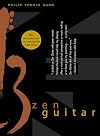
One of the most important, enjoyable books I've ever had the good fortune to read. The concept of zen is familiar to many, and this book is certainly laden with familiar concepts, but it manages to relate those concepts incredibly well to the art of learning, practicing, and playing an instrument (not necessarily guitar; this book applies to any instrument... it is not an exercise book), all the while reminding you that those very same concepts seamlessly overlap into everyday life, and stretch far beyond the scope of playing an instrument. I really can't say enough good things about this book. If you play any instrument at all... or hell, even if you don't... I highly recommend it.

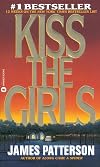
A two-dimensional thriller. That's not to say that Patterson doesn't keep a good pace going, or that there's anything wrong with his terse, no-frills writing style, but there's just nothing here that sticks. As with other Patterson books I've read, it feels more like I'm just watching a cheap made-for-TV movie (complete with a minor plot hole or two that make you go "Really?") with cheap made-for-TV characters, rather than a tale that really engulfs you and pulls you into the characters' world. I can appreciate and even enjoy an easy, mindless read (I mean that in the nicest possible way, I really do), but at the end of the day, I prefer characters and situations that have enough depth in them to where they occupy space in my brain for some time after I'm done reading. This book just doesn't do it.
Ufos by Susan Harris

An interesting, creepy read to a 9-year-old, which is the age this is geared towards. Now, reading it is just a quick exercise in nostalgia. There's not much in the way of information going on in this little book.. just some random stuff to grab the imagination of a young child. That it does, though.
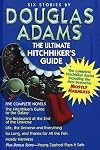
It's hard to overstate just how great these books are. No really, try it. It's very hard.
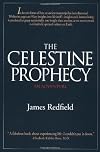
I was generous with my rating. I hated to give this even one star, let alone three, because it's one of the hokiest, most ridiculous stories I've ever read.But the main ideas... elusive, mystical "insights" that the main character spends the entire book searching for (which, considering these "insights" are actually the author's, sounds a little arrogant on the author's part if you ask me)... are worthy of some real consideration. I sincerely wish James Redfield had cut to the chase and simply written some essays about his ideas, rather than concocting this inane backwash of a tale, but I will let it go, because seriously... many of the ideas found in this story are worth mulling over, and if this story gets you thinking about them, then this pretty short read won't be a waste after all.Besides, as you follow the main character through his flimsy, two-dimensional exploits, it will probably remind you of bad television, and if a writer can make you follow his story long enough to be reminded of bad television, then I guess he can still say that at least he got you to follow him. And by the end of this book, you might curse him for doing so, but chances are you'll thank him as well.

Some of Charlie Brown's winning-est stuff. A little more philosophy and a little less fluff than the Peanuts of later years. (Though certainly a refreshingly charming blend of both.)

An interesting enough jaunt into the land of Trent Reznor and Nine Inch Nails, pre-Fragile era (1995 and earlier). It really just scratches the surface, and some of its information is a bit sketchy and/or unsubstantiated, but it's enough to temporarily satisfy some curiosity about the earlier, more mainstream time periods of one of the most thrilling musical minds in the world.
I will hand it to the Alan Chambers... I expected a book filled with bigotry and condescension (despite the author's claims to have "gone through the homosexual lifestyle"), and while I found both of those things, I also found what I believe to be a fair amount of compassion and good will. That's the good news. The bad news is that this author's quest is painfully misguided, believing that the path he chose (trading homosexuality for God's love, as if the two were mutually exclusive) is the path that others must inevitably come to. The most offensive idea Mr. Chambers presents us with is that of equating homosexuality with sexual addiction. Well, when you start with such a ridiculous premise as that, there can be little hope of finding much rational discourse or helpful insight. I feel bad for the author, who apparently had a difficult time "escaping his own sexual impulses", but that's not homosexuality, that's lust. To treat the two as if they're somehow interchangeable immediately discredits Mr. Chambers, and it does an incredible disservice to those having a hard time with their identity and their relationship with God. This book will harm far more people than it will help, I'm afraid.

Cute little book, but I must say that the animated TV special based on this gave it the much-needed life it deserved.
Fantastic read. It is a tale within a tale within a tale, and it breathes life not just into Roland and his quest, but into the very folks of Mid-World. Dark yet vibrant, it is a tale of the magic and bravery of the human spirit in the face of the unknown. It doesn't really fill in any missing pieces of the original series, and in fact revolves very little around the ka-tet, taking place instead inside one of Roland's tales, told to his ka-mates in the shadow of a deadly storm they must wait out. 'The Wind Through The Keyhole' reads very much like a brief detour on the road to the tower, But I found it to be a detour well worth taking... one filled with wonder, fear, and ultimately, hope.