Glen Huey's Illustrated Guide to Building Period Furniture: The Ultimate Step-By-Step Guide (Popular Woodworking) by Glen Huey
I went to the Woodworking show in York, PA the other weekend. I don’t remember the exact “flavor” of show. This one was sponsored by “Wood” magazine, I believe. Last year, it was an excellent show. Not nearly as crowed as the ones in the Baltimore/DC area and only about 1.5 hours away. Unfortunately, this year, the show was greatly diminished in size. The WoodMizer portable sawmill display was back from last year, but instead of having 10 models set up and operating, there were 2 or 3 and only one was running.
Inside, the show which last year occupied the whole of the expo floor covered only about 60% of it. Most of the displays were local clubs and guilds. Interesting, but…not really to me, since *I* wasn’t local. In particular, gone was the dealer in antique tools that I had been hoping to see. Most of the other vendors were the one trick pony types that fill out the larger winter woodworking shows (Forrest saw blades, The green plastic feather board guy, the guy that sells the thing that hooks on a drill and cuts anything, etc.). Fine products all, I am sure, but I have seen them all before and I am still uninterested. I was hoping for the larger retailers where I could pick up a few odds and ends at “show” prices. I guess it was lucky for me since I had talked my wife into coming with me by promising a drive through the nearby PA Dutch Country region and an early dinner at one of the nice restaurants there.
Still, I wanted something for the effort of show more getting her up at 8am, into the truck and driving into PA. One of the personalities at this year’s show was Glen Huey. He had his own booth where he was selling books and DVDs. I had thumbed through one of his early books at some time in the past and felt it wasn’t for me. First of all, he seems to focus on the more ornate New England 18th Century stuff that is still far outside my range of skills and not something to the taste of my wife.
However, I was intrigued by his range of how-to DVD products. Several of his offerings were things I felt I could use, but I have seen my share to poor productions and didn’t really want to gamble. On the other hand, he had his new(ish) book there and for $25, I could get a book AND a nearly 90 minute DVD. This seemed like a good deal to me. Even if the DVD was crap, the book had 10 or so projects nicely dissected in full color. And it would let me sample the quality of the DVDs to know if I wanted to buy them or not.
So, I bought it. And I am glad I did. First of all, I prefer to support practitioners by buying their books and I prefer to buy them directly when I can because I know they make more of the money that way. In addition, I could get it signed. I doubt that adds anything to the true value of the book, but I still think it’s cool.
Glenn asked me if I wanted anything in particular written in there and I replied, “No.” He doesn’t know me from Adam and won’t remember me at all in 10 minutes at a busy show. Anything “personal” written there will sound contrived and trite. So, he thought for a moment and wrote, “Make something great,” and signed it. Urf. Hrm. That’s a tall order. But maybe it’s time to stop collecting tools, books, DVDs and wood and actually crank out some stuff. So, Glenn, if you read this (hey, it’s possible) thanks for the truly inspirational inscription.
Now, on to my thoughts about the book:
First, the physical aspects of the book itself. I never usually mention this unless the book if seriously oversize or noteably poorly made. This was neither, in fact, this is how ALL books should be made. All of them, forever. Well, all non-fiction ones at least.
I am not sure what this kind of binding is called, from the outside, it’s a glossy hardbound book and on the inside it’s a spiral binding. This is an awesome format. You get the quality of a hardback book (which, for the price, we can appreciate), but, it lies flat when open. OMG, I can’t tell you how cool that is.
The second nice physical feature is the recessed CD/DVD holder on the inside of the back cover. This is genius. I read a lot of tech books, many of them come with a CD of code and they are usually either in a paper sleeve glued to the back cover or bound in on a card stock page in the back. Neither of those is really satisfactory. Once you take out the CD to look at it, you can never put it back and expect it to stay. The little sleeve thing’s rip off tab is now gone. So, it’s a single use CD. Glenn’s book will forever keep its DVD (except when I am watching it) because there is a thoughtful and reusable place to keep it.
As to the DVD content, it’s nearly 90 minutes long. For an essentially free throw-in, that’s huge. And it’s well done. Seeing pictures of cabriolet legs being done is one thing, but after watching Glenn make one, I really believe I get it and can do it. It’s been a few weeks since I watched it, but I believe there are 5 sections to the DVD. All of the segments are well done and useful. On the PC side, there are a few PDF files of patterns and plans from the book.
As huge a step as this is, I think there ought to be more. The DVD ought to include a PDF of the full book including either full sized or known scale plans for all projects. You have a ton of space on a DVD, all of that had to be produced for the print edition anyway. So toss them in there. That way we can print out drawing and not have to expose the book to the shop for weeks.
Also, let’s not let what could be really valuable addition for woodworkers be hamstrung by ham-fisted attempts at copy protection. Use PDFs, they work well, the reader is ubiquitous. In this market, while there might be a few people that copy the files rather than buy the book, it’s not something real woodworkers would make a habit of. More likely, after persuing the file, they would buy a copy themselves. It’s what I would do. I work in two modes. If I am reading anything of length, I want paper. Drawings I want to manipulate and print out.
And, finally, the text itself. Glenn is still focused on a pretty high style. But, I am thinking I could make a few of these projects for two reasons. One, my skills are improving and opening up my range and, two, his text and photos really show the important parts of the project. He doesn’t waste a lot of space telling you how to measure this or cut that, instead he focuses on the setups and approaches needed to execute the step.
One thing that stands out in all of Glenn’s work is his *love* for dramatic grain pattern. The reason the rest of us don’t see much bird’s eye maple or tiger stripe is that he has it ALL. Every last bit of it and he makes every project out of this startling, dramatically figured wood. Almost to the point where, to me, the wood itself is distracting from the piece. To be sure, everything is well finished and it takes some skill to bring out these figured woods, but wow. Maybe it’s just that the period pieces are covered in 300 years of gunk, but I am more of a mahogany guy with understated wood figure.
I am not sure I will build anything in this book anytime soon. It’s still not the style my wife likes for the house and these projects are all too much work to make and give away. But, this book helped convince me that they are within my range if I do have an occasion to make them.
With both the physical aspects of the book/DVD and the well done projects, I give this 5 out of 5. I hope Glenn continues to produce these fine books and I look forward to getting some of his instructional DVDs now that I know the style suits me. show less
Inside, the show which last year occupied the whole of the expo floor covered only about 60% of it. Most of the displays were local clubs and guilds. Interesting, but…not really to me, since *I* wasn’t local. In particular, gone was the dealer in antique tools that I had been hoping to see. Most of the other vendors were the one trick pony types that fill out the larger winter woodworking shows (Forrest saw blades, The green plastic feather board guy, the guy that sells the thing that hooks on a drill and cuts anything, etc.). Fine products all, I am sure, but I have seen them all before and I am still uninterested. I was hoping for the larger retailers where I could pick up a few odds and ends at “show” prices. I guess it was lucky for me since I had talked my wife into coming with me by promising a drive through the nearby PA Dutch Country region and an early dinner at one of the nice restaurants there.
Still, I wanted something for the effort of show more getting her up at 8am, into the truck and driving into PA. One of the personalities at this year’s show was Glen Huey. He had his own booth where he was selling books and DVDs. I had thumbed through one of his early books at some time in the past and felt it wasn’t for me. First of all, he seems to focus on the more ornate New England 18th Century stuff that is still far outside my range of skills and not something to the taste of my wife.
However, I was intrigued by his range of how-to DVD products. Several of his offerings were things I felt I could use, but I have seen my share to poor productions and didn’t really want to gamble. On the other hand, he had his new(ish) book there and for $25, I could get a book AND a nearly 90 minute DVD. This seemed like a good deal to me. Even if the DVD was crap, the book had 10 or so projects nicely dissected in full color. And it would let me sample the quality of the DVDs to know if I wanted to buy them or not.
So, I bought it. And I am glad I did. First of all, I prefer to support practitioners by buying their books and I prefer to buy them directly when I can because I know they make more of the money that way. In addition, I could get it signed. I doubt that adds anything to the true value of the book, but I still think it’s cool.
Glenn asked me if I wanted anything in particular written in there and I replied, “No.” He doesn’t know me from Adam and won’t remember me at all in 10 minutes at a busy show. Anything “personal” written there will sound contrived and trite. So, he thought for a moment and wrote, “Make something great,” and signed it. Urf. Hrm. That’s a tall order. But maybe it’s time to stop collecting tools, books, DVDs and wood and actually crank out some stuff. So, Glenn, if you read this (hey, it’s possible) thanks for the truly inspirational inscription.
Now, on to my thoughts about the book:
First, the physical aspects of the book itself. I never usually mention this unless the book if seriously oversize or noteably poorly made. This was neither, in fact, this is how ALL books should be made. All of them, forever. Well, all non-fiction ones at least.
I am not sure what this kind of binding is called, from the outside, it’s a glossy hardbound book and on the inside it’s a spiral binding. This is an awesome format. You get the quality of a hardback book (which, for the price, we can appreciate), but, it lies flat when open. OMG, I can’t tell you how cool that is.
The second nice physical feature is the recessed CD/DVD holder on the inside of the back cover. This is genius. I read a lot of tech books, many of them come with a CD of code and they are usually either in a paper sleeve glued to the back cover or bound in on a card stock page in the back. Neither of those is really satisfactory. Once you take out the CD to look at it, you can never put it back and expect it to stay. The little sleeve thing’s rip off tab is now gone. So, it’s a single use CD. Glenn’s book will forever keep its DVD (except when I am watching it) because there is a thoughtful and reusable place to keep it.
As to the DVD content, it’s nearly 90 minutes long. For an essentially free throw-in, that’s huge. And it’s well done. Seeing pictures of cabriolet legs being done is one thing, but after watching Glenn make one, I really believe I get it and can do it. It’s been a few weeks since I watched it, but I believe there are 5 sections to the DVD. All of the segments are well done and useful. On the PC side, there are a few PDF files of patterns and plans from the book.
As huge a step as this is, I think there ought to be more. The DVD ought to include a PDF of the full book including either full sized or known scale plans for all projects. You have a ton of space on a DVD, all of that had to be produced for the print edition anyway. So toss them in there. That way we can print out drawing and not have to expose the book to the shop for weeks.
Also, let’s not let what could be really valuable addition for woodworkers be hamstrung by ham-fisted attempts at copy protection. Use PDFs, they work well, the reader is ubiquitous. In this market, while there might be a few people that copy the files rather than buy the book, it’s not something real woodworkers would make a habit of. More likely, after persuing the file, they would buy a copy themselves. It’s what I would do. I work in two modes. If I am reading anything of length, I want paper. Drawings I want to manipulate and print out.
And, finally, the text itself. Glenn is still focused on a pretty high style. But, I am thinking I could make a few of these projects for two reasons. One, my skills are improving and opening up my range and, two, his text and photos really show the important parts of the project. He doesn’t waste a lot of space telling you how to measure this or cut that, instead he focuses on the setups and approaches needed to execute the step.
One thing that stands out in all of Glenn’s work is his *love* for dramatic grain pattern. The reason the rest of us don’t see much bird’s eye maple or tiger stripe is that he has it ALL. Every last bit of it and he makes every project out of this startling, dramatically figured wood. Almost to the point where, to me, the wood itself is distracting from the piece. To be sure, everything is well finished and it takes some skill to bring out these figured woods, but wow. Maybe it’s just that the period pieces are covered in 300 years of gunk, but I am more of a mahogany guy with understated wood figure.
I am not sure I will build anything in this book anytime soon. It’s still not the style my wife likes for the house and these projects are all too much work to make and give away. But, this book helped convince me that they are within my range if I do have an occasion to make them.
With both the physical aspects of the book/DVD and the well done projects, I give this 5 out of 5. I hope Glenn continues to produce these fine books and I look forward to getting some of his instructional DVDs now that I know the style suits me. show less
I have admired the writing of Chris Schwarz for a couple of years now, ever since I discovered Woodwooking Magazine issue 2 in a Wal-Mart while killing some time one day. Finally, I had found a woodworking magazine that seemed to be aimed right at me. A mix of hand tools and power tools. A mix of projects and how-to articles. And, done with taste, style and no advertisements. What a great magazine. Since that find, I have subscribed to Popular Woodworking (his “regular” magazine), his blog and haunt the bookstores for each new edition of Woodworking magazine.
Since I come at woodworking from my interest in medieval history, I tend to favor the period furniture reproduction type of projects and that’s a lot of what he does. Also, what woodworker isn’t also interested in collecting tools? Add to that the workbench “thing”. It’s the largest and most facinating tool in a woodworker’s arsenal and it’s the one big item that almost every woodworker has to make for themselves.
I made my current workbench several years ago when I determined it was time to move from the door on saw horses version that seems to be some sort of universal starting place for hobbyist woodworkers. It’s fine. I still use it every time I am in the shop. It’s got a lot of things going for it: it’s long (10′), it’s against a wall that faces west under a large window, it’s heavy, really heavy. And all was good as I persued the hobby.
Then, through the pages of his two magazines and show more his blog, Chris introduced me to a new tool, the hand plane. Suddenly, my workbench was obsolete. I didn’t figure this out right away, but over the course of struggling to learn the hand plane I discovered that the surface that couldn’t be high enough was too high. The massive bench that could easily dampen vibration from power tools was weak to the racking forces of a large guy pushing a #7 plane. Hrm.
So, I need to make a new workbench. Then, just as I make that determination, Chris’ writing reveals his almost unhealthy obsession with workbenches. The thing that he brings to the conversation is the “why” certain features are as they are. We have noted the different styles of workbenches in other books, but now we are getting some information on historical benches and methods of work that places these benches and features in context.
Even though I had read a lot of the material contained in this book before, the whole discussion, put all in one package was very valuable. I love the many historical etchings and photographs. The more the better.
I firmly believe that there is no perfect bench. I think this is something Chris Schwarz has already come to grips with. What your bench needs to look like depends on not just what sort of projects that come off it, but how you work as well. This book will help you understand what sorts of things a bench can do and help you sort through the options in designing and building your own.
This was one of the few books I have ever pre-ordered from Amazon and I waited impatiently for it to show up. It was work the wait, an excellent book. Don’t miss out on the version with the CD, it contains drawings and a PDF of the book. Highly recommended. show less
Since I come at woodworking from my interest in medieval history, I tend to favor the period furniture reproduction type of projects and that’s a lot of what he does. Also, what woodworker isn’t also interested in collecting tools? Add to that the workbench “thing”. It’s the largest and most facinating tool in a woodworker’s arsenal and it’s the one big item that almost every woodworker has to make for themselves.
I made my current workbench several years ago when I determined it was time to move from the door on saw horses version that seems to be some sort of universal starting place for hobbyist woodworkers. It’s fine. I still use it every time I am in the shop. It’s got a lot of things going for it: it’s long (10′), it’s against a wall that faces west under a large window, it’s heavy, really heavy. And all was good as I persued the hobby.
Then, through the pages of his two magazines and show more his blog, Chris introduced me to a new tool, the hand plane. Suddenly, my workbench was obsolete. I didn’t figure this out right away, but over the course of struggling to learn the hand plane I discovered that the surface that couldn’t be high enough was too high. The massive bench that could easily dampen vibration from power tools was weak to the racking forces of a large guy pushing a #7 plane. Hrm.
So, I need to make a new workbench. Then, just as I make that determination, Chris’ writing reveals his almost unhealthy obsession with workbenches. The thing that he brings to the conversation is the “why” certain features are as they are. We have noted the different styles of workbenches in other books, but now we are getting some information on historical benches and methods of work that places these benches and features in context.
Even though I had read a lot of the material contained in this book before, the whole discussion, put all in one package was very valuable. I love the many historical etchings and photographs. The more the better.
I firmly believe that there is no perfect bench. I think this is something Chris Schwarz has already come to grips with. What your bench needs to look like depends on not just what sort of projects that come off it, but how you work as well. This book will help you understand what sorts of things a bench can do and help you sort through the options in designing and building your own.
This was one of the few books I have ever pre-ordered from Amazon and I waited impatiently for it to show up. It was work the wait, an excellent book. Don’t miss out on the version with the CD, it contains drawings and a PDF of the book. Highly recommended. show less
In his followup to Germs, Guns and Steel, Jared Diamond continues the chronicle of man’s struggle to live in a world he has made.
Having read the previous book and not completely agreed with the premises, I expected to struggle with this one somewhat. I wanted to read it because it came highly recommended and because I have this quest to have something topical to talk about when I am not among the geeks that are my normal associates.
In fact, it was a good read. It took me a while because it’s pretty dense going. I don’t have a lot of time for recreational reading, so I didn’t spend time doing a lot of fact checking on this one so I can’t comment on it’s accuracy other than it rung a lot more true than his previous book.
Diamond starts out with the assertion that while it’s difficult to directly compare one culture and it’s situation to another, there are some basic characteristics in the way a culture operates that we can use. He went through history and rated every culture against these 9 factors and claims they validate his thesis that it’s possible to predict the success or failure based on these factors and how a society copes with them.
To illustrate this, he presents case studies of nearly a dozen cultures, some who have collapsed, some who have succeeded and other about which time will tell. It’s useful to note Diamond’s definition of “collapse” here: the society ceased to function, the political entity generally vanished and there was a show more dramatic (at least 50%, usually 90-100%) drop in the population. So the fall of the Soviet empire, for instance, wouldn’t qualify here. Things changed, but it’s mostly the same too. There was a change in government but not a huge change in living conditions. The collapse of the Mayan’s however, does qualify. More than 90% of the people disappeared within a decade or two and the culture ceased to exist.
The first case study is the Bitterroot valley region of Western Montana. It’s an area the author has visited many times over the past few decades and one faces with more environmental challenges than one might expect. Actually, it also serves to point out the struggle between what is good in the short term of the local inhabitants versus the good of the greater society (economically, typically). And how things like farming or mining subsidies are pretty murky territory.
The book goes on through some of the usual suspects of failure (Easter Islanders, Greenland Norse, Mayans, Pitcairn Islanders). It also has a few success stories (New Guinea, Dominican Republic) and a few one the bubble (Montana, China).
I felt the case studies held up rather well. Again, I didn’t do a lot of fact checking here, but it all sounded pretty good. In this particular book, I think Diamond backed off from making the sort of generalizations and predictions that drew criticism in Germs, Guns and Steel. In fact, the closing chapter has a bit of the feel of, “we need to tact on something uplifting here so my nuts don’t get roasted over the fire again.” And I say that not because the message changes that dramatically (although there is a little of that), but the tone does.
Overall, I give this a 4.5 stars and a strong read recommendation. There is a lot to think about with this one and that’s a good thing. show less
Having read the previous book and not completely agreed with the premises, I expected to struggle with this one somewhat. I wanted to read it because it came highly recommended and because I have this quest to have something topical to talk about when I am not among the geeks that are my normal associates.
In fact, it was a good read. It took me a while because it’s pretty dense going. I don’t have a lot of time for recreational reading, so I didn’t spend time doing a lot of fact checking on this one so I can’t comment on it’s accuracy other than it rung a lot more true than his previous book.
Diamond starts out with the assertion that while it’s difficult to directly compare one culture and it’s situation to another, there are some basic characteristics in the way a culture operates that we can use. He went through history and rated every culture against these 9 factors and claims they validate his thesis that it’s possible to predict the success or failure based on these factors and how a society copes with them.
To illustrate this, he presents case studies of nearly a dozen cultures, some who have collapsed, some who have succeeded and other about which time will tell. It’s useful to note Diamond’s definition of “collapse” here: the society ceased to function, the political entity generally vanished and there was a show more dramatic (at least 50%, usually 90-100%) drop in the population. So the fall of the Soviet empire, for instance, wouldn’t qualify here. Things changed, but it’s mostly the same too. There was a change in government but not a huge change in living conditions. The collapse of the Mayan’s however, does qualify. More than 90% of the people disappeared within a decade or two and the culture ceased to exist.
The first case study is the Bitterroot valley region of Western Montana. It’s an area the author has visited many times over the past few decades and one faces with more environmental challenges than one might expect. Actually, it also serves to point out the struggle between what is good in the short term of the local inhabitants versus the good of the greater society (economically, typically). And how things like farming or mining subsidies are pretty murky territory.
The book goes on through some of the usual suspects of failure (Easter Islanders, Greenland Norse, Mayans, Pitcairn Islanders). It also has a few success stories (New Guinea, Dominican Republic) and a few one the bubble (Montana, China).
I felt the case studies held up rather well. Again, I didn’t do a lot of fact checking here, but it all sounded pretty good. In this particular book, I think Diamond backed off from making the sort of generalizations and predictions that drew criticism in Germs, Guns and Steel. In fact, the closing chapter has a bit of the feel of, “we need to tact on something uplifting here so my nuts don’t get roasted over the fire again.” And I say that not because the message changes that dramatically (although there is a little of that), but the tone does.
Overall, I give this a 4.5 stars and a strong read recommendation. There is a lot to think about with this one and that’s a good thing. show less
While this book is not for beginners, it does have one of the nicer primers on furniture making. However, all of the projects are above the level of that instruction and while the drawings are enough for an experienced craftsman, they are a little daunting for a beginner.

This is one of several new books on the Eastern Front of WWII prompted by the availability of new Russian sources. The author focuses on the “grunt” level of the battle with only a nod to the operational levels. If you are unfamiliar with the battle, this isn’t a good place to start, there are several excellent books that serve for that. The book, arranged chronologically, is mostly a series of vignettes that depict the day to day struggle of individual soldiers.
Most of these stories show a life even more brutal and full of deprivation that we might have expected. We know it got cold, we know the German army, despite it’s experiences of the winter of 1941, was not prepared for a long struggle. Also, Stalingrad is billed as a huge, epic struggle with 100s of thousands of soldiers on both sides taking part. While that’s all true, the actual battle was 1000s of small fights involving no more than a handful of terrified but resolved soldiers shooting it out in the ruins, skulking through the sewers, swimming the Volga, etc.
The book includes dozens of photos, mostly new (to Western readers at least). And, one of my harping points for military history books, a sufficiency of maps.
Overall, I would give this about a 3.5 out of 5. It’s got new material and it’s competently written without too many egregious errors, but it’s not that compelling and I found I had to struggle to finish it.
Most of these stories show a life even more brutal and full of deprivation that we might have expected. We know it got cold, we know the German army, despite it’s experiences of the winter of 1941, was not prepared for a long struggle. Also, Stalingrad is billed as a huge, epic struggle with 100s of thousands of soldiers on both sides taking part. While that’s all true, the actual battle was 1000s of small fights involving no more than a handful of terrified but resolved soldiers shooting it out in the ruins, skulking through the sewers, swimming the Volga, etc.
The book includes dozens of photos, mostly new (to Western readers at least). And, one of my harping points for military history books, a sufficiency of maps.
Overall, I would give this about a 3.5 out of 5. It’s got new material and it’s competently written without too many egregious errors, but it’s not that compelling and I found I had to struggle to finish it.

This book was quite an interesting read for me. Previously, my military history readings have focused pretty much on land warfare and the Second World War in particular. As with any history student, I knew the broad outlines of the Napoleonic era. I knew that Trafalgar was an important battle in the outcome of those wars, but not much past that. Heck, I am embarrassed to say that before this book, I had only the vaguest idea where Trafalgar was. However, if you want a detailed account of the battle, this isn't the best place to look. If you are new to the battle, the players and the ship names, you will find this book somewhat confusing (there are ships with more than one name and some ships with the same name but on different sides, for instance).
What this book does give you is a gritty, grim, eye-level account of the battle, an excellent description of life on board ship and during a battle, and, my most requested feature for military history books -- lots of maps. The bibliography is extensive, the additional material is also great (ship names, captains, etc.).
The book is filled with letters home from men on the ships, log entries and other written accounts by people that were there. In many cases, they really added value to the narrative. However, by the end, I was skipping them trying to get to the author's narrative parts. His writing is excellent and very readable. but, the parts where he is trying to paint the complex relationships between ships and the timing of show more everything is less interesting. The maps really helped here. They seemed to come just as I was thinking I needed to turn back and look for the last one to refresh my memory.
Fortunately, the author takes the time to place the battle in context with the wider war and attempts to give the reader some understanding of the importance of the naval war to the people of the day. I think he does an excellent job of that. It's also clearly the result of a ton of scholarly research (I also like books with extensive footnotes and bibliographies). Overall, I give the book high marks, 4.5 stars.
However, I came away from reading the book somewhat depressed and it left me in a contemplative state for a few days after I finished it. That's probably high praise for a "history book". Undoubtedly the result of effective writing.
I think my reaction was a result of the highly personalized account of the battle. The combination of the author's excellent narrative and the vignettes of life as a sailor helped the reader understand why the battle was fought the way is was (and the other fights of the era). It wasn't quite the ultimate achievement of blending strategy and analysis with eye witness accounts because by the end I was skipping them to get to the narrative. But it was far far closer than anyone I have read has come so far. The quality of the author's writing kept me reading even through some of the graphic first hand accounts.
While this battle is hailed as one that changed the world (it's even in the title), reading this book, you come to realize that this battle not only didn't change the world, it didn't even change the war. Prior to Trafalgar, Napoleon had 160,000 veteran soldiers camped in western France awaiting the resolution of the naval war so he could invade England. At this time England had essentially, no army. The levies that would have been thrown into action would have been rolled up and London occupied within a few weeks if not days.
While Trafalgar (and the hurricane that followed) wiped out a significant portion of the Combined French/Spanish battle fleet, the threat still remained. Napoleon still had the ships to move the men and a good number of ships of the line with which to protect them. All that was required to launch the invasion was the same that would be needed 135 years later by Hitler or somewhat after by Eisenhower: a few hours of good weather and favorable wind.
As a result, the bulk of the British fleet was required to continue to blockade the French and Spanish ports. In fact, none of the principal players ever saw home again: Nelson was, of course, killed in the battle, butCollingwood , his successor died while on patrol 5 years later not having seen his family or England since well before the battle. The French admiral committed suicide (some say was murdered) after being repatriated in 1806 before he made it back to Paris.
As a pragmatic matter, some conflicts are inevitable and even necessary. In my opinion, there can be a "good fight". However, I came a way with a sense that *this one* was a pointless battle. One that probably had to be fought considering the situation of the day. But, it hardly changed anything strategically. The only real legacy is to solidify Nelson's tactic of intentionally crossing the T in order to get an optimal close range devastating broadside. show less
What this book does give you is a gritty, grim, eye-level account of the battle, an excellent description of life on board ship and during a battle, and, my most requested feature for military history books -- lots of maps. The bibliography is extensive, the additional material is also great (ship names, captains, etc.).
The book is filled with letters home from men on the ships, log entries and other written accounts by people that were there. In many cases, they really added value to the narrative. However, by the end, I was skipping them trying to get to the author's narrative parts. His writing is excellent and very readable. but, the parts where he is trying to paint the complex relationships between ships and the timing of show more everything is less interesting. The maps really helped here. They seemed to come just as I was thinking I needed to turn back and look for the last one to refresh my memory.
Fortunately, the author takes the time to place the battle in context with the wider war and attempts to give the reader some understanding of the importance of the naval war to the people of the day. I think he does an excellent job of that. It's also clearly the result of a ton of scholarly research (I also like books with extensive footnotes and bibliographies). Overall, I give the book high marks, 4.5 stars.
However, I came away from reading the book somewhat depressed and it left me in a contemplative state for a few days after I finished it. That's probably high praise for a "history book". Undoubtedly the result of effective writing.
I think my reaction was a result of the highly personalized account of the battle. The combination of the author's excellent narrative and the vignettes of life as a sailor helped the reader understand why the battle was fought the way is was (and the other fights of the era). It wasn't quite the ultimate achievement of blending strategy and analysis with eye witness accounts because by the end I was skipping them to get to the narrative. But it was far far closer than anyone I have read has come so far. The quality of the author's writing kept me reading even through some of the graphic first hand accounts.
While this battle is hailed as one that changed the world (it's even in the title), reading this book, you come to realize that this battle not only didn't change the world, it didn't even change the war. Prior to Trafalgar, Napoleon had 160,000 veteran soldiers camped in western France awaiting the resolution of the naval war so he could invade England. At this time England had essentially, no army. The levies that would have been thrown into action would have been rolled up and London occupied within a few weeks if not days.
While Trafalgar (and the hurricane that followed) wiped out a significant portion of the Combined French/Spanish battle fleet, the threat still remained. Napoleon still had the ships to move the men and a good number of ships of the line with which to protect them. All that was required to launch the invasion was the same that would be needed 135 years later by Hitler or somewhat after by Eisenhower: a few hours of good weather and favorable wind.
As a result, the bulk of the British fleet was required to continue to blockade the French and Spanish ports. In fact, none of the principal players ever saw home again: Nelson was, of course, killed in the battle, butCollingwood , his successor died while on patrol 5 years later not having seen his family or England since well before the battle. The French admiral committed suicide (some say was murdered) after being repatriated in 1806 before he made it back to Paris.
As a pragmatic matter, some conflicts are inevitable and even necessary. In my opinion, there can be a "good fight". However, I came a way with a sense that *this one* was a pointless battle. One that probably had to be fought considering the situation of the day. But, it hardly changed anything strategically. The only real legacy is to solidify Nelson's tactic of intentionally crossing the T in order to get an optimal close range devastating broadside. show less
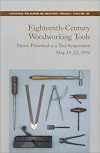
As you might expect, this is a collection of papers on 18th Century woodworking tools, their manufacture, distribution and use. There is a bit of overlap between some of the papers, but the book is a wealth of information on these tools and includes numerous photographs. I really enjoyed the book and it will serve as an excellent reference as I get further into their field.

This book is a monograph published by the Tool and Trases Historic Society in England. It's now out of print and rather hard to find. My copy came from eBay as some 100 copies popped up somewhere and an enterprising individual autioned them off.
So, as a monograph, it's really an indepth study of the tool chest with some contextual information of the Seaton family and the life and times in Chatham England at the turn of the 19th Century.
Included are photographs of *most* of the tools (in B&W with a few in color), several line drawings showing the constuction details of the chest and facimilies of two inventories in Bejamin's own hand (good luck reading them).
I would say that to an old tool afficianado or a student of 18th Century woodworking, this is an excellent course. As far as we know, this is a unique collection of tools and their original container with a solid line of providence all the way back to it's origin.
So, as a monograph, it's really an indepth study of the tool chest with some contextual information of the Seaton family and the life and times in Chatham England at the turn of the 19th Century.
Included are photographs of *most* of the tools (in B&W with a few in color), several line drawings showing the constuction details of the chest and facimilies of two inventories in Bejamin's own hand (good luck reading them).
I would say that to an old tool afficianado or a student of 18th Century woodworking, this is an excellent course. As far as we know, this is a unique collection of tools and their original container with a solid line of providence all the way back to it's origin.
The work is a completely new translation by Christopher Lynch. His goal was to produce as accurate and faithful translation as the two languages would allow. That job was handled particularly well. There are extensive notes on the translation process and word choice. If you are looking for a very faithful tranlation, this book is for you.
However, it's not for me. I am an avid military history reader and I was looking forward to this book. But, the dense run on sentences that characterize the Italian original makes for tough going.
Lynch begins the book with an extensive introduction that sets the work in context both in Italian politics and in Machiavelli's life. I thought that was quite good.
He (Lynch) ends the volume with an interpretive essay that I thought was a bit choppy and is more focused on Machiavelli (no surprise, that's his field). I was hoping for more on the art of war part. This is a facinating book in that it was written by a civilian with very little practical experience in the field. More of a compare/contrast look at how his ideas stacked up against the more conventional masters would have been nice.
However, it's not for me. I am an avid military history reader and I was looking forward to this book. But, the dense run on sentences that characterize the Italian original makes for tough going.
Lynch begins the book with an extensive introduction that sets the work in context both in Italian politics and in Machiavelli's life. I thought that was quite good.
He (Lynch) ends the volume with an interpretive essay that I thought was a bit choppy and is more focused on Machiavelli (no surprise, that's his field). I was hoping for more on the art of war part. This is a facinating book in that it was written by a civilian with very little practical experience in the field. More of a compare/contrast look at how his ideas stacked up against the more conventional masters would have been nice.
If you program in java, you *have* to read this book. Lots of nuts and bolts help understanding and effectively using the language by a guy who is a master at presenting the often complex material. Everyone should have this book, far more useful day-to-day than any of the trendy patterns books.
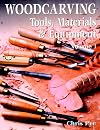
This is an excellent introduction to the tools of woodcarving include the odd numbering system and the weird bent tools. Lots of advice for sharpening and setup new tools.
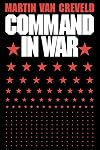
This is an excellent introduction into the problems and concerns of leadership in battle. Good book and an excellent author, check out some of his other titles as well.
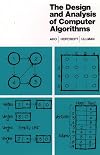
Still the standard text for the introduction of algorithms in early computer science education. A good and clear presentation of the classic computing problems.
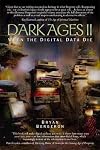
A bit of an alarmist book detailing the possible loss of oceans of digital data. I think it's probably overstated. As someone in the IT field, I have participated in a lot of moving data around and forward. I think in some areas it's a potential problem, but by and large the data that will be lost will mostly be data with no value.
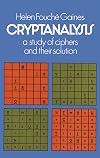
Cosmos by Carl Sagan
The classic introduction to astronomy and cosomolgy. I remember watching the TV series with Carl Sagan as a teenager, it was very inspirational.
An interesting book. It gives a nice insight into the process Rush used to make records over the years, but there isn't much about the band members themselves. You sort of had to pick out nuggets of material as you went along.
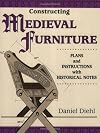
An interesting book. If you are a woodworker looking to make something from this, it's better than nothing, but treat the plans with great care. Some of the measurements are off and, for example, the "Glastonbury Chair" pictured on the cover is missing two items from the cut list (in addition to a few omissions in the assembly process). Still, it get 3 stars for the pictures and carving details.

This is the canonical reference for the 6502.

Been a long time since I read this, but it wasn't bad as I remember. Did have a noticable agenda (but what Vietnam book doesn't?).
Simply the best book out there for the programmer that needs to learn and understand the fundamentals of *applied* cryptography.
I only vaguely remember this from a business class in the late 90s. It was all about the "new economy" where information is everything, etc. I would have to reread it to see if it holds up to the events of the past 10 years or not.
The Practical Design Solutions and Strategies: Key Advice for Sound Construction by Fine Woodworking
Picked this up cheap used. It doesn't have much I haven't seen elsewhere except to plans to this cool contraption that measures people for custom chairs.
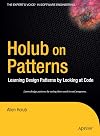
Book Blurb: Most programmers learn by looking at computer programs. This book teaches you design patterns in exactly this way: by looking at computer programs and analyzing them in terms of the patterns that they use. Consequently, you learn how the patterns actually occur in the real world, and how to apply the patterns to solve real problems. This book also looks at the broader context of OO (Object-Oriented) design and how the patterns solve commonplace OO design problems. It covers many of the principles of OO design - principles not covered by most books on Java - and shows you how to apply these principles to make your code easier to maintain and debug. The existing books on design patterns take a "catalog" approach, where they show the individual design patterns in isolation. This approach is fundamentally flawed because you can’t see how the design patterns actually function in the real world. The patterns in real programs interact in complex ways, working in concert to solve many problems simultaneously. By seeing the patterns actually applied in a realistic way, you can really understand how to use them in your own code. I found the book to be an excellent if somewhat dense read. You really need to concentrate and flip back and forth between the UML diagrams and the text. The book contains a tremendous amount of real code, not uncompilable snippets as is frequently the case with books of this nature. Probably more value would be gained by reading the book and show more having the code up in an IDE, but the time I have to read books is time I take AWAY from computers, so that wasn't an option for me. If you are looking for a practice introduction to the USE of patterns in Java, I highly recommend this book. It also includes a summation of the Gang of Four patterns in the back, probably all you really need of their book, frankly. show less
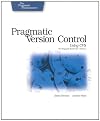
After the positive experience with The Pragmatic Programmer (their first book), I kept an eye these guys. And when we started a new project at work that required us to move from a primitive source code control utility to a full-blown CVS installation, I decided to give their new book, Pragmatic Version Control with CVS, a try. This time, I bought the book direct from the publisher in the PDF+print form. That was really handy, like most geeks, I want to read about the new stuff NOW. I immediately printed out the PDF version and set about learning all I needed to know about CVS while waiting for the regular version to arrive. This book is at exactly the right level for the practitioner. It places the "gee I know nothing about source code control" in easy to skip sections and explains all the required setup and configuration stuff, not in exhaustive detail, but at a level that lets you get started and function without being overwhelmed with the minutia. If you use CVS but don't really understand it, or think you may need something like CVS, get this book. If you don't really "get" source code control and version management, this is still a great book, those first sections really explain the details and complexity that a tool like CVS manages for you. They also have released a version for Subversion, the open-source world's new darling source code management tool. Functionally, it's very similar but has a lot of new features.
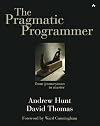
The Pragmatic Programmer is a language and technology agnostic look at the craft of production programming. It covers all of the things you don't find in the typical technology specific book: How to write flexibly, maintainable code, source management, basic architectural techniques, career management. Basically, the stuff you need to know to be a successful "master" programmer. In some sense, if this book appeals to you, it's too late. You probably do a lot of what's contained in the book. It's still a fun and fast read though and you may pickup a few things here or there. This book is really aimed at the new professional programmer, maybe right out of college or with only a few years of experience. A lot of these guys won't be looking for a book like this, so it's up to us, the veterans, to point the way. As I said, it's mostly review for successful programmers, but it's still worthwhile to review the basics from time to time to make sure we don't stray from the path. The book is almost devoid of code, and that's OK. There are problems and exercises at the end of each of the brief chapters and there is a pull out card of the "pragmatic tips". Frankly, I find it hard enough to find time to read even an "easy" book like this, I just don't have time to work through the problems. However, I think this would make an excellent textbook for a course on the programming craft. This isn't something that is much offered at universities. They tend to focus either on vocational show more training (specific languages and techniques) or theoretical computer science. Almost no one I have hired out of college has the slightest idea of practical debugging techniques, source code management, team practices, etc. This book would be invaluable to them. Now, I would like to say a bit about the production of the book and the publisher. They self-publish. Yet, it's not a cheesy, vanity, print-on-demand type of thing. It's a real publishing house. But it's run by technically literate people and they produce books like it's software. That means a fast turnaround time, faster editing and quicker to market. Their theory is the faster they can produce the book the longer it will be a valuable resource. For those with the urge to write, they also offer a 50% post-cost royalty (versus the industry standard 10%). They really do print the books and they distribute them through a deal with O'Rielly, so you can find them in Borders, Barnes and Nobles, etc. But, you can also buy them direct off their website in either PDF or print or both. That's really cool. Bookshelf space being what it is, you rarely seem to have the book you want handy. It's either at home and you are at work or something like that. Even if it is to hand, it's often that it would be a heck of a lot faster to search the electronic version than thumb through the book (especially if you are like me and are easily distracted and end up reading or reading other stuff while you are there). Also, the PDF has no DRM, so you can print it out as well. For the record, I bought the printed version somewhere (I would guess Amazon, but maybe Borders). show less
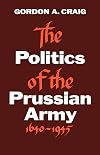
This book was the foundation of a class I took on German Operational Art and Military tradition. Unlike the other books in the course (and most of the others that I have read), this book focuses of the political process and the interplay between the King, the Government and the Military rather than purely military matters. My professor wrote: Craig is a master historian, and his version of Prussian history has become the standard in the field. No sound study of Prussia can be made without Gordon Craig’s incisive analysis and commentary. Nevertheless, Craig’s style is not without fault. He often marginalizes people, choosing instead to write that ideas and events often shaped the personalities, rather than the personalities shaping the events. This is particularly true when Craig seeks to show that the Prussian Army was continually the obstacle to social and political reform. Indeed, Craig sees Prussian history as a continuous constitutional struggle between those seeking an English constitutional monarchy with those wanting absolutism. But Prussia was an alliance between king and nobility; liberalism was not fashionable even to the middle class, given the neighbors of Prussia. All of which is absolutely true, and yet, he managed to make the political process, often a tedious thing to me, interesting and engaging. You feel like, during the course of the book, that if you could reach in and fix a few things, history might have turned out very differently.
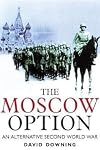
The first change is the crash of an aircraft carrying Hitler back to Rastenburg in August 1941 after visiting his generals on the East Front. In reality, Hitler forced the Army to drive South to encircle the Soviet armies around Kiev after a long halt at Smolensk. In this AH, the plane crash leaves Hitler in a coma and the Generals decide to go straight for Moscow. This is successful and Moscow falls well before Winter. The Soviets do however, fall back in good order and establish a new government at Kubyshev on the Volga. The book then covers the 1942 Summer offensive "Case Blue" in our timeline which is aimed like ours at the South East rather than due East. This is co-ordinated by a Mediterranean strategy and a proposed link up between the DAK and the Eastern armies in Syria. All this in very convincing, well researched detail. The other change is an American defeat at Midway, and the IJN actually seizing Hawaii and raiding the West coast and Panama. The Japanese make the mistake of making the main thrust against India and Ceylon. The book ends in 1942, with the Allies having just contained the German co-ordinated offensives and planning the reconquest of Egypt. In Russia, 1943 looks bad for the Germans, bogged down in partisan warfare. The IJN is caught off Panama and loses it's carriers a la Midway. There are references to nuclear attacks on Germany in 1946 and a civil war between the Army and SS, but the meat of the book covers only the period August 1941 to August show more 1942 or so. It is truly excellent, and reads very much like a military history, complete with maps etc. show less