
The sense of unease fully translated to form of disgust as I put down the book this time again 5 years later. Completely enchanted under the spell of H.H.'s words, romanticism was no doubt the only mattress 16 year old me fell upon, exuberantly, feverishly, enamoured and attached. As I hug my pillow this time, I felt the same tide of emotions crushing over me, drowning even. I guess the self-consciousness of being victimised under his words is a form of guilt I punish myself yet forgives. This time, however, the intense love I once thought was mutual is nothing but a soliloquy of a delusional, self-centred, possessive narcissist masking to me as a fairy tale lullaby.
I can't help but to think that night I picked up my first Nabokov shaped me as the hopeless romantic I am today. So delusional, so helpless, so much so shaped by the power of diction, I am in the forever experiential search of emotional novelty.
I can't help but to think that night I picked up my first Nabokov shaped me as the hopeless romantic I am today. So delusional, so helpless, so much so shaped by the power of diction, I am in the forever experiential search of emotional novelty.

三星的原因纯粹因为我对'失魂'这个意感兴趣,却不太喜欢黄雀记里所表现的象吧。
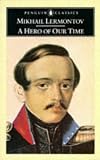
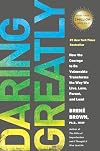
Daring Greatly: How the Courage to Be Vulnerable Transforms the Way We Live, Love, Parent, and Lead by Brené Brown
How can art be perfect when you are expressing the imperfect emotion that is the human experience? -
I will forever be grateful for picking up this book as it has allowed me to delve deeper into many, many of my insecurities - and most importantly, look them in the eyes and know what to do with them. I was also able to develop affirmations for myself like the one I've written above. Thank you Brene for sharing the knowledge of your research - thank you, thank you, thank you!
I will forever be grateful for picking up this book as it has allowed me to delve deeper into many, many of my insecurities - and most importantly, look them in the eyes and know what to do with them. I was also able to develop affirmations for myself like the one I've written above. Thank you Brene for sharing the knowledge of your research - thank you, thank you, thank you!
长大之后,我发现我与一位作者产生的联系很多时候携带着我与我身边某个人的联系。
一直以来我都对太宰治感到好奇,但是那种情绪并没有强烈到会让我拾起一本他的书。直到人生中某一段关系中,我为了更想要去了解对方,所以去了解了她最喜欢的作者。
其实我对这几篇短文没什么印象,但是我很清晰的记得太宰治的口吻 - 我记得有些东西跟我的想法特别不同。比起我从小自发被吸引而去深究的作品中,我貌似一直没有在阅读的时候经历过这样感受。我在阅读太宰治的时候,比起从作者的文字中感到共鸣,我更像是在认识一个名为太宰治的人。可能也是从阅读太宰治后,我收获的是一种新的体验 - 侧面说明了我可能一直以来在生活中分享阅读的人,品味都跟我差不多,反倒是有点狭隘了。
满感谢的,虽然跟书内容没什么关系,但也只是我想记下来的感慨吧。
一直以来我都对太宰治感到好奇,但是那种情绪并没有强烈到会让我拾起一本他的书。直到人生中某一段关系中,我为了更想要去了解对方,所以去了解了她最喜欢的作者。
其实我对这几篇短文没什么印象,但是我很清晰的记得太宰治的口吻 - 我记得有些东西跟我的想法特别不同。比起我从小自发被吸引而去深究的作品中,我貌似一直没有在阅读的时候经历过这样感受。我在阅读太宰治的时候,比起从作者的文字中感到共鸣,我更像是在认识一个名为太宰治的人。可能也是从阅读太宰治后,我收获的是一种新的体验 - 侧面说明了我可能一直以来在生活中分享阅读的人,品味都跟我差不多,反倒是有点狭隘了。
满感谢的,虽然跟书内容没什么关系,但也只是我想记下来的感慨吧。

Received this book from a friend;
Suitable as a quick afternoon read that doesn't require much mental energy, however, Smith's writing style isn't really my cup of tea. It felt almost like a friend's journal, that only if I were to have known her personally, the stories could've resonated more. Despite the literacy elements, the context of an documentation on the artistic process is where its worth lies at.
The format was enjoyable as I was able to trace between her documentations, thought processes and creation; however, the creation itself is quite underwhelming. Characters are told more than shown, dialogues are monotone and lifeless - the lack of emotional connection to the characters made the twist seemed almost forced.
Her tendency to rhyme within her sentences give a sense of rhythm when it comes to it, yet not quite enough as prose or poem, not quite consistent to be musical.
However, my friend's highlights added a layer of fun to this as I was able to extend my thinking beyond Smith's words.
Suitable as a quick afternoon read that doesn't require much mental energy, however, Smith's writing style isn't really my cup of tea. It felt almost like a friend's journal, that only if I were to have known her personally, the stories could've resonated more. Despite the literacy elements, the context of an documentation on the artistic process is where its worth lies at.
The format was enjoyable as I was able to trace between her documentations, thought processes and creation; however, the creation itself is quite underwhelming. Characters are told more than shown, dialogues are monotone and lifeless - the lack of emotional connection to the characters made the twist seemed almost forced.
Her tendency to rhyme within her sentences give a sense of rhythm when it comes to it, yet not quite enough as prose or poem, not quite consistent to be musical.
However, my friend's highlights added a layer of fun to this as I was able to extend my thinking beyond Smith's words.
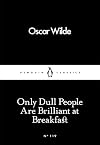
little witty comebacks guidebook
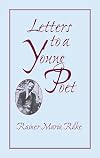
The immense acceptance I felt reading these letters from Rilke is inexplicably gracious. I've never felt so connected to any author until I picked this up. Going through Rilke's advice didn't feel like reading, but listening to a friend who understands, validates and sees me. He has given me solidity; my ongoing battle with my solitude and abstraction fixtures has never felt so 'right', so at peace. This is a book I will return to constantly throughout my lifetime, whether aligned with the path or not; I'm simply grateful for not being sole while alone—solace in collective solitary.
Knew about 100 quotes but finally sat down and read the book properly start to finish. I regret not doing this in art school, there's a reason why it's a must-read.
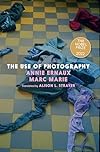
Maybe it's because I picked up the book on the Eurostar leaving Paris, but the immensity of the love, despite fleeting with seemingly only the promise of writing which threads their relationship together, is felt so severely that I teared up many times. Ernaux is a brilliant writer that transforms space, where I find myself flipping back and forth to trace the path she took me. This little project with Marc Marie encapsulates the romanticsim that I want to live.
Existential, dreamy and tragic, a tea party into the minds of intelligent women
Rage with arbitrariness, longing for death and hope for difference, the strangeness of the scenes sews together a wonderful backdrop to Alice's feeling of displacement in the world. Whether it's physical illness, or allusion to society's diminishment of women's intellect, Alice and her bed paints a surreal picture of what brilliant women had to endure.
I was torn by some of Alice's honesty with death, the scene where Alice asked her dad for permission killed me.
Rage with arbitrariness, longing for death and hope for difference, the strangeness of the scenes sews together a wonderful backdrop to Alice's feeling of displacement in the world. Whether it's physical illness, or allusion to society's diminishment of women's intellect, Alice and her bed paints a surreal picture of what brilliant women had to endure.
I was torn by some of Alice's honesty with death, the scene where Alice asked her dad for permission killed me.
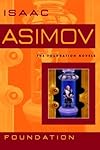
Interesting book for my first taste of sci-fi. This first book feels too short for me, I wanted to know so much more about this massive world. Psychohistory is a cool concept, the way it's been used is almost prophetic yet scientific. There is something intrinsically retro about these technologies, yet also innovative. I find this dated feel to his writing extremely fascinating.
Narrative-wise, the short stories only scratched the surface. Though I have to admit at one point, the pattern that mimics the evolution of humanity with these Seldon Crisises got a bit obvious. Yet I still get surprised with the way Asimov constructs the 'solution' to each crisis. I also find myself getting pissed off at the blinded characters that come with every new change of the Foundation's future. Was really rooting for Salvor Hardin when he first showed up, then all these similar 'heroic' pioneers come, and they don't hit as hard as Hardin anymore. Sometimes I wish the characters would've been more fleshed out so to get more variety. I look at the Master Trader, and he's just another figurehead that will come to bring whatever progression the Foundation need at the time.
Looking forward to reading the rest of the trilogy, hope everything expands better.
Patrick recommended this to me at a Skoob, saying it's a massive good deal and told me reading this was one of his best memories from childhood.
Narrative-wise, the short stories only scratched the surface. Though I have to admit at one point, the pattern that mimics the evolution of humanity with these Seldon Crisises got a bit obvious. Yet I still get surprised with the way Asimov constructs the 'solution' to each crisis. I also find myself getting pissed off at the blinded characters that come with every new change of the Foundation's future. Was really rooting for Salvor Hardin when he first showed up, then all these similar 'heroic' pioneers come, and they don't hit as hard as Hardin anymore. Sometimes I wish the characters would've been more fleshed out so to get more variety. I look at the Master Trader, and he's just another figurehead that will come to bring whatever progression the Foundation need at the time.
Looking forward to reading the rest of the trilogy, hope everything expands better.
Patrick recommended this to me at a Skoob, saying it's a massive good deal and told me reading this was one of his best memories from childhood.
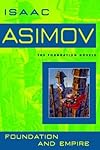
It took me so long to get through this book cause I got sidetracked by my project research and just simply couldn't find time to read about characters' fates that I don't feel emotionally attached to.
It's such a shame that Asimov is not great at building characters. I don't feel emotionally attached to any of them, and all the characters, including the mule(or who he pretends to be), doesn't strike me further than a character description. The characters are very 'there to serve the story only', they aren't fully fledged out living beings in my head. However, that being said, Asimov's strength lies in conceptualisation. I was excited to learn that we are getting a longer continous story rather than short spasms (lol) of time periods. The construction of the world, it's philosophy and the path it might take, is what allows me to stay engaged with the book. The curiosity to the second foundation lingers, and it builds anticipation towards the finale of the trilogy.
It's such a shame that Asimov is not great at building characters. I don't feel emotionally attached to any of them, and all the characters, including the mule(or who he pretends to be), doesn't strike me further than a character description. The characters are very 'there to serve the story only', they aren't fully fledged out living beings in my head. However, that being said, Asimov's strength lies in conceptualisation. I was excited to learn that we are getting a longer continous story rather than short spasms (lol) of time periods. The construction of the world, it's philosophy and the path it might take, is what allows me to stay engaged with the book. The curiosity to the second foundation lingers, and it builds anticipation towards the finale of the trilogy.
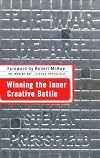
It's got some takeaways but buried in a heap of generalisation of problems. It lacks intricacies to circumstances, yet I guess the book really acts like the hammer that knocks some sense into the person -the plane of contact has got to be flat and wide. To crush into the person regardless of their state. That's my only excuse for the amount of generalisation in the book, about sickness, laziness and poverty. However, if you try to disregard reality, the book can serve as a strong call to action. The idea of resistence is a helpful framework to think about creative burnout, self-doubt, self-sabotage and fear. Ideas such as reframing fear into loving of the calling is great and the idea of showing up like a professional. Distant yourself from the work, detach so it will fulfill.
I've found things that resonated with me, but the rest... gosh they are awful lol I honeslty can't stand these male authors with their stupid takes on pregnancy and birth? Like give me a break please. Claiming pride worse than rape is insane.
I've found things that resonated with me, but the rest... gosh they are awful lol I honeslty can't stand these male authors with their stupid takes on pregnancy and birth? Like give me a break please. Claiming pride worse than rape is insane.
開頭有被趙媽逗笑到,是鉄T救火本尊?半夜鬼魂那裏也是被嚇死,根本鬼故事?xs
最後篇章姚的視角能確切感受到作者對筆下人物的不捨。作者最終還是給予他們了一個情意相投的心理儘管從未傳達於對方。讀到的時候是有那麼一點羅曼蒂克在的,能感受到是寄托了某些同志身份的理想。要是現實的話,我想姚根本不會心思細膩到那種程度吧。勾勒的台北同志圈挺生動的,人物關繫也合理,就是作者偶爾太喜歡嘮叨大道理,真的很像是在跟一位老gay聊天的感覺,有時候一度覺得自己在讀網文。通篇都可以深深感受到孽子對作者的影響,同時魂魄鬼怪那個部分又讓我想到日本文學的荒誕,文風有點找不清楚定位。
然後最後要提一提作者筆下對女性的言論實在是讓我很不舒服。這本書對女性的描冩目前爲止都局限於一種輕視的漠然,儘管從社會邊緣人的視角出發,卻不免讓人感到赤裸裸的對男性的崇敬伴隨的竟是對女性的忽視與曲解。
什麼叫做“女生哭的太絶望,讓我覺得有一種歇斯底裡的威脅感,當下一定想要遞上手帕,我希望她停止。而男生——不, 男人的眼淚,因爲稀有,因爲看起來如此的不熟練的一種無措,讓人不忍打擾。” 再讓我看到一個男人嘴裏吐出女人歇斯底裡這種描述,我真的會掐死他。
最後篇章姚的視角能確切感受到作者對筆下人物的不捨。作者最終還是給予他們了一個情意相投的心理儘管從未傳達於對方。讀到的時候是有那麼一點羅曼蒂克在的,能感受到是寄托了某些同志身份的理想。要是現實的話,我想姚根本不會心思細膩到那種程度吧。勾勒的台北同志圈挺生動的,人物關繫也合理,就是作者偶爾太喜歡嘮叨大道理,真的很像是在跟一位老gay聊天的感覺,有時候一度覺得自己在讀網文。通篇都可以深深感受到孽子對作者的影響,同時魂魄鬼怪那個部分又讓我想到日本文學的荒誕,文風有點找不清楚定位。
然後最後要提一提作者筆下對女性的言論實在是讓我很不舒服。這本書對女性的描冩目前爲止都局限於一種輕視的漠然,儘管從社會邊緣人的視角出發,卻不免讓人感到赤裸裸的對男性的崇敬伴隨的竟是對女性的忽視與曲解。
什麼叫做“女生哭的太絶望,讓我覺得有一種歇斯底裡的威脅感,當下一定想要遞上手帕,我希望她停止。而男生——不, 男人的眼淚,因爲稀有,因爲看起來如此的不熟練的一種無措,讓人不忍打擾。” 再讓我看到一個男人嘴裏吐出女人歇斯底裡這種描述,我真的會掐死他。
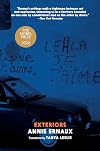
It's a quick simple read. To truly get more out of it relies on the reader themselves. How much time would you spend delving into these presented moments? How deep would you go to extract meaning from these documented others? Perhaps you wouldn't even relate because you've never set foot in Europe.
I find my memories, my desires, my emotions are reflected in these wandering bodies filling up the hyper-markets, trains and streets of France. Ernaux rarely inserts herself onto whatever she has documented, but I guess the choices to write these specific moments of witnessing is also an author's voice. But when she does chooses to note down her understanding, it's like a pause of reality: I get reminded again I'm inside her mind and not mine. Closer to a curation, the familiarity with the words and actions carried out in these commonplaces makes slipping into the act of witnessing easy. It evokes the same feelings as if I was on the metro, averting my gaze or smiling to the homeless in 1991.
I'm still trying to figure out Ernaux's writing, so far she seems to me as someone who views writing like a form of art practice. The Use of Photography and Exteriors are both rooted in artistical methods like curation, documentation, letters with the former experimental in display. I'm just quite fascinated by her, excited to read more.
I find my memories, my desires, my emotions are reflected in these wandering bodies filling up the hyper-markets, trains and streets of France. Ernaux rarely inserts herself onto whatever she has documented, but I guess the choices to write these specific moments of witnessing is also an author's voice. But when she does chooses to note down her understanding, it's like a pause of reality: I get reminded again I'm inside her mind and not mine. Closer to a curation, the familiarity with the words and actions carried out in these commonplaces makes slipping into the act of witnessing easy. It evokes the same feelings as if I was on the metro, averting my gaze or smiling to the homeless in 1991.
I'm still trying to figure out Ernaux's writing, so far she seems to me as someone who views writing like a form of art practice. The Use of Photography and Exteriors are both rooted in artistical methods like curation, documentation, letters with the former experimental in display. I'm just quite fascinated by her, excited to read more.
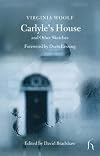
I was excited but don't have much to say as there really aren't much writings from Woolf

I find it a great testament to Eranux's understanding to literature that even in her best attempts in neutrality, intense emotions still seeps through her work. The pain and love in her portrait of a parent are not carried through emotive storyline but by the shades of her father she choses to narrate. The order in which she paint them feels just as important as the moment she chooses to write about.
I was bawling my eyes out by the end of the book, which surprised my friend, who found it no more than a series of dull aches. Yet it was exactly that dullness, the muted ordinaries, that brought me to tears. The place of the man rests in the mundane and to present it in its truest sense strikes closer than any dramatisation could.
Reading her made me think of my father: about his mannerisms, my mixed feelings toward my parents, the complicated love he has with my mom. Ernaux's writing truly feels like it's made for me, it's the way she always seems to find the form most suited for her subjects, treating literature like a playground of a medium.
I was bawling my eyes out by the end of the book, which surprised my friend, who found it no more than a series of dull aches. Yet it was exactly that dullness, the muted ordinaries, that brought me to tears. The place of the man rests in the mundane and to present it in its truest sense strikes closer than any dramatisation could.
Reading her made me think of my father: about his mannerisms, my mixed feelings toward my parents, the complicated love he has with my mom. Ernaux's writing truly feels like it's made for me, it's the way she always seems to find the form most suited for her subjects, treating literature like a playground of a medium.
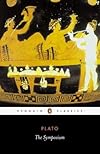
Rereading this again after being mind fucked into obsessing over 'mental procreation' after middle school is so fun. It was a nice little valentines week re-read and I forgot how hilarious this book was until Aristophanes started going off with his human ball centipede situation. I bet all of them would have so much fun on Feeld, queer polycule gathering together at a wine party to talk about beauty and mpreg? So liberal/arts school lolll I need a modern day equivalent of this but lesbians.
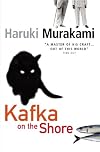
Falling in love with a ghost of a living being, jealous of a dead soul that could may as well be yourself; Talking to cats then to a stone, changing weather, raining leeches or getting Colonel Sanders as your next apartment fix. These absurdities are so fun to read, sometimes serving as a great comedy getting a few laughs out of me (especially between Hoshino and Colonel Sanders). We sometimes drift into paintings or hear the plot narrate though music, splotches of motifs like the wind, parted souls, faint shadows, prophecies and curses drip loosely between different characters and their dialogues, ever so lightly stringing the plotlines together. A big part of the realism to the magic was Murakami's extensive references into literature, philosphy, music and the arts, looking up his namedroppings or playing the songs whilst reading the characters listen to them was a big enjoyment on my part.
Even though my last two encounters with him was awful, I still decided to give Murakami another chance as this book has been sitting on the shelf for way too long. I'm glad I did as this book is considerably more enjoyable, though it picks up rather slowly; Yet when it does, the magical realism genre fleshes out and takes you on a ride leaving you as confused as Tamura stated many times throughout the book, you are confused.
It is quite clear that Murakami writes without a plan, there are a lot times where I felt his editor should've took more control as some parts could just been show more scraped and some further explored. For the whole time I was waiting for the two plot lines to converge, I've followed their stories criss-crossed throughout almost a third of a book and what I got was just Oshima saying 'weird thing happening.. your paths will cross..', like no shit? What's with this blatant statement and lazy writing? Isn't this the first rule in every story 101: show don't tell?
Another example, his narrative choice to write extensively about Tamura's fitness obsession yet it ended up not serving any of the plotlines other than perhaps telling us that he is a disciplined kid whos hard on himself is... This could've easily been displayed otherwise through better characterisation. Like what was bro prepping for ?? To be able to keep up with the two soldiers in the forest? It served so little use that it made his internal dialgoue with the crow boy sounded like The Rock chanting: 'It's about power, it's about drive, we stay hungery we devour' This poor planning made this part so corny and it's so unfortunate 什么意思 地表最强15岁?好中二
I also felt like Nakata's storyline was cut off short and Murakami forgot what he wanted to do when their missions crossed paths, it was so underwhelming that I was shocked when Nakata was just gone like that. I'm pretty comfortable with letting the surreal take me where I can and sit in the absurdity of it all, but the loose ends felt more like an after thought than intentionality.
I don't care what Murakami's fans say but he doesn't know how to write women like many of the East asian male writers, the casual misogyny is deep in the blood. I even read that interview with Mieko Kawakami and him being so clueless about the way he writes women is so triggering lol, he sounded like all the high school boys I went to school with... ANYWAYS, I wasn't as bothered about the incest compared to the popular discourse surrounding this book, I can take the intentionally ambiguous relationship between Miss Saeki and Tamura. HOWEVER the incestual projection is real, its fantasy indisputable just like underage sex is canon in this story, and that's where it felt so unncessary for me. Tamura could've easily been written as 18 and nothing in the story would change much. Murakami's writing is sexy and erotic for sure, but can he not be so horny every single time? Can we not stare at EVERY female character's boobs please? I do have to note the switch to second person was a fun literary choice, but damn I felt so uncomfortable I was reading with a stank face on. show less
Even though my last two encounters with him was awful, I still decided to give Murakami another chance as this book has been sitting on the shelf for way too long. I'm glad I did as this book is considerably more enjoyable, though it picks up rather slowly; Yet when it does, the magical realism genre fleshes out and takes you on a ride leaving you as confused as Tamura stated many times throughout the book, you are confused.
It is quite clear that Murakami writes without a plan, there are a lot times where I felt his editor should've took more control as some parts could just been show more scraped and some further explored. For the whole time I was waiting for the two plot lines to converge, I've followed their stories criss-crossed throughout almost a third of a book and what I got was just Oshima saying 'weird thing happening.. your paths will cross..', like no shit? What's with this blatant statement and lazy writing? Isn't this the first rule in every story 101: show don't tell?
Another example, his narrative choice to write extensively about Tamura's fitness obsession yet it ended up not serving any of the plotlines other than perhaps telling us that he is a disciplined kid whos hard on himself is... This could've easily been displayed otherwise through better characterisation. Like what was bro prepping for ?? To be able to keep up with the two soldiers in the forest? It served so little use that it made his internal dialgoue with the crow boy sounded like The Rock chanting: 'It's about power, it's about drive, we stay hungery we devour' This poor planning made this part so corny and it's so unfortunate 什么意思 地表最强15岁?好中二
I also felt like Nakata's storyline was cut off short and Murakami forgot what he wanted to do when their missions crossed paths, it was so underwhelming that I was shocked when Nakata was just gone like that. I'm pretty comfortable with letting the surreal take me where I can and sit in the absurdity of it all, but the loose ends felt more like an after thought than intentionality.
I don't care what Murakami's fans say but he doesn't know how to write women like many of the East asian male writers, the casual misogyny is deep in the blood. I even read that interview with Mieko Kawakami and him being so clueless about the way he writes women is so triggering lol, he sounded like all the high school boys I went to school with... ANYWAYS, I wasn't as bothered about the incest compared to the popular discourse surrounding this book, I can take the intentionally ambiguous relationship between Miss Saeki and Tamura. HOWEVER the incestual projection is real, its fantasy indisputable just like underage sex is canon in this story, and that's where it felt so unncessary for me. Tamura could've easily been written as 18 and nothing in the story would change much. Murakami's writing is sexy and erotic for sure, but can he not be so horny every single time? Can we not stare at EVERY female character's boobs please? I do have to note the switch to second person was a fun literary choice, but damn I felt so uncomfortable I was reading with a stank face on. show less
一鱼两吃 cute form
Haven’t read Dostoevsky's writings in a while but I had missed the selfishness in his characters. Each one here so concerned with their own ideas, and central to it the desire to prove to the west that they could be equals; the nation’s deep seated sense of lack during the time, low esteem expressed excellently in his characters, their grandiose dreaming(Ivan), economical jargon(t guy) and assimilating stances (news papers).
First time reading Hernandez, it's funny but bitter. Could the act of weeping as a bodily action/reaction be separated with its emotional trigger? Sometimes you cry so hard the mind goes blank, and sometimes you're so pained you don't notice you've cried. The short explored the complexities of human actions so well, his indistinguishable motives behind weeping are a result of interwoven reasonings like how reality piles onto another; Like him, the readers can't discern whether its the empathy (selling stockings), escape (recital on stage) or true emptiness (tears as bodily reactions) that makes weeping come so easy to him. At least, like he said himself, he is lucky that he could 'make do with my misfortune'.
I also love this exploration of tears as weapon, as a violent act of distrupting tranquility, to nudge and bend others to your will. Something perhaps, only people with true sorrows (without reasons) can equip.
Haven’t read Dostoevsky's writings in a while but I had missed the selfishness in his characters. Each one here so concerned with their own ideas, and central to it the desire to prove to the west that they could be equals; the nation’s deep seated sense of lack during the time, low esteem expressed excellently in his characters, their grandiose dreaming(Ivan), economical jargon(t guy) and assimilating stances (news papers).
First time reading Hernandez, it's funny but bitter. Could the act of weeping as a bodily action/reaction be separated with its emotional trigger? Sometimes you cry so hard the mind goes blank, and sometimes you're so pained you don't notice you've cried. The short explored the complexities of human actions so well, his indistinguishable motives behind weeping are a result of interwoven reasonings like how reality piles onto another; Like him, the readers can't discern whether its the empathy (selling stockings), escape (recital on stage) or true emptiness (tears as bodily reactions) that makes weeping come so easy to him. At least, like he said himself, he is lucky that he could 'make do with my misfortune'.
I also love this exploration of tears as weapon, as a violent act of distrupting tranquility, to nudge and bend others to your will. Something perhaps, only people with true sorrows (without reasons) can equip.
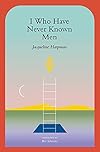
It might've been the hype, but I finished this book wanting a bit more to the writing or subsequently to the story.
The bareness was a great parallel to the loneliness of her fate, but I felt as if I was misled with the title (but it was my fault that I wanted some form of feminist text, the desire decentred itself after the author introducing camps of men that were under the same fate). I take this as a reskinning/imagination of the republic in some form? But in a comtemplative sci-fi way. It reminds me a bit of those dystopian novels I used to love reading when I was a teenager, sitting on a dinner table gobbling down the maze runner. The story felt so cold, barren and lonely, when each one of the woman die one by one, I realised, just as she realised, that nothing will happen, nothing will be discovered or answered, and that's perhaps what's the way to life.
The bareness was a great parallel to the loneliness of her fate, but I felt as if I was misled with the title (but it was my fault that I wanted some form of feminist text, the desire decentred itself after the author introducing camps of men that were under the same fate). I take this as a reskinning/imagination of the republic in some form? But in a comtemplative sci-fi way. It reminds me a bit of those dystopian novels I used to love reading when I was a teenager, sitting on a dinner table gobbling down the maze runner. The story felt so cold, barren and lonely, when each one of the woman die one by one, I realised, just as she realised, that nothing will happen, nothing will be discovered or answered, and that's perhaps what's the way to life.
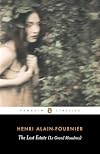
The mysterious girl, the perfect chateau, and the longing of adolescent fantasy. A fable about prisoners of childhood, an earnest longing and the soft cool winds blowing on the provincial village of central France.
I'm doing a double take on this book as few weeks after I've had finished it, the feeling of the estate, the summer winds, the road in the forest, the justling of the serving cups dissipates like mists across every corner of my mind. I can taste the summer, the memories of central France and the obsession with lost youth so clearly now after having settled with the book for a while. I might change my rating for this book actually because when I close my eyes I can still see the curtains justling from the wind blowing from the tall windows, some kids' brisk runs on the corridor, the mysterious estate that lost its lusture. Lost love, lost dreams and lost years, the misfortune of unmatched destinies of unfortunate coincidences, like that between Meaulnes, Yvonne de Galais, Frantz de Galais and his runaway bride.
I'm doing a double take on this book as few weeks after I've had finished it, the feeling of the estate, the summer winds, the road in the forest, the justling of the serving cups dissipates like mists across every corner of my mind. I can taste the summer, the memories of central France and the obsession with lost youth so clearly now after having settled with the book for a while. I might change my rating for this book actually because when I close my eyes I can still see the curtains justling from the wind blowing from the tall windows, some kids' brisk runs on the corridor, the mysterious estate that lost its lusture. Lost love, lost dreams and lost years, the misfortune of unmatched destinies of unfortunate coincidences, like that between Meaulnes, Yvonne de Galais, Frantz de Galais and his runaway bride.
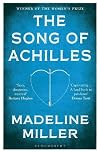
Started off the book unimpressed with the writing, it lacks the flowery-ness that I tend to enjoy in my books but went along with it as it's a rec from a friend. Even till the end that opinion wasn't swayed, but impressively the story was outline so well that I still cried. What can I say, I am a sucker for angst and a good greek mythology fanfic that adds tenderness to all the abhorrent deeds and absurd plotline.
- Pyrrhus your dad is gay
- Thetis and Patroclus bonding after Achilles' death is so canon queer experience
- Patroclus bi icon
- keeping a lover's corpse in bed is a plotline I'll always and forever enjoy; when it starts to smell and lose colour, LOVE IS REAL heehee xD
- really love the end where Patroclus continues to narrate after his own death, angst x100
I am fated to chewww thiss uppppppp
- Pyrrhus your dad is gay
- Thetis and Patroclus bonding after Achilles' death is so canon queer experience
- Patroclus bi icon
- keeping a lover's corpse in bed is a plotline I'll always and forever enjoy; when it starts to smell and lose colour, LOVE IS REAL heehee xD
- really love the end where Patroclus continues to narrate after his own death, angst x100
I am fated to chewww thiss uppppppp
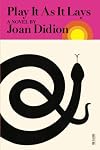
Bleak, empty, detach. A world of games, of chaos and randomness, of pretences and agents making sense in their own ways. Just erase everything and move on, just like they all do, distracted by hedonism, power and glamour. You don't control your roll of dice, just accept everything and move on. Feeling alienated in her traumas, surrounded by indifferences of emotions and utmost importance on the gamble, the money, Maria inevietably accepts that life flows through her and nothing really matters; not her emotions, not Carter or Helene's need for a resolution. No disucssion, no moral reflection, just cut and remove, just like what happened at the bedroom in Encino.
I think this book needs a second read after fully grapsing the story to get a better understanding of what roles each character plays. Didion writes in a way that is deliberatly alienating the experiences of the reader. Especially without a proper knowledge to the film or gambling world, I found it a bit difficult to undertand some references quickly. However, the choice to write in scattered pieces of recalled memory, and the choice to never explain or expand on relations or meanings seems to be a deliberate choice of mirroring Maria's feeling of isolation. Like her, we watch the converstaions flow and relationships change, but couldn't truly grasp what's going on except the feelings this movement of events/life prompts in you.
I think this book needs a second read after fully grapsing the story to get a better understanding of what roles each character plays. Didion writes in a way that is deliberatly alienating the experiences of the reader. Especially without a proper knowledge to the film or gambling world, I found it a bit difficult to undertand some references quickly. However, the choice to write in scattered pieces of recalled memory, and the choice to never explain or expand on relations or meanings seems to be a deliberate choice of mirroring Maria's feeling of isolation. Like her, we watch the converstaions flow and relationships change, but couldn't truly grasp what's going on except the feelings this movement of events/life prompts in you.