Not exactly what I was expecting though that is more of my fault than the authors. I was expecting something more about managing a side business but this was more for investments which is very different to what I was looking for at this time. Besides this, there were some tips that I can potentially use in the future in building a portfolio.
With inspiration from George A. Romero and "The Good War", Max Brooks brings forth a collection of stories and perspectives on the greatest war human civilization has faced. And I love it.
Bouncing from different perspectives as each person tells only a bit of their story about the Zombie War, you can piece together the struggle for humanity and if they will retain it and if so, how will they be changed by such an event.
I've listened to the abridged audiobook, which was fantastic. Given that Max Brooks has done voice work, he was able to recommend other actors to contribute. They have since released a complete audiobook. My recommendation would be to listen to the complete audiobook for a better experience and immersion.
Bouncing from different perspectives as each person tells only a bit of their story about the Zombie War, you can piece together the struggle for humanity and if they will retain it and if so, how will they be changed by such an event.
I've listened to the abridged audiobook, which was fantastic. Given that Max Brooks has done voice work, he was able to recommend other actors to contribute. They have since released a complete audiobook. My recommendation would be to listen to the complete audiobook for a better experience and immersion.
The books central question – will banking black help lessen the financial wealth gap? Why is this even a question to begin with you ask? In 2016, rapper Killer Mike advocated for blacks to bank black; pull their money out of white banks and fund black banks and businesses to help seed money into the community and keep the black dollar in circulation for more than a few hours – admittedly, there has not been reliable research to indicate such a statistic on how long the black dollar circulates within the black community. Even so, the calls to bank black is an aim to restore economic power and lessen the racial wealth gap. And in 2016, many heard that call and answered it.
Author Mehrsa Baradaran then asks, is that really the solution?
This (audio) book spoke to me as my family is, surprise, poor. I became familiar with debt early on as it was all around me. The pervasiveness of debt seethed throughout my community and Payday loans were at every corner you could find. At a young age, I thought these payday loans were banks only to find they were something else entirely.
In my adult years, as I too fell within the spirals of debt, I began to see these money lenders and banks for what they were. And from my personal experience, I begat my own battles in trying to retain what little money I had against an institution that was trying to take every penny in a rigged system that favored them at every turn.
All of that withstanding, I found this book illustrative of my own show more experience and I could not stop listening. Over a decade ago as I studied my own situation, I found there were larger structural issues and to cover them in such a historical context further puts into light the issues of today; the continued lack of black banks, discriminatory mortgage practices, lack of funding for black businesses, and even financial assistance, all continuing the segregated economy.
Mehrsa lays out this context in the varying examples of how black institutions were rejected from participating in the larger economy by only being allowed to serve blacks, while simultaneously competing with white-owned banks who could server both white and black clientele with the backing of the Government when times got tough. If the black bank itself cannot participate in the larger economy, then how will banking black help the black community? The answer? It won’t, not until you fix the real underlying issues that Mehrsa lays out.
I enjoyed this book very much as it came into my purview at a time when I am writing about my own financial experiences and my strive for financial freedom. With the completion of this book, I find that it is a shame that I did not read the author’s prior book “The other side of banking” first. Even so, it’s been added to my list of future reads as I am immensely interested in the topic and would love to read more of her thoughts on the subject. Further, I think that I may have to double dip and grab a physical copy of this book to keep on hand. show less
Author Mehrsa Baradaran then asks, is that really the solution?
This (audio) book spoke to me as my family is, surprise, poor. I became familiar with debt early on as it was all around me. The pervasiveness of debt seethed throughout my community and Payday loans were at every corner you could find. At a young age, I thought these payday loans were banks only to find they were something else entirely.
In my adult years, as I too fell within the spirals of debt, I began to see these money lenders and banks for what they were. And from my personal experience, I begat my own battles in trying to retain what little money I had against an institution that was trying to take every penny in a rigged system that favored them at every turn.
All of that withstanding, I found this book illustrative of my own show more experience and I could not stop listening. Over a decade ago as I studied my own situation, I found there were larger structural issues and to cover them in such a historical context further puts into light the issues of today; the continued lack of black banks, discriminatory mortgage practices, lack of funding for black businesses, and even financial assistance, all continuing the segregated economy.
Mehrsa lays out this context in the varying examples of how black institutions were rejected from participating in the larger economy by only being allowed to serve blacks, while simultaneously competing with white-owned banks who could server both white and black clientele with the backing of the Government when times got tough. If the black bank itself cannot participate in the larger economy, then how will banking black help the black community? The answer? It won’t, not until you fix the real underlying issues that Mehrsa lays out.
I enjoyed this book very much as it came into my purview at a time when I am writing about my own financial experiences and my strive for financial freedom. With the completion of this book, I find that it is a shame that I did not read the author’s prior book “The other side of banking” first. Even so, it’s been added to my list of future reads as I am immensely interested in the topic and would love to read more of her thoughts on the subject. Further, I think that I may have to double dip and grab a physical copy of this book to keep on hand. show less
I really enjoyed this and I think your enjoyment will be based on what you are looking to get out of it.
I was looking for something to add to my book collection by sprinkling it about my book shelves and coffee table to add to the aesthetic. Secondly, I wanted a "coffee table" book. Lastly, I wanted to have something that would provide inspiration that varied from articles to pictures, and this did just that. I really enjoyed paging through this book, and reading the essays. I was not expecting a refreshing and honest takes with the subject matter. I especially liked the second on Home the best. The need to apologize for living in your home when guests come over was of particular interest. The obsession over an instagram/pinterest worthy place makes you wonder where YOU are in your home and if someone actually lives there. Granted, that is no excuse to have your dishes piling up ;-)
I was looking for something to add to my book collection by sprinkling it about my book shelves and coffee table to add to the aesthetic. Secondly, I wanted a "coffee table" book. Lastly, I wanted to have something that would provide inspiration that varied from articles to pictures, and this did just that. I really enjoyed paging through this book, and reading the essays. I was not expecting a refreshing and honest takes with the subject matter. I especially liked the second on Home the best. The need to apologize for living in your home when guests come over was of particular interest. The obsession over an instagram/pinterest worthy place makes you wonder where YOU are in your home and if someone actually lives there. Granted, that is no excuse to have your dishes piling up ;-)
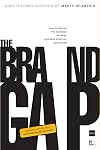
I thought this was a great little read to better round out how you should think about and approach branding. I've even found myself quoting the book as I reinforce and execute on the knowledge I've learned.
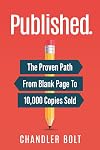
I gave this a read on the flight home and quickly burned through the book. Great info and tips for those that are having trouble getting started with writing, or getting stuck with writing. This book I believe focuses on non-fiction writing, but you can still apply some of the techniques to fictional writing. I would definitely recommend to those having trouble getting started writing.
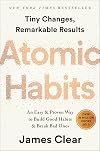
Small read, big impact
I really enjoyed this read. Though i found that much of the tactics I used to wipe out my debt i didnt know that there was a scientific method behind it. Even so, it was great to revisit these topics to apply to other areas of my life.
I really enjoyed this read. Though i found that much of the tactics I used to wipe out my debt i didnt know that there was a scientific method behind it. Even so, it was great to revisit these topics to apply to other areas of my life.

Fun read
I enjoyed this collection of poems. There were some quirky fun ones and more serious ones. Derelict Debacle and Cult of Personality are two of my absolute favorites as they paint a collection of thoughts when building out a scene, leaving you to fill in the rest. This can be best enjoyed if you've been on a road trip and with some fine tunes from the 50s/60s playing in the background.
I enjoyed this collection of poems. There were some quirky fun ones and more serious ones. Derelict Debacle and Cult of Personality are two of my absolute favorites as they paint a collection of thoughts when building out a scene, leaving you to fill in the rest. This can be best enjoyed if you've been on a road trip and with some fine tunes from the 50s/60s playing in the background.
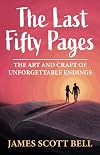
A nice little guide to set you on the right path
I liked that this was a short read but I also liked that there were plenty of examples with popular titles to help drive the point and allow us to ask ourselves how we felt about an ending and why.
Often times people may assume that the reason the ending of a book or show isn’t liked is because the book, movie, or show, didn’t end the way the viewer or reader wanted when in fact it was because the ending wasn’t satisfactory and this is due to the story. Did the route to the end of the story make sense for each character? Did the character deserve or earn the ending that they’ve received?
As James Scott Bell notes in this book: Endings are hard.
I liked that this was a short read but I also liked that there were plenty of examples with popular titles to help drive the point and allow us to ask ourselves how we felt about an ending and why.
Often times people may assume that the reason the ending of a book or show isn’t liked is because the book, movie, or show, didn’t end the way the viewer or reader wanted when in fact it was because the ending wasn’t satisfactory and this is due to the story. Did the route to the end of the story make sense for each character? Did the character deserve or earn the ending that they’ve received?
As James Scott Bell notes in this book: Endings are hard.
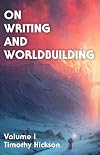
It’s one thing to say it, but it is another to show it. That is what I love so much about this book. Not only does the author ‘talk’ about the rules or ways a particular thing can be done, but he shows it using a plethora of examples from the work of well-known authors and media.
Full review along with my own inspired illustration at my blog: https://askmark.io/reviewed-on-writing-and-worldbuilding/
Full review along with my own inspired illustration at my blog: https://askmark.io/reviewed-on-writing-and-worldbuilding/
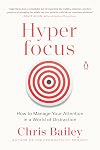
I enjoyed this book. Some tips I used already but there are new ones that I can add to my collection to improve my productivity. it was nice to hear about the breakdown of scatter focus and how one could use that to improve creativity as well as collecting and connecting dots which is a strategy that I've switched to. I'll be reviewing the notes I took and seeing what I can apply to my existing process.
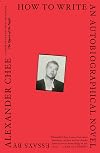
The unexpected how-to
I loved this book despite it not being what I expected and instead being what I needed. I enjoyed the essays weaving me through his life and his relationship with writing. As he told his story, I was dropped into my own historical moments reliving the good and the bad.
I loved this book despite it not being what I expected and instead being what I needed. I enjoyed the essays weaving me through his life and his relationship with writing. As he told his story, I was dropped into my own historical moments reliving the good and the bad.

This was absolutely amazing to listen to. In picking this up, I found myself engrossed and completing it the very next day. Listening as she doubts herself and her own experiences in order to mold herself into what others wanted was heart breaking. Even more so that there are many that continue to experience such a life with no means of escape. Educated isn't just about furthering ones academic education but furthering ones own understanding of self. Or at least, I feel as such.
A fantastic listen, an engrossing story.
A fantastic listen, an engrossing story.