The Rhythms of Women's Desire: How Female Sexuality Unfolds at Every Stage of Life by Elizabeth Davis
Throughout the book, there are references to researchers and book, with a brief description of the perspective of that source. I like that.
Many cases of women coming to know themselves as they go through the difficult transitions of life.
Group rituals also come up frequently in the book.
This is a Kindle book that I acquired nine months ago because my wife was interested in it. She is not yet read it, but I found it quite interesting.
306.7082 Sexuality and Gender Studies
Many cases of women coming to know themselves as they go through the difficult transitions of life.
Group rituals also come up frequently in the book.
This is a Kindle book that I acquired nine months ago because my wife was interested in it. She is not yet read it, but I found it quite interesting.
306.7082 Sexuality and Gender Studies
Summary
1) Is it true? Is it true that Paul shouldn’t lie to me? (Yes or no. If no, move to question 3. If yes, ask
What’s the reality of it? (The reality of it = the truth of it.) Paul does lie a lot, so I guess it’s true.
That’s what is. Or ask, What’s your proof? then put those underlying beliefs through the 4 questions
of inquiry as well.)
2) Can you absolutely know that it’s true? (Yes or no?) In God’s grand scheme of things can you really
know what Paul should or shouldn’t do?
3) How do you react? / How do you treat that person? / What happens when you believe that thought?
(Does it bring peace or stress?) What happens when you believe Paul shouldn’t lie to you and he
continues to lie? Can you find a stress-free reason to keep that thought? Can you see a reason to
change or drop your story? (…and we’re not saying you have to.)
4) Who or what would you be without the thought (that Paul shouldn’t lie)? (If you didn’t believe that
thought…?) Close your eyes and imagine who you would be or how you would feel if you weren’t
attached to the thought (or story) that someone should be doing something other than what they are
doing.
(The above 4 point summary by Laura Brotherson. )
1) Is it true? Is it true that Paul shouldn’t lie to me? (Yes or no. If no, move to question 3. If yes, ask
What’s the reality of it? (The reality of it = the truth of it.) Paul does lie a lot, so I guess it’s true.
That’s what is. Or ask, What’s your proof? then put those underlying beliefs through the 4 questions
of inquiry as well.)
2) Can you absolutely know that it’s true? (Yes or no?) In God’s grand scheme of things can you really
know what Paul should or shouldn’t do?
3) How do you react? / How do you treat that person? / What happens when you believe that thought?
(Does it bring peace or stress?) What happens when you believe Paul shouldn’t lie to you and he
continues to lie? Can you find a stress-free reason to keep that thought? Can you see a reason to
change or drop your story? (…and we’re not saying you have to.)
4) Who or what would you be without the thought (that Paul shouldn’t lie)? (If you didn’t believe that
thought…?) Close your eyes and imagine who you would be or how you would feel if you weren’t
attached to the thought (or story) that someone should be doing something other than what they are
doing.
(The above 4 point summary by Laura Brotherson. )
Fixed It for You: Volume 1: Rescuing and Reframing Common Evangelical Teachings about Sex and Marriage by Sheila Wray Gregoire
Sheila Wray Gregoire has been very active in promoting better marital relations by revealing the harmful teachings common in evangelical marriage books. Her time has actively sought to find and publish the truth. Thank you Sheila Wray Gregoire and team.
Contents
Section
1. Masculinity
2. Feminist
3. Marriage
4. Sex
5. Responsibility for Sin
6. Boundaries
Conclusion
Notes
”Fixed it #16: For both men and women a great sex life is the culmination of deep emotional connection. And in a healthy, close marriage, a great sex life makes the marriage even better.”
”Fixed it #18: A wise man and considerate man goes out of his way to be a good lover and makes sure that she enjoys their relationship together.”
“Fixed it #24: A godly man would be ashamed and feel guilt if he allowed himself to be distracted from worshiping god due to his lustful thought. A man characterized by this attitude will see the women around him as people, not the source of any temptations.”
Contents
Section
1. Masculinity
2. Feminist
3. Marriage
4. Sex
5. Responsibility for Sin
6. Boundaries
Conclusion
Notes
”Fixed it #16: For both men and women a great sex life is the culmination of deep emotional connection. And in a healthy, close marriage, a great sex life makes the marriage even better.”
”Fixed it #18: A wise man and considerate man goes out of his way to be a good lover and makes sure that she enjoys their relationship together.”
“Fixed it #24: A godly man would be ashamed and feel guilt if he allowed himself to be distracted from worshiping god due to his lustful thought. A man characterized by this attitude will see the women around him as people, not the source of any temptations.”
This is a memoir written by a witty writer, Heather Havrilesky. It was a delightful read.
306.8102 is Marriage and Marital Status. However, this book is a Memoir
306.8102 is Marriage and Marital Status. However, this book is a Memoir
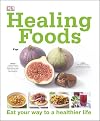
This book seems to have good things to say about every food in it, even the ones that some sectors like to denigrate. There are several paragraphs about each food with one or more pictures, making it easy to read as a reference work.
However, the information might be biased since this book seems to have good things to say about every food in it, even the ones that some sectors like to denigrate. There are a few statements about heavy metals such as lead and mercury.
It also has a recipe section.
It is pleasant to read.
“ Traditional approaches to food also acknowledge the seasons: of recommending warming foods like oats and spices like cinnamon in winter; cleansing foods such as nettle or dandelion in spring; cooling foods like lettuce and cucumber in summer; and sustaining foods such as pumpkin and carrots in fall.”
In the USA, we don’t talk about warm foods, cool foods, etc. I first learned about warm and cool foods on a business trip to the Philippines. It was nice to see that concept mentioned here.
However, the information might be biased since this book seems to have good things to say about every food in it, even the ones that some sectors like to denigrate. There are a few statements about heavy metals such as lead and mercury.
It also has a recipe section.
It is pleasant to read.
“ Traditional approaches to food also acknowledge the seasons: of recommending warming foods like oats and spices like cinnamon in winter; cleansing foods such as nettle or dandelion in spring; cooling foods like lettuce and cucumber in summer; and sustaining foods such as pumpkin and carrots in fall.”
In the USA, we don’t talk about warm foods, cool foods, etc. I first learned about warm and cool foods on a business trip to the Philippines. It was nice to see that concept mentioned here.

Solid advice from a marriage counselor. Much of it is directed to newlyweds. However, we still found most of it to be meaningful.
Read aloud and discussed with my wife over the course of two months.
Contents
1. Introduction
2. Setting the ground rules
3. Avoiding bad habits
4. “I know what you’re thinking”
5. Problems: stumbling blocks or stepping stones?
6. Attacking the problem, not your mate
7. Being true to each other (Sexual fidelity)
8. Solving problems without arguing
9. Being “other” oriented
10. Giving attention to little things
11. Privacy about private matters
12. Seeking professional help when problems get the upper hand
13. Agreeing to disagree without being disagreeable
14. Building on the common
15. Recognizing beauty and strength in diversity
16. Non-compete clause in marriage
17. Not allowing children to come between you
18. Putting priorities on time and resources
Some couples have the following priorities
- spouse
- children
- personal development
- spiritual life
- profession or career or job
19. Avoiding the wandering Eye (I) Syndrome
20. Renewing the honeymoon regularly
21. Continuing the courtship
22. Re-establishing trust (Forgiving each other for being human)
23. Take the best - leave the rest (Learning form others)
24. Avoiding extremes
25. Agreeing upon the leadership of the home (Division of labor)
26. Altering destructive family traditions
27. Managing debt without having it destroy your marriage
28. Celebrating the successes
Index
Read aloud and discussed with my wife over the course of two months.
Contents
1. Introduction
2. Setting the ground rules
3. Avoiding bad habits
4. “I know what you’re thinking”
5. Problems: stumbling blocks or stepping stones?
6. Attacking the problem, not your mate
7. Being true to each other (Sexual fidelity)
8. Solving problems without arguing
9. Being “other” oriented
10. Giving attention to little things
11. Privacy about private matters
12. Seeking professional help when problems get the upper hand
13. Agreeing to disagree without being disagreeable
14. Building on the common
15. Recognizing beauty and strength in diversity
16. Non-compete clause in marriage
17. Not allowing children to come between you
18. Putting priorities on time and resources
Some couples have the following priorities
- spouse
- children
- personal development
- spiritual life
- profession or career or job
19. Avoiding the wandering Eye (I) Syndrome
20. Renewing the honeymoon regularly
21. Continuing the courtship
22. Re-establishing trust (Forgiving each other for being human)
23. Take the best - leave the rest (Learning form others)
24. Avoiding extremes
25. Agreeing upon the leadership of the home (Division of labor)
26. Altering destructive family traditions
27. Managing debt without having it destroy your marriage
28. Celebrating the successes
Index

This lecture series takes a broad topic and addresses each area in a lecture or two. Without spending much time on the usual Communist goals of world domination, it goes into how the Chinese government is going about its economic plan, covering internal and external problems. I was surprised at the level of corruption. An interesting example of a unexpected consequence is that they have an HIV epidemic that started with a flawed blood donation program intended to provide a source of income to peasants. The government discontinued the program without any explanation. However, private underground entrepreneurs continue the practice with even less sanitary controls than the official program. The government has kept the Chinese people quite ignorant of the disease. The people are aware of other injustices with a reported 100,000 protests annually. One of the major problems is polluting factories which are not only causing illness in China, but because of their wide scope, and thanks to the jet stream, are spreading pollution around the globe.

It was nice to refresh my memory as to the contents of this book. The coming of Christ to the earth is so remarkable that how can I manage to say anything conveying even a hint of it's significance.
John 3:36 He that believeth on the Son hath everlasting life: and he that believeth not the Son shall not see life; but the wrath of God abideth on him.
Listening to it in audio format I didn't feel that I got as much out of it as from reading a printed copy.
John 3:36 He that believeth on the Son hath everlasting life: and he that believeth not the Son shall not see life; but the wrath of God abideth on him.
Listening to it in audio format I didn't feel that I got as much out of it as from reading a printed copy.
A cautionary tale that those in power selectively use or fabricate history to support their ends, and those who try for a balanced view often get shot down. Our understanding of history is colored by the current issues, and indeed, the history we care about depends on the current issues in a society. It is a reminder of the difficulty of learning the right lessons from history.
This book reminds me of all the half truths that are disseminated. It increases in me the desire to learn and adhere to truth.
This book reminds me of all the half truths that are disseminated. It increases in me the desire to learn and adhere to truth.

The history of the world is a history of conflict. War after war. Betrayal after betrayal. Hundreds of years of it. I am continually amazed at the corruption that power brings and it’s ill effects continue on and on for generations.
“We have learned by sad experience that it is the nature and disposition of almost all men, as soon as they get a little authority, as they suppose, they will immediately begin to exercise unrighteous dominion.” (D&C 121:39)
“We have learned by sad experience that it is the nature and disposition of almost all men, as soon as they get a little authority, as they suppose, they will immediately begin to exercise unrighteous dominion.” (D&C 121:39)
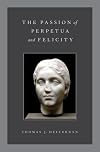
There are some things I really like about the online edition of this book.
1. The Table of contents on the left is live.
2. The page numbers match the printed book.
Characters
Perpetua & baby
Felicity & Revocatus
Father
Hilarious
Saturn
Pudens
Seculus
Tertius & Pomponios: Edacons
Dinocrates - her brother in purgatory
Optatus
Aspasius
Themes
Continuing revelation - perhaps the redactor was a Montanist.
Perpetua was the oldest of the group - they were all quite young.
Meaning of their names:
Perpetua Eternal
Felicity Felicity
Saturus Ascent
Pudens Staunch
Tertius Third
Pomponios (not found)
Dinocrates (not found)
Optatus Desired
Aspasius (not found)
The Bronze Ladder - the meaning of the icons are often unclear. so, this is not a text that was written later to reflect scripture as writings often are.
There is an early tradition of people, including pagans, being helped out of hell. This was suppressed by the institutional church.
The only part that I read was the translation. I did not read the scholarly notes. Unfortunately, the library loan has expired, so I can’t read those portions.
This was one of the texts for University of Utah History 4040 class taught by Isabel Moreira.
1. The Table of contents on the left is live.
2. The page numbers match the printed book.
Characters
Perpetua & baby
Felicity & Revocatus
Father
Hilarious
Saturn
Pudens
Seculus
Tertius & Pomponios: Edacons
Dinocrates - her brother in purgatory
Optatus
Aspasius
Themes
Continuing revelation - perhaps the redactor was a Montanist.
Perpetua was the oldest of the group - they were all quite young.
Meaning of their names:
Perpetua Eternal
Felicity Felicity
Saturus Ascent
Pudens Staunch
Tertius Third
Pomponios (not found)
Dinocrates (not found)
Optatus Desired
Aspasius (not found)
The Bronze Ladder - the meaning of the icons are often unclear. so, this is not a text that was written later to reflect scripture as writings often are.
There is an early tradition of people, including pagans, being helped out of hell. This was suppressed by the institutional church.
The only part that I read was the translation. I did not read the scholarly notes. Unfortunately, the library loan has expired, so I can’t read those portions.
This was one of the texts for University of Utah History 4040 class taught by Isabel Moreira.

This book describes the experiences of the author living in Israel, which she found to be a very religiously oriented society. This book describes the customs and beliefs of that society. It shows how those tie into the scriptures.
To aid in understanding the discussion, the glossary is right up front on pages numbered 5-15.
"Just like we keep records here on earth ..., the angels keep records in heaven. The Jews believe the Lord has three books, one for the names of the righteous (called the Book of Life), one for the names of the wicked, and one for the names of the people who couldn’t decide whether to be good or bad and needed more time to repent. These heavenly books are mentioned in the Book of Mormon. .... Alma 5:57-58" (Page 172)
The book has:
- A glossary
- A description of the religious meaning that permeates Israeli life.
- A description of how to celebrate Passover (and other religious festivals)
- Some recipes
- Some scholarly articles on the dating of Christ's death
My few comments don't do justice to the coverage of this book. To give a little idea of the depth of coverage: The table of contents covers 6 pages. The book has 14 chapters and Appendix A through N.
I read the 2015 PDF version of this book.
To aid in understanding the discussion, the glossary is right up front on pages numbered 5-15.
"Just like we keep records here on earth ..., the angels keep records in heaven. The Jews believe the Lord has three books, one for the names of the righteous (called the Book of Life), one for the names of the wicked, and one for the names of the people who couldn’t decide whether to be good or bad and needed more time to repent. These heavenly books are mentioned in the Book of Mormon. .... Alma 5:57-58" (Page 172)
The book has:
- A glossary
- A description of the religious meaning that permeates Israeli life.
- A description of how to celebrate Passover (and other religious festivals)
- Some recipes
- Some scholarly articles on the dating of Christ's death
My few comments don't do justice to the coverage of this book. To give a little idea of the depth of coverage: The table of contents covers 6 pages. The book has 14 chapters and Appendix A through N.
I read the 2015 PDF version of this book.

As I read, I became more comfortable with the style of this history. From time to time my eyes watered up as I read about the difficulties they had.
Now, I eagerly anticipate the publication of Volume III.
Now, I eagerly anticipate the publication of Volume III.
After a class that used this book, I felt considerable competence in reading technical Japanese documents.

This is the textbook for a two semester class. I opted to read it over the course of a year in parallel with Sunday School study. Since church attendance is limited, there was no longer a need to slow down my reading.
I really enjoy reading books in electronic form:
- It is easy to highlight, change highlights and review highlights
- It is easy to add annotations (they are not limited by the size of the margins)
- It is easy to follow links already built into the text. If the text doesn't have them, it's easy to add links.
Reading this allowed me to read what people (more famous them me) thought about various passages in the Book of Mormon, and rejoice in rereading famous quotations.
I really enjoy reading books in electronic form:
- It is easy to highlight, change highlights and review highlights
- It is easy to add annotations (they are not limited by the size of the margins)
- It is easy to follow links already built into the text. If the text doesn't have them, it's easy to add links.
Reading this allowed me to read what people (more famous them me) thought about various passages in the Book of Mormon, and rejoice in rereading famous quotations.
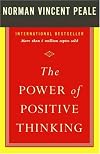
From Too Much and Never Enough: How My Family Created the World's Most Dangerous Man I concluded that this book wasn’t as good as I supposed it was.
“ When Fred heard about Norman Vincent Peale in the 1950s, Peale’s shallow message of self-sufficiency appealed to him enormously. The pastor of Marble Collegiate Church in midtown Manhattan, Peale was very fond of successful businessmen. “Being a merchant isn’t getting money,” he wrote. “Being a merchant is serving the people.” Peale was a charlatan, but he was a charlatan who headed up a rich and powerful church, and he had a message to sell. Fred wasn’t a reader, but it was impossible not to know about Peale’s wildly popular bestseller, The Power of Positive Thinking.” (13% of the way through Too Much and Never Enough: How My Family Created the World's Most Dangerous Man)
“ When Fred heard about Norman Vincent Peale in the 1950s, Peale’s shallow message of self-sufficiency appealed to him enormously. The pastor of Marble Collegiate Church in midtown Manhattan, Peale was very fond of successful businessmen. “Being a merchant isn’t getting money,” he wrote. “Being a merchant is serving the people.” Peale was a charlatan, but he was a charlatan who headed up a rich and powerful church, and he had a message to sell. Fred wasn’t a reader, but it was impossible not to know about Peale’s wildly popular bestseller, The Power of Positive Thinking.” (13% of the way through Too Much and Never Enough: How My Family Created the World's Most Dangerous Man)
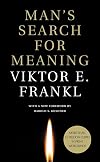
A meaningful analysis of survival, followed by a critique of psychotherapy.
”I’d consider it a dangerous misconception of metal hygiene to assume that white man needs in the first place is equilibrium or, as it is called in biology, “homeostasis,“ i.e., Attention less state. White man actually need is not a tension less state but rather than striving and struggling for a worthwhile goal, a freely chosen task”. (Page 105)
In 1991, Man's Search for Meaning was listed as "one of the ten most influential books in the U.S". by the Library of Congress.[17] (Wikipedia)
It is a thin imminently readable little book.
”I’d consider it a dangerous misconception of metal hygiene to assume that white man needs in the first place is equilibrium or, as it is called in biology, “homeostasis,“ i.e., Attention less state. White man actually need is not a tension less state but rather than striving and struggling for a worthwhile goal, a freely chosen task”. (Page 105)
In 1991, Man's Search for Meaning was listed as "one of the ten most influential books in the U.S". by the Library of Congress.[17] (Wikipedia)
It is a thin imminently readable little book.
How Not to Die: Discover the Foods Scientifically Proven to Prevent and Reverse Disease by Michael Greger
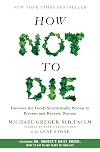
Having read the later book first, (How Not to Diet: The Groundbreaking Science of Healthy, Permanent Weight Loss) I noticed some places where he covered the same information in both books. Those things must be important.
Here are a few things which I found notable as I read the book.
“Even worse, the FOIA documents revealed that the FDA knew that these drugs — such as Paxil and Prozac — didn’t work much better than placebo yet made an explicit decision to shield drug companies by keeping this information from the public and prescribing physicians.(Reference 75)“ (Page 210)
“Only people on medications are killed by medication errors or the drugs’ side effects, though. You have to be actually be in the hospital to be killed by a hospital error or et an infection there. The good news is that most visits to doctors are for diseases that can be prevented with a healthy diet and lifestyle.” (Page 241)
“How ineffectual are some of the most common drugs in America? When it comes to cholesterol, blood pressure, and blood thinning drugs, the chance of even high-risk patients benefiting from them is typically less than 5 percent over a period of five years.” (Page 244)
Some resources:
https://www.forksoverknives.com/
http://www.straightupfood.com/
https://happyhealthylonglife.typepad.com/
“In natural food stores [goji berries] can go for $20 a pound, but in Asian supermarkets, you can buy them as ‘Lycium’ berries, and they’re even cheaper than raisins.” (Page show more 294)
Durian
His experience with Durian fruit on page 302-303 had me laughing until I had tears in my eyes. Dr. Gregor uses language so adroitly and this event is especially delightful.
Cruciferous Vegetables
For cancer preventing benefits, chop them, eat them raw or wait 40 minutes before cooking. (Explanation on page 305-307)
“In 1777, General George Washington issued a general order that American troops should forage for wild greens growing around their camps ‘as these vegetables are very conducive to health, and tend to prevent ... all putrid disorders.’ Since then, however, Americans have declared their independence from greens.” (Page 311-312)
“Drug companies have yet to patent broccoli (though Monsanto is trying).” (Page 312)
CoQ10
“All along, we’ve been thinking that the main benefit of sunlight was only the formation of vitamin D and that the main benefit of greens was the antioxidants they contain. But now we suspect the combination of the two may actually help the body create and maintain its own internal stock of antioxidants.” (Page 315)
Salad Dressing Recipe
A favorite salad dressing (Page 319)
2 T almond meal (or use a high speed blender)
3 cloves crushed garlic
3 T Dijon mustard
3 T nutritional yeast flakes
2 T white miso
3 T lemon juice
1/3 cup water
Avoid alfalfa sprouts because of possible salmonella contamination. (Page 32)
Sweet potatoes: Very nutritionally dense. “The more yellow or orange it’s flesh, the healthier it may be.” (Page 329)
Flax Cracker Recipe
2 C ground flaxseeds
1 C water
Herbs and spices to taste
Spread thinly on parchment- or silicone-lined baking sheet
Bake at 400 degrees F for about 20 minutes
Dr. Greger used 1/2 t. each smoked paprika, garlic power, & onion powder
Cut into 32 pieces. Each cracker meets your Daily Dozen serving requirement. (Page 340)
Flaxseeds have a wonderful binding quality that makes them a great ingredient for thick, milkshake-like smoothies.
1 T ground flax
Frozen berries
Unsweetened soy milk,
1/2 ripe banana
This same binding quality makes flaxseeds a green-light thickener to replace cornstarch.
1 T ground flaxseed with 3 T water replaces one egg. (Page 341)
Pumpkin custard recipe
15 ounces pumpkin purée
10 ounces silken tofu
Pumpkin pie spice to taste
1-2 dozen pitted dates
Bake at 350 degrees F until cracks appear on the surface
There are capsule-stuffing gadgets that allow you to fill you own [pills]. [the gadget] would probably pay for itself after your first batch. A “00” sized capsule would fit a day’s quarter teaspoon dose [of turmeric]. If there were ever such thing as a magic pill, single-ingredient, ground turmeric root would probably come closest.” (Page 356)
Cayenne Pepper: found useful for headaches ... irritable bowel syndrome.
Ginger wasn’t proven to reduce nausea until 1982, when it beat out Dramamine...
The toxic dose of nutmeg is 2-3 teaspoons.
Is it really whole grain: The Five-to-one rule:
Grams of carbohydrate / grams of fiber should be less than 5. (Page 375)
“At home if you want to spice up your oatmeal routine, Google ‘savory oatmeal’ for all sorts of interesting dishes...” (Page 377)
“Anytime anyone tries to sell you on some new diet, ask just one simple question: ‘Has it been proven to reverse heart disease?’ (You kno, the most likely cause of death for you and everyone you love?) If it hasn’t, why would you even consider it?” (Page 403, Chapter: Conclusion)
The appendix on supplements also has a lot of good stuff in it.
Since I have listened to his lectures for some years, the theme is not new. Eat a whole food plant based diet for better health. The rest is details. Details about studies showing what foods have been found to help specific diseases. I’m convinced. I feel better when I eat less meat, and dairy and less processed food. It’s actually made cooking and eating rather fun. show less
Here are a few things which I found notable as I read the book.
“Even worse, the FOIA documents revealed that the FDA knew that these drugs — such as Paxil and Prozac — didn’t work much better than placebo yet made an explicit decision to shield drug companies by keeping this information from the public and prescribing physicians.(Reference 75)“ (Page 210)
“Only people on medications are killed by medication errors or the drugs’ side effects, though. You have to be actually be in the hospital to be killed by a hospital error or et an infection there. The good news is that most visits to doctors are for diseases that can be prevented with a healthy diet and lifestyle.” (Page 241)
“How ineffectual are some of the most common drugs in America? When it comes to cholesterol, blood pressure, and blood thinning drugs, the chance of even high-risk patients benefiting from them is typically less than 5 percent over a period of five years.” (Page 244)
Some resources:
https://www.forksoverknives.com/
http://www.straightupfood.com/
https://happyhealthylonglife.typepad.com/
“In natural food stores [goji berries] can go for $20 a pound, but in Asian supermarkets, you can buy them as ‘Lycium’ berries, and they’re even cheaper than raisins.” (Page show more 294)
Durian
His experience with Durian fruit on page 302-303 had me laughing until I had tears in my eyes. Dr. Gregor uses language so adroitly and this event is especially delightful.
Cruciferous Vegetables
For cancer preventing benefits, chop them, eat them raw or wait 40 minutes before cooking. (Explanation on page 305-307)
“In 1777, General George Washington issued a general order that American troops should forage for wild greens growing around their camps ‘as these vegetables are very conducive to health, and tend to prevent ... all putrid disorders.’ Since then, however, Americans have declared their independence from greens.” (Page 311-312)
“Drug companies have yet to patent broccoli (though Monsanto is trying).” (Page 312)
CoQ10
“All along, we’ve been thinking that the main benefit of sunlight was only the formation of vitamin D and that the main benefit of greens was the antioxidants they contain. But now we suspect the combination of the two may actually help the body create and maintain its own internal stock of antioxidants.” (Page 315)
Salad Dressing Recipe
A favorite salad dressing (Page 319)
2 T almond meal (or use a high speed blender)
3 cloves crushed garlic
3 T Dijon mustard
3 T nutritional yeast flakes
2 T white miso
3 T lemon juice
1/3 cup water
Avoid alfalfa sprouts because of possible salmonella contamination. (Page 32)
Sweet potatoes: Very nutritionally dense. “The more yellow or orange it’s flesh, the healthier it may be.” (Page 329)
Flax Cracker Recipe
2 C ground flaxseeds
1 C water
Herbs and spices to taste
Spread thinly on parchment- or silicone-lined baking sheet
Bake at 400 degrees F for about 20 minutes
Dr. Greger used 1/2 t. each smoked paprika, garlic power, & onion powder
Cut into 32 pieces. Each cracker meets your Daily Dozen serving requirement. (Page 340)
Flaxseeds have a wonderful binding quality that makes them a great ingredient for thick, milkshake-like smoothies.
1 T ground flax
Frozen berries
Unsweetened soy milk,
1/2 ripe banana
This same binding quality makes flaxseeds a green-light thickener to replace cornstarch.
1 T ground flaxseed with 3 T water replaces one egg. (Page 341)
Pumpkin custard recipe
15 ounces pumpkin purée
10 ounces silken tofu
Pumpkin pie spice to taste
1-2 dozen pitted dates
Bake at 350 degrees F until cracks appear on the surface
There are capsule-stuffing gadgets that allow you to fill you own [pills]. [the gadget] would probably pay for itself after your first batch. A “00” sized capsule would fit a day’s quarter teaspoon dose [of turmeric]. If there were ever such thing as a magic pill, single-ingredient, ground turmeric root would probably come closest.” (Page 356)
Cayenne Pepper: found useful for headaches ... irritable bowel syndrome.
Ginger wasn’t proven to reduce nausea until 1982, when it beat out Dramamine...
The toxic dose of nutmeg is 2-3 teaspoons.
Is it really whole grain: The Five-to-one rule:
Grams of carbohydrate / grams of fiber should be less than 5. (Page 375)
“At home if you want to spice up your oatmeal routine, Google ‘savory oatmeal’ for all sorts of interesting dishes...” (Page 377)
“Anytime anyone tries to sell you on some new diet, ask just one simple question: ‘Has it been proven to reverse heart disease?’ (You kno, the most likely cause of death for you and everyone you love?) If it hasn’t, why would you even consider it?” (Page 403, Chapter: Conclusion)
The appendix on supplements also has a lot of good stuff in it.
Since I have listened to his lectures for some years, the theme is not new. Eat a whole food plant based diet for better health. The rest is details. Details about studies showing what foods have been found to help specific diseases. I’m convinced. I feel better when I eat less meat, and dairy and less processed food. It’s actually made cooking and eating rather fun. show less
The Owner's Manual for the Brain (4th Edition): The Ultimate Guide to Peak Mental Performance at All Ages by Pierce J. Howard
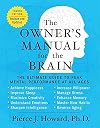
My review is attached to the Kindle edition.
Fluent in 3 Months: How Anyone at Any Age Can Learn to Speak Any Language from Anywhere in the World by Benny Lewis
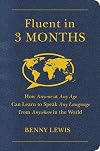
He gives a range of meanings for the word fluent & finds that other polyglots agree with him that it depends. He uses the European definition of various levels of language fluency.
His approach includes speaking in the target language right away.
At the end of the book he makes it clear that one needs to be passionate about it to maintain fluency in multiple languages.
His approach includes speaking in the target language right away.
At the end of the book he makes it clear that one needs to be passionate about it to maintain fluency in multiple languages.
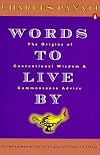
At first I found the details about early uses of aphorisms tedious, but have came to enjoy them, and even began wishing that the one from Ancient Greek be written in Greek characters. Chasing down the origins of all these sayings must have taken years.
For me, this book is 4.5 stars. I quite got into it, and want to look at it again from time to time.
For me, this book is 4.5 stars. I quite got into it, and want to look at it again from time to time.
The Relationship Cure: A 5 Step Guide to Strengthening Your Marriage, Family, and Friendships by John Gottman
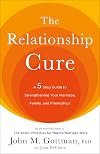
This book impressed me as one of Gottman’s most meaningful books. It is causing me to ponder the things I read.
Here is a quick book summary
- Bids for connections
- Response to bids for connection
- Learn how to recognize and respond to bids for connection
- Learn how to make bids to connection
- Understand the 7 Emotional Command Systems to improve response to bids for connection
Five steps you can take to achieve this mastery and make your relationships work: (Page 3)
1. Analyze the way you bid and the way you respond to others’ bids.
2. Discover how your brain’s emotional command systems affect your bidding process.
3. Examine how your emotional heritage impacts your ability to connect with others and your style of bidding.
4. Develop your emotional communication skills.
5. Find shared meaning with others.
A typical ladder of needs within a friendship might look like this:
1. Light conversation or “small talk”
2. Humor
3. Friendly gossip
4. Affection
5. Support
6. Problem solving
7. Connection around heartfelt subjects like future goals, worries, values, meaning
The Seven (Emotional) Systems (in Chapter 4)
- The Commander in Chief
- The Explorer
- The Sensualist
- The Energy Czar
- The Jester
- The Sentry
- The Nest Builder
Chapters:
1. How We Connect Emotionally
2. Step One: Look at Your Bids for Connection
3. Six Bid Busters and How to Avoid Them
4. Step two: Discover Your Brain’s Emotional Command System
1. Seven old friends meet for a reunion (each with a show more different emotional command system)
5. Step Three: Examine Your Emotional Heritage
1. Anger as a bid for connection (Chapter 5, Loc 3500-35xx)
6. Step four: Sharpen Your Emotional Command System
7. Step Five: Find Shared Meaning
8. Apply What You’ve Learned in Marriage
9. In Conclusion show less
Here is a quick book summary
- Bids for connections
- Response to bids for connection
- Learn how to recognize and respond to bids for connection
- Learn how to make bids to connection
- Understand the 7 Emotional Command Systems to improve response to bids for connection
Five steps you can take to achieve this mastery and make your relationships work: (Page 3)
1. Analyze the way you bid and the way you respond to others’ bids.
2. Discover how your brain’s emotional command systems affect your bidding process.
3. Examine how your emotional heritage impacts your ability to connect with others and your style of bidding.
4. Develop your emotional communication skills.
5. Find shared meaning with others.
A typical ladder of needs within a friendship might look like this:
1. Light conversation or “small talk”
2. Humor
3. Friendly gossip
4. Affection
5. Support
6. Problem solving
7. Connection around heartfelt subjects like future goals, worries, values, meaning
The Seven (Emotional) Systems (in Chapter 4)
- The Commander in Chief
- The Explorer
- The Sensualist
- The Energy Czar
- The Jester
- The Sentry
- The Nest Builder
Chapters:
1. How We Connect Emotionally
2. Step One: Look at Your Bids for Connection
3. Six Bid Busters and How to Avoid Them
4. Step two: Discover Your Brain’s Emotional Command System
1. Seven old friends meet for a reunion (each with a show more different emotional command system)
5. Step Three: Examine Your Emotional Heritage
1. Anger as a bid for connection (Chapter 5, Loc 3500-35xx)
6. Step four: Sharpen Your Emotional Command System
7. Step Five: Find Shared Meaning
8. Apply What You’ve Learned in Marriage
9. In Conclusion show less

A quick read humor book.
I read this on Kindle. It did not have the usual Kindle format. The experience was like reading a PDF.
I read this on Kindle. It did not have the usual Kindle format. The experience was like reading a PDF.
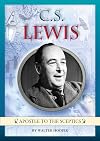
What a roller coaster experience he had with so many times when his chance of living was slim.
Adversity - the key to growth! That reminds me of a quotation that has been running through my mind the last few weeks.
“Joseph [Smith] could not have been perfected, though he had lived a thousand years, if he had received no persecution. If he had lived a thousand years, and led this people, and preached the Gospel without persecution, he would not have been perfected as well as he was at the age of thirty-nine years.” (Discourses of Brigham Young 72%, Journal of Discourses 2:7)
And then we get into the second half of the book which has way more of the “ethereal” musings that the first half. He confronts and ponders the meaning of life.
This book is his experiences and feelings he felt. They might or might not correspond with someone else’s beliefs. He went through a profoundly difficult series of events & wrote about what he experienced & felt.
Adversity - the key to growth! That reminds me of a quotation that has been running through my mind the last few weeks.
“Joseph [Smith] could not have been perfected, though he had lived a thousand years, if he had received no persecution. If he had lived a thousand years, and led this people, and preached the Gospel without persecution, he would not have been perfected as well as he was at the age of thirty-nine years.” (Discourses of Brigham Young 72%, Journal of Discourses 2:7)
And then we get into the second half of the book which has way more of the “ethereal” musings that the first half. He confronts and ponders the meaning of life.
This book is his experiences and feelings he felt. They might or might not correspond with someone else’s beliefs. He went through a profoundly difficult series of events & wrote about what he experienced & felt.
Some interesting things about this book.
There are about 80 pages of introductory material before the start of text about Luke 1.
This translation is in parallel columns with King James translation on the left and this translation on the right, making it easy to see difference. Some of the time a person familiar with King James will find little difference between them.
The 69 page text of this translation is available on Amazon Kindle for free. The 1200 page book is not free, but now a Kindle version is available. Hurrah! I bought my copy straight from BYU. As of today, the price for the print version is the same from both places. This review is of the print edition.
Each chapter is broken up into a section for each pericope. As our family read Luke together this December, I got comments that the paragraph breaks in their King James printings differed from the breaks within a chapter in this book. Each pericope is followed by a paragraph covering phrases in those verses, followed by “Analysis,” which to some extent repeats the phrase comments.
At the end of the chapter it often points out items from that chapter that differ from the same event in Mark. I found these differences convincing me that the are not from a common source. Quelle (often just called Q) was always a theoretical construct anyway. (https://en.wikipedia.org/wiki/Q_source)
Item that show Luke’s appreciation of Women and of Home are often pointed out. These are things that I had not noticed before. They show more make sense.
Joseph Smith Translation (JST) differences are sometimes identified. Typically this is to show how Joseph Smith added additional information that clarifies disputed points. show less
There are about 80 pages of introductory material before the start of text about Luke 1.
This translation is in parallel columns with King James translation on the left and this translation on the right, making it easy to see difference. Some of the time a person familiar with King James will find little difference between them.
The 69 page text of this translation is available on Amazon Kindle for free. The 1200 page book is not free, but now a Kindle version is available. Hurrah! I bought my copy straight from BYU. As of today, the price for the print version is the same from both places. This review is of the print edition.
Each chapter is broken up into a section for each pericope. As our family read Luke together this December, I got comments that the paragraph breaks in their King James printings differed from the breaks within a chapter in this book. Each pericope is followed by a paragraph covering phrases in those verses, followed by “Analysis,” which to some extent repeats the phrase comments.
At the end of the chapter it often points out items from that chapter that differ from the same event in Mark. I found these differences convincing me that the are not from a common source. Quelle (often just called Q) was always a theoretical construct anyway. (https://en.wikipedia.org/wiki/Q_source)
Item that show Luke’s appreciation of Women and of Home are often pointed out. These are things that I had not noticed before. They show more make sense.
Joseph Smith Translation (JST) differences are sometimes identified. Typically this is to show how Joseph Smith added additional information that clarifies disputed points. show less
“As surely as the words of a prophet are written down in books, they become the object of specialist study. Once the true prophet has been duly rejected and passed to his reward, swarms of experts descend upon his words to begin the learned business of exegesis. The words of the dead prophets become the peculiar possession of armies of specially trained and carefully conditioned scholars. In a very old text, Peter is reported as saying in a letter to James regarding the use of his own writings in the church: “They think they are able to interpret my own words better than I can, telling their hearers that they are conveying my very thoughts to them, while the fact is that such things never entered my mind. If they take such outrageous liberties while I am alive, what will they do after I am gone!”’* Much later, Clement of Alexandria expressed much the same sentiment.* You see the point: The scholar and learned divine must necessarily get their knowledge from the written word, and then trouble begins. The prophet, on the other hand, who may well be illiterate, gets his knowledge by direct intercourse with heaven. The orientation of the two is entirely different.”
(The World and the Prophets, Hugh Nibley, 1987, page 28)
(The World and the Prophets, Hugh Nibley, 1987, page 28)
Well written and engaging
Old Method: Time Management
New Method: Be effective by putting people first.
This book is well written and engaging. It caught my interest with how clearly true principles are expressed. Questions along the way help the reader do some introspection.
Weak points:
- It is only divided into four chapters.
- No index
Chapters
...
1. The clock and the compass
2. The main thing is to keep the main thing the main thing
3. The synergy of interdependence
4. the power and peace of principle centered living
- No Bibliography
Old Method: Time Management
New Method: Be effective by putting people first.
This book is well written and engaging. It caught my interest with how clearly true principles are expressed. Questions along the way help the reader do some introspection.
Weak points:
- It is only divided into four chapters.
- No index
Chapters
...
1. The clock and the compass
2. The main thing is to keep the main thing the main thing
3. The synergy of interdependence
4. the power and peace of principle centered living
- No Bibliography
Depression Is Contagious: How the Most Common Mood Disorder Is Spreading Around the World and How to Stop It by Michael D. Yapko
This is a workbook for combating depression. Every few pages there is a sidebar. They come is two flavors: One is “Learn by Doing” sidebar. The other is called: “Pause and Reflect.” Dr. Yapko doesn’t just tell us how it is, he asks us to consider it ourselves.
I think I first became aware of this book from a podcast which had the following in the transcript:
“And when you look at all of the things that antidepressant medications cannot do, not just will not do, but cannot do. They cannot teach you better social skills and social problem-solving skills. They cannot build a support network for you. They cannot teach you coping skills or problem-solving skills. And the reality is that life is challenging.”
https://www.neilsattin.com/blog/2019/02/181-depression-what-you-can-do-with-mich....
I made a few notes while reading this book:
Section: Who is at risk for depression?
“If you are capable of having a mood, you are capable of having a mood disorder.” (Chapter 1, Page 16)
“I’m not suggesting you need to explore your childhood endlessly, but I am suggesting you will get further in your own personal development if you know that the attitudes and perspectives you hold were absorbed through those all-important relationships.” (Chapter 2, Page 31)
Section: Depression and negative frames of reference
“Depressed people tend to see themselves negatively and they tend to see others negatively. They tend to think about the future negatively and they are likely to show more interpret life experiences negatively. As a direct result, they are likely to react Negatively to life situations and thereby make their depression even worse.” (Chapter 32, Page 37)
“I want to encourage youth practice assessing virtually everyone you meet and engage with in some way… Any time you are going to be in a position of potentially being influenced by the actions of someone else, you need to have a better-than-average grasp of how this person does things in order to know how to position yourself with him or her. (Chapter 3, Page 55)
“Using your feelings to make decisions is very risky to do when your feelings are depressed. They can easily lead you to over analyze things, Miss options, respond half heartedly, overestimate risk, underestimate yourself, and otherwise misstep.” ... “Make your decisions according to the results you want, not just the way you feel.“ (Chapter 4, Page 87)
“Cult members hang around train stations and bus stations looking for people who look lost and without someplace they belong. Cult members (and pimps and sex traffickers) approach such people and begin the ‘love bombing’” (Chapter 7, page 153-4)
“Your Problems never go completely away: the tough issues in life will always be there. Guarding a good relationship, keeping fun from draining away from it, is an ongoing task. The same is true for closeness, support, sexuality, kindness, politeness, and generosity.” (Chapter 8, page 164-5)
Contents
1. Depression doesn’t arise in a social vacuum: The social foundation of depression
2. Other people are NOT just like you: Frames of reference, flexibility and acceptance
3. Expectations and relationship satisfaction: Learn to asses others realistically
4. Thinking too much and too deeply: Learn to take action
5. Don’t bring others down with you: Learn to “Lighten up”
6. Self-Decption and Seeking the Truth: Learn to Test Your Beliefs
7. Drawing the lines: Protect your personal boundaries
8. Marriage can save your life: How to keep yours healthy
9. Hand-me-down blues: Learn to reduce your child’s “Depression inheritance”
10. Afterword
* Notes (I am impressed that these are bi-directional since they have the page number the note was from)
* Appendix A: Exercises: A Table of Contents for of the exercises with page numbers. I count 56 exercises listed here. How long will it take to do all of them? How long will it take to recover from depression? Is it with the time it will take to get better?
* Appendix B: Self-help materials: Mostly programs that can be ordered on his website
* Appendix C: Websites of note “I have mentioned only a few of the ones in which I have a high level of confidence for their relevance and accuracy.”
* Acknowledgments
* Index
Some Books Mentioned:
(There is a quantity of books given favorable mention in the text, however, there is not a list at the back. Here are a few that caught my attention)
* Mistakes Were Made, (But Not by Me) by Carol Tavris and Eliot Aronson, 2007 “is an informative, funny, and vexing tiptoe through the minefield of self-deception.” (Chapter 2, Page 37-38)
* The Promise of Sleep by William Dement (Chapter 4, Page 76)
* Divorce Busting by Michele Weiser-Davis and Should You Leave? By Peter Kramer. Both are helpful in making one of life’s toughest decisions. (Self Deception chapter, page 129)
* Hold Me Tight: Seven Conversations for a Lifetime of Love by Sue Johnson (Marriage Can Save Your Life chapter, page 163)
* The How of Happiness: ... by Sonja Lyubomirsky (same page) show less
I think I first became aware of this book from a podcast which had the following in the transcript:
“And when you look at all of the things that antidepressant medications cannot do, not just will not do, but cannot do. They cannot teach you better social skills and social problem-solving skills. They cannot build a support network for you. They cannot teach you coping skills or problem-solving skills. And the reality is that life is challenging.”
https://www.neilsattin.com/blog/2019/02/181-depression-what-you-can-do-with-mich....
I made a few notes while reading this book:
Section: Who is at risk for depression?
“If you are capable of having a mood, you are capable of having a mood disorder.” (Chapter 1, Page 16)
“I’m not suggesting you need to explore your childhood endlessly, but I am suggesting you will get further in your own personal development if you know that the attitudes and perspectives you hold were absorbed through those all-important relationships.” (Chapter 2, Page 31)
Section: Depression and negative frames of reference
“Depressed people tend to see themselves negatively and they tend to see others negatively. They tend to think about the future negatively and they are likely to show more interpret life experiences negatively. As a direct result, they are likely to react Negatively to life situations and thereby make their depression even worse.” (Chapter 32, Page 37)
“I want to encourage youth practice assessing virtually everyone you meet and engage with in some way… Any time you are going to be in a position of potentially being influenced by the actions of someone else, you need to have a better-than-average grasp of how this person does things in order to know how to position yourself with him or her. (Chapter 3, Page 55)
“Using your feelings to make decisions is very risky to do when your feelings are depressed. They can easily lead you to over analyze things, Miss options, respond half heartedly, overestimate risk, underestimate yourself, and otherwise misstep.” ... “Make your decisions according to the results you want, not just the way you feel.“ (Chapter 4, Page 87)
“Cult members hang around train stations and bus stations looking for people who look lost and without someplace they belong. Cult members (and pimps and sex traffickers) approach such people and begin the ‘love bombing’” (Chapter 7, page 153-4)
“Your Problems never go completely away: the tough issues in life will always be there. Guarding a good relationship, keeping fun from draining away from it, is an ongoing task. The same is true for closeness, support, sexuality, kindness, politeness, and generosity.” (Chapter 8, page 164-5)
Contents
1. Depression doesn’t arise in a social vacuum: The social foundation of depression
2. Other people are NOT just like you: Frames of reference, flexibility and acceptance
3. Expectations and relationship satisfaction: Learn to asses others realistically
4. Thinking too much and too deeply: Learn to take action
5. Don’t bring others down with you: Learn to “Lighten up”
6. Self-Decption and Seeking the Truth: Learn to Test Your Beliefs
7. Drawing the lines: Protect your personal boundaries
8. Marriage can save your life: How to keep yours healthy
9. Hand-me-down blues: Learn to reduce your child’s “Depression inheritance”
10. Afterword
* Notes (I am impressed that these are bi-directional since they have the page number the note was from)
* Appendix A: Exercises: A Table of Contents for of the exercises with page numbers. I count 56 exercises listed here. How long will it take to do all of them? How long will it take to recover from depression? Is it with the time it will take to get better?
* Appendix B: Self-help materials: Mostly programs that can be ordered on his website
* Appendix C: Websites of note “I have mentioned only a few of the ones in which I have a high level of confidence for their relevance and accuracy.”
* Acknowledgments
* Index
Some Books Mentioned:
(There is a quantity of books given favorable mention in the text, however, there is not a list at the back. Here are a few that caught my attention)
* Mistakes Were Made, (But Not by Me) by Carol Tavris and Eliot Aronson, 2007 “is an informative, funny, and vexing tiptoe through the minefield of self-deception.” (Chapter 2, Page 37-38)
* The Promise of Sleep by William Dement (Chapter 4, Page 76)
* Divorce Busting by Michele Weiser-Davis and Should You Leave? By Peter Kramer. Both are helpful in making one of life’s toughest decisions. (Self Deception chapter, page 129)
* Hold Me Tight: Seven Conversations for a Lifetime of Love by Sue Johnson (Marriage Can Save Your Life chapter, page 163)
* The How of Happiness: ... by Sonja Lyubomirsky (same page) show less
I wish I had written a review when I read this book.