Invisible
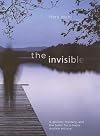
How do you think you would feel if you woke up one day, and no one could see you? Well, that’s exactly what happened to Hilmer Eriksson when “he discovered he had become invisible.:” This story is full of suspense, intrigue and is captivating from the very beginning. However, you would not think it was so, by looking at the cover page. Although the cover page states “Now a major motion picture from the producers of The Sixth Sense,” the photograph of a lake does not capture the readers attention right away.
It isn’t until you are a quarter of the way through the book that you see why the picture is pertinent.
The story itself is well written. It grabs your attention from the first page and doesn’t let you go until you find out how this is resolved. Readers will find it both painful and heartbreaking as they read through the book and see how they main character’s body begins to deteriorate. As the story progresses, Hilmer Eriksson’s body becomes more bruised, he bleeds, his mouth is full of leaves and he is missing his shoe. It becomes more and more apparent what has happened to him and why he is invisible.
Other interesting facts about this story is that it takes place in Sweden. Additionally, the story relates to similar issues the United States is facing with the growing population of Mexican immigrants and how bigotry effects the way a society deals with immigrants.
On a scale from 1-5, I would give this book a 4. It’s a good, quick read show more and has good flow to the story line. Invisible would be a good read for teens starting from grades 9th through adulthood, due to the graphic nature of the content. show less
How do you think you would feel if you woke up one day, and no one could see you? Well, that’s exactly what happened to Hilmer Eriksson when “he discovered he had become invisible.:” This story is full of suspense, intrigue and is captivating from the very beginning. However, you would not think it was so, by looking at the cover page. Although the cover page states “Now a major motion picture from the producers of The Sixth Sense,” the photograph of a lake does not capture the readers attention right away.
It isn’t until you are a quarter of the way through the book that you see why the picture is pertinent.
The story itself is well written. It grabs your attention from the first page and doesn’t let you go until you find out how this is resolved. Readers will find it both painful and heartbreaking as they read through the book and see how they main character’s body begins to deteriorate. As the story progresses, Hilmer Eriksson’s body becomes more bruised, he bleeds, his mouth is full of leaves and he is missing his shoe. It becomes more and more apparent what has happened to him and why he is invisible.
Other interesting facts about this story is that it takes place in Sweden. Additionally, the story relates to similar issues the United States is facing with the growing population of Mexican immigrants and how bigotry effects the way a society deals with immigrants.
On a scale from 1-5, I would give this book a 4. It’s a good, quick read show more and has good flow to the story line. Invisible would be a good read for teens starting from grades 9th through adulthood, due to the graphic nature of the content. show less
McCully, Emily A., The Escape of Oney Judge: Martha Washington’s
Slave Finds Freedom. Illus. Symon Chow. Farrar, Straus & Giroux, 2007.
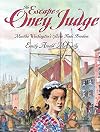
The Escape of Oney Judge: Martha Washington’s Slave Finds Freedom is a triumphant true story about a slave girls escape into freedom. It is very simply written, with very artistically done illustrations. The colors and images used to illustrate the book add to the written telling of the story. The combination of these two things, illustration and written story, allow the young reader to easily follow Oney’s journey from slavery to freedom, without overwhelming them.
This books would be a wonderful addition to an American History class for children in 4th grade until 6th grade. After 6th grade this book may be too simplistic and a more complex reading or research of Oney’s life would be better.
Also, it would be a great addition to the juvenile non-fiction collection in public libraries and as a book used for readings/display during Black History month.
Additionally, I loved the Author’s Note and Sources on the last page of the book. It included interesting information, including dates, other books that can be used to research the story and useful websites.
Slave Finds Freedom. Illus. Symon Chow. Farrar, Straus & Giroux, 2007.
The Escape of Oney Judge: Martha Washington’s Slave Finds Freedom is a triumphant true story about a slave girls escape into freedom. It is very simply written, with very artistically done illustrations. The colors and images used to illustrate the book add to the written telling of the story. The combination of these two things, illustration and written story, allow the young reader to easily follow Oney’s journey from slavery to freedom, without overwhelming them.
This books would be a wonderful addition to an American History class for children in 4th grade until 6th grade. After 6th grade this book may be too simplistic and a more complex reading or research of Oney’s life would be better.
Also, it would be a great addition to the juvenile non-fiction collection in public libraries and as a book used for readings/display during Black History month.
Additionally, I loved the Author’s Note and Sources on the last page of the book. It included interesting information, including dates, other books that can be used to research the story and useful websites.
Bunting, Eve. Emma’s Turtle. Illus. Marsha Winborn. Boyds Mills
Press, Inc., 2007.
Cute! Cute! Cute! And endearing are a few words that can be used to describe Eve Bunting’s Emma’s Turtle. This story is wonderfully told through the eyes of Emma’s turtle. Emma, the little girl who owns the turtle reads to her pet and fosters a love of exploration in her turtle. The turtle is so enticed by the stories about far of places such as Africa and India that he decides to dig a whole to “see the world.”
He really believes that he is traveling the world and has gone from Africa, to Australia and made it all the way to India, before Emma finds him and takes him home.
The story is written in such a sweet and innocent way, that it will be great to read aloud in schools, public library story times and at bed time. Adults as well as children from about the age of 4 years and above will enjoy the turtles view of the world. Take for example when he sees the cat next door and marvels “I see the silly striped cat from next door. I never knew he sometimes visited India.”
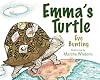
The illustrator, Marsha Winborn, does a great job with few colors. The natural colors she uses, such as different hews of green and beige allow the reader to imagine that they are seeing the world through the turtles eyes. Also, the little injections of colors, such as orange the stripped cat and the red strawberries give the story added depth. The jacket is especially cute with the turtle wearing a safari hat. show more
I liked this picture book so much, I would buy a copy to read my future children : ) show less
Press, Inc., 2007.
Cute! Cute! Cute! And endearing are a few words that can be used to describe Eve Bunting’s Emma’s Turtle. This story is wonderfully told through the eyes of Emma’s turtle. Emma, the little girl who owns the turtle reads to her pet and fosters a love of exploration in her turtle. The turtle is so enticed by the stories about far of places such as Africa and India that he decides to dig a whole to “see the world.”
He really believes that he is traveling the world and has gone from Africa, to Australia and made it all the way to India, before Emma finds him and takes him home.
The story is written in such a sweet and innocent way, that it will be great to read aloud in schools, public library story times and at bed time. Adults as well as children from about the age of 4 years and above will enjoy the turtles view of the world. Take for example when he sees the cat next door and marvels “I see the silly striped cat from next door. I never knew he sometimes visited India.”
The illustrator, Marsha Winborn, does a great job with few colors. The natural colors she uses, such as different hews of green and beige allow the reader to imagine that they are seeing the world through the turtles eyes. Also, the little injections of colors, such as orange the stripped cat and the red strawberries give the story added depth. The jacket is especially cute with the turtle wearing a safari hat. show more
I liked this picture book so much, I would buy a copy to read my future children : ) show less
Crisler, Curtis L., Tough Boy Sonatas. Illus. Floyd Cooper. Boyds Mills
Press, Inc., 2007.
Tough Boy Sonatas (by Curtis L. Crisler) is an exquisite collection of sonatas about how rough life is in the projects and for the people who live their. The focus is on minority groups, such as African American and those of mulato or mixed origins, possibly Puerto Rican.
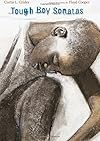
The illustrations (done by Floyd Cooper) are well done. They clearly give the reader a strong impression of the silent struggle of people who live in any inner city/projects.
The gritty look of the illustrations helps to drive home the atmosphere that the characters are surviving in. You can feel and smell the hot, oppressive heat of summers in these very poor neighborhoods. The smell of pollution of idling cars, stuck in traffic in these areas can almost be tasted.
Although the illustrations are well done, they serve only as the icing on the cake for lack of a better description. Each line of each sonata is packed with such power. You can feel the despair of the young girl whose apartment is on fire in “In Hell.”
Another example is the ”Tennis Match,” where there’s a gun battle going on over the selling of “candy.” This scenario is so realistic and common it could be taking place in the “bad” areas in Washington D.C., the Bronx, or in Chicago.
This books is should definitely be considered a work of literature. I would recommend this to more advanced readers, such as those in high school and into show more adult hood.
The reading of this entire book would be a wonderful addition in an English literature class, sociology class and/or psychology class. Activities could include the analysis of the writing, illustration and the interpretation of each poem by students. show less
Press, Inc., 2007.
Tough Boy Sonatas (by Curtis L. Crisler) is an exquisite collection of sonatas about how rough life is in the projects and for the people who live their. The focus is on minority groups, such as African American and those of mulato or mixed origins, possibly Puerto Rican.
The illustrations (done by Floyd Cooper) are well done. They clearly give the reader a strong impression of the silent struggle of people who live in any inner city/projects.
The gritty look of the illustrations helps to drive home the atmosphere that the characters are surviving in. You can feel and smell the hot, oppressive heat of summers in these very poor neighborhoods. The smell of pollution of idling cars, stuck in traffic in these areas can almost be tasted.
Although the illustrations are well done, they serve only as the icing on the cake for lack of a better description. Each line of each sonata is packed with such power. You can feel the despair of the young girl whose apartment is on fire in “In Hell.”
Another example is the ”Tennis Match,” where there’s a gun battle going on over the selling of “candy.” This scenario is so realistic and common it could be taking place in the “bad” areas in Washington D.C., the Bronx, or in Chicago.
This books is should definitely be considered a work of literature. I would recommend this to more advanced readers, such as those in high school and into show more adult hood.
The reading of this entire book would be a wonderful addition in an English literature class, sociology class and/or psychology class. Activities could include the analysis of the writing, illustration and the interpretation of each poem by students. show less
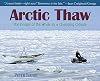
Peter Lourie, Arctic Thaw: The People of the Whale in a Changing Climate. (Honesdale, Pa: Boyds Mills Press, 2007).
Annotation: This science centered fact book focuses on the issue of global warming and the effects of the melting arctic polar caps on the land, the animals, and the natives and their traditions. Throughout Artic Thaw author Peter Lourie interviews Dr. Paul Shepson on the scientific explanations for global warming and what can be done to combat this global crisis.
Age/Grade Level: 4th to 5th Grade. This is a long picture book with an abundance of text; often dominating the pictures on the page. The text is advanced for this age range, and should be read in small groups or as a class. There are numerous scientific elements discussed which may be slightly advanced for these grade levels, but the content is appropriate.
Why Recommend: Excellent book to begin the discussion of global warming, climate changes, the effects each of us has on the environment, environmental awareness, as well as cultural awareness of the native arctic people and their traditions. The material and scientific information is presented clearly and directly, often inserted with humor and analogies for clarification and connections among cultures. Although the information presents facts, no other theories are discussed or explored; and global warming can be a controversial topic. Since there are differences in opinion on climate changes, this book will be a catalyst for future discussion show more and scientific extensions.
Why Appropriate: The research is current and is on a topic that is at the forefront of environmental issues. The book focuses on the Inupiat people, their geographical location, their customs and traditions, their foods, their transportation, and their place in the world; all areas of interest to this age range.
Art: Colored photographs, colored images and illustrations, and graphs fill the pages. Each of the images is thoroughly explained through captions, adding to the depth of the information found in the text. This also allows the reader the ability to see exactly what the author is describing and to put the information in context to the surroundings. There is more text than images in the book, but that only adds to the importance and meaning of the images that are included. show less
Annotation: This science centered fact book focuses on the issue of global warming and the effects of the melting arctic polar caps on the land, the animals, and the natives and their traditions. Throughout Artic Thaw author Peter Lourie interviews Dr. Paul Shepson on the scientific explanations for global warming and what can be done to combat this global crisis.
Age/Grade Level: 4th to 5th Grade. This is a long picture book with an abundance of text; often dominating the pictures on the page. The text is advanced for this age range, and should be read in small groups or as a class. There are numerous scientific elements discussed which may be slightly advanced for these grade levels, but the content is appropriate.
Why Recommend: Excellent book to begin the discussion of global warming, climate changes, the effects each of us has on the environment, environmental awareness, as well as cultural awareness of the native arctic people and their traditions. The material and scientific information is presented clearly and directly, often inserted with humor and analogies for clarification and connections among cultures. Although the information presents facts, no other theories are discussed or explored; and global warming can be a controversial topic. Since there are differences in opinion on climate changes, this book will be a catalyst for future discussion show more and scientific extensions.
Why Appropriate: The research is current and is on a topic that is at the forefront of environmental issues. The book focuses on the Inupiat people, their geographical location, their customs and traditions, their foods, their transportation, and their place in the world; all areas of interest to this age range.
Art: Colored photographs, colored images and illustrations, and graphs fill the pages. Each of the images is thoroughly explained through captions, adding to the depth of the information found in the text. This also allows the reader the ability to see exactly what the author is describing and to put the information in context to the surroundings. There is more text than images in the book, but that only adds to the importance and meaning of the images that are included. show less
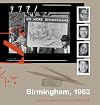
Carole Boston Weatherford, Birmingham, 1963. (Honesdale, Pa: Wordsong, 2007).
Annotation: Birmingham, 1963 is a poetic, picture book where the fictional narrator recaps the real events and feelings Civil Rights Movement in 1963 Alabama; highlighting the injustices and racial inequalities faced by African American’s in a way that younger readers can comprehend. The story then narrows its scope to focus on the 16th Street Baptist Church Bombing and concludes with a tribute to those injured and killed in the bombing.
Age/Grade Level: 1st -4th grade. This is the age range of the narrator and of the girls killed in the bombing. The narrator is ten years old and explains the events, feelings, perspectives on the world, and family values in a way that first to fourth graders can understand. The depth of content and the results of the Movement and Bombing are appropriate.
Why Recommend: This story presents the Civil Rights Movement in a realistic and relatable manner, the reader will feel like they are marching and singing with the narrator. The story is told is a poetic style. There are rare words used throughout the book. In this age range, children develop empathy for others, and will help them develop and recognize right and wrong. The pictures in this book are powerful and will ignite discussion. This should be read as a class, with explanations and discussions before and after the readings. There is an author’s note at the end of the book, along with the resources for show more the information and pictures, as well as additional readings to consult.
Why Appropriate: Birmingham, 1963 will help the students bond with each other, learn about United States history and become more culturally and racially aware. Students will be able to discuss their knowledge or lack of knowledge on justice, equality, and problems with social systems. There are numerous extensions that can be created and utilized from this reading.
Art: Black and white photos are on the right hand side pages. Each of these photos is from 1963 or during the Civil Rights Movement depicting the fight against racism and inequalities. Each of the pictures on the right has a direct connection to the text on the left hand side of the page. These pictures are used to portray the time period, the struggles, and the amount of people involved in the movement. The illustrations on the left hand side pages are in soft grays and depict some aspect of the narrator’s explanation of the setting or story line. There are also red lines and squares surrounding or on top of the illustrations which the reader later learns represents the bloodshed of the Bombing. The last few pages of the book; the left hand side is just text, a poem about one of the four victims of the 16th Street Bombing with the right hand side featuring a snapshot. show less
Annotation: Birmingham, 1963 is a poetic, picture book where the fictional narrator recaps the real events and feelings Civil Rights Movement in 1963 Alabama; highlighting the injustices and racial inequalities faced by African American’s in a way that younger readers can comprehend. The story then narrows its scope to focus on the 16th Street Baptist Church Bombing and concludes with a tribute to those injured and killed in the bombing.
Age/Grade Level: 1st -4th grade. This is the age range of the narrator and of the girls killed in the bombing. The narrator is ten years old and explains the events, feelings, perspectives on the world, and family values in a way that first to fourth graders can understand. The depth of content and the results of the Movement and Bombing are appropriate.
Why Recommend: This story presents the Civil Rights Movement in a realistic and relatable manner, the reader will feel like they are marching and singing with the narrator. The story is told is a poetic style. There are rare words used throughout the book. In this age range, children develop empathy for others, and will help them develop and recognize right and wrong. The pictures in this book are powerful and will ignite discussion. This should be read as a class, with explanations and discussions before and after the readings. There is an author’s note at the end of the book, along with the resources for show more the information and pictures, as well as additional readings to consult.
Why Appropriate: Birmingham, 1963 will help the students bond with each other, learn about United States history and become more culturally and racially aware. Students will be able to discuss their knowledge or lack of knowledge on justice, equality, and problems with social systems. There are numerous extensions that can be created and utilized from this reading.
Art: Black and white photos are on the right hand side pages. Each of these photos is from 1963 or during the Civil Rights Movement depicting the fight against racism and inequalities. Each of the pictures on the right has a direct connection to the text on the left hand side of the page. These pictures are used to portray the time period, the struggles, and the amount of people involved in the movement. The illustrations on the left hand side pages are in soft grays and depict some aspect of the narrator’s explanation of the setting or story line. There are also red lines and squares surrounding or on top of the illustrations which the reader later learns represents the bloodshed of the Bombing. The last few pages of the book; the left hand side is just text, a poem about one of the four victims of the 16th Street Bombing with the right hand side featuring a snapshot. show less
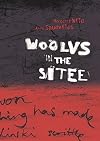
Margaret Wild and Anne Spudvilas, Woolvs in the Sitee. Illus. Anne Spudvilas. (Ashville, N.C.: Front Street, 2007).
Annotation: Ben hides all alone in his apartment afraid to venture out into the city streets because the wolves might attack him. His only ally and protector is his upstairs neighbor Missus Radinski. In this tale Ben must overcome his fears, and with the help of Missus Radinski Ben faces his fears and decides to not let the wolves scare him from doing the things he loves and going the places he needs to go.
Age/Grade level: Sixth to Eighth Grade minimum. This story is only appropriate for fluent readers, those who have a strong grasp on the written word. The reader must be able to appreciate the unusual spellings used in this book which are only utilized to add to the plot.
Why Recommend: This is an unusually written book and can be used to showcase different writing styles and storytelling techniques. Woolvs in the Sitee has a dark and scary plot and most likely an unfamiliar setting to the reader. The main character has to face and overcome fears to survive, and readers in this age level often relate to facing and overcoming problems and learning to face the world on their own.
Why Appropriate: This will challenge readers in this age range, to decipher the words and the concepts embedded in this story. Ben, the teenage boy, is alone and has to depend on himself and occasionally on Missus Radinski, the older woman, to survive in the world outside.
Art: All show more of the illustrations are double page spreads. The pictures contain dark shades often highlighted with streaks of red. These dark shades and pencil etchings emphasize the darkness of Ben’s world. The pages appear to be smudged or smeared to give the sense of a dark, industrial type city surrounding Ben’s apartment. There are chicken scratch writings on some of the pages which are lines from the story written in erratic fashion; giving the sense of Ben’s confused and fearful mindset. Each of the pages contributes to the plot and setting of the Woolvs in the Sitee. show less
Annotation: Ben hides all alone in his apartment afraid to venture out into the city streets because the wolves might attack him. His only ally and protector is his upstairs neighbor Missus Radinski. In this tale Ben must overcome his fears, and with the help of Missus Radinski Ben faces his fears and decides to not let the wolves scare him from doing the things he loves and going the places he needs to go.
Age/Grade level: Sixth to Eighth Grade minimum. This story is only appropriate for fluent readers, those who have a strong grasp on the written word. The reader must be able to appreciate the unusual spellings used in this book which are only utilized to add to the plot.
Why Recommend: This is an unusually written book and can be used to showcase different writing styles and storytelling techniques. Woolvs in the Sitee has a dark and scary plot and most likely an unfamiliar setting to the reader. The main character has to face and overcome fears to survive, and readers in this age level often relate to facing and overcoming problems and learning to face the world on their own.
Why Appropriate: This will challenge readers in this age range, to decipher the words and the concepts embedded in this story. Ben, the teenage boy, is alone and has to depend on himself and occasionally on Missus Radinski, the older woman, to survive in the world outside.
Art: All show more of the illustrations are double page spreads. The pictures contain dark shades often highlighted with streaks of red. These dark shades and pencil etchings emphasize the darkness of Ben’s world. The pages appear to be smudged or smeared to give the sense of a dark, industrial type city surrounding Ben’s apartment. There are chicken scratch writings on some of the pages which are lines from the story written in erratic fashion; giving the sense of Ben’s confused and fearful mindset. Each of the pages contributes to the plot and setting of the Woolvs in the Sitee. show less
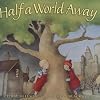
Libby Gibson, Half a World Away. Illus. Freya Blackwood. (Arthur A. Levine Books, 2006).
Annotation: In Half a World Away best friends Louie and Amy live next door to each other and play games every day. They had a special way to call to each other so that the other would come running. One day Amy and her family move half a world away and the two are sad that they can no longer play together. At the end of the story they find each other in their dreams.
Age/Grade Level: 4 to 7 years old. The text is simple enough for the four year olds to understand but there is rich enough for the seven year olds to remain interested the whole way through the book. The children in this age range will be able to identify each of the activities that Louie and Amy do throughout the book because they should be doing those same things.
Why Recommend: Half a World Away deals with friendship, play, loss, and family in a way that children can understand. Every boy and girl can relate to Louie and Amy. The words used are appropriate for the age range, and explains the story in an appropriate manner. There are several pages without text which allows the reader the opportunity to add to the story or recap what has already been told.
Why Appropriate: This story can be used to help explain to children geography, moving, family, friends, and the world around them. This will help them comprehend why people move, where they go, and that you can still be friends even half a world away. Although the plot show more of this book is not original, it does promote cultural awareness.
Art: The artwork in this story helps tell the story. The artwork aids the younger readers and listeners understand and follow the plot of the story. Neither the text or the pictures overpower the pages, there is a balance. The illustrations also help show the contrast between the two worlds, the suburbs and the big city. Red is the common color throughout the book with both Louie and Amy wearing something red in every picture. Toward the end of the book, Amy is shown in a red raincoat while in a city where all the buildings and people around her are in dark hues. Every picture of Amy’s city is depicted in stark colors and shades, whereas Louie’s town is shown in soft and warm colors. show less
Annotation: In Half a World Away best friends Louie and Amy live next door to each other and play games every day. They had a special way to call to each other so that the other would come running. One day Amy and her family move half a world away and the two are sad that they can no longer play together. At the end of the story they find each other in their dreams.
Age/Grade Level: 4 to 7 years old. The text is simple enough for the four year olds to understand but there is rich enough for the seven year olds to remain interested the whole way through the book. The children in this age range will be able to identify each of the activities that Louie and Amy do throughout the book because they should be doing those same things.
Why Recommend: Half a World Away deals with friendship, play, loss, and family in a way that children can understand. Every boy and girl can relate to Louie and Amy. The words used are appropriate for the age range, and explains the story in an appropriate manner. There are several pages without text which allows the reader the opportunity to add to the story or recap what has already been told.
Why Appropriate: This story can be used to help explain to children geography, moving, family, friends, and the world around them. This will help them comprehend why people move, where they go, and that you can still be friends even half a world away. Although the plot show more of this book is not original, it does promote cultural awareness.
Art: The artwork in this story helps tell the story. The artwork aids the younger readers and listeners understand and follow the plot of the story. Neither the text or the pictures overpower the pages, there is a balance. The illustrations also help show the contrast between the two worlds, the suburbs and the big city. Red is the common color throughout the book with both Louie and Amy wearing something red in every picture. Toward the end of the book, Amy is shown in a red raincoat while in a city where all the buildings and people around her are in dark hues. Every picture of Amy’s city is depicted in stark colors and shades, whereas Louie’s town is shown in soft and warm colors. show less
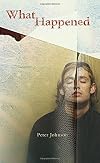
Peter Johnson, What Happened. (Ashville, N.C.: Front Street, 2007).
Annotation: This story follows the lives of two teenage brothers from Buffalo, New York who have lost their mother to cancer and a father who left them after her death. In What Happened, the brothers, one with a disorder, rely on one another when faced with family problems, moral challenges, drug and alcohol issues and pressures, actions and consequences, and emotional dilemmas.
Age/Grade Level: The minimum age that a student should read this book is16, or tenth grade, because of the content, including adult language, drug and alcohol use, sexual content, mental and social disorders, physical and emotional abuse, and plot. Younger readers may not be able to distinguish and appreciate the plight of the main characters and determine that the characters did not act responsibly. The material is heavy and there are numerous serious issues, it is important that the reader have some background knowledge on the topics.
Why Recommend: The majority of Johnson’s story is realistic and would be daily issues and pressures that a teenager, especially boys, would face to which the reader could relate. This novel incorporates flashbacks, dream sequences, imagination and fantasy in an easy to read style. In What Happened the two brothers are able to share their emotions and rely on each other completely, which emphasizes the role of the family and the importance of expressing one’s feelings. The language can be harsh show more and vulgar in parts, but this only adds to character development and plot.
Why Appropriate: It is an interesting story that will keep the reader’s attention throughout the book. The setting is descriptive and relatable, most of the issues faced by the teenagers are universal, and the main characters are well developed. One of the best features of this book is the ending because there is no happy, fairy tale ending; the two brothers go on with their lives as usual. show less
Annotation: This story follows the lives of two teenage brothers from Buffalo, New York who have lost their mother to cancer and a father who left them after her death. In What Happened, the brothers, one with a disorder, rely on one another when faced with family problems, moral challenges, drug and alcohol issues and pressures, actions and consequences, and emotional dilemmas.
Age/Grade Level: The minimum age that a student should read this book is16, or tenth grade, because of the content, including adult language, drug and alcohol use, sexual content, mental and social disorders, physical and emotional abuse, and plot. Younger readers may not be able to distinguish and appreciate the plight of the main characters and determine that the characters did not act responsibly. The material is heavy and there are numerous serious issues, it is important that the reader have some background knowledge on the topics.
Why Recommend: The majority of Johnson’s story is realistic and would be daily issues and pressures that a teenager, especially boys, would face to which the reader could relate. This novel incorporates flashbacks, dream sequences, imagination and fantasy in an easy to read style. In What Happened the two brothers are able to share their emotions and rely on each other completely, which emphasizes the role of the family and the importance of expressing one’s feelings. The language can be harsh show more and vulgar in parts, but this only adds to character development and plot.
Why Appropriate: It is an interesting story that will keep the reader’s attention throughout the book. The setting is descriptive and relatable, most of the issues faced by the teenagers are universal, and the main characters are well developed. One of the best features of this book is the ending because there is no happy, fairy tale ending; the two brothers go on with their lives as usual. show less
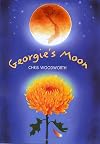
Woodworth, Christina. Georgie’s Moon. Farrar, Straus and Giroux, NY: 2006.
• In this solid, compelling novel for middle school readers, likeable but imperfect Georgie struggles to reconcile her Air Force father’s presence in the Vietnam War while settling into a new home in small-town Indiana. The novel opens in 1970, just before Georgie begins seventh grade at a new school created following a two-town merger. Georgie befriends Lisa while working on a school project at a home for the elderly, but soon discovers that Lisa’s family is ideologically divided by the war. Woodworth has deftly distilled the 1970s war controversy within Georgie’s small community, giving her very flawed protagonist the chance to view many sides of this issue and to decide if Lisa should be blamed for the acts of her family members. Readers will draw much insight from this personal look at society’s ideological split on support for US troops abroad (an especially timely topic since 2000) and empathize deeply with Georgie as she learns to accept both her father’s fate and the decisions made by others.
• Educators can build upon this book’s complex theme to point out that most controversies go beyond a simple black or white solution. This book can fall within a curriculum about the Cold War period, linking the tensions of the time to popular icons mentioned in this novel such as the Beatles, Simon and Garfunkel, and Lady Bird Johnson. Discussions about war supporters and peace show more demonstrators should follow. show less
• In this solid, compelling novel for middle school readers, likeable but imperfect Georgie struggles to reconcile her Air Force father’s presence in the Vietnam War while settling into a new home in small-town Indiana. The novel opens in 1970, just before Georgie begins seventh grade at a new school created following a two-town merger. Georgie befriends Lisa while working on a school project at a home for the elderly, but soon discovers that Lisa’s family is ideologically divided by the war. Woodworth has deftly distilled the 1970s war controversy within Georgie’s small community, giving her very flawed protagonist the chance to view many sides of this issue and to decide if Lisa should be blamed for the acts of her family members. Readers will draw much insight from this personal look at society’s ideological split on support for US troops abroad (an especially timely topic since 2000) and empathize deeply with Georgie as she learns to accept both her father’s fate and the decisions made by others.
• Educators can build upon this book’s complex theme to point out that most controversies go beyond a simple black or white solution. This book can fall within a curriculum about the Cold War period, linking the tensions of the time to popular icons mentioned in this novel such as the Beatles, Simon and Garfunkel, and Lady Bird Johnson. Discussions about war supporters and peace show more demonstrators should follow. show less
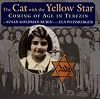
Rubin, Susan Goldman and Ela Weissberger. The Cat with the Yellow Star. Holiday House, NY: 2006.
• This book, targeted at grades 2-5, describes the life of Ela, a girl sent to a camp in Nazi-occupied Czechoslovakia. Ela participates in an underground opera, a source of hope for the camp's occupants, where she plays the cat, and bonds with the other children as they arrive at the camp and are later transported “out east” to harsher camps such as Auschwitz. The illustrations, primarily photographs of buildings, people, and objects of the time, are particularly strong, providing a portal into the setting of the period not covered in the text. Although the content is presented at an age-appropriate language level, some readers may be confused by the text's jumps between newspaper article-style quotations from the adult Ela and the standard expository text. The book skims the surface of her experiences from her teenage years through the present day, and does not delve deeply into Ela's thoughts and feelings during her time at the camp. Despite these shortcomings, this book does offer an alternative, personal view into another aspect of the Holocaust period, and can target readers not yet up to the reading levels of The Diary of Ann Frank or Number the Stars.
• Educators can couple this book with other personal narratives and historical fiction to give classes a wider view on the subject, or present extension activities on modern responses to the Holocaust period, such show more as sharing information on Whitwell Middle School’s Paper Clip Project (http://www.marionschools.org/holocaust/) or participating in art and writing contests hosted by the Center for Holocaust and Humanity Education (http://www.holocaustandhumanity.org/chhe_students.html). show less
• This book, targeted at grades 2-5, describes the life of Ela, a girl sent to a camp in Nazi-occupied Czechoslovakia. Ela participates in an underground opera, a source of hope for the camp's occupants, where she plays the cat, and bonds with the other children as they arrive at the camp and are later transported “out east” to harsher camps such as Auschwitz. The illustrations, primarily photographs of buildings, people, and objects of the time, are particularly strong, providing a portal into the setting of the period not covered in the text. Although the content is presented at an age-appropriate language level, some readers may be confused by the text's jumps between newspaper article-style quotations from the adult Ela and the standard expository text. The book skims the surface of her experiences from her teenage years through the present day, and does not delve deeply into Ela's thoughts and feelings during her time at the camp. Despite these shortcomings, this book does offer an alternative, personal view into another aspect of the Holocaust period, and can target readers not yet up to the reading levels of The Diary of Ann Frank or Number the Stars.
• Educators can couple this book with other personal narratives and historical fiction to give classes a wider view on the subject, or present extension activities on modern responses to the Holocaust period, such show more as sharing information on Whitwell Middle School’s Paper Clip Project (http://www.marionschools.org/holocaust/) or participating in art and writing contests hosted by the Center for Holocaust and Humanity Education (http://www.holocaustandhumanity.org/chhe_students.html). show less
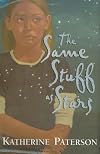
Paterson, Katherine. The Same Stuff as Stars. Clarion books/Houghton Mifflin, Inc, NY: 2002.
• This book, best for a grades 4-7 audience, follows the life of 11-year-old Angel Morgan, who spends most of her time looking after her younger brother Bernie. After a visit to their father in jail, Angel’s mother abandons the two children at the country home of Angel’s great-grandmother. Angel and Bernie settle into country life with their great-grandmother with the help of the town librarian and a mysterious man who teaches Angel astronomy lessons at night. Soon after Angel finally gets her great-grandmother to start eating from all food groups and believe that the children are there to stay, Bernie disappears and the star man stops showing up for Angel’s nightly astronomy lesson. Readers will cheer for Angel as she draws her withdrawn great grandmother out of her shell, and as she makes tough decisions to protect her newly-formed family from splitting up.
• Possible extensions for this book could include an introduction to astronomy and constellations, discussions about the prison system, or a brainstorming session: If you were Angel or Bernie and had no television, what would you do with your free time?
• This book, best for a grades 4-7 audience, follows the life of 11-year-old Angel Morgan, who spends most of her time looking after her younger brother Bernie. After a visit to their father in jail, Angel’s mother abandons the two children at the country home of Angel’s great-grandmother. Angel and Bernie settle into country life with their great-grandmother with the help of the town librarian and a mysterious man who teaches Angel astronomy lessons at night. Soon after Angel finally gets her great-grandmother to start eating from all food groups and believe that the children are there to stay, Bernie disappears and the star man stops showing up for Angel’s nightly astronomy lesson. Readers will cheer for Angel as she draws her withdrawn great grandmother out of her shell, and as she makes tough decisions to protect her newly-formed family from splitting up.
• Possible extensions for this book could include an introduction to astronomy and constellations, discussions about the prison system, or a brainstorming session: If you were Angel or Bernie and had no television, what would you do with your free time?
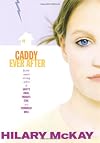
McKay, Hilary. Caddy Ever After. Margaret K. Elderberry Books/Simon and Schuster, Inc., NY: 2006.
• This clearly British book, written with warmth and humor, is split into five sections – portions told by each of the four Casson family siblings, beginning and ending with an introduction and conclusion by Rose, the youngest. Each sibling, in conversational tone, describes the seemingly small, unrelated events that add up to a wedding for Caddy, the oldest. McKay has given each Casson an age-appropriate tone (9 years old to early 20s) that will appeal to a wide reading range. Ages 11-16 will probably most enjoy the book, since they will understand both the school trials of Rose and the romantic confusion of the three older siblings. The chapters are short, with humorous titles, and the tenderness between the siblings in this somewhat dysfunctional family, coupled with an abundance of mishaps and embarrassing moments, will provide highly entertaining, warm, and honest reading.
• Middle grade expansions on this book could include a writing exercise: If your life story had an appendix, what would it include? Several sections in this book include appendices with titles like “The Very Naughty Thing Saffron and Sarah Did After They Left the Church” or “Why I Only Wear One Earring” (Saffron and Sarah took a wedding carriage for a joy ride, and Rose thought that one piercing was enough). Students can write their own appendix to a life event.
• This clearly British book, written with warmth and humor, is split into five sections – portions told by each of the four Casson family siblings, beginning and ending with an introduction and conclusion by Rose, the youngest. Each sibling, in conversational tone, describes the seemingly small, unrelated events that add up to a wedding for Caddy, the oldest. McKay has given each Casson an age-appropriate tone (9 years old to early 20s) that will appeal to a wide reading range. Ages 11-16 will probably most enjoy the book, since they will understand both the school trials of Rose and the romantic confusion of the three older siblings. The chapters are short, with humorous titles, and the tenderness between the siblings in this somewhat dysfunctional family, coupled with an abundance of mishaps and embarrassing moments, will provide highly entertaining, warm, and honest reading.
• Middle grade expansions on this book could include a writing exercise: If your life story had an appendix, what would it include? Several sections in this book include appendices with titles like “The Very Naughty Thing Saffron and Sarah Did After They Left the Church” or “Why I Only Wear One Earring” (Saffron and Sarah took a wedding carriage for a joy ride, and Rose thought that one piercing was enough). Students can write their own appendix to a life event.

Martin, Ann M. A Corner of the Universe. Scholastic, NY: 2002.
• This beautifully narrated book for 9 to 14 year-old readers tells the story of Hattie, a girl living in a small town during the summer of 1960. Just before her 12th birthday, Hattie discovers the family secret – she has a mentally ill uncle who must come to live with her grandparents when the special school he’d been attending closes. In deeply personal and evocative tones, Hattie narrates the surprises of dealing with Adam’s quirks and her family’s reactions to his outbursts. Life with Adam is filled with surprising joy and aching complexities, which Martin exposes with subtly and Hattie’s age-appropriate reactions. The 1960s setting is sprinkled throughout the text without making the book seem dated; traveling carnivals, unlocked doors, Frankie Avalon, and the I Love Lucy show provide a backdrop to Hattie’s transformation from child into thoughtful young adult. Readers will empathize deeply as Hattie struggles with learning that her elders may not always know the right answer about what to do with Adam or with Hattie herself, and that many mixed emotions remain behind a calm façade. Readers will rejoice as Hattie stands up to her peers on Adam’s behalf and learns to accept her parents’ and grandparents’ imperfections.
• Extensions from this book could include discussions about the many different kinds of disabilities and how to deal with people who have them.
• This beautifully narrated book for 9 to 14 year-old readers tells the story of Hattie, a girl living in a small town during the summer of 1960. Just before her 12th birthday, Hattie discovers the family secret – she has a mentally ill uncle who must come to live with her grandparents when the special school he’d been attending closes. In deeply personal and evocative tones, Hattie narrates the surprises of dealing with Adam’s quirks and her family’s reactions to his outbursts. Life with Adam is filled with surprising joy and aching complexities, which Martin exposes with subtly and Hattie’s age-appropriate reactions. The 1960s setting is sprinkled throughout the text without making the book seem dated; traveling carnivals, unlocked doors, Frankie Avalon, and the I Love Lucy show provide a backdrop to Hattie’s transformation from child into thoughtful young adult. Readers will empathize deeply as Hattie struggles with learning that her elders may not always know the right answer about what to do with Adam or with Hattie herself, and that many mixed emotions remain behind a calm façade. Readers will rejoice as Hattie stands up to her peers on Adam’s behalf and learns to accept her parents’ and grandparents’ imperfections.
• Extensions from this book could include discussions about the many different kinds of disabilities and how to deal with people who have them.
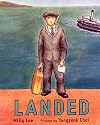
Lee, Milly. Landed. Yangsook Choi, Illus. Farrar Straus Giroux, NY: 2006.
• This solid multicultural offering is ideal for grade 2-5 social studies lessons. Sun, the 12-year-old protagonist, must study for and negotiate the complicated immigration process present in the 1880s United States. Elementary children will be fascinated to read about Sun’s preparations for and time undergoing immigration examination; Sun has to stay several weeks on Angel Island before he is reunited with his father in San Francisco. Despite noting later that the story is based on the life of her father-in-law, Lee presents the story in an even, unbiased manner, hinting at the complexities involved with the immigration policies of the time – and ways other families tried to get around the regulations – without resentment or accusation. The suspense elements will draw in readers: Will Sun pass the test? Will his friends be sent back to China? Some readers may find the tone of the narrative slightly stilted. Choi's beautifully inked pictures evoke the mood of each section, from the ordered beauty of Sun’s Chinese home to the wide expanse of the ocean and the stark conditions on the island facility.
• Educators can read more about the real Sun in the end notes, and expand upon this idea by showing the website provided to students learning about immigration or the post-Gold Rush period.
• This solid multicultural offering is ideal for grade 2-5 social studies lessons. Sun, the 12-year-old protagonist, must study for and negotiate the complicated immigration process present in the 1880s United States. Elementary children will be fascinated to read about Sun’s preparations for and time undergoing immigration examination; Sun has to stay several weeks on Angel Island before he is reunited with his father in San Francisco. Despite noting later that the story is based on the life of her father-in-law, Lee presents the story in an even, unbiased manner, hinting at the complexities involved with the immigration policies of the time – and ways other families tried to get around the regulations – without resentment or accusation. The suspense elements will draw in readers: Will Sun pass the test? Will his friends be sent back to China? Some readers may find the tone of the narrative slightly stilted. Choi's beautifully inked pictures evoke the mood of each section, from the ordered beauty of Sun’s Chinese home to the wide expanse of the ocean and the stark conditions on the island facility.
• Educators can read more about the real Sun in the end notes, and expand upon this idea by showing the website provided to students learning about immigration or the post-Gold Rush period.
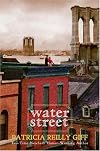
Giff, Patricia Reilly. Water Street. Wendy Lamb Books/Random House, Inc., NY: 2006.
• This historical novel, best for grades 6-8 learning about US or NY history, follows the lives of Bird (short for Bridget) and Thomas, children of Irish immigrants living in an 1875 tenement building overlooking the construction of the new Brooklyn Bridge. Giff masterfully interlaces historical facts into the lives of the protagonists, who face choices not unlike today’s teens; she touches on the Irish potato famine, lives and recipes of a healer (Bird’s mother), gossip of the time (a woman taking over the bridge’s construction after her husband and son are incapacitated), and illnesses of the time (scarlet fever outbreaks and Cassion’s Disease, a early form of “the bends” suffered by underwater bridge workers). Giff’s descriptions focus on the close togetherness of Bird’s family, who help each other and their friends – including Thomas – during harsh times; Bird’s attempts to balance her desire to be a healer like her mother while enduring the sights of blood and grave illness; and Thomas’s difficulties watching out for an alcoholic father while pursuing his love of reading and writing.
• This story offers numerous extension possibilities, including exploration of readers’ heritages, in-depth discussions about 19th century construction projects, or class brainstorming on what each student would choose as a career if their education ended after eight grade.
• This historical novel, best for grades 6-8 learning about US or NY history, follows the lives of Bird (short for Bridget) and Thomas, children of Irish immigrants living in an 1875 tenement building overlooking the construction of the new Brooklyn Bridge. Giff masterfully interlaces historical facts into the lives of the protagonists, who face choices not unlike today’s teens; she touches on the Irish potato famine, lives and recipes of a healer (Bird’s mother), gossip of the time (a woman taking over the bridge’s construction after her husband and son are incapacitated), and illnesses of the time (scarlet fever outbreaks and Cassion’s Disease, a early form of “the bends” suffered by underwater bridge workers). Giff’s descriptions focus on the close togetherness of Bird’s family, who help each other and their friends – including Thomas – during harsh times; Bird’s attempts to balance her desire to be a healer like her mother while enduring the sights of blood and grave illness; and Thomas’s difficulties watching out for an alcoholic father while pursuing his love of reading and writing.
• This story offers numerous extension possibilities, including exploration of readers’ heritages, in-depth discussions about 19th century construction projects, or class brainstorming on what each student would choose as a career if their education ended after eight grade.
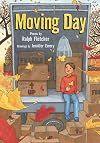
Fletcher, Ralph. Moving Day. Jennifer Emery, Illus. Boyds Mills Press, Honesdale, PA: 2006.
• This book, a collection of connected poetry, tells the story of a 12-year-old boy who struggles with his mixed feelings on moving away from his Massachusetts home. The conversational, very personal tone is ideal for intermediate and middle readers, ages from about 7 to 12. In the first poem, Fletch receives a new bike as a present just before his parents tell him they will move. The last poem takes place at his new home in Ohio. Each poem describes, in episodic fashion, the joys and pains in preparing to move and arriving in a new place: leaving a bully behind, finding a long-lost, treasured belonging while packing, watching a little brother happily pop rolls of bubble wrap, making a new friend, and discovering that a new doorknob projects rainbows on the wall. Pencil illustrations accompany each one-page poem, capturing the mood with a monotone watercolor wash that complements the text: blue tones where Fletch says good-bye to his friends, and cheerful orange tones when a new neighbor invites to ride bikes.
• This book can provide a springboard for discussions on why people may have to move and the pros and cons of moving. Middle grade extension activities could include writing exercises about moving, discovering a lost object, or describing a time when a friend or family member moved or passed away.
• This book, a collection of connected poetry, tells the story of a 12-year-old boy who struggles with his mixed feelings on moving away from his Massachusetts home. The conversational, very personal tone is ideal for intermediate and middle readers, ages from about 7 to 12. In the first poem, Fletch receives a new bike as a present just before his parents tell him they will move. The last poem takes place at his new home in Ohio. Each poem describes, in episodic fashion, the joys and pains in preparing to move and arriving in a new place: leaving a bully behind, finding a long-lost, treasured belonging while packing, watching a little brother happily pop rolls of bubble wrap, making a new friend, and discovering that a new doorknob projects rainbows on the wall. Pencil illustrations accompany each one-page poem, capturing the mood with a monotone watercolor wash that complements the text: blue tones where Fletch says good-bye to his friends, and cheerful orange tones when a new neighbor invites to ride bikes.
• This book can provide a springboard for discussions on why people may have to move and the pros and cons of moving. Middle grade extension activities could include writing exercises about moving, discovering a lost object, or describing a time when a friend or family member moved or passed away.
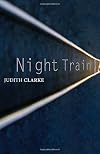
Clarke, Judith. Night Train. Front Street/Boyds Mills Press, Inc., Honesdale, PA: 1998.
• In this dark, depressing novel, 18-year-old Luke watches his life spiral out of control as he struggles to keep up with schoolwork at his Australian high school and make decisions about his life. The book opens abruptly at Luke’s funeral before jumping back to view the last months of his life. Most notably, readers will note that Luke is not a devil-may-care troublemaker, but an anxious, confused boy who lacks confidence as he tries to deal with many adults who are not interested in realizing that he is trying to do the right thing. As time passes, Luke becomes unable to confide in others, and his relationships with family, friends and his girlfriend crumble. In the rare bright points of the book, Luke spends happy moments with his adoring youngest sister, who seems to be the only person that does not view Luke as a failure. The dark text seems like a suicide awareness book – except that Luke does not kill himself, but suffers an accidental death by a train that is not supposed to exist. Readers may gain insights into Australian culture and its educational system, which make up the backdrop of Luke’s life. This book is too dark for readers younger than high school age. Stressed teens who feel overwhelmed by school and family pressures will empathize with Luke’s struggles and perhaps find comfort in the fact that Luke’s night train does in fact exist, even though it leads show more to Luke’s demise.
• Teens may use this book as an ice breaker for discussions about prioritizing activities and relaxing some of the pressures imposed by exams, college preparation, and other expectations at home and school. Teachers could use this book to discuss the Australian educational system, which includes different grade formats and exam requirements for students bound for university. show less
• In this dark, depressing novel, 18-year-old Luke watches his life spiral out of control as he struggles to keep up with schoolwork at his Australian high school and make decisions about his life. The book opens abruptly at Luke’s funeral before jumping back to view the last months of his life. Most notably, readers will note that Luke is not a devil-may-care troublemaker, but an anxious, confused boy who lacks confidence as he tries to deal with many adults who are not interested in realizing that he is trying to do the right thing. As time passes, Luke becomes unable to confide in others, and his relationships with family, friends and his girlfriend crumble. In the rare bright points of the book, Luke spends happy moments with his adoring youngest sister, who seems to be the only person that does not view Luke as a failure. The dark text seems like a suicide awareness book – except that Luke does not kill himself, but suffers an accidental death by a train that is not supposed to exist. Readers may gain insights into Australian culture and its educational system, which make up the backdrop of Luke’s life. This book is too dark for readers younger than high school age. Stressed teens who feel overwhelmed by school and family pressures will empathize with Luke’s struggles and perhaps find comfort in the fact that Luke’s night train does in fact exist, even though it leads show more to Luke’s demise.
• Teens may use this book as an ice breaker for discussions about prioritizing activities and relaxing some of the pressures imposed by exams, college preparation, and other expectations at home and school. Teachers could use this book to discuss the Australian educational system, which includes different grade formats and exam requirements for students bound for university. show less
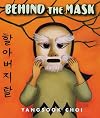
Choi, Yangsook. Behind the Mask. Farrar, Straus and Giroux, NY: 2006.
• This multicultural twist to a Halloween tale will educate ages 4-9 about Korean culture, using the mask dance tradition as a specific example. Kimin, the protagonist, sorts through his now deceased grandfather’s belongings, something he has put off for several months because of a scary memory – a dark night when he saw his grandfather turn around with a terrible face. Kimin discovers that this terrible face was actually a tal, a traditional mask. He decides to wear one of his grandfather's traditional costumes and tal for Halloween, and none of his friends recognize him while trick-or-treating that night. Colorfully illustrated with a combination of US and Korean elements, this story will teach children to enjoy connecting with the past and other cultures. Readers will enjoy witnessing Kimin's transformation from indecisive and withdrawn following his grandfather's death to proud recipient of a treasured family tradition.
• Possible extension activities for this book could include a make-your-own mask project complete with originality contest or further exploration of traditions across the world, including a look at traditional masks from each of the continents. Teachers may also enjoy exploring Korean culture, sharing music, dance, costumes, instruments, and websites with their classes.
• This multicultural twist to a Halloween tale will educate ages 4-9 about Korean culture, using the mask dance tradition as a specific example. Kimin, the protagonist, sorts through his now deceased grandfather’s belongings, something he has put off for several months because of a scary memory – a dark night when he saw his grandfather turn around with a terrible face. Kimin discovers that this terrible face was actually a tal, a traditional mask. He decides to wear one of his grandfather's traditional costumes and tal for Halloween, and none of his friends recognize him while trick-or-treating that night. Colorfully illustrated with a combination of US and Korean elements, this story will teach children to enjoy connecting with the past and other cultures. Readers will enjoy witnessing Kimin's transformation from indecisive and withdrawn following his grandfather's death to proud recipient of a treasured family tradition.
• Possible extension activities for this book could include a make-your-own mask project complete with originality contest or further exploration of traditions across the world, including a look at traditional masks from each of the continents. Teachers may also enjoy exploring Korean culture, sharing music, dance, costumes, instruments, and websites with their classes.
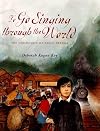
Ray, Deborah, K. To Go Singing Through the World: The Childhood of Pablo Neruda. Deborah K. Ray, Illus. Frances Foster Books, 2006.
Summary: This book covers the childhood of Pablo Neruda from his birth up until he leaves to college on a scholarship. The book focuses on the demands of his hardworking father, Pablo’s difficulty with school, his shyness among students, his love of nature, and lastly his discovery of poetry. Throughout the book quotes from his poems are interwoven in the text in italics to illustrate points.
Artwork: The watercolor artwork is quite bright when it depicts Pablo’s in the forest or in town, but it is filled with shadows when it shows Pablo withdrawing into himself. This compliments and accents the tone of the story.
Age: The book puts difficult words within short sentences. In addition to this there are several foreign words and much poetry interwoven throughout. The book also emphasizes Pablo’s difficulty with peers and with his family. These things make the appropriate for students in the 5th and even 6th grade.
Usage: I would use this book when starting a unit on poetry or on modern South American history. It could also be used to explore the influence of Spanish words on the English language.
Summary: This book covers the childhood of Pablo Neruda from his birth up until he leaves to college on a scholarship. The book focuses on the demands of his hardworking father, Pablo’s difficulty with school, his shyness among students, his love of nature, and lastly his discovery of poetry. Throughout the book quotes from his poems are interwoven in the text in italics to illustrate points.
Artwork: The watercolor artwork is quite bright when it depicts Pablo’s in the forest or in town, but it is filled with shadows when it shows Pablo withdrawing into himself. This compliments and accents the tone of the story.
Age: The book puts difficult words within short sentences. In addition to this there are several foreign words and much poetry interwoven throughout. The book also emphasizes Pablo’s difficulty with peers and with his family. These things make the appropriate for students in the 5th and even 6th grade.
Usage: I would use this book when starting a unit on poetry or on modern South American history. It could also be used to explore the influence of Spanish words on the English language.
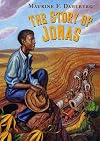
Dahlberg, Maurine. The Story of Jonas. Farrar Straus Giroux, 2007.
Summary: This book chronicles the life of a thirteen year old slave name Jonas who lives in the South in the 1800’s. Both his father and mother have passed away and he depends on other slaves for advice and companionship. As Jonas’ story is told, numerous incidents of the sad realities and humiliation of slave life are spoken of.
One day he is told that he will be accompanying his master’s son on a trip to Kansas to look for gold. On the journey he meets up with some people who do not believe in slavery and who begin to teach him out to read. After many days on the journey he learns that most of the slaves that he knew back home were sold off after trying to escape. One was also whipped and another was killed. This convinces Jonas that he must escape, which he does with the help of a young girl. The book ends after Jonas has met up with a man who promises to lead him to Mexico.
Age: The book is appropriate for children aged 11 and 12. Its length of 148 pages and its mature and heartbreaking topics fit this age range. The story also talks frequently about how Jonas’ survived his ordeals, something which this age group enjoys.
Usage: I would incorporate this book into an American History curriculum in order to put faces and emotions into the horrible truth of our country’s history of slavery.
Summary: This book chronicles the life of a thirteen year old slave name Jonas who lives in the South in the 1800’s. Both his father and mother have passed away and he depends on other slaves for advice and companionship. As Jonas’ story is told, numerous incidents of the sad realities and humiliation of slave life are spoken of.
One day he is told that he will be accompanying his master’s son on a trip to Kansas to look for gold. On the journey he meets up with some people who do not believe in slavery and who begin to teach him out to read. After many days on the journey he learns that most of the slaves that he knew back home were sold off after trying to escape. One was also whipped and another was killed. This convinces Jonas that he must escape, which he does with the help of a young girl. The book ends after Jonas has met up with a man who promises to lead him to Mexico.
Age: The book is appropriate for children aged 11 and 12. Its length of 148 pages and its mature and heartbreaking topics fit this age range. The story also talks frequently about how Jonas’ survived his ordeals, something which this age group enjoys.
Usage: I would incorporate this book into an American History curriculum in order to put faces and emotions into the horrible truth of our country’s history of slavery.
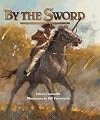
Castrovilla, Selene. By the Sword: a Young Man Meets War. Bill Farnsworth, Illus. Calkins Creek, 2007.
Summary: This book is a short excerpt from the life of Benjamin Tallmadge. The book narrates about the Battle of Long Island in the Revolutionary War in which Benjamin was a 22 year old soldier. Some of the main themes touched upon are great fear that war brings to people and how difficult it was for Benjamin to kill someone. It also talks about Benjamin’s horse, Highlander, whom he loves. At the end of the book a chronological list of Benjamin’s life is given as well as areas where the reader can look for more information on Benjamin.
Age: The complex sentences, mature themes, and emphasis on historical research, make this book suitable for children in the 4th through 6th grades.
Artwork: The artwork is done with hazy and dark watercolors that help the reader to understand the chaos and grit of war.
Usage: I would use this book as an introduction to the Revolutionary War and also as a starting point for doing some historical research.
Summary: This book is a short excerpt from the life of Benjamin Tallmadge. The book narrates about the Battle of Long Island in the Revolutionary War in which Benjamin was a 22 year old soldier. Some of the main themes touched upon are great fear that war brings to people and how difficult it was for Benjamin to kill someone. It also talks about Benjamin’s horse, Highlander, whom he loves. At the end of the book a chronological list of Benjamin’s life is given as well as areas where the reader can look for more information on Benjamin.
Age: The complex sentences, mature themes, and emphasis on historical research, make this book suitable for children in the 4th through 6th grades.
Artwork: The artwork is done with hazy and dark watercolors that help the reader to understand the chaos and grit of war.
Usage: I would use this book as an introduction to the Revolutionary War and also as a starting point for doing some historical research.
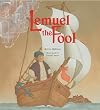
Uhlberg, Myron. Lemuel the Fool. Sonja Lamut, Illus. Peachtree, 2001.
Summary: This book is based on an old Jewish Folktale about a foolish man named Lemuel. He is a fisherman who lives in a village with his wife, Essie, and his son, Sol. He dreams of sailing over the horizon to find a wonderful city on the other side. One day he decides to build a boat and leave. On his journey he navigates by aiming the boat towards a scarf that he put on the prow of the boat. This method, of course, only gets him lost, and after surviving a terrible storm, he comes back to his own town. He manages to convince himself that he is in the city of his dreams even though he stays in his own house with his wife and son. That night he sneaks back to his boat and sails, so he thinks, back home. In the end he is happily reunited with his family.
Age: This book would be perfect for 2nd and 3rd graders because of the simplicity of the sentences would enable to grasp the few humorous plot points, like how Lemuel follows his own scarf to navigate the ship.
Artwork: The artwork is painted with mostly dull colors which help the viewer to sympathize with Lemuel’s desire to leave his town. However, the colors are also very homely, which also help the viewer to understand Lemuel’s desire to return home.
Usage: I would talk with the kids about the value of being home. I also might try a craft where the children can make their own paper boats and see what happens when they try and follow the prow of the ship.
Summary: This book is based on an old Jewish Folktale about a foolish man named Lemuel. He is a fisherman who lives in a village with his wife, Essie, and his son, Sol. He dreams of sailing over the horizon to find a wonderful city on the other side. One day he decides to build a boat and leave. On his journey he navigates by aiming the boat towards a scarf that he put on the prow of the boat. This method, of course, only gets him lost, and after surviving a terrible storm, he comes back to his own town. He manages to convince himself that he is in the city of his dreams even though he stays in his own house with his wife and son. That night he sneaks back to his boat and sails, so he thinks, back home. In the end he is happily reunited with his family.
Age: This book would be perfect for 2nd and 3rd graders because of the simplicity of the sentences would enable to grasp the few humorous plot points, like how Lemuel follows his own scarf to navigate the ship.
Artwork: The artwork is painted with mostly dull colors which help the viewer to sympathize with Lemuel’s desire to leave his town. However, the colors are also very homely, which also help the viewer to understand Lemuel’s desire to return home.
Usage: I would talk with the kids about the value of being home. I also might try a craft where the children can make their own paper boats and see what happens when they try and follow the prow of the ship.
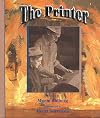
Uhlberg, Myron. The Printer. Henri Sorensen, Illus. Peachtree, 2003.
Summary: This book takes place in a 1940’s era print shop. It is written from the perspective of a deaf man’s son. According to the author, his father was deaf and did work in a print shop, but the story is fictitious. In the book the son describes some of the difficulties and social ostracism his father felt because he was deaf. Despite all of this his father, in a heroic moment, risks his life to save his colleagues from a raging fire. In the end his father is honored by the men with a paper hat.
Artwork: The artwork is washed out colors that bring the reader back to the hazy era of a 1940’s factory. The silent faces vividly portrayed in the pictures seek to demonstrate how the world must seem to a deaf person.
Age: This book would be perfect for first and second grade students because it only has two or three sentences per page which contain simple words. It also talks about the realities of people who have disabilities.
Usage: I would use this book to talk about deaf culture and some of the hardships that deaf people have experienced in the past. The children could also make a paper hat, like the one in the story, based off the instructions in the back of the book.
Summary: This book takes place in a 1940’s era print shop. It is written from the perspective of a deaf man’s son. According to the author, his father was deaf and did work in a print shop, but the story is fictitious. In the book the son describes some of the difficulties and social ostracism his father felt because he was deaf. Despite all of this his father, in a heroic moment, risks his life to save his colleagues from a raging fire. In the end his father is honored by the men with a paper hat.
Artwork: The artwork is washed out colors that bring the reader back to the hazy era of a 1940’s factory. The silent faces vividly portrayed in the pictures seek to demonstrate how the world must seem to a deaf person.
Age: This book would be perfect for first and second grade students because it only has two or three sentences per page which contain simple words. It also talks about the realities of people who have disabilities.
Usage: I would use this book to talk about deaf culture and some of the hardships that deaf people have experienced in the past. The children could also make a paper hat, like the one in the story, based off the instructions in the back of the book.
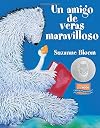
Bloom, Suzanne. Un amigo de versa maravilloso. Boyds Mill Press, 2007.
Plot: This book has been translated into Spanish from the original “A splendid friend indeed.” In it, a goose cheerily asks an increasingly annoyed polar bear questions about what he is doing. When the goose returns with a snack and a note stating that bear is his “splendid friend,” the bear melts and the two creatures share a hug, and cookies.
Illustrations: The illustrations are done in pastel, which means that they are mixed on the page rather than a palette. The light colored goose and bear are outlined against the dark blue background, and stand out nicely on the pages. Bloom also gave the polar bear’s fur a texture that one can almost feel. More important, each painting conveys the emotions of the animals. Goose is cheerful and happy and appears to idolize bear, while the bear is perturbed.
Age: This book is appropriate for toddlers and beginning readers because there are only a few words on each page, and they are written in clear, simple language. Children in those age groups are also strongly interested in the personification of animals, and stories that provide reassurance.
Use: This would be a good story to tell with stuffed
animals or puppets. After the story is told, children could be invited to play with the puppets and develop their own stories about friendship.
Plot: This book has been translated into Spanish from the original “A splendid friend indeed.” In it, a goose cheerily asks an increasingly annoyed polar bear questions about what he is doing. When the goose returns with a snack and a note stating that bear is his “splendid friend,” the bear melts and the two creatures share a hug, and cookies.
Illustrations: The illustrations are done in pastel, which means that they are mixed on the page rather than a palette. The light colored goose and bear are outlined against the dark blue background, and stand out nicely on the pages. Bloom also gave the polar bear’s fur a texture that one can almost feel. More important, each painting conveys the emotions of the animals. Goose is cheerful and happy and appears to idolize bear, while the bear is perturbed.
Age: This book is appropriate for toddlers and beginning readers because there are only a few words on each page, and they are written in clear, simple language. Children in those age groups are also strongly interested in the personification of animals, and stories that provide reassurance.
Use: This would be a good story to tell with stuffed
animals or puppets. After the story is told, children could be invited to play with the puppets and develop their own stories about friendship.
Wynne-Jones, Tim. Rex Zero and the End of the World. Farrar, Strauss and Giroux, 2007.
Plot: A preadolescent boy, Rex, moves to Ottawa with his family of eight during the summer of 1962. It is the height of the cold war, and Rex and those around him are trying to make sense of the volatile times. During this summer, Rex struggles with creating new friendships, family relationships, and the heaviness of the cold war conflict while uncovering a mystery in a nearby park.
Age: This book is appropriate for children ages 12 and up. Children ages 12-14 are interested in mysteries and adventure, and this book contains high levels of both. Children in this age group also tend to have concerns about friends and families, which is at the core of this book.
Use: Children should be encouraged to break into small
groups to share their reactions/responses to the book with their peers. They may also enjoy researching interesting facts about the cold war and the impact it had on everyday life (i.e. atomic bomb drills).
Plot: A preadolescent boy, Rex, moves to Ottawa with his family of eight during the summer of 1962. It is the height of the cold war, and Rex and those around him are trying to make sense of the volatile times. During this summer, Rex struggles with creating new friendships, family relationships, and the heaviness of the cold war conflict while uncovering a mystery in a nearby park.
Age: This book is appropriate for children ages 12 and up. Children ages 12-14 are interested in mysteries and adventure, and this book contains high levels of both. Children in this age group also tend to have concerns about friends and families, which is at the core of this book.
Use: Children should be encouraged to break into small
groups to share their reactions/responses to the book with their peers. They may also enjoy researching interesting facts about the cold war and the impact it had on everyday life (i.e. atomic bomb drills).
Fox by Kate Banks
Banks, Kate. Fox. Illus. George Hallensleben. Frances Foster Books, 2007.
Plot: A baby fox is born in the spring and is eager to explore the world on his own. His loving parents make him wait until he has learned to run, find and store food, and avoid danger.
Illustrations: The illustrations appear to be done using oil paint in rich, saturated colors. There are black outlines around the bright orange foxes and other images to clearly delineate their borders and make them stand out against the background. The endpapers set the quiet and peaceful tone of the forest.
Age: This book is appropriate for ages 6-9 because this is the age when children are seeking independence from adults, yet still need warmth and security in family relationships. Throughout the book, baby fox receives the reassurance of familial love while ultimately being able to obtain his independence.
Use: Children could perform research about the lifestyle
and habits of foxes and develop posters depicting their findings or experiment with paintings of animal life using rich colors.
Plot: A baby fox is born in the spring and is eager to explore the world on his own. His loving parents make him wait until he has learned to run, find and store food, and avoid danger.
Illustrations: The illustrations appear to be done using oil paint in rich, saturated colors. There are black outlines around the bright orange foxes and other images to clearly delineate their borders and make them stand out against the background. The endpapers set the quiet and peaceful tone of the forest.
Age: This book is appropriate for ages 6-9 because this is the age when children are seeking independence from adults, yet still need warmth and security in family relationships. Throughout the book, baby fox receives the reassurance of familial love while ultimately being able to obtain his independence.
Use: Children could perform research about the lifestyle
and habits of foxes and develop posters depicting their findings or experiment with paintings of animal life using rich colors.
High, Linda Oatman. Cool Bopper’s Choppers. Illus. John O’Brien. Boyds Mill Press, 2007.
Plot: Cool Bopper played baritone saxophone at a local jazz club. One night, his dentures popped out while he was singing, and he lost them. Thereafter, he could no longer play well and his boss told him to take a vacation to get his rhythm back. Cool Bopper ends up finding his dentures on the beach and can play his saxophone again.
Illustrations: The illustrations are done in watercolor and black ink, and the text is contained in text boxes. On some pages, large text emanates from Cool Bopper’s mouth. At times, the artwork depicts the mood of the book. For example, when Cool Bopper is depressed, he walks very low to the ground and is painted in blue. Other times, the imagery is confusing, especially on the page where the dentures fall into the toilet. It is difficult to decipher what took place because the image of the toilet is not clear.
Age: Although this book is targeting an elementary school age audience, it is most appropriate for children ages 12 and up because the text is not written clearly for young children and because the topic is not something that young children are typically interested in. I think this book could be stronger if it used more direct, concise language to tell the story and used illustrations that better depicted the events in the book.
Use: Older children might be encouraged to keep a journal to express their feelings, including things that make them show more sad and happy. They could also select a favorite musician, and doing library research, write a paragraph about why they like his or her work. show less
Plot: Cool Bopper played baritone saxophone at a local jazz club. One night, his dentures popped out while he was singing, and he lost them. Thereafter, he could no longer play well and his boss told him to take a vacation to get his rhythm back. Cool Bopper ends up finding his dentures on the beach and can play his saxophone again.
Illustrations: The illustrations are done in watercolor and black ink, and the text is contained in text boxes. On some pages, large text emanates from Cool Bopper’s mouth. At times, the artwork depicts the mood of the book. For example, when Cool Bopper is depressed, he walks very low to the ground and is painted in blue. Other times, the imagery is confusing, especially on the page where the dentures fall into the toilet. It is difficult to decipher what took place because the image of the toilet is not clear.
Age: Although this book is targeting an elementary school age audience, it is most appropriate for children ages 12 and up because the text is not written clearly for young children and because the topic is not something that young children are typically interested in. I think this book could be stronger if it used more direct, concise language to tell the story and used illustrations that better depicted the events in the book.
Use: Older children might be encouraged to keep a journal to express their feelings, including things that make them show more sad and happy. They could also select a favorite musician, and doing library research, write a paragraph about why they like his or her work. show less
Ommen, Sylvia van. The Surprise. Front Street, 2003.
Plot: This is a wordless book illustrated by Sylvia van Ommen, and was originally published in Belgium. It is the story of a sheep who takes great pains in dyeing and shearing his wool. He then has the wool spun into yarn, and knits it into a sweater. The sheep gives the sweater to his friend, giraffe, as a surprise present, along with a gentle kiss.
Illustrations: The illustrations appear to consist of gouache paintings. They are done in bright, saturated colors. The images are outlined in black, which makes them appear clear and stand out from the background. The simple and clear quality of the images make this wordless book easy to understand, and easy to tell the story from.
Age: This book is appropriate for children ages 3-7 because it conveys a simple story through simple images, and will keep them guessing until the end as to what the sheep made, and will do with the wool. They will delight in the sheep riding his motorbike to and from the paint store, to the yarn spinner, and to the giraffe’s house.
Use: I would “read” the story once all the way through with children. Then I would have them “read” the story to me, to hear them explain the pictures that they see, and ask them if they think the giraffe liked the surprise present, and whether they have ever made a surprise gift for someone else.
Plot: This is a wordless book illustrated by Sylvia van Ommen, and was originally published in Belgium. It is the story of a sheep who takes great pains in dyeing and shearing his wool. He then has the wool spun into yarn, and knits it into a sweater. The sheep gives the sweater to his friend, giraffe, as a surprise present, along with a gentle kiss.
Illustrations: The illustrations appear to consist of gouache paintings. They are done in bright, saturated colors. The images are outlined in black, which makes them appear clear and stand out from the background. The simple and clear quality of the images make this wordless book easy to understand, and easy to tell the story from.
Age: This book is appropriate for children ages 3-7 because it conveys a simple story through simple images, and will keep them guessing until the end as to what the sheep made, and will do with the wool. They will delight in the sheep riding his motorbike to and from the paint store, to the yarn spinner, and to the giraffe’s house.
Use: I would “read” the story once all the way through with children. Then I would have them “read” the story to me, to hear them explain the pictures that they see, and ask them if they think the giraffe liked the surprise present, and whether they have ever made a surprise gift for someone else.
Miller, Kate. Poems in Black and White. Kate Miller, Illustrator. Wordsong, 2007.
Annotation and Recommendations: Kate Miller’s collection of poems and drawings deal with a variety of topics that would interest children ages 9-12 including the love of parents for their children, behaving in school, comets, and animals, as they are relevant to their knowledge and life experiences. The vocabulary used is also suited for children of these ages as words such as haphazard, impish, onyx, and roguish appear. The poems are written in free verse and tell short stories, or share brief thoughts on a particular topic. What is most interesting is how Miller’s drawings, in black and white of course, complement the individual poems. This book could be used in class during a poetry unit, where a student could select a poem that they relate to and explain why. You may also ask a child to imitate Miller’s combination of poems and artwork as discussed below.
Art: The front and back covers of the book jacket present us with our first black and white illustrations, yet the endpapers are red, the only color to appear anywhere in the book. The artwork inside this book of poems is interesting and unique. For example, Miller creates double or single page monotypes for each poem by painting an image onto Plexiglas and adding texture with sticks, her hands, or even lace. She then presses white paper onto the class and peels away, revealing a unique image. The layout of the book is also show more interesting in terms of text and illustrations. For example, in the poem Comet, the text streams away on the background of a starry night sky, like a comet. The text for the poem Dandelion Dreams appears below the earth’s surface, like the roots of the plant. And the text of Bowling gradually widens to fit inside a bowling pin. It is clear that the text and illustrations need each other, and the final product is beautiful. show less
Annotation and Recommendations: Kate Miller’s collection of poems and drawings deal with a variety of topics that would interest children ages 9-12 including the love of parents for their children, behaving in school, comets, and animals, as they are relevant to their knowledge and life experiences. The vocabulary used is also suited for children of these ages as words such as haphazard, impish, onyx, and roguish appear. The poems are written in free verse and tell short stories, or share brief thoughts on a particular topic. What is most interesting is how Miller’s drawings, in black and white of course, complement the individual poems. This book could be used in class during a poetry unit, where a student could select a poem that they relate to and explain why. You may also ask a child to imitate Miller’s combination of poems and artwork as discussed below.
Art: The front and back covers of the book jacket present us with our first black and white illustrations, yet the endpapers are red, the only color to appear anywhere in the book. The artwork inside this book of poems is interesting and unique. For example, Miller creates double or single page monotypes for each poem by painting an image onto Plexiglas and adding texture with sticks, her hands, or even lace. She then presses white paper onto the class and peels away, revealing a unique image. The layout of the book is also show more interesting in terms of text and illustrations. For example, in the poem Comet, the text streams away on the background of a starry night sky, like a comet. The text for the poem Dandelion Dreams appears below the earth’s surface, like the roots of the plant. And the text of Bowling gradually widens to fit inside a bowling pin. It is clear that the text and illustrations need each other, and the final product is beautiful. show less