Days at the Morisaki Bookshop: A charming and uplifting Japanese translated story on the healing power of books by Satoshi Yagisawa
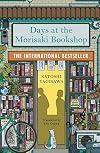
Wow, this was exceptionally bad.
At times I thought maybe it just translated bad... Like maybe this award-winning story really was fantastic in the Japanese but this translator was merely 10 years old so I should give him some credit. But no, I think the story is just bad. Unless the author is 10 years old --- in which case I'd say, keep going, buddy!
I'm usually a sucker for a book about a bookshop and that's why I picked this one up at Barnes and Noble a few days ago. I think it's important to read works by people from cultures very different from me and for that, I give this book 1-star. I appreciate the opportunity to read books translated from other languages. I appreciate that people will do the work of translation. But this book sucks and there's just no getting around that.
There is no story, no plot. There is no character development. At. All. Takako is the flattest character I've encountered lately and her interactions with her aunt and uncle grossed me right out. He is way too creepily attached, she (aunt) is just slightly less creepy because she is not so attached. Takako lets life happen to her and slumps like a pile of regurgitated phlegm at every opportunity.
So I wondered... maybe all the beautiful, award-winning, magical nuances are just lost in translation. But then I get to chapter 3 and realize. Nope. It still just sucks. Chapter 3 is the climactic turning point at which angsty 16-year-old teenage boy writing turns to obnoxious, middle-school kid show more picking his nose and not showering for a week writing.
Well, that's about all I got for tonight. If you thought this review was stupid, wait 'til you read this book. show less
At times I thought maybe it just translated bad... Like maybe this award-winning story really was fantastic in the Japanese but this translator was merely 10 years old so I should give him some credit. But no, I think the story is just bad. Unless the author is 10 years old --- in which case I'd say, keep going, buddy!
I'm usually a sucker for a book about a bookshop and that's why I picked this one up at Barnes and Noble a few days ago. I think it's important to read works by people from cultures very different from me and for that, I give this book 1-star. I appreciate the opportunity to read books translated from other languages. I appreciate that people will do the work of translation. But this book sucks and there's just no getting around that.
There is no story, no plot. There is no character development. At. All. Takako is the flattest character I've encountered lately and her interactions with her aunt and uncle grossed me right out. He is way too creepily attached, she (aunt) is just slightly less creepy because she is not so attached. Takako lets life happen to her and slumps like a pile of regurgitated phlegm at every opportunity.
So I wondered... maybe all the beautiful, award-winning, magical nuances are just lost in translation. But then I get to chapter 3 and realize. Nope. It still just sucks. Chapter 3 is the climactic turning point at which angsty 16-year-old teenage boy writing turns to obnoxious, middle-school kid show more picking his nose and not showering for a week writing.
Well, that's about all I got for tonight. If you thought this review was stupid, wait 'til you read this book. show less
Permaculture Gardening for the Absolute Beginner: Follow Nature's Map to Grow Your Own Organic Food with Confidence and Transform Any Backyard Into a Thriving Ecosystem by Josie Beckham
My first reaction after several pages of text is that the author uses the term “permaculture” too many times before defining it. There’s lots of examples of the reasons for it, but a clear definition is difficult to extrapolate and the reader loses interest. I think a simple addition (near the beginning) of two or three examples of what a farmer/gardener would actually physically do would really help the reader get a mental picture of the practice, right from the start.
I understand this book is meant to appeal to those who are more laid back, but the “down home” sort of talk (“this ain’t just...” Starting sentences with, “Well,…” or “And hey,…”) got a little too clunky after a bit. I appreciate the conversational tone; but too many times it read like Tom and Huck on the boat, which was distracting.
This is a topic I’m very interested in but the over-chattiness is making me feel like I can probably find a better way to learn about this as a beginner. While the author is trying to engage her audience, I think someone who is brand new is not going to feel this same passion and is going to be frustrated that it takes so long to just get to the facts.
I want to emphasize that I think the information given here is valuable. I just think the author needs to cut to the chase a little quicker and cut out a ton of unnecessary chattiness to keep a newbie moving through the volume.
I understand this book is meant to appeal to those who are more laid back, but the “down home” sort of talk (“this ain’t just...” Starting sentences with, “Well,…” or “And hey,…”) got a little too clunky after a bit. I appreciate the conversational tone; but too many times it read like Tom and Huck on the boat, which was distracting.
This is a topic I’m very interested in but the over-chattiness is making me feel like I can probably find a better way to learn about this as a beginner. While the author is trying to engage her audience, I think someone who is brand new is not going to feel this same passion and is going to be frustrated that it takes so long to just get to the facts.
I want to emphasize that I think the information given here is valuable. I just think the author needs to cut to the chase a little quicker and cut out a ton of unnecessary chattiness to keep a newbie moving through the volume.
 This review was written for LibraryThing Early Reviewers.
Shelter of the Most High: (Historical Old Testament Biblical Fiction Series Set in the Promised Land) (Cities of Refuge) by Connilyn Cossette
It took me a bit but I ended up really loving this story. It was eye opening to imagine someone being introduced to YHWH without ever having heard of him before and after following such evil gods in the past. Great story!
I didn't love this quite as much as book one, but it's still miles and miles above any other "faith-based" series; besides, maybe, Francine Rivers' Mark of the Lion series.
I struggled throughout because the narrator changes from Kiya to Shira. I kept getting confused because I had Kiya on the brain. Maybe need to wait a bit before picking up book two next time around.
One thing that really threw me and made it "not as awesome" for me was there were just a few too many pious, self-contemplative speeches---especially by Shira. The reader really can come to a lot of these spiritual conclusions on her own---don't need the character to spell them out for us.
Seemed to be lots of foreshadowing hints for part three... We'll see!
I struggled throughout because the narrator changes from Kiya to Shira. I kept getting confused because I had Kiya on the brain. Maybe need to wait a bit before picking up book two next time around.
One thing that really threw me and made it "not as awesome" for me was there were just a few too many pious, self-contemplative speeches---especially by Shira. The reader really can come to a lot of these spiritual conclusions on her own---don't need the character to spell them out for us.
Seemed to be lots of foreshadowing hints for part three... We'll see!
It definitely took me a little bit to get into this one, Rivkah was just SO unlikeable for so long! But, I pressed on and it turned out to be one of my very favorite stories. I anticipated the very big thing at the very end and it had me in tears.
With each of these Cities of Refuge stories, I've had the same thought. I can't imagine how the truly repentant people in the refuge cities were torn, knowing that their freedom required the death of the high priest. ...and the burden that put on the heart of the high priest! Knowing that so many were estranged from loved ones and living in fear, waiting for your death. YHWH was merciful in creating these refuge cities---how heartbreaking, though, to experience it all.
With each of these Cities of Refuge stories, I've had the same thought. I can't imagine how the truly repentant people in the refuge cities were torn, knowing that their freedom required the death of the high priest. ...and the burden that put on the heart of the high priest! Knowing that so many were estranged from loved ones and living in fear, waiting for your death. YHWH was merciful in creating these refuge cities---how heartbreaking, though, to experience it all.
I found this on a free shelf at the public library in Heppner, Oregon when I was visiting family last month.
I really enjoyed this series, though I did think this third book was a little less plausible than the first two. Still the best author since Francine Rivers wrote the Mark of the Lion series.

My mom bought me this series at Flood Town Books in Heppner, Oregon when I was visiting her in June 2023. Very nostalgic---these look fun!
I received this from paperbackswap.com in June 2023.
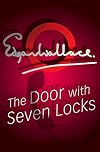
My mom gave this to me while visiting her in June 2023. My grandmother wrote her name inside twice, which means she read it at least twice.
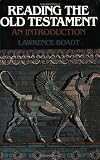
I purchased this from a friend at the Torah Sisters retreat in Michigan in May 2023.

My mom bought me this series at Flood Town Books in Heppner, Oregon when I was visiting her in June 2023. Very nostalgic---these look fun!
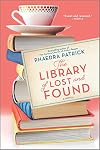
This was just a genuinely sweet book. The main character was lovable but also someone you could really respect. (I like how she knew she needed to change but she finished her commitments first. Maturity.) The supporting characters were all lovable, too. The Father was horrid---his scenes made me sick---but there was no raunchy anything and hardly any language.
I can't fully recommend it as it has some unBiblical elements promoted in a positive way, but I got a lot out of it and really appreciate the opportunity to enjoy the story.
I can't fully recommend it as it has some unBiblical elements promoted in a positive way, but I got a lot out of it and really appreciate the opportunity to enjoy the story.

My mom bought me this series at Flood Town Books in Heppner, Oregon when I was visiting her in June 2023. Very nostalgic---these look fun!

My mom bought me this series at Flood Town Books in Heppner, Oregon when I was visiting her in June 2023. Very nostalgic---these look fun!
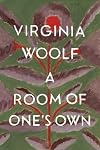
I have so many thoughts and mixed feelings about this essay. While I don't think stream of consciousness is really my thing when it comes to preferred reading; I find myself writing this way often, so I've come to understand a couple things. Firstly, when one is writing in this sort of way, one tends to contradict oneself. Secondly, the reader is required to pay a good amount of attention a good deal of the time---and that can be difficult.
If Woolf is allowed to write in such an eruption of thoughts, I will feel free to respond in kind.
Concerning the "Feminism" of this piece: I believe that if today’s feminists read the whole thing, instead of a few snippets in a college anthology, they’d find that Woolf is not necessarily pleading their case here. Her narrator might be a sort of whiny entitled one at times, but I think Woolf's point of view is clear at the end. While she lays out a good case for the difficulties formerly faced by women writers, and points out how there's still work to be done, she also lists quite a few reforms that have been made since long before her audience came of age. She’s not complaining about the lack of opportunity for women so much as she’s upset about the lack of women taking the opportunity.
What constitutes opportunity is a matter of opinion. Some say the opportunity lies in the freedom a childless, single woman has to do what she wants with her time---in this case, writing; while others say opportunity is being taken care of by a show more doting husband while raising a family. I’ve been blessed with both a doting husband/family and the freedom to do what I want with my time.
I do have means and a room of my own---this book stirs in me the feeling of obligation to make more use of it for the sake of all the other women who didn’t and don't.
In today's society, I don't think our options are either singleness and freedom or being strapped to a family schedule. There’s a third option: marry a man who values your brain, creativity, and time. Train your children to respect your creative time and, better yet, make some of their own. A large amount of children are not the problem. Mismanaged time, selfish husbands, lousy parenting, these might be the problem. So ladies, choose wisely. When my husband is off work, he occupies the children so I can write or film. He values my mind, ministry, and interests. I value them, too, and I'm not afraid to make my needs known. Women of a century ago may not have had this choice, but the women of today do and using this essay as a rant for today is silly, entitled, and difficult to take seriously.
She alluded to men who go to the office at ten and come home at half past four to do what they want. This is not impossible, ladies. Train your children! Establish a schedule! Take control over your time so you can do this too. Obviously these men “trained” those around them---do the same!
In Woolf’s day it may have been a lack of opportunity, but today it's apathy. But, maybe then too.
Without thinkers like Woolf, both men and women, we wouldn’t have opportunities now. But one must have the desire and see the value to think those thoughts. Some didn’t fight then because they didn’t care. Some don’t utilize opportunities now because they have other opportunities to care about. The more time I spend on eternal things, the less I care about these “scholarly” things that once seemed so important to me. Still, the need for quiet writing time is one I struggle to suppress. The guilt of taking time from my family battles with the guilt of taking time from myself, no matter how well trained anyone is.
In my opinion, writing (or any other creative pursuit) is a privilege to be enjoyed after your work is done. If you are provided for, you probably have children to care for. If you provide for yourself, you must do that work first. Who provided for Virginia Woolf? It sounds like she and her husband worked together on their publishing company and didn’t make a whole lot of money. She might have been "poor" in her own eyes, but the woman literally had her own writing cottage. Please.
I think if you want to write, you make time to write. No excuses. Woolf mentions Jane Austen several times. Jane Austen had neither 500 pounds a year nor a room of her own to write in. She wrote at a lap desk in her family's sitting room and listened for the creaking door to alert her to hide what she was working on.
Rather than some kind of amazing bit of, "let's free women" literature, I see this more as, “114 pages of excuses concerning why I can’t write today." A writer writes for herself, regardless of where that piece of writing ends up after she's completed it.
Still, if one wants to make money off it nowadays, there are no excuses. I'm a homeschooling mother of nine and have made good money off my writing when I desired to. I have several friends who are doing the same.
While I'm annoyed with modern young college women who read this and somehow feel they relate with Mary Beton/Seton/Carmichael, I feel like I want to read this once a year to try to be more relatable to women who do not have the opportunities that I and they do.
Favorite quote: “It is in our idleness, in our dreams, that the submerged truth sometimes comes to the top.” show less
If Woolf is allowed to write in such an eruption of thoughts, I will feel free to respond in kind.
Concerning the "Feminism" of this piece: I believe that if today’s feminists read the whole thing, instead of a few snippets in a college anthology, they’d find that Woolf is not necessarily pleading their case here. Her narrator might be a sort of whiny entitled one at times, but I think Woolf's point of view is clear at the end. While she lays out a good case for the difficulties formerly faced by women writers, and points out how there's still work to be done, she also lists quite a few reforms that have been made since long before her audience came of age. She’s not complaining about the lack of opportunity for women so much as she’s upset about the lack of women taking the opportunity.
What constitutes opportunity is a matter of opinion. Some say the opportunity lies in the freedom a childless, single woman has to do what she wants with her time---in this case, writing; while others say opportunity is being taken care of by a show more doting husband while raising a family. I’ve been blessed with both a doting husband/family and the freedom to do what I want with my time.
I do have means and a room of my own---this book stirs in me the feeling of obligation to make more use of it for the sake of all the other women who didn’t and don't.
In today's society, I don't think our options are either singleness and freedom or being strapped to a family schedule. There’s a third option: marry a man who values your brain, creativity, and time. Train your children to respect your creative time and, better yet, make some of their own. A large amount of children are not the problem. Mismanaged time, selfish husbands, lousy parenting, these might be the problem. So ladies, choose wisely. When my husband is off work, he occupies the children so I can write or film. He values my mind, ministry, and interests. I value them, too, and I'm not afraid to make my needs known. Women of a century ago may not have had this choice, but the women of today do and using this essay as a rant for today is silly, entitled, and difficult to take seriously.
She alluded to men who go to the office at ten and come home at half past four to do what they want. This is not impossible, ladies. Train your children! Establish a schedule! Take control over your time so you can do this too. Obviously these men “trained” those around them---do the same!
In Woolf’s day it may have been a lack of opportunity, but today it's apathy. But, maybe then too.
Without thinkers like Woolf, both men and women, we wouldn’t have opportunities now. But one must have the desire and see the value to think those thoughts. Some didn’t fight then because they didn’t care. Some don’t utilize opportunities now because they have other opportunities to care about. The more time I spend on eternal things, the less I care about these “scholarly” things that once seemed so important to me. Still, the need for quiet writing time is one I struggle to suppress. The guilt of taking time from my family battles with the guilt of taking time from myself, no matter how well trained anyone is.
In my opinion, writing (or any other creative pursuit) is a privilege to be enjoyed after your work is done. If you are provided for, you probably have children to care for. If you provide for yourself, you must do that work first. Who provided for Virginia Woolf? It sounds like she and her husband worked together on their publishing company and didn’t make a whole lot of money. She might have been "poor" in her own eyes, but the woman literally had her own writing cottage. Please.
I think if you want to write, you make time to write. No excuses. Woolf mentions Jane Austen several times. Jane Austen had neither 500 pounds a year nor a room of her own to write in. She wrote at a lap desk in her family's sitting room and listened for the creaking door to alert her to hide what she was working on.
Rather than some kind of amazing bit of, "let's free women" literature, I see this more as, “114 pages of excuses concerning why I can’t write today." A writer writes for herself, regardless of where that piece of writing ends up after she's completed it.
Still, if one wants to make money off it nowadays, there are no excuses. I'm a homeschooling mother of nine and have made good money off my writing when I desired to. I have several friends who are doing the same.
While I'm annoyed with modern young college women who read this and somehow feel they relate with Mary Beton/Seton/Carmichael, I feel like I want to read this once a year to try to be more relatable to women who do not have the opportunities that I and they do.
Favorite quote: “It is in our idleness, in our dreams, that the submerged truth sometimes comes to the top.” show less
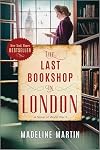
A protagonist in a bookshop who doesn’t love books…that’s new…
When Grace and her friend Viv set out for London, they could never have imagined they were about to live through one of the most devastating experiences in the city's history. Viv works her dream job while Grace is hired in a position that is not necessarily her cup of tea. However, she finds out it's exactly where she needed to be at the time.
I usually avoid stories that take place during war time because I have three sons ages 18-21 and the thought of them all getting drafted up in the near future freaks me right out. This was a difficult story to read in that sense, but it had some pretty amazing parts too and I learned a lot about this time in history. (Downside of my fearful avoidance is that I don't know much about the history of modern wars...)
I felt like the writing fell short more often than not as the author struggled to write natural sentences that people would speak naturally. I don't know how to really describe what I'm getting at but so much of it had that Victorian flowery formality---like Louisa May Alcott (is it for kids? is it for adults?)---that made it hard to really relate to anyone. I think part of it was that it was obviously an American trying to write about a culture she's probably mostly experienced through TV and movies. I would have really loved to have read more about the books Grace was reading and selling---rather than just mentions of the same obvious classics. Like show more American bookstores, British bookstores are packed with lots of different books from lots of different authors and eras, and classics make up a tiny minority of the offerings. Clunky dialogue clashed with some pretty vivid descriptive writing of scenes and situations to make something I'm glad I read but probably wouldn't read again. show less
When Grace and her friend Viv set out for London, they could never have imagined they were about to live through one of the most devastating experiences in the city's history. Viv works her dream job while Grace is hired in a position that is not necessarily her cup of tea. However, she finds out it's exactly where she needed to be at the time.
I usually avoid stories that take place during war time because I have three sons ages 18-21 and the thought of them all getting drafted up in the near future freaks me right out. This was a difficult story to read in that sense, but it had some pretty amazing parts too and I learned a lot about this time in history. (Downside of my fearful avoidance is that I don't know much about the history of modern wars...)
I felt like the writing fell short more often than not as the author struggled to write natural sentences that people would speak naturally. I don't know how to really describe what I'm getting at but so much of it had that Victorian flowery formality---like Louisa May Alcott (is it for kids? is it for adults?)---that made it hard to really relate to anyone. I think part of it was that it was obviously an American trying to write about a culture she's probably mostly experienced through TV and movies. I would have really loved to have read more about the books Grace was reading and selling---rather than just mentions of the same obvious classics. Like show more American bookstores, British bookstores are packed with lots of different books from lots of different authors and eras, and classics make up a tiny minority of the offerings. Clunky dialogue clashed with some pretty vivid descriptive writing of scenes and situations to make something I'm glad I read but probably wouldn't read again. show less
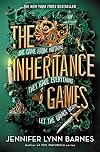
This book was recommended to me. It sounded great when described---but after reading, I wasn't too impressed. It was pretty slow moving, I don’t appreciate the language and innuendo, and the ending was super unsatisfying. I get it that it's set up for a sequel---but I don't know that there was enough here to make me want to read one.
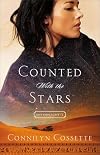
I have loved everything I've read from this author. As a Torah Observant believer in Yeshua, it's so great to have these Biblically based books written about Older Testament times. Lots of scope for the imagination! Can't wait for book two!

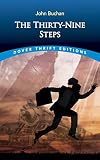
I was pleasantly surprised by this little story that caught my attention from the very first page. It's not my normal genre but I've been wanting to cross a few easier reads off my classics challenge lists. Reading it with the author's dedication in mind, it was fun to imagine him cooking up this little tale for his friend to enjoy. This was a super fun story with lots of likeable characters and just enough setting description to keep a little picture in my mind. I love how it ended---splendid!

I purchased this at a bookshop in Hermiston, Oregon while visiting my mom in June 2023.
A Christmas Carol, The Chimes & The Cricket on the Hearth (Barnes & Noble Classics) by Charles Dickens
2022: Even though we stopped celebrating Christmas two years ago, I'm still reading through this every Christmas week. Ha! It has a good message that should be applied every day.
This time through I focused on humor. Dickens is stinking hilarious. The entire exchange between Scrooge and Marley is super funny---especially considering how terrified and curmudgeonly Scrooge was at the time. The last stave is also super funny. Additionally, I loved these quotes:
"Marley's face...had a dismal light about it...like a bad lobster in a dark cellar." WHAT?!! Hahaha! Has anyone ever experienced a bad lobster in a dark cellar? Do lobsters give off dim light?
"Scrooge had often heard it said that Marley had no bowels, but he had never believed it until now." (This page also contains the "shade" joke)
"'What has he done with his money?' asked a red-faced gentleman with a pendulous excrescence on the end of his nose, that shook like the gills of a turkey cock." WHY??? Hahaha! There is absolutely no reason for this very minor character to be described thus, other than to just make us laugh. I love it.
And finally, I loved this quote that just really gives off the attitude of "shove-itousness" that Dickens seems to often take:
"Some people laughed to see the alteration in him (Scrooge), but he let them laugh, and little heeded them; for he was wise enough to know that nothing ever happened on this globe, for good, at which some people did not have their fill of laughter at the outset; and show more knowing that such as these would be blind anyway, he thought it quite well that they should wrinkle up their eyes in grins, as have the malady in less attractive forms."
Love it. Timeless lessons to be learned. As a friend said to me this morning, "Merry Everyday Christ!"
2021: This year I thought, "Ah, I should talk a little about two specific parts that always stand out to me: the fireplace tiles and the quote about 'Standing in the spirit at your elbow'..." Welp. Guess this review is just a rerun of last year's. Ha! Love this story. This is the first year we've not celebrated Christmas. Am I now a Scrooge???
2020: I read through A Christmas Carol this last week---it was wonderful, as usual. This year I paid special attention to a few things that were endearing to me:
The fireplace tiles: I love how they illustrated different stories from the Bible. I bet it was beautiful and I'm curious where Dickens saw these or what gave him the idea to include them in his story.
"I am standing in the Spirit at your elbow." Every. single. time. I read that, I look to my right and imagine him there. I wonder how far into future history he imagined his stories would go. I thought about that today as I laid in my 21st century bed in a little village in the American South thinking about this man who wrote the story 170 years ago somewhere in England. Fascinating.
I loved thinking about how Scrooge didn't seem to ever care about how people viewed him, but at the end of the story, it's a good thing. "Some people laughed to see the alteration in him, but he let them laugh, and little heeded them; for he was wise enough to know that nothing ever happened on this globe, for good, at which some people did not have their fill of laughter in the outset; and knowing that such as these would be blind anyway, he thought it quite as well that they should wrinkle up their eyes in grins, as have the malady in less attractive forms. His own heart laughed: and that was quite enough for him."
It has that distinctive ring of not casting one's pearls before swine...good for you, Scrooge!
2018: Each time I've read this book, I've only read the first story, A Christmas Carol. After finishing it, for the fifth time, a few days ago, I thought I'd give The Chimes a try.
My Dad once told me (about 16 years ago) I couldn't live on love (in a conversation in which he was berating my husband for not going to college yet). He was SO wrong. Trotty Veck finds this out in this spooky New Year story and, like Scrooge, has a second chance to change his ways.
I found the story to be a little convoluted but I think it will grow on me over time. I'll see how I feel about it next year. show less
This time through I focused on humor. Dickens is stinking hilarious. The entire exchange between Scrooge and Marley is super funny---especially considering how terrified and curmudgeonly Scrooge was at the time. The last stave is also super funny. Additionally, I loved these quotes:
"Marley's face...had a dismal light about it...like a bad lobster in a dark cellar." WHAT?!! Hahaha! Has anyone ever experienced a bad lobster in a dark cellar? Do lobsters give off dim light?
"Scrooge had often heard it said that Marley had no bowels, but he had never believed it until now." (This page also contains the "shade" joke)
"'What has he done with his money?' asked a red-faced gentleman with a pendulous excrescence on the end of his nose, that shook like the gills of a turkey cock." WHY??? Hahaha! There is absolutely no reason for this very minor character to be described thus, other than to just make us laugh. I love it.
And finally, I loved this quote that just really gives off the attitude of "shove-itousness" that Dickens seems to often take:
"Some people laughed to see the alteration in him (Scrooge), but he let them laugh, and little heeded them; for he was wise enough to know that nothing ever happened on this globe, for good, at which some people did not have their fill of laughter at the outset; and show more knowing that such as these would be blind anyway, he thought it quite well that they should wrinkle up their eyes in grins, as have the malady in less attractive forms."
Love it. Timeless lessons to be learned. As a friend said to me this morning, "Merry Everyday Christ!"
2021: This year I thought, "Ah, I should talk a little about two specific parts that always stand out to me: the fireplace tiles and the quote about 'Standing in the spirit at your elbow'..." Welp. Guess this review is just a rerun of last year's. Ha! Love this story. This is the first year we've not celebrated Christmas. Am I now a Scrooge???
2020: I read through A Christmas Carol this last week---it was wonderful, as usual. This year I paid special attention to a few things that were endearing to me:
The fireplace tiles: I love how they illustrated different stories from the Bible. I bet it was beautiful and I'm curious where Dickens saw these or what gave him the idea to include them in his story.
"I am standing in the Spirit at your elbow." Every. single. time. I read that, I look to my right and imagine him there. I wonder how far into future history he imagined his stories would go. I thought about that today as I laid in my 21st century bed in a little village in the American South thinking about this man who wrote the story 170 years ago somewhere in England. Fascinating.
I loved thinking about how Scrooge didn't seem to ever care about how people viewed him, but at the end of the story, it's a good thing. "Some people laughed to see the alteration in him, but he let them laugh, and little heeded them; for he was wise enough to know that nothing ever happened on this globe, for good, at which some people did not have their fill of laughter in the outset; and knowing that such as these would be blind anyway, he thought it quite as well that they should wrinkle up their eyes in grins, as have the malady in less attractive forms. His own heart laughed: and that was quite enough for him."
It has that distinctive ring of not casting one's pearls before swine...good for you, Scrooge!
2018: Each time I've read this book, I've only read the first story, A Christmas Carol. After finishing it, for the fifth time, a few days ago, I thought I'd give The Chimes a try.
My Dad once told me (about 16 years ago) I couldn't live on love (in a conversation in which he was berating my husband for not going to college yet). He was SO wrong. Trotty Veck finds this out in this spooky New Year story and, like Scrooge, has a second chance to change his ways.
I found the story to be a little convoluted but I think it will grow on me over time. I'll see how I feel about it next year. show less
I enjoyed reading about Fermor's visits to the various monasteries, having first become enamored with the idea of living the monastic life after reading Geoffrey Moorhouse's Sun Dancing, the history of Skellig Michael. I had the opportunity to tour Newstead Abbey in Nottinghamshire in 2015, and would love the chance to spend time at a functioning monastery today! While I'm sure that's not an option, one can dream!
The Yellow Wallpaper (Wisehouse Classics - First 1892 Edition, with the Original Illustrations by Joseph Henry Hatfield) by Charlotte Perkins Gilman
Book Description: "Narrated in the first person, the story is a collection of journal entries written by a woman whose physician husband has rented an old mansion for the summer. As a form of treatment, the unnamed woman is forbidden from working or writing, and is encouraged to eat well and get plenty of air, so she can recuperate from what he calls a "temporary nervous depression – a slight hysterical tendency", a diagnosis common to women during that period. The narrator devotes many journal entries to describing the wallpaper in the room and how the longer one stays in the bedroom, the more the wallpaper appears to mutate, especially in the moonlight. With no stimulus other than the wallpaper, the pattern and designs become increasingly intriguing to the narrator. She soon begins to see a figure in the design and eventually comes to believe that a woman is creeping on all fours behind the pattern. Believing she must free the woman in the wallpaper, the woman begins to strip the remaining paper off the wall. When her husband arrives home, the narrator refuses to unlock her door. When he returns with the key, he finds her creeping around the room, rubbing against the wallpaper, and exclaiming "I've got out at last... in spite of you." He faints, but she continues to circle the room, creeping over his inert body each time she passes it, believing herself to have become the woman trapped behind the yellow wallpaper."
This story is nothing but a ridiculous piece of show more inflated propaganda. The author admits it's much more extreme than her own experience with a "nervous condition"---exaggerated to make her argument against the popular rest cures of the day. Her claims that the story caused her former doctor to repent are unsubstantiated and even argued as false by another researcher. The idea that a week or two without stimulation would put her into that kind of psychosis either proves she really did need help or it's as stupid as her husband fainting at the sight of her. Pure Victorian melodrama at it's best...
I don't think we need to immediately jump to the conclusion that the male doctors of the 19th century were purposefully trying to oppress women. They were obviously ignorant of the differences in the ways most women respond to life's challenges compared to how most men do, but that's probably been the case since the beginning of time! And, they weren't far off with their "rest cure" ideas. What do we hear nowadays about many of our ailments being caused or at least exacerbated by stress? It's a thing. We need rest and regular breaks from overstimulation. Could it be that innocent and true compassion motivated these male doctors? Heaven forbid! That would annihilate our Feminist arguments! Many men lost their wives early in those days---maybe some of them tried crazy treatments purely from fear and compassion.
From page 19: "And dear John gathered me up in his arms, and just carried me upstairs and laid me on the bed, and sat by me and read to me till it tired my head. He said I was his darling and his comfort and all he had, and that I must take care of myself for his sake, and keep well. He says no one but myself can help me out of it, that I must use my will and self-control and not let any silly fancies run away with me." Now I might just be an uneducated barefoot and perpetually pregnant housewife, but doesn't it sound like he is 1---encouraging her to access her own strength of character, 2---providing her with stimulation by reading to her, 3---speaking with love and kindness, even to the point of showing his emotional vulnerability? Oh you poor, oppressed, dominated woman! Try stepping out across town to a slum where a real abused woman lives battered and used by a drunken, lazy loser excuse for a husband. Please.
I have times when my husband is insistent about something out of concern for me and I know it's not necessary---so I tell him so and do my own thing. He rolls his eyes and does his own thing. In the mass majority of cases, this is likely what went on behind closed doors. People of those days aren't that different from people of these days---regardless of "society's" expectations. Women of those days should have been more angry at the other women around them for helping to perpetuate such a stupid code of conduct as women were encouraged to display. Very few men are or ever have been overbearing beasts to their women. It's in their God-given nature to protect and, in that same vein, it's the God-given nature to submit and be a helpmeet that these women are really fighting against. The women (like this character, like the author) who freely submitted to treatments that their own common sense told them were ridiculous are the ones to blame for not standing up for themselves lest they be labeled impolite by society.
Here's a challenge: go find something that's NOT obvious Feminist propaganda literature and really pay attention to the male characters. The 19th and early 20th centuries' obsession with male dominance and womanly simpering was just as much a fault of the women of society dictating what was "proper" for other women as anything else. Take Pride and Prejudice for example. Look at the relationship between Mr. and Mrs. Bennet. Mr. Bennet has to put up with a ranting, complaining, opinionated wife and his only responses are sly sarcasm and quiet time alone in his library. Mr. Bingley is nothing but kind and mild mannered toward every woman in the story. Mr. Darcy is supposed to be arrogant but he still is every bit a gentleman and we later find his behavior is merely a mask for his own insecurities. The only male character in the story that has the slightest bit of derogatory attitudes toward women is Mr. Collins and he is known for being a pig---by both women AND men. Who rules the roost in P&P? Mrs. Bennet, Lady Catherine, all the Bennet girls. Which woman is looked down on? Charlotte---the one who sells out out of desperation to have what society tells her will make her a real woman. Everybody knows Jane Austen wrote about the society around her. Old news propaganda aside, anyone who is well read in literature of the last 300 years can see that in the VAST majority of cases, western civilization has been equally dominated by both male and female. It is in surviving literature, written without an agenda, that we can truly see how society functions. show less
This story is nothing but a ridiculous piece of show more inflated propaganda. The author admits it's much more extreme than her own experience with a "nervous condition"---exaggerated to make her argument against the popular rest cures of the day. Her claims that the story caused her former doctor to repent are unsubstantiated and even argued as false by another researcher. The idea that a week or two without stimulation would put her into that kind of psychosis either proves she really did need help or it's as stupid as her husband fainting at the sight of her. Pure Victorian melodrama at it's best...
I don't think we need to immediately jump to the conclusion that the male doctors of the 19th century were purposefully trying to oppress women. They were obviously ignorant of the differences in the ways most women respond to life's challenges compared to how most men do, but that's probably been the case since the beginning of time! And, they weren't far off with their "rest cure" ideas. What do we hear nowadays about many of our ailments being caused or at least exacerbated by stress? It's a thing. We need rest and regular breaks from overstimulation. Could it be that innocent and true compassion motivated these male doctors? Heaven forbid! That would annihilate our Feminist arguments! Many men lost their wives early in those days---maybe some of them tried crazy treatments purely from fear and compassion.
From page 19: "And dear John gathered me up in his arms, and just carried me upstairs and laid me on the bed, and sat by me and read to me till it tired my head. He said I was his darling and his comfort and all he had, and that I must take care of myself for his sake, and keep well. He says no one but myself can help me out of it, that I must use my will and self-control and not let any silly fancies run away with me." Now I might just be an uneducated barefoot and perpetually pregnant housewife, but doesn't it sound like he is 1---encouraging her to access her own strength of character, 2---providing her with stimulation by reading to her, 3---speaking with love and kindness, even to the point of showing his emotional vulnerability? Oh you poor, oppressed, dominated woman! Try stepping out across town to a slum where a real abused woman lives battered and used by a drunken, lazy loser excuse for a husband. Please.
I have times when my husband is insistent about something out of concern for me and I know it's not necessary---so I tell him so and do my own thing. He rolls his eyes and does his own thing. In the mass majority of cases, this is likely what went on behind closed doors. People of those days aren't that different from people of these days---regardless of "society's" expectations. Women of those days should have been more angry at the other women around them for helping to perpetuate such a stupid code of conduct as women were encouraged to display. Very few men are or ever have been overbearing beasts to their women. It's in their God-given nature to protect and, in that same vein, it's the God-given nature to submit and be a helpmeet that these women are really fighting against. The women (like this character, like the author) who freely submitted to treatments that their own common sense told them were ridiculous are the ones to blame for not standing up for themselves lest they be labeled impolite by society.
Here's a challenge: go find something that's NOT obvious Feminist propaganda literature and really pay attention to the male characters. The 19th and early 20th centuries' obsession with male dominance and womanly simpering was just as much a fault of the women of society dictating what was "proper" for other women as anything else. Take Pride and Prejudice for example. Look at the relationship between Mr. and Mrs. Bennet. Mr. Bennet has to put up with a ranting, complaining, opinionated wife and his only responses are sly sarcasm and quiet time alone in his library. Mr. Bingley is nothing but kind and mild mannered toward every woman in the story. Mr. Darcy is supposed to be arrogant but he still is every bit a gentleman and we later find his behavior is merely a mask for his own insecurities. The only male character in the story that has the slightest bit of derogatory attitudes toward women is Mr. Collins and he is known for being a pig---by both women AND men. Who rules the roost in P&P? Mrs. Bennet, Lady Catherine, all the Bennet girls. Which woman is looked down on? Charlotte---the one who sells out out of desperation to have what society tells her will make her a real woman. Everybody knows Jane Austen wrote about the society around her. Old news propaganda aside, anyone who is well read in literature of the last 300 years can see that in the VAST majority of cases, western civilization has been equally dominated by both male and female. It is in surviving literature, written without an agenda, that we can truly see how society functions. show less

I can't believe it's taken me the entire month to read this little book. I guess I've just been so busy and very distracted. I first became interested in the monastic life when I took a course on Celtic Christianity at a very secular university about 15 years ago. I fell in love with studying monasteries, especially Skellig Michael which I read on extensively. Being a homeschooling mother of nine children, one wouldn't wonder why the idea of some obligated alone time wouldn't appeal...
Meh. I can't say I really care enough about this book to even write a very detailed review. Being that zillions of people have read it, I doubt my .02 is of much consequence anyway. I guess I can say that I've finally found a story more depressing than Wuthering Heights, (which is my GOAT book so don't get all flippy outty, Bronteites...). I get it that the symbolism and metaphors run deep---maybe someday I'll feel like expounding on them. But for now, can I just say, PRAISE YAH I'm finished with this story.
The Little Bookstore of Big Stone Gap: A Memoir of Friendship, Community, and the Uncommon Pleasure of a Good Book by Wendy Welch
I have mixed feelings about this book; sometimes I really enjoyed it and other times I was sort of meh. I actually enjoyed the content of the entire book---I think I just didn't care for the author's perspectives, from time to time.
I'd say this is a fantastic resource and should be required reading for anyone who wants to run a book shop---which I actually am seriously considering doing once my Father's estate is settled. There was so much good information, even just on how to buy books for resale.
The book was also full of really great quotable thoughts, like this one: "I don't think I have ever left a library without feeling a twinge of regret, a vague sense of panic that I'd missed something important, that stories, people, and ideas were still in there waiting for me to find them so they could tell me secrets."
I am sort of wondering about the wisdom of keeping humor and some romance books in the bathroom. Do people use this bathroom? Because that’s disgusting...
The end of the book features lists of what to read and what not to read---all fantastic until the very last entry on the "not to read" list: Nathaniel Hawthorne's Young Goodman Brown. And now you know the real reason I have a chip on my shoulder about Wendy Welch. Nobody insults my 218 year old boyfriend.
I'd say this is a fantastic resource and should be required reading for anyone who wants to run a book shop---which I actually am seriously considering doing once my Father's estate is settled. There was so much good information, even just on how to buy books for resale.
The book was also full of really great quotable thoughts, like this one: "I don't think I have ever left a library without feeling a twinge of regret, a vague sense of panic that I'd missed something important, that stories, people, and ideas were still in there waiting for me to find them so they could tell me secrets."
I am sort of wondering about the wisdom of keeping humor and some romance books in the bathroom. Do people use this bathroom? Because that’s disgusting...
The end of the book features lists of what to read and what not to read---all fantastic until the very last entry on the "not to read" list: Nathaniel Hawthorne's Young Goodman Brown. And now you know the real reason I have a chip on my shoulder about Wendy Welch. Nobody insults my 218 year old boyfriend.
I don't know why these kinds of books appeal to me but I do love a good, gross, gory medical storybook! Ha!
I wanted to enjoy this book more than I did, but it seemed that for every one interesting bit, there were ten extreme yawners. I think it's possible for an author to give us tooo much information on a subject, and this author is guilty of just that. He gave so much detail on several subjects that they quickly went from intriguing to very dull.
Still, there was quite a lot to think about! I still struggle with the idea that books were stored with the spine in for so many centuries. All the reasons for storing books any way but spine out are just so nonsensical to me. It's hard to believe the space-saving way took so long to catch on!
I thought the Ramelli wheel was genius and it would not be impractical to set a desk beside for scholarly use.
I also did not realize that books weren’t purchased bound in the 17th c. No wonder books were so valued and difficult for the average laborer to afford very many.
Some of the stories about the different ways elite people treated books were pretty disgusting (Humphrey Davy ripping out pages as he read, using books as placemats, etc.). Such a waste to treat books badly---I was always taught to be careful with my books and was grounded from them if I didn't.
Still, there was quite a lot to think about! I still struggle with the idea that books were stored with the spine in for so many centuries. All the reasons for storing books any way but spine out are just so nonsensical to me. It's hard to believe the space-saving way took so long to catch on!
I thought the Ramelli wheel was genius and it would not be impractical to set a desk beside for scholarly use.
I also did not realize that books weren’t purchased bound in the 17th c. No wonder books were so valued and difficult for the average laborer to afford very many.
Some of the stories about the different ways elite people treated books were pretty disgusting (Humphrey Davy ripping out pages as he read, using books as placemats, etc.). Such a waste to treat books badly---I was always taught to be careful with my books and was grounded from them if I didn't.