Jesus by Anselm Grün
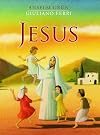
A beautiful children’s biography of Jesus. I love the illustrations and muted colors. Reminds me very much of Israel. Each spread presents a different event in the life of Jesus. This book could probably be a very versatile tool for parents. They could read it straight through, or they could take each spread on its own. If they’re familiar with the stories, they could spend the time discussing the event with their children instead of straight out reading the text. Great for developing questions and discussions about different things in the life of Jesus. Parents could also use it as a launching pad for Bible study. See the illustrations, maybe read the text, then turn to the scripture passages to read together. I think this is an excellent resource for any Christian parent with young children.
For being a picture book, I think it does an excellent job of covering nearly all important events in the life of Jesus. Oddly enough, it does not have a crucifixion spread. Although the text mentions it, the betrayal in the garden is the actual image. Although I don’t see this as a major fault, I do think that this should have been included. I imagine as a picture book for young children, the author did not want to show this death scene. However, this is the crux of Jesus’ life and ministry and therefore, extremely important. I think the cross should have been included, if even from a distance.
The one important event in Jesus’ life that was not included, in either text or show more pictures, was the ascension. This, I do see as a fault. I like the fact that this is presented like a picture book should be—as primarily a visual experience. It doesn’t seek to proselytize or overstuff the book with words or pictures. However, I do think it would have been valuable to have an appendix with scriptural reference related to each spread if parents want to read the actual stories to their children.
Despite these minor complaints, I would highly recommend this book to all parents with young children. show less
For being a picture book, I think it does an excellent job of covering nearly all important events in the life of Jesus. Oddly enough, it does not have a crucifixion spread. Although the text mentions it, the betrayal in the garden is the actual image. Although I don’t see this as a major fault, I do think that this should have been included. I imagine as a picture book for young children, the author did not want to show this death scene. However, this is the crux of Jesus’ life and ministry and therefore, extremely important. I think the cross should have been included, if even from a distance.
The one important event in Jesus’ life that was not included, in either text or show more pictures, was the ascension. This, I do see as a fault. I like the fact that this is presented like a picture book should be—as primarily a visual experience. It doesn’t seek to proselytize or overstuff the book with words or pictures. However, I do think it would have been valuable to have an appendix with scriptural reference related to each spread if parents want to read the actual stories to their children.
Despite these minor complaints, I would highly recommend this book to all parents with young children. show less
 This review was written for LibraryThing Early Reviewers.
I have rather mixed feelings about this book. For much of this book, I suspected that I did not like it, but it was one of those books that I didn't quite feel I could judge until the end. Truth be told, I was rather disturbed by the murderous convent. In some ways, I think this book would have been better told in a completely different world instead of a slightly skewed historical world (in the Brittany region of France). I had a hard time at the beginning deciding if this was true historical fiction and the convent was just making up targets to kill for their own ends or if this god was truly a god in the world of this book.
My biggest problem and distaste with this book was that this convent was training young girls to be murderers. When Ismae, star of the book, commits her first murder, she is not greatly bothered by the fact that she just killed someone. Maybe I'm crazy, but I'd think even someone who was trained for it would have a bit of a crisis upon murdering her first person.
I wondered: Is this really condoned? Will Ismae learn another way? Will she doubt her god, her convent? I sure hoped some of those questions would be raised so it was not just glorying in murder. And then there was the "regional god" factor. This is a very ancient concept not much accepted by any religion today. The idea that the Egyptians had their own gods rooting for them against the Assyrians' gods, and whoever had the stronger gods would win the battles. Although there were no battling show more gods, the main god of this book definitely favored Brittany (duchy), so he was most certainly a regional god.
Anyway, several of my concerns were addressed, though I still have a lot of problems with the book. Overall, by the end, I'd have to say I like this book more than I dislike it. show less
My biggest problem and distaste with this book was that this convent was training young girls to be murderers. When Ismae, star of the book, commits her first murder, she is not greatly bothered by the fact that she just killed someone. Maybe I'm crazy, but I'd think even someone who was trained for it would have a bit of a crisis upon murdering her first person.
I wondered: Is this really condoned? Will Ismae learn another way? Will she doubt her god, her convent? I sure hoped some of those questions would be raised so it was not just glorying in murder. And then there was the "regional god" factor. This is a very ancient concept not much accepted by any religion today. The idea that the Egyptians had their own gods rooting for them against the Assyrians' gods, and whoever had the stronger gods would win the battles. Although there were no battling show more gods, the main god of this book definitely favored Brittany (duchy), so he was most certainly a regional god.
Anyway, several of my concerns were addressed, though I still have a lot of problems with the book. Overall, by the end, I'd have to say I like this book more than I dislike it. show less
The Diet Dropout's Guide to Natural Weight Loss: Find Your Easiest Path to Naturally Thin by Stan Spencer
I must say, this book was not what I expected. I am not a dieter myself (as in a regiment, usually for a set time, with the purpose of losing weight), though I try to follow a healthy diet. "Natural" has such a broad, varied meaning these days, but I didn't find this book to have much in the way of "this is how we were made to eat" or "organic" type of natural.
What this book did offer is a lot of tips and advice for avoiding pitfalls and building a healthy diet. It looked at common reasons that diets failed, such as emotional eating, and then offered solutions to overcoming these weaknesses.
This book is not a diet, but would be a great supplement to any diet. It's not what I'm looking for and not what I expected, but nonetheless would be a great resource for many people.
What this book did offer is a lot of tips and advice for avoiding pitfalls and building a healthy diet. It looked at common reasons that diets failed, such as emotional eating, and then offered solutions to overcoming these weaknesses.
This book is not a diet, but would be a great supplement to any diet. It's not what I'm looking for and not what I expected, but nonetheless would be a great resource for many people.
This review was written for LibraryThing Early Reviewers.
Good book from the world of Graceling. I had not read fire. I understand that some characters were also in Fire, as they were in Graceling. But it's not about the characters in Graceling--they're minor characters (I think it's the same as Fire).
This book is about Bitterblue, the little girl and new queen in Graceling. She has a kingdom to pull together after the mess that her father left behind.
Honestly, I had a hard time creating a review for this book. Like Graceling, Bitterblue is an excellent book. It's well written with good characters and believable plot. But... Bitterblue was somewhat depressing. The world of this book was a terribly messed up place. True, it was on its way to improving, but it was so messed up before that it was pretty much still messed up. People were so hurt and couldn't share their hurts. They couldn't recover. In the end perhaps the people were on a better route to recovery... but it's still a hurting, sad world.
So... as much as this was a good book, it was also a depressing book for me. I'd have a hard time really recommending it.
This book is about Bitterblue, the little girl and new queen in Graceling. She has a kingdom to pull together after the mess that her father left behind.
Honestly, I had a hard time creating a review for this book. Like Graceling, Bitterblue is an excellent book. It's well written with good characters and believable plot. But... Bitterblue was somewhat depressing. The world of this book was a terribly messed up place. True, it was on its way to improving, but it was so messed up before that it was pretty much still messed up. People were so hurt and couldn't share their hurts. They couldn't recover. In the end perhaps the people were on a better route to recovery... but it's still a hurting, sad world.
So... as much as this was a good book, it was also a depressing book for me. I'd have a hard time really recommending it.
This review was written for LibraryThing Early Reviewers.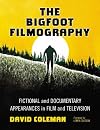
It's a filmography... on Bigfoot! Not really much to say. This book is very thorough and well illustrated. Short description of all the films. Fun to look through and see old movie posters of Bigfoot movies. Interesting to see how the views on Bigfoot have changed--from scary monster to friendly monster to biological study and everything in between.
Great pick for anyone who enjoys Bigfoot and movies. I think this is primarily either a reference or a fun gift for someone interested in that. Excellent for what it is.
Great pick for anyone who enjoys Bigfoot and movies. I think this is primarily either a reference or a fun gift for someone interested in that. Excellent for what it is.
This review was written for LibraryThing Early Reviewers.Wallace: The Underdog Who Conquered a Sport, Saved a Marriage, and Championed Pit Bulls--One Flying Disc at a Time by Jim Gorant
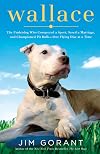
Excellent story! This is a story of resilience, risk, love, courage, perseverence. This couple took a risk with a crazy, out-of-control dog. I appreciated the fact that the author didn't sugar-coat Wallace. He was a bad dog. (Bad dog as in most dogs are until they get training--though this dog needed a little more than most.) A dog that the majority of Americans would not have the knowledge, time, energy and/or experience to handle. Some dogs are like that, but that doesn't make them evil. Just in need of civilizing.
I think what I appreciated most about this book is it gives a true picture of a wild, high drive dog. It shows people what it takes to handle a dog like this, so people will (hopefully) think before getting a dog, evaluating what they're capable of and what kind of dog they need. You hear so often through the years of how a breed is ruined when it suddenly gets popular (Dalmatians after the movie, Border Collies after Babe, etc.). While Wallace was extreme even for a pit, hopefully this book will make people think whatever type of dog they decide to get.
Moreso, it's also a great positive presentation of the pit bull.
The story of the work they put into Wallace, into their marriage, into their other dogs, is excellent. Great, well-written book.
I think what I appreciated most about this book is it gives a true picture of a wild, high drive dog. It shows people what it takes to handle a dog like this, so people will (hopefully) think before getting a dog, evaluating what they're capable of and what kind of dog they need. You hear so often through the years of how a breed is ruined when it suddenly gets popular (Dalmatians after the movie, Border Collies after Babe, etc.). While Wallace was extreme even for a pit, hopefully this book will make people think whatever type of dog they decide to get.
Moreso, it's also a great positive presentation of the pit bull.
The story of the work they put into Wallace, into their marriage, into their other dogs, is excellent. Great, well-written book.
This review was written for LibraryThing Early Reviewers.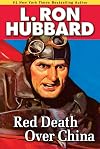
This book was just a few short stories with a full-cast audio on 2 CDs. I had been wanting for awhile to read some of L. Ron Hubbard's novels, as they've been heavily promoted and I always enjoy reading or listening to things that were popular decades ago. It is especially interesting as I am also reading a book on Scientology (Inside Scientology: The Story of America's Most Secretive Religion), so having read this book lends a new perspective to Hubbard' biography.
Anyway, about the recording itself. I must say, in the end, I didn't like it. But nonetheless I choose not to give it a low rating because I think it has a lot going for it and seomeone else may enjoy it.
For one, I found it hard to listen to. Over the years, I've found that some audiobooks--maybe 1%--are just impossible to listen to in the car while driving. Usually I find audiobooks calming and help me better focus on driving. Occasionally a book is impossible to focus on while driving. Sometimes it's because of unusual accents; sometimes it's because of the depth of the content; sometimes it's for no reason I can fathom. I wouldn't say this book was impossible to listen to while driving, just more difficult than average.
I also found the full-cast audio distracting. To each his own, but I think I generally prefer one narrator, or if you must, a couple narrators but without the sound effects.
The stories themselves were simple, as would be expected from short stories. But the characters also are very show more one-dimensional. They sort of had a "going out in a blaze of glory" theme. It's definitely interesting to examine them in a historical perspective. But it's not something that would hold my interest long.
So, for the right person, I think these audio books would be highly enjoyable. For me, it's really not what I was looking for. show less
Anyway, about the recording itself. I must say, in the end, I didn't like it. But nonetheless I choose not to give it a low rating because I think it has a lot going for it and seomeone else may enjoy it.
For one, I found it hard to listen to. Over the years, I've found that some audiobooks--maybe 1%--are just impossible to listen to in the car while driving. Usually I find audiobooks calming and help me better focus on driving. Occasionally a book is impossible to focus on while driving. Sometimes it's because of unusual accents; sometimes it's because of the depth of the content; sometimes it's for no reason I can fathom. I wouldn't say this book was impossible to listen to while driving, just more difficult than average.
I also found the full-cast audio distracting. To each his own, but I think I generally prefer one narrator, or if you must, a couple narrators but without the sound effects.
The stories themselves were simple, as would be expected from short stories. But the characters also are very show more one-dimensional. They sort of had a "going out in a blaze of glory" theme. It's definitely interesting to examine them in a historical perspective. But it's not something that would hold my interest long.
So, for the right person, I think these audio books would be highly enjoyable. For me, it's really not what I was looking for. show less
This review was written for LibraryThing Early Reviewers.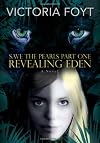
Hmm... First of all, it's only fair to say that I was motivated to read this book because of all the terrible reviews it got. I was curious enough to read it for myself.
In some ways, it was as bad as they made it out to be. In other ways, I didn't find it that bad. And worse in others. Many called this book racist. I wouldn't call it such. Mostly, I think the characters were very one-dimensional and maybe stereotypical, but does that make it racist? I wouldn't think so. I would, however, say that it's insensitive. It feels like it's trivializing and simplifying the complicated race relations, both past and present, that exist in America today.
It feels like the author tried something and miserably failed. It's not a bad thing to attempt--turn race relationships on their head to look at it from a different perspective. But this didn't work. The characters were flat and uninteresting. The race relations were simplified to a point of being almost mocking.
The main character, Eden, was the most unlikable main character I have ever read. She wasn't terrible, but there was nothing redeeming about her. At the beginning of the novel, she's running around whining and "wo is me." Then... well, I'm not totally sure what the plot was, but later she keeps sabotaging everything. Even in the very end, she doesn't get her way so she starts throwing chairs at machinery. I'm not sure if she was supposed to be vaguely unlikable a the beginning and mature throughout the novel, or if her show more character was supposed to be likable throughout the book. Then she starts falling in love with another character, but she keeps flip flopping between hating him and ranting about what a terrible person he is and then wanting to kiss him.
The plot? I really have no idea. It didn't make a lot of sense to me.
Another thing is the world building. This is one of the post-apocalyptic novels. Most such novels do a good job of explaining how their world got where it was. This novel explains, but not in a way I find very believable. I can understand the heating planet causing life to be nearly impossible, especially for those who are lighter skinned. But the political and social climate doesn't make sense. To go from where we are now to a hatred and contempt between classes... it just didn't jive with me.
Then there are several other things in the book that don't make sense. Take two truths in the world of the book: 1. You must get married by a certain age, otherwise you'll be thrust out of the community. They need everyone to be propagating the species. 2. Population control: You can't have more than one child. ... These make sense together how? show less
In some ways, it was as bad as they made it out to be. In other ways, I didn't find it that bad. And worse in others. Many called this book racist. I wouldn't call it such. Mostly, I think the characters were very one-dimensional and maybe stereotypical, but does that make it racist? I wouldn't think so. I would, however, say that it's insensitive. It feels like it's trivializing and simplifying the complicated race relations, both past and present, that exist in America today.
It feels like the author tried something and miserably failed. It's not a bad thing to attempt--turn race relationships on their head to look at it from a different perspective. But this didn't work. The characters were flat and uninteresting. The race relations were simplified to a point of being almost mocking.
The main character, Eden, was the most unlikable main character I have ever read. She wasn't terrible, but there was nothing redeeming about her. At the beginning of the novel, she's running around whining and "wo is me." Then... well, I'm not totally sure what the plot was, but later she keeps sabotaging everything. Even in the very end, she doesn't get her way so she starts throwing chairs at machinery. I'm not sure if she was supposed to be vaguely unlikable a the beginning and mature throughout the novel, or if her show more character was supposed to be likable throughout the book. Then she starts falling in love with another character, but she keeps flip flopping between hating him and ranting about what a terrible person he is and then wanting to kiss him.
The plot? I really have no idea. It didn't make a lot of sense to me.
Another thing is the world building. This is one of the post-apocalyptic novels. Most such novels do a good job of explaining how their world got where it was. This novel explains, but not in a way I find very believable. I can understand the heating planet causing life to be nearly impossible, especially for those who are lighter skinned. But the political and social climate doesn't make sense. To go from where we are now to a hatred and contempt between classes... it just didn't jive with me.
Then there are several other things in the book that don't make sense. Take two truths in the world of the book: 1. You must get married by a certain age, otherwise you'll be thrust out of the community. They need everyone to be propagating the species. 2. Population control: You can't have more than one child. ... These make sense together how? show less
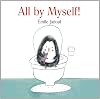
All by Myself is the story of a little penguin, Leon, who wakes up every night to go potty. But he can't go by himself. He calls mom or dad to come take him to the bathroom. Finally, little Leon decides to do the big boy thing and go potty all by himself. He is ecstatic in his success.
Well... the illustrations in this book are simple and charming. The penguins are well drawn and their emotions shine through.
This might be a good book to read to a child who has the same problem as Leon--getting up in the middle of the night. In fact, it feels like an exhausted parent wrote this book to teach their child to not wake mom and dad up in the middle of the night. But the super simplistic plot won't be one that kids will want to return to.
And that is the crux of the issue. There is really no plot to this book. Leon gets up in the middle of the night to go potty. Sometimes he calls mom. Sometimes he calls dad. Mom and dad are tired. Dad wants Leon to not wake them up. Leon does. Leon wakes mom and dad up to tell them he did. The end. That's it.
No one's expecting an intricate novel in a picture book, but those little plot twists, subplots, surprises in the illustrations, etc., are what makes cute picture books great picture books. I honestly can't see this book being used for much else other than a one- or two-time read for a child who gets up in the night to use the bathroom.
The ending is very abrupt and the humor at the end is cute but I think something that appeals more to show more parents than kids. show less
Well... the illustrations in this book are simple and charming. The penguins are well drawn and their emotions shine through.
This might be a good book to read to a child who has the same problem as Leon--getting up in the middle of the night. In fact, it feels like an exhausted parent wrote this book to teach their child to not wake mom and dad up in the middle of the night. But the super simplistic plot won't be one that kids will want to return to.
And that is the crux of the issue. There is really no plot to this book. Leon gets up in the middle of the night to go potty. Sometimes he calls mom. Sometimes he calls dad. Mom and dad are tired. Dad wants Leon to not wake them up. Leon does. Leon wakes mom and dad up to tell them he did. The end. That's it.
No one's expecting an intricate novel in a picture book, but those little plot twists, subplots, surprises in the illustrations, etc., are what makes cute picture books great picture books. I honestly can't see this book being used for much else other than a one- or two-time read for a child who gets up in the night to use the bathroom.
The ending is very abrupt and the humor at the end is cute but I think something that appeals more to show more parents than kids. show less
This review was written for LibraryThing Early Reviewers.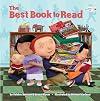
The kids arrive at the library and the librarian gives an overview of all the exciting books they can read. Looks like the type of book a librarian might use at a library tour... but I'm a librarian and have no desire to use it. Maybe following her lead and pulling books on space, cooking, dogs, magic, etc., to introduce the kids to a variety of subjects.
But this book has little plot and I'm not sure that it would hold kids' interest for long.
But this book has little plot and I'm not sure that it would hold kids' interest for long.
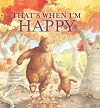
A little bear recounts all the times when he's happy throughout the day. Various times with his mom and dad are highlighted--special times of just playing in the leaves, reading, snuggling etc.
It's cute. Illustrations are nice. But there's nothing outstanding here. Kind of rote picture book.
It's cute. Illustrations are nice. But there's nothing outstanding here. Kind of rote picture book.
SUMMARY:
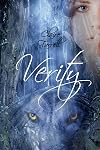
Perdita keeps have dreams about some beautiful eyes. She thinks nothing of it until the possessor of those eyes walks into her classroom. She is instantly drawn to Nathan and she feels like there's a spark between them, but she can't figure it out. At times he seems very nice, flirty, even maybe in love with her, but at other times he seems cold, moody and ignores her. (Sound like any other popular YA paranormal novels?)
She can't figure out this boy, but in the meantime she has other issues. She's finally taking a stand for herself against her grandmother and father, who have taken opposite sides of the fence raising her, after her mother ran out on them years ago. Then there's her new friend Amelia, who is also the sister of Perdita's crush. And her old friends Tammie and Joey, who may be getting together and having major issues. Then there's the issue of her name (OK, not really, but I kept thinking of the dog Perdita in 101 Dalmatians).
THE GOOD:
All of Perdita's relationships were unusual, especially as the book progressed. This is not necessarily a good thing. But nonetheless, each individual relationship seems genuine. Altogether, it's grounds for disbelief and skepticism, but I feel like each relationship on it's own makes sense and is well done.
While I wouldn't say the plot was terribly original--many of the elements in the books can be found in other YA paranormal books--it was nonetheless well written and well put together.
THE BAD:
As mentioned above, show more Perdy is in several unusual relationships. Her overprotective father, her absent mother, her vicarious grandmother, her vindictive ex-best friend, her absentminded cousin, her indecisive maybe-boyfriend, her tarot-reading new friend... It is odd that one person would have so many strange relationships in her life. But in a paranormal novel? It's definitely grounds for skepticism. The paranormal aspects didn't manifest itself until near the very end, but since I knew it was paranormal, I kept wondering what was up with this odd cast of characters--will this person turn out to be a flesh-eating villain? etc. I still wonder, actually. Of all those relationship above, especially the "human" ones--is one not who he seems?
Another quibble is I didn't really feel like the real plot started until the very end of the book. There's a lot of relationship struggles, friendships built and ruined, romanced started, etc., for the first 3/4 of the book. But the real issue--that of another pack's threat--is only hinted at for most of the book. Then when Perdita finds out they're werewolves--and her connection--the plot starts moving.
CONCLUSION:
Overall, I enjoyed this book. Quick read. Interesting characters. Good conclusion but a bit of a mystery to keep you going. I may read the next books in the series. show less
Perdita keeps have dreams about some beautiful eyes. She thinks nothing of it until the possessor of those eyes walks into her classroom. She is instantly drawn to Nathan and she feels like there's a spark between them, but she can't figure it out. At times he seems very nice, flirty, even maybe in love with her, but at other times he seems cold, moody and ignores her. (Sound like any other popular YA paranormal novels?)
She can't figure out this boy, but in the meantime she has other issues. She's finally taking a stand for herself against her grandmother and father, who have taken opposite sides of the fence raising her, after her mother ran out on them years ago. Then there's her new friend Amelia, who is also the sister of Perdita's crush. And her old friends Tammie and Joey, who may be getting together and having major issues. Then there's the issue of her name (OK, not really, but I kept thinking of the dog Perdita in 101 Dalmatians).
THE GOOD:
All of Perdita's relationships were unusual, especially as the book progressed. This is not necessarily a good thing. But nonetheless, each individual relationship seems genuine. Altogether, it's grounds for disbelief and skepticism, but I feel like each relationship on it's own makes sense and is well done.
While I wouldn't say the plot was terribly original--many of the elements in the books can be found in other YA paranormal books--it was nonetheless well written and well put together.
THE BAD:
As mentioned above, show more Perdy is in several unusual relationships. Her overprotective father, her absent mother, her vicarious grandmother, her vindictive ex-best friend, her absentminded cousin, her indecisive maybe-boyfriend, her tarot-reading new friend... It is odd that one person would have so many strange relationships in her life. But in a paranormal novel? It's definitely grounds for skepticism. The paranormal aspects didn't manifest itself until near the very end, but since I knew it was paranormal, I kept wondering what was up with this odd cast of characters--will this person turn out to be a flesh-eating villain? etc. I still wonder, actually. Of all those relationship above, especially the "human" ones--is one not who he seems?
Another quibble is I didn't really feel like the real plot started until the very end of the book. There's a lot of relationship struggles, friendships built and ruined, romanced started, etc., for the first 3/4 of the book. But the real issue--that of another pack's threat--is only hinted at for most of the book. Then when Perdita finds out they're werewolves--and her connection--the plot starts moving.
CONCLUSION:
Overall, I enjoyed this book. Quick read. Interesting characters. Good conclusion but a bit of a mystery to keep you going. I may read the next books in the series. show less
SUMMARY:
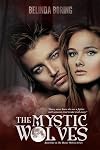
Darcy is quickly assimilating into her new pack, the Mystic Wolves, including the love of her life, alphas Mason, and her soon-to-be sister-in-law, Jasmine. However, when a simple errand takes a turn for the worse, the pack is thrown into turmoil and it soon becomes apparent someone is out to get Mason... or those he loves.
THE GOOD:
OK, to be honest, I didn't much care for this book. But... I enjoyed the relationships between Darcy and some of the minor characters, such as Jasmine and Mason's second-in-command. These relationships seemed genuine.
THE BAD:
In this book, I found two of my biggest gripes. One: Editing, editing, editing. This is pretty much a constant for self-published ebooks, but I will not get used to it. A few errors in a book are to be understood, especially in a self-published book. But when the misspellings, grammatical errors and absence of punctuation distracts the reader from the story, this is a major flaw.
Second, world building. In a fantasy world, you need to create rules and histories to make your world believable. Even if you don't tell your reader all of this, the fact that the author knows this backstory makes the story stronger. JK Rowling has said that she has boxes of information about her world and characters--stuff that never comes up in her books, but the fact that she knows gives credence to her writing. There were questions I had that has no clear answers. For example, the protagonist and her mate met on a blind date. But I show more thought these werewolves lived and functioned in packs. So... that brings up a lot of quetsions. Did they live in a pack? Can a werewolf just trespass on another wolf's pack land to go on a blind date? Did she need permission of her alpha to marry outside her pack? Where are these other packs? etc. Then there's the issue of the Mystic Wolves' alpha, Mason (the love interest). He's presumably young. He's said to be an excellent, wise, good leader. So... how long has he been alpha? Was it when he was 18? And why is he alpha? If I were a werewolf, I'd want an older wolf as my alpha, someone who has more experience. Did he get to be alpha by fighting? By inheritance? By strength of will? Who knows?
Then you have the whole romance. It feels sort of fake to me. A lot of it has to do with poor dialogue. Another part is the fact that Darcy is a virgin. Maybe I'm crazy, but if this is her first time getting close to a man (and it seemed to indicate that--not just that she hadn't had sex, but that she hadn't been close to any other guy), that she would have been more shy in their interactions, especially since they pretty much did everything but the act.
Then we have the emotions. The characters are dealing with a major tragedy. They cry and comfort each other, as they should. But it's like they're bipolar or something. One minute they're crying and then they're laughing and having a good time. Sure, they need to put aside their sorrow to handle current events, but when a major tragedy strikes, I think it's always at the back of people's minds. And those times between grieving didn't ring true to me.
The plot didn't really make a lot of sense. The initial tragedy was instigated by a non-major player. It's not clear, even in the end, exactly how this guy fit in or if what happened was what the major villain expected to happen in this situation. And the motivations for the villain just seem dumb. At one point, he attacks the Mystic Wolves (used in a broad sense to not give away the plot). He's at a point of power--he has something the Wolves hold dear. But then he releases his hold as just a "warning." Doesn't really make a lot of sense...
Finally, huge turn-off. The ending scene has some woman running in, hugging Mason and claiming to be his mate. Stupid, stupid. I suppose if you're in love with the story and characters, it might make you want to read the sequel. Me? Just turned me off and made me gag. I hate soap-opera like events. So unnecessary in well-written books. show less
Darcy is quickly assimilating into her new pack, the Mystic Wolves, including the love of her life, alphas Mason, and her soon-to-be sister-in-law, Jasmine. However, when a simple errand takes a turn for the worse, the pack is thrown into turmoil and it soon becomes apparent someone is out to get Mason... or those he loves.
THE GOOD:
OK, to be honest, I didn't much care for this book. But... I enjoyed the relationships between Darcy and some of the minor characters, such as Jasmine and Mason's second-in-command. These relationships seemed genuine.
THE BAD:
In this book, I found two of my biggest gripes. One: Editing, editing, editing. This is pretty much a constant for self-published ebooks, but I will not get used to it. A few errors in a book are to be understood, especially in a self-published book. But when the misspellings, grammatical errors and absence of punctuation distracts the reader from the story, this is a major flaw.
Second, world building. In a fantasy world, you need to create rules and histories to make your world believable. Even if you don't tell your reader all of this, the fact that the author knows this backstory makes the story stronger. JK Rowling has said that she has boxes of information about her world and characters--stuff that never comes up in her books, but the fact that she knows gives credence to her writing. There were questions I had that has no clear answers. For example, the protagonist and her mate met on a blind date. But I show more thought these werewolves lived and functioned in packs. So... that brings up a lot of quetsions. Did they live in a pack? Can a werewolf just trespass on another wolf's pack land to go on a blind date? Did she need permission of her alpha to marry outside her pack? Where are these other packs? etc. Then there's the issue of the Mystic Wolves' alpha, Mason (the love interest). He's presumably young. He's said to be an excellent, wise, good leader. So... how long has he been alpha? Was it when he was 18? And why is he alpha? If I were a werewolf, I'd want an older wolf as my alpha, someone who has more experience. Did he get to be alpha by fighting? By inheritance? By strength of will? Who knows?
Then you have the whole romance. It feels sort of fake to me. A lot of it has to do with poor dialogue. Another part is the fact that Darcy is a virgin. Maybe I'm crazy, but if this is her first time getting close to a man (and it seemed to indicate that--not just that she hadn't had sex, but that she hadn't been close to any other guy), that she would have been more shy in their interactions, especially since they pretty much did everything but the act.
Then we have the emotions. The characters are dealing with a major tragedy. They cry and comfort each other, as they should. But it's like they're bipolar or something. One minute they're crying and then they're laughing and having a good time. Sure, they need to put aside their sorrow to handle current events, but when a major tragedy strikes, I think it's always at the back of people's minds. And those times between grieving didn't ring true to me.
The plot didn't really make a lot of sense. The initial tragedy was instigated by a non-major player. It's not clear, even in the end, exactly how this guy fit in or if what happened was what the major villain expected to happen in this situation. And the motivations for the villain just seem dumb. At one point, he attacks the Mystic Wolves (used in a broad sense to not give away the plot). He's at a point of power--he has something the Wolves hold dear. But then he releases his hold as just a "warning." Doesn't really make a lot of sense...
Finally, huge turn-off. The ending scene has some woman running in, hugging Mason and claiming to be his mate. Stupid, stupid. I suppose if you're in love with the story and characters, it might make you want to read the sequel. Me? Just turned me off and made me gag. I hate soap-opera like events. So unnecessary in well-written books. show less
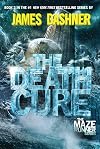
Since reading the first book, I always felt like I couldn't really tell if I liked this series or not until I'd reached its conclusion. The first book was, in a way, absurd. That someone would go to so much trouble to essentially torture and murder a bunch of boys... to what end? It was obvious that millions of dollars had gone into creating the maze and other structures. Would there be any realistic conclusion to this story, or did the author just come up with "hmmm... let's see what happens if we throw a bunch of boys into a deathly maze with killer cyborgs?"
So... I've now finished the trilogy. Yes, the author did, to a degree, bring it to a sensible conclusion. The reason they tortured these kids was to find a cure. But, on the other hand, it's not really that sensible. First, since this story supposedly takes place in our current world at some future time, when has emotion/physical trials ever been part of discovering why some people are immune to a disease? That doesn't really make sense based on my current understanding of medicine. Then... really, is it that necessary to spend so much money to create such an elaborate maze to test these people's emotional reactions? Really, it seems like there are much more cost-effective ways.
Then, you have the rest of the story. Much of it, I felt was not given. There were so many unanswered questions. (SPOILER ALERT!) At one point, early in the book, the majority of the maze crowd is given back their memory. Thomas, the star of show more our book, was not among that group. I know I was eager to learn what they now knew. But no, nothing was said at all. It's like it didn't even happen. I have so many questions about Theresa (why did she write "WICKED is good" on her arm? why did she keep flip-flopping between supporting and not supporting WICKED? what did she know or learn?). I have so many questions about Thomas (what did he do previous to the maze days? How did he work for WICKED?). I have so many questions about WICKED itself. (What made them think that torturing a bunch of kids would help them find a cure? why do they think they can still find a cure?) And of course, questions about the other characters (what is Brenda and Jorge's relationship? If he goes where she goes, why is she in love with Thomas? Or is he more of a father figure? What in the world?)
Then, there were problems in the story. Take the diseased people. If you knew that if you got the disease, you would eventually turn into a murdering, disgusting, man-eating zombie, what would you hope your friends would do for you? (Yeah, the answer is kill you.) OK, if you knew that this disease was taking over the world. The diseased would not only spread the disease, but also potentially kill you, with no hope for recovery, what would the world decide to do with those who got the disease? (Yeah, they'd probably kill them, or maybe sedate them or lock them up, very early in the disease process. What an ingenious way to control the spread of disease! (And, of course, everybody kills zombies in zombie movies and books, even if they were once human.) So, no, this world doesn't option for killing the zombies. They prefer to just "set them loose" in the wild, letting them die terrible, miserable, murderous, disease-spreading deaths. Oh joy. How illogical.
Finally, there's the whole little love triangle. So in this book, you can be on Team Brenda or Team Teresa. Personally, I always liked Teresa. Dashner didn't even give poor Teresa a chance. He tied things up with a pretty bow by killing Teresa so Thomas wouldn't have to choose.
So... I finished the book ultimately disappointed. Yes, it was an enjoyable read and the action was strong throughout, but as a story (and the story is king in my book), it left much to be desired. show less
So... I've now finished the trilogy. Yes, the author did, to a degree, bring it to a sensible conclusion. The reason they tortured these kids was to find a cure. But, on the other hand, it's not really that sensible. First, since this story supposedly takes place in our current world at some future time, when has emotion/physical trials ever been part of discovering why some people are immune to a disease? That doesn't really make sense based on my current understanding of medicine. Then... really, is it that necessary to spend so much money to create such an elaborate maze to test these people's emotional reactions? Really, it seems like there are much more cost-effective ways.
Then, you have the rest of the story. Much of it, I felt was not given. There were so many unanswered questions. (SPOILER ALERT!) At one point, early in the book, the majority of the maze crowd is given back their memory. Thomas, the star of show more our book, was not among that group. I know I was eager to learn what they now knew. But no, nothing was said at all. It's like it didn't even happen. I have so many questions about Theresa (why did she write "WICKED is good" on her arm? why did she keep flip-flopping between supporting and not supporting WICKED? what did she know or learn?). I have so many questions about Thomas (what did he do previous to the maze days? How did he work for WICKED?). I have so many questions about WICKED itself. (What made them think that torturing a bunch of kids would help them find a cure? why do they think they can still find a cure?) And of course, questions about the other characters (what is Brenda and Jorge's relationship? If he goes where she goes, why is she in love with Thomas? Or is he more of a father figure? What in the world?)
Then, there were problems in the story. Take the diseased people. If you knew that if you got the disease, you would eventually turn into a murdering, disgusting, man-eating zombie, what would you hope your friends would do for you? (Yeah, the answer is kill you.) OK, if you knew that this disease was taking over the world. The diseased would not only spread the disease, but also potentially kill you, with no hope for recovery, what would the world decide to do with those who got the disease? (Yeah, they'd probably kill them, or maybe sedate them or lock them up, very early in the disease process. What an ingenious way to control the spread of disease! (And, of course, everybody kills zombies in zombie movies and books, even if they were once human.) So, no, this world doesn't option for killing the zombies. They prefer to just "set them loose" in the wild, letting them die terrible, miserable, murderous, disease-spreading deaths. Oh joy. How illogical.
Finally, there's the whole little love triangle. So in this book, you can be on Team Brenda or Team Teresa. Personally, I always liked Teresa. Dashner didn't even give poor Teresa a chance. He tied things up with a pretty bow by killing Teresa so Thomas wouldn't have to choose.
So... I finished the book ultimately disappointed. Yes, it was an enjoyable read and the action was strong throughout, but as a story (and the story is king in my book), it left much to be desired. show less
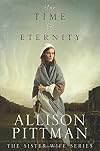
For me, this book was a strange mixture of like and dislike despair and hope. It really is a story about a personal spiritual journey, as much as it is a romance and a physical journey. But you don't really realize the strong spiritual element until much later in the book. Actually, the book is kind of slow until the tension starts building and she is spiritually awakened. However, I felt like I was just beginning to think "this book is getting good" when it ended, rather abruptly, to be honest.
**warning spoilers** Actually, the ending felt rather like cheating. Camilla had come to a point where she'd fully awoken to her own spiritual convictions. She was in a very difficult situation, by any means. She was surrounded by Mormons who did not look kindly on non-Mormons. She still loved her husband. She was obligated to her children, for both their spiritual and physical well-being. In that society, their physical well-being could not be guaranteed if she took them with her. So, the tension was building when it abruptly stopped and the problems were solved. While I do not think the ending was unrealistic for the time period, as fiction, I felt like it was an easy out and rather cheating. ADDITION: OK, so I've just learned that there is a sequel to this book starring Camilla. So apparently she didn't die in an easy out at the end. So... I guess I take away that criticism. Since the book was just getting good as the tension mounted, I think I might look up this sequel.
**warning spoilers** Actually, the ending felt rather like cheating. Camilla had come to a point where she'd fully awoken to her own spiritual convictions. She was in a very difficult situation, by any means. She was surrounded by Mormons who did not look kindly on non-Mormons. She still loved her husband. She was obligated to her children, for both their spiritual and physical well-being. In that society, their physical well-being could not be guaranteed if she took them with her. So, the tension was building when it abruptly stopped and the problems were solved. While I do not think the ending was unrealistic for the time period, as fiction, I felt like it was an easy out and rather cheating. ADDITION: OK, so I've just learned that there is a sequel to this book starring Camilla. So apparently she didn't die in an easy out at the end. So... I guess I take away that criticism. Since the book was just getting good as the tension mounted, I think I might look up this sequel.
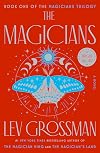
There are elements of this book that I both greatly admire and greatly dislike. Hence I'm placing it squarely at three stars, my stars for an average book. An excellent look at magic, with no saints. I mean, Harry Potter has plenty of well-rounded people with faults as well as virtues, but there are definitely paragons in Harry Potter. In this way, The Magicians is more like real life. Faulty humans stumbling through. The magic was well done as well as the world created. The story was... mostly good. One strange thing was that I felt like there were a few very dramatic shifts. Like the story's going on in one direction and you think perhaps it's a school novel, and then they graduate and there's a dramatic shift.
Yes, this book was definitely well done and had a lot to recommend it, but I can't say I really liked it terribly well. For one, the mythical land of Fillory has so many parallels to Narnia, one can't help but wonder that the author had, as a child, wanted very much to enter Narnia himself. Which I can understand. I first wanted to write because there weren't enough Narnia stories. Narnia has a special place in the hearts of many, and with so very many similarities to Narnia, the author is walking on thin ice with Fillory.
The gods of Fillory (comparable to Aslan) were destroyed. What did that leave you? I think that's the problem I had with the entire book. It ended up depressing (like many good books), but essentially I felt it was sending a humanistic "the gods show more have failed you, you can rely on nothing but yourself" message that is ultimately very depressing and distasteful to me.
I may listen to the second book, if I can find it on audio, since I'm curious. But I think that this author is not someone I want to read terribly much more of. But, to be honest, it helped me figure out several questions that I've asked myself about certain books, like why I like one book or another, or one genre and not another. I might recommend this book (with qualifications), but I don't think I liked it. show less
Yes, this book was definitely well done and had a lot to recommend it, but I can't say I really liked it terribly well. For one, the mythical land of Fillory has so many parallels to Narnia, one can't help but wonder that the author had, as a child, wanted very much to enter Narnia himself. Which I can understand. I first wanted to write because there weren't enough Narnia stories. Narnia has a special place in the hearts of many, and with so very many similarities to Narnia, the author is walking on thin ice with Fillory.
The gods of Fillory (comparable to Aslan) were destroyed. What did that leave you? I think that's the problem I had with the entire book. It ended up depressing (like many good books), but essentially I felt it was sending a humanistic "the gods show more have failed you, you can rely on nothing but yourself" message that is ultimately very depressing and distasteful to me.
I may listen to the second book, if I can find it on audio, since I'm curious. But I think that this author is not someone I want to read terribly much more of. But, to be honest, it helped me figure out several questions that I've asked myself about certain books, like why I like one book or another, or one genre and not another. I might recommend this book (with qualifications), but I don't think I liked it. show less
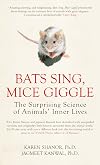
I think a major problem of this book is the title. It directly implies two things: emotions and mammals. Singing and giggling definitely have an emotional aspect, right? And the subtitle, "inner lives" appears to invoke some sort of emotional or relational aspect.
Well, the first chapter goes into electric animals... mostly fish. Then it goes into vibrations and so on.
Honestly, this is a good book. Interesting overview of a lot of new research in the animal field. But I was definitely expecting something different, which made it difficult to read. I kept expecting to read more about emotions or relations. And it did go into that somewhat, but it was very difficult to read because I felt like I wasn't picking up the book I expected to. Nonetheless, I would recommend this to someone who enjoys reading about scientific discoveries about animals.
Well, the first chapter goes into electric animals... mostly fish. Then it goes into vibrations and so on.
Honestly, this is a good book. Interesting overview of a lot of new research in the animal field. But I was definitely expecting something different, which made it difficult to read. I kept expecting to read more about emotions or relations. And it did go into that somewhat, but it was very difficult to read because I felt like I wasn't picking up the book I expected to. Nonetheless, I would recommend this to someone who enjoys reading about scientific discoveries about animals.
This review was written for LibraryThing Early Reviewers.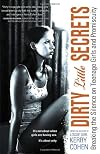
This book was not what I was expecting. I was thinking it would be something more like Reviving Ophelia or Queen Bees and Wannabes. A collection of stories and psychology about the current state of girls and culture. While this book did have those aspects, I don't think it has the wide appeal of those other books.
Frankly, I found it a bit depressing. Girls who lack so much self-confidence that they look to boys for any bone of attention. Girls who are told by society to act like angels but dress like sluts. Not that a depressing topic is bad in itself, but it wasn't as interesting as I expected.
I think someone who is in this situation, or knows someone who is, could find this book very valuable. For someone who just wants an interesting book on the general state of girls, culture, psychology, etc., there are better books out there.
Frankly, I found it a bit depressing. Girls who lack so much self-confidence that they look to boys for any bone of attention. Girls who are told by society to act like angels but dress like sluts. Not that a depressing topic is bad in itself, but it wasn't as interesting as I expected.
I think someone who is in this situation, or knows someone who is, could find this book very valuable. For someone who just wants an interesting book on the general state of girls, culture, psychology, etc., there are better books out there.
This review was written for LibraryThing Early Reviewers.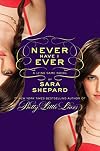
After spending a bit of time trying to decide whether I love or hate this series, I think I do like it. My biggest complaint is that it feels like the author drew out this series into more books than necessary to make more money. Although I'm on the second of four, it seems very probable that the whole series could easily have gone into one, or possibly two, books.
The elements of these books are definitely teen pleasers. The "it crowd" along with all the bff, cattiness, boyfriend, etc., that entails. Sudden rise to popularity of a nobody girl. And, of course, the mystery. It's a fun concept. I just feel like there's a lot of fluff and nothingness.
Judging from the first two books, it seems like each book has a suspect or group of suspects who are then ruled out in the end, except of course (hopefully!) the last book. My guess for a suspect is Ethan. Just putting it out there now.
The elements of these books are definitely teen pleasers. The "it crowd" along with all the bff, cattiness, boyfriend, etc., that entails. Sudden rise to popularity of a nobody girl. And, of course, the mystery. It's a fun concept. I just feel like there's a lot of fluff and nothingness.
Judging from the first two books, it seems like each book has a suspect or group of suspects who are then ruled out in the end, except of course (hopefully!) the last book. My guess for a suspect is Ethan. Just putting it out there now.

Wow. Not totally sure what to make of this book. I definitely cannot give it my "average" marker of three stars. It's either above average or below average... not sure which. I can see why this is popular, but can't decide if I like it or not. Bizarre for certain. Narrated by the dead twin who doesn't know herself who her killer is. Not original... Lovely Bones did something similar...
For certain it leaves you wanting more. Whether you love it or you hate it, you want to know the truth behind all the lies. For this reason, I'm almost tempted (but still undecided) to read the sequel.
The themes in this book are common to so many popular teen books--catty, fighting best friends. Girl who is thrust into the limelight as the "it" girl... But it's definitely original, as well.
For certain it leaves you wanting more. Whether you love it or you hate it, you want to know the truth behind all the lies. For this reason, I'm almost tempted (but still undecided) to read the sequel.
The themes in this book are common to so many popular teen books--catty, fighting best friends. Girl who is thrust into the limelight as the "it" girl... But it's definitely original, as well.
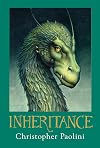
A mediocre ending to a mediocre series... To be honest, I thoroughly enjoyed the first book. It wasn't great by any means, but entirely enjoyable. I slogged through the next two books, hanging on to hope because I enjoyed the first book. I was totally bored, though. It's been so long since I've read them, I have difficulty comparing them to Inheritance, but it would seem that Inheritance was definitely better than the second and third. Though by no means better than the first.
After much thought, I think my main problem with this series is its lack of relatable characters. I came to love the characters in the first half of Eragon: Eragon, Saphira, Brom, Roran, Murtagh, etc. But when he got to the Varden, I never related to any of the characters. From the beginning, I distrusted the characters Paolini had created and honestly, I never got over that. I don't find these characters to be interesting, brave or likable. Arya, Nasuada, Ajihad, Glaedr, etc. And I think that this is the main (though certainly not the only) fault I find with this series. If I don't care about the characters, what do I care what they do. What do I care if Eragon succeeds in love with Arya if she's just an icky character?
Moreover, these books are way too long. There is so much fluff in there that could just be tossed. Maybe "fluff" isn't the best word, but seriously the books go on forever. Cut them in half already.
On to Inheritance, and I make no promise that spoilers will not follow. So there's this show more whole issue with the leadership. They keep saying what a wonderful leader Nasuada is, but I don't see it. She's OK, but not great. Show, don't tell. I'm not convinced she's this wonderful leader just because the author says she is. Then, in the end, she insists that she's the best leader of all and should be made the emperor of all. And everyone agrees. Hoorah. Seems a bit like a second dictatorship, right after the evil Galbatorix. And she's off giving away lands and reassigning things. But what about the people who lived there before? Like she gives one guy a whole valley. But what about all the farmers who actually have homes there? Sorry guys. Now you have to pay rent! And she's praised for how nice she is divvying up the land to her favorite peeps.
So they defeat Galbatorix and there's still more than a 100 pages left of the book! Talk about wordiness. And I get it. Paolini obviously wants to be Tolkien, who had massive tomes and was actually good at it. But he's not Tolkien and his massive wordiness is just annoying.
Then, at the end, Saphira and Eragon are running around being Nasuada's errand boys. Go do this, do that. Which does not seem like the way the dragon riders function. They are not at the beck and call of one leader to further strengthen their rule. Thankfully this is resolved later.
Then there's the problem of magic, which the author does recognize at least. Magic is so powerful, anyone who doesn't have it is pretty much at the mercy of those who do. It's not a very balanced world. Then, to end it off, two folks at the end pretty much have absolute power over magic. And the author doesn't really see this as a problem. Nobody in the book does. They're just like "yeah! now we can have 100% power over everything. Hoorah!" They have all the power in the world. Didn't the author learn "absolute power corrupts absolutely"? After great power has been abused (such as the case of Galbatorix) people tend to be more afraid of those who have too much power, but no one seems to mind that these two have this power.
Then there's all the poorly developed characters and unanswered mysteries. Take Angela, for instance. She's this big mysterious character. Actually, one of my favorite characters and I liked her in this book. But she hinted at all these secrets that were never revealed. Gag. I hate it when authors create a book series with a definite ending and then... don't end it. I suspect that she is the Soothsayer alluded to, but this was never brought up. Or this "epic romance" that Angela predicted way back in the first book. It just sort of fizzled out. Or King Orrin? He's just weird. He goes from attacking and threatening his allies, then accepting everything... and his behavior doesn't really make sense. It's almost like they're trying to fluff up the other characters by making them good in comparison to him.
Hmmm... what else? Oh yeah. There's the funny thing about dragons. They can live to be like thousands of years old. But apparently they reach sexual maturity at a few months old. Bizarro yes? show less
After much thought, I think my main problem with this series is its lack of relatable characters. I came to love the characters in the first half of Eragon: Eragon, Saphira, Brom, Roran, Murtagh, etc. But when he got to the Varden, I never related to any of the characters. From the beginning, I distrusted the characters Paolini had created and honestly, I never got over that. I don't find these characters to be interesting, brave or likable. Arya, Nasuada, Ajihad, Glaedr, etc. And I think that this is the main (though certainly not the only) fault I find with this series. If I don't care about the characters, what do I care what they do. What do I care if Eragon succeeds in love with Arya if she's just an icky character?
Moreover, these books are way too long. There is so much fluff in there that could just be tossed. Maybe "fluff" isn't the best word, but seriously the books go on forever. Cut them in half already.
On to Inheritance, and I make no promise that spoilers will not follow. So there's this show more whole issue with the leadership. They keep saying what a wonderful leader Nasuada is, but I don't see it. She's OK, but not great. Show, don't tell. I'm not convinced she's this wonderful leader just because the author says she is. Then, in the end, she insists that she's the best leader of all and should be made the emperor of all. And everyone agrees. Hoorah. Seems a bit like a second dictatorship, right after the evil Galbatorix. And she's off giving away lands and reassigning things. But what about the people who lived there before? Like she gives one guy a whole valley. But what about all the farmers who actually have homes there? Sorry guys. Now you have to pay rent! And she's praised for how nice she is divvying up the land to her favorite peeps.
So they defeat Galbatorix and there's still more than a 100 pages left of the book! Talk about wordiness. And I get it. Paolini obviously wants to be Tolkien, who had massive tomes and was actually good at it. But he's not Tolkien and his massive wordiness is just annoying.
Then, at the end, Saphira and Eragon are running around being Nasuada's errand boys. Go do this, do that. Which does not seem like the way the dragon riders function. They are not at the beck and call of one leader to further strengthen their rule. Thankfully this is resolved later.
Then there's the problem of magic, which the author does recognize at least. Magic is so powerful, anyone who doesn't have it is pretty much at the mercy of those who do. It's not a very balanced world. Then, to end it off, two folks at the end pretty much have absolute power over magic. And the author doesn't really see this as a problem. Nobody in the book does. They're just like "yeah! now we can have 100% power over everything. Hoorah!" They have all the power in the world. Didn't the author learn "absolute power corrupts absolutely"? After great power has been abused (such as the case of Galbatorix) people tend to be more afraid of those who have too much power, but no one seems to mind that these two have this power.
Then there's all the poorly developed characters and unanswered mysteries. Take Angela, for instance. She's this big mysterious character. Actually, one of my favorite characters and I liked her in this book. But she hinted at all these secrets that were never revealed. Gag. I hate it when authors create a book series with a definite ending and then... don't end it. I suspect that she is the Soothsayer alluded to, but this was never brought up. Or this "epic romance" that Angela predicted way back in the first book. It just sort of fizzled out. Or King Orrin? He's just weird. He goes from attacking and threatening his allies, then accepting everything... and his behavior doesn't really make sense. It's almost like they're trying to fluff up the other characters by making them good in comparison to him.
Hmmm... what else? Oh yeah. There's the funny thing about dragons. They can live to be like thousands of years old. But apparently they reach sexual maturity at a few months old. Bizarro yes? show less
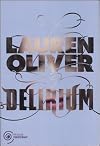
I thoroughly enjoyed listening to this book. The narrator did a great job with the voices, especially the main voice and that of her friend, Hannah.
To be honest, the premise of this book is stupid. Love is a disease and everyone gets a shot to take care of that disease? OK, I can see someone disheartened in love thinking up the premise for the book. But really? In this futuristic, dystopian society, how in the world did the government of the U.S. (or some other entity) decide that not only love is a disease, but convince everyone of the fact... short of knocking people out and giving them the injection? Furthermore, it's a little disjointed. In certain areas, the vaccination makes people not only loveless, but also apathetic. But how could they persuade the enforcers, for instance, to be so violent to suppress freedom? Seems like violence is greatly suppressed (as it was said), so I'd think they'd be apathetic even towards those who have love.
I didn't want to read the book at first because it sounds stupid. But if you can get over the dumb premise, this is a really good book. I loved the main character and narrator, Lena. So many times in these dystopian books, I feel like the author gets the wrong tone or attitude, given society's rules and restrictions. I think Oliver got it just right. Lena was the perfect blend of naivety, curiosity, innocence, teenage rebellion and trust of the system. Her awakening and eventual action was a natural progression of the development show more and growth of her character. She learned through action and accidents, through bravery and cowardice. She felt very natural and I thoroughly enjoyed the journey of her growth. In this sense, I think it was almost a coming-of-age story. show less
To be honest, the premise of this book is stupid. Love is a disease and everyone gets a shot to take care of that disease? OK, I can see someone disheartened in love thinking up the premise for the book. But really? In this futuristic, dystopian society, how in the world did the government of the U.S. (or some other entity) decide that not only love is a disease, but convince everyone of the fact... short of knocking people out and giving them the injection? Furthermore, it's a little disjointed. In certain areas, the vaccination makes people not only loveless, but also apathetic. But how could they persuade the enforcers, for instance, to be so violent to suppress freedom? Seems like violence is greatly suppressed (as it was said), so I'd think they'd be apathetic even towards those who have love.
I didn't want to read the book at first because it sounds stupid. But if you can get over the dumb premise, this is a really good book. I loved the main character and narrator, Lena. So many times in these dystopian books, I feel like the author gets the wrong tone or attitude, given society's rules and restrictions. I think Oliver got it just right. Lena was the perfect blend of naivety, curiosity, innocence, teenage rebellion and trust of the system. Her awakening and eventual action was a natural progression of the development show more and growth of her character. She learned through action and accidents, through bravery and cowardice. She felt very natural and I thoroughly enjoyed the journey of her growth. In this sense, I think it was almost a coming-of-age story. show less
Heaven is for Real: A Little Boy's Astounding Story of His Trip to Heaven and Back, Deluxe Edition by Todd Burpo
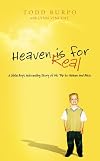
Wow. I picked this book up because I was curious, expecting to scoff at it. I mean, really, I had an idea of books like these that if "Jesus is being preached does it matter if the kid went to heaven or had delusions or whatever?" So I wasn't totally against it, but I didn't believe the kid went to heaven, either. I'm still not sure what I think about it, but it's definitely a fascinating read. It's got plenty of scripture in it and there aren't any glaring scriptural inaccuracies. That being said, what can I find fault with? Very interesting, to say the least.

Gag. This has got to be one of the worst books I've ever read. I have not finished it yet and don't know if I will. But it got fairly high reviews on Amazon, so I figure if the writing is absolutely horrid, perhaps the plot is OK, right? Certainly it didn't get 4/5 stars for the writing. I'm all about the plot. I can tolerate a poorly written book with an excellent plot. So far the plot is mediocre at best.
So... what's wrong with this book? First of all, the grammar. Yes, when you get an ebook that's not also a printed book, you expect the grammar to be sub-par. I don't know what's up with these people, especially the ones that sell a few books and have some spare cash, that they don't bother to actually hire an editor to make their book look a little professional, but whatever. But of the ebooks-with-no-editor I've read, this is definitely the worst, in terms of grammar, etc.
Second, the author breaks all the rules of writing. Take a major one: Show don't tell. There is a majorly LOT of telling in this book. Here's a few examples: "Jacque couldn't help but blush, for two reasons: one he had called her skin beautiful, I mean come on who wouldn't blush at that, right? And two, the way he commented about the markings seemed very possessive, like they tied her to him in some way and for some weird, messed up reason Jacque like that." (sic!) Sounds like a commentary on the story, instead of actually telling the story.
Here's another one: "To Fane's satisfaction, dinner was show more pleasant, easy, there was at no time when he felt the conversation was forced or awkward." Sic, again. Ignoring the sloppy grammar, I don't want a commentary on the meal. If you must mention it, show the ease with which they dined together, don't tell me that they did. Actually, shortly thereafter, there was some showing, like with Jacque easily picking food off his plate.
Next is the dialogue. There's a trio of friends who are the center of this story. They banter and joke and come up with much-less-than-witty remarks. CONSTANTLY. They sound like idiots, not real people.
Actually, none of the people feel very real. There's no attraction to any of the characters. I haven't found the main love interest (Fane) very attractive. He's apparently a hottie, but that alone isn't really that interesting. And he's bonded to Jacque, but he bonded before he even met her... not sure that that's very attractive. A stranger coming up and saying, "I'm a supernatural being and before I even met you I felt the pull to you. You are my soul mate. You are mine. There is no escaping destiny. Mua ha ha ha ha!" (OK, that didn't happen, but you get my gist... maybe.)
And, of course, all the superfluous words. I was a full-time, professional editor for two years. I wouldn't say I was the best editor out there, but I do know a thing or two. I could seriously very easily remove 1/4 of this book without losing a thing. Actually, gaining a lot. There are so many sentences in this book that have no point and add nothing to the story. Seriously needs tightening up.
Then, there's the plot. So this Romanian exchange student moves in next door. Turns out he's a werewolf. And he instantly bonds with the girl next door. And has the ability to psychically talk to her. Yeah. "Random hot dude I just met in my head. Let's freak out for a little bit and then... well, I guess I'm OK with it. I'll just have conversations with freako stalker dude who's very possessive of girl he's never met!" The girl has no problem with a guy she's barely met in her head. She's met him once and he's telling her her bathing suit is too skimpy, reading her mind and demanding to know about her ex-boyfriend, claiming she's his "luna." OK, so this story maybe could work. But the actions of the people are totally unbelievable. So the dude's met his once-in-a-lifetime soulmate. Lovely. But he doesn't think maybe he should get to know her like a normal person instead of invading her head and her private thoughts??? And she thinks this is perfectly normal???
I've read about people who compare Edward (of Twilight fame) to a creepo stalker. Though I'm not a huge Twilight fan, I've never totally agreed. While I can see the comparison, I don't really feel it. This book? This guy just jumps into her mind and starts calling her "his." Creepy! And her friends don't seem to care. All they care about is that the guy is hot. "Oh, my best friend is hearing things! Let's not call a doctor. Nope. Oh, it's hottie across the street. Let's not bother figuring out who he is--maybe he's a serial murderer?--let's send her on a date and maybe they'll have hot sex!"
There's something about this book that makes me want to keep coming back and criticizing it. Final thing: This highly demeaning to women worldview. So, this werewolf (not previously mentioned) apparently randomly claims the star of the book, Jacque, as his mate. He doesn't bother to tell her, or even meet her, when doing this. Bizarre, yes? Anyway, when competition comes along, they decide to have a fight to the death over her, which I guess is the way of werewolves. Whoever the victor is can take the girl over his shoulder, caveman style. While Jacque's friends are determined to protect her if the wrong guy wins, nobody seems to have much problem with fighting-to-the-death-so-you-can-claim-the-girl-without-her-sayso. Like, it's pretty much accepted that if you kill the competition, you kidnap whatever chick you'd like. Then there's the whole macho pack leader. Sure, he's got control issues. But he makes an edict "you will bond with my son on this day." And Jacque thinks, "I'm not sure I'm ready for this." And he freaks, his son freaks, his wife freaks. In the end she says: "I was saying sorry for the two-year-old fit I threw, apparently I didn't get them all out of my system as a child. I want to bond with Fane, I will bond with him right now." It's like someone in an abusive relationship--it's all your fault and then she's begging to come back to the abusive relationship. If she doesn't want to bond with a dude right away, if she doesn't want some stranger as her "alpha", then she has every right to do so and shouldn't be guilt-tripped into doing so.
I could go on and on. Not sure how much further I'll go in the book, but I'm astounded that it got 4/5 stars on Amazon. I'm still reading it at the moment, so may revise my review in the future.
One final note: I always hate giving books poor reviews and ratings because I know there's an author out there who may read my review. I know I certainly would read the poorly rated reviews of my books. I've never given a book such a scathing review, so I feel like I must have a note to the author. If the author is reading this, I just want to say that I know that books take a lot of work. I really respect you for your hard work in hammering out a book. I truly do. It takes persistence and work. And truly? What makes a writer? A writer writes. So many people call themselves writers and DON'T WRITE. How are they going to improve their craft if they don't write? You are ahead of the game already.
But just like anything, writing takes practice and expertise. Most people's first, second, third, even sometimes their tenth books are pretty much no good. Good writers generally have to slog through a lot of bad books to create their first good book. I feel like this book is one of those "previous books" that should not have been published but nonetheless provide a valuable stepping stone to a book that is at last publishable (self-publishing on Amazon does not equate with "publishable"). Additionally, I totally understand the draw of Amazon's easy-to-publish ebooks. If I had the worst book in the world and thought I could make a few hundred dollars on Amazon, I'd totally consider it. Please continue to work hard and create books. You show promise and I hope that one day you will publish an excellent book. I wish you all the best.
Addendum: I keep seeing this book on Amazon, so I occasionally pause to ponder it. As much fault as I found in this book, on further thought, I think it has a lot going for it. This is the only book for which I've apologized to the author for a poor review. And I think the reason for this, which I've only recently realized, is that the author has a great voice. Much honing of the craft is needed, but I think the author shows great promise. show less
So... what's wrong with this book? First of all, the grammar. Yes, when you get an ebook that's not also a printed book, you expect the grammar to be sub-par. I don't know what's up with these people, especially the ones that sell a few books and have some spare cash, that they don't bother to actually hire an editor to make their book look a little professional, but whatever. But of the ebooks-with-no-editor I've read, this is definitely the worst, in terms of grammar, etc.
Second, the author breaks all the rules of writing. Take a major one: Show don't tell. There is a majorly LOT of telling in this book. Here's a few examples: "Jacque couldn't help but blush, for two reasons: one he had called her skin beautiful, I mean come on who wouldn't blush at that, right? And two, the way he commented about the markings seemed very possessive, like they tied her to him in some way and for some weird, messed up reason Jacque like that." (sic!) Sounds like a commentary on the story, instead of actually telling the story.
Here's another one: "To Fane's satisfaction, dinner was show more pleasant, easy, there was at no time when he felt the conversation was forced or awkward." Sic, again. Ignoring the sloppy grammar, I don't want a commentary on the meal. If you must mention it, show the ease with which they dined together, don't tell me that they did. Actually, shortly thereafter, there was some showing, like with Jacque easily picking food off his plate.
Next is the dialogue. There's a trio of friends who are the center of this story. They banter and joke and come up with much-less-than-witty remarks. CONSTANTLY. They sound like idiots, not real people.
Actually, none of the people feel very real. There's no attraction to any of the characters. I haven't found the main love interest (Fane) very attractive. He's apparently a hottie, but that alone isn't really that interesting. And he's bonded to Jacque, but he bonded before he even met her... not sure that that's very attractive. A stranger coming up and saying, "I'm a supernatural being and before I even met you I felt the pull to you. You are my soul mate. You are mine. There is no escaping destiny. Mua ha ha ha ha!" (OK, that didn't happen, but you get my gist... maybe.)
And, of course, all the superfluous words. I was a full-time, professional editor for two years. I wouldn't say I was the best editor out there, but I do know a thing or two. I could seriously very easily remove 1/4 of this book without losing a thing. Actually, gaining a lot. There are so many sentences in this book that have no point and add nothing to the story. Seriously needs tightening up.
Then, there's the plot. So this Romanian exchange student moves in next door. Turns out he's a werewolf. And he instantly bonds with the girl next door. And has the ability to psychically talk to her. Yeah. "Random hot dude I just met in my head. Let's freak out for a little bit and then... well, I guess I'm OK with it. I'll just have conversations with freako stalker dude who's very possessive of girl he's never met!" The girl has no problem with a guy she's barely met in her head. She's met him once and he's telling her her bathing suit is too skimpy, reading her mind and demanding to know about her ex-boyfriend, claiming she's his "luna." OK, so this story maybe could work. But the actions of the people are totally unbelievable. So the dude's met his once-in-a-lifetime soulmate. Lovely. But he doesn't think maybe he should get to know her like a normal person instead of invading her head and her private thoughts??? And she thinks this is perfectly normal???
I've read about people who compare Edward (of Twilight fame) to a creepo stalker. Though I'm not a huge Twilight fan, I've never totally agreed. While I can see the comparison, I don't really feel it. This book? This guy just jumps into her mind and starts calling her "his." Creepy! And her friends don't seem to care. All they care about is that the guy is hot. "Oh, my best friend is hearing things! Let's not call a doctor. Nope. Oh, it's hottie across the street. Let's not bother figuring out who he is--maybe he's a serial murderer?--let's send her on a date and maybe they'll have hot sex!"
There's something about this book that makes me want to keep coming back and criticizing it. Final thing: This highly demeaning to women worldview. So, this werewolf (not previously mentioned) apparently randomly claims the star of the book, Jacque, as his mate. He doesn't bother to tell her, or even meet her, when doing this. Bizarre, yes? Anyway, when competition comes along, they decide to have a fight to the death over her, which I guess is the way of werewolves. Whoever the victor is can take the girl over his shoulder, caveman style. While Jacque's friends are determined to protect her if the wrong guy wins, nobody seems to have much problem with fighting-to-the-death-so-you-can-claim-the-girl-without-her-sayso. Like, it's pretty much accepted that if you kill the competition, you kidnap whatever chick you'd like. Then there's the whole macho pack leader. Sure, he's got control issues. But he makes an edict "you will bond with my son on this day." And Jacque thinks, "I'm not sure I'm ready for this." And he freaks, his son freaks, his wife freaks. In the end she says: "I was saying sorry for the two-year-old fit I threw, apparently I didn't get them all out of my system as a child. I want to bond with Fane, I will bond with him right now." It's like someone in an abusive relationship--it's all your fault and then she's begging to come back to the abusive relationship. If she doesn't want to bond with a dude right away, if she doesn't want some stranger as her "alpha", then she has every right to do so and shouldn't be guilt-tripped into doing so.
I could go on and on. Not sure how much further I'll go in the book, but I'm astounded that it got 4/5 stars on Amazon. I'm still reading it at the moment, so may revise my review in the future.
One final note: I always hate giving books poor reviews and ratings because I know there's an author out there who may read my review. I know I certainly would read the poorly rated reviews of my books. I've never given a book such a scathing review, so I feel like I must have a note to the author. If the author is reading this, I just want to say that I know that books take a lot of work. I really respect you for your hard work in hammering out a book. I truly do. It takes persistence and work. And truly? What makes a writer? A writer writes. So many people call themselves writers and DON'T WRITE. How are they going to improve their craft if they don't write? You are ahead of the game already.
But just like anything, writing takes practice and expertise. Most people's first, second, third, even sometimes their tenth books are pretty much no good. Good writers generally have to slog through a lot of bad books to create their first good book. I feel like this book is one of those "previous books" that should not have been published but nonetheless provide a valuable stepping stone to a book that is at last publishable (self-publishing on Amazon does not equate with "publishable"). Additionally, I totally understand the draw of Amazon's easy-to-publish ebooks. If I had the worst book in the world and thought I could make a few hundred dollars on Amazon, I'd totally consider it. Please continue to work hard and create books. You show promise and I hope that one day you will publish an excellent book. I wish you all the best.
Addendum: I keep seeing this book on Amazon, so I occasionally pause to ponder it. As much fault as I found in this book, on further thought, I think it has a lot going for it. This is the only book for which I've apologized to the author for a poor review. And I think the reason for this, which I've only recently realized, is that the author has a great voice. Much honing of the craft is needed, but I think the author shows great promise. show less
I kind of feel the same way about this book that I do about all of Deeanne Gist's books. I enjoy listening to them... but they border on the absurd and soap opera.
She puts her characters in these outlandish situations and then keeps throwing weird twists and plot angles. In themselves, none of this is bad or entirely unbelievable, but thrown altogether it just feels a little... over the top. Nonetheless, her romances are light-hearted and fun.
She puts her characters in these outlandish situations and then keeps throwing weird twists and plot angles. In themselves, none of this is bad or entirely unbelievable, but thrown altogether it just feels a little... over the top. Nonetheless, her romances are light-hearted and fun.
Cassel Sharpe is from a family of conmen and curseworkers--illegal magic users. Cassel has no magic skills himself, but he has perfected his con. When mysterious things start happening, Cassel has to figure out what con his family is playing before it's to late.I highly enjoyed this book. Better than your average book.

Caia has lived apart from her pack of lykans for many years. Finally, when it's safe to return, she begins to reintegrate into the pack. But something isn't quite right. Some of the pack are uncomfortable around her and others can't seem to trust her. And the secrets about the war... sure, she's knows there's a war on, between the daylight and midnight supernaturals. But why will no one talk to her about it?
Then, there's the whole issue of pack dynamics. Previously she'd lived a loner life. Not really integrating into the human world, not really connecting with her caretaker. Here, she's thrust into the volatile and protective world of werewolves. She finds a good friend like she'd never had before. School friends and enemies. And a crush on the leader of the lycans, Lucius. But will the secrets being kept rend apart her newly awakening sense of pack?
Yet another book with no editor... Although this book suffered from all the ills common to these ebooks with no editor (perhaps even worse than average), it was a better-than-average story. As with all these books, the story needs tightening up--it was too long. Also, grammar was atrocious. Primarily it was dumb things like (many, many) absences of commas or spelling "too" as "to." Things that distract you from the story.
I'd say it was an enjoyable, quick read. Mediocre, easy, candy stories are forgivable when they're quick reads. But this book just went on too long. If it had a better editor (pardon, any editor) I might have show more even given it 3 1/2 stars. But instead I give it 3, which is generous, as I debated between 2 1/2. I am curious what happens, but I'm not sure that I can slog through another long book in the next book in the series. show less
Then, there's the whole issue of pack dynamics. Previously she'd lived a loner life. Not really integrating into the human world, not really connecting with her caretaker. Here, she's thrust into the volatile and protective world of werewolves. She finds a good friend like she'd never had before. School friends and enemies. And a crush on the leader of the lycans, Lucius. But will the secrets being kept rend apart her newly awakening sense of pack?
Yet another book with no editor... Although this book suffered from all the ills common to these ebooks with no editor (perhaps even worse than average), it was a better-than-average story. As with all these books, the story needs tightening up--it was too long. Also, grammar was atrocious. Primarily it was dumb things like (many, many) absences of commas or spelling "too" as "to." Things that distract you from the story.
I'd say it was an enjoyable, quick read. Mediocre, easy, candy stories are forgivable when they're quick reads. But this book just went on too long. If it had a better editor (pardon, any editor) I might have show more even given it 3 1/2 stars. But instead I give it 3, which is generous, as I debated between 2 1/2. I am curious what happens, but I'm not sure that I can slog through another long book in the next book in the series. show less

Sharon and Tom go on vacation with a distant aunt they've never met. Right from the start things are a little fishy. They're planned trip happens quite suddenly, a few weeks before planned. And they don't go to Aunt Eve's farmhouse but rather an idyllic island peopled with all middle-aged and older people. Aunt Eve informs them fairly soon that they have, indeed been kidnapped, and kidnapped very well, so there is little chance of escaping.
What, indeed, do these old folks want with these kids? Nothing sinister. Merely to infuse their island with youth, to change things up a bit. For the people on this island are not exactly as they seem. And Tom and Sharon are not to be kept forever against their will. In a few months, they will have a choice. They can leave the island if they choose.
This is, of course, an older book. Upon selecting it, I found it had a number of excellent reviews. I do not know if it's the age of the book (though I do enjoy many older books) or what, but I did not particularly like this book. I didn't find the characters that interesting. I didn't find the dilemma that difficult. Sure, for some characters it would be. But for these characters? I just didn't sense that it was a real problem for them, though it was made out to be. I wasn't terribly interested in any of the characters, to be honest.
What, indeed, do these old folks want with these kids? Nothing sinister. Merely to infuse their island with youth, to change things up a bit. For the people on this island are not exactly as they seem. And Tom and Sharon are not to be kept forever against their will. In a few months, they will have a choice. They can leave the island if they choose.
This is, of course, an older book. Upon selecting it, I found it had a number of excellent reviews. I do not know if it's the age of the book (though I do enjoy many older books) or what, but I did not particularly like this book. I didn't find the characters that interesting. I didn't find the dilemma that difficult. Sure, for some characters it would be. But for these characters? I just didn't sense that it was a real problem for them, though it was made out to be. I wasn't terribly interested in any of the characters, to be honest.
It seems like lately there has been a surplus of weak, poorly edited books. I'd blame the majority of this phenomenon on the the $1 ebooks, where there is no editor, but that is not the case with this book. I will admit, though, that I bought this book for the kindle. I hope that it was not this way in the paper-and-ink book, but the majority of words in this book were not capitalized. It was sort of weird, a little distracting and definitely sloppy. But, I can overlook some odd thing like this for a good book.
Aurelia was your average YA good book. Not great, but an enjoyable read. My contention, though, is that it needs quite a bit more editing and tightening to make it good. This seemed like an earlier draft of a good book.
Aurelia is the heir apparent princess, loved by her people. After her, the kingdom would go to a distant cousin in another country, which no one wants. So Robert, an old childhood friend visiting from the frontier, cannot figure out why someone is trying to murder her.
SPOILER ALERT
The ending very much bothered me. The assassin's identity was certainly a mostly unexpected twist, but I think it was unexpected because there was nothing building up to it. For Robert's cousin, the assassin's accomplice, he was able to put together hints he'd received that all fit the puzzle. But the primary assassin had no hints at all that she was the one. Furthermore, it bothered me personally because I hate it when siblings turn against each other. Sure, they may fight show more and have a sibling relationship, but why do they have to kill each other? OK, so it's a personal issue, but I like it when siblings overcome adversity and bond together through it, not try to kill each other! show less
Aurelia was your average YA good book. Not great, but an enjoyable read. My contention, though, is that it needs quite a bit more editing and tightening to make it good. This seemed like an earlier draft of a good book.
Aurelia is the heir apparent princess, loved by her people. After her, the kingdom would go to a distant cousin in another country, which no one wants. So Robert, an old childhood friend visiting from the frontier, cannot figure out why someone is trying to murder her.
SPOILER ALERT
The ending very much bothered me. The assassin's identity was certainly a mostly unexpected twist, but I think it was unexpected because there was nothing building up to it. For Robert's cousin, the assassin's accomplice, he was able to put together hints he'd received that all fit the puzzle. But the primary assassin had no hints at all that she was the one. Furthermore, it bothered me personally because I hate it when siblings turn against each other. Sure, they may fight show more and have a sibling relationship, but why do they have to kill each other? OK, so it's a personal issue, but I like it when siblings overcome adversity and bond together through it, not try to kill each other! show less
I'll admit. When I was told I'd won this book through LibraryThing Early Reviewers, I groaned. Another book I'd compulsively said I'd like, just because it was free and I might vaguely be interested.
It seemed to me like "health and wellness" gospel, like those books (which, admittedly, I haven't read) that go into how to lose weight from a biblical view, perhaps even going so far as to go into what Jesus ate, etc., as if Jesus' diet was somehow biblical, not cultural. I figured it'd be a book all about exercising, how praying can make you fit, maybe about how Jesus walked everywhere...
So, I started reading this book so I could write a review, and was very pleasantly surprised. It's about a lady who struggled with finding time to pray. Who also struggled with finding the time and the motivation to exercise. Who's life was very busy and it didn't seem like there was a spare moment for much of anything.
She eventually came upon the idea of prayer walking. She'd get up early in the morning and walk and pray for an hour. This revolutionized her spiritual walk (and her physical fitness).
You wouldn't think this would be more than an article or so... "I revolutionized my spiritual and physical life by prayer walking an hour in the morning. You can too." But it is.
The first part of the book is more her personal testimony and how she came upon prayer walking. The second part goes into the logistics of walking. Footwear, walking partners, safety, etc. All good stuff. The third part show more goes more into the spiritual aspects. She started praying for her neighborhood as she passed houses and businesses. There are also numerous stories from other folks who prayer walked. Practical tips, concerns, etc.
Overall, I was pleasantly surprised by this book and highly recommend it. When the lows get a little lower than 90+ around here, I think I'll try it myself. show less
It seemed to me like "health and wellness" gospel, like those books (which, admittedly, I haven't read) that go into how to lose weight from a biblical view, perhaps even going so far as to go into what Jesus ate, etc., as if Jesus' diet was somehow biblical, not cultural. I figured it'd be a book all about exercising, how praying can make you fit, maybe about how Jesus walked everywhere...
So, I started reading this book so I could write a review, and was very pleasantly surprised. It's about a lady who struggled with finding time to pray. Who also struggled with finding the time and the motivation to exercise. Who's life was very busy and it didn't seem like there was a spare moment for much of anything.
She eventually came upon the idea of prayer walking. She'd get up early in the morning and walk and pray for an hour. This revolutionized her spiritual walk (and her physical fitness).
You wouldn't think this would be more than an article or so... "I revolutionized my spiritual and physical life by prayer walking an hour in the morning. You can too." But it is.
The first part of the book is more her personal testimony and how she came upon prayer walking. The second part goes into the logistics of walking. Footwear, walking partners, safety, etc. All good stuff. The third part show more goes more into the spiritual aspects. She started praying for her neighborhood as she passed houses and businesses. There are also numerous stories from other folks who prayer walked. Practical tips, concerns, etc.
Overall, I was pleasantly surprised by this book and highly recommend it. When the lows get a little lower than 90+ around here, I think I'll try it myself. show less
This review was written for LibraryThing Early Reviewers.