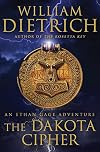
This is William Dietrich's third adventure featuring Ethan Gage. I really enjoyed the first two Gage books and was excited to come across the newest one. I felt it was lacking in the thrills and intrigue of the first two, but it was still an interesting story. I was interested, too, in the portrayal of the American frontier in 1800. Dietrich does some very thorough research for his books.
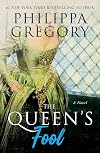
This was the first book by Philippa Gregory that I read and one that got me hooked on her Tudor family saga. Gregory's blend of history and fiction creates very believable characters, especially strong women. In a time when women, even royal women, weren't given respect as people, it is interesting to see how they may have loved and fought to build a life. Also, Gregory's books have helped me remember more about England's history than any classes I have taken!
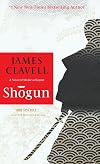
While very long, "Shogun" is well worth experiencing. Clavell has a gift for making a long- ago and foreign culture seem very rich and immediate. The story is both exciting and emotional. This is one of my favorite books.
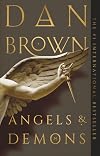
I chose to read Angels and Demons before The Da Vinci Code. I did enjoy reading Langdon's story in chronological order instead of publication order. I found this book to be enthralling and exciting. Dan Brown tells a good story! I liked this even better than DC and I can't wait for the next one to come out!
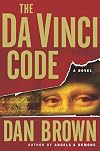
I put off reading this book because it was just *everywhere*. Everyone was reading it and everyone had opinions and criticisms. Now it has been out a few years and I finally read it. I have to say, I loved it. Whatever one may think of the depiction of the Catholic Church, it is just a good read. Very exciting. I am also always happy to see any book that helps to create interest in art and etymology.
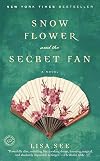
One of the best books I've read in a long time. It's just beautiful. Lisa See's narrative style is the perfect compliment to the story she tells. Snow Flower and the Secret Fan is about the life-long friendship between two women in cruel, restrictive 19th-century rural China. No matter how much women suffered, they were expected to present a facade of grace and obedience. See shares the deeply emotional story in way that is quiet and restrained, as her characters are expected to be. The settings of the story are limited to women's chambers and similar domestic settings, with few ventures into the wider world. This reflects how separate and irrelevant that world was to the women, yet how much living was done is this narrow existence.
I was required to read this book as part of a college lit class. It was not originally part of the curriculum, but it was the professor's favorite book and she recommended it so highly, the class opted to read this instead of the planned book. I was truly disappointed. I wish I could have back the hours I spent reading this book. It could be that I was just put off by the narrative style, but I felt that I had to make a huge effort to get through the story, and when I did, it wasn't worth the effort. Ultimately, the characters were not engaging and the story was not interesting. In fact, the whole experience was so irksome, this has become one of the very few books I actually hate and regret wasting the time reading.
So, so close. As I read this book, I felt as though I had found the most perfect novel of all time. I was enthralled. I couldn't put it down. I loved it. Then, I passed the half-way point and it all began to fall apart. The story veered away from the fascinating, winding tale of our hero and his one true love into formulaic tragedy. Once you realize where the story is going (which, if you are loving the story and the characters is not where you want it to go), it takes another 150 pages to get there. The frustrating conclusion is dragged out until you don't really care anymore. I was so disappointed with the ending. One could argue that the author succeeded in creating in the reader the feeling of helplessness, pain, and loss that the characters suffer, but I feel this book could have been so much more. I still think this book is worth reading, though. The power of the first half alone is enlightening as to what modern fiction could be.
I wasn't expecting much from the first adult offering from the author of the popular Twilight series for two reasons: First, published critical reviews were not that positive, and second, while I loved the Twilight books, I have to acknowledge that they are not *that* well written. Somehow, despite this, Twilight and its sequels hit just the right note to be incredibly endearing to millions of readers. I doubted Stephenie Meyer could have that kind of luck twice. In fact, I think The Host is much better than the Twilight books. The feel of the writing, while still not dazzling, is less forced and the subject is compelling to a wider audience than vampire-fiction readers (yes, Twilight reaches farther, but the initial audiences were a niche). The end-of-the-world-as-we-know-it, can-humanity-survive excitement and poignancy is right up there with Alas, Babylon. I will add, though, that it still feels a bit like young adult fiction.
Bizarre and intriguing, William Conescu's first novel is a must-read. While it is remenicent of the movie "Stranger Than Fiction", it easily stands on its own. The basic premise of the story is that a fictional character in an author's invented world is somehow aware that he is a character, and a minor character at that. As you follows his efforts to become more central to the story, you are left feeling both curious and discomforted. As the story nears the end, you begin to wonder if the man knows a great truth about his fictional exisistence, or if he is a nut in our existence.