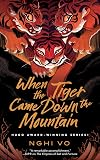
These are good tigers and I like them a lot.
The flow, format, and characters are all stronger here than in the first book, even if the overall narrative climax is less compelling. Seriously, the tigers are great.
The flow, format, and characters are all stronger here than in the first book, even if the overall narrative climax is less compelling. Seriously, the tigers are great.
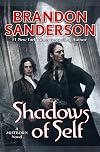
I thought this one was going to be “just okay” and suffer from the “second book in the trilogy slump”, but it’s actually one of Sanderson’s best.
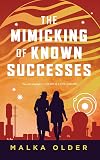
A very rare DNF for me at 30%. The setting was ambiguously “Jupiter” but poorly enough detailed that it was hard to tell where the actual story was taking place. Presumably we’re in some sort of ring around the planet.. are we built on one of Jupiter’s rings? Probably not, because there are still.. atmospheric storms to deal with? Are these storms happening outside of some kind of space station… dome?
The characters were also all… pretty unlikeable. We start in 3rd person perspective following the detective, then almost immediately fall into first person on the “Watson-style” character, but all she does is provide massive amounts of dumped exposition while alternating between sulking and fawning over her detective ex, who has all the charisma and intrigue of a wet blanket. You could cut the lack of tension with a knife.
The victim himself is also… someone we never see, but are told constantly was a self-centered asshole nobody liked being around in any capacity. At 30% in I feel like there should be _some_ stakes that make me care about the plot or the characters but it just wasn’t there.
Not even lesbians could save this one for me.
The characters were also all… pretty unlikeable. We start in 3rd person perspective following the detective, then almost immediately fall into first person on the “Watson-style” character, but all she does is provide massive amounts of dumped exposition while alternating between sulking and fawning over her detective ex, who has all the charisma and intrigue of a wet blanket. You could cut the lack of tension with a knife.
The victim himself is also… someone we never see, but are told constantly was a self-centered asshole nobody liked being around in any capacity. At 30% in I feel like there should be _some_ stakes that make me care about the plot or the characters but it just wasn’t there.
Not even lesbians could save this one for me.
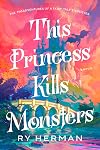
This Princess Kills Monsters has a lot potential, and some great elements, but suffers from structural issues and some troubling themes.
Princess Mellilot, a classic "underfoot fairytale stepdaughter" type, is sent by her sort-of-evil, definitely-a-dictator stepmother to be wed to the king of a small, non-magical kingdom. Melilot is unremarkable compared to her very powerful sisters, and despite loving them, also kind of resents them. Arriving in the kingdom to meet her fiance, things immediately go wrong when Melilot is attacked by monsters, and realizes the kingdom is waiting for her to save the day (except they're under the impression she's strong like her sisters). From here, the book advertises there will be a love triangle between one of the king's mysterious twelve identical hunters and the king's smokin' hot sister. That's where the problems with this book begin to really show.
The Good:
- The contrast between the insane fairy tale world Melilot is from and the mostly-non-magical kingdom the story takes place in is excellent and often humorous
- The humor is sometimes painfully corny, but when it's not, it can be pretty funny
- Overall, mostly the concept, setting, and fairy tail backdrop are the biggest strengths. The world is fun.
- The weaving of fairy tale content and elements was really enjoyable. The huntsmen are all pretty great, though honestly they didn't get enough screen time because we focused really hard a romance with... kind of the least interesting of show more the batch.
The Bad (SPOILERS AHEAD) :
- The promised love triangle romance is executed so poorly as to basically not exist. The romance arc with Sam comprises nearly 90% of the book's content, with the promised sapphic romance elements in the synopsis boiling down to a couple of short scenes where Angelique says a flirty one-liner and Melilot blushes. This make the synopsis feel wildly inaccurate, which is frustrating on its own, but it leads to structural and thematic issues in the third act of the book.
- Sam's reveal that he's a trans guy is a bit of a thematic shift for the book, and I feel a little silly for not seeing it coming. I liked this reveal, and I like Sam as a character, but given how absolutely little time the supposed sapphic love interest was given, and the total lack of relevance Sam's trans identity has to any character arc, this felt a little bit like a "bait and switch" from "love triangle with sapphic romance" to "hetero romance, but the guy is trans even though it's never relevant, and the woman is bi, even though it's also never really relevant". 90% of this book's content is focused on a straight romance where the queer nature of the characters is inconsequential to the story being told. Unfortunately, when these queer themes do come to the surface, it's surprisingly kind of... thematically misogynist? Which comes to the next point.
- The lesbian love interest that's shunted to the side and is built on like... four pieces of dialogue between the two characters.. is revealed to be THE villain. The explanation has lots of feminist undertones... women in our setting are second class citizens with no power, no rights, and women can't inherit the throne. Oh wow, that's a huge problem, right? Maybe we should actually side with this usurper because she's the only one in a position of power that cares about the rights of women in her country, right? WRONG, she's INSANELY EVIL. Like, she immediately begins monologuing about how she's been kidnapping and torturing animals since she was a child and how she's willing to murder anyone and everyone in her family solely because she wants power for the sake of power. Excuse me... What... the.. fuck?? So we've spent 90% of the story focused on a hetero romance, and even if we HAD given equal time to the sapphic love option, it doesn't matter because she's a serial killer animal torturing power hungry narcissist because... feminism? HOW IS ANYONE CALLING THIS A FEMINIST RETELLING???
- Casual misogyny abound. Grevase, the new king, presses back at every opportunity when a character is like "Hey, maybe.. women's rights?" with some variation of like "Well, it's too much, or maybe we'll talk about it later?" His fiance has to be literally bleeding to death and demanding it before he's like "Okay... I mean.. we'll try.. women's rights.. I guess.. if we have to." That's the side the reader is supposed to be cheering for!! Even after knowing his sister, whom he relied on and brought to the kingdom for guidance because he didn't know how to rule, was targeting the rest of the family because she'd been denied the right to rule due to her gender, Grevase does... nothing? Isn't like "Oh shit, maybe she has a point, actually" and instead lets his fiance murder the shit out of his sister. King Grevase's response to his sister's death, ultimately drawing its cause all the way back to the oppression of women in his kingdom, is to FORBID ANY MENTION OF HER EXISTENCE AND ERASE HER FROM HISTORY. Bruh. This is supposed to be a feminist retelling???
- The ending barely solved the core thematic issue of misogynistic oppression. The king begrudgingly lets his wife be a military leader and ends gendered segregation at her dying demand. And that's all the effort he takes. Setting up education and support programs for these women who were until now essentially baby factories? Well, that's his wife's responsibility, obviously. The king? He's going to keep his impossibly misogynist talking lion adviser in his position, but just... ignore him. Oh wait, except they're letting him give hours-long sexist diatribes at every royal meeting to discuss policy, and commission a second edition of his ultra ultra sexist book, which is like the entire UNDERPINNING of the sexist social and legal structure in their country. I am so sorry, because the bones of a good book are here, but this is a zero out of ten ending.
- The character arc for Melilot is kind of nonsensical. Like, yeah, her stepmother actually IS abusive, but maybe she actually DID abuse Melilot because she cared about her, and maybe actually she's AFRAID of Melilot who is now super powerful because really all she needed was to believe in herself... which she was only able to do because she... didn't have her abusive stepmother pointedly ruining her life. Melilot's abuse is hand waved away as like "Well there was no way to reach her and the queen ran out of options and what she did wasn't good but maybe she meant good" when it's like "Bruh, Melilot was a rebellious CHILD". She stands up to her stepmother after years of being neglected and abused "for her own good" and then is like "Well, maybe I'll still take quests from my stepmom, but only when I feel like it, and I'll do some traveling, but I'll probably come back and visit some every now and then". It just seems like the book's take on child abuse is like "maybe it's more complicated than we might think", which is frankly, just awful. show less
Princess Mellilot, a classic "underfoot fairytale stepdaughter" type, is sent by her sort-of-evil, definitely-a-dictator stepmother to be wed to the king of a small, non-magical kingdom. Melilot is unremarkable compared to her very powerful sisters, and despite loving them, also kind of resents them. Arriving in the kingdom to meet her fiance, things immediately go wrong when Melilot is attacked by monsters, and realizes the kingdom is waiting for her to save the day (except they're under the impression she's strong like her sisters). From here, the book advertises there will be a love triangle between one of the king's mysterious twelve identical hunters and the king's smokin' hot sister. That's where the problems with this book begin to really show.
The Good:
- The contrast between the insane fairy tale world Melilot is from and the mostly-non-magical kingdom the story takes place in is excellent and often humorous
- The humor is sometimes painfully corny, but when it's not, it can be pretty funny
- Overall, mostly the concept, setting, and fairy tail backdrop are the biggest strengths. The world is fun.
- The weaving of fairy tale content and elements was really enjoyable. The huntsmen are all pretty great, though honestly they didn't get enough screen time because we focused really hard a romance with... kind of the least interesting of show more the batch.
The Bad (SPOILERS AHEAD) :
- The promised love triangle romance is executed so poorly as to basically not exist. The romance arc with Sam comprises nearly 90% of the book's content, with the promised sapphic romance elements in the synopsis boiling down to a couple of short scenes where Angelique says a flirty one-liner and Melilot blushes. This make the synopsis feel wildly inaccurate, which is frustrating on its own, but it leads to structural and thematic issues in the third act of the book.
- Sam's reveal that he's a trans guy is a bit of a thematic shift for the book, and I feel a little silly for not seeing it coming. I liked this reveal, and I like Sam as a character, but given how absolutely little time the supposed sapphic love interest was given, and the total lack of relevance Sam's trans identity has to any character arc, this felt a little bit like a "bait and switch" from "love triangle with sapphic romance" to "hetero romance, but the guy is trans even though it's never relevant, and the woman is bi, even though it's also never really relevant". 90% of this book's content is focused on a straight romance where the queer nature of the characters is inconsequential to the story being told. Unfortunately, when these queer themes do come to the surface, it's surprisingly kind of... thematically misogynist? Which comes to the next point.
- The lesbian love interest that's shunted to the side and is built on like... four pieces of dialogue between the two characters.. is revealed to be THE villain. The explanation has lots of feminist undertones... women in our setting are second class citizens with no power, no rights, and women can't inherit the throne. Oh wow, that's a huge problem, right? Maybe we should actually side with this usurper because she's the only one in a position of power that cares about the rights of women in her country, right? WRONG, she's INSANELY EVIL. Like, she immediately begins monologuing about how she's been kidnapping and torturing animals since she was a child and how she's willing to murder anyone and everyone in her family solely because she wants power for the sake of power. Excuse me... What... the.. fuck?? So we've spent 90% of the story focused on a hetero romance, and even if we HAD given equal time to the sapphic love option, it doesn't matter because she's a serial killer animal torturing power hungry narcissist because... feminism? HOW IS ANYONE CALLING THIS A FEMINIST RETELLING???
- Casual misogyny abound. Grevase, the new king, presses back at every opportunity when a character is like "Hey, maybe.. women's rights?" with some variation of like "Well, it's too much, or maybe we'll talk about it later?" His fiance has to be literally bleeding to death and demanding it before he's like "Okay... I mean.. we'll try.. women's rights.. I guess.. if we have to." That's the side the reader is supposed to be cheering for!! Even after knowing his sister, whom he relied on and brought to the kingdom for guidance because he didn't know how to rule, was targeting the rest of the family because she'd been denied the right to rule due to her gender, Grevase does... nothing? Isn't like "Oh shit, maybe she has a point, actually" and instead lets his fiance murder the shit out of his sister. King Grevase's response to his sister's death, ultimately drawing its cause all the way back to the oppression of women in his kingdom, is to FORBID ANY MENTION OF HER EXISTENCE AND ERASE HER FROM HISTORY. Bruh. This is supposed to be a feminist retelling???
- The ending barely solved the core thematic issue of misogynistic oppression. The king begrudgingly lets his wife be a military leader and ends gendered segregation at her dying demand. And that's all the effort he takes. Setting up education and support programs for these women who were until now essentially baby factories? Well, that's his wife's responsibility, obviously. The king? He's going to keep his impossibly misogynist talking lion adviser in his position, but just... ignore him. Oh wait, except they're letting him give hours-long sexist diatribes at every royal meeting to discuss policy, and commission a second edition of his ultra ultra sexist book, which is like the entire UNDERPINNING of the sexist social and legal structure in their country. I am so sorry, because the bones of a good book are here, but this is a zero out of ten ending.
- The character arc for Melilot is kind of nonsensical. Like, yeah, her stepmother actually IS abusive, but maybe she actually DID abuse Melilot because she cared about her, and maybe actually she's AFRAID of Melilot who is now super powerful because really all she needed was to believe in herself... which she was only able to do because she... didn't have her abusive stepmother pointedly ruining her life. Melilot's abuse is hand waved away as like "Well there was no way to reach her and the queen ran out of options and what she did wasn't good but maybe she meant good" when it's like "Bruh, Melilot was a rebellious CHILD". She stands up to her stepmother after years of being neglected and abused "for her own good" and then is like "Well, maybe I'll still take quests from my stepmom, but only when I feel like it, and I'll do some traveling, but I'll probably come back and visit some every now and then". It just seems like the book's take on child abuse is like "maybe it's more complicated than we might think", which is frankly, just awful. show less
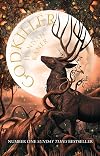
Who thought it was a good idea to spend literally 75% of the novel showing the queer femme main character exclusively flirting with, fantasizing about, and longing for women if the plan was to shove her into a poorly-established, terribly-written straight romance in the last 25% of the novel?
The whole novel felt like low effort, trope-fueled YA with a hackneyed sex scene thrown in to help it masquerade as adult fiction.
It’s rare I levy this type of criticism as well, but Godkiller also has some of the most shallow and performative diversity I’ve ever read. Queer representation? Gay parents are occasionally referenced but never shown. A lesbian couple exists… as minor characters, for one chapter. We have a lesbian main character.. right up until she meets literally the first man in her path. Numerous characters have disabilities, but never does it impact how they experience their fantasy world. Wheelchair in a medieval world? Totally fine, I guess, accessibility is never mentioned. Missing a leg? Author occasionally mentions blistering, but gives the character a near-magical prosthesis. Deaf? Don’t worry, this world has a uniform, nationally codified sign language that you’ll learn even as a street urchin.
Oh, and uh. The plot was really mid. There’s a lot conceptually here that was promising, but then we spend 70% of the book focused on our characters literally wandering forward through the lowest-stakes conflicts.
The novel also wraps up _none_ of its plot show more points or character arcs and punts everything into book 2. show less
The whole novel felt like low effort, trope-fueled YA with a hackneyed sex scene thrown in to help it masquerade as adult fiction.
It’s rare I levy this type of criticism as well, but Godkiller also has some of the most shallow and performative diversity I’ve ever read. Queer representation? Gay parents are occasionally referenced but never shown. A lesbian couple exists… as minor characters, for one chapter. We have a lesbian main character.. right up until she meets literally the first man in her path. Numerous characters have disabilities, but never does it impact how they experience their fantasy world. Wheelchair in a medieval world? Totally fine, I guess, accessibility is never mentioned. Missing a leg? Author occasionally mentions blistering, but gives the character a near-magical prosthesis. Deaf? Don’t worry, this world has a uniform, nationally codified sign language that you’ll learn even as a street urchin.
Oh, and uh. The plot was really mid. There’s a lot conceptually here that was promising, but then we spend 70% of the book focused on our characters literally wandering forward through the lowest-stakes conflicts.
The novel also wraps up _none_ of its plot show more points or character arcs and punts everything into book 2. show less
Same exact thing happened to my buddy’s cousin on Pawn Stars.
A wonderful read, despite the fact that nobody gets pounded in the butt.
An Education in Malice: the sizzling and addictive dark academia romance everyone is talking about! by S. T. Gibson
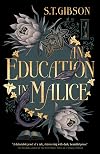
It’s a pretty good romp! The prose is quite good, the romance is cute, and the smutty bits were fun. The overarching plot is solid, but not earth-shaking. My only real complaint is the pacing, the second half of the book is quite fun and moves quickly, but the first half spends more time establishing the world and characters than I thought was necessary. Overall, cute and fun and smutty though.
The magic is really cool, it’s like a magic scribing system with glyphs and runes that enchant objects. It’s nearly a cyberpunk heist story told in a magical world, which was really neat. It’s a fun adventure story that doesn’t go wildly deep but is a good time. Our main character is a thief, which is rad, and she’s a girlkisser, which is also rad. If you like magic, and being gay and doing crime, Foundryside is a good choice.
It’s not that it’s bad, it’s a solid entry, I’m just not sure I’m super interested in seeing Mistborn turn into a western, and once you’ve read enough Sanderson the “formula” becomes a bit predictable. I’m interested to see where the rest of the trilogy is going, but there’s really nothing here that breaks new ground. If you like Sanderson, you’ll like Alloy of Law.
It stank out loud.
It was slow, boring, kinda racist, poorly executed, has a surprisingly murky message about sexism given the premise, the main character was exhausting, the scares all relied on detailed descriptions of gore. The rest of it was just teen girls being abused, which isn't exactly "paranormally horrifying" as much as it is just plain upsetting to read.
It was like eating a cardboard cake with Elmer's frosting.
Read the other one this guy wrote about the scary IKEA instead.
It was slow, boring, kinda racist, poorly executed, has a surprisingly murky message about sexism given the premise, the main character was exhausting, the scares all relied on detailed descriptions of gore. The rest of it was just teen girls being abused, which isn't exactly "paranormally horrifying" as much as it is just plain upsetting to read.
It was like eating a cardboard cake with Elmer's frosting.
Read the other one this guy wrote about the scary IKEA instead.
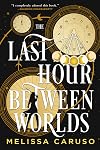
It’s cute, the characters and world are novel, but it’s a little bit campy and pretty predictable. If you’re looking for pulpy sapphic fantasy it’s a good pickup, but don’t expect anything profound. The pacing also drags a bit in the middle, I think this could have been cut down to a novella without really losing any content.
The romance is cute though. I’ll pick up the second in the series whenever it’s out.
Ok, I have to admit. This one has really grown on me. It’s a little bit silly, but the book was a lot of fun and the sequel is my most anticipated book for 2025. You should read this one, the setting is unique, the characters are cute, the romance is a bit campy but never overly hammy. It’s pulpy and a lil bit of a guilty pleasure for me, but like… it’s pretty easy to recommend.
The romance is cute though. I’ll pick up the second in the series whenever it’s out.
Ok, I have to admit. This one has really grown on me. It’s a little bit silly, but the book was a lot of fun and the sequel is my most anticipated book for 2025. You should read this one, the setting is unique, the characters are cute, the romance is a bit campy but never overly hammy. It’s pulpy and a lil bit of a guilty pleasure for me, but like… it’s pretty easy to recommend.
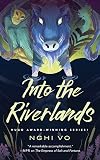
Honestly, this one was only kinda okay for me. I like martial arts, so this one shoulda been a slam dunk, but I felt like there wasn’t much of the emotional story hook that I enjoyed most in the other books.
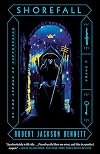
Everything in the second book is “bigger” and “more”, but honestly despite that a lot of it felt like we were re-treading ground from book 1, and many of the “reveals” felt like they’d already been made abundantly obvious hundreds of pages before the characters were “shocked”. It was entertaining enough, but the pacing was off through most of the book and the number of twists at the end felt gratuitous rather than inspired.
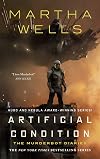
The book is worth it for ART alone! The characters are all great though. This series are all short novellas with excellent and unique queer rep and really engaging storylines. Murderbot’s lens into the world is one of the freshest perspectives I’ve seen in SFF in a long time, I’m so excited there’s several of these already released. These are only a few hours to read, if you’re thinking about picking up Murderbot Diaries you should just go for it! :)

Just read Evelyn Hardcastle instead, it’s superior in basically every way.
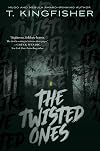
"The Twisted Ones", even at an average of 3.5 stars, is currently rated too highly for what T. Kingfisher actually delivers.
This book is a retelling of another book (about a book), about a woman who edits books, writing a book about a retelling of yet another book. It's clear the primary motivation in writing "The Twisted Ones" was to see how far the "book about books" trope can be shoved inside itself, with things like narrative, character, and plot as far afterthoughts.
The main character is a very bland 30-something woman whose personality is her job, her Aunt's job, owning a truck and feeding her dog full-on, entire cheeseburgers every other meal. She has no particular flaws. She has no character arc. Mouse drones on about her work as an editor regularly and in a way which has literally no bearing on the story whatsoever. T. Kingfisher literally says outright in her Author's Note she just thought it would be cool to have an editor be critical of found, handwritten work. When she isn't in editor mode, she can be found rattling off encyclopedic knowledge about the plant life around her because... Her Aunt is a botanist? This knowledge of botany also is completely disconnected from the story. Both Mouse's job as an editor and her botanical background could be outright stripped from the book with zero effect on the rest of the story, and those are literally the main character's only interests.
I won't go too deep into how little T. Kingfisher understands technology, but her show more means of stripping Mouse of access to it are flimsy, even when suspending all disbelief.
The overarching plot is also bordering on non-existent. Many mysteries surface across this work, and only perhaps 10% of those are explained, and even those are done so rather loosely and with a shrug.
Supporting characters do exist, but they're also 2-dimensional at best and there is zero development for these characters and certainly nothing resembling a character arc.
To tip this off, "The Twisted Ones" fails to deliver on the horror. There are two unsettling moments in the entire piece, and each of those lasts only for a handful of pages. Rather quickly, too, the book descends from an intriguing psychological horror concept into the mundanity and tropes of a low-budget monster flick.
If you're looking for something spooky, with or without plot, with or without characters - look somewhere else. show less
This book is a retelling of another book (about a book), about a woman who edits books, writing a book about a retelling of yet another book. It's clear the primary motivation in writing "The Twisted Ones" was to see how far the "book about books" trope can be shoved inside itself, with things like narrative, character, and plot as far afterthoughts.
The main character is a very bland 30-something woman whose personality is her job, her Aunt's job, owning a truck and feeding her dog full-on, entire cheeseburgers every other meal. She has no particular flaws. She has no character arc. Mouse drones on about her work as an editor regularly and in a way which has literally no bearing on the story whatsoever. T. Kingfisher literally says outright in her Author's Note she just thought it would be cool to have an editor be critical of found, handwritten work. When she isn't in editor mode, she can be found rattling off encyclopedic knowledge about the plant life around her because... Her Aunt is a botanist? This knowledge of botany also is completely disconnected from the story. Both Mouse's job as an editor and her botanical background could be outright stripped from the book with zero effect on the rest of the story, and those are literally the main character's only interests.
I won't go too deep into how little T. Kingfisher understands technology, but her show more means of stripping Mouse of access to it are flimsy, even when suspending all disbelief.
The overarching plot is also bordering on non-existent. Many mysteries surface across this work, and only perhaps 10% of those are explained, and even those are done so rather loosely and with a shrug.
Supporting characters do exist, but they're also 2-dimensional at best and there is zero development for these characters and certainly nothing resembling a character arc.
To tip this off, "The Twisted Ones" fails to deliver on the horror. There are two unsettling moments in the entire piece, and each of those lasts only for a handful of pages. Rather quickly, too, the book descends from an intriguing psychological horror concept into the mundanity and tropes of a low-budget monster flick.
If you're looking for something spooky, with or without plot, with or without characters - look somewhere else. show less
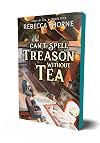
I mean. It’s cozy fantasy lesbians running a book and tea shop. It’s not high literature. The characters aren’t very deep, the plot is a bit contrived, and the pacing is kinda all over the place. Character arcs resolve over the course of a paragraph and conflicts are solved almost as soon as they’re introduced. I’d hold the issues against the book more, but it didn’t make bigger promises than “sword lesbian and magic lesbian run a book store and drink tea”, so it’s… fine.
I probably won’t read the rest of the series. The second book makes everyone pirates for some reason.
There’s also an unwittingly hilarious scene where it’s clear the author doesn’t understand the difference between half siblings and step siblings and uses them interchangeably.
TLDR: It’s a fluff book, so it’s a three even being graded with fluff expectations. I haven’t finished Legends and Lattes yet, but if the concept of this book sounds appealing… you should probably just read Legends and Lattes instead.
I probably won’t read the rest of the series. The second book makes everyone pirates for some reason.
There’s also an unwittingly hilarious scene where it’s clear the author doesn’t understand the difference between half siblings and step siblings and uses them interchangeably.
TLDR: It’s a fluff book, so it’s a three even being graded with fluff expectations. I haven’t finished Legends and Lattes yet, but if the concept of this book sounds appealing… you should probably just read Legends and Lattes instead.
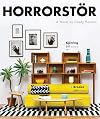
4 stars for concept and design. The use of illustration within the book is overall unique, interesting, and clever.
2 stars for writing, character, and plot. If you're looking for more than "ikea but it's haunted", this isn't the book for you. Plot is thin. Characters are stilted. Writing is... there? Hopefully nobody is reading "Haunted Ikea: The Book" for artful, profound prose.
3 stars for the spooky. A decent number of scenes delivered on the horror well enough to cause a visceral reaction from both me and my wife while reading. However, a handful of scenes fall flat, mostly through reuse of some stock and standard "haunted house" tropes that have been painfully overdone.
Overall, 3 stars. It's fun enough. I'd recommend it to friends of mine who want something spooky but aren't real heavy readers, or those who might particularly enjoy the book's design.
2 stars for writing, character, and plot. If you're looking for more than "ikea but it's haunted", this isn't the book for you. Plot is thin. Characters are stilted. Writing is... there? Hopefully nobody is reading "Haunted Ikea: The Book" for artful, profound prose.
3 stars for the spooky. A decent number of scenes delivered on the horror well enough to cause a visceral reaction from both me and my wife while reading. However, a handful of scenes fall flat, mostly through reuse of some stock and standard "haunted house" tropes that have been painfully overdone.
Overall, 3 stars. It's fun enough. I'd recommend it to friends of mine who want something spooky but aren't real heavy readers, or those who might particularly enjoy the book's design.
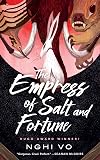
The structure takes a little getting used to, but it’s a good story told in a unique way. Chih’s role in the world sets up a large variety of stories that can be told, and I actually liked that the bigger, more magical parts of the world were present but took a backseat to the character-driven narrative.
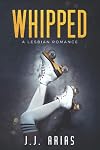
It’s not BDSM smut, I swear!! It’s roller derby!!!!!!
I’m relatively new to romance as a genre so I wasn’t sure what to expect! There wasn’t a whole lot of depth to this one, but I thought the romance was cute, in particular the scenes in the middle of the book that build the romantic tension were done really well.
I do find Erica’s character to be needlessly cold at the beginning of the book, and it was a little bit difficult to suspend my disbelief that she’d change as readily as she did, but I’m new to romance so maybe this is just par for the course and part of “the fantasy”.
I also feel like there wasn’t nearly as much roller derby as I expected, since it’s kinda the premise of the whole book, but again, the romance scenes about halfway through were good enough that I guess I’m willing to overlook it?
This also has to be the least professional law firm in the universe.
I’m relatively new to romance as a genre so I wasn’t sure what to expect! There wasn’t a whole lot of depth to this one, but I thought the romance was cute, in particular the scenes in the middle of the book that build the romantic tension were done really well.
I do find Erica’s character to be needlessly cold at the beginning of the book, and it was a little bit difficult to suspend my disbelief that she’d change as readily as she did, but I’m new to romance so maybe this is just par for the course and part of “the fantasy”.
I also feel like there wasn’t nearly as much roller derby as I expected, since it’s kinda the premise of the whole book, but again, the romance scenes about halfway through were good enough that I guess I’m willing to overlook it?
This also has to be the least professional law firm in the universe.
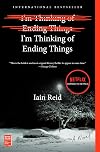
This was such a frustrating read overall.
We follow our main character, a young woman, traveling with her boyfriend of about six weeks to meet his parents at their farm out in the sticks. Things are unsettling to begin with, and take continuous turns for the surreal and bizarre across the night.
The atmosphere was excellently built, the strange occurrences and interactions between the characters were unsettling and genuinely creepy, including some of the backstory from our lead character.
But honestly? The book behaved like this was all building up to something larger, more connected, more intricate, but the end reveal was incredibly cheap, gimmicky, and so painfully obvious that I discounted it completely from the first piece of heavy handed foreshadowing as “too stupid, convoluted, and easy”.
Because of this, my final impression is that I’m Thinking of Ending Things is excellent set dressing desperately trying to obscure the fundamentally shallow “plot” that lies beneath its surface.
We follow our main character, a young woman, traveling with her boyfriend of about six weeks to meet his parents at their farm out in the sticks. Things are unsettling to begin with, and take continuous turns for the surreal and bizarre across the night.
The atmosphere was excellently built, the strange occurrences and interactions between the characters were unsettling and genuinely creepy, including some of the backstory from our lead character.
But honestly? The book behaved like this was all building up to something larger, more connected, more intricate, but the end reveal was incredibly cheap, gimmicky, and so painfully obvious that I discounted it completely from the first piece of heavy handed foreshadowing as “too stupid, convoluted, and easy”.
Because of this, my final impression is that I’m Thinking of Ending Things is excellent set dressing desperately trying to obscure the fundamentally shallow “plot” that lies beneath its surface.