I went back and forth to build this review around my big takeaways of this book, the biggest was his concept of the importance of mesmerization. Then there are my own experiences of spending time outside as a child doing nothing. I can remember things like smelling the compost in my backyard from the bagged lawn clippings and poking at it with sticks to turn it over and play with it. I remember laying in the grass and watching ants or dandelions. I mean, we all spent lots of time outside, it was the alternative to inside. Those were the big choices. Go outside or go inside and in both cases, as a child there was not much to do that is meaningful, it is all activity or just being. Like riding my bike all over the place. Or wandering. I lived in the suburbs, but it was the 70's and that is all well covered territory by nostalgic content producers, people of most older generations can agree that there is enormous value to unstructured time in nature. This book makes the best arguments for these practices in a way that I found more useful than other books I've read about forest bathing or the psychology of solitude or what it means to experience awe. Those concepts are valuable, but Louv's work is so acheivable. Just go outside and hang out pointlessly because there is actually a point. These days we can all stand to borrow some calm.
Richard Louv writes that **stillness is not boredom or simply “doing nothing.”** Stillness is unstructured time in which a child is show more temporarily freed from adult direction, schedules, screens, and constant stimulation. During these periods, the senses become more attentive: the child notices the movement of water, changes in light, insects, wind, birds, leaves, and other small details. Louv regards this kind of direct engagement with nature as essential to healthy cognitive, emotional, and neurological development because it allows attention to rest and then renew itself, while also strengthening observation, imagination, creativity, self-regulation, and mental acuity. ([Richard Louv][1])
**Mesmerization in nature** is the state of becoming quietly and effortlessly absorbed by something natural—watching flames move, clouds change, water flow, leaves stir, or an animal go about its work. This resembles what attention researchers call **soft fascination**: nature holds the attention gently without demanding or exhausting it. Because the mind is interested but not overwhelmed, it has room to wander, reflect, process emotion, and recover from concentrated effort. ([Wikipedia][2])
Louv believes children need repeated experiences of this kind because the developing mind must learn not only how to concentrate, but also how to become quiet, regulate itself, and recover from stimulation. Those childhood pockets of stillness may later become an internal reserve of calm. An adult who has repeatedly experienced peace in nature may be better able to “borrow” that remembered calm during anxiety, ground herself through sensory attention, and deliberately seek out restorative places and routines.
Over time, these experiences can also help establish **habits of calm**: walking outside, watching the sky, listening to rain, sitting quietly, or allowing the mind to slow down without entertainment. Such habits may support mental health and become part of healthy evening and sleep routines because the person has learned that the mind does not always need to be occupied or stimulated. The deeper idea is that calm is partly practiced. A childhood that includes stillness gives the mind repeated experience in finding its way back to rest.
[1]: https://richardlouv.com/?utm_source=chatgpt.com "Richard Louv: Home"
[2]: https://en.wikipedia.org/wiki/Attention_restoration_theory?utm_source=chatgpt.co... "Attention restoration theory" show less
Richard Louv writes that **stillness is not boredom or simply “doing nothing.”** Stillness is unstructured time in which a child is show more temporarily freed from adult direction, schedules, screens, and constant stimulation. During these periods, the senses become more attentive: the child notices the movement of water, changes in light, insects, wind, birds, leaves, and other small details. Louv regards this kind of direct engagement with nature as essential to healthy cognitive, emotional, and neurological development because it allows attention to rest and then renew itself, while also strengthening observation, imagination, creativity, self-regulation, and mental acuity. ([Richard Louv][1])
**Mesmerization in nature** is the state of becoming quietly and effortlessly absorbed by something natural—watching flames move, clouds change, water flow, leaves stir, or an animal go about its work. This resembles what attention researchers call **soft fascination**: nature holds the attention gently without demanding or exhausting it. Because the mind is interested but not overwhelmed, it has room to wander, reflect, process emotion, and recover from concentrated effort. ([Wikipedia][2])
Louv believes children need repeated experiences of this kind because the developing mind must learn not only how to concentrate, but also how to become quiet, regulate itself, and recover from stimulation. Those childhood pockets of stillness may later become an internal reserve of calm. An adult who has repeatedly experienced peace in nature may be better able to “borrow” that remembered calm during anxiety, ground herself through sensory attention, and deliberately seek out restorative places and routines.
Over time, these experiences can also help establish **habits of calm**: walking outside, watching the sky, listening to rain, sitting quietly, or allowing the mind to slow down without entertainment. Such habits may support mental health and become part of healthy evening and sleep routines because the person has learned that the mind does not always need to be occupied or stimulated. The deeper idea is that calm is partly practiced. A childhood that includes stillness gives the mind repeated experience in finding its way back to rest.
[1]: https://richardlouv.com/?utm_source=chatgpt.com "Richard Louv: Home"
[2]: https://en.wikipedia.org/wiki/Attention_restoration_theory?utm_source=chatgpt.co... "Attention restoration theory" show less

This movie is based on the book Erasure by Percival Everett (author of bestselling buzzy book "James") I have not read Erasure but I *loved* this movie. I think, like Silence of the Lambs, this well cast movie makes the main character's reality come alive in a necessary way.

Likeable characters and a realistic slow-burn romance. Joan and Vanessa have sharply contrasting personalities, but both remain fully likeable and neither becomes a caricature. Their conversations about celestial bodies, eternity, and the Almighty are unexpectedly beautiful and natural. The novel also speaks eloquently about the reality of gender roles, the social constraints of the 1980s, and the particular pressures of a federal workplace. The ending is powerful and remains true to the characters and the course of the story. The development of the secondary characters and alternation between past and present seamless. Worthy of the hype.
The Demon of Unrest: A Saga of Hubris, Heartbreak, and Heroism at the Dawn of the Civil War by Erik Larson
Erik Larson is a Costco historian. He's the real deal in that he will get a book out at Christmas and it will be broadly promoted. I grew up outside of Gettysburg, PA and love a Civil War nerd. This is not my favorite Erik Larson book. I like when he tackles a cinematic slice of history that was not considered and has a go at it (Isaac's Storm) but when Larson takes on the Civil War it is not the same for me. In this case, I do like that Erik Larson recognizes the debt that we owe Mary Chesnut for her diaries and the work she put into that writing over the course of her life to polish her reflections. She has an extraordinary voice and takes you right into the parlor of Charleston society. I hope more people take this book and give Mary Chesnut a look.
Erik Larson builds *The Demon of Unrest* around three sustained figures: Robert Anderson, Mary Boykin Chesnut, and Edmund Ruffin.
Anderson provides the main chronology. His reports, letters, orders, and military correspondence carry the Fort Sumter story from the occupation of the fort through the shortages, relief attempts, bombardment, and surrender. He is the book’s structural center.
Chesnut provides the strongest personal voice. Larson uses her diary for Charleston society, political gossip, private conversations, reactions to secession, and the atmosphere surrounding the attack on Sumter. Her writing gives the book much of its social detail and scene-setting, though the published diary also reflects her later show more revisions.
Ruffin provides the sustained secessionist point of view. His writings and activities allow Larson to follow someone who actively wanted disunion and war. He serves as the clearest personal expression of the ideology and emotional force behind secession.
Larson relies on Anderson for the siege, Chesnut for the social world around it, and Ruffin contributes the agitation that pushed events toward war. Lincoln, Seward, Buchanan, Beauregard, James Chesnut, and others appear throughout, but none carries the narrative as consistently as those three.
This is an easy to read book that captures as Larson says "The tick tock" leading up to the Civil War. show less
Erik Larson builds *The Demon of Unrest* around three sustained figures: Robert Anderson, Mary Boykin Chesnut, and Edmund Ruffin.
Anderson provides the main chronology. His reports, letters, orders, and military correspondence carry the Fort Sumter story from the occupation of the fort through the shortages, relief attempts, bombardment, and surrender. He is the book’s structural center.
Chesnut provides the strongest personal voice. Larson uses her diary for Charleston society, political gossip, private conversations, reactions to secession, and the atmosphere surrounding the attack on Sumter. Her writing gives the book much of its social detail and scene-setting, though the published diary also reflects her later show more revisions.
Ruffin provides the sustained secessionist point of view. His writings and activities allow Larson to follow someone who actively wanted disunion and war. He serves as the clearest personal expression of the ideology and emotional force behind secession.
Larson relies on Anderson for the siege, Chesnut for the social world around it, and Ruffin contributes the agitation that pushed events toward war. Lincoln, Seward, Buchanan, Beauregard, James Chesnut, and others appear throughout, but none carries the narrative as consistently as those three.
This is an easy to read book that captures as Larson says "The tick tock" leading up to the Civil War. show less

Here is my fan girl deep dive. This series is wonderful, BUT what makes me swoon is SHELBY FOOTE. Oh my biscuits. I about burst a blood vessel in my eye whenever he narrates any part of this series. To that end, if you want to fan girl like me here you go:
These are the long-form Shelby Foote interviews recorded for Ken Burns’s *The Civil War*, rather than Foote’s later C-SPAN appearances. Together, they contain roughly three hours of minimally edited production footage.
Foote discusses the causes of the Civil War, Lincoln, Grant, Lee, battlefield decisions, ordinary soldiers, Southern defeat, Reconstruction, and the personalities and small human stories that made his appearances in the finished documentary so memorable.
Shelby Foote Interview — Part 1
1 hour 49 minutes
[https://youtu.be/nS7ekJUwWuA](https://youtu.be/nS7ekJUwWuA)
Shelby Foote Interview — Part 2
1 hour 10 minutes
[https://youtu.be/PYBZiiUUC4w](https://youtu.be/PYBZiiUUC4w)
Shelby Foote Interview — Part 3
[https://youtu.be/B4jCSzXq0tU](https://youtu.be/B4jCSzXq0tU)
PBS also has a short official clip in which Ken Burns explains why he chose Shelby Foote for the series:
Ken Burns Discusses Interviewing Shelby Foote
[https://www.pbs.org/video/the-civil-war-ken-burns-interview-the-civil-war-shelby-foote/](https://www.pbs.org/video/the-civil-war-ken-burns-interview-the-civil-war-shelby-foote/)
Shelby Foote became the documentary’s principal on-camera commentator and appeared repeatedly throughout the series. Ken show more Burns later recalled that his first interview with Foote was among the earliest footage filmed for the production.
Hopefully, the titles will make the videos easy to search if the links stop working. P.S. I named my AI companion Shelby. show less
These are the long-form Shelby Foote interviews recorded for Ken Burns’s *The Civil War*, rather than Foote’s later C-SPAN appearances. Together, they contain roughly three hours of minimally edited production footage.
Foote discusses the causes of the Civil War, Lincoln, Grant, Lee, battlefield decisions, ordinary soldiers, Southern defeat, Reconstruction, and the personalities and small human stories that made his appearances in the finished documentary so memorable.
Shelby Foote Interview — Part 1
1 hour 49 minutes
[https://youtu.be/nS7ekJUwWuA](https://youtu.be/nS7ekJUwWuA)
Shelby Foote Interview — Part 2
1 hour 10 minutes
[https://youtu.be/PYBZiiUUC4w](https://youtu.be/PYBZiiUUC4w)
Shelby Foote Interview — Part 3
[https://youtu.be/B4jCSzXq0tU](https://youtu.be/B4jCSzXq0tU)
PBS also has a short official clip in which Ken Burns explains why he chose Shelby Foote for the series:
Ken Burns Discusses Interviewing Shelby Foote
[https://www.pbs.org/video/the-civil-war-ken-burns-interview-the-civil-war-shelby-foote/](https://www.pbs.org/video/the-civil-war-ken-burns-interview-the-civil-war-shelby-foote/)
Shelby Foote became the documentary’s principal on-camera commentator and appeared repeatedly throughout the series. Ken show more Burns later recalled that his first interview with Foote was among the earliest footage filmed for the production.
Hopefully, the titles will make the videos easy to search if the links stop working. P.S. I named my AI companion Shelby. show less
I have family that married into a five generation Galveston family, this book was of interest to me for that reason. Here is my crownsorgallows deep dive. I think Erik Larson finds a great story, and tells it in a cinematic style. This book has been challenged (below) but at end of day, it was a story worth telling and as always, people should read widely and remain curious. Here is are some notes for further study:
Erik Larson has publicly described the primary-source work behind ***Isaac’s Storm*** in unusually concrete terms.
He told *The Washington Post* that he made **about six week-long research trips to Galveston** and found at least half of his material in the **National Archives, Library of Congress, and NOAA library**. He said many of the Weather Bureau documents were so obscure that they had never been microfilmed; he believed he may have been the first person in nearly a century to handle some of the original memos and telegrams. ([The Washington Post][1])
The sources he and the publisher have specifically identified include:
* Isaac Cline’s **telegrams, letters, reports, diaries, memoir, and published writings**
* Joseph Cline’s journal or storm account
* Weather Bureau correspondence, internal memoranda, forecasts, and administrative records
* contemporary newspaper coverage
* photographs
* accounts written by storm survivors
* later interviews and recollections
* consultation with modern hurricane scientists and meteorologists. show more ([PenguinRandomhouse.com][2])
Larson said that his interpretation of Isaac Cline changed when he compared Cline’s later heroic account with contemporary evidence. He reported that, after combing survivor accounts, he found no beach witness who remembered being personally warned by Cline. He also found Cline’s **1891 newspaper article** dismissing the possibility that a hurricane-driven storm wave could seriously damage Galveston. ([The Washington Post][1])
Larson has also explained his narrative method. He says the vivid scenes are not inventions, but come from **“mining the historical record for the most vivid, evocative details.”** Photographs of the corpse-burning pyres, for example, were part of his research, although he believed photographs alone could not communicate the full sensory horror of the aftermath. ([Erik Larson][3])
## There was a genuine sourcing controversy
Soon after publication, meteorologist Lew Fincher challenged Larson’s portrayal of Isaac and Joseph Cline, arguing that Larson exaggerated their estrangement and overlooked an early published account in which the brothers spoke warmly of one another. Fincher also disputed Larson’s classification of the hurricane as Category 5. ([Salon.com][4])
Larson responded that:
* two National Archives accounts indicated that Isaac told some residents to remain in Galveston;
* he had read both brothers’ journals closely;
* Joseph’s lengthy storm narrative notably failed to mention Isaac;
* hurricane expert Neil Frank had told him about the brothers’ rivalry;
* an article in *Southwestern Historical Quarterly* also supported that conclusion;
* hurricane researcher Hugh Willoughby reviewed the manuscript. ([Salon.com][4])
However, the *Salon* investigation noted that Neil Frank and the journal article were **not cited in the book’s notes for that particular claim**. Larson also acknowledged that the official classification was Category 4 and that no one could determine the storm’s exact strength with certainty, although he personally remained convinced that it reached Category 5 intensity. ([Salon.com][4])
## My assessment
The book clearly rests on a **large and serious body of primary evidence**—not merely on earlier popular histories. Larson personally worked through archival Weather Bureau files, family writings, newspapers, photographs, and numerous survivor accounts.
But ***Isaac’s Storm*** is narrative history rather than a scholarly documentary edition. Larson selects and interprets evidence to construct a dramatic argument, and some of his strongest conclusions about Isaac Cline, the brothers’ relationship, and the storm’s intensity have been challenged. The fairest description would be:
**Extensively researched narrative nonfiction grounded in primary sources, but containing interpretive claims that remain disputed.**
[1]: https://www.washingtonpost.com/archive/lifestyle/1999/08/05/in-the-eye-of-the-st... "In the Eye Of the STORM - The Washington Post"
[2]: https://www.penguinrandomhouse.com/the-read-down/erik-larson-books/ "A Guide to Erik Larson Books | Penguin Random House"
[3]: https://eriklarsonbooks.com/2012/01/seduction-and-distraction/ "Seduction and Distraction - Erik Larson"
[4]: https://www.salon.com/1999/09/29/larson/ "A tempest around "Isaac's Storm" - Salon.com" show less
Erik Larson has publicly described the primary-source work behind ***Isaac’s Storm*** in unusually concrete terms.
He told *The Washington Post* that he made **about six week-long research trips to Galveston** and found at least half of his material in the **National Archives, Library of Congress, and NOAA library**. He said many of the Weather Bureau documents were so obscure that they had never been microfilmed; he believed he may have been the first person in nearly a century to handle some of the original memos and telegrams. ([The Washington Post][1])
The sources he and the publisher have specifically identified include:
* Isaac Cline’s **telegrams, letters, reports, diaries, memoir, and published writings**
* Joseph Cline’s journal or storm account
* Weather Bureau correspondence, internal memoranda, forecasts, and administrative records
* contemporary newspaper coverage
* photographs
* accounts written by storm survivors
* later interviews and recollections
* consultation with modern hurricane scientists and meteorologists. show more ([PenguinRandomhouse.com][2])
Larson said that his interpretation of Isaac Cline changed when he compared Cline’s later heroic account with contemporary evidence. He reported that, after combing survivor accounts, he found no beach witness who remembered being personally warned by Cline. He also found Cline’s **1891 newspaper article** dismissing the possibility that a hurricane-driven storm wave could seriously damage Galveston. ([The Washington Post][1])
Larson has also explained his narrative method. He says the vivid scenes are not inventions, but come from **“mining the historical record for the most vivid, evocative details.”** Photographs of the corpse-burning pyres, for example, were part of his research, although he believed photographs alone could not communicate the full sensory horror of the aftermath. ([Erik Larson][3])
## There was a genuine sourcing controversy
Soon after publication, meteorologist Lew Fincher challenged Larson’s portrayal of Isaac and Joseph Cline, arguing that Larson exaggerated their estrangement and overlooked an early published account in which the brothers spoke warmly of one another. Fincher also disputed Larson’s classification of the hurricane as Category 5. ([Salon.com][4])
Larson responded that:
* two National Archives accounts indicated that Isaac told some residents to remain in Galveston;
* he had read both brothers’ journals closely;
* Joseph’s lengthy storm narrative notably failed to mention Isaac;
* hurricane expert Neil Frank had told him about the brothers’ rivalry;
* an article in *Southwestern Historical Quarterly* also supported that conclusion;
* hurricane researcher Hugh Willoughby reviewed the manuscript. ([Salon.com][4])
However, the *Salon* investigation noted that Neil Frank and the journal article were **not cited in the book’s notes for that particular claim**. Larson also acknowledged that the official classification was Category 4 and that no one could determine the storm’s exact strength with certainty, although he personally remained convinced that it reached Category 5 intensity. ([Salon.com][4])
## My assessment
The book clearly rests on a **large and serious body of primary evidence**—not merely on earlier popular histories. Larson personally worked through archival Weather Bureau files, family writings, newspapers, photographs, and numerous survivor accounts.
But ***Isaac’s Storm*** is narrative history rather than a scholarly documentary edition. Larson selects and interprets evidence to construct a dramatic argument, and some of his strongest conclusions about Isaac Cline, the brothers’ relationship, and the storm’s intensity have been challenged. The fairest description would be:
**Extensively researched narrative nonfiction grounded in primary sources, but containing interpretive claims that remain disputed.**
[1]: https://www.washingtonpost.com/archive/lifestyle/1999/08/05/in-the-eye-of-the-st... "In the Eye Of the STORM - The Washington Post"
[2]: https://www.penguinrandomhouse.com/the-read-down/erik-larson-books/ "A Guide to Erik Larson Books | Penguin Random House"
[3]: https://eriklarsonbooks.com/2012/01/seduction-and-distraction/ "Seduction and Distraction - Erik Larson"
[4]: https://www.salon.com/1999/09/29/larson/ "A tempest around "Isaac's Storm" - Salon.com" show less
Sue Klebold lives the mind blowing reality that her baby boy Dylan grew up to gun down his classmates and become a dark web inspiration for lost people seeking an outlet for hate. That's a wordless burden -- further to this, she wrote this book. I assumed that she did not seek to profit from this work - I used chat GPT to research the follow through of the publishers vague "profits from book will be donated to mental health resources." Here is what the AI generated:
The charitable claim is **substantial and documentable**, but the complete six-recipient accounting has never been posted in one convenient public table.
## What the records establish
Sue Klebold created **Vention Resources, Inc., PBC**, a Colorado public-benefit corporation, to receive and manage the author income from *A Mother’s Reckoning*. Her stated commitment was to donate **all author profits after reasonable expenses**—not the entire retail price of every copy sold. ([A Mother’s Reckoning][1])
Rocky Mountain PBS requested Vention’s legally required public-benefit reports and found that:
* **$427,200 was donated**
* to **six charitable organizations**
* between **2015 and December 31, 2018**
* Vention’s principal expenses were contractual payments to Klebold’s **co-author and literary agent**
* the reports listed **no payments or personal financial benefit to Sue Klebold herself**. ([Rocky Mountain PBS][2])
The 2015 start date is earlier than the book’s 2016 publication. The reports do not explain show more that timing in the article, but it likely reflects an advance or other prepublication author income.
## The recipients that can be confirmed
Klebold’s official site names these five organizations:
1. Mental Health America
2. National Alliance on Mental Illness
3. American Foundation for Suicide Prevention
4. American Association of Suicidology
5. Brain & Behavior Research Foundation. ([A Mother’s Reckoning][1])
Rocky Mountain PBS says there were **six recipients**, but its article names only three, and Klebold’s site uses the word **“including”** before listing five. I could not find a public copy of the Vention reports that definitively identifies the sixth organization. ([Rocky Mountain PBS][2])
## Amounts that can be traced independently
### National Alliance on Mental Illness
NAMI’s first-quarter 2016 contribution registry records:
* **Donor:** Vention Resources Inc., PBC
* **Purpose:** General Support
* **Amount:** **$24,333**.
### Brain & Behavior Research Foundation
BBRF did not publish an exact figure, but it placed Vention in annual giving categories:
| Year | BBRF donor category |
| ---- | ---------------------: |
| 2016 | **Patrons — $10,000+** |
| 2017 | **Leaders — $25,000+** |
| 2018 | **Leaders — $25,000+** |
That establishes donations of **at least $60,000 to BBRF during 2016–2018**, though the precise total could have been higher.
Therefore, of the documented **$427,200 total**, we can independently trace:
* **$24,333 exactly to NAMI**
* **at least $60,000 to BBRF**
* the remainder among BBRF above its minimum, Mental Health America, AFSP, AAS, and the unnamed sixth recipient.
## How it ultimately played out
This was not merely a promotional promise. Klebold put the book rights and author income through a public-benefit corporation, made hundreds of thousands of dollars in charitable contributions, paid the contractual people involved in producing and representing the book, and—according to the reports obtained by Rocky Mountain PBS—did not pay herself.
The limitation is transparency after 2018. The latest independently reported cumulative amount I found is **$427,200 through the end of 2018**. Klebold’s present website says that all author profits received after reasonable expenses **“have been used”** to fund the organizations, but it does not provide a later cumulative total or an organization-by-organization ledger. ([Rocky Mountain PBS][2])
## Revised LibraryThing summary
*A Mother’s Reckoning* is a remarkable memoir because Sue Klebold attempts something nearly impossible: to write honestly about loving her son while confronting, without erasing or excusing, the devastation he caused. She keeps the victims, survivors, and their families present while examining her own grief, blindness, guilt, and responsibility. The book is unusually restrained, humane, and searching; it offers no comfortable answers and asks for understanding without demanding absolution. Klebold also declined to profit personally from the memoir. Through Vention Resources, a Colorado public-benefit corporation, the book generated at least **$427,200 in donations to six mental-health and suicide-prevention organizations between 2015 and the end of 2018**. Public records identify a **$24,333 gift to NAMI** and establish at least **$60,000 in donations to the Brain & Behavior Research Foundation** during 2016–2018. Vention’s reports listed contractual payments to the co-author and literary agent but no payments to Klebold herself. show less
The charitable claim is **substantial and documentable**, but the complete six-recipient accounting has never been posted in one convenient public table.
## What the records establish
Sue Klebold created **Vention Resources, Inc., PBC**, a Colorado public-benefit corporation, to receive and manage the author income from *A Mother’s Reckoning*. Her stated commitment was to donate **all author profits after reasonable expenses**—not the entire retail price of every copy sold. ([A Mother’s Reckoning][1])
Rocky Mountain PBS requested Vention’s legally required public-benefit reports and found that:
* **$427,200 was donated**
* to **six charitable organizations**
* between **2015 and December 31, 2018**
* Vention’s principal expenses were contractual payments to Klebold’s **co-author and literary agent**
* the reports listed **no payments or personal financial benefit to Sue Klebold herself**. ([Rocky Mountain PBS][2])
The 2015 start date is earlier than the book’s 2016 publication. The reports do not explain show more that timing in the article, but it likely reflects an advance or other prepublication author income.
## The recipients that can be confirmed
Klebold’s official site names these five organizations:
1. Mental Health America
2. National Alliance on Mental Illness
3. American Foundation for Suicide Prevention
4. American Association of Suicidology
5. Brain & Behavior Research Foundation. ([A Mother’s Reckoning][1])
Rocky Mountain PBS says there were **six recipients**, but its article names only three, and Klebold’s site uses the word **“including”** before listing five. I could not find a public copy of the Vention reports that definitively identifies the sixth organization. ([Rocky Mountain PBS][2])
## Amounts that can be traced independently
### National Alliance on Mental Illness
NAMI’s first-quarter 2016 contribution registry records:
* **Donor:** Vention Resources Inc., PBC
* **Purpose:** General Support
* **Amount:** **$24,333**.
### Brain & Behavior Research Foundation
BBRF did not publish an exact figure, but it placed Vention in annual giving categories:
| Year | BBRF donor category |
| ---- | ---------------------: |
| 2016 | **Patrons — $10,000+** |
| 2017 | **Leaders — $25,000+** |
| 2018 | **Leaders — $25,000+** |
That establishes donations of **at least $60,000 to BBRF during 2016–2018**, though the precise total could have been higher.
Therefore, of the documented **$427,200 total**, we can independently trace:
* **$24,333 exactly to NAMI**
* **at least $60,000 to BBRF**
* the remainder among BBRF above its minimum, Mental Health America, AFSP, AAS, and the unnamed sixth recipient.
## How it ultimately played out
This was not merely a promotional promise. Klebold put the book rights and author income through a public-benefit corporation, made hundreds of thousands of dollars in charitable contributions, paid the contractual people involved in producing and representing the book, and—according to the reports obtained by Rocky Mountain PBS—did not pay herself.
The limitation is transparency after 2018. The latest independently reported cumulative amount I found is **$427,200 through the end of 2018**. Klebold’s present website says that all author profits received after reasonable expenses **“have been used”** to fund the organizations, but it does not provide a later cumulative total or an organization-by-organization ledger. ([Rocky Mountain PBS][2])
## Revised LibraryThing summary
*A Mother’s Reckoning* is a remarkable memoir because Sue Klebold attempts something nearly impossible: to write honestly about loving her son while confronting, without erasing or excusing, the devastation he caused. She keeps the victims, survivors, and their families present while examining her own grief, blindness, guilt, and responsibility. The book is unusually restrained, humane, and searching; it offers no comfortable answers and asks for understanding without demanding absolution. Klebold also declined to profit personally from the memoir. Through Vention Resources, a Colorado public-benefit corporation, the book generated at least **$427,200 in donations to six mental-health and suicide-prevention organizations between 2015 and the end of 2018**. Public records identify a **$24,333 gift to NAMI** and establish at least **$60,000 in donations to the Brain & Behavior Research Foundation** during 2016–2018. Vention’s reports listed contractual payments to the co-author and literary agent but no payments to Klebold herself. show less
Is this great literature? No. Is this a great read? Yes. Super fun book. Like, if you like movies like National Treasure and conspiracies and all the delicious things...this is good stuff. I wish I could go back and re-read this for the first time. The opening scene is so good.
Linda Goodman's Love Signs: New Edition of the Classic Astrology Book on Love: Unlock Your True Love Match by Linda Goodman
One of my middle school time capsule books. Super fun to break out and ask your friends about their crush and look up their sign. I still have my copy and it aged okay, my kids had fun laughing at the predictions.
Just my opinion, this book was hard for me to follow. I am not a fan of books with a twist as they are only good for one read. This was a book club pick for me, the consensus was that the book was very good. I didn't like it. In a landscape cluttered with WW2 fiction this is not in my top 500.

This book is a brick. Given the math of too many books, too little time, what was culturally interesting to me about Steve Jobs could have been accomplished in 200 pages. Considering the star treatment Elon Musk was given by Walter Isaacson, I question how balanced this particular book was in retrospect.
I would love to see a narrative historian like Maureen Callahan (author of Ask Not) tackle Elon Musk. She challenges figures in our culture and holds them accountable. This book covers the arc of Elon's life before he took on Robert Stark proportions and blotted out all of normal humanity with his fortune and disconnection from civilized society. I read this and I read Steve Jobs and end of day, Steve Jobs has changed our world in a much grander way whilst only hurting people in his immediate circle, whilst Elon's innovations have changed our society very little relative to the amount of space he takes up in the cultural and arguably, given how much opportunity he has to move the global needle the fact that he made internet accessible to people in environmentally devastated areas is not enough. I guess if I had my power grid destroyed by a hurricane and Elon's Starlink made it possible for me to talk to family I would consider him in a greater light, but the innovation of Starlink itself is not genius, it is the way he does business that makes him such a gluttonous money monster. There is a bit about Elon getting kicked down a flight of stairs by grade school bullies and having his face pounded to hamburger that is heartbreaking. But again, this is a person that grew up with the ability to move the global needle, it is clear the needle is only moving towards increasing his wealth and power. He's gross.
Back to Walter Isaacson, this book is basically a love letter to Elon. show more No his father wasn't rich. Yes he is super close to his siblings. His mother is very pretty and she was poor and hard working. Those emerald mines? Exaggerated. This book lacks balance and reads like a long form corporate press release.
I gave it three stars because if you ever bought any shares in Tesla this book would convince you that Elon is incapable of giving up or relenting. He is like a pit bull that can't unclench his jaw. Like picture a pitbull grabbing onto planet Earth and getting swung around super fast and not letting go ever. That's Elon. Considering the dips his stocks have taken and the timing of this book release, if you had that takeaway from this book (I did) you will have made some money on Tesla. show less
Back to Walter Isaacson, this book is basically a love letter to Elon. show more No his father wasn't rich. Yes he is super close to his siblings. His mother is very pretty and she was poor and hard working. Those emerald mines? Exaggerated. This book lacks balance and reads like a long form corporate press release.
I gave it three stars because if you ever bought any shares in Tesla this book would convince you that Elon is incapable of giving up or relenting. He is like a pit bull that can't unclench his jaw. Like picture a pitbull grabbing onto planet Earth and getting swung around super fast and not letting go ever. That's Elon. Considering the dips his stocks have taken and the timing of this book release, if you had that takeaway from this book (I did) you will have made some money on Tesla. show less

Ben Franklin had so much charm and humor, this middle grade reader is the closest one can come to connecting with what it must have been like to know Ben socially (not the party French court Ben, but the Philadelphia printer Ben).

This book is more compelling as an audiobook, classic middle grade story set in the revolutionary war era Boston. I had more of a feel for Johnny's high regard for himself as well as his senseless bullying. It was interesting watching Paul Revere and Sam Adams come alive through Johnny's eyes. A good companion to this book would be Oliver Wiswell By Kenneth Roberts.

Holden Caulfield is an unlikeable person. His interior thoughts are boring. I'd love to see someone tackle this book through a lens considering Holden as an incel but maybe that is taking it too far. The best thing about this book is the maroon cover with the gold letters. It looks cool.
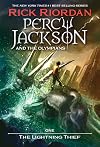
I was lucky enough to serve as a grade school librarian when these books were coming out. Rick Riordan is a treasure. He birthed a generation's interest in mythology.
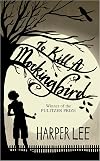
I was forced to read many books in high school. Of these many went over my head and I reread them later and thought, I am grateful I was exposed to this book. That being said, this book was over my head when I read it, I could not see the appeal, I picked it up a few more times and my big takeaway was is every kid in the south nicknamed Scout, Bean, Squink or some such. A book that tackled these themes that I read at 16 with greater success was was Native Son by Richard Wright. That title got through my thick head at 16. Native Son is an unforgettable book.
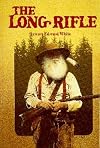
This book was first published as a serial, it enters the public domain on 12/31/2027. I did not read the first edition, I read this book as a child. However, when it comes to older books in the age of open publishing, it can be difficult to find the original book. I've included that information here if it is important to you. However if you are a nerd like me likely you could just look it up the way I did. If you follow my library you will see that I will update my older books with these sorts of notes. I've taken an interest in how original works are rewritten or sanitized in future editions. Education is a lifelong event and you cannot move forward if you do not know your history -- inluding literary history.
**1932 — Doubleday, Doran & Company, Inc., Garden City, New York**
The first edition is a **537-page hardcover** and usually states **“First Edition”** on the copyright page. It has tan or ochre cloth boards, a black cloth spine, a rifleman design on the front, and map endpapers. It predates ISBNs. ([Aardvark Rare Books][1])
Some catalogs give **1930** because the story first appeared serially in *The Saturday Evening Post* during **1930–1931**. The actual first book edition, however, is **1932**. ([archives.newberry.org][2])
For LibraryThing:
**Publication:** Garden City, N.Y.: Doubleday, Doran & Company, 1932
**Edition:** First edition
**ISBN:** None
[1]: https://www.aardvarkrarebooks.com/pages/books/87194/stewart-edward-white/the-lon... "THE LONG RIFLE SIGNED | show more Stewart Edward White"
[2]: https://archives.newberry.org/repositories/2/archival_objects/61882?utm_source=c... "Writers - Siringo, Charles, 1907, 1927-1928 | Modern Manuscripts ..." show less
**1932 — Doubleday, Doran & Company, Inc., Garden City, New York**
The first edition is a **537-page hardcover** and usually states **“First Edition”** on the copyright page. It has tan or ochre cloth boards, a black cloth spine, a rifleman design on the front, and map endpapers. It predates ISBNs. ([Aardvark Rare Books][1])
Some catalogs give **1930** because the story first appeared serially in *The Saturday Evening Post* during **1930–1931**. The actual first book edition, however, is **1932**. ([archives.newberry.org][2])
For LibraryThing:
**Publication:** Garden City, N.Y.: Doubleday, Doran & Company, 1932
**Edition:** First edition
**ISBN:** None
[1]: https://www.aardvarkrarebooks.com/pages/books/87194/stewart-edward-white/the-lon... "THE LONG RIFLE SIGNED | show more Stewart Edward White"
[2]: https://archives.newberry.org/repositories/2/archival_objects/61882?utm_source=c... "Writers - Siringo, Charles, 1907, 1927-1928 | Modern Manuscripts ..." show less
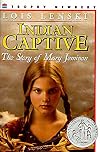
I give this book four stars, I read this as a child. It helped me fall in love with American history. As I grew into a reader, I learned that Mary Jemison was a real person and she had an oral history that this book was drawn from..details below -- this book is an example of the evolution of my reading life. a) learn about a figure from history as a child, dig in further for a fuller understanding of what I first read.
The original book was ***A Narrative of the Life of Mrs. Mary Jemison***, first published in **1824** and credited on the title page to **James E. Seaver**. ([Monroe County Library][1])
Mary Jemison **did not physically write the book herself**. In 1823, when she was elderly, she told Seaver her life story. The original title page says the narrative was “carefully taken from her own words” on November 29, 1823. Seaver then organized, edited, and shaped her testimony into the published book, adding his own introduction, commentary, historical material, and appendix. ([Project Gutenberg][2])
So the fairest description is:
**Mary Jemison’s oral autobiography, as recorded and edited by James E. Seaver.**
Her voice and memories form the heart of the narrative, but the wording cannot be treated as a verbatim transcript entirely untouched by Seaver. Modern scholars emphasize that his editorial choices influenced how her story was presented. ([Broadview Press][3])
Lois Lenski’s ***Indian Captive: The Story of Mary Jemison*** is a much later **1941 children’s show more historical novel based on Jemison’s life**, not the original account.
[1]: https://www.libraryweb.org/~digitized/Wheatland/Life_of_Mary_Jemison_1824.pdf?ut... "Saever, James E. A narrative of the life of Mrs. Mary ..."
[2]: https://www.gutenberg.org/files/6960/6960-h/6960-h.htm "
A Narrative of the Life Of Mrs. Mary Jemison,, by James E. Seaver.
"
[3]: https://broadviewpress.com/product/a-narrative-of-the-life-of-mrs-mary-jemison/ "A Narrative of the Life of Mrs. Mary Jemison - Broadview Press" show less
The original book was ***A Narrative of the Life of Mrs. Mary Jemison***, first published in **1824** and credited on the title page to **James E. Seaver**. ([Monroe County Library][1])
Mary Jemison **did not physically write the book herself**. In 1823, when she was elderly, she told Seaver her life story. The original title page says the narrative was “carefully taken from her own words” on November 29, 1823. Seaver then organized, edited, and shaped her testimony into the published book, adding his own introduction, commentary, historical material, and appendix. ([Project Gutenberg][2])
So the fairest description is:
**Mary Jemison’s oral autobiography, as recorded and edited by James E. Seaver.**
Her voice and memories form the heart of the narrative, but the wording cannot be treated as a verbatim transcript entirely untouched by Seaver. Modern scholars emphasize that his editorial choices influenced how her story was presented. ([Broadview Press][3])
Lois Lenski’s ***Indian Captive: The Story of Mary Jemison*** is a much later **1941 children’s show more historical novel based on Jemison’s life**, not the original account.
[1]: https://www.libraryweb.org/~digitized/Wheatland/Life_of_Mary_Jemison_1824.pdf?ut... "Saever, James E. A narrative of the life of Mrs. Mary ..."
[2]: https://www.gutenberg.org/files/6960/6960-h/6960-h.htm "
A Narrative of the Life Of Mrs. Mary Jemison,, by James E. Seaver.
"
[3]: https://broadviewpress.com/product/a-narrative-of-the-life-of-mrs-mary-jemison/ "A Narrative of the Life of Mrs. Mary Jemison - Broadview Press" show less
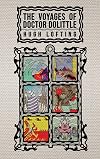
I was motivated to do a deep dive because Dr. Dolittle is a character that has been sanitized and repackaged for the modern market. I feel some kind of way about that because reading the original text of this book made my eyebrows fall off. As a child I read this book and did not blink an eye (it was the 70s), as a school librarian I picked it up again and felt all the impact of the dated language. Dated is a gentle word. Taking a look at this book in it's original text matters because as a culture we are constantly engaged with ideas around identity. This book situates nicely in that space as an object lesson of, do words matter? does identity matter? Should this book as it was originally published sit on the shelf of a grade school classroom or is the sanitized version better?
The Voyages of Doctor Dolittle has had so many editions and reboots that to find that original version (that I think is worthy of examination) takes a little digging. So here you go:
The edition’s full title is ***The Voyages of Doctor Dolittle: The Original 1922 Edition with Actual Illustrations by the Author***. Its publisher description specifically states that, unlike editions “updated” for modern sensibilities, it contains **the exact text originally published in 1922**. Therefore, it is being sold as the **unrevised, unsanitized text**, including the original racial language and stereotypes. ([AbeBooks][1])
However, it is **not a physical 1922 edition or a page-for-page facsimile**. The show more genuine 1922 Frederick A. Stokes edition contained 364 pages plus preliminary pages, while this modern reprint has 184 pages, meaning the text has been reset in a newer page layout. ([HathiTrust][2])
**Verdict:** You can confidently catalog it as **original 1922 text, unabridged and not modernized**—but as a **2019 modern reprint**, not an actual 1922 printing. I found no independent scholarly word-for-word collation, so the claim ultimately rests on the publisher’s explicit statement. Also, this ISBN is specifically for ***The Voyages of Doctor Dolittle***, not the earlier ***The Story of Doctor Dolittle***.
[1]: https://www.abebooks.com/9781645940197/Voyages-Doctor-Dolittle-Original-1922-164... "The Voyages of Doctor Dolittle: The Original 1922 Edition with Actual Illustrations by the Author - Lofting, Hugh: 9781645940197 - AbeBooks"
[2]: https://catalog.hathitrust.org/Record/001021532 "Catalog Record: The voyages of Doctor Dolittle | HathiTrust Digital Library"
In a way, this book is a five star argument for the importance of not censoring or sanitizing stories. Everyone has opinions, I can only speak from heart as a former librarian of a charter school (where I had complete freedom). If I were a classroom teacher of an upper grade and the topic came up, I would use this book as a conversation piece on the topic of re-writing or erasing history. This popular children's story has wonderful elements. I would 100% percent put this book in the hands of any older student or adult that wants to participate in a conversation of racist caricatures. I would not change one word of this book because it is a time capsule for socially accepted ideas, these same dominant ideas diminished and sidelined the contributions of millions of people by lessering them. show less
The Voyages of Doctor Dolittle has had so many editions and reboots that to find that original version (that I think is worthy of examination) takes a little digging. So here you go:
The edition’s full title is ***The Voyages of Doctor Dolittle: The Original 1922 Edition with Actual Illustrations by the Author***. Its publisher description specifically states that, unlike editions “updated” for modern sensibilities, it contains **the exact text originally published in 1922**. Therefore, it is being sold as the **unrevised, unsanitized text**, including the original racial language and stereotypes. ([AbeBooks][1])
However, it is **not a physical 1922 edition or a page-for-page facsimile**. The show more genuine 1922 Frederick A. Stokes edition contained 364 pages plus preliminary pages, while this modern reprint has 184 pages, meaning the text has been reset in a newer page layout. ([HathiTrust][2])
**Verdict:** You can confidently catalog it as **original 1922 text, unabridged and not modernized**—but as a **2019 modern reprint**, not an actual 1922 printing. I found no independent scholarly word-for-word collation, so the claim ultimately rests on the publisher’s explicit statement. Also, this ISBN is specifically for ***The Voyages of Doctor Dolittle***, not the earlier ***The Story of Doctor Dolittle***.
[1]: https://www.abebooks.com/9781645940197/Voyages-Doctor-Dolittle-Original-1922-164... "The Voyages of Doctor Dolittle: The Original 1922 Edition with Actual Illustrations by the Author - Lofting, Hugh: 9781645940197 - AbeBooks"
[2]: https://catalog.hathitrust.org/Record/001021532 "Catalog Record: The voyages of Doctor Dolittle | HathiTrust Digital Library"
In a way, this book is a five star argument for the importance of not censoring or sanitizing stories. Everyone has opinions, I can only speak from heart as a former librarian of a charter school (where I had complete freedom). If I were a classroom teacher of an upper grade and the topic came up, I would use this book as a conversation piece on the topic of re-writing or erasing history. This popular children's story has wonderful elements. I would 100% percent put this book in the hands of any older student or adult that wants to participate in a conversation of racist caricatures. I would not change one word of this book because it is a time capsule for socially accepted ideas, these same dominant ideas diminished and sidelined the contributions of millions of people by lessering them. show less
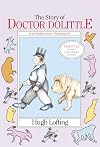
I'm leaving this info here as adjacent to my other review of the 1922 version. I had to dig around library thing through all the sanitized and rebooted updates to what is actually a charming story. However, Dr. Dolittle persisted in the culture for generations in another form and it is important to me that a more mature reader compare and contrast versions. I use AI sparingly as it is error prone, however, here is a good summary if you are looking for the original version:
ISBN-10: 1645940195
ISBN-13: 9781645940197
Publication: 2019 hardcover, Athanatos Publishing Group/Suzeteo Enterprises
The edition’s full title is The Voyages of Doctor Dolittle: The Original 1922 Edition with Actual Illustrations by the Author. Its publisher description specifically states that, unlike editions “updated” for modern sensibilities, it contains the exact text originally published in 1922. Therefore, it is being sold as the unrevised, unsanitized text, including the original racial language and stereotypes.
ISBN-10: 1645940195
ISBN-13: 9781645940197
Publication: 2019 hardcover, Athanatos Publishing Group/Suzeteo Enterprises
The edition’s full title is The Voyages of Doctor Dolittle: The Original 1922 Edition with Actual Illustrations by the Author. Its publisher description specifically states that, unlike editions “updated” for modern sensibilities, it contains the exact text originally published in 1922. Therefore, it is being sold as the unrevised, unsanitized text, including the original racial language and stereotypes.

Ranking Wicked...the musical, massive number one, the soundtrack, massive number two, the movie part one really good. This book. So bad. I know people love it and some hate it, I personally think it is a best seller because tons of people buy this book and half of them abandon it because the tone is bawdy in a way that is nasty. I can do bawdy, I can do low brow. I can do offensive, but taking a beloved story and just being gross. Too much of a swing for me. I did not like this one. This is another book I have picked up and put down since the 90s and never found a way to get past the opening sections of the birth of the Elphaba.

This book is super tough guy stuff. Tom Wolfe took all the stoicism out of the space program and made it cowboy with this book of the early test pilots who became our first astronauts. This book is funny, relentless and brilliantly captures the insane competitiveness that pitched these test pilots against each other. This is narrative non fiction, but it reads like a novel. The Right Stuff is a bonkers book.
Autobiography of a Recovering Skinhead: The Frank Meeink Story as Told to Jody M. Roy, Ph.D. by Frank Meeink
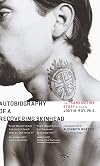
I was lucky enough to hear Frank Meeink speak at a bookstore when he was promoting his book. He's charismatic, it's easy to see how he recruited young people into the neo-Nazi movement as a young person. A book like this is the sort of book that puts you (not in the shoes) but in conversation with a kid who was beaten at school, beaten in the neighborhood and then punched in the head walking in the door from school. Isolated in a bedroom for months, growing up in chaos..it's true that not every child that is beaten or neglected or grew up poor learns to hate. It is also true that all of these things create a fertile ground for social breakdown. Jacob Riis was a turn of the 19th century social reformer, he wrote a book called "how the other half lives" it's a book that stayed with me because he points out repeatedly how degraded social conditions deform people's behavior. Frank Meeink's young adulthood is the case of a kid that lost his way, led others into pathways of inhumanity and then by the miracle of people continuing to bump against each other and offer second chances, he grew into a different kind of person. I don't have a gift for words and I'm messing up this review because I don't want to say too much but this book should be read in high school classrooms. It's a great book. Highly recommend.
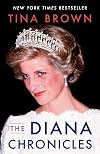
If you read one Diana book, read this one. Tina Brown is an undercover diva writing about a eternal, global diva. This book is social observation, well sourced, hot gossip and fierce. Even if you are not interested in a biography of the late Princess Diana you might appreciate the Shakespearean arc of her life.

Jamie Frasier is one of the dreamiest male protagonists in any romantic series of all time. I have to be honest, he has been hit in the head and beaten so frequently it makes me question what it would be like to build a life with him in reality. I've listened to this particular book about 20 times on audiobook. I'm here for any other time travel romance that comes close with historical grounding, atmosphere and character development.

The themes of honor and the character of Long John Silver are what capture my attention as an adult when I listen to this book. Treasure Island is a timeless treat.

I am going to green eggs and ham this one. I like the movie. I like the book. I like the series. I like Red Dragon. I like Hannibal. I like learning more about Clarice Starling after seeing the movie. I like all of it. I do not read much horror, but this series works for me. It is scary but not disgusting.

I finally read the book that inspired the movie. I think most people saw the movie first, reading the book only added to my enjoyment of the re-watch of the movie. Anthony Hopkins is stunning as Hannibal Lecter. I can't imagine enjoying this book and NOT watching the movie.
This is a top family road trip audiobook for us. Bill Bryson is a talented narrator. The Appalachian Trail is an iconic setting, it's not easy to relate to climbing Everest. It is easy to imagine hiking the trail with Bryson and his companion Katz. Come for the trail, but stay for all the bits that feature Katz. This book is wonderful, so good that even without Katz it's worth a listen but with Katz, it's laugh out loud funny.