
This collection is a mixture of good and average qualtty stories, with no real standouts. Below are my ratings on a scale of 1 to 5 stars.
* 3* Raymond Chandler, "Wrong Pigeon" (Philip Marlowe)
* 2* Fredric Brown, "Before She Kills" (Ed and Am Hunter)
* 1* Howard Browne, "So Dark for April" (Paul Pine)
* 3* William Campbell Gault, "Stolen Star" (Joe Puma)
* 3* Ross MacDonald, "Guilt Edged Blonde" (Lew Archer)
* 3* Henry Kane, "Suicide Is Scandalous" (Peter Chambers)
* 3* Richard S,. Prather, "Dead Giveaway" (Shell Scott)
* 2* Joseph Hansen, "Surf" (Dave Brandstetter)
* 4* Michael Collins, "A Reason to Die" (Dan Fortune)
* 3* Ed McBain, "Death Flight" (Milt Davis)
* 2* Stephen Marlowe, "Wanted -- Dead and Alive" (Chester Drum)
* 2* Edward D. Hoch, "The Other Eye" (Al Darlan)
* 3* Stuart M. Kaminsky, "Busted Blossoms" (Toby Peters)
* 3* Lawrence Block, "Out of the Window" (Matt Scudder)
* 3* John Lutz, "Ride the Lightning" (Alo Nudger)
* 3* Sue Grafton, "She Didn't Come Home" (Kinsey Millhone)
* 3* Edward Gorman, "The Reason Why" (Jack Dwyer)
* 4* Stephen Greenleaf. "Iris" (John Marshall Tanner)
* 2* Bill Pronzini, "Skeleton Rattle Your Moldy Leg" (Nameless Detective)
* 3* Marcia Muller, "The Broken Men" (Sharon McCone)
* 3* Arthur Lyons, "Trouble in Paradise" (Jacob Asch)
* 2* Max Allan Collins, "The Strawberry Teardrop" (Nate Heller)
* 1* Robert J. Randisi, The Nickel Derby" (Henry Po)
* 3* Loren D. Estleman, "Greektown" (Amos Walker)
* 3* Raymond Chandler, "Wrong Pigeon" (Philip Marlowe)
* 2* Fredric Brown, "Before She Kills" (Ed and Am Hunter)
* 1* Howard Browne, "So Dark for April" (Paul Pine)
* 3* William Campbell Gault, "Stolen Star" (Joe Puma)
* 3* Ross MacDonald, "Guilt Edged Blonde" (Lew Archer)
* 3* Henry Kane, "Suicide Is Scandalous" (Peter Chambers)
* 3* Richard S,. Prather, "Dead Giveaway" (Shell Scott)
* 2* Joseph Hansen, "Surf" (Dave Brandstetter)
* 4* Michael Collins, "A Reason to Die" (Dan Fortune)
* 3* Ed McBain, "Death Flight" (Milt Davis)
* 2* Stephen Marlowe, "Wanted -- Dead and Alive" (Chester Drum)
* 2* Edward D. Hoch, "The Other Eye" (Al Darlan)
* 3* Stuart M. Kaminsky, "Busted Blossoms" (Toby Peters)
* 3* Lawrence Block, "Out of the Window" (Matt Scudder)
* 3* John Lutz, "Ride the Lightning" (Alo Nudger)
* 3* Sue Grafton, "She Didn't Come Home" (Kinsey Millhone)
* 3* Edward Gorman, "The Reason Why" (Jack Dwyer)
* 4* Stephen Greenleaf. "Iris" (John Marshall Tanner)
* 2* Bill Pronzini, "Skeleton Rattle Your Moldy Leg" (Nameless Detective)
* 3* Marcia Muller, "The Broken Men" (Sharon McCone)
* 3* Arthur Lyons, "Trouble in Paradise" (Jacob Asch)
* 2* Max Allan Collins, "The Strawberry Teardrop" (Nate Heller)
* 1* Robert J. Randisi, The Nickel Derby" (Henry Po)
* 3* Loren D. Estleman, "Greektown" (Amos Walker)

The short stories in this collection are included in the large "Collected Short Stories" edition. I thought the stories were mixed in quality. Here is the full list from the larger collection, along with by ratings (0 to 5 stars).
2.5* Never Stop on the Motorway
1* Old Love
1* Shoeshine Boy
2.5* Cheap at Half the Price
4* Broken Routine
3.5* An Eye for an Eye
2* The Luncheon
1* The Coup
3.5* The Perfect Murder
x You’ll Never Live to Regret It
x The First Miracle
1* The Loophole
2* The Hungarian Professor
2* The Steal
1* Christina Rosenthal
2* Colonel Bullfrog
2* Do Not Pass Go
1* Chunnel Vision
1* Dougie Mortimer’s Right Arm
1* Clean Sweep Ignatius
1/2* Not for Sale
3* One-Night Stand
3* A Chapter of Accidents
3* Checkmate
1* The Century
2* Just Good Friends
2* Henry’s Hiccup
2* A Matter of Principle
3* Trial and Error
3* The Perfect Gentleman
2* À la Carte
2* The Chinese Statue
2.5* The Wine Taster
2* Timeo Danaos…
1* Not the Real Thing
1* One Man’s Meat
2.5* Never Stop on the Motorway
1* Old Love
1* Shoeshine Boy
2.5* Cheap at Half the Price
4* Broken Routine
3.5* An Eye for an Eye
2* The Luncheon
1* The Coup
3.5* The Perfect Murder
x You’ll Never Live to Regret It
x The First Miracle
1* The Loophole
2* The Hungarian Professor
2* The Steal
1* Christina Rosenthal
2* Colonel Bullfrog
2* Do Not Pass Go
1* Chunnel Vision
1* Dougie Mortimer’s Right Arm
1* Clean Sweep Ignatius
1/2* Not for Sale
3* One-Night Stand
3* A Chapter of Accidents
3* Checkmate
1* The Century
2* Just Good Friends
2* Henry’s Hiccup
2* A Matter of Principle
3* Trial and Error
3* The Perfect Gentleman
2* À la Carte
2* The Chinese Statue
2.5* The Wine Taster
2* Timeo Danaos…
1* Not the Real Thing
1* One Man’s Meat

The short stories in this collection are included in the large "Collected Short Stories" edition. I thought the stories were mixed in quality. Here is the full list from the larger collection, along with by ratings (0 to 5 stars).
2.5* Never Stop on the Motorway
1* Old Love
1* Shoeshine Boy
2.5* Cheap at Half the Price
4* Broken Routine
3.5* An Eye for an Eye
2* The Luncheon
1* The Coup
3.5* The Perfect Murder
x You’ll Never Live to Regret It
x The First Miracle
1* The Loophole
2* The Hungarian Professor
2* The Steal
1* Christina Rosenthal
2* Colonel Bullfrog
2* Do Not Pass Go
1* Chunnel Vision
1* Dougie Mortimer’s Right Arm
1* Clean Sweep Ignatius
1/2* Not for Sale
3* One-Night Stand
3* A Chapter of Accidents
3* Checkmate
1* The Century
2* Just Good Friends
2* Henry’s Hiccup
2* A Matter of Principle
3* Trial and Error
3* The Perfect Gentleman
2* À la Carte
2* The Chinese Statue
2.5* The Wine Taster
2* Timeo Danaos…
1* Not the Real Thing
1* One Man’s Meat
2.5* Never Stop on the Motorway
1* Old Love
1* Shoeshine Boy
2.5* Cheap at Half the Price
4* Broken Routine
3.5* An Eye for an Eye
2* The Luncheon
1* The Coup
3.5* The Perfect Murder
x You’ll Never Live to Regret It
x The First Miracle
1* The Loophole
2* The Hungarian Professor
2* The Steal
1* Christina Rosenthal
2* Colonel Bullfrog
2* Do Not Pass Go
1* Chunnel Vision
1* Dougie Mortimer’s Right Arm
1* Clean Sweep Ignatius
1/2* Not for Sale
3* One-Night Stand
3* A Chapter of Accidents
3* Checkmate
1* The Century
2* Just Good Friends
2* Henry’s Hiccup
2* A Matter of Principle
3* Trial and Error
3* The Perfect Gentleman
2* À la Carte
2* The Chinese Statue
2.5* The Wine Taster
2* Timeo Danaos…
1* Not the Real Thing
1* One Man’s Meat

The 12 short stories in this collection are included in the large "Collected Short Stories" edition. I thought the stories were mixed in quality. Here is the full list from the larger collection, along with by ratings (0 to 5 stars).
2.5* Never Stop on the Motorway
1* Old Love
1* Shoeshine Boy
2.5* Cheap at Half the Price
4* Broken Routine
3.5* An Eye for an Eye
2* The Luncheon
1* The Coup
3.5* The Perfect Murder
x You’ll Never Live to Regret It
x The First Miracle
1* The Loophole
2* The Hungarian Professor
2* The Steal
1* Christina Rosenthal
2* Colonel Bullfrog
2* Do Not Pass Go
1* Chunnel Vision
1* Dougie Mortimer’s Right Arm
1* Clean Sweep Ignatius
1/2* Not for Sale
3* One-Night Stand
3* A Chapter of Accidents
3* Checkmate
1* The Century
2* Just Good Friends
2* Henry’s Hiccup
2* A Matter of Principle
3* Trial and Error
3* The Perfect Gentleman
2* À la Carte
2* The Chinese Statue
2.5* The Wine Taster
2* Timeo Danaos…
1* Not the Real Thing
* One Man’s Meat
2.5* Never Stop on the Motorway
1* Old Love
1* Shoeshine Boy
2.5* Cheap at Half the Price
4* Broken Routine
3.5* An Eye for an Eye
2* The Luncheon
1* The Coup
3.5* The Perfect Murder
x You’ll Never Live to Regret It
x The First Miracle
1* The Loophole
2* The Hungarian Professor
2* The Steal
1* Christina Rosenthal
2* Colonel Bullfrog
2* Do Not Pass Go
1* Chunnel Vision
1* Dougie Mortimer’s Right Arm
1* Clean Sweep Ignatius
1/2* Not for Sale
3* One-Night Stand
3* A Chapter of Accidents
3* Checkmate
1* The Century
2* Just Good Friends
2* Henry’s Hiccup
2* A Matter of Principle
3* Trial and Error
3* The Perfect Gentleman
2* À la Carte
2* The Chinese Statue
2.5* The Wine Taster
2* Timeo Danaos…
1* Not the Real Thing
* One Man’s Meat
This is a highly abridged version of the novel, one written for young readers. Unfortunately it is combined at Amazon with the real one. The clusily - abridged vesion is not worth the time of adult readers. Avoid it in favor of the real book.

This collection of noir stories contains 29 short stories of mixed quality and 1 novel (Triangle). Below is a list of the selections [with some with main characters indicated] along with authors and dates of first publication. I consider two to be especially outstanding -- "The Perfect Crime" (by Max Allan Collins) and "Paint the Town Green" (by Robert Colby). I have rated each selection on a five- star scale.
Introduction · Ed Gorman
2* The Dripping [John Rambo] · David Morrell · 1972
2* And Miles to Go Before I Sleep · Lawrence Block ·
3* Miranda · John D. MacDonald · 1950
3* Deceptions [Sharon McCone] · Marcia Muller · 1987
2* The Long Silence After · Ed Gorman · 1992
3* The Dead Past · Nancy Pickard 1989
3* All the Same · Bill Pronzini · 1972;
3* The View · Brian Garfield · 1983
2* Hector Gomez Provides · John Lutz 1985
2* The Steel Valentine · Joe Lansdale 1989
Triangle · Teri White · 1982
1* The Luckiest Man in the World · 1989
3* The Party · William F. Nolan · 1967
2* Predators · Edward Bryant · 1987
2* In the Fast Lane · Thomas F. Monteleone · 1988
5* The Perfect Crime [Philip Marlowe] · Max Allan Collins · 1988
4* Paint the Town Green [T. C. Brock] · Robert Colby 1977
3* Jody and Annie on TV · John Shirley · 1991
2* Snow Angels [Amos Walker] · Loren D. Estleman · 1991
2* The Memorial Hour · Wade Miller · 1960
3* Pretty Boy · Billie Sue Mosiman · 1991
1* Secrets · Gary Lovisi
Introduction · Ed Gorman
2* The Dripping [John Rambo] · David Morrell · 1972
2* And Miles to Go Before I Sleep · Lawrence Block ·
3* Miranda · John D. MacDonald · 1950
3* Deceptions [Sharon McCone] · Marcia Muller · 1987
2* The Long Silence After · Ed Gorman · 1992
3* The Dead Past · Nancy Pickard 1989
3* All the Same · Bill Pronzini · 1972;
3* The View · Brian Garfield · 1983
2* Hector Gomez Provides · John Lutz 1985
2* The Steel Valentine · Joe Lansdale 1989
Triangle · Teri White · 1982
1* The Luckiest Man in the World · 1989
3* The Party · William F. Nolan · 1967
2* Predators · Edward Bryant · 1987
2* In the Fast Lane · Thomas F. Monteleone · 1988
5* The Perfect Crime [Philip Marlowe] · Max Allan Collins · 1988
4* Paint the Town Green [T. C. Brock] · Robert Colby 1977
3* Jody and Annie on TV · John Shirley · 1991
2* Snow Angels [Amos Walker] · Loren D. Estleman · 1991
2* The Memorial Hour · Wade Miller · 1960
3* Pretty Boy · Billie Sue Mosiman · 1991
1* Secrets · Gary Lovisi

This 1996 book contains is a very good collection of short stories that explore aspects of espionage. Selections range from classics (Orczy, Maugham, Oppenheim) to more recent contributions. Outstanding selections include "Keep Walking" by Geoffrey Household, and "Judith", by C. E. Montague. Below are the 29 selections (listed by title and author) with my ratings on a five- star scale.
2* Parker Adderson, Philosopher Ambrose Bierce
1* The Red Carnation, Baroness Orczy
✓ The Rider in the Dawn, Sir Arthur Quiller-Couch
2* The Brass Butterfly, William le Queux
✓ Peiffer, A. E. Mason
1* Mr. Collingrey, MP, Edgar Wallace
1* The Lit Chamber, John Buchan
1* The Reckoning with Otto Schreed, E. Phillips Oppenheim
3* Giulia Lazzari, W. Somerset Maugham
4* Judith, C. E. Montague 4* (5/14)
2* The Pigeon Man, Valentine Williams
1* Jumbo's Wife, Frank O' Connor
2* Affairs de Coeur, W. E. Johns
Waiting for Mrs. Ryder, Edward D. Hoch
3* Flood on the Goodwins, A. E. Divine (5/14)
1* How Ryan Got Out of Russia, Lord Dunsany (5/14)
✓ A Patriot, John Galsworthy
1* A Double Double-Cross, Peter Cheyney
3* The Army of the Shadows, Eric Ambler (10/05, 5/14)
3.5* Citizens in Space, Robert Sheckley (amusing) (4/14)
1.5* Risico, Ian Fleming
4* Keep Walking, Geoffrey Household (5/14) (4.5*)
1* Paper Casualty, Len Deighton
1.5* Signal Tresham, Michael Gilbert (5/14)
2* Final Demand, John Wainwright (5/14)
1* The Rocking-horse Spy, Ted Allbeury (5/14)
✓ The Great Divide, William Haggard (5/14)
2.5* A Branch of the show more Service, Graham Greene (5/14)
1* Waiting For Mrs. Ryder, Edward D. Hoch (far- fetched) show less
2* Parker Adderson, Philosopher Ambrose Bierce
1* The Red Carnation, Baroness Orczy
✓ The Rider in the Dawn, Sir Arthur Quiller-Couch
2* The Brass Butterfly, William le Queux
✓ Peiffer, A. E. Mason
1* Mr. Collingrey, MP, Edgar Wallace
1* The Lit Chamber, John Buchan
1* The Reckoning with Otto Schreed, E. Phillips Oppenheim
3* Giulia Lazzari, W. Somerset Maugham
4* Judith, C. E. Montague 4* (5/14)
2* The Pigeon Man, Valentine Williams
1* Jumbo's Wife, Frank O' Connor
2* Affairs de Coeur, W. E. Johns
Waiting for Mrs. Ryder, Edward D. Hoch
3* Flood on the Goodwins, A. E. Divine (5/14)
1* How Ryan Got Out of Russia, Lord Dunsany (5/14)
✓ A Patriot, John Galsworthy
1* A Double Double-Cross, Peter Cheyney
3* The Army of the Shadows, Eric Ambler (10/05, 5/14)
3.5* Citizens in Space, Robert Sheckley (amusing) (4/14)
1.5* Risico, Ian Fleming
4* Keep Walking, Geoffrey Household (5/14) (4.5*)
1* Paper Casualty, Len Deighton
1.5* Signal Tresham, Michael Gilbert (5/14)
2* Final Demand, John Wainwright (5/14)
1* The Rocking-horse Spy, Ted Allbeury (5/14)
✓ The Great Divide, William Haggard (5/14)
2.5* A Branch of the show more Service, Graham Greene (5/14)
1* Waiting For Mrs. Ryder, Edward D. Hoch (far- fetched) show less

This fine collection consists of a dozen tales by the masterful PG Wodehouse, first published between 1921 to 1967. On the whole, the selections are variable in appeal, with a focus on crime, criminals, and cunning detectives. Isaac Asimov presents them in an introduction, one written in Wodehouse's inimitable style, Below are the selections, with my personal rankings (on a 5 star scale).
Strychnine in the soup -- 1*
The crime wave at Blandings -- 3*
Ukridge starts a bank account -- 1*
The purity of the turf -- 2*
The smile that wins -- 3*
The purification of Rodney Spelvin -- 1*
Without the option -- 3.5*
The romance of a bulb squeezer -- 1*
Aunt Agatha takes the count -- 4*
The fiery wooing of Mordred -- 4*
Ukridge's accident syndicate. -- 3*
Indiscretions of Archie -- 3*
Strychnine in the soup -- 1*
The crime wave at Blandings -- 3*
Ukridge starts a bank account -- 1*
The purity of the turf -- 2*
The smile that wins -- 3*
The purification of Rodney Spelvin -- 1*
Without the option -- 3.5*
The romance of a bulb squeezer -- 1*
Aunt Agatha takes the count -- 4*
The fiery wooing of Mordred -- 4*
Ukridge's accident syndicate. -- 3*
Indiscretions of Archie -- 3*

This fine collection contains stories published from throughout the author's career, from 1929 to the mid- 1950s. Naturally, the stories vary in their appeal. Stories and their dates of publication are listed below, with my ratings (out of five stars) and short notes:
"The End of the Party" (1929) 3*
"The Second Death" (1929) ✔ (strange... what's the point?)
"Proof Positive" (1930) 3.5* (supernatural)
"I Spy" (1930) 4*
"A Day Saved" (1935) X (what the..?)
"Jubilee" (1936) ✔
"Brother" (1936) ✔
"A Chance for Mr Lever" (1936) 3.5* (heart of darkness type)
"The Basement Room" (1936) 5*
"The Innocent" (1937) 4.5*
"A Drive in the Country" (1937) 3.5*
"Across the Bridge" (1938) 3*
"A Little Place off the Edgware Road" (1939) 2* (macabre)
"The Case for the Defence" (1939) 3.5* (twin criminals)
"Alas, Poor Maling" (1940) 2.5* (humorous)
"Men at Work" (1940) 2* (satire of the homefront during the war)
"Greek Meets Greek" (1941) 3.5* (amusing swindle)
"The Hint of an Explanation" (1948) *
"The Blue Film" (1954) 2*
"Special Duties" (1954) 2*
"The Destructors" (1954) XX (horrid story)
"The End of the Party" (1929) 3*
"The Second Death" (1929) ✔ (strange... what's the point?)
"Proof Positive" (1930) 3.5* (supernatural)
"I Spy" (1930) 4*
"A Day Saved" (1935) X (what the..?)
"Jubilee" (1936) ✔
"Brother" (1936) ✔
"A Chance for Mr Lever" (1936) 3.5* (heart of darkness type)
"The Basement Room" (1936) 5*
"The Innocent" (1937) 4.5*
"A Drive in the Country" (1937) 3.5*
"Across the Bridge" (1938) 3*
"A Little Place off the Edgware Road" (1939) 2* (macabre)
"The Case for the Defence" (1939) 3.5* (twin criminals)
"Alas, Poor Maling" (1940) 2.5* (humorous)
"Men at Work" (1940) 2* (satire of the homefront during the war)
"Greek Meets Greek" (1941) 3.5* (amusing swindle)
"The Hint of an Explanation" (1948) *
"The Blue Film" (1954) 2*
"Special Duties" (1954) 2*
"The Destructors" (1954) XX (horrid story)
This audio collection contains 13 diverse stories, including several classics. Given their diversity, listeners will find some more appealing than others. Overall, I found it enjoyable for commuting and the narrators very good to excellent. A particular standout was “The Gioconda Smile” by Aldous Huxley The list is as follows:
- “The Purloined Letter” by Edgar Allan Poe
- “Hunted Down” by Charles Dickens
- “Silver Blaze” by Arthur Conan Doyle
- “Cheating the Gallows” by Israel Zangwill
- “My First Experience with the Great Logician” by Jacques Futrelle
- “The Queen’s Necklace” by Maurice Leblanc
- “The York Mystery” by Baroness Orczy
- “The Detective Detector” by O. Henry
- “The Blue Cross” by G. K. Chesterton
- “The Second Bullet” by Anna Katherine Green
- “Naboth’s Vineyard” by Melville Davisson Post
- “The Gioconda Smile” by Aldous Huxley
- “The Purloined Letter” by Edgar Allan Poe
- “Hunted Down” by Charles Dickens
- “Silver Blaze” by Arthur Conan Doyle
- “Cheating the Gallows” by Israel Zangwill
- “My First Experience with the Great Logician” by Jacques Futrelle
- “The Queen’s Necklace” by Maurice Leblanc
- “The York Mystery” by Baroness Orczy
- “The Detective Detector” by O. Henry
- “The Blue Cross” by G. K. Chesterton
- “The Second Bullet” by Anna Katherine Green
- “Naboth’s Vineyard” by Melville Davisson Post
- “The Gioconda Smile” by Aldous Huxley

The short stories in Dracula's Guest were compiled by Bram Stoker's widow and published in 1914, two years after his death. Nine stories are included. In my view, they range widely in quality, and in general, they do not reach the heights of Stoker's masterpiece, "Dracula". Of the stories, I found "The Judge's House" and "Burial of the Rats" to be especially notable. Understandably, they are widely reprinted in short story collections. Below are the stories, along with my rankings.
Dracula’s Guest 3*
The Judge’s House 4.5*
The Squaw 2*
The Secret of the Growing Gold 3*
The Gipsy Prophecy 3*
The Coming of Abel Behenna 2*
The Burial of the Rats 4*
A Dream of Red Hands 3*
Crooked Sands 2*
Dracula’s Guest 3*
The Judge’s House 4.5*
The Squaw 2*
The Secret of the Growing Gold 3*
The Gipsy Prophecy 3*
The Coming of Abel Behenna 2*
The Burial of the Rats 4*
A Dream of Red Hands 3*
Crooked Sands 2*

This is the 12th book that I've read by this author, and will likely be the last. I found the early ones in the Stephanie Plum series amusing (at 2 to 3.5 stars each), and sometimes laugh-out-loud funny. The late ones (25, 26, and 27) are terrible, and probably reflect the work of ghost writers. "Eleven on Top" was ok, but to me the madcap escapades grew tiresome and repetitive, along with "Stephanie's" sex addiction. Perhaps the author was out of ideas, or maybe I've read too many of her books. C'est la vie.

The idea behind this 1921 work was clever. As a sequel to HG Wells' venerable "Outline of History", it presented satirical accounts of important events in US history, each written in the style of a famous contemporary author of the day. Thus, we are provided with amusing accounts of such events as Columbus' voyage, Custer's Last Stand, the courtship of Miles Standish, the Whiskey Rebellion, and satires of the writing styles of such authors as F. Scott Fitzgerald, Edith Wharton, Sinclair Lewis, Eugene O'Neill, among others. Unfortunately, this book will hold little attraction to most current readers. As for me, having read works of most of the authors satirized, I didn't find the styles sufficiently recognizable -- most likely an indication of my own insufficient perceptions.
Readers can find a free version at Gutenberg,
https://www.gutenberg.org/files/1478/1478-h/1478-h.htm
and a free audio version at Librivox
https://librivox.org/a-parody-outline-of-history-by-donald-ogden-stewart/
Below are the chapters included:
I INTRODUCTION: A Critical Survey of American History In the Manner of
William Lyon Phelps
II CRISTOFER COLOMBO: A Comedy of Discovery In the Manner of James
Branch Cabell
III MAIN STREET: Plymouth, Mass In the Manner of Sinclair Lewis
IV THE COURTSHIP OF, MILES STANDISH In the Manner of F. Scott Fitzgerald
V THE SPIRIT OF '75: Letters of a Minute Man In the Manner of Ring
Lardner
VI THE WHISKY REBELLION In the Bedtime Story Manner of Thornton W.
Burgess
VII HOW LOVE CAME TO show more GENERAL GRANT In the Manner of Harold Bell Wright
VIII CUSTER'S LAST STAND In the Manner of Edith Wharton
IX FOR THE FREEDOM OF THE WORLD: A Drama of the Great War Act I—In the
Manner of Mary Raymond Shipman Andrews Act 2—In the Manner of Eugene
O'Neill show less
Readers can find a free version at Gutenberg,
https://www.gutenberg.org/files/1478/1478-h/1478-h.htm
and a free audio version at Librivox
https://librivox.org/a-parody-outline-of-history-by-donald-ogden-stewart/
Below are the chapters included:
I INTRODUCTION: A Critical Survey of American History In the Manner of
William Lyon Phelps
II CRISTOFER COLOMBO: A Comedy of Discovery In the Manner of James
Branch Cabell
III MAIN STREET: Plymouth, Mass In the Manner of Sinclair Lewis
IV THE COURTSHIP OF, MILES STANDISH In the Manner of F. Scott Fitzgerald
V THE SPIRIT OF '75: Letters of a Minute Man In the Manner of Ring
Lardner
VI THE WHISKY REBELLION In the Bedtime Story Manner of Thornton W.
Burgess
VII HOW LOVE CAME TO show more GENERAL GRANT In the Manner of Harold Bell Wright
VIII CUSTER'S LAST STAND In the Manner of Edith Wharton
IX FOR THE FREEDOM OF THE WORLD: A Drama of the Great War Act I—In the
Manner of Mary Raymond Shipman Andrews Act 2—In the Manner of Eugene
O'Neill show less

Back in the day, this cheap paperback seemed to me to be quite erotic in its descriptions of the alleged night life of this German city. The cover reveals the contents: "sex shows, swap clubs, legalized brothels, a call boy ring -- a world of sensual pleasure...". Whether any of these descriptions had a basis in fact back in the late '60s is an open question.

This brief 63-page work is excerpted from Stanley Karnow's magnificent volume "Vietnam: A History. The First Complete Account of Vietnam at War". It was published in the Foreign Policy Association's "Headline Series". I recommend it as a valuable summary of the conflict's history and aftermath. Of particular value are the chapters on postwar Vietnam, which offer a sobering perspective on the poor status of the country (having been devastated economically and politically by the war) and its incompetent postwar leadership.
Five chapters make up the book:
1) Roots of American Intervention
2) Americans at War
3) Postwar Vietnam
4) Saigon Revisited
5) The War Nobody Won
Five chapters make up the book:
1) Roots of American Intervention
2) Americans at War
3) Postwar Vietnam
4) Saigon Revisited
5) The War Nobody Won

This substantial volume includes Bram Stoker's "Dracula", the chief (if not the sole) reason to own the book. "The Lair of the White Worm" is a clumsy, terribly written work that has been labelled as one of the worst books ever written. "Dracula's Guest" is a collection of 9 short stories, published in 1914, two years after Stoker's death.
Rating the collection is not straightforward, since selections range from 5 stars (Dracula) to 1/2 a star (Lair of the White Worm). The short stories likewise range widely in quality, as suggested by my rankings below. Of them, I found "The Judge's House" and "Burial of the Rats" to be especially notable. Understandably, they are widely reprinted in short story collections.
Dracula’s Guest 3*
The Judge’s House 4.5*
The Squaw 2*
The Secret of the Growing Gold 3*
The Gipsy Prophecy 3*
The Coming of Abel Behenna 2*
The Burial of the Rats 4*
A Dream of Red Hands 3*
Crooked Sands 2*
I suggest that contemporary readers indulge themselves with Dracula, and skip the rest.
Rating the collection is not straightforward, since selections range from 5 stars (Dracula) to 1/2 a star (Lair of the White Worm). The short stories likewise range widely in quality, as suggested by my rankings below. Of them, I found "The Judge's House" and "Burial of the Rats" to be especially notable. Understandably, they are widely reprinted in short story collections.
Dracula’s Guest 3*
The Judge’s House 4.5*
The Squaw 2*
The Secret of the Growing Gold 3*
The Gipsy Prophecy 3*
The Coming of Abel Behenna 2*
The Burial of the Rats 4*
A Dream of Red Hands 3*
Crooked Sands 2*
I suggest that contemporary readers indulge themselves with Dracula, and skip the rest.

Having loved Dracula, I was eager to read "The Lair of the White Worm". To my disappointment, I found it intolerable and unreadable. I can see why, according to the Wikipedia page, it has been characterized as one of the worst works ever written.
I almost always finish a work that I've started reading. Not this time.
I almost always finish a work that I've started reading. Not this time.

This small book is a comprehensive account of respiration (gas exchange) in vertebrate animals. It is written at the level of the professional biologist, but understandable by graduate students and advanced undergraduates. It is now somewhat dated, as the one-way flow of air through the lung is no longer thought to be unique to birds, having been demonstrated in various extant reptiles. Likewise, our understanding of heart function in non-crocodilian reptiles is more sophisticated than was known in the early 1960s. Although I read this work carefully back in the early 1980s (and my copy of the book is filled with underlining and marginal notes), it has outlived its usefulness to me.
The book's coverage is indicated by its chapter headings, as follows:
1) Introduction
2) Aquatic respiration in fishes
3) Air breathing in fishes
4) Respiration of tetrapods
5) Metabolic activity of vertebrates
6) Control of respiration and body temperature
7) Transport of respiratory gases
8) The heart and circulatory system
9) Cellular respiration
10) Conclusions
The book's coverage is indicated by its chapter headings, as follows:
1) Introduction
2) Aquatic respiration in fishes
3) Air breathing in fishes
4) Respiration of tetrapods
5) Metabolic activity of vertebrates
6) Control of respiration and body temperature
7) Transport of respiratory gases
8) The heart and circulatory system
9) Cellular respiration
10) Conclusions
"The Price of Salt " is notable among Patricia Highsmith's work in dealing explicitly with same-sex relationships, a somewhat daring topic given the time frame of its publication. Back in 1952, the author published it under a pseudonym at the urging of her publisher, lest she be labelled a "lesbian writer". At the time, homosexuality was illegal and considered in the US to be a psychological disorder. Accordingly, works of fiction that involved same-sex relationships were socially obliged to have its gay characters come to an unhappy end. "The Price of Salt" differed from such works in having a hopeful, upbeat ending, at least for the protagonist, Terese. The book is notable therefore within the body of Highsmith's work as well as within the genre, and is highly regarded for both reasons. The book's plot and reception are described at Wikipedia and some excellent reviews are available here and at Amazon. Likewise, a first- run movie (starring Cate Blanchette) was released in 2015. The link to the Wikipedia page is as follows: https://en.wikipedia.org/wiki/The_Price_of_Salt
Ethan Frome; and Summer: Complete Texts with Introduction, Historical Contexts, Critical Essays by Edith Wharton
Most of this book consists of the novels "Ethan Frome" and "Summer". The last 1/3 (~100 pages) consists of essays on these two works by various scholars. Perhaps I've lost my taste for such essays, but I gained little from reading them in terms of insight into the author or her works. Therefore, I have decided to delete the book from my library. Perhaps some other reader will find it worthwhile. The 3-star ranking that I've awarded is a compromise between the two excellent novels and the less-than useful essays. The novels, of course, are widely available in other formats.
The Cambridge Introduction to Edith Wharton (Cambridge Introductions to Literature) by Pamela Knights
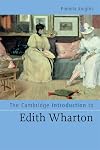
As someone who has read much of Edith Wharton's fiction, I found this work disappointing. It offered me very little in terms of insight and memorable insights. Perhaps it would be of value to professionals who teach and research English literature. Nevertheless, I suspect that general readers will gain little from reading it. The fact that it has received no reviews either here or at Amazon offers support for that view.
Contents of the book are as follows: Ch. 1 -- Life; Ch. 2 -- Contexts; Ch. 3 -- Works; Ch. 4-- Critical Reception. It can be perused online at the following site: https://archive.org/details/cambridgeintrodu0000knig/mode/2up
Contents of the book are as follows: Ch. 1 -- Life; Ch. 2 -- Contexts; Ch. 3 -- Works; Ch. 4-- Critical Reception. It can be perused online at the following site: https://archive.org/details/cambridgeintrodu0000knig/mode/2up
The Murder of Chile; Eyewitness Accounts of the Coup, the Terror, and the Resistance Today. by Samuel Chavkin

This work as published in 1982, 11 years after the UJS-backed coup that overthrew the democratically elected government of Salvador Allende. It presents eyewitness accounts of the coup itself, along with the years of brutal political suppression enacted through murder, torture, and exile, US support for the coup is one of the more shameful episodes in US history, one rebuts nationalistic claims for the country as a beacon of democracy. This book-length account benefits from having been written in the coup's aftermath, while the country of Chile was struggling under Pinochet's right-wing dictatorship. A full, non-partisan account of the coup and its aftermath is available at the Wikipedia page. https://en.wikipedia.org/wiki/1973_Chilean_coup_d%27%C3%A9tat
These books keep getting worse and worse. Either the author is out of ideas, or more likely, she has long since stopped writing them. Evanovich has become a brand, and a succession of ghost writers are hired to write in her name. Don't bother with this book, it's not worth the time and effort to turn the pages.
Published in 2010, this is Archer's 6th collection of short stories. Of the selections, 10 are said to be based on the author's real experiences. The title is taken from Shakespeare (and according to one of the stories, is used in four of his plays). Surprisingly, the collection has its own Wikipedia page: https://en.wikipedia.org/wiki/And_Thereby_Hangs_a_Tale
Below are listed the 15 stories, with my rankings. The two indicated with 4 stars I found to be especially notable.
"Stuck On You" 4*
"The Queen's Birthday Telegram" 3*
"High Heels" 2.5*
"Blind Date" 3*
"Where There's a Will" 4*
"Double-Cross" 3.5*
"'I Will Survive'" 3*
"A Good Eye" 2*
"Members Only" 2*
"The Undiplomatic Diplomat" 2*
"The Luck of the Irish" 1*
"Politically Correct" 1*
"Better the Devil You Know" 2*
"No Room at the Inn" 3*
"Caste-Off" 3*
Below are listed the 15 stories, with my rankings. The two indicated with 4 stars I found to be especially notable.
"Stuck On You" 4*
"The Queen's Birthday Telegram" 3*
"High Heels" 2.5*
"Blind Date" 3*
"Where There's a Will" 4*
"Double-Cross" 3.5*
"'I Will Survive'" 3*
"A Good Eye" 2*
"Members Only" 2*
"The Undiplomatic Diplomat" 2*
"The Luck of the Irish" 1*
"Politically Correct" 1*
"Better the Devil You Know" 2*
"No Room at the Inn" 3*
"Caste-Off" 3*

This work was written by William A. Gosline (1915–2002) and published in 1973. It offers a technical introduction to the teleosts, with a focus on functional morphology and classification. The morphological chapters focus on locomotion (Ch. 2), feeding and respiration (Ch. 3) and one on sense organs, the brain, and cranium (Ch. 4). These are illustrated with line drawings. The other half of the book explores principles of classification (Ch. 5), followed by successive chapters on "lower", "intermediate", and "higher" teleost groups (Ch. 6-8), a hierarchical set of designations that owe much to the archaic Scala Naturae. The classification is somewhat dated, although most of the major orders remain valid. I used this book when I taught vertebrate zoology back in graduate school. Overall, this work has been superseded by works more comprehensive with excellent illustrations.
Boners: A Collection of Schoolboy Wisdom, or Knowledge as it is Sometimes Written by Alexander Abingdon

"Boners" was published back in 1931, and the quality of humor shows it. The book has cute little quips and one-liners of the kind a slightly confused schoolkid might utter. They are organized by topic, including "literature and the arts", geography", "history", "religion", and "science and mathematics". They are interspersed with drawings by none-other than Dr. Seuss. I was surprised to find that the book has been reprinted (in 2007) and is available at Amazon, under the title "Boners: Seriously Misguided Facts According to Schoolkids".

This book was probably amusing back in 1960 when it was published. Now most of the puns are dated or labored.
Classic Robert Louis Stevenson and H. G. Wells Dramas Starring Laurence Olivier and Alec Guinness, Volume 2 by Theatre Royal

These classic radio dramas were produced and aired in the 1950s. This selection features Alec Guinness in ‘The Man Who Could work Miracles’ adapted from the original tale by H. G. Wells. The second selection stars Laurence Olivier in 'The Suicide Club' adapted from the original tale by Robert Louis Stevenson. I found the stories to be mildly entertaining. However, as in other old Heritage Media productions, the audio production quality is very poor, chiefly because the orchestral musical interludes are rendered to be much too loud. As a result I cannot recommend the audio work, despite the fact that it is available very cheaply from online sources.
Classic English and Scottish Dramas Starring Ralph Richardson and John Mills, Volume 1 by Heritage Media

These classic radio dramas were produced and aired in the 1950s. This selection features the actor Ralph Richardson starring in ‘My Adventure in Norfolk’, adapted from the original tale by A. J. Alan, and John Mills starring in 'The Kite', adapted from the original tale by Somerset Maugham. I was glad to reconnection with Maugham's fine tale. The other item I'd not heard of before, and it was not especially memorable.
As in other Heritage Media radio productions, the audio production quality is is poor, chiefly because the orchestral musical interludes are rendered to be much too loud. This makes listening a less than enjoyable experience, and as a result I cannot recommend the audio work, despite the fact that it is available very cheaply from online sources.
As in other Heritage Media radio productions, the audio production quality is is poor, chiefly because the orchestral musical interludes are rendered to be much too loud. This makes listening a less than enjoyable experience, and as a result I cannot recommend the audio work, despite the fact that it is available very cheaply from online sources.
Classic English and Irish Dramas starring Laurence Olivier and John Gielgud, Volume 3 by Heritage Media

These classic radio dramas were produced and aired in the 1950s. This selection features the venerable actors Laurence Olivier and John Gielgud in "The Canterville Ghost" and "Lord Arthur Savill's Crime", both adapted from the tales by Oscar Wilde. I found neither production to be noteworthy or interesting. These tales come across better in print than in this radio production of 75 years ago.
I will repeat what I noted in another Heritage Media production: Overall quality of the audio production is poor, chiefly because the orchestral musical interludes are rendered so loud as to be ear-splitting. The listener can adapt by keeping one hand near the volume, so as to turn it down between episodes of dialogue and narration. It's too bad that the producers of this series didn't opt to adjust the volume appropriately, as it negatively affects the listening experience.
I will repeat what I noted in another Heritage Media production: Overall quality of the audio production is poor, chiefly because the orchestral musical interludes are rendered so loud as to be ear-splitting. The listener can adapt by keeping one hand near the volume, so as to turn it down between episodes of dialogue and narration. It's too bad that the producers of this series didn't opt to adjust the volume appropriately, as it negatively affects the listening experience.