
Maintains suspense throughout with its realism and cat-and-mouse dynamic. Uses the literary devices of a journalistic style (with detailed timetables, inventories of the assassin's equipment, descriptions of the organizational structure of state bureaucracies, etc.) and alternating narratives of the police and the assassin. At nearly 500 pages, it is long, but only occasionally tedious, and the narrative pace quickens in the last part, leading up to a dramatic climax.
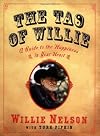
I quit reading when he said (paraphrasing), "If you're a racist, you're not my friend. Now let me tell you about a bunch of white redneck racists that I introduced to a stellar black musician." I'm so tired of white people who think the only racists are other white people.
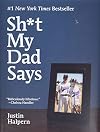
Funny, but mainly for the egregious cursing, and this goes from funny to repetitive in pretty short order.
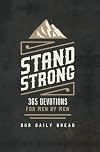
Not bad, but I prefer the more literary style of Daily Strength for Daily Needs, versus what you might call the more "inspirational" tone of this book.

So so. A million characters, none likable. Body count in the triple digits. Prose was tolerable (with lots of criminal argot), but less elegant than Chandler.

I found the message of the book eye-opening: Proper parental attachment and orientation are the keys not only to motivating good behavior in the short term, but also the maturation of the child in the long run. This book tackles the topic in a more formal, less saccharine way than Good Inside, although the message and underlying developmental theory overlap.