
Alkupuoli oli numerotulvassaan puuduttava. Jälkimmäinen puolikas pohdiskelussa ja yhteenvedoissaan parempi.

Näköisyys on monella tavalla tuttua Krohnia. Rakenteena on kehyskertomus taidemaalari Horkan kohtaamisista muotokuvamalliensa kanssa, ja lyhyet luvut ovat kuin nostoja ajankohtaisista asioista ja maailman nykymenon kummallisuuksista.
Tuttua sekin, että yleensä kaikki toimii. Havainnot ovat enimmäkseen tarkkoja ja näkökulmat sellaisia, joita miettii mielikseen, olipa suunnilleen samaa mieltä tai aivan eri.
Kuuluu mielestäni Krohnin laajan tuotannon parempaan puolikkaaseen, jonka varmaan tulen lukemaan uudestaan joskus.
Tuttua sekin, että yleensä kaikki toimii. Havainnot ovat enimmäkseen tarkkoja ja näkökulmat sellaisia, joita miettii mielikseen, olipa suunnilleen samaa mieltä tai aivan eri.
Kuuluu mielestäni Krohnin laajan tuotannon parempaan puolikkaaseen, jonka varmaan tulen lukemaan uudestaan joskus.
Apr 11, 2026Finnish

Kiinnostava, mutta jäi ekalla yrityksellä kesken. Palaan

Kotikriitikkoni ihmetteli, miksi luen self-helppiä, enkä suoraan jotain "oikeita filosofosia tekstejä". Tai ajattele itse. Minulle tämä kuitenkin toimi ihan kelvollisesti. Ajattelin lukieassani, sain ja kertasin tietoa sekä ideoita, mitä ja miten ehkä kannattaa lukea myöhemmin.
Apr 25, 2025Finnish

Se että raha on lainaa ei ole uusi tai salattu tieto, niin kuin otsikko ehkä yrittää vihjata. Kiinnostava ja sujuvasti kirjoitettu tietoteos joka tapauksessa. Rahan ja pankkien olemuksesta historiasta viime vuosien kriisien kautta ajatuksiin siitä, mitä pitäisi muuttaa, että raha-asiat olisivat jatkossa paremmin.
Jul 27, 2024Finnish

An interesting into an isolated country. Not as shocking as some of tales of escape from North Korea but sad still. Some of them 7 stories try to convey the absurd but don't go all the way.

Tekijän tiivistys kuvaa hyvin kirjan meininhin. Ei tarvitse tehdä olettamuksia venäläisten erityisestä kansanluonteesta, kehitellä itään sopimattomia läntisiä teorioita, ... riittää kun katsomme, onko lasi tyhjä vai täysi.
Vakavaa asiaa ja ihan uskottavia havaintoja ja näkemyksiä hirtehisten anekdoottien saattelemana.
Vakavaa asiaa ja ihan uskottavia havaintoja ja näkemyksiä hirtehisten anekdoottien saattelemana.
Sep 13, 2023Finnish
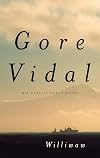
A story of a trip on a small ship during WWII on the the Bering sea from an island to another. There are three reluctant passengers on board. Weather reports are decent but the planes are not flying. It is storm season, so the forecasts are not to be trusted fully, and of course the storm - locally williwaw - comes. The skipper does his thing, with a little luck, and the ship survives. Only one man is lost. But is it an accident or a killing? Or something in between.
Straightforward writing and narration. Short sentences, all said, nothing much left unsaid, but still in a way, this is somehow a fascinating account of something otherwise unknown to me.
Straightforward writing and narration. Short sentences, all said, nothing much left unsaid, but still in a way, this is somehow a fascinating account of something otherwise unknown to me.

Three stories or mini novels that are connected by New York City, names of three main characters, a bowl, and poems by Walt Whitman. It was sometimes hard to see where this is going but writing was good and the ideas intriguing.
To me this was about humanity and life. Life that can take various forms.
Most of the time (two first stories) the book was quite serious but the third story made laugh.
To me this was about humanity and life. Life that can take various forms.
Most of the time (two first stories) the book was quite serious but the third story made laugh.

Edelleen enimmäkseen sujuvaa kerrontaa ja sitoo sarjan yhteen, mutta noin. 600 sivun jälkeen alkoi jo tuntua siltä, että olisi kiva jos loppu olisi jo lähempänä kuin 300 sivun päässä. Nyt kun yksi keskeinen henkilö oli nainen, Alicia Gris, niin vahvistui sekin ettei Zafón ole vahvimmillaan naishahmojen kanssa. Hahmo jäi melkein hahmotelmaksi. Tuulen varjon olen lukenut kahdedti, ja voisin nyt tämän luettuani ajatella kertaavani muitakin sarjan osia, koska niihin viittailtiin paljon, mutta tähän tudkin palaan toiste.

Kiinnostava ja esimerkiksi Kaiken käsikirjaan verrattuna sujuvampaa luettavaa. Ei ole pelkkää optimistista hymistelyä; mukana myös maailmantilaan liittyvän pessimismin kritiikkiä. Olisi mukava ajatella ja toivoa, että Valtaoja on oikeassa, että kyllä tämä tästä lutviutuu. Onhan se mahdollista. Se mikä epäilyttää on, että pääargumentti on 'koska on lutviutunut aina ennenkin'.
Apr 4, 2018Finnish
Mikään ei ole totta ja kaikki on mahdollista : nyky-Venäjän surrealistinen sydän by Peter Pomerantsev

Olipa kerrankin kirja, jossa otsikko oli kohdallaan: herättää kiinnostuksen ja sisältö pitää sen minkä nimi lupaa. Kirjassa kerrotaan Venäjästä Neuvosotoliiton hajoamisen jälkeen. Gangstereilla oli hetkensä, kunnes oligarkit nousivat heidänkin yläpuolelleen varastamalla vielä enemmän, mutta hieman hienostuneemmin keinoin. He ja koko Venäjän kansa tanssivat piiripienipyöriitä Presidentin ympärillä - varoen tallaamasta kenenkään itseään isomman varpaille, sillä kaikki minkä kukaan saanut haalituksi, voidaan ottaa häneltä pois. Taustalla televisio suoltaa valheitaan, jotka muuttuvat koko ajan, niin että totuus katoaa. Jopa uutiset voivat olla näyteltyjä. Presidentti pysyy, hänen on pakko, koska jos (ehkä joskus jopa kun) hän väistyy, se joka tulee tilalle voi ottaa myös häneltä kaiken pois.
Ei tämän luettuaan voi tietenkään oikeasti sanoa ymmärtävänsä Venäjän menoa sen paremmin kuin ennenkään, mutta ehkä ne kummallisuudet eivät enää yllätä samalla tavalla.
Ei tämän luettuaan voi tietenkään oikeasti sanoa ymmärtävänsä Venäjän menoa sen paremmin kuin ennenkään, mutta ehkä ne kummallisuudet eivät enää yllätä samalla tavalla.

Katja Ketun novellit ovat karuja ja roiseja, ja kuitenkin lämpimiä -- silloinkin kuin tarinoiden tapahtumat ovat julmia ja hurjia. Rakkauden nälkä on suuri ja sen saaminen vaikeaa. Ihmiset eivät kohtaa, eivät osaa tai voi, tai kaikki tapahtuu väärään aikaan. Seurauksena tästä kohtaamattomuudesta on usein (useimmiten?) väkivaltaa.
Tarinoinen kiintopisteenä on Kuolleenmiehen vuono kaukana pohjoisessa ja kertojana Pietari Kutila, yksi noista haavoitetuista. Pohjoisesta näkyy koko maailma, tarinat kiertävät Rovaniemeltä Pietariin, Rioon, jopa kuun pimeälle puolelle ja takaisin. Mennyt aika, joka ei ollut ainakaan nykyistä parempaa, on vahvana läsnä.
Ketun kieli on omintakeista ja voimakasta niin kuin tarinatkin.
Tarinoinen kiintopisteenä on Kuolleenmiehen vuono kaukana pohjoisessa ja kertojana Pietari Kutila, yksi noista haavoitetuista. Pohjoisesta näkyy koko maailma, tarinat kiertävät Rovaniemeltä Pietariin, Rioon, jopa kuun pimeälle puolelle ja takaisin. Mennyt aika, joka ei ollut ainakaan nykyistä parempaa, on vahvana läsnä.
Ketun kieli on omintakeista ja voimakasta niin kuin tarinatkin.
Jun 30, 2013 (Edited)Finnish

In Football in Sun and Shadow Eduardo Galeano tells an anecdotal history of football (soccer). Those who have read his Memories of the Fire will immediately recognize the style. And I guess the reasons to enjoy or dislike these histories are the same in both cases. I love (playing) football (and occasionally watch others play it) and I like Galeano's writing and his humour and his attitude, so I enjoyed the book quite unconditionally. Like he I am one of the greatest footballers in the world -- during the night, in my bed -- and while watching a game it doesn't matter who wins as long as I get to see even a minute of beautiful football. Galeano tells deliciously about the game itself, about a few great players, wonderful matches and even about individual goals, summarizes all the World Cups, and about the shady business and cabinet politics connected to the great game.

This short novel is a confessional account narrated by Juan Pablo Castel, an Argentine painter. He introduces himself as the one who killed Maria Iribarne, and then tells the story of what happened, from their first encounter---he sees the woman in his exhibition concentrating on a detail in his painting everyone else has overlooked, and he is then convinced that she the only person who truly understands his art---to their sickly love affair to the killing and his inprisonment.
What made reading it difficult was that Castel is quite unlikeable, distrurbed and disgusting character. And what he tells about Maria doesn't help. I try, and usually manage to keep my dislike for the characters separated from what I think of the book on the whole but this time I could not.
At first he shows himself merely annoying person, and at that stage I could relate. I recognized his insecurity and the way he builds up potential conversations beforehands, or muses over recent conversations coming to figure out what he'd meant to say only afterwards. I know that guy. It goes worse as the story goes on. He is totally self centered, madly jealous, obsessed with his own perceptions on what's happening, and a bully. There is no ray of light in this Tunnel, no joy in finishing this book other than that it was over.
I have hard time deciding should I give a one star rating for my dislike or four stars for the strong effect it had.
What made reading it difficult was that Castel is quite unlikeable, distrurbed and disgusting character. And what he tells about Maria doesn't help. I try, and usually manage to keep my dislike for the characters separated from what I think of the book on the whole but this time I could not.
At first he shows himself merely annoying person, and at that stage I could relate. I recognized his insecurity and the way he builds up potential conversations beforehands, or muses over recent conversations coming to figure out what he'd meant to say only afterwards. I know that guy. It goes worse as the story goes on. He is totally self centered, madly jealous, obsessed with his own perceptions on what's happening, and a bully. There is no ray of light in this Tunnel, no joy in finishing this book other than that it was over.
I have hard time deciding should I give a one star rating for my dislike or four stars for the strong effect it had.

Houseboy (translated from the French (Une vie de boy) by John Reed) was one the strongest stories I've read lately.
Boy is (or was), in the colonial setting of this book, the native worker closest to the Europeans. He is supposed to be there, to do what he is told, to be used, at all hours.
Therefore he also witnesses his employer's weakest moments, he knows most of his secrets. And he also the one who is there when a scapegoat is needed.
The book is structured so that the reader knows from the beginning that this is goind to end badly.
At first things develop well for Tounda (the houseboy). From poor beginnings under control of abusive father Tounda moves to the nearby mission, where he learns the French, to read and write, and becomes first the houseboy of the Father, and later on the boy of the local Commandant of the colonial administration.
He sees, he learns, and possibly even understands a lot, maybe too much. And when the turn comes it is quick and total.
I guess the most tragic thing about the fate of Tounda is how easily it all happens: his life is spoiled and taken from him -- just because... Yet this is told in such a manner that it is easy to believe such things have happened in the not so far past, only some decades ago.
Boy is (or was), in the colonial setting of this book, the native worker closest to the Europeans. He is supposed to be there, to do what he is told, to be used, at all hours.
Therefore he also witnesses his employer's weakest moments, he knows most of his secrets. And he also the one who is there when a scapegoat is needed.
The book is structured so that the reader knows from the beginning that this is goind to end badly.
At first things develop well for Tounda (the houseboy). From poor beginnings under control of abusive father Tounda moves to the nearby mission, where he learns the French, to read and write, and becomes first the houseboy of the Father, and later on the boy of the local Commandant of the colonial administration.
He sees, he learns, and possibly even understands a lot, maybe too much. And when the turn comes it is quick and total.
I guess the most tragic thing about the fate of Tounda is how easily it all happens: his life is spoiled and taken from him -- just because... Yet this is told in such a manner that it is easy to believe such things have happened in the not so far past, only some decades ago.
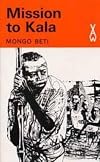
Mission to Kala is a chronicle of a young man's journey to retrieve a relative's run-away wife from another African village far away behind five river-crossings and twenty mails. This premise is a vehicle to display (once more) the effects of the 'modern' (=European) on the African way of village life, and the conflicts between the old and the new.
The tone of the narrative was a little annoying and the style is somewhat aged (the book is from the 1950s). Other than that the book is positively critical on both and very good in many ways.
The tone of the narrative was a little annoying and the style is somewhat aged (the book is from the 1950s). Other than that the book is positively critical on both and very good in many ways.

Beggar's Strike was a nice short read.
An incompetent government officer, Mr Ndiaye, is given a task: the streets of the City are to be cleaned of the beggars. The minister, his boss, and the president believe their presence everywhere repels tourists and foreign businessmen, which is harmful to the economy of the Country.
Mr Ndiaye is not capable of getting the job done, but luckily he has an employee who is.
On the other hand, according to Islam, giving alms is a duty for every one who has something to give. "Your riches have no permanent home with you. You are to remember they are only lent to you by God", remind the religious wise men Mr Ndiaye, who, being the incompetent fool he is, needs every blessing he can get to advance in his career. (And he would very much like to be the vice president.)
The problem for Mr Ndiaye is there is no one to give to any more now that the beggars are wiped out of sight...
An incompetent government officer, Mr Ndiaye, is given a task: the streets of the City are to be cleaned of the beggars. The minister, his boss, and the president believe their presence everywhere repels tourists and foreign businessmen, which is harmful to the economy of the Country.
Mr Ndiaye is not capable of getting the job done, but luckily he has an employee who is.
On the other hand, according to Islam, giving alms is a duty for every one who has something to give. "Your riches have no permanent home with you. You are to remember they are only lent to you by God", remind the religious wise men Mr Ndiaye, who, being the incompetent fool he is, needs every blessing he can get to advance in his career. (And he would very much like to be the vice president.)
The problem for Mr Ndiaye is there is no one to give to any more now that the beggars are wiped out of sight...

God's bits of wood (Jumalan puupalikat in Finnish) is set in 1948, in French Western Africa, now Mali and Senegal. It tells a realistic story of the strike of Dakar-Niger railroad workers. They are poor in the beginning, and their powerty turns into misery during the six month strike. But they don't bend (or at least they don't break).
The story is set in three places, Bamako, Thies and Dakar, and it is told from the points of views of several characters. Their different situations and different attitudes to the strike. While most are wholeheartedly for the fight and the strike, some have their doubts and moments of weakness. Some of the don't even think the fight is right. They all are humans. This is convincingly conveyed. Mostly so: Bakayoko, the strongest of the strike leaders, becomes nearly a mythical hero; and the white characters are just bad or stupid, or both.
The role of the women is interesting. While the(ir) men play with big things and fight the big powers, the women still have to provide them and their children - food, support and an orderly home to come to. The harder this comes the stronger they become. They take their place and they make their voice to be heard: both the men in strike and the people with power are made to listen, loud and clear. Their long walk from Thies to Dakar to confront the company leaders finally becomes the act that turns the tide. Ather the march other worker's unions join the strike and finally ends it in their favor.
Everything show more doesn't turn good overnight, but in the end it is obvious that the first steps to the right direction have been taken. show less
The story is set in three places, Bamako, Thies and Dakar, and it is told from the points of views of several characters. Their different situations and different attitudes to the strike. While most are wholeheartedly for the fight and the strike, some have their doubts and moments of weakness. Some of the don't even think the fight is right. They all are humans. This is convincingly conveyed. Mostly so: Bakayoko, the strongest of the strike leaders, becomes nearly a mythical hero; and the white characters are just bad or stupid, or both.
The role of the women is interesting. While the(ir) men play with big things and fight the big powers, the women still have to provide them and their children - food, support and an orderly home to come to. The harder this comes the stronger they become. They take their place and they make their voice to be heard: both the men in strike and the people with power are made to listen, loud and clear. Their long walk from Thies to Dakar to confront the company leaders finally becomes the act that turns the tide. Ather the march other worker's unions join the strike and finally ends it in their favor.
Everything show more doesn't turn good overnight, but in the end it is obvious that the first steps to the right direction have been taken. show less
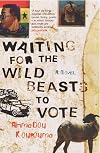
This is the story of "...Koyaga, hunter and President-dictator of the République du Golfe", narrated by sora Bingo, the bard-storyteller, assisted by Tiécorura, his koroduwa, the responder, apprentice, fool (as in jester or joker, not stupid) in form of donsomana, an epic traditionally told by a sora.
Koyaga is present---he is often directly addressed by the narrator, and he answers and comments once in a while, which gives the book a nice flavor of intimacy---with seven others, the greatest of the Hunters and His Ministers.
This is how it begins: "President Koyaga, General, Dictator, here we will sing and dance your donsomana over the feast of six vigils. We will tell the truth, about your dictatorship, your parents and your collaborators. The whole truth about your dirty tricks, your bullshit, your lies, your many crimes and assassinations..."
The purpose of the feast of six vigils is purification. To prepare the Dictator, the Father of the Nation, the Supreme Guide, The Master Hunter, for the biggest challenge of his life: democratic election.
The book has six sections, the vigils, and each of has a theme, which makes the book structurally very clear and easy to follow despite the otherwise quite anecdotal kind of narrative.
It starts with Koyaga's background and pre-history, his parents' stories. The second vigil is about his life from childhood to the start of the days of his power, to the day of the coup d'état.
The third vigil detours a bit, it is about Macledio, his show more closest minister, but it is stated it is important to know Macledio's travels and life to understand that of Koyaga's, for Macledio "can obliterate the distinction between truth and lies and carry out the master's every whim for thirty years."
The fourth one is about Koyaga's dictatorial initiation. He visits a few of the many African dictators -- Africa "is as rich in them as it is in vultures" --, "the other saviours of the world", for educational purposes. They give him most cynical advice, and he is an avid learner. After this he (and we) knows, for example, that true African chieftain must be the wealthiest man of his country, and to achieve that he must not make any distinction between his property and the treasury of the state; that prison is the most important institution in an African one-party state; etc etc ... this is the weakest part of the book in my opinion, chilling in the content, but a little repetitive.
The fifth vigil is about staying in power and about betrayal, which come hand in hand to an African Leader (Supreme Guide, Father of the Nation, you know). "Your enemies will not betray you, so keep an eye on your friends." Attempts of assassination come two or three a year, and each time Koyaga survives, he stands up bigger and stronger, his myth grows more mythical.
But all things come to an end some time. The cold war ended, and neither the West nor the Communist Camp did need Koyaga or his colleagues in Africa any more. No more money, no more weapons, no more honorary doctorates or visits from the heads of states of the West.
Koyaga does not give up, though: the world may change, the words may change---for democracy is nice word---but he will not. May the election come, and if the people will not vote (him), the wild beasts will for he is The Master Hunter. This is what this book is about, the feast of six vigils.
The first half of the book is excellent and the rest of it good. Bingo, the sora, puts it just right in one his many proverbs: "Once you have said that the anus of the hyena smells bad, you have said it all." Kourouma tries to say a lot more, though, and at some point it becomes too much, it overflows. Yet this is an important and interesting book (or Important and Interesting :) ... cruel, brutal, sad ... magical and probably too true. show less
Koyaga is present---he is often directly addressed by the narrator, and he answers and comments once in a while, which gives the book a nice flavor of intimacy---with seven others, the greatest of the Hunters and His Ministers.
This is how it begins: "President Koyaga, General, Dictator, here we will sing and dance your donsomana over the feast of six vigils. We will tell the truth, about your dictatorship, your parents and your collaborators. The whole truth about your dirty tricks, your bullshit, your lies, your many crimes and assassinations..."
The purpose of the feast of six vigils is purification. To prepare the Dictator, the Father of the Nation, the Supreme Guide, The Master Hunter, for the biggest challenge of his life: democratic election.
The book has six sections, the vigils, and each of has a theme, which makes the book structurally very clear and easy to follow despite the otherwise quite anecdotal kind of narrative.
It starts with Koyaga's background and pre-history, his parents' stories. The second vigil is about his life from childhood to the start of the days of his power, to the day of the coup d'état.
The third vigil detours a bit, it is about Macledio, his show more closest minister, but it is stated it is important to know Macledio's travels and life to understand that of Koyaga's, for Macledio "can obliterate the distinction between truth and lies and carry out the master's every whim for thirty years."
The fourth one is about Koyaga's dictatorial initiation. He visits a few of the many African dictators -- Africa "is as rich in them as it is in vultures" --, "the other saviours of the world", for educational purposes. They give him most cynical advice, and he is an avid learner. After this he (and we) knows, for example, that true African chieftain must be the wealthiest man of his country, and to achieve that he must not make any distinction between his property and the treasury of the state; that prison is the most important institution in an African one-party state; etc etc ... this is the weakest part of the book in my opinion, chilling in the content, but a little repetitive.
The fifth vigil is about staying in power and about betrayal, which come hand in hand to an African Leader (Supreme Guide, Father of the Nation, you know). "Your enemies will not betray you, so keep an eye on your friends." Attempts of assassination come two or three a year, and each time Koyaga survives, he stands up bigger and stronger, his myth grows more mythical.
But all things come to an end some time. The cold war ended, and neither the West nor the Communist Camp did need Koyaga or his colleagues in Africa any more. No more money, no more weapons, no more honorary doctorates or visits from the heads of states of the West.
Koyaga does not give up, though: the world may change, the words may change---for democracy is nice word---but he will not. May the election come, and if the people will not vote (him), the wild beasts will for he is The Master Hunter. This is what this book is about, the feast of six vigils.
The first half of the book is excellent and the rest of it good. Bingo, the sora, puts it just right in one his many proverbs: "Once you have said that the anus of the hyena smells bad, you have said it all." Kourouma tries to say a lot more, though, and at some point it becomes too much, it overflows. Yet this is an important and interesting book (or Important and Interesting :) ... cruel, brutal, sad ... magical and probably too true. show less

Allah is not obliged is narrated by Birahima, a "street child and small-soldier with no fear and no shame", looking for his auntie who is supposed to look after him after he has lost his mother. The aunt has moved to Liberia and the boy must follow, despite the war.
This is not one of those "true stories" or "survivor's tales". No, Birahima is an optimist and opportunist, he changes sides when he needs to (to follow the auntie), fighting for and against all parties in the absurd war; he thinks it is cool that boys (and girls) like he can have anything they need and want ... thanks to the kalashnikovs they are given. He stubbornly refuses to become a victim.
Yet the horror of the war is present too. People die, children die (despite all fetishes they are given in addition to the rifles), and Birahima makes requiems to those he used to like. It is there but is always shown through the satirical and pseudo-naïve view of our hero.
There are a few informative sections about the background and the parties of the war, possibly too many for someone's tastes; so much so that once in a while you may forget you're reading a novel. Otherwise the writing is good (the language being foul, however, if that matters).
This is not one of those "true stories" or "survivor's tales". No, Birahima is an optimist and opportunist, he changes sides when he needs to (to follow the auntie), fighting for and against all parties in the absurd war; he thinks it is cool that boys (and girls) like he can have anything they need and want ... thanks to the kalashnikovs they are given. He stubbornly refuses to become a victim.
Yet the horror of the war is present too. People die, children die (despite all fetishes they are given in addition to the rifles), and Birahima makes requiems to those he used to like. It is there but is always shown through the satirical and pseudo-naïve view of our hero.
There are a few informative sections about the background and the parties of the war, possibly too many for someone's tastes; so much so that once in a while you may forget you're reading a novel. Otherwise the writing is good (the language being foul, however, if that matters).
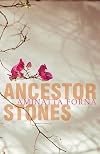
Ancestor Stones tells stories of life in Sierra Leone during most of the 20th century.
Abie returns to her homeland and village after years spent in Europe, meets her four aunties and listens to their stories that range from the 1920s to the 1990s; from the times the pale moon shadow men scared little children who'd never seen such a thing before to the 'stability' of the British governance to the years of independence, corruption and a bloody civil war.
Each of the four narrators are given four chapters in the book, and their ages differ so--they all have same father but different mothers--that the 4x4 structure covers the mentioned 80 years period and a wide range of women's lives in different ages.
The structure works well on displaying the history of Sierra Leone and (woman's) life there. Maybe even a little too well, might one think: at times the characters feel like samples more than real people. I had problems distinguishing the aunties from each other. Spending 15 to 30 pages with on and then 80 or so with three others did not help here. When starting a new chapter I often needed to browse back to check what had happened to this auntie before.
Other than that the book is great, especially in little details. There are several lines and passages that are either funny, thought provoking, or both.
Abie returns to her homeland and village after years spent in Europe, meets her four aunties and listens to their stories that range from the 1920s to the 1990s; from the times the pale moon shadow men scared little children who'd never seen such a thing before to the 'stability' of the British governance to the years of independence, corruption and a bloody civil war.
Each of the four narrators are given four chapters in the book, and their ages differ so--they all have same father but different mothers--that the 4x4 structure covers the mentioned 80 years period and a wide range of women's lives in different ages.
The structure works well on displaying the history of Sierra Leone and (woman's) life there. Maybe even a little too well, might one think: at times the characters feel like samples more than real people. I had problems distinguishing the aunties from each other. Spending 15 to 30 pages with on and then 80 or so with three others did not help here. When starting a new chapter I often needed to browse back to check what had happened to this auntie before.
Other than that the book is great, especially in little details. There are several lines and passages that are either funny, thought provoking, or both.

The African Child is Camara Laye's autobiographical account of his boyhood in (then French) Guinean small town and the countryside around it, in the 1930s and 40s, and his way to the capital and abroad for education.
The book's strenghts and weaknesses are possibly the same, depending on the viewpoint: it is quiet, slow, down to earth, the language is simple but wordy ... with a lot of words and with admirable, nearly ethnographical accuracy, the happening of nothing much is described. This may be interesting or boring.
Once again it is not possible to avoid the feeling this has been written for outsiders, Europeans; explanations, descriptions, repetitive use of expressions like 'our custom'.
To me, now, the most interesting aspect of the account was that it, in a way, illustrated the background of a character I've met in so many other books from the area: an intelligent young man (or woman in few cases) from French Western Africa who receives a scholarship in France--once in a lifetime chance. He leaves his homeland heart and head full of ideas and ideals. He will work hard and come back to do good for his (newly independent) country. Well, they usually do come back. But they come back changed, or to a country that has changed; unable to do the good they were thinking before, or too busy with their own good.
The colonialism is strikingly absent from the account. No comment on its goods or bads is given. The schooling is the only thing where the presense of the French shows. show more Everything else seems to be as it has always been. I don't know what does this indicate, but curious it was, considering the age of the book, the account ending just about 10 years before the country's independence. show less
The book's strenghts and weaknesses are possibly the same, depending on the viewpoint: it is quiet, slow, down to earth, the language is simple but wordy ... with a lot of words and with admirable, nearly ethnographical accuracy, the happening of nothing much is described. This may be interesting or boring.
Once again it is not possible to avoid the feeling this has been written for outsiders, Europeans; explanations, descriptions, repetitive use of expressions like 'our custom'.
To me, now, the most interesting aspect of the account was that it, in a way, illustrated the background of a character I've met in so many other books from the area: an intelligent young man (or woman in few cases) from French Western Africa who receives a scholarship in France--once in a lifetime chance. He leaves his homeland heart and head full of ideas and ideals. He will work hard and come back to do good for his (newly independent) country. Well, they usually do come back. But they come back changed, or to a country that has changed; unable to do the good they were thinking before, or too busy with their own good.
The colonialism is strikingly absent from the account. No comment on its goods or bads is given. The schooling is the only thing where the presense of the French shows. show more Everything else seems to be as it has always been. I don't know what does this indicate, but curious it was, considering the age of the book, the account ending just about 10 years before the country's independence. show less

So long a letter is what the title promises: a Senegalese, recently widowed woman, passing the appropriate 40 mourning period at home, writing a letter to her best friend, who has emigrated years ago.
The things she writes range from little everydayish happenings to memories of their common youth to commantary on the state and the developments of the society; her late husband's betrayal, which consists of abandoning his youthful ideals and his first family and taking a second wife, arouses a few bitter comments (on men and their ways), and the family matters with 12 kids are also worth mentioning.
The range of themes is fun, it feels authentic, letter-like (though this feel of authenticity suffers a bit of explaining things that should be obvious to the supposed reader of the letter (though maybe not of the book), and fresh.
The book is from the early 1980s, the writer is of the generation who were young and active during the first years of the independence of Senegal. She also belongs to the first generation of educated women in her culture. This background shows, there is talk about ideals and sacrifice, and of work for the future ... and wondering of what happened to that future they---the writer, her husband and their friends---were building, supposedly together.
The only thing that bothered me was that there were some, a few, too many direct statements of what's right or wrong. I had no problem with ideas and ideals of the writer, just the way they were expressed felt a show more bit preachy.
The writing is good, though, clear and easy to read. Just like you would expect from a teacher of about 50 years of age who takes herselft seriously. show less
The things she writes range from little everydayish happenings to memories of their common youth to commantary on the state and the developments of the society; her late husband's betrayal, which consists of abandoning his youthful ideals and his first family and taking a second wife, arouses a few bitter comments (on men and their ways), and the family matters with 12 kids are also worth mentioning.
The range of themes is fun, it feels authentic, letter-like (though this feel of authenticity suffers a bit of explaining things that should be obvious to the supposed reader of the letter (though maybe not of the book), and fresh.
The book is from the early 1980s, the writer is of the generation who were young and active during the first years of the independence of Senegal. She also belongs to the first generation of educated women in her culture. This background shows, there is talk about ideals and sacrifice, and of work for the future ... and wondering of what happened to that future they---the writer, her husband and their friends---were building, supposedly together.
The only thing that bothered me was that there were some, a few, too many direct statements of what's right or wrong. I had no problem with ideas and ideals of the writer, just the way they were expressed felt a show more bit preachy.
The writing is good, though, clear and easy to read. Just like you would expect from a teacher of about 50 years of age who takes herselft seriously. show less

The South and Bene are two short stories by Adelaida García Morales---not as in short stories, but short in page count---where the narrator, now a grown-up woman, looks back to her childhood in a dysfunctional family. The tone is conversational, in The South the narrator's father is addressed and in Bene her brother, both long dead.
In The South the girl's life circles around the father to whom she adores and who is close and distant at once, her only ally in the family but still someone with a life and secrets of his own. And his own death -- which he finally chooses and which terminally separates the girl from everything that she once held meaningful. South is where the father was from, South is where the girl looks to to find answers she was never given at home.
Bene is the name of a servant that comes to work for the family, or the what's left of it: the mother is already dead and the father is mostly away; the siblings, the narrator and her brother Santiago, are being brought up by aunts and servants. Bene seems to have a past, and everyone seems to think different things of what that past is what it means. The child hears things but she probably doesn't hear all, and at least she can't understand what the adults are talking about. But she understands she's not being told everything. The brother is older and he is already moving from childhood to the adults' world, and again the child is left alone.
The stories are emotionally strong and well written, though I have to show more admit that at times the same thing happened to me that sometimes happens when reading old stories: the charaters' mindset and sensibilities are so different from mine and their reactions to things is so different from what I think would be 'normal' that I can't relate. Sometimes that means I feel like studying an alien species, sometimes it makes me interested. This time it was, more the latter than the former, though.
Victor Erice has directed a film based on The South (El Sur) which is also well worth seeing, one of the really good book to film adaptations, even though it actually uses only about two thirds of the story. show less
In The South the girl's life circles around the father to whom she adores and who is close and distant at once, her only ally in the family but still someone with a life and secrets of his own. And his own death -- which he finally chooses and which terminally separates the girl from everything that she once held meaningful. South is where the father was from, South is where the girl looks to to find answers she was never given at home.
Bene is the name of a servant that comes to work for the family, or the what's left of it: the mother is already dead and the father is mostly away; the siblings, the narrator and her brother Santiago, are being brought up by aunts and servants. Bene seems to have a past, and everyone seems to think different things of what that past is what it means. The child hears things but she probably doesn't hear all, and at least she can't understand what the adults are talking about. But she understands she's not being told everything. The brother is older and he is already moving from childhood to the adults' world, and again the child is left alone.
The stories are emotionally strong and well written, though I have to show more admit that at times the same thing happened to me that sometimes happens when reading old stories: the charaters' mindset and sensibilities are so different from mine and their reactions to things is so different from what I think would be 'normal' that I can't relate. Sometimes that means I feel like studying an alien species, sometimes it makes me interested. This time it was, more the latter than the former, though.
Victor Erice has directed a film based on The South (El Sur) which is also well worth seeing, one of the really good book to film adaptations, even though it actually uses only about two thirds of the story. show less

The Painter of Battles is Faulques, a veteran war photographer who had spent thirty years on the wastelands of humanity all over the world. He has now put the camera away and paints instead. He has isolated himself to a tower near a little village by the Mediterranean where he paints a mural around the inside of the round tower. It is to be the picture he never managed (or never could have) to photograph.
One day one of Faulques' past works comes alive: a soldier from one of his award winning pictures visits the tower. The man, Ivo Markovic, tells the Painter that the photograph that had made him famous also had turned his life into hell. He also says that he has come to kill Faulques.
Markovic does not, however, want to kill the Painter straightaway. He wants to talk, he wants to learn and understand. And he wants Faulques to learn and understand.
And they sure talk, they talk about the mural, about photography and photographs, art, life and deaths, causes and effects, and what they were and what they are, and about the last picture Faulques took during the Balkans' war.
Beside the converstations there are a few sections that are Faulques' memories of his career.
In the end all three things converge: Faulques' memories, the conversations with Markovic and the painting.
"...I don't know if it is good, but it sure makes one think", says Markovic about the mural the Painter of Battles is working on. Same could be said about the book, though it is good. Maybe not a masterwork, but show more good.
I could point out a few shortcomings in the book if I wanted to make my point being critical. But I don't feel like that now. Find them out yourself. Read the book, I think it makes good to anyone who has even once seen a war photograph. Or any journalistic photograph for that matter.
I don't know if Faulques is based on any real-life photographer, but there are lots of real painters and paintings mentioned that Faulques had used as his learning material and models. I didn't check the all but all that I decided to look up could be found on the net. Seeing them was rewarding in itself---I don't know art history very well so they were mostly new to me---but also helped me to "see" the Faulques' mural more clearly. It enhanced my reading experience, they made a point.
I mostly talk about the food-for-thought -point of view above, but don't let that make you think The Painter of Battles is just that. It is a well enough written and constucted story to be enjoyed that way too: just reading it. show less
One day one of Faulques' past works comes alive: a soldier from one of his award winning pictures visits the tower. The man, Ivo Markovic, tells the Painter that the photograph that had made him famous also had turned his life into hell. He also says that he has come to kill Faulques.
Markovic does not, however, want to kill the Painter straightaway. He wants to talk, he wants to learn and understand. And he wants Faulques to learn and understand.
And they sure talk, they talk about the mural, about photography and photographs, art, life and deaths, causes and effects, and what they were and what they are, and about the last picture Faulques took during the Balkans' war.
Beside the converstations there are a few sections that are Faulques' memories of his career.
In the end all three things converge: Faulques' memories, the conversations with Markovic and the painting.
"...I don't know if it is good, but it sure makes one think", says Markovic about the mural the Painter of Battles is working on. Same could be said about the book, though it is good. Maybe not a masterwork, but show more good.
I could point out a few shortcomings in the book if I wanted to make my point being critical. But I don't feel like that now. Find them out yourself. Read the book, I think it makes good to anyone who has even once seen a war photograph. Or any journalistic photograph for that matter.
I don't know if Faulques is based on any real-life photographer, but there are lots of real painters and paintings mentioned that Faulques had used as his learning material and models. I didn't check the all but all that I decided to look up could be found on the net. Seeing them was rewarding in itself---I don't know art history very well so they were mostly new to me---but also helped me to "see" the Faulques' mural more clearly. It enhanced my reading experience, they made a point.
I mostly talk about the food-for-thought -point of view above, but don't let that make you think The Painter of Battles is just that. It is a well enough written and constucted story to be enjoyed that way too: just reading it. show less

It is 1938, the civil war in Spain is raging, news from Germany are worrying and Portugal is going the same way.
Pereira is an aging Portuguese journalist, working as a sole editor of the cultural section of a "little but respectable" afternoon paper in Lisbon. A man who has lost his wife, who is lost in nostalgia and lost in the world going mad around him. He is gaining weight and his heart is not well.
Pereira over-indugles his sorrow, he eats a bit too much and drinks all too many sweet lemon juices. He would like things remain the same, or rather he'd like things be like they were when he was young (and not so overweight).
But the world changes and not in a good way in Pereiras opinion, and the world won't leave him in peace, for whatever Pereira wants he still lives in this world. All the way he fights an internal fight between his wanting to remain unnoticed and as is and his urge to do the right thing.
In the end he does the right thing, for better or for worse, but he becomes alive again.
The book is narrated in a very interesting double third person way. There clearly is an outside narrator but he quite often adds the words "Pereira declares" or "declares Pereira" so the reader cannot for a moment forget that this is some sort of retelling of a story or a story based on documents, like police interview reports, might one think considering the way of the world back then... but that is not stated and that is not the only possible option.
There is not much action, and the show more way Pereira is he cannot provide much of that: he's fat, he does not want do anything, he does not want anything to happen. No, there are conversations, thinking, Pereiras slow paced goings and comings---often to and from his favorite café where he eats omelettes and hears the news of the world from the waiter, because "the newspapers don't tell you anything real anymore"---and more conversations with Pereira's friends, boss, the concierge (possibly a police informer), doctors, and quite often with the portrait with his late wife.
Pereira's declarations provide a rich and deep image of a lost man finding himself in the middle of 1930s madness in Portugal, Europe and the World. show less
Pereira is an aging Portuguese journalist, working as a sole editor of the cultural section of a "little but respectable" afternoon paper in Lisbon. A man who has lost his wife, who is lost in nostalgia and lost in the world going mad around him. He is gaining weight and his heart is not well.
Pereira over-indugles his sorrow, he eats a bit too much and drinks all too many sweet lemon juices. He would like things remain the same, or rather he'd like things be like they were when he was young (and not so overweight).
But the world changes and not in a good way in Pereiras opinion, and the world won't leave him in peace, for whatever Pereira wants he still lives in this world. All the way he fights an internal fight between his wanting to remain unnoticed and as is and his urge to do the right thing.
In the end he does the right thing, for better or for worse, but he becomes alive again.
The book is narrated in a very interesting double third person way. There clearly is an outside narrator but he quite often adds the words "Pereira declares" or "declares Pereira" so the reader cannot for a moment forget that this is some sort of retelling of a story or a story based on documents, like police interview reports, might one think considering the way of the world back then... but that is not stated and that is not the only possible option.
There is not much action, and the show more way Pereira is he cannot provide much of that: he's fat, he does not want do anything, he does not want anything to happen. No, there are conversations, thinking, Pereiras slow paced goings and comings---often to and from his favorite café where he eats omelettes and hears the news of the world from the waiter, because "the newspapers don't tell you anything real anymore"---and more conversations with Pereira's friends, boss, the concierge (possibly a police informer), doctors, and quite often with the portrait with his late wife.
Pereira's declarations provide a rich and deep image of a lost man finding himself in the middle of 1930s madness in Portugal, Europe and the World. show less

"Blackeberg. Everything. These houses, streets you walk on, places, people, it all is just so... like one big damn disease, you see? Something is wrong. This place was designed and everything was built to be... perfect. But in some bloody way everything went all wrong."
And the King opens a new bridge somewhere in his kingdom every week.
The idea of a Swedish horror story was something so absurd it was irresistible. The image of Sweden is so safe one thinks vampires (etc.) would be bored to death in no time in there. But no. This was a refreshing read, it certainly was something new to me, as a vampire story -- genre little known to me; I know Dracula and I've tried Anne Rice (not liking her effort very much), but that's about it.
There is nothing fancy about the vampire (un)life here. Eli is an outcast who lives in the suburbs in the lousiest of flats, she uses the most miserable human beings to survive, and she has to keep on moving due to her murderous habits and need for blood.
The vampires are killers, as usal. Some of them cannot live with it, and even the ones with life lust stronger than the guilty conscience suffer from it. And they are not any worse than the "normal" human beings.
The usual horror stuff is there too: the gory, graphic violence, disgustingly detailed, even splatter-like at times. On the other hand there is not much suspense, no sudden frights. The true horror is the fear the characters feel. Their fear facing the unknown, unthinkable and most of all show more their fear facing the fact that people can do and do frightening things to each other.
Let the right one in covers about three weeks of the life of Oskar, an "almost thirteen" years old guy living with his mother in Blackeberg, a suburb of Stockholm built in the 1950s. The story happens in early the 80s, and if the place ever was something special, that has worn off a long time ago.
Oskar is bullied by his schoolmates, he escapes into violent fantasies where he pays them back; he does thieving at local shops to show himself if no one else he is not totally powerless; and he says he likes reading. Then one night he meets Eli who is pretty, smells funny and only shows up after dark -- weird girl, but she wants to be with Oskar. She is also a 200 years old vampire in a body of a 12 years old child. They find out they have something in common, they become friends and allies. That changes their both's lives. And ends a few. show less
And the King opens a new bridge somewhere in his kingdom every week.
The idea of a Swedish horror story was something so absurd it was irresistible. The image of Sweden is so safe one thinks vampires (etc.) would be bored to death in no time in there. But no. This was a refreshing read, it certainly was something new to me, as a vampire story -- genre little known to me; I know Dracula and I've tried Anne Rice (not liking her effort very much), but that's about it.
There is nothing fancy about the vampire (un)life here. Eli is an outcast who lives in the suburbs in the lousiest of flats, she uses the most miserable human beings to survive, and she has to keep on moving due to her murderous habits and need for blood.
The vampires are killers, as usal. Some of them cannot live with it, and even the ones with life lust stronger than the guilty conscience suffer from it. And they are not any worse than the "normal" human beings.
The usual horror stuff is there too: the gory, graphic violence, disgustingly detailed, even splatter-like at times. On the other hand there is not much suspense, no sudden frights. The true horror is the fear the characters feel. Their fear facing the unknown, unthinkable and most of all show more their fear facing the fact that people can do and do frightening things to each other.
Let the right one in covers about three weeks of the life of Oskar, an "almost thirteen" years old guy living with his mother in Blackeberg, a suburb of Stockholm built in the 1950s. The story happens in early the 80s, and if the place ever was something special, that has worn off a long time ago.
Oskar is bullied by his schoolmates, he escapes into violent fantasies where he pays them back; he does thieving at local shops to show himself if no one else he is not totally powerless; and he says he likes reading. Then one night he meets Eli who is pretty, smells funny and only shows up after dark -- weird girl, but she wants to be with Oskar. She is also a 200 years old vampire in a body of a 12 years old child. They find out they have something in common, they become friends and allies. That changes their both's lives. And ends a few. show less

Life, Death, books, right and wrong, love and hate of many kinds, Germany, WWII, the other side of it all...
The story is Great, the book is "just" very good. I don't know if it was just that I expected even more, but I have to say it took me almost 200 pages to really get into it. The Death as narrator felt like a gimmick. It (she, he?) said a couple of good one-liners & made some good points even before that but it was only later in the book I really thought I got the idea. Did this choice of narrator made the good better? I am not sure. And if it did not, was it a good decision? I don't know.
Written a few days later: The Book Thief still haunts me, haunts me like the humans haunt the Death of the book.
What mostly gets back to me is how convincing the story is in so many ways. The child's perspective, the superficial naivety of it, and its broadening by the years when Liesel grows and sees what is happening around. And the idea that one thing can be so horrendous and so beautiful at once: words, which Liesel so much learned to love; words which Führer used to seduce the nation.
The story is Great, the book is "just" very good. I don't know if it was just that I expected even more, but I have to say it took me almost 200 pages to really get into it. The Death as narrator felt like a gimmick. It (she, he?) said a couple of good one-liners & made some good points even before that but it was only later in the book I really thought I got the idea. Did this choice of narrator made the good better? I am not sure. And if it did not, was it a good decision? I don't know.
Written a few days later: The Book Thief still haunts me, haunts me like the humans haunt the Death of the book.
What mostly gets back to me is how convincing the story is in so many ways. The child's perspective, the superficial naivety of it, and its broadening by the years when Liesel grows and sees what is happening around. And the idea that one thing can be so horrendous and so beautiful at once: words, which Liesel so much learned to love; words which Führer used to seduce the nation.

These stories are written in a very laconic language, quite often starting with a very simple and matter-of-factly statement like "Earth is round" or "Table is a table"--both titles of stories--, advancing with a child-like (and yet not) logic based their (kids) habit of taking words literally, which more often than not leads to total misunderstanding. They also often reveal the absurdity of the adult life, or at least what it may look like to child's eyes.