
The Secret Supper - well named as it kept its secret from me ... I still have to discover why Javier Sierra felt compelled to put pen to paper.
I ploughed through the 323 pages, flicking backwards and forwards from the text to the cover to the review and back to the text to get some sense of what I was reading and where the - so called - plot was going. In the end it proved simple and I was left wondering why the mystery and where the ‘enigma’.
Difficult to read, boring and - above all - a total waste of time for Sierra and me!
I ploughed through the 323 pages, flicking backwards and forwards from the text to the cover to the review and back to the text to get some sense of what I was reading and where the - so called - plot was going. In the end it proved simple and I was left wondering why the mystery and where the ‘enigma’.
Difficult to read, boring and - above all - a total waste of time for Sierra and me!
I too found this disappointing. I was looking forward to getting to know something of the real Marilyn Monroe and instead found myself wandering aroung various miscellaneous psychoanalitical offices briefly meeting people who meant nothing to me and whom I never got to know further than their name. Maralyn appeared momentarily here and there, seeming only introduced to give popular interest to a book which was more an academic treatise than a biographic novel.
A most confusing offering which could, I am sure given the (purported) material, have been so much better. I gave up after page 141 ....
A most confusing offering which could, I am sure given the (purported) material, have been so much better. I gave up after page 141 ....
Wish I hadn't pressed on with this book to the end - what a waste of nearly a week's reading.
The content is a confused mixture of all the over-used stories associated with Glastonbury: Jesus, Joseph of Arimathea, the thorn tree, the holy grail (cup or spirit), the landscaping of Avalon as a purported mirror to the heavens, Arthur and the Arthurian legends - including Morgan le Fay, the sword in the lake, Merlin, and THE BONES OF ARTHUR! Also dragged in for good measure is the queen’s grandfather Henry VII and his early endeavour to validate his assumption of the crown by drawing on old Welsh legends of kingship. And Nostradamus, together with his baffling so-called prophecies and his political role in the French and English court. I began to wonder what other irrelevant historical happenings and figures Rickman could draw into the increasingly muddled web he was attempting to create as a means of selling this story.
This tale obviously set out to be ‘a mystery’ and Rickman has done his best to conjure up an atmosphere of secrecy and shadow through the writing and language used. However, this did not do it for me - I found it laboured , forced and artificial … a poor attempt at creating a covert and cryptic mood of threat and fear.
As for the two main characters, Dudley was out of the plot for the most part being confined to his sick room, his only function seemingly to add historical probity and as a means of introducing the healer Nel to the plot. Dr Dee was the show more unlikely detective and the only character that came across as having any real substance.
The action - if it could be called so - was disordered, confused and chaotic: I suppose to give additional support to the equally unsubtle use of language. It dragged itself out to the eventual denouement which was as unbelievable and undramatic as the previous 400 plus pages. show less
The content is a confused mixture of all the over-used stories associated with Glastonbury: Jesus, Joseph of Arimathea, the thorn tree, the holy grail (cup or spirit), the landscaping of Avalon as a purported mirror to the heavens, Arthur and the Arthurian legends - including Morgan le Fay, the sword in the lake, Merlin, and THE BONES OF ARTHUR! Also dragged in for good measure is the queen’s grandfather Henry VII and his early endeavour to validate his assumption of the crown by drawing on old Welsh legends of kingship. And Nostradamus, together with his baffling so-called prophecies and his political role in the French and English court. I began to wonder what other irrelevant historical happenings and figures Rickman could draw into the increasingly muddled web he was attempting to create as a means of selling this story.
This tale obviously set out to be ‘a mystery’ and Rickman has done his best to conjure up an atmosphere of secrecy and shadow through the writing and language used. However, this did not do it for me - I found it laboured , forced and artificial … a poor attempt at creating a covert and cryptic mood of threat and fear.
As for the two main characters, Dudley was out of the plot for the most part being confined to his sick room, his only function seemingly to add historical probity and as a means of introducing the healer Nel to the plot. Dr Dee was the show more unlikely detective and the only character that came across as having any real substance.
The action - if it could be called so - was disordered, confused and chaotic: I suppose to give additional support to the equally unsubtle use of language. It dragged itself out to the eventual denouement which was as unbelievable and undramatic as the previous 400 plus pages. show less

Superb - loved it. What a guy .. though 'not a handyman' he definitely knew where to find one when the need arose. Wife Ana has my full admiration - how amazing to not only see the potential of the remote farm, El Valero, in Las Alpujarras in Andalucia ... but to immediately grasp Chris' dream of the simplest of lives in the wildest of places imaginable.
Well done Chris - not merely a travelogue but a real slice of life! I thoroughly recommend it if you wish to be uplifted to another sphere!
Well done Chris - not merely a travelogue but a real slice of life! I thoroughly recommend it if you wish to be uplifted to another sphere!
Do read this. Set in WWII the story takes us into the heart of the Wiltshire family drawing on their individual feelings and reactions to their experience of life in wartime Britain.
The settings and characterisation are second to none and the storyline compelling and fascinating. I just loved the beginning - on the beach, and the pure excitement of 'the saplings' at the thought of 'picnic and prawning', and the singing ..... 'the sea, the sea, the lovely sea'. It so set the scene for the distress, the horror, the sad and bitter sweet story to follow.
The settings and characterisation are second to none and the storyline compelling and fascinating. I just loved the beginning - on the beach, and the pure excitement of 'the saplings' at the thought of 'picnic and prawning', and the singing ..... 'the sea, the sea, the lovely sea'. It so set the scene for the distress, the horror, the sad and bitter sweet story to follow.

I am sorry not to have read the reviews below before dumping this book as being impossible to read. I was totally at a loss to understand where Davide Grossman was heading at the beginning - all so obscure and difficult - so did not press on.
Perhaps, when I have more time to wade through the initial sea of mystery and confusion, I will take it up again.
Perhaps, when I have more time to wade through the initial sea of mystery and confusion, I will take it up again.
Glad to have read reveiws by others and see that they, to a man, found this book boring, bland and quite, quite confusing. Gave up after trying very hard to find the thread, or even something remotely interesting.
Like Little Bookworm I am trying to broaden my historical horizon both in terms of place and characters but this was not the book to start! The cover is great but belies the content ... do not even bother to pick it up.
Like Little Bookworm I am trying to broaden my historical horizon both in terms of place and characters but this was not the book to start! The cover is great but belies the content ... do not even bother to pick it up.
Sadly not for me. Love Richard Mabey and his philosophy but could not get on with the airy-fairy content, and particularly with Richard's take on depression. Got a little way through and had to give up - lif is too short to read stuff that does not hit the spot and there are so many books still on the shelf waiting for me!
The Sisters of Sinai: How Two Lady Adventurers Discovered the Hidden Gospels (Vintage) by Janet Soskice

Fantastic read - wish I could give 10 plus stars.
How brave, how brilliant, how supremely interesting would these two sisters be as friends. It is when you read of people such as this that you see the futility of life - why, oh why, should such knowledge and experience be lost to humankind by death. A real eye-opener on the power polics of the church ...... Well done LADIES!
How brave, how brilliant, how supremely interesting would these two sisters be as friends. It is when you read of people such as this that you see the futility of life - why, oh why, should such knowledge and experience be lost to humankind by death. A real eye-opener on the power polics of the church ...... Well done LADIES!
Although I enjoyed this book and found the story interesting, I thought it all rather drawn out.
The notebook contains the message 'The beautiful owner of this book is dearer to me than life – August your protector.’ August turns out to be a Prussian Prince, the nephew of Frederick the Great, and the 'beautiful owner' his wife, Eve's great grandmother Emile.
The story unfolds in two strands: one telling of the romance between the prince and Emilie; the other of grandma Charlotte - their dispossesed child - who, being bought up by a Jewish family after the early death of August, tragically died on her way to Auschwitz mistakenly taken by the SS as an old Jewish woman.
Eve Haas was bought up in England after fleeing from Germany with her mother and father at the beginning of WWII. One of the most interesting and atmospheric parts of the book were the descriptions of Eve's travels in East Germany at a time when the Cold War was at its height. She is there to search the records for her grandmother: her discoveries are simply amazing and life-changing.
The notebook contains the message 'The beautiful owner of this book is dearer to me than life – August your protector.’ August turns out to be a Prussian Prince, the nephew of Frederick the Great, and the 'beautiful owner' his wife, Eve's great grandmother Emile.
The story unfolds in two strands: one telling of the romance between the prince and Emilie; the other of grandma Charlotte - their dispossesed child - who, being bought up by a Jewish family after the early death of August, tragically died on her way to Auschwitz mistakenly taken by the SS as an old Jewish woman.
Eve Haas was bought up in England after fleeing from Germany with her mother and father at the beginning of WWII. One of the most interesting and atmospheric parts of the book were the descriptions of Eve's travels in East Germany at a time when the Cold War was at its height. She is there to search the records for her grandmother: her discoveries are simply amazing and life-changing.
I could not get into this novel. However, I may take it up again when 'life' is a little less hectic and I have more time and patience to pursue it further!
I loved this book. It gives the origins, history and development of various types of knitwear - the Gansey, Fair Isle, Aran, and Shetland Lace. We have 25 patterns illustrating the four types of classic knitwear and all are beautifully illustrated.
I was an avid knitter and love the intricacies of the mathmatical use of pattern. I no longer have the time to pursue this hobby but have been lucky enough to have children and grandchildren who have readily learned from me and are all now keen knitters, so what a joy to find this treasure to pass on to them.
I was an avid knitter and love the intricacies of the mathmatical use of pattern. I no longer have the time to pursue this hobby but have been lucky enough to have children and grandchildren who have readily learned from me and are all now keen knitters, so what a joy to find this treasure to pass on to them.

Fabulously illustrated - a real, meaty coffee-table book! Here are the stories of the four beautiful Lennox sisters - Caroline who married Henry Fox, Lord Holland; Emily, who married James Fitzgerald, Earl of Kildare and Duke of Leinster and secondly, for love, William Ogilvie: Louisa who marrid Tom Conolly the wealthiest commoner in Ireland; and last but not least the lovely Sarah Lennox, almost Queen of England to George III ... but marrying Sir Charles Bunbury to save face and honour, and - after a series of affairs, bearing an illegitimate child, and culminating in divorce - she then married George Napier the dashing and handsome career soldier several years her junior.
The sisters lived through tumultuous times. They were close to the Court and were witness to the terrors of the French Revolution and Jacobite rising ... acting as hostesses to the great and good of England and Ireland, their lives were central to the political upheavals of the late C18.
Stella Tillyard gives us an insight into the lives of the sisters, their families, their lovers and friends. Drawing on material from a great family archive and personal letters she offers us a portrait of the daily detail of country and town life; of the houses, furiture and gardens which the sisters oversaw, bought and commissioned. The world of the Aristocrats is grandly displayed here in this sumptiously illustrated and excellently written book.
The sisters lived through tumultuous times. They were close to the Court and were witness to the terrors of the French Revolution and Jacobite rising ... acting as hostesses to the great and good of England and Ireland, their lives were central to the political upheavals of the late C18.
Stella Tillyard gives us an insight into the lives of the sisters, their families, their lovers and friends. Drawing on material from a great family archive and personal letters she offers us a portrait of the daily detail of country and town life; of the houses, furiture and gardens which the sisters oversaw, bought and commissioned. The world of the Aristocrats is grandly displayed here in this sumptiously illustrated and excellently written book.
Quite an education. This book gives not merely a historical flavour of the last thirty years in Iraq from the perspective of several characters closely associated with the regime, but an interesting insight into the psychological effect on those people of living under such extreme duress. The ambivalent nature of the Iraqui psyche appear to support the mental survival of the various people interviewed by Steavenson. Coping with the immense stress and constant fear of living under Saddam Hussein's dictatorship proves a need, above all, to keep silent. We have in Steavenson's narrative a vivid and compassionate portrayal of the Iraqui people as they accommodated their own individual morality to the every-changing reality of their personal experience.

Excellent murder mystery. Fabulous descriptions of old Quebec City - the snow scenes especially atmospheric. Louise Penny did a masterful job of integrating the stories of three concurrent cases. I loved every aspect of this book, but particularly the contrasting characters of Chief Inspector Armand Gamache and his detective second-in-command, Jean Guy Beauvoir. I could not put it down!
The story of Helen and her struggle to get her families' acknowledgement of her wonderful gift is very sad. However, I found that I eventually got a little bored with Helen's continuing expressions of her feelings when her powers were not recognised. This aspect could have done with being less 'centre stage': I would really have liked to find out more about Helen's actual experiences with her spirit friends.

Thoroughly enjoyed this book, despite finding it rather confusing and stretching to the imagination at times. David's story was good but the atmosphere and descriptions of old Barcelona were more than great.

Found the book to depressing to press on with. Dumped after 50 or so pages.

Not the greatest novel written but a reasonable read. A large fantastical middle section, a predictable end and the usual list of Austen characters - though some surprises there. I managed to the end but only because it was an easy read. Not much to do with Mary Bennet - despite the title.

I could not pursue this book any further than about the first fifty pages. I found the language laboured, the phrasing difficult - almost like a poor translation, and the content quite boring.
I am an avid reader of well-researched biographies and historical work, and I have been very fond of Nancy Mitford .... well, all of that family and the era in which they lived ... but could not find anything to interest me in this book.
I am an avid reader of well-researched biographies and historical work, and I have been very fond of Nancy Mitford .... well, all of that family and the era in which they lived ... but could not find anything to interest me in this book.

Thames Television's1980 adaptation of the Nancy Mitford novel Love In A Cold Climate starring Judi Dench and Michael Aldridge is still fresh in my memory. What times, what wonderful times, experienced by those lucky to be ’clued in’ enough to tune into those exceptional dramas produced in the 60s, 70s and the early 80s (Downton is sooo lightweight!).
Who can forget Farve - that legendary eccentric David Freeman-Mitford, or dear Muv - Sydney, daughter of Thomas Bowles, and never their six famous daughters - Nancy, Pam, Diana, Unity, Jessica and Debo, who famously and infamously married fortunately or calamitously - together with their only son Tom who fought and was killed in WWII.
I was lost to the Mitford family from then on, so how overjoyed was I to find Debora Mitford’s latest offering, her memoirs - Wait for Me! - on the shelf of my local library - one, apparently, of several books she has written about Chatsworth. Debo’s life history must be well known to all, but this wonderful telling of her early life bought me out in fits of giggles and bursts of uncontrollable laughter so refreshingly funny is her narration. Always simple and straightforward in her perception of life - nothing political or complex about Debo, just a quiet sensitivity, an acute observation and astute discernment.
She is unassumingly grateful for what her years have given her - a privileged life as the youngest daughter of an aristocratic family; that great and grand family, a mixed bunch show more and poor …. in relative terms … as they ostensivley were; her husband Andrew Cavendish, eventually 10th Duke of Devonshire; her unexpectedly (good?) fortune in inheriting Chatsworth the grandest country house in Britain; and, more exceptionally, her children Mark, Emma, Peregrine, Victor, Mary, and Sophia; and her grandchildren Stella Tennant and Max Mosley.
Debo takes us from the grandness of unaffordable Batsford inherited by her father from the 1st Lord Redesdale, to Asthall Manor beloved of the older girls and Tom where they hosted many hunting and shooting weekend parties; to Swinbrook House where Farve indulged his passion for building - sadly, a house facing due North, much to the distress of Debo’s older siblings who hated it with a vengeance from the start.
Never rich, and further ruined by poor judgement both in his peremptory moves and weak investments, Farve is not a good role model for Deborah Cavendish, given her ultimate responsibility as sole support of her husband in putting Chatsworth on a firm and financially viable footing in the mid-C20.
The Cavendish estate was burdened by debt from the 6th Duke’s extravagances, the 7th Duke’s business ventures together with the agricultural depression of the mid-1800s. When the 8th Duke died in 1908 Chatsworth struggled on under the 9th and 10th Dukes until the impact of the second world war and its abondnment to Penrhos College girls school. In 1944 William Cavendish, Marquess of Hartington was killed in action only four months after his marriage to Kathleen Kennedy and, when his father the 10th Duke died in 1950, the estate was hit by 80% death duties - avoidable had the 10th Duke lived only a few months longer.
Much earlier, but in similar circumstances. the 5th Duke’s London residence, the famed Devonshire House, scene of his duchess Georgiana Spencer’s spectacular balls and political salons in the mid-C18, had long gone together with much of the Devonshire’s splendid library and acres of land to finance similar death duties owed by the 9th Duke. Following the sale finalised in 1920, Devonshire House was demolished and, much to the horror of contemporaries, became the site of a hotel and block of flats.
In the 1950s Debo and Andrew inherited a wonderful building in Chatsworth, and a committed staff: but also a huge debt, paid only by the transfer of Hardwick Hall to the National Trust, the sale of further swathes of Devonshire land, many long-held Devonshire works of art and more rare books. Debo and Andrew’s debt to the Government - £179 million in today’s figures - was not to be resolved until agreement was reached much later with the Inland Revenue.
In 1959 Deborah, Andrew and their growing family moved back into Chatsworth from Edensor House on the estate. The challenges were breathtaking but they set to work together, throwing themselves into every possible aspect of commercial activity. The restoration of the house, the creation or the garden, setting up of The Chatsworth Farm, Farm Shop -employing over 100 people - and Farm Shop Restaurant - against all odds - together with the Devonshire Arms Hotel, Devonshire Fell Hotel and Bistro, and the Cavendish Hotel together with a line of Chatsworth branded foods and Chatsworth Carpenters. These were all innovations largely due to the imagination and hard work of the now Dowager Duchess of Devonshire - Deborah Mitford.
Whilst Debo gives due weight to Andrew’s role in the mission, particularly as is universally acknowledged to the free-of-charge access to Chatsworth Park, it is largely due to the influence of Deborah Mitford, youngest daughter of Farve, that the estate finds itself more than able to support the £4 million that it costs Chatsworth to run today. In a little over half a century she has been so much more than the loving support of the Duke in bringing Chatsworth back from the brink after nearly two hundred years of impecuniousness. Sadly Deborah lost the support of Andrew on his death in 2004, earlier by far thah expected. She now lives again in Edensor House.
Finally and to conclude, how interesting it is to note that Deborah, the wife of the 11th Duke of Devonshire, so remarkable and considerable a woman as was she become to the survival of the Cavendish estate and its continuance, that it was due to such an another extraordinary woman that the Cavendish estate was founded. It was due to the stamina, sheer determination, and foresight of Bess of Hardwick - the second richest, the second most powerful, and the second most influential woman in Elizabethan England - that the Cavendish dynasty was first established. A fine inheritance indeed Debo and an excellent legacy to conclude your influential and not insubstantial contribution to our British heritage in Chatsworth.
Well done Debo and well done in writing this self-effacing but so human a memoir in which we can all share. Once upon a time we all had the chutzpah to do what you did - how lovely it is that in your 90th year you can still remember yours with such clarity- puts us all such younger ‘bods’ to shame! show less
Who can forget Farve - that legendary eccentric David Freeman-Mitford, or dear Muv - Sydney, daughter of Thomas Bowles, and never their six famous daughters - Nancy, Pam, Diana, Unity, Jessica and Debo, who famously and infamously married fortunately or calamitously - together with their only son Tom who fought and was killed in WWII.
I was lost to the Mitford family from then on, so how overjoyed was I to find Debora Mitford’s latest offering, her memoirs - Wait for Me! - on the shelf of my local library - one, apparently, of several books she has written about Chatsworth. Debo’s life history must be well known to all, but this wonderful telling of her early life bought me out in fits of giggles and bursts of uncontrollable laughter so refreshingly funny is her narration. Always simple and straightforward in her perception of life - nothing political or complex about Debo, just a quiet sensitivity, an acute observation and astute discernment.
She is unassumingly grateful for what her years have given her - a privileged life as the youngest daughter of an aristocratic family; that great and grand family, a mixed bunch show more and poor …. in relative terms … as they ostensivley were; her husband Andrew Cavendish, eventually 10th Duke of Devonshire; her unexpectedly (good?) fortune in inheriting Chatsworth the grandest country house in Britain; and, more exceptionally, her children Mark, Emma, Peregrine, Victor, Mary, and Sophia; and her grandchildren Stella Tennant and Max Mosley.
Debo takes us from the grandness of unaffordable Batsford inherited by her father from the 1st Lord Redesdale, to Asthall Manor beloved of the older girls and Tom where they hosted many hunting and shooting weekend parties; to Swinbrook House where Farve indulged his passion for building - sadly, a house facing due North, much to the distress of Debo’s older siblings who hated it with a vengeance from the start.
Never rich, and further ruined by poor judgement both in his peremptory moves and weak investments, Farve is not a good role model for Deborah Cavendish, given her ultimate responsibility as sole support of her husband in putting Chatsworth on a firm and financially viable footing in the mid-C20.
The Cavendish estate was burdened by debt from the 6th Duke’s extravagances, the 7th Duke’s business ventures together with the agricultural depression of the mid-1800s. When the 8th Duke died in 1908 Chatsworth struggled on under the 9th and 10th Dukes until the impact of the second world war and its abondnment to Penrhos College girls school. In 1944 William Cavendish, Marquess of Hartington was killed in action only four months after his marriage to Kathleen Kennedy and, when his father the 10th Duke died in 1950, the estate was hit by 80% death duties - avoidable had the 10th Duke lived only a few months longer.
Much earlier, but in similar circumstances. the 5th Duke’s London residence, the famed Devonshire House, scene of his duchess Georgiana Spencer’s spectacular balls and political salons in the mid-C18, had long gone together with much of the Devonshire’s splendid library and acres of land to finance similar death duties owed by the 9th Duke. Following the sale finalised in 1920, Devonshire House was demolished and, much to the horror of contemporaries, became the site of a hotel and block of flats.
In the 1950s Debo and Andrew inherited a wonderful building in Chatsworth, and a committed staff: but also a huge debt, paid only by the transfer of Hardwick Hall to the National Trust, the sale of further swathes of Devonshire land, many long-held Devonshire works of art and more rare books. Debo and Andrew’s debt to the Government - £179 million in today’s figures - was not to be resolved until agreement was reached much later with the Inland Revenue.
In 1959 Deborah, Andrew and their growing family moved back into Chatsworth from Edensor House on the estate. The challenges were breathtaking but they set to work together, throwing themselves into every possible aspect of commercial activity. The restoration of the house, the creation or the garden, setting up of The Chatsworth Farm, Farm Shop -employing over 100 people - and Farm Shop Restaurant - against all odds - together with the Devonshire Arms Hotel, Devonshire Fell Hotel and Bistro, and the Cavendish Hotel together with a line of Chatsworth branded foods and Chatsworth Carpenters. These were all innovations largely due to the imagination and hard work of the now Dowager Duchess of Devonshire - Deborah Mitford.
Whilst Debo gives due weight to Andrew’s role in the mission, particularly as is universally acknowledged to the free-of-charge access to Chatsworth Park, it is largely due to the influence of Deborah Mitford, youngest daughter of Farve, that the estate finds itself more than able to support the £4 million that it costs Chatsworth to run today. In a little over half a century she has been so much more than the loving support of the Duke in bringing Chatsworth back from the brink after nearly two hundred years of impecuniousness. Sadly Deborah lost the support of Andrew on his death in 2004, earlier by far thah expected. She now lives again in Edensor House.
Finally and to conclude, how interesting it is to note that Deborah, the wife of the 11th Duke of Devonshire, so remarkable and considerable a woman as was she become to the survival of the Cavendish estate and its continuance, that it was due to such an another extraordinary woman that the Cavendish estate was founded. It was due to the stamina, sheer determination, and foresight of Bess of Hardwick - the second richest, the second most powerful, and the second most influential woman in Elizabethan England - that the Cavendish dynasty was first established. A fine inheritance indeed Debo and an excellent legacy to conclude your influential and not insubstantial contribution to our British heritage in Chatsworth.
Well done Debo and well done in writing this self-effacing but so human a memoir in which we can all share. Once upon a time we all had the chutzpah to do what you did - how lovely it is that in your 90th year you can still remember yours with such clarity- puts us all such younger ‘bods’ to shame! show less

Lynn Barber’s journalistic background is certainly demonstrated in spades in this tight and totally focussed memoir. Barber skims effortlessly from her birth to very conventional parents in early 40s London, through ‘the education’ with mysterious Simon, to Oxford and then marriage to the unbelievably handsome and saintly David, through an incredibly lucky career in journalism, and ending finally with the - barely readable - trauma and unbearable grief of David’s untimely death. Full of detail, stuffed with images and conjuring up forgotten memories of the conformist 40s and 50s, the heady 60s and mad 80s and 90s, Lynn Barber has given us an brilliant view of her exceptional life (to date!).
Explosively funny - who of Lynn’s generation cannot relate to the wonderfully self-deprecating description of her memory at age 65 or the ‘love match’ between her ‘goofy’ mother and love-struck father - the reader is taken on a roller-coaster ride right to the bitter-sweet finale.
But despite the wit, given Lynn’s conservative upbringing I was more than surprised at her unthinking confidence in jumping into Simon’s car (I would have thought she’d have run a mile), and less than believing of her non-questioning acceptance at the seeming change in her parents’ attitude to her future and to their equally ‘strange’ unchallenging acceptance of this obvious con-man (were they - and is she - really so naïve); at her evident self-reliance in tackling her grammar show more school teachers head on; and at the relish with which, in Oxford, she ditched all her previous values, principles and morals to jump from bed to bed on an almost daily basis giving the reason for this hedonistic lifestyle change as being due to her parents’ apparent betrayal of everything they had taught her was right. Almost the only thing I could understand, in the context of her young life, was her was her single-minded pursuit of ‘the One’ - pretty normal in any day and age!
I must admit that I was very much taken at first with only the beginning of the book. However, now I feel that I need to revisit the end of the book again. Though taking up just ten percent of Lynn Baker’s story those pages are some of the most disturbing and distressing I have ever read on the subject of death: they deserve so much more awareness and thought than I gave them on that first reading. On reflection I was probably still operating under the incredulity originating in much of what I saw as outrageous, and on the whole rather poorly self-excused, behaviour for a well-bought up sixteen-year-old in the late-fifties which took up much of the first part of this excellent read. show less
Explosively funny - who of Lynn’s generation cannot relate to the wonderfully self-deprecating description of her memory at age 65 or the ‘love match’ between her ‘goofy’ mother and love-struck father - the reader is taken on a roller-coaster ride right to the bitter-sweet finale.
But despite the wit, given Lynn’s conservative upbringing I was more than surprised at her unthinking confidence in jumping into Simon’s car (I would have thought she’d have run a mile), and less than believing of her non-questioning acceptance at the seeming change in her parents’ attitude to her future and to their equally ‘strange’ unchallenging acceptance of this obvious con-man (were they - and is she - really so naïve); at her evident self-reliance in tackling her grammar show more school teachers head on; and at the relish with which, in Oxford, she ditched all her previous values, principles and morals to jump from bed to bed on an almost daily basis giving the reason for this hedonistic lifestyle change as being due to her parents’ apparent betrayal of everything they had taught her was right. Almost the only thing I could understand, in the context of her young life, was her was her single-minded pursuit of ‘the One’ - pretty normal in any day and age!
I must admit that I was very much taken at first with only the beginning of the book. However, now I feel that I need to revisit the end of the book again. Though taking up just ten percent of Lynn Baker’s story those pages are some of the most disturbing and distressing I have ever read on the subject of death: they deserve so much more awareness and thought than I gave them on that first reading. On reflection I was probably still operating under the incredulity originating in much of what I saw as outrageous, and on the whole rather poorly self-excused, behaviour for a well-bought up sixteen-year-old in the late-fifties which took up much of the first part of this excellent read. show less

An excellent three and a half hour read! A light book but enthralling, despite being able to guess the end from almost the beginning (but then I am very familiar with tales of the Cathars).
Set in the Ariѐge region of France, nearly a decade after the end of the first World War, the main character Freddie - still desperately struggling to come to terms with the death on the battlefields of France of his beloved older brother George - ends up in an isolated village in Haute Vallee of the Pyrenees.
In Nulle it is the Feast of St. Stephen. Freddie is invited to the celebrations and, though still reeling from a near-death car accident and the unsettlingly strange sights and sounds he experienced on his desperate scramble through the dark mountain forests down to the village, he decides to accept. Here, at the antique celebration of the festival he meets the lovely Fabrissa to whom he finds he can bear his soul and unburden his heart of the terrible feelings of loss he has suffered alone now for so many, many years.
The Winter Ghosts purports to be a ghost story and I suppose on the surface it is. However, it is more than that .... the telling of the historic end of the Cathars in southern France. The book is about extreme melancholia: the pain and anguish and constant torment of grief not understood. It is through the horror of Fabrissa’s story that Freddie is transformed. By his experience in Nulle he at last finds the ability to embrace life rather than dwell among those show more who have died. show less
Set in the Ariѐge region of France, nearly a decade after the end of the first World War, the main character Freddie - still desperately struggling to come to terms with the death on the battlefields of France of his beloved older brother George - ends up in an isolated village in Haute Vallee of the Pyrenees.
In Nulle it is the Feast of St. Stephen. Freddie is invited to the celebrations and, though still reeling from a near-death car accident and the unsettlingly strange sights and sounds he experienced on his desperate scramble through the dark mountain forests down to the village, he decides to accept. Here, at the antique celebration of the festival he meets the lovely Fabrissa to whom he finds he can bear his soul and unburden his heart of the terrible feelings of loss he has suffered alone now for so many, many years.
The Winter Ghosts purports to be a ghost story and I suppose on the surface it is. However, it is more than that .... the telling of the historic end of the Cathars in southern France. The book is about extreme melancholia: the pain and anguish and constant torment of grief not understood. It is through the horror of Fabrissa’s story that Freddie is transformed. By his experience in Nulle he at last finds the ability to embrace life rather than dwell among those show more who have died. show less

Alan Bennett’s The Uncommon Reader is a clever little book which ostensibly tells the story of the Queen’s introduction to the joys of reading. Led by her escaping corgis she finds herself inadvertently in a strange van full of books - the Westminster travelling library service. Forced by good manners to borrow a book she feels it only courteous to read it to the bitter (and exceedingly dry) end. Her upbringing demands that she is now committed to return the book and borrow another … and another … and another … as is only polite.
Never having experienced a good read before the Queen is drawn with increasing obsession into the world of books. We empathise with her need for quiet time to pursue her passion and with the lengths she must go to to satisfy her craving for peace. Duties are increasingly neglected, she becomes distracted and preoccupied. Worries are expressed that the Queen is ill: so uncharacteristic is her behaviour that her closest staff are concerned that she is suffering from the onset of Alzheimer’s disease.
However, all is not as it seems. We cannot but totally understand the Queen’s dramatic seduction from dutiful spouse, mother and monarch to avid reader and thinker; and to discerning, perceptive and sensitive observer of those people who surround her and the events which make up her current existence.
Alan Bennett’s portrait of our Queen is so close to the bone to be almost uncomfortable, but how wonderful it is to see our perception of show more her, revealed through her reaction to the delight of reading, so thoroughly vindicated. Books not only change her world but, ultimately, the world of the palace, of Government and of England. show less
Never having experienced a good read before the Queen is drawn with increasing obsession into the world of books. We empathise with her need for quiet time to pursue her passion and with the lengths she must go to to satisfy her craving for peace. Duties are increasingly neglected, she becomes distracted and preoccupied. Worries are expressed that the Queen is ill: so uncharacteristic is her behaviour that her closest staff are concerned that she is suffering from the onset of Alzheimer’s disease.
However, all is not as it seems. We cannot but totally understand the Queen’s dramatic seduction from dutiful spouse, mother and monarch to avid reader and thinker; and to discerning, perceptive and sensitive observer of those people who surround her and the events which make up her current existence.
Alan Bennett’s portrait of our Queen is so close to the bone to be almost uncomfortable, but how wonderful it is to see our perception of show more her, revealed through her reaction to the delight of reading, so thoroughly vindicated. Books not only change her world but, ultimately, the world of the palace, of Government and of England. show less
FAR FROM MY FATHER’S HOUSE tells the story of the start of the war in Afghanistan from the view of the writer, an experienced foreign correspondent and expert on the South Asia region; from the perspective of Layla, a thirteen-year old girl and her family: and from the point of view of Frank, working for a humanitarian aid organisation in the extreme and impossible circumstances of a refugee camp where who knows whether one is an enemy or a friend.
We begin in the Swat valley in the Himalayas, in the ancestral home of a close-knit Pakistani family - daughter Layla, father Ibrahim and sweet and gentle Mama, her handicapped sister Marva and Aunty Jamila, Uncle Hamid and his simple-minded son Adnan, handsome Saeed, old grandma and pretty little granddaughter Syma. All are forced to leave with the advent of the Taliban and their brutal invasion and destruction of this quiet valley. Days of agonising suffering lead them to the squalor and filth of a refugee camp - the only place of safety in that terrible ravaged land.
Here we meet Jill (Ellen), the journalist, and Frank; hospital/aid workers Britta and Fatima; together with Taliban fighters; and the pseudo-benefactor and social-climbing Mr Khan and his aides. Here among the dirt, misery and hopelessness of the camp Jill weaves together the two stories - drawing on her experience not just to give a moving account of pity and despair but also a gripping and spellbinding tale of mystery and suspense which involves every show more character and keeps the reader avidly page turning to the very end.
If you want an education in the intricacies of the Afghan war from several different and interesting standpoints; if you enjoy drama and suspense; if you love a good read with convincing and well-drawn individuals … you will be disappointed should you miss this excellent offering from Jill McGivering. show less
We begin in the Swat valley in the Himalayas, in the ancestral home of a close-knit Pakistani family - daughter Layla, father Ibrahim and sweet and gentle Mama, her handicapped sister Marva and Aunty Jamila, Uncle Hamid and his simple-minded son Adnan, handsome Saeed, old grandma and pretty little granddaughter Syma. All are forced to leave with the advent of the Taliban and their brutal invasion and destruction of this quiet valley. Days of agonising suffering lead them to the squalor and filth of a refugee camp - the only place of safety in that terrible ravaged land.
Here we meet Jill (Ellen), the journalist, and Frank; hospital/aid workers Britta and Fatima; together with Taliban fighters; and the pseudo-benefactor and social-climbing Mr Khan and his aides. Here among the dirt, misery and hopelessness of the camp Jill weaves together the two stories - drawing on her experience not just to give a moving account of pity and despair but also a gripping and spellbinding tale of mystery and suspense which involves every show more character and keeps the reader avidly page turning to the very end.
If you want an education in the intricacies of the Afghan war from several different and interesting standpoints; if you enjoy drama and suspense; if you love a good read with convincing and well-drawn individuals … you will be disappointed should you miss this excellent offering from Jill McGivering. show less
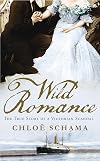
It seems I have read this book before! It must have been the cover that was attractive to me - just my kind of subject matter …. a historically true story given as a novel. It is Chloe Schama’s first book and will definitely not be her last if the quality of research and writing is anything to go by.
It tells the scandalous story of Theresa Longwood and William Yelverton. They met in 1852 on a steamship, a clandestine romance developed mainly through letters and culminating in two marriage ceremonies in 1857 - one in Scotland and one in Ireland - followed in early 1858 by a short holiday on the Continent. Immediate to his return in early 1858, Yelverton marries Emily Forbes, going on to have a family and to become Viscount Avonmore.
Theresa is devastated and instigates legal action, accusing Yelverton of bigamy. After over four years fighting the case, it is eventually dismissed by the House of Lords in 1862 - supporting the decision of the Scottish court but overturning the Irish court which had found in Theresa’s favour. Having already published a book telling her side of the story in 1861 - this and the sensational trial made national front-page news - Theresa now publishes her correspondence with Yelverton. This correspondence, the trial transcripts, and journalists’ reports form the source material for Chloe Shama’s narrative.
The second half of the book deals with Theresa’s travels from 1867 through to her death in South Africa in 1881 and Yelverton’s in show more 1883 in France. This half of the book is less detailed and therefore less interesting than the first half. I would dearly love to know how Theresa funded her travelling - she apparently wrote and published a great deal but could this have sufficed for trips to Europe and the Near East, to America, California, Asia and South Africa. And, possibly more to the point - how did she manage without a sniff of a chaperone in those ‘very Victorian’ days?
Perhaps Chloe Sharma might be persuaded to develop further the material she already has on Theresa’s later life for a ‘sequel’? show less
It tells the scandalous story of Theresa Longwood and William Yelverton. They met in 1852 on a steamship, a clandestine romance developed mainly through letters and culminating in two marriage ceremonies in 1857 - one in Scotland and one in Ireland - followed in early 1858 by a short holiday on the Continent. Immediate to his return in early 1858, Yelverton marries Emily Forbes, going on to have a family and to become Viscount Avonmore.
Theresa is devastated and instigates legal action, accusing Yelverton of bigamy. After over four years fighting the case, it is eventually dismissed by the House of Lords in 1862 - supporting the decision of the Scottish court but overturning the Irish court which had found in Theresa’s favour. Having already published a book telling her side of the story in 1861 - this and the sensational trial made national front-page news - Theresa now publishes her correspondence with Yelverton. This correspondence, the trial transcripts, and journalists’ reports form the source material for Chloe Shama’s narrative.
The second half of the book deals with Theresa’s travels from 1867 through to her death in South Africa in 1881 and Yelverton’s in show more 1883 in France. This half of the book is less detailed and therefore less interesting than the first half. I would dearly love to know how Theresa funded her travelling - she apparently wrote and published a great deal but could this have sufficed for trips to Europe and the Near East, to America, California, Asia and South Africa. And, possibly more to the point - how did she manage without a sniff of a chaperone in those ‘very Victorian’ days?
Perhaps Chloe Sharma might be persuaded to develop further the material she already has on Theresa’s later life for a ‘sequel’? show less
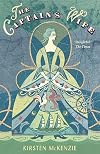
Pick this book up at your peril! You will not put it down until you have finished the last page ...
Set in the C18, its plot moves across stormy seas from the Orkneys and Edinburgh through Guernsey, Amsterdam, and St Pierre on the Island of Retribution. It is peopled with characters that are at once both complex and believable. The protagonists Mary and John Fullerton are both bastards. Unknowingly they share a common past through Mary’s mother Margaret. Mary grows up never knowing her father, enters into a disastrous marriage with Captain William Jones only to fall in love with his seeming best friend Mr Cole the ship’s surgeon. She becomes embroiled in the curious intrigues of the two men hardly knowing lies from truth - fact from fiction.
Driven by the cruelty of the bare existence he shares with his mother and grandmother in Orkney, Fullerton turns his back on grinding poverty to become a privateer and pirate. His story links him up with motley and terrifying individuals in the various ports he visits. McKenzie skilfully weaves Fullerton’s tale of adventure with those of the exploits of Mary, William and Mr Cole who he eventually meets up with.
The denouement is fast, furious, spectacular and totally inevitable. I can guarantee that you will be impressed by McKenzie’s skill as a storyteller - she takes you on a journey that cannot fail to amaze, astonish and astound you with the intricacies of its plot.
Set in the C18, its plot moves across stormy seas from the Orkneys and Edinburgh through Guernsey, Amsterdam, and St Pierre on the Island of Retribution. It is peopled with characters that are at once both complex and believable. The protagonists Mary and John Fullerton are both bastards. Unknowingly they share a common past through Mary’s mother Margaret. Mary grows up never knowing her father, enters into a disastrous marriage with Captain William Jones only to fall in love with his seeming best friend Mr Cole the ship’s surgeon. She becomes embroiled in the curious intrigues of the two men hardly knowing lies from truth - fact from fiction.
Driven by the cruelty of the bare existence he shares with his mother and grandmother in Orkney, Fullerton turns his back on grinding poverty to become a privateer and pirate. His story links him up with motley and terrifying individuals in the various ports he visits. McKenzie skilfully weaves Fullerton’s tale of adventure with those of the exploits of Mary, William and Mr Cole who he eventually meets up with.
The denouement is fast, furious, spectacular and totally inevitable. I can guarantee that you will be impressed by McKenzie’s skill as a storyteller - she takes you on a journey that cannot fail to amaze, astonish and astound you with the intricacies of its plot.
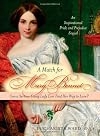
Apparently written by a Franciscan nun - though I can find no real evidence to support this - I would recommend this easy read wholeheartedly. Far from the usual Austen sequel industry output, Euchrista Ward has given life to the young middle Bennet daughter Mary. Euchrista Ward is kind and sincere in her portrayal of Mary as a prim and social inadequate young woman with fixed ideas on what the future holds for her. From a bookish miss interested only in music and service to the community through Godly works, we see Mary’s character develop and her perspective on life change dramatically. She is courted by the sophisticated and raffish James Stilton and, more quietly and gently by the young clergyman Charles Oliver. The friendship and understanding of the latter wins through over the worldly charm of the former, and the experience Mary gains in her acquaintance forms the core of this book.
Set firmly in the Regency period Jane Austen’s wonderful characters people and pepper the story. Mr and Mrs Bennet, her sisters Elizabeth and Jane, together with their new husbands Darcy and Bingley: Kitty and Lydia, and Darcy’s sister Georgiana make their appearance as does Lady Catherine de Bourgh and even the unfortunate Charlotte Lucas and her husband the awful Mr Collins to name but a few.
Light and completely entertaining from beginning to end I would recommend this book whether your are an Austen fan or merely searching out a really good read.
Set firmly in the Regency period Jane Austen’s wonderful characters people and pepper the story. Mr and Mrs Bennet, her sisters Elizabeth and Jane, together with their new husbands Darcy and Bingley: Kitty and Lydia, and Darcy’s sister Georgiana make their appearance as does Lady Catherine de Bourgh and even the unfortunate Charlotte Lucas and her husband the awful Mr Collins to name but a few.
Light and completely entertaining from beginning to end I would recommend this book whether your are an Austen fan or merely searching out a really good read.

House of Treason: Rise and Fall of a Tudor Dynasty is a work of monumental academic proportions. It tells the story of the ill-fated Dukes of Norfolk and is set against the stunning and bejewelled background of the Tudor court.
The book takes us from Henry VII, the 3rd Duke of Norfolk and Bosworth field to the 4th Duke’s son Philip who lost the dukedom under James I but gained canonisation in 1970, embracing the whole glittering Tudor period in which the Norfolks played so vitally important a role.
It is no ‘easy’ read but little wonder. The sheer breadth and depth of content is breathtaking: but do not give up …. the experience is worth every word.
The book takes us from Henry VII, the 3rd Duke of Norfolk and Bosworth field to the 4th Duke’s son Philip who lost the dukedom under James I but gained canonisation in 1970, embracing the whole glittering Tudor period in which the Norfolks played so vitally important a role.
It is no ‘easy’ read but little wonder. The sheer breadth and depth of content is breathtaking: but do not give up …. the experience is worth every word.