
Indispensible guide to the technical language of the Sanskrit grammarians.
The Vanished Library: A Wonder of the Ancient World (Hellenistic Culture and Society) by Luciano Canfora

Fascinating and well researched work on the library in Alexandria. But the lack of chronological arrangement in the chapters is quite confusing and frustrating.
A beautiful piece of creative writing, but calling it a translation of the Egyptian Book of the Dead is somewhat misleading.
Karma und Wiedergeburt im indischen Denken. (Diederichs Gelbe Reihe (Reihenkürzel: DIGE), (TBA-Kürzel: 0046)) by Wilhelm Halbfass
Why hasn't this book been translated into English? THis extremely useful scholarly work outlines the karma and reincarnation doctrines in all the schools of classical Hinduism, in Buddhism, and in Jainism. An indispensable book for the study of Indian religion.
Another "decipherment" of the Indus script, without any apparent methodology, or even an explanation of how the author arrives at his translations of the individual signs. The language underlying the Indus script appears to be Sanskrit, according to the author. Not even Vedic, but classical Sanskrit! This book is a waste of time.

It is not well known that the brilliant Norwegian poet Olaf Bull also wrote a mystery novel. First published in serial form in 1914, this novel is a forgotten masterpiece. The characters are exquisitely drawn and the plot well constructed. The final chapter, with its gentle mocking of Bull's friend, the more well known mystery writer Sven Elvestad (Stein Riverton) is hilarious. The 1973 edition has a fascinating and erudite introduction by Norway's other poet-mystery-writer, André Bjerke.

An absoulutely fascinating novel! "The Pendragon Legend" is a gothic murder mystery with occult elements, erudition, and wit. What makes the novel unique is not its subject matter, but rather its style of narration. The narrator is a Hungarian anti-hero caught up in a Welsh mystery with supernatural undertones. The narrator is simultaneously naive and insightful, and remains a foreigner in his own tale.
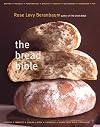
This is the best book on bread baking I have ever seen. It is very technical, and at times the book reads more like a textbook in organic chemistry than a cook book. But the results are spectacular. Every single recipe I tried produced amazing bread.

This is a fascinating and frustrating book. The author has some genuinely interesting ideas about the nature of reality. On the other hand, there is also a great deal of weird paranormal stuff, including a passage about how the author was able to conjure cold spaghetti out of thin air, that almost made me throw the book away. The book is still worth reading, though, because of its many interesting ideas and insights - just read it with a grain of salt.