
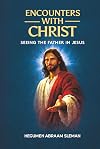
Author’s Reflection
As the author of Encounters With Christ: Seeing the Father in Jesus, I did not write this book merely to reflect on Gospel events, but to invite the reader into a living encounter with God.
The words of the Lord Jesus—“He who has seen Me has seen the Father” (John 14:9)—stand at the center of this work. In every encounter recorded in the Gospels, I have sought to trace the movement of the Father’s heart revealed through the Son: a heart that seeks the lost, restores the broken, and gives life to the dead.
These pages bring together five encounters—Matthew, the widow of Nain, the Samaritan woman, Zacchaeus, and Lazarus—not as isolated stories, but as a unified testimony of divine initiative meeting human need. Each moment reveals not only who Christ is, but who the Father is in Him.
This book is written for those who desire to move beyond distant belief into a deeper knowledge of God. It is my prayer that the reader may come to see Christ with renewed eyes—and in seeing Him, to know the Father who loves, calls, saves, and gives eternal life.
If this work leads even one soul into a closer encounter with the living God, then its purpose is fulfilled.
— Hegumen Abraam Sleman
As the author of Encounters With Christ: Seeing the Father in Jesus, I did not write this book merely to reflect on Gospel events, but to invite the reader into a living encounter with God.
The words of the Lord Jesus—“He who has seen Me has seen the Father” (John 14:9)—stand at the center of this work. In every encounter recorded in the Gospels, I have sought to trace the movement of the Father’s heart revealed through the Son: a heart that seeks the lost, restores the broken, and gives life to the dead.
These pages bring together five encounters—Matthew, the widow of Nain, the Samaritan woman, Zacchaeus, and Lazarus—not as isolated stories, but as a unified testimony of divine initiative meeting human need. Each moment reveals not only who Christ is, but who the Father is in Him.
This book is written for those who desire to move beyond distant belief into a deeper knowledge of God. It is my prayer that the reader may come to see Christ with renewed eyes—and in seeing Him, to know the Father who loves, calls, saves, and gives eternal life.
If this work leads even one soul into a closer encounter with the living God, then its purpose is fulfilled.
— Hegumen Abraam Sleman
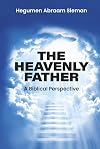
Author’s Reflection
As the author of The Heavenly Father: A Biblical Perspective, I wrote this book out of a deep conviction that the greatest need of the human heart is to know God as He truly is—the Father.
Throughout the Scriptures, from the opening pages of Genesis to the fullness of the revelation in Jesus Christ, God makes Himself known not as a distant power, but as the living and loving Father. Yet this truth, though central to the biblical witness, is often misunderstood, overlooked, or reduced to abstraction.
The words of the Lord Jesus stand at the heart of this work: “No one knows the Father except the Son, and anyone to whom the Son wills to reveal Him” (Matthew 11:27). In Christ, the Father is revealed—not partially, but perfectly. To know the Son is to be brought into the knowledge of the Father, and through Him, into a living relationship with the One who created, loves, and calls us.
This book seeks to present the Father as He is revealed in the Holy Scriptures: the source of all life, the One true God, who works by His Spirit and reveals Himself through His Logos. It is an invitation to move beyond theological concepts into a deeper awareness of God’s presence, His fatherly care, and His redemptive purpose fulfilled in Jesus Christ.
Drawing from both the biblical witness and the insights of the early Church Fathers, this work aims to guide the reader into a clearer, fuller, and more personal understanding of the Father—not as an idea, but as the show more living God who seeks communion with His people.
My prayer is that these pages may open the eyes of the heart, so that the reader may come to know the Father more deeply, love Him more fully, and live in the light of His presence.
— Hegumen Abraam Sleman show less
As the author of The Heavenly Father: A Biblical Perspective, I wrote this book out of a deep conviction that the greatest need of the human heart is to know God as He truly is—the Father.
Throughout the Scriptures, from the opening pages of Genesis to the fullness of the revelation in Jesus Christ, God makes Himself known not as a distant power, but as the living and loving Father. Yet this truth, though central to the biblical witness, is often misunderstood, overlooked, or reduced to abstraction.
The words of the Lord Jesus stand at the heart of this work: “No one knows the Father except the Son, and anyone to whom the Son wills to reveal Him” (Matthew 11:27). In Christ, the Father is revealed—not partially, but perfectly. To know the Son is to be brought into the knowledge of the Father, and through Him, into a living relationship with the One who created, loves, and calls us.
This book seeks to present the Father as He is revealed in the Holy Scriptures: the source of all life, the One true God, who works by His Spirit and reveals Himself through His Logos. It is an invitation to move beyond theological concepts into a deeper awareness of God’s presence, His fatherly care, and His redemptive purpose fulfilled in Jesus Christ.
Drawing from both the biblical witness and the insights of the early Church Fathers, this work aims to guide the reader into a clearer, fuller, and more personal understanding of the Father—not as an idea, but as the show more living God who seeks communion with His people.
My prayer is that these pages may open the eyes of the heart, so that the reader may come to know the Father more deeply, love Him more fully, and live in the light of His presence.
— Hegumen Abraam Sleman show less
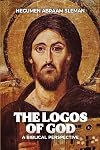
Author’s Preview
In writing The Logos of God: A Biblical Perspective, I was drawn to one of the most profound and foundational truths of the Christian faith: that God has made Himself known through His Word—the Logos.
From the opening declaration, “In the beginning was the Word, and the Word was with God, and the Word was God” (John 1:1), the Scriptures unveil a mystery both eternal and personal. The Logos is not merely speech or expression, but the living self-revelation of God—through whom all things were created, and through whom God is made known.
This book seeks to trace the presence and work of the Logos throughout the Scriptures—from the creative Word in Genesis, to the wisdom of God revealed in the Law and the Prophets, to the fullness of revelation in Jesus Christ, the incarnate Word. In Him, the invisible God is made visible, and the eternal purpose of the Father is brought to light.
The central conviction guiding this work is that the Logos is the means through whom the Father reveals Himself, accomplishes His will, and brings salvation to humanity. What God speaks, He brings into being; what He reveals through His Word, He fulfills in His Son.
Drawing from both the biblical witness and the insights of the early Church Fathers, this study invites the reader to see the unity of God’s revelation and the coherence of His redemptive plan. The Logos is not an abstract concept, but the living expression of the Father’s mind, wisdom, and love.
This book is show more written for those who desire to go deeper—to understand not only what God has done, but how He has revealed Himself, and how that revelation calls us into communion with Him.
My prayer is that the reader may come to behold the glory of God in the face of Jesus Christ, and in doing so, to know the Father who speaks, reveals, and saves through His eternal Logos.
— Hegumen Abraam Sleman show less
In writing The Logos of God: A Biblical Perspective, I was drawn to one of the most profound and foundational truths of the Christian faith: that God has made Himself known through His Word—the Logos.
From the opening declaration, “In the beginning was the Word, and the Word was with God, and the Word was God” (John 1:1), the Scriptures unveil a mystery both eternal and personal. The Logos is not merely speech or expression, but the living self-revelation of God—through whom all things were created, and through whom God is made known.
This book seeks to trace the presence and work of the Logos throughout the Scriptures—from the creative Word in Genesis, to the wisdom of God revealed in the Law and the Prophets, to the fullness of revelation in Jesus Christ, the incarnate Word. In Him, the invisible God is made visible, and the eternal purpose of the Father is brought to light.
The central conviction guiding this work is that the Logos is the means through whom the Father reveals Himself, accomplishes His will, and brings salvation to humanity. What God speaks, He brings into being; what He reveals through His Word, He fulfills in His Son.
Drawing from both the biblical witness and the insights of the early Church Fathers, this study invites the reader to see the unity of God’s revelation and the coherence of His redemptive plan. The Logos is not an abstract concept, but the living expression of the Father’s mind, wisdom, and love.
This book is show more written for those who desire to go deeper—to understand not only what God has done, but how He has revealed Himself, and how that revelation calls us into communion with Him.
My prayer is that the reader may come to behold the glory of God in the face of Jesus Christ, and in doing so, to know the Father who speaks, reveals, and saves through His eternal Logos.
— Hegumen Abraam Sleman show less
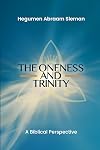
Author’s Reflection
As the author of The Oneness and Trinity: A Biblical Perspective, I wrote this work out of a deep desire to affirm the truth at the very heart of the Christian faith: that God is one—and that this one God has revealed Himself through His Word and by His Spirit.
The Scriptures proclaim with clarity, “Yahweh our God, Yahweh is one” (Deuteronomy 6:4). This confession of divine oneness is not diminished in the Gospel; it is fulfilled and illuminated. For in Jesus Christ, the Father makes Himself known, and through the Holy Spirit, His presence is imparted to His people.
This book seeks to present a biblical understanding of the oneness of God that embraces the fullness of His self-revelation. The Father is the source of all; the Logos is His perfect and living self-expression; and the Holy Spirit is His own divine life and presence, proceeding from Him and active in creation, redemption, and sanctification.
The aim of this work is not to divide God into separate beings, nor to reduce Him to abstract definitions, but to confess the living God as He has revealed Himself: one in essence, yet known in His self-revealing Word and His life-giving Spirit. In this way, the biblical testimony preserves both the unity of God and the richness of His revelation.
Drawing from the Holy Scriptures and the witness of the early Church Fathers, this book invites the reader into a deeper theological understanding and a more personal encounter with God. For the knowledge show more of God is not merely intellectual—it is relational, transformative, and life-giving.
My prayer is that this work may help the reader to see more clearly the unity of God, to recognize the Father revealed in the Son, and to experience His living presence through the Holy Spirit.
— Hegumen Abraam Sleman show less
As the author of The Oneness and Trinity: A Biblical Perspective, I wrote this work out of a deep desire to affirm the truth at the very heart of the Christian faith: that God is one—and that this one God has revealed Himself through His Word and by His Spirit.
The Scriptures proclaim with clarity, “Yahweh our God, Yahweh is one” (Deuteronomy 6:4). This confession of divine oneness is not diminished in the Gospel; it is fulfilled and illuminated. For in Jesus Christ, the Father makes Himself known, and through the Holy Spirit, His presence is imparted to His people.
This book seeks to present a biblical understanding of the oneness of God that embraces the fullness of His self-revelation. The Father is the source of all; the Logos is His perfect and living self-expression; and the Holy Spirit is His own divine life and presence, proceeding from Him and active in creation, redemption, and sanctification.
The aim of this work is not to divide God into separate beings, nor to reduce Him to abstract definitions, but to confess the living God as He has revealed Himself: one in essence, yet known in His self-revealing Word and His life-giving Spirit. In this way, the biblical testimony preserves both the unity of God and the richness of His revelation.
Drawing from the Holy Scriptures and the witness of the early Church Fathers, this book invites the reader into a deeper theological understanding and a more personal encounter with God. For the knowledge show more of God is not merely intellectual—it is relational, transformative, and life-giving.
My prayer is that this work may help the reader to see more clearly the unity of God, to recognize the Father revealed in the Son, and to experience His living presence through the Holy Spirit.
— Hegumen Abraam Sleman show less
uthor’s Reflection
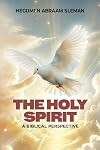
As the author of The Holy Spirit: A Biblical Perspective, I wrote this work out of a deep desire to present the Holy Spirit as He is revealed in the Holy Scriptures—not as an abstract force, but as the living presence and divine life of Yahweh Himself.
From the opening pages of Scripture, where the Spirit of God moves over the waters, to the fullness of revelation in Christ and the outpouring at Pentecost, the Holy Spirit is shown to be the One through whom God creates, sustains, renews, and gives life. He is the Spirit of the Father, proceeding from Him, and active in every work of God—from creation to redemption, from sanctification to the life of the Church.
This book seeks to recover a deeply biblical vision of the Spirit: not merely as a power given, but as God present; not only as a gift received, but as the very life of God imparted to His people. The Scriptures testify that the Spirit reveals the Father through the Son, guides believers into truth, transforms the heart, and prepares the people of God for glory.
Drawing from the Holy Scriptures and enriched by the witness of the early Church Fathers, this work invites the reader into a fuller understanding of the Spirit’s role in the life of the believer and the mission of the Church. For the Spirit is not distant—He dwells, speaks, renews, and empowers.
This book is written for those who desire not only to understand the Holy Spirit, but to live in His presence—to be led by Him, show more transformed by Him, and filled with the life that comes from God alone.
My prayer is that these pages may open the heart to the living work of the Spirit, so that the reader may experience the presence of Yahweh, His power, and His renewing grace.
— Hegumen Abraam Sleman show less
As the author of The Holy Spirit: A Biblical Perspective, I wrote this work out of a deep desire to present the Holy Spirit as He is revealed in the Holy Scriptures—not as an abstract force, but as the living presence and divine life of Yahweh Himself.
From the opening pages of Scripture, where the Spirit of God moves over the waters, to the fullness of revelation in Christ and the outpouring at Pentecost, the Holy Spirit is shown to be the One through whom God creates, sustains, renews, and gives life. He is the Spirit of the Father, proceeding from Him, and active in every work of God—from creation to redemption, from sanctification to the life of the Church.
This book seeks to recover a deeply biblical vision of the Spirit: not merely as a power given, but as God present; not only as a gift received, but as the very life of God imparted to His people. The Scriptures testify that the Spirit reveals the Father through the Son, guides believers into truth, transforms the heart, and prepares the people of God for glory.
Drawing from the Holy Scriptures and enriched by the witness of the early Church Fathers, this work invites the reader into a fuller understanding of the Spirit’s role in the life of the believer and the mission of the Church. For the Spirit is not distant—He dwells, speaks, renews, and empowers.
This book is written for those who desire not only to understand the Holy Spirit, but to live in His presence—to be led by Him, show more transformed by Him, and filled with the life that comes from God alone.
My prayer is that these pages may open the heart to the living work of the Spirit, so that the reader may experience the presence of Yahweh, His power, and His renewing grace.
— Hegumen Abraam Sleman show less
Author’s Reflection
As the author of The Book of Revelation: Revealing the Salvation of God, I wrote this work with a deep desire to lead readers beyond fear and confusion into a clearer vision of God’s redemptive purpose as revealed in Jesus Christ.
The Book of Revelation is often approached as a collection of mysteries, symbols, and judgments. Yet at its heart, it is a revelation—not of events alone, but of God Himself. It unveils the saving work of the Father accomplished through His Son, and made known by His Spirit. What may appear at first as a vision of judgment is, in truth, the unfolding of salvation, the triumph of righteousness, and the restoration of all things.
This book seeks to read Revelation through the lens of the Gospel. The Lamb who was slain stands at the center of the vision, revealing the Father’s love, justice, and victory over sin and death. The judgments described are not arbitrary acts of wrath, but the righteous response of God to evil, clearing the way for renewal and the establishment of His eternal kingdom.
Throughout these pages, I have aimed to show that Revelation is not a distant or merely future message, but a present call to faithfulness. It speaks to the Church in every generation, calling believers to perseverance, holiness, and unwavering trust in the One who reigns.
Drawing from the Holy Scriptures and enriched by theological reflection, this work invites the reader to behold Christ in His glory—as the faithful witness, the show more victorious Lamb, the reigning King, and the High Priest who walks among His people. In Him, the Father reveals His plan, His justice, and His mercy.
This book is written for those who seek not only to understand the visions of Revelation, but to encounter the God who speaks through them. For the final word of Scripture is not fear, but hope; not destruction, but redemption; not darkness, but the light of the New Jerusalem.
My prayer is that the reader may come to see in Revelation the unveiling of God’s salvation—and in seeing it, to worship, to persevere, and to live in the hope of His eternal kingdom.
— Hegumen Abraam Sleman show less
As the author of The Book of Revelation: Revealing the Salvation of God, I wrote this work with a deep desire to lead readers beyond fear and confusion into a clearer vision of God’s redemptive purpose as revealed in Jesus Christ.
The Book of Revelation is often approached as a collection of mysteries, symbols, and judgments. Yet at its heart, it is a revelation—not of events alone, but of God Himself. It unveils the saving work of the Father accomplished through His Son, and made known by His Spirit. What may appear at first as a vision of judgment is, in truth, the unfolding of salvation, the triumph of righteousness, and the restoration of all things.
This book seeks to read Revelation through the lens of the Gospel. The Lamb who was slain stands at the center of the vision, revealing the Father’s love, justice, and victory over sin and death. The judgments described are not arbitrary acts of wrath, but the righteous response of God to evil, clearing the way for renewal and the establishment of His eternal kingdom.
Throughout these pages, I have aimed to show that Revelation is not a distant or merely future message, but a present call to faithfulness. It speaks to the Church in every generation, calling believers to perseverance, holiness, and unwavering trust in the One who reigns.
Drawing from the Holy Scriptures and enriched by theological reflection, this work invites the reader to behold Christ in His glory—as the faithful witness, the show more victorious Lamb, the reigning King, and the High Priest who walks among His people. In Him, the Father reveals His plan, His justice, and His mercy.
This book is written for those who seek not only to understand the visions of Revelation, but to encounter the God who speaks through them. For the final word of Scripture is not fear, but hope; not destruction, but redemption; not darkness, but the light of the New Jerusalem.
My prayer is that the reader may come to see in Revelation the unveiling of God’s salvation—and in seeing it, to worship, to persevere, and to live in the hope of His eternal kingdom.
— Hegumen Abraam Sleman show less
Author’s Reflection
As the author and translator of The New Testament: Master Standard Version (MSV), I undertook this work with a deep sense of responsibility and reverence for the Holy Scriptures. This translation was born from a desire to present the Word of God in clear and accessible English, while remaining faithful to the richness, depth, and precision of the original Greek text.
The New Testament is the revelation of God’s saving work fulfilled in Jesus Christ—the Logos through whom the Father makes Himself known. Every word bears witness to the Gospel: the good news that God has spoken, acted, and redeemed through His Son, and that this salvation is made present to us by His Spirit.
In preparing the MSV, careful attention was given to linguistic clarity, textual integrity, and theological coherence. Drawing upon the major manuscript traditions and the work of established English translations, this version seeks to bring modern readers closer to the meaning and intent of the sacred text, without losing the reverence due to it.
A distinctive feature of this work is its commitment to preserving the continuity of God’s self-revelation, especially in relation to the divine Name as it appears in the Scriptures and their fulfillment in the New Testament. The translation also reflects a desire to maintain a tone suitable for both study and devotion, allowing the text to be read with understanding and proclaimed with clarity.
This is not merely a translation for show more academic study, but a text intended for the life of the Church—for reading, prayer, teaching, and proclamation. It is offered to those who seek to hear the voice of God in Scripture and to grow in the knowledge of the Father revealed in His Son.
My prayer is that this translation may serve as a faithful guide for readers, drawing them deeper into the truth of the Gospel, strengthening their faith, and leading them into a living relationship with God through Jesus Christ.
— Hegumen Abraam Sleman show less
As the author and translator of The New Testament: Master Standard Version (MSV), I undertook this work with a deep sense of responsibility and reverence for the Holy Scriptures. This translation was born from a desire to present the Word of God in clear and accessible English, while remaining faithful to the richness, depth, and precision of the original Greek text.
The New Testament is the revelation of God’s saving work fulfilled in Jesus Christ—the Logos through whom the Father makes Himself known. Every word bears witness to the Gospel: the good news that God has spoken, acted, and redeemed through His Son, and that this salvation is made present to us by His Spirit.
In preparing the MSV, careful attention was given to linguistic clarity, textual integrity, and theological coherence. Drawing upon the major manuscript traditions and the work of established English translations, this version seeks to bring modern readers closer to the meaning and intent of the sacred text, without losing the reverence due to it.
A distinctive feature of this work is its commitment to preserving the continuity of God’s self-revelation, especially in relation to the divine Name as it appears in the Scriptures and their fulfillment in the New Testament. The translation also reflects a desire to maintain a tone suitable for both study and devotion, allowing the text to be read with understanding and proclaimed with clarity.
This is not merely a translation for show more academic study, but a text intended for the life of the Church—for reading, prayer, teaching, and proclamation. It is offered to those who seek to hear the voice of God in Scripture and to grow in the knowledge of the Father revealed in His Son.
My prayer is that this translation may serve as a faithful guide for readers, drawing them deeper into the truth of the Gospel, strengthening their faith, and leading them into a living relationship with God through Jesus Christ.
— Hegumen Abraam Sleman show less

Author’s Reflection
As the author of The Highway to Heaven: A Message to the Youth, I wrote this book with a deep love for young people and a sincere desire to guide them toward the path of life in Christ.
In a world filled with voices, distractions, and competing directions, many young hearts are searching for meaning, identity, and purpose. The message of this book is simple yet profound: there is a way that leads to life, and that way is found in Jesus Christ. He is not only the destination, but the path itself—the One who calls, guides, strengthens, and walks with us.
This work seeks to present the Christian life not as a burden, but as a journey—one that requires commitment, perseverance, and faith, yet is filled with grace, hope, and the presence of God. The “highway to heaven” is not built by human effort alone; it is opened by God’s love, revealed in Christ, and made possible by the work of the Holy Spirit in the life of the believer.
Throughout these pages, I have aimed to speak clearly and personally to young readers, addressing their struggles, questions, and aspirations. The call to follow Christ is not reserved for a later stage of life—it is a call for today, for the present moment, for the heart that is willing to respond.
This book is written as both an invitation and a guide: an invitation to know God, and a guide to walk faithfully with Him. It encourages the reader to make real choices, to live with purpose, and to build a life rooted in truth show more and love.
My prayer is that every young reader may discover that the journey with Christ is not only the right path, but the most joyful one—and that, walking this path, they may reach the eternal life that God has prepared for those who love Him.
— Hegumen Abraam Sleman show less
As the author of The Highway to Heaven: A Message to the Youth, I wrote this book with a deep love for young people and a sincere desire to guide them toward the path of life in Christ.
In a world filled with voices, distractions, and competing directions, many young hearts are searching for meaning, identity, and purpose. The message of this book is simple yet profound: there is a way that leads to life, and that way is found in Jesus Christ. He is not only the destination, but the path itself—the One who calls, guides, strengthens, and walks with us.
This work seeks to present the Christian life not as a burden, but as a journey—one that requires commitment, perseverance, and faith, yet is filled with grace, hope, and the presence of God. The “highway to heaven” is not built by human effort alone; it is opened by God’s love, revealed in Christ, and made possible by the work of the Holy Spirit in the life of the believer.
Throughout these pages, I have aimed to speak clearly and personally to young readers, addressing their struggles, questions, and aspirations. The call to follow Christ is not reserved for a later stage of life—it is a call for today, for the present moment, for the heart that is willing to respond.
This book is written as both an invitation and a guide: an invitation to know God, and a guide to walk faithfully with Him. It encourages the reader to make real choices, to live with purpose, and to build a life rooted in truth show more and love.
My prayer is that every young reader may discover that the journey with Christ is not only the right path, but the most joyful one—and that, walking this path, they may reach the eternal life that God has prepared for those who love Him.
— Hegumen Abraam Sleman show less
My Reflection on "Yahshua: The Hebrew Name of Jesus":
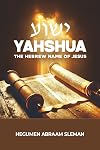
This book was born from a deep longing to contemplate the name of our Savior not merely as a word we pronounce, but as a revelation we receive. The name Yahshua carries within it the very heart of the Gospel: “Yahweh saves.” It is not only a name given in history, but a name that unveils the saving work of the Father through His Son.
As I reflected on the Scriptures, I came to see more clearly that the name of Jesus is not separate from the name of the Father, but flows from it. The Son is the revelation of the Father, and His name declares the Father’s will to save, redeem, and restore. In this sense, to call upon the name of Yahshua is to enter into the saving presence of Yahweh Himself.
This work is not an argument about pronunciation, but an invitation to deeper understanding. Whether one says “Jesus” or “Yahshua,” the essential truth remains: God has made Himself known in His Son for our salvation. Yet, exploring the Hebrew depth of this name allows us to rediscover the continuity of God’s revelation—from the Law and the Prophets to its fulfillment in Christ.
It is my prayer that this reflection leads the reader beyond language into encounter—beyond study into worship—so that the name of our Lord may dwell not only on our lips, but in our hearts, as the living testimony that Yahweh saves.
With prayer and thanksgiving,
Hegumen Abraam Sleman
This book was born from a deep longing to contemplate the name of our Savior not merely as a word we pronounce, but as a revelation we receive. The name Yahshua carries within it the very heart of the Gospel: “Yahweh saves.” It is not only a name given in history, but a name that unveils the saving work of the Father through His Son.
As I reflected on the Scriptures, I came to see more clearly that the name of Jesus is not separate from the name of the Father, but flows from it. The Son is the revelation of the Father, and His name declares the Father’s will to save, redeem, and restore. In this sense, to call upon the name of Yahshua is to enter into the saving presence of Yahweh Himself.
This work is not an argument about pronunciation, but an invitation to deeper understanding. Whether one says “Jesus” or “Yahshua,” the essential truth remains: God has made Himself known in His Son for our salvation. Yet, exploring the Hebrew depth of this name allows us to rediscover the continuity of God’s revelation—from the Law and the Prophets to its fulfillment in Christ.
It is my prayer that this reflection leads the reader beyond language into encounter—beyond study into worship—so that the name of our Lord may dwell not only on our lips, but in our hearts, as the living testimony that Yahweh saves.
With prayer and thanksgiving,
Hegumen Abraam Sleman
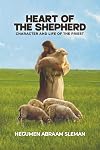
My Reflection on "Heart of the Shepherd: Character and Life of the Priest":
This book was written not from theory, but from life—years of standing before the altar, walking with the flock, and learning daily what it means to be a servant of the Good Shepherd.
The priesthood is not merely a role to fulfill, but a life to be lived. It is a calling that shapes the heart before it directs the hands. For the priest is first called to be with Christ before he is sent to serve His people. Without this living communion, ministry becomes activity; but with it, ministry becomes a true participation in the shepherding love of Christ.
At the center of this book is the conviction that the priest is called to reflect the heart of Christ Himself—the One who loved, served, suffered, and gave His life for the sheep. The priest does not lead by authority alone, but by example; not by words only, but by a life poured out in humility, purity, and sacrificial love.
Every page is an invitation to return to the source: to the Father, who calls; to the Son, who sends; and to the Holy Spirit, who sanctifies and sustains the priest in his ministry. The priest’s strength is not in himself, but in the grace that works within him.
It is my prayer that this book encourages every servant of the altar to rediscover the beauty and the seriousness of this calling—to shepherd the flock of God with a pure heart, a faithful spirit, and a life fully surrendered to Christ.
With prayer and gratitude,
Hegumen show more Abraam Sleman show less
This book was written not from theory, but from life—years of standing before the altar, walking with the flock, and learning daily what it means to be a servant of the Good Shepherd.
The priesthood is not merely a role to fulfill, but a life to be lived. It is a calling that shapes the heart before it directs the hands. For the priest is first called to be with Christ before he is sent to serve His people. Without this living communion, ministry becomes activity; but with it, ministry becomes a true participation in the shepherding love of Christ.
At the center of this book is the conviction that the priest is called to reflect the heart of Christ Himself—the One who loved, served, suffered, and gave His life for the sheep. The priest does not lead by authority alone, but by example; not by words only, but by a life poured out in humility, purity, and sacrificial love.
Every page is an invitation to return to the source: to the Father, who calls; to the Son, who sends; and to the Holy Spirit, who sanctifies and sustains the priest in his ministry. The priest’s strength is not in himself, but in the grace that works within him.
It is my prayer that this book encourages every servant of the altar to rediscover the beauty and the seriousness of this calling—to shepherd the flock of God with a pure heart, a faithful spirit, and a life fully surrendered to Christ.
With prayer and gratitude,
Hegumen show more Abraam Sleman show less

My Reflection on "The Christian Family: A Biblical Perspective":
This book was written out of a pastoral burden and a deep conviction that the family is not merely a social institution, but a divine calling established by God Himself. From the beginning, the family was created to reflect the love, order, and life of the Father.
In the Holy Scriptures, the family is revealed as a living icon of God’s presence—a place where faith is nurtured, love is practiced, and the next generation learns to know and walk with God. Yet in our time, the family faces many challenges that threaten its unity, identity, and purpose. For this reason, there is an urgent need to return to the biblical vision of the Christian home.
This work seeks to present the family as a spiritual household, where Christ is at the center, the Father is known and honored, and the Holy Spirit dwells as the source of life, peace, and sanctification. It calls husbands, wives, and children alike to live not according to the patterns of the world, but according to the will of God revealed in His Word.
The Christian family is not built by human strength alone, but by divine grace. It is formed through prayer, sustained by love, and renewed daily by the presence of God.
It is my prayer that this book strengthens families, restores what has been broken, and leads every home to become a place where God is truly known, loved, and glorified.
With prayer and blessings,
Hegumen Abraam Sleman
This book was written out of a pastoral burden and a deep conviction that the family is not merely a social institution, but a divine calling established by God Himself. From the beginning, the family was created to reflect the love, order, and life of the Father.
In the Holy Scriptures, the family is revealed as a living icon of God’s presence—a place where faith is nurtured, love is practiced, and the next generation learns to know and walk with God. Yet in our time, the family faces many challenges that threaten its unity, identity, and purpose. For this reason, there is an urgent need to return to the biblical vision of the Christian home.
This work seeks to present the family as a spiritual household, where Christ is at the center, the Father is known and honored, and the Holy Spirit dwells as the source of life, peace, and sanctification. It calls husbands, wives, and children alike to live not according to the patterns of the world, but according to the will of God revealed in His Word.
The Christian family is not built by human strength alone, but by divine grace. It is formed through prayer, sustained by love, and renewed daily by the presence of God.
It is my prayer that this book strengthens families, restores what has been broken, and leads every home to become a place where God is truly known, loved, and glorified.
With prayer and blessings,
Hegumen Abraam Sleman
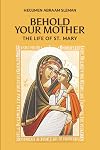
My Reflection on "Behold Your Mother: The Life of St. Mary":
This book was written with a heart full of reverence and love for the blessed Virgin Mary, the Mother of our Lord, whom Christ Himself gave to us as our mother when He said, “Behold your mother” (John 19:27).
In the life of Saint Mary, we behold the work of God in its purest form—a life fully surrendered to the will of the Father. She is not only honored for her unique calling, but also for her response: humility, obedience, and unwavering faith. Through her, the Word became flesh; and in her life, we see what it means for a human heart to become a dwelling place for God.
This work seeks to present Saint Mary not only as a figure of honor, but as a living example for every believer. Her life teaches us how to receive the Word, how to trust God in times of mystery and suffering, and how to remain faithful even at the foot of the Cross.
In contemplating her life, we are led to Christ, for she always points beyond herself to her Son. And in receiving her as our mother, we enter more deeply into the family of God, where the Father gathers His children through His Son and by His Spirit.
It is my prayer that this book draws the reader into a deeper love for Christ, and into a deeper appreciation of the one who bore Him, followed Him, and stood faithfully with Him to the end.
With prayer and devotion,
Hegumen Abraam Sleman
This book was written with a heart full of reverence and love for the blessed Virgin Mary, the Mother of our Lord, whom Christ Himself gave to us as our mother when He said, “Behold your mother” (John 19:27).
In the life of Saint Mary, we behold the work of God in its purest form—a life fully surrendered to the will of the Father. She is not only honored for her unique calling, but also for her response: humility, obedience, and unwavering faith. Through her, the Word became flesh; and in her life, we see what it means for a human heart to become a dwelling place for God.
This work seeks to present Saint Mary not only as a figure of honor, but as a living example for every believer. Her life teaches us how to receive the Word, how to trust God in times of mystery and suffering, and how to remain faithful even at the foot of the Cross.
In contemplating her life, we are led to Christ, for she always points beyond herself to her Son. And in receiving her as our mother, we enter more deeply into the family of God, where the Father gathers His children through His Son and by His Spirit.
It is my prayer that this book draws the reader into a deeper love for Christ, and into a deeper appreciation of the one who bore Him, followed Him, and stood faithfully with Him to the end.
With prayer and devotion,
Hegumen Abraam Sleman
My Reflection on "The Eternal Salvation: A Biblical Perspective":
This book was written out of a deep desire to contemplate the mystery of salvation as revealed in the Holy Scriptures—not as a moment alone, but as a divine work that begins in the heart of the Father and is fulfilled in eternity.
Salvation is not merely the forgiveness of sins, though it includes it. It is the restoration of the whole person—bringing humanity back into communion with God. From the beginning, the Father has willed to save, to renew, and to glorify His creation. This saving purpose is revealed through His Son, our Lord Jesus Christ, and made alive in us by His Holy Spirit.
In Christ, we see the fullness of this salvation: His incarnation, His sacrifice, His resurrection, and His exaltation all declare the Father’s love and His desire that we may have eternal life. Salvation, therefore, is not only a past event, but a present reality and a future hope. It is a journey of grace—redeeming, sanctifying, and ultimately glorifying those who believe.
This work seeks to present salvation in its biblical depth and fullness, calling the reader not only to understand it, but to live it—to walk in faith, to grow in holiness, and to persevere in hope until the day when God’s work is completed in glory.
It is my prayer that this book leads every reader to a deeper trust in the Father’s saving will, a closer union with Christ, and a living experience of the power of the Holy Spirit.
With prayer and show more thanksgiving,
Hegumen Abraam Sleman show less
This book was written out of a deep desire to contemplate the mystery of salvation as revealed in the Holy Scriptures—not as a moment alone, but as a divine work that begins in the heart of the Father and is fulfilled in eternity.
Salvation is not merely the forgiveness of sins, though it includes it. It is the restoration of the whole person—bringing humanity back into communion with God. From the beginning, the Father has willed to save, to renew, and to glorify His creation. This saving purpose is revealed through His Son, our Lord Jesus Christ, and made alive in us by His Holy Spirit.
In Christ, we see the fullness of this salvation: His incarnation, His sacrifice, His resurrection, and His exaltation all declare the Father’s love and His desire that we may have eternal life. Salvation, therefore, is not only a past event, but a present reality and a future hope. It is a journey of grace—redeeming, sanctifying, and ultimately glorifying those who believe.
This work seeks to present salvation in its biblical depth and fullness, calling the reader not only to understand it, but to live it—to walk in faith, to grow in holiness, and to persevere in hope until the day when God’s work is completed in glory.
It is my prayer that this book leads every reader to a deeper trust in the Father’s saving will, a closer union with Christ, and a living experience of the power of the Holy Spirit.
With prayer and show more thanksgiving,
Hegumen Abraam Sleman show less
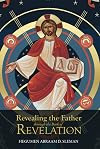
My Reflection on "Revealing the Father through the Book of Revelation":
This book was written with a desire to approach the Book of Revelation not as a source of fear or speculation, but as a divine unveiling of the Father’s redemptive plan fulfilled in Jesus Christ.
The word “revelation” itself means unveiling. What is unveiled in this sacred book is not merely the future, but the glory of God as it is revealed through His Son. From beginning to end, the Book of Revelation proclaims that the Father is at work—governing history, judging with righteousness, and bringing His salvation to completion.
In the visions granted to Saint John, we behold the Lamb who was slain and yet lives, seated in authority, carrying out the will of the Father. Through Him, the hidden purposes of God are made known, and through Him, the final victory is secured. The message is not one of despair, but of hope—grounded in the certainty that God’s plan cannot fail.
This work seeks to guide the reader to see beyond symbols and imagery into the deeper reality they reveal: the faithfulness of the Father, the victory of the Son, and the sustaining presence of the Holy Spirit among His people.
The Book of Revelation calls the Church to remain steadfast—to endure, to worship, and to live in the light of eternity. It reminds us that history is moving toward a divine fulfillment, when God will dwell with His people, and all things will be made new.
It is my prayer that this book opens the eyes of show more the heart to behold the glory of God, strengthens faith in times of trial, and leads each reader to a deeper trust in the Father who brings all things to their perfect end.
With prayer and hope,
Hegumen Abraam Sleman show less
This book was written with a desire to approach the Book of Revelation not as a source of fear or speculation, but as a divine unveiling of the Father’s redemptive plan fulfilled in Jesus Christ.
The word “revelation” itself means unveiling. What is unveiled in this sacred book is not merely the future, but the glory of God as it is revealed through His Son. From beginning to end, the Book of Revelation proclaims that the Father is at work—governing history, judging with righteousness, and bringing His salvation to completion.
In the visions granted to Saint John, we behold the Lamb who was slain and yet lives, seated in authority, carrying out the will of the Father. Through Him, the hidden purposes of God are made known, and through Him, the final victory is secured. The message is not one of despair, but of hope—grounded in the certainty that God’s plan cannot fail.
This work seeks to guide the reader to see beyond symbols and imagery into the deeper reality they reveal: the faithfulness of the Father, the victory of the Son, and the sustaining presence of the Holy Spirit among His people.
The Book of Revelation calls the Church to remain steadfast—to endure, to worship, and to live in the light of eternity. It reminds us that history is moving toward a divine fulfillment, when God will dwell with His people, and all things will be made new.
It is my prayer that this book opens the eyes of show more the heart to behold the glory of God, strengthens faith in times of trial, and leads each reader to a deeper trust in the Father who brings all things to their perfect end.
With prayer and hope,
Hegumen Abraam Sleman show less
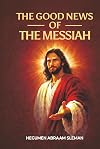
My Reflection on "The Good News of the Messiah":
This book was written from a deep desire to proclaim the good news as it was first given—the promise of God fulfilled in the Messiah.
From the beginning, the Scriptures bear witness to God’s plan of salvation. The Law, the Prophets, and the Psalms all point forward to the One whom God would send. In Jesus Christ, this promise is fulfilled. He is the Messiah—the Anointed One—through whom the Father reveals His love, accomplishes redemption, and calls all people to Himself.
The good news is not merely a message to be heard, but a reality to be received. In Christ, sins are forgiven, hearts are renewed, and a new life is given by the power of the Holy Spirit. This salvation is offered to all—calling each person into a living relationship with God.
This work seeks to present the Gospel in its simplicity and its depth: that God has acted in history through His Son, and that through Him, we may know the Father and receive eternal life.
It is my prayer that every reader encounters not only the message, but the Messiah Himself—and in Him, discovers the fullness of God’s saving love.
With prayer and blessings,
Hegumen Abraam Sleman
This book was written from a deep desire to proclaim the good news as it was first given—the promise of God fulfilled in the Messiah.
From the beginning, the Scriptures bear witness to God’s plan of salvation. The Law, the Prophets, and the Psalms all point forward to the One whom God would send. In Jesus Christ, this promise is fulfilled. He is the Messiah—the Anointed One—through whom the Father reveals His love, accomplishes redemption, and calls all people to Himself.
The good news is not merely a message to be heard, but a reality to be received. In Christ, sins are forgiven, hearts are renewed, and a new life is given by the power of the Holy Spirit. This salvation is offered to all—calling each person into a living relationship with God.
This work seeks to present the Gospel in its simplicity and its depth: that God has acted in history through His Son, and that through Him, we may know the Father and receive eternal life.
It is my prayer that every reader encounters not only the message, but the Messiah Himself—and in Him, discovers the fullness of God’s saving love.
With prayer and blessings,
Hegumen Abraam Sleman
My Reflection on "The Good News of the Messiah::
This book was written from a deep desire to proclaim the good news as it was first given—the promise of God fulfilled in the Messiah.
From the beginning, the Scriptures bear witness to God’s plan of salvation. The Law, the Prophets, and the Psalms all point forward to the One whom God would send. In Jesus Christ, this promise is fulfilled. He is the Messiah—the Anointed One—through whom the Father reveals His love, accomplishes redemption, and calls all people to Himself.
The good news is not merely a message to be heard, but a reality to be received. In Christ, sins are forgiven, hearts are renewed, and a new life is given by the power of the Holy Spirit. This salvation is offered to all—calling each person into a living relationship with God.
This work seeks to present the Gospel in its simplicity and its depth: that God has acted in history through His Son, and that through Him, we may know the Father and receive eternal life.
It is my prayer that every reader encounters not only the message, but the Messiah Himself—and in Him, discovers the fullness of God’s saving love.
With prayer and blessings,
Hegumen Abraam Sleman
This book was written from a deep desire to proclaim the good news as it was first given—the promise of God fulfilled in the Messiah.
From the beginning, the Scriptures bear witness to God’s plan of salvation. The Law, the Prophets, and the Psalms all point forward to the One whom God would send. In Jesus Christ, this promise is fulfilled. He is the Messiah—the Anointed One—through whom the Father reveals His love, accomplishes redemption, and calls all people to Himself.
The good news is not merely a message to be heard, but a reality to be received. In Christ, sins are forgiven, hearts are renewed, and a new life is given by the power of the Holy Spirit. This salvation is offered to all—calling each person into a living relationship with God.
This work seeks to present the Gospel in its simplicity and its depth: that God has acted in history through His Son, and that through Him, we may know the Father and receive eternal life.
It is my prayer that every reader encounters not only the message, but the Messiah Himself—and in Him, discovers the fullness of God’s saving love.
With prayer and blessings,
Hegumen Abraam Sleman
My Reflection on "The Good News of the Messiah":
This book was written from a deep desire to proclaim the good news as it was first given—the promise of God fulfilled in the Messiah.
From the beginning, the Scriptures bear witness to God’s plan of salvation. The Law, the Prophets, and the Psalms all point forward to the One whom God would send. In Jesus Christ, this promise is fulfilled. He is the Messiah—the Anointed One—through whom the Father reveals His love, accomplishes redemption, and calls all people to Himself.
The good news is not merely a message to be heard, but a reality to be received. In Christ, sins are forgiven, hearts are renewed, and a new life is given by the power of the Holy Spirit. This salvation is offered to all—calling each person into a living relationship with God.
This work seeks to present the Gospel in its simplicity and its depth: that God has acted in history through His Son, and that through Him, we may know the Father and receive eternal life.
It is my prayer that every reader encounters not only the message, but the Messiah Himself—and in Him, discovers the fullness of God’s saving love.
With prayer and blessings,
Hegumen Abraam Sleman
This book was written from a deep desire to proclaim the good news as it was first given—the promise of God fulfilled in the Messiah.
From the beginning, the Scriptures bear witness to God’s plan of salvation. The Law, the Prophets, and the Psalms all point forward to the One whom God would send. In Jesus Christ, this promise is fulfilled. He is the Messiah—the Anointed One—through whom the Father reveals His love, accomplishes redemption, and calls all people to Himself.
The good news is not merely a message to be heard, but a reality to be received. In Christ, sins are forgiven, hearts are renewed, and a new life is given by the power of the Holy Spirit. This salvation is offered to all—calling each person into a living relationship with God.
This work seeks to present the Gospel in its simplicity and its depth: that God has acted in history through His Son, and that through Him, we may know the Father and receive eternal life.
It is my prayer that every reader encounters not only the message, but the Messiah Himself—and in Him, discovers the fullness of God’s saving love.
With prayer and blessings,
Hegumen Abraam Sleman
My Reflection on "The Good News of the Messiah":
This book was written from a deep desire to proclaim the good news as it was first given—the promise of God fulfilled in the Messiah.
From the beginning, the Scriptures bear witness to God’s plan of salvation. The Law, the Prophets, and the Psalms all point forward to the One whom God would send. In Jesus Christ, this promise is fulfilled. He is the Messiah—the Anointed One—through whom the Father reveals His love, accomplishes redemption, and calls all people to Himself.
The good news is not merely a message to be heard, but a reality to be received. In Christ, sins are forgiven, hearts are renewed, and a new life is given by the power of the Holy Spirit. This salvation is offered to all—calling each person into a living relationship with God.
This work seeks to present the Gospel in its simplicity and its depth: that God has acted in history through His Son, and that through Him, we may know the Father and receive eternal life.
It is my prayer that every reader encounters not only the message, but the Messiah Himself—and in Him, discovers the fullness of God’s saving love.
With prayer and blessings,
Hegumen Abraam Sleman
This book was written from a deep desire to proclaim the good news as it was first given—the promise of God fulfilled in the Messiah.
From the beginning, the Scriptures bear witness to God’s plan of salvation. The Law, the Prophets, and the Psalms all point forward to the One whom God would send. In Jesus Christ, this promise is fulfilled. He is the Messiah—the Anointed One—through whom the Father reveals His love, accomplishes redemption, and calls all people to Himself.
The good news is not merely a message to be heard, but a reality to be received. In Christ, sins are forgiven, hearts are renewed, and a new life is given by the power of the Holy Spirit. This salvation is offered to all—calling each person into a living relationship with God.
This work seeks to present the Gospel in its simplicity and its depth: that God has acted in history through His Son, and that through Him, we may know the Father and receive eternal life.
It is my prayer that every reader encounters not only the message, but the Messiah Himself—and in Him, discovers the fullness of God’s saving love.
With prayer and blessings,
Hegumen Abraam Sleman
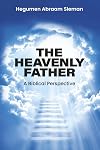
My Reflection on "The Heavenly Father: A Biblical Perspective":
This book was born from a simple yet profound desire: to know God as He has revealed Himself—as the Father.
Throughout the Scriptures, the revelation of God reaches its fullness in the person of our Lord Jesus Christ. When He said, “He who has seen Me has seen the Father” (John 14:9), He was not offering a metaphor, but unveiling the very heart of God. In Christ, the invisible Father is made known; through Him, we are brought into a living relationship with the One who created us and calls us His children.
This work seeks to present the Father not as a distant concept, but as the living God—Yahweh—whose nature, will, and love are revealed through His Word, His Son, and His Spirit. It is an invitation to rediscover the central truth of our faith: that all things come from the Father, are revealed through the Son, and are made alive in us by the Holy Spirit.
My desire is not only to clarify theological understanding, but to lead the reader into a deeper communion with the Father Himself. For the Christian life is not merely about knowing truths about God, but about knowing Him—loving Him, trusting Him, and living in His presence.
It is my prayer that this book opens the heart to the Father’s love and leads each reader into the joy of calling upon Him with faith and confidence.
With prayer and thanksgiving,
Hegumen Abraam Sleman
This book was born from a simple yet profound desire: to know God as He has revealed Himself—as the Father.
Throughout the Scriptures, the revelation of God reaches its fullness in the person of our Lord Jesus Christ. When He said, “He who has seen Me has seen the Father” (John 14:9), He was not offering a metaphor, but unveiling the very heart of God. In Christ, the invisible Father is made known; through Him, we are brought into a living relationship with the One who created us and calls us His children.
This work seeks to present the Father not as a distant concept, but as the living God—Yahweh—whose nature, will, and love are revealed through His Word, His Son, and His Spirit. It is an invitation to rediscover the central truth of our faith: that all things come from the Father, are revealed through the Son, and are made alive in us by the Holy Spirit.
My desire is not only to clarify theological understanding, but to lead the reader into a deeper communion with the Father Himself. For the Christian life is not merely about knowing truths about God, but about knowing Him—loving Him, trusting Him, and living in His presence.
It is my prayer that this book opens the heart to the Father’s love and leads each reader into the joy of calling upon Him with faith and confidence.
With prayer and thanksgiving,
Hegumen Abraam Sleman
My Reflection on "The Oneness of God: A Biblical Perspective":
This book was written out of a deep desire to return to the foundation of all true faith: the oneness of God as revealed in the Holy Scriptures.
From the beginning, the Bible proclaims with clarity and power: “Hear, O Israel: Yahweh our God, Yahweh is one.” This truth is not merely a doctrine to be affirmed, but a reality to be lived. The oneness of God is the heart of divine revelation, calling us to know Him, to love Him, and to worship Him with undivided devotion.
As I reflected on the Scriptures, I came to see that this oneness is not diminished, but revealed more fully in the person of Jesus Christ. In Him, the invisible God is made known. Through Him, the Father reveals Himself—not as another, but as the One true God who draws near to His creation in love and salvation.
This work seeks to present the oneness of God in its biblical depth—faithful to the testimony of both the Old and the New Testaments—while guiding the reader to see how this one God has revealed Himself through His Word and by His Spirit.
It is not an abstract study, but an invitation: to know the one true God as the Father, to encounter Him through His Son, and to live by His Spirit. For true faith is not divided, but rooted in the unity of the One who is from everlasting to everlasting.
It is my prayer that this book leads every reader into a deeper understanding of God’s oneness, and into a living relationship with Him—marked show more by faith, love, and wholehearted worship.
With prayer and thanksgiving,
Hegumen Abraam Sleman show less
This book was written out of a deep desire to return to the foundation of all true faith: the oneness of God as revealed in the Holy Scriptures.
From the beginning, the Bible proclaims with clarity and power: “Hear, O Israel: Yahweh our God, Yahweh is one.” This truth is not merely a doctrine to be affirmed, but a reality to be lived. The oneness of God is the heart of divine revelation, calling us to know Him, to love Him, and to worship Him with undivided devotion.
As I reflected on the Scriptures, I came to see that this oneness is not diminished, but revealed more fully in the person of Jesus Christ. In Him, the invisible God is made known. Through Him, the Father reveals Himself—not as another, but as the One true God who draws near to His creation in love and salvation.
This work seeks to present the oneness of God in its biblical depth—faithful to the testimony of both the Old and the New Testaments—while guiding the reader to see how this one God has revealed Himself through His Word and by His Spirit.
It is not an abstract study, but an invitation: to know the one true God as the Father, to encounter Him through His Son, and to live by His Spirit. For true faith is not divided, but rooted in the unity of the One who is from everlasting to everlasting.
It is my prayer that this book leads every reader into a deeper understanding of God’s oneness, and into a living relationship with Him—marked show more by faith, love, and wholehearted worship.
With prayer and thanksgiving,
Hegumen Abraam Sleman show less
My Reflection on "The Good News for Jews":
This book was written with a heart full of love and respect for the Jewish people, and with a deep desire to present the good news of the Messiah in a way that is faithful to the Scriptures and rooted in the promises given by God from the beginning.
The story of salvation does not begin in the New Testament, but in the covenant that Yahweh established with Abraham, Isaac, and Jacob. The Law, the Prophets, and the Psalms all bear witness to the coming of the Messiah. These promises are not set aside—they are fulfilled in Jesus, who was born as a Jew, lived among His people, and revealed the faithfulness of God to His covenant.
As I reflected on these truths, I became increasingly aware that the message of Christ is not foreign to the Jewish faith, but deeply connected to it. The Messiah does not abolish the promises; He brings them to completion. In Him, the hope of Israel finds its fulfillment, and through Him, the knowledge of God is opened to all nations.
This work is not written as an argument, but as an invitation—an invitation to consider the Scriptures, to reflect on the promises of God, and to encounter the Messiah who fulfills them. It is written with humility, prayer, and a sincere longing that every reader may come to know the love of God revealed in His Anointed One.
It is my prayer that this book builds a bridge of understanding, honors the richness of the Hebrew Scriptures, and leads hearts to discover in Christ the show more fulfillment of God’s enduring promise.
With prayer and love,
Hegumen Abraam Sleman show less
This book was written with a heart full of love and respect for the Jewish people, and with a deep desire to present the good news of the Messiah in a way that is faithful to the Scriptures and rooted in the promises given by God from the beginning.
The story of salvation does not begin in the New Testament, but in the covenant that Yahweh established with Abraham, Isaac, and Jacob. The Law, the Prophets, and the Psalms all bear witness to the coming of the Messiah. These promises are not set aside—they are fulfilled in Jesus, who was born as a Jew, lived among His people, and revealed the faithfulness of God to His covenant.
As I reflected on these truths, I became increasingly aware that the message of Christ is not foreign to the Jewish faith, but deeply connected to it. The Messiah does not abolish the promises; He brings them to completion. In Him, the hope of Israel finds its fulfillment, and through Him, the knowledge of God is opened to all nations.
This work is not written as an argument, but as an invitation—an invitation to consider the Scriptures, to reflect on the promises of God, and to encounter the Messiah who fulfills them. It is written with humility, prayer, and a sincere longing that every reader may come to know the love of God revealed in His Anointed One.
It is my prayer that this book builds a bridge of understanding, honors the richness of the Hebrew Scriptures, and leads hearts to discover in Christ the show more fulfillment of God’s enduring promise.
With prayer and love,
Hegumen Abraam Sleman show less
My Reflection on "The God of Daniel: A Biblical Commentary on the Book of Daniel":
This book was written out of a deep desire to behold the God who reveals Himself in the life and visions of the prophet Daniel—the God who reigns over history, who preserves His people, and who makes known His purposes in times of trial.
The Book of Daniel is not merely a record of past events, but a testimony to the living God who remains faithful in every generation. In the midst of exile, uncertainty, and worldly power, Daniel’s life reveals a profound truth: that the Most High rules over the kingdoms of men, and that His dominion endures forever.
As I reflected on these sacred texts, I came to see that the God of Daniel is the same God who reveals Himself fully in Jesus Christ. The visions of kingdoms, the coming of the Son of Man, and the promise of an everlasting dominion all find their fulfillment in Him. Through Christ, the hidden purposes of God are unveiled, and His eternal Kingdom is established.
This work seeks to guide the reader beyond the surface of historical narrative and prophetic imagery into a deeper understanding of God’s sovereignty, His faithfulness, and His redemptive plan. It calls us to trust Him in times of trial, to remain faithful in a changing world, and to live with confidence in His ultimate victory.
It is my prayer that this book strengthens faith, deepens trust in God’s providence, and leads every reader to worship the One whose kingdom shall never pass show more away.
With prayer and thanksgiving,
Hegumen Abraam Sleman show less
This book was written out of a deep desire to behold the God who reveals Himself in the life and visions of the prophet Daniel—the God who reigns over history, who preserves His people, and who makes known His purposes in times of trial.
The Book of Daniel is not merely a record of past events, but a testimony to the living God who remains faithful in every generation. In the midst of exile, uncertainty, and worldly power, Daniel’s life reveals a profound truth: that the Most High rules over the kingdoms of men, and that His dominion endures forever.
As I reflected on these sacred texts, I came to see that the God of Daniel is the same God who reveals Himself fully in Jesus Christ. The visions of kingdoms, the coming of the Son of Man, and the promise of an everlasting dominion all find their fulfillment in Him. Through Christ, the hidden purposes of God are unveiled, and His eternal Kingdom is established.
This work seeks to guide the reader beyond the surface of historical narrative and prophetic imagery into a deeper understanding of God’s sovereignty, His faithfulness, and His redemptive plan. It calls us to trust Him in times of trial, to remain faithful in a changing world, and to live with confidence in His ultimate victory.
It is my prayer that this book strengthens faith, deepens trust in God’s providence, and leads every reader to worship the One whose kingdom shall never pass show more away.
With prayer and thanksgiving,
Hegumen Abraam Sleman show less
My Reflection on "Encounters With Christ: Seeing the Father in Jesus":
This book was written as a journey—both my own and one I desire to share with every reader. As I reflected on the encounters of our Lord Jesus Christ in the Gospel, I came to see more deeply that each encounter is, in truth, a revelation of the Father.
When the Lord said, “He who has seen Me has seen the Father” (John 14:9), He opened before us the mystery of God’s self-revelation. In every word He speaks, in every act of compassion, in every moment of power and mercy, the Father is being made known.
As I walked through these Gospel encounters—Matthew at the tax booth, the Samaritan woman, Zacchaeus, Lazarus, and others—I was struck by how personal and transformative each moment is. These are not distant stories. They are living invitations. In each one, the Lord meets a person where they are, and leads them into a deeper knowledge of God.
This work, therefore, is not simply a reflection on past events, but a call to present encounter. The same Christ still meets us, still speaks to us, and still reveals the Father to those who come to Him with open hearts.
It is my prayer that this book becomes a place of meeting—for every reader—to encounter Christ personally, and in Him, to behold the Father, to receive His love, and to walk in the new life He gives.
With prayer and thanksgiving,
Hegumen Abraam Sleman
This book was written as a journey—both my own and one I desire to share with every reader. As I reflected on the encounters of our Lord Jesus Christ in the Gospel, I came to see more deeply that each encounter is, in truth, a revelation of the Father.
When the Lord said, “He who has seen Me has seen the Father” (John 14:9), He opened before us the mystery of God’s self-revelation. In every word He speaks, in every act of compassion, in every moment of power and mercy, the Father is being made known.
As I walked through these Gospel encounters—Matthew at the tax booth, the Samaritan woman, Zacchaeus, Lazarus, and others—I was struck by how personal and transformative each moment is. These are not distant stories. They are living invitations. In each one, the Lord meets a person where they are, and leads them into a deeper knowledge of God.
This work, therefore, is not simply a reflection on past events, but a call to present encounter. The same Christ still meets us, still speaks to us, and still reveals the Father to those who come to Him with open hearts.
It is my prayer that this book becomes a place of meeting—for every reader—to encounter Christ personally, and in Him, to behold the Father, to receive His love, and to walk in the new life He gives.
With prayer and thanksgiving,
Hegumen Abraam Sleman
Author’s Reflection
As the author of The Good News for Jews, I wrote this book with deep reverence for the sacred heritage of Israel and with a sincere desire to present Jesus Christ as the fulfillment—not the replacement—of that heritage.
The message of the Gospel is not foreign to the Hebrew Scriptures; it is born from them. The promises given to Abraham, the covenant revealed through Moses, the voices of the prophets, and the hope of the Messiah all find their fulfillment in Jesus. In Him, the faith of Israel reaches its intended goal, and the promises of God are brought to completion.
This book is written as a respectful and thoughtful engagement with Jewish faith and tradition. It seeks to build bridges, not barriers; to invite reflection, not impose conclusions. At the same time, it remains faithful to the central confession of the Gospel—that Jesus is the Messiah, the Son of God, and the Savior through whom God reveals Himself and accomplishes His plan of redemption.
Throughout these pages, I have aimed to show that the message of Christ is not a departure from the oneness of God, but a deeper unveiling of God’s self-revelation—where the Father makes Himself known through His Word and by His Spirit.
This work is offered to those who seek to understand, to reflect, and perhaps to encounter anew the God of Abraham, Isaac, and Jacob as revealed in Jesus the Messiah.
My prayer is that this book may serve as a bridge of understanding, a testimony of truth, and an show more invitation to know the living God more deeply.
— Hegumen Abraam Sleman show less
As the author of The Good News for Jews, I wrote this book with deep reverence for the sacred heritage of Israel and with a sincere desire to present Jesus Christ as the fulfillment—not the replacement—of that heritage.
The message of the Gospel is not foreign to the Hebrew Scriptures; it is born from them. The promises given to Abraham, the covenant revealed through Moses, the voices of the prophets, and the hope of the Messiah all find their fulfillment in Jesus. In Him, the faith of Israel reaches its intended goal, and the promises of God are brought to completion.
This book is written as a respectful and thoughtful engagement with Jewish faith and tradition. It seeks to build bridges, not barriers; to invite reflection, not impose conclusions. At the same time, it remains faithful to the central confession of the Gospel—that Jesus is the Messiah, the Son of God, and the Savior through whom God reveals Himself and accomplishes His plan of redemption.
Throughout these pages, I have aimed to show that the message of Christ is not a departure from the oneness of God, but a deeper unveiling of God’s self-revelation—where the Father makes Himself known through His Word and by His Spirit.
This work is offered to those who seek to understand, to reflect, and perhaps to encounter anew the God of Abraham, Isaac, and Jacob as revealed in Jesus the Messiah.
My prayer is that this book may serve as a bridge of understanding, a testimony of truth, and an show more invitation to know the living God more deeply.
— Hegumen Abraam Sleman show less
My Reflection on Artificial Intelligence and the Christian Faith:
As I look back on the journey of writing Artificial Intelligence and the Christian Faith, I see it not merely as an engagement with a modern subject, but as a deeper theological meditation on the unchanging truth of Yahweh in a rapidly changing world.
We are living in a time when human ingenuity has reached remarkable heights. Machines now process knowledge, generate language, and assist in decisions that once belonged exclusively to the human mind. Yet, in the midst of this technological advancement, a profound question emerges: What does it truly mean to be human? And where does humanity stand before God in an age shaped by artificial intelligence?
This book was born out of a desire to answer that question not from speculation, but from revelation. It seeks to bring every discussion back to its true center—Yahweh, the Heavenly Father—who alone is the source of life, wisdom, and truth.
In writing these chapters, I became increasingly aware that artificial intelligence, for all its capabilities, remains a creation. It processes information, but it does not know God. It can simulate reasoning, but it does not possess the fear of Yahweh, which is the beginning of wisdom (Proverbs 9:10). It can imitate language, but it cannot enter into communion with the living God.
This contrast reveals something essential: humanity is not defined merely by intelligence, but by relationship. We are created in the image of show more Yahweh (Genesis 1:26–27), called to know Him, to love Him, and to live in fellowship with Him through His Logos, Jesus Christ, by His Holy Spirit.
Throughout this work, I have sought to affirm that technology, including artificial intelligence, is not outside the sovereign will of God. It exists within His providence. Yet it must never become a substitute for Him. The danger of our age is not the rise of machines, but the subtle shift of the human heart—away from the Creator and toward the works of human hands.
Therefore, this book is ultimately a call—not a call to fear technology, but a call to remain rooted in God. It is a call to recover wisdom over mere knowledge, communion over computation, and truth over imitation.
Above all, it is a call to behold the Father revealed in His Son. For in Christ, we see the true image of God (Colossians 1:15), and in Him, we discover the true destiny of humanity—not to become like machines, but to be transformed into His likeness by the Spirit of Yahweh (2 Corinthians 3:18).
As the book concludes, my heart returns to the doxology that frames all things:
“For from Him and through Him and to Him are all things. To Him be the glory forever. Amen.” (Romans 11:36)
Even in the age of artificial intelligence, this remains the unshakable truth. All things begin in Him, are sustained through Him, and find their ultimate purpose in Him.
To Yahweh, the Heavenly Father, be all the glory.
—Fr Abraam Sleman show less
As I look back on the journey of writing Artificial Intelligence and the Christian Faith, I see it not merely as an engagement with a modern subject, but as a deeper theological meditation on the unchanging truth of Yahweh in a rapidly changing world.
We are living in a time when human ingenuity has reached remarkable heights. Machines now process knowledge, generate language, and assist in decisions that once belonged exclusively to the human mind. Yet, in the midst of this technological advancement, a profound question emerges: What does it truly mean to be human? And where does humanity stand before God in an age shaped by artificial intelligence?
This book was born out of a desire to answer that question not from speculation, but from revelation. It seeks to bring every discussion back to its true center—Yahweh, the Heavenly Father—who alone is the source of life, wisdom, and truth.
In writing these chapters, I became increasingly aware that artificial intelligence, for all its capabilities, remains a creation. It processes information, but it does not know God. It can simulate reasoning, but it does not possess the fear of Yahweh, which is the beginning of wisdom (Proverbs 9:10). It can imitate language, but it cannot enter into communion with the living God.
This contrast reveals something essential: humanity is not defined merely by intelligence, but by relationship. We are created in the image of show more Yahweh (Genesis 1:26–27), called to know Him, to love Him, and to live in fellowship with Him through His Logos, Jesus Christ, by His Holy Spirit.
Throughout this work, I have sought to affirm that technology, including artificial intelligence, is not outside the sovereign will of God. It exists within His providence. Yet it must never become a substitute for Him. The danger of our age is not the rise of machines, but the subtle shift of the human heart—away from the Creator and toward the works of human hands.
Therefore, this book is ultimately a call—not a call to fear technology, but a call to remain rooted in God. It is a call to recover wisdom over mere knowledge, communion over computation, and truth over imitation.
Above all, it is a call to behold the Father revealed in His Son. For in Christ, we see the true image of God (Colossians 1:15), and in Him, we discover the true destiny of humanity—not to become like machines, but to be transformed into His likeness by the Spirit of Yahweh (2 Corinthians 3:18).
As the book concludes, my heart returns to the doxology that frames all things:
“For from Him and through Him and to Him are all things. To Him be the glory forever. Amen.” (Romans 11:36)
Even in the age of artificial intelligence, this remains the unshakable truth. All things begin in Him, are sustained through Him, and find their ultimate purpose in Him.
To Yahweh, the Heavenly Father, be all the glory.
—Fr Abraam Sleman show less