Well that was probably the most depressing and horrific thing I have read. It is so bleak and unrelenting. The ending lets up _just_ enough, and no more. I'm not sure I could recommend it to anyone, really. Well, except for the fact it was incredible. It has that going for it.
Kabuki: The Alchemy is probably the most avant garde of all the Kabuki comics. I think every writer is entitled to write one rambling stream of consciousness book in the vein of Seymour: An Introduction. This comic is David Macks Seymour: An introduction. The book was a frustrating and pretty disappointing read. The entire premise of the book seems cheesy — a lame attempt at post-modernism. Kabuki as a character seems hollow and totally disconnected from the character one encounters is the previous 6 chapters. Mack has some very experimental books in this series, which I quite enjoyed. The second book, for example, is terse and totally different than the first, but the style and dialog all works to tell a compelling story. This comic doesn’t work. (Well, perhaps that’s not true, judging by all the fan mail he got.) Reading the comic, I constantly felt like I was watching those awkward scenes of faux-philosophy in the Matrix sequels. Seymour: An Introduction, for all its rambling narrative, does have a handful of really amazing scenes that make up for the rest of the text. This book didn’t even have that. Here’s hoping Volume 8 is more Raise High the Roofbeam Carpenters.
-- http://funkaoshi.com/blog/kabuki-the-alchemy
-- http://funkaoshi.com/blog/kabuki-the-alchemy
If you asked me what my favourite movie or song was I probably couldn’t tell you. There isn’t any one movie or song that I can single out as being my absolute favourite of all time. When it comes to books on the other hand I can. My favourite book, the story I think everyone should read, is Raise High the Roof Beam, Carpenters, by J. D. Salinger.
Raise High the Roof Beam, Carpenters takes place one hot afternoon in New York city. The story is all about a wedding, and in particular the absent groom who happens to be the narrator’s brother. It’s a simple story, much like all of Salinger’s others, but all the little details make it truly a joy to read. I was shocked to read it was received poorly when it came out in the 50s. It isn’t quite a love story, but it is very much about love. The ending is classic.
Salinger is most famous for writing Catcher in the Rye. I read that novel first during the early years of high school. In my last year, I ended up doing a ISU on Salinger (after picking and giving up on Charles Dickens). I ended up reading all his other stories published as novels: Nine Stories, Raise High the Roof Beam, Carpenters and Seymour, An Introduction, and Franny and Zooey. I’ve never felt more angry at someone I don’t know when I discovered that the four books I’ve mentioned are the sum total of the man’s published works. You can track down some of his other short stories printed in old magazines if you work hard enough—Tiffany found them in show more the Waterloo library for example. Nowadays you can also find them online, which is quite nice. Sometime in the late 60s Salinger stopped publishing. Sonuvabitch.
I reread Raise High the Roof Beam, Carpenters a few days back, which is why it is on my mind. I just finished reading Franny again, and am almost done with Zooey. If you are looking for some good books to read, I can’t recommend these stories enough.
-- http://funkaoshi.com/blog/raise-high-the-roof-beam-carpenters show less
Raise High the Roof Beam, Carpenters takes place one hot afternoon in New York city. The story is all about a wedding, and in particular the absent groom who happens to be the narrator’s brother. It’s a simple story, much like all of Salinger’s others, but all the little details make it truly a joy to read. I was shocked to read it was received poorly when it came out in the 50s. It isn’t quite a love story, but it is very much about love. The ending is classic.
Salinger is most famous for writing Catcher in the Rye. I read that novel first during the early years of high school. In my last year, I ended up doing a ISU on Salinger (after picking and giving up on Charles Dickens). I ended up reading all his other stories published as novels: Nine Stories, Raise High the Roof Beam, Carpenters and Seymour, An Introduction, and Franny and Zooey. I’ve never felt more angry at someone I don’t know when I discovered that the four books I’ve mentioned are the sum total of the man’s published works. You can track down some of his other short stories printed in old magazines if you work hard enough—Tiffany found them in show more the Waterloo library for example. Nowadays you can also find them online, which is quite nice. Sometime in the late 60s Salinger stopped publishing. Sonuvabitch.
I reread Raise High the Roof Beam, Carpenters a few days back, which is why it is on my mind. I just finished reading Franny again, and am almost done with Zooey. If you are looking for some good books to read, I can’t recommend these stories enough.
-- http://funkaoshi.com/blog/raise-high-the-roof-beam-carpenters show less
James Baldwin: Early Novels and Stories: Go Tell It on a Mountain / Giovanni's Room / Another Country / Going to Meet the Man (Library of America) by James Baldwin
I just finished reading Go Tell it on the Mountain., which I bought a few weeks back. I had forgotten how complex the story is, and how open-ended things are left by the end. The book is excellent. Baldwin essentially tells the stories of 4 characters: the lead, John; his mother, Elizabeth; his father, Gabriel, and his aunt, Florence. The story is rich and always twisting. Each character’s past is revealed to us piece-by-piece as the story progresses. It’s really good. I recomend you read this book. (I wonder if the book would have more meaning for me if I was Christian. The book is all about the Lord bringing people low, and then raising them back up—seemingly. I feel like reading the Bible.) -- http://funkaoshi.com/blog/go-tell-it-on-the-mountain-book
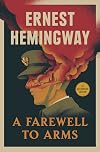
I finished reading A Farewell to Arms on the bus this morning. The rest of the bus ride was depressing. It was raining. I suppose if there is one thing wrong with Hemmingway’s books, it is that you know how they all will end. A Farewell to Arms is no exception to this rule. While the book isn’t as depressing as For Whom the Bell Tolls, which I think is the saddest book ever written, it’s still pretty damn sad. I think as human beings we have a natural revulsion to the sorts of endings Hemmingway writes. Deep down I knew how A Farewell to Arms would end, once the story got going, but the ending your mind conjures up is so depressing you just can’t accept it as the probable outcome. So you read hoping for something else, a more typical conclusion to the story, and when you come to the end its like being punched in the stomach. -- http://funkaoshi.com/blog/a-farewell-to-arms
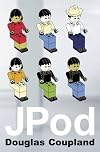
I bought my copy of JPod at a reading of the book. I didn’t know much about the book, or Douglas Coupland, beyond the fact he had written a book called Microserfs. This was the first time I had paid pretty much full price for a book in ages. Since JPod was reviewed by the Globe and Mail, it is on sale at Amazon for 40% off. I probably should have bought it there. (Still, I can take heart in knowing that my cousin would have been proud of me supporting Pages, who were selling the books during the reading.) JPod is very different from the books I have been reading recently. It is funny for starters, which Hemmingway and Baldwin rarely are. So in this way it was an enjoyable read. It’s nice to read something that doesn’t leave you depressed. The problem though is the book doesn’t feel like it has any substance to it.
I didn’t feel any sort of attachment to any of the characters in the book. This actually might be a function of the characters themselves; they are all thoroughly apathetic, amoral, twenty-somethings. They really aren’t likable. They are memorable insofar as they are quirky.
That said, the book is very much character driven. The plot for the book is more or less non-existent, and isn’t as important to the story as the characters and their various neuroses are. The story centres around Eathan, a video game programmer. He works at a nondescript game company in Vancouver, in an area known as the JPod (because your last name starts with a J if you are show more working in that chunk of cubicles). Him and his fellow JPodders are working on a skateboard game that gets repurposed into a skateboard game with a kid-friendly turtle. The working life of these characters is portrayed in all its soul-sucking glory. Beyond the video-game programmers, the reader is introduced to Eathan’s dysfunctional family: a pot growing mom; a people smuggling real-estate agent brother; a ball-room dancing wannabe actor. Coupland himself shows up in the novel. The first few times it is actually funny. (The last couple times, not so much.) The book is very surreal and absurd. There are hints of real life hidden within all the exaggeration and caricature. I suppose it does make for an interesting read.
As I said at the start, I did enjoy reading the book. I’m not sure if it is a classic or any such nonsense, but it is entertaining. The book has a nice cover. It’s probably worth checking out.
-- http://funkaoshi.com/blog/jpod-by-douglas-coupland show less
I didn’t feel any sort of attachment to any of the characters in the book. This actually might be a function of the characters themselves; they are all thoroughly apathetic, amoral, twenty-somethings. They really aren’t likable. They are memorable insofar as they are quirky.
That said, the book is very much character driven. The plot for the book is more or less non-existent, and isn’t as important to the story as the characters and their various neuroses are. The story centres around Eathan, a video game programmer. He works at a nondescript game company in Vancouver, in an area known as the JPod (because your last name starts with a J if you are show more working in that chunk of cubicles). Him and his fellow JPodders are working on a skateboard game that gets repurposed into a skateboard game with a kid-friendly turtle. The working life of these characters is portrayed in all its soul-sucking glory. Beyond the video-game programmers, the reader is introduced to Eathan’s dysfunctional family: a pot growing mom; a people smuggling real-estate agent brother; a ball-room dancing wannabe actor. Coupland himself shows up in the novel. The first few times it is actually funny. (The last couple times, not so much.) The book is very surreal and absurd. There are hints of real life hidden within all the exaggeration and caricature. I suppose it does make for an interesting read.
As I said at the start, I did enjoy reading the book. I’m not sure if it is a classic or any such nonsense, but it is entertaining. The book has a nice cover. It’s probably worth checking out.
-- http://funkaoshi.com/blog/jpod-by-douglas-coupland show less
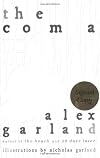
bought the novel The Coma a few weeks back because it is written by the fellow who wrote the screenplay for 28 Days Later, and because it was really cheap. I like buying books that are 80% off at Indigo. You can get it at Indigo for $7—in hardcover no less. I don’t want to tell you much about the novel’s plot, because its twists and turns are probably the best thing about it. I will tell you the book starts with a vicious beating that leaves a man in a coma, and continues from there. It’s quite short, and can be finished quite quickly. I read it on my commute to work over the course of a few days. The book is really quite interesting; it’s very well thought out—at least I thought so. If you are looking for something to read, I recommend you check this out. -- http://funkaoshi.com/blog/the-coma
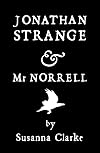
I finally finished Jonathan Strange & Mr. Norrell. It took me a fairly long time to get through; the book is a bit of a tome. Set in 19th century England, the book narrates the story of the two men that would return magic to English soil. It’s a fantasy novel of sorts, but really reads much more like a novel from the period it is set in. It is only a fantasy book insofar as it is a book about magicians. The book is reminiscent of Quicksilver, but without the maddening vocabulary. Like Quicksilver, the pace of the story is also very slow, but it is a bit more focused. The book is split into three parts, and the story really doesn’t start moving till the end of the second part. Once the story gets going however, the book is very engrossing. Beyond the story, the characters themselves are interesting and entertaining. The pages and pages of back story really do contribute to the overall book. It was a good book, worth checking out.
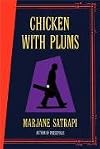
Set in post-coup Iran, Satrapi tells the story of her great uncle Nassar Ali Khan’s last 8 days of life. He was apparently a well regarded tar player in Iran. The book has a very similar feel to her other comics. The art is simple looking, but manages to convey a lot of feeling and emotion. I like her style a lot; it looks like something you could draw yourself — I’ve tried with limited success. The storytelling is a bit more intricate this time around. There are lots of flashbacks, with sequences of panels alternating between the past and present in some of the more extreme cases. It’s not hard to follow whats going on mind you, as the art gives obvious clues as to when the event is taking place. It’s a very cool book. -- http://funkaoshi.com/blog/chicken-and-plums
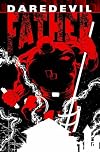
Daredevil: Father marked Joe Quesada return to Daredevil. This was also the first time he wrote and illustrated any comic. It’s a good mini-series, which easily holds its own when compared to the recent (and excellent) Alex Maleev and Brian Michael Bendis run of the series. It takes place in the period of time after Daredevil has kicked Kingpin out of Hell’s Kitchen and declared himself the new Kingpin. At this point in time, Daredevil is a bit more of a jerk than he normally is. There is a serial killer on the lose, but Daredevil isn’t interested in catching the him so long has he stays out of Hell’s Kitchen. That’s the main plot, but much of the story is about people with father issues. It all makes for an interesting read. The art is really top-notch. I was very impressed with how much better Quesada has gotten since he first drew for the comic. It’s quite amazing really. I really enjoyed this comic. Daredevil is the only comic I follow now, and so far remains a consistently good series. I haven’t written about any of the trade paperbacks i’ve read here on this site, but I really can’t say enough good things about them. -- http://funkaoshi.com/blog/daredevil-father
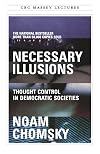
The book is one of the Massey Lectures books the CBC has been putting out recently. It’s quite good. It’s also a very frustrating read. I can’t get through 2 paragraphs without having to stop to take a few deep breaths: the book makes me so damn angry. Necessary Illusion is all about thought control and propaganda in a democratic society. Chomsky focuses on how the US media contorts the news to push an agenda that the state approves of. Much of his examples comes from the news coverage in the US of the war in Nicaragua: the US was terrorizing the civilian population there because they were so brazen as to support a communist/socialist party, and not another puppet leader from the US. (I need to read more about South Americas history.) It seems like every single country has been personally fucked by the US.) What the US was getting up to was bad, but the way it all was covered makes it all the worse. I am left wondering if there is any point reading the traditional press for coverage of any news of consequence. -- http://funkaoshi.com/blog/necessary-illusion
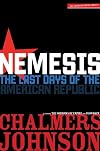
I finished reading Chalmers Johnson’s Nemesis last night. It’s a very interesting book on the decline of American democracy and the rise of American imperialism. The book posits that America can keep its empire, or keep its democracy, but it can’t have both. Johnson does a great job of outlining the various things he feels have contributed to the decline of democracy in the US. The main gist of his argument is that increased militarism is incompatible with a health democracy. With respect to this, he discusses the creation of the CIA (essentially the presidents private army), the ever expanding network of US army bases globally, and the militarization of space and the inordinate amount of money spent on weapons research. Nemesis was quite interesting to read. You may want to check it out. I’m on to The Assault on Reason, which thus far looks to be Gore’s attempt to catalog and discuss the reasons why Americans are so dumb now, but apparently turns into a scathing attack on the Bush administration. Nice. -- http://funkaoshi.com/blog/nemesis
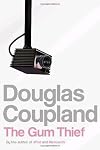
I was at chapters with a gift certificate in my hand informing me that if I spent more than $50 in the store, i’d get 40% off my purchases. Well, that’s a good way to get me to pad out my shopping. I bought The Gum Thief because it had a nice cover and I thought i’d give Douglas Coupland another shot. Also, the book was already 30% off. Oh Hells Yes. The Gum Theif was great. I liked it so much more than JPod, the only other book by Coupland that i’ve read. The story revolves, more or less, around two people, a depressed middle-aged man and a goth girl, both working at Staples. The story is told via letters and diary entries passed between the two protagonists, and other characters as the case may be; mixed into this is a novella being written by one of the characters. Unlike JPod, you feel for the characters, they are interesting and illicit your empathy. It’s a very enjoyable read. Another plus with this book is that the actual book, once you take of the dust jacket, is a beautiful pink. It’s an awesome book to carry around. -- http://funkaoshi.com/blog/the-gum-thief-by-douglas-coupland
It began far funnier than I thought it would be. There was also a lot of sex. Still — my god — how depressing.
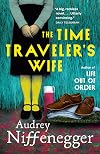
The Time Traveler’s Wife was probably not the best book to read while Shima is away in Europe. It’s a story about separation, loneliness, waiting, etc. It’s certainly a lovely book, but it is kind of a downer when you already miss your favourite person. Nevertheless, it’s quite enjoyable. The book was first recommended to me by my cousin Jana, a serious-ass Sci-Fi fan. He explained the time travel, and how it makes for an interesting story. Much later, Shima’s friend Nina recommended it, making passing reference to the number of times she cried while reading it. Nina and Jana both probably have very different tastes in books, so I find the overlap here interesting. It takes serious work to appeal to such disparate demographics. The Time Traveler’s Wife is classic sort of love story. I felt it manages to avoid being overly sappy, and doesn’t veer in to the realm of chick-lit. Though the dialog is at times a bit awkward, on the whole it’s very well written. I think it’s worth checking out. Of course, if you don’t like reading, you can just wait for the movie. -- http://funkaoshi.com/blog/the-time-travelers-wife
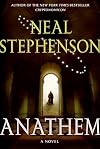
I finished reading Anathem yesterday. I think i’m done with that cruel mistress that is Neal Stephensen. Cryptonomicon was so great. I can’t recommend the book enough, it’s so interesting and entertaining. The Baroque Cycle pissed me off to no end, but I feel strangely nostalgic for it now. I think it is one of those series that grows on you after you’ve finished reading it — mostly because you forget a lot of the tedium. Anathem just wasn’t that good.
To start with, all the made-up words get distracting and seem a bit silly. (If you are going to make up words for cars and cell phones, but not for shoes, what’s the point?) Eventually you figure out what everything means, and you can get back to enjoying the book. Or trying to anyway. The world the story takes place in is interesting. You could write a really good book set in this world: Anathem wasn’t that book. There are lots of interesting ideas in the book, but as is often the case with the Baroque Cycle, their presentation borders on tedious. And, I can’t believe i’m typing this, but the ending feels rushed. The book is 1000 pages long! All of this I could forgive if not for the most glaring issue with the book: it reads like teen fiction. Stephensen is writing for the audience he knows he already has in the bag. The book is all nerdy science geek guy gets the hot but also nerdy science girl chick, and is helped by his good at everything friend, his nerdy martial arts friend, his super nerd friend show more who obviously has Aspenger’s, his hot engineer sister, his nerdy… well you get the idea. If Twilight is Vampire fiction for Emo kids, then Anathem is a science fiction romp for the Slashdot crowd. (Actually, god damn, the book was panned by at least one dude at Slashdot. The comments are a bit of a mixed bag.) If you are looking for something to read this winter, pick up Cryptonomicon.
-- http://funkaoshi.com/blog/anathem show less
To start with, all the made-up words get distracting and seem a bit silly. (If you are going to make up words for cars and cell phones, but not for shoes, what’s the point?) Eventually you figure out what everything means, and you can get back to enjoying the book. Or trying to anyway. The world the story takes place in is interesting. You could write a really good book set in this world: Anathem wasn’t that book. There are lots of interesting ideas in the book, but as is often the case with the Baroque Cycle, their presentation borders on tedious. And, I can’t believe i’m typing this, but the ending feels rushed. The book is 1000 pages long! All of this I could forgive if not for the most glaring issue with the book: it reads like teen fiction. Stephensen is writing for the audience he knows he already has in the bag. The book is all nerdy science geek guy gets the hot but also nerdy science girl chick, and is helped by his good at everything friend, his nerdy martial arts friend, his super nerd friend show more who obviously has Aspenger’s, his hot engineer sister, his nerdy… well you get the idea. If Twilight is Vampire fiction for Emo kids, then Anathem is a science fiction romp for the Slashdot crowd. (Actually, god damn, the book was panned by at least one dude at Slashdot. The comments are a bit of a mixed bag.) If you are looking for something to read this winter, pick up Cryptonomicon.
-- http://funkaoshi.com/blog/anathem show less
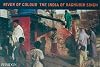
This is one of the best photobooks I own, and a great retrospective of Raghubir Singh's work. He was a truly talented photographer, who managed to capture the beauty of India. This book is gigantic, so you can enjoy all the detail to be found in each photo.