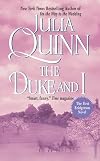
With all the love that the Bridgerton series has garnered, I wasn’t surprised by how fervently I devoured the first 2/3rds of “The Duke & I.” Julia Quinn’s novel unfolds with engaging wit, lively dialogue, and a tantalizing love story that immerses readers in the world of London’s socializing crowd. There were scenes that left me breathless, squealing with girl-like excitement over a small glance from the brooding Simon. I was completely entranced.
However, my reading experience took a downturn with the callous and, in my opinion, irresponsible treatment of assault in the later chapters. This turn of events soured my perception of characters I initially loved and the author's choices. While the story initially held promise, I was shocked that this was how Quinn chose to resolve the book’s central conflict.
While I ended up walking away from this novel with a regrettable aftertaste, I can acknowledge that it addresses some heavy topics for a historical romance novel. The themes of relationship boundaries and the violence inherent in both genders add depth to the narrative. The central characters have interesting internal conflicts, exploring the lasting effects of abuse and the intergenerational impact of trauma.
Despite my moral qualms, I, of course, do not completely reject this book and those who enjoy it. It is clear that this story is well-loved, and I really did love the majority of this novel. However, despite its initial allure, the handling of sensitive show more content compromised the overall reading experience for me, resulting in a disappointing two-star rating. show less
However, my reading experience took a downturn with the callous and, in my opinion, irresponsible treatment of assault in the later chapters. This turn of events soured my perception of characters I initially loved and the author's choices. While the story initially held promise, I was shocked that this was how Quinn chose to resolve the book’s central conflict.
While I ended up walking away from this novel with a regrettable aftertaste, I can acknowledge that it addresses some heavy topics for a historical romance novel. The themes of relationship boundaries and the violence inherent in both genders add depth to the narrative. The central characters have interesting internal conflicts, exploring the lasting effects of abuse and the intergenerational impact of trauma.
Despite my moral qualms, I, of course, do not completely reject this book and those who enjoy it. It is clear that this story is well-loved, and I really did love the majority of this novel. However, despite its initial allure, the handling of sensitive show more content compromised the overall reading experience for me, resulting in a disappointing two-star rating. show less
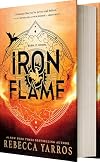
From the beginning, Rebecca Yarros had me hooked with the immersive world-building of Fourth Wing. I devoured the first installment of the Empyrium series in two days, so when Iron Flame was released, I was waiting for the download the minute midnight struck. However, I must admit, the beginning was a bit rocky. The narrative felt a tad immature, and the repetitive conversations started to grate on my nerves. Luckily, the second part picked up the pace, delivering the same excitement I loved in Fourth Wing. My only wish? That the first part was a bit shorter. Still, despite the initial hiccups, I can't deny that I'm eagerly awaiting the next chapter in this series.
Iron Flame takes on themes of trust, love in various forms, and the power these elements bestow upon the characters. There's a notable emphasis on the conflict of self-reliance versus relying on allies, speaking to the point that we're not solitary beings—a theme well-reflected in Violet's journey. While the trust theme might be a bit overplayed, it was the exploration of familial love that struck a chord with me. On the flip side, the unnecessary conflict between Violet and Cat felt a bit tacky. However, while Violet's character development was a touch lacking, discovering a new side of Xaden endeared me further to him and excites me further for the next book.
The writing style in Iron Flame, unfortunately, took a hit compared to the brilliance of Fourth Wing. It seems the breakneck speed of book production show more might be catching up with Yarros. Despite this, Iron Flame still manages to capture attention, weaving a tale rich in themes that hit close to home. Yes, it may not outshine its predecessor, but for those engrossed in the world of the Empyrium, it's a worthy continuation. I'm giving it three stars because while it had its merits, the immature writing style and the unnecessary conflict in character dynamics impacted my overall enjoyment. Here's hoping Yarros finds her groove again in the next installment.
⋇⊶⊰❣⊱⊷⋇ ⋇⊶⊰❣⊱⊷⋇ ⋇⊶⊰❣⊱⊷⋇
Favorite Quotes
“In a world of dragon riders, gryphon fliers, and dark wielders…” “It’s the scribes who hold all the power.”
He’s the horizon, and nothing exists beyond for me.
He kisses me like I’m the answer to every question.
“And at one point, you thought gruel was a satisfactory meal, until you grew some teeth and found the rest of the world’s food waiting. Now cease this line of thinking. It does not serve to make you stronger.”
“She’s a fucking monster.” His voice is soft, but it carries. “She’s my mother.”
“When you have children, we can discuss the risks you’ll take, the lies you’ll be willing to tell in order to keep them safe.”
I love you enough to bear the weight of your disappointment. show less
Iron Flame takes on themes of trust, love in various forms, and the power these elements bestow upon the characters. There's a notable emphasis on the conflict of self-reliance versus relying on allies, speaking to the point that we're not solitary beings—a theme well-reflected in Violet's journey. While the trust theme might be a bit overplayed, it was the exploration of familial love that struck a chord with me. On the flip side, the unnecessary conflict between Violet and Cat felt a bit tacky. However, while Violet's character development was a touch lacking, discovering a new side of Xaden endeared me further to him and excites me further for the next book.
The writing style in Iron Flame, unfortunately, took a hit compared to the brilliance of Fourth Wing. It seems the breakneck speed of book production show more might be catching up with Yarros. Despite this, Iron Flame still manages to capture attention, weaving a tale rich in themes that hit close to home. Yes, it may not outshine its predecessor, but for those engrossed in the world of the Empyrium, it's a worthy continuation. I'm giving it three stars because while it had its merits, the immature writing style and the unnecessary conflict in character dynamics impacted my overall enjoyment. Here's hoping Yarros finds her groove again in the next installment.
⋇⊶⊰❣⊱⊷⋇ ⋇⊶⊰❣⊱⊷⋇ ⋇⊶⊰❣⊱⊷⋇
Favorite Quotes
“In a world of dragon riders, gryphon fliers, and dark wielders…” “It’s the scribes who hold all the power.”
He’s the horizon, and nothing exists beyond for me.
He kisses me like I’m the answer to every question.
“And at one point, you thought gruel was a satisfactory meal, until you grew some teeth and found the rest of the world’s food waiting. Now cease this line of thinking. It does not serve to make you stronger.”
“She’s a fucking monster.” His voice is soft, but it carries. “She’s my mother.”
“When you have children, we can discuss the risks you’ll take, the lies you’ll be willing to tell in order to keep them safe.”
I love you enough to bear the weight of your disappointment. show less
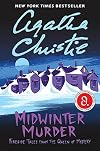
If you were looking for a quick read while you cuddle up by the fire for Christmas, this is the book you need.
"Midwinter Murders" embraces the winter ambiance, making it an ideal read for cozy nights. While it may not aim to redefine the genre, this novel channels the essence of classic Christie mysteries. It might not be a literary masterpiece, but it kindles a nostalgic warmth, earning its place among the author's standard yet beloved works.
The stories within "Midwinter Murders" unveil the signature brilliance of Christie, capturing the reader's attention with just the right blend of intrigue and familiarity. The narratives offer the comfort of tradition while sprinkling in the unexpected. While it doesn't break new ground, the book excels in delivering what Christie aficionados crave—an engaging set of mysteries that, like the winter chill, sends shivers down your spine.
The highlight of this collection is the immersion into a thematic exploration. Christie, through her mysteries, prompts readers to contemplate the intricacies of human nature. The mysteries force characters to reassess their beliefs, reflect on their mistakes, and look for the unexpected. In turn, it serves as a great prompt for readers to reflect on the beliefs that they may want to leave behind as we head into a new year. In its simplicity, "Midwinter Murders" becomes a literary vehicle for introspection, reminding us of the enduring appeal of Christie's storytelling.
In conclusion, "Midwinter show more Murders" is a delightful winter read, earning its stars for faithfully delivering the Christie experience in a holiday setting. While it might not be groundbreaking, it successfully captures the essence of classic mysteries, providing a comforting escape for those seeking a familiar yet enjoyable journey into the world of an Agatha Christie Christmas. show less
"Midwinter Murders" embraces the winter ambiance, making it an ideal read for cozy nights. While it may not aim to redefine the genre, this novel channels the essence of classic Christie mysteries. It might not be a literary masterpiece, but it kindles a nostalgic warmth, earning its place among the author's standard yet beloved works.
The stories within "Midwinter Murders" unveil the signature brilliance of Christie, capturing the reader's attention with just the right blend of intrigue and familiarity. The narratives offer the comfort of tradition while sprinkling in the unexpected. While it doesn't break new ground, the book excels in delivering what Christie aficionados crave—an engaging set of mysteries that, like the winter chill, sends shivers down your spine.
The highlight of this collection is the immersion into a thematic exploration. Christie, through her mysteries, prompts readers to contemplate the intricacies of human nature. The mysteries force characters to reassess their beliefs, reflect on their mistakes, and look for the unexpected. In turn, it serves as a great prompt for readers to reflect on the beliefs that they may want to leave behind as we head into a new year. In its simplicity, "Midwinter Murders" becomes a literary vehicle for introspection, reminding us of the enduring appeal of Christie's storytelling.
In conclusion, "Midwinter show more Murders" is a delightful winter read, earning its stars for faithfully delivering the Christie experience in a holiday setting. While it might not be groundbreaking, it successfully captures the essence of classic mysteries, providing a comforting escape for those seeking a familiar yet enjoyable journey into the world of an Agatha Christie Christmas. show less

It’s good. Okay? Let’s just get that out of the way. This book has hype, and it deserves it. I’ll admit, the first two books in the ToG series didn’t draw me in and keep me hooked, but this book lit a fire in me that will keep me coming back for more in this series. 'Heir of Fire' added the complexity that I was yearning for in books 1 and 2. The story unfolds with unexpected twists, new perspectives, and a compelling exploration of identity. Maas effortlessly creates internal tension that is equally as captivating as the external challenges faced by our beloved characters.
The highlight of this installment, for me, was the conversation that Maas ignites on the relationships we develop with outdated understandings of ourselves. Throughout the narrative, Maas confronts the characters with transformative moments that force them to reevaluate their beliefs, values, and, ultimately, their sense of identity. Celeana is forced to have a difficult dialogue with her inner child, and we see how the trauma carried by that young girl has shaped our heroine. The narrative, therefore, becomes a vehicle for readers to contemplate their own relationships with past versions of themselves, recognizing the inevitability of change and the necessity of embracing personal growth.
All in all, Maas's storytelling prowess shines in 'Heir of Fire,' providing readers with a satisfying continuation of the series and (hopefully) a shift towards a more complex tone for the following show more installments. The unexpected character developments and thematic richness contribute to the book's depth. 'Heir of Fire' offers an engaging and thought-provoking journey into a world where magic, politics, and personal growth intertwine seamlessly. I already have the next book downloaded on my Kindle, and I am ready for more!
Some of my favorite quotations (possible spoilers):
“she could almost sense the echoes of the power that had dwelled here long ago, a delicious heat kissing its way up her neck, down her spine, as if some piece of that goddess were still curled up in the corner.”
“And Manon, because no one was watching, because she did not care, flung out her arms as well and savored the freefall, the wind now a song in her ears, in her shriveled heart.”
“‘There is no throne for her.’ ‘Then I’ll build one myself from the bones of our enemies.’”
“‘For your blood, for your scars, for every dent in your shield and nick in your sword, for every friend and foe dead before you …’ The mug raised higher, and Aedion bowed his head, golden hair gleaming in the light. ‘For what you have given, and have yet to give, I salute you.’”
“you do not have the right to wish she were not what she is. The only thing you have a right to do is decide whether you are her enemy or her friend.”
“Her cheek against the moss, the young princess she had been—Aelin Galathynius—reached a hand for her. ‘Get up,’”
“Hooves, hooves, hooves, echoing through the continent, sparking against cobblestones, all the way to Banjali and the riverfront palace of the King and Queen of Eyllwe, still in their midnight mourning clothes. Hold on, the riders told the world. Hold on.”
“He’d known, since the moment he figured out who she was, that while Celaena would always pick him, Aelin would not.”
“She was the heir of ash and fire, and she would bow to no one.” show less
The highlight of this installment, for me, was the conversation that Maas ignites on the relationships we develop with outdated understandings of ourselves. Throughout the narrative, Maas confronts the characters with transformative moments that force them to reevaluate their beliefs, values, and, ultimately, their sense of identity. Celeana is forced to have a difficult dialogue with her inner child, and we see how the trauma carried by that young girl has shaped our heroine. The narrative, therefore, becomes a vehicle for readers to contemplate their own relationships with past versions of themselves, recognizing the inevitability of change and the necessity of embracing personal growth.
All in all, Maas's storytelling prowess shines in 'Heir of Fire,' providing readers with a satisfying continuation of the series and (hopefully) a shift towards a more complex tone for the following show more installments. The unexpected character developments and thematic richness contribute to the book's depth. 'Heir of Fire' offers an engaging and thought-provoking journey into a world where magic, politics, and personal growth intertwine seamlessly. I already have the next book downloaded on my Kindle, and I am ready for more!
Some of my favorite quotations (possible spoilers):
“she could almost sense the echoes of the power that had dwelled here long ago, a delicious heat kissing its way up her neck, down her spine, as if some piece of that goddess were still curled up in the corner.”
“And Manon, because no one was watching, because she did not care, flung out her arms as well and savored the freefall, the wind now a song in her ears, in her shriveled heart.”
“‘There is no throne for her.’ ‘Then I’ll build one myself from the bones of our enemies.’”
“‘For your blood, for your scars, for every dent in your shield and nick in your sword, for every friend and foe dead before you …’ The mug raised higher, and Aedion bowed his head, golden hair gleaming in the light. ‘For what you have given, and have yet to give, I salute you.’”
“you do not have the right to wish she were not what she is. The only thing you have a right to do is decide whether you are her enemy or her friend.”
“Her cheek against the moss, the young princess she had been—Aelin Galathynius—reached a hand for her. ‘Get up,’”
“Hooves, hooves, hooves, echoing through the continent, sparking against cobblestones, all the way to Banjali and the riverfront palace of the King and Queen of Eyllwe, still in their midnight mourning clothes. Hold on, the riders told the world. Hold on.”
“He’d known, since the moment he figured out who she was, that while Celaena would always pick him, Aelin would not.”
“She was the heir of ash and fire, and she would bow to no one.” show less

Grady Hendrix's 'The Southern Book Club's Guide to Slaying Vampires' is a gripping exploration of the dark underbelly of Southern politeness, where a book club faces an unexpected supernatural menace that will leave you riveted. When first approaching this novel, I did not anticipate the gruesome horror that lay within. Hendrix lures you into the world of Southern hospitality and then slowly closes you in with some truly unthinkable horror writing. While very enjoyable during my late October spooky reading kick, this book contained some elements that I felt were unnecessary and left me with some unresolved feelings on tone and messaging.
In this modern comedy-horror novel, we're introduced to a charming but enigmatic stranger who upends the lives of a tight-knit group of Southern women in a tranquil town. What begins as a seemingly ordinary tale takes a riveting twist as they gradually unearth the newcomer's spine-tingling secrets, thrusting them into a suspenseful battle against an otherworldly malevolence threatening their community and their husbands’ disbelief.
Set in the suburban town of Mount Pleasant, South Carolina, 'The Southern Book Club's Guide to Slaying Vampires' juxtaposes an idyllic Southern town of well-kept neighborhoods with the malevolence that emerges within it. The contrast heightens the tension and makes the horror elements of the story all the more shocking. While the horror builds, the presence of the book club allows moments of humor and levity to show more exist in the setting. The characters that make up the vampire-slaying book club represent a variety of types of southern women, from a god-fearing eccentric over-spender to an overrun farmer’s wife. Their differences lead to some hilarious interactions, including my favorite line of the whole novel: “I am not sure what the appropriate gesture is to make toward the family of the woman who bit off your ear, but if you felt absolutely compelled, I certainly wouldn’t take food.” It is clear, both in the setting and in the humor presented through the main group of women, that Hendrix was a keen observer during his life in South Carolina and depicts some strikingly real descriptions throughout the novel.
This novel, though engaging, struggles with pacing. There are long stretches, especially in the middle of the book, where the action slows and gives way to long spans of angsty overthinking and inaction that can feel, at times, demeaning. I found myself screaming at the main character, Patricia, to do something, anything, about the situation. While I understand that the social structures confining these women are rigid, when faced with some damning evidence, these women shy away from taking action much of the time. This frustration did build the tension but also made it clear to me several times that this novel, while being about women, is written by a man.
Another critique that I had with 'The Southern Book Club's Guide to Slaying Vampires' was in its foggy messages and themes. The vampire in this novel is unlike any other blood-sucker I have come across in literature, and while I typically enjoy vampire novels for their discussions on the soul and religion, this novel focused on consumption and community. Hendrick’s vampire is in contrast to his protagonists by being a lone-wolf whose only priority is to eat. This message was clear: that the Southern woman gains strength from her community and her dedication to her family and friends. She is not alone. However, the undercurrent to this message was a distorted line of thought touching on horror’s relation to sexuality and race. The first of these was downright disturbing at times. The fact that Hendrix chose the main vehicle of horror for this novel to have blatant sexual overtones gave me immediate pause and has left me to ponder his real opinion of the women that raised him. While other vampires in the genre are notoriously sexualized, the vampire that these women are faced with takes victims in a way that feels very unvampiric and literally violates many female characters throughout the novel. It leaves me with a bad taste in my mouth and the assumption that the most horrific thing that the author could imagine happening to women is for their sex to be violated. While horrific in and of itself, what was more horrifying to me was that some characters in this novel found their assaults pleasurable despite their grotesque and violent onslaught. On top of this, Hendrix also brings in a discussion on race that is not treated with care and is left open-ended in the resolution of the novel. On the whole, the messages throughout are not well cared for and leave some pretty damning interpretations up in the air.
Even given the critiques above, Hendrix’s "The Southern Book Club's Guide to Slaying Vampires" has garnered significant critical acclaim and has been met with enthusiastic reader reactions since its release. Critics have praised Grady Hendrix's unique blend of horror and humor, noting that it breathes fresh life into the vampire genre. Readers have been equally effusive, celebrating the book for its gripping narrative, memorable characters, and its ability to elicit both spine-tingling chills and hearty laughter. This novel is primarily tailored for fans of horror-comedy and those who enjoy narratives that defy traditional genre boundaries. As with any work, there have been some criticisms and controversies, with some readers expressing that the book's horror might not be to everyone's taste and is too extreme. Other criticism is similar to mine, noting Hendrix’s controversial use of sexual horror and mixed messages with his female main characters. Some may find the blending of horror and comedy challenging to reconcile, but this duality is precisely what makes the book stand out. While it may not cater to the most orthodox vampire enthusiasts, those who are open to a different, more light-hearted approach to the genre are likely to find this novel an engaging and entertaining read.
I have given this novel 4 stars because, while it has issues, it was a great read for the Halloween season. I was emotionally engaged throughout the book, and the horror was real and compelling. In the times of action, I couldn't stop reading. Hendrix does a fantastic job of writing the horrifying while not alienating his reader. It is the slow-building, disturbing prose that makes this novel fantastic. His characters are emotionally relatable and honest. I couldn't help but root for them, even when they were dithering over the way forward. The book club provides grounding for this tumultuous plot that kept me coming back for more. By the end, I truly felt that these women were my friends, that this was our book club, and that we had fought this great evil together. This novel is a great addition to any fall reading list if you can stomach the gore.
**TRIGGER WARNINGS: descriptions of sexual assault, gore, extreme violence, bugs, rats, domestic abuse, pedophilia, blood, talk of AIDS, cheating, divorce show less
In this modern comedy-horror novel, we're introduced to a charming but enigmatic stranger who upends the lives of a tight-knit group of Southern women in a tranquil town. What begins as a seemingly ordinary tale takes a riveting twist as they gradually unearth the newcomer's spine-tingling secrets, thrusting them into a suspenseful battle against an otherworldly malevolence threatening their community and their husbands’ disbelief.
Set in the suburban town of Mount Pleasant, South Carolina, 'The Southern Book Club's Guide to Slaying Vampires' juxtaposes an idyllic Southern town of well-kept neighborhoods with the malevolence that emerges within it. The contrast heightens the tension and makes the horror elements of the story all the more shocking. While the horror builds, the presence of the book club allows moments of humor and levity to show more exist in the setting. The characters that make up the vampire-slaying book club represent a variety of types of southern women, from a god-fearing eccentric over-spender to an overrun farmer’s wife. Their differences lead to some hilarious interactions, including my favorite line of the whole novel: “I am not sure what the appropriate gesture is to make toward the family of the woman who bit off your ear, but if you felt absolutely compelled, I certainly wouldn’t take food.” It is clear, both in the setting and in the humor presented through the main group of women, that Hendrix was a keen observer during his life in South Carolina and depicts some strikingly real descriptions throughout the novel.
This novel, though engaging, struggles with pacing. There are long stretches, especially in the middle of the book, where the action slows and gives way to long spans of angsty overthinking and inaction that can feel, at times, demeaning. I found myself screaming at the main character, Patricia, to do something, anything, about the situation. While I understand that the social structures confining these women are rigid, when faced with some damning evidence, these women shy away from taking action much of the time. This frustration did build the tension but also made it clear to me several times that this novel, while being about women, is written by a man.
Another critique that I had with 'The Southern Book Club's Guide to Slaying Vampires' was in its foggy messages and themes. The vampire in this novel is unlike any other blood-sucker I have come across in literature, and while I typically enjoy vampire novels for their discussions on the soul and religion, this novel focused on consumption and community. Hendrick’s vampire is in contrast to his protagonists by being a lone-wolf whose only priority is to eat. This message was clear: that the Southern woman gains strength from her community and her dedication to her family and friends. She is not alone. However, the undercurrent to this message was a distorted line of thought touching on horror’s relation to sexuality and race. The first of these was downright disturbing at times. The fact that Hendrix chose the main vehicle of horror for this novel to have blatant sexual overtones gave me immediate pause and has left me to ponder his real opinion of the women that raised him. While other vampires in the genre are notoriously sexualized, the vampire that these women are faced with takes victims in a way that feels very unvampiric and literally violates many female characters throughout the novel. It leaves me with a bad taste in my mouth and the assumption that the most horrific thing that the author could imagine happening to women is for their sex to be violated. While horrific in and of itself, what was more horrifying to me was that some characters in this novel found their assaults pleasurable despite their grotesque and violent onslaught. On top of this, Hendrix also brings in a discussion on race that is not treated with care and is left open-ended in the resolution of the novel. On the whole, the messages throughout are not well cared for and leave some pretty damning interpretations up in the air.
Even given the critiques above, Hendrix’s "The Southern Book Club's Guide to Slaying Vampires" has garnered significant critical acclaim and has been met with enthusiastic reader reactions since its release. Critics have praised Grady Hendrix's unique blend of horror and humor, noting that it breathes fresh life into the vampire genre. Readers have been equally effusive, celebrating the book for its gripping narrative, memorable characters, and its ability to elicit both spine-tingling chills and hearty laughter. This novel is primarily tailored for fans of horror-comedy and those who enjoy narratives that defy traditional genre boundaries. As with any work, there have been some criticisms and controversies, with some readers expressing that the book's horror might not be to everyone's taste and is too extreme. Other criticism is similar to mine, noting Hendrix’s controversial use of sexual horror and mixed messages with his female main characters. Some may find the blending of horror and comedy challenging to reconcile, but this duality is precisely what makes the book stand out. While it may not cater to the most orthodox vampire enthusiasts, those who are open to a different, more light-hearted approach to the genre are likely to find this novel an engaging and entertaining read.
I have given this novel 4 stars because, while it has issues, it was a great read for the Halloween season. I was emotionally engaged throughout the book, and the horror was real and compelling. In the times of action, I couldn't stop reading. Hendrix does a fantastic job of writing the horrifying while not alienating his reader. It is the slow-building, disturbing prose that makes this novel fantastic. His characters are emotionally relatable and honest. I couldn't help but root for them, even when they were dithering over the way forward. The book club provides grounding for this tumultuous plot that kept me coming back for more. By the end, I truly felt that these women were my friends, that this was our book club, and that we had fought this great evil together. This novel is a great addition to any fall reading list if you can stomach the gore.
**TRIGGER WARNINGS: descriptions of sexual assault, gore, extreme violence, bugs, rats, domestic abuse, pedophilia, blood, talk of AIDS, cheating, divorce show less
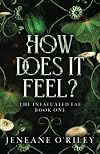
Typically, BookTok reads really come in clutch. This one, however, felt more like a flop than an addictive page-turner. Did it have great moments? Yes, absolutely. Was it overly violent and without any subtle allusions or clear underlying themes? Also, yes. I found many problems with this book the first and most noticeable being that the writing style was variable. At points, there was some very descriptive, beautiful prose, and then on the next page not so much. Some characters suffered by their lack of exposition and by the climax, I was ready to dismiss the whole thing entirely. The only thing that really saved this book for me was the last 50 pages where O'Riley spins things up into a nice hook for the next book.
"How Does It Feel?" (also... I really think this book needs a better title) centers around a young scientist living in a small town researching the anomaly of the luna moth population nearby. Callie, the main character, is clever, educated, and standoffish. Throughout the book, her characterization really kept me going. She had drive, depth, and a ruthlessness that I liked.
When her love interest enters the story, however, everything turns a little... non-consensual. This book can be utterly graphic and brutal at times. From intense gore, torture, and sex, this book is not for the light reader. While I saw that coming with this book, as it was recommended as a villain-centric read, I was not anticipating the complete lack of concern for consent that this book show more had, which frankly, turned me off from the main romance.
While a lot of my issues were redeemed in the third act, I still wouldn't openly recommend this book, at least without a hefty list of trigger warnings and caveats. Overall, it was an exciting but unsatisfying read with a good hook for a sequel. The main character kept me interested in her journey, and while the love interest bordered on creepy, it all got better with a glass of wine. A quick fae read? Sure, go forth and enjoy, but be warned that this book has issues abound. show less
"How Does It Feel?" (also... I really think this book needs a better title) centers around a young scientist living in a small town researching the anomaly of the luna moth population nearby. Callie, the main character, is clever, educated, and standoffish. Throughout the book, her characterization really kept me going. She had drive, depth, and a ruthlessness that I liked.
When her love interest enters the story, however, everything turns a little... non-consensual. This book can be utterly graphic and brutal at times. From intense gore, torture, and sex, this book is not for the light reader. While I saw that coming with this book, as it was recommended as a villain-centric read, I was not anticipating the complete lack of concern for consent that this book show more had, which frankly, turned me off from the main romance.
While a lot of my issues were redeemed in the third act, I still wouldn't openly recommend this book, at least without a hefty list of trigger warnings and caveats. Overall, it was an exciting but unsatisfying read with a good hook for a sequel. The main character kept me interested in her journey, and while the love interest bordered on creepy, it all got better with a glass of wine. A quick fae read? Sure, go forth and enjoy, but be warned that this book has issues abound. show less
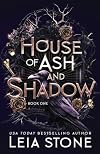
Sometimes, we all need a little bit of YA fantasy to help us escape the day-to-day. When I picked up "House of Ash and Shadow," I was hopeful that this would be a classic dive into all my favorite tropes. Unfortunately, while Stone delivers on the tropes, this book lacks the depth to make it an enjoyable read or a series worth continuing.
The main character, Fallon, embodies all the stereotypical traits a YA heroine must have. She is oh so skinny and small, poor, and helps support her single father with her one friend while living in her "hut." However, just as her characterization is unoriginal, her story arc throughout the book is equally uninspired and problematic for my tastes. Fallon can't touch anyone because of a curse, except for the hottie prince, for no apparent reason, who she just can't hate, no matter how much he mistreats her. She is entirely focused on her romantic interests, her desire to have children, and her fixation on being kissed. The character is not only a blatant stereotype but also lacks the depth of character to motivate any of her heroic actions. Plot points in this book fall down from on high, laid out with very little explanation.
In addition to the poor characterization and weak female lead, the novel is riddled with modern slang that makes it read like fanfiction you might find on AO3. I'll note that I am not this author's target demographic, and her young readers, I'm sure, will enjoy the romantic and dramatic love triangle. However, there show more are plenty of other YA novels in this genre that I believe would better suit any reader. show less
The main character, Fallon, embodies all the stereotypical traits a YA heroine must have. She is oh so skinny and small, poor, and helps support her single father with her one friend while living in her "hut." However, just as her characterization is unoriginal, her story arc throughout the book is equally uninspired and problematic for my tastes. Fallon can't touch anyone because of a curse, except for the hottie prince, for no apparent reason, who she just can't hate, no matter how much he mistreats her. She is entirely focused on her romantic interests, her desire to have children, and her fixation on being kissed. The character is not only a blatant stereotype but also lacks the depth of character to motivate any of her heroic actions. Plot points in this book fall down from on high, laid out with very little explanation.
In addition to the poor characterization and weak female lead, the novel is riddled with modern slang that makes it read like fanfiction you might find on AO3. I'll note that I am not this author's target demographic, and her young readers, I'm sure, will enjoy the romantic and dramatic love triangle. However, there show more are plenty of other YA novels in this genre that I believe would better suit any reader. show less
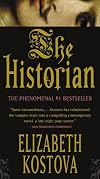
To say that I didn't enjoy this book would be untrue; I did. It has a remarkable way of immersing you in its lush, academia-filled world. The prose is beautiful, and there were several instances when I found myself highlighting and saving quotes and sections. Overall, it was a good moody read for the beginning of October, allowing me to feel the leaves changing while still being in Southern California.
However, the atmospheric descriptions and overall autumn "vibes" couldn't entirely redeem this book from the issues I found with it. To start, the layers the narration delved into were, at times, overwhelming. I mean, frame stories upon frame stories with letters and notations. While I grasp the purpose of simulating varied academic sources, it could've only been successful if each narrator had a distinct voice. Unfortunately, that wasn't the case, as there was no real distinction between the voice of the young 16-year-old and her father as a graduate student years prior or any other character thereafter.
Another issue was that my interest waned after about 400 pages, when this book should have ended. Instead, I found myself slogging through to the end and then being disappointed that the final reveal of this great evil, which was supposed to make all the anticipation worth it, was no more frightening than your average academic advisor. Oh, and then the book kept going...
Would I recommend this book? Maybe? If you know what to expect going into it, this could be a fantastic show more atmospheric novel to pick up and set down for autumn. However, if you're seeking an engaging, "can't-put-it-down" book, this is not it. show less
However, the atmospheric descriptions and overall autumn "vibes" couldn't entirely redeem this book from the issues I found with it. To start, the layers the narration delved into were, at times, overwhelming. I mean, frame stories upon frame stories with letters and notations. While I grasp the purpose of simulating varied academic sources, it could've only been successful if each narrator had a distinct voice. Unfortunately, that wasn't the case, as there was no real distinction between the voice of the young 16-year-old and her father as a graduate student years prior or any other character thereafter.
Another issue was that my interest waned after about 400 pages, when this book should have ended. Instead, I found myself slogging through to the end and then being disappointed that the final reveal of this great evil, which was supposed to make all the anticipation worth it, was no more frightening than your average academic advisor. Oh, and then the book kept going...
Would I recommend this book? Maybe? If you know what to expect going into it, this could be a fantastic show more atmospheric novel to pick up and set down for autumn. However, if you're seeking an engaging, "can't-put-it-down" book, this is not it. show less
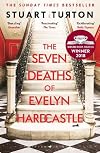
As an Christie lover, I find myself drawn to the locked room mysteries that pull from her inspiring oeuvre of work. The 7 1/2 Deaths of Evelyn Hardcastle seems to fall in the category but not in the way that I expected. This romp of mystery starts in a chase and left me breathless at every turn. The unexpected approach to the confining elements in which the main character must solve the mystery made the conceit more intriguing as I found the rules of the world along side the narrator. Furthermore, unlike some other mysteries, all of the clues needed to solve the mystery were supplied in real time to the readers as they were for the narrator. There was no blindsiding information that the master detective discovered under our nose. This book is absolutely solvable and the joy is in the way Turton keeps the next clue right in front of you till the very end. If you allow yourself to be swept up into the dangerous scenery of Blackhearst, this novel will be a page-turner that keeps you engaged all the way through.
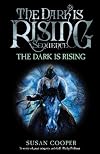
This year for a little holiday spirit, I chose to read "The Dark is Rising" in real-time, and I'm grateful I did. Susan Cooper's prose is nothing short of gorgeous and kept me thoroughly engaged throughout. The story's immersion was particularly fitting for the season, creating a timeless atmosphere that resonated with the very essence of the time of year. It is a short book that is manageable to read a bit a day from Solstice to Twelfth Night. I will attach the schedule that I read it on at the bottom of this review.
Overall, this novel exudes a cozy charm that makes it an ideal seasonal read. It captures the spirit of the season, making it a delightful and comforting experience. While it didn't necessarily grip me as a page-turner, I found it very enjoyable overall. It's the kind of book that I might revisit next year, perhaps when I need an easy comfort read, even though it didn't fully enthrall me. "The Dark is Rising" may not be a pulse-pounding adventure, but its charm and engaging narrative make it a worthwhile addition to the seasonal reading list.
Reading The Dark is Rising in “Real Time”
20th Dec - Midwinter’s Eve
21st Dec - Midwinter’s Day, The Sign-Seeker
23rd - The Walker on the Way
24th Dec - Christmas Eve, The Book of Gramarye, Betrayal
25th Dec - Christmas Day
Dec 31st - The Coming Cold
Jan 1st - The Hawk in the Dark
5th Jan (Twelfth Night Eve) - The King of Fire and water, The Hunt Rides
6th Jan (Twelfth Night) - The Joining of the Signs
Favorite Quotes
Any show more great gift or power or talent is a burden
like the ending of pain, like discord changing to harmony; like the lightening of the spirits that you may feel suddenly in the middle of a grey dull day, unaccountable until you realise that the sun has begun to shine.
The name simply tells you what the road is, as the names of roads and places in old lands very often do, if only men would pay them more attention.
He will have a sweet picture of the Dark to attract him, as men so often do, and beside it he will set all the demands of the Light, which are heavy and always will be.
Ah, said Will the Old One unhappily, any church of any religion is vulnerable to their attack, for places like this are where men give thought to matters of the Light and the Dark.
But Will saw the cruelty now as the fierce inevitability of nature. It was not from malice that the Light and the servants of the Light would ever hound the Dark, but from the nature of things. show less
Overall, this novel exudes a cozy charm that makes it an ideal seasonal read. It captures the spirit of the season, making it a delightful and comforting experience. While it didn't necessarily grip me as a page-turner, I found it very enjoyable overall. It's the kind of book that I might revisit next year, perhaps when I need an easy comfort read, even though it didn't fully enthrall me. "The Dark is Rising" may not be a pulse-pounding adventure, but its charm and engaging narrative make it a worthwhile addition to the seasonal reading list.
Reading The Dark is Rising in “Real Time”
20th Dec - Midwinter’s Eve
21st Dec - Midwinter’s Day, The Sign-Seeker
23rd - The Walker on the Way
24th Dec - Christmas Eve, The Book of Gramarye, Betrayal
25th Dec - Christmas Day
Dec 31st - The Coming Cold
Jan 1st - The Hawk in the Dark
5th Jan (Twelfth Night Eve) - The King of Fire and water, The Hunt Rides
6th Jan (Twelfth Night) - The Joining of the Signs
Favorite Quotes
Any show more great gift or power or talent is a burden
like the ending of pain, like discord changing to harmony; like the lightening of the spirits that you may feel suddenly in the middle of a grey dull day, unaccountable until you realise that the sun has begun to shine.
The name simply tells you what the road is, as the names of roads and places in old lands very often do, if only men would pay them more attention.
He will have a sweet picture of the Dark to attract him, as men so often do, and beside it he will set all the demands of the Light, which are heavy and always will be.
Ah, said Will the Old One unhappily, any church of any religion is vulnerable to their attack, for places like this are where men give thought to matters of the Light and the Dark.
But Will saw the cruelty now as the fierce inevitability of nature. It was not from malice that the Light and the servants of the Light would ever hound the Dark, but from the nature of things. show less
The Assassin's Blade: The Throne of Glass Prequel Novellas (Throne Of Glass Series) by Sarah J. Maas
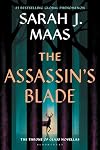
Sarah J. Maas's Assassin's Blade offers an effortlessly enjoyable read, providing an exciting deep dive into Celeana's character. While the central plot flows through five novellas, I found myself questioning the need for this format over a prequel novel, which might have enhanced the overall storytelling experience.
This collection peels back the layers of Celeana's persona, exposing a darker, more violent side with fewer moral inhibitions than the character we first encounter in the Throne of Glass series. While Celeana fights for what is right, she does so in a violent and merciless way. The emotional weight embedded in the story is undeniably heart-wrenching, offering readers a poignant glimpse into Celeana's transformative journey before the events of Throne of Glass.
Despite the engaging plot, I found myself wanting a deeper exploration of Celeana and Sam's relationship. The rapid shift from enemies to lovers left me yearning for a more nuanced understanding of their motivations. Yet, the genuine affection for both characters and the hopeful aura surrounding their connection kept me invested.
Assassin's Blade delves into powerful themes of manipulation, control, and the profound impact of hope. The despicable nature of Arobynn takes center stage, eliciting visceral reactions. I was extremely happy with the order in which I read this installment since I feel this book set the stage beautifully for Queen of Shadows.
While I enjoyed this collection, I rated it three-stars show more since my enjoyment was tempered by structural concerns (the five part split) that occasionally interrupted the narrative flow and led to repetitive information when reading straight through. The central relationship's development could have been more meticulously handled, although the emotional resonance was undeniable—I confess to crying like a baby at the end. For fellow readers, I recommend slotting Assassin's Blade into your reading journey after Heir of Fire for the most emotional impact.
ততততততততততততততততততততততততততততততততততততততততততততততততততততততততততততততততততততততততত
Favorite Quotes possible spoilers
━━━━━━━━━━━━━━━━━━━━━━━━━
“To being the most fearsome and imposing girls the world has ever seen.” Celaena raised her goblet high before she drank.
In the silence of the fortress, the bowstring twanged like a mournful harp.
He brushed his lips against hers. “I love you,” he breathed against her mouth. “And from today onward, I want to never be separated from you. Wherever you go, I go. Even if that means going to Hell itself, wherever you are, that’s where I want to be. Forever.”
“I’m a coward,” she repeated. “And I’m scared. I’m scared all the time. Always.”
"My name is Sam Cortland … and I will not be afraid."
“My name is Celaena Sardothien,” she whispered, “and I will not be afraid.” show less
This collection peels back the layers of Celeana's persona, exposing a darker, more violent side with fewer moral inhibitions than the character we first encounter in the Throne of Glass series. While Celeana fights for what is right, she does so in a violent and merciless way. The emotional weight embedded in the story is undeniably heart-wrenching, offering readers a poignant glimpse into Celeana's transformative journey before the events of Throne of Glass.
Despite the engaging plot, I found myself wanting a deeper exploration of Celeana and Sam's relationship. The rapid shift from enemies to lovers left me yearning for a more nuanced understanding of their motivations. Yet, the genuine affection for both characters and the hopeful aura surrounding their connection kept me invested.
Assassin's Blade delves into powerful themes of manipulation, control, and the profound impact of hope. The despicable nature of Arobynn takes center stage, eliciting visceral reactions. I was extremely happy with the order in which I read this installment since I feel this book set the stage beautifully for Queen of Shadows.
While I enjoyed this collection, I rated it three-stars show more since my enjoyment was tempered by structural concerns (the five part split) that occasionally interrupted the narrative flow and led to repetitive information when reading straight through. The central relationship's development could have been more meticulously handled, although the emotional resonance was undeniable—I confess to crying like a baby at the end. For fellow readers, I recommend slotting Assassin's Blade into your reading journey after Heir of Fire for the most emotional impact.
ততততততততততততততততততততততততততততততততততততততততততততততততততততততততততততততততততততততততত
Favorite Quotes possible spoilers
━━━━━━━━━━━━━━━━━━━━━━━━━
“To being the most fearsome and imposing girls the world has ever seen.” Celaena raised her goblet high before she drank.
In the silence of the fortress, the bowstring twanged like a mournful harp.
He brushed his lips against hers. “I love you,” he breathed against her mouth. “And from today onward, I want to never be separated from you. Wherever you go, I go. Even if that means going to Hell itself, wherever you are, that’s where I want to be. Forever.”
“I’m a coward,” she repeated. “And I’m scared. I’m scared all the time. Always.”
"My name is Sam Cortland … and I will not be afraid."
“My name is Celaena Sardothien,” she whispered, “and I will not be afraid.” show less
Inspired: Slaying Giants, Walking on Water, and Loving the Bible Again (series_title) by Rachel Held Evans
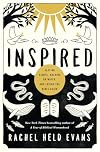
If 'Bailey reading a book about the Bible' was not on your 2024 bingo card, you’re not alone. It wasn’t on mine either and wasn’t anything I would have expected. As a recovering Catholic School girl, I have been alienated from Christianity for a long time. If it wasn’t the Baptists and Evangelicals screaming hate at the LGBTQ+ community and preaching literal interpretations of the Bible, it was the Catholic School theology teachers telling me I was going to hell for not knowing the Apostles or condemning a woman’s right to choose what happens to her own body (by a 40-year-old man in front of a classroom of only teenage girls). The Bible and the Christian faith have been persistent bugs in my drink for years, something that I rolled my eyes over and moved on. Yet, despite my moral hem hawings, I still have had a relationship with 'faith' (ambiguous and shifting from ideology to ideology) since my earliest memories, and when doing my usual theological deep dives, I found this book.
Unexpectedly to me, I found Evans and her insight refreshing and moving. Throughout 'Inspired,' she seamlessly weaves together the threads of biblical narrative and personal reflection, creating a literary tapestry that transcends the conventional boundaries of religious discourse. The book invited me to see the ancient text with fresh eyes, experiencing the scriptures in a way that resonated deeply on a personal level.
What sets Evans apart is her unapologetic and refreshing show more perspective on the Bible and the Christian faith. In a world often dominated by rigid evangelical doctrines, her voice emerges as a beacon of authenticity and nuance. Rather than adhering to the dogma that has alienated myself and many others from the faith, Evans offers a perspective that is both inclusive and empathetic. Her thoughtful reflections challenge the preconceived notions that have, for too long, defined the landscape of Christian discourse.
One of the book's most compelling aspects is the way Evans subverts the traditional narratives surrounding the Bible and Christianity. She skillfully navigates through the complexities of faith, dissecting and reinterpreting the scriptures in a manner that feels both insightful and liberating. For those who have felt estranged from their faith, 'Inspired' provides a refreshing alternative, an oasis of understanding that speaks to the soul and invites a reconnection with one's spiritual roots.
Reading Evans's work is a transformative experience, a journey of self-discovery intertwined with a deep exploration of faith. The book not only challenged my perspectives on the Bible but also encouraged a reevaluation of my relationship with spirituality. Through her eloquent prose and profound insights, Evans succeeds in fostering a sense of connection, making the ancient texts relevant and meaningful in the context of contemporary life.
'Inspired: Slaying Giants, Walking on Water, and Loving the Bible Again' earns its five-star rating with ease. Rachel Held Evans' perspective breathes new life into ancient teachings, offering a space for those who may have felt excluded from traditional Christian narratives. This book stands as a testament to the transformative power of words, bridging the gap between faith and doubt with grace and authenticity. show less
Unexpectedly to me, I found Evans and her insight refreshing and moving. Throughout 'Inspired,' she seamlessly weaves together the threads of biblical narrative and personal reflection, creating a literary tapestry that transcends the conventional boundaries of religious discourse. The book invited me to see the ancient text with fresh eyes, experiencing the scriptures in a way that resonated deeply on a personal level.
What sets Evans apart is her unapologetic and refreshing show more perspective on the Bible and the Christian faith. In a world often dominated by rigid evangelical doctrines, her voice emerges as a beacon of authenticity and nuance. Rather than adhering to the dogma that has alienated myself and many others from the faith, Evans offers a perspective that is both inclusive and empathetic. Her thoughtful reflections challenge the preconceived notions that have, for too long, defined the landscape of Christian discourse.
One of the book's most compelling aspects is the way Evans subverts the traditional narratives surrounding the Bible and Christianity. She skillfully navigates through the complexities of faith, dissecting and reinterpreting the scriptures in a manner that feels both insightful and liberating. For those who have felt estranged from their faith, 'Inspired' provides a refreshing alternative, an oasis of understanding that speaks to the soul and invites a reconnection with one's spiritual roots.
Reading Evans's work is a transformative experience, a journey of self-discovery intertwined with a deep exploration of faith. The book not only challenged my perspectives on the Bible but also encouraged a reevaluation of my relationship with spirituality. Through her eloquent prose and profound insights, Evans succeeds in fostering a sense of connection, making the ancient texts relevant and meaningful in the context of contemporary life.
'Inspired: Slaying Giants, Walking on Water, and Loving the Bible Again' earns its five-star rating with ease. Rachel Held Evans' perspective breathes new life into ancient teachings, offering a space for those who may have felt excluded from traditional Christian narratives. This book stands as a testament to the transformative power of words, bridging the gap between faith and doubt with grace and authenticity. show less
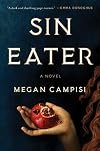
"Sin Eater's" dark, gruesome, and enthralling portrayal of Elizabethan England captured my heart at every turn. In many ways, this book was set up to be a favorite for me before I even read the first word. I am partial to the period, and any exploration of the impact of religious rule always draws me in. Although I was hesitant when I found it was narrated in the first person, I grew to love the main character, May, and her relationships with the spaces and objects around her.
"Sin Eater" is based on historic figures who would eat bread at funerals to absolve the dead their of sins, but Campisi pushes the conceit to a dystopian extreme where women are drafted into the position and held as outcasts to society - "unseen and unheard". When the unassuming May has the unlucky fortune of being sentenced to this livelihood, she becomes aware of a plot that could threaten the very foundation of the royal family.
This enchanting narrative explores the nature of the self, how it is shaped by those who raised us, and the impact of class and poverty on the ego. Through the eyes of May, we see the how divinity, when given to the hands of men, corrupts and defiles society from the bottom up. Along with nuanced looks into acts of “holy” violence and the innermost workings of the self, "Sin Eater" also delivers a powerful feminist message.
Campisi’s novel is fast-paced and exciting. It rides the line between a fictional memoir and a detective novel with all the intimacy of the former show more and all the excitement of the latter. I genuinely couldn’t put it down and will return to it later on to explore the hidden clues I can remember in retrospect. I would recommend this book to anyone who is looking for dark historical fiction with powerful themes that will keep you engaged to the last page.
Favorite quotes:
"My soul carries the sins of this town. I'll carry them with me until I die."
"I wish you could show folk your insides the way you show your face. Then they'd know I'm not wicked at all."
“With how you came into the world and what you’ve seen lately you should know, the more you live, the more the sinner and the sinless can’t be pulled apart. All of us just getting by.”
“…yet to me it’s the soft protection of my father. He tries to turn from me, but he’s the breathing warmth of the Country Mouse. He doesn’t embrace me back, but he’s my mother. He is all the folk no longer with me and all the folk I cannot have” show less
"Sin Eater" is based on historic figures who would eat bread at funerals to absolve the dead their of sins, but Campisi pushes the conceit to a dystopian extreme where women are drafted into the position and held as outcasts to society - "unseen and unheard". When the unassuming May has the unlucky fortune of being sentenced to this livelihood, she becomes aware of a plot that could threaten the very foundation of the royal family.
This enchanting narrative explores the nature of the self, how it is shaped by those who raised us, and the impact of class and poverty on the ego. Through the eyes of May, we see the how divinity, when given to the hands of men, corrupts and defiles society from the bottom up. Along with nuanced looks into acts of “holy” violence and the innermost workings of the self, "Sin Eater" also delivers a powerful feminist message.
Campisi’s novel is fast-paced and exciting. It rides the line between a fictional memoir and a detective novel with all the intimacy of the former show more and all the excitement of the latter. I genuinely couldn’t put it down and will return to it later on to explore the hidden clues I can remember in retrospect. I would recommend this book to anyone who is looking for dark historical fiction with powerful themes that will keep you engaged to the last page.
Favorite quotes:
"My soul carries the sins of this town. I'll carry them with me until I die."
"I wish you could show folk your insides the way you show your face. Then they'd know I'm not wicked at all."
“With how you came into the world and what you’ve seen lately you should know, the more you live, the more the sinner and the sinless can’t be pulled apart. All of us just getting by.”
“…yet to me it’s the soft protection of my father. He tries to turn from me, but he’s the breathing warmth of the Country Mouse. He doesn’t embrace me back, but he’s my mother. He is all the folk no longer with me and all the folk I cannot have” show less
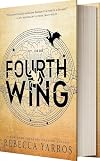
The real tragedy about this book is that when I picked it up, I believed that book #2 had already been released. It has not, and I am hanging onto that cliffhanger as tightly as I can.
From start to finish, this book drew me in and had me turning page after page. It was the most amazing combination of my favorite fantasy tropes with new and exciting twists. Yarros illustrates a lush world full of dimension while keeping the prose easy to read, allowing her enchanting plot to be devoured quickly. The characters of Fourth Wing are dimensional, with deep motivations and feelings. I found myself laughing, crying, and screaming at and with them.
Fourth Wing ranks up there with my favorite contemporary fantasy novels, capturing my imagination in a way I haven't experienced since reading the ACOTAR series. If you are looking for your next fantasy series to dive into, I heartily recommend this one and am counting the days until November 7th!
From start to finish, this book drew me in and had me turning page after page. It was the most amazing combination of my favorite fantasy tropes with new and exciting twists. Yarros illustrates a lush world full of dimension while keeping the prose easy to read, allowing her enchanting plot to be devoured quickly. The characters of Fourth Wing are dimensional, with deep motivations and feelings. I found myself laughing, crying, and screaming at and with them.
Fourth Wing ranks up there with my favorite contemporary fantasy novels, capturing my imagination in a way I haven't experienced since reading the ACOTAR series. If you are looking for your next fantasy series to dive into, I heartily recommend this one and am counting the days until November 7th!
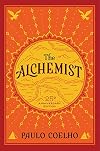
As a person who like to have all the answers, this book fell into my life at just the right moment. It is beautifully written. Coelho says everything he needs to and nothing extra. The Alchemist goes straight to the favorites shelf, I loved every page.
"When someone makes a decision, he is really diving into a strong current that will carry him to places he had never dreamed of when he first made the decision."
"When someone makes a decision, he is really diving into a strong current that will carry him to places he had never dreamed of when he first made the decision."
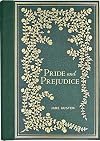
Its remarkable that I hadn't read this book before but I am very glad I did. All the rumors are true, Austen really has it going on. Reading this book was like getting to watch the extended edition directors cut of my favorite movie - I loved it. I understand the characters with so much more complexity than I had before, and appreciate the story with even more fervor.
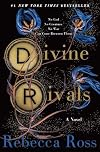
I binge read this on the flight back from Japan & man was that an emotional rollercoaster. This book is much more a war romance than a fantasy one. That is not to say that I didn't like it - it is just to say that it was not what I was expecting (but that might have been my own ignorance). In general, I loved the conceit of the typewriters. It was a pleasant mix of the magical and the mundane. My criticism would be that the love story moved very fast and with a lot of help from the writers hand. It left me a tad unmotivated to read the second book even through this one left a lot unanswered.
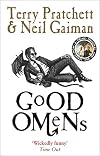
I have absolutely no notes. Loved it. All the way through. It was funny, the characters are lovable, and the story kept me engaged and coming back to the book.
It's so outdated. I really had a problem getting through it, but I wanted to get a well rounded picture of why it is referenced so much.
This is not a fun read. It hurts, but its a good hurt. I slice of a period of time and a necessary read. But damn, not fun.
a treatise on the nature of forgiveness that has rocketed onto my favorites list
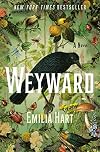
this book emotionally rocked me to my core with feminist rage and grief - screaming and balling for my grandmother and for her mother. it spoke so strongly to female power, the power we have together, in our connections, and our connection to the natural world if we cultivate and respect it. highly recommend (but with heavy content warnings and an understanding that a lot of this book is very emotionally difficult)
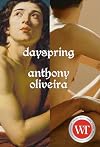
If I read this 10 times I don't think I would catch everything that has been put into it. It reads like poetry, like a common place book entry on love. It has so much Shakespeare in it, and so many words from so many authors gathered with prose and poetry that humanizes and queers a subject that has been so estranged from those things. This book has everything for an early modern queer theology nerd. Go and read it.
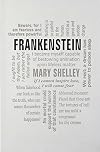
This was a reread after watching the new Del Toro movie. I was reminded how much and why I love this book yet, left puzzled at the changes made by Del Toro. They seemed unfounded by the text and random. It was a good movie but I love the character development of the creature and the connections between the doctor and his friends so much more in the book. In the movie, it is blatant that the man is monster but in the book it is much more nuanced. I will always admire Shelley for this book. It is one of the classics that I truly think should be consistently read and reread. 5 stars again.