Originally posted on my blog Guiltless Reading:
http://guiltlessreading.blogspot.ca/2012/10/close-to-heel-by-norah-mcclintock.ht...
My two cents: I really enjoyed this! Plus I like the concept of the series: a dying grandfather leaves a video detailing a mission for each of his seven grandsons to fulfill -- so they go off and gallivant in some exotic place to fulfill the mission. Does this sound familiar? Think The 39 Clues, which is pretty much based on the same premise; the only thing is doesn't have is the competitive side of The 39 Clues, although it has as much danger, action and adventure in it.
Although it is a series, the books can stand alone. So while I didn't feel the need to have read any other of books in the series to get a better understanding of the story, I now feel the need to get a hold of them to sate my curiosity about what type of people the six other grandsons are, and to better understand this mysterious grandfather's life.
This book zeroes in on Rennie, who grew up with his strict yet loving military dad, still reeling from the death of his mother. Characterised as a "bad boy," acting out his frustrations by slacking off in school, and other tomfoolery that eventually lands him in juvenile detention.
Rennie never knew his maternal grandfather, save for occasional (and rather impersonal) phone calls and the one time that he runs away from home and ends up in his grandfather's home. This one instance allows Rennie to get a glimpse of what a wonderful man show more his grandfather is, and the adventurous life he led. Initially resistant to the mission, Rennie's father eventually gives in and Rennie is off to Iceland to leave a memento of his grandfather's past love and an old, old friendship!
Once in Iceland, the seemingly simple mission becomes fraught with complications, and Rennie becomes embroiled in a local mystery, gets mixed up with unsavoury characters, and lands himself in danger. This plays itself out ... to a rather surprising ending!
Throughout I enjoyed the small glimpses into Icelandic traditions, some tourist spots, and the landscape. The banter and love-hate between Rennie and the young girl Brynja also added a bit of personality.
Overall, while the overall story is well done, I couldn't help noticing how complicated and confused the relationships (who is he again?) and the plot (errr, what just happened?) became towards the end, in the bid to wrap up everything nicely. Nonetheless, this is definitely a great read for middle-years kids and The 39 Clues fans.
Verdict: A quick middle-years read that will satisfy your inner child's need for mystery, action and adventure! Don't pick it apart because you'll find that it all doesn't add up as you first thought! show less
http://guiltlessreading.blogspot.ca/2012/10/close-to-heel-by-norah-mcclintock.ht...
My two cents: I really enjoyed this! Plus I like the concept of the series: a dying grandfather leaves a video detailing a mission for each of his seven grandsons to fulfill -- so they go off and gallivant in some exotic place to fulfill the mission. Does this sound familiar? Think The 39 Clues, which is pretty much based on the same premise; the only thing is doesn't have is the competitive side of The 39 Clues, although it has as much danger, action and adventure in it.
Although it is a series, the books can stand alone. So while I didn't feel the need to have read any other of books in the series to get a better understanding of the story, I now feel the need to get a hold of them to sate my curiosity about what type of people the six other grandsons are, and to better understand this mysterious grandfather's life.
This book zeroes in on Rennie, who grew up with his strict yet loving military dad, still reeling from the death of his mother. Characterised as a "bad boy," acting out his frustrations by slacking off in school, and other tomfoolery that eventually lands him in juvenile detention.
Rennie never knew his maternal grandfather, save for occasional (and rather impersonal) phone calls and the one time that he runs away from home and ends up in his grandfather's home. This one instance allows Rennie to get a glimpse of what a wonderful man show more his grandfather is, and the adventurous life he led. Initially resistant to the mission, Rennie's father eventually gives in and Rennie is off to Iceland to leave a memento of his grandfather's past love and an old, old friendship!
Once in Iceland, the seemingly simple mission becomes fraught with complications, and Rennie becomes embroiled in a local mystery, gets mixed up with unsavoury characters, and lands himself in danger. This plays itself out ... to a rather surprising ending!
Throughout I enjoyed the small glimpses into Icelandic traditions, some tourist spots, and the landscape. The banter and love-hate between Rennie and the young girl Brynja also added a bit of personality.
Overall, while the overall story is well done, I couldn't help noticing how complicated and confused the relationships (who is he again?) and the plot (errr, what just happened?) became towards the end, in the bid to wrap up everything nicely. Nonetheless, this is definitely a great read for middle-years kids and The 39 Clues fans.
Verdict: A quick middle-years read that will satisfy your inner child's need for mystery, action and adventure! Don't pick it apart because you'll find that it all doesn't add up as you first thought! show less
 This review was written for LibraryThing Early Reviewers.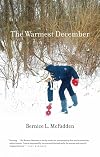
Originally post on my blog guiltless reading
The choice to forgive is yours.
The book in one sentence: A young woman strives to make sense of a life touched by alcoholism and abuse.
My two cents: This is one of those books that you don't really know what to expect ... and come away feeling that you got more than you bargained for. In an astounding way. I have never read any of McFadden's work, I have never heard of her period. So I didn't come in with any expectations. But I was blown away by both the story and the writing.
This is a story of a young black woman, Kenzie, who is inexplicably drawn to the deathbed of her father. In her head she didn't want to be there, filled with hate after having suffered -- with her martyred mother and her brother Malcolm -- a childhood of consistent abuse in his perennial alcoholic haze. The story alternates between past and present as she tries to make sense of her life, her relationships with her mother and her father, and the impacts on her life.
She witnessed how her mother had fallen to the addiction in a bid to assuage the pain; Kenzie too was not spared by the grip of alcoholism. Getting into Kenzie's head is painful -- Kenzie's voice is loud and strong, as she struggles with her anger and resentment, so she struggles with the pain and that "hole in her heart."
Now and then I forget things, small things that would not otherwise alter my life. Things like milk in my coffee, setting my alarm clock, or Oprah at four. Tiny things.
One show more day last week I forgot I hated my father, forgot that I had even thought of him as a monster, forgot the blows he'd dealt over the years [...]- p. 16, The Warmest December by Bernice L. McFadden
What I needed was to get to the meeting and share the pain; distribute it among the others, thinning it until it disappeared. What I wanted was a drink. I could pour the liquid down my throat and let it filter into the hole and extinguish the pain that lived there.
- p. 56, The Warmest December by Bernice L. McFadden
But rather than succumbing to the victim mentality, Kenzie is allowed insight into her father's own painful childhood and she comes to the realization that forgiveness and her healing are within her reach -- if she so chooses. An otherwise vicious cycle that can be simply be allowed to perpetuate can be stopped: this is the heart of McFadden's message. This is captured in the latter part of the novel -- which I re-read not once but twice, and with each reading, I kept thinking if I had the strength of character to totally forgive someone who has caused so much pain.
♥
Bernice McFadden's writing style is simple yet powerful ... because she herself lived it. Writing the truth speaks volumes more than the most flowery prose. She describes the process of writing thus:
I suppose, The Warmest December came out of my need to understand and forgive. It was probably the most difficult and most freeing thing I've ever written. If bloodletting could be translated into words - for me The Warmest December would be just that.
- via the author's blog on Goodreads
♥
Verdict:
If your life has been touched by alcoholism, this book will speak to (nay scream at) you. If not, it will shed a very personal light on this societal problem that many merely dismiss as a statistic. I can only express my gratitude for McFadden's courage to write about alcoholism at its ugliest and forgiveness in its finest.
First line: Now and then I forget things, small things that would not otherwise alter my life.
Last line: "I'm sorry for both of us," I said and looked out into the warm December day. show less
The choice to forgive is yours.
The book in one sentence: A young woman strives to make sense of a life touched by alcoholism and abuse.
My two cents: This is one of those books that you don't really know what to expect ... and come away feeling that you got more than you bargained for. In an astounding way. I have never read any of McFadden's work, I have never heard of her period. So I didn't come in with any expectations. But I was blown away by both the story and the writing.
This is a story of a young black woman, Kenzie, who is inexplicably drawn to the deathbed of her father. In her head she didn't want to be there, filled with hate after having suffered -- with her martyred mother and her brother Malcolm -- a childhood of consistent abuse in his perennial alcoholic haze. The story alternates between past and present as she tries to make sense of her life, her relationships with her mother and her father, and the impacts on her life.
She witnessed how her mother had fallen to the addiction in a bid to assuage the pain; Kenzie too was not spared by the grip of alcoholism. Getting into Kenzie's head is painful -- Kenzie's voice is loud and strong, as she struggles with her anger and resentment, so she struggles with the pain and that "hole in her heart."
Now and then I forget things, small things that would not otherwise alter my life. Things like milk in my coffee, setting my alarm clock, or Oprah at four. Tiny things.
One show more day last week I forgot I hated my father, forgot that I had even thought of him as a monster, forgot the blows he'd dealt over the years [...]- p. 16, The Warmest December by Bernice L. McFadden
What I needed was to get to the meeting and share the pain; distribute it among the others, thinning it until it disappeared. What I wanted was a drink. I could pour the liquid down my throat and let it filter into the hole and extinguish the pain that lived there.
- p. 56, The Warmest December by Bernice L. McFadden
But rather than succumbing to the victim mentality, Kenzie is allowed insight into her father's own painful childhood and she comes to the realization that forgiveness and her healing are within her reach -- if she so chooses. An otherwise vicious cycle that can be simply be allowed to perpetuate can be stopped: this is the heart of McFadden's message. This is captured in the latter part of the novel -- which I re-read not once but twice, and with each reading, I kept thinking if I had the strength of character to totally forgive someone who has caused so much pain.
♥
Bernice McFadden's writing style is simple yet powerful ... because she herself lived it. Writing the truth speaks volumes more than the most flowery prose. She describes the process of writing thus:
I suppose, The Warmest December came out of my need to understand and forgive. It was probably the most difficult and most freeing thing I've ever written. If bloodletting could be translated into words - for me The Warmest December would be just that.
- via the author's blog on Goodreads
♥
Verdict:
If your life has been touched by alcoholism, this book will speak to (nay scream at) you. If not, it will shed a very personal light on this societal problem that many merely dismiss as a statistic. I can only express my gratitude for McFadden's courage to write about alcoholism at its ugliest and forgiveness in its finest.
First line: Now and then I forget things, small things that would not otherwise alter my life.
Last line: "I'm sorry for both of us," I said and looked out into the warm December day. show less
This review was written for LibraryThing Early Reviewers.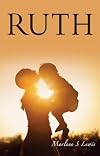
Full review coming soon. I just finished this. Couldn't put it down! It's a combination of family saga and historical fiction with the same feeling that I got from the Poisonwood Bible! Wow!
---------
Full review here:
http://guiltlessreading.blogspot.com/2012/01/ruth-by-marlene-lewis.html
We are the product of our times.
The book in one sentence: Ruth faces trial and tribulation while discovering the truth about herself and her family in Papua New Guinea.
My thoughts: This is inspiring, is historical, and it hits home. Ruth by Marlene S. Lewis is a story is about an Australian woman who grew up in Papua New Guinea in the 1950-60s. It is a life story - of hardship and struggle - steeped in an era of stormy civil rights clashes and colonialism.
Ruth is the only daughter of coffee plantation owners John and Alice Madison. Coming home to the Owen Stanley Ranges in Papua New Guinea after a term in boarding school, she puzzles over why everyone is acting so strange. Until she witnesses her mother thus:
"Looks like the rain's going to set in," Bert said, as they glanced out through the trellis to watch the heavy downpour bucketing over the outbuildings.
"Oh my goodness, who on earth is that?" Myrtle said as her hand swept to her mouth. "Oh heavens above, it's a white woman with no clo..."
Everyone stared in horror. There was Alice, sitting on an oil drum in the pouring rain.
And with that dramatic ending on page 32, Marlene Lewis had me up until 2:00 am!
The whole book is about Ruth show more from young woman to adulthood. We follow her from one calamity to another - innocent young girl, pregnant young woman forced to deal with hardships way beyond her years, settling down, and finally reinventing herself. I thought that the story would end there but no, there is more. Believe me, what this woman went through is nothing to scoff at.
Ruth is a tough woman, reminiscent of the pioneer women, and anything life throws at her, she deals with and moves on. But she doesn't escape unscathed, and she retains an emotional vulnerability that I am sure many people can relate to. In the midst of all these trials, Ruth relies heavily on her family and her friendships. Marlene Lewis does a wonderful job of keeping Ruth and her reletionships both believable and inspiring.
What I found most fascinating about this book: it is based on the history of Papua New Guinea, a country that has a colonial past - under the Dutch, the British, and the Australians (during which this story is set in, in the 1950s-60s). This makes for the rich, and rather explosive dynamics between the locals and the colonizers. There is the master-servant attitude with abuse commonplace, accepted, and even taken for the norm; an unspoken segregation and discrimination; a taboo of relationships between these two groups; and lastly the conflicting views of either resignedness to or challenging the status quo. {Sidenote: I grew up in the Philippines which also has a strong colonial past and the similarities resonate with me.}
Ruth's naive picture of her idyllic life in Papua New Guinea is painfully shattered. Without giving out too much information and spoiling things for you: the milieu plays such a critical role in these truths; it permeates these truths. She finds out why her mother was acting so strangely that day, the events that led to her father's suspicious death, the reasons for her brother's longstanding hostility, and the true identity of her beloved childhood sweetheart. I was in probably in shock mode for the most part, as I was learning history in a much more realistic way through these characters' lives.
♥
First line: Friday 14th December 1956 had arrived at last.
Random quote: "You know, Ruthy, Christmas can be one of the saddest times as you get older. We lose people along the way of life, people who have been special to us; then Christmas comes and they aren't with us, and it's like losing them all over again." - p. 237
Verdict: This is an engrossing read which gives plenty of food for thought about womanhood, family relationships and friendships, and the cultures which shapes us into the people we become and the lives we live.
I received this book through the LibraryThing Early Reviewers. show less
---------
Full review here:
http://guiltlessreading.blogspot.com/2012/01/ruth-by-marlene-lewis.html
We are the product of our times.
The book in one sentence: Ruth faces trial and tribulation while discovering the truth about herself and her family in Papua New Guinea.
My thoughts: This is inspiring, is historical, and it hits home. Ruth by Marlene S. Lewis is a story is about an Australian woman who grew up in Papua New Guinea in the 1950-60s. It is a life story - of hardship and struggle - steeped in an era of stormy civil rights clashes and colonialism.
Ruth is the only daughter of coffee plantation owners John and Alice Madison. Coming home to the Owen Stanley Ranges in Papua New Guinea after a term in boarding school, she puzzles over why everyone is acting so strange. Until she witnesses her mother thus:
"Looks like the rain's going to set in," Bert said, as they glanced out through the trellis to watch the heavy downpour bucketing over the outbuildings.
"Oh my goodness, who on earth is that?" Myrtle said as her hand swept to her mouth. "Oh heavens above, it's a white woman with no clo..."
Everyone stared in horror. There was Alice, sitting on an oil drum in the pouring rain.
And with that dramatic ending on page 32, Marlene Lewis had me up until 2:00 am!
The whole book is about Ruth show more from young woman to adulthood. We follow her from one calamity to another - innocent young girl, pregnant young woman forced to deal with hardships way beyond her years, settling down, and finally reinventing herself. I thought that the story would end there but no, there is more. Believe me, what this woman went through is nothing to scoff at.
Ruth is a tough woman, reminiscent of the pioneer women, and anything life throws at her, she deals with and moves on. But she doesn't escape unscathed, and she retains an emotional vulnerability that I am sure many people can relate to. In the midst of all these trials, Ruth relies heavily on her family and her friendships. Marlene Lewis does a wonderful job of keeping Ruth and her reletionships both believable and inspiring.
What I found most fascinating about this book: it is based on the history of Papua New Guinea, a country that has a colonial past - under the Dutch, the British, and the Australians (during which this story is set in, in the 1950s-60s). This makes for the rich, and rather explosive dynamics between the locals and the colonizers. There is the master-servant attitude with abuse commonplace, accepted, and even taken for the norm; an unspoken segregation and discrimination; a taboo of relationships between these two groups; and lastly the conflicting views of either resignedness to or challenging the status quo. {Sidenote: I grew up in the Philippines which also has a strong colonial past and the similarities resonate with me.}
Ruth's naive picture of her idyllic life in Papua New Guinea is painfully shattered. Without giving out too much information and spoiling things for you: the milieu plays such a critical role in these truths; it permeates these truths. She finds out why her mother was acting so strangely that day, the events that led to her father's suspicious death, the reasons for her brother's longstanding hostility, and the true identity of her beloved childhood sweetheart. I was in probably in shock mode for the most part, as I was learning history in a much more realistic way through these characters' lives.
♥
First line: Friday 14th December 1956 had arrived at last.
Random quote: "You know, Ruthy, Christmas can be one of the saddest times as you get older. We lose people along the way of life, people who have been special to us; then Christmas comes and they aren't with us, and it's like losing them all over again." - p. 237
Verdict: This is an engrossing read which gives plenty of food for thought about womanhood, family relationships and friendships, and the cultures which shapes us into the people we become and the lives we live.
I received this book through the LibraryThing Early Reviewers. show less
This review was written for LibraryThing Member Giveaways.
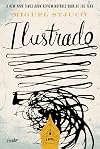
This feels like a huge inside joke. And being Filipino drives home the punchline just like an arrow to the heart.
The book in one sentence: Young Filipino writer Miguel Syjuco seeks the truth about the death of his mentor Crispin Salvador and his missing last manuscript, and in the process shares with readers elements of the Filipino identity.
My thoughts: I'm a Filipino. Born, raised and lived in the Philippines for most of my 30 + odd years. I migrated to Canada shy of 2 years ago. My appetite for Filipino literature has been limited, though I have read the compulsory Noli and El Fili and have enjoyed F. Sionil Jose, Lualhati Bautista, Gilda Cordero-Fernando -- but mainly because it was hip to do so in university and in the NGO circles. It's ironic that I started book blogging because I wanted to expose myself to more genres of literature and read writers from various cultures, but never really looked in my own back yard. My bad.
I guess being in another country was the push for me to truly appreciate the idiosyncrasies of being Filipino, and finally read this much talked about book! I first read the review of Ilustrado by Blooey of this young Filipino writer who with his debut novel takes home the Man Asian Literary Prize. Then during lunch break this 2011, irony of ironies, my Canadian co-worker tells me that their book club is reading Ilustrado!
So hunker down to read it I did. And I surprisingly discovered that so many things resonated with me.
Read the rest here: show more target="_top">http://guiltlessreading.blogspot.com/2011/05/ilustrado-by-miguel-syjuco.html show less
The book in one sentence: Young Filipino writer Miguel Syjuco seeks the truth about the death of his mentor Crispin Salvador and his missing last manuscript, and in the process shares with readers elements of the Filipino identity.
My thoughts: I'm a Filipino. Born, raised and lived in the Philippines for most of my 30 + odd years. I migrated to Canada shy of 2 years ago. My appetite for Filipino literature has been limited, though I have read the compulsory Noli and El Fili and have enjoyed F. Sionil Jose, Lualhati Bautista, Gilda Cordero-Fernando -- but mainly because it was hip to do so in university and in the NGO circles. It's ironic that I started book blogging because I wanted to expose myself to more genres of literature and read writers from various cultures, but never really looked in my own back yard. My bad.
I guess being in another country was the push for me to truly appreciate the idiosyncrasies of being Filipino, and finally read this much talked about book! I first read the review of Ilustrado by Blooey of this young Filipino writer who with his debut novel takes home the Man Asian Literary Prize. Then during lunch break this 2011, irony of ironies, my Canadian co-worker tells me that their book club is reading Ilustrado!
So hunker down to read it I did. And I surprisingly discovered that so many things resonated with me.
Read the rest here: show more target="_top">http://guiltlessreading.blogspot.com/2011/05/ilustrado-by-miguel-syjuco.html show less
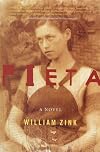
When impending death unearths the past.
I got this book through the LibraryThing Member Giveaway and was pleasantly surprised to receive not only an autographed copy of Pieta but also a copy of Zink's poems Homage: Sonnets from the Husband. Thank you, William!
The book in one sentence: Jim takes care of his dying mother and unwittingly unearths family secrets.
My thoughts: This is book deals with unpleasant subject matter - a dying parent. But it so reminded me of my grandfather's long illness and the effect on the people around him, that this book left me a tad unravelled.
It may seem a straightforward book - Jim and his sister Katie are taking care of their dying mother. A heartbreaking chore, seeing her slip away slowly. Delirious, weakening, and yearning to be reunited with her sculptor husband. Jim's young daughter, Alex gives a young and honest take on death and dying.
But this is definitely not a simple book. It is about the psychology of dying - where the living and the dying become much more open with each other to the point that even the deepest secrets are no longer sacred. And with exposure comes pain, regret, and slowly, eventually acceptance.
Sibling rivalries come to the fore. A new, more accurate picture of a dead father comes to light. Relationships are recontextualized. Childhood memories are put into perspective. This paves the way for building more honest relationships in the future.
This slim novel is packed with beautiful prose. Zink's writing is show more heartbreakingly honest. I especially loved this section on p. 83 which covers childhood, marriage, fatherhood and prayer in one paragraph:
When I was a boy, I did not think i could ever love anyone as much as I loved my mother. I married my wife, and told myself I could never love anyone more than I loved her. Now, gazing at my sleeping daughter, I dismissed both beliefs not as folly, but as greedy self-satisfying ardor. I trembled with emotion and wept, as I do often when I am alone driving to work, or at night when I am working in the yard, and see my daughters in my mind. Still, I cannot believe I have the privilege of being their father. When I consider it, I freeze up with fear. I think of all that could happen that might dissolve this dream. In this way, I have come to create a thing called prayer, which is not the hollow, grotesque thing called I was taught as a boy, but the thing that formed organically in my soul with the arrival, and then nurturing, of my daughters. My days are a prayer, my nights are too. My daughters feed the hole in me in ways my mother could not, and my wife would not. I am most alive when I am with them, and it is terrifying.
Verdict: A beautiful book to ruminate upon. Don't read when you're depressed or when it's just too nice and sunny outside. show less
I got this book through the LibraryThing Member Giveaway and was pleasantly surprised to receive not only an autographed copy of Pieta but also a copy of Zink's poems Homage: Sonnets from the Husband. Thank you, William!
The book in one sentence: Jim takes care of his dying mother and unwittingly unearths family secrets.
My thoughts: This is book deals with unpleasant subject matter - a dying parent. But it so reminded me of my grandfather's long illness and the effect on the people around him, that this book left me a tad unravelled.
It may seem a straightforward book - Jim and his sister Katie are taking care of their dying mother. A heartbreaking chore, seeing her slip away slowly. Delirious, weakening, and yearning to be reunited with her sculptor husband. Jim's young daughter, Alex gives a young and honest take on death and dying.
But this is definitely not a simple book. It is about the psychology of dying - where the living and the dying become much more open with each other to the point that even the deepest secrets are no longer sacred. And with exposure comes pain, regret, and slowly, eventually acceptance.
Sibling rivalries come to the fore. A new, more accurate picture of a dead father comes to light. Relationships are recontextualized. Childhood memories are put into perspective. This paves the way for building more honest relationships in the future.
This slim novel is packed with beautiful prose. Zink's writing is show more heartbreakingly honest. I especially loved this section on p. 83 which covers childhood, marriage, fatherhood and prayer in one paragraph:
When I was a boy, I did not think i could ever love anyone as much as I loved my mother. I married my wife, and told myself I could never love anyone more than I loved her. Now, gazing at my sleeping daughter, I dismissed both beliefs not as folly, but as greedy self-satisfying ardor. I trembled with emotion and wept, as I do often when I am alone driving to work, or at night when I am working in the yard, and see my daughters in my mind. Still, I cannot believe I have the privilege of being their father. When I consider it, I freeze up with fear. I think of all that could happen that might dissolve this dream. In this way, I have come to create a thing called prayer, which is not the hollow, grotesque thing called I was taught as a boy, but the thing that formed organically in my soul with the arrival, and then nurturing, of my daughters. My days are a prayer, my nights are too. My daughters feed the hole in me in ways my mother could not, and my wife would not. I am most alive when I am with them, and it is terrifying.
Verdict: A beautiful book to ruminate upon. Don't read when you're depressed or when it's just too nice and sunny outside. show less
This review was written for LibraryThing Member Giveaways.
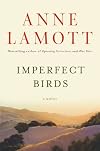
I loved this book, and Anne Lamott is an incredible writer. It's a very honest look at a mother-daughter relationship, and the honesty with which both sides are told will both break your hear yet make you uncomfortable. Meant to address the very real issue of teenage drugs, I'd recommend this for every parent. I loved the book up until the last few chapters which sort of digressed into a brochure for a recommended way of treating teenage drug use.
This review was written for LibraryThing Early Reviewers.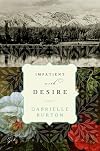
I got just a bit of an eyeroll from the hubby when he saw the title of the book. I've sort of sworn off trashy romance novels - and this is what this book seemed to be about - an illicit romance with lots of steamy sex scenes! The cover design sends off mixed signals too - despite the cool mountain panorama, the flowered detail at the bottom again suggests romance. I had a little explaining to do, that it was historical fiction based on the tribulations of pioneering Americans migrating to California. I found the subject matter fascinating, provoking, if not a bit depressing, but highlighting the tenacity of the human spirit despite whatever life throws. The fact that it is a well-researched piece of fiction underscores that history can become alive, especially told from a first-person point of view; Tamsen Donner is a force to be reckoned with as she is the epitome of the stubborn lover, the ferocious mother, and the strong woman of the time. I had a bit of a problem with the chronology of this book as it got a little confusing, despite the highly detailed accounts and lists of people in the story.
(I received this as an Early Bird Review Book!)
(I received this as an Early Bird Review Book!)
This review was written for LibraryThing Early Reviewers.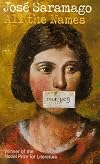
The book in one sentence: Senhor Jose’s otherwise humdrum life as a clerk in the Central Registry turns topsy-turvy as in the course of collecting info on famous people, he picks up an ordinary woman’s birth certificate … and obsesses to track her down.
Who would you recommend it to: Those who love to get lost in meandering descriptions.
OK bits: I loved this book – but I think you need to get into a state of mind. Don’t read this if you’re in a rush or looking for a quick read. This is a book to get lost in during a boring rainy day with nothing to do. The story is sparse but how it is told is amazing. Saramago tells it like he were right next to you, conversational and in run-on sentences (in fact some sentences would run on for over a page!). But the voice is clear, honest, direct. I got so drawn into the mundanity of Senhor Jose’s life, I actually found myself rooting for him.
Boring bits: While the book’s strength is its prose, it is also its Achilles heel. If you flip through the book and see how dense the paragraphs are, you may just be turned off. Don’t be daunted, don’t shortchange yourself.
Verdict: Loved it. I’m in awe at how Saramago weaves this tale about loneliness, anonymity and how people naturally seek meaning and identity throughout their lives.
Random quote:
Apart from his first name, Jose, Senhor Jose also has surnames, very ordinary ones, nothing extravagant, one from his father’s side, another from his mother’s, as is normal, show more names legitimately transmitted, as we could confirm in the Register of Births in the Central Registry if the matter justified our interest and if the results of that inquiry repaid the labour of merely confirming what we already know.
Links:
* http://www.powells.com/review/2001_07_19.html
* http://www.bookreporter.com/reviews/0156010593.asp show less
Who would you recommend it to: Those who love to get lost in meandering descriptions.
OK bits: I loved this book – but I think you need to get into a state of mind. Don’t read this if you’re in a rush or looking for a quick read. This is a book to get lost in during a boring rainy day with nothing to do. The story is sparse but how it is told is amazing. Saramago tells it like he were right next to you, conversational and in run-on sentences (in fact some sentences would run on for over a page!). But the voice is clear, honest, direct. I got so drawn into the mundanity of Senhor Jose’s life, I actually found myself rooting for him.
Boring bits: While the book’s strength is its prose, it is also its Achilles heel. If you flip through the book and see how dense the paragraphs are, you may just be turned off. Don’t be daunted, don’t shortchange yourself.
Verdict: Loved it. I’m in awe at how Saramago weaves this tale about loneliness, anonymity and how people naturally seek meaning and identity throughout their lives.
Random quote:
Apart from his first name, Jose, Senhor Jose also has surnames, very ordinary ones, nothing extravagant, one from his father’s side, another from his mother’s, as is normal, show more names legitimately transmitted, as we could confirm in the Register of Births in the Central Registry if the matter justified our interest and if the results of that inquiry repaid the labour of merely confirming what we already know.
Links:
* http://www.powells.com/review/2001_07_19.html
* http://www.bookreporter.com/reviews/0156010593.asp show less
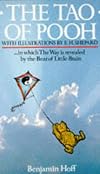
Interesting insights. I have always loved Pooh bear so a philosophical slant of Pooh lends to interesting reading! I knew that Pooh was more than a children's character, he always had a certain wisdom about him which makes him endearing to both kids and adults.
Very well-written suspense novel about a gypsy girl and her search for a prophet. It's a quick read, as the suspense builds up slowly and you want to find out what happens next. A little confusing in its use of gypsy words -- with no glossary or explanation (e.g. dikh sight, The Badness). But then maybe because this is the sequel ... I didn't read the first book!
This review was written for LibraryThing Early Reviewers.
The setting: a children's halloween party complete with bobbing for apples, looking in the mirror to see your true love, a "real" witch ... and the presence of a well-known writer of mystery stories. A child boasts that she witnessed a murder, and hours later she is drowned. See how a murder committed years ago comes back to haunt a community. With characteristic references to Greek mythology of a bevy of characters, a beautiful garden .... and a complicated plot of money and saving beauty for beauty's sake. And Poirot saves the life of yet another just in time!

The Christmas season is not the time for good cheer, in fact it is a murderous season. Simeon Lee's puzzling murder (a closed door, a wail from hell, lots of blood, and seemingly no means of escape for the murderer) puts each his family members under suspicion. Money? Power? Revenge? Who killed him ... and how? Poirot comes in and gives us another surprising solution to the mystery. The clue: the character of the man murdered.
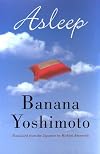
What can I say, Banana does it again. In three short stories, she manages to capture three women's stories in the entanglement of the simple act of sleeping, love, and of death -- a sleepwalker because of a death of lover, one haunted by the ghost/memory of a former lover's other girlfriend, one who does nothing but sleep because her lover's husband is in a coma. Each is written in sparse yet beautiful prose. Each story is a gem with Banana's trademark otherworldliness.
Weiner is obviously a talented writer. But the storyline is like Stepford Wives meets heavy dose of reality. I didn't quite get it.
The book is quick-paced, very engaging. Watch the con man get conned.
Definitely the best book in the trilogy.
Eat, Pray, Love: One Woman's Search for Everything Across Italy, India and Indonesia by Elizabeth Gilbert
I wish I had never caught that interview on evening where Oprah was interviewing Elizabeth Gilbert. Apparently Oprah was so enamored by the book that she devoted 2 entire shows to it!I was actually enjoying the Italian leg when I had to watch that fated show. But I had a strange feeling that the book was contrived. Do you go on a journey self-discovery by PLANNING to go to 3 countries, with the eat-pray-love so wonderfully fit together? Methinks not.
She's quite funny. But it can get tiresome quick. Trying to be witty chapter after chapter will definitely get old sooner or later.
Don't get me wrong. I enjoyed her descriptions of travelling and how honest she is that she is not living the life she wants (maybe carrying it a tad far with her lovemaking and masturbation). It has its moments. Give it a try. But I think this is the last Gilbert book I'll read!

I didn't realize that this was a re-read (way way back in high school when I swiped one of my grandmother's Agatha Christies off her shelf). This is collection of short stories featuring Miss Marple, Hercule Poirot and Harley Quinn (only one story though but I never much liked him).
Again relived some of my favorites: The Third Floor Flat, The Adventure of Johnnie Waverly and Four and Twenty Blackbirds.
Beautiful and sensitive storytelling of a revolution and four sisters in the Dominican Republic. Wonderful historical fiction.
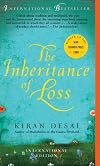
Disturbingly realistic, a dire commentary on colonialism, immigration and the search for a better life.
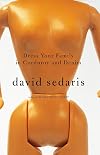
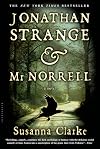
Yes this is a chunkster! But it isn't a book to speed-read. I loved the imaginativeness of this historical novel-of-sorts which traces the restoration of magic in England. Fascinating characters in the mousy Mr Norrell, the passionate Jonathan Strange, and my favorite servant Mr Childermass.
I enjoyed the sub-stories of Lady Pole and Stephan Black's enchantment by a Faerie, of cause-and-consequence in the world of magic.
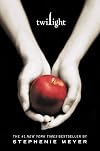
This is a total waste of time. You're better off reading Anne Rice's books if you're interested in the vampire genre of literature. She at least has the decency to give her characters some strength of character, and not be all needy like Bella.
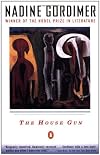
I felt like I was holding my breath throughout the whole book, expecting something earthshaking to happen. But a third into it, I was still waiting ... halfway into it, still waiting... and when the moment arrived, arrrrggghhh, is that IT?Not exactly a page-turner, but an incisive look into the psychology of parents to their child. How well do you really know your child? If your son were accused of murder, would you feel obligated to believe him as innocent? To what lengths would you protect your son?
It also examines to a lesser degree white-black relations and power play in South Africa.
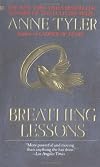
This book creeps up on you. Like a movie that's dull in the beginning, then when it's all over all too soon, you go "Why can't all movies be that simple and that beautiful?" This is storytelling at its simplest and finest.
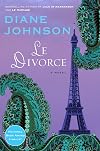
Yes this is chick lit, but it's not fluff. A social commentary of a young woman, family relations, love relations, etc. in France. A good read, realistic. But if you don't know French, you may struggle a bit when french phrases and sentences find their way into the text.
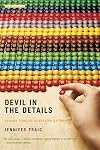
This was really difficult to get through. It started out ok but the attempt at wry humor got to me after a while ... Traig had serious problems yet this tried to present the humorous side to it. Unfortunately it didn't really work.
After a few false starts and stops, I finally got into this extremely well-told tale of apartheid and revolution in South Africa. The beauty of it is that the secret lives of each family member can get so engrossing, that you seem to actually know them.
Beautiful language, a sensitivity not only to nature but humanity. Kingsolver is among my favorites now!

Interesting in many respects: the prose is easy yet lovely, the topic (forensic medicine with a human rights angle), and the treatment of shifting in dimensions. But somehow I didn't really like Anil's character. She didn't seem quite real, a trite stereotype of the many do-gooders. Somehow her motivations seemed forced.
While using the same successful and engaging writing style, Ondaatje's Anil doesn't seem quite to make it.