One year ago, Laura's husband Jack committed suicide after a long battle with bipolar disorder. Laura has spent the year in a fog of grief, wrapping up her husband's affairs and helping her two teenage children to adjust to life without a father. Now, twelve months on, it's time to think about moving on. Semi-reluctantly, she agrees to lease Jack's studio to a handsome doctor. Meanwhile her daughter, Darcy, is embroiled in her first serious romantic relationship with a fellow troubled teen. The book switches between Laura and Darcy's point of view (Laura being referred to as "Mom" in the Darcy chapters) and deals with both women coming to terms with the heritage that Jack's illness has left them with.
This is Lorrie Thomson's first novel and she was inspired in part by her own son's mental illness. The story gets you thinking about the way that someone's mental illness creates long lasting issues for their entire family. For example, Laura is continually alert to potential symptoms in her own children, which causes her significant anxiety. I did feel however that the author tells us too often what is going on in people's heads rather than giving the reader space to make connections of their own. I also never warmed to Laura as a character. She didn't become real to me in the way that Darcy did.
The writing occasionally feels repetitive or clunky. For example, this excerpt: "She couldn't help but sigh, even though it usually irritated her daughter. She couldn't help but show more love her daughter more than ever. She couldn't help but break into a grin and share the good news."
Nevertheless this is an easy book to read that feels very realistic and is quite thought provoking.
I received this book for review from NetGalley. show less
This is Lorrie Thomson's first novel and she was inspired in part by her own son's mental illness. The story gets you thinking about the way that someone's mental illness creates long lasting issues for their entire family. For example, Laura is continually alert to potential symptoms in her own children, which causes her significant anxiety. I did feel however that the author tells us too often what is going on in people's heads rather than giving the reader space to make connections of their own. I also never warmed to Laura as a character. She didn't become real to me in the way that Darcy did.
The writing occasionally feels repetitive or clunky. For example, this excerpt: "She couldn't help but sigh, even though it usually irritated her daughter. She couldn't help but show more love her daughter more than ever. She couldn't help but break into a grin and share the good news."
Nevertheless this is an easy book to read that feels very realistic and is quite thought provoking.
I received this book for review from NetGalley. show less
Esme Garland is a whipsmart 23 year old English student studying for a PhD in art history at Columbia University. Her boyfriend, Mitchell, comes from an extremely wealthy family and has issues that run deeper than the Grand Canyon. When Esme discovers that she is pregnant, Mitchell breaks it off with her before she even has the chance to tell him. Nevertheless, Esme decides to keep the baby and takes a part time job in a used bookstore to supplement her small scholarship income. The bookstore is run by a colourful cast of characters who will all take a great interest in Esme's life and become her surrogate family.
There are many things that I liked about this debut novel. Meyler has a lively writing style which brings New York to life. The opening chapter had me itching to jump on a plane and walk the streets. She has a way of picking up on the smallest of observations - how to pick the freshest bagel in the store, how the light falls between buildings - which make you feel like you're really there. The story hums along and is a very easy read. For the most part there are no major surprises, but there are a few little kinks in the path. Esme makes a likeable heroine and it drove me crazy that she couldn't see through Mitchell. I had to keep reminding myself how taken by exteriors I was at the same age.
Where the book fell down for me, oddly enough, was the bookstore where Esme works. I started to get irritated by the cast of loveable eccentrics and I also felt that the show more writer shied away from making a definite call on whether there was going to be a romantic sub-plot or not. Frankly, I would have felt it more satisfying if Esme had exhibited some personal growth over the book, if she had learned to see through Mitchell sooner/better, if she had realised her own worth. Even the ending read like the author couldn't quite decide how to finish things, so she just hit "save" on the file and sent it off to the publisher.
Having said that, I must stress that for me, a three star rating is not a negative review but an evenly balanced "there is good and bad here". If you are looking for an intelligent chicklit book which goes down easily and gives you a feel of being somewhere else for a while, look no further.
I received a review copy through NetGalley. show less
There are many things that I liked about this debut novel. Meyler has a lively writing style which brings New York to life. The opening chapter had me itching to jump on a plane and walk the streets. She has a way of picking up on the smallest of observations - how to pick the freshest bagel in the store, how the light falls between buildings - which make you feel like you're really there. The story hums along and is a very easy read. For the most part there are no major surprises, but there are a few little kinks in the path. Esme makes a likeable heroine and it drove me crazy that she couldn't see through Mitchell. I had to keep reminding myself how taken by exteriors I was at the same age.
Where the book fell down for me, oddly enough, was the bookstore where Esme works. I started to get irritated by the cast of loveable eccentrics and I also felt that the show more writer shied away from making a definite call on whether there was going to be a romantic sub-plot or not. Frankly, I would have felt it more satisfying if Esme had exhibited some personal growth over the book, if she had learned to see through Mitchell sooner/better, if she had realised her own worth. Even the ending read like the author couldn't quite decide how to finish things, so she just hit "save" on the file and sent it off to the publisher.
Having said that, I must stress that for me, a three star rating is not a negative review but an evenly balanced "there is good and bad here". If you are looking for an intelligent chicklit book which goes down easily and gives you a feel of being somewhere else for a while, look no further.
I received a review copy through NetGalley. show less
Set in remote and chilly upstate New York, this is the story of a small town reporter, Troy Chance (she's a woman), whose roommate's boyfriend's body is found under the ice of a frozen lake. Troy barely knew Tobin who had only recently moved to the area - and didn't particularly like him - but she is given the unlikely assignment of writing a series of articles profiling him, his upbringing, life and eventual death. As she investigates, she will get to know both her roommate and Tobin's family better, and uncover some tightly held family secrets. She will also eventually uncover the truth about Tobin's death.
This is a mystery of sorts, but it's a very slowly developing one and I found it quite irritating. There is just so much extraneous detail! It's not enough for her to buy something in Canada, we have to be told that she had obtained Canadian money to allow her to do this. We have to be told the details of every meal, the make of car that everyone drives, have thought processes spelled out in detail. It makes the book feel sluggish. Moreover, I actively disliked the main character (and narrator), which isn't automatically a deal breaker but it does make it harder to enjoy a book.
On the positive front, the book is rich in atmosphere - you feel cold reading it! And I liked the fact that the story doesn't throw in any silly melodramatic twists just for the sake of it. It feels plausible.
This is actually a sequel to the author's first book, Learning to Swim, which I show more haven't read. The events from that book are referred to but this works well as a standalone story. show less
This is a mystery of sorts, but it's a very slowly developing one and I found it quite irritating. There is just so much extraneous detail! It's not enough for her to buy something in Canada, we have to be told that she had obtained Canadian money to allow her to do this. We have to be told the details of every meal, the make of car that everyone drives, have thought processes spelled out in detail. It makes the book feel sluggish. Moreover, I actively disliked the main character (and narrator), which isn't automatically a deal breaker but it does make it harder to enjoy a book.
On the positive front, the book is rich in atmosphere - you feel cold reading it! And I liked the fact that the story doesn't throw in any silly melodramatic twists just for the sake of it. It feels plausible.
This is actually a sequel to the author's first book, Learning to Swim, which I show more haven't read. The events from that book are referred to but this works well as a standalone story. show less
It's no surprise to read that this novel started life as a screenplay (still unfilmed). It's a romcom gem, light hearted and occasionally laugh out loud funny - a heartwarming romance between two mismatched individuals.
The narrator, Don, is a genetics professor who as he puts it is "wired differently". While no specific diagnosis is offered, he has many characteristics commonly associated with Asperger's. Don is in his late 30s and has never been married. He develops a sixteen-page questionnaire in a bid to identify his ideal match. Among the requirements are that she loves maths, is a non-smoker, doesn't drink, is strictly punctual and enjoys a varied diet. Into his life comes Rosie, a beautiful lady with her own hangups who meets precisely none of his criteria (Think Jennifer Lawrence in Silver Linings Playbook [DVD]). Rosie needs help finding her genetic father and Don agrees to assist her. It's a romcom - of course you know what's going to happen! - but it comes together in an original and very funny way. Along the way Don will discover new talents, from the trivial (mastering the instructions for every cocktail known to man) to the profound (learning to discern sub-texts in conversations).
It took me a little while to get into this book. Initially I felt that Don's personality "issues" were overdone and that the same jokes were being rehashed. However as Rosie becomes a central character, it really takes off. This book made me laugh out loud (which hardly ever show more happens) and it made me smile. It's a delight. show less
The narrator, Don, is a genetics professor who as he puts it is "wired differently". While no specific diagnosis is offered, he has many characteristics commonly associated with Asperger's. Don is in his late 30s and has never been married. He develops a sixteen-page questionnaire in a bid to identify his ideal match. Among the requirements are that she loves maths, is a non-smoker, doesn't drink, is strictly punctual and enjoys a varied diet. Into his life comes Rosie, a beautiful lady with her own hangups who meets precisely none of his criteria (Think Jennifer Lawrence in Silver Linings Playbook [DVD]). Rosie needs help finding her genetic father and Don agrees to assist her. It's a romcom - of course you know what's going to happen! - but it comes together in an original and very funny way. Along the way Don will discover new talents, from the trivial (mastering the instructions for every cocktail known to man) to the profound (learning to discern sub-texts in conversations).
It took me a little while to get into this book. Initially I felt that Don's personality "issues" were overdone and that the same jokes were being rehashed. However as Rosie becomes a central character, it really takes off. This book made me laugh out loud (which hardly ever show more happens) and it made me smile. It's a delight. show less
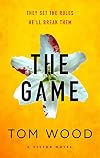
This is the third book in Tom Wood's series about Victor the assassin. If you haven't read the previous books, it doesn't matter too much - although by all means you should read them because they're pretty good. Our "hero" Victor is an assassin who liked to operate as a lone wolf. He is inscrutable, ruthless, highly analytical and very, very good at what he does. After reading all three books in the series I still know next to nothing about him - not his real name, his nationality, how he came to do what he does. One of the things that I love about him is that he never lets his guard drop. You know he's not going to fall into bed with a seductive woman or let his emotions cloud his judgement. He's on high alert at all times.
The story kicks off with Victor in Algiers, on the tail of another assassin that he has been hired to kill. He completes that assignment, but then he is coerced into posing as the dead man to identify the client who had hired the assassin for his final job. Victor goes undercover but finds that events quickly start to spiral outside his control.
It's a fast moving book with lots of action but not so fast that it becomes silly. There are plenty of twists along the way, which keep the suspense up. And Victor is just such a cool character! There's so much thought that's gone into the way that he operates, so it never feels unrealistic as books in this genre often can.
There are a number of writers mining similar territory: Sam Cain, Mark Greaney, Vince show more Flynn - but I think Tom Wood beats them all. show less
The story kicks off with Victor in Algiers, on the tail of another assassin that he has been hired to kill. He completes that assignment, but then he is coerced into posing as the dead man to identify the client who had hired the assassin for his final job. Victor goes undercover but finds that events quickly start to spiral outside his control.
It's a fast moving book with lots of action but not so fast that it becomes silly. There are plenty of twists along the way, which keep the suspense up. And Victor is just such a cool character! There's so much thought that's gone into the way that he operates, so it never feels unrealistic as books in this genre often can.
There are a number of writers mining similar territory: Sam Cain, Mark Greaney, Vince show more Flynn - but I think Tom Wood beats them all. show less
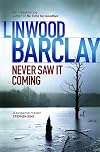
In 2011, Linwood Barclay published a novella titled Clouded Vision (Quick Reads 2011). He has revisited that original story to create this novel. The events of the previous book take up about the first third of this one, although the ending of the novella has been changed. Nevertheless, there is a strong feeling of deja vu throughout. While I almost certainly would have liked this book more had I not read its predecessor, I still believe that I would end up giving it a similar rating, because it's simply not that good.
The storyline is about a woman called Keisha Ceylon. Her mother was a con artist and she ekes her living by posing as a psychic. She makes a living by visiting the relatives of missing people and extorting money from them in exchange for invented facts about their missing relatives. When a local woman disappears, she sees an opportunity to target the anxious husband. However when she goes to visit him, he doesn't react in the way that she expected - because, she belatedly realises, he is not as innocent as she has assumed.
The story has plenty of twists along the way and it moves at a good pace. So where's the problem? Firstly, there's no one too root for. Every character who makes an appearance is more unpleasant and stupid than the previous one. Secondly, whenever problems arise, they get resolved at a rapid pace, so the suspense never really builds up. And finally, the "neat" ending is simply far too silly. The best thing about this book? It's mercifully show more short. show less
The storyline is about a woman called Keisha Ceylon. Her mother was a con artist and she ekes her living by posing as a psychic. She makes a living by visiting the relatives of missing people and extorting money from them in exchange for invented facts about their missing relatives. When a local woman disappears, she sees an opportunity to target the anxious husband. However when she goes to visit him, he doesn't react in the way that she expected - because, she belatedly realises, he is not as innocent as she has assumed.
The story has plenty of twists along the way and it moves at a good pace. So where's the problem? Firstly, there's no one too root for. Every character who makes an appearance is more unpleasant and stupid than the previous one. Secondly, whenever problems arise, they get resolved at a rapid pace, so the suspense never really builds up. And finally, the "neat" ending is simply far too silly. The best thing about this book? It's mercifully show more short. show less
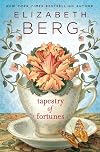
Cece is a motivational speaker in her early 50s. There are elements of her life that she's not quite happy with - too much travel, never having married - but changing things up feels too hard. When her best friend Penny dies she is hit hard, but it spurs her on to make dramatic changes. She turns down further speaking opportunities, sells her house and moves into a house with three other women. The four will become immediate and close friends and over the course of this (short) book they will each address long held regrets in their lives. It's a feel good book about the power of friendship and how it's never too late to make changes in your life.
So a sweet book, and a quick and easy read, but it failed to resonate with me. It's the kind of book where everything happens too easily. Again and again, people abandon long-held principles after just one short conversation. Cece decides to sell her house and lo and behold! - a buyer turns up the very next day who wants to buy not just the house, but all the furniture too. Someone who doesn't like you is just hurting because of something that happened to them 20 years ago and if you can only get them to spill their secret - which they are longing to tell you and only you - they will be your lifelong friend. I felt like beating my head against a wall with the inanity of some of the plot elements. There were also parts that felt very dated, such as when Cece makes contact with a former flame but all of their correspondance is by show more post (which thankfully seems remarkably quick and efficient - if you wanted to tell someone you were arriving to see them tomorrow, would you really send them a postcard???).
Moreover, none of the central characters are fleshed out. We are just given little snippets about the way they dress, what they do or how they decorate their rooms in lieu of any character development. As a result, we don't particularly care for any of them. Their stories are interesting enough, but not involving in any way.
I didn't hate this book at all (and I loved the cover!), but it fell short for me of what it could have been. show less
So a sweet book, and a quick and easy read, but it failed to resonate with me. It's the kind of book where everything happens too easily. Again and again, people abandon long-held principles after just one short conversation. Cece decides to sell her house and lo and behold! - a buyer turns up the very next day who wants to buy not just the house, but all the furniture too. Someone who doesn't like you is just hurting because of something that happened to them 20 years ago and if you can only get them to spill their secret - which they are longing to tell you and only you - they will be your lifelong friend. I felt like beating my head against a wall with the inanity of some of the plot elements. There were also parts that felt very dated, such as when Cece makes contact with a former flame but all of their correspondance is by show more post (which thankfully seems remarkably quick and efficient - if you wanted to tell someone you were arriving to see them tomorrow, would you really send them a postcard???).
Moreover, none of the central characters are fleshed out. We are just given little snippets about the way they dress, what they do or how they decorate their rooms in lieu of any character development. As a result, we don't particularly care for any of them. Their stories are interesting enough, but not involving in any way.
I didn't hate this book at all (and I loved the cover!), but it fell short for me of what it could have been. show less
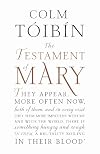
This is a novella which will maybe take you an hour to read. It's written by Mary, the mother of Jesus. Near the end of her life, she's living in Ephesus with two disciples who are writing the Gospels. Despite the passing of time, she is still raw, grieving and confused by the events of her son's life and death. Her impression is that he was used by those around him, caught up in events that he couldn't control and that now his followers are trying to create a legacy of his life which isn't consistent with the way that she remembers things. She is frustrated that he couldn't just stay an ordinary man, living with her.
One big question in my mind reading the book was - did she not believe that he was the son of God? It would seem not. She gets confused and angry when his followers talk about his father without meaning Joseph. She worships at the temple of Artemis. She talks about the miracles that Jesus worked in his life, but from another perspective. Lazarus was never the same after rising from the dead and who knows for sure that there was water in the jugs before they "turned into" wine. Accounts of Jesus walking on water she attributes to mass hysteria. While this is an interesting perspective, it completely negates the story of the Holy Conception - according to the Bible, Mary knew from the outset whose baby she was carrying. I presume that the Mary in this book would point to that as another aspect of her life that is being twisted by the disciples as they write the show more story that they want Christians to believe.
A lot of thought has gone into this book, the language is almost poetic and its an interesting and thought-provoking perspective, but somehow Mary comes across as a completely dislikable woman: bitter, self-centered and distrustful. I didn't feel that Toibin got under her skin.
This would be a good book for book clubs because a) it's very quick to read and b) there are so many layers that would be fascinating to discuss. show less
One big question in my mind reading the book was - did she not believe that he was the son of God? It would seem not. She gets confused and angry when his followers talk about his father without meaning Joseph. She worships at the temple of Artemis. She talks about the miracles that Jesus worked in his life, but from another perspective. Lazarus was never the same after rising from the dead and who knows for sure that there was water in the jugs before they "turned into" wine. Accounts of Jesus walking on water she attributes to mass hysteria. While this is an interesting perspective, it completely negates the story of the Holy Conception - according to the Bible, Mary knew from the outset whose baby she was carrying. I presume that the Mary in this book would point to that as another aspect of her life that is being twisted by the disciples as they write the show more story that they want Christians to believe.
A lot of thought has gone into this book, the language is almost poetic and its an interesting and thought-provoking perspective, but somehow Mary comes across as a completely dislikable woman: bitter, self-centered and distrustful. I didn't feel that Toibin got under her skin.
This would be a good book for book clubs because a) it's very quick to read and b) there are so many layers that would be fascinating to discuss. show less
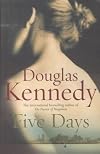
You'd never guess from the title, but this is a story set over five days! Four of the days are sequential - the fifth day is a year later. It's about a woman called Laura, somewhat unhappily married to Dan. From the outset she knew he was not going to be the love of her life. Nevertheless, they have been together for twenty largely happy years and they have two children. She works as a radiographer in a small Maine town and feels somewhat rueful that she has let her early passions for travel and learning slowly dissipate.
Laura travels to Boston to attend a weekend conference for work and by chance meets Richard, with whom she has an almost instant connection. They are drawn together by their love of language - they both know what a misanthrope is! It must be love! Over the next few days as they talk incessantly, both will re-examine their lives and what they want to change. Laura will need to make some decisions about what she values and what she is prepared to let go.
I have read most of Douglas Kennedy's books and there are many things that I like about his writing. He's a natural storyteller and he has a real gift for capturing female characters. He is also very good at depicting depression without getting mired in it. The way that he writes reminds me very much of Anita Shreve. Having said that, this isn't his best work. It moves very slowly - there's a lot of dialogue, a lot of text messages. I bought the romance, but I didn't FEEL it. I read the book in two sittings, show more and I enjoyed it, but only in a lukewarm way. show less
Laura travels to Boston to attend a weekend conference for work and by chance meets Richard, with whom she has an almost instant connection. They are drawn together by their love of language - they both know what a misanthrope is! It must be love! Over the next few days as they talk incessantly, both will re-examine their lives and what they want to change. Laura will need to make some decisions about what she values and what she is prepared to let go.
I have read most of Douglas Kennedy's books and there are many things that I like about his writing. He's a natural storyteller and he has a real gift for capturing female characters. He is also very good at depicting depression without getting mired in it. The way that he writes reminds me very much of Anita Shreve. Having said that, this isn't his best work. It moves very slowly - there's a lot of dialogue, a lot of text messages. I bought the romance, but I didn't FEEL it. I read the book in two sittings, show more and I enjoyed it, but only in a lukewarm way. show less
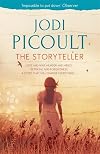
Sage is a baker in a small New Hampshire town. She bears the scars from a car accident which make her self-conscious about facing the world, so she largely keeps to herself. Nevertheless, she befriends Josef, an elderly German man who has lived in the town for many years. Josef is well known in the community, friendly and warm. However he has a secret, one which he chooses to share with Sage: he is a former SS officer. Sage reacts to this pretty much as anyone would: with disbelief followed by revulsion and anger. Her impulse is to report Josef, even after all these years, and make him face justice.
However Sage also has a very personal reason for her reaction. She considers herself an atheist but she was raised as a Jew and she knows that her grandmother (Minka) was in a concentration camp during the War. Minka has never spoken about what she went through, preferring to leave it firmly in the past. She even keeps her identifying tattoo concealed at all times. Over the course of the book, Minka's story will be told. While I read her account of what she went through, there was a small part of me that felt like Picoult had cobbled together the "greatest hits" from The Pianist/Schindler's List/Night and other prominent accounts of the Holocaust. But as I reminded myself, we only know these stories because survivors have recounted them. Everything that Minka describes happened, if not to her, to many others. And it makes for harrowing reading. What's more, it's a very show more effective way of removing any doubt or sympathy that the reader may initially have had for kindly old Josef.
This is a compulsively readable book. To me, Minka's voice was so brave and real that the book was slightly diminished after moving on from her story, but it keeps some final twists for the end. show less
However Sage also has a very personal reason for her reaction. She considers herself an atheist but she was raised as a Jew and she knows that her grandmother (Minka) was in a concentration camp during the War. Minka has never spoken about what she went through, preferring to leave it firmly in the past. She even keeps her identifying tattoo concealed at all times. Over the course of the book, Minka's story will be told. While I read her account of what she went through, there was a small part of me that felt like Picoult had cobbled together the "greatest hits" from The Pianist/Schindler's List/Night and other prominent accounts of the Holocaust. But as I reminded myself, we only know these stories because survivors have recounted them. Everything that Minka describes happened, if not to her, to many others. And it makes for harrowing reading. What's more, it's a very show more effective way of removing any doubt or sympathy that the reader may initially have had for kindly old Josef.
This is a compulsively readable book. To me, Minka's voice was so brave and real that the book was slightly diminished after moving on from her story, but it keeps some final twists for the end. show less
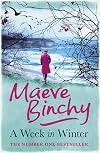
This is a warm and fuzzy, "comfort food" kind of read. It's about an Irish woman, nicknamed "Chicky", who returns to Ireland after many years living in the US and opens a small boutique hotel. The book is essentially about how she gets it going and then tells us the stories of the people who come to stay for the first week. Each chapter deals with a different character and it's really a series of short, interconnected but distinct stories. The people who come to stay are all at crossroads in their lives or are dealing with issues that they feel confused about, and the break away from everyday life in most cases makes a significant difference to them.
It's a very pleasant and undemanding read but ultimately doesn't amount to a lot - no one character is more important than any other and none of the stories really stand out in any way. If anything, the final couple of chapters are the least involving. I did wish that the ending had pulled the disparate threads together more, or that perhaps it had jumped ahead to the reunion that the group talked about having at some stage down the track, to tell us whether things panned out for each character in the way that they anticipated. But having said that, it does have its own charm and it would be the perfect book to take on a holiday.
It's a very pleasant and undemanding read but ultimately doesn't amount to a lot - no one character is more important than any other and none of the stories really stand out in any way. If anything, the final couple of chapters are the least involving. I did wish that the ending had pulled the disparate threads together more, or that perhaps it had jumped ahead to the reunion that the group talked about having at some stage down the track, to tell us whether things panned out for each character in the way that they anticipated. But having said that, it does have its own charm and it would be the perfect book to take on a holiday.
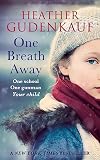
In a small town in Iowa, a gunman walks into a school during a snowstorm. He sets himself up in a classroom and calmly takes control. Outside, the policeforce mobilise, but due to the poor weather their numbers are small and extra reinforcements are not available. Anxious parents also gather. Inside the school, 12 year old Augie worries about her younger brother, trapped in the gunman's classroom. No one knows who the gunman is or what he wants.
The book unfolds over the course of a single day and chapters move between the perspective of five characters: Augie, her mother Holly (in hospital in Arizona), her grandfather Will, Mrs Oliver (a teacher inside the school) and Meg, one of the policemen. The chapters are short - usually a few pages, sometimes only as a paragraph or two.
I read most of the book in one setting so I suppose that suggests I loved it, but the truth is that I found it pretty slow going. There is not a lot of action and not a lot of suspense (though it does ramp up somewhat towards the end). There are a lot of back stories that have only negligible - if any - connection to the main plot. Most of it is treading water as the children wait for something to happen and the police on the outside try to identify the gunman. I know that there are many rapturous reviews out there but honestly, I didn't feel it. Heather Gudenkauf is compared to Jodi Picoult, but having recently read The Storyteller, I didn't feel that this book was nearly as complex or absorbing. show more It's okay, but that's all. show less
The book unfolds over the course of a single day and chapters move between the perspective of five characters: Augie, her mother Holly (in hospital in Arizona), her grandfather Will, Mrs Oliver (a teacher inside the school) and Meg, one of the policemen. The chapters are short - usually a few pages, sometimes only as a paragraph or two.
I read most of the book in one setting so I suppose that suggests I loved it, but the truth is that I found it pretty slow going. There is not a lot of action and not a lot of suspense (though it does ramp up somewhat towards the end). There are a lot of back stories that have only negligible - if any - connection to the main plot. Most of it is treading water as the children wait for something to happen and the police on the outside try to identify the gunman. I know that there are many rapturous reviews out there but honestly, I didn't feel it. Heather Gudenkauf is compared to Jodi Picoult, but having recently read The Storyteller, I didn't feel that this book was nearly as complex or absorbing. show more It's okay, but that's all. show less
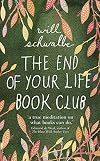
This is the true story of the two years between when Will Schwalbe's remarkable mother Mary Anne was diagnosed with pancreatic cancer and when she passed away - coincidentally, on the same day as Patrick Swayze who had the same disease. Mary Anne Schwalbe was the founder of the Women's Commission for Refugee Women and Children and worked tirelessly to help refugees and other people whose lives were disrupted by war. Will and his mother shared a love of reading. Together they formed an informal, two person "book club", reading and discussing many books together over the course of her treatment. This book is partly about the books that they read, but it is also about his mother, about their relationship and about coming to terms with death.
Reading is more the device around which this book is built rather than the subject of the book. Some of the books that they read get only a paragraph of commentary in the middle of an entire chapter about chemotherapy. Nevertheless it inspires you to read more and to read more widely. However, what will stick with me is not the booklist, but his mother's beautiful spirit and her example of how to live a life well. It's a very moving book.
Reading is more the device around which this book is built rather than the subject of the book. Some of the books that they read get only a paragraph of commentary in the middle of an entire chapter about chemotherapy. Nevertheless it inspires you to read more and to read more widely. However, what will stick with me is not the booklist, but his mother's beautiful spirit and her example of how to live a life well. It's a very moving book.
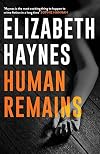
I really enjoyed this book, mostly because of the way that Elizabeth Haynes writes, which draws you in and keeps your attention. The heroine is Annabel, a loner who works as an analyst at a police station. She discovers her neighbour's dead (and decomposing) body and this leads her to look into the statistics for how many other decomposed bodies have been found that year. To her surprise she discovers that the numbers are well up on any other year or any other district. While the police are not particularly interested in investigating - where's the crime when the deaths appear to be from natural causes? - Annabel keeps digging. Meanwhile we the reader realise that she is far more at risk herself than she realises, and the suspense mounts gradually but insistently.
This is a cleverly constructed book and it's very readable. I did feel that the ending was somewhat at odds with the rest of the book, but it all brought things together in a very satisfying way.
This is a cleverly constructed book and it's very readable. I did feel that the ending was somewhat at odds with the rest of the book, but it all brought things together in a very satisfying way.
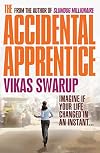
Sapna is an ordinary girl working at an electronics store in New Delhi. When visiting the temple one day, she meets a billionaire industrialist who tells her that he would like to make her the CEO of his company, but that if she agrees she first needs to pass seven "tests" of character. Sapna is highly sceptical but agrees. What follows is a series of mishaps and adventures, each of which turn out to have been part of the apprenticeship. The story also allows Swarup to touch on many issues in current day India, such as corruption, forced marriages and child labour.
This is a fast paced story. Sapna gets through the first six tests, but just when it seems that the final prize might be within her grasp, things spiral rapidly out of control and it turns out that many things and people have not been what they seemed to be.
Vikas Swarup is the author of Q & A which became the movie Slumdog Millionaire [DVD] and he plays with the movie's success. The main character of Slumdog Millionaire is referred to a few times as a prominent and very wealthy industrialist, but then at another point in the book, someone is asked if they saw the film Slumdog Millionaire.
Ultimately this book - while undoubtably entertaining - didn't work for me. Too many coincidences, too many unlikely characters, no sense of realism. However it is still quite a lot of fun.
This is a fast paced story. Sapna gets through the first six tests, but just when it seems that the final prize might be within her grasp, things spiral rapidly out of control and it turns out that many things and people have not been what they seemed to be.
Vikas Swarup is the author of Q & A which became the movie Slumdog Millionaire [DVD] and he plays with the movie's success. The main character of Slumdog Millionaire is referred to a few times as a prominent and very wealthy industrialist, but then at another point in the book, someone is asked if they saw the film Slumdog Millionaire.
Ultimately this book - while undoubtably entertaining - didn't work for me. Too many coincidences, too many unlikely characters, no sense of realism. However it is still quite a lot of fun.
Gold by Chris Cleave
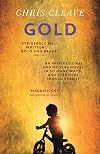
This is the story of Zoe and Kate, two competitive cyclists at the top of their game who have been racing against one another since they were teenagers. They are also best friends. They have a complicated back history which emerges gradually over the course of the book. The story is about the build up to the London 2012 Olympics and the tension hinges on who is going to take the gold medal. At the same time, Kate's daughter is suffering from leukaemia and that will be a significant sub-plot in the book.
I didn't greatly like this book - though by the end I realised I had something more invested in the story than I expected. Zoe and Kate's friendship has zero credibility. Zero! Zoe is a screwed up individual who tramples all over anyone and everyone who gets near her and will do anything to win. Kate is a freakishly perfect, kind and forgiving individual who has sacrificed her chances for her daughter again and again. I didn't feel that either of them were real people. The book took me a week to read because I kept losing interest in it - plus it's so repetitive that I'd pick it up and think "haven't I read this part before?"
Having said that, there IS genuine tension at the end and there are some good twists that you don't see coming. So while my initial thinking was to give the book two stars, I did enjoy it more than that.
I didn't greatly like this book - though by the end I realised I had something more invested in the story than I expected. Zoe and Kate's friendship has zero credibility. Zero! Zoe is a screwed up individual who tramples all over anyone and everyone who gets near her and will do anything to win. Kate is a freakishly perfect, kind and forgiving individual who has sacrificed her chances for her daughter again and again. I didn't feel that either of them were real people. The book took me a week to read because I kept losing interest in it - plus it's so repetitive that I'd pick it up and think "haven't I read this part before?"
Having said that, there IS genuine tension at the end and there are some good twists that you don't see coming. So while my initial thinking was to give the book two stars, I did enjoy it more than that.
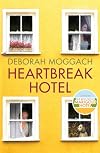
Russell "Buffy" Buffery is a retired actor with a number of ex-wives and girlfriends (most of whom apparently made an appearance in The Ex-Wives, although it is not necessary to have read that previously). When he unexpectedly inherits a dilapidated B&B in the Welsh countryside, he decides to move there and start up a series of residential courses for people who have recently split up with their loved ones. The early parts of the book switch between Buffy's story and introducing various characters who are going through heartbreak, including Marion, who wasted many years having an affair with a man who wouldn't leave his wife; Harold, whose wife left him for another woman and Amy, who paired up with a man with whom she was never really suited but who is desperately lonely without him. Eventually they will all come to stay at Buffy's "Heartbreak Hotel" and much like a Shakespearean Romantic Comedy, they will all find new loves although in some cases it will come in quite unexpected ways.
I very much enjoyed the early part of this book but for me it started to run out of momentum around the middle and then the resolutions to the various character's storylines inevitably came in a rush. It felt lopsided to spend so long developing a character in the first place but then have them pair up with someone in just a page or two, almost as an afterthought. There is one central romance which is expanded in more depth but the others feel perfunctory. It's a sweet book and an easy read, show more but it lacks something. show less
I very much enjoyed the early part of this book but for me it started to run out of momentum around the middle and then the resolutions to the various character's storylines inevitably came in a rush. It felt lopsided to spend so long developing a character in the first place but then have them pair up with someone in just a page or two, almost as an afterthought. There is one central romance which is expanded in more depth but the others feel perfunctory. It's a sweet book and an easy read, show more but it lacks something. show less
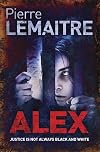
An attractive young woman is abducted on the streets of Paris. A witness sees her being bundled into an anonymous white van, but no one knows who she is or where she has been taken. Camille Verhoeven (a male detective) is assigned the case, despite disturbing parallels in the abduction of his wife several years earlier. Gradually, through extensive police work, the detectives close in on the case and uncover the motivations of the kidnapper. In alternative chapters, we are shown what Alex, the kidnap victim, is going through - trapped and left to die in a small cage in a remote location.
This is a fast paced thriller which is broken into three distinct parts. The plot is cleverly constructed. Each part leads the reader to totally re-evaluate everything that they've read until now and to see the characters in quite different lights to how they were presented earlier. There are some very clever twists along the way. It all adds up to one of the more original and absorbing thrillers that I've read in some time.
The book was originally written in French and is the middle book in a trilogy (although a fourth book is apparently now planned), but is the first to be translated into english. Although there is the occasional clunky sentence, for the most part you don't notice it, which I think is the mark of a good translation.
This is a fast paced thriller which is broken into three distinct parts. The plot is cleverly constructed. Each part leads the reader to totally re-evaluate everything that they've read until now and to see the characters in quite different lights to how they were presented earlier. There are some very clever twists along the way. It all adds up to one of the more original and absorbing thrillers that I've read in some time.
The book was originally written in French and is the middle book in a trilogy (although a fourth book is apparently now planned), but is the first to be translated into english. Although there is the occasional clunky sentence, for the most part you don't notice it, which I think is the mark of a good translation.
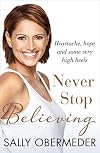
Sally Obermeder is an Australian TV reporter who specializes on fashion and entertainment stories (she describes herself to a Australian Guiliana Rancic). She has what many would describe as a dream job, interviewing Jon Bon Jovi and Beyonce, mixing with the rich and famous. However as she explains in this book, the job didn't fall into her lap - instead, it took many years of busting her gut to even get a foot in the TV door. Then when she finally had it made on the career front, she had problems with infertility - trying for six years before finally falling pregnant via IVF. At this point she really felt that things in her life had all come together - until she was diagnosed with an aggressive form of breast cancer when 41 weeks pregnant. Almost immediately her baby was induced and she started a very aggressive programme of chemotherapy to shrink the tumour to a point where surgery was an option.
The reason that I bought this book was because someone very close to me has recently been diagnosed with breast cancer and I was wondering if this would be a good book to give them. I was shocked to read about the realities of chemo and how brutal it is. It was something I obviously knew but I had never been exposed to the details before. Sally doesn't hold back from describing how traumatic her experience has been and how hideous and frightening the battle with cancer is. But throughout her warmth and humour and courage also shines through, so it becomes quite an inspiring show more book.
The reason that I've given it only three stars is because I felt strongly that it was in need of a good edit. It felt like a large part of the reason why she'd written the book was to say thank you to her friends and family for their support. This is lovely, but I don't need pages about how wonderful someone is when I have never heard of them. There was also lots of detail that added nothing and could have been cut out - stories about how she bought not one but two baby buggies, clothes she wore on various occasions etc. I didn't really know who she was when I started reading the book so perhaps true fans might revel in these details, but I felt that the book could easily have been 50 pages shorter and it would have been the better for it. Nevertheless, a genuinely inspiring story. show less
The reason that I bought this book was because someone very close to me has recently been diagnosed with breast cancer and I was wondering if this would be a good book to give them. I was shocked to read about the realities of chemo and how brutal it is. It was something I obviously knew but I had never been exposed to the details before. Sally doesn't hold back from describing how traumatic her experience has been and how hideous and frightening the battle with cancer is. But throughout her warmth and humour and courage also shines through, so it becomes quite an inspiring show more book.
The reason that I've given it only three stars is because I felt strongly that it was in need of a good edit. It felt like a large part of the reason why she'd written the book was to say thank you to her friends and family for their support. This is lovely, but I don't need pages about how wonderful someone is when I have never heard of them. There was also lots of detail that added nothing and could have been cut out - stories about how she bought not one but two baby buggies, clothes she wore on various occasions etc. I didn't really know who she was when I started reading the book so perhaps true fans might revel in these details, but I felt that the book could easily have been 50 pages shorter and it would have been the better for it. Nevertheless, a genuinely inspiring story. show less
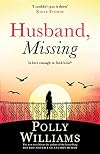
Gina and Rex are newlyweds and blissfully happy. Then Rex disappears while on a holiday in Spain with his brother and two friends. He headed out windsurfing one day and didn't return. Almost immediately, Gina realises that things aren't quite as they seem. The day before he disappeared, Rex withdrew a large sum of money that has disappeared with him (as has his passport). He has wiped all the history from his laptops at home. Strangers ring telling her that Rex owed them money. She discovers that he wasn't the highflyer at work that she thought he was.
If this was a thriller, Rex's secret other life would come out, Gina would find herself in danger and probably miraculously acquire the ability to fire a gun. Instead, being a chicklit novel, the emphasis is more on how Gina comes to term with her missing - maybe alive, maybe dead - husband and how she gradually learns more about his life and the secrets that they kept from one another. While we do in the end find out what happened to Rex, it's not the main point of the novel.
The central mystery in this book kept me reading although the characters let the book down for me - Gina is so hopeless, believing what she wants to believe and refusing to take any ownership of the situation that she's in. I also felt that some of the connections between various characters were overly forced for the sake of having one more secret to uncover. If there were half ratings I'd probably say 3.5 stars, but given that I devoured this book show more quite happily in a day, I am giving it four. show less
If this was a thriller, Rex's secret other life would come out, Gina would find herself in danger and probably miraculously acquire the ability to fire a gun. Instead, being a chicklit novel, the emphasis is more on how Gina comes to term with her missing - maybe alive, maybe dead - husband and how she gradually learns more about his life and the secrets that they kept from one another. While we do in the end find out what happened to Rex, it's not the main point of the novel.
The central mystery in this book kept me reading although the characters let the book down for me - Gina is so hopeless, believing what she wants to believe and refusing to take any ownership of the situation that she's in. I also felt that some of the connections between various characters were overly forced for the sake of having one more secret to uncover. If there were half ratings I'd probably say 3.5 stars, but given that I devoured this book show more quite happily in a day, I am giving it four. show less
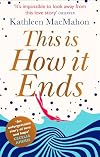
Della and Addie's mother died when they were young and they were raised by their father, Hugh, a prominent doctor. Now they are in their late 30s. Della is happily married with four children. Addie has never married - although she's had heartache along the way - but has forged a career as an architect. Into their lives comes Bruno, a distant American cousin who decides to visit Ireland on a spur of the moment whim after losing his job with Lehman Brothers. Bruno and Addie meet and almost immediately fall in love. However this is a book about endings. Hugh worries about the outcome of a malpractice suit that is bringing brought against him. Bruno worries about the outcome of the upcoming American election. And Addie worries about what the future will hold for her and Bruno.
I have mixed feelings about this book. I felt quite ambivalent about it throughout, but when I finished it I realised that the characters had got under my skin more than I thought they had. One problem for me is that the author's writing style is very detached. You are told about this great love at its centre but you never really feel it. Bruno in particular never really stepped off the page for me as a fully fleshed person. At times the author addresses the reader directly, but that just compounds the feeling of detachment for what is going on.
The book builds towards an ending which should come as a surprise (be careful to avoid reviews with spoilers!), but in fact there are clues throughout which most show more readers will pick up on. Otherwise it's a slow moving, character driven story - which would be more successful were the characters more engaging. A good book, but not a great one. show less
I have mixed feelings about this book. I felt quite ambivalent about it throughout, but when I finished it I realised that the characters had got under my skin more than I thought they had. One problem for me is that the author's writing style is very detached. You are told about this great love at its centre but you never really feel it. Bruno in particular never really stepped off the page for me as a fully fleshed person. At times the author addresses the reader directly, but that just compounds the feeling of detachment for what is going on.
The book builds towards an ending which should come as a surprise (be careful to avoid reviews with spoilers!), but in fact there are clues throughout which most show more readers will pick up on. Otherwise it's a slow moving, character driven story - which would be more successful were the characters more engaging. A good book, but not a great one. show less
Recently I heard Kate Atkinson speak at a writer's festival. I am an only child, as is she, and she said something that struck a chord with me. She talked about how she is fascinated by families and the dynamics between siblings. It seems to her that families are a safe place where you can behave worse than you would in any other facet of your life and somehow it is permissible and you will (eventually) be forgiven. When the sibling dynamic is something that you yourself have not experienced, it is endlessly puzzling and fascinating.
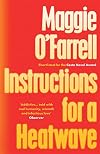
I don't know if Maggie O'Farrell is an only child (her biography does not disclose this information), but one of the things that I love about her as a writer is the way she explores families and the complicated relationship between siblings (look no further than The Vanishing Act of Esme Lennox. This is another book about family dynamics, with the plot playing almost a secondary role to the relationships between the siblings and their parents.
It's set in England in 1976. Robert Riordan tells his wife Gretta that he's going out to buy a newspaper and doesn't come back. The three children return home to support their mother and assist with the search. Michael Francis comes from across town, Monica comes up from London and Aoife (pronounced EE-fah) flies home from New York where she has been living for 8 years. All of the children are dealing with their own issues: marriage problems, long held grudges, tightly held secrets. And Gretta is also show more nursing her own secrets. Maggie O'Farrell is such a wonderful writer and the characters really come to life.
In the afterword, the author explains that she used the setting of the 1976 heatwave because she thinks that aberrant weather brings out erratic behaviour. I am not sure whether this was entirely effective although there is a heightened sense of unreality in Gretta's responses to the situation and maybe the weather was a factor in this. O'Farrell also has a slightly irritating habit of not entirely wrapping her endings up. The reader is left to intuit or guess exactly how things panned out. I didn't particularly mind this, but I can see that some people might find that irritating.
I loved this book. I got wrapped up in the characters and I felt that I got to know them all. show less
I don't know if Maggie O'Farrell is an only child (her biography does not disclose this information), but one of the things that I love about her as a writer is the way she explores families and the complicated relationship between siblings (look no further than The Vanishing Act of Esme Lennox. This is another book about family dynamics, with the plot playing almost a secondary role to the relationships between the siblings and their parents.
It's set in England in 1976. Robert Riordan tells his wife Gretta that he's going out to buy a newspaper and doesn't come back. The three children return home to support their mother and assist with the search. Michael Francis comes from across town, Monica comes up from London and Aoife (pronounced EE-fah) flies home from New York where she has been living for 8 years. All of the children are dealing with their own issues: marriage problems, long held grudges, tightly held secrets. And Gretta is also show more nursing her own secrets. Maggie O'Farrell is such a wonderful writer and the characters really come to life.
In the afterword, the author explains that she used the setting of the 1976 heatwave because she thinks that aberrant weather brings out erratic behaviour. I am not sure whether this was entirely effective although there is a heightened sense of unreality in Gretta's responses to the situation and maybe the weather was a factor in this. O'Farrell also has a slightly irritating habit of not entirely wrapping her endings up. The reader is left to intuit or guess exactly how things panned out. I didn't particularly mind this, but I can see that some people might find that irritating.
I loved this book. I got wrapped up in the characters and I felt that I got to know them all. show less
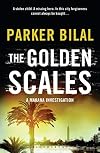
Set in an unsettled Cairo, shortly after the 1997 terrorist attacks in Luxor, this is the story of a private detective hired to find a missing football star by the team's millionaire owner. Makana is a terrific character: brave, damaged and cynical, a former policeman who fled Sudan when civil unrest made it too dangerous. The story is interwoven with a cold case about an English woman trying to find her daughter who was abducted in Cairo 16 years earlier. When the woman is murdered, Makana takes an interest in the case and investigates that along with the missing footballer.
This is an absorbing mystery, perhaps a little overcomplicated, perhaps too reliant on coincidence, but redeemed by the strong sense of place and the intriguing characters. It moves at a good pace and holds the reader's interest. It's a strong crime novel with a very interesting setting.
This is an absorbing mystery, perhaps a little overcomplicated, perhaps too reliant on coincidence, but redeemed by the strong sense of place and the intriguing characters. It moves at a good pace and holds the reader's interest. It's a strong crime novel with a very interesting setting.
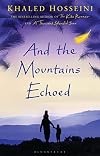
It is 1952, in a small village in Afghanistan. Abdullah and his sister Pari live with their father, stepmother and baby stepbrother. Abdullah raised Pari when their mother died in childbirth and the two are extremely close. In the afterword, Hosseini mentions that the title for the book was inspired by this phrase in a poem by William Blake: "The little ones lept, and shouted, and laugh'd/and all the hills echoed". However this idyllic upbringing is soon to be abruptly ended.
This is quite a different book to The Kite Runner and A Thousand Splendid Suns. Whilst a large part of the book is set in Afghanistan, the impact of the Russian war and the Taliban's rule is only peripheral to the narrative. This is a smaller book, about family relationships. Again and again, we explore the relationships between children and their parents, whether the children are biological or adopted, whether the adoption is known or a secret. And yet, while the stories are intimate, the story spans 60 years and the terrain is epic, moving from the Middle East to Europe to the US and back again. The book begins and ends with Abdullah and Pari, but in between the stories will encompass characters as diverse as a Bosnian nurse, an American doctor, a French poet, a Greek housewife and an Afghan warlord. All are connected - sometimes closely, sometimes remotely - to the central story. Many characters will face difficult ethical dilemmas and sometimes they respond in ways that surprise the show more readers.
Hosseini is a born storyteller. I found it near impossible to put the book down, although I deliberately slowed my pace as the end neared, just to make it stretch longer. And the ending made me cry, which almost never happens when I am reading. So many of the characters are embedded in my heart now. It is a book about caring for others, whether they are blood relatives or not, and about the enduring connections of family. show less
This is quite a different book to The Kite Runner and A Thousand Splendid Suns. Whilst a large part of the book is set in Afghanistan, the impact of the Russian war and the Taliban's rule is only peripheral to the narrative. This is a smaller book, about family relationships. Again and again, we explore the relationships between children and their parents, whether the children are biological or adopted, whether the adoption is known or a secret. And yet, while the stories are intimate, the story spans 60 years and the terrain is epic, moving from the Middle East to Europe to the US and back again. The book begins and ends with Abdullah and Pari, but in between the stories will encompass characters as diverse as a Bosnian nurse, an American doctor, a French poet, a Greek housewife and an Afghan warlord. All are connected - sometimes closely, sometimes remotely - to the central story. Many characters will face difficult ethical dilemmas and sometimes they respond in ways that surprise the show more readers.
Hosseini is a born storyteller. I found it near impossible to put the book down, although I deliberately slowed my pace as the end neared, just to make it stretch longer. And the ending made me cry, which almost never happens when I am reading. So many of the characters are embedded in my heart now. It is a book about caring for others, whether they are blood relatives or not, and about the enduring connections of family. show less
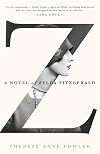
This is the story of F Scott Fitzgerald and Zelda Fitzgerald, narrated by Zelda. It opens about the time that they meet in Montgomery, Alabama in 1918, and concludes with Scott's death in 1940. The majority of the book is taken up with the crazy years when they travelled endlessly from New York, to Paris, to the South of France, hanging out with Pablo Picasso and Cole Porter and Gertrude Stein and Ernest Hemingway and a host of other literary and artistic luminaries. Their marriage was tempestuous: at times glamourous and golden, at others a tangle of alcohol, infidelity and jealousy. Zelda was Scott's muse and he wanted their lives to reflect the lives of those that he wrote about. He also had no compunction about publishing her writing under his own name and belittling her attempts to establish her own artistic career.
It took me a while to get into this book. My initial feeling was that Zelda was horribly immature and superficial, while Scott was obsessed with fame. I didn't find either of their personalities very appealing. However as the book goes on, Zelda becomes a more sympathetic character. Initially she loves the party lifestyle as much as Scott does and revels in their stimulating social circles. But gradually she starts to tire of it, especially after parenthood and health issues take their toll on her. This is when the relationship starts to go bad, as Scott resents her failing to keep up with him and complete her half of the "Golden Couple". When he befriends show more Ernest Hemingway, whom Zelda dislikes, that friendship also has a toxic effect on their relationship.
For the most part I found this book incredibly interesting and I loved the insight into this magic time that was the Jazz Era. However I felt that the author ran into problems when Zelda's mental health starts to fall apart. Until that point, Zelda has been portrayed as the more mature and sensible one of the pair, and the occasional incidences when all seemed to not be well - an attempted overdose on one occasion, throwing herself down the stairs when Scott was flirting with Isadora Duncan on another - are explained away as genuine accidents. Therefore her "sudden" mental collapse and diagnosis with schizophrenia feels completely out of left field and somewhat unbelievable. It's also hard to get a read on Zelda's artistic ambitions. I think we are meant to feel that Scott kept her from getting the credit and opportunities that she deserved, but there's also no indication that she had a great deal of talent.
So I'm in two minds about the book, but for the most part I enjoyed it - it's a fascinating story and has me wanting to re-read all of F Scott Fitzgerald's writing. show less
It took me a while to get into this book. My initial feeling was that Zelda was horribly immature and superficial, while Scott was obsessed with fame. I didn't find either of their personalities very appealing. However as the book goes on, Zelda becomes a more sympathetic character. Initially she loves the party lifestyle as much as Scott does and revels in their stimulating social circles. But gradually she starts to tire of it, especially after parenthood and health issues take their toll on her. This is when the relationship starts to go bad, as Scott resents her failing to keep up with him and complete her half of the "Golden Couple". When he befriends show more Ernest Hemingway, whom Zelda dislikes, that friendship also has a toxic effect on their relationship.
For the most part I found this book incredibly interesting and I loved the insight into this magic time that was the Jazz Era. However I felt that the author ran into problems when Zelda's mental health starts to fall apart. Until that point, Zelda has been portrayed as the more mature and sensible one of the pair, and the occasional incidences when all seemed to not be well - an attempted overdose on one occasion, throwing herself down the stairs when Scott was flirting with Isadora Duncan on another - are explained away as genuine accidents. Therefore her "sudden" mental collapse and diagnosis with schizophrenia feels completely out of left field and somewhat unbelievable. It's also hard to get a read on Zelda's artistic ambitions. I think we are meant to feel that Scott kept her from getting the credit and opportunities that she deserved, but there's also no indication that she had a great deal of talent.
So I'm in two minds about the book, but for the most part I enjoyed it - it's a fascinating story and has me wanting to re-read all of F Scott Fitzgerald's writing. show less
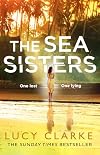
Katie and Mia are sisters and they are complete opposites. Katie is organised and responsible, while Mia doesn't last 5 minutes in a job and is very highly strung. They have been raised by their mother after their father left when they were very young. After their mother dies of cancer, Mia spontaneously decides to take a trip around the world with her best friend, Finn. Several months later, after only very sporadic contact from Mia, Katie is woken by a knock on the door in the middle of the night. Mia's body has been found at the foot of a cliff in Bali and the authorities have concluded that she committed suicide. Katie's reaction is one of disbelief - Mia wouldn't have done that. In the end, armed with Mia's travel journal, she decides to trace Mia's footsteps around the world in an effort to understand what was going through Mia's head and whether Mia killed herself or not.
This is an easy book to read and it's an interesting premise but the story hinges on so many unlikely coincidences and choices and that really undermined it for me. I couldn't imagine anyone behaving like Katie did. Your sister has killed herself on the other side of the world, you can't imagine what was going through her head and you're armed with her travel diary - so wouldn't you read it? Or talk to the friend who was travelling with her? But no, instead of doing any of these things - and despite the fact that she's getting married in four months' time - Katie books a three month trip for show more herself, deciding to go to all the places that Mia visited and only read the travel diary day by day, when she's in the same place where Mia was as she wrote each entry. So for example she spends a month travelling up and down the West Coast of Australia before even heading to Bali. It just doesn't feel even remotely realistic!
I also felt that the characters were hard to believe. They tended to behave in ways that served the plot rather than ways that real people would behave. Katie and Finn in particular felt quite under-developed to me. There are also lots of back stories between the various characters which will emerge over the course of the book. So what that means is that people withhold information so that it doesn't get revealed too early - Ed in particular does something midway through the book that I think he would actually have done much earlier (I won't explain further but if you've read the book you'll know what I mean).
So in summary, this is a good holiday read, undemanding and reasonably intriguing, with plenty of twists and a mystery that holds out till the end. However I didn't feel that it was in any way a standout. I did however like the descriptions of the places that Mia and Katie travel too - they really came alive for me and made me feel like slinging a backpack on myself!
In the US, this book has been published under the title "Swimming at Night". show less
This is an easy book to read and it's an interesting premise but the story hinges on so many unlikely coincidences and choices and that really undermined it for me. I couldn't imagine anyone behaving like Katie did. Your sister has killed herself on the other side of the world, you can't imagine what was going through her head and you're armed with her travel diary - so wouldn't you read it? Or talk to the friend who was travelling with her? But no, instead of doing any of these things - and despite the fact that she's getting married in four months' time - Katie books a three month trip for show more herself, deciding to go to all the places that Mia visited and only read the travel diary day by day, when she's in the same place where Mia was as she wrote each entry. So for example she spends a month travelling up and down the West Coast of Australia before even heading to Bali. It just doesn't feel even remotely realistic!
I also felt that the characters were hard to believe. They tended to behave in ways that served the plot rather than ways that real people would behave. Katie and Finn in particular felt quite under-developed to me. There are also lots of back stories between the various characters which will emerge over the course of the book. So what that means is that people withhold information so that it doesn't get revealed too early - Ed in particular does something midway through the book that I think he would actually have done much earlier (I won't explain further but if you've read the book you'll know what I mean).
So in summary, this is a good holiday read, undemanding and reasonably intriguing, with plenty of twists and a mystery that holds out till the end. However I didn't feel that it was in any way a standout. I did however like the descriptions of the places that Mia and Katie travel too - they really came alive for me and made me feel like slinging a backpack on myself!
In the US, this book has been published under the title "Swimming at Night". show less
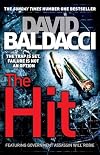
Will Robie is a Government assassin who made his first appearance in The Innocent. In this instalment he is assigned the task of tracking down a rogue agent who is systematically killing off members of the CIA. Robie trained with Jessica Reel and has always respected her. He wants to understand what has led her to turn on her handlers, but at the same time he is aware that he is in danger as is anyone close to him.
This is typical of many of Baldacci's recent books in that the action moves at a good pace but the suspense factor is low and the credibility factor is zero. I just don't buy Robie as a top assassin - he is far too impetuous, emotional and sloppy. I was hoping that we would be spared Julie the homework obsessed 14 year old and FBI agent/potential love interest Vance who made an appearance first time round, but no, here they are again. Why do we have to keep being reminded what a good guy Robie is underneath? A far more credible assassin for me is Victor, the hero of the series by Tom Wood (start with The Hunter) - he is a genuine professional with an icy exterior. Not Robie. As for the plot - well it unfolds much as you expect it will and has all those trademark Baldacci touches like an obsession with descriptions of people driving in cars, wooden dialogue and statements like "He operated in the world of government power, and it was as dirty as the grimiest alley in the city".
What it adds up to is a thriller that doesn't thrill. I was bored reading it. Yes, show more there's action and yes I suppose technically there are twists and turns, but if you don't see them coming from a mile away I'd be surprised. show less
This is typical of many of Baldacci's recent books in that the action moves at a good pace but the suspense factor is low and the credibility factor is zero. I just don't buy Robie as a top assassin - he is far too impetuous, emotional and sloppy. I was hoping that we would be spared Julie the homework obsessed 14 year old and FBI agent/potential love interest Vance who made an appearance first time round, but no, here they are again. Why do we have to keep being reminded what a good guy Robie is underneath? A far more credible assassin for me is Victor, the hero of the series by Tom Wood (start with The Hunter) - he is a genuine professional with an icy exterior. Not Robie. As for the plot - well it unfolds much as you expect it will and has all those trademark Baldacci touches like an obsession with descriptions of people driving in cars, wooden dialogue and statements like "He operated in the world of government power, and it was as dirty as the grimiest alley in the city".
What it adds up to is a thriller that doesn't thrill. I was bored reading it. Yes, show more there's action and yes I suppose technically there are twists and turns, but if you don't see them coming from a mile away I'd be surprised. show less
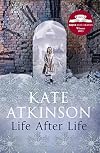
Ursula Todd is born on a snowy night in rural England in 1910, the third child of an upper middle class family. This book tracks her life - or rather lives - because every time she dies, she is born again, at the same time and place. So in one version of her life she dies at birth, strangled by the umbilical cord. In another version she will succumb to illness as a child. In alternate lives she will live through the war in London and in Germany. In one life she will meet Hitler and attempt to assassinate him. In one life she will become a mother, in another life she will be in an abusive relationship, in another life she will remain single. Each time a life ends, we go back to that snowy night in rural England.
I loved this book so much and it frustrates me somewhat because I find it hardest to write reviews for the books that I really like. On one level, I just thought that the premise was tremendously interesting and original and serves as a brilliant way to show different facets of life for a woman living in the early part of the 20th century. On another level I found it almost spiritual, this idea of reliving life until you "get it right". In repeated lives, Ursula faces the same or similar circumstances but by reacting to them in a different way she can set the course of her life off on a totally different track. It made me think a lot about events in my life and how they have led me to where I am now and how making different choices would have put me somewhere else. show more It's just such an intriguing idea, exploring all the other roads less travelled and seeing how they would have ended up. Ursula herself isn't aware of her peculiarity, though on a sub-conscious level she senses it and at times almost seems to know it is happening.
Many sections of the book are terribly sad, particularly those dealing with the impact of the Blitz in London and the realities of wartime Berlin. There is also a life where Ursula becomes the victim of abuse which affected me quite deeply. However a lot of this is offset by the witty way that Kate Atkinson writes. She has a brilliant turn of phrase and can skewer someone brilliantly in a casual aside. Atkinson is also very clever in that she allows you to build pictures of characters over several lives, so you know things that are going on for them in one life from things that have happened in others. At the beginning of the book I really liked Ursula's mother, Sylvie, but over the course of the book I came to dislike her greatly. But there were other characters who really got under my skin and when I ended the book I found myself missing them and wishing that Atkinson could have come up with a few more versions of life for Ursula to live. show less
I loved this book so much and it frustrates me somewhat because I find it hardest to write reviews for the books that I really like. On one level, I just thought that the premise was tremendously interesting and original and serves as a brilliant way to show different facets of life for a woman living in the early part of the 20th century. On another level I found it almost spiritual, this idea of reliving life until you "get it right". In repeated lives, Ursula faces the same or similar circumstances but by reacting to them in a different way she can set the course of her life off on a totally different track. It made me think a lot about events in my life and how they have led me to where I am now and how making different choices would have put me somewhere else. show more It's just such an intriguing idea, exploring all the other roads less travelled and seeing how they would have ended up. Ursula herself isn't aware of her peculiarity, though on a sub-conscious level she senses it and at times almost seems to know it is happening.
Many sections of the book are terribly sad, particularly those dealing with the impact of the Blitz in London and the realities of wartime Berlin. There is also a life where Ursula becomes the victim of abuse which affected me quite deeply. However a lot of this is offset by the witty way that Kate Atkinson writes. She has a brilliant turn of phrase and can skewer someone brilliantly in a casual aside. Atkinson is also very clever in that she allows you to build pictures of characters over several lives, so you know things that are going on for them in one life from things that have happened in others. At the beginning of the book I really liked Ursula's mother, Sylvie, but over the course of the book I came to dislike her greatly. But there were other characters who really got under my skin and when I ended the book I found myself missing them and wishing that Atkinson could have come up with a few more versions of life for Ursula to live. show less