Eh. This is possibly a touch above Da Vinci Code, but sure as hell no Umberto Eco. I found the premise, about the mysterious 15-century manuscript Hypnerotomachia Poliphili, interesting, but the story fell flat of sparking any intellectual excitement or sense of discovery - I didn't feel like I was learning much, nor being entertained. For me the biggest flaw was that the characters never came alive as real people with real emotions and motivations. Particularly the so-called love story subplot is ridiculously shallow and unbelievable; narrator Tom seems absurdly afraid that he and Katie will actually get to know each other rather than stick to small talk and facades. I guess she's supposed to represent human connection and love vs. intellectual obsession, but the relationship is so superficial as to negate any sense of poignancy the reader is supposed to feel. There were also many references to Princeton that seemed extraneous to the plot, more like self-indulgent reminiscences of interest only to Princeton alumni, like "heh, remember that crazy time we snuck into so-and-so and blah blah...". But mainly, because I didn't believe in or care about any of the characters this book was a mildly entertaining couple hours' read and nothing more.
Having enjoyed Ilium and Olympos I was surprised by how cliched and dull is Darwin's Blade. Maybe it gets awesome after page 185, but that's where I gave up. A vehicle-accident analyst, haunted by a tragic past (dead wife! dead baby!), gets into spectacular car chases in his high-performance sportscar while dodging bullets from the Russian maffia. Meanwhile, yawn-worthy sexual tension mounts between our hero and a female detective. Some boring stuff about insurance fraud. Stilted dialog, unbelievable characters who seem to have no inner life but just do stuff that moves the plot along. Felt like I was reading a halfhearted book rendition of a mediocre action movie.
Instead of 0 stars, I give it 1 star because it contains math formulas along with an explanation of the forensics of a hit-and-run accident, which I thought was kind of cool.
Instead of 0 stars, I give it 1 star because it contains math formulas along with an explanation of the forensics of a hit-and-run accident, which I thought was kind of cool.
In this edition they removed a lot of fascinating categories about the natural world and added a bunch of arbitrary human-defined records relating to sports - a subject which IMO belongs in its own reference book. Most Trampolining Titles, Most Ski-Boarding Medals - if I cared I'd buy a book about sports records.
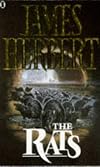
In an early scene, a gay salesman is drinking himself into a stupor over his lost gay lover. His heartache is only alleviated when his flesh is ripped from his body by a ravenous horde of bloodthirsty rats! In lesser hands this character and this scene might have come across as absurdly cliched, but Herbert depicts the harrowing events in beautifully nuanced prose:
"The rats had had their fill of his body, but were still hungry. So they searched. Search for more food of the same kind.
They had tasted their first human blood." (p. 15)
Note the MASTERFUL FORESHADOWING!! And true to the promise of those first sublime pages, the book only gets BETTER AND BETTER!
"The rats had had their fill of his body, but were still hungry. So they searched. Search for more food of the same kind.
They had tasted their first human blood." (p. 15)
Note the MASTERFUL FORESHADOWING!! And true to the promise of those first sublime pages, the book only gets BETTER AND BETTER!
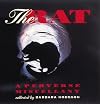
A good-quality, glossy-paged book with a potpourri of miscellaneous cultural, literary, and historical references to and illustrations of our favorite furry little rodent. Certain Amazon reviews describe this book as "creepy", but that assumes you have a bit of a rat phobia. Speaking as an enthusiast and admirer of these hardy and fascinating little creatures, most of the unpleasantness in this book comes from reminders of sad things that happen to rats. Though occasionally uncomfortable to read, if you are interested in rats, this book is worth it for the visuals alone - beautiful old woodcuts and rare rat illustrations.
Easy to read but somewhat disappointing. A mildly interesting read, nothing incredibly original or insightful. Some arguments relied on interpretations of data which seemed somewhat of a stretch. Didn't leave me with as much food for thought as I'd hoped.