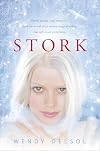
Katla has just moved to Minnesota, which is pretty unfortunate because she hates the cold. And she has no friends. (This sucks for anyone, but nowhere near as much as it does when you’re a teenage girl.) Her parents have just split up and her mom’s dating someone named Stanley. Things could not POSSIBLY get worse.
Until she learns that she’s part of an ancient society that helps decide who gets pregnant and which baby gets placed with which mom.
This is such a fantastic idea and is a unique addition to the paranormal YA genre I am unable to escape from. ;)
I really liked Kat, who is both smart and funny. She isn’t perfect, but for a teenage girl, she comes very close. There are a lot of other twists and turns in the book (most of which I didn’t see coming) and I hear this is the first in a series. I cannot wait to read what comes next.
Until she learns that she’s part of an ancient society that helps decide who gets pregnant and which baby gets placed with which mom.
This is such a fantastic idea and is a unique addition to the paranormal YA genre I am unable to escape from. ;)
I really liked Kat, who is both smart and funny. She isn’t perfect, but for a teenage girl, she comes very close. There are a lot of other twists and turns in the book (most of which I didn’t see coming) and I hear this is the first in a series. I cannot wait to read what comes next.
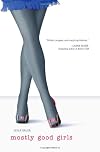
Violet and Katie are best friends and have been for years. But now things are changing. They’re 16 and Katie is starting to date this guy. He’s not mean to her or anything, but he’s just kind of a waste of space and Violet thinks her friend can do better.
I completely adored this book. Violet reminds me a lot of myself in high school–she’s smart and funny and largely invisible. :) She’s also very sarcastic. But she cared about school a lot more than I did (which is probably why she’s going to end up at Harvard and why I got nowhere near there).
I really liked Violet. I hope she appears in another book.
I completely adored this book. Violet reminds me a lot of myself in high school–she’s smart and funny and largely invisible. :) She’s also very sarcastic. But she cared about school a lot more than I did (which is probably why she’s going to end up at Harvard and why I got nowhere near there).
I really liked Violet. I hope she appears in another book.
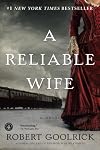
Catherine responds to an ad for a mail order bride in the early 1900s. After that, there are lies, deceptions, schemes and double-crosses.
This is a very interesting, fun book. It reminded me of the Angelina Jolie movie Original Sin, so I was able to guess a lot of them. (Not all, but many.)
I read this for book club and I can't wait to discuss it. :)
Recommended (but there's a decent amount of sex in here, so be warned if you're not a fan of that).
This is a very interesting, fun book. It reminded me of the Angelina Jolie movie Original Sin, so I was able to guess a lot of them. (Not all, but many.)
I read this for book club and I can't wait to discuss it. :)
Recommended (but there's a decent amount of sex in here, so be warned if you're not a fan of that).
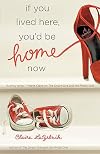
Rickie is 25, a single mom and living with her parents. It’s not surprising that she’s pretty miserable, right? She loves her six-year-old son, Noah, but he’s a hard kid. He has a food allergy and he’s pretty demanding. (He rarely sleeps through the night, for example.) Even so, she’s very overprotective and when he says that the new PE teacher let the other kids laugh at him and kick him, she goes into attack mode. Except it turns out that Coach Andrew is a pretty nice guy.
It’s chick lit, so I bet you’ll know what happens next.
I enjoyed this book, although in some ways, Rickie’s a hard person to root for. She seems like a complete bitch most of the time. But since a lot of her defense mechanisms are not that different from mine, we’ll give her a pass. Coach Andrew is pretty much the perfect guy, so it’s fun to see them get together.
Recommended for people who want to read a fun chick lit novel.
It’s chick lit, so I bet you’ll know what happens next.
I enjoyed this book, although in some ways, Rickie’s a hard person to root for. She seems like a complete bitch most of the time. But since a lot of her defense mechanisms are not that different from mine, we’ll give her a pass. Coach Andrew is pretty much the perfect guy, so it’s fun to see them get together.
Recommended for people who want to read a fun chick lit novel.
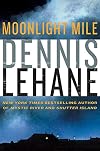
This is a Kenzie/Gennaro book and is also a sequel to Gone Baby Gone. In that book, a four-year-old girl goes missing and Patrick and Angie have to find her.
In this book, the girl is now 16 and is missing again–a runaway this time. Her mom (who, of course, is the same stellar parent she was in Gone Baby Gone) says her daughter is fine, but her aunt doesn’t believe it. She gets Patrick to agree to look for her again.
I love Patrick and Angie and I was really happy when I read that there was going to be another book in the series (the first in several years). This book completely exceeded all expectations. It’s dark and brooding, which I love, but there’s a sense of hope, too. I’m pretty sure this is going to be the last in the series, which makes me sad, but at least I got to see them again. And at least they were left in a good place.
(And can I just say one last time how much I love these people?)
Recommended for people who like their mysteries to have moral conflicts and no easy answers.
In this book, the girl is now 16 and is missing again–a runaway this time. Her mom (who, of course, is the same stellar parent she was in Gone Baby Gone) says her daughter is fine, but her aunt doesn’t believe it. She gets Patrick to agree to look for her again.
I love Patrick and Angie and I was really happy when I read that there was going to be another book in the series (the first in several years). This book completely exceeded all expectations. It’s dark and brooding, which I love, but there’s a sense of hope, too. I’m pretty sure this is going to be the last in the series, which makes me sad, but at least I got to see them again. And at least they were left in a good place.
(And can I just say one last time how much I love these people?)
Recommended for people who like their mysteries to have moral conflicts and no easy answers.
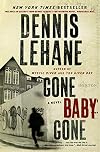
Patrick Kenzie and Angela Gennaro are private investigators hired to find a missing four-year-old girl, Amanda McCready. It seems like a fairly straightforward case, even as it seems almost impossible to solve. Nobody has seen the girl since she disappeared and there are some unsavory people who may or may not be involved. (Depending on the lead, it could be related to drugs or she could’ve been taken by pedophiles recently released from jail.)
I’d read this before (after seeing Mystic River, I read everything Dennis Lehane had written up to that point) but it was better than I remember. I decided to re-read it after getting an ARC of Moonlight Mile in the mail. (That book is not only a new Kenzie/Gennaro but is also a sequel to this one.)
I love Dennis Lehane’s novels because most of them are noir, and I LOVE noir. I also love the fact that there are moral dilemmas, because most of the time, the right thing to do is a shade of degree. Obviously, if Amanda has been kidnapped by pedophiles, the right thing to do is to get her away from them, no matter what it would cost. But if someone were, say, kidnapped from a neglectful family to be part of a loving one, what’s the right thing to do there? Kidnapping is wrong, of course, but what if it has a good result?
I’d read this before (after seeing Mystic River, I read everything Dennis Lehane had written up to that point) but it was better than I remember. I decided to re-read it after getting an ARC of Moonlight Mile in the mail. (That book is not only a new Kenzie/Gennaro but is also a sequel to this one.)
I love Dennis Lehane’s novels because most of them are noir, and I LOVE noir. I also love the fact that there are moral dilemmas, because most of the time, the right thing to do is a shade of degree. Obviously, if Amanda has been kidnapped by pedophiles, the right thing to do is to get her away from them, no matter what it would cost. But if someone were, say, kidnapped from a neglectful family to be part of a loving one, what’s the right thing to do there? Kidnapping is wrong, of course, but what if it has a good result?
The World Is Bigger Now: An American Journalist's Release from Captivity in North Korea . . . A Remarkable Story of Faith, Family, and Forgiveness by Euna Lee
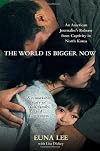
Euna Lee was one of two journalists imprisoned in North Korea (the other was Laura Ling). Euna and Laura worked for a TV station and were working on a story on people trying to escape from North Korea. They got too close to the border and were arrested and detained for months.
This book is Euna’s account of what happened. It’s a story of faith in hard circumstances. Throughout her ordeal, Euna kept a relationship with God and it is, I think, a realistic one. I’m pretty sure under similar circumstances, I would also recognize that God was in charge but also perhaps not moving as quickly as I would like. ;)
I also appreciate the fact that she doesn’t portray herself as being particularly brave or heroic. There are plenty of times throughout the narrative where she’s afraid and unhappy, crying and petulant. But that’s the thing with bravery, right? It isn’t particularly noteworthy if you aren’t scared.
Recommended.
This book is Euna’s account of what happened. It’s a story of faith in hard circumstances. Throughout her ordeal, Euna kept a relationship with God and it is, I think, a realistic one. I’m pretty sure under similar circumstances, I would also recognize that God was in charge but also perhaps not moving as quickly as I would like. ;)
I also appreciate the fact that she doesn’t portray herself as being particularly brave or heroic. There are plenty of times throughout the narrative where she’s afraid and unhappy, crying and petulant. But that’s the thing with bravery, right? It isn’t particularly noteworthy if you aren’t scared.
Recommended.
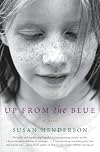
There are two parts to this story–the first is about a woman who’s about to have her first child. Her husband’s out of town and they’ve just moved into a new house (so recently that they haven’t unpacked). It’s not a good time to be alone. It’s near where she grew up, though, so she calls her dad for help–her dad, who she hasn’t talked to in years.
The second part (the bigger part) is about Tillie’s childhood. Her dad works hard and her mom is probably bipolar (although not diagnosed). Some days, her mom’s great–they have parties and there’s a lot of fun. But some days–most days, really–she stays in bed.
This was an impulse grab at BEA, and I’m so glad I did. I loved everything about this book, from Tillie’s devotion to her mom and her confusion at why her mom couldn’t always take care of her. Tillie reminded me of Ramona, if Ramona grew up in a house where she largely had to raise herself and where she was loved but not necessarily cared for. Tillie was just irrepressible and wouldn’t let anything keep her down. (I LOVED child Tillie, but would have liked to see more about how child Tillie became grownup Tillie.)
The second part (the bigger part) is about Tillie’s childhood. Her dad works hard and her mom is probably bipolar (although not diagnosed). Some days, her mom’s great–they have parties and there’s a lot of fun. But some days–most days, really–she stays in bed.
This was an impulse grab at BEA, and I’m so glad I did. I loved everything about this book, from Tillie’s devotion to her mom and her confusion at why her mom couldn’t always take care of her. Tillie reminded me of Ramona, if Ramona grew up in a house where she largely had to raise herself and where she was loved but not necessarily cared for. Tillie was just irrepressible and wouldn’t let anything keep her down. (I LOVED child Tillie, but would have liked to see more about how child Tillie became grownup Tillie.)
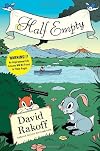
I don’t generally read nonfiction, but the description of this book won me over. (When I do read it, it’s either quirky memoirs like AJ Jacobs or snarky essays like David Sedaris.)
“In this deeply funny (and, no kidding, wise and poignant) book, David examines the realities of our sunny, gosh-everyone-can-be-a-star contemporary culture and finds that, pretty much as a universal rule, the best is not yet to come, adversity will triumph, justice will not be served, and your dreams won’t come true.
“The book ranges from the personal to the universal, combining stories both reportorial and from David’s own experiences: the moment when being a tiny child no longer meant adults found him charming but instead meant other children found him a fun target; the perfect late evening in Manhattan when he was young and the city seemed to brim with such possibility that the street shimmered in the moonlight–as he drew closer he realized the streets actually flickered with rats in a feeding frenzy. He also weaves in his usual brand of Oscar Wilde-worthy cultural criticism (the tragedy of Hollywood’s Walk of Fame, for instance.”
As someone who has ALSO discussed the shenanigans behind the Walk of Fame, I knew I’d have to read this. (Note: anyone can get a star; you just have to pay for it.)
If you like snarky, sarcastic essays, you’ll like this book. It’s incredibly witty (and yes, at times wise and poignant) and I literally laughed out loud several times.
But I also show more liked this paragraph:
“But here’s the point I want to make about what people say [after you're diagnosed with a potentially fatal disease]. Unless someone looks you in the eye and hisses, `You fucking asshole, I can’t wait until you die of this,’ people are really trying their best. Just like being happy and sad, you will find yourself on both sides of the equation many times over your lifetime, either saying or hearing the wrong thing. Let’s all give each other a pass, shall we?”
It’s funny and it’s true.
Absolutely recommended. :) show less
“In this deeply funny (and, no kidding, wise and poignant) book, David examines the realities of our sunny, gosh-everyone-can-be-a-star contemporary culture and finds that, pretty much as a universal rule, the best is not yet to come, adversity will triumph, justice will not be served, and your dreams won’t come true.
“The book ranges from the personal to the universal, combining stories both reportorial and from David’s own experiences: the moment when being a tiny child no longer meant adults found him charming but instead meant other children found him a fun target; the perfect late evening in Manhattan when he was young and the city seemed to brim with such possibility that the street shimmered in the moonlight–as he drew closer he realized the streets actually flickered with rats in a feeding frenzy. He also weaves in his usual brand of Oscar Wilde-worthy cultural criticism (the tragedy of Hollywood’s Walk of Fame, for instance.”
As someone who has ALSO discussed the shenanigans behind the Walk of Fame, I knew I’d have to read this. (Note: anyone can get a star; you just have to pay for it.)
If you like snarky, sarcastic essays, you’ll like this book. It’s incredibly witty (and yes, at times wise and poignant) and I literally laughed out loud several times.
But I also show more liked this paragraph:
“But here’s the point I want to make about what people say [after you're diagnosed with a potentially fatal disease]. Unless someone looks you in the eye and hisses, `You fucking asshole, I can’t wait until you die of this,’ people are really trying their best. Just like being happy and sad, you will find yourself on both sides of the equation many times over your lifetime, either saying or hearing the wrong thing. Let’s all give each other a pass, shall we?”
It’s funny and it’s true.
Absolutely recommended. :) show less
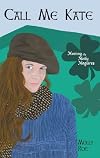
This is historical fiction, set immediately before and during the Civil War. Katie is a 14-year-old girl living in a small town. She has to help her family make ends meet after her dad is injured in a mine accident. She is sent away to work as a servant. During this time, Irish men are being drafted into the war if they don’t have $300 to pay or can’t send someone else to fight for them. A secret Irish organization, The Molly Maguires, are planning something big to fight this. Katie finds out after hearing people talk and realizes one of her best friends from back home is involved. She knows she has to do something, but what? And how can a teenage girl do anything anyway?
I really enjoyed this book. It teaches kids about history without being preachy and it has several good messages. I think the best one is that one person can make a difference, because it’s very easy to get bogged down in the way things are and not try to change them.
I liked Katie–she’s an average girl, not particularly smart (although she is smart) and not particularly brave. She’s an average kid, in other words, and I think her story might help other average kids step up to try and make a difference in their own lives, too.
And I liked that while the Irish were treated horribly, it was also pointed out that the way to combat violence isn’t with more violence. Also, it shows that being brave isn’t not being afraid, it’s doing what’s right even though you’re afraid.
Very interesting show more book, one I think many kids will enjoy–even ones who aren’t fond of history. I think Katie is relatable enough that people will read her story and learn a little without it even seeming like learning. show less
I really enjoyed this book. It teaches kids about history without being preachy and it has several good messages. I think the best one is that one person can make a difference, because it’s very easy to get bogged down in the way things are and not try to change them.
I liked Katie–she’s an average girl, not particularly smart (although she is smart) and not particularly brave. She’s an average kid, in other words, and I think her story might help other average kids step up to try and make a difference in their own lives, too.
And I liked that while the Irish were treated horribly, it was also pointed out that the way to combat violence isn’t with more violence. Also, it shows that being brave isn’t not being afraid, it’s doing what’s right even though you’re afraid.
Very interesting show more book, one I think many kids will enjoy–even ones who aren’t fond of history. I think Katie is relatable enough that people will read her story and learn a little without it even seeming like learning. show less
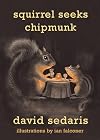
David Sedaris is best known for his essays but this is a fiction book. It’s sort of a book of fables only without any sort of moral.
There are also illustrations for each story, done by Ian Falconer (who does the pictures in the Olivia books) and they are…well, adorable isn’t the word. But they’re striking and some are cuter than others.
I think my favorite stories are probably The Mouse and the Snake, The Faithful Setter, The Crow and the Lamb, The Vigilant Rabbit and Hello Kitty.
Like fables, they take expectations and turn them on their ear. In The Mouse and the Snake, for example, the mouse keeps a snake as a pet. It starts out fine and the two are close. The mouse even brings the snake food. Unfortunately, once the snake hits a growth spurt, things don’t go so well for the mouse. (It’s not a spoiler if you have common sense.)
Unfortunately, most of the animals in this collection don’t. In The Crow and the Lamb, the crow persuades a sheep to meditate, leaving its young unguarded. The Vigilant Rabbit takes it upon himself to guard the forest, attacking all who would approach. He also has a sign. It started as a No Trespassing sign but soon grew to encompass “No Laughing,” “No Stupid Questions,” “No Cursing,” “No Questioning My Integrity,” and ”No Insulting Remarks About My Ears Or My Teeth.”
But possibly the best one is Hello Kitty, about an AA program in prison. I don’t think I even need to add anything, because either you already see show more the comic gold or you don’t.
Absolutely recommended. show less
There are also illustrations for each story, done by Ian Falconer (who does the pictures in the Olivia books) and they are…well, adorable isn’t the word. But they’re striking and some are cuter than others.
I think my favorite stories are probably The Mouse and the Snake, The Faithful Setter, The Crow and the Lamb, The Vigilant Rabbit and Hello Kitty.
Like fables, they take expectations and turn them on their ear. In The Mouse and the Snake, for example, the mouse keeps a snake as a pet. It starts out fine and the two are close. The mouse even brings the snake food. Unfortunately, once the snake hits a growth spurt, things don’t go so well for the mouse. (It’s not a spoiler if you have common sense.)
Unfortunately, most of the animals in this collection don’t. In The Crow and the Lamb, the crow persuades a sheep to meditate, leaving its young unguarded. The Vigilant Rabbit takes it upon himself to guard the forest, attacking all who would approach. He also has a sign. It started as a No Trespassing sign but soon grew to encompass “No Laughing,” “No Stupid Questions,” “No Cursing,” “No Questioning My Integrity,” and ”No Insulting Remarks About My Ears Or My Teeth.”
But possibly the best one is Hello Kitty, about an AA program in prison. I don’t think I even need to add anything, because either you already see show more the comic gold or you don’t.
Absolutely recommended. show less
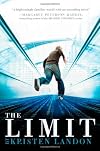
This is set in a society where every family has a set spending limit. If you go over, your oldest child (assuming they’re at least of high school–and then middle school–age) is sent to a workhouse to help your spending get back under the limit.
When Matt is taken to the workhouse, he doesn’t know what to expect. He’s pretty sure it’ll be creepy there, and that he’ll have to do a lot of menial labor.
Instead, it’s sort of like a big party. He’s on the top floor, which means there are really nice rooms (and single rooms for everyone, so he doesn’t have a roommate) and school and work are both really exciting. He can order whatever he wants for meals, and if he wants something fun, he can just order that, too.
The only downside is that he isn’t able to contact his family or friends. Cell phones don’t work and even though he emails them, he never hears back. And it’s kind of weird, the way they’re not allowed off the floor. But whatever–there’s even a pool!
I figured out what was going on–well, the general gist–long before Matt did. But this was still an incredibly fun book, and I both enjoyed and was terrified by the concept of a modified debtors’ prison.
I know that many people have credit card debt (I am one of them) but it was really scary to think about the fact that people would still let their spending get so out of control if they knew that their kids would be taken away from them because of it.
If you’re in the mood for a light show more dystopian novel, I’d recommend this very fun novel. show less
When Matt is taken to the workhouse, he doesn’t know what to expect. He’s pretty sure it’ll be creepy there, and that he’ll have to do a lot of menial labor.
Instead, it’s sort of like a big party. He’s on the top floor, which means there are really nice rooms (and single rooms for everyone, so he doesn’t have a roommate) and school and work are both really exciting. He can order whatever he wants for meals, and if he wants something fun, he can just order that, too.
The only downside is that he isn’t able to contact his family or friends. Cell phones don’t work and even though he emails them, he never hears back. And it’s kind of weird, the way they’re not allowed off the floor. But whatever–there’s even a pool!
I figured out what was going on–well, the general gist–long before Matt did. But this was still an incredibly fun book, and I both enjoyed and was terrified by the concept of a modified debtors’ prison.
I know that many people have credit card debt (I am one of them) but it was really scary to think about the fact that people would still let their spending get so out of control if they knew that their kids would be taken away from them because of it.
If you’re in the mood for a light show more dystopian novel, I’d recommend this very fun novel. show less
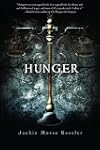
Lisa has just been tapped to become Famine. (You know, black horse rider of the Apocalypse?) It's pretty appropriate, seeing as how she's anorexic. It's hard being Famine--she has the power to kill hundreds (or more) of people without even breaking a sweat. But can she find the courage to use her power for good? And if so, how would she even do that?
This was a really interesting book. I liked the idea and concept a lot more than I liked the execution. One big problem for me was that the book was only 180 pages, which meant that it was hard for me to get very invested in the story. I barely knew who Lisa was before she was appointed Famine.
It's an incredibly fascinating idea, but I think I preferred Laurie Halse Anderson's Wintergirls, even though that's a more traditional approach to the eating disorder theme.
This was a really interesting book. I liked the idea and concept a lot more than I liked the execution. One big problem for me was that the book was only 180 pages, which meant that it was hard for me to get very invested in the story. I barely knew who Lisa was before she was appointed Famine.
It's an incredibly fascinating idea, but I think I preferred Laurie Halse Anderson's Wintergirls, even though that's a more traditional approach to the eating disorder theme.
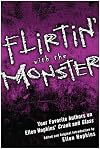
This is nonfiction, although it deals with Crank and Glass. Those books are based on a true story; Ellen Hopkins’ daughter used meth and many of the things that happened in the books happened to her. (Hopkins and her husband have adopted their oldest grandchild and are raising him, for example.) I didn’t mention this in my reviews of the trilogy, because it’s not really relevant to them. It’s all over this book, however.
The first section’s essays are written by other authors and by people who see drugs and their effects in their professional lives (a judge, for example) or personal lives. The second section is by people who have been personally affected by “Kristina.” (That’s not her daughter’s name, but they’re going with the pseudonym from the books.) I preferred this section, because it seemed more personal and less dry than the first section. We heard from Ellen’s husband, Kristina’s sister and her son (the one being raised by the Hopkins’) and from Kristina herself. I had thought that my favorite part would be hearing from Kristina, but I preferred Orion’s narrative more. (He’s known as Hunter in the books.)
This is definitely an interesting companion to the trilogy and recommended to anyone who liked those books and want to know more.
The first section’s essays are written by other authors and by people who see drugs and their effects in their professional lives (a judge, for example) or personal lives. The second section is by people who have been personally affected by “Kristina.” (That’s not her daughter’s name, but they’re going with the pseudonym from the books.) I preferred this section, because it seemed more personal and less dry than the first section. We heard from Ellen’s husband, Kristina’s sister and her son (the one being raised by the Hopkins’) and from Kristina herself. I had thought that my favorite part would be hearing from Kristina, but I preferred Orion’s narrative more. (He’s known as Hunter in the books.)
This is definitely an interesting companion to the trilogy and recommended to anyone who liked those books and want to know more.
Huck: The Remarkable True Story of How One Lost Puppy Taught a Family--and a Whole Town--About Hope and Happy Endings by Janet Elder
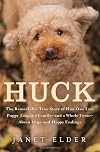
After she gets diagnosed with breast cancer, Janet and her husband decide that it's finally time to give their son, Michael, a dog. They won't actually get the dog until she's done with chemo and radiation, but they figure it'd be a good way to keep his spirits up.
They get Huck, a very cute poodle. Unfortunately, while Janet, Rich and Michael are on vacation, Huck escapes.
This is the story of how a town comes together to help bring Huck home.
(Spoiler: Huck is reunited with his family. I have to tell you that, because if there were a sad ending, I would have hated this book.)
Instead, it's a sweet, heartwarming story about how people really are basically good.
I don't trust people who don't like dogs, and this is pretty much about a whole town of dog lovers. :)
They get Huck, a very cute poodle. Unfortunately, while Janet, Rich and Michael are on vacation, Huck escapes.
This is the story of how a town comes together to help bring Huck home.
(Spoiler: Huck is reunited with his family. I have to tell you that, because if there were a sad ending, I would have hated this book.)
Instead, it's a sweet, heartwarming story about how people really are basically good.
I don't trust people who don't like dogs, and this is pretty much about a whole town of dog lovers. :)
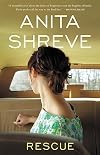
Webster is a paramedic. He becomes involved with a woman who he met on one of his calls. I say “met,” but really, he pulled her out of a car wreck. It was her fault; she was drinking. They end up married and parents. Except Sheila has a drinking problem and eventually leaves Webster and their daughter, Rowan. Fast forward until Rowan’s a teenager. She’s going off the rails and Webster has to find Sheila to enlist her help in saving their daughter. (This is all information that’s on the back of the book, so while it sounds like I’ve given the entire book away, I really haven’t.)
I find that I tend to either love or strongly dislike Anita Shreve’s novels. Her books seem to not have a “it was okay” option for me. This was one I loved.
I love books that focus on families and this is definitely a great example of that. Watching Sheila get to know Rowan again was sweet and sad, and I’m always a fan of teenagers behaving badly (in books).
I thought that the part with Webster and Sheila dating and then getting married and having Rowan was about the perfect length. It showed everything we needed to see. But the second part–the present day part—should have been longer. It would have been nice to see why Rowan was having problems and what was behind them. Was it growing up without a mom? Peer pressure? Her dad’s stressful job, which meant a ton of time alone? All of the above?
A great read, and definitely recommended for book clubs.
I find that I tend to either love or strongly dislike Anita Shreve’s novels. Her books seem to not have a “it was okay” option for me. This was one I loved.
I love books that focus on families and this is definitely a great example of that. Watching Sheila get to know Rowan again was sweet and sad, and I’m always a fan of teenagers behaving badly (in books).
I thought that the part with Webster and Sheila dating and then getting married and having Rowan was about the perfect length. It showed everything we needed to see. But the second part–the present day part—should have been longer. It would have been nice to see why Rowan was having problems and what was behind them. Was it growing up without a mom? Peer pressure? Her dad’s stressful job, which meant a ton of time alone? All of the above?
A great read, and definitely recommended for book clubs.

Alex is a talented musician and student at an exclusive boarding school. When she's date raped one night, she doesn't want to go to the police and she knows the school administrators will be worse than useless. Fortunately, the school has a semi-secret group called the Mockingbirds, a small group of students who avenge wrongs.
While the book sounds kind of depressing, it really isn't. Yes, Alex gets raped, but instead of it being a meditation on victimhood, it's more of a story of bravery and overcoming fear and standing up for yourself. It's a story about friendship and doing the right thing.
This book is completely amazing. I was pretty sure I'd like it when I read that the student group took its name from To Kill a Mockingbird, but I was hooked from pretty much the first sentence.
I love Alex and her friends, who all stood by her without a second thought or any sort of judgment. In our society, it seems like there's always some sort of second guessing when it comes to rape, but none of her friends asked what she was wearing or how much she'd been drinking or why she was even talking to that guy anyway.
Which brings me to my last point. Alex is date raped, which is (obviously) different from stranger rape. The idea behind this particular case is whether or not she said yes, not if she said no. She was at a party and drinking, so was she able to give consent?
In a lot of ways, that made the story even more poignant, because Alex first had to come to terms with exactly what show more happened herself.
I cannot possibly recommend this book more forcefully. I want everyone I have ever met to read it and actually want to demand that strangers on the street do, too. This is a wonderful, amazing, thought-provoking book. Please read it and then please let me know what you think. show less
While the book sounds kind of depressing, it really isn't. Yes, Alex gets raped, but instead of it being a meditation on victimhood, it's more of a story of bravery and overcoming fear and standing up for yourself. It's a story about friendship and doing the right thing.
This book is completely amazing. I was pretty sure I'd like it when I read that the student group took its name from To Kill a Mockingbird, but I was hooked from pretty much the first sentence.
I love Alex and her friends, who all stood by her without a second thought or any sort of judgment. In our society, it seems like there's always some sort of second guessing when it comes to rape, but none of her friends asked what she was wearing or how much she'd been drinking or why she was even talking to that guy anyway.
Which brings me to my last point. Alex is date raped, which is (obviously) different from stranger rape. The idea behind this particular case is whether or not she said yes, not if she said no. She was at a party and drinking, so was she able to give consent?
In a lot of ways, that made the story even more poignant, because Alex first had to come to terms with exactly what show more happened herself.
I cannot possibly recommend this book more forcefully. I want everyone I have ever met to read it and actually want to demand that strangers on the street do, too. This is a wonderful, amazing, thought-provoking book. Please read it and then please let me know what you think. show less
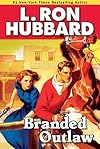
Lee returns to his hometown after receiving a letter from his father, asking for help. He’s having problems with a neighbor. By the time Lee returns, his father’s dead. While trying to find the neighbor he believes is responsible, Lee ends up making enemies of pretty much the entire town…except for one girl, who so happens to be the daughter of the man who killed his father.
I enjoyed reading this–first, it’s short, so it can easily be read in one sitting. Secondly (and what’s most important), it’s just fun. These books are total pulp fiction–high on excitement and intrigue.
The best part (at least for me) is the fact that reading Lee’s dialogue, it soon became impossible to not hear Humphrey Bogart reading it in my head. (I blame the fact that I saw part of The Big Sleep recently.) I’ve pretty much only seen him in noirs and Casablanca, but that’s the kind of dialogue it is–short and punchy.
I enjoyed reading this–first, it’s short, so it can easily be read in one sitting. Secondly (and what’s most important), it’s just fun. These books are total pulp fiction–high on excitement and intrigue.
The best part (at least for me) is the fact that reading Lee’s dialogue, it soon became impossible to not hear Humphrey Bogart reading it in my head. (I blame the fact that I saw part of The Big Sleep recently.) I’ve pretty much only seen him in noirs and Casablanca, but that’s the kind of dialogue it is–short and punchy.
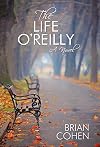
Nick O’Reilly is a very good lawyer. He’s partner at a successful firm, he’s got an apartment with a view of Central Park and his life is going incredibly well. Until the firm directs him to start their new pro bono project. His case is with Dawn, a domestic violence victim. She and her young son, Jordan, are trying to get away from her abusive husband. And not long after the case begins, Nick’s life is upside down.
You probably think you know where it’s going, right? You’re probably piecing together part of it, but not all.
The Life O’Reilly is a wonderful, unexpected book. It’s one of those books that makes you take stock of your life and what you really value.
I think most people, if asked, would say that their friends and family are more important to them than their job. But I think that what most people do (myself included) sort of runs counter to that. I know I tend to work on days off or check work email from home, and I also know that there are people who are much worse about that than I tend to be.
But The Life O’Reilly cautions us to stop and take stock of what’s really important in life.
Absolutely recommended.
The author’s note says that Brian Cohen’s working on his second book. I hope he’s almost done, because I cannot wait to see what he writes next.
You probably think you know where it’s going, right? You’re probably piecing together part of it, but not all.
The Life O’Reilly is a wonderful, unexpected book. It’s one of those books that makes you take stock of your life and what you really value.
I think most people, if asked, would say that their friends and family are more important to them than their job. But I think that what most people do (myself included) sort of runs counter to that. I know I tend to work on days off or check work email from home, and I also know that there are people who are much worse about that than I tend to be.
But The Life O’Reilly cautions us to stop and take stock of what’s really important in life.
Absolutely recommended.
The author’s note says that Brian Cohen’s working on his second book. I hope he’s almost done, because I cannot wait to see what he writes next.
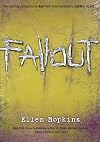
This is the rare trilogy where each book is better than the one before. In this, the story is narrated by Kristina’s three oldest children. Hunter is now in college, in a great relationship that he keeps risking. Autumn (who Kristina was pregnant with at the end of Glass) is living with her grandfather and aunt and Summer goes from foster home to foster home, with occasional stints living with her dad and his latest girlfriend. The three aren’t close (Autumn doesn’t even know she has siblings) but all are affected by Kristina and drugs to varying degrees.
While the first two books show the impact that drugs have on the people who use them, Fallout shows the collateral damage. While all three of the kids have people who love them, they’re also unsure of themselves and their place in the world. And while yes, I will agree that that’s a big part of being a teenager anyway, it’s also because they grew up (to varying degrees) not knowing much about their parents in general and mother in particular. (Hunter knows the most because he was raised by his maternal grandparents.)
While we don’t see much of Kristina in this book, she’s still all over the narratives, because of the damage she’s wrought in the lives of the people who love her, even as they can’t trust her.
One device I really enjoyed was the fact that there were little newspaper clippings interspersed throughout the book, so we got to see what happened to some of the minor characters in earlier books. show more
These books are highly recommended. What I don’t recommend is reading them in a row like I did. show less
While the first two books show the impact that drugs have on the people who use them, Fallout shows the collateral damage. While all three of the kids have people who love them, they’re also unsure of themselves and their place in the world. And while yes, I will agree that that’s a big part of being a teenager anyway, it’s also because they grew up (to varying degrees) not knowing much about their parents in general and mother in particular. (Hunter knows the most because he was raised by his maternal grandparents.)
While we don’t see much of Kristina in this book, she’s still all over the narratives, because of the damage she’s wrought in the lives of the people who love her, even as they can’t trust her.
One device I really enjoyed was the fact that there were little newspaper clippings interspersed throughout the book, so we got to see what happened to some of the minor characters in earlier books. show more
These books are highly recommended. What I don’t recommend is reading them in a row like I did. show less
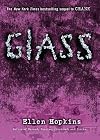
Glass picks up where Crank left off. Kristina is back at home with her mom and stepfather, trying to stay clean, get her GED and take care of her baby son (born at the end of Crank). Except it’s not so hard to walk away.
Soon after Glass begins, she tries meth and it’s a whole new world and now even harder to stay clean.
I think in a lot of ways, Glass is even more heartbreaking than Crank was. In Crank, you saw the good, smart girl making a lot of bad decisions. In Glass, though, you see that she’s just sort of given up on herself and her life. She’s sort of trying to get her GED but not really, and she takes a dead-end job at a 7-Eleven (ostensibly to become more independent but really just so she has easier access to money for meth).
Kristina desperately wants to stay clean because she loves her son, but she can’t do it. The best/worst decision she made was turning her son back over to her mom to raise, because she knew that he deserved a better life than she was able to give him. I say worst because you could tell that she loved him and that by giving him up, she was so clearly choosing drugs and not even trying to stay clean anymore.
These books are so hard to read, but so important, too.
Soon after Glass begins, she tries meth and it’s a whole new world and now even harder to stay clean.
I think in a lot of ways, Glass is even more heartbreaking than Crank was. In Crank, you saw the good, smart girl making a lot of bad decisions. In Glass, though, you see that she’s just sort of given up on herself and her life. She’s sort of trying to get her GED but not really, and she takes a dead-end job at a 7-Eleven (ostensibly to become more independent but really just so she has easier access to money for meth).
Kristina desperately wants to stay clean because she loves her son, but she can’t do it. The best/worst decision she made was turning her son back over to her mom to raise, because she knew that he deserved a better life than she was able to give him. I say worst because you could tell that she loved him and that by giving him up, she was so clearly choosing drugs and not even trying to stay clean anymore.
These books are so hard to read, but so important, too.
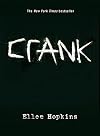
This is my first foray into the world of Ellen Hopkins but it won't be my last. I'm pretty sure all of her novels are written in verse, but I know Crank and the other two books in the trilogy are. I'm always hesitant to read series-of-poems-as-novels, although this book makes me question why that is.
Anyway. Kristina is 17 and by all accounts a really good girl. She's the one who has a small group of really good friends, always does her homework, gets along with parents and siblings. You know the type. And then she goes to visit her dad for a few weeks over the summer. She meets a boy and starts down the recreational drug use path. And then her life, as she knew it, was over. She starts going by Bree and her life goes from saving money to get a car to spending money to get cocaine.
I know this book pretty much lives on the banned book list but as a parent, I'd pretty much make my hypothetical kids read it once they became teenagers. It's sad and scary and drives home the fact that it's not just "those types of kids" that end up using drugs. It's smart kids, kids from good families with parents who care about them and are actively involved in their lives. And it shows them that most of the time, you may not realize you have a problem until it's too late to do something about it easily.
Amazing, heartbreaking book. I'm about to start the sequel.
Anyway. Kristina is 17 and by all accounts a really good girl. She's the one who has a small group of really good friends, always does her homework, gets along with parents and siblings. You know the type. And then she goes to visit her dad for a few weeks over the summer. She meets a boy and starts down the recreational drug use path. And then her life, as she knew it, was over. She starts going by Bree and her life goes from saving money to get a car to spending money to get cocaine.
I know this book pretty much lives on the banned book list but as a parent, I'd pretty much make my hypothetical kids read it once they became teenagers. It's sad and scary and drives home the fact that it's not just "those types of kids" that end up using drugs. It's smart kids, kids from good families with parents who care about them and are actively involved in their lives. And it shows them that most of the time, you may not realize you have a problem until it's too late to do something about it easily.
Amazing, heartbreaking book. I'm about to start the sequel.
Everything Is Going to Be Great: An Underfunded and Overexposed European Grand Tour by Rachel Shukert
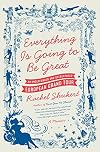
Rachel is a budding actress and is on her way to Europe to perform in a play (as an extra). While there, she falls in and out of bars, beds and love.
This is a memoir, and it's hard not to cheer Rachel on while she tries to find herself in Europe. She makes bad choices, but part of that is because she's in her early twenties on the trip. (And really, kudos to her, because most of what I did in my early twenties should not ever be written down.)
This book is ridiculously funny, but most of the really funny parts would require me typing an entire page or two, which I'm pretty sure is a violation of copyright law.
So here's a little snippet that I think will translate well.
Rachel's visiting a psychiatrist, who told her that he thinks she's afraid of success.
"I said, `Here is a list of the things I am afraid of: elephants, flying, terrorists, sexually transmitted diseases, credit card statements, Poles, ballet teachers, and failure, which is generally agreed to be the opposite of success. Unless you're trying to practice some kind of reverse psychology on me, in which case you can go and fuck yourself.'"
Recommended, especially for people who enjoy traveling and who are not easily offended. There's a lot of drinking, drugs and sex in here. Don't say you weren't warned.
This is a memoir, and it's hard not to cheer Rachel on while she tries to find herself in Europe. She makes bad choices, but part of that is because she's in her early twenties on the trip. (And really, kudos to her, because most of what I did in my early twenties should not ever be written down.)
This book is ridiculously funny, but most of the really funny parts would require me typing an entire page or two, which I'm pretty sure is a violation of copyright law.
So here's a little snippet that I think will translate well.
Rachel's visiting a psychiatrist, who told her that he thinks she's afraid of success.
"I said, `Here is a list of the things I am afraid of: elephants, flying, terrorists, sexually transmitted diseases, credit card statements, Poles, ballet teachers, and failure, which is generally agreed to be the opposite of success. Unless you're trying to practice some kind of reverse psychology on me, in which case you can go and fuck yourself.'"
Recommended, especially for people who enjoy traveling and who are not easily offended. There's a lot of drinking, drugs and sex in here. Don't say you weren't warned.
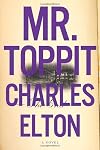
Luke Hayman is the main character in his father's series of children's books, The Hayseed Chronicles. (His literary alter ego's name is Luke Hayseed.) These books are fairly popular--it's not Harry Potter, but people have definitely heard of them. (His sister Rachel has no part in the books.)
When his father, Arthur, dies in a freak accident, the books start to become more popular, thanks to an American who happens upon Arthur as he's dying.
I really wanted to like this book (it's about books!) but I couldn't. Part of the problem, I think, is the writing is very British, and I don't think I was in the right frame of mind. I think ultimately, I wanted more about the books and less about the people behind the books.
When his father, Arthur, dies in a freak accident, the books start to become more popular, thanks to an American who happens upon Arthur as he's dying.
I really wanted to like this book (it's about books!) but I couldn't. Part of the problem, I think, is the writing is very British, and I don't think I was in the right frame of mind. I think ultimately, I wanted more about the books and less about the people behind the books.
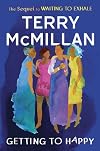
This is the sequel to Waiting to Exhale, but you don't necessarily need to have read that to follow this. I did, but I think I read it right around the time I read When Stella Got Her Groove Back, so I don't remember it. Still, I followed Getting to Happy easily.
This picks up 15 years after Waiting to Exhale and is set in 2005. It's about what happens after the happy ending that Gloria, Savannah, Robin and Bernadine found in the first book.
There are divorces and death, new loves, old loves and, of course, friendship. I don't want to say too much about what happens--and to which woman--because experiencing each surprise is the best part. But suffice it to say that these women all have indomitable spirits and can overcome everything.
I loved the four women in this book (Gloria probably most of all, but they're all amazing) and I hope they come back in more books.
This picks up 15 years after Waiting to Exhale and is set in 2005. It's about what happens after the happy ending that Gloria, Savannah, Robin and Bernadine found in the first book.
There are divorces and death, new loves, old loves and, of course, friendship. I don't want to say too much about what happens--and to which woman--because experiencing each surprise is the best part. But suffice it to say that these women all have indomitable spirits and can overcome everything.
I loved the four women in this book (Gloria probably most of all, but they're all amazing) and I hope they come back in more books.
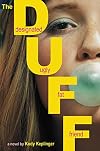
Bianca is sarcastic and bitchy, but she's an excellent friend. So excellent, in fact, that she lets her two best friends drag her to the local under-21 club at least once a week so that she can watch them have a great time and make sure they don't do something stupid. For the purposes of this discussion, something stupid = sleeping with Wesley, the hottest guy in school. (He's also kind of a jerk.)
And then one night, he talks to her at the club. He tells her that he likes her friends and has determined that the best way to hook up with them is to let them see him talking to her, because she's their DUFF. (DUFF = Designated Ugly Fat Friend.)
Bianca throws her drink in his face.
Except things in her life are kind of crappy (her mom's been out of town for ages and her dad's depressed about it). And so she ends up kissing Wesley. And then she ends up hooking up with Wesley.
I absolutely adored this (all too short, unfortunately) book. Bianca is the kind of girl I'd want my daughter to be (if I had a daughter). She's smart and funny and a good friend, plus she's a Democrat and ultimately secure with herself and her body.
There's a lot of sex in this book (well, maybe not a LOT, but it's there), which might cause some people to be a little nervous. But on the plus side it's all safe sex. So there's that. :)
And I think what I liked most about the book (besides Bianca and her unexpected love story) is the moral that pretty much every girl is insecure and that even Bianca's hot show more friends feel like they're unattactive. I wish that went away as we got older.
Smart, fun book with an incredibly awesome, kickass heroine. Recommended. show less
And then one night, he talks to her at the club. He tells her that he likes her friends and has determined that the best way to hook up with them is to let them see him talking to her, because she's their DUFF. (DUFF = Designated Ugly Fat Friend.)
Bianca throws her drink in his face.
Except things in her life are kind of crappy (her mom's been out of town for ages and her dad's depressed about it). And so she ends up kissing Wesley. And then she ends up hooking up with Wesley.
I absolutely adored this (all too short, unfortunately) book. Bianca is the kind of girl I'd want my daughter to be (if I had a daughter). She's smart and funny and a good friend, plus she's a Democrat and ultimately secure with herself and her body.
There's a lot of sex in this book (well, maybe not a LOT, but it's there), which might cause some people to be a little nervous. But on the plus side it's all safe sex. So there's that. :)
And I think what I liked most about the book (besides Bianca and her unexpected love story) is the moral that pretty much every girl is insecure and that even Bianca's hot show more friends feel like they're unattactive. I wish that went away as we got older.
Smart, fun book with an incredibly awesome, kickass heroine. Recommended. show less
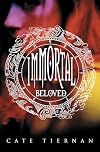
Nastasya is immortal. She and her friends spend all their time partying--for Nastasya's part, it's to forget her past. (Because when you've lived for hundreds of years, you've probably been through some pretty awful things--and she has.) One night, her best friend tortures a human just for fun and because he could. The next morning, she runs.
She remembers meeting someone 80 years ago, an immortal like her but one who seemed together and happy. So Nastasya goes on a quest to find her and try and get some of that peace for herself.
While at River's Edge, she learns to live life differently. There are chores, for example, and she has to get a job. She should hate it, but it feels kind of right.
This is the first book in a trilogy, and I really enjoyed it. I feel like a lot of people (myself included) know what it's like to carry our pasts around with us and to give those events more power than maybe we should. This is about the quest for redemption and how a lot of times, it's easier to get than we think.
I feel like a lot of times, people may think that what they've done or been through is so dark and so horrible that it can never be overcome. But that's especially true if you never even try.
Also, all those musings aside, this is a surprisingly fun and lighthearted book. Of course there are moments of angst but there are also moments of levity. (Nastasya has to gather eggs, for example, and one of the hens is a little bloodthirsty.)
I cannot wait to see what happens next with show more Nastasya. show less
She remembers meeting someone 80 years ago, an immortal like her but one who seemed together and happy. So Nastasya goes on a quest to find her and try and get some of that peace for herself.
While at River's Edge, she learns to live life differently. There are chores, for example, and she has to get a job. She should hate it, but it feels kind of right.
This is the first book in a trilogy, and I really enjoyed it. I feel like a lot of people (myself included) know what it's like to carry our pasts around with us and to give those events more power than maybe we should. This is about the quest for redemption and how a lot of times, it's easier to get than we think.
I feel like a lot of times, people may think that what they've done or been through is so dark and so horrible that it can never be overcome. But that's especially true if you never even try.
Also, all those musings aside, this is a surprisingly fun and lighthearted book. Of course there are moments of angst but there are also moments of levity. (Nastasya has to gather eggs, for example, and one of the hens is a little bloodthirsty.)
I cannot wait to see what happens next with show more Nastasya. show less
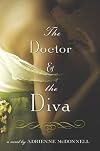
Peter and his wife, Erika, are desperate for a baby. They've been trying for years, but no luck. They meet Ravell, a doctor who's had a great deal of luck with couples that have problems conceiving.
Erika is also training to be an opera singer. Shortly after they begin fertility treatments (and although it's the early 1900s, they use a lot of the same treatments we use today--artificial insemination and in vitro--apparently they've been used for a long time, just not talked about), she realizes that she's sort of torn about being a mother. On the one hand, she'd like to have a child, but on the other, she wants to be an opera singer. The two would be hard to blend now, but in 1903, they'd be just about impossible to mesh.
It's best if that's all you know heading into this novel.
One of the things I love about historical fiction is that it gives me a glimpse into a world that's completely foreign to me, yet shows that things haven't changed all that much. For example, obviously, I don't know what it's like to wear a corset or to feel like if I were to have a baby, I'd have to give up my dreams. But I do know the feeling of knowing that I won't be able to do everything perfectly. You can't have two full-time jobs and do both to the absolute 100% of your abilities 100% of the time.
A lot of people will probably condemn Erika for the choices she makes, but I completely understood. It helps that McDonnell makes her an incredibly sympathetic character (even as she makes mistakes show more over and over) so that you can't help but want her to achieve her dream of becoming a famous opera singer in Italy.
This is Adrienne McDonnell's first novel and I hope there are many more to come. I can't wait to see what other worlds she creates. show less
Erika is also training to be an opera singer. Shortly after they begin fertility treatments (and although it's the early 1900s, they use a lot of the same treatments we use today--artificial insemination and in vitro--apparently they've been used for a long time, just not talked about), she realizes that she's sort of torn about being a mother. On the one hand, she'd like to have a child, but on the other, she wants to be an opera singer. The two would be hard to blend now, but in 1903, they'd be just about impossible to mesh.
It's best if that's all you know heading into this novel.
One of the things I love about historical fiction is that it gives me a glimpse into a world that's completely foreign to me, yet shows that things haven't changed all that much. For example, obviously, I don't know what it's like to wear a corset or to feel like if I were to have a baby, I'd have to give up my dreams. But I do know the feeling of knowing that I won't be able to do everything perfectly. You can't have two full-time jobs and do both to the absolute 100% of your abilities 100% of the time.
A lot of people will probably condemn Erika for the choices she makes, but I completely understood. It helps that McDonnell makes her an incredibly sympathetic character (even as she makes mistakes show more over and over) so that you can't help but want her to achieve her dream of becoming a famous opera singer in Italy.
This is Adrienne McDonnell's first novel and I hope there are many more to come. I can't wait to see what other worlds she creates. show less
Holy Ghosts: Or How a (Not-So) Good Catholic Boy Became a Believer in Things That Go Bump in the Night by Gary Jansen
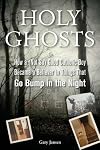
This is one of my rare forays into nonfiction.
Gary, his wife and their three-year-old son (and, by the end of the book, their baby) live in a nice Long Island town, in the house where Gary grew up.
Their house also has two ghosts. One's a sweet lady who doesn't do anything to harm the house or its occupants. The other? Not so nice.
This is a memoir about the year their house was actively haunted.
It's relatively creepy throughout (although there's part where I seriously almost shrieked with terror) but it's also about the Catholic faith and the paranormal in general.
I think what makes this book so creepy is that Gary Jansen doesn't come across as someone who's trying to get attention or as someone who's insane. He sounds like a million other guys, someone we all know and are friends with. And so as I was reading this, it was like it was one of my friends telling me about what was going on in the house, so I wasn't like, "Yeah, okay, idiot." It seemed very, very plausible.
I believe in ghosts--I've seen one--and I'm not sure where I stand on demons. I don't believe in them, but if I believe in angels (and I do), then there has to be the flip side, right?
This book will get you thinking and will make you wonder if, the next time you're by yourself in your home, you're really alone.
Gary, his wife and their three-year-old son (and, by the end of the book, their baby) live in a nice Long Island town, in the house where Gary grew up.
Their house also has two ghosts. One's a sweet lady who doesn't do anything to harm the house or its occupants. The other? Not so nice.
This is a memoir about the year their house was actively haunted.
It's relatively creepy throughout (although there's part where I seriously almost shrieked with terror) but it's also about the Catholic faith and the paranormal in general.
I think what makes this book so creepy is that Gary Jansen doesn't come across as someone who's trying to get attention or as someone who's insane. He sounds like a million other guys, someone we all know and are friends with. And so as I was reading this, it was like it was one of my friends telling me about what was going on in the house, so I wasn't like, "Yeah, okay, idiot." It seemed very, very plausible.
I believe in ghosts--I've seen one--and I'm not sure where I stand on demons. I don't believe in them, but if I believe in angels (and I do), then there has to be the flip side, right?
This book will get you thinking and will make you wonder if, the next time you're by yourself in your home, you're really alone.
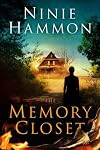
Anne's in her mid-30s. She's just arrived at her grandmother's house on a quest: she wants to remember her childhood. The first 11 years of her life are completely gone. She knows something bad happened to her, but she doesn't know what (or who's to blame).
This was an interesting concept and the book was definitely enjoyable to read, but it needed a decent copyeditor ("break" instead of "brake," for example).
I think also there was one too many twists at the end.
Still, an enjoyable enough book--a solid, middle of the road read.
This was an interesting concept and the book was definitely enjoyable to read, but it needed a decent copyeditor ("break" instead of "brake," for example).
I think also there was one too many twists at the end.
Still, an enjoyable enough book--a solid, middle of the road read.