If it wasn’t for the one flimsy reference to The Yellow Wallpaper, I would be prepared to swear that this woman had never read a book or poem in her life
I liked this book a lot, hence the rating. However, I absolutely hate the edition “edited” by Carmen Maria Machado. This was my first time reading Carmilla, and this was the copy I got from the library, which gave no indication anywhere on the cover or the publication information that this was anything besides a normal edition of the book with an introduction and scholarly footnotes. It is NOT THAT.
The introduction creates a new framing device wherein Joseph Sheridan LeFanu’s work was not only based on, but was ripped entirely and directly from, letters written by a real historical woman. It explains that LeFanu “drank of what was not his” and attributes everything good about his writing to this fictional woman, Veronica Hausle, and claims that LeFanu actually edited the letters to be less gay and complicated, citing a bunch of made up quotes that wouldn’t fit anywhere into the book. It implies that the real Carmilla was actually probably innocent and that LeFanu edited it to reflect incorrect sensibilities. It ends by saying that “I wished this edition to bear LeFanu’s shame. I wish the reader to come to the book with a complete understanding of its inadequacy.” It’s such a weird “fuck you” to the author whose work she is editing and introducing, and someone like me who doesn’t know the first thing about Carmilla might take this introduction at face value unless they do additional research. I don't think it's an exaggeration to say that this show more lack of clarity is irresponsible or maybe even immoral.
Now that I have finished the book, I do understand what she was doing. She says that the real Carmilla was “Marcia Marén,” which is an anagram of Carmen Maria. In the book it is revealed that Carmilla can change her name, but it must retain all of the same letters, due to vampire rules. So, the big metanarrative of this edition is that Carmen Maria Machado was the actual real Carmilla and that’s why she knows the things that she puts in the footnotes. I get it. I still think it’s done badly, and honestly comes across as disrespectful to the reader and to the author. There is no indication anywhere in the entire edition that this is not an edit, but is in fact a species of rewrite due to the fact that Machado added an entire extra framing device. This is essentially a toned-down “Pride and Prejudice and Zombies” style venture where a new author gets to stick stuff into a classic novel that she thinks is cool, but it is marketed with no indication of this whatsoever, so you think you’re just reading the original Carmilla. The footnotes add absolutely nothing: in fact, they detract heavily from the very tense Gothic tone which LeFanu was utilizing with obvious purpose.
Machado interrupts a description of a river that appears red from the reflected sunset to say, “imagine it, reader: a river of blood,” like she thinks that the reader is stupid and will not be able to understand the subtext of a red river in a book about vampires.
She interrupts the journey to the location where the ultimate conflict of the story will take place to tell us about all of the fanciful creatures which apparently inhabit the forest they are travelling through, including “roguish-but-decent thieves and brigands, fairies, two different species of elves, talking deer, and sentient boulders,” among other things. That moment in particular was so jarring that it felt like I was trying to read a gothic horror story while Carmen Maria Machado leaned over my shoulder and insisted that I was actually reading Tales from Moominvalley.
Also, sometimes her little additions don’t even make any sense, narratively. When the General is telling everyone his sad tale, he describes Carmilla’s “mother” as someone who knew many things about him, indicating to him that they must have been friends at some point, which is part of what convinced him to take Carmilla in. Machado has kindly added a footnote which says “Though he does not say so here, the mysterious woman in fact laid bare one of the general’s greatest and most hidden secrets: his lover, Kurt, whom he had served with decades before. Not only did she know of Kurt’s existence and of the dimensions of their relationship, she knew the words Kurt had said to him in parting, which he had softly dropped in the shell of his ear: ‘I already miss our season.’” How on earth would this help the general accept Carmilla as a guest? If she had revealed not only that she knew something incredibly scandalous about him, but that she knew specific details that it would be impossible for nearly anyone to access, it would not convince him that they had been friends at some point and that he should take her daughter in and trust her. It would make him angry and guarded and suspicious. This doesn’t make any goddamn sense.
Carmen Maria Machado obviously just wanted to write Carmilla self-insert fanfiction. Which is all well and good, but you can’t sell people your fanfiction and insist that it’s just the original book! It’s not cricket! She made my reading experience confusing and frustrating, and she ruined the pacing and tone. I have never seen a real-life Charles Kinbote before today. Astonishing.
Update: I just found out that Machado also edited the text of the book, changing a lot of words and sometimes entire sentence structures, and generally dumbing down the text. So now I feel like I haven’t even read it and I’m going to have to seek out an ACTUAL copy of the book so that I can READ THE BOOK I THOUGHT I WAS READING. What a fucking joke. I can’t believe anyone thought this was a good idea. I’m taking In the Dream House off of my tbr. Machado is now my sworn blood enemy. show less
The introduction creates a new framing device wherein Joseph Sheridan LeFanu’s work was not only based on, but was ripped entirely and directly from, letters written by a real historical woman. It explains that LeFanu “drank of what was not his” and attributes everything good about his writing to this fictional woman, Veronica Hausle, and claims that LeFanu actually edited the letters to be less gay and complicated, citing a bunch of made up quotes that wouldn’t fit anywhere into the book. It implies that the real Carmilla was actually probably innocent and that LeFanu edited it to reflect incorrect sensibilities. It ends by saying that “I wished this edition to bear LeFanu’s shame. I wish the reader to come to the book with a complete understanding of its inadequacy.” It’s such a weird “fuck you” to the author whose work she is editing and introducing, and someone like me who doesn’t know the first thing about Carmilla might take this introduction at face value unless they do additional research. I don't think it's an exaggeration to say that this show more lack of clarity is irresponsible or maybe even immoral.
Now that I have finished the book, I do understand what she was doing. She says that the real Carmilla was “Marcia Marén,” which is an anagram of Carmen Maria. In the book it is revealed that Carmilla can change her name, but it must retain all of the same letters, due to vampire rules. So, the big metanarrative of this edition is that Carmen Maria Machado was the actual real Carmilla and that’s why she knows the things that she puts in the footnotes. I get it. I still think it’s done badly, and honestly comes across as disrespectful to the reader and to the author. There is no indication anywhere in the entire edition that this is not an edit, but is in fact a species of rewrite due to the fact that Machado added an entire extra framing device. This is essentially a toned-down “Pride and Prejudice and Zombies” style venture where a new author gets to stick stuff into a classic novel that she thinks is cool, but it is marketed with no indication of this whatsoever, so you think you’re just reading the original Carmilla. The footnotes add absolutely nothing: in fact, they detract heavily from the very tense Gothic tone which LeFanu was utilizing with obvious purpose.
Machado interrupts a description of a river that appears red from the reflected sunset to say, “imagine it, reader: a river of blood,” like she thinks that the reader is stupid and will not be able to understand the subtext of a red river in a book about vampires.
She interrupts the journey to the location where the ultimate conflict of the story will take place to tell us about all of the fanciful creatures which apparently inhabit the forest they are travelling through, including “roguish-but-decent thieves and brigands, fairies, two different species of elves, talking deer, and sentient boulders,” among other things. That moment in particular was so jarring that it felt like I was trying to read a gothic horror story while Carmen Maria Machado leaned over my shoulder and insisted that I was actually reading Tales from Moominvalley.
Also, sometimes her little additions don’t even make any sense, narratively. When the General is telling everyone his sad tale, he describes Carmilla’s “mother” as someone who knew many things about him, indicating to him that they must have been friends at some point, which is part of what convinced him to take Carmilla in. Machado has kindly added a footnote which says “Though he does not say so here, the mysterious woman in fact laid bare one of the general’s greatest and most hidden secrets: his lover, Kurt, whom he had served with decades before. Not only did she know of Kurt’s existence and of the dimensions of their relationship, she knew the words Kurt had said to him in parting, which he had softly dropped in the shell of his ear: ‘I already miss our season.’” How on earth would this help the general accept Carmilla as a guest? If she had revealed not only that she knew something incredibly scandalous about him, but that she knew specific details that it would be impossible for nearly anyone to access, it would not convince him that they had been friends at some point and that he should take her daughter in and trust her. It would make him angry and guarded and suspicious. This doesn’t make any goddamn sense.
Carmen Maria Machado obviously just wanted to write Carmilla self-insert fanfiction. Which is all well and good, but you can’t sell people your fanfiction and insist that it’s just the original book! It’s not cricket! She made my reading experience confusing and frustrating, and she ruined the pacing and tone. I have never seen a real-life Charles Kinbote before today. Astonishing.
Update: I just found out that Machado also edited the text of the book, changing a lot of words and sometimes entire sentence structures, and generally dumbing down the text. So now I feel like I haven’t even read it and I’m going to have to seek out an ACTUAL copy of the book so that I can READ THE BOOK I THOUGHT I WAS READING. What a fucking joke. I can’t believe anyone thought this was a good idea. I’m taking In the Dream House off of my tbr. Machado is now my sworn blood enemy. show less
Dark Archives: A Librarian's Investigation into the Science and History of Books Bound in Human Skin by Megan Rosenbloom
For an author who spends way too much of this book being defensive about arguments that it is unethical to keep skin books intact, she writes in an incredibly blithe and gauche manner. She goes from quite seriously discussing the possibly misogynistic and racist origins of many examples of books bound in human skin to talking about how she stomped her foot “like a child” when she found out she couldn’t see “Burke’s skin pocket book” in person. Two pages after she tells us about the burning and destruction of the Institute of Sexual Studies in Germany as a precursor to WWII and the holocaust, she looks at a book owned by a man who committed suicide after his situation became dire due to his Jewish ancestry, and she makes a dick joke about it. Pack it in, everybody.
Personally, I do not have any solidified opinions about the continued existence and display of these books, but I’m willing to be persuaded either way. This book did not benefit me in that regard.
Also, it is highly discursive, and not in a fun or interesting way. I think maybe 25% of this book was actually about books made of human skin, and the rest of it was tangents which were only somewhat related. A good chunk of those were memoir-style anecdotes from the author’s life. (Who could forget the time her car got towed and she was slightly late to a rare book cataloging class! Wowza!)
The transitions between the loosely connected stories are like jokes you would write in a manuscript to remind show more yourself you needed to write a better transition later. They’re on the level of “Speaking of the ethics surrounding anthropodermic bibliopegy…” and then jumping abruptly to the next chapter.
It all makes for a very disjointed read. If you edited out most of this book, it might make an interesting article, and that’s all I can really say about it. show less
Personally, I do not have any solidified opinions about the continued existence and display of these books, but I’m willing to be persuaded either way. This book did not benefit me in that regard.
Also, it is highly discursive, and not in a fun or interesting way. I think maybe 25% of this book was actually about books made of human skin, and the rest of it was tangents which were only somewhat related. A good chunk of those were memoir-style anecdotes from the author’s life. (Who could forget the time her car got towed and she was slightly late to a rare book cataloging class! Wowza!)
The transitions between the loosely connected stories are like jokes you would write in a manuscript to remind show more yourself you needed to write a better transition later. They’re on the level of “Speaking of the ethics surrounding anthropodermic bibliopegy…” and then jumping abruptly to the next chapter.
It all makes for a very disjointed read. If you edited out most of this book, it might make an interesting article, and that’s all I can really say about it. show less
The Housemaid: An absolutely addictive psychological thriller with a jaw-dropping twist by Freida McFadden
Once every couple of months, my aunt recommends a book to me that I know I won’t like, and I say, “Oh, yeah, that sounds good. I’ll look into that,” and then I do no such thing. She has finally cottoned on to my deception, and this time she came prepared to our family Mother’s Day dinner with two books: The Housemaid and its sequel. I took them and blithely hoped that she would forget that she had given them to me, and then at my great-uncle’s grave on Memorial Day, she said, “So, have you started on those books yet?” and handed me the third one. I won’t say that this was the grimmest experience I’ve had in a cemetery, but boy howdy it comes close.
Having been neatly backed into a corner by the bonds of materteral duty, I read The Housemaid. And just like I predicted, I did not enjoy it. Chalk one up for self-knowledge. What did catch me off guard was just how bad it was. This book is truly one of the worst-written pieces of prose which I have had the misfortune to read since I was in critique circles in school. It has a flimsy plot, nonsensical characterization, hackneyed and juvenile narration, repetitive plot points, misogynistic overtones, and several sentence-level issues that it’s astonishing a copy editor didn’t catch. The fact that it has a 4.27 star rating and a movie adaptation is baffling in the extreme: its success alters one’s conception of mankind as nature’s last word.
First of all, I am of the opinion that this novel completely show more fails as a thriller. In order for a thriller to be thrilling, it has to take itself at least somewhat seriously. Nothing is going to be interesting or scary if you insist on lampshading every single thing that happens. It’s like the author is embarrassed to be writing in the genre, and so she feels the need to telegraph to the audience that she’s above it all, and she knows that this is a classic horror setup in many ways. It may be obvious to the reader that this is a situation made entirely of red flags, but it can’t be obvious to the main character, or any tension or suspension of disbelief goes down the tubes immediately.
I could not keep track of the number of times that Millie, the protagonist and narrator, thinks about how the little girl she’s supposed to take care of is like cliche out of a horror movie, or says something like “If somehow I got locked in this room that locks from the outside, no one would be able to hear me scream, but what are the chances of that???” Please. There’s foreshadowing, and then there’s putting your audience in a headlock and shouting in their ear that something bad might happen.
Then there’s the narrator herself. Millie is a ridiculous, annoying, internally inconsistent character whom I hate beyond all reckoning. She spends an unnecessary chunk of her first-person narration reminding us that she really really needs this job, that she has absolutely no other recourse, and that she needs to maintain a good relationship with her boss, Nina, so that Nina doesn’t do a background check. This is the one thing the audience is absolutely guaranteed to know about Millie from the word go, and we’re reminded again and again throughout the book that keeping this job is the most important thing in the world to her.
Within the first few pages, we are also told multiple times that Millie is not listening to anything that Nina says. There’s one point where she’s so lost in thought about her grimdark past that she completely misses what Nina is saying, and then when Nina concludes with “Don’t you think so, Millie?” Millie just acquiesces without asking for clarification. And I’m supposed to believe that she is desperate for this job? Have you ever, in your life, been in a job interview where you thought to yourself. “Oh, I probably don’t have to listen to this bit”? What if you were living in your car and it was an interview for a job that came with room and board and paid you some unspecified but apparently exorbitant amount of money? Would you not pay at least a modicum of attention?
This also clashes pretty terribly with the inciting “something is wrong with Nina” moment, when we are first introduced to the fact that Nina is apparently unstable. Nina’s daughter, Cecelia, asks for a snack, and Millie makes her something with peanut butter on it. Cecelia freaks out because she’s allergic to peanuts, and Nina comes in and insists that she told Millie that Cecelia was allergic, and that she needs to be more careful in the future. This incident is supposed to demonstrate that Nina is unstable, because she told Millie no such thing. It doesn’t work, though, because anyone who is paying even the slightest amount of attention will remember not twenty pages ago when Millie told us that she wasn’t listening to most of what Nina said on her first day in the house. Having this scene where we’re supposed to go “Wow, Nina reacted so bizarrely to something she never warned Millie about” is ineffective, because it’s entirely possible based on what the author has told us that Nina said, “Cecelia is allergic to peanuts so please be careful,” and Millie went “uh huh uh huh for sure” and then immediately tried to kill her daughter with peanut butter.
Millie is also surprised by Nina’s behavior at every turn, to the point that you start to wonder if she doesn’t have a long-term memory. The basic structure of the first half of the book is this: Millie does her job, Nina finds something absurd that she has done “wrong” and berates her for it, Millie is shocked by this behavior, and then she flirts with Nina’s husband, Andrew. Rinse and repeat for what feels like years. And yet, every single time, Millie is flabbergasted that Nina has mistreated her. She is so shocked when Nina is awful to her in front of the PTA ladies that she stands there with her mouth hanging open, like a cartoon character demonstrating what surprise looks like. By that point in the book, Nina had wrecked the entire kitchen because Millie supposedly threw away her notes, gaslit her about whether she was supposed to pick up Cecelia from school, left a used tampon in the middle of the floor for her to clean up, and more besides. Millie has been dealing with this behavior for months. The idea that she is still blindsided by it is laughable.
Compounding this problem, Millie is forgiving of Nina’s behavior to the point of farce. This is clearly just because she needs to stay in Nina’s employ for the sake of the story, as she doesn’t treat a single other character in the book with anything approaching the same grace she bestows upon her abusive boss. At one point, she instantly labels two women she meets outside the school as “harpies” (yay misogyny!) because they dared to ask about her job, but Nina can trash the entire kitchen and insult Millie to her face, and Millie thinks about how bad she feels for Nina and what a terrible place she must be in mentally to act like that.
I get that she wants to keep her job so she has to play nice, but she doesn’t just act like she’s constantly giving Nina unearned patience: we have access to her internal thought process, and she hardly even thinks anything particularly hateful about her tormentor. At the end of the book, we find out that Millie is fully capable of visiting incredible unpremeditated violence upon people who have done her wrong, and yet I’m supposed to believe that she would barely have an unkind thought about the woman who is gaslighting and torturing her for seemingly no reason. For months. Sure.
My next gripe is that the plot is just stupid. I am generally pretty forgiving of a wacky plot (one of my favorite films is Vertigo, which is Wacky Plot: the Movie), but compounded with everything else that was so sloppy about this book, it feels clear to me that the author simply did not care about any of the implications. Nina’s plan relies entirely on her insanely controlling husband not only tolerating having a live-in maid (for reasons I’m still not clear on), but then also becoming obsessed with said maid and letting Nina off scot-free. This plan fails if Andrew, who has been demonstrated ad absurdum to be unpredictable, is actually unpredictable; if Millie behaves like someone who wants to keep her job or has any sense of self-preservation; if Millie is gay, in a relationship, or just not attracted to Andrew; or if the woman who Nina hired specifically because she’s capable of murder decides to murder Nina for making her life pure hell. Not to mention the many risks that this plan poses to her daughter, whose safety Nina supposedly cares about more than anything.
Also, many of the Nina chapters were just reiterating things I’d already read but from Nina’s point of view, with little or no new information. Plus, they were written in this weird, wry “Nina’s Easy Guide to Getting Away From Your Crazy Husband” way that doesn’t make sense for a character as bland, idiotic, and paper thin as Nina. I get it, Freida McFadden. You read Gone Girl. I did too. What now.
I’ve covered why I hate the characters and how little anything makes sense in this book. Now I get to talk about the writing itself. It’s not very good. Are you surprised? Clap if you’re surprised. This author has absolutely no faith in her audience to keep track of anything. She constantly re-explains things to us that we just read about. For instance, when Millie calls Nina by her first name in front of the PTA people, and Nina reprimands her for not calling her Mrs. Winchester, the narration says “On the very first day I met her, she instructed me to call her Nina. I’ve been calling her that the entire time I’ve been working here, and she’s never said a word about it. Now she’s acting like I’m taking liberties.” I know. I was there. It just happened right in front of me two seconds ago. Why are you reiterating the plot of the book to me?
Another example because it annoyed me so badly: after Millie goes to the show with Andrew and then sleeps with him, she is relieved to find out that Nina apparently doesn’t know what happened. The narration then runs thusly: “She doesn’t know what happened. She doesn’t know we drove into the city together, saw the show she was meant to see with him, and then spent the night together at The Plaza.” Why, for the love of god, am I having what just happened explained to me? I know that they drove into the city together. I know that they went to the show together. I know that they spent the night together at La Plaza. Do you know how I know that? Because you just told me about it. The events she is summarizing took place a scant eight pages before she feels the need to remind us what exactly went on. This might be the first book written by goldfish, for goldfish.
The author also overuses what I am going to describe as the literary equivalent of a Gilligan cut. It’s when a writer says “This thing definitely won’t happen,” and then that thing happens. It can be used well, for purposes of dramatic irony and/or comedy, but it happens so many times in this book that I’m concerned the author simply doesn’t know any other way to progress the story. “Nothing bad will happen in this creepy room” (many bad things happen in that room), “I won’t sleep with my boss” (she immediately sleeps with her boss), “Nina will never find out” (Nina immediately finds out), “I’m never going to see Nina again” (she sees Nina again). It’s like Millie is doing some kind of bizarre vaudeville act with no straight man, only I’m not allowed to throw tomatoes at her.
Finally (I swear this is the last thing I’m going to complain about), this book really could’ve used a second editing pass. There are so many instances where sentences and paragraphs feel really clunky because she’s repeating the same words and phrases in two adjacent sentences. Is this nitpicky? Maybe. But it’s the kind of nitpick that an editor is supposed to notice. Here’s a small selection:
- “The time is 3:46 in the morning. Not quite time to get up for the day.”
- “I’m huffing and puffing as I sprint to the entrance. And naturally, there are five separate entrances.”
- “I’m busy vacuuming the living room when the shadow goes by the window. I wander over to the window, and sure enough…”
- “Luckily, it’s too warm for a coat, or else she would have had to find a fourth place to abandon her coat.”
- “The only positive is that I didn’t use any mayonnaise, so at least I don’t have to clean up mayonnaise.”
And finally, my favorite: “It’s just the water glass Andrew left behind. My cheeks burn with humiliation as I walk over to the coffee table and snatch up the glass. The bedroom door shuts upstairs, and I look down at the glass in my hand.” The glass. The glass for Andrew. The glass chosen specially for Andrew. Andrew’s glass.
What I’m saying is that this is not a good book. Because I have some kind of masochistic streak, I will sometimes read other people’s reviews of books I feel strongly about, and I made that mistake with this one. One sentiment I’ve seen repeated many times throughout the positive reviews of this book is along the lines of “Turn off your brain and you’ll enjoy it,” or “Just don’t think about it too hard and you’ll have a good time.” Forgive me if I overstep, but exactly which organ of your body are you using to read books if not your brain? How can anyone possibly say “it’s actually really good if you don’t think about it for one solitary second” and expect to be taken seriously? What is the point of reading novels if you’re not going to care about the writing, the plot, or the characters? What else is there? I’m seriously asking. Someone tell me. show less
Having been neatly backed into a corner by the bonds of materteral duty, I read The Housemaid. And just like I predicted, I did not enjoy it. Chalk one up for self-knowledge. What did catch me off guard was just how bad it was. This book is truly one of the worst-written pieces of prose which I have had the misfortune to read since I was in critique circles in school. It has a flimsy plot, nonsensical characterization, hackneyed and juvenile narration, repetitive plot points, misogynistic overtones, and several sentence-level issues that it’s astonishing a copy editor didn’t catch. The fact that it has a 4.27 star rating and a movie adaptation is baffling in the extreme: its success alters one’s conception of mankind as nature’s last word.
First of all, I am of the opinion that this novel completely show more fails as a thriller. In order for a thriller to be thrilling, it has to take itself at least somewhat seriously. Nothing is going to be interesting or scary if you insist on lampshading every single thing that happens. It’s like the author is embarrassed to be writing in the genre, and so she feels the need to telegraph to the audience that she’s above it all, and she knows that this is a classic horror setup in many ways. It may be obvious to the reader that this is a situation made entirely of red flags, but it can’t be obvious to the main character, or any tension or suspension of disbelief goes down the tubes immediately.
I could not keep track of the number of times that Millie, the protagonist and narrator, thinks about how the little girl she’s supposed to take care of is like cliche out of a horror movie, or says something like “If somehow I got locked in this room that locks from the outside, no one would be able to hear me scream, but what are the chances of that???” Please. There’s foreshadowing, and then there’s putting your audience in a headlock and shouting in their ear that something bad might happen.
Then there’s the narrator herself. Millie is a ridiculous, annoying, internally inconsistent character whom I hate beyond all reckoning. She spends an unnecessary chunk of her first-person narration reminding us that she really really needs this job, that she has absolutely no other recourse, and that she needs to maintain a good relationship with her boss, Nina, so that Nina doesn’t do a background check. This is the one thing the audience is absolutely guaranteed to know about Millie from the word go, and we’re reminded again and again throughout the book that keeping this job is the most important thing in the world to her.
Within the first few pages, we are also told multiple times that Millie is not listening to anything that Nina says. There’s one point where she’s so lost in thought about her grimdark past that she completely misses what Nina is saying, and then when Nina concludes with “Don’t you think so, Millie?” Millie just acquiesces without asking for clarification. And I’m supposed to believe that she is desperate for this job? Have you ever, in your life, been in a job interview where you thought to yourself. “Oh, I probably don’t have to listen to this bit”? What if you were living in your car and it was an interview for a job that came with room and board and paid you some unspecified but apparently exorbitant amount of money? Would you not pay at least a modicum of attention?
This also clashes pretty terribly with the inciting “something is wrong with Nina” moment, when we are first introduced to the fact that Nina is apparently unstable. Nina’s daughter, Cecelia, asks for a snack, and Millie makes her something with peanut butter on it. Cecelia freaks out because she’s allergic to peanuts, and Nina comes in and insists that she told Millie that Cecelia was allergic, and that she needs to be more careful in the future. This incident is supposed to demonstrate that Nina is unstable, because she told Millie no such thing. It doesn’t work, though, because anyone who is paying even the slightest amount of attention will remember not twenty pages ago when Millie told us that she wasn’t listening to most of what Nina said on her first day in the house. Having this scene where we’re supposed to go “Wow, Nina reacted so bizarrely to something she never warned Millie about” is ineffective, because it’s entirely possible based on what the author has told us that Nina said, “Cecelia is allergic to peanuts so please be careful,” and Millie went “uh huh uh huh for sure” and then immediately tried to kill her daughter with peanut butter.
Millie is also surprised by Nina’s behavior at every turn, to the point that you start to wonder if she doesn’t have a long-term memory. The basic structure of the first half of the book is this: Millie does her job, Nina finds something absurd that she has done “wrong” and berates her for it, Millie is shocked by this behavior, and then she flirts with Nina’s husband, Andrew. Rinse and repeat for what feels like years. And yet, every single time, Millie is flabbergasted that Nina has mistreated her. She is so shocked when Nina is awful to her in front of the PTA ladies that she stands there with her mouth hanging open, like a cartoon character demonstrating what surprise looks like. By that point in the book, Nina had wrecked the entire kitchen because Millie supposedly threw away her notes, gaslit her about whether she was supposed to pick up Cecelia from school, left a used tampon in the middle of the floor for her to clean up, and more besides. Millie has been dealing with this behavior for months. The idea that she is still blindsided by it is laughable.
Compounding this problem, Millie is forgiving of Nina’s behavior to the point of farce. This is clearly just because she needs to stay in Nina’s employ for the sake of the story, as she doesn’t treat a single other character in the book with anything approaching the same grace she bestows upon her abusive boss. At one point, she instantly labels two women she meets outside the school as “harpies” (yay misogyny!) because they dared to ask about her job, but Nina can trash the entire kitchen and insult Millie to her face, and Millie thinks about how bad she feels for Nina and what a terrible place she must be in mentally to act like that.
I get that she wants to keep her job so she has to play nice, but she doesn’t just act like she’s constantly giving Nina unearned patience: we have access to her internal thought process, and she hardly even thinks anything particularly hateful about her tormentor. At the end of the book, we find out that Millie is fully capable of visiting incredible unpremeditated violence upon people who have done her wrong, and yet I’m supposed to believe that she would barely have an unkind thought about the woman who is gaslighting and torturing her for seemingly no reason. For months. Sure.
My next gripe is that the plot is just stupid. I am generally pretty forgiving of a wacky plot (one of my favorite films is Vertigo, which is Wacky Plot: the Movie), but compounded with everything else that was so sloppy about this book, it feels clear to me that the author simply did not care about any of the implications. Nina’s plan relies entirely on her insanely controlling husband not only tolerating having a live-in maid (for reasons I’m still not clear on), but then also becoming obsessed with said maid and letting Nina off scot-free. This plan fails if Andrew, who has been demonstrated ad absurdum to be unpredictable, is actually unpredictable; if Millie behaves like someone who wants to keep her job or has any sense of self-preservation; if Millie is gay, in a relationship, or just not attracted to Andrew; or if the woman who Nina hired specifically because she’s capable of murder decides to murder Nina for making her life pure hell. Not to mention the many risks that this plan poses to her daughter, whose safety Nina supposedly cares about more than anything.
Also, many of the Nina chapters were just reiterating things I’d already read but from Nina’s point of view, with little or no new information. Plus, they were written in this weird, wry “Nina’s Easy Guide to Getting Away From Your Crazy Husband” way that doesn’t make sense for a character as bland, idiotic, and paper thin as Nina. I get it, Freida McFadden. You read Gone Girl. I did too. What now.
I’ve covered why I hate the characters and how little anything makes sense in this book. Now I get to talk about the writing itself. It’s not very good. Are you surprised? Clap if you’re surprised. This author has absolutely no faith in her audience to keep track of anything. She constantly re-explains things to us that we just read about. For instance, when Millie calls Nina by her first name in front of the PTA people, and Nina reprimands her for not calling her Mrs. Winchester, the narration says “On the very first day I met her, she instructed me to call her Nina. I’ve been calling her that the entire time I’ve been working here, and she’s never said a word about it. Now she’s acting like I’m taking liberties.” I know. I was there. It just happened right in front of me two seconds ago. Why are you reiterating the plot of the book to me?
Another example because it annoyed me so badly: after Millie goes to the show with Andrew and then sleeps with him, she is relieved to find out that Nina apparently doesn’t know what happened. The narration then runs thusly: “She doesn’t know what happened. She doesn’t know we drove into the city together, saw the show she was meant to see with him, and then spent the night together at The Plaza.” Why, for the love of god, am I having what just happened explained to me? I know that they drove into the city together. I know that they went to the show together. I know that they spent the night together at La Plaza. Do you know how I know that? Because you just told me about it. The events she is summarizing took place a scant eight pages before she feels the need to remind us what exactly went on. This might be the first book written by goldfish, for goldfish.
The author also overuses what I am going to describe as the literary equivalent of a Gilligan cut. It’s when a writer says “This thing definitely won’t happen,” and then that thing happens. It can be used well, for purposes of dramatic irony and/or comedy, but it happens so many times in this book that I’m concerned the author simply doesn’t know any other way to progress the story. “Nothing bad will happen in this creepy room” (many bad things happen in that room), “I won’t sleep with my boss” (she immediately sleeps with her boss), “Nina will never find out” (Nina immediately finds out), “I’m never going to see Nina again” (she sees Nina again). It’s like Millie is doing some kind of bizarre vaudeville act with no straight man, only I’m not allowed to throw tomatoes at her.
Finally (I swear this is the last thing I’m going to complain about), this book really could’ve used a second editing pass. There are so many instances where sentences and paragraphs feel really clunky because she’s repeating the same words and phrases in two adjacent sentences. Is this nitpicky? Maybe. But it’s the kind of nitpick that an editor is supposed to notice. Here’s a small selection:
- “The time is 3:46 in the morning. Not quite time to get up for the day.”
- “I’m huffing and puffing as I sprint to the entrance. And naturally, there are five separate entrances.”
- “I’m busy vacuuming the living room when the shadow goes by the window. I wander over to the window, and sure enough…”
- “Luckily, it’s too warm for a coat, or else she would have had to find a fourth place to abandon her coat.”
- “The only positive is that I didn’t use any mayonnaise, so at least I don’t have to clean up mayonnaise.”
And finally, my favorite: “It’s just the water glass Andrew left behind. My cheeks burn with humiliation as I walk over to the coffee table and snatch up the glass. The bedroom door shuts upstairs, and I look down at the glass in my hand.” The glass. The glass for Andrew. The glass chosen specially for Andrew. Andrew’s glass.
What I’m saying is that this is not a good book. Because I have some kind of masochistic streak, I will sometimes read other people’s reviews of books I feel strongly about, and I made that mistake with this one. One sentiment I’ve seen repeated many times throughout the positive reviews of this book is along the lines of “Turn off your brain and you’ll enjoy it,” or “Just don’t think about it too hard and you’ll have a good time.” Forgive me if I overstep, but exactly which organ of your body are you using to read books if not your brain? How can anyone possibly say “it’s actually really good if you don’t think about it for one solitary second” and expect to be taken seriously? What is the point of reading novels if you’re not going to care about the writing, the plot, or the characters? What else is there? I’m seriously asking. Someone tell me. show less
I liked a lot of things about this book, but you cannot have your cake and eat it too. You can’t write a story about the awful discrimination inherent in the regency era and how polite society and religion served to keep marginalized groups down, AND ALSO have your main characters be landed gentry who are impossibly conversant with 21st century activist ideas about race and sexuality. You can’t have one of your main characters be so religious that she doesn’t want life-saving surgery because she thinks that cancer is God’s will and if He wants her to die she should just suck it up and die, and have that same character be completely accepting of gay people. Why are you writing historical fiction if you are afraid to engage with historical attitudes? We’re talking about the noblesse of regency England. These characters were born in the 1770s at the latest. How am I expected to believe that they use the term “people of color?” That term didn’t enter mainstream parlance until the 1980s, and even then it was only in use in the USA.
I think that she’s trying to make things more inclusive by including people of color and gay people in this story, which is admirable, but honestly I think that she’s doing those groups a disservice. We know that she’s capable of identifying the deep rooted problems with the society: the whole book is about how the treatment of women is so awful and degrading, and how legally and socially they are considered less human than show more their male counterparts. And then she just kind of hand waves the parallel struggles of queer people and people of color by not engaging in any really useful, meaningful, or interesting way with how those groups were viewed by society at the time. The villains are racist and homophobic and the heroes are rich white antiracist LGBT allies. We’re not really gonna think too hard about that. Move on. I don’t know. It feels narrow-minded and short-sighted.
There’s this Tumblr post I like that says “been stewing on an analytical approach to fiction which I call ‘is this book afraid of me?’ and in order to answer this question you determine how hard the book is trying to make sure you don't come after the writer on twitter.” This is a book that feels very much like it is afraid of me coming after the writer on Twitter. And it’s to the detriment of the novel as a whole. show less
I think that she’s trying to make things more inclusive by including people of color and gay people in this story, which is admirable, but honestly I think that she’s doing those groups a disservice. We know that she’s capable of identifying the deep rooted problems with the society: the whole book is about how the treatment of women is so awful and degrading, and how legally and socially they are considered less human than show more their male counterparts. And then she just kind of hand waves the parallel struggles of queer people and people of color by not engaging in any really useful, meaningful, or interesting way with how those groups were viewed by society at the time. The villains are racist and homophobic and the heroes are rich white antiracist LGBT allies. We’re not really gonna think too hard about that. Move on. I don’t know. It feels narrow-minded and short-sighted.
There’s this Tumblr post I like that says “been stewing on an analytical approach to fiction which I call ‘is this book afraid of me?’ and in order to answer this question you determine how hard the book is trying to make sure you don't come after the writer on twitter.” This is a book that feels very much like it is afraid of me coming after the writer on Twitter. And it’s to the detriment of the novel as a whole. show less
The cynical part of my brain tells me that I should find this book trite or cheesy, but I cried about five times while reading it and then I cried for an hour after I finished it. So I really don’t have a leg to stand on here.
I liked The Name of the Wind very much, but I’ve been perusing the reviews and found that a lot of people dislike the book for reasons with which I disagree heartily. I don’t understand it when someone’s criticism of a book comes down to saying “well, the main character didn’t change enough,” and giving the book one star as if that’s the be-all and end-all of writing quality. It feels simplistic to blame Hollywood, but the obsession with character arc had to come from somewhere. Joseph Campbell, maybe. I like to blame him for things, so let’s go with that. I suppose I can understand if you don’t prefer stories with characters who remain relatively unchanged, but why is it acceptable to declare that therefore the thing is objectively bad? Works which are widely considered masterpieces of literature often have a generally unchanging protagonist. Did I miss the scene in Moby-Dick wherein Ishmael demonstrates that he is a changed man? How on Earth did Homer manage to omit something as crucial as Odysseus’s character development?? Not everything has to be a bildungsroman, is what I’m saying.
The other thing that I’ve seen crop up in a lot of the one and two-star reviews is the fact that “nothing happens,” to which I can only reply that we must not have read the same book. I could make you a long list of the things that happen in this book–in fact, they never stop happening, because the structure of the book specifically prohibits that. Kvothe skips show more right over weeks, months and even years during which little happened, in order to get to the next event in his story.
I do understand what the reviewers mean, though, in a way–if you look at it in broad strokes, Kvothe travels with his family and loses them, lives on the streets of Tarbean, and then goes to the University, and that’s it. He doesn’t solve the overarching mysteries of the story, and there’s not a clear rising action or climax where everything comes together. Again, though, what exactly is wrong with that? It strikes me as a borderline childish way to look at the art of the novel, as if people learned the rising action-climax-falling action structure in middle school and then never read a single work of fiction that didn’t fit that structure exactly (not to cast aspersions on the greater Goodreads community, but it does feel like some of the top reviews on certain books are written by people who have only ever read Harry Potter and then buried their heads in the sand for fifteen years).
Plenty of interesting things happen in this book; they just happen in an episodic manner rather than as an entirely continuous narrative. In fact, it’s borderline picaresque, which is a style of novel that I have a certain nostalgic fondness for due to being forced to study a lot of Daniel Defoe in college. Plus, the format of the book could not more clearly telegraph to the reader that this was written as the first third of a cohesive whole, so ending the book with many loose ends makes perfect sense (of course, as I’m sure we all know, Patrick Rothfuss doesn’t seem inclined to touch the third installment to his trilogy with a ten-foot pole, but that’s a separate issue). I really don’t understand breaking a book on the wheel because it’s obviously preceding another installment.
The third main criticism I see leveled at The Name of the Wind is that Kvothe is a Mary Sue who is also just kind of annoying. I have no objection to this criticism, actually. I think I just have a quite high tolerance for characters who are kind of pompous and way too good at everything. Maybe it comes from reading too much self-insert fanfiction when I was in middle school; I don’t know. To me, the obstacles that get thrown at Kvothe from every angle all the time are enough for me to forgive his know-it-all-ness, but I do understand why him getting the better of professors who are at least twice his age and talking like the most wizened 15-year-old alive is too much for many people. I like him a damn sight more than fellow 15-year-old Paul Atreides, is all I’ll say (sorry, Frank Herbert. You will never get me on board).
The last criticism I’ve seen a lot is about the treatment of women, and unfortunately this is the thing that got my goat over the course of the book. Women are A) Kvothe’s mom, B) Something for Kvothe to ogle at for a minute and then move on, or C) Someone for Kvothe to save by using his superior intellect/white knighting/literally throwing her over his shoulder and carrying her out of a fire. Then there’s Devi and Denna. Devi, I like, actually. Good job, Patrick Rothfuss, you got one in there. Denna, I don’t necessarily dislike as a character–one of my favorite bits of the whole book is actually when Kvothe is spitting his usual malarky about the possible chemical processes by which the Draccus could be making fire, and Denna says, “It eats wood. Wood burns. Why wouldn’t it breathe fire?” and that just shuts him the hell up. Unfortunately, her role in the story is so Manic Pixie Dream Girl that I find her hard to stomach sometimes.
Not to mention that the most downright insulting parts of the book were the conversations that Kvothe has with the tavern-keeper Deoch about Denna. Deoch, who is in his late twenties at the very least, talks a lot about having known Denna “two years ago.” He plays very coy about whether he knew her in the biblical sense, but he at least tried to. This is where I should remind everyone that, by Kvothe’s estimate, Denna is 15 or 16 years old. Despite this frankly alarming set of circumstances, the way that Deoch talks about Denna is presented as very reasonable and is taken by Kvothe at face value, both as a 15-year-old and as an adult narrator. Deoth says things like “men fall before her like wheat before a sickle blade,” and that she’s “like a waterfall of spark pouring off a sharp iron edge that God is holding to the grindstone. You can’t help but look, can’t help but want it.” I want Deoth dead. I hope that Denna murders him in the next book.
The worst bit is when Doth tells Kvothe that “Women hate Denna” because “she’s pretty and charming. Men crowd round her like stags in rut…Women are bound to resent it.” Fucking what? I hope I don’t have to explain just how crazy of an assessment that is (especially about a teenager), but this argument is presented to and accepted by Kvothe (the cleverest boy alive, supposedly) as an airtight explanation for why Denna is so lonely, and the narrative just shrugs its shoulders and moves on. Not only is this misogynistic beyond belief, it doesn’t even make sense in the book. The first time Kvothe ever laid eyes on Denna, she was speaking amicably with the wagoneer’s wife, Reta, and Denna and Reta also spent time on the wagon journey chatting and being completely friendly with each other. Turn your massive intellect and flawless recall to that little nugget, Kvothe. Good Lord. I had to take a walk after I read that bit. The misogyny knocks the whole book down a peg in my estimation, and it’s such a shame because Patrick Rothfuss really does come across as a very capable and interesting writer. Hopefully this problem eases up in the second book, or he’s spent some portion of his 14-year sabbatical reading The Second Sex and having a good hard think about it. show less
The other thing that I’ve seen crop up in a lot of the one and two-star reviews is the fact that “nothing happens,” to which I can only reply that we must not have read the same book. I could make you a long list of the things that happen in this book–in fact, they never stop happening, because the structure of the book specifically prohibits that. Kvothe skips show more right over weeks, months and even years during which little happened, in order to get to the next event in his story.
I do understand what the reviewers mean, though, in a way–if you look at it in broad strokes, Kvothe travels with his family and loses them, lives on the streets of Tarbean, and then goes to the University, and that’s it. He doesn’t solve the overarching mysteries of the story, and there’s not a clear rising action or climax where everything comes together. Again, though, what exactly is wrong with that? It strikes me as a borderline childish way to look at the art of the novel, as if people learned the rising action-climax-falling action structure in middle school and then never read a single work of fiction that didn’t fit that structure exactly (not to cast aspersions on the greater Goodreads community, but it does feel like some of the top reviews on certain books are written by people who have only ever read Harry Potter and then buried their heads in the sand for fifteen years).
Plenty of interesting things happen in this book; they just happen in an episodic manner rather than as an entirely continuous narrative. In fact, it’s borderline picaresque, which is a style of novel that I have a certain nostalgic fondness for due to being forced to study a lot of Daniel Defoe in college. Plus, the format of the book could not more clearly telegraph to the reader that this was written as the first third of a cohesive whole, so ending the book with many loose ends makes perfect sense (of course, as I’m sure we all know, Patrick Rothfuss doesn’t seem inclined to touch the third installment to his trilogy with a ten-foot pole, but that’s a separate issue). I really don’t understand breaking a book on the wheel because it’s obviously preceding another installment.
The third main criticism I see leveled at The Name of the Wind is that Kvothe is a Mary Sue who is also just kind of annoying. I have no objection to this criticism, actually. I think I just have a quite high tolerance for characters who are kind of pompous and way too good at everything. Maybe it comes from reading too much self-insert fanfiction when I was in middle school; I don’t know. To me, the obstacles that get thrown at Kvothe from every angle all the time are enough for me to forgive his know-it-all-ness, but I do understand why him getting the better of professors who are at least twice his age and talking like the most wizened 15-year-old alive is too much for many people. I like him a damn sight more than fellow 15-year-old Paul Atreides, is all I’ll say (sorry, Frank Herbert. You will never get me on board).
The last criticism I’ve seen a lot is about the treatment of women, and unfortunately this is the thing that got my goat over the course of the book. Women are A) Kvothe’s mom, B) Something for Kvothe to ogle at for a minute and then move on, or C) Someone for Kvothe to save by using his superior intellect/white knighting/literally throwing her over his shoulder and carrying her out of a fire. Then there’s Devi and Denna. Devi, I like, actually. Good job, Patrick Rothfuss, you got one in there. Denna, I don’t necessarily dislike as a character–one of my favorite bits of the whole book is actually when Kvothe is spitting his usual malarky about the possible chemical processes by which the Draccus could be making fire, and Denna says, “It eats wood. Wood burns. Why wouldn’t it breathe fire?” and that just shuts him the hell up. Unfortunately, her role in the story is so Manic Pixie Dream Girl that I find her hard to stomach sometimes.
Not to mention that the most downright insulting parts of the book were the conversations that Kvothe has with the tavern-keeper Deoch about Denna. Deoch, who is in his late twenties at the very least, talks a lot about having known Denna “two years ago.” He plays very coy about whether he knew her in the biblical sense, but he at least tried to. This is where I should remind everyone that, by Kvothe’s estimate, Denna is 15 or 16 years old. Despite this frankly alarming set of circumstances, the way that Deoch talks about Denna is presented as very reasonable and is taken by Kvothe at face value, both as a 15-year-old and as an adult narrator. Deoth says things like “men fall before her like wheat before a sickle blade,” and that she’s “like a waterfall of spark pouring off a sharp iron edge that God is holding to the grindstone. You can’t help but look, can’t help but want it.” I want Deoth dead. I hope that Denna murders him in the next book.
The worst bit is when Doth tells Kvothe that “Women hate Denna” because “she’s pretty and charming. Men crowd round her like stags in rut…Women are bound to resent it.” Fucking what? I hope I don’t have to explain just how crazy of an assessment that is (especially about a teenager), but this argument is presented to and accepted by Kvothe (the cleverest boy alive, supposedly) as an airtight explanation for why Denna is so lonely, and the narrative just shrugs its shoulders and moves on. Not only is this misogynistic beyond belief, it doesn’t even make sense in the book. The first time Kvothe ever laid eyes on Denna, she was speaking amicably with the wagoneer’s wife, Reta, and Denna and Reta also spent time on the wagon journey chatting and being completely friendly with each other. Turn your massive intellect and flawless recall to that little nugget, Kvothe. Good Lord. I had to take a walk after I read that bit. The misogyny knocks the whole book down a peg in my estimation, and it’s such a shame because Patrick Rothfuss really does come across as a very capable and interesting writer. Hopefully this problem eases up in the second book, or he’s spent some portion of his 14-year sabbatical reading The Second Sex and having a good hard think about it. show less
I can't write coherent reviews for the life of me, so here's a list of thoughts I had while reading instead.
-I really need to stop reading books with first person present narration, because they always end up vexing me.
- Everly is easily the most annoying character in the whole book. I don't know if it's because she can't go a whole page without bringing up her family's murder and her thirst for revenge, or because she says things like "good sin" and "bloody bones" regularly.
- She brings up several times that her clock heart means that she can't fall in love, and it's really weird. She repeatedly says stuff like"I could ask anyone their opinion, and I am certain they would agree. Girls with clock hearts aren't made for falling in love," which continues the frankly baffling trend of YA main characters seriously believing that they are less human because they have some kind of prosthetic. Girl's got what amounts to a pacemaker and we're supposed to believe that means she can't love??
- Every time she brings up Jamison's eyes, I wish for death to come swiftly. Especially the time she said that they were vivid, "like blueberries." I think that blueberries might be the least vivid conceivable shade of blue, to the point where they're basically purple. That's not important, but it bothered me.
- When I started the book, I thought that the most interesting thing about it was easily Everly's regulator, which chimes when her heart speeds up, making it impossible for her to lie. I show more was excited to find out how her inability to lie was going to factor into the story. Answer: it doesn't. She muffles the regulator during the scene where she lies during her trial, and then the regulator breaks before they even reach the island so it's never a problem again! What was the point?
- That one scene where they find the cottage in the middle of the woods was the best scene in the entire book. It's so incredibly over-the-top that it was absolutely hilarious. They come across this sweet little cabin and there's a maiden with a donkey there, and it's pretty obvious from the get-go that it's a trap.
As soon as they discover that the sweet lady is actually evil, the facade falls away and they realize that the woman is actually a hideous hag! And the crops are clumps of mud! And the trees are thornbushes! And the donkey is actually a huge mean dog! And the butterflies are actually crows! And the entire house is made of bones, even though very few people have ever been that far into the island! And the water in the well is actually...bad water, I guess! And then when they leave, the sign out front is still the same, but this time it's written in bloooooood! It was like a creepypasta I would have written in middle school, it was so fucking funny.
- It was also great when she sees the lock on the gate that leads to the other world. Based on the descriptions, it sounds like a pretty simple combination lock, where the numbers are dates and you have to line it up to the correct day to open it. Everly examines it and she goes, "This timepiece was crafted by someone with a very complex understanding of time." What part of the lining up the date indicates a very complex understanding of time? She must have a really hard time with calendars, poor girl.
- At the end of the book, when Vevina leads a mutiny on the ship, Everly gives a very good reason for not wanting to participate in the mutiny: namely, that if she goes off bootlegging with them, there is a very good chance she will never see her uncle again. AND THEN, literally less than a page and a half later, she decides that she's going to join the mutiny and trick Jamison into being imprisoned without her, and she never even mentions her uncle again.
Also? She didn't have to trick him into being manacled? He was already going to the brig? The scene where she kisses him to get him off guard and then slaps chains on him doesn't make any sense because he had gone down the brig knowing that he was going to be chained up anyway. She didn't have to "trick" him into doing it. What the fuck. show less
-I really need to stop reading books with first person present narration, because they always end up vexing me.
- Everly is easily the most annoying character in the whole book. I don't know if it's because she can't go a whole page without bringing up her family's murder and her thirst for revenge, or because she says things like "good sin" and "bloody bones" regularly.
- She brings up several times that her clock heart means that she can't fall in love, and it's really weird. She repeatedly says stuff like"I could ask anyone their opinion, and I am certain they would agree. Girls with clock hearts aren't made for falling in love," which continues the frankly baffling trend of YA main characters seriously believing that they are less human because they have some kind of prosthetic. Girl's got what amounts to a pacemaker and we're supposed to believe that means she can't love??
- Every time she brings up Jamison's eyes, I wish for death to come swiftly. Especially the time she said that they were vivid, "like blueberries." I think that blueberries might be the least vivid conceivable shade of blue, to the point where they're basically purple. That's not important, but it bothered me.
- When I started the book, I thought that the most interesting thing about it was easily Everly's regulator, which chimes when her heart speeds up, making it impossible for her to lie. I show more was excited to find out how her inability to lie was going to factor into the story. Answer: it doesn't. She muffles the regulator during the scene where she lies during her trial, and then the regulator breaks before they even reach the island so it's never a problem again! What was the point?
- That one scene where they find the cottage in the middle of the woods was the best scene in the entire book. It's so incredibly over-the-top that it was absolutely hilarious. They come across this sweet little cabin and there's a maiden with a donkey there, and it's pretty obvious from the get-go that it's a trap.
As soon as they discover that the sweet lady is actually evil, the facade falls away and they realize that the woman is actually a hideous hag! And the crops are clumps of mud! And the trees are thornbushes! And the donkey is actually a huge mean dog! And the butterflies are actually crows! And the entire house is made of bones, even though very few people have ever been that far into the island! And the water in the well is actually...bad water, I guess! And then when they leave, the sign out front is still the same, but this time it's written in bloooooood! It was like a creepypasta I would have written in middle school, it was so fucking funny.
- It was also great when she sees the lock on the gate that leads to the other world. Based on the descriptions, it sounds like a pretty simple combination lock, where the numbers are dates and you have to line it up to the correct day to open it. Everly examines it and she goes, "This timepiece was crafted by someone with a very complex understanding of time." What part of the lining up the date indicates a very complex understanding of time? She must have a really hard time with calendars, poor girl.
- At the end of the book, when Vevina leads a mutiny on the ship, Everly gives a very good reason for not wanting to participate in the mutiny: namely, that if she goes off bootlegging with them, there is a very good chance she will never see her uncle again. AND THEN, literally less than a page and a half later, she decides that she's going to join the mutiny and trick Jamison into being imprisoned without her, and she never even mentions her uncle again.
Also? She didn't have to trick him into being manacled? He was already going to the brig? The scene where she kisses him to get him off guard and then slaps chains on him doesn't make any sense because he had gone down the brig knowing that he was going to be chained up anyway. She didn't have to "trick" him into doing it. What the fuck. show less
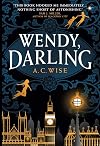
I really did enjoy this book, but it is so repetitive. Every chapter Wendy runs through the same things in her head that we’ve already heard about ten times. It’s like A.C. Wise doesn’t trust me to remember events or characterization that happened 20 pages ago.
I have never read a book of poetry that has three discrete references to Harry Potter in it. I’m almost tempted to give it an extra star just for the sheer audacity of it all.
The Priory of the Orange Tree: The multi-million-copy bestselling fantasy series (The Roots of Chaos) by Samantha Shannon
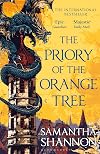
(Spoilers)
This is one of those books where I almost want to rate it higher than I actually feel it merits on its own terms, because it’s making strides in a direction that I would love to see high fantasy books go.
I’ve read a startling amount of reviews on here, however, that are trashing this book because it has...uh...too many women? I understand the knee-jerk reaction to reading a high fantasy novel with gender equality as the norm is to think that something has gone terribly wrong, but that’s just because the genre has become so comfortable falling into actual medieval social constructs that people forget that it’s called “fantasy” because you can do whatever the hell you want with it. It’s like people think if you don’t do exactly what Robert Jordan did, then your book is automatically garbage.
Not to mention the shocking amount of homophobia I’ve been encountering in these reviews. Come on, guys, it’s 2022. George R.R. Martin can constantly write the creepiest sex scenes known to man and that’s absolutely fine, but if someone’s fantasy universe allows gay marriage then that’s a bridge too far and society is crashing down around our ears.
I, for one, am excited that this book having mainstream appeal opens a pathway for new and refreshing (and, yes, diverse) takes on a genre that can sometimes feel like it’s stagnating, but a lot of people seem to not be so excited. I guess what I’m saying is that everyone needs to relax, and if I see show more one more bigoted review of this book, I might just bump my rating up to five stars out of sheer spite.
ALL OF THAT BEING SAID, this book was just okay. The main thing that I felt was carrying it pretty hard was the romance, and that’s a somewhat dire proclamation coming from me because I don’t like romance all that much. I just think that the way the author wrote Ead’s changing feelings toward Sabran was really well done. Ead went from being constantly annoyed with Sabran to being besotted by her, and there was never a point where I didn’t understand why she felt the way she did. It was like I was growing to like Sabran at the same time Ead was, and that was nice.
The pacing in this book, though. Holy cow. I can’t decide if I think this book is too long or too short, and I think that’s because of how wildly the pace varies. The entire first half (which, need I remind you, is 400 pages) was very slow and contained a limited amount of plot. I think that I could summarize the first half of the book in just a paragraph or so, because besides world-establishing things, there was so little going on. As I approached the end of the book, though, it was like the author had suddenly realized that she had written 400 pages and she still needed to wrap up every single plot point, and just started flinging plot at me like it was a trivia lightning round.
It all happened so fast that a lot of it doesn’t even make sense. For instance, there’s the whole hunt for Ascalon thing. This is a sword that people have been looking for for over a thousand years, and Ead has been tasked to find it. Seems like a daunting task right? Well, lucky for her, we’re in the lightning round, so it’s going to be super easy (barely an inconvenience). The first place she decides to go looking is where her two best friends grew up. They go there, and Margret’s father instantly tells her a weird little riddle about where the sword is. They do not have to puzzle out this riddle for even a moment, because Margret immediately remembers something that she apparently forgot until that very second, which is that she fell into a rabbit hole in the woods when she was five years old and there was a passage down there. They go into the woods and have absolutely no issues finding a tiny rabbit hole that Margret hasn’t seen since she was five and forgot about until yesterday, and then when they get in there, the sword just rises up to them out of a solid marble slab, because they have the special jewel that attracts it.
Compare this ridiculous series of extremely convenient coincidences to earlier in the book, when Ead constantly had to figure things out through her own cunning and know-how. It was like reading two different books, and I still don’t understand it. It almost feels as though once the author got the two romantic leads together, she got bored of the book and just started wrapping everything up Game of Thrones season 8 style.
All in all, I’m glad I read this book, because it had some new takes on a lot of old tropes, but I will never read it again. And if there’s a sequel, I won’t even attempt it unless it’s under 500 pages. show less
This is one of those books where I almost want to rate it higher than I actually feel it merits on its own terms, because it’s making strides in a direction that I would love to see high fantasy books go.
I’ve read a startling amount of reviews on here, however, that are trashing this book because it has...uh...too many women? I understand the knee-jerk reaction to reading a high fantasy novel with gender equality as the norm is to think that something has gone terribly wrong, but that’s just because the genre has become so comfortable falling into actual medieval social constructs that people forget that it’s called “fantasy” because you can do whatever the hell you want with it. It’s like people think if you don’t do exactly what Robert Jordan did, then your book is automatically garbage.
Not to mention the shocking amount of homophobia I’ve been encountering in these reviews. Come on, guys, it’s 2022. George R.R. Martin can constantly write the creepiest sex scenes known to man and that’s absolutely fine, but if someone’s fantasy universe allows gay marriage then that’s a bridge too far and society is crashing down around our ears.
I, for one, am excited that this book having mainstream appeal opens a pathway for new and refreshing (and, yes, diverse) takes on a genre that can sometimes feel like it’s stagnating, but a lot of people seem to not be so excited. I guess what I’m saying is that everyone needs to relax, and if I see show more one more bigoted review of this book, I might just bump my rating up to five stars out of sheer spite.
ALL OF THAT BEING SAID, this book was just okay. The main thing that I felt was carrying it pretty hard was the romance, and that’s a somewhat dire proclamation coming from me because I don’t like romance all that much. I just think that the way the author wrote Ead’s changing feelings toward Sabran was really well done. Ead went from being constantly annoyed with Sabran to being besotted by her, and there was never a point where I didn’t understand why she felt the way she did. It was like I was growing to like Sabran at the same time Ead was, and that was nice.
The pacing in this book, though. Holy cow. I can’t decide if I think this book is too long or too short, and I think that’s because of how wildly the pace varies. The entire first half (which, need I remind you, is 400 pages) was very slow and contained a limited amount of plot. I think that I could summarize the first half of the book in just a paragraph or so, because besides world-establishing things, there was so little going on. As I approached the end of the book, though, it was like the author had suddenly realized that she had written 400 pages and she still needed to wrap up every single plot point, and just started flinging plot at me like it was a trivia lightning round.
It all happened so fast that a lot of it doesn’t even make sense. For instance, there’s the whole hunt for Ascalon thing. This is a sword that people have been looking for for over a thousand years, and Ead has been tasked to find it. Seems like a daunting task right? Well, lucky for her, we’re in the lightning round, so it’s going to be super easy (barely an inconvenience). The first place she decides to go looking is where her two best friends grew up. They go there, and Margret’s father instantly tells her a weird little riddle about where the sword is. They do not have to puzzle out this riddle for even a moment, because Margret immediately remembers something that she apparently forgot until that very second, which is that she fell into a rabbit hole in the woods when she was five years old and there was a passage down there. They go into the woods and have absolutely no issues finding a tiny rabbit hole that Margret hasn’t seen since she was five and forgot about until yesterday, and then when they get in there, the sword just rises up to them out of a solid marble slab, because they have the special jewel that attracts it.
Compare this ridiculous series of extremely convenient coincidences to earlier in the book, when Ead constantly had to figure things out through her own cunning and know-how. It was like reading two different books, and I still don’t understand it. It almost feels as though once the author got the two romantic leads together, she got bored of the book and just started wrapping everything up Game of Thrones season 8 style.
All in all, I’m glad I read this book, because it had some new takes on a lot of old tropes, but I will never read it again. And if there’s a sequel, I won’t even attempt it unless it’s under 500 pages. show less
This book was interesting, but it spent probably 50% of its pages telling me useless information about characters who didn’t matter and pontificating about how terrible the modern world is. I enjoyed all the red herrings and the way that the ending played out, but truly this book could have been much shorter if you cut out all of the dragging chapters that are just about how the 24-hour news cycle is dragging down the American way of life or whatever the hell.
Also, this book made me start a shelf called “obviously written by men,” so take that as you will.
Also, this book made me start a shelf called “obviously written by men,” so take that as you will.
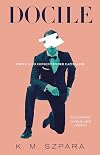
I DNF'd this book because it alternated between being boring and being porn, neither of which I really wanted to read.
I had to leave a review though because I am so impressed that this dude really rewrote every 2014 "My parents sell me to One Direction" Wattpad fanfic and then got it legit published. I didn't like the book but that is 👑 king shit.
Also, how does one "lock" a buttplug? Asking for a friend.
I had to leave a review though because I am so impressed that this dude really rewrote every 2014 "My parents sell me to One Direction" Wattpad fanfic and then got it legit published. I didn't like the book but that is 👑 king shit.
Also, how does one "lock" a buttplug? Asking for a friend.
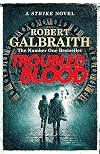
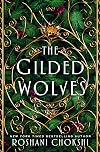
This book is like trying to watch Ocean’s 11 while someone stands in front of the TV reading you boring and clumsy exposition (intercut occasionally with weird, childish dialogue), and someone else stands to the side and hits you repeatedly over the head with a baseball bat that says “COLONIALISM IS BAD” on it.
One of my biggest problems with this book was the way exposition was handled. There were way too many ridiculously dry infodumps at the beginning. The story would stop to spit out paragraphs upon paragraphs of history lessons that still fail to explain anything properly.
The narration claims that magic doesn’t exist in this world, and then doesn’t make any effort to differentiate this system of “Forging” from magic. There is no reason to think that Forging is any different than magic. In fact, I still don’t really know what Forging is, because despite spending pages and pages dumping endless amounts of information on us, the author never managed to describe her own magic system beyond “some people can do certain types of Forging.” Thanks, I hate it.
The next big problem is the characters. First of all, they all sound the same. Sometimes I would miss the name at the beginning of the chapter and I would have no idea who was talking for like five pages because they all speak the same way. This is compounded by the fact that they all talk like modern middle school students, when they are supposed to be a team of master thieves in 19th century Paris. show more They sound cheesy and adolescent, and there’s no effort to couch these characters in their time period. There’s a scene where one of them mimes closing his lips with a zipper, which I can almost guarantee you people weren’t doing when the Eiffel Tower was being built.
They’re also very stupid for a team of thieves. Like when Severin bleeds all over that bear at the beginning, and for some reason they think that they left the vault without a trace until the blood comes up again later to bite them in the ass. Or when they get that honey bee necklace off someone who wanted to kill them, and they don’t immediately give it to the person who can read the history of items. Or when they know for sure that the hideout is underground...and they’re in Paris...and they never once think about the catacombs until a magic clock tells them to.
Also, apparently Severin killed seven of his foster parents and nobody ever cottoned on to how suspicious that was??
(P.S: I still can’t believe that she put Oddjob in this book.) show less
The narration claims that magic doesn’t exist in this world, and then doesn’t make any effort to differentiate this system of “Forging” from magic. There is no reason to think that Forging is any different than magic. In fact, I still don’t really know what Forging is, because despite spending pages and pages dumping endless amounts of information on us, the author never managed to describe her own magic system beyond “some people can do certain types of Forging.” Thanks, I hate it.
The next big problem is the characters. First of all, they all sound the same. Sometimes I would miss the name at the beginning of the chapter and I would have no idea who was talking for like five pages because they all speak the same way. This is compounded by the fact that they all talk like modern middle school students, when they are supposed to be a team of master thieves in 19th century Paris.
They’re also very stupid for a team of thieves. Like when Severin bleeds all over that bear at the beginning, and for some reason they think that they left the vault without a trace until the blood comes up again later to bite them in the ass. Or when they get that honey bee necklace off someone who wanted to kill them, and they don’t immediately give it to the person who can read the history of items. Or when they know for sure that the hideout is underground...and they’re in Paris...and they never once think about the catacombs until a magic clock tells them to.
Also, apparently Severin killed seven of his foster parents and nobody ever cottoned on to how suspicious that was??
(P.S: I still can’t believe that she put Oddjob in this book.)
The reason I disliked this book so much is because I went into it expecting something entirely different. It was recommended to me by an acquaintance as “the funniest book [they] have ever read,” and so I went into it expecting to laugh to the point of tears. Not so.
While I will admit that the book carries a humorous tone throughout, due to the narrator being a curmudgeon English professor, this book was extremely depressing in every way. The whole book is basically spent telling you how sad of a life this man is leading, how he cheated on his wife and got a divorce, and he is unliked by other professors, and how his former idols are old and senile, and his department is dying, and he misses the old days, and on and on and on.
It’s a book about an English professor who is in the pits and encounters misfortune after misfortune, which is fine, but I was led to believe otherwise and it made me dislike the book.
TL;DR: I was looking for a funny book, and instead got a depressing book. I will not be trusting book recommendations from this acquaintance any longer.
While I will admit that the book carries a humorous tone throughout, due to the narrator being a curmudgeon English professor, this book was extremely depressing in every way. The whole book is basically spent telling you how sad of a life this man is leading, how he cheated on his wife and got a divorce, and he is unliked by other professors, and how his former idols are old and senile, and his department is dying, and he misses the old days, and on and on and on.
It’s a book about an English professor who is in the pits and encounters misfortune after misfortune, which is fine, but I was led to believe otherwise and it made me dislike the book.
TL;DR: I was looking for a funny book, and instead got a depressing book. I will not be trusting book recommendations from this acquaintance any longer.
This book was okay. Definitely not as good as I thought it would be. I really can't figure out how this book managed to be 740 pages long. As soon as I finished the book, I looked at how huge it was and went, "What the hell happened in all those pages?", because I seriously don't know. I think Shadow dicked around different parts of America for like 90% of it, doing things tangentially related to the plot.
The second half was definitely a lot more engaging than the first half. I really enjoyed the last few chapters in particular, even though I thought thatShadow being able to stop all the gods from all-out war by just getting up in front of them and saying "Hey, Wednesday was playing you all for suckers," with no questions asked, at what should have been the most tense moment of the entire book was pretty stupid.
I guess my main issue with American Gods is that I just got really tired of Neil Gaiman describing all the female characters based on how much Shadow (or maybe Gaiman himself) wanted to fuck them.
For example, here is how he describes two sisters, both within the same chapter, one of whom is old and crone-like, and one of whom is young and beautiful:
Zorya Vechernyaya: "old", "bird-like", wears an amber ring
Zorya Polunochnaya: "Her skin was unlined, her eyes were dark, her lashes were long, her hair was to her waist, and white.", "Her lips were full but very pale" , "the wind flattened her nightgown against her body. Her nipples, every goosebump on the areolae, show more were visible momentarily, dark against the white cotton."
Give me a fucking break. I understand that the story is mainly told from Shadow's point of view, and so it makes some sense for him to notice more things about women with whom he wants to do the sex, but it gets really boring to read the twentieth description of yet another ~muy sexy lady~ who just so happens to stumble into Shadow's path. It's probably entertaining if you're attracted to women, I guess, but it gets old extremely quickly when you're a straight woman just trying to enjoy a book.
It didn't help that I was in the back country of Yellowstone when I read this, so I couldn't put down the book and go read something else as a cleanse. This was all I had. I could either read about the sexy ladies or stare at Yellowstone Lake until it began to stare back. Don't take this book on a 2-week canoe trip, is all I'm saying. show less
The second half was definitely a lot more engaging than the first half. I really enjoyed the last few chapters in particular, even though I thought that
I guess my main issue with American Gods is that I just got really tired of Neil Gaiman describing all the female characters based on how much Shadow (or maybe Gaiman himself) wanted to fuck them.
For example, here is how he describes two sisters, both within the same chapter, one of whom is old and crone-like, and one of whom is young and beautiful:
Zorya Vechernyaya: "old", "bird-like", wears an amber ring
Zorya Polunochnaya: "Her skin was unlined, her eyes were dark, her lashes were long, her hair was to her waist, and white.", "Her lips were full but very pale" , "the wind flattened her nightgown against her body. Her nipples, every goosebump on the areolae, show more were visible momentarily, dark against the white cotton."
Give me a fucking break. I understand that the story is mainly told from Shadow's point of view, and so it makes some sense for him to notice more things about women with whom he wants to do the sex, but it gets really boring to read the twentieth description of yet another ~muy sexy lady~ who just so happens to stumble into Shadow's path. It's probably entertaining if you're attracted to women, I guess, but it gets old extremely quickly when you're a straight woman just trying to enjoy a book.
It didn't help that I was in the back country of Yellowstone when I read this, so I couldn't put down the book and go read something else as a cleanse. This was all I had. I could either read about the sexy ladies or stare at Yellowstone Lake until it began to stare back. Don't take this book on a 2-week canoe trip, is all I'm saying. show less
Wicked: The Life and Times of the Wicked Witch of the West (The Wicked Years, #1) by Gregory Maguire
You know when you watch a Quentin Tarantino movie and you think to yourself, "Huh. There sure are a lot of shots of women's feet in this guy's movies. This is a pretty good movie, but wow are there a lot of feet," and then upon reflection you realize that Tarantino has a foot fetish and he put those shots in the movie just because he's a horny bastard?
Anyway, Wicked is really horny. Like, to the point of farce. I could talk about how the tone isn't very cohesive and some of the problems I had with the story, but the one baffling nugget at the core of my experience with Wicked is how indisputably horny it is. I don't know if it stood out to me so much because The Wizard of Oz played such a big role in my childhood, but holy shit Gregory Maguire.
I think the most salient example of this is the existence of the "Philosophy Club," a seedy night club/sex den (??)where some of the characters go once in the first half of the book, and which gets an incredible amount of pages for being completely superfluous in every way. A group of mostly unimportant side characters go to this club, they get high off their asses, and one of them has group sex involving a Tiger. And then it's never important at any point, but up until the final chapters of the book, characters keep pulling it out of their asses, like "hey, remember that one specific night when we were students where we went to a sex club and the main characters weren't even there? Tibbett fucked a Tiger, remember?" like I'm show more ever going to forget that image at any point in my life. I'm so glad Maguire decided that his story about political upheaval and the nature of good and evil was significantly less important than a bunch of college students doing sexual experimentation.
Anyway, the point where I really started to lose my mind was when Elphaba is trying to revive a nearly dead child, and description runs thusly:
"she sank her mouth down onto the child's, and breathed out, pushing into the sour passage her own sour breath. Her fingers tensed at the sides of the butcher's block, gouging splinters, as if in an ecstasy of sexual tension."
Right? Because that's how you describe performing CPR on a 7-year-old child, right? Also, about half a page after that, Maguire pauses in his description of trying to nurse the child back to health to tell us that the tween in the room is getting an erection for the first time. I swear to God, if you cut all the weird, non-plot relevant horny stuff out of this book it would half as long.
Anyway, it was an okay book. 2/5 show less
Anyway, Wicked is really horny. Like, to the point of farce. I could talk about how the tone isn't very cohesive and some of the problems I had with the story, but the one baffling nugget at the core of my experience with Wicked is how indisputably horny it is. I don't know if it stood out to me so much because The Wizard of Oz played such a big role in my childhood, but holy shit Gregory Maguire.
I think the most salient example of this is the existence of the "Philosophy Club," a seedy night club/sex den (??)
Anyway, the point where I really started to lose my mind was when Elphaba is trying to revive a nearly dead child, and description runs thusly:
"she sank her mouth down onto the child's, and breathed out, pushing into the sour passage her own sour breath. Her fingers tensed at the sides of the butcher's block, gouging splinters, as if in an ecstasy of sexual tension."
Right? Because that's how you describe performing CPR on a 7-year-old child, right? Also, about half a page after that, Maguire pauses in his description of trying to nurse the child back to health to tell us that the tween in the room is getting an erection for the first time. I swear to God, if you cut all the weird, non-plot relevant horny stuff out of this book it would half as long.
Anyway, it was an okay book. 2/5 show less
I really and truly tried to enjoy this book, but the main character (Tana) made that impossible. She is just too stupid.
"I have no reason to trust either this random chained-up vampire who has told me several times that I shouldn't trust him or my asshole ex boyfriend who cheated on me repeatedly and who is now infected and likely to rip my throat out (like my mother tried to when I was a kid) when he gets the chance. I think I'll free both of them and go road tripping with them. And I also won't call the police or any kind of authority to tell them about all of my dead friends (most of which this vampire could have killed, for all I know) who are just laying in the next room rotting without anyone knowing they're there besides me. Nope, I'm just gonna go straight to the nearest Coldtown. Maybe I'll pick up some creepy emo bloggers with a death wish on the way."
'Nuff said.
PS: Although I guess someone must, I do not find two people drinking blood from each other at the same time with disturbing detail romantic.
PPS: "'Some sicknesses are worse than their cure,' said the man". - What does this quote even mean? I've been staring at it for ten minutes now. Of course some sicknesses are worse than their cure. Most are, actually. Is this a typo? Is this just supposed to be nonsensical? I am so confused.
"I have no reason to trust either this random chained-up vampire who has told me several times that I shouldn't trust him or my asshole ex boyfriend who cheated on me repeatedly and who is now infected and likely to rip my throat out (like my mother tried to when I was a kid) when he gets the chance. I think I'll free both of them and go road tripping with them. And I also won't call the police or any kind of authority to tell them about all of my dead friends (most of which this vampire could have killed, for all I know) who are just laying in the next room rotting without anyone knowing they're there besides me. Nope, I'm just gonna go straight to the nearest Coldtown. Maybe I'll pick up some creepy emo bloggers with a death wish on the way."
'Nuff said.
PS: Although I guess someone must, I do not find two people drinking blood from each other at the same time with disturbing detail romantic.
PPS: "'Some sicknesses are worse than their cure,' said the man". - What does this quote even mean? I've been staring at it for ten minutes now. Of course some sicknesses are worse than their cure. Most are, actually. Is this a typo? Is this just supposed to be nonsensical? I am so confused.
What the jet-skiing Jesus Christ almighty