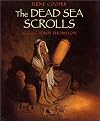
This book is extremely informative about the discovery of the Dead Sea Scrolls. The author's note at the end also gives insight regarding why this book is considered fiction. Some of the dates and events are still debated and he explained how and why he used the ones given. This is an excellent book which should be in all school libraries.
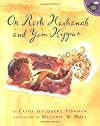
I loved this book. Children are often curious to know why their classmates celebrate a holiday that they do not understand and this gives a meaningful explanation of Rosh Hashanah and Yom Kippur. It's not a book I would use in a public school for the classroom, but it should be available in the library to recommend to students when they have questions.
The title of this book will catch the attention of students. Math is a subject that many students fear. It is precise in the answers and can seem intimidating until the logic and connections are made. While educational, the story remains fun and interesting. This is a must have for math teachers.

The poems are thought invoking. This would be a great book to use as children are first entering into adult poetry. These would be great to hold discussions with students. I would want this book to be available to my students.

This is an enjoyable book of poems. It's educational in the way it takes colors and tells a story while incorporating facts and tales within the sequence. Students will learn about varied subjects. I would use this book to have students first identify their favorite color, then choose a poem from that group to elaborate more on the subject by writing their own poems.
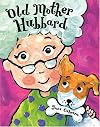
This is a version of Old Mother Hubbard. It's a modern kid friendly version that stays away from some of the original rhymes that would be considered inappropriate to some parents for some children. The illustrations stand out the most. The colors are deep and rich on large pictures.
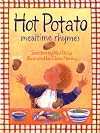
All of the rhymes have to do with food. I liked a few of them but most of them were not very interesting or catchy. I did not care for this book.
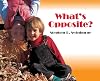
I loved that the author used photograghs to demonstrate the meaning of opposite. It showed rel life examples for children to compare and understand. At first they are on the same page then the book changes so that the reader has to turn the page for the answer. I would have use this with students.
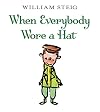
I'm confused by this book. The title says when everybody wore a hat and yet the illustrations have more people without hats on then with them. William Stieg wrote this about his childhood and even mentions in the story line about everyone wearing a hat. For a children's book with this title, I felt that he should have been true to it with the illustrations.
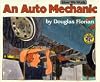
This book is for very young children. It gives single sentence descriptions of what an auto mechanic does on his job. This is not a book I would use.
This book gives a lot of details about life on a farm from a child's perspective. It also goes through the change of seasons and the differences that happen on the farm. It's a nice book but not one I would seek out to use with students.
This book is perfect for a teacher to use as an example to students participating in a science project. It gives details about the scientist and an example of an actual project the student had done. It is vary basic and more of an introduction. I would have this in my classroom.

This book uses photographs and simple descriptions of winter. It would not be a book I would choose since it concentrates on areas where there is snow all around and it would not apply to my students. I felt like I was looking through a home-made photo album with little notes about the pictures.
This books gives details if various plants, places, and animals across America with accompanying photos. Each page gives a very detailed description of events and how they take place. If I were to use this in the classroom, I would assign each student a page from the book and ask them to look up more information about their page during another season of the year.
This book could be used while studying the north and south poles. It gives informing about temperatures, animals, plants, and people who live there. It has illustrations that are descriptive and will help students to have a better understanding of the two places. They will understand that they are both really cold places while Antartica is not suitable for people to live.
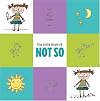
This is a nice little book of adjectives. It shows the words with pictures of objects such as big and then not so big. A great tool for teaching young children how to understand the differences in objects.
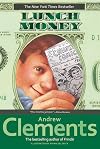
This book has a nice story line and will give children ideas of how they might be able to earn extra money. It also gives a perfect perfect for teachers to use while collaborating subjects in math, art, and writing. I found the first twenty pages hard to stay focused on as the character started out boring. As the story progressed, it became more engaging.
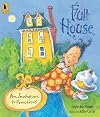
This book is written in rhyme. The kids will love the verses and guessing what will come next. It us a very basic introduction to fractions and perfect for introducing the concept.
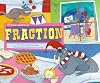
This book is a nice introduction to the concept of fractions. Students will enjoy the illustrations that go along with teaching the concept. It is a great tool to use for teaching.
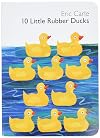
This is a great book for young children. It mixes the adventures if the rubber ducks as they fall off the ship. Counting, directions such as up and down, and north and south are also used. This book is great for a classroom.
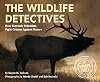
It was educational to learn that wildlife has detectives using information and a crime lab similar to humans. There is a crime lab in Ashland Oregon which was created for this cause. This book follows the case which they were able to solve of an Elk named Charger. It gives the details of how it was evolved and concluded. The book also has pictured file folders detailing other illegal activity amongst other wildlife species. I would use this book in my classroom for students. Great information.
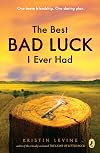
My review has to include my thought about the question I had in class regarding his release of the bird and using his two dollars to pay for it. Dit wanted the two dollars to enter the hunting contest so his father would see him differently, after he found out his father already saw him as a man he didn't need the money to proven anything to him. There was also the theme regarding being imprisoned unjustly. We learned about the eagle first and then saw Dit get locked in jail by his friends and lastly Doc Gifford unjustly imprisoned. Emma had helped Dit to see things as a whole and he realized that the birds cage was also a prison.Spending the money to buy the bird showed how he had learned that freedom was necessary for all living things. This book was filled with meaningful moments. I loved it.
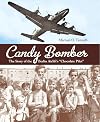
This book actually annoyed me. The story of the gum being divided into four pieces and the other children being happy to just smell the foil was not believable. Page nineteen was the most unbelievable. The little girl with "wistful blue eye" telling him about the bombers killing their parents, brothers, and sisters but that they realized the Communist system was worst. I knew then that I was reading a story that was true about the candy drops, but the story was full of propaganda, like the movies they made for theaters during war time. Each interaction with the children was too perfect. Either they were forgiving and thankful or they were victims who were unable to get the treats and the heroics that Halvorson did to ensure fairness. I'm not taking away from the generosity that was done, I just don't buy the details.
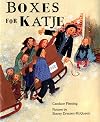
This is a sweet story. I remember having a pen pal in elementary school in eighth grade that the nun had set up with a school from Ireland. I don't remember the letters so they were insignificant to my life. The assignment was there but not the spirit. It was touching to see how they cared for each other and sent gifts that were needed and meaningful.
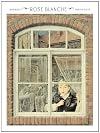
This book showed the feelings of a child who was not Jewish but had seen what was being done to other children. It gave insight to how a child might react. The artwork was haunting. When the picture showed her eyes as dark and sunken in, it was as if the angel of death was reflected in them.
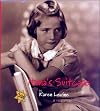
I think this book surprised me the most of the books I've read. I thought throughout reading it that Hana was going to be the lone survivor of the holocaust. I wanted the students in Japan to find her alive even as the story was able to reach an emotional high point when her brother George was found living in Canada. Fumiko showed through her determination and spirit that with enough effort, the seemingly impossible can be achieved.
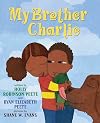
I was familiar with the story of Charlie Peete. His mother has written many articles on autism and the effects on her family. I found the story line was consistent with previous things she has written. I believe her children are better adapted to understanding Charlie because their mother has made his challenges a major part of their family life.
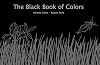
This short book was exceptional. I never thought there was a way to explain colors to someone who has never been able to see them. To use smells and taste and textures should have been obvious but I missed that connection until reading this.
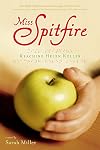
It was informative to read this from the perspective of Annie Sullivan. Most of us know the story of Helen Keller and her teacher Annie Sullivan, but usually the focus is on Helen. Her story is so inspirational that it is easy to neglect the importance and significance of Annie. Her life experiences were essential to make the gateway for Helen to pass into world around her.
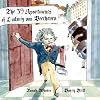
I never knew all these facts about Beethoven. This was a funny story while also pointing out his hearing loss and many moves.