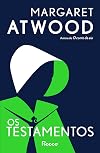
Os Testamentos
Margaret Atwood
O livro Os Testamentos conta a história de uma teocracia marcada pela subjugação feminina, além de abordar temas como estupro, pedofilia e ultraviolência religiosa. Nesta sequência de O Conto da Aia, a autora discorre sobre as Pérolas e as Tias, deixando as Aias fora de foco. A narrativa acompanha três mulheres (Tia Lydia, Nicole e Agnes) distantes umas das outras, até o ponto em que a autora amarra a trajetória das três. Além disso, faz-se o uso da apóstrofe para conversar diretamente com o leitor e tecer comentários sobre a trama.
Este livro é mais uma das distopias obrigatórias para aqueles que se aventuram no mundo da literatura mundial. A obra venceu o Booker Prize e, ao longo da ficção, fica claro o porquê.
————————————————————————————————————————
The Testaments tells the story of a theocracy marked by female subjugation, while also addressing themes such as rape, pedophilia, and religious ultraviolence. In this sequel to The Handmaid's Tale, the author discourses on the Pearl Girls and the Aunts, shifting the focus away from the Handmaids. The narrative follows three women (Aunt Lydia, Nicole, and Agnes) who are distant from one another, until the point where the author weaves their trajectories together. Furthermore, the use of apostrophe allows the author to speak directly to the reader and offer commentary on the plot.
This book is yet show more another must-read dystopia for anyone venturing into the world of global literature. The novel won the Booker Prize, and throughout the fiction, it becomes perfectly clear why. show less
Margaret Atwood
O livro Os Testamentos conta a história de uma teocracia marcada pela subjugação feminina, além de abordar temas como estupro, pedofilia e ultraviolência religiosa. Nesta sequência de O Conto da Aia, a autora discorre sobre as Pérolas e as Tias, deixando as Aias fora de foco. A narrativa acompanha três mulheres (Tia Lydia, Nicole e Agnes) distantes umas das outras, até o ponto em que a autora amarra a trajetória das três. Além disso, faz-se o uso da apóstrofe para conversar diretamente com o leitor e tecer comentários sobre a trama.
Este livro é mais uma das distopias obrigatórias para aqueles que se aventuram no mundo da literatura mundial. A obra venceu o Booker Prize e, ao longo da ficção, fica claro o porquê.
————————————————————————————————————————
The Testaments tells the story of a theocracy marked by female subjugation, while also addressing themes such as rape, pedophilia, and religious ultraviolence. In this sequel to The Handmaid's Tale, the author discourses on the Pearl Girls and the Aunts, shifting the focus away from the Handmaids. The narrative follows three women (Aunt Lydia, Nicole, and Agnes) who are distant from one another, until the point where the author weaves their trajectories together. Furthermore, the use of apostrophe allows the author to speak directly to the reader and offer commentary on the plot.
This book is yet show more another must-read dystopia for anyone venturing into the world of global literature. The novel won the Booker Prize, and throughout the fiction, it becomes perfectly clear why. show less
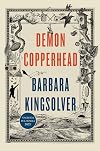
Kingsolver, Barbara, “Demon Copperhead”. 2022.
O livro escrito pela autora Barbara Kingsolver aborda o tema de pessoas negligenciadas na infância, inseridas no contexto de jovens que se tornam órfãos e passam por lares de acolhimento, além de discutir a problemática do futuro incerto dessas crianças e adolescentes. A obra tem como objetivo apresentar para nós, leitores, a história de vida de milhões de "Demons" espalhados pelo mundo, e faz isso de maneira muito sensível.
Nesta ficção, a autora narra, em primeira pessoa, a trajetória de Demon, um garoto nascido de uma mãe dependente química e de um pai já falecido. No decorrer da história, a mãe de Demon se casa com Stoner, um homem agressivo e estúpido com ela e com o enteado. Entretanto, após um a grave recaída no abuso de opióides, ela acaba perdendo a guarda do filho.
A partir daí, Demon inicia uma jornada por diferentes lares adotivos e abrigos — alguns muito aquém do esperado para a situação do garoto, outros um pouco melhores. A narrativa apresenta os contrastes entre lares de acolhimento ruins e bons, culminando em um lar surpreendente, onde ele finalmente recebe verdadeiro cuidado e afeto.
Posteriormente a esses eventos, no entanto, Demon acaba tomando decisões erradas que culminam em acontecimentos trágicos. Em suma, esta obra sensível conta a história de milhões de "Demons" espalhados pelas ruas ou vivendo em situações desumanas em nossa show more sociedade.
---------------------------------------------------------------------------------------------------------------------------------------
Kingsolver, Barbara, “Demon Copperhead”. 2022.
The book written by author Barbara Kingsolver addresses the theme of childhood neglect, set within the context of youth who become orphans and navigate the foster care system, while also discussing the issue of the uncertain future faced by these children and adolescents. The work aims to sensitively introduce us, as readers, to the life stories of millions of "Demons" scattered across the world.
In this fiction piece, the author narrates, in the first person, the journey of Demon, a boy born to a drug-dependent mother and a deceased father. As the story unfolds, Demon's mother marries Stoner, a man who is aggressive and cruel toward both her and his stepson. However, after a severe relapse into opioid abuse, she ultimately loses custody of her son.
From that point on, Demon begins a journey through different foster homes and shelters — some far below what should be expected for a boy in his situation, others a bit better. The narrative highlights the contrasts between bad and good foster homes, culminating in a surprising placement where he finally receives genuine care and affection.
Following these events, however, Demon ends up making wrong choices that culminate in tragic occurrences. In short, this sensitive work tells the story of millions of "Demons" roaming the streets or living in inhumane conditions across our society. show less
O livro escrito pela autora Barbara Kingsolver aborda o tema de pessoas negligenciadas na infância, inseridas no contexto de jovens que se tornam órfãos e passam por lares de acolhimento, além de discutir a problemática do futuro incerto dessas crianças e adolescentes. A obra tem como objetivo apresentar para nós, leitores, a história de vida de milhões de "Demons" espalhados pelo mundo, e faz isso de maneira muito sensível.
Nesta ficção, a autora narra, em primeira pessoa, a trajetória de Demon, um garoto nascido de uma mãe dependente química e de um pai já falecido. No decorrer da história, a mãe de Demon se casa com Stoner, um homem agressivo e estúpido com ela e com o enteado. Entretanto, após um a grave recaída no abuso de opióides, ela acaba perdendo a guarda do filho.
A partir daí, Demon inicia uma jornada por diferentes lares adotivos e abrigos — alguns muito aquém do esperado para a situação do garoto, outros um pouco melhores. A narrativa apresenta os contrastes entre lares de acolhimento ruins e bons, culminando em um lar surpreendente, onde ele finalmente recebe verdadeiro cuidado e afeto.
Posteriormente a esses eventos, no entanto, Demon acaba tomando decisões erradas que culminam em acontecimentos trágicos. Em suma, esta obra sensível conta a história de milhões de "Demons" espalhados pelas ruas ou vivendo em situações desumanas em nossa show more sociedade.
---------------------------------------------------------------------------------------------------------------------------------------
Kingsolver, Barbara, “Demon Copperhead”. 2022.
The book written by author Barbara Kingsolver addresses the theme of childhood neglect, set within the context of youth who become orphans and navigate the foster care system, while also discussing the issue of the uncertain future faced by these children and adolescents. The work aims to sensitively introduce us, as readers, to the life stories of millions of "Demons" scattered across the world.
In this fiction piece, the author narrates, in the first person, the journey of Demon, a boy born to a drug-dependent mother and a deceased father. As the story unfolds, Demon's mother marries Stoner, a man who is aggressive and cruel toward both her and his stepson. However, after a severe relapse into opioid abuse, she ultimately loses custody of her son.
From that point on, Demon begins a journey through different foster homes and shelters — some far below what should be expected for a boy in his situation, others a bit better. The narrative highlights the contrasts between bad and good foster homes, culminating in a surprising placement where he finally receives genuine care and affection.
Following these events, however, Demon ends up making wrong choices that culminate in tragic occurrences. In short, this sensitive work tells the story of millions of "Demons" roaming the streets or living in inhumane conditions across our society. show less
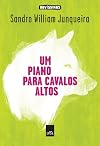
Um piano para cavalos altos
Sandro William Junqueira
Publicado originalmente em 2012 pelo escritor Sandro William Junqueira, Um piano para cavalos altos traz à tona a temática distópica de uma sociedade cercada por muros, na qual a população, paradoxalmente, teme tanto os animais que vivem na floresta ao lado quanto o Estado. A obra apresenta um governo totalitário que usa a força, a disciplina e mecanismos governamentais para manter seu povo alienado e distribuído em Zonas, que representam as classes sociais. O livro compartilha o mesmo ambiente de totalitarismo e controle estatal de 1984, de George Orwell.
A história inicia-se com a descoberta, por militares, de um corpo completamente destroçado por lobos fora do perímetro urbano da cidade. Diante disso, o governo local, juntamente com os militares, toma a decisão de fortalecer a segurança da cidade e, ao mesmo tempo, prender um cidadão chamado “Mensageiro", devido ao distúrbio da paz e do sossego causado por suas previsões futurísticas sobre a cidade e aqueles que a cercam.
Para caminhar entre as Zonas Azul, Castanha, Amarela e Cinzenta, a população necessita de passes que dão permissão expressa para tal; caso contrário, não têm autorização para fazê-lo. Outra situação marcante do livro é o funcionamento de um local para a cremação de corpos e a fabricação de empadinhas, uma construção inspirada nas práticas nazistas do século passado.
Um ponto curioso da história é que os show more personagens do enredo não têm nomes próprios; o autor decide chamá-los por termos impessoais como “criada”, “médico loiro”, “mensageiro”, “a ruiva”, entre outros.
O livro é dividido em duas grandes partes, 10 seções e dezenas de capítulos nos quais predominam diálogos sobre as diversas situações absurdas e autocráticas. Um exemplo é o caso de um garoto amarrado ao piano pela própria mãe, “A Ruiva”, para que ele continue treinando as partituras para se apresentar em um grande concerto que ocorrerá na Torre — uma referência ao Panóptico de Foucault em Vigiar e Punir —, prédio onde o Governo está instalado.
A obra, assim como outras distopias, expõe o uso de diversos mecanismos de controle social, como o militarismo, o sexo, as moedas de troca e o absolutismo. Os capítulos são marcados por diálogos e monólogos sobre situações pontuais que vão se conectando no decorrer da narrativa.
De leitura e acompanhamento fáceis, a obra deixa brechas para que os leitores interpretem os acontecimentos como bem entenderem. Em suma, trata-se de uma antiutopia que vale a pena ser lida, que pega emprestadas referências de outros livros mais famosos do gênero para desenhar um Estado totalitário fadado à ruína, cujos conceitos se mostram infiltrados em diversos governos de sociedades atuais ou de períodos passados da humanidade.
————————————————————————————————————————-
Um Piano para Cavalos Altos
Sandro William Junqueira
Originally published in 2012 by author Sandro William Junqueira, Um Piano para Cavalos Altos brings to the fore dystopian themes of a walled society, where the population dreads the beasts dwelling in the adjacent forest, trapped in a paradox of feeling vulnerable both without the perimeter of the wall and under the yoke of the State. This collective anxiety is weaponized by a totalitarian regime that leverages sheer force, discipline, and state apparatuses to keep its people alienated and segregated into strict Zones that mirror social classes. The work deeply shares the totalitarian essence and omnipresent state control found in George Orwell's 1984.
The narrative layout begins outside the city’s urban perimeter, where military personnel discover a body completely torn apart by wolves. In response, the local government, alongside the military apparatus, decides to tighten city security while simultaneously arresting a citizen known as "The Messenger," charging him with disturbing the peace due to his futuristic prophecies regarding the city and its inhabitants.
To navigate between the Blue, Brown, Yellow, and Grey Zones, the population requires passes granting express permission; without them, mobility is entirely denied. Another striking and gruesome element of the book is the operation of a facility dedicated to the dual purpose of body cremation and the production of meat pies (empadinhas)—a disturbing industrial concept borrowed from the Nazi machinery of the last century.
A peculiar feature of the story is that the characters lack proper names. The author deliberately chooses to refer to them through impersonal, functional labels such as "the maid," "the blonde doctor," "the messenger," and "the redhead."
The book is structured into two main parts, ten sections, and dozens of short chapters dominated by dialogue regarding various absurd, autocratic situations. A poignant example is a mother ("The Redhead") tying her own son to a piano to force him to endlessly practice sheet music for a grand concert destined for the Tower—the government’s headquarters and panoptic control building (a structure heavily borrowing from Foucault’s Discipline and Punish).
Like other classic dystopias, the novel exposes several mechanisms of social control, including militarism, the commodification of sex, artificial currencies, and raw absolutism. The chapters are marked by sharp dialogues and internal monologues focused on specific, isolated events that gradually connect as the narrative progresses.
While it offers an accessible and engaging read, the work leaves deliberate narrative gaps, inviting readers to interpret the unfolding events as they see fit. It remains a compelling anti-utopia that skillfully borrows tropes from the genre's most famous canon to draw a totalitarian state doomed to ruin—one whose underlying concepts mirror the rot found in various governments, both in past eras of humanity and within contemporary societies. show less
Sandro William Junqueira
Publicado originalmente em 2012 pelo escritor Sandro William Junqueira, Um piano para cavalos altos traz à tona a temática distópica de uma sociedade cercada por muros, na qual a população, paradoxalmente, teme tanto os animais que vivem na floresta ao lado quanto o Estado. A obra apresenta um governo totalitário que usa a força, a disciplina e mecanismos governamentais para manter seu povo alienado e distribuído em Zonas, que representam as classes sociais. O livro compartilha o mesmo ambiente de totalitarismo e controle estatal de 1984, de George Orwell.
A história inicia-se com a descoberta, por militares, de um corpo completamente destroçado por lobos fora do perímetro urbano da cidade. Diante disso, o governo local, juntamente com os militares, toma a decisão de fortalecer a segurança da cidade e, ao mesmo tempo, prender um cidadão chamado “Mensageiro", devido ao distúrbio da paz e do sossego causado por suas previsões futurísticas sobre a cidade e aqueles que a cercam.
Para caminhar entre as Zonas Azul, Castanha, Amarela e Cinzenta, a população necessita de passes que dão permissão expressa para tal; caso contrário, não têm autorização para fazê-lo. Outra situação marcante do livro é o funcionamento de um local para a cremação de corpos e a fabricação de empadinhas, uma construção inspirada nas práticas nazistas do século passado.
Um ponto curioso da história é que os show more personagens do enredo não têm nomes próprios; o autor decide chamá-los por termos impessoais como “criada”, “médico loiro”, “mensageiro”, “a ruiva”, entre outros.
O livro é dividido em duas grandes partes, 10 seções e dezenas de capítulos nos quais predominam diálogos sobre as diversas situações absurdas e autocráticas. Um exemplo é o caso de um garoto amarrado ao piano pela própria mãe, “A Ruiva”, para que ele continue treinando as partituras para se apresentar em um grande concerto que ocorrerá na Torre — uma referência ao Panóptico de Foucault em Vigiar e Punir —, prédio onde o Governo está instalado.
A obra, assim como outras distopias, expõe o uso de diversos mecanismos de controle social, como o militarismo, o sexo, as moedas de troca e o absolutismo. Os capítulos são marcados por diálogos e monólogos sobre situações pontuais que vão se conectando no decorrer da narrativa.
De leitura e acompanhamento fáceis, a obra deixa brechas para que os leitores interpretem os acontecimentos como bem entenderem. Em suma, trata-se de uma antiutopia que vale a pena ser lida, que pega emprestadas referências de outros livros mais famosos do gênero para desenhar um Estado totalitário fadado à ruína, cujos conceitos se mostram infiltrados em diversos governos de sociedades atuais ou de períodos passados da humanidade.
————————————————————————————————————————-
Um Piano para Cavalos Altos
Sandro William Junqueira
Originally published in 2012 by author Sandro William Junqueira, Um Piano para Cavalos Altos brings to the fore dystopian themes of a walled society, where the population dreads the beasts dwelling in the adjacent forest, trapped in a paradox of feeling vulnerable both without the perimeter of the wall and under the yoke of the State. This collective anxiety is weaponized by a totalitarian regime that leverages sheer force, discipline, and state apparatuses to keep its people alienated and segregated into strict Zones that mirror social classes. The work deeply shares the totalitarian essence and omnipresent state control found in George Orwell's 1984.
The narrative layout begins outside the city’s urban perimeter, where military personnel discover a body completely torn apart by wolves. In response, the local government, alongside the military apparatus, decides to tighten city security while simultaneously arresting a citizen known as "The Messenger," charging him with disturbing the peace due to his futuristic prophecies regarding the city and its inhabitants.
To navigate between the Blue, Brown, Yellow, and Grey Zones, the population requires passes granting express permission; without them, mobility is entirely denied. Another striking and gruesome element of the book is the operation of a facility dedicated to the dual purpose of body cremation and the production of meat pies (empadinhas)—a disturbing industrial concept borrowed from the Nazi machinery of the last century.
A peculiar feature of the story is that the characters lack proper names. The author deliberately chooses to refer to them through impersonal, functional labels such as "the maid," "the blonde doctor," "the messenger," and "the redhead."
The book is structured into two main parts, ten sections, and dozens of short chapters dominated by dialogue regarding various absurd, autocratic situations. A poignant example is a mother ("The Redhead") tying her own son to a piano to force him to endlessly practice sheet music for a grand concert destined for the Tower—the government’s headquarters and panoptic control building (a structure heavily borrowing from Foucault’s Discipline and Punish).
Like other classic dystopias, the novel exposes several mechanisms of social control, including militarism, the commodification of sex, artificial currencies, and raw absolutism. The chapters are marked by sharp dialogues and internal monologues focused on specific, isolated events that gradually connect as the narrative progresses.
While it offers an accessible and engaging read, the work leaves deliberate narrative gaps, inviting readers to interpret the unfolding events as they see fit. It remains a compelling anti-utopia that skillfully borrows tropes from the genre's most famous canon to draw a totalitarian state doomed to ruin—one whose underlying concepts mirror the rot found in various governments, both in past eras of humanity and within contemporary societies. show less
Jun 4, 2026 (Edited)Portuguese (Brazil)
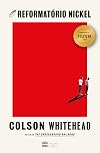
O reformatório Nickel
Colson Whitehead
O livro conta a história do então adolescente Elwood, um jovem negro, bem-educado e culto, criado pela avó, já que os pais o deixaram com ela para tentar a vida em outro estado. A narrativa apresenta a trajetória de Elwood até aquele momento, mostrando como ele sempre seguia a lei e a moral da época, mas também as questionava, em meio ao segregacionismo racial americano. No que seria o seu primeiro dia de aula na faculdade local para negros, ele acaba sendo preso injustamente e enviado a um reformatório para brancos e negros chamado “Reformatório Nickel”.
A obra traz como problemática central o segregacionismo racial americano nos anos 1960. O autor destrincha todo o preconceito estrutural e os absurdos praticados contra a comunidade negra da época e de gerações passadas.
Ganhadora do Prêmio Pulitzer de Ficção em 2020, a história é indispensável para todos aqueles que desejam entender o que a população negra enfrentava, para que esses erros nunca se repitam. Sem amigos e contando apenas com o amor de sua avó, o protagonista nos conduz por uma narrativa que traz à tona o racismo estrutural, físico, mental e emocional que um jovem negro promissor e inocente era obrigado a suportar em sua época.
-------------------------------------------------
The Nickel Boys
Colson Whitehead
The book tells the story of Elwood, a well-educated and cultured Black teenager raised by his grandmother after his parents left him behind show more to seek a better life in another state. The narrative explores Elwood's life up to that point—a life spent strictly following the laws and morals of the era, yet also questioning them amidst the reality of American racial segregation. On what was supposed to be his first day of classes at a local college for Black students, he is wrongfully arrested and sent to a juvenile reformatory for both white and Black boys called the "Nickel Academy."
The core theme of the work is American racial segregation in the 1960s. It uncovers the deeply embedded structural prejudice and the atrocities committed against the Black community during that era and across previous generations.
Winner of the 2020 Pulitzer Prize for Fiction, this story is a vital read for anyone wishing to understand what Black people endured, ensuring history never repeats itself. Cut off from friends and with only his grandmother's love to lean on, Elwood's journey brings to light the structural, physical, mental, and emotional racism that a promising, innocent young Black man was forced to endure in his time. show less
Colson Whitehead
O livro conta a história do então adolescente Elwood, um jovem negro, bem-educado e culto, criado pela avó, já que os pais o deixaram com ela para tentar a vida em outro estado. A narrativa apresenta a trajetória de Elwood até aquele momento, mostrando como ele sempre seguia a lei e a moral da época, mas também as questionava, em meio ao segregacionismo racial americano. No que seria o seu primeiro dia de aula na faculdade local para negros, ele acaba sendo preso injustamente e enviado a um reformatório para brancos e negros chamado “Reformatório Nickel”.
A obra traz como problemática central o segregacionismo racial americano nos anos 1960. O autor destrincha todo o preconceito estrutural e os absurdos praticados contra a comunidade negra da época e de gerações passadas.
Ganhadora do Prêmio Pulitzer de Ficção em 2020, a história é indispensável para todos aqueles que desejam entender o que a população negra enfrentava, para que esses erros nunca se repitam. Sem amigos e contando apenas com o amor de sua avó, o protagonista nos conduz por uma narrativa que traz à tona o racismo estrutural, físico, mental e emocional que um jovem negro promissor e inocente era obrigado a suportar em sua época.
-------------------------------------------------
The Nickel Boys
Colson Whitehead
The book tells the story of Elwood, a well-educated and cultured Black teenager raised by his grandmother after his parents left him behind show more to seek a better life in another state. The narrative explores Elwood's life up to that point—a life spent strictly following the laws and morals of the era, yet also questioning them amidst the reality of American racial segregation. On what was supposed to be his first day of classes at a local college for Black students, he is wrongfully arrested and sent to a juvenile reformatory for both white and Black boys called the "Nickel Academy."
The core theme of the work is American racial segregation in the 1960s. It uncovers the deeply embedded structural prejudice and the atrocities committed against the Black community during that era and across previous generations.
Winner of the 2020 Pulitzer Prize for Fiction, this story is a vital read for anyone wishing to understand what Black people endured, ensuring history never repeats itself. Cut off from friends and with only his grandmother's love to lean on, Elwood's journey brings to light the structural, physical, mental, and emotional racism that a promising, innocent young Black man was forced to endure in his time. show less
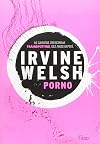
Porno
Irvine Welsh
Porno, obra literária de Irvine Welsh, é um livro que aborda a produção de um filme pornográfico sob a perspectiva de diversos protagonistas. A narrativa traz de volta alguns personagens do primeiro livro (Trainspotting) e introduz novos nomes, como Nikki, uma estudante de cinema em Edimburgo cujo sonho é se tornar uma estrela pornô reconhecida.
A obra é estruturada a partir de uma trama principal e diversas histórias secundárias. A principal discorre sobre a indústria da pornografia e os bastidores do filme que o grupo está produzindo, enquanto as secundárias abordam situações cotidianas que envolvem drogas, prostituição, violência, bares, amizades, relacionamentos, crimes e sexo.
O eixo principal é fácil de seguir; entretanto, os eixos secundários são tantos e tão parecidos até a metade do livro que fica difícil reconhecer quem está protagonizando cada capítulo. O autor deixou de lado o foco central que dava às drogas no primeiro livro, embora o consumo e o abuso delas continuem presentes.
O livro é muito interessante para quem tem curiosidade sobre como funciona a captação de atores e atrizes e como é o contexto de produção de um filme desse gênero. Todavia, as diversas narrativas paralelas tornam a leitura um tanto confusa até que se chegue ao final, momento em que elas ficam bem delimitadas e amarradas ao restante da obra — embora, até lá, o leitor muitas vezes se sinta perdido sem saber de quem aquela história show more está falando.
-------------------------------------------------
Irvine Welsh
Porno, a literary work by Irvine Welsh, is a book that approaches the creation of a pornographic film through the perspectives of multiple protagonists. The novel features several characters from the first book (Trainspotting), as well as new ones like Nikki, a film student in Edinburgh whose dream is to become a renowned porn star.
The work is structured around a main storyline and several subplots. The primary plot focuses on pornography and the events surrounding the film they are producing. Meanwhile, the subplots address everyday situations involving drugs, prostitution, violence, bars, friendships, relationships, crime, and sex. The main narrative arc is easy to follow; however, the subplots are so numerous and similar until about the halfway point of the book that it becomes difficult to identify who is anchoring each chapter. The author sidelined the heavy focus on drugs seen in the first book, though substance use and abuse remain present.
The book is quite interesting if you are curious about how the casting of actors and actresses works, as well as the overall context of film production. However, the various side narratives make the book somewhat confusing until you reach the ending—where they become well-defined and tied to the rest of the work—though it still leaves you wondering whose story you were reading at times. show less
Irvine Welsh
Porno, obra literária de Irvine Welsh, é um livro que aborda a produção de um filme pornográfico sob a perspectiva de diversos protagonistas. A narrativa traz de volta alguns personagens do primeiro livro (Trainspotting) e introduz novos nomes, como Nikki, uma estudante de cinema em Edimburgo cujo sonho é se tornar uma estrela pornô reconhecida.
A obra é estruturada a partir de uma trama principal e diversas histórias secundárias. A principal discorre sobre a indústria da pornografia e os bastidores do filme que o grupo está produzindo, enquanto as secundárias abordam situações cotidianas que envolvem drogas, prostituição, violência, bares, amizades, relacionamentos, crimes e sexo.
O eixo principal é fácil de seguir; entretanto, os eixos secundários são tantos e tão parecidos até a metade do livro que fica difícil reconhecer quem está protagonizando cada capítulo. O autor deixou de lado o foco central que dava às drogas no primeiro livro, embora o consumo e o abuso delas continuem presentes.
O livro é muito interessante para quem tem curiosidade sobre como funciona a captação de atores e atrizes e como é o contexto de produção de um filme desse gênero. Todavia, as diversas narrativas paralelas tornam a leitura um tanto confusa até que se chegue ao final, momento em que elas ficam bem delimitadas e amarradas ao restante da obra — embora, até lá, o leitor muitas vezes se sinta perdido sem saber de quem aquela história show more está falando.
-------------------------------------------------
Irvine Welsh
Porno, a literary work by Irvine Welsh, is a book that approaches the creation of a pornographic film through the perspectives of multiple protagonists. The novel features several characters from the first book (Trainspotting), as well as new ones like Nikki, a film student in Edinburgh whose dream is to become a renowned porn star.
The work is structured around a main storyline and several subplots. The primary plot focuses on pornography and the events surrounding the film they are producing. Meanwhile, the subplots address everyday situations involving drugs, prostitution, violence, bars, friendships, relationships, crime, and sex. The main narrative arc is easy to follow; however, the subplots are so numerous and similar until about the halfway point of the book that it becomes difficult to identify who is anchoring each chapter. The author sidelined the heavy focus on drugs seen in the first book, though substance use and abuse remain present.
The book is quite interesting if you are curious about how the casting of actors and actresses works, as well as the overall context of film production. However, the various side narratives make the book somewhat confusing until you reach the ending—where they become well-defined and tied to the rest of the work—though it still leaves you wondering whose story you were reading at times. show less
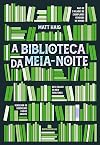
A biblioteca da meia-noite
Matt Haig
Quero começar ressaltando que este é um livro sobre suicídio. Deixando isso claro, sigamos para a resenha.
O enredo tem como protagonista Nora Seed, uma mulher de trinta e poucos anos, formada em filosofia, que trabalha em uma loja de instrumentos musicais em Bedford, na Inglaterra. Nora vive com transtorno depressivo e ansioso, sofrendo com os rumos que sua vida tomou desde a infância. O livro inicia com a frase “dezenove horas antes de decidir morrer”, o que define o rumo da narrativa. A obra traz à tona os temas da depressão e do suicídio da pior forma possível. Os acontecimentos da história são baseados em situações hipotéticas, descritas em livros na "biblioteca da meia-noite" (um limiar entre a vida e a morte), nas quais Nora vivencia, por um momento, as diversas possibilidades que sua existência teria tomado caso fizesse escolhas diferentes. Isso envolve contextos extraordinários, mas também acompanhados de perdas, para mostrar que, em todas as vidas possíveis, ela encontraria felicidades e tristezas associadas.
Eu, como médico, devo criticar severamente a forma como esta obra foi conduzida. Não consigo compreender como alguém escreve 300 páginas sobre suicídio, mascarando o ato em si, e não cita, em nenhuma das realidades alternativas que Nora acessa, o acompanhamento médico indispensável a um indivíduo com transtorno depressivo severo e ideação suicida. O livro seria muito mais pertinente se o autor show more se desse ao trabalho de mostrar que a decisão mais madura e correta diante daquela crise seria buscar atendimento especializado, evidenciando que existe suporte farmacológico e psicoterápico para a depressão e para a ideação que Nora carrega.
Em vez disso, Haig passa o livro inteiro discorrendo sobre as possibilidades que a vida teria tomado caso a personagem fizesse outras escolhas, mas demonstra, em todos os cenários, novos sofrimentos. O escritor insiste em mostrar como a vida poderia ter sido e todas as situações de angústia que a paciente enfrenta para, no final, amenizar a gravidade do ato. O grande problema colateral é influenciar leitores do mundo inteiro com uma obra sobre suicídio sem dedicar uma página sequer à discussão sobre a existência de profissionais da área médica e de saúde mental, preferindo romantizar o sofrimento psíquico vivenciado pela personagem.
A abordagem leviana do tema pode influenciar negativamente uma infinidade de pessoas que passam por esse sofrimento e que cogitam o suicídio. Na literatura médica e psicológica, isso é denominado Efeito Werther, conceito historicamente relacionado ao livro clássico Os Sofrimentos do Jovem Werther, de Goethe, que evidencia o impacto mimético que uma narrativa sobre o suicídio causa em potenciais suicidas, estimulando-os a cometer o ato. Portanto, como médico, eu esperava que, em pelo menos uma das vidas possíveis, ela tomasse a decisão madura de buscar atendimento médico e lidar com suas perdas da forma correta.
No livro, além de passar pela tentativa de autoextermínio, ela ainda precisa lidar com infinitas possibilidades de fracasso nas outras vidas. Ou seja, ela não teve sua dignidade respeitada nem no momento de maior vulnerabilidade.
No que diz respeito à estética, a escrita segue um padrão comercial (mainstream), mas peca no desenvolvimento: os detalhamentos do ambiente e da psicologia da personagem são superficiais, baseando-se em diálogos que não se aprofundam.
Fica aqui a minha indignação médica: escolher a temática do suicídio e ignorar completamente a importância do tratamento com psiquiatra e psicólogo é, no mínimo, revoltante.
--------------------------------------------------
The Midnight Library
Matt Haig
I want to start by emphasizing that this is a book about suicide. Leaving that clear, let us move on to the review.
The plot features Nora Seed as the protagonist, a woman in her early thirties with a degree in philosophy who works at a musical instrument shop in Bedford, England. Nora lives with depressive and anxiety disorders, suffering from the direction her life has taken since childhood. The book opens with the sentence, “Nineteen hours before she decided to die,” which sets the course for the narrative. The work brings the themes of depression and suicide to the forefront in the worst possible way. The events of the story are based on hypothetical situations described in books within "the midnight library" (a limbo between life and death), in which Nora experiences, for a moment, the various possibilities her existence would have taken had she made different choices. This involves extraordinary contexts, but they are also accompanied by losses, aiming to show that in every possible life, she would encounter associated joys and sorrows.
As a physician, I must severely criticize how this work was handled. I cannot comprehend how someone writes 300 pages about suicide, masking the act itself, and fails to mention—in any of the alternative realities Nora accesses—the medical follow-up that is indispensable for an individual with severe depressive disorder and suicidal ideation. The book would be far more relevant if the author took the trouble to show that the most mature and correct decision in the face of that crisis would be to seek specialized care, highlighting that pharmacological and psychotherapeutic support exists for the depression and ideation Nora carries.
Instead, Haig spends the entire book discussing the paths life might have taken had the character made other choices, yet he demonstrates new suffering in every single scenario. The writer insists on showing what life could have been like and all the situations of distress the patient faces, ultimately downplaying the severity of the act. The major collateral issue is influencing readers worldwide with a book about suicide without dedicating a single page to discussing the existence of medical and mental health professionals, choosing instead to romanticize the psychic suffering experienced by the character.
This flippant approach to the topic can negatively influence countless people who are going through this suffering and contemplating suicide. In medical and psychological literature, this is termed the Werther Effect, a concept historically linked to Goethe's classic book The Sorrows of Young Werther, which highlights the mimetic impact that a narrative about suicide has on potential victims, stimulating them to commit the act. Therefore, as a doctor, I expected that in at least one of her possible lives, she would make the mature decision to seek medical attention and deal with her losses the right way.
In the book, in addition to going through an attempted suicide, she still has to deal with infinite possibilities of failure in her other lives. In other words, her dignity was not respected even at her moment of greatest vulnerability.
Regarding aesthetics, the writing follows a commercial (mainstream) pattern but falls short in development: the descriptions of the environment and the character's psychology are superficial, relying on dialogues that lack depth.
I must express my professional indignation: choosing the theme of suicide and completely ignoring the importance of psychiatric and psychological treatment is, to say the very least, revolting. show less
Matt Haig
Quero começar ressaltando que este é um livro sobre suicídio. Deixando isso claro, sigamos para a resenha.
O enredo tem como protagonista Nora Seed, uma mulher de trinta e poucos anos, formada em filosofia, que trabalha em uma loja de instrumentos musicais em Bedford, na Inglaterra. Nora vive com transtorno depressivo e ansioso, sofrendo com os rumos que sua vida tomou desde a infância. O livro inicia com a frase “dezenove horas antes de decidir morrer”, o que define o rumo da narrativa. A obra traz à tona os temas da depressão e do suicídio da pior forma possível. Os acontecimentos da história são baseados em situações hipotéticas, descritas em livros na "biblioteca da meia-noite" (um limiar entre a vida e a morte), nas quais Nora vivencia, por um momento, as diversas possibilidades que sua existência teria tomado caso fizesse escolhas diferentes. Isso envolve contextos extraordinários, mas também acompanhados de perdas, para mostrar que, em todas as vidas possíveis, ela encontraria felicidades e tristezas associadas.
Eu, como médico, devo criticar severamente a forma como esta obra foi conduzida. Não consigo compreender como alguém escreve 300 páginas sobre suicídio, mascarando o ato em si, e não cita, em nenhuma das realidades alternativas que Nora acessa, o acompanhamento médico indispensável a um indivíduo com transtorno depressivo severo e ideação suicida. O livro seria muito mais pertinente se o autor show more se desse ao trabalho de mostrar que a decisão mais madura e correta diante daquela crise seria buscar atendimento especializado, evidenciando que existe suporte farmacológico e psicoterápico para a depressão e para a ideação que Nora carrega.
Em vez disso, Haig passa o livro inteiro discorrendo sobre as possibilidades que a vida teria tomado caso a personagem fizesse outras escolhas, mas demonstra, em todos os cenários, novos sofrimentos. O escritor insiste em mostrar como a vida poderia ter sido e todas as situações de angústia que a paciente enfrenta para, no final, amenizar a gravidade do ato. O grande problema colateral é influenciar leitores do mundo inteiro com uma obra sobre suicídio sem dedicar uma página sequer à discussão sobre a existência de profissionais da área médica e de saúde mental, preferindo romantizar o sofrimento psíquico vivenciado pela personagem.
A abordagem leviana do tema pode influenciar negativamente uma infinidade de pessoas que passam por esse sofrimento e que cogitam o suicídio. Na literatura médica e psicológica, isso é denominado Efeito Werther, conceito historicamente relacionado ao livro clássico Os Sofrimentos do Jovem Werther, de Goethe, que evidencia o impacto mimético que uma narrativa sobre o suicídio causa em potenciais suicidas, estimulando-os a cometer o ato. Portanto, como médico, eu esperava que, em pelo menos uma das vidas possíveis, ela tomasse a decisão madura de buscar atendimento médico e lidar com suas perdas da forma correta.
No livro, além de passar pela tentativa de autoextermínio, ela ainda precisa lidar com infinitas possibilidades de fracasso nas outras vidas. Ou seja, ela não teve sua dignidade respeitada nem no momento de maior vulnerabilidade.
No que diz respeito à estética, a escrita segue um padrão comercial (mainstream), mas peca no desenvolvimento: os detalhamentos do ambiente e da psicologia da personagem são superficiais, baseando-se em diálogos que não se aprofundam.
Fica aqui a minha indignação médica: escolher a temática do suicídio e ignorar completamente a importância do tratamento com psiquiatra e psicólogo é, no mínimo, revoltante.
--------------------------------------------------
The Midnight Library
Matt Haig
I want to start by emphasizing that this is a book about suicide. Leaving that clear, let us move on to the review.
The plot features Nora Seed as the protagonist, a woman in her early thirties with a degree in philosophy who works at a musical instrument shop in Bedford, England. Nora lives with depressive and anxiety disorders, suffering from the direction her life has taken since childhood. The book opens with the sentence, “Nineteen hours before she decided to die,” which sets the course for the narrative. The work brings the themes of depression and suicide to the forefront in the worst possible way. The events of the story are based on hypothetical situations described in books within "the midnight library" (a limbo between life and death), in which Nora experiences, for a moment, the various possibilities her existence would have taken had she made different choices. This involves extraordinary contexts, but they are also accompanied by losses, aiming to show that in every possible life, she would encounter associated joys and sorrows.
As a physician, I must severely criticize how this work was handled. I cannot comprehend how someone writes 300 pages about suicide, masking the act itself, and fails to mention—in any of the alternative realities Nora accesses—the medical follow-up that is indispensable for an individual with severe depressive disorder and suicidal ideation. The book would be far more relevant if the author took the trouble to show that the most mature and correct decision in the face of that crisis would be to seek specialized care, highlighting that pharmacological and psychotherapeutic support exists for the depression and ideation Nora carries.
Instead, Haig spends the entire book discussing the paths life might have taken had the character made other choices, yet he demonstrates new suffering in every single scenario. The writer insists on showing what life could have been like and all the situations of distress the patient faces, ultimately downplaying the severity of the act. The major collateral issue is influencing readers worldwide with a book about suicide without dedicating a single page to discussing the existence of medical and mental health professionals, choosing instead to romanticize the psychic suffering experienced by the character.
This flippant approach to the topic can negatively influence countless people who are going through this suffering and contemplating suicide. In medical and psychological literature, this is termed the Werther Effect, a concept historically linked to Goethe's classic book The Sorrows of Young Werther, which highlights the mimetic impact that a narrative about suicide has on potential victims, stimulating them to commit the act. Therefore, as a doctor, I expected that in at least one of her possible lives, she would make the mature decision to seek medical attention and deal with her losses the right way.
In the book, in addition to going through an attempted suicide, she still has to deal with infinite possibilities of failure in her other lives. In other words, her dignity was not respected even at her moment of greatest vulnerability.
Regarding aesthetics, the writing follows a commercial (mainstream) pattern but falls short in development: the descriptions of the environment and the character's psychology are superficial, relying on dialogues that lack depth.
I must express my professional indignation: choosing the theme of suicide and completely ignoring the importance of psychiatric and psychological treatment is, to say the very least, revolting. show less
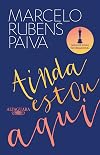
Ainda estou aqui
Marcelo Rubens Paiva
Marcelo Rubens Paiva conta, neste livro, a história de sua família antes, durante e após a ditadura militar — iniciada oficialmente em 1964 —, com foco no sofrimento de seu pai, então deputado federal, e de sua mãe, advogada. O regime militar da época fazia uso da violência de Estado para sequestrar, torturar e assassinar os indivíduos que resistiam à ditadura. A narrativa da obra aborda, além da história familiar, um pouco do que foi viver nesse período sob um governo absurdo e inaceitável.
Em 1971, Rubens Paiva foi sequestrado e levado ao DOI-CODI para ser torturado e interrogado sobre o esquema da resistência; paralelamente, sua esposa, Eunice, e uma de suas filhas também foram detidas no mesmo lugar por 12 dias para que os militares tentassem obter alguma informação. A partir daí, a história passa a focar no sofrimento de Eunice e de seus filhos, visto que Rubens desapareceu e a família ficou sem qualquer notícia de seu paradeiro.
A escrita do livro flui muito bem e é instigante, pois dá a impressão de que, conforme se avança na leitura, mais se quer ler. A estruturação é ótima: uma parte da obra dedica-se a Rubens e a outra a Eunice, com uma transição suave. Indico este livro a todos; a obra é uma verdadeira aula sobre o sofrimento inacabável de uma família no contexto da ditadura, cujos reflexos se estendem até o presente momento.
--------------------------------------------------------
I’m show more Still Here (Ainda Estou Aqui)
By Marcelo Rubens Paiva
In this book, Marcelo Rubens Paiva recounts his family's life story before, during, and after the military dictatorship that officially began in 1964. The narrative focuses on the suffering of his father, then a federal deputy, and his mother, a lawyer. At the time, the military regime employed extreme violence to kidnap, torture, and murder those who resisted the dictatorship. Beyond the family's personal history, the book also captures the experience of living through such an absurd and unacceptable government.
In 1971, Rubens Paiva was kidnapped and taken to the DOI to be tortured and forced to reveal the resistance's operations. Meanwhile, his wife Eunice and one of their daughters were also held in the same location for 12 days as the regime sought information. From that point on, the story follows the struggle of Eunice and her children, as Rubens vanished without a trace, leaving the family with no news of his whereabouts.
The writing flows remarkably well and is truly engaging; it’s the kind of book that makes you want to read more with every page. The structure is well-crafted, with one portion dedicated to Rubens and another to Eunice, connected by a seamless transition. I highly recommend this book to everyone. The work is a masterclass on the endless suffering of a family within the context of the dictatorship and the years leading up to the present day. show less
Marcelo Rubens Paiva
Marcelo Rubens Paiva conta, neste livro, a história de sua família antes, durante e após a ditadura militar — iniciada oficialmente em 1964 —, com foco no sofrimento de seu pai, então deputado federal, e de sua mãe, advogada. O regime militar da época fazia uso da violência de Estado para sequestrar, torturar e assassinar os indivíduos que resistiam à ditadura. A narrativa da obra aborda, além da história familiar, um pouco do que foi viver nesse período sob um governo absurdo e inaceitável.
Em 1971, Rubens Paiva foi sequestrado e levado ao DOI-CODI para ser torturado e interrogado sobre o esquema da resistência; paralelamente, sua esposa, Eunice, e uma de suas filhas também foram detidas no mesmo lugar por 12 dias para que os militares tentassem obter alguma informação. A partir daí, a história passa a focar no sofrimento de Eunice e de seus filhos, visto que Rubens desapareceu e a família ficou sem qualquer notícia de seu paradeiro.
A escrita do livro flui muito bem e é instigante, pois dá a impressão de que, conforme se avança na leitura, mais se quer ler. A estruturação é ótima: uma parte da obra dedica-se a Rubens e a outra a Eunice, com uma transição suave. Indico este livro a todos; a obra é uma verdadeira aula sobre o sofrimento inacabável de uma família no contexto da ditadura, cujos reflexos se estendem até o presente momento.
--------------------------------------------------------
I’m show more Still Here (Ainda Estou Aqui)
By Marcelo Rubens Paiva
In this book, Marcelo Rubens Paiva recounts his family's life story before, during, and after the military dictatorship that officially began in 1964. The narrative focuses on the suffering of his father, then a federal deputy, and his mother, a lawyer. At the time, the military regime employed extreme violence to kidnap, torture, and murder those who resisted the dictatorship. Beyond the family's personal history, the book also captures the experience of living through such an absurd and unacceptable government.
In 1971, Rubens Paiva was kidnapped and taken to the DOI to be tortured and forced to reveal the resistance's operations. Meanwhile, his wife Eunice and one of their daughters were also held in the same location for 12 days as the regime sought information. From that point on, the story follows the struggle of Eunice and her children, as Rubens vanished without a trace, leaving the family with no news of his whereabouts.
The writing flows remarkably well and is truly engaging; it’s the kind of book that makes you want to read more with every page. The structure is well-crafted, with one portion dedicated to Rubens and another to Eunice, connected by a seamless transition. I highly recommend this book to everyone. The work is a masterclass on the endless suffering of a family within the context of the dictatorship and the years leading up to the present day. show less
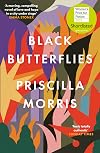
Black Butterflies
Priscilla Morris
Black Butterflies é um livro que retrata um período da vida de Zora, uma artista e professora de artes sérvia, no contexto da Guerra da Bósnia — conflito que envolveu a Bósnia e Herzegovina, a República Federal da Iugoslávia (composta então por Sérvia e Montenegro) e a Croácia. A guerra durou pouco mais de três anos (1992–1995) e ainda é considerada uma das mais violentas da história recente. Durante esse período, a capital, Sarajevo, sofreu um longo cerco, tendo seus meios de comunicação cortados, assim como o abastecimento de água e energia elétrica, para ocultar do restante do mundo o genocídio que estava acontecendo na região. Além disso, atiradores de elite (snipers) alocados nas montanhas ao redor da cidade executavam civis aleatoriamente. O livro traz à tona os meses de sofrimento de Zora e de outras pessoas ligadas a ela; a protagonista infelizmente acabou ficando sozinha em Sarajevo, após seu marido, Franjo, e sua mãe conseguirem escapar para a Inglaterra.
A escrita da obra flui muito bem, tornando a leitura e a interpretação das informações fáceis e diretas. Gostei bastante do livro, que me acrescentou dados históricos e humanos importantes sobre mais um conflito marcado por situações humanitárias inaceitáveis.
--------------------------------------------------------------------------------------------
Black Butterflies
Priscilla Morris
Black Butterflies is a book that portrays a period in the show more life of Zora, a Serbian artist and art teacher, against the backdrop of the Bosnian War—a conflict that involved Bosnia and Herzegovina, the Federal Republic of Yugoslavia (then composed of Serbia and Montenegro), and Croatia. The war lasted just over three years (1992–1995) and is still considered one of the most violent in recent history. During this period, the capital, Sarajevo, suffered a long siege, having its means of communication cut off, as well as its water and electricity supply, in order to hide the genocide taking place in the region from the rest of the world. Additionally, snipers positioned in the mountains surrounding the city executed civilians at random. The book brings to light the months of suffering endured by Zora and others connected to her; the protagonist unfortunately ended up alone in Sarajevo after her husband, Franjo, and her mother managed to escape to England.
The work's writing flows very well, making the reading and the interpretation of the information easy and straightforward. I liked the book very much, as it provided me with important historical and human insights into yet another conflict marked by unacceptable humanitarian situations. show less
Priscilla Morris
Black Butterflies é um livro que retrata um período da vida de Zora, uma artista e professora de artes sérvia, no contexto da Guerra da Bósnia — conflito que envolveu a Bósnia e Herzegovina, a República Federal da Iugoslávia (composta então por Sérvia e Montenegro) e a Croácia. A guerra durou pouco mais de três anos (1992–1995) e ainda é considerada uma das mais violentas da história recente. Durante esse período, a capital, Sarajevo, sofreu um longo cerco, tendo seus meios de comunicação cortados, assim como o abastecimento de água e energia elétrica, para ocultar do restante do mundo o genocídio que estava acontecendo na região. Além disso, atiradores de elite (snipers) alocados nas montanhas ao redor da cidade executavam civis aleatoriamente. O livro traz à tona os meses de sofrimento de Zora e de outras pessoas ligadas a ela; a protagonista infelizmente acabou ficando sozinha em Sarajevo, após seu marido, Franjo, e sua mãe conseguirem escapar para a Inglaterra.
A escrita da obra flui muito bem, tornando a leitura e a interpretação das informações fáceis e diretas. Gostei bastante do livro, que me acrescentou dados históricos e humanos importantes sobre mais um conflito marcado por situações humanitárias inaceitáveis.
--------------------------------------------------------------------------------------------
Black Butterflies
Priscilla Morris
Black Butterflies is a book that portrays a period in the show more life of Zora, a Serbian artist and art teacher, against the backdrop of the Bosnian War—a conflict that involved Bosnia and Herzegovina, the Federal Republic of Yugoslavia (then composed of Serbia and Montenegro), and Croatia. The war lasted just over three years (1992–1995) and is still considered one of the most violent in recent history. During this period, the capital, Sarajevo, suffered a long siege, having its means of communication cut off, as well as its water and electricity supply, in order to hide the genocide taking place in the region from the rest of the world. Additionally, snipers positioned in the mountains surrounding the city executed civilians at random. The book brings to light the months of suffering endured by Zora and others connected to her; the protagonist unfortunately ended up alone in Sarajevo after her husband, Franjo, and her mother managed to escape to England.
The work's writing flows very well, making the reading and the interpretation of the information easy and straightforward. I liked the book very much, as it provided me with important historical and human insights into yet another conflict marked by unacceptable humanitarian situations. show less
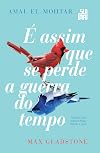
É assim que se perde a guerra do tempo
Amal El-Mohtar e Max Gladstone
Este livro, escrito a quatro mãos, apresenta aos leitores uma distopia sobre o conflito entre o futuro e o passado, o tecnológico contra o natural, o novo contra o velho. Paralelamente a esse cenário, a obra de ficção científica traz à tona o desenvolvimento de um romance entre duas agentes de lados opostos da guerra. A troca de cartas entre elas é belíssima e poética. Contudo, não pretendo focar no romance, pois quem sou eu para opinar sobre uma história de amor alheia; passemos, então, à distopia.
---------------------------------------
This co-authored book doesn't just bring the romance between two women to the forefront; it introduces readers to a dystopia centered on the conflict between future and past, technology vs. nature, and the new vs. the old. This work of science fiction depicts a romance between two women on opposite sides of the war. The exchange of letters is truly beautiful and well-described. However, I don't want to focus on the romance—after all, who am I to weigh in on a love story between women? Let’s talk about the dystopia instead.
The universe established in the book, showcasing both futuristic and contemporary cultures and customs, is intriguing and could have been developed even further throughout the story. The relationship between the two protagonists reminded me of 1984, also set in a dystopian world. By the end of the book, my interpretation was that no show more matter the situation, the old will always be present in the future. After all, it is through letters that the bond between the two is forged. show less
Amal El-Mohtar e Max Gladstone
Este livro, escrito a quatro mãos, apresenta aos leitores uma distopia sobre o conflito entre o futuro e o passado, o tecnológico contra o natural, o novo contra o velho. Paralelamente a esse cenário, a obra de ficção científica traz à tona o desenvolvimento de um romance entre duas agentes de lados opostos da guerra. A troca de cartas entre elas é belíssima e poética. Contudo, não pretendo focar no romance, pois quem sou eu para opinar sobre uma história de amor alheia; passemos, então, à distopia.
---------------------------------------
This co-authored book doesn't just bring the romance between two women to the forefront; it introduces readers to a dystopia centered on the conflict between future and past, technology vs. nature, and the new vs. the old. This work of science fiction depicts a romance between two women on opposite sides of the war. The exchange of letters is truly beautiful and well-described. However, I don't want to focus on the romance—after all, who am I to weigh in on a love story between women? Let’s talk about the dystopia instead.
The universe established in the book, showcasing both futuristic and contemporary cultures and customs, is intriguing and could have been developed even further throughout the story. The relationship between the two protagonists reminded me of 1984, also set in a dystopian world. By the end of the book, my interpretation was that no show more matter the situation, the old will always be present in the future. After all, it is through letters that the bond between the two is forged. show less
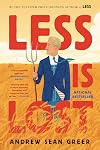
Less is Lost
Andrew Sean Greer
Esta obra é a continuação do livro Less, vencedor do Prêmio Pulitzer de Ficção. O volume é estruturado de forma semelhante ao anterior: Arthur Less viaja pelos Estados Unidos enquanto lida com questionamentos sobre seu ex-marido, seu atual parceiro (Freddy), suas obras literárias e sua própria existência. O autor manteve uma escrita prazerosa, e a história consegue ser cativante na maior parte do tempo.
—————————————————————————————————————————
This work is the sequel to the first book, Less, winner of the Pulitzer Prize for Fiction. The novel is structured similarly to its predecessor: Arthur Less travels across the United States while grappling with questions about his ex-husband, his current partner, Freddy, his literary works, and his very existence. The author maintains his delightful prose, and the story manages to be captivating most of the time.
Andrew Sean Greer
Esta obra é a continuação do livro Less, vencedor do Prêmio Pulitzer de Ficção. O volume é estruturado de forma semelhante ao anterior: Arthur Less viaja pelos Estados Unidos enquanto lida com questionamentos sobre seu ex-marido, seu atual parceiro (Freddy), suas obras literárias e sua própria existência. O autor manteve uma escrita prazerosa, e a história consegue ser cativante na maior parte do tempo.
—————————————————————————————————————————
This work is the sequel to the first book, Less, winner of the Pulitzer Prize for Fiction. The novel is structured similarly to its predecessor: Arthur Less travels across the United States while grappling with questions about his ex-husband, his current partner, Freddy, his literary works, and his very existence. The author maintains his delightful prose, and the story manages to be captivating most of the time.
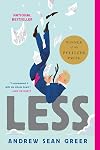
Less
Andrew Sean Greer
O livro, vencedor do Prêmio Pulitzer de Ficção em 2018, conta a história de Arthur Less, um autor relativamente bem-sucedido em sua época. A trama central aborda as suas viagens para outros países, fora dos Estados Unidos, cujo motivo principal é evitar o casamento de seu ex-marido, Robert Brownburn — também escritor e vencedor do Pulitzer na categoria de poesia. Além disso, a narrativa se constrói em torno da crise dos 50 anos de Less. Diferente de outros ganhadores do Pulitzer, cujas problemáticas centrais trazem consigo conceitos políticos, culturais ou socioeconômicos marcantes de sua época, este livro traz questões relacionadas à população homossexual e sua cultura, à transição entre idades e ao término de relacionamentos de relativo sucesso. A leitura é muito leve e prazerosa; por isso, recomendo fortemente a obra.
-----------------------------------------------------------------------------
Less
Andrew Sean Greer
The book, winner of the 2018 Pulitzer Prize for Fiction, tells the story of Arthur Less, a relatively successful author in his time. The central plot follows his travels to other countries, outside the United States, with the main motive being to avoid the wedding of his ex-husband, Robert Brownburn—who is also a writer and a Pulitzer winner in the poetry category. Additionally, the narrative is built around Less’s midlife crisis at fifty. Unlike other Pulitzer winners whose central conflicts bring to the show more forefront striking political, cultural, or socioeconomic concepts of their era, this book introduces questions related to the homosexual population and its culture, the transition between ages, and the ending of relatively successful relationships. The reading is very light and enjoyable; therefore, I highly recommend the work. show less
Andrew Sean Greer
O livro, vencedor do Prêmio Pulitzer de Ficção em 2018, conta a história de Arthur Less, um autor relativamente bem-sucedido em sua época. A trama central aborda as suas viagens para outros países, fora dos Estados Unidos, cujo motivo principal é evitar o casamento de seu ex-marido, Robert Brownburn — também escritor e vencedor do Pulitzer na categoria de poesia. Além disso, a narrativa se constrói em torno da crise dos 50 anos de Less. Diferente de outros ganhadores do Pulitzer, cujas problemáticas centrais trazem consigo conceitos políticos, culturais ou socioeconômicos marcantes de sua época, este livro traz questões relacionadas à população homossexual e sua cultura, à transição entre idades e ao término de relacionamentos de relativo sucesso. A leitura é muito leve e prazerosa; por isso, recomendo fortemente a obra.
-----------------------------------------------------------------------------
Less
Andrew Sean Greer
The book, winner of the 2018 Pulitzer Prize for Fiction, tells the story of Arthur Less, a relatively successful author in his time. The central plot follows his travels to other countries, outside the United States, with the main motive being to avoid the wedding of his ex-husband, Robert Brownburn—who is also a writer and a Pulitzer winner in the poetry category. Additionally, the narrative is built around Less’s midlife crisis at fifty. Unlike other Pulitzer winners whose central conflicts bring to the show more forefront striking political, cultural, or socioeconomic concepts of their era, this book introduces questions related to the homosexual population and its culture, the transition between ages, and the ending of relatively successful relationships. The reading is very light and enjoyable; therefore, I highly recommend the work. show less
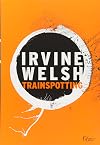
Trainspotting
Irvine Welsh
Chamarei esta análise de uma "quase resenha”, já que funcionou como uma espécie de releitura para mim. O livro conta a história de um grupo de amigos viciados em heroína, álcool e outras drogas na Escócia, durante a década de 1990. Assim como o filme, a obra é chocante do ponto de vista da trajetória dos personagens; as situações e humilhações a que eles se submetem causam forte impacto. A escrita repleta de gírias, somada à agressividade dos personagens, fez-me relacionar esse grupo de viciados aos veks de Laranja Mecânica, com sua ultraviolência e dialeto próprio.
Enfim, por que eu digo "quase resenha"? É que a rotina e os acontecimentos da narrativa vão se tornando muito entediantes — e isso, na verdade, é um bom sinal. Afinal, apaixonar-se por alcoólatras viciados em heroína e anfetaminas, violentos e sem nenhum discernimento sobre suas atitudes perante a sociedade e suas próprias famílias, seria um tanto estranho. Ao analisar a obra novamente, decidi deixá-la de lado por mais um momento antes de completar a leitura. Este é um livro curto, porém denso, repleto de histórias que parecem se repetir página após página.
(Nota: Decidi terminar de ler o livro)
Reformulando a análise:
Como mencionei anteriormente, o primeiro livro da trilogia aborda a rotina de um grupo de amigos viciados em heroína, bem como a disseminação da droga e do vírus HIV pela sociedade escocesa e pelo restante do Reino Unido na década show more de 1990. A obra trata desses assuntos e traz, simultaneamente, os problemas familiares de Renton (Rents), a violência e a promiscuidade relacionadas ao abuso de substâncias da época. Deixando o entorpecente um pouco de lado, o sexo e a agressividade também desempenham papéis fundamentais nesta narrativa.
Na primeira avaliação, eu havia escrito que as situações em que os usuários se colocam — ou nas quais vivem — são chocantes, e mantenho essa afirmação. Tanto o livro quanto o filme chocam, cada um à sua maneira. Eu lia as histórias absurdas e pensava “lá vem outra vez” e, logo em seguida, “não é possível”. Também reitero que é estranho gostar ou ter afeto por qualquer um dos personagens principais, visto que, sob o efeito de drogas, eles são péssimos e, na abstinência, conseguem ser ainda piores, com uma violência que se conecta diretamente à ultraviolência de Laranja Mecânica. Eu, que sou tutor de um cachorro resgatado das ruas, passei a gostar menos ainda de Renton após descobrir que ele odiava cães.
A obra também expõe a problemática das relações de mulheres com homens heterossexuais ou bissexuais autodestrutivos, mostrando como elas se sentiam atraídas por esse perfil devido ao envolvimento com a cultura underground da época. Vale ressaltar que a afirmação sobre ser impossível amar esses personagens não se aplica, de maneira alguma, a obras como Christiane F.. Christiane, em seu contexto, era uma adolescente sem discernimento nenhum naquele período, ao contrário dos adultos viciados deste livro.
Afirmo que sim, o livro vale a pena ser lido, tanto pelo seu valor literário quanto pela conscientização sobre a dura realidade de um usuário de heroína. Diante disso, gostaria de propor um contraponto: no Brasil, a droga mais devastadora é o crack; quase não temos relatos de abuso de heroína por aqui.
Como médico, atendi recentemente um paciente internado devido ao vício em crack. Questionei-o sobre o que ele sentia no pico do efeito e quanto tempo isso durava. Ele afirmou: “Sinto adrenalina, Dr.”, e relatou que o efeito dura de 5 a 15 minutos, seguido imediatamente pela crise de abstinência. Essa dinâmica é bem diferente da abstinência de heroína. O efeito da fumaça do crack é imediato (5 a 15 minutos) e sua falta causa fissura, mas não dores físicas severas no primeiro momento. Já a crise de abstinência da heroína surge de 2 a 5 horas após o último uso, provocando dores físicas e depressão massacrantes — o que justifica o histórico "gancho" (switch) da heroína para outros opioides. Poderia discorrer por muitas linhas sobre o assunto, já que trabalho no Sistema Único de Saúde (SUS), atendendo usuários de crack que solicitam internamento psiquiátrico em busca de ajuda.
A leitura me fez questionar o porquê de não termos tanta literatura voltada à ficção ou mais artigos científicos sobre a realidade do crack (a nossa "heroína"), além do despreparo do nosso sistema de saúde para lidar com esse grupo de pessoas. Quis realizar a resenha do livro e, ao mesmo tempo, trazer um panorama da realidade brasileira e da escassez de conhecimento científico mais difundido sobre esses pacientes.
O livro vale muito a leitura e, sim, decidi que lerei os outros dois volumes da trilogia. O filme e o livro funcionam de forma independente, mas ambos são excelentes ferramentas de conscientização política antidrogas e de redução de danos até os dias de hoje.
-----------------------------
Trainspotting
Irvine Welsh
I will call this analysis a "quasi-review," since it functioned as a sort of re-reading for me. The book tells the story of a group of friends addicted to heroin, alcohol, and other drugs in Scotland during the 1990s. Just like the movie, the work is shocking from the perspective of the characters' trajectories; the situations and humiliations they subject themselves to have a powerful impact. The slang-heavy writing, combined with the aggressiveness of the characters, made me relate this group of addicts to the veks from A Clockwork Orange, with their ultraviolence and distinct dialect.
Anyway, why do I say "quasi-review"? It’s because the routine and events of the narrative become very tedious—and that, in fact, is a good sign. After all, falling in love with alcoholics addicted to heroin and amphetamines, who are violent and have absolutely no discernment regarding their actions toward society and their own families, would be rather strange. Analyzing the work again, I decided to put it aside for a moment before completing the reading. This is a short but dense book, filled with stories that seem to repeat themselves page after page.
(Note: I decided to finish reading the book)
Redefining the Analysis
As I mentioned previously, the first book of the trilogy addresses the daily lives of a group of friends addicted to heroin, as well as the spread of the drug and the HIV virus through Scottish society and the rest of the United Kingdom in the 1990s. The work deals with these issues while simultaneously bringing in Renton's (Rents) family problems, the violence, and the promiscuity related to the substance abuse of the era. Putting the drug aside for a moment, sex and aggression also play fundamental roles in this narrative.
In my first evaluation, I wrote that the situations these users put themselves in—or in which they live—are shocking, and I stand by that statement. Both the book and the film shock, each in their own way. I would read the absurd stories and think, "here we go again," immediately followed by, "this can't be happening." I also reiterate that it is strange to like or feel affection for any of the main characters, given that under the influence of drugs they are awful, and during withdrawal, they manage to be even worse, with a violence that connects directly to the ultraviolence of A Clockwork Orange. As someone who is a guardian to a rescued street dog, I liked Renton even less after discovering that he hated dogs.
The work also exposes the problematic relationships women have with self-destructive heterosexual or bisexual men, showing how they felt attracted to this profile due to their involvement with the underground culture of the time. It is worth noting that the statement about it being impossible to love these characters does not apply, by any means, to works like Christiane F.. Christiane, in her context, was a teenager with absolutely no discernment at that time, unlike the addicted adults in this book.
I affirm that yes, the book is worth reading, both for its literary value and for raising awareness about the harsh reality of a heroin user. Given this, I would like to propose a counterpoint: in Brazil, the most devastating drug is crack; we have almost no reports of heroin abuse here.
As a physician, I recently treated a patient admitted due to crack addiction. I questioned him about what he felt at the peak of the effect and how long it lasted. He stated: “I feel an adrenaline rush, Doc,” and reported that the effect lasts from 5 to 15 minutes, followed immediately by the withdrawal crisis. This dynamic is quite different from heroin withdrawal. The effect of crack smoke is immediate (5 to 15 minutes) and its absence causes intense craving (fissura), but not severe physical pain initially. On the other hand, heroin withdrawal emerges 2 to 5 hours after the last use, causing excruciating physical pain and depression—which justifies the historical switch from heroin to other opioids. I could write at length about this subject, since I work in the Unified Health System (SUS), treating crack users who request psychiatric admission seeking help.
Reading this made me wonder why we do not have much fiction literature or more scientific articles about the reality of crack (our "heroin"), in addition to our healthcare system's lack of preparedness to deal with this group of people. I wanted to write a review of the book and, at the same time, present a panorama of the Brazilian reality and the scarcity of more widespread scientific knowledge regarding these patients.
The book is highly worth reading and, yes, I decided that I will read the other two volumes of the trilogy. The movie and the book function independently, but both remain excellent tools for anti-drug political awareness and harm reduction to this day. show less
Irvine Welsh
Chamarei esta análise de uma "quase resenha”, já que funcionou como uma espécie de releitura para mim. O livro conta a história de um grupo de amigos viciados em heroína, álcool e outras drogas na Escócia, durante a década de 1990. Assim como o filme, a obra é chocante do ponto de vista da trajetória dos personagens; as situações e humilhações a que eles se submetem causam forte impacto. A escrita repleta de gírias, somada à agressividade dos personagens, fez-me relacionar esse grupo de viciados aos veks de Laranja Mecânica, com sua ultraviolência e dialeto próprio.
Enfim, por que eu digo "quase resenha"? É que a rotina e os acontecimentos da narrativa vão se tornando muito entediantes — e isso, na verdade, é um bom sinal. Afinal, apaixonar-se por alcoólatras viciados em heroína e anfetaminas, violentos e sem nenhum discernimento sobre suas atitudes perante a sociedade e suas próprias famílias, seria um tanto estranho. Ao analisar a obra novamente, decidi deixá-la de lado por mais um momento antes de completar a leitura. Este é um livro curto, porém denso, repleto de histórias que parecem se repetir página após página.
(Nota: Decidi terminar de ler o livro)
Reformulando a análise:
Como mencionei anteriormente, o primeiro livro da trilogia aborda a rotina de um grupo de amigos viciados em heroína, bem como a disseminação da droga e do vírus HIV pela sociedade escocesa e pelo restante do Reino Unido na década show more de 1990. A obra trata desses assuntos e traz, simultaneamente, os problemas familiares de Renton (Rents), a violência e a promiscuidade relacionadas ao abuso de substâncias da época. Deixando o entorpecente um pouco de lado, o sexo e a agressividade também desempenham papéis fundamentais nesta narrativa.
Na primeira avaliação, eu havia escrito que as situações em que os usuários se colocam — ou nas quais vivem — são chocantes, e mantenho essa afirmação. Tanto o livro quanto o filme chocam, cada um à sua maneira. Eu lia as histórias absurdas e pensava “lá vem outra vez” e, logo em seguida, “não é possível”. Também reitero que é estranho gostar ou ter afeto por qualquer um dos personagens principais, visto que, sob o efeito de drogas, eles são péssimos e, na abstinência, conseguem ser ainda piores, com uma violência que se conecta diretamente à ultraviolência de Laranja Mecânica. Eu, que sou tutor de um cachorro resgatado das ruas, passei a gostar menos ainda de Renton após descobrir que ele odiava cães.
A obra também expõe a problemática das relações de mulheres com homens heterossexuais ou bissexuais autodestrutivos, mostrando como elas se sentiam atraídas por esse perfil devido ao envolvimento com a cultura underground da época. Vale ressaltar que a afirmação sobre ser impossível amar esses personagens não se aplica, de maneira alguma, a obras como Christiane F.. Christiane, em seu contexto, era uma adolescente sem discernimento nenhum naquele período, ao contrário dos adultos viciados deste livro.
Afirmo que sim, o livro vale a pena ser lido, tanto pelo seu valor literário quanto pela conscientização sobre a dura realidade de um usuário de heroína. Diante disso, gostaria de propor um contraponto: no Brasil, a droga mais devastadora é o crack; quase não temos relatos de abuso de heroína por aqui.
Como médico, atendi recentemente um paciente internado devido ao vício em crack. Questionei-o sobre o que ele sentia no pico do efeito e quanto tempo isso durava. Ele afirmou: “Sinto adrenalina, Dr.”, e relatou que o efeito dura de 5 a 15 minutos, seguido imediatamente pela crise de abstinência. Essa dinâmica é bem diferente da abstinência de heroína. O efeito da fumaça do crack é imediato (5 a 15 minutos) e sua falta causa fissura, mas não dores físicas severas no primeiro momento. Já a crise de abstinência da heroína surge de 2 a 5 horas após o último uso, provocando dores físicas e depressão massacrantes — o que justifica o histórico "gancho" (switch) da heroína para outros opioides. Poderia discorrer por muitas linhas sobre o assunto, já que trabalho no Sistema Único de Saúde (SUS), atendendo usuários de crack que solicitam internamento psiquiátrico em busca de ajuda.
A leitura me fez questionar o porquê de não termos tanta literatura voltada à ficção ou mais artigos científicos sobre a realidade do crack (a nossa "heroína"), além do despreparo do nosso sistema de saúde para lidar com esse grupo de pessoas. Quis realizar a resenha do livro e, ao mesmo tempo, trazer um panorama da realidade brasileira e da escassez de conhecimento científico mais difundido sobre esses pacientes.
O livro vale muito a leitura e, sim, decidi que lerei os outros dois volumes da trilogia. O filme e o livro funcionam de forma independente, mas ambos são excelentes ferramentas de conscientização política antidrogas e de redução de danos até os dias de hoje.
-----------------------------
Trainspotting
Irvine Welsh
I will call this analysis a "quasi-review," since it functioned as a sort of re-reading for me. The book tells the story of a group of friends addicted to heroin, alcohol, and other drugs in Scotland during the 1990s. Just like the movie, the work is shocking from the perspective of the characters' trajectories; the situations and humiliations they subject themselves to have a powerful impact. The slang-heavy writing, combined with the aggressiveness of the characters, made me relate this group of addicts to the veks from A Clockwork Orange, with their ultraviolence and distinct dialect.
Anyway, why do I say "quasi-review"? It’s because the routine and events of the narrative become very tedious—and that, in fact, is a good sign. After all, falling in love with alcoholics addicted to heroin and amphetamines, who are violent and have absolutely no discernment regarding their actions toward society and their own families, would be rather strange. Analyzing the work again, I decided to put it aside for a moment before completing the reading. This is a short but dense book, filled with stories that seem to repeat themselves page after page.
(Note: I decided to finish reading the book)
Redefining the Analysis
As I mentioned previously, the first book of the trilogy addresses the daily lives of a group of friends addicted to heroin, as well as the spread of the drug and the HIV virus through Scottish society and the rest of the United Kingdom in the 1990s. The work deals with these issues while simultaneously bringing in Renton's (Rents) family problems, the violence, and the promiscuity related to the substance abuse of the era. Putting the drug aside for a moment, sex and aggression also play fundamental roles in this narrative.
In my first evaluation, I wrote that the situations these users put themselves in—or in which they live—are shocking, and I stand by that statement. Both the book and the film shock, each in their own way. I would read the absurd stories and think, "here we go again," immediately followed by, "this can't be happening." I also reiterate that it is strange to like or feel affection for any of the main characters, given that under the influence of drugs they are awful, and during withdrawal, they manage to be even worse, with a violence that connects directly to the ultraviolence of A Clockwork Orange. As someone who is a guardian to a rescued street dog, I liked Renton even less after discovering that he hated dogs.
The work also exposes the problematic relationships women have with self-destructive heterosexual or bisexual men, showing how they felt attracted to this profile due to their involvement with the underground culture of the time. It is worth noting that the statement about it being impossible to love these characters does not apply, by any means, to works like Christiane F.. Christiane, in her context, was a teenager with absolutely no discernment at that time, unlike the addicted adults in this book.
I affirm that yes, the book is worth reading, both for its literary value and for raising awareness about the harsh reality of a heroin user. Given this, I would like to propose a counterpoint: in Brazil, the most devastating drug is crack; we have almost no reports of heroin abuse here.
As a physician, I recently treated a patient admitted due to crack addiction. I questioned him about what he felt at the peak of the effect and how long it lasted. He stated: “I feel an adrenaline rush, Doc,” and reported that the effect lasts from 5 to 15 minutes, followed immediately by the withdrawal crisis. This dynamic is quite different from heroin withdrawal. The effect of crack smoke is immediate (5 to 15 minutes) and its absence causes intense craving (fissura), but not severe physical pain initially. On the other hand, heroin withdrawal emerges 2 to 5 hours after the last use, causing excruciating physical pain and depression—which justifies the historical switch from heroin to other opioids. I could write at length about this subject, since I work in the Unified Health System (SUS), treating crack users who request psychiatric admission seeking help.
Reading this made me wonder why we do not have much fiction literature or more scientific articles about the reality of crack (our "heroin"), in addition to our healthcare system's lack of preparedness to deal with this group of people. I wanted to write a review of the book and, at the same time, present a panorama of the Brazilian reality and the scarcity of more widespread scientific knowledge regarding these patients.
The book is highly worth reading and, yes, I decided that I will read the other two volumes of the trilogy. The movie and the book function independently, but both remain excellent tools for anti-drug political awareness and harm reduction to this day. show less
O Mundo de Sofia
Jostein Gaarder
A obra acompanha um curso de filosofia ministrado pelo professor Alberto Knox para sua aluna Sofia Amundsen, de 14 anos. No decorrer da história, Sofia começa a receber cartas misteriosas endereçadas a outra adolescente, chamada Hilde Møller Knag, escritas pelo pai desta, que está a serviço da ONU no Líbano. Enquanto Alberto ensina Sofia sobre as diferentes vertentes e filósofos da história — indo desde a Grécia Antiga até o final do século XX —, a aluna digere e interpreta as informações. A partir disso, Sofia passa a questionar sua mãe sobre os mais diversos assuntos, incluindo a própria existência, já que seu pai também viaja muito a trabalho, assim como o genitor de Hilde.
Em dado momento da narrativa, o autor introduz conceitos da física moderna e contemporânea relacionados à física quântica e à Teoria da Relatividade de Albert Einstein e Hendrik Lorentz. A partir de então, inicia-se no livro uma dinâmica que lembra Inception (o filme de Christopher Nolan de 2010). Durante a maior parte do tempo, a obra tem uma abordagem mais histórica do que puramente filosófica, até que o "multiverso" da trama seja escancarado. A leitura vale muito a pena, tanto pela revisão e pelo aprendizado sobre questões indagadas pela humanidade há milênios, quanto pela surpreendente trama secundária ligada ao curso e à troca de cartas entre os personagens.
Jostein Gaarder
A obra acompanha um curso de filosofia ministrado pelo professor Alberto Knox para sua aluna Sofia Amundsen, de 14 anos. No decorrer da história, Sofia começa a receber cartas misteriosas endereçadas a outra adolescente, chamada Hilde Møller Knag, escritas pelo pai desta, que está a serviço da ONU no Líbano. Enquanto Alberto ensina Sofia sobre as diferentes vertentes e filósofos da história — indo desde a Grécia Antiga até o final do século XX —, a aluna digere e interpreta as informações. A partir disso, Sofia passa a questionar sua mãe sobre os mais diversos assuntos, incluindo a própria existência, já que seu pai também viaja muito a trabalho, assim como o genitor de Hilde.
Em dado momento da narrativa, o autor introduz conceitos da física moderna e contemporânea relacionados à física quântica e à Teoria da Relatividade de Albert Einstein e Hendrik Lorentz. A partir de então, inicia-se no livro uma dinâmica que lembra Inception (o filme de Christopher Nolan de 2010). Durante a maior parte do tempo, a obra tem uma abordagem mais histórica do que puramente filosófica, até que o "multiverso" da trama seja escancarado. A leitura vale muito a pena, tanto pela revisão e pelo aprendizado sobre questões indagadas pela humanidade há milênios, quanto pela surpreendente trama secundária ligada ao curso e à troca de cartas entre os personagens.
O Labirinto do Fauno
Guillermo del Toro e Cornelia Funke
Um livro de contos de fadas moderno e sombrio que faz jus às histórias de antigamente, no estilo dos Irmãos Grimm, porém ambientado no século XX. Esta obra, publicada em 2019, é uma adaptação literária do filme El laberinto del fauno, dirigido por Guillermo del Toro e lançado em 2006 nos cinemas mundiais.
A história se passa na Espanha em 1944, durante o período pós-Guerra Civil Espanhola. A trama traz como protagonista a garota Ofélia, fruto do casamento entre Hilmar (um alfaiate habilidoso) e Carmen Cardoso. A menina cresceu sob a influência dos contos de fadas dos livros com os quais seu pai a presenteava. A narrativa se inicia um ano após a morte de Hilmar, com a mudança de Ofélia e Carmen para uma região rural da Espanha, para que sua mãe e seu padrasto, o Capitão Vidal — oficial do exército fascista —, possam criar o filho que Carmen carrega em seu ventre.
Enquanto tudo isso acontece no plano terreno, o reino subterrâneo procura há séculos por sua princesa, Moanna, que subiu para o nosso mundo para saciar sua curiosidade sobre o que existia acima do solo, após ler um livro que o encadernador do reino, Caranuez, havia produzido especialmente para ela. O rei do submundo tenta por diversas vezes encontrar a tão amada filha fazendo uso de esculturas criadas por Cintolo, assim como o Fauno e as fadas, que também a procuravam. Nesse contexto, eles localizam a princesa — no caso, Ofélia show more — e a incentivam a retornar para o seu reino. No entanto, ela deve completar três desafios antes que a lua cheia apareça, para provar que sua alma não foi corrompida pelo plano terreno. show less
Guillermo del Toro e Cornelia Funke
Um livro de contos de fadas moderno e sombrio que faz jus às histórias de antigamente, no estilo dos Irmãos Grimm, porém ambientado no século XX. Esta obra, publicada em 2019, é uma adaptação literária do filme El laberinto del fauno, dirigido por Guillermo del Toro e lançado em 2006 nos cinemas mundiais.
A história se passa na Espanha em 1944, durante o período pós-Guerra Civil Espanhola. A trama traz como protagonista a garota Ofélia, fruto do casamento entre Hilmar (um alfaiate habilidoso) e Carmen Cardoso. A menina cresceu sob a influência dos contos de fadas dos livros com os quais seu pai a presenteava. A narrativa se inicia um ano após a morte de Hilmar, com a mudança de Ofélia e Carmen para uma região rural da Espanha, para que sua mãe e seu padrasto, o Capitão Vidal — oficial do exército fascista —, possam criar o filho que Carmen carrega em seu ventre.
Enquanto tudo isso acontece no plano terreno, o reino subterrâneo procura há séculos por sua princesa, Moanna, que subiu para o nosso mundo para saciar sua curiosidade sobre o que existia acima do solo, após ler um livro que o encadernador do reino, Caranuez, havia produzido especialmente para ela. O rei do submundo tenta por diversas vezes encontrar a tão amada filha fazendo uso de esculturas criadas por Cintolo, assim como o Fauno e as fadas, que também a procuravam. Nesse contexto, eles localizam a princesa — no caso, Ofélia show more — e a incentivam a retornar para o seu reino. No entanto, ela deve completar três desafios antes que a lua cheia apareça, para provar que sua alma não foi corrompida pelo plano terreno. show less