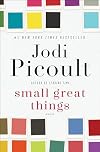
Typically, I enjoy reading Jodi Picoult; her books are page turners with believable real-life characters. In addition, virtually all her stories concern some compelling serious contemporary subject. I found the characters in this book to be fascinating and the subject matter important and absorbing.
“Small Great Things” is about overt and hidden racism in America. It tells the story of an African-American maternity room deliver nurse who is accused by white-supremacist parents of being responsible for the death of their newborn within the first few days of his birth. The story is told from the first-person points of view of three of the main characters: the Afro-American nurse, Ruth; her female Caucasian attorney, Kennedy; and the father of the dead infant, Turk. The author succeeds in making all of these characters sympathetic and understandable.
I enjoyed the book quiet a lot, but the reason why I’m giving it only three stars is that the plot moved slowly and often the storytelling felt forced and wooden. If I hadn’t received this book free for review purposes, I might not have finished it. Also, there was much about what occurred in the first 90 percent of the book that felt very predictable…and although the last part of the book was a surprise, it was also a bit too melodramatic for my tastes.
“Small Great Things” is about overt and hidden racism in America. It tells the story of an African-American maternity room deliver nurse who is accused by white-supremacist parents of being responsible for the death of their newborn within the first few days of his birth. The story is told from the first-person points of view of three of the main characters: the Afro-American nurse, Ruth; her female Caucasian attorney, Kennedy; and the father of the dead infant, Turk. The author succeeds in making all of these characters sympathetic and understandable.
I enjoyed the book quiet a lot, but the reason why I’m giving it only three stars is that the plot moved slowly and often the storytelling felt forced and wooden. If I hadn’t received this book free for review purposes, I might not have finished it. Also, there was much about what occurred in the first 90 percent of the book that felt very predictable…and although the last part of the book was a surprise, it was also a bit too melodramatic for my tastes.
 This review was written for LibraryThing Early Reviewers.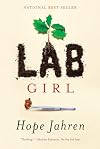
I was drawn to this book after reading a short biographical sketch of Hope Jahren in Time magazine’s special edition of “The 100 Most Influential People.” I’d never heard of this prize-winning scientist before and wanted to know more about her. In the article, she was headlined as being “science’s great communicator.” That stunning phrase sold me: I just had to buy her book. There is nothing I love better than to read brilliant science authored by an accomplished academic who also writes eloquently.
The book took me two days to finish and held my interest throughout. But in the end, the book was as equally fascinating as it was disappointing. It also left me frustrated. Let me explain.
The memoir takes up perhaps two thirds of the text, but interspersed throughout are many small chapters, each illuminating some small facet of botany. Virtually every one of these life-science essays was exquisitely written and intellectually enchanting. I loved them! In many ways they reminded me of some of the best science writing of O. E. Wilson. I would definitely buy another book by Jahren that was focused on some popular aspect of geology, chemistry, or botany. These essays were five-star gems…but this book is not getting five stars because those essays only formed a minor part.
As charmed as I was by the book’s botany essays, I was disenchanted (and frustrated) with the biographical chapters. In my view, all lives are fascinating if you scratch deep enough, and show more Jahren’s life was, indeed, very interesting. But what this author seemed to lack is any deep psychological perception about herself. In so many ways, Jahren seemed like a stranger to her own emotional and psychological landscape. I found that startlingly odd in a woman who was otherwise so incredibly brilliant. I always wanted her to take me deeper, but instead she generally just followed the action. Sometimes her vignettes were intriguing, sometimes amusing, sometimes downright silly (revealing youthful immaturity, lack of judgment, and inexperience)…and a few times, they were bit too technical for my general interest.
Her memoir consisted of a disjointed grouping of chronological stories selected from her life. At the end, the author reveals that she had chosen most of the stories because she and her lab partner, Bill, often reminded each other about them and took great joy in talking about them. If these stories amused the two of them, she was sure they would amuse others…including the reading public.
The stories come from the author’s day-to-day academic experience as a research geochemist and geobiologist. But taken together as a group, the stories actually celebrate the history of her extremely odd, two-decade-long relationship with her lab assistant, Bill. As a whole, the stories puzzled me more than they entertained or amused me…and by the end, the man and their relationship remained more of an enigma than anything else.
“People still puzzle over the two of us, Bill and me. Are we siblings? Soul mates? Comrades? Novitiates? Accomplices? We eat almost every meal together, our finances are mixed, and we tell each other everything. We travel together, work together, finish each other’s sentences, and have risked our lives for each other.”
In the end, I found the book incredibly frustrating. There was so much more I wanted to know, but the author never took me there…never revealed those aspects of her life…or those feelings in her heart! Was she guarding them or was she unaware of them? Frankly, I don’t know. show less
The book took me two days to finish and held my interest throughout. But in the end, the book was as equally fascinating as it was disappointing. It also left me frustrated. Let me explain.
The memoir takes up perhaps two thirds of the text, but interspersed throughout are many small chapters, each illuminating some small facet of botany. Virtually every one of these life-science essays was exquisitely written and intellectually enchanting. I loved them! In many ways they reminded me of some of the best science writing of O. E. Wilson. I would definitely buy another book by Jahren that was focused on some popular aspect of geology, chemistry, or botany. These essays were five-star gems…but this book is not getting five stars because those essays only formed a minor part.
As charmed as I was by the book’s botany essays, I was disenchanted (and frustrated) with the biographical chapters. In my view, all lives are fascinating if you scratch deep enough, and show more Jahren’s life was, indeed, very interesting. But what this author seemed to lack is any deep psychological perception about herself. In so many ways, Jahren seemed like a stranger to her own emotional and psychological landscape. I found that startlingly odd in a woman who was otherwise so incredibly brilliant. I always wanted her to take me deeper, but instead she generally just followed the action. Sometimes her vignettes were intriguing, sometimes amusing, sometimes downright silly (revealing youthful immaturity, lack of judgment, and inexperience)…and a few times, they were bit too technical for my general interest.
Her memoir consisted of a disjointed grouping of chronological stories selected from her life. At the end, the author reveals that she had chosen most of the stories because she and her lab partner, Bill, often reminded each other about them and took great joy in talking about them. If these stories amused the two of them, she was sure they would amuse others…including the reading public.
The stories come from the author’s day-to-day academic experience as a research geochemist and geobiologist. But taken together as a group, the stories actually celebrate the history of her extremely odd, two-decade-long relationship with her lab assistant, Bill. As a whole, the stories puzzled me more than they entertained or amused me…and by the end, the man and their relationship remained more of an enigma than anything else.
“People still puzzle over the two of us, Bill and me. Are we siblings? Soul mates? Comrades? Novitiates? Accomplices? We eat almost every meal together, our finances are mixed, and we tell each other everything. We travel together, work together, finish each other’s sentences, and have risked our lives for each other.”
In the end, I found the book incredibly frustrating. There was so much more I wanted to know, but the author never took me there…never revealed those aspects of her life…or those feelings in her heart! Was she guarding them or was she unaware of them? Frankly, I don’t know. show less
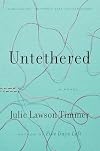
For the first two-thirds of Julie Lawson Timmer’s most recent novel, “Untethered,” I thought I was reading an accomplished family psychological drama about grief, stepmothers of teenage daughters, narcissistic mothers who abandon their children, and parents who adopt emotionally-abused children. Then suddenly, around page 200, the book explodes into a heart-thumping children-at-risk suspense thriller. Wow! After that, the book took me on an emotional rollercoaster ride until the end. The author had set me up so well for this terrific emotional literary suspense ride! All I can say is: very well done, indeed, Julie Timmer!
Before that, the pace had been rather slow, but still intellectually and emotionally engaging; I liked it quite a bit, but I didn’t love it. It was obvious that the author was intent on giving her readers fascinating insight into the complex emotional and psychological landscape of her characters. By the time the suspense kicked in, I’d come to care about each and every one of the book’s characters. I knew their problems, their heartaches, and their inner psychic pain. My empathy meter was high in the red zone. Then she pulled out the action and suspense and my empathy turned to white-knuckle tension and apprehension. I defy anyone to put this book down after crossing the page-200 threshold.
Char Hawthorn, a college professor, is the stepmother of a lovely fifteen-year-old daughter. She married the child’s father, Bradley, also a college show more professor, when Allie was nine. The teen’s biological mother, Lindy, had abandoned her husband and child when Allie was eight. Lindy felt claustrophobic in their small Michigan town and eventually found a better match for her narcissistic needs in glitzy Hollywood. Allie is pulled between her mother and stepmother. The child still shows allegiance to her biological mother and travels to California a few times a year to visit. But Allie is also very fond of her stepmother, even though the two have their share of the usual mother-daughter mid-teen issues.
Allie is a stellar student on the A-track toward a fine college. Partially to help her on future college applications, Allie has been academically tutoring an extremely sensitive and psychologically troubled 10-year-old child named Morgan. That child was also abandoned by her mother. Morgan’s mother was a drug addict—a woman who ultimately chose her addiction over her child. Morgan became a ward of the state and languished in more than 15 foster homes before being adopted at age eight by a local couple in their town. That adoption occurred eighteen months before the book opens. Allie’s been tutoring Morgan for most of that time and the two children have formed a very special emotional bond.
The book opens at Bradley’s funeral. He’s died in an auto accident leaving Char, a widow, and Allie fatherless.
Char quickly realizes she has not only lost a husband, but will soon lose her stepdaughter. After all, she has no legal right to Allie. In fact, as soon as Lindy makes a dramatic entrance at the funeral, she lets Char and her daughter know that she plans to move the child to Los Angeles. For the balance of the book, the issue is when that move will take place…and the answer is, naturally: whenever it is most convenient for the mother!
In a nutshell, that’s the fascinating psychological landscape of this novel. The author takes her time introducing the reader to a lot of essential emotional detail in this heart-rending tale, and then sets the characters in motion with a fast, breathtaking, suspense-filled, and nail-biting conclusion. Timmer is a skilled literary craftsperson.
By the end, I loved this book and feel confident that it should appeal to most readers who look for a combination of astute psychological literary drama and thrilling suspense. show less
Before that, the pace had been rather slow, but still intellectually and emotionally engaging; I liked it quite a bit, but I didn’t love it. It was obvious that the author was intent on giving her readers fascinating insight into the complex emotional and psychological landscape of her characters. By the time the suspense kicked in, I’d come to care about each and every one of the book’s characters. I knew their problems, their heartaches, and their inner psychic pain. My empathy meter was high in the red zone. Then she pulled out the action and suspense and my empathy turned to white-knuckle tension and apprehension. I defy anyone to put this book down after crossing the page-200 threshold.
Char Hawthorn, a college professor, is the stepmother of a lovely fifteen-year-old daughter. She married the child’s father, Bradley, also a college show more professor, when Allie was nine. The teen’s biological mother, Lindy, had abandoned her husband and child when Allie was eight. Lindy felt claustrophobic in their small Michigan town and eventually found a better match for her narcissistic needs in glitzy Hollywood. Allie is pulled between her mother and stepmother. The child still shows allegiance to her biological mother and travels to California a few times a year to visit. But Allie is also very fond of her stepmother, even though the two have their share of the usual mother-daughter mid-teen issues.
Allie is a stellar student on the A-track toward a fine college. Partially to help her on future college applications, Allie has been academically tutoring an extremely sensitive and psychologically troubled 10-year-old child named Morgan. That child was also abandoned by her mother. Morgan’s mother was a drug addict—a woman who ultimately chose her addiction over her child. Morgan became a ward of the state and languished in more than 15 foster homes before being adopted at age eight by a local couple in their town. That adoption occurred eighteen months before the book opens. Allie’s been tutoring Morgan for most of that time and the two children have formed a very special emotional bond.
The book opens at Bradley’s funeral. He’s died in an auto accident leaving Char, a widow, and Allie fatherless.
Char quickly realizes she has not only lost a husband, but will soon lose her stepdaughter. After all, she has no legal right to Allie. In fact, as soon as Lindy makes a dramatic entrance at the funeral, she lets Char and her daughter know that she plans to move the child to Los Angeles. For the balance of the book, the issue is when that move will take place…and the answer is, naturally: whenever it is most convenient for the mother!
In a nutshell, that’s the fascinating psychological landscape of this novel. The author takes her time introducing the reader to a lot of essential emotional detail in this heart-rending tale, and then sets the characters in motion with a fast, breathtaking, suspense-filled, and nail-biting conclusion. Timmer is a skilled literary craftsperson.
By the end, I loved this book and feel confident that it should appeal to most readers who look for a combination of astute psychological literary drama and thrilling suspense. show less
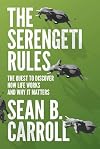
I am well read in popular science and there was little in this book that was wholly new to me. What was new was the idea of synthesizing all into an overarching set of rules that govern “how life works and why.” That is what I found stunning, and that is why I am giving this book five stars. It also gets five stars because it is eminently well written and was a joy to read. It is the type of science book that makes difficult concepts come to life through the telling of real-life stories about the amazing men and women who made groundbreaking discoveries. I’d heard most of these stories before in other books and science articles, but their collection here, and use as evidence for a set of rules that govern life on the molecular level to the ecological level, was extraordinary. That is why I purchased the book and I was not disappointed.
However, despite enjoying this book immensely, I can’t help but share how ultimately sorely disappointed I was at the author’s Pollyanna optimism in the end when (very briefly) applying these rules to the health of the planet and the future of life thereon…especially human life. He defended his overt optimism by citing Greg Carr (the American entrepreneur and philanthropist who is primarily responsible for the restoration of Mozambique's Gorongosa National Park) by saying: “Choose optimism because the alternative is a self-fulfilling prophecy.” He’s a scientist; shouldn’t he choose realism? Look almost everywhere and it show more is so obvious that humankind—mostly by its sheer numbers—is pushing major planet-level natural regulatory systems to the breaking point. Is it not hubris to think that humanity may be able to fix all these complex adaptive systems that we’ve already set careening out of balance and many that we do not yet know we have set out of balance? Personally, I don’t choose either optimism or pessimism; I do choose realism. Doing so does not stop me from enjoying the present moment and still doing whatever I can to make a better future for life on Earth…i.e., to try to do my small part to try to keep the world and its countless array of complex adaptive biological and ecological regulatory systems in balance. show less
However, despite enjoying this book immensely, I can’t help but share how ultimately sorely disappointed I was at the author’s Pollyanna optimism in the end when (very briefly) applying these rules to the health of the planet and the future of life thereon…especially human life. He defended his overt optimism by citing Greg Carr (the American entrepreneur and philanthropist who is primarily responsible for the restoration of Mozambique's Gorongosa National Park) by saying: “Choose optimism because the alternative is a self-fulfilling prophecy.” He’s a scientist; shouldn’t he choose realism? Look almost everywhere and it show more is so obvious that humankind—mostly by its sheer numbers—is pushing major planet-level natural regulatory systems to the breaking point. Is it not hubris to think that humanity may be able to fix all these complex adaptive systems that we’ve already set careening out of balance and many that we do not yet know we have set out of balance? Personally, I don’t choose either optimism or pessimism; I do choose realism. Doing so does not stop me from enjoying the present moment and still doing whatever I can to make a better future for life on Earth…i.e., to try to do my small part to try to keep the world and its countless array of complex adaptive biological and ecological regulatory systems in balance. show less
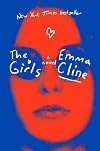
“The Girls,” by debut author Emma Cline, is a mesmerizing literary thriller about one young teenager girl’s role in a fictional late-1960s Charles-Manson-like cult. The author does an outstanding job of capturing the vulnerability, flawed judgment, and over-confidence of youth. In particular, she captures the unquenchable hunger for love which young girls possess at that time in their lives. But perhaps most remarkable, the author does a terrific job of drawing the reader inside the fictional landscape. As I read it, I felt like I was there: bewitched, thrilled, and spellbound. And naturally, because the cult was modeled so closely after the Manson Family, I was on the edge, quavering with apprehension for what might happen next. It is this nervous tension, this uneasy panic for what might happen on the next page, that drives the reader forward through this suspenseful plot. I loved the book and devoured it in a few quick reading sessions.
The plot takes place in two periods: one when the main character is a teen, and the other when she is in her late middle age.
In the first period, the girl, Evie, is 14 years old and obsessed with a group of free-spirited young hippie girls (mostly slightly older teens) who she encounters in a park. In particular, she’s smitten by the sensuous, stunning, and mysterious Suzanne. She’ll do anything for Suzanne’s attention and approval. Evie learns that the girls are followers of a local commune cult leader named Russell. He show more rules his members in a run-down ruin of a ranch hidden in the hills, a short bicycle-ride’s distance away from Evie’s suburban northern California home.
The second time period is many decades later, perhaps sometime close to the present day, although we are not given any exact frame of reference. Evie is a late-middle-aged woman. She is temporarily taking care of a very dear former lover’s northern California beach home while he is away on vacation. That friend is one of the very few who know the secret of her history with the notorious Russell cult all of whom are now in prison. Unfortunately, his immature teenage son also knows this secret. The son comes home with this girlfriend not knowing that his father is not home and that Evie is house-sitting. They are both impressed and curious about her infamous past life. As the plot thickens, we wonder: will he or his girlfriend betray her identity to the police?
As much as I loved this book, there was also something about the book that thoroughly disturbed me, something that was slightly off, slightly wrong. At first, I couldn’t put my finger on it. That’s why I waited almost a full week before I wrote this review. I wanted to give the book time to settle…time for me to dwell on what it was that was causing me such intellectual distress.
Then I finally got it. I realized that the author got the intellectual or cultural mood of the period wrong. Unlike the true 60s, her fictional reenactment had no antiestablishment radicalism. Instead, the cult leader was driven by a desire to score a major record album deal and thereby get a chance at being a famous celebrity singer. That goal is virtually incompatible with the spirit of the 1960 radicalism…although it is a common goal of today’s Millennials (and the author belongs to that generation). Even Charles Manson—however psychotic he must have been—was still driven by the goal of causing the establishment to fail through inciting—through his murders—a Helter-Skelter-like worldwide race war leading toward some kind of apocalypse.
So, the book nearly got a five-star rating from me purely because it makes for psychologically riveting and thrilling literary fiction. However, I feel compelled to subtract at least one star for the author not getting the authenticity of the period right. For those of us who are old enough to have lived through the real thing, it is an important error; for everyone else, it probably doesn’t matter much.
If you are drawn to literary thrillers with psychological depth, you’ll love this book. If you were part of the antiestablishment movement of the mid to late 1960, then this book might disappoint and confuse you…but it is still worth reading. The author gets youth right. What she get’s wrong about the 60s may only be important (in fiction, at least), to the memories of those of us who lived through it. Most of us have long since joined the establishment and may have a hard time remembering what we believed in “way back when.” show less
The plot takes place in two periods: one when the main character is a teen, and the other when she is in her late middle age.
In the first period, the girl, Evie, is 14 years old and obsessed with a group of free-spirited young hippie girls (mostly slightly older teens) who she encounters in a park. In particular, she’s smitten by the sensuous, stunning, and mysterious Suzanne. She’ll do anything for Suzanne’s attention and approval. Evie learns that the girls are followers of a local commune cult leader named Russell. He show more rules his members in a run-down ruin of a ranch hidden in the hills, a short bicycle-ride’s distance away from Evie’s suburban northern California home.
The second time period is many decades later, perhaps sometime close to the present day, although we are not given any exact frame of reference. Evie is a late-middle-aged woman. She is temporarily taking care of a very dear former lover’s northern California beach home while he is away on vacation. That friend is one of the very few who know the secret of her history with the notorious Russell cult all of whom are now in prison. Unfortunately, his immature teenage son also knows this secret. The son comes home with this girlfriend not knowing that his father is not home and that Evie is house-sitting. They are both impressed and curious about her infamous past life. As the plot thickens, we wonder: will he or his girlfriend betray her identity to the police?
As much as I loved this book, there was also something about the book that thoroughly disturbed me, something that was slightly off, slightly wrong. At first, I couldn’t put my finger on it. That’s why I waited almost a full week before I wrote this review. I wanted to give the book time to settle…time for me to dwell on what it was that was causing me such intellectual distress.
Then I finally got it. I realized that the author got the intellectual or cultural mood of the period wrong. Unlike the true 60s, her fictional reenactment had no antiestablishment radicalism. Instead, the cult leader was driven by a desire to score a major record album deal and thereby get a chance at being a famous celebrity singer. That goal is virtually incompatible with the spirit of the 1960 radicalism…although it is a common goal of today’s Millennials (and the author belongs to that generation). Even Charles Manson—however psychotic he must have been—was still driven by the goal of causing the establishment to fail through inciting—through his murders—a Helter-Skelter-like worldwide race war leading toward some kind of apocalypse.
So, the book nearly got a five-star rating from me purely because it makes for psychologically riveting and thrilling literary fiction. However, I feel compelled to subtract at least one star for the author not getting the authenticity of the period right. For those of us who are old enough to have lived through the real thing, it is an important error; for everyone else, it probably doesn’t matter much.
If you are drawn to literary thrillers with psychological depth, you’ll love this book. If you were part of the antiestablishment movement of the mid to late 1960, then this book might disappoint and confuse you…but it is still worth reading. The author gets youth right. What she get’s wrong about the 60s may only be important (in fiction, at least), to the memories of those of us who lived through it. Most of us have long since joined the establishment and may have a hard time remembering what we believed in “way back when.” show less
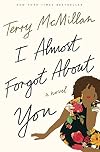
Does a twice-divorced, 55-year-old woman need a man in her life in order to be fulfilled and happy? That’s the theme of Terry McMillan’s most recent delightful and amusing romantic comedy novel. The main character, Georgia Young, is a successful optometrist…but a little bored with life. It’s become too predictable. The sparkle is gone.
At the beginning of the book, we find her thinking about who she used to be. She wonders if the grind of daily life has robbed her of the vivacious woman she used to be…the woman she believes she is at heart. She wonders about all the men she’s loved over the years. What are they doing now? Are they trapped in boring lives, too? She remembers how happy each one made her feel and daydreams if any one of them could help her rediscover that special sparkle once again.
Ultimately, she decides on a crazy plan: she’ll take a long road trip aimed at reconnecting with all her important ex-boyfriends and see what’s happened to them. Maybe reconnecting with them will shake up her life and magically add some kind of zest back into her daily existence. If nothing else, she’ll at least get a chance to find out what’s become of each one of them and to let each of them know what important roles they played in her life.
But things don’t work out exactly as she planned. She forgot to take into consideration why she left each man in the first place…or how each man may have changed for the worse in the time they’ve been apart. But show more most important, she never figured that there could be other changes in store for her—the type that just sort of pop up out of left field when you least expect it.
Will Georgia find happiness? Does happiness depend on having the right man in your life? Read the book and see.
Like most of McMillan’s other books, this novel is well written, light, and thoroughly entertaining. show less
At the beginning of the book, we find her thinking about who she used to be. She wonders if the grind of daily life has robbed her of the vivacious woman she used to be…the woman she believes she is at heart. She wonders about all the men she’s loved over the years. What are they doing now? Are they trapped in boring lives, too? She remembers how happy each one made her feel and daydreams if any one of them could help her rediscover that special sparkle once again.
Ultimately, she decides on a crazy plan: she’ll take a long road trip aimed at reconnecting with all her important ex-boyfriends and see what’s happened to them. Maybe reconnecting with them will shake up her life and magically add some kind of zest back into her daily existence. If nothing else, she’ll at least get a chance to find out what’s become of each one of them and to let each of them know what important roles they played in her life.
But things don’t work out exactly as she planned. She forgot to take into consideration why she left each man in the first place…or how each man may have changed for the worse in the time they’ve been apart. But show more most important, she never figured that there could be other changes in store for her—the type that just sort of pop up out of left field when you least expect it.
Will Georgia find happiness? Does happiness depend on having the right man in your life? Read the book and see.
Like most of McMillan’s other books, this novel is well written, light, and thoroughly entertaining. show less
This review was written for LibraryThing Early Reviewers.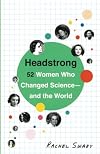
This reference work is a biographical anthology of famous (deceased) women scientist. It appears that author’s goal in writing the book was to try and garner interest and curiosity about these woman through informing readers very briefly not only about each person’s scientific achievements, but also about the key human interests stories the author found that had the power to make each woman come to life in the reader’s mind. The author is a journalist, not a scientist. For example, she leads into the biography of famous bacteriologist, Anna Wessels Williams, by touting her love of flying stunt planes. And she begins her biography about, Alice Ball, the woman who was the first person to develop an effective injectable treatment for leprosy, by describing in chilling vivid prose, the forbidding and isolating desolation of the leper colony on Molokai. It’s effective and well-written journalism. She’s also done her homework enough to get the science right. That she tells the science and a good story in about four pages shows how limited the real biography (and science!) is in any one of these fifty-two biographies.
The anthology consists of an “Introduction,” fifty-two separate chapters (each on a different woman and each averaging a little over four pages in length), an eight-page “Notes” section, and a sixteen-pages “Bibliography.” The fifty-two women cover the period from the mid Seventieth Century to the beginning of the Twenty-first. I find that show more number incredibly sad and appalling.
This reference book is well suited for adding to the reference collections of public and high school libraries. It will help in promoting STEM (Science, Technology, Engineering, and Math) careers for young girls and women. Although the author suggests that the book can be read cover to cover and little by little over fifty-two weeks, by any interested person, I doubt seriously that anyone would chose to do that. I am certainly one of those very interested persons, but I would never choose to spend time reading this book in its entirety either in a few days, or over an entire year. For the purpose of this review, I did read ten random chapters. If I were young and had to do a report, this would be an acceptable reference tool.
[I received a copy of this book in exchange for an honest review.] show less
The anthology consists of an “Introduction,” fifty-two separate chapters (each on a different woman and each averaging a little over four pages in length), an eight-page “Notes” section, and a sixteen-pages “Bibliography.” The fifty-two women cover the period from the mid Seventieth Century to the beginning of the Twenty-first. I find that show more number incredibly sad and appalling.
This reference book is well suited for adding to the reference collections of public and high school libraries. It will help in promoting STEM (Science, Technology, Engineering, and Math) careers for young girls and women. Although the author suggests that the book can be read cover to cover and little by little over fifty-two weeks, by any interested person, I doubt seriously that anyone would chose to do that. I am certainly one of those very interested persons, but I would never choose to spend time reading this book in its entirety either in a few days, or over an entire year. For the purpose of this review, I did read ten random chapters. If I were young and had to do a report, this would be an acceptable reference tool.
[I received a copy of this book in exchange for an honest review.] show less
This review was written for LibraryThing Early Reviewers.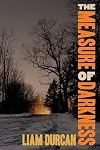
“The Measure of Darkness” by Liam Durcan is an intellectually engaging literary novel about two brothers who reunite in their late 60s after being estranged for their entire adult lives. They meet in a rehabilitation clinic where Martin Fallon, the younger brother, is recovering from a major auto accident that left him with a life-destabilizing neurological disorder called Neglect Syndrome. This is a spatial disorder defined by the inability of a person to process and perceive stimuli on one side of the body. Due to the disorder, Martin is dangerously blind to everything on his left side. He is unable to care for himself and now requires a full-time caregiver. Neither of Martin’s two ex-wives nor his daughters were willing to assume the burden. Interestingly, it is Martin’s estranged older brother, Brendan, who agrees to take on the day-to-day responsibility of Martin’s care.
The last time the brothers were together was the late 1960s. Brendan was a young man leaving for a tour of duty as a soldier in Vietnam and Martin was a high school teenager privately harboring strong antiwar sentiments. Ultimately, Martin fled to Canada to avoid the draft. One brother chose duty and responsibility; the other chose ambition and self-actualization. The brother who fled, broke his parents’ hearts; the brother who served, came back psychologically wounded and unable to forgive his younger brother for abandoning the family and choosing his own needs above those of family and show more country.
The main action of the book takes place over a very short period—perhaps a few weeks—after Martin and Brendan leave the rehabilitation clinic to begin life on their own. During this brief time the entire arc of the novel takes place: the reader becomes aware of the full extent of Martin’s deficits, including his complete inability to negotiate his own life; Martin discovers more and more about what happened to him immediately prior to the accident; the brothers discover more about each other’s past personal lives; and eventually, the two men try to uncover the history and psychology of their estrangement. Through this process, each makes separate stunning personal psychological discoveries that bring clarity to the past and present.
The fact that Martin, the brother with Neglect Syndrome, was a successful architect prior to his injury means that this novel also has a great deal to do with architecture. What better way to help a reader understand Neglect Syndrome than to create a character whose entire career life depends on being able to negotiate the spatial world? In this novel, the life and architectural contributions of famous Russian architect, Konstantin Melnikov, are showcased. At times this emphasis on Melnikov may seem extraneous, but my advice is to bear with it because what you learn about Melnikov helps to clarify the whole.
Besides being a highly skilled literary writer, the author is also a practicing neurologist. As a result, he was able to take his clinical experience with Neglect Syndrome and apply it artfully to Martin’s character development. The reader is able to get inside the character and actually feel what this disorder does to distort reality. In many respects, this is reason enough to read this book (particularly if one is interested in odd neurological disorders).
This is an intellectually challenging, powerful, and complex novel. The writing is rich and strong, the pace is slow and thoughtful, and the subtlety, understatement, and academic details are demanding. It gets four stars because it could have benefited from better editing and pacing.
(I am indebted to LibraryThing’s “First Read” program for giving me the opportunity to read an advanced readers copy of this book.) show less
The last time the brothers were together was the late 1960s. Brendan was a young man leaving for a tour of duty as a soldier in Vietnam and Martin was a high school teenager privately harboring strong antiwar sentiments. Ultimately, Martin fled to Canada to avoid the draft. One brother chose duty and responsibility; the other chose ambition and self-actualization. The brother who fled, broke his parents’ hearts; the brother who served, came back psychologically wounded and unable to forgive his younger brother for abandoning the family and choosing his own needs above those of family and show more country.
The main action of the book takes place over a very short period—perhaps a few weeks—after Martin and Brendan leave the rehabilitation clinic to begin life on their own. During this brief time the entire arc of the novel takes place: the reader becomes aware of the full extent of Martin’s deficits, including his complete inability to negotiate his own life; Martin discovers more and more about what happened to him immediately prior to the accident; the brothers discover more about each other’s past personal lives; and eventually, the two men try to uncover the history and psychology of their estrangement. Through this process, each makes separate stunning personal psychological discoveries that bring clarity to the past and present.
The fact that Martin, the brother with Neglect Syndrome, was a successful architect prior to his injury means that this novel also has a great deal to do with architecture. What better way to help a reader understand Neglect Syndrome than to create a character whose entire career life depends on being able to negotiate the spatial world? In this novel, the life and architectural contributions of famous Russian architect, Konstantin Melnikov, are showcased. At times this emphasis on Melnikov may seem extraneous, but my advice is to bear with it because what you learn about Melnikov helps to clarify the whole.
Besides being a highly skilled literary writer, the author is also a practicing neurologist. As a result, he was able to take his clinical experience with Neglect Syndrome and apply it artfully to Martin’s character development. The reader is able to get inside the character and actually feel what this disorder does to distort reality. In many respects, this is reason enough to read this book (particularly if one is interested in odd neurological disorders).
This is an intellectually challenging, powerful, and complex novel. The writing is rich and strong, the pace is slow and thoughtful, and the subtlety, understatement, and academic details are demanding. It gets four stars because it could have benefited from better editing and pacing.
(I am indebted to LibraryThing’s “First Read” program for giving me the opportunity to read an advanced readers copy of this book.) show less
This review was written for LibraryThing Early Reviewers.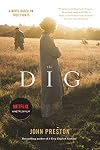
On the surface, this is a historical novel about the 1939 Sutton Hoo Dig, an Anglo-Saxon archeological discovery so famous that it was often referred to as the British Tutankhamen. As far as based-on-real-life dramas go, the rough outlines of this story are not particularly gripping. The author had to figure out a way to make the story fascinating. He did it by emphasizing character and understated psychological depth. The result is stunning.
The book gives us a tale of decent rural folk on a collision course with scholarly archeological and legal experts from the British Museum. Tension is added to the whole through the pressure of imminent war with Germany. As Preston conceived it, the tale emerges as one of subdued rivalry and political career wrangling played out on a stage of personality differences. And yes, there is love…in many of its delicate and myriad guises.
What sets this novel apart and helps lift it to the level of original and exquisite literature is the standout authenticity of its main characters. They are so real, I felt as if I were there with them (inside the narrator’s shoes, so to speak). Reading the book felt like being transported across time and space.
The story is told primarily in chronological order, from April to September of 1939. There is also an epilogue dated 1965. The novel is told through three first-person narratives. The first character is Edith Pretty, the woman who owned the land. The second is Basil Brown, the self-taught show more “soil man” and archeologist who started the excavation on Pretty’s land at her request. However, it is the third character who rises above the rest to steal center stage. That third character is Peggy Piggott, the wife of one of the archeological experts called in to help supervise the dig after it was determined that the excavation contained historical artifacts of significant national interest. Peggy Piggott also happens to be the deceased aunt of the author.
Because the author had access to insider information about his aunt, he was able to weave a unique and dramatically significant story about her and her role in this archeological endeavor. Somehow, he knew (or imagined he knew) Peggy Piggott’s personal story. As a result, the story he tells through her first person narrative emerges as the emotional centerpiece of the novel. It is one so delicate and subtle—so incredibly understated—it took my breath away.
This novel excels through understatement. Done right, understatement can be stunning. As a literary device, understatement has enormous power. Think of the power of a whisper over a shout. If you want to convey something emotionally shattering, say it with understatement…whisper it.
Unfortunately, this literary device is often missing in our modern Western culture. Most of today’s fiction—especially popular thrillers and romances—are exercises in overstatement. It has become the norm. As a result, I fear many contemporary readers might not find much here—in this lovely novel of exquisite emotional depth—to hold their attention. What a shame and loss! Subtlety seems to be no longer highly valued or practiced. As a related sidebar: when was the last time you heard a politician whisper?
Personally, I adored this novel and will happily tuck it away on my bookshelf along with other elegant literary gems. It easily wins my five-star rating.
(One last note: it’s best if you know little about the dig before you begin. But sometime during the reading—perhaps two-thirds of the way through—it would be a good idea to search on the Internet for photographs. That will enhance the realism and heighten your interest and intellectual pleasure.) show less
The book gives us a tale of decent rural folk on a collision course with scholarly archeological and legal experts from the British Museum. Tension is added to the whole through the pressure of imminent war with Germany. As Preston conceived it, the tale emerges as one of subdued rivalry and political career wrangling played out on a stage of personality differences. And yes, there is love…in many of its delicate and myriad guises.
What sets this novel apart and helps lift it to the level of original and exquisite literature is the standout authenticity of its main characters. They are so real, I felt as if I were there with them (inside the narrator’s shoes, so to speak). Reading the book felt like being transported across time and space.
The story is told primarily in chronological order, from April to September of 1939. There is also an epilogue dated 1965. The novel is told through three first-person narratives. The first character is Edith Pretty, the woman who owned the land. The second is Basil Brown, the self-taught show more “soil man” and archeologist who started the excavation on Pretty’s land at her request. However, it is the third character who rises above the rest to steal center stage. That third character is Peggy Piggott, the wife of one of the archeological experts called in to help supervise the dig after it was determined that the excavation contained historical artifacts of significant national interest. Peggy Piggott also happens to be the deceased aunt of the author.
Because the author had access to insider information about his aunt, he was able to weave a unique and dramatically significant story about her and her role in this archeological endeavor. Somehow, he knew (or imagined he knew) Peggy Piggott’s personal story. As a result, the story he tells through her first person narrative emerges as the emotional centerpiece of the novel. It is one so delicate and subtle—so incredibly understated—it took my breath away.
This novel excels through understatement. Done right, understatement can be stunning. As a literary device, understatement has enormous power. Think of the power of a whisper over a shout. If you want to convey something emotionally shattering, say it with understatement…whisper it.
Unfortunately, this literary device is often missing in our modern Western culture. Most of today’s fiction—especially popular thrillers and romances—are exercises in overstatement. It has become the norm. As a result, I fear many contemporary readers might not find much here—in this lovely novel of exquisite emotional depth—to hold their attention. What a shame and loss! Subtlety seems to be no longer highly valued or practiced. As a related sidebar: when was the last time you heard a politician whisper?
Personally, I adored this novel and will happily tuck it away on my bookshelf along with other elegant literary gems. It easily wins my five-star rating.
(One last note: it’s best if you know little about the dig before you begin. But sometime during the reading—perhaps two-thirds of the way through—it would be a good idea to search on the Internet for photographs. That will enhance the realism and heighten your interest and intellectual pleasure.) show less
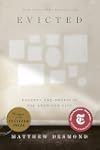
In “Evicted: Poverty and Profit in the American City,” Harvard Sociologist and MacArthur “genius award” winner Matthew Desmond brings to the general reading public the ethnography underpinning his academic findings about the effects of eviction on America’s poor. This is a standout work of sociological fieldwork, a work that should interest anyone who desires to improve his or her knowledge of the relationship between public policy and poverty in America.
While it is definitely a scholarly book aimed specifically at the general reading public, the book is so masterfully written, it could easily be mistaken for a page-turner. It pulls the reader into and through the text carried along on the sheer force of its emotional content as well as the eloquence of its descriptive prose. Equal parts fascinating and gut-wrenching, “Eviction” offers an unparalleled window into a world few of us would otherwise ever get a chance to experience: the world of the evicted urban poor.
Most of the academic findings in this book were published a few years ago and it is easy to access them on the Internet if you chose. See, for example, the author’s two articles in the American Journal of Sociology: “Eviction and the Reproduction of Urban Poverty” (volume 118, number 1, July 2012, pages 88-133) and “Disposable Ties and the Urban Poor” (volume 117, number 5, pages 1295-1335).
Those papers were based on the extensive sociological fieldwork he conducted in Milwaukee during show more the one-and-a-half year period from May of 2008 until December of 2009. That fieldwork is what is brought to life between the covers of this book, now published some four years after the academic papers noted above.
During his fieldwork, Desmond lived side-by-side with the urban poor in two destitute neighborhoods. There, he met a number of individuals going through evictions. He gained their trust and explained his research goals. Subsequently, they allowed him access to their lives. He was able to follow them throughout the eviction process. He spent countless hours with them in homes, churches, courtrooms, shelters, and social service offices. He interviewed them and recorded conversations. He also established relationships with several landlords and building managers, including two landlords from whom he rented during his fieldwork. Some of the landlords knew what he was doing as a researcher, others saw him only as another poor tenant.
This book is the story of that experience: a detailed and almost literary account of his ethnographic fieldwork in Milwaukee from 2008 through 2009. The names of the individuals were changed to protect their identity.
Unraveling the root causes of poverty in America is enormously complex. It has also become an increasingly important public policy topic. Based on this fieldwork, it is Desmond’s conviction that evictions are a major cause rather than merely a symptom of poverty. In this book, he also shows that households headed by women are more likely to face eviction than men and this results in extremely damaging long-term effects. In story after story, he shows how police, landlords, and local government officials deal with tenants and how this increases the problems and adds to the cycle of poverty. One of the key findings that Desmond uncovered during the course of his research was that women reporting domestic violence were often evicted. This happened because of a local ordinance that classified such reports as “nuisance calls.” Once evicted, it was extremely difficult for these women to pull themselves out of poverty.
It goes without saying that the book is filled with gut-wrenching stories. As I turned the pages—pulled along by pure fascination for a world hitherto outside my experience—I had to stop often and wonder why I was forcing myself to experience so much empathetic heartache. But I knew the answer: one cannot begin to deal with public policy issues of the poor without trying to deal with the type of knowledge that this book imparts. If you just read the academic material on this subject, you’ll miss the human element. That is the gift that this book offers: a chance to understand, and most of all “feel,” what it must be like to be poor and evicted in America.
What’s covered in this book has wide-reaching sociological, economic, and political ramifications. It is an important book that should be read by local politicians, political analysts and consultants, police, firemen, social workers, judges, lawyers, urban policy planners, and anyone else who wants to understand this issue on a cultural and emotional level. This book easily gets my highest recommendation. show less
While it is definitely a scholarly book aimed specifically at the general reading public, the book is so masterfully written, it could easily be mistaken for a page-turner. It pulls the reader into and through the text carried along on the sheer force of its emotional content as well as the eloquence of its descriptive prose. Equal parts fascinating and gut-wrenching, “Eviction” offers an unparalleled window into a world few of us would otherwise ever get a chance to experience: the world of the evicted urban poor.
Most of the academic findings in this book were published a few years ago and it is easy to access them on the Internet if you chose. See, for example, the author’s two articles in the American Journal of Sociology: “Eviction and the Reproduction of Urban Poverty” (volume 118, number 1, July 2012, pages 88-133) and “Disposable Ties and the Urban Poor” (volume 117, number 5, pages 1295-1335).
Those papers were based on the extensive sociological fieldwork he conducted in Milwaukee during show more the one-and-a-half year period from May of 2008 until December of 2009. That fieldwork is what is brought to life between the covers of this book, now published some four years after the academic papers noted above.
During his fieldwork, Desmond lived side-by-side with the urban poor in two destitute neighborhoods. There, he met a number of individuals going through evictions. He gained their trust and explained his research goals. Subsequently, they allowed him access to their lives. He was able to follow them throughout the eviction process. He spent countless hours with them in homes, churches, courtrooms, shelters, and social service offices. He interviewed them and recorded conversations. He also established relationships with several landlords and building managers, including two landlords from whom he rented during his fieldwork. Some of the landlords knew what he was doing as a researcher, others saw him only as another poor tenant.
This book is the story of that experience: a detailed and almost literary account of his ethnographic fieldwork in Milwaukee from 2008 through 2009. The names of the individuals were changed to protect their identity.
Unraveling the root causes of poverty in America is enormously complex. It has also become an increasingly important public policy topic. Based on this fieldwork, it is Desmond’s conviction that evictions are a major cause rather than merely a symptom of poverty. In this book, he also shows that households headed by women are more likely to face eviction than men and this results in extremely damaging long-term effects. In story after story, he shows how police, landlords, and local government officials deal with tenants and how this increases the problems and adds to the cycle of poverty. One of the key findings that Desmond uncovered during the course of his research was that women reporting domestic violence were often evicted. This happened because of a local ordinance that classified such reports as “nuisance calls.” Once evicted, it was extremely difficult for these women to pull themselves out of poverty.
It goes without saying that the book is filled with gut-wrenching stories. As I turned the pages—pulled along by pure fascination for a world hitherto outside my experience—I had to stop often and wonder why I was forcing myself to experience so much empathetic heartache. But I knew the answer: one cannot begin to deal with public policy issues of the poor without trying to deal with the type of knowledge that this book imparts. If you just read the academic material on this subject, you’ll miss the human element. That is the gift that this book offers: a chance to understand, and most of all “feel,” what it must be like to be poor and evicted in America.
What’s covered in this book has wide-reaching sociological, economic, and political ramifications. It is an important book that should be read by local politicians, political analysts and consultants, police, firemen, social workers, judges, lawyers, urban policy planners, and anyone else who wants to understand this issue on a cultural and emotional level. This book easily gets my highest recommendation. show less
This review was written for LibraryThing Early Reviewers.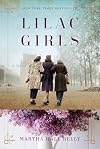
I have strong mixed feelings after reading Martha Hall Kelly’s debut historical novel “Lilac Girls.” It took me considerable time to warm to the novel and its characters, but by the time I finished it, I felt pleased with what I’d read. I felt I’d spent my time reading something worthwhile, enjoyable, and uplifting. I was planning to give it a strong four-star rating. But then I read the “Author’s Notes” at the end and did a little investigation into the lives of the real-life characters covered in the book. Unfortunately, the more I read, the more I started to dislike the novel and wish I’d spent my precious time reading something else. Let me explain.
“Lilac Girls” is a work of historical fiction “inspired by the life” of a real World War II heroine, Caroline Ferriday. The book focuses in particular on her work (a decade after the close of WWII) to help the surviving “Ravensbrück Rabbits.” These were a special group of approximately seventy Polish women who survived internment by the Nazis in the Ravensbrück concentration camp. They were special because they had been used in that facility for inhumane medical experimentation. Following the War, they returned to the Poland (which eventually became closed off “behind the Iron Curtain”); there, they continued to suffer without adequate medical attention for their physical and psychic war wounds. Caroline Ferriday heard about them and spearheaded a philanthropic program (a decade after show more their release) that was successful in bringing thirty-five of the surviving women to the United States for intense medical and (posttraumatic stress) psychological rehabilitative treatment.
The author tells Ferriday’s story by creating a work that seemed, at first reading, in every way like a historical reenactment, but I later discovered that the bulk of content was almost entirely fiction! The book is structured as three interwoven first-person narratives. Primarily, it is the story of American socialite and heiress Caroline Ferriday’s life. Secondarily, it is the story of Kasia Kuzmerick, a fictional character who the author invented as a composite of many Polish Ravensbrück Rabbits. In a minor way, the book also takes on the first-person narrative of real-life Nazi Doctor Herta Oberheuser, the surgeon who performed the inhumane medical experiments on the Ravensbrück Rabbits. Chronologically from 1939 through 1959, we follow each of these three characters’ lives in interwoven, frequently cliffhanging chapters. I’d say 50 percent of the text is devoted to Caroline’s story, 40 percent to Kasia’s and only 10 percent to Herta’s.
Why did I like this novel? Primarily, I took pleasure in the author’s writing style as well as the historical importance and terrifying drama of the events. Specifically, I liked the way Kelly was able to put me inside the period and settings. She made me feel like I was there. It was fun being part of New York high society in the pre-WWII era, brushing shoulders with the fabulously wealthy, as well as famous actors, politicians, and socialites of the day. And when the novel placed me inside the Ravensbrück concentration camp, I was able to begin to understand (and, of course, deeply empathize with) the horrendous misery, fear, and pain that those women had to endure.
In the beginning, I was hesitant to read the book because I knew it was about Nazi medical experimentation; I assumed it might be a gut-wrenching literary experience…and, yes, parts of it were. But I have to emphasize strongly that the book very successfully balances those atrocities with plenty of uplifting stories about the women, their everyday lives, and their romantic entanglements. As a result, most of the book actually celebrates the good things that women do to support each other emotionally and physically…especially when the need is urgent.
It was this celebration of women’s goodness toward each other that made me love this book and want to give it a high rating.
So why was my good opinion of this book completely upended after I read the “Author’s Notes” and did some historical research on the subject?
Basically, I was offended that Caroline Ferriday’s life as an extremely active and significant lifelong philanthropist was not enough to “carry” her story….that the author felt she had to make up a world-renowned, extraordinarily handsome lover for Caroline and focus almost all of her story about Caroline on the ups and downs of that fictional relationship. Ferriday was a woman of exceptional integrity and intelligence, a woman who dedicated her life to major philanthropic projects. Even though she was an American, she was awarded two of France’s highest civilian honors for her tireless dedication to better the lives of French war orphans. Even though she had enough inherited wealth to luxuriate in a life of total pleasure-seeking, she chose to work daily, hard and long, at high level unpaid jobs for volunteer and philanthropic agencies. In my research, I could find absolutely nothing about her love life. Despite the fact that she was quite beautiful, she never married. In that era, she was called a spinster. Perhaps she was not interested in romantic relationships with men? Do we know? Would Caroline have been happy with this fictional account of her life? Somehow, I don’t think so. I think she’d be shocked that her whole life had been turned into something she wouldn’t recognize.
Are we not living in an era when woman do not need a man in their life in order to be taken seriously? Can’t a great woman be celebrated for her deeds and not artificially made interesting only in relation to the men in her life?
I was also disappointed to learn that Kasia, the Ravensbrück Rabbit character, was a fictional composite. Yes, indeed, her story made the book fascinating and taught me much about what happened to these women. But, when I thought back on the major events in the novel, and particularly those at the end, I felt robbed and emotionally manipulated.
Lastly, I felt that Kelly’s treatment of Dr. Herta Oberheuser was ineffective at best and misleading as worst.
If I hadn’t learned more about the true history behind this novel, I’d have given it a strong four-star rating. But with what I know now, two stars makes my point. show less
“Lilac Girls” is a work of historical fiction “inspired by the life” of a real World War II heroine, Caroline Ferriday. The book focuses in particular on her work (a decade after the close of WWII) to help the surviving “Ravensbrück Rabbits.” These were a special group of approximately seventy Polish women who survived internment by the Nazis in the Ravensbrück concentration camp. They were special because they had been used in that facility for inhumane medical experimentation. Following the War, they returned to the Poland (which eventually became closed off “behind the Iron Curtain”); there, they continued to suffer without adequate medical attention for their physical and psychic war wounds. Caroline Ferriday heard about them and spearheaded a philanthropic program (a decade after show more their release) that was successful in bringing thirty-five of the surviving women to the United States for intense medical and (posttraumatic stress) psychological rehabilitative treatment.
The author tells Ferriday’s story by creating a work that seemed, at first reading, in every way like a historical reenactment, but I later discovered that the bulk of content was almost entirely fiction! The book is structured as three interwoven first-person narratives. Primarily, it is the story of American socialite and heiress Caroline Ferriday’s life. Secondarily, it is the story of Kasia Kuzmerick, a fictional character who the author invented as a composite of many Polish Ravensbrück Rabbits. In a minor way, the book also takes on the first-person narrative of real-life Nazi Doctor Herta Oberheuser, the surgeon who performed the inhumane medical experiments on the Ravensbrück Rabbits. Chronologically from 1939 through 1959, we follow each of these three characters’ lives in interwoven, frequently cliffhanging chapters. I’d say 50 percent of the text is devoted to Caroline’s story, 40 percent to Kasia’s and only 10 percent to Herta’s.
Why did I like this novel? Primarily, I took pleasure in the author’s writing style as well as the historical importance and terrifying drama of the events. Specifically, I liked the way Kelly was able to put me inside the period and settings. She made me feel like I was there. It was fun being part of New York high society in the pre-WWII era, brushing shoulders with the fabulously wealthy, as well as famous actors, politicians, and socialites of the day. And when the novel placed me inside the Ravensbrück concentration camp, I was able to begin to understand (and, of course, deeply empathize with) the horrendous misery, fear, and pain that those women had to endure.
In the beginning, I was hesitant to read the book because I knew it was about Nazi medical experimentation; I assumed it might be a gut-wrenching literary experience…and, yes, parts of it were. But I have to emphasize strongly that the book very successfully balances those atrocities with plenty of uplifting stories about the women, their everyday lives, and their romantic entanglements. As a result, most of the book actually celebrates the good things that women do to support each other emotionally and physically…especially when the need is urgent.
It was this celebration of women’s goodness toward each other that made me love this book and want to give it a high rating.
So why was my good opinion of this book completely upended after I read the “Author’s Notes” and did some historical research on the subject?
Basically, I was offended that Caroline Ferriday’s life as an extremely active and significant lifelong philanthropist was not enough to “carry” her story….that the author felt she had to make up a world-renowned, extraordinarily handsome lover for Caroline and focus almost all of her story about Caroline on the ups and downs of that fictional relationship. Ferriday was a woman of exceptional integrity and intelligence, a woman who dedicated her life to major philanthropic projects. Even though she was an American, she was awarded two of France’s highest civilian honors for her tireless dedication to better the lives of French war orphans. Even though she had enough inherited wealth to luxuriate in a life of total pleasure-seeking, she chose to work daily, hard and long, at high level unpaid jobs for volunteer and philanthropic agencies. In my research, I could find absolutely nothing about her love life. Despite the fact that she was quite beautiful, she never married. In that era, she was called a spinster. Perhaps she was not interested in romantic relationships with men? Do we know? Would Caroline have been happy with this fictional account of her life? Somehow, I don’t think so. I think she’d be shocked that her whole life had been turned into something she wouldn’t recognize.
Are we not living in an era when woman do not need a man in their life in order to be taken seriously? Can’t a great woman be celebrated for her deeds and not artificially made interesting only in relation to the men in her life?
I was also disappointed to learn that Kasia, the Ravensbrück Rabbit character, was a fictional composite. Yes, indeed, her story made the book fascinating and taught me much about what happened to these women. But, when I thought back on the major events in the novel, and particularly those at the end, I felt robbed and emotionally manipulated.
Lastly, I felt that Kelly’s treatment of Dr. Herta Oberheuser was ineffective at best and misleading as worst.
If I hadn’t learned more about the true history behind this novel, I’d have given it a strong four-star rating. But with what I know now, two stars makes my point. show less
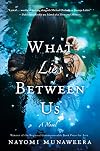
“What Lies Between Us,” by award-winning author Nayomi Munaweera, is a dark and atmospheric tale of trauma, dissociation, obsessive love, and psychosis masterfully narrated in exquisite prose. It is a novel of perceptive psychological depth, a novel of satisfying forensic texture, and a novel of superb emotional detail. But most important, it is a novel that richly showcases the author’s considerable literary talents.
The novel opens with a prologue in the form of a parable. It is the story of a Himalayan moon bear that is driven to kill her cub in a most gruesome way. It is a brief, shocking, and gut-wrenching tale. The author starts the book with this unsettling story because she says, “it tells us everything we need to know about the nature of love between a mother and a child.” Wow, what an incredibly outlandish statement! From then on, I was riveted to the book. I just had to know what that was all about.
After the prologue, the narrator plunges us into the strange and atmospheric tale of her life. She tells it as a first-person narration in the form of a confession. She has already served fifteen years in prison for a “grotesque” and “unthinkable” act against her own child. We are not told the exact nature of the crime (yet the parable at the beginning gives us significant foreshadowing of what might happen in the end). The book is the prisoner’s attempt to explain herself and her crime, to help us understand not only what she did, but also why show more she did it. She starts at the very beginning, when she “was a child and not yet the mother.”
The narrator chooses to tell us her story in first person present tense. Think about that; it’s very odd and awkward to tell a story in retrospect all in the present tense! It means that at any time during the story, the narrator only knows what she would have known at that age and time. In this story, that is important. As a result, the story unfolds as a clinically accurate psychological and forensic portrait of the criminal from her birth through to the crime and beyond.
The narrator was born into a Sinhalese Buddhist family in Kandy, Sri Lanka. She emigrated to Fremont, California when she was a teenager and went to college at a major university not far away. She began her post-college years as a young professional living on her own in San Francisco. She married. She had a child. Eventually, she committed her horrendous crime. She was sent to prison. She has remained in prison for fifteen years. She writes this confession from prison. That is the rough outline. But the novel is all about the considerable psychological and emotional detail that makes up this woman’s life.
This is a story of trauma, dissociation, and psychosis. It is also a story about obsessive love—the extremely dangerous type in which the loved one becomes the whole of another person’s interior. The type of love where someone “calibrates [her] days around his presence,” where she weaves her “life around him,” where he breaks her “heart with happiness.”
Personally, I think the novel is a formidable tour de force. The story is heartrending and the characters seem—in every way—like they could belong to real people in real-life situations. It is a dark subject, but psychologically enlightening.
For me, the greatest reward of reading this novel was not the theme or the tale, but the opportunity to experience the author’s elegant prose.
This book will make a fine selection for a book club. There is much depth and detail in it that will lend itself to discussion. Also, book club members may enjoy sharing with each other specific passages that excited their literary sensibilities. show less
The novel opens with a prologue in the form of a parable. It is the story of a Himalayan moon bear that is driven to kill her cub in a most gruesome way. It is a brief, shocking, and gut-wrenching tale. The author starts the book with this unsettling story because she says, “it tells us everything we need to know about the nature of love between a mother and a child.” Wow, what an incredibly outlandish statement! From then on, I was riveted to the book. I just had to know what that was all about.
After the prologue, the narrator plunges us into the strange and atmospheric tale of her life. She tells it as a first-person narration in the form of a confession. She has already served fifteen years in prison for a “grotesque” and “unthinkable” act against her own child. We are not told the exact nature of the crime (yet the parable at the beginning gives us significant foreshadowing of what might happen in the end). The book is the prisoner’s attempt to explain herself and her crime, to help us understand not only what she did, but also why show more she did it. She starts at the very beginning, when she “was a child and not yet the mother.”
The narrator chooses to tell us her story in first person present tense. Think about that; it’s very odd and awkward to tell a story in retrospect all in the present tense! It means that at any time during the story, the narrator only knows what she would have known at that age and time. In this story, that is important. As a result, the story unfolds as a clinically accurate psychological and forensic portrait of the criminal from her birth through to the crime and beyond.
The narrator was born into a Sinhalese Buddhist family in Kandy, Sri Lanka. She emigrated to Fremont, California when she was a teenager and went to college at a major university not far away. She began her post-college years as a young professional living on her own in San Francisco. She married. She had a child. Eventually, she committed her horrendous crime. She was sent to prison. She has remained in prison for fifteen years. She writes this confession from prison. That is the rough outline. But the novel is all about the considerable psychological and emotional detail that makes up this woman’s life.
This is a story of trauma, dissociation, and psychosis. It is also a story about obsessive love—the extremely dangerous type in which the loved one becomes the whole of another person’s interior. The type of love where someone “calibrates [her] days around his presence,” where she weaves her “life around him,” where he breaks her “heart with happiness.”
Personally, I think the novel is a formidable tour de force. The story is heartrending and the characters seem—in every way—like they could belong to real people in real-life situations. It is a dark subject, but psychologically enlightening.
For me, the greatest reward of reading this novel was not the theme or the tale, but the opportunity to experience the author’s elegant prose.
This book will make a fine selection for a book club. There is much depth and detail in it that will lend itself to discussion. Also, book club members may enjoy sharing with each other specific passages that excited their literary sensibilities. show less
“Golden Son” is Shilpi Somaya Gowda’s second novel; it follows her extremely successful 2011 debut novel, “Silent Daughter.” There are many fans eagerly awaiting its arrival; I’m confident they will be pleased. Gowda delivers a fascinating saga with realistic main characters, intelligent themes, and psychological complexity—in the end, I found this new fictional journey to be deeply affecting and emotionally satisfying. It should equal the success of her first novel in every way,
“Golden Son” follows the story of two main characters as they develop and change over three decades. One is Anil, the eldest son of a prosperous rural Indian farmer; the other is Leena, the only child of a lower caste farmer from the same village. The two begin life as very close childhood friends; however, as they develop into adulthood their lives take starkly different paths. Anil becomes a medical doctor and travels to America to complete his residency in Dallas, Texas. There he must adapt to a whole new culture and learn to interact appropriately with modern American values and sexually experienced American women.
Leena has a traditional marriage arranged for her by her parents. They only want the best for their daughter and are overjoyed when they find what they think is a prosperous farmer living in a village quite some distance from them. Leena’s parents are prepared to pay a substantial dowry if he agrees to marry her. They must keep the dowry a secret because the show more ancient tradition of a bride price has been criminalized in modern India. They borrow heavily to give their daughter a better life. Unfortunately, almost everything about the marriage is a sham. Leena ends up suffering considerable physical and emotional abuse at the hands of her husband and her new in-laws. There are so many things about her new family she does not understand. At first, she assumes that her troubles are her own fault. However, little-by-little, she pieces together the horrible history of her husband’s family before she came into their lives and why they needed to bring her into their family to resolve their problems.
The two main characters come together as adults when Anil makes a few trips back to India to take care of family matters. It is during his stays in India that Anil becomes interested once again in Leena and aware that her marital situation may be abusive. Should he rescue Leena? Has he fallen in love with her? Can a culturally adapted Indian-American doctor find happiness with a traditional rural Indian wife? Will Anil’s mother be disappointed if he marries someone of whome she does not approve and someone that she didn’t pick for him? Will Anil return to India to practice medicine or continue to live in the United States? These are only some of the many questions I asked myself as I rushed to finish the novel and find out what would become of Anil and Leena.
By the end of the book, I cared a great deal about both characters. I wanted the best for them. What happens is wonderful, but it is not at all what I expected. It’s one of those cases where the author takes her characters to a conclusion that most readers would never guess, but that all will be pleased with.
This is a book about tradition, honor, duty, and love. It is a book about the Indian-American immigrant experience. It is a book about the changing culture of rural India. It is a book about being true to one’s values and identity. But at its heart, it is a book about the importance of family…and, indeed, what it takes to make a family in today’s complicated world.
Gowda writes well-crafted, simple prose with abundant emotional depth. I rated her debut four stars, and I am doing the same to this second novel. Let me explain. My ratings for this author have been hybrids. That’s because Gowda’s books are hybrids. She writes prose that is somewhere squarely between popular fiction and literary fiction. She aspires to both. If I assessed her work only as popular fiction, then she’d get five stars; however, if I assessed her work as literary fiction, she’d get three stars. As a result, four stars seems a proper compromise. Her fans appear to want high-quality popular fiction and, with “Golden Son,” that is exactly what Gowda delivers. show less
“Golden Son” follows the story of two main characters as they develop and change over three decades. One is Anil, the eldest son of a prosperous rural Indian farmer; the other is Leena, the only child of a lower caste farmer from the same village. The two begin life as very close childhood friends; however, as they develop into adulthood their lives take starkly different paths. Anil becomes a medical doctor and travels to America to complete his residency in Dallas, Texas. There he must adapt to a whole new culture and learn to interact appropriately with modern American values and sexually experienced American women.
Leena has a traditional marriage arranged for her by her parents. They only want the best for their daughter and are overjoyed when they find what they think is a prosperous farmer living in a village quite some distance from them. Leena’s parents are prepared to pay a substantial dowry if he agrees to marry her. They must keep the dowry a secret because the show more ancient tradition of a bride price has been criminalized in modern India. They borrow heavily to give their daughter a better life. Unfortunately, almost everything about the marriage is a sham. Leena ends up suffering considerable physical and emotional abuse at the hands of her husband and her new in-laws. There are so many things about her new family she does not understand. At first, she assumes that her troubles are her own fault. However, little-by-little, she pieces together the horrible history of her husband’s family before she came into their lives and why they needed to bring her into their family to resolve their problems.
The two main characters come together as adults when Anil makes a few trips back to India to take care of family matters. It is during his stays in India that Anil becomes interested once again in Leena and aware that her marital situation may be abusive. Should he rescue Leena? Has he fallen in love with her? Can a culturally adapted Indian-American doctor find happiness with a traditional rural Indian wife? Will Anil’s mother be disappointed if he marries someone of whome she does not approve and someone that she didn’t pick for him? Will Anil return to India to practice medicine or continue to live in the United States? These are only some of the many questions I asked myself as I rushed to finish the novel and find out what would become of Anil and Leena.
By the end of the book, I cared a great deal about both characters. I wanted the best for them. What happens is wonderful, but it is not at all what I expected. It’s one of those cases where the author takes her characters to a conclusion that most readers would never guess, but that all will be pleased with.
This is a book about tradition, honor, duty, and love. It is a book about the Indian-American immigrant experience. It is a book about the changing culture of rural India. It is a book about being true to one’s values and identity. But at its heart, it is a book about the importance of family…and, indeed, what it takes to make a family in today’s complicated world.
Gowda writes well-crafted, simple prose with abundant emotional depth. I rated her debut four stars, and I am doing the same to this second novel. Let me explain. My ratings for this author have been hybrids. That’s because Gowda’s books are hybrids. She writes prose that is somewhere squarely between popular fiction and literary fiction. She aspires to both. If I assessed her work only as popular fiction, then she’d get five stars; however, if I assessed her work as literary fiction, she’d get three stars. As a result, four stars seems a proper compromise. Her fans appear to want high-quality popular fiction and, with “Golden Son,” that is exactly what Gowda delivers. show less
“Slade House,” by David Mitchell, is a brilliant little literary gem of exaggerated campy horror. It didn’t terrify me. It didn’t make my skin crawl. What it did—and very nicely indeed—was to make me smile at the author’s creative literary genius and delight in the eerie mood he so effectively made me feel from beginning to end.
While I was reading it, I kept thinking of the final scene in the classic 1958 American horror movie, “The Fly.” Remember that scene? It’s the one where the mad scientist has accidentally turned himself into a fly though botched teleportation—a common housefly got in the way as he was testing the device on himself. The scientist finds that his head has been reduced in size and fused onto the body of a fly…and much to his horror, he’s now caught—tight as a straightjacket—in a spider web. In the final scene, we see an enormous spider crawling toward him while the scientist screams—in a super high-pitched human-fly-voice—“He-e-e-e-e-lp me-e-e-e-e! He-e-e-e-e-lp me-e-e-e-e!” It’s pure camp and it’s unforgettably wonderful.
Well, in this new David Mitchell masterpiece, we get five refrains on the same campy horror theme. Each refrain is from a different victim’s first-person point of view. In the end of the chapters, just like with the mad scientist in “The Fly,” we get immobilized victims, fully aware of the horrible fate that is about to befall them. But it is all in literary fun—like in a house of show more horrors at Disneyland; this is not a true-to-form genre horror novel.
In “Slade House,” the victims are the prey of human twins who’ve turned themselves into “Soul Vampires.” The twins extend their lives by feeding off the souls of unique individuals who are particularly vulnerable to their black arts. First they locate their victims and then they lure them to “Slade House” on the appropriate day—always a fourth Saturday in October. In order to stay alive indefinitely, the twins need to feed on one soul, jointly, every nine years. Thus this book is divided into five chapters, each spaced exactly nine years apart and each taking place on the fourth Saturday in October.
The book starts in 1979 with “The Right Sort.” The victim in this story is a 13-year-old boy named Nathan Bishop. He’s gone with his pianist mother, Rita, to visit Lady Grayer at Slade House. Little do they know what they will find there. Nathan finds a boy his age to play chase with and Rita finds famous violinist Yehudi Menuhin to play a duet with. But that’s the last time that either of them will ever play.
The second chapter, “Shining Armor,” is set in 1988 and is told from middle-aged police inspector Gordon Edmond’s point of view. He’s investigating the disappearance of Nathan Bishop and his mother, Rita, some nine years earlier. Gordon stumbles quite naturally into Slade House. There he meets the comely and flirtatious Chloe Chetwynd. True to form, soon nothing is as it appears to be, including the seductive Chloe. Things go from good, to worse, to horrific.
The third chapter, “Oink Oink,” is set in 1997 and is narrated by 18-year-old chubby outcaste Sally Timms. She and five other college students belong to a paranormal society and are eager to experience some possible paranormal activity on the joint anniversaries of the disappearance of Nathan and Rita Bishop, in 1979, and Gordon Edmonds, in 1988. Both disappearances are linked to a mysterious “Slade House” that supposed to be very close to the pub where they are meeting. So far, nobody can locate it. Eventually, they do…and what do they find there? They find a terrific Halloween party in progress. How fitting!…and how dangerous.
Nine years later, in 2006, readers are in the head of Freya (“Fred”) Timms, Sally’s comfortably lesbian sister. Fred is out to investigate the disappearance of the famous “X-Files Six.” In particular, she wants to find out what happened to her sister, Sally. She interviews someone in a pub near where Slade House is supposed to be and learns a great deal—and so do we—about how the twins came about their skill in the black arts.
Finally, the book takes us to the present. It’s 2015. This final chapter is narrated by Dr. Iris Marinus-Levy, a psychiatrist—and as we later find out, a woman with much information and many tricks up her sleeve. Be prepared for an ending with a terrific twist, an ending that ties the whole together quite nicely.
The author has a gift for entertaining characterization and creative storytelling. Each character is a delightful satirical exaggeration.
I loved this book. I loved being in the mind of the five victims as they slowly came to the realization of what would be happing to them. I loved how the author connected the five stories to make a cohesive novel with a surprise twist at the end.
This was horror that delights. But the biggest delight of all was being in the creative mind of David Mitchell. He’s one enormously gifted author. I try to read everything he writes. show less
While I was reading it, I kept thinking of the final scene in the classic 1958 American horror movie, “The Fly.” Remember that scene? It’s the one where the mad scientist has accidentally turned himself into a fly though botched teleportation—a common housefly got in the way as he was testing the device on himself. The scientist finds that his head has been reduced in size and fused onto the body of a fly…and much to his horror, he’s now caught—tight as a straightjacket—in a spider web. In the final scene, we see an enormous spider crawling toward him while the scientist screams—in a super high-pitched human-fly-voice—“He-e-e-e-e-lp me-e-e-e-e! He-e-e-e-e-lp me-e-e-e-e!” It’s pure camp and it’s unforgettably wonderful.
Well, in this new David Mitchell masterpiece, we get five refrains on the same campy horror theme. Each refrain is from a different victim’s first-person point of view. In the end of the chapters, just like with the mad scientist in “The Fly,” we get immobilized victims, fully aware of the horrible fate that is about to befall them. But it is all in literary fun—like in a house of show more horrors at Disneyland; this is not a true-to-form genre horror novel.
In “Slade House,” the victims are the prey of human twins who’ve turned themselves into “Soul Vampires.” The twins extend their lives by feeding off the souls of unique individuals who are particularly vulnerable to their black arts. First they locate their victims and then they lure them to “Slade House” on the appropriate day—always a fourth Saturday in October. In order to stay alive indefinitely, the twins need to feed on one soul, jointly, every nine years. Thus this book is divided into five chapters, each spaced exactly nine years apart and each taking place on the fourth Saturday in October.
The book starts in 1979 with “The Right Sort.” The victim in this story is a 13-year-old boy named Nathan Bishop. He’s gone with his pianist mother, Rita, to visit Lady Grayer at Slade House. Little do they know what they will find there. Nathan finds a boy his age to play chase with and Rita finds famous violinist Yehudi Menuhin to play a duet with. But that’s the last time that either of them will ever play.
The second chapter, “Shining Armor,” is set in 1988 and is told from middle-aged police inspector Gordon Edmond’s point of view. He’s investigating the disappearance of Nathan Bishop and his mother, Rita, some nine years earlier. Gordon stumbles quite naturally into Slade House. There he meets the comely and flirtatious Chloe Chetwynd. True to form, soon nothing is as it appears to be, including the seductive Chloe. Things go from good, to worse, to horrific.
The third chapter, “Oink Oink,” is set in 1997 and is narrated by 18-year-old chubby outcaste Sally Timms. She and five other college students belong to a paranormal society and are eager to experience some possible paranormal activity on the joint anniversaries of the disappearance of Nathan and Rita Bishop, in 1979, and Gordon Edmonds, in 1988. Both disappearances are linked to a mysterious “Slade House” that supposed to be very close to the pub where they are meeting. So far, nobody can locate it. Eventually, they do…and what do they find there? They find a terrific Halloween party in progress. How fitting!…and how dangerous.
Nine years later, in 2006, readers are in the head of Freya (“Fred”) Timms, Sally’s comfortably lesbian sister. Fred is out to investigate the disappearance of the famous “X-Files Six.” In particular, she wants to find out what happened to her sister, Sally. She interviews someone in a pub near where Slade House is supposed to be and learns a great deal—and so do we—about how the twins came about their skill in the black arts.
Finally, the book takes us to the present. It’s 2015. This final chapter is narrated by Dr. Iris Marinus-Levy, a psychiatrist—and as we later find out, a woman with much information and many tricks up her sleeve. Be prepared for an ending with a terrific twist, an ending that ties the whole together quite nicely.
The author has a gift for entertaining characterization and creative storytelling. Each character is a delightful satirical exaggeration.
I loved this book. I loved being in the mind of the five victims as they slowly came to the realization of what would be happing to them. I loved how the author connected the five stories to make a cohesive novel with a surprise twist at the end.
This was horror that delights. But the biggest delight of all was being in the creative mind of David Mitchell. He’s one enormously gifted author. I try to read everything he writes. show less
This review was written for LibraryThing Early Reviewers.
There’s a special affinity between people who realize that they both suffer from some type of chronic illness: they know the other “gets it.” Even if their illnesses are quite dissimilar, it doesn’t matter: many of the same basic life destabilizing and disabling issues are still there. Two people like this connect in a special way and they can provide compassion, assistance, understanding, and empathy to each other that is a vital resource.
Unfortunately, not everyone with chronic illness gets a chance to meet others like them. Nor do they often find others with the right knowledge to offer advice. They suffer alone, surrounded by people who often love them a great deal but have a hard time empathizing with the full picture.
This book, “Living Well with Chronic Illness,” fills the gap. It offers a wellspring of advice on all the major aspects of living with a chronic illness. A woman who has suffered almost her entire adult life with Chronic Fatigue Syndrome writes it. She is a social worker licensed to practice psychotherapy. She currently works in the mental health department of a large California teaching hospital. A lot of research and patient experience went into the writing of this book.
For me, the best parts were those that offered psychological and emotional issues. But the book also addresses a number of physical, financial, legal and spiritual issues, as well.
The book is divided into four parts. Part one deals with emotional issues and has four show more chapters: 1) “Sadness, Hope Fear and Other Unexpected Feelings,” 2) “Attitude!” 3) “Hard Decisions, Mistakes, and Choices,” and 4) “Looking Good, Feeling Good: Your Body Image.” Part two is about “Practical Challenges,” and it has ten chapters: 1) “Information is Empowering,” 2) “How to Obtain Good Medical Care,” 3) Your Body Knows Best: Listen to It!” 4) “Take Care of Yourself,” 5) “Learning to Juggle: Orchestrating Your Life,” 6) “Overwhelmed? Create a Backup System,” 7) Relationships: What Did You Just Say? Dealing with Friends, Family, and Others,” 8) “I Want You. I Love You. I’m Sick,” 9) “Have Fun! Cut Your Own Hair and Beets are Awesome,” and 10) “Exploring Complementary Care.” Part three is about “Financial and Legal Matters” and it has three chapters: 1) “Money, Honey: Public and Private Benefits,” 2) “Speaking Up: Advocacy,” 3) You Have Rights: Important Laws That Protect You.” Part four is about “Spiritual Considerations,” and it has three chapters: 1) “Keeping the Faith,” 2) “I Am What I Am: Defining Ourselves,” and 3) “Unexpected Gifts.” The book also has “End Notes” and “References.”
I do not have a chronic illness but my husband does. I bought this book primarily to help me deal with him. He is not the type of person who would read a book like this on his own, but he will listen carefully to my advice…and this book has given me a great deal of sound information I can pass on to him in bits and pieces when the opportunity arises. I am glad I have it on hand.
I can’t say this is a five-star book on the subject because I’ve read no others like it. I can say that it was easy and often enjoyable to read, that it was compassionate, that it offers sound advice, and that there are sections that can serve as a resource when problems arise. show less
Unfortunately, not everyone with chronic illness gets a chance to meet others like them. Nor do they often find others with the right knowledge to offer advice. They suffer alone, surrounded by people who often love them a great deal but have a hard time empathizing with the full picture.
This book, “Living Well with Chronic Illness,” fills the gap. It offers a wellspring of advice on all the major aspects of living with a chronic illness. A woman who has suffered almost her entire adult life with Chronic Fatigue Syndrome writes it. She is a social worker licensed to practice psychotherapy. She currently works in the mental health department of a large California teaching hospital. A lot of research and patient experience went into the writing of this book.
For me, the best parts were those that offered psychological and emotional issues. But the book also addresses a number of physical, financial, legal and spiritual issues, as well.
The book is divided into four parts. Part one deals with emotional issues and has four show more chapters: 1) “Sadness, Hope Fear and Other Unexpected Feelings,” 2) “Attitude!” 3) “Hard Decisions, Mistakes, and Choices,” and 4) “Looking Good, Feeling Good: Your Body Image.” Part two is about “Practical Challenges,” and it has ten chapters: 1) “Information is Empowering,” 2) “How to Obtain Good Medical Care,” 3) Your Body Knows Best: Listen to It!” 4) “Take Care of Yourself,” 5) “Learning to Juggle: Orchestrating Your Life,” 6) “Overwhelmed? Create a Backup System,” 7) Relationships: What Did You Just Say? Dealing with Friends, Family, and Others,” 8) “I Want You. I Love You. I’m Sick,” 9) “Have Fun! Cut Your Own Hair and Beets are Awesome,” and 10) “Exploring Complementary Care.” Part three is about “Financial and Legal Matters” and it has three chapters: 1) “Money, Honey: Public and Private Benefits,” 2) “Speaking Up: Advocacy,” 3) You Have Rights: Important Laws That Protect You.” Part four is about “Spiritual Considerations,” and it has three chapters: 1) “Keeping the Faith,” 2) “I Am What I Am: Defining Ourselves,” and 3) “Unexpected Gifts.” The book also has “End Notes” and “References.”
I do not have a chronic illness but my husband does. I bought this book primarily to help me deal with him. He is not the type of person who would read a book like this on his own, but he will listen carefully to my advice…and this book has given me a great deal of sound information I can pass on to him in bits and pieces when the opportunity arises. I am glad I have it on hand.
I can’t say this is a five-star book on the subject because I’ve read no others like it. I can say that it was easy and often enjoyable to read, that it was compassionate, that it offers sound advice, and that there are sections that can serve as a resource when problems arise. show less
This review was written for LibraryThing Early Reviewers.
William Boyd is one of my favorite writers. For me, any new book by Boyd is a cause for celebration, a good reason to drop everything and schedule a few long days with nothing else to do but enjoy it. So, that’s exactly what I set out to do, but “Sweet Caress” took far longer for me to read than most of his books. This book wasn’t a complex character-driven literary mystery, nor was it a nail-biting suspense-filled thriller; this was a fictionalized literary memoir covering the greater part of a century. The main character, Amory Clay, an independent, attractive, professional photographer, led a complex and complicated life that brought her face-to-face with many of the key moments of 20th century history.
Amory’s life journey (from 1908 to 1983)—whether motivated by affairs of the heart or necessitated by a fascinating set of career challenges—takes her from London to Berlin, back to London, across the Atlantic to New York, back to London, on to Paris, then to the German WWII front lines, back to Paris, to the French countryside near Bordeaux, back to London, to the west coast of Scotland, many trips back and forth to London and Edinburgh, to Vietnam (during the war), back to Scotland, to Southern California and back to Scotland a few times, and finally back to Scotland to the small island of Barrendale (in reality a peninsula), off the far northeastern coast. I could tell you a bit about what motivates Amory to make these abrupt changes in location, but I show more don’t think it would help illuminate the literary merit of the book and it might lessen your enjoyment of the novel should you choose to read it. Perhaps it is enough to say that her life is complex and complicated…and like many women, much is motivated by her desire to live close to the men she loved.
With Amory, Boyd creates a fully authentic human being. I find it nearly impossible to believe any reviewer who says that she or he found this character unbelievable. Especially women reviewers who says they find Amory not appropriately female enough. Rubbish! There is much about Amory that reminds me of many women I know (including me), all of us highly intelligent and independent.
I’ll share one moment perhaps midway through the novel when Amory is visiting with her younger sister Dido, a concert pianist who travels the world and interacts with many famous musicians and conductors. Dido is also a devoted wife and mother of two children. The two sisters are in midlife when they have this conversation. They’re a little inebriated and the younger one brags to the older one that (so far) she’s made love to 53 different men. She asks Amory (who has a history of often risky behavior and an arrest record for obscene photography) how many men she’s slept with. Amory doesn’t tell her; she’s a bit ashamed at how few men fit this category in her life. But later that night she thinks about it and is amazed that her conservative younger sister has had more than 10 times the lovers she has had…and all the while, she’d thought she’d led the more risqué life!
Toward the end of the novel, Amory sums up her own life with these jumbled words: it was “rich and intensely sad, fascinating, droll, absurd and terrifying—sometimes—and difficult and painful and happy.” But at the same time, she remarks that most lives are equally as complicated as hers had been. “Any life of any reasonable length throws up all manner of complications, just as intricate.” If there is a theme to this novel, it must be this: we all lead amazingly complex and emotionally rich lives. But it takes a sublime writer like William Boyd to illuminate an everyday complicated life like Amory’s and make it into an emotionally satisfying and intriguing literary journey.
“Sweet Caress” is plainly and simply a sublime book! The title, no doubt, refers to the whole of a life, in this case, a sweet caress (despite it having been punctuated frequently by immense pain and suffering).
When I finished the story of Amory Clay, I felt a profound sense of loss: there would be no more to the story of this intriguing woman.
The book came wrapped in a marketing sleeve proclaiming: “The story of a woman / The story of a century / The novel of the year.” The first two are obviously correct; the last is pure hyperbole. This is certainly a masterful novel, but it will hardly be the “novel of the year.” I don’t even think it is one of Boyd’s best, but I am delighted that he wrote it and that I read it. I can imagine myself rereading this story sometime again in the distant future. I do that to all the outstanding books I savor. I envy you the experience you have before you to read it fresh for the first time. show less
Amory’s life journey (from 1908 to 1983)—whether motivated by affairs of the heart or necessitated by a fascinating set of career challenges—takes her from London to Berlin, back to London, across the Atlantic to New York, back to London, on to Paris, then to the German WWII front lines, back to Paris, to the French countryside near Bordeaux, back to London, to the west coast of Scotland, many trips back and forth to London and Edinburgh, to Vietnam (during the war), back to Scotland, to Southern California and back to Scotland a few times, and finally back to Scotland to the small island of Barrendale (in reality a peninsula), off the far northeastern coast. I could tell you a bit about what motivates Amory to make these abrupt changes in location, but I show more don’t think it would help illuminate the literary merit of the book and it might lessen your enjoyment of the novel should you choose to read it. Perhaps it is enough to say that her life is complex and complicated…and like many women, much is motivated by her desire to live close to the men she loved.
With Amory, Boyd creates a fully authentic human being. I find it nearly impossible to believe any reviewer who says that she or he found this character unbelievable. Especially women reviewers who says they find Amory not appropriately female enough. Rubbish! There is much about Amory that reminds me of many women I know (including me), all of us highly intelligent and independent.
I’ll share one moment perhaps midway through the novel when Amory is visiting with her younger sister Dido, a concert pianist who travels the world and interacts with many famous musicians and conductors. Dido is also a devoted wife and mother of two children. The two sisters are in midlife when they have this conversation. They’re a little inebriated and the younger one brags to the older one that (so far) she’s made love to 53 different men. She asks Amory (who has a history of often risky behavior and an arrest record for obscene photography) how many men she’s slept with. Amory doesn’t tell her; she’s a bit ashamed at how few men fit this category in her life. But later that night she thinks about it and is amazed that her conservative younger sister has had more than 10 times the lovers she has had…and all the while, she’d thought she’d led the more risqué life!
Toward the end of the novel, Amory sums up her own life with these jumbled words: it was “rich and intensely sad, fascinating, droll, absurd and terrifying—sometimes—and difficult and painful and happy.” But at the same time, she remarks that most lives are equally as complicated as hers had been. “Any life of any reasonable length throws up all manner of complications, just as intricate.” If there is a theme to this novel, it must be this: we all lead amazingly complex and emotionally rich lives. But it takes a sublime writer like William Boyd to illuminate an everyday complicated life like Amory’s and make it into an emotionally satisfying and intriguing literary journey.
“Sweet Caress” is plainly and simply a sublime book! The title, no doubt, refers to the whole of a life, in this case, a sweet caress (despite it having been punctuated frequently by immense pain and suffering).
When I finished the story of Amory Clay, I felt a profound sense of loss: there would be no more to the story of this intriguing woman.
The book came wrapped in a marketing sleeve proclaiming: “The story of a woman / The story of a century / The novel of the year.” The first two are obviously correct; the last is pure hyperbole. This is certainly a masterful novel, but it will hardly be the “novel of the year.” I don’t even think it is one of Boyd’s best, but I am delighted that he wrote it and that I read it. I can imagine myself rereading this story sometime again in the distant future. I do that to all the outstanding books I savor. I envy you the experience you have before you to read it fresh for the first time. show less
Ben McPherson’s debut novel, “A Line of Blood,” is a rich character-driven psychological mystery. I liked it quite a lot from the first page and my strong interest continued throughout most of the book. I particularly enjoyed its razor-sharp emotional tension and suspense. However, by the time I reached the ending, I was disappointed. I expected a book that good would come together in the end in some extremely effective way. But that’s not what happened…at least, not for me.
The writing and characterization were excellent. The dialogue was realistic. The story was captivating and dealt with realistic psychological dysfunctions. Where the book failed me was the details at the end: they didn’t fit together in as believable a fashion as they should have…and in many cases the revealed truth seemed all too contrived.
Even with this failing, it’s a book that I enjoyed quite a lot. As a result, I don’t want to ruin it for you here by telling you (or even hinting at) exactly what I found that was too far fetched. Perhaps you’ll like it better than me and not be too disturbed by the details. I’m a very careful reader who takes extensive notes as I read…notes that might be useful when I review a book. As a result, I’m keenly aware of the details of the puzzle and how they fit together. It’s a good ending, but given the high quality of the prose and the depth of the characterization, I expected more.
This book is the story of a family thrown into acute show more psychological crisis after the father and his eleven-year-old son discover the neighbor dead in his bathtub, an apparent victim of electrocution. It opens with the son chasing the family cat over the fence into the neighbor’s yard. Eventually, he follows the cat through the neighbor’s back door into the house. The father is not too far behind trying to stop his son from trespassing, but the boy ignores his father’s calls. By the time the father catches up to the son, they both discover something is very wrong: the ceiling over the living room is bowed and wet with water dripping down on the sofa below. They call, but nobody answers. Eventually, they investigate the source of the leak. That’s when they find the body. It’s a horrific scene and the father’s first concern is for the psychological damage this traumatic event might cause in his young son’s developing mind.
The subsequent police investigation turns up a steady stream of family secrets. Isn’t it true that nobody is ever who he or she seems to be? As the tension ratchets up, we learn of secrets that give motive to both parents as well as some other secondary characters.
This book could have had a strong four-and-a half-star rating, but given the ending, I can’t rate it any higher than three stars. McPherson is a talented writer. I would not hesitate to read another book by him. I’d just hope that the next time he’d pay more attention to getting the psychological and logistical details a bit more realistic. show less
The writing and characterization were excellent. The dialogue was realistic. The story was captivating and dealt with realistic psychological dysfunctions. Where the book failed me was the details at the end: they didn’t fit together in as believable a fashion as they should have…and in many cases the revealed truth seemed all too contrived.
Even with this failing, it’s a book that I enjoyed quite a lot. As a result, I don’t want to ruin it for you here by telling you (or even hinting at) exactly what I found that was too far fetched. Perhaps you’ll like it better than me and not be too disturbed by the details. I’m a very careful reader who takes extensive notes as I read…notes that might be useful when I review a book. As a result, I’m keenly aware of the details of the puzzle and how they fit together. It’s a good ending, but given the high quality of the prose and the depth of the characterization, I expected more.
This book is the story of a family thrown into acute show more psychological crisis after the father and his eleven-year-old son discover the neighbor dead in his bathtub, an apparent victim of electrocution. It opens with the son chasing the family cat over the fence into the neighbor’s yard. Eventually, he follows the cat through the neighbor’s back door into the house. The father is not too far behind trying to stop his son from trespassing, but the boy ignores his father’s calls. By the time the father catches up to the son, they both discover something is very wrong: the ceiling over the living room is bowed and wet with water dripping down on the sofa below. They call, but nobody answers. Eventually, they investigate the source of the leak. That’s when they find the body. It’s a horrific scene and the father’s first concern is for the psychological damage this traumatic event might cause in his young son’s developing mind.
The subsequent police investigation turns up a steady stream of family secrets. Isn’t it true that nobody is ever who he or she seems to be? As the tension ratchets up, we learn of secrets that give motive to both parents as well as some other secondary characters.
This book could have had a strong four-and-a half-star rating, but given the ending, I can’t rate it any higher than three stars. McPherson is a talented writer. I would not hesitate to read another book by him. I’d just hope that the next time he’d pay more attention to getting the psychological and logistical details a bit more realistic. show less
“The Offering,” by Salah el Moncef, is primarily a detailed character study about a brilliant poet with an unhinged mind due to traumatic brain injury. The book also contains a suspenseful, complex, and challenging psychological mystery. But most importantly, it is a novel of enormous literary beauty.
The story is told as a first-person narrative. It covers approximately a year and a half in the life of Tariq, an ambitious scholarly poet and philosopher of Tunisian descent living in France. The book is a collection of his recovered memories during this significant time period before the brain injury. We learn that in the months preceding the injury, Tariq suffers two catastrophic psychological events: first, his German wife abandons him without any warning whatsoever, emptying their home, and removing his children. Then later, the boys are killed in a harrowing catastrophe while on summer holiday with their father. What happens in Tariq’s life during this period, how and why the two boys are killed, and the detailed events in the last critical week prior to the catastrophe—all these form the baffling psychological puzzle underpinning this formidable tale of psychiatric dissociation and amnesia.
The first three-quarters of the novel are deeply introspective…sometimes to the point of psychological claustrophobia. But, in the last quarter of the book, it morphs into a page-turning psychological suspense thriller. The ending is so shocking it left me disoriented. show more It’s the type of ending that makes readers climb back into the body of the text to try to figure out what was missed. Frankly, it took me a while to work my way through the disorientation, but when I did, I was greatly impressed with what the author had achieved and how he had accomplished it.
This is one of those novels where it is very important to not give away too many of the plot points. The book must be read very carefully. Here is some information that may be helpful. All of this is clearly stated in the beginning of the book, yet it is easy to gloss over these important beginning words (thinking, perhaps, that they will certainly be repeated later) and then find yourself forgetting it all by the time you are well into the body of the text.
• The book begins with a long introduction (actually a detailed academic book review) by Mari Ruti. She is Professor of Critical Theory at the University of Toronto, where she teaches contemporary theory, psychoanalysis, continental philosophy, gender and sexuality studies, and popular culture. I assume what she writes is very close to how the author would like his book to be understood and appreciated. It may help to read this both before and again after finishing the book. You can trust that it does not give away any significant plot points.
• The book also begins with a foreword. It is by a man named Sami Mamlouk and dated March 2017. Obviously, given this date, Sami is a fictional character. We find out in the first section that he is Tariq’s chief assistant in the high-end Tunisian restaurant that the two operate in Bordeaux. Sami is an important character. Remember what he reveals in this introduction and track him carefully once he enters the plot. Remember that we are told in this foreword that the main character, Tarig, has committed suicide (sometime before 2017; the book ends in 2008) and his multimedia computer files were posthumously edited, translated, and reworked into the novel we are reading.
• The events that make up the body of the novel take place in France and Tunisia between mid 2006 and mid 2008.
• The novel has seven sections. The first and last sections have no designations. Section 2 is headed “Southwest ’06” and refers to events in Bordeaux in 2006; section 3 is “South ’07” and refers to events in Tunisia in 2007; sections 4 and 6 are both “North ’07” and refer to Paris in 2007; and section 5 is “West ’08” and refers to events taking place at the holistic medicine psychiatric facility in Brittany in 2008.
I hope these seemingly insignificant points help orient you within the context of the novel, particularly in the beginning. That’s where I found myself quite confused about who, where, and when.
Did I enjoy the novel? Definitely, but not always. It was certainly very difficult and slow to read, but I took great pleasure in experiencing the carefully crafted prose, poetic metaphors, and penetrating philosophical insights. I tend to seek out dark dramatic novels with strong literary overtones, so this aspect of the book held me enthrall. I also very much enjoy elaborate character studies—even those about characters that I don’t particularly like…and to tell you the truth, I did not like Tariq. In fact, I had a hard time feeling sympathetic toward him. He reminded me all too much of significant men in my youth who I had the foresight to abandon before they caused me more psychological harm.
Throughout the novel, I recognized him for all the qualities that he detests in his former self after his personality is transformed by the brain injury. At that point in the novel, he remembers who he used to be (i.e., the man we’ve invested over 300 pages getting to know) as “infinitely selfish and self-centered.” Yes, exactly; that’s what I’d been thinking about Tariq all along! The character’s prose is so introspective that it leaves no room for considering what other people are feeling. It is always, all about him. He is a poet and he feels his whole world profoundly through all his senses. He has keen insight into what he is feeling. His emotions are intense. But he is almost blind to the feelings and needs of the other significant people who share his life. That aspect of the book I found exceedingly difficult to bear.
Despite the book’s complexity and laser-sharp focus on the inner psychological landscape of the main character, the story kept me spellbound. The novel is like a large linked collection of fascinating everyday human interest “stories,” all told with enormous attention to sensory detail and literary perfection, and, naturally, all told from the same person’s impassioned and disturbingly intense point of view. The “stories” cover a complex web of subjects and emotions.
I could go on writing about this outstanding and most unusual novel for many pages, but I won’t and I shouldn’t. If my review has piqued your interest, by all means read this novel. I envy you the unique experience you are about ready to embark on. show less
The story is told as a first-person narrative. It covers approximately a year and a half in the life of Tariq, an ambitious scholarly poet and philosopher of Tunisian descent living in France. The book is a collection of his recovered memories during this significant time period before the brain injury. We learn that in the months preceding the injury, Tariq suffers two catastrophic psychological events: first, his German wife abandons him without any warning whatsoever, emptying their home, and removing his children. Then later, the boys are killed in a harrowing catastrophe while on summer holiday with their father. What happens in Tariq’s life during this period, how and why the two boys are killed, and the detailed events in the last critical week prior to the catastrophe—all these form the baffling psychological puzzle underpinning this formidable tale of psychiatric dissociation and amnesia.
The first three-quarters of the novel are deeply introspective…sometimes to the point of psychological claustrophobia. But, in the last quarter of the book, it morphs into a page-turning psychological suspense thriller. The ending is so shocking it left me disoriented. show more It’s the type of ending that makes readers climb back into the body of the text to try to figure out what was missed. Frankly, it took me a while to work my way through the disorientation, but when I did, I was greatly impressed with what the author had achieved and how he had accomplished it.
This is one of those novels where it is very important to not give away too many of the plot points. The book must be read very carefully. Here is some information that may be helpful. All of this is clearly stated in the beginning of the book, yet it is easy to gloss over these important beginning words (thinking, perhaps, that they will certainly be repeated later) and then find yourself forgetting it all by the time you are well into the body of the text.
• The book begins with a long introduction (actually a detailed academic book review) by Mari Ruti. She is Professor of Critical Theory at the University of Toronto, where she teaches contemporary theory, psychoanalysis, continental philosophy, gender and sexuality studies, and popular culture. I assume what she writes is very close to how the author would like his book to be understood and appreciated. It may help to read this both before and again after finishing the book. You can trust that it does not give away any significant plot points.
• The book also begins with a foreword. It is by a man named Sami Mamlouk and dated March 2017. Obviously, given this date, Sami is a fictional character. We find out in the first section that he is Tariq’s chief assistant in the high-end Tunisian restaurant that the two operate in Bordeaux. Sami is an important character. Remember what he reveals in this introduction and track him carefully once he enters the plot. Remember that we are told in this foreword that the main character, Tarig, has committed suicide (sometime before 2017; the book ends in 2008) and his multimedia computer files were posthumously edited, translated, and reworked into the novel we are reading.
• The events that make up the body of the novel take place in France and Tunisia between mid 2006 and mid 2008.
• The novel has seven sections. The first and last sections have no designations. Section 2 is headed “Southwest ’06” and refers to events in Bordeaux in 2006; section 3 is “South ’07” and refers to events in Tunisia in 2007; sections 4 and 6 are both “North ’07” and refer to Paris in 2007; and section 5 is “West ’08” and refers to events taking place at the holistic medicine psychiatric facility in Brittany in 2008.
I hope these seemingly insignificant points help orient you within the context of the novel, particularly in the beginning. That’s where I found myself quite confused about who, where, and when.
Did I enjoy the novel? Definitely, but not always. It was certainly very difficult and slow to read, but I took great pleasure in experiencing the carefully crafted prose, poetic metaphors, and penetrating philosophical insights. I tend to seek out dark dramatic novels with strong literary overtones, so this aspect of the book held me enthrall. I also very much enjoy elaborate character studies—even those about characters that I don’t particularly like…and to tell you the truth, I did not like Tariq. In fact, I had a hard time feeling sympathetic toward him. He reminded me all too much of significant men in my youth who I had the foresight to abandon before they caused me more psychological harm.
Throughout the novel, I recognized him for all the qualities that he detests in his former self after his personality is transformed by the brain injury. At that point in the novel, he remembers who he used to be (i.e., the man we’ve invested over 300 pages getting to know) as “infinitely selfish and self-centered.” Yes, exactly; that’s what I’d been thinking about Tariq all along! The character’s prose is so introspective that it leaves no room for considering what other people are feeling. It is always, all about him. He is a poet and he feels his whole world profoundly through all his senses. He has keen insight into what he is feeling. His emotions are intense. But he is almost blind to the feelings and needs of the other significant people who share his life. That aspect of the book I found exceedingly difficult to bear.
Despite the book’s complexity and laser-sharp focus on the inner psychological landscape of the main character, the story kept me spellbound. The novel is like a large linked collection of fascinating everyday human interest “stories,” all told with enormous attention to sensory detail and literary perfection, and, naturally, all told from the same person’s impassioned and disturbingly intense point of view. The “stories” cover a complex web of subjects and emotions.
I could go on writing about this outstanding and most unusual novel for many pages, but I won’t and I shouldn’t. If my review has piqued your interest, by all means read this novel. I envy you the unique experience you are about ready to embark on. show less
Does not address charitable giving to environmental causes
This is not a typical book review because I only got one-half-way through this book before I realized that the economics of Effective Altruism does not discuss the concept of donations to environmental causes. It is a set of principles that appear to be very useful for the large majority of charitable donors who give money to help improve human life and reduce human suffering in the near term. However, Effective Altruism appears to be blind to giving guidance on how best to choose to donate to environmental causes, i.e. causes that indirectly improve human life in the long term through providing funds to protect the planet’s ecosystem, i.e., it’s plants, animals, land, water, and atmosphere.
I’m not trying to convince anybody about the logic or correctness of donating to environmental causes as opposed to human causes; everyone has the right to his or her own reasoned moral decisions. This review is not about this choice. It is about informing those very few readers who are interested in environmental charities, that this book will not be useful to them.
Reading this book opened my eyes. I had no idea how few of us there were. It caused me to do a little research. I found out that environmental donors like me are part of only a very small minority. According to the agency Giving USA, only 2% of charitable donors give to protect the planet’s ecosystem, i.e., its plants, animals, land, water, and atmosphere. show more By protecting the environment, I assume these donors, like me, believe they are helping to improve human health and life everywhere…of course, one has to think of these gains in the long term. That’s a big part of why there is such a divide on this issue. Humans are naturally wired to be short-term thinkers. Only a very small number of us are naturally wired to be long-term thinkers. For some reason, I’ve been that way ever since I was a child. But even for me, long-term thinking takes considerable effort and can be emotionally challenging when it comes to decisions about charitable giving in a world filled with acute human suffering.
Humankind on this planet will not survive if natural systems are allowed to fail, and that is the focus of my charitable interest: trying to keep natural ecosystems healthy in order to keep humankind protected in the long term. I’m very happy that the 98% are out there are trying to alleviate human suffering in the short term; I hope they are happy that the other 2% of us are out there trying to help the environment for the long term. Together we are trying to make a better world for all. Let’s hope we are successful.
If any readers know of any books that give guidance on environmental charitable giving, please respond in the comments. show less
This is not a typical book review because I only got one-half-way through this book before I realized that the economics of Effective Altruism does not discuss the concept of donations to environmental causes. It is a set of principles that appear to be very useful for the large majority of charitable donors who give money to help improve human life and reduce human suffering in the near term. However, Effective Altruism appears to be blind to giving guidance on how best to choose to donate to environmental causes, i.e. causes that indirectly improve human life in the long term through providing funds to protect the planet’s ecosystem, i.e., it’s plants, animals, land, water, and atmosphere.
I’m not trying to convince anybody about the logic or correctness of donating to environmental causes as opposed to human causes; everyone has the right to his or her own reasoned moral decisions. This review is not about this choice. It is about informing those very few readers who are interested in environmental charities, that this book will not be useful to them.
Reading this book opened my eyes. I had no idea how few of us there were. It caused me to do a little research. I found out that environmental donors like me are part of only a very small minority. According to the agency Giving USA, only 2% of charitable donors give to protect the planet’s ecosystem, i.e., its plants, animals, land, water, and atmosphere. show more By protecting the environment, I assume these donors, like me, believe they are helping to improve human health and life everywhere…of course, one has to think of these gains in the long term. That’s a big part of why there is such a divide on this issue. Humans are naturally wired to be short-term thinkers. Only a very small number of us are naturally wired to be long-term thinkers. For some reason, I’ve been that way ever since I was a child. But even for me, long-term thinking takes considerable effort and can be emotionally challenging when it comes to decisions about charitable giving in a world filled with acute human suffering.
Humankind on this planet will not survive if natural systems are allowed to fail, and that is the focus of my charitable interest: trying to keep natural ecosystems healthy in order to keep humankind protected in the long term. I’m very happy that the 98% are out there are trying to alleviate human suffering in the short term; I hope they are happy that the other 2% of us are out there trying to help the environment for the long term. Together we are trying to make a better world for all. Let’s hope we are successful.
If any readers know of any books that give guidance on environmental charitable giving, please respond in the comments. show less
This review was written for LibraryThing Early Reviewers.
“Memory Box,” by Eva Lesko Natiello, is one terrific, fast-paced, and breathtakingly horrific psychological thrill ride! It’s also incredibly creepy. It’s a literary thriller that reads like a memoir. Masterfully crafted, it pulls its readers into an abyss of instability, obsession, deception, and madness.
I’m convinced that the less you know about this book going into it, the better. So, I’ll try very hard not to spoil it for you in this review. I strongly suggest that you resist reading reviews. Instead, use the Amazon “Look Inside” feature to read the prologue and first two chapters. If these beginning pages hook you, then this is a good sign you’re going to love the book as a whole. However, this book is not going to appeal to everyone. If you are one of those readers who must have all the major loose ends in a book resolved by the end, then this book is not for you; the ending will probably frustrate you. If you’re one of those readers who need to “like” the main character, forget it; you’ll start out being very sympathetic but those good feelings will soon disappear. If you are one of those analytical readers who reads a psychological thriller to gain a fictional experience to help understand better some diagnosable facet of human psychology…well, you may be disbelieving about how this plot unfolds.
You see, the bottom line about reading this book is that it’s not about the ending. It’s about experiencing the psychological suspense show more along the way to the ending. If I (or other reviewers) were to tell you bits and pieces about that journey, then it is bound to spoil the book for you in some important way. I won’t do that. I really enjoyed this book; I want you to enjoy it, too. It does have some flaws (what book doesn’t?), but if I discuss them here, I risk ruining the overall intense impact this book can have on you as a thoroughly fresh reader.
So what is this book like? Well, reading it felt very much like reading the 2013 nonfiction bestseller, “Brain on Fire: A Memoir of Madness.” That is a true-life memoir about a woman’s descent into madness as the result of a rare neurological disease that was eventually cured. That book, like this one, was frightening, immediate, extremely realistic, and very well written. Like it, this book unfolded in real time so the reader and the main character know only what the main character is experiencing in the present moment. If you enjoy “Memory Box,” please consider reading “Brain on Fire.” They’re two books cut to the same style and crafted from a similar fabric.
“Memory Box” also reminded me of three bestselling recent psychological thrillers: “Gone Girl,” “Girl on the Train,” and “The Silent Wife.” If you enjoyed one or more of these novels, there is a good chance you’ll love this book, too.
Even though this novel can be uneven and there are major loose ends with the plot that are left unresolved in the end, I still feel this book earns every one of its five stars just for being able to deliver and sustain a book-length experience that’s positively unputdownable. That is one of the hallmarks of an outstanding thriller and this book has that quality in spades.
“Memory Box” is a brilliant literary psychological thriller with chilling horror overtones. When the main character is being reflective, the prose can be remarkably rich and powerful. But what I enjoyed best about the prose was not these occasional wholly original metaphors, but rather the disturbing and consistently eerie feeling of out-of-control panic that permeates most of the text through dialog and action scenes.
Thankfully, the book contains an outstanding readers’ guide with sample book club questions. Going through these questions will help the reader better understand what he or she has experienced. In a book club environment, they will undoubtedly provoke passionate discussion and conjectures. I suspect that this book will be highly controversial yet thoroughly enjoyed by most. show less
I’m convinced that the less you know about this book going into it, the better. So, I’ll try very hard not to spoil it for you in this review. I strongly suggest that you resist reading reviews. Instead, use the Amazon “Look Inside” feature to read the prologue and first two chapters. If these beginning pages hook you, then this is a good sign you’re going to love the book as a whole. However, this book is not going to appeal to everyone. If you are one of those readers who must have all the major loose ends in a book resolved by the end, then this book is not for you; the ending will probably frustrate you. If you’re one of those readers who need to “like” the main character, forget it; you’ll start out being very sympathetic but those good feelings will soon disappear. If you are one of those analytical readers who reads a psychological thriller to gain a fictional experience to help understand better some diagnosable facet of human psychology…well, you may be disbelieving about how this plot unfolds.
You see, the bottom line about reading this book is that it’s not about the ending. It’s about experiencing the psychological suspense show more along the way to the ending. If I (or other reviewers) were to tell you bits and pieces about that journey, then it is bound to spoil the book for you in some important way. I won’t do that. I really enjoyed this book; I want you to enjoy it, too. It does have some flaws (what book doesn’t?), but if I discuss them here, I risk ruining the overall intense impact this book can have on you as a thoroughly fresh reader.
So what is this book like? Well, reading it felt very much like reading the 2013 nonfiction bestseller, “Brain on Fire: A Memoir of Madness.” That is a true-life memoir about a woman’s descent into madness as the result of a rare neurological disease that was eventually cured. That book, like this one, was frightening, immediate, extremely realistic, and very well written. Like it, this book unfolded in real time so the reader and the main character know only what the main character is experiencing in the present moment. If you enjoy “Memory Box,” please consider reading “Brain on Fire.” They’re two books cut to the same style and crafted from a similar fabric.
“Memory Box” also reminded me of three bestselling recent psychological thrillers: “Gone Girl,” “Girl on the Train,” and “The Silent Wife.” If you enjoyed one or more of these novels, there is a good chance you’ll love this book, too.
Even though this novel can be uneven and there are major loose ends with the plot that are left unresolved in the end, I still feel this book earns every one of its five stars just for being able to deliver and sustain a book-length experience that’s positively unputdownable. That is one of the hallmarks of an outstanding thriller and this book has that quality in spades.
“Memory Box” is a brilliant literary psychological thriller with chilling horror overtones. When the main character is being reflective, the prose can be remarkably rich and powerful. But what I enjoyed best about the prose was not these occasional wholly original metaphors, but rather the disturbing and consistently eerie feeling of out-of-control panic that permeates most of the text through dialog and action scenes.
Thankfully, the book contains an outstanding readers’ guide with sample book club questions. Going through these questions will help the reader better understand what he or she has experienced. In a book club environment, they will undoubtedly provoke passionate discussion and conjectures. I suspect that this book will be highly controversial yet thoroughly enjoyed by most. show less
I look forward to reading a Kellerman novel. They’re generally a fun experience. On the whole, I find them well-crafted, well-written, expertly plotted, rich with psychological detail, and focused almost entirely on telling a suspense-filled, fast-moving, and intriguing story. They’re the type of books readers devour for the pure enjoyment of being in the experience. You don’t read Kellerman to analyze or learn anything new or enlightening; his books are for pure storytelling pleasure.
But “The Murderer’s Daughter” put me off in the beginning; the main character genuinely repulsed me. It seemed that Dr. Grace Blades was a very cold, cunning, and manipulative woman. She’s presented as a brilliant and attractive thirty-four-year-old clinical psychologist specializing in the treatment of patients traumatized by crimes of violence. But we very soon learn that Grace leads a complex double life. In her clinical practice, she’s renowned for being able to deliver a unique level of intense and consistent empathy that heals deep psychological wounds. But in her private life, she the type of duplicitous femme fatale who stalks men and uses them as sexual objects for her own physical and psychological gratification. During her brief sexual encounters, she’s completely in charge and often leaves her quarry feeling humiliated and exploited. Undoubtedly, women like that probably exist, but I’ve never even come close to encountering one. I eventually enjoyed getting to show more know Grace between the covers of this book…but it took almost 100 pages for me to feel that way.
Obviously, Grace Blades is a woman with profound intimacy issues. That ends up being one of the key mysteries of the book: how did she get that way? I found that part intriguing, so I stuck with the book and I was not disappointed. The novel spends nearly half its length unraveling the deep psychological scars that underlie Grace’s odd way of coping with the world. It worked somewhat, but didn’t convince me completely.
The story starts with one of Grace’s sexual “victims” ending up murdered shortly after their brief encounter. They’d both been using false names and disguises, but there was something on the dead man’s body that quickly led the police to Grace’s West Hollywood clinical practice. This panics Grace: she can’t allow her private life to invade her business life. As a result, she withholds information from the police and begins an intense investigation on her own. But soon she’s caught in the crosshairs of a psychopathic murderer with apparent ties to her own troubled past as an orphan within the Los Angeles foster care system.
So, there are two simultaneous main mysteries in this book. The first one has to do with what type of past life might create a woman with deep intimacy and sexual issues like Grace; and the other one has to do with who murdered Grace’s last sexual partner and why is that person now trying to murder her? Together the two mysteries (and many minor ones along the way) create a very different and intriguing story with plenty of territory for Kellerman to display his outstanding talent with suspense and psychological detail.
One of the things I love about Kellerman novels are how enjoyable they are for those of us who know Los Angeles well. Most of his books, including this one, are set in Los Angeles and other major cities of California. He uses authentic streets, venues, districts, mini-cultures, and businesses. Personally, I’ve been to, visited, walked around, or explored more than 90% of the locations mentioned in this book. That made the experience of reading it highly personal…and yes, very enjoyable. Some of the scenes took place within walking distance of my home! How cool is that? And how he writes about these places is spot-on perfect: Kellerman’s L.A. is irresistibly alluring.
If there was one thing about this novel that bothered me at the end after all the main character’s psychological backstory has been revealed, it was that she still seemed only 80% authentic. The book was a compelling and fascinating clinical psychological portrait, but it was all still a bit too much of an exaggeration. But stretching the truth for a bang-up, heart-stopping fictional experience has to be okay, right? It’s not Kellerman’s best, but it should still appeal to his fans. I liked it quite a lot. show less
But “The Murderer’s Daughter” put me off in the beginning; the main character genuinely repulsed me. It seemed that Dr. Grace Blades was a very cold, cunning, and manipulative woman. She’s presented as a brilliant and attractive thirty-four-year-old clinical psychologist specializing in the treatment of patients traumatized by crimes of violence. But we very soon learn that Grace leads a complex double life. In her clinical practice, she’s renowned for being able to deliver a unique level of intense and consistent empathy that heals deep psychological wounds. But in her private life, she the type of duplicitous femme fatale who stalks men and uses them as sexual objects for her own physical and psychological gratification. During her brief sexual encounters, she’s completely in charge and often leaves her quarry feeling humiliated and exploited. Undoubtedly, women like that probably exist, but I’ve never even come close to encountering one. I eventually enjoyed getting to show more know Grace between the covers of this book…but it took almost 100 pages for me to feel that way.
Obviously, Grace Blades is a woman with profound intimacy issues. That ends up being one of the key mysteries of the book: how did she get that way? I found that part intriguing, so I stuck with the book and I was not disappointed. The novel spends nearly half its length unraveling the deep psychological scars that underlie Grace’s odd way of coping with the world. It worked somewhat, but didn’t convince me completely.
The story starts with one of Grace’s sexual “victims” ending up murdered shortly after their brief encounter. They’d both been using false names and disguises, but there was something on the dead man’s body that quickly led the police to Grace’s West Hollywood clinical practice. This panics Grace: she can’t allow her private life to invade her business life. As a result, she withholds information from the police and begins an intense investigation on her own. But soon she’s caught in the crosshairs of a psychopathic murderer with apparent ties to her own troubled past as an orphan within the Los Angeles foster care system.
So, there are two simultaneous main mysteries in this book. The first one has to do with what type of past life might create a woman with deep intimacy and sexual issues like Grace; and the other one has to do with who murdered Grace’s last sexual partner and why is that person now trying to murder her? Together the two mysteries (and many minor ones along the way) create a very different and intriguing story with plenty of territory for Kellerman to display his outstanding talent with suspense and psychological detail.
One of the things I love about Kellerman novels are how enjoyable they are for those of us who know Los Angeles well. Most of his books, including this one, are set in Los Angeles and other major cities of California. He uses authentic streets, venues, districts, mini-cultures, and businesses. Personally, I’ve been to, visited, walked around, or explored more than 90% of the locations mentioned in this book. That made the experience of reading it highly personal…and yes, very enjoyable. Some of the scenes took place within walking distance of my home! How cool is that? And how he writes about these places is spot-on perfect: Kellerman’s L.A. is irresistibly alluring.
If there was one thing about this novel that bothered me at the end after all the main character’s psychological backstory has been revealed, it was that she still seemed only 80% authentic. The book was a compelling and fascinating clinical psychological portrait, but it was all still a bit too much of an exaggeration. But stretching the truth for a bang-up, heart-stopping fictional experience has to be okay, right? It’s not Kellerman’s best, but it should still appeal to his fans. I liked it quite a lot. show less
Trompe L’Oeil (i.e., Optical Illusion), by Nancy Reisman, is an exquisite emotional and literary portrait of a family. The plot follows the lives of the Murphy family over the course of approximately thirty-five years. There’s James, the father; Nora, the mother; Theo, the oldest child and only son; Katy, the second child; Molly, the child who was killed in a pedestrian accident when she was four years old; and eventually, Sara and Dalia, two daughters born in quick succession after Molly’s death. The Murphys are an affluent, educated, and artistic New England family with ties to Boston, Cambridge, Wellesley, and Cape Cod. By all intents and purposes, they’re an ordinary privileged family made unique by having been forced to weather the extraordinary crisis of a child’s death.
At the beginning of the book, seemingly at the peak of the family’s happiness and vigor, Molly is tragically run over and killed by a truck while dashing across a street in Rome during a family vacation. She was only four years old. In an instant, the illusion of the family’s perfect life and expected future vanishes. Can one event change everything? Can one tragic event propel every individual in the family—both existing and not yet born—on to another trajectory? Can it keep affecting each life repeatedly and endlessly into the future?
If you read this elegant and sublime novel, you’ll come away answering, “Why, yes, of course!” The novel will help you understand and show more experience all the subtle ways that this can be true.
If there is a purpose or theme to this novel, it seems to be a demonstration that we are all in a state of perpetual transition; that life is an illusion that never stands still; that the “world as one knows it is only the world of a moment.”
This novel is told in the past tense by an anonymous narrator. At first, I thought the narrator was the author and that I would be reading a typical third-person omniscient narration. But that didn’t happen. And I was confused. And to add to the confusion, the author keep interjecting random strange chapters into the novel, each focusing on a very detailed physical and emotional description of different famous works of art. These short art chapters (there are 13 of them in a novel with a total of 76 chapters)—see the list of the art works at the end of this review—were narrated in the second person, i.e., using “you” as the voice. They exist, perhaps as a literary device, to pull the reader intimately into the novel, to make us believe that we are the ones doing the observing of each artwork…and then, by projection, that we are the fly-on-the-wall voyeurs, intimately peeking in on the lives of the Murphy family.
The primary narrator is never conclusively revealed. It could be the author or one of the characters in the novel. If so, it is no doubt Nora, because she emerges as the book’s main character and is the one most interested in art. Regardless, the narrator is human, not God-like. The narrator infers all human thought and emotions. The narrator is a keen analytical observer of life, nothing more. In some ways, the narrator is like a person in an art gallery. The narrator studies each scene in the lives of this family just like a visitor to an art gallery might stand in front of a painting and study it carefully, trying to infer all knowledge that can be inferred from the slightest clue.
This is an emotionally rich and meditative novel. The imagery is as precise and expressive as any of the famous works of art described in the thirteen art chapters. A great deal of care was taken in choosing exactly how each scene is described. Every word has purpose and weight.
This is an exquisite novel of subtle beauty and abundant depth. If it were a reading assignment in an advanced contemporary American literature seminar, I could think of any number of major concepts contained within it that easily could lend themselves to academic analysis.
As promised, here is a list of the famous works of art that are described in detail within this book. I suggest that you do an Internet image search on each work and have it in front of you, to study, while you read each of these chapters. Doing this will significantly increase your reading pleasure. It will also help pull you inside the story, inside the lives of these characters, so you become that analytical and empathetic “fly-on-the-wall voyeur” that the author want you to become. If there is any connection between these works of art and the story within the novel, it is that the main character, Nora, keeps a beloved shoebox full of museum gallery postcards of famous works of art just like these. She takes the box out and studies her art treasure photos whenever she needs quiet time by herself to recharge her emotional strength.
• Rome: Prospettiva, Franscesco Borromini (c. 1652-53), Palazzo Spada
• Rome: Maddalena Penitente, Domenico Fetti (early 17th century), Galleria Doria Pamphilj
• Rome: La Maddalena, Michelangelo Merisi da Caravaggio (1594-95), Galleria Doria Pamphilj
• Rome: The Ecstasy of Saint Teresa, Gian Lorenzo Bernini (c. 1647-52), Chiesa Di Santa Maria Della Vittoria
• Rome: Annunciazione, Fra Filippo Lippi (15th century), Galleria Doria Pamphilj
• Reproduction: The Magdalen Reading, Rogier van der Weyden (before 1438), National Gallery, London
• Rome: Pauline Bonaparte, Antonio Canova (early 19th century), Galleria Borghese
• Reproduction: Interior: Woman before a Window, Edouard Vuillard (c 1900), From a private collection
• Reproduction: Magdalena Poenitens (Penitent Magdalen), Joannes and Lucas van Doetecum after Pieter Brugel the Elder (1555-56), Etching with engraving
• Reproduction: Magdalen Reading, Follower of Piero de Cosimo (1500-20), Courtauld Gallery, London
• Rome: Apollo and Daphne, Gian Lorenzo Bernini (c. 1622-25), Galleria Borghese
• Reproduction: Interior with Pink Wallpaper I, plate five, Edouard Vuillard (1899), Art Institute of Chicago
• Rome: La Dama con Liocorno, Raffaello Sanzio da Urbino (1506), Galleria Borghese show less
At the beginning of the book, seemingly at the peak of the family’s happiness and vigor, Molly is tragically run over and killed by a truck while dashing across a street in Rome during a family vacation. She was only four years old. In an instant, the illusion of the family’s perfect life and expected future vanishes. Can one event change everything? Can one tragic event propel every individual in the family—both existing and not yet born—on to another trajectory? Can it keep affecting each life repeatedly and endlessly into the future?
If you read this elegant and sublime novel, you’ll come away answering, “Why, yes, of course!” The novel will help you understand and show more experience all the subtle ways that this can be true.
If there is a purpose or theme to this novel, it seems to be a demonstration that we are all in a state of perpetual transition; that life is an illusion that never stands still; that the “world as one knows it is only the world of a moment.”
This novel is told in the past tense by an anonymous narrator. At first, I thought the narrator was the author and that I would be reading a typical third-person omniscient narration. But that didn’t happen. And I was confused. And to add to the confusion, the author keep interjecting random strange chapters into the novel, each focusing on a very detailed physical and emotional description of different famous works of art. These short art chapters (there are 13 of them in a novel with a total of 76 chapters)—see the list of the art works at the end of this review—were narrated in the second person, i.e., using “you” as the voice. They exist, perhaps as a literary device, to pull the reader intimately into the novel, to make us believe that we are the ones doing the observing of each artwork…and then, by projection, that we are the fly-on-the-wall voyeurs, intimately peeking in on the lives of the Murphy family.
The primary narrator is never conclusively revealed. It could be the author or one of the characters in the novel. If so, it is no doubt Nora, because she emerges as the book’s main character and is the one most interested in art. Regardless, the narrator is human, not God-like. The narrator infers all human thought and emotions. The narrator is a keen analytical observer of life, nothing more. In some ways, the narrator is like a person in an art gallery. The narrator studies each scene in the lives of this family just like a visitor to an art gallery might stand in front of a painting and study it carefully, trying to infer all knowledge that can be inferred from the slightest clue.
This is an emotionally rich and meditative novel. The imagery is as precise and expressive as any of the famous works of art described in the thirteen art chapters. A great deal of care was taken in choosing exactly how each scene is described. Every word has purpose and weight.
This is an exquisite novel of subtle beauty and abundant depth. If it were a reading assignment in an advanced contemporary American literature seminar, I could think of any number of major concepts contained within it that easily could lend themselves to academic analysis.
As promised, here is a list of the famous works of art that are described in detail within this book. I suggest that you do an Internet image search on each work and have it in front of you, to study, while you read each of these chapters. Doing this will significantly increase your reading pleasure. It will also help pull you inside the story, inside the lives of these characters, so you become that analytical and empathetic “fly-on-the-wall voyeur” that the author want you to become. If there is any connection between these works of art and the story within the novel, it is that the main character, Nora, keeps a beloved shoebox full of museum gallery postcards of famous works of art just like these. She takes the box out and studies her art treasure photos whenever she needs quiet time by herself to recharge her emotional strength.
• Rome: Prospettiva, Franscesco Borromini (c. 1652-53), Palazzo Spada
• Rome: Maddalena Penitente, Domenico Fetti (early 17th century), Galleria Doria Pamphilj
• Rome: La Maddalena, Michelangelo Merisi da Caravaggio (1594-95), Galleria Doria Pamphilj
• Rome: The Ecstasy of Saint Teresa, Gian Lorenzo Bernini (c. 1647-52), Chiesa Di Santa Maria Della Vittoria
• Rome: Annunciazione, Fra Filippo Lippi (15th century), Galleria Doria Pamphilj
• Reproduction: The Magdalen Reading, Rogier van der Weyden (before 1438), National Gallery, London
• Rome: Pauline Bonaparte, Antonio Canova (early 19th century), Galleria Borghese
• Reproduction: Interior: Woman before a Window, Edouard Vuillard (c 1900), From a private collection
• Reproduction: Magdalena Poenitens (Penitent Magdalen), Joannes and Lucas van Doetecum after Pieter Brugel the Elder (1555-56), Etching with engraving
• Reproduction: Magdalen Reading, Follower of Piero de Cosimo (1500-20), Courtauld Gallery, London
• Rome: Apollo and Daphne, Gian Lorenzo Bernini (c. 1622-25), Galleria Borghese
• Reproduction: Interior with Pink Wallpaper I, plate five, Edouard Vuillard (1899), Art Institute of Chicago
• Rome: La Dama con Liocorno, Raffaello Sanzio da Urbino (1506), Galleria Borghese show less
I love beer. It’s a romance that began almost a half century ago when I had the opportunity to live in Germany for a year. That was way back in the late sixties when most Americans had no idea what a craft beer was, much less had the opportunity to taste one. But in Germany at that time every town and tiny village had its own brewery, often more than one. And in Germany, weekly draft beer deliveries to personal homes (by the case, in liter-sized growlers) were as common as milk deliveries were back home. Naturally in an environment like that I developed an unwavering taste for craft beer. Eventually, it grew into a life-long love affair.
Up until this book, I’ve never been tempted to read about beer other than the occasional magazine article here and there. But there’s a craft beer revolution going on in America. Where I live in the South Bay section of Los Angeles, it started about six years ago. It started with craft beer bars, continued with craft breweries popping up like mushrooms everywhere, and now, you can’t go into a trendy upscale restaurant without noticing that they all serve a fine selection of premium craft beers on draft.
At no time in American history has it been more important for craft beer lovers to learn about beer.
I’d seen Ashley Routson on TV a few times and read some articles by her. She’s a bigger than life character and certainly one of the most celebrated and highly sought-after beer tasters on the America scene. She’s also a woman show more with a fun attitude and a great personality. Her enthusiasm for beer (not to mention life) is contagious. When I heard she’d written a guide to beer, I had to have it.
I though I would be getting a cute and sassy type of reference book. And that would have been okay. But once I had it, I couldn’t stop reading it, cover to cover. She made it all fascinating. Of course I loved the subject matter and it taught me a great deal I did not know. But best, reading this book is like having Ashley Routson as a personal beer coach. And she’s the type of fun person that anyone—man or woman—would love to be around. Reading the book felt like being with her and having fun with her.
The first hundred pages instruct you, in detail, about every type of major craft beer broken down into nine broad categories. The second fifty-five-page section teaches you how to be a beer expert. You learn how it is brewed, what ingredients go into it, how to evaluate it, and most important, how to respect it. Finally, in the remaining almost one hundred-page section, she covers all the ways you can “have fun with beer.” This section includes beer-food pairing, cooking with beer, and mixing bar drinks with beer.
Every photo was phenomenal! They’re all on premium glossy paper and look incredibly mouth watering. I challenge you to read this marvelous book, taking in all those tantalizing photos, and not come away absolutely craving a few flights of the best available craft beers from your local beer bar. I admit that’s exactly what I did. show less
Up until this book, I’ve never been tempted to read about beer other than the occasional magazine article here and there. But there’s a craft beer revolution going on in America. Where I live in the South Bay section of Los Angeles, it started about six years ago. It started with craft beer bars, continued with craft breweries popping up like mushrooms everywhere, and now, you can’t go into a trendy upscale restaurant without noticing that they all serve a fine selection of premium craft beers on draft.
At no time in American history has it been more important for craft beer lovers to learn about beer.
I’d seen Ashley Routson on TV a few times and read some articles by her. She’s a bigger than life character and certainly one of the most celebrated and highly sought-after beer tasters on the America scene. She’s also a woman show more with a fun attitude and a great personality. Her enthusiasm for beer (not to mention life) is contagious. When I heard she’d written a guide to beer, I had to have it.
I though I would be getting a cute and sassy type of reference book. And that would have been okay. But once I had it, I couldn’t stop reading it, cover to cover. She made it all fascinating. Of course I loved the subject matter and it taught me a great deal I did not know. But best, reading this book is like having Ashley Routson as a personal beer coach. And she’s the type of fun person that anyone—man or woman—would love to be around. Reading the book felt like being with her and having fun with her.
The first hundred pages instruct you, in detail, about every type of major craft beer broken down into nine broad categories. The second fifty-five-page section teaches you how to be a beer expert. You learn how it is brewed, what ingredients go into it, how to evaluate it, and most important, how to respect it. Finally, in the remaining almost one hundred-page section, she covers all the ways you can “have fun with beer.” This section includes beer-food pairing, cooking with beer, and mixing bar drinks with beer.
Every photo was phenomenal! They’re all on premium glossy paper and look incredibly mouth watering. I challenge you to read this marvelous book, taking in all those tantalizing photos, and not come away absolutely craving a few flights of the best available craft beers from your local beer bar. I admit that’s exactly what I did. show less
“Being Mortal: Medicine and What Matters in the End,” by general surgeon Atul Gawande is a medical nonfiction book with a great deal of heart, humanity, and wisdom. This is the message at the core of this eloquent and compassionate book: when we are making medical decisions during a terminal illness it is best to focus on enabling well-being, not prolonging death.
I found the book fascinating and compelling; however, I was still disappointed. I wanted more analysis and more recommendations for political and societal change. What I got instead was a compelling set of human interest stories about people with terminal illnesses making medical choices that either prolonged their death at the expense of their well-being or the other way around.
I can easily see that this book would be an eye-opener for people who have very little or no experience with ushering a loved one through a terminal illness to their eventual death. I can also see how this book might be an eye-opener for people who have gone through a very negative experience with loved ones having their life prolonged at the expense of their well-being. But in my case, none of the stories in this book covered new ground. I have already traveled this road more times than most people would ever want to do in an entire lifetime. I know intimately what the slow downward spiral toward death is like in modern American medicine. I know about the frequent mistakes of prolonging life at the expense of well-being. But I’ve show more also learned much along the way, and I am now well-versed about how welcome palliative and hospice care can be for terminally ill loved ones. I know about the horrors of nursing homes and the shortcomings of assisted care facilities. I know about the benefits of being taken care of at home as much as possible and especially at the very end.
I thought this book would add to my knowledge of these matters. But it did not. It just increased my database of examples about what can happen to people as they face the many medical crises that occur while navigating the end stages of different types of debilitating terminal illness.
What was unique and beautiful about the stories in this book is that they were not just medical stories. They are stories that cover the full biographical, emotional, and psychological spectrum of people caught up in the crises of terminal illnesses. The author carefully discusses each major medical decision along the way and investigated how that decision contributed to, or subtracted from, the patient’s overall well-being. What was special was that the emphasis was always on the whole person, not on the illness.
I can understand how this book might be extremely useful for some people, but for me, it was not that helpful. For me, it was just a compassionate and beautifully written book about the state of death and dying in America at this time in our nation’s history. But I learned something that was heartening: there are many others like me. The affluent modern Western world is in a state of transition. More and more people are learning about the benefits of palliative and hospice care. More and more people are understanding the benefits of dying at home. More and more people are forcing their doctors to have difficult conversations about tradeoffs that might enhance their quality of life rather than prolonging their life. Many more realize that there is a better way to live while navigating the last, crisis-filled stages of life.
I recommend this book very highly to those who have not yet had much experience with all this. But for those of you who have already traveled this road, you do not need to relive it again with these stories…no matter how eloquently the author covers the subject. Instead, just get out and enjoy life. Treasure every simple everyday pleasure. Make your life about being happy in the moment. Life is short and very precious. show less
I found the book fascinating and compelling; however, I was still disappointed. I wanted more analysis and more recommendations for political and societal change. What I got instead was a compelling set of human interest stories about people with terminal illnesses making medical choices that either prolonged their death at the expense of their well-being or the other way around.
I can easily see that this book would be an eye-opener for people who have very little or no experience with ushering a loved one through a terminal illness to their eventual death. I can also see how this book might be an eye-opener for people who have gone through a very negative experience with loved ones having their life prolonged at the expense of their well-being. But in my case, none of the stories in this book covered new ground. I have already traveled this road more times than most people would ever want to do in an entire lifetime. I know intimately what the slow downward spiral toward death is like in modern American medicine. I know about the frequent mistakes of prolonging life at the expense of well-being. But I’ve show more also learned much along the way, and I am now well-versed about how welcome palliative and hospice care can be for terminally ill loved ones. I know about the horrors of nursing homes and the shortcomings of assisted care facilities. I know about the benefits of being taken care of at home as much as possible and especially at the very end.
I thought this book would add to my knowledge of these matters. But it did not. It just increased my database of examples about what can happen to people as they face the many medical crises that occur while navigating the end stages of different types of debilitating terminal illness.
What was unique and beautiful about the stories in this book is that they were not just medical stories. They are stories that cover the full biographical, emotional, and psychological spectrum of people caught up in the crises of terminal illnesses. The author carefully discusses each major medical decision along the way and investigated how that decision contributed to, or subtracted from, the patient’s overall well-being. What was special was that the emphasis was always on the whole person, not on the illness.
I can understand how this book might be extremely useful for some people, but for me, it was not that helpful. For me, it was just a compassionate and beautifully written book about the state of death and dying in America at this time in our nation’s history. But I learned something that was heartening: there are many others like me. The affluent modern Western world is in a state of transition. More and more people are learning about the benefits of palliative and hospice care. More and more people are understanding the benefits of dying at home. More and more people are forcing their doctors to have difficult conversations about tradeoffs that might enhance their quality of life rather than prolonging their life. Many more realize that there is a better way to live while navigating the last, crisis-filled stages of life.
I recommend this book very highly to those who have not yet had much experience with all this. But for those of you who have already traveled this road, you do not need to relive it again with these stories…no matter how eloquently the author covers the subject. Instead, just get out and enjoy life. Treasure every simple everyday pleasure. Make your life about being happy in the moment. Life is short and very precious. show less
“The Gates of Evangeline,” by debut novelist Hester Young, is an entertaining, suspense-filled paranormal Southern Gothic mystery; it also has a delightful romance at the core. What I liked most was the very sympathetic and multi-dimensional female main character, Charlotte (Charlie) Gate. I couldn’t help but believe in her, even though she sees and interacts with the ghosts of young children. That I was able to believe in this character just goes to prove how successful the author was in being able to manipulate me, through the craft of fiction, and help me to escape into another reality.
Besides the empathetic and authentic main character, the book is just a good, suspenseful, slightly eerie, and very sentimental story. It was the type of story specifically designed, in every detail, to appeal to the emotional lives of women. And that’s what I am, a woman. Frankly, I couldn’t resist. The author hooked me in and I read it quickly and with pleasure over the next three days. It’s the type of book that seems tailor-made to please the summer women’s fiction marketplace.
Like most women’s fiction, this book is filled with a lot of heart, humanity, romance, and sentiment. It tells the story of four months in the life of Charlie Gates, a cosmopolitan, thirty-eight-year-old New York crime and fashion magazine journalist, who is assigned to write a book about a cold-case child disappearance that took place in the bayous of Louisiana thirty years ago. The case show more concerns a two-year-old boy named Gabriel Deveau who disappeared from his wealthy family’s estate, Evangeline. There was a ransom note and many possible leads, but no body was ever found and nobody was every arrested. At the time, the case garnered nationwide attention. Now, the boy’s two sisters want to capitalize on the notoriety of the case by publishing a book about it. Charlie is the journalist assigned to the job.
Charlie agrees to take the job after having a dream during which she believes she saw and spoke with the ghost of the disappeared boy. Up until this point in her life, she had never had a vision and didn’t believe in ghosts or psychics. At first, she’s incredulous. But then she talks to her grandmother and finds out that the women in her family have often been blessed with the ability to see visions of the past and future. In Charlie’s case, her visions began shortly after the trauma of losing her own very young child, Keegan, to a brain aneurysm.
While she gathers material to write the book, Charlie is invited to live on the Evangeline estate. As she soon discovers, “Gabriel Deveau is just another name in more than a hundred and sixty years of pain and sadness at Evangeline.” There she meets all the surviving eccentric Deveau family members, as well as the large number of staff members employed to run the estate. There seem to be suspects and hidden danger everywhere. There is also a terrific romance just waiting in the sidelines and it, too, is surrounded by mystery and danger.
Read the book for the pure pleasure of escaping inside a good suspense-laden romantic mystery. It’s summer. Take a vacation through reading. Treat yourself to getting lost in another reality. show less
Besides the empathetic and authentic main character, the book is just a good, suspenseful, slightly eerie, and very sentimental story. It was the type of story specifically designed, in every detail, to appeal to the emotional lives of women. And that’s what I am, a woman. Frankly, I couldn’t resist. The author hooked me in and I read it quickly and with pleasure over the next three days. It’s the type of book that seems tailor-made to please the summer women’s fiction marketplace.
Like most women’s fiction, this book is filled with a lot of heart, humanity, romance, and sentiment. It tells the story of four months in the life of Charlie Gates, a cosmopolitan, thirty-eight-year-old New York crime and fashion magazine journalist, who is assigned to write a book about a cold-case child disappearance that took place in the bayous of Louisiana thirty years ago. The case show more concerns a two-year-old boy named Gabriel Deveau who disappeared from his wealthy family’s estate, Evangeline. There was a ransom note and many possible leads, but no body was ever found and nobody was every arrested. At the time, the case garnered nationwide attention. Now, the boy’s two sisters want to capitalize on the notoriety of the case by publishing a book about it. Charlie is the journalist assigned to the job.
Charlie agrees to take the job after having a dream during which she believes she saw and spoke with the ghost of the disappeared boy. Up until this point in her life, she had never had a vision and didn’t believe in ghosts or psychics. At first, she’s incredulous. But then she talks to her grandmother and finds out that the women in her family have often been blessed with the ability to see visions of the past and future. In Charlie’s case, her visions began shortly after the trauma of losing her own very young child, Keegan, to a brain aneurysm.
While she gathers material to write the book, Charlie is invited to live on the Evangeline estate. As she soon discovers, “Gabriel Deveau is just another name in more than a hundred and sixty years of pain and sadness at Evangeline.” There she meets all the surviving eccentric Deveau family members, as well as the large number of staff members employed to run the estate. There seem to be suspects and hidden danger everywhere. There is also a terrific romance just waiting in the sidelines and it, too, is surrounded by mystery and danger.
Read the book for the pure pleasure of escaping inside a good suspense-laden romantic mystery. It’s summer. Take a vacation through reading. Treat yourself to getting lost in another reality. show less
“Fuzzy Mud,” by Newbery-Medal-winning author Louis Sachar, is an exciting ecological thriller for kids ten and older. It’s mostly a serious drama, but the book is also laced with just the right amount of quirky humor to offset the tension, suspense, and terror.
The book is noteworthy because of the complex set of serious social, scientific, political, and moral issues it touches upon as literary themes. Mostly, the book deals with the dangers of genetically modified organisms. But it also spurs thought about world overpopulation, the worldwide need for alternative energy sources, the occasional failure of government oversight of scientific development, and the frequent real-world need to have to make difficult decisions between two or more negative outcomes.
As an adult reader, I found it fascinating to see how Sachar deftly handles these complex themes in a delightful, scary, and simple plot that makes the whole not only appropriate and interesting for children, but also just plain fun to read.
The story has three main characters: an exceptionally bright fifth-grade girl and two troubled seventh-grade boys. They all attend Woodridge Academy, an elite private school in the beautiful woodlands of Pennsylvania. The school is a combined elementary and middle school. It’s small, so it’s the type of school where everybody knows everybody…sort of like a big family. But unfortunately, it’s still possible in a small school like that for a kid to sit alone at lunch show more and always get picked on by the school bully with nobody doing anything to help.
Woodridge is located at the edge of a forest. All the school kids are forbidden to go into the woods. They are warned how easy it might be for them to get lost, fall into a ravine, or get attacked by a wild animal. And they all love to tell scary stories to each other about the crazy hermit who is rumored to live there.
Tamaya Dhilwaddi is an exceptionally smart fifth grader. And, as we learn later, she’s also very brave, loyal, and kind. She’s attending Woodridge on full scholarship. Marshall Walsh and Chad Hilligas are both outcast seventh graders. Marshall’s a pathetic kid, the type with no friends who eats alone at lunch and feels like his life is cursed. In Marshall’s case, his life is cursed because Chad, the school bully, has targeted him for daily humiliation. Chad is an outcast, too. Nobody likes a bully. He’s attending Woodridge because he’s been kicked out of his last three schools. If his parents didn’t pay to send him to Woodridge, his only other option would be to attend school in a juvenile detention facility.
These three kids end up being at the center of a worldwide ecological disaster involving a very dangerous mutated strain of a beneficial genetically modified organism. The single-celled organism was created from a DNA-modified strain of slime mold at a secluded scientific laboratory, euphemistically called SunRay Farm. The lab is located on the other side of the woods about thirty miles from Woodridge Academy. After mutating, the organism escaped and is now living in the woods near the school. The organism was designed as an inexpensive inexhaustible energy source, but in its mutated state, it’s a devastating threat to all other living organisms.
“Fuzzy Mud” is a fun scary story with a lot of heart and a lot of unexpected plot twists; it’s also full of sympathetic and realistic characters. The book promotes good moral values for individuals and governments. It also encouraged kids to think about important contemporary social issues and perhaps to ask their parents and teachers for more information about those subjects. This book should appeal to bright, science-minded kids as well as to the “outsider kid” in just about everyone. show less
The book is noteworthy because of the complex set of serious social, scientific, political, and moral issues it touches upon as literary themes. Mostly, the book deals with the dangers of genetically modified organisms. But it also spurs thought about world overpopulation, the worldwide need for alternative energy sources, the occasional failure of government oversight of scientific development, and the frequent real-world need to have to make difficult decisions between two or more negative outcomes.
As an adult reader, I found it fascinating to see how Sachar deftly handles these complex themes in a delightful, scary, and simple plot that makes the whole not only appropriate and interesting for children, but also just plain fun to read.
The story has three main characters: an exceptionally bright fifth-grade girl and two troubled seventh-grade boys. They all attend Woodridge Academy, an elite private school in the beautiful woodlands of Pennsylvania. The school is a combined elementary and middle school. It’s small, so it’s the type of school where everybody knows everybody…sort of like a big family. But unfortunately, it’s still possible in a small school like that for a kid to sit alone at lunch show more and always get picked on by the school bully with nobody doing anything to help.
Woodridge is located at the edge of a forest. All the school kids are forbidden to go into the woods. They are warned how easy it might be for them to get lost, fall into a ravine, or get attacked by a wild animal. And they all love to tell scary stories to each other about the crazy hermit who is rumored to live there.
Tamaya Dhilwaddi is an exceptionally smart fifth grader. And, as we learn later, she’s also very brave, loyal, and kind. She’s attending Woodridge on full scholarship. Marshall Walsh and Chad Hilligas are both outcast seventh graders. Marshall’s a pathetic kid, the type with no friends who eats alone at lunch and feels like his life is cursed. In Marshall’s case, his life is cursed because Chad, the school bully, has targeted him for daily humiliation. Chad is an outcast, too. Nobody likes a bully. He’s attending Woodridge because he’s been kicked out of his last three schools. If his parents didn’t pay to send him to Woodridge, his only other option would be to attend school in a juvenile detention facility.
These three kids end up being at the center of a worldwide ecological disaster involving a very dangerous mutated strain of a beneficial genetically modified organism. The single-celled organism was created from a DNA-modified strain of slime mold at a secluded scientific laboratory, euphemistically called SunRay Farm. The lab is located on the other side of the woods about thirty miles from Woodridge Academy. After mutating, the organism escaped and is now living in the woods near the school. The organism was designed as an inexpensive inexhaustible energy source, but in its mutated state, it’s a devastating threat to all other living organisms.
“Fuzzy Mud” is a fun scary story with a lot of heart and a lot of unexpected plot twists; it’s also full of sympathetic and realistic characters. The book promotes good moral values for individuals and governments. It also encouraged kids to think about important contemporary social issues and perhaps to ask their parents and teachers for more information about those subjects. This book should appeal to bright, science-minded kids as well as to the “outsider kid” in just about everyone. show less
“Crooked Heart,” by Lissa Evans, is a thoroughly charming and heartwarming dark dramatic comedy set among the chaos of WWII’s London Blitz. It’s about two desperate souls from different worlds who stumble into each other’s lives and manage to work their way into each other’s hearts. It’s a delightful comedy with a big heart and a happy ending. It’s not a laugh-out-loud comedy, but rather one in which I smiled a lot…especially at the all the good humanity that can be found, even in times of war.
The book tells the simple story of how Noel Bostock and Vera Sedge became family. Noel is a brilliant, lonely, grieving, ten-year-old upper-class orphan who is evacuated out of London during the beginning days of the Blitz. He ends up in the city’s poor suburban outskirts. After a full day of being marched around the town with no family agreeing to take him in, Noel finds a bed with scheming and streetwise Vera. She agrees to take him in because she knows she can use Noel’s odd behaviors to help her earn some extra cash.
Vera is a thirty-six-year-old widow with two family members already at home, dependent on her care. It’s not easy making a living when you’re from the working poor and there’s a war going on. She’s a woman who has learned how to use the war to her advantage Along with hoards of other people, Vera has learned how to profit from the chaos of war. At first she forces Noel to help her solicit donations under false pretenses. They go door to show more door asking for money for charities like “The Dunkirk Widows and Orphans” fund. It’s easy cash, especially with Noel taught to play the part of her deaf and dumb nitwit son. She doesn’t want him talking because then he’d give them away with his posh, upper-class accent.
Noel is mature and moral beyond his years. It takes him a while to learn that some things can be legally wrong, but morally right. As the book progresses, he meets some other shady characters who are also profiting from the chaos of war. But both of these people are involved in truly bad crimes, with real victims. He can easily tell the difference. He learns that even though Vera may have looked like she had a “crocked heart,” she’s still a decent loving human being, and definitely a woman who has earned his lifelong love and trust.
This book has received a great deal of prepublication praise, so I came to it with unusually high expectations. What I found was a very well written book, with outstanding character development, and an endearing (if also somewhat sentimental) plot. It wasn’t quite five stars, but I was thoroughly charmed nonetheless. show less
The book tells the simple story of how Noel Bostock and Vera Sedge became family. Noel is a brilliant, lonely, grieving, ten-year-old upper-class orphan who is evacuated out of London during the beginning days of the Blitz. He ends up in the city’s poor suburban outskirts. After a full day of being marched around the town with no family agreeing to take him in, Noel finds a bed with scheming and streetwise Vera. She agrees to take him in because she knows she can use Noel’s odd behaviors to help her earn some extra cash.
Vera is a thirty-six-year-old widow with two family members already at home, dependent on her care. It’s not easy making a living when you’re from the working poor and there’s a war going on. She’s a woman who has learned how to use the war to her advantage Along with hoards of other people, Vera has learned how to profit from the chaos of war. At first she forces Noel to help her solicit donations under false pretenses. They go door to show more door asking for money for charities like “The Dunkirk Widows and Orphans” fund. It’s easy cash, especially with Noel taught to play the part of her deaf and dumb nitwit son. She doesn’t want him talking because then he’d give them away with his posh, upper-class accent.
Noel is mature and moral beyond his years. It takes him a while to learn that some things can be legally wrong, but morally right. As the book progresses, he meets some other shady characters who are also profiting from the chaos of war. But both of these people are involved in truly bad crimes, with real victims. He can easily tell the difference. He learns that even though Vera may have looked like she had a “crocked heart,” she’s still a decent loving human being, and definitely a woman who has earned his lifelong love and trust.
This book has received a great deal of prepublication praise, so I came to it with unusually high expectations. What I found was a very well written book, with outstanding character development, and an endearing (if also somewhat sentimental) plot. It wasn’t quite five stars, but I was thoroughly charmed nonetheless. show less
What would you do if you learned you were dying of fourth-stage liver cancer and had only a few months to live? That’s the compelling story behind “100 Days of Happiness,” by Fausto Brizzi—a novel that quickly became a bestseller in Italy and is now available in the U.S. in English translation. Contrary to expectations, it’s a delightful and impishly entertaining novel overflowing with joy for the simple everyday pleasures in life. It’s fabulously funny and full of fascinating true-to-life characters. Yes, it’s bittersweet. And it’s definitely uplifting, too. But is it worth reading? Absolutely!
This is a book with such realistic characters I wanted to book a trip to Rome just to visit the main character’s family and friends and to see how they were all getting on with their lives.
The novel is set in contemporary Rome. The main character, Lucio Battistini, earns his paycheck as a fitness instructor, but his passion is working as a volunteer water-polo coach for one of the city’s many youth leagues. Lucio is a father of two charming small children, a nine-year-old boy and a six-year-old girl. He is also, very regrettably at the time of his diagnosis, a husband whose wife has recently caught him cheating with one of the women at the gym. No sooner is he diagnosed than his wife, Paola, kicks him out of the house. In the 100 days he has remaining, Lucio wants nothing more than to earn his wife’s forgiveness and win back her love. As the time ticks by, show more he makes lists of other things he wants to accomplish, but it always comes back to winning back Paola’s love.
Read this novel for it’s life-affirming story; read it for the pure joy of celebrating life; but don’t read it if you want to learn (realistically and in detail) what it is like to go through the last 100 days of liver cancer metastasized to the lungs. This is not that type of book. This is not a medical story. This is a book about relationships and love.
But this is also a book about assisted suicide. The author tells you right in the beginning exactly when Lucio dies, and at least midway through the book, he tells you how and where his death will occur. So it’s no spoiler to tell you that this book is also very much about being legally allowed to die with dignity. Of course this is a procedure that is absolutely forbidden in Catholic-dominated Italy. The book makes a good case for the humanity of this procedure and the fact that this theme forms a small part of the story arc of this novel may be one of the reasons why it was such a hit in Italy. It comes at a time when people all over the world are demanding that laws be changed to permit less painful, less traumatic, and more dignified exits.
The fact that the author tells you the exact moment of his death at the beginning of the book, also gives you a hint about what may take place in the epilogue, aptly named, “Afterward.”
I took great pleasure in this book. It’s funny and wise. It helped me focus on what truly matters in life. Life is not about achieving wealth, fame, and status; it’s about character. It’s about the good relationships of love and friendship that we form along the way. show less
This is a book with such realistic characters I wanted to book a trip to Rome just to visit the main character’s family and friends and to see how they were all getting on with their lives.
The novel is set in contemporary Rome. The main character, Lucio Battistini, earns his paycheck as a fitness instructor, but his passion is working as a volunteer water-polo coach for one of the city’s many youth leagues. Lucio is a father of two charming small children, a nine-year-old boy and a six-year-old girl. He is also, very regrettably at the time of his diagnosis, a husband whose wife has recently caught him cheating with one of the women at the gym. No sooner is he diagnosed than his wife, Paola, kicks him out of the house. In the 100 days he has remaining, Lucio wants nothing more than to earn his wife’s forgiveness and win back her love. As the time ticks by, show more he makes lists of other things he wants to accomplish, but it always comes back to winning back Paola’s love.
Read this novel for it’s life-affirming story; read it for the pure joy of celebrating life; but don’t read it if you want to learn (realistically and in detail) what it is like to go through the last 100 days of liver cancer metastasized to the lungs. This is not that type of book. This is not a medical story. This is a book about relationships and love.
But this is also a book about assisted suicide. The author tells you right in the beginning exactly when Lucio dies, and at least midway through the book, he tells you how and where his death will occur. So it’s no spoiler to tell you that this book is also very much about being legally allowed to die with dignity. Of course this is a procedure that is absolutely forbidden in Catholic-dominated Italy. The book makes a good case for the humanity of this procedure and the fact that this theme forms a small part of the story arc of this novel may be one of the reasons why it was such a hit in Italy. It comes at a time when people all over the world are demanding that laws be changed to permit less painful, less traumatic, and more dignified exits.
The fact that the author tells you the exact moment of his death at the beginning of the book, also gives you a hint about what may take place in the epilogue, aptly named, “Afterward.”
I took great pleasure in this book. It’s funny and wise. It helped me focus on what truly matters in life. Life is not about achieving wealth, fame, and status; it’s about character. It’s about the good relationships of love and friendship that we form along the way. show less
“Wild Ones,” by C. Alexander London, is a perfectly delightful and humorous novel for children from eight to twelve. It’s set in an endearing Disney-like world of anthropomorphic animals. There are all types of creatures: raccoons, rats, mice, owls, herons, turtles, pigeons, moles, cats, snakes, alligators, dogs, and many more. I can easily visualize each of these characters as if it were an animated cartoon character in a children’s movie or some fun animated 3-D version decorating a new adventure ride in Disneyland.
While this book is first and foremost a terrific action-packed adventure novel, parents will love the fact that it is also very much a cleverly disguised morality tale with tons of useful behavioral advice that children can pick up on how to succeed in the real “tooth and claw” world of bullies, cliques, and the other types of bad experiences that may await their child in a typical American middle school.
I think children will love the story, and parents will be pleased at all the sound conduct-of-life advice their child may pick up while reading it.
The main character is an orphaned young raccoon named Kit. He’s on a quest to find the Bone of Contention which is actually an ancient treaty that gives the Wilds Ones the exclusive rights to do whatever they want during the moonlight hours in a special corner of the city called Ankle Snap Alley…and they earned this right, by treaty, forever! But the People’s Pampered Pets are willing to lie, show more cheat, bully, and worse to prevent Kit from finding the Bone. They want Ankle Snap Alley for their own kind. They want to rule over this turf day and night. They want it so much, it might end up being a genuine turf war…the Wild Ones against the Pampered Pets.
Let me give you some examples of the behavior lessons contained within this fun adventure story. 1) If you use your brains, think very cleverly, and plan ahead, it is easy to win out over a bully. 2) If you want to get ahead in life, always be loyal to your friends, brave, and kind. 3) You should never cheat; however, if someone cheats on you, then it is okay to cheat that person back (but only if this is absolutely necessary in order to protect yourself from any harm they might do you). 4) It’s important to realize that talking about doing good means nothing; it’s actually doing good that counts. 5) In life, it’s never acceptable to seek revenge or to hold grudges. 6) Strive in everything you do to be a source of goodness in the world. If you do this, you will always win out over evil in the end. 7) A lot of good can come by being part of a community and you don’t have to like each and every person in the community to get along. 8) Because being clever is such a vital skill in succeeding in the “tooth and claw” world, it is absolutely crucial that everyone get as much schooling as possible. 9) If you’re a bully, a liar, a cheat, or a thief, you’ll always lose out to the clever ones.
As a parent, don’t be worried about the “tooth and claw” violence in this novel. This is clearly a book of make-believe and children will understand the difference. Also, the author has gone out of his way to sanitize any and all scenes of violence. For example, there are three animals that are killed in this book; however, none of these deaths occur in the presence of the main character and very little time is spent discussing them. In every other instance in the book in which one animal attacks and hurts another (e.g., by setting a snapping trap, or by swiping another animal with claws), the hurt animal’s response is merely a cartoon-like “ouch,” or “yowie.” If blood is drawn, it’s referred to as a “pinprick.” This is hardly the type of violence I’d describe as being able to hurt a young child’s mind (as some reviewers have cautioned).
As an adult, I thoroughly enjoyed this book and read it through to the end with pleasure. I’m going to love giving this to my bright eight-year-old grandnephew and hearing about how he reacts to it. He has a temporary fascination with raccoon characters (perhaps because he saw the film “Guardians of the Galaxy” last year). Anyway, I know he’ll love it…and so will his parents. He’s a very good kid, but moral lessons that you find in this book are always welcome and useful. I don’t think he’s yet had any serious trouble with bullies and cliques…but that could come soon. You can’t always protect a child from the “tooth and claw” real world; but you can show him (through fiction) how he might handle bad situations in a good way and win out in the end. show less
While this book is first and foremost a terrific action-packed adventure novel, parents will love the fact that it is also very much a cleverly disguised morality tale with tons of useful behavioral advice that children can pick up on how to succeed in the real “tooth and claw” world of bullies, cliques, and the other types of bad experiences that may await their child in a typical American middle school.
I think children will love the story, and parents will be pleased at all the sound conduct-of-life advice their child may pick up while reading it.
The main character is an orphaned young raccoon named Kit. He’s on a quest to find the Bone of Contention which is actually an ancient treaty that gives the Wilds Ones the exclusive rights to do whatever they want during the moonlight hours in a special corner of the city called Ankle Snap Alley…and they earned this right, by treaty, forever! But the People’s Pampered Pets are willing to lie, show more cheat, bully, and worse to prevent Kit from finding the Bone. They want Ankle Snap Alley for their own kind. They want to rule over this turf day and night. They want it so much, it might end up being a genuine turf war…the Wild Ones against the Pampered Pets.
Let me give you some examples of the behavior lessons contained within this fun adventure story. 1) If you use your brains, think very cleverly, and plan ahead, it is easy to win out over a bully. 2) If you want to get ahead in life, always be loyal to your friends, brave, and kind. 3) You should never cheat; however, if someone cheats on you, then it is okay to cheat that person back (but only if this is absolutely necessary in order to protect yourself from any harm they might do you). 4) It’s important to realize that talking about doing good means nothing; it’s actually doing good that counts. 5) In life, it’s never acceptable to seek revenge or to hold grudges. 6) Strive in everything you do to be a source of goodness in the world. If you do this, you will always win out over evil in the end. 7) A lot of good can come by being part of a community and you don’t have to like each and every person in the community to get along. 8) Because being clever is such a vital skill in succeeding in the “tooth and claw” world, it is absolutely crucial that everyone get as much schooling as possible. 9) If you’re a bully, a liar, a cheat, or a thief, you’ll always lose out to the clever ones.
As a parent, don’t be worried about the “tooth and claw” violence in this novel. This is clearly a book of make-believe and children will understand the difference. Also, the author has gone out of his way to sanitize any and all scenes of violence. For example, there are three animals that are killed in this book; however, none of these deaths occur in the presence of the main character and very little time is spent discussing them. In every other instance in the book in which one animal attacks and hurts another (e.g., by setting a snapping trap, or by swiping another animal with claws), the hurt animal’s response is merely a cartoon-like “ouch,” or “yowie.” If blood is drawn, it’s referred to as a “pinprick.” This is hardly the type of violence I’d describe as being able to hurt a young child’s mind (as some reviewers have cautioned).
As an adult, I thoroughly enjoyed this book and read it through to the end with pleasure. I’m going to love giving this to my bright eight-year-old grandnephew and hearing about how he reacts to it. He has a temporary fascination with raccoon characters (perhaps because he saw the film “Guardians of the Galaxy” last year). Anyway, I know he’ll love it…and so will his parents. He’s a very good kid, but moral lessons that you find in this book are always welcome and useful. I don’t think he’s yet had any serious trouble with bullies and cliques…but that could come soon. You can’t always protect a child from the “tooth and claw” real world; but you can show him (through fiction) how he might handle bad situations in a good way and win out in the end. show less
The ADHD Advantage: What You Thought Was a Diagnosis May Be Your Greatest Strength by , MD Archer, Dale
If you’ve been diagnosed as ADHD, or have a strong suspicion that this diagnosis fits you to a T, then this book will definitely lift your self-esteem and make you feel very special…almost like you’re endowed with superpowers. And if you’re a parent of a child diagnosed with ADHD, then this book will encourage you not to medicate your child unless he or she is on the very high end of the spectrum. The reason for this is that you don’t want to rob these exceptional children of their inherent gifts…especially while they are still in a critical developmental stage. It’s all explained in detail in the book and I certainly don’t have the time in this review to go over that material here, even in summary. I believe the author does a good job of presenting this material in an enthusiastic and clear manner.
The point I’d like to make about this book is that I found it to be unbalanced. The author at times sounds like a cheerleader for the ADHD community. He’s diagnosed himself on the ADHD spectrum and his intense enthusiasm for the benefits of this syndrome often sound somewhat like narcissistic braggadocio.
Don’t get me wrong. I completely agree with the author that there are many positive benefits that people with ADHD possess that they can leverage into successful careers if they only had the self-awareness to recognize these powers and capitalize upon them. Where I take issue with the author is that the book is almost 95% about the advantages of ADHD and show more only 5% about the disadvantages. Thus the author gives tons of advice about how to recognize the hidden superpowers and exploit them in the world of commerce and business. What he does not spend much time on is this: 1) how to recognize and minimize the disadvantages, and 2) how to not end up being socially ostracized by friends, peers, and loved ones precisely because they get fed up having to deal with your negative traits.
In other words, this book is primarily about how to use your ADHD superpowers to make yourself into a financial and commercial success, but it does very little to help mitigate ADHD behavior to become a better friend. There is a small single chapter at the end that tackles how a person with ADHD can learn skills to become a better spouse, but there is little about how difficult it is for ADHD people to maintain long-lasting friendships. In fact, the author admits that most of his own friends fall into the category of people with whom he shares a temporary passion for an activity (e.g., bicycling, kayaking, etc.). Once the passion for that activity wanes, the “friends” disappear, too.
I do not have ADHD, but I’ve had have to deal all my life with an older sibling who has the syndrome in spades. As a result, I’ve developed tolerance, understanding, and coping skills; over the years, I’ve made lasting friendships with a large number of people outside the family with ADHD. Being a family member or close friend to someone with ADHD is not easy. It is never balanced. The person without the syndrome is always the one who must work extra hard to keep the relationship going. Often it is so exhausting and fraught with emotional pain that it is tempting just to abandon the relationship altogether.
People with ADHD do have superpowers. They need to feel good about themselves and be in a position to capitalize on their strengths. But they also need to be counseled throughout their lives on techniques to improve their self-awareness at being better friends and partners. These skills are surely as vital to the ADHD person’s overall wellness as skills that help them to succeed in the business world!
If I were a mother of an ADHD child, I’d take the author’s advice and not medicate except in extreme cases. But I’d also provide frequent psychological counseling to my child to help him or her learn skills to navigate the social world better. If you are an adult with ADHD and didn’t have this guidance as a child, I’m sure that just about any psychologist would be able to counsel you on what you need to learn about this in a half a dozen or more beneficial sessions…perhaps with follow-ups from time to time as specific problems arise.
Although this book is very good at selling you on the advantages of possessing a brain wired for ADHD, it is getting only three-stars from me because it should have been more balanced…especially in dealing with the social problems that this syndrome can cause. These social problems can often have a profound effect on the ADHD person’s ability to enjoy his or her life to the fullest. What good is it to be a big financial success if you don’t have long-lasting friends and a loving partner to enjoy your life along with you? What good is it being the life of the party if the friends you make this way do not end up being or staying your friends for long? show less
The point I’d like to make about this book is that I found it to be unbalanced. The author at times sounds like a cheerleader for the ADHD community. He’s diagnosed himself on the ADHD spectrum and his intense enthusiasm for the benefits of this syndrome often sound somewhat like narcissistic braggadocio.
Don’t get me wrong. I completely agree with the author that there are many positive benefits that people with ADHD possess that they can leverage into successful careers if they only had the self-awareness to recognize these powers and capitalize upon them. Where I take issue with the author is that the book is almost 95% about the advantages of ADHD and show more only 5% about the disadvantages. Thus the author gives tons of advice about how to recognize the hidden superpowers and exploit them in the world of commerce and business. What he does not spend much time on is this: 1) how to recognize and minimize the disadvantages, and 2) how to not end up being socially ostracized by friends, peers, and loved ones precisely because they get fed up having to deal with your negative traits.
In other words, this book is primarily about how to use your ADHD superpowers to make yourself into a financial and commercial success, but it does very little to help mitigate ADHD behavior to become a better friend. There is a small single chapter at the end that tackles how a person with ADHD can learn skills to become a better spouse, but there is little about how difficult it is for ADHD people to maintain long-lasting friendships. In fact, the author admits that most of his own friends fall into the category of people with whom he shares a temporary passion for an activity (e.g., bicycling, kayaking, etc.). Once the passion for that activity wanes, the “friends” disappear, too.
I do not have ADHD, but I’ve had have to deal all my life with an older sibling who has the syndrome in spades. As a result, I’ve developed tolerance, understanding, and coping skills; over the years, I’ve made lasting friendships with a large number of people outside the family with ADHD. Being a family member or close friend to someone with ADHD is not easy. It is never balanced. The person without the syndrome is always the one who must work extra hard to keep the relationship going. Often it is so exhausting and fraught with emotional pain that it is tempting just to abandon the relationship altogether.
People with ADHD do have superpowers. They need to feel good about themselves and be in a position to capitalize on their strengths. But they also need to be counseled throughout their lives on techniques to improve their self-awareness at being better friends and partners. These skills are surely as vital to the ADHD person’s overall wellness as skills that help them to succeed in the business world!
If I were a mother of an ADHD child, I’d take the author’s advice and not medicate except in extreme cases. But I’d also provide frequent psychological counseling to my child to help him or her learn skills to navigate the social world better. If you are an adult with ADHD and didn’t have this guidance as a child, I’m sure that just about any psychologist would be able to counsel you on what you need to learn about this in a half a dozen or more beneficial sessions…perhaps with follow-ups from time to time as specific problems arise.
Although this book is very good at selling you on the advantages of possessing a brain wired for ADHD, it is getting only three-stars from me because it should have been more balanced…especially in dealing with the social problems that this syndrome can cause. These social problems can often have a profound effect on the ADHD person’s ability to enjoy his or her life to the fullest. What good is it to be a big financial success if you don’t have long-lasting friends and a loving partner to enjoy your life along with you? What good is it being the life of the party if the friends you make this way do not end up being or staying your friends for long? show less