This book was worth the wait, and was a satisfying possible conclusion to the series. While there is good reason to believe there won't be any more of this series, there is no final conclusion. The story was written so it wouldn't end on a cliff-hanger, but it leaves enough possibilities for a dozen more books. Actually, there are possibilities for at least two separate and divergent series.
This is a wonderful collection of poetry reflecting the expanse of modern life from the mid-20th century into the 21st. On the one hand, there is a sense of nostalgia in some poems, a longing for ones innocence and childhood in a world free of concerns, technology, and modern anxieties. On the other hand, there are world travelers, dying businessmen, and landscapes altered by technology in the skies. The poems are beautiful and heartfelt. The only drawback was the it seems the author has a well-worn thesaurus, which makes the diction, at times, feel contrived and out-of-place.
 This review was written for LibraryThing Early Reviewers.
The mind and our ability to think is one of the greatest vanguards against tyranny and evil of all kinds, be it political, intellectual, or spiritual. Therefore, have an abundance of caution, or dare I say, fly with all your might from those who will tell you that the mind is out to enslave you, that the mind is the enemy, and that thought is dangerous. Yet that is the premise of the opening chapter of The Power of Now.
Tolle frames his arguments, for whatever they're worth, in terms of extreme either/or statements. "You are not your mind." Very few people would have said that we were. Most people recognize the common sense notion that we are both mind and body. Likewise, he states that because thoughts can be compulsive and harmful (no argument there), that indicates there is something wrong with thought and the mind itself. That is like saying that cancer proves the body is evil.
Just as groups like the gnostics and Manicheans of the past taught that matter and the body is evil, Tolle goes to the opposite extreme in claiming the mind itself is evil.
He references Descartes' statement, "I think therefore I am." and says this means that Descartes' thought that the only thing in the universe is the mind. This is a gross misinterpretation of Descartes. It is true that the rationalist philosophers placed great emphasis on the power of the mind and innate ideas (something almost universally rejected today), but Descartes was trying to prove that he existed, but he also used this show more same line of argumentation to prove that others things besides him existed. Descartes' concern was epistemology, not ontology.
All these criticisms are from the first chapter. I stopped listening when, early in the second chapter, he said something to the effect that true love would never want someone to suffer. If by this he means that love would not take pleasure in suffering, that is of course correct. Love is not sadistic. But that is not what he said. The truth is that love is often the cause of our suffering. Consider a stark contrast in Catholicism. The sufferings of Mary, the mother of Jesus, were very great, but they were great because of her love for her son. If she failed to love her son, she would not suffer. If it was Mary rather than Judas (God forbid!) who betrayed Jesus, she, like Judas, would weep only for herself, and not for her son.
The only redeeming factor that takes this book from 1/2 to 1 star is some of the practical meditation techniques, but those can be found in numerous other locations. show less
Tolle frames his arguments, for whatever they're worth, in terms of extreme either/or statements. "You are not your mind." Very few people would have said that we were. Most people recognize the common sense notion that we are both mind and body. Likewise, he states that because thoughts can be compulsive and harmful (no argument there), that indicates there is something wrong with thought and the mind itself. That is like saying that cancer proves the body is evil.
Just as groups like the gnostics and Manicheans of the past taught that matter and the body is evil, Tolle goes to the opposite extreme in claiming the mind itself is evil.
He references Descartes' statement, "I think therefore I am." and says this means that Descartes' thought that the only thing in the universe is the mind. This is a gross misinterpretation of Descartes. It is true that the rationalist philosophers placed great emphasis on the power of the mind and innate ideas (something almost universally rejected today), but Descartes was trying to prove that he existed, but he also used this show more same line of argumentation to prove that others things besides him existed. Descartes' concern was epistemology, not ontology.
All these criticisms are from the first chapter. I stopped listening when, early in the second chapter, he said something to the effect that true love would never want someone to suffer. If by this he means that love would not take pleasure in suffering, that is of course correct. Love is not sadistic. But that is not what he said. The truth is that love is often the cause of our suffering. Consider a stark contrast in Catholicism. The sufferings of Mary, the mother of Jesus, were very great, but they were great because of her love for her son. If she failed to love her son, she would not suffer. If it was Mary rather than Judas (God forbid!) who betrayed Jesus, she, like Judas, would weep only for herself, and not for her son.
The only redeeming factor that takes this book from 1/2 to 1 star is some of the practical meditation techniques, but those can be found in numerous other locations. show less
Given that these visions were written by a priest-scribe and not by Blessed CAE's own hand, and given that she or he or both were prone to forgetting details, and given that some details occasionally run at odds with the details in the gospels (rather than simply complementing them), it is wise not to view these visions as if they are absolutely true and accurate revelations. Rather, they should be seen as less than that, yet somewhere more than a creative fictional adaptation.
Of particular interest to me was when she said that she saw, (if she remembered correctly - her words), that Lucifer would be released into the world 50 or 60 years before the year 2000.
Of particular interest to me was when she said that she saw, (if she remembered correctly - her words), that Lucifer would be released into the world 50 or 60 years before the year 2000.
It's been a while since I (attempted) to read this, and I didn't write a review at the time. I can't say much, except that I really wanted to enjoy it, but I couldn't finish it.
This review was written for LibraryThing Early Reviewers.

As the graphic and description indicate, this is part of the "Great Courses" and "In this 10-lecture journey through the story of an undeniably American libation" and "listeners will: Hear the stories behind the earliest bourbon whiskies right up to the current "bourbon bubble"".
So just as the history of America includes the history of England and Europe, so the history of bourbon includes history of whisky and spirits. So pay short attention to the people who neither read the description nor looked at the graphic.
This is an excellent listen that tells the story of bourbon in America, its development, its brands, its styles, and its futures.
So just as the history of America includes the history of England and Europe, so the history of bourbon includes history of whisky and spirits. So pay short attention to the people who neither read the description nor looked at the graphic.
This is an excellent listen that tells the story of bourbon in America, its development, its brands, its styles, and its futures.
This is an important and useful book that clearly and logically lays out the varied answers to this question.
Of great value is the explanation on the levels of dogmatic proclamations of the magisterium. Not all pronouncements are equal. The appendix should be copied and distributed to all students of theology.
Of great value is the explanation on the levels of dogmatic proclamations of the magisterium. Not all pronouncements are equal. The appendix should be copied and distributed to all students of theology.
A Catholic Vote for Trump: The Only Choice in 2020 for Republicans, Democrats, and Independents Alike by Jesse Romero
Reviews, like books, should stick to the topic. So I will not review Trump, his policies, or Catholic teaching, but rather the book itself. Unfortunately, this book works more to talk about Hillary Clinton or other Trump opponents, rather than Trump. It seeks to defend Trump rather than explain why one should vote for him.
I voted for Trump in 2016, but am reluctant to do so in 2020. I hoped this book would convince me otherwise. It did not. Instead, it rehashed things we (conservatives) all know: Hillary is a crook, there was no Russian collusion, and the impeachment was a sham. But none of these things amount to a reason to vote for someone. As an apology (defense) of Trump, it is well written and gives a great deal of information. But a thousand defenses make not one positive reason to vote for a candidate.
The last chapter contains wonderful material, but almost none if it written by the author. It should have been an appendix, for it is almost entirely a quote from a third-party blog. It shows convincingly that the impeachment process was unjust and was a desperate attempt to remove a president whom they didn't like.
But "unjustly impeached" is not a good reason to vote for someone with questionable judgment. Nor is "there was no Russian collusion" a good reason to vote for someone who doesn't understand why foreign like North Korea are dangerous (Bolton demonstrates this fairly well in his book). Finally, "Hillary Clinton is a crook" may have been a decent reason to show more vote for him in 2016, but not 2020.
Ultimately, this book failed to convince me to vote for Trump rather than a 3rd party candidate or anyone else. show less
I voted for Trump in 2016, but am reluctant to do so in 2020. I hoped this book would convince me otherwise. It did not. Instead, it rehashed things we (conservatives) all know: Hillary is a crook, there was no Russian collusion, and the impeachment was a sham. But none of these things amount to a reason to vote for someone. As an apology (defense) of Trump, it is well written and gives a great deal of information. But a thousand defenses make not one positive reason to vote for a candidate.
The last chapter contains wonderful material, but almost none if it written by the author. It should have been an appendix, for it is almost entirely a quote from a third-party blog. It shows convincingly that the impeachment process was unjust and was a desperate attempt to remove a president whom they didn't like.
But "unjustly impeached" is not a good reason to vote for someone with questionable judgment. Nor is "there was no Russian collusion" a good reason to vote for someone who doesn't understand why foreign like North Korea are dangerous (Bolton demonstrates this fairly well in his book). Finally, "Hillary Clinton is a crook" may have been a decent reason to show more vote for him in 2016, but not 2020.
Ultimately, this book failed to convince me to vote for Trump rather than a 3rd party candidate or anyone else. show less

I regret waiting so long to read this book, but once I did, I was quickly hooked into the thrills and mystery of the situation. The author exceeds at developing strong, relatable characters, while carefully revealing to us the details of their story, just the right amount at the right time. Outcast is a quick, exciting read.
This review was written for LibraryThing Member Giveaways.
This guide is useful, but "shoestring" is a relative term. Obviously, if you're having struggles putting food on the table, fine art is a luxury that you probably will choose to forego (but your priorities are your own!)
If you want to indulge yourself in this, but you're not a wealthy person in the top 1%, or 5%, or 10%, or whatever - you know, a normal person - this book is not a bad guide for finding art that is of good quality, often by well-known artists, that you enjoy (that's most important!), and is affordable. (Let the 1% chase the trends. The rest of us can chase quality that we appreciate.)
If you want to indulge yourself in this, but you're not a wealthy person in the top 1%, or 5%, or 10%, or whatever - you know, a normal person - this book is not a bad guide for finding art that is of good quality, often by well-known artists, that you enjoy (that's most important!), and is affordable. (Let the 1% chase the trends. The rest of us can chase quality that we appreciate.)
This review was written for LibraryThing Early Reviewers.
This series continues to be engaging and well-written, but I can't help but be bothered by a glaring plot hole regarding the return of Janeway in an earlier installment that resurface in this one. (Namely: we are told that all versions of Janeway died at the same moment, yet in the original "Year of Hell" as depicted in "Before and After" we see Janeway dying at a much earlier date. I think there are other times that Janeway dies, too.)
Nevertheless, putting that question aside, I am able to thoroughly enjoy the adventure this book and the rest of the series presents.
Nevertheless, putting that question aside, I am able to thoroughly enjoy the adventure this book and the rest of the series presents.
The Water Will Come: Rising Seas, Sinking Cities, and the Remaking of the Civilized World by Jeff Goodell
Mr. Goodell, at the outset, says that if you're a climate denier, this is not the book for you. Its audience is not those who do not accept the notion of climate change. It does not intent to make the case for it; rather, it describes both what is already happening in towns like Miami, Venice, and Tom's River, NJ, and what will begin to happen elsewhere in the coming decades. It also looks at various possible solutions and reactions to the problems.
That being said, if you are a denier, I think this book could be a wake up call. Perhaps you've done some research and you're not convinced of the evidence of climate change. Perhaps you think it may be a problem, but you have more pressing problems facing your family today, this week, and this year. Or perhaps the idea makes you nervous and you don't want to think about it; you don't want it to be true (nobody does). Yet, the seas don't care if you're not convinced, if you have other problems, or if you're uncomfortable.
Read this book, and consider the consequences of inaction.
That being said, if you are a denier, I think this book could be a wake up call. Perhaps you've done some research and you're not convinced of the evidence of climate change. Perhaps you think it may be a problem, but you have more pressing problems facing your family today, this week, and this year. Or perhaps the idea makes you nervous and you don't want to think about it; you don't want it to be true (nobody does). Yet, the seas don't care if you're not convinced, if you have other problems, or if you're uncomfortable.
Read this book, and consider the consequences of inaction.
This fascinating collection of historical stories tells of how many events and divers larger-than-life figures such as Geronimo, Eisenhower, and the Hilton Twins intersect with the town of San Antonio. The book is not a history of San Antonio, or even a history of Texas; it is more like a love letter to a city in the form of vignettes.
This review was written for LibraryThing Early Reviewers.
Premise is intriguing, but I couldn't get past the horrible writing in the opening few stories/poems. Perhaps it gets better, but it doesn't lead off promising.
This review was written for LibraryThing Member Giveaways.
Engaging, but I was lost at times as I didn't read the first two in the series.
This review was written for LibraryThing Early Reviewers.
I expected this book to be milking the franchise, and in a sense, it is, but the story telling is superior to anything from the main series. We're actually shown things about the world and the characters, rather than just told. This book is less preachy, and more about the background of how the characters came to be. If the rest of the books had been written in this style, it might have been a great series, rather than just a popular one.
The story telling is not as good as "The Rising," but is much better than the main series.
The Rapture: In the Twinkling of an Eye / Countdown to the Earth's Last Days (Before They Were Left Behind Book 3) by Tim LaHaye
There's a lot of repetition from previous books - obviously "Left Behind," but the post-rapture judgment scene is too similar to "Glorious Appearing." Story telling is much weaker than the other prequels (which are overall better than the main series). Too much telling, not enough showing.
I don't share the writer's theological viewpoints, but it was surprising to me to hear Irene state that only Rayford can bridge the gap between himself and God, and that Mary (Jesus's mother) was chosen by God because of her righteousness. The first smacks of Pelagianism/works-righteousness. The second does as well, but as a Catholic, I would assert that Mary was "highly favored" not because of her own merits (works-righteousness/Pelagianism) but because of the singular grace given to her by God from the moment of her conception. It's no surprise to me that the authors reject the Immaculate Conception, but it is surprising to hear Pelagianism semi-overtly in its place.
I don't share the writer's theological viewpoints, but it was surprising to me to hear Irene state that only Rayford can bridge the gap between himself and God, and that Mary (Jesus's mother) was chosen by God because of her righteousness. The first smacks of Pelagianism/works-righteousness. The second does as well, but as a Catholic, I would assert that Mary was "highly favored" not because of her own merits (works-righteousness/Pelagianism) but because of the singular grace given to her by God from the moment of her conception. It's no surprise to me that the authors reject the Immaculate Conception, but it is surprising to hear Pelagianism semi-overtly in its place.
This book read without much of a story line, as if the authors were trying to milk whatever was remaining from the franchise.
The theology was like sugar water mixed with urine that was called lemonade. Though I am a Christian, I am not a follower of LaHaye's dispensationalism, and it left me wondering a lot of things. Are we bound to follow the law and feasts in the kingdom to come? So why not today? How is it that people who were in Heaven, in perfection, come back to earth to live in a very imperfect world? Is that not like getting a taste of the most delicious dish you've ever had then told you have to wait 1000 years to eat the rest?
I remain a believer in Christ, but I am farther from LaHaye's version of Christianity than I was when I started reading these books.
The theology was like sugar water mixed with urine that was called lemonade. Though I am a Christian, I am not a follower of LaHaye's dispensationalism, and it left me wondering a lot of things. Are we bound to follow the law and feasts in the kingdom to come? So why not today? How is it that people who were in Heaven, in perfection, come back to earth to live in a very imperfect world? Is that not like getting a taste of the most delicious dish you've ever had then told you have to wait 1000 years to eat the rest?
I remain a believer in Christ, but I am farther from LaHaye's version of Christianity than I was when I started reading these books.
I like Dr Creasy's literary approach but it is clear he's been too heavily influenced by dispensationlist theologians like Scofield and LaHaye.

This is a happy, enjoyable and mostly clean & wholesome story (some sex, not too explicit). Everything seems too perfect at times, even when it's ostensibly not. Nevertheless, overall a pleasant read.
This review was written for LibraryThing Early Reviewers.
The writer has no understanding of the major religions or world mythologies they are criticizing. Heaven began as a way of telling kids where grandma went? Well, major works mythologies describe heaven as the abode of the gods, not men (we have the earth).
But we all know the writer really means Judaism, Christianity, and Islam. Well, the oldest and root of those, Judaism, had little to no concept of an afterlife, especially far back.
Those three religions treat God as a sugar daddy to avoid suffering? Holocaust anyone? Roman persecutions? Martyrs? Extreme ascetics in all 3 traditions?
No, shamefully, the author writes as if the whole of these three religions is summarized by Joel Osteen and the prosperity gospel.
And that's just the intro!
Disagree with these religions if you wish, but know what it is you disagree with!
But we all know the writer really means Judaism, Christianity, and Islam. Well, the oldest and root of those, Judaism, had little to no concept of an afterlife, especially far back.
Those three religions treat God as a sugar daddy to avoid suffering? Holocaust anyone? Roman persecutions? Martyrs? Extreme ascetics in all 3 traditions?
No, shamefully, the author writes as if the whole of these three religions is summarized by Joel Osteen and the prosperity gospel.
And that's just the intro!
Disagree with these religions if you wish, but know what it is you disagree with!
This review was written for LibraryThing Member Giveaways.
This memoir is raw and honest. It continues to confirm for the that various addictions - drugs, alcohol, sex, eating disorders - are all the same tune sung in different keys.
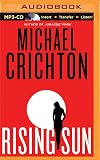
The story is entertaining, but much of the propaganda and Japanese fear-mongering is dated. However, a lot of the economic and trade talk sounds like something that could come from Trump surrogates.
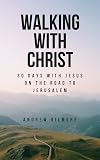
This daily devotional is certainly worth reading. The author states his beliefs (or more so a link to his beliefs) early on. The statement is generic and non-sectarian, which is OK because so is the rest of the book.
I give it 3.5 stars because there are some theological disagreements I have (such as the value of works) - which are important questions, but not necessarily important to this work of devotions. Where the theology deviates from what I would affirm is still relatively minor.
I give it 3.5 stars because there are some theological disagreements I have (such as the value of works) - which are important questions, but not necessarily important to this work of devotions. Where the theology deviates from what I would affirm is still relatively minor.
This review was written for LibraryThing Member Giveaways.
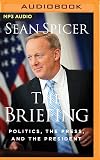
Spicer presents his story as an insider in the RNC, Trump campaign, and Trump administration. Yes, he admits faults. Yes, he engages in a lot of spin and apologetics. If you are a Trump supporter, you'll like what he has to say. If you're not a supporter, you'll probably hate it. But if you are not a supporter but you value having a balanced view of events and are not satisfied with listening to your preferred talking heads, then you should find some value in reading Spicer's story.

Well written, researched, and accurate
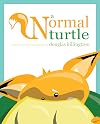
As a children's parable, this story can work just fine to teach kids a "be yourself not who others think you should be" moral.
But if you look at this as an adult in the context of LGBTQ+ controversies, it raises the question: are transgendered people more like the fox who wakes up in a turtle shell and is forced to be a turtle rather than a fox, or more like turtle who wants to be a fox and removes his shell in favor of a fur coat?
But if you look at this as an adult in the context of LGBTQ+ controversies, it raises the question: are transgendered people more like the fox who wakes up in a turtle shell and is forced to be a turtle rather than a fox, or more like turtle who wants to be a fox and removes his shell in favor of a fur coat?
This review was written for LibraryThing Member Giveaways.
This story was definitely unsatisfying, but I sometimes try to apply too much logic to these tales. If you think that the "ghost" is just the shadows of the trees, but you're really not convinced, why not get some blind or a blackout curtain (no shutters, please!)? Instead, you bolt down the house because there's never been a ghost who has gotten past a locked door.