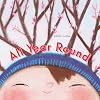
This was a pretty good book for the most part. It went through the months of the year and it was written in poem form. Even though this was the case, it was very easy to follow and understand. The thoughts were especially organized because each page was for a different month. This type of poem was full of description and didn’t have any rhyming within it. While I was reading, I found myself confused at first because it took a minute for it to register that I was reading different poems. In a way, each poem told you what goes on with the weather during that time. For example, in January the little boy stays inside with hot chocolate but during June and July he is swimming. The characters in the book is just the little boy and his cat. The story was told from a first person point of view because the boy is describing what he is doing during the year. This isn’t your average story so the plot wasn’t as clear as it would have been. There were also no conflicts within the story. The illustrations were very clear and easy to follow. I liked that the cat was on every page and he was part of the story as well. For example, for October the boy was talking about Halloween and then for the illustrations, there was his black cat. It was standing there with a hump in its back just how it’s usually resembled for Halloween. I like this about this story, the author took everything into consideration when creating this book. This version of poetry was easy to follow because it all show more made sense especially if you are familiar with the different seasons. show less
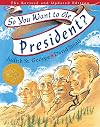
Before reading this book, I really thought that I wasn’t going to like it because I’m not really a history fan. But after reading, I realized that I actually liked this book. It basically incorporates every single president into one book in a creative way. That seems like a hard thing to do but this author got it done. The language is very descriptive and the purpose is to inform the reader. At some points in the book, the author indirectly says things and meant something totally different. For example, he was saying that in order to be President, it might help if your name was James. He went on to explain how there were six presidents with the first name James. I really like how the author incorporated this because at first I thought to myself, well why would my name need to be James and then he explained it. So it got me thinking. The book was also very easy to follow along with. The different characters are the Presidents and Vice Presidents that the U.S. has had. It was also told from a third person point of view. There is no real plot because this book is just informing the reader about the personal lives of the Presidents of the United States. The illustrations were done with water color paints and on certain pages the author was talking about more than one President and the illustrations looked jumbles but if you looked closely you could see how both Presidents were illustrated on the page together. For example, the author talked about how some Presidents used show more a lot of money but others were cheap. He stated that one president walked to the market every morning with a basket instead of having people do it for him. So I looked in the background behind the illustrations of the ones that spent lots of money and there he was walking with his basket. Small things like this helped me really pay attention to the book and understand what was going on. While it doesn’t make me think about political issues, I did want to know more about the presidents in the end. They even included President Obama, which was pretty cool. The book also ended with quick facts about each President. show less
Adelita: A Mexican Cinderella Story by DePaola, Tomie [Perfection Learning, 2004] Hardcover [Hardcover] by Tomie dePaola
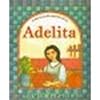
I enjoyed reading this Mexican version of Cinderella. I saw so many similarities and differences while I was reading. I even found myself comparing it to the African American version that I am familiar with. Since the book has to do with Mexican culture, there were Spanish phrases and words throughout the entire book. I’m used to the whole book being in two different languages but this wasn’t the case. The English translation was always right after the Spanish phrase. For example, “Hace mucho tiempo – a long time ago – in a village”. That’s how the book was formatted and I really liked this feature because it was as if the author was slowly giving the reader Spanish words to learn and not just throwing the reader completely into the new language. I can say that although this was a good idea, I was confused when reading the first sentence because I thought the whole book was going to be in Spanish. In the back of the book, there is a glossary that has the different phrases translated in English along with the pronunciations. The characters were well developed because the author introduced their personalities as soon as they were introduced into the story. The point of view was told from third person because of it being traditional literature. The plot was organized and in a way I felt like it was expanded from the regular Cinderella story. I think this is because this was the Mexican version so the added his own twist. The illustrations also helped the show more Mexican feel to the book. I don’t know how to explain it but when I read Spanish books, the illustrations are usually colorful but with mostly red. The colors also aren’t bright and shocking. I could also tell that this story took place long ago because of the illustrations. You could tell by the utensils they used and the clothing they had on. This could also be part of their culture though. I could tell that this traditional literature book was written as a story someone would tell because of the language and the fact that most people have heard this story before. show less
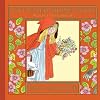
I didn’t really enjoy this book too much. I’m not sure if it was the actual story of Little Red that I don’t like or just the way this one was told. I could tell that the choice of language used from here was from a while ago. For example, the fox says things like “Wither away so early, Little Red Riding Hood?”. When he said this I was confused at first but then after reading the next sentence, which was the response form Little Red, I realized that he was asking her why she was out and where she was going. Little things like this threw me off while I was reading this book. The writing wasn’t that bad because if you used your context clues, you could tell what the meaning behind everything was. That’s what I did like about the book because I like searching for things in the book then the author doesn’t tell the reader immediately. There characters in the book were Little Red, her mother, her grandmother, the wolf and the hunter. All of these were realistic except for the wolf because he was talking to the humans. Her grandmother was very realistic because she was sick and little red was bringing other things that would hopefully make her feel better. The author also set up the wolfs personality as soon as he is introduced. He says that little red doesn’t know how much of a wicked animal he is. The story was also told in third person. I think this was a good idea because there were things I saw as the reader that little red didn’t see, especially if she show more was telling the story from her point of view. For example, the wolf’s personality. The plot was organized but at times I felt like it was rushed, especially when little red was noticing the differences her “grandmother” had. I think this was because there were so many words on the pages with only one picture to refer to. For example, on one page the wolf was entering the grandmothers house and on the very next page he was in her bed. I think the author should have at least shown the grandmother with a frightened face or something. Other than that, the illustrations were very easy to follow and it was done in watercolor paint. The quality of the illustrations also made it apparent on how old the book was. This is a Traditional Literature book and the language of the book definitely made this apparent because it was written as if it was being told to the reader. show less
The Night Before Christmas hardcover: The Classic Edition, The New York Times bestseller by Clement Moore
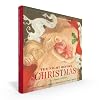
I enjoyed reading this book because it brought me back to my childhood days when I believed in Santa. This book was written in poetry form. Before the actual story starts, there is the actual poem for the night before Christmas that was written a long time ago. I liked this feature because in a way it foreshadows the contents of the book and how it will be formatted. As soon as I looked on the first page, I got the Christmas feel already. Just by looking at the illustrations, it immediately told me that it was night time on Christmas Eve. I knew because there was snow outside, wreaths throughout the house and the moon was out. Throughout the story they kept the snow illustration apparent. I think this was so the reader didn’t lose the idea of the setting that was put into place. The language in this book was in the form of a poem and everything rhymed. This made it easier to follow because I read it as a song. I also noticed that on each page, the first letter of the stanza was always the biggest and had a design behind it. I also liked the fact that on each page, there was only one stanza, so it wasn’t overwhelming to read. The illustrations also looked very realistic and really set the scene for Christmas. On one page they were talking about hearing Santa outside and the paged opened from the middle. So on the outside flap there was illustrations of the house and on the inside flap, there was an illustration of the scenery outside and you could see Santa’s sleigh show more with all the reindeer. I liked this part of the book because I actually got to see what it looked like outside on this night. I noticed that sometimes the words would match up with the pictures. For example, on the first page, the words were “not a creature was stirring, not even a mouse”. Then I looked closely at the picture and there was a mouse sleeping on the steps. Small features like this kept me engaged and it made me read it more than twice so I could find more things just like it. The book was written in first person but I couldn’t tell who the person was. At first I thought it was from a child’s point of view, but the father was the only one that was awake and got out of bed. I do wish the author made this part of the book a bit clearer though. show less
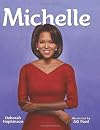
I really enjoyed reading this book about Michelle Obama. This was an autobiography about her, but unlike the others, this one was actually written in more of a story form. There is no table of contents or glossary. I found this biography more helpful than the others because I actually followed along with it as a story. Even without the table of contents the book was still easy to follow. The written language was also easy to read, but at times it seemed like the sentences were too long. The characters were her husband, President Barack Obama, their children and her parents. They were all perceived as they are in real life because this was still a biography. It was also written in third person. There was no real conflict within this story because there weren’t any problems. The illustrations were very life like, especially on the front cover. I could tell that the illustrator paid close attention to detail. Even on the illustrations from when Michelle Obama was a teenager going to college, I could tell that the illustration was her without even reading. I also like how the author named the book Michelle. She had so many other options for the title but she chose this one. I think she did it purposefully in order to build the relationship with the reader. The author wanted the reader to feel as if they were on the same level as Michelle Obama. I really liked this quality of the book. The book didn’t really make me think about tough issues but it made me think about the show more presidential election and how I felt when the first African American President was elected. I also feel like this book made the reader think of Michelle Obama as a humble everyday person. I could see this book as being biased because the author had nothing but good things to say about her, they didn’t mention the negative things. The only one I remember was that her parents weren’t very wealthy and at one point they had to live in a one-bedroom apartment for four people. But overall, this was a really good book about the life of Michelle Obama. show less
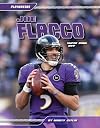
I liked this biography about Joe Flacco, the quarter back for the Baltimore Ravens. The book started with a table of contents, which made it easy to follow and find certain things. The table of contents was set up as chapters 1-5. I like that it was set up as chapters instead of pages. Each chapter was very easy to read. Even though there weren’t words bolded in the text, there was a glossary. I think the author should have bolded or underlined these words to make things easier for the reader to define in the end. The biography was told in a story form because everything was in order of occurrence for Joe Flacco’s life. The characters were just the people from his family or from his professional career. The biography was told from a third person point of view. The illustrations were mostly action pictures of Flacco himself or his family portraits. Each photo had captions underneath or within the writing that informed the reader about the picture. I think I would have liked it more if the author just made them all the same and placed each of the explanations right under the pictures. This would have made it easier to follow along instead of searching for the answer. I also noticed that the book would have random facts in it about whatever that page was focusing on. For example, when the author was mentioning that Flacco lived in Audubon, New Jersey, the fact on that page was about the population there and the different football teams that those people root for. So, not show more only does the reader know about Joe Flacco, they also gain insight about this city. I also like the fact that no matter what page you were on, at the bottom right hand corner, the chapter name was listed. For example, if you were on chapter three, it would say “Into the Fire”. I liked this because it didn’t allow for me to get lost while reading. This book doesn’t really push the reader to think about tough issues because it’s about football but it might inspire someone to follow in his footsteps. While this is a biography, it seems biased because there was no negative information about Joe Flacco in the book. show less
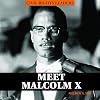
I enjoyed reading this biography about Malcolm X. The book was very easy to read and follow. It started off with a table of contents that was short and to the point. The content of the book walks you through all the important things in his life and I didn’t have many questions after reading. The sentences written are very short as if they were written for a young child. I like this because it can inform people from all ages about Malcolm X. There were also bolded words within the text too because they are defined in the glossary at the end of the book. The pronunciations of those words are also in the back of the book too. There is also an index in the book, even though it’s a small one. Even though this book isn’t fiction, I’d say there are still different characters. They are the people that were in Malcolm’s life or related to him in any way. When the author mentioned them, she explained their significance to this story about Malcolm X. I found this very helpful. Since this is a biography, it is written in third person. There is no real plot because it just talks about his life. It actually tells a story though, so some of these details could be used as Malcolm’s story. Throughout the book, there are pictures of the people that they talk about on each page. At the bottom of the pictures, there is a small description of that person. That was really helpful that the pictures coincided with the passage because I got to see the actual person as well as read show more about them. This book definitely makes the reader think of how it was when the civil rights movement was going on. Unlike most biographies, I can say that this one was not biased at all because it even talked about Malcolm’s bad days when he was younger, which is good thing for the reader to know. show less
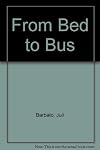
I really enjoyed this book and I wasn’t sure what to expect when I chose it from the library. The book was written with simple language and it showed a girls’ routine when getting ready for school, hence the title, From Bed to Bus. The main character was the little girl and it was told from her point of view. I really like how the author made everything a lesson for her. For example she said she used to have uncomfortable baths until she found out what the H and C buttons meant in the shower. The whole book was filled with different things that the girl had to learn how to do and then at the end she missed the bus, which led to her knowing that she needed to know how to tell time now. I like how the author didn’t let the learning stop at the end of the book because everyone learns all the time, even when we get old. The illustrations were very clear and I could tell what went on in every page without even reading. I caught myself being very curious about knowing each new thing she learned for her morning routine. This cook could go under the category of contemporary realistic fiction simply because it was a cartoon. If it wasn’t a cartoon I think it could be close to nonfiction because we really do learn all these things on a daily basis, especially growing up. I think the moral of this story is that there’s always room for learning and eventually you’ll get it.
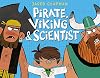
I really liked this book because it was relatable and funny at the same time. When I first opened the book, there was a glossary with different science terms that would be seen throughout the book. This is a really good thing to have in a book because the reader already knows what to look forward to. While I was reading this book, I found myself looking for the words that were defined in the beginning. The language and writing in this book was easy to follow and was written in simple language. The story was told in the third person and there were three main characters; the scientist, the Viking, and the pirate. The plot was well written because the scientist was just trying to figure out how to get his to friends to be friends with each other. The author showed him going through various trials until he got what he wanted. The illustrations were very well drawn. The beginning pages are written in graph paper which represented the science theme. I also like how the book is so random because you never see these three characters together. This book is definitely fiction because these events would never happen in real life. Even though this is the case, the book was very informative because it walks the reader through a funny problem with real science terms.
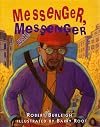
duties of a messenger boy. The first words in the book were “Snow, wind, sun rain” and to me this showed that these are the conditions in which the messenger goes out every day and delivers is packages. The language in the book had a lot of rhyming and some repetition. the rhymes in this book makes it fun to read. Everything in the book flowed because it told a story from start to finish. The words weren’t jumpy and I understood everything. the book didn’t really pop out to me because it was more of an informational book and I actually didn’t like the illustrations. They weren’t that clear to me but it was easy to depict the different characters and environments the messenger was in. However, this book does make you think about the daily responsibilities that people like the messenger has. It also teaches that his job is very important and he does it by any means necessary. There was also a time when he expressed that the neighborhood he was in wasn’t a good. This book is an informational and contemporary realistic fiction, because it tells the different duties of this messenger but at the same time these events happen in everyday life.
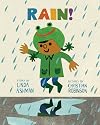
I didn’t really like this book and I had to read it more than once to fully understand it. There wasn’t much language in the book. There were very small phrases and words like “Rain!” or “His Hat”. All of these phrases were dialogue too. This made it seem like people really talk like this. Even though it was hard at times to understand, I did catch what it was about. When it first started out, half of the book was dark and rainy and the other side was light and rainy. The first and only word on that page was “rain”. It confused me at first, but then I looked closer at the picture and on the gloomy side and there was a grumpy old man in the window but then on the other side there was happy little boy. Just by their facial expressions, I could tell what they both thought when saying the word “rain”. Throughout the whole book, the old man’s side was grumpy. Even the random people around him were too. This set the whole scene for his side of the book until he came into contact with the little boy. The two main characters were the boy and the old man. the plot was organized well because the boy was able to change the old man’s perception of the rainy day. I could tell because of the old man’s face. I wasn’t sure who exactly was the telling the story because they didn’t use a lot of pronouns; it was mostly dialogue. I would categorize this book as contemporary realistic fiction because these things can happen every day. Some people really don’t show more like rainy days and a lot of people. The moral of this story was that there are different perceptions on things and you have to make the best of what you can. show less
Lupe Vargas and Her Super Best Friend / Lupe Vargas y su super mejor amiga (English, Multilingual and Spanish Edition) by Amy Costales
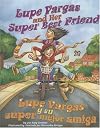
I’m pretty neutral about this book. I like it but it’s not the best book ever. This book was written in both Spanish and English. The sentences were easy to follow and some dialogue was used. The main characters were Lupe, Maritza (her best friend), Mrs. Ramirez and Lupe’s mother. These characters were all believable because when you go around the neighborhood, you usually see kids playing, parents, and people taking care of their lawns. It’s also normal to have a best friend and want to be with them all the time. When the author introduces Mrs. Ramirez, it seemed as if she was just the mean old lady next door that doesn’t like kids, but throughout the story you could see that this wasn’t the case. The story was told from a third person pint of view. Before reading, the title said Lupe and her super best friend so I automatically thought that Lupe would be telling the story but this wasn’t the case. The plot was pretty organized, but to me the conflict happened so suddenly. I feel as though the author could have led up to the argument that the girls had about the magic potions they were making. One minute they were having fun and the other they were throwing drinks on each other. I did like the fact that the neighbor Mrs. Ramirez, always noticed things about them. But when she noticed that they were fighting, she didn’t say anything. I thought that the author was hinting that she would be the one to make them come back together but that wasn’t the case. show more I think she could have had a bigger part in this story since she was always there. The illustrations were very nice though. I like how the author made the girls look different. They didn’t look like the typical young girls, I actually thought that one of them was a boy at first glance. I’m also not sure how old they are because they look like they could be in their early teen years but it doesn’t seem like it based off the games they are playing. However, I did like that when the two girls were arguing, the pages were split in half and they had their own sides. I could really feel that they weren’t friends compared to the other pages. I would say this book is contemporary realistic fiction because these events are very realistic. Children go through arguing with a friend all the time. Overall, I think the underlying message was that when you have a best friend, you will always come back to each other no matter what. show less
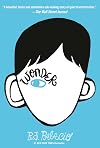
This is now one of my favorite books in the world. Before reading, I didn’t expect a lot of the things that went on. I thought it would just be about a special student going to school for the first time and that it would be rough in the beginning but better in the end. This prediction was partially right but it was missing some details. First, the story was told from many different points of views, which I thought was amazing. With Auggie having this deformation, I would have never thought about the other people’s points of views, which is a little selfish after thinking about it. The different points of view were from Auggie, his sister, her boyfriend and some of Auggies other friends. Auggies’s point of view was more child-like. You could tell his age range and that his thought process was different from those in his grade because he’s had this deformation his entire life. For example, he expresses that he notices people’s reactions when they first see him, even if it’s for a split second. This amazed me because I feel like a lot of people that live in conditions like Auggie did, notice these things too and it wasn’t apparent until reading this book. Via, his sister, told her perspective of things and it was very different than I thought it would be. Most of her life everyone saw her as the protective sister over Auggie, but deep down it was almost as if she was ashamed and embarrassed by him. I definitely didn’t see this coming because she never came show more off that way. No one really thinks about other people’s points of views or feelings during times like these. Another view point was from Via’s boyfriend. He first started talking about a tick he had, which made me believe something was wrong with him (not in a bad way). This actually showed as soon as he started telling his part of the story. His point of view was written in all lowercase letters, shortened sentences, and some words were even spelled wrong. Just by doing these little things, the author set the entire scene for this boy. I really enjoyed that he did this. He showed that this guy wasn’t like everyone else, he was different too, like Auggie. The plot to the story was well written out and very easy to follow. I found myself wondering why something happened but then after reading a different point of view, this filled in the blanks for me. There were also very limited illustrations, but this is all the book needed. When the book changed from one point of view to another, the next person’s face was on the starting page. The faces weren’t normal though, they were all abnormal like Auggie’s. This was a nice touch to the book because this was the one thing that didn’t single him out or make him seemed separated from everyone. They were all the same. Throughout the different friendships Auggie had and seeing the way he was treated definitely opened my eyes to the bigger picture and made me think about what these kinds of students go through every day in school. This chapter book would be considered contemporary realistic fiction because this is something that can actually happen and it might have been somewhat of a true story. I think the message behind this book was that you simply shouldn’t judge a book by its cover because in the end everyone seemed to like and get along with Auggie, unlike in the beginning. show less
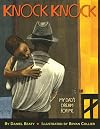
This is a book that I really liked and felt that a lot of people could relate to this. It was about a young boy whose father doesn’t return one day and he has to figure out life without him. When I opened the book and started reading, I thought it was just great and that this was about to be a nice story because this little boy plays this game with his father every morning but then it stops. When the author first said that the game stopped, I was very confused but I kept reading. I asked myself Where is the father and Why isn’t her there anymore? So as I read on and I saw that the little boy was writing him a letter, I guessed that he was incarcerated because he wrote back. The author structured this story very well because I wasn’t expecting the father to leave. The language in the beginning of the book was happy and excited, then it was very sad and gloomy and confused, but by the end, I could tell exactly what the message was and that everything would be okay. After the first couple of ages, the illustrations go from happy to gloomy and sad. The colors aren’t so bright and it seems smaller in a way. But every time the words “Knock, Knock”, appeared in the book they were in large print and orange. These words appeared a lot after the father wrote back to his son explaining the answers to his questions. Just by the way the father wrote back to his son, I could tell the remorse he felt and the fact that he just wanted his son to grow up better than him. The show more plot was pretty straight forward and although there was no rea solution to the father being gone, the son learned everything he needed to know in order to be a man. I think this ending was the whole moral to the story, that even though one parent may not be there, life goes on and you should be the best person you can be. The different themes in this book were loss, hope, and healthy choices. This book lets the reader know that everything will be okay and I feel like a lot of people can relate to this. It definitely pushes the reader to think about tough issues the others may be going through, which makes this cook contemporary realistic fiction. show less
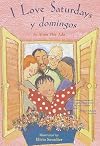
I enjoyed reading this children’s book. It went through the life of one little girl visiting her grandparents; one American and one Hispanic. The book was written in in both Spanish and English. Two stories were being told and there was a clear shift from one to the other. Most of the times they were on the same pages. The Spanish words were written in bold and italics, which made it easier to point them out as the reader. The author made it so that the reader wouldn’t even have to look up the translations of the Spanish words because they were expressed on the next page in English. So the only task for me was to follow along with both sides. Even though each story was the same, the author made sure to add in some of the differences. For example, one family had a pet cat and the other had a pet dog. In another part of the book, the American grandparents took her to the aquarium and the Hispanic grandparents took her on the dock to see the fish. So she did the same things with them but it took place in two different environments. I really like how the author did this. There were 5 main characters, the girl, and both sets of grandparents and the story was told from her point of view. The plot was organized because the different activities she did with each grandparents matched up with the other. For example, the author talked about the aspect of look at fish with each grandparent on the same page. There was no real conflict in this story because it was just about the show more two different cultures. The pictures in the book were illustrated with water colors. The pictures were also placed randomly. I think this was a good idea because the storyline isn’t even straight forward, so why should the pictures be? The author made it very easy to distinguish which family was which, even based off of the different kinds of clothing each had on. The genre of this book would be contemporary realistic fiction because this is what some students go through on a daily basis. Their parents may not be the same exact race, so they experience both cultures. To me this book represented two different cultures coming together to show that they actually aren’t so different. show less
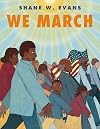
I had mixed feelings while I was reading this book. I was excited about reading it because it was clearly about marching for the freedom of African Americans, but when I opened it, there were about two words per page. After getting to the end of the book, I realized that those are the only words they needed for the book. These words got straight to the point of the book and they were very easy to read. I didn’t really see any words that would be considered hard for younger readers. There was no one main character that they talked about but in the illustrations, I kept seeing one family in particular. I think this was pretty cool how the author didn’t have to say anything, he showed it through his drawings. Almost every sentence started with “we” or had the word “we” in it. This was also a way for the author to show that he wasn’t referring to one person in particular because he was talking about the ones who march as a whole. I also liked that the people marching were of all different colors, shapes and ages. Adding this one detail into the book, made it so much better than if it was full of African Americans marching alone; it sent a powerful message. There was no clear conflict or problem, but I think I can pinpoint where the author wanted the reader to infer. When the author says “We are hot and tires, but we are filled with hope”, this stood out to me. As the reader, I could see that they were marching for a long time and they got tired but they kept show more going because they weren’t going to give up. This statement could also be the underlying message of the story. “Never give up, no matter what”. This is s nonfiction story because this resembles an event that actually happened in during times where there was segregation. I enjoyed this book over all because it had about 40 words in total but they all meant so much and there are so many different things to get out of reading this story. show less
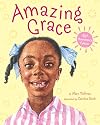
I really enjoyed reading this book because it has the underlying message that “You can do anything you set your mind to”. The author started off the story talking about the different things that the main character, Grace, likes to do. I like how the examples of her using her imagination were so random and widely ranged. With her being a girl and an only child, it also made it more realistic. I like how the book showed the different viewpoints of her classmates about Grace wanting to be Peter Pan. I feel like it made the Grace even more determined to play the part, especially after talking to her mother and grandma and after going to see the play. When she came back into the classroom the next day, you can tell how her whole demeanor changed from feeling defeated the other day. She was determined to get the part as peter pan and she did just that. The illustrations in the book show how confident Grace is throughout the story, just by the way she holds her head up and how she uses her imagination to be whatever she wants to be.
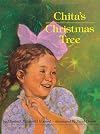
I like this book because I like Christmas. This book was full of Christmas traditions and family time. The first thing I noticed was that the story takes place in Baltimore. I thought this was pretty cool considering that I live here. Seeing the author talk about different landmarks was pretty cool because I’ve been to some of those places. The language and writing used in the book was easy to follow, especially because it was short. I was able to get through this book quickly because of the short sentences and the ease of words. The story was written in an organized way because nothing seems too jumbled. One thing that I did notice was that there was a lot of thought changes. For example, “Yes, Mama, but I hope Santa Claus knows. More cookies. More cookies.” At times I would get confused and found myself going back to reread certain lines because I felt like I kept skipping things. I also thought that maybe the author used this to describe what they were doing instead of narrating the entire story, which is a different approach. The main characters were Chita, her mother and her father. The other characters were her family members. I think the characters and the story are very realistic. It’s about family traditions and Christmas, which we all go through each year. Even though Santa Claus isn’t real, we all know who he is and we all acknowledge him for the children, which is what everyone did for Chita. The plot was very organized as well because I knew exactly show more what was going on and I could follow along. There was no real conflict though. It was just a story about this family’s Christmas traditions. The illustrations really helped with the timeframe in which the story actually took place in. All of the women had on dresses and they men had on pants. They also didn’t have cars because they rode in carriages with horses. I liked this traditional way of doing things because I really got a feel as to what it was like back in the day around Christmas time. the underlying message was very strong and apparent to me because I realized it about half way through the story. The message was about family tradition and family time and how important that was. Every year this little girl looked forward to the same thing on Christmas and every year it happened for her. You could tell that the family always had fun times together around this time of the year and that there would be many more to come. I also think the author wanted us to know that it’s important to let a child believe in the things they want to believe. Papa and Chita went to pick out a Christmas tree and she knew that after they carved her name in it, it would be in her living room on Christmas morning because Santa brought it for her. Of course as the reader I know that Santa isn’t real but I appreciate the fact that the author didn’t even mention anything about Papa cutting down the tree and bring it home, the reader just had to infer. show less
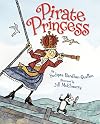
Before actually reading this book, I thought it would be about a princess that liked playing imaginary pirate games or something like that. But after reading, this wasn’t the case. In the beginning of the book there were certain words that stuck out to me because I personally didn’t think they belonged in a children’s book. For example, chintz, swarthy, and adieu. After finishing the book, I had to sit back and think that maybe these words were there to set the scene or to get the readers brain thinking ahead. Then I remembered the title of the book and thought to myself that there would be words like this because of the pirate theme. This is how pirates were thought of. In order to lessen this confusion, I think the book should have a glossary in the back where the reader can refer to these certain words if they didn’t know the meaning of them. The language and writing was in “pirate’s language” and I found myself reading in that tone of voice associated with pirates. This made the book more interesting because it’s like I was reading it in a different voice, which was pretty cool. The characters were slightly believable because everyone has heard of pirated before and everyone has heard of princesses before, but these two aren’t usually seen together like in the book. The story was told from a third person point of view. The plot was well organized and the main idea and conflict were very apparent. I enjoyed the twist they had on the main character show more because she had all of these dreams of being a pirate but didn’t fit in and then when everyone was about to give up, she really showed them that she would be a useful pirate. I think this book teaches the lesson that you may not fit in at first, but you should keep trying and never give up on your dreams. I really enjoyed the illustrations presented in the book because at times they because somewhat interactive and apart of the actual story. For example, on one page the main character, Bea, is making food and around the perimeter of the page is all the ingredients and pictures of them. I believe these were the only words on the page, but in reality I think that is all they needed for the page. On the next page there was a brown square and the words were written inside of it. After reading the words, I notices that the square represented the tables that the pirates were eating at and that’s when I noticed tem all sitting at the square table. Even though this book is very fiction, I think there were really great points to it, especially the underlying message. show less
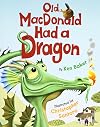
Automatically, this book caught my attention because I recognized the first few words “Old MacDonald Had a – “, but then the next word, ‘Dragon’, caught me off guard. This book was a nice twist of from the original Old MacDonald song. It is most definitely a fiction book because of this would really be happening. I’m not sure if I liked or disliked the book because it was weird. The language was written like the actual song and then it went back into story mode. Every time one of the farm animals would bad mouth the dragon, the dragon would eat them and say two words that start with the same letter. For example, Delightful Dairy, Savory Swine, Marvelous Mutton, and Delectable Doggy. I liked this part of the book because this play with words could actually teach something to the reader. For example, young readers may night know what swine is but after using all the context clues and pictures, the would have a good idea of what it meant. The author also added in certain phrases or puns that related to the animals as well. For example, the cow came to the farmer and said “I’ve got a beef with you”. I actually though this was very funny and it made me smile. Small unexpected things like this in a book really engages the reader. The characters were the farm animals, the farmer and the dragon. They’re not realistic figures because they can all talk to the farmer. The point of view of the story comes from 3rd person. The plot was very organized and there was show more a problem and a solution. I liked that the problem started very suddenly because it was unexpected that the dragon was going to eat all of the animals. I think the underlying message of the story was that you should appreciate what you have because it can be gone in an instant. It could also be that you should trust your old friends because the new ones could be no good in the end. The farmer kept defending having the dragon on the farm and when the animals would complain, the dragon would eat them. Then the farmer was left all alone and all of a sudden the dragon ate him too. I liked the illustrations because they were very clear and they explained the story perfectly. Seeing the facial expressions of the characters, would tell you the story before you even had to read the words. I like this because I feel like sometimes students may not be able to read and they wouldn’t be discouraged after reading seeing the pictures. This is a very engaging book because I even noticed that I was singing the tune as I was reading and I even found myself anxious to know what would happen to the animals and the farmer at the end of the book. show less
I liked this book because I feel like it’s about not how others see you, but how you see yourself. The main character, Lyra, is from Africa and she is an African princess but her friends see her as a regular person. She gets discourages and her mother takes her back to Africa to see her roots and see that she actually is a princess. When she comes back to school, she’s very confident and I believe this is a great lesson for a human. It only matters how you value yourself. The language in the book is very self-explanatory except for when they arrive in Africa. They mention the different things they see and there are pictures of them, but I feel as though some readers may not make that comparison and know what they are talking about. This book would have been great with a glossary in the back of the book for clarification. At times I feel like things become jumpy because they don’t talk much about the ride back to Africa or even leaving. The next page just shows the main character back at home. The author also doesn’t have a lot to say when Lyra is talking to the princess in Africa. But other than that, the book was well written and everything was in order. The characters were Lyra, her mom, her dad, the princess in Africa, and the children at school. They were all believable because this is book represents something that would really happen, which would place this book under the contemporary realistic fiction section. It’s very possible for a girl, who was show more originally from Africa, to live in America and then go back to Africa to know more about her heritage. This fact is another reason why I thought this was a really nice book. The book was also told from the main character, Lyra’s, point of view. The authors name was also Lyra, so this story is probably about her journey to Africa. The story also had the regular “problem/solution” conflict. The flow of these events made sense as well except for those two sudden stops explained above. I really enjoyed the illustrations in the book. They were very colorful, especially when they went to Africa. You could tell that they were in another part of the world without even reading the words on the page. I also enjoyed the fact that all of the people in the book, especially those in Africa weren’t all one color. There’s even a drawing of a tourist taking pictures in African and he is a white man. This was a nice integration of all raced within one page. The bright colors definitely set the mood because you could tell that there was a happy and exciting atmosphere when they went to Africa. Even though I briefly explained the underlying message in the beginning, the other part to it could be that you can be a princess no matter what you look like. They touched on this when they went to visit the other princess in Africa. The author made sure to explain where and on what kind of house she lived in. show less
The title of this book alone made me pick it up and begin to wonder. The title is Don’t Push the Button. It made me wonder why I couldn’t push the button and what was so bad about pushing the button. I enjoyed reading this book and seeing what happened when the button got pushed throughout this book. It’s an interactive book that persuades the reader to push the button and they the aftermath is shown on the next page. Things automatically take a turn for the worst on the first push. The language of the book is persuasive, sneaky and frantic at times. I used the adjective sneaky because seeing the words “No” or “Don’t” plastered on the front of the book, it automatically makes you want to do the opposite. Larry, the main character says don’t push the button, but then on the next page he started to get curious. He says “That is a pretty nice button though, I wonder what would happen if we pushed it…” and on the next page he contemplated what he just said and proceeds to persuade the reader to push the button. As the reader, this made me as curious as Larry was. After pushing the button is where the language gets frantic because Larry sees what the button does now and it surprises him. The book is written in short sentences which makes it easy to read. Larry, the narrator, is the only character in the book until the end. I feel that the reader could be part of the book as well because its interactive and the reader is essentially controlling what show more happens in the book. The plot of the book is organized because the problem associated with pushing the button gets resolved at the end. On the left side of the book, there is the picture of the button all by itself. The white background of this story also sets the mood. There isn’t much to look at so the button is “in your face” at all times. I like this because the author gets right to the point. The book also used a lot of exclamation points. This helps the reader realize how surprised Larry is about them pushing the button. He also uses words like “EEK! and Ahh!” which allows the readers to almost hear his screams. This is a fiction book but the underlying message is valuable in a way. I think the underlying message is that one should follow directions when they are given because there is probably a reason these rules are implemented. The message could also be that when you make mistakes you fix and learn from them. show less
I had mixed feelings about this book before and after actually reading it. When I picked it up off the shelf, I automatically recognized the characters from the television show, Charlie and Lola, I used to watch when I was younger. But after reading the book, I became uninterested. In a way, I felt like it was too juvenile. There are two main characters, Charlie and Lola and they are brother and sister, which makes them very believable. The way they act in the story may be confusing to someone who has never heard of them or watched the show before. For example, when Lola talks about pink milk, I automatically knew it was strawberry milk, but as for someone else, they may not have realized. You have to make the inference about this because the author doesn’t explain it or go over it again in the story. Their parents aren’t physically present in the story but they mention them briefly in the beginning. As for the language and writing used in the book, some of it felt scrambled and very random but I wasn’t hard to follow along with the rest of the story. I think the point of the book is to be random and to use your imagination because when Charlie talks to Lola about counting to ten, he brings up cookies, elephants and letters, which are all in different categories. The book is also told from Charlies point of view because he is convincing Lola that she’s old enough to go to school. The structure of this story is somewhat like regular stories. The problem is Lola show more going to school and Charlie easily gives reasons as to why she should go. She ends up going and having a great day. All of the things leading up to her going to school were random, so at times I was paying more attention to that instead of the entire story. As for the illustrations, it looks like a child drew the pictures and the author cut them out and glued them to the page. I actually enjoyed this part of the book because it wasn’t “perfect”. Some of the pictures were cartoons and some were real life pictures. I also noticed that certain words were shown by the size or shape of the actual written word. For example, the word ‘big’ is written in large print. The letters are also different sizes and aren’t all written on the same line. I feel as though this is supposed to resemble a child writing. Some of the words were written in loops and this made it harder to read those words because they were upside down. I had mixed feeling about this because in a way, it made the book interactive, but on the other hand it was hard to read. This book is definitely fiction (Modern Fiction) because of all the imaginary characters discussed in it. The book actually had a nice underlying message, which is, that you shouldn’t be nervous about something you’re about to experience because you may actually like it. show less