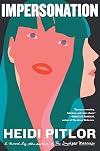
This novel about a struggling single-mom who works as an uncredited ghostwriter for celebrity memoirs is a delight. It's smart, funny, anti-Trump, and has so much heart in the face of adversity. I loved it.
 This review was written for LibraryThing Early Reviewers.
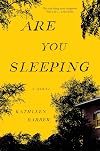
The basics: When Reconsidered, a podcast examining the murder of Charles Buhrman, becomes a huge hit, it sends many lives into chaos, including his daughter, Josie, who has done all she can to distance herself from the family after his murder.
My thoughts: Although I didn't love it as much as some people, I was caught up in the podcast Serial several years ago. That podcast inspired the fictional podcast in this novel. Josie narrates this novel, but her narration is intermixed with podcast transcripts, Reddit forums, and Tweets. As a narrator, Josie is frustrating at times. She's not necessarily unreliable, but she doesn't share all she knows (and to do so would ruin much of the suspense.) As a reader, I know I see situations differently when I'm reading a book and looking for clues than I would if it were my life, but it can still be a frustrating experience.
I knew very little about this novel going into it, and I think that's best. As we learn more about Josie and her past, it puts a very human face on pop cultural true crime obsession. In that sense, this novel is partially social commentary and partially an engaging mystery.
Favorite passage: "The truth is never complicated. It’s just the truth. Circumstances may be complicated, but the truth is always black and white."
The verdict: I enjoyed the mixed media elements of this novel the most. The mystery itself was underwhelming at times, but the premise as clever enough to elevate this novel. It's a fun, fast-paced show more reading experience, but the payoff wasn't as big as I hoped. show less
My thoughts: Although I didn't love it as much as some people, I was caught up in the podcast Serial several years ago. That podcast inspired the fictional podcast in this novel. Josie narrates this novel, but her narration is intermixed with podcast transcripts, Reddit forums, and Tweets. As a narrator, Josie is frustrating at times. She's not necessarily unreliable, but she doesn't share all she knows (and to do so would ruin much of the suspense.) As a reader, I know I see situations differently when I'm reading a book and looking for clues than I would if it were my life, but it can still be a frustrating experience.
I knew very little about this novel going into it, and I think that's best. As we learn more about Josie and her past, it puts a very human face on pop cultural true crime obsession. In that sense, this novel is partially social commentary and partially an engaging mystery.
Favorite passage: "The truth is never complicated. It’s just the truth. Circumstances may be complicated, but the truth is always black and white."
The verdict: I enjoyed the mixed media elements of this novel the most. The mystery itself was underwhelming at times, but the premise as clever enough to elevate this novel. It's a fun, fast-paced show more reading experience, but the payoff wasn't as big as I hoped. show less

This book made me fall in love with Julie Buntin. It's such a beautifully written, emotionally wraught debut. I found the modern section much less developed than the past, but I devoured this book in a single day. I liked it a lot, but I'm even more excited for Buntin's next book.
This review was written for LibraryThing Early Reviewers.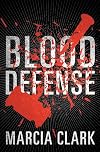
The backstory: I thoroughly enjoyed Marcia Clark's prior mystery series, featuring Los Angeles prosecutor Rachel Knight: Guilt by Association, Guilt by Degrees, Killer Ambition, and The Competition. Blood Defense is the first in a new series featuring Los Angeles defense attorney Samantha Brinkman. (It also signals a change in publishers for Clark.) And yes, as her Twitter handle says, she's that Marcia Clark, who is still most famous for prosecuting O.J. Simpson for murder.
The basics: Blood Defense introduces Samantha Brinkman, a defense attorney struggling to make a name for herself. She appears as a defense expert frequently on a new talk show, but her office is in the heart of gang territory, and she lacks high profile, paying clients. That changes when she takes the case of Dale, an LAPD detective charged in the double homicide of Chloe, a starlet and his girlfriend, and Paige, Chloe's roommate.
My thoughts: The mystery at the heart of this novel is who killed Chloe and Paige. The mystery drives the narrative and offers insights into Samantha's interior monologue. There are other small storylines featuring other clients on low or no-profile cases that offer a nice glimpse into the working life of a defense attorney, but the murders of Chloe and Paige is the focus. It's clear why Dale looks guilty, but it's satisfyingly murky if he actually did. There's plenty of circumstantial evidence, of course, but that leaves plenty of room for reasonable doubt. Samantha and her show more investigator, a hacker and former client, work hard to find other theories of the crime. Samantha struggles to both find another theory she can use in the courtroom and to figure out if Dale actually did it or not.
The verdict: I was ambivalent about Samantha as a character for most of this novel. I found the primary mystery quite compelling, but the final pages found me sitting with my jaw open, followed by squealing and immediately pre-ordering Moral Defense, the second novel in the series, which will be published November 8, 2016. I'm fully, ecstatically on Team Brinkman, and I cannot wait to see what she does next. show less
The basics: Blood Defense introduces Samantha Brinkman, a defense attorney struggling to make a name for herself. She appears as a defense expert frequently on a new talk show, but her office is in the heart of gang territory, and she lacks high profile, paying clients. That changes when she takes the case of Dale, an LAPD detective charged in the double homicide of Chloe, a starlet and his girlfriend, and Paige, Chloe's roommate.
My thoughts: The mystery at the heart of this novel is who killed Chloe and Paige. The mystery drives the narrative and offers insights into Samantha's interior monologue. There are other small storylines featuring other clients on low or no-profile cases that offer a nice glimpse into the working life of a defense attorney, but the murders of Chloe and Paige is the focus. It's clear why Dale looks guilty, but it's satisfyingly murky if he actually did. There's plenty of circumstantial evidence, of course, but that leaves plenty of room for reasonable doubt. Samantha and her show more investigator, a hacker and former client, work hard to find other theories of the crime. Samantha struggles to both find another theory she can use in the courtroom and to figure out if Dale actually did it or not.
The verdict: I was ambivalent about Samantha as a character for most of this novel. I found the primary mystery quite compelling, but the final pages found me sitting with my jaw open, followed by squealing and immediately pre-ordering Moral Defense, the second novel in the series, which will be published November 8, 2016. I'm fully, ecstatically on Team Brinkman, and I cannot wait to see what she does next. show less
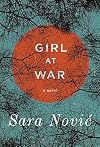
The basics: In 1991, Ana is living a typical ten-year-old's life in Zagreb, the capital of Croatia, when the Yugoslavian war breaks out.
My thoughts: I'm about the same age as Ana, so I was immediately drawn into her story. As a ten-year-old, she doesn't understand what's happening, and as a reader, neither did I. I've heard of the war, but my knowledge of it was slim at best. While coming of age stories set against a war backdrop are hardly new, Novic takes Ana's story in unexpected directions.
We enter the story in 1991, but the story is told in several nonlinear parts. The action next jumps to New York City in 2001, where Ana is in college. Novic skillfully moves locations and times in a way that enhance the story, both emotionally and in structurally. Again, I could have been one of Ana's peers in college at that time. I wouldn't have known what country Zagreb was in or the significance of what it meant to be Zagreb. Watching Ana negotiate these social and educational situations was fascinating. She's such a complicated, smart, and flawed character, and I loved spending time in her worlds.
Audiobook thoughts: Julia Whelan's narration was extraordinary. She featured different accents for different characters, which helped bring the Croatian sections to life even more vividly for me. The performance was so well done I had to remind myself it wasn't done with multiple narrators. After listening to it, I came across this essay Novic wrote about what it's like to be a deaf show more novelist and not be able to experience the audiobook version of your book. It's fascinating!
The verdict: Every so often I read a novel so good that has me gushing with cliched superlatives like haunting and lyrical. Girl at War is indeed a haunting, lyrical novel. It's also smart and beautiful. It's a window into a place and a time I was embarrassingly ignorant about, but it's also a deft depiction of a fascinating character who is both heroine and anti-heroine, extraordinary and ordinary. This novel is one of the best I've read this year, and I hope it becomes a modern classic. It's a novel that reminds me why I so love fiction--it can educate, connect, and remind me of the vastness of our shared humanity. show less
My thoughts: I'm about the same age as Ana, so I was immediately drawn into her story. As a ten-year-old, she doesn't understand what's happening, and as a reader, neither did I. I've heard of the war, but my knowledge of it was slim at best. While coming of age stories set against a war backdrop are hardly new, Novic takes Ana's story in unexpected directions.
We enter the story in 1991, but the story is told in several nonlinear parts. The action next jumps to New York City in 2001, where Ana is in college. Novic skillfully moves locations and times in a way that enhance the story, both emotionally and in structurally. Again, I could have been one of Ana's peers in college at that time. I wouldn't have known what country Zagreb was in or the significance of what it meant to be Zagreb. Watching Ana negotiate these social and educational situations was fascinating. She's such a complicated, smart, and flawed character, and I loved spending time in her worlds.
Audiobook thoughts: Julia Whelan's narration was extraordinary. She featured different accents for different characters, which helped bring the Croatian sections to life even more vividly for me. The performance was so well done I had to remind myself it wasn't done with multiple narrators. After listening to it, I came across this essay Novic wrote about what it's like to be a deaf show more novelist and not be able to experience the audiobook version of your book. It's fascinating!
The verdict: Every so often I read a novel so good that has me gushing with cliched superlatives like haunting and lyrical. Girl at War is indeed a haunting, lyrical novel. It's also smart and beautiful. It's a window into a place and a time I was embarrassingly ignorant about, but it's also a deft depiction of a fascinating character who is both heroine and anti-heroine, extraordinary and ordinary. This novel is one of the best I've read this year, and I hope it becomes a modern classic. It's a novel that reminds me why I so love fiction--it can educate, connect, and remind me of the vastness of our shared humanity. show less
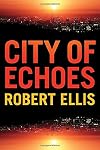
The backstory: Robert Ellis is one of my favorite mystery writers. His Lena Gamble series (City of Fire, The Lost Witness, and Murder Season) is extraordinarily good and criminally underappreciated. I've also enjoyed his earlier stand-alone novels Access to Power and The Murder Room (read before this blog, which means a long time ago.)
The basics: City of Echoes is the first in a new series featuring Los Angeles police detective Matt Jones, who catches a big case on his first night as a homicide detective.
My thoughts: Sometimes I have a hard time reviewing mysteries because so many things are not as they seem that by the end, I struggle to remember where I entered the story as a reader. City of Echoes is one of those mysteries. I read it while my in-laws were visiting (for the nomadbaby's first birthday), and I promptly asked my mother-in-law to read it. I'd given her copies of Ellis's earlier novels for holidays over the years, and she was excited to see he had a new one. Her husband read it next. In the span of two days, three of us read it (Mr. Nomadreader is behind the times), and we had an excellent discussion about it. It's rare that mysteries end with me still wanting to talk about things. To help me resist giving away any of this novel's delightful, surprising and horrific twists, just read it.
If you read this blog last year, you know that I read all 27 of Michael Connelly's novels last year. I was curious to see how Ellis would stack up, as they both heavily show more feature corruption in the LAPD and have similar writing styles filled with twists. Ellis is every bit as good as I remembered. If you've read and enjoyed Connelly, please start reading Ellis. His backlist isn't as extensive, but it's just as good, and City of Echoes is the start of something great with Matt Jones.
Favorite passage: "Two eyewitnesses who had seen everything but, like most eyewitnesses, understood nothing, in spite of their seats in the front row."
The verdict: City of Echoes is a stunningly good police procedural. Jones is a dynamic character, but the mystery and frequent shocking twists take center stage here. If you want a compelling mystery that will keep you guessing, be nearly impossible to put down, and have you eagerly awaiting the next book after the last page has turned, then pick up City of Echoes. show less
The basics: City of Echoes is the first in a new series featuring Los Angeles police detective Matt Jones, who catches a big case on his first night as a homicide detective.
My thoughts: Sometimes I have a hard time reviewing mysteries because so many things are not as they seem that by the end, I struggle to remember where I entered the story as a reader. City of Echoes is one of those mysteries. I read it while my in-laws were visiting (for the nomadbaby's first birthday), and I promptly asked my mother-in-law to read it. I'd given her copies of Ellis's earlier novels for holidays over the years, and she was excited to see he had a new one. Her husband read it next. In the span of two days, three of us read it (Mr. Nomadreader is behind the times), and we had an excellent discussion about it. It's rare that mysteries end with me still wanting to talk about things. To help me resist giving away any of this novel's delightful, surprising and horrific twists, just read it.
If you read this blog last year, you know that I read all 27 of Michael Connelly's novels last year. I was curious to see how Ellis would stack up, as they both heavily show more feature corruption in the LAPD and have similar writing styles filled with twists. Ellis is every bit as good as I remembered. If you've read and enjoyed Connelly, please start reading Ellis. His backlist isn't as extensive, but it's just as good, and City of Echoes is the start of something great with Matt Jones.
Favorite passage: "Two eyewitnesses who had seen everything but, like most eyewitnesses, understood nothing, in spite of their seats in the front row."
The verdict: City of Echoes is a stunningly good police procedural. Jones is a dynamic character, but the mystery and frequent shocking twists take center stage here. If you want a compelling mystery that will keep you guessing, be nearly impossible to put down, and have you eagerly awaiting the next book after the last page has turned, then pick up City of Echoes. show less

The basics: The action in A Pattern of Lies centers on the small Kent village of Cranbourne, where a gun powder mill exploded two years ago. More than one hundred men died in the explosion. The truth, never certain, has yielded to the titular patterns of lies and accusations in a town still reeling from tragedy, all are looking for someone to blame, as Bess tries to figure out the truth.
My thoughts: A Pattern of Lies is darker and presents dangerous situations (aside from the war itself) than most books in this series. It's set in 1918, and as readers know, World War I is nearly over. I'm quite curious to see where the series goes beyond the war. But in A Pattern of Lies, the War remains an increasing source of pain and despair.
I liked A Pattern of Lies, but I didn't love it. Bess remains a fascinating, dynamic character, and I enjoyed the time I spent with her. I enjoyed the combination of time spent on the front and off. I enjoyed the insights into life and manners of the time. I found the mystery itself to drag at times, and when it ramped up at the end, I found it interesting, but the resolution wasn't nearly as interesting as the cultural commentary that preceded it. I was struck by the consistency of human nature one hundred years ago and today.
I'm continuously intrigued by the cast of recurring characters, and A Pattern of Lies was so focused on the Ashtons that the other characters had very minor roles. I hope to seem more of London, Somerset and, of course, show more Simon, in the next book. As a World War I novel, A Pattern of Lies succeeds, but I wanted more of Bess's world and less of the Ashtons' world. show less
My thoughts: A Pattern of Lies is darker and presents dangerous situations (aside from the war itself) than most books in this series. It's set in 1918, and as readers know, World War I is nearly over. I'm quite curious to see where the series goes beyond the war. But in A Pattern of Lies, the War remains an increasing source of pain and despair.
I liked A Pattern of Lies, but I didn't love it. Bess remains a fascinating, dynamic character, and I enjoyed the time I spent with her. I enjoyed the combination of time spent on the front and off. I enjoyed the insights into life and manners of the time. I found the mystery itself to drag at times, and when it ramped up at the end, I found it interesting, but the resolution wasn't nearly as interesting as the cultural commentary that preceded it. I was struck by the consistency of human nature one hundred years ago and today.
I'm continuously intrigued by the cast of recurring characters, and A Pattern of Lies was so focused on the Ashtons that the other characters had very minor roles. I hope to seem more of London, Somerset and, of course, show more Simon, in the next book. As a World War I novel, A Pattern of Lies succeeds, but I wanted more of Bess's world and less of the Ashtons' world. show less
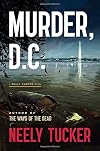
The basics: Murder, D.C. picks up shortly after the events of The Ways of the Dead, and it contains some spoilers from that novel. Here, Billy Ellison, the only son of DC's most influential black family is found dead in Frenchman's Bend, an unsavory part of town with deep historical roots. Veteran journalist and former war correspondent Sully Carter uses his connections to solve the crime and write the story.
The verdict: Murder, D.C. cements Neely Tucker as a not only a damn good mystery writer but also one concerned with social justice and history. Like The Ways of the Dead, Murder, D.C. is a compelling mystery with complicated themes. Thankfully, it works on both levels. It's riveting, informative, and it will leave you thinking.
Full review at http://nomadreader.blogspot.com/2015/06/book-review-murder-dc.html
The verdict: Murder, D.C. cements Neely Tucker as a not only a damn good mystery writer but also one concerned with social justice and history. Like The Ways of the Dead, Murder, D.C. is a compelling mystery with complicated themes. Thankfully, it works on both levels. It's riveting, informative, and it will leave you thinking.
Full review at http://nomadreader.blogspot.com/2015/06/book-review-murder-dc.html
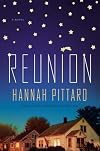
The basics: Reunion is the story of Chicago screenwriter Kate Pulaski and her brother and sister. The titular reunion happens in Atlanta when their estranged father dies, leaving behind their many half-siblings and ex-stem moms. Kate is shocked her siblings want to go to the funeral, but she begrudgingly joins them.
My thoughts: Not very far into Reunion, I looked up Hannah Pittard's biography because I figured she had to be from the same part of Atlanta in which I grew up. She nails the details of geography and attitude of the city in a way only someone who shares my love/hate relationship with it can. As I read, I was simultaneously homesick for Atlanta and reminded of why I left. Kate certainly shares my ambivalence of Atlanta: "It's that it reminds me of all that is fake about the sweetness of the South."
As much as I enjoyed the setting of this novel, I would have loved it if it were set anywhere. Reunion is far from a feel-good family story. The Pulaskis are dysfunctional and realistically flawed. As close as Kate is with her siblings, each is keeping secrets. The dark humor of Kate infuses the novel's tone with some levity as they individually and collectively face many challenges and divulge secrets. Reunion is so good because of Pittard's characters and writing.
Favorite passage: "I give Atlanta a hard time and I certainly give my father's people a hard time. When it comes right down to it, though, I like being from Georgia. But it requires being somewhere else show more for me to appreciate how special it is. It's a bad relationship--or maybe the truest kind of relationship. Look. I'm trying to be honest. I like it best when it's not around. Because it lives in my memory, completely malleable, completely disposed to my own fantasies and imaginations. It's a cool thing to be able to say when I'm in Chicago--that I'm a Georgia peach--but when I'm here, the skin isn't so fuzzy."
The verdict: Reunion is an engaging and wise novel. Like Kate, I found humor at inappropriate times. I devoured this slim novel in twenty-four hours and loved every minute I spent with the Pulaskis and Hannah Pittard. show less
My thoughts: Not very far into Reunion, I looked up Hannah Pittard's biography because I figured she had to be from the same part of Atlanta in which I grew up. She nails the details of geography and attitude of the city in a way only someone who shares my love/hate relationship with it can. As I read, I was simultaneously homesick for Atlanta and reminded of why I left. Kate certainly shares my ambivalence of Atlanta: "It's that it reminds me of all that is fake about the sweetness of the South."
As much as I enjoyed the setting of this novel, I would have loved it if it were set anywhere. Reunion is far from a feel-good family story. The Pulaskis are dysfunctional and realistically flawed. As close as Kate is with her siblings, each is keeping secrets. The dark humor of Kate infuses the novel's tone with some levity as they individually and collectively face many challenges and divulge secrets. Reunion is so good because of Pittard's characters and writing.
Favorite passage: "I give Atlanta a hard time and I certainly give my father's people a hard time. When it comes right down to it, though, I like being from Georgia. But it requires being somewhere else show more for me to appreciate how special it is. It's a bad relationship--or maybe the truest kind of relationship. Look. I'm trying to be honest. I like it best when it's not around. Because it lives in my memory, completely malleable, completely disposed to my own fantasies and imaginations. It's a cool thing to be able to say when I'm in Chicago--that I'm a Georgia peach--but when I'm here, the skin isn't so fuzzy."
The verdict: Reunion is an engaging and wise novel. Like Kate, I found humor at inappropriate times. I devoured this slim novel in twenty-four hours and loved every minute I spent with the Pulaskis and Hannah Pittard. show less
This review was written for LibraryThing Early Reviewers.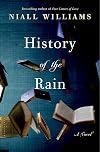
The basics: Ruthie Swain is home from college after a medical issue arose. She lives in the attic of her family's home, along with over 3000 of her father's books, and she plans to read all of them.
My thoughts: Ruthie is a delightful narrator. She's quite precocious, and at times early in the novel I had to remind myself how young she is, as she also tells her story with the wisdom of an older woman. There's also a boldness as she addresses the reader directly. Perhaps it's why I felt so connected to Ruthie--she speaks right to me in this novel. I adored Ruthie's view of the world. It was both humorous and filled with truths:
"Irish people will read anything as long as it's about them. That's what I think. We are our own greatest subject and though we've gone and looked elsewhere about the world we have found that there are just no people, no subject as fascinating as We Ourselves. We are simply amazing."
Through her father's books, she explores her family history. This story is both an ode to the (fictional) Swain family and its history, as well as to literature itself. As Ruthie tells the story of her family history, she sprinkles the titles of her father's massive book collection in parentheses. For me, many titles were familiar but others weren't. While my ignorance of some titles didn't appear to hinder my understanding or appreciation of the story, I imagine readers familiar with all of the referenced texts will pick up on even more nuances.
Favorite passage: "We are show more our stories. We tell them to stay alive or keep alive those who only live now in the telling. That's how it seems to me, being alive for a little while, the teller and the told."
The verdict: This novel is a book lover's dream. It's filled with references to literature that illustrate the shared histories of readers. Ruthie was a wonderful character to spend time with, but I found myself enjoying her insights on the world more than her own family's history. Thus my enjoyment of this novel waxed and waned through these parallel narratives. show less
My thoughts: Ruthie is a delightful narrator. She's quite precocious, and at times early in the novel I had to remind myself how young she is, as she also tells her story with the wisdom of an older woman. There's also a boldness as she addresses the reader directly. Perhaps it's why I felt so connected to Ruthie--she speaks right to me in this novel. I adored Ruthie's view of the world. It was both humorous and filled with truths:
"Irish people will read anything as long as it's about them. That's what I think. We are our own greatest subject and though we've gone and looked elsewhere about the world we have found that there are just no people, no subject as fascinating as We Ourselves. We are simply amazing."
Through her father's books, she explores her family history. This story is both an ode to the (fictional) Swain family and its history, as well as to literature itself. As Ruthie tells the story of her family history, she sprinkles the titles of her father's massive book collection in parentheses. For me, many titles were familiar but others weren't. While my ignorance of some titles didn't appear to hinder my understanding or appreciation of the story, I imagine readers familiar with all of the referenced texts will pick up on even more nuances.
Favorite passage: "We are show more our stories. We tell them to stay alive or keep alive those who only live now in the telling. That's how it seems to me, being alive for a little while, the teller and the told."
The verdict: This novel is a book lover's dream. It's filled with references to literature that illustrate the shared histories of readers. Ruthie was a wonderful character to spend time with, but I found myself enjoying her insights on the world more than her own family's history. Thus my enjoyment of this novel waxed and waned through these parallel narratives. show less
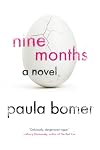
The basics: Nine Months is the story of Brooklyn wife and mom of two Sonia, who finds herself unintentionally and unhappily pregnant with number three. With frustration mounting, Sonia takes off on a cross-country trip alone--and does so many things pregnant women aren't supposed to do.
My thoughts: I've been saving Nine Months to read until I was very, very pregnant. I'm so glad I did because it was fun to live vicariously through Sonia. I'm happily pregnant, of course, but I also really dislike being pregnant. The thought of being pregnant again--ever--terrifies me. I can relate to Sonia's feeling of helplessness, but as real as it is, this novel is also escapist fun. It's fantasy that's firmly planted in reality:
""You’re pregnant. You’re doing a great job. I know it’s hard.” “You don’t know how hard it is. And I’m not doing a ‘great job.’ I haven’t done anything, except fuck you. This is happening to me, don’t you understand? I have nothing to do with it. It’s taking over me. It’s taking over my body and my soul, for God’s sake, like some parasite, like some alien virus.” Tears come to her eyes."
Through her marriage and her children, Sonia has lost something of herself. She's been looking forward to having her youngest in school so she can (finally) return to her art. Another child would hinder those plans; it would also mean their already cramped Brooklyn two-bedroom apartment would become impossible to live in.
There's a rawness and an show more honesty to both Sonia and Bomer's writing that I loved: "Not for the first time, she hates the fact that she is raising her kids in New York, where people treat their children like a combination between a science and an art project." This novel is wickedly funny in a way that isn't necessarily socially acceptable. It's dark and comical, but it's also firmly grounded in reality:
"The baby’s mouth roots around like a baby bird, unable to grasp on. So Sonia squeezes her nipple and colostrum comes out and the infant’s lips touch the pre-milk milk and then, it works—the baby tries to suck. First slowly, and then, as if something in her wired-for-survival brain clicks, she ferociously latches on to Sonia’s nipple and sucks on her like that’s what she’s been put on this earth to do. Which is, in fact, true. Her daughter is here to suck the life out of her, and leave her for the spent, middle-aged woman she soon will be."
The situations Sonia encounters are real, and perhaps her actions are too. For me? I wouldn't have the guts to act as recklessly as she does.
Favorite passage: "And as much as she feared being a minority in Kensington, she fears even more being literally stranded among people who are supposedly just like her. She’s never felt that anyone was just like her, regardless of skin color or money—it’s just not a dream she could ever buy into. It doesn’t ring any bell for her."
The verdict: I adored Nine Months as much for Sonia's illicit adventures as I did for Bomer's writing. It's a brave novel, and the combination of literary escape and social commentary is a winning one. show less
My thoughts: I've been saving Nine Months to read until I was very, very pregnant. I'm so glad I did because it was fun to live vicariously through Sonia. I'm happily pregnant, of course, but I also really dislike being pregnant. The thought of being pregnant again--ever--terrifies me. I can relate to Sonia's feeling of helplessness, but as real as it is, this novel is also escapist fun. It's fantasy that's firmly planted in reality:
""You’re pregnant. You’re doing a great job. I know it’s hard.” “You don’t know how hard it is. And I’m not doing a ‘great job.’ I haven’t done anything, except fuck you. This is happening to me, don’t you understand? I have nothing to do with it. It’s taking over me. It’s taking over my body and my soul, for God’s sake, like some parasite, like some alien virus.” Tears come to her eyes."
Through her marriage and her children, Sonia has lost something of herself. She's been looking forward to having her youngest in school so she can (finally) return to her art. Another child would hinder those plans; it would also mean their already cramped Brooklyn two-bedroom apartment would become impossible to live in.
There's a rawness and an show more honesty to both Sonia and Bomer's writing that I loved: "Not for the first time, she hates the fact that she is raising her kids in New York, where people treat their children like a combination between a science and an art project." This novel is wickedly funny in a way that isn't necessarily socially acceptable. It's dark and comical, but it's also firmly grounded in reality:
"The baby’s mouth roots around like a baby bird, unable to grasp on. So Sonia squeezes her nipple and colostrum comes out and the infant’s lips touch the pre-milk milk and then, it works—the baby tries to suck. First slowly, and then, as if something in her wired-for-survival brain clicks, she ferociously latches on to Sonia’s nipple and sucks on her like that’s what she’s been put on this earth to do. Which is, in fact, true. Her daughter is here to suck the life out of her, and leave her for the spent, middle-aged woman she soon will be."
The situations Sonia encounters are real, and perhaps her actions are too. For me? I wouldn't have the guts to act as recklessly as she does.
Favorite passage: "And as much as she feared being a minority in Kensington, she fears even more being literally stranded among people who are supposedly just like her. She’s never felt that anyone was just like her, regardless of skin color or money—it’s just not a dream she could ever buy into. It doesn’t ring any bell for her."
The verdict: I adored Nine Months as much for Sonia's illicit adventures as I did for Bomer's writing. It's a brave novel, and the combination of literary escape and social commentary is a winning one. show less
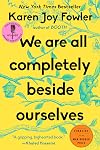
The backstory: We Are All Completely Beside Ourselves has been longlisted for the 2014 Booker Prize. It also won the 2014 PEN/Faulkner Prize.
The basics: Narrated by Rosemary, We Are All Completely Beside Ourselves is the story of her family: her academic psychologist father, mother, brother Lowell, and sister Fern. Rosemary slowly tells their secrets, but we learn early on she hasn't seen Lowell in ten years and Rosemary disappeared seventeen years ago.
My thoughts: Rosemary is the best kind of unreliable narrator. She's quiet honest with the reader about how she's telling this story--out of order. But despite knowing she's not telling a linear story (although it's easy to follow and even enhanced by its structure), she still managed to surprise me more than once with key details she waits to share. She doesn't lie, but she does omit at times. Beautifully, she tells the reader she's doing it in a beautiful way: "The beauty, the utility of this story is in its power to distract."
While I enjoyed this novel from the beginning, I did find myself thinking, "it's good, but it's missing that wow factor. Is it really Booker worthy?" Then, a little less than a third of the way through, the bombshell I perhaps should have seen coming more appears, and I was enchanted. Many reviews reveal this plot point, which is fair because it's quite difficult to discuss this book without it, but I'm opting not to. I didn't know it going into this book, and I think I enjoyed the novel more show more because of it. We Are All Completely Beside Ourselves would make a wonderful book club selection--it's both accessible and deep, and it explores many issues that are ripe for discussion. If you've already read it, I'd love to have someone to talk about it with.
Favorite passage: "Language does this to our memories--simplifies, solidifies, codifies, mummifies."
The verdict: We Are All Completely Beside Ourselves is a confident, accomplished novel. Its layers of plot, revelation and time are perfectly rendered. Fowler tackles issues large and small in this narrative that is itself both complicated and simple. I marvel at its combination of plot, character and construction. Rarely am I tempted to re-read books, let alone re-read them as soon as I finish, but I have a feeling this novel only improves with a second reading, which makes it a mighty strong Booker Prize contender. show less
The basics: Narrated by Rosemary, We Are All Completely Beside Ourselves is the story of her family: her academic psychologist father, mother, brother Lowell, and sister Fern. Rosemary slowly tells their secrets, but we learn early on she hasn't seen Lowell in ten years and Rosemary disappeared seventeen years ago.
My thoughts: Rosemary is the best kind of unreliable narrator. She's quiet honest with the reader about how she's telling this story--out of order. But despite knowing she's not telling a linear story (although it's easy to follow and even enhanced by its structure), she still managed to surprise me more than once with key details she waits to share. She doesn't lie, but she does omit at times. Beautifully, she tells the reader she's doing it in a beautiful way: "The beauty, the utility of this story is in its power to distract."
While I enjoyed this novel from the beginning, I did find myself thinking, "it's good, but it's missing that wow factor. Is it really Booker worthy?" Then, a little less than a third of the way through, the bombshell I perhaps should have seen coming more appears, and I was enchanted. Many reviews reveal this plot point, which is fair because it's quite difficult to discuss this book without it, but I'm opting not to. I didn't know it going into this book, and I think I enjoyed the novel more show more because of it. We Are All Completely Beside Ourselves would make a wonderful book club selection--it's both accessible and deep, and it explores many issues that are ripe for discussion. If you've already read it, I'd love to have someone to talk about it with.
Favorite passage: "Language does this to our memories--simplifies, solidifies, codifies, mummifies."
The verdict: We Are All Completely Beside Ourselves is a confident, accomplished novel. Its layers of plot, revelation and time are perfectly rendered. Fowler tackles issues large and small in this narrative that is itself both complicated and simple. I marvel at its combination of plot, character and construction. Rarely am I tempted to re-read books, let alone re-read them as soon as I finish, but I have a feeling this novel only improves with a second reading, which makes it a mighty strong Booker Prize contender. show less
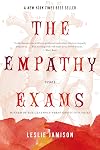
The basics: The Empathy Exams is an essay collection. Each essay, including the titular one, addresses empathy, although some focus more on it than others.
My thoughts: I've really been enjoying essays lately, and The Empathy Exams is the most buzzed about collection this year. Having read several edited collections, it was delightful to dig more deeply into a thematic collection of essays by a single author.
The first (and titular) essay is astonishingly good. It details Jamison's time working as a medical actor, where her job was to act out symptoms for medical students, who were then judged not only on their diagnostic skills, but also their empathy, both verbally and visually. The essay is simultaneously a fascinating glimpse into an experience and a deep meditation on health, wellness, humanity, and empathy.
As I read this collection, which I didn't expect to be about empathy after the first essay, I realized how much I'm drawn to essays about personal experiences. Given this revelation, it's not surprising I was most drawn to Jamison's essays about her immersive experiences. Many of them are journalistic at times, but Jamison pushes so much further. She uses these experiences as a stepping off point for deeper discussions.
Favorite passage: "This was the double blade of how I felt about anything that hurt: I wanted someone else to feel it with me, and also I wanted it entirely for myself."
The verdict: In a collection exploring both a singular theme and a variety of show more experiences and emotions, some essays in The Empathy Exams inevitably excel more than others. Judging them against one another seems almost unfair, however, as the collection is so strong. As the collection winds down, I found myself giving some of the later essays more of a 'meh' response because my expectations became so high as I read. Yet had I read them individually, I would have been wowed. Ultimately, The Empathy Exams is a strong, dynamic collection of essays, and the multiple-page Google doc of memorable quotes is one I'll keep returning to. show less
My thoughts: I've really been enjoying essays lately, and The Empathy Exams is the most buzzed about collection this year. Having read several edited collections, it was delightful to dig more deeply into a thematic collection of essays by a single author.
The first (and titular) essay is astonishingly good. It details Jamison's time working as a medical actor, where her job was to act out symptoms for medical students, who were then judged not only on their diagnostic skills, but also their empathy, both verbally and visually. The essay is simultaneously a fascinating glimpse into an experience and a deep meditation on health, wellness, humanity, and empathy.
As I read this collection, which I didn't expect to be about empathy after the first essay, I realized how much I'm drawn to essays about personal experiences. Given this revelation, it's not surprising I was most drawn to Jamison's essays about her immersive experiences. Many of them are journalistic at times, but Jamison pushes so much further. She uses these experiences as a stepping off point for deeper discussions.
Favorite passage: "This was the double blade of how I felt about anything that hurt: I wanted someone else to feel it with me, and also I wanted it entirely for myself."
The verdict: In a collection exploring both a singular theme and a variety of show more experiences and emotions, some essays in The Empathy Exams inevitably excel more than others. Judging them against one another seems almost unfair, however, as the collection is so strong. As the collection winds down, I found myself giving some of the later essays more of a 'meh' response because my expectations became so high as I read. Yet had I read them individually, I would have been wowed. Ultimately, The Empathy Exams is a strong, dynamic collection of essays, and the multiple-page Google doc of memorable quotes is one I'll keep returning to. show less

The backstory: Paula Marantz Cohen is one of my best-kept secret authors. I first discovered her in the winter of 2003. I graduated from college in December 2002, moved "home" to Kansas City, and found myself with lots of time to read in a very icy winter. On the new release shelves at the library, I picked up Jane Austen in Boca on a whim. I loved it and promptly read all of her other novels too. (Read my review of Much Ado About Jessie Kaplan.)
The basics: Suzanne Davis is a 34-year-old New York who works as a technical writer for an air conditioning union. She wants to have a baby, and as her birthday approaches, she decides she needs to get a life...and turns to those in her Upper West Side apartment building.
My thoughts: Suzanne Davis Gets a Life captured me from the first page. Suzanne's narration is satirical, hilarious, and wise. She addresses the reader directly as she tells her story, and I could hardly read fast enough to enjoy her world and perspective. Her observations about the stay-at-home moms on the playground at her apartment building are witty and wise: "It is a characteristic of the stay-at-home mothers in this socio-economic group that they mix language from their former lives in high-powered jobs with subject matter of a profoundly trivial nature."
A lot happens in this slim novel, and I won't spoil its plot. If you're a fan of modern satire, books, and social commentary, then make time for Suzanne Davis Gets a Life.
Favorite passage: "Stories like show more that don't have one point," I noted graciously. This happens to be one of the few practical insights I gained from my overpriced and otherwise useless English degree. "
The verdict: Suzanne Davis Gets a Life is smart, poignant, funny and confident. Suzanne's voice is honest, quirky and endearing, even as her actions are often wince-inducing. Despite grappling with serious ideas and events, neither Cohen nor Davis let the tone get too serious. This balance between the light and the heavy make this novel an entertaining read, but also a deep one. show less
The basics: Suzanne Davis is a 34-year-old New York who works as a technical writer for an air conditioning union. She wants to have a baby, and as her birthday approaches, she decides she needs to get a life...and turns to those in her Upper West Side apartment building.
My thoughts: Suzanne Davis Gets a Life captured me from the first page. Suzanne's narration is satirical, hilarious, and wise. She addresses the reader directly as she tells her story, and I could hardly read fast enough to enjoy her world and perspective. Her observations about the stay-at-home moms on the playground at her apartment building are witty and wise: "It is a characteristic of the stay-at-home mothers in this socio-economic group that they mix language from their former lives in high-powered jobs with subject matter of a profoundly trivial nature."
A lot happens in this slim novel, and I won't spoil its plot. If you're a fan of modern satire, books, and social commentary, then make time for Suzanne Davis Gets a Life.
Favorite passage: "Stories like show more that don't have one point," I noted graciously. This happens to be one of the few practical insights I gained from my overpriced and otherwise useless English degree. "
The verdict: Suzanne Davis Gets a Life is smart, poignant, funny and confident. Suzanne's voice is honest, quirky and endearing, even as her actions are often wince-inducing. Despite grappling with serious ideas and events, neither Cohen nor Davis let the tone get too serious. This balance between the light and the heavy make this novel an entertaining read, but also a deep one. show less
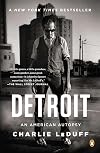
narrated by Eric Martin
The basics: Detroit: An American Autopsy is part journalism, part current events, and part memoir. Pulitzer-Prize winning journalist Charlie LeDuff makes the somewhat surprising choice to return to Detroit, where he grew up, with his wife and daughter. In this book, LeDuff explores what's become of the town his family has lived in for generations with a cynical, native eye.
My thoughts: LeDuff writes with a raw urgency I found infectious. The subtitle of this book gives a clue as to where Detroit stands, and as concerned as LeDuff is with the how, there's plenty of exploration as to how much really is wrong with Detroit. Part of telling that story is telling its prosperous history. Before Detroit became a sad story and a punchline, it was one of the most successful American cities. In the span of a generation, it changed drastically.
LeDuff explores these issues and themes both personally, in terms of his experience and his family's history, and professionally, as a journalist covering the city itself. The combination works beautifully, at least in part due to LeDuff's no-holds-barred attitude. He's simultaneously critical and reverent of the city. He's honest about his own mistakes and shortcomings. The result is a difficult to place in a single genre book, but it's one whose reading experience I enjoyed immensely.
Audio thoughts: Eric Martin was superb. He narrated with a strong emotional inflection, and I had to keep reminding myself he wasn't just show more telling me his own story (with passion, likely over beer and bourbon.) Martin perfectly navigated the combination of personal memoir, social commentary, and journalism in this book. I'll definitely be seeking out more of his narrations.
The verdict: Detroit: An American Autopsy is a fascinating blend of journalism, family history, memoir, and current events. LeDuff's writing is infused with a richness of detail, emotion and honesty. Eric Martin's narration enhances the book, but I'd recommend it in print or audio, depending on your preference.
Rating: 4 out of 5 (audio 4.5 out of 5) show less
The basics: Detroit: An American Autopsy is part journalism, part current events, and part memoir. Pulitzer-Prize winning journalist Charlie LeDuff makes the somewhat surprising choice to return to Detroit, where he grew up, with his wife and daughter. In this book, LeDuff explores what's become of the town his family has lived in for generations with a cynical, native eye.
My thoughts: LeDuff writes with a raw urgency I found infectious. The subtitle of this book gives a clue as to where Detroit stands, and as concerned as LeDuff is with the how, there's plenty of exploration as to how much really is wrong with Detroit. Part of telling that story is telling its prosperous history. Before Detroit became a sad story and a punchline, it was one of the most successful American cities. In the span of a generation, it changed drastically.
LeDuff explores these issues and themes both personally, in terms of his experience and his family's history, and professionally, as a journalist covering the city itself. The combination works beautifully, at least in part due to LeDuff's no-holds-barred attitude. He's simultaneously critical and reverent of the city. He's honest about his own mistakes and shortcomings. The result is a difficult to place in a single genre book, but it's one whose reading experience I enjoyed immensely.
Audio thoughts: Eric Martin was superb. He narrated with a strong emotional inflection, and I had to keep reminding myself he wasn't just show more telling me his own story (with passion, likely over beer and bourbon.) Martin perfectly navigated the combination of personal memoir, social commentary, and journalism in this book. I'll definitely be seeking out more of his narrations.
The verdict: Detroit: An American Autopsy is a fascinating blend of journalism, family history, memoir, and current events. LeDuff's writing is infused with a richness of detail, emotion and honesty. Eric Martin's narration enhances the book, but I'd recommend it in print or audio, depending on your preference.
Rating: 4 out of 5 (audio 4.5 out of 5) show less
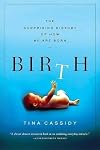
The basics: Birth: The Surprising History of How We Are Born is a historical and anthropological look at childbirth.
My thoughts: Since I got pregnant (the nomadbaby is due August 9th), I've become more interested in books about pregnancy and birthing. As with many things in life, part of me is drawn to the natural way of doing things, while part of me is drawn to modern convenience. For example, I eat as much local and organic produce, meat, eggs and cheese as possible. But I have no desire to actually have my own garden, grow my own food, or kill the animals I eat. So I rely on local farmers and belong to a two CSAs, one for meat.With pregnancy and birth, these choices between natural and modern seem to have impossibly high stakes. For the first time in my life, my biology dictates many of my choices. As the one carrying this baby, I have responsibilities Mr. Nomadreader doesn't. How far those extend after birth is something I think about often, particularly as we tend to divide tasks more evenly in life than pregnancy allows (I have started opining how lovely pregnancy would be if we could only alternate weeks being pregnant.)
When it comes to birth, I've spent a lot of time thinking about options. Two options I never really considered were having a midwife instead of my obstetrician and having a home birth. Even with the choice to deliver in a hospital with an obstetrician, I soon learned the choices keep coming. So often in casual conversations about epidurals, show more c-sections, etc., someone will say "well women have been having babies without pain relief and without c-sections for years." And inevitably the response will come, "yes, and women have been dying in childbirth for hundreds of years." I wanted to know where the truth lies. Admittedly, I didn't seek out justification for my choices, or even start this book looking for a reason to change my mind. I'm fine with my choice to have an epidural and would welcome an elective c-section if it were offered. But I wanted to know more about what options I would have had in other times in history, in other countries, in other cultures or financial circumstances. I wanted to know how common or rare my choices are, and how my experience as a pregnant woman in 2014 fits into the history of humanity.
The first chapter of Birth is perhaps my favorite. Entitled "Evolution and the Human Body," it's an anthropological exploration of birth and the pelvis. It looks at what separates human pregnancy, birth, and babies from other mammals. If you only read part of this book, read that chapter. It's absolutely fascinating (and again made me want to have a c-section, which is probably not its intention.) From there, Cassidy takes a thematic approach to birth, exploring midwives, birthing places, pain relief, c-sections, doctors, tools and fads, and the role of fathers.
Birth is a fascinating book in its own right, and I learned a lot from it. What impacted me most personally is how little I really care about the birth experience. It's not a secret I haven't enjoyed pregnancy much (despite being very excited to finally, actually be pregnant!), and birth is just the last stepping stone to actually having the nomadbaby. I'm happy for that experience to be as quick and painless as possible (the anesthetized births of the 1960's sounded like a great idea to me--wake up with a baby!) I don't need that experience to connect me to humanity the way so many women throughout history have. I don't need it as a life experience. While I live at a time where I can't opt out of it, I am incredibly grateful to live at the time I do when I do have choices. And from a cultural anthropological point of view, I can't wait to see how the current birthing trends are viewed in fifty years.
The verdict: Whether you're pregnant or not, Birth is a fascinating cultural history of a process we're all a part of in one way or another. show less
My thoughts: Since I got pregnant (the nomadbaby is due August 9th), I've become more interested in books about pregnancy and birthing. As with many things in life, part of me is drawn to the natural way of doing things, while part of me is drawn to modern convenience. For example, I eat as much local and organic produce, meat, eggs and cheese as possible. But I have no desire to actually have my own garden, grow my own food, or kill the animals I eat. So I rely on local farmers and belong to a two CSAs, one for meat.With pregnancy and birth, these choices between natural and modern seem to have impossibly high stakes. For the first time in my life, my biology dictates many of my choices. As the one carrying this baby, I have responsibilities Mr. Nomadreader doesn't. How far those extend after birth is something I think about often, particularly as we tend to divide tasks more evenly in life than pregnancy allows (I have started opining how lovely pregnancy would be if we could only alternate weeks being pregnant.)
When it comes to birth, I've spent a lot of time thinking about options. Two options I never really considered were having a midwife instead of my obstetrician and having a home birth. Even with the choice to deliver in a hospital with an obstetrician, I soon learned the choices keep coming. So often in casual conversations about epidurals, show more c-sections, etc., someone will say "well women have been having babies without pain relief and without c-sections for years." And inevitably the response will come, "yes, and women have been dying in childbirth for hundreds of years." I wanted to know where the truth lies. Admittedly, I didn't seek out justification for my choices, or even start this book looking for a reason to change my mind. I'm fine with my choice to have an epidural and would welcome an elective c-section if it were offered. But I wanted to know more about what options I would have had in other times in history, in other countries, in other cultures or financial circumstances. I wanted to know how common or rare my choices are, and how my experience as a pregnant woman in 2014 fits into the history of humanity.
The first chapter of Birth is perhaps my favorite. Entitled "Evolution and the Human Body," it's an anthropological exploration of birth and the pelvis. It looks at what separates human pregnancy, birth, and babies from other mammals. If you only read part of this book, read that chapter. It's absolutely fascinating (and again made me want to have a c-section, which is probably not its intention.) From there, Cassidy takes a thematic approach to birth, exploring midwives, birthing places, pain relief, c-sections, doctors, tools and fads, and the role of fathers.
Birth is a fascinating book in its own right, and I learned a lot from it. What impacted me most personally is how little I really care about the birth experience. It's not a secret I haven't enjoyed pregnancy much (despite being very excited to finally, actually be pregnant!), and birth is just the last stepping stone to actually having the nomadbaby. I'm happy for that experience to be as quick and painless as possible (the anesthetized births of the 1960's sounded like a great idea to me--wake up with a baby!) I don't need that experience to connect me to humanity the way so many women throughout history have. I don't need it as a life experience. While I live at a time where I can't opt out of it, I am incredibly grateful to live at the time I do when I do have choices. And from a cultural anthropological point of view, I can't wait to see how the current birthing trends are viewed in fifty years.
The verdict: Whether you're pregnant or not, Birth is a fascinating cultural history of a process we're all a part of in one way or another. show less
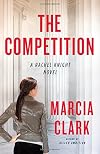
The backstory: The Competition is Marcia Clark's fourth mystery featuring Los Angeles District Attorney Rachel Knight. Read my reviews of the first three: Guilt by Association, Guilt by Degrees, and Killer Ambition.
The basics: When a local high school is the scene of a mass murder, Rachel Knight is called in to aid the investigation, as is the procedure for high profile cases. It turns out to be a shrewd move in this case, as the two shooters managed to escape with their identities still unknown.
My thoughts: When I first heard The Competition would focus on a school shooting, I was confused. "Where's the mystery in that?" I wondered. Marcia Clark takes an all-too-familiar storyline and makes it into a mystery. The Competition asks harrowing questions: what if the school shooting is the beginning rather than the end? How do we keep the public safe and keep them from panicking? This novel is a journey into the cliches and nuances of mass murderers and high school life.
While this case is all-consuming for Rachel and her best friend/detective Bailey Keller, there are frequent mentions to events from the first three books, including the lingering storylines. Unfortunately, there's little to no movement in these storylines, and I found their inclusion to distract the narrative of The Competition. The details of these past cases are admittedly hazy, but their inclusion served to only remind me of all I didn't remember rather than to add more intrigue.
As strong as the premise for show more this novel is, the mystery's conclusion was telegraphed too early for my taste. As a reader, I don't like to feel smarter than the detectives solving the case, and by the end of The Competition, I did. Stripped of the jaw-dropping resolution I expected from the novel's many unexpected turns early on, I did still enjoy the conclusion, even if it more resembled a legal thriller than a whodunit by the book's end.
The verdict: The strong premise and intriguing set-up is enough to compensate for the telegraphed resolution. The mystery is the emphasis here, and there's little to no progress for the lingering plot lines in Rachel's life. I hope the next novel addresses those, or at least stops mentioning them without moving them forward. show less
The basics: When a local high school is the scene of a mass murder, Rachel Knight is called in to aid the investigation, as is the procedure for high profile cases. It turns out to be a shrewd move in this case, as the two shooters managed to escape with their identities still unknown.
My thoughts: When I first heard The Competition would focus on a school shooting, I was confused. "Where's the mystery in that?" I wondered. Marcia Clark takes an all-too-familiar storyline and makes it into a mystery. The Competition asks harrowing questions: what if the school shooting is the beginning rather than the end? How do we keep the public safe and keep them from panicking? This novel is a journey into the cliches and nuances of mass murderers and high school life.
While this case is all-consuming for Rachel and her best friend/detective Bailey Keller, there are frequent mentions to events from the first three books, including the lingering storylines. Unfortunately, there's little to no movement in these storylines, and I found their inclusion to distract the narrative of The Competition. The details of these past cases are admittedly hazy, but their inclusion served to only remind me of all I didn't remember rather than to add more intrigue.
As strong as the premise for show more this novel is, the mystery's conclusion was telegraphed too early for my taste. As a reader, I don't like to feel smarter than the detectives solving the case, and by the end of The Competition, I did. Stripped of the jaw-dropping resolution I expected from the novel's many unexpected turns early on, I did still enjoy the conclusion, even if it more resembled a legal thriller than a whodunit by the book's end.
The verdict: The strong premise and intriguing set-up is enough to compensate for the telegraphed resolution. The mystery is the emphasis here, and there's little to no progress for the lingering plot lines in Rachel's life. I hope the next novel addresses those, or at least stops mentioning them without moving them forward. show less
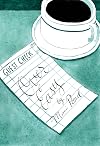
The basics: Over Easy is a partially fictionalized graphic memoir of Mimi Pond's experience as an art student and diner waitress in Berkeley, California in the 1970's.
My thoughts: I spent years working in restaurants. I never worked in a diner, but the wine bar in Atlanta where Mr. Nomadreader and I met, had an eight-hour brunch every Saturday and Sunday. Given my history (and Mr. Nomadreader's continued work) in the service industry, I'm drawn to books about the restaurant business. When I read Mimi Pond wrote a comic for Seventeen in the 1990's, I immediately remembered her, and I also knew she wrote for The Simpsons. Over Easy may be a debut graphic memoir, but she's an accomplished and experienced artist and author.
Pond captures the essence of 1970's Berkeley well. I was eager to explore that world, and the level of detail helped me immerse myself in it quickly. She also captures the naivete of her former self well. As is still the case, restaurants are filled with sex, drinking and drugs, and Mimi was often surprised to see how her co-workers lived and partied.
What was less successful for me in terms of storytelling was the lack of insight. It's as though Pond shared her journals from the moment without the perspective of life lived since then. In that sense, it's too ordinary of a coming of age story. Much will be familiar to anyone who spent time working in a restaurant today. While this type of coming of age story can be quite successful, I was struck by how show more ordinary her experience was. Clearly it was powerful enough for her to tell this story (and tell it well), but as I read, I kept waiting for the 'so what?' moment. What makes this graphic memoir/novel special? Given Pond's professional success, there's an argument there, but she doesn't address her life now at all, even in passing. Pond is what's most interesting here, but too much of the story hinges on the cast of characters that fascinated, delighted and confounded her younger self. Unfortunately, they didn't have the same impact on this reader.
The verdict: I had high expectations for Over Easy, and overall I was underwhelmed. Pond immersed me in the time and place, but I wanted more insight and reflection into her experience. I wanted more insight into what makes this story special. I most enjoyed her life outside of the restaurant, but the story focused mostly on the cast of characters within the restaurant. Ultimately, Over Easy is a competent coming of age graphic memoir, but I wanted more. show less
My thoughts: I spent years working in restaurants. I never worked in a diner, but the wine bar in Atlanta where Mr. Nomadreader and I met, had an eight-hour brunch every Saturday and Sunday. Given my history (and Mr. Nomadreader's continued work) in the service industry, I'm drawn to books about the restaurant business. When I read Mimi Pond wrote a comic for Seventeen in the 1990's, I immediately remembered her, and I also knew she wrote for The Simpsons. Over Easy may be a debut graphic memoir, but she's an accomplished and experienced artist and author.
Pond captures the essence of 1970's Berkeley well. I was eager to explore that world, and the level of detail helped me immerse myself in it quickly. She also captures the naivete of her former self well. As is still the case, restaurants are filled with sex, drinking and drugs, and Mimi was often surprised to see how her co-workers lived and partied.
What was less successful for me in terms of storytelling was the lack of insight. It's as though Pond shared her journals from the moment without the perspective of life lived since then. In that sense, it's too ordinary of a coming of age story. Much will be familiar to anyone who spent time working in a restaurant today. While this type of coming of age story can be quite successful, I was struck by how show more ordinary her experience was. Clearly it was powerful enough for her to tell this story (and tell it well), but as I read, I kept waiting for the 'so what?' moment. What makes this graphic memoir/novel special? Given Pond's professional success, there's an argument there, but she doesn't address her life now at all, even in passing. Pond is what's most interesting here, but too much of the story hinges on the cast of characters that fascinated, delighted and confounded her younger self. Unfortunately, they didn't have the same impact on this reader.
The verdict: I had high expectations for Over Easy, and overall I was underwhelmed. Pond immersed me in the time and place, but I wanted more insight and reflection into her experience. I wanted more insight into what makes this story special. I most enjoyed her life outside of the restaurant, but the story focused mostly on the cast of characters within the restaurant. Ultimately, Over Easy is a competent coming of age graphic memoir, but I wanted more. show less
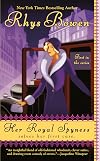
narrated by Katherine Kellgren
The backstory: Her Royal Spyness is the first book in Rhys Bowen's Royal Spyness historical mystery series, which is set in 1930's London.
The basics: Lady Georgiana is 34th in line for the throne of England. She's also broke and unmarried. Given her station in life, working is challenging at best.
My thoughts: I have a fascination with the 1930's and aristocracy, and I snapped up Her Royal Spyness in an Audible sale awhile ago. I'm glad I finally got around to listening to it. It's a cozy mystery series, and like many cozies, it's emphasis wasn't focused on the mystery, particularly in the first half of the book.
The novel is incredibly character driven, and Georgie is a fabulous character. She's funny, and she acknowledges the preposterousness of her situation with wonderful humor. She's a heroine to root for, and when a dead body turns up in her family's home, she finds herself playing sleuth. I'm drawn to cozy mysteries where the amateur sleuth stumbles upon a mystery. Had I not known this novel was a murder mystery, it would not have been apparent until later in the novel.
While Her Royal Spyness is definitely a murder mystery, fans of historical fiction will still delight in its attention to 1930's London aristocracy. The tone of the novel is relatively light-hearted, and although there is a murder to solve, in addition to other serious problems, Bowen keeps the novel light and humorous.
The verdict: I thoroughly enjoyed Her Royal Spyness show more and getting to know Georgie and her family and friends. As a novel, I enjoyed the non-mystery components most, and I'm curious to see how the balance between story and mystery plays out as the series continues.
Audio thoughts: Katherine Kellgren was utterly fantastic. It was my first time hearing her narrate, but I have a hard time believing the book would have been as enjoyable in print. She mastered the varying British dialects perfectly (to my American ears, admittedly), and her performance for a character who lisped added the perfect element of humor. Throughout this mystery, which is both comical and tense, her narration matched the mood perfectly. show less
The backstory: Her Royal Spyness is the first book in Rhys Bowen's Royal Spyness historical mystery series, which is set in 1930's London.
The basics: Lady Georgiana is 34th in line for the throne of England. She's also broke and unmarried. Given her station in life, working is challenging at best.
My thoughts: I have a fascination with the 1930's and aristocracy, and I snapped up Her Royal Spyness in an Audible sale awhile ago. I'm glad I finally got around to listening to it. It's a cozy mystery series, and like many cozies, it's emphasis wasn't focused on the mystery, particularly in the first half of the book.
The novel is incredibly character driven, and Georgie is a fabulous character. She's funny, and she acknowledges the preposterousness of her situation with wonderful humor. She's a heroine to root for, and when a dead body turns up in her family's home, she finds herself playing sleuth. I'm drawn to cozy mysteries where the amateur sleuth stumbles upon a mystery. Had I not known this novel was a murder mystery, it would not have been apparent until later in the novel.
While Her Royal Spyness is definitely a murder mystery, fans of historical fiction will still delight in its attention to 1930's London aristocracy. The tone of the novel is relatively light-hearted, and although there is a murder to solve, in addition to other serious problems, Bowen keeps the novel light and humorous.
The verdict: I thoroughly enjoyed Her Royal Spyness show more and getting to know Georgie and her family and friends. As a novel, I enjoyed the non-mystery components most, and I'm curious to see how the balance between story and mystery plays out as the series continues.
Audio thoughts: Katherine Kellgren was utterly fantastic. It was my first time hearing her narrate, but I have a hard time believing the book would have been as enjoyable in print. She mastered the varying British dialects perfectly (to my American ears, admittedly), and her performance for a character who lisped added the perfect element of humor. Throughout this mystery, which is both comical and tense, her narration matched the mood perfectly. show less
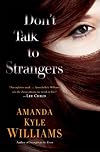
The backstory: I raced through the first two Keye Street mystery novels by Amanda Kyle Williams last fall and loved them both (see my reviews of The Stranger You Seek and Stranger in the Room.) When I visited Atlanta, where the series is set, in February, I treated myself and read the galley on my trip (y'all know I love to read books in the city in which they're set!)
The basics: When the Hitichi County sheriff calls Atlanta FBI profiler turned private investigator Keye Street about a possible serial killer, she travels to the lakeside, rural Georgia town to try to solve the murders of two thirteen-year-old girls killed ten years apart and discovered in the same grave in a wooded area.
My thoughts: The further along writers get in series, the harder it can be to keep things fresh. In this third installment of the Keye Street series, the first thirty pages are so are a glimpse into Keye's personal and professional life. The reader is treated to her current living situation, a bond jumping case, and office hijinks. When the action shifts to the mystery whose focus carries this novel, I was hooked. The premise is fascinating: a serial killer targeting thirteen-year-old girls ten years apart. As the details of the case unfold, I marveled at its complexity and the spot-on pacing. Williams strikes the perfect balance between the comforts of the previous books and characters and moving the storylines along in a satisfying way. These murders definitely dominate this novel, but the show more case is interesting and complicated enough that to have it otherwise would be a disservice. This series continues to fly under the radar, but it's among my favorite contemporary mystery series, and I cannot wait until the fourth one is out.
The verdict: Don't Talk to Strangers is a riveting procedural and a worthy entry in this excellent series. The case is the focus, and its conclusion is satisfying, but the epilogue delivers a jaw-dropping cliffhanger in Keye's personal life that left me cursing the time until the fourth installment. show less
The basics: When the Hitichi County sheriff calls Atlanta FBI profiler turned private investigator Keye Street about a possible serial killer, she travels to the lakeside, rural Georgia town to try to solve the murders of two thirteen-year-old girls killed ten years apart and discovered in the same grave in a wooded area.
My thoughts: The further along writers get in series, the harder it can be to keep things fresh. In this third installment of the Keye Street series, the first thirty pages are so are a glimpse into Keye's personal and professional life. The reader is treated to her current living situation, a bond jumping case, and office hijinks. When the action shifts to the mystery whose focus carries this novel, I was hooked. The premise is fascinating: a serial killer targeting thirteen-year-old girls ten years apart. As the details of the case unfold, I marveled at its complexity and the spot-on pacing. Williams strikes the perfect balance between the comforts of the previous books and characters and moving the storylines along in a satisfying way. These murders definitely dominate this novel, but the show more case is interesting and complicated enough that to have it otherwise would be a disservice. This series continues to fly under the radar, but it's among my favorite contemporary mystery series, and I cannot wait until the fourth one is out.
The verdict: Don't Talk to Strangers is a riveting procedural and a worthy entry in this excellent series. The case is the focus, and its conclusion is satisfying, but the epilogue delivers a jaw-dropping cliffhanger in Keye's personal life that left me cursing the time until the fourth installment. show less
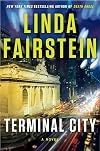
The backstory: Terminal City is the sixteenth mystery in Linda Fairstein's Alexandra Cooper series. Cooper runs the Manhattan D.A.'s Special Victims Unit, a unit Fairstein herself ran for many years.
The basics: A woman is found raped and murdered at the illustrious Waldorf-Astoria Hotel. Soon thereafter, another body appears outside Grand Central Terminal, and Alex, along with good friends and detectives Mercer and Mike, is drawn into the self-functioning city of people who call the ground underneath Grand Central home as they try to solve these murders.
This review will contain minor spoilers from previous Fairstein novels, particularly Death Angel.
My thoughts: I, like many long-time readers, celebrated a certain development in Alex's personal life that appeared frustratingly close to the end of Death Angel. As excited as I always am for a new Fairstein novel, this year I was most excited to see what was happening in Alex's love life. The events in Terminal City pick up shortly after the events of Death Angel, so not much has changed. The first murder brings Alex and Mike, just back from suspension and an Ireland vacation, together professionally before they've spoken personally, and the case continues to dominate their time. As a reader, I found the all-consuming nature of this case frustrating, but it is realistic.
Soon, however, I was more wrapped up in the intrigue of the case and the rich history of Grand Central. Like Alex, I put her love life out of my mind. I read show more this mystery compulsively, but I savored the fascinating details of New York's history as much as the developing clues in the whodunit. As is typical of Fairstein, the history is not merely a backdrop--it feeds clues to the mystery itself, which make her books entertaining and informative.
The verdict: Terminal City will delight longtime fans of the series. It has all the hallmarks of a great mystery, plus Fairstein's signature in-depth look at an icon of New York City. While you could easily enjoy this mystery if you haven't read others in the series, the personal storylines likely won't be nearly as satisfying to new readers. While the mystery at the center of this one struck me as dark by Fairstein's standards, the warmth of a certain storyline in Alex's personal life compensates and left me once again eagerly awaiting Fairstein's next mystery. show less
The basics: A woman is found raped and murdered at the illustrious Waldorf-Astoria Hotel. Soon thereafter, another body appears outside Grand Central Terminal, and Alex, along with good friends and detectives Mercer and Mike, is drawn into the self-functioning city of people who call the ground underneath Grand Central home as they try to solve these murders.
This review will contain minor spoilers from previous Fairstein novels, particularly Death Angel.
My thoughts: I, like many long-time readers, celebrated a certain development in Alex's personal life that appeared frustratingly close to the end of Death Angel. As excited as I always am for a new Fairstein novel, this year I was most excited to see what was happening in Alex's love life. The events in Terminal City pick up shortly after the events of Death Angel, so not much has changed. The first murder brings Alex and Mike, just back from suspension and an Ireland vacation, together professionally before they've spoken personally, and the case continues to dominate their time. As a reader, I found the all-consuming nature of this case frustrating, but it is realistic.
Soon, however, I was more wrapped up in the intrigue of the case and the rich history of Grand Central. Like Alex, I put her love life out of my mind. I read show more this mystery compulsively, but I savored the fascinating details of New York's history as much as the developing clues in the whodunit. As is typical of Fairstein, the history is not merely a backdrop--it feeds clues to the mystery itself, which make her books entertaining and informative.
The verdict: Terminal City will delight longtime fans of the series. It has all the hallmarks of a great mystery, plus Fairstein's signature in-depth look at an icon of New York City. While you could easily enjoy this mystery if you haven't read others in the series, the personal storylines likely won't be nearly as satisfying to new readers. While the mystery at the center of this one struck me as dark by Fairstein's standards, the warmth of a certain storyline in Alex's personal life compensates and left me once again eagerly awaiting Fairstein's next mystery. show less
The backstory: I've really been enjoying collections of essays lately, and MFA vs. NYC is perhaps this year's most buzzed about edited volume. It's theme also echoes many of the essays in Goodbye to All That, which I adored.
The basics: Divided into two large sections (MFA and NYC) and three smaller ones, MFA vs. NYC takes its name from an essay editor Chad Harbach originally wrote for n+1. The other essays are a mix of those written for this collection and those adapted from earlier pieces.
My thoughts: Part of what has drawn me to personal essays lately is the fascination with what it means to be a writer. In MFA vs. NYC, that theme is on full display, but it's bigger picture is the current state of American fiction. Obviously, writers are critical to that, and each essay offers different ideas and insights into what exactly it means to be a writer.
I've never seriously thought about enrolling in an MFA program, and what surprised me most about this collection was not only the rise of MFA programs themselves (in both quantity and perceived prestige) but what an MFA program actually entails. The emphasis in this collection is on Iowa, perhaps the most famous of MFA programs, and it would be easy to fill an entire collection with perspectives on this program alone.
If there's a fault with MFA vs. NYC it's that it tries to do too much. The essays are all excellent, but as a collection, it felt more unbalanced as I went along. The first two sections, on MFAs and NYC offered a show more variety of glimpses into contemporary writing and publishing, but as the themes shifted to pairs of essays, the collection lost a bit of its momentum. It's still an accomplished collection, but as a cohesive piece, it faltered somewhat near the end.
Favorite passages: "It could be argued that any time you get ten to forty people together and have a core group of teachers, some homogenization is going to happen, but, in a sense, isn’t that what culture is? The establishment of a standard and then a resulting attempt to mimic that standard, followed by a passionate revolt against that stupid repressive reactionary standard, which is then replaced by a lovely innovative pure new standard, et cetera?" -- George Saunders, "A Mini-Manifesto"
"Charlotte didn’t think I was an idiot. She explained the ways in which her deployment of orcs and elves in her work differed from and even subverted the tropes of ordinary fantasy fiction. I didn’t mind discussing all this, even as I found it surreal. These were the times we were living in. I was on a college campus. I was a visiting professor. And I was sitting in my office, bearded and wise-looking and, in all seriousness, discussing orcs." -- Keith Gessen, "Money (2014)"
The verdict: Although the title implies an either/or dynamic, the essays in this collection focus more on sharing individual experience than arguing for one and against the other. As a collection of studies of modern American writing, it's fascinating. Anyone interested in the current state of American fiction will find many things worth ruminating over in this diverse collection. show less
The basics: Divided into two large sections (MFA and NYC) and three smaller ones, MFA vs. NYC takes its name from an essay editor Chad Harbach originally wrote for n+1. The other essays are a mix of those written for this collection and those adapted from earlier pieces.
My thoughts: Part of what has drawn me to personal essays lately is the fascination with what it means to be a writer. In MFA vs. NYC, that theme is on full display, but it's bigger picture is the current state of American fiction. Obviously, writers are critical to that, and each essay offers different ideas and insights into what exactly it means to be a writer.
I've never seriously thought about enrolling in an MFA program, and what surprised me most about this collection was not only the rise of MFA programs themselves (in both quantity and perceived prestige) but what an MFA program actually entails. The emphasis in this collection is on Iowa, perhaps the most famous of MFA programs, and it would be easy to fill an entire collection with perspectives on this program alone.
If there's a fault with MFA vs. NYC it's that it tries to do too much. The essays are all excellent, but as a collection, it felt more unbalanced as I went along. The first two sections, on MFAs and NYC offered a show more variety of glimpses into contemporary writing and publishing, but as the themes shifted to pairs of essays, the collection lost a bit of its momentum. It's still an accomplished collection, but as a cohesive piece, it faltered somewhat near the end.
Favorite passages: "It could be argued that any time you get ten to forty people together and have a core group of teachers, some homogenization is going to happen, but, in a sense, isn’t that what culture is? The establishment of a standard and then a resulting attempt to mimic that standard, followed by a passionate revolt against that stupid repressive reactionary standard, which is then replaced by a lovely innovative pure new standard, et cetera?" -- George Saunders, "A Mini-Manifesto"
"Charlotte didn’t think I was an idiot. She explained the ways in which her deployment of orcs and elves in her work differed from and even subverted the tropes of ordinary fantasy fiction. I didn’t mind discussing all this, even as I found it surreal. These were the times we were living in. I was on a college campus. I was a visiting professor. And I was sitting in my office, bearded and wise-looking and, in all seriousness, discussing orcs." -- Keith Gessen, "Money (2014)"
The verdict: Although the title implies an either/or dynamic, the essays in this collection focus more on sharing individual experience than arguing for one and against the other. As a collection of studies of modern American writing, it's fascinating. Anyone interested in the current state of American fiction will find many things worth ruminating over in this diverse collection. show less
narrated by Abby Craden
The backstory: I've been curious about Bringing Up Bebe since it first came out, but now that I'm pregnant (the nomadbaby is due August 9th), it seemed like a great time to finally read it. On the recommendation of Jen at Devourer of Books, I opted for the audio version.
The basics: Pamela Druckerman is a journalist and New Yorker who falls in love with a Brit and settles in Paris. Once they have a daughter, Bean, Druckerman begins to notice how different French children are than American children. They don't whine. They're not picky eaters. They sleep through the night earlier. yet when she asks French parents, they don't claim to do anything special or know what they're doing. In fact, compared to her U.S. friends who all espouse a variety of named parenting philosophies, the French parents insist that's just how children are.
My thoughts: One of my biggest fears about motherhood is exhaustion. I've always been a sleeper, and I don't function well on prolonged lack of sleep. Obviously, I'm aware that early motherhood will have me short on sleep, but I'm eager to find out anything that might help that period be as short as possible. In this sense, I enjoyed the first part of Bringing Up Bebe most because it focuses on the youngest children. My not-yet-born child does not yet whine in my fantasies, yet ini my head he does smile adorably in the middle-of-the-night when I wish I were sleeping.
Bringing Up Bebe begins with some background on Druckerman show more and her husband, which was interesting, but I was glad when she shifts the narrative to pregnancy. I didn't expect this book to include cultural differences about pregnancy, which I've read a lot about already. While I enjoyed her observations about pregnant French women, this section included the first red flags that Druckerman writes as a journalist who is not always willing to examine evidence or her own assumptions. There's nothing necessarily wrong with that stance, but throughout this book she vacillates between journalist and memoirist. This combination frustrated me as a reader at times, particularly because so many of her personal opinions she refuses to examine as a journalist are not ones I share.
Typically what I love about memoirs is having a glimpse into a person's real life. I liked that here, but I also realized for all the parts of this book I really enjoyed, I don't think Pamela Druckerman and I would be friends in real life. In fiction, I don't need my characters to be likeable as long as they're interesting and I understand their motivations. Listening to this book made me realize that preference extends to nonfiction too. Druckerman passes the interesting test--her life is fascinating, but her unwillingness to fully embrace this topic as a journalist frustrated me. For all the good observations (much more than half), there were several missed opportunities.
The verdict: There's a lot of wisdom and interesting observation about French parenting in Bringing Up Bebe. When Druckerman wrote as a journalist, I enjoyed this book much more than when she veered into more of a memoir style. There's a lot of good in this book, but I wished Druckerman would have pushed herself farther.
Audio thoughts: Abby Craden's narration was superb. Her French pronunciation (to my Anglophone ears) was accurate without being over-the-top. She read with emotion, and her voice reminds me of my favorite audiobook narrator, Cassandra Campbell. I'm glad I picked this one up on audio, as I fear Druckerman's opinions would have been more grating in print.
Rating: 4 out of 5 (4.5 out of 5 on audio) show less
The backstory: I've been curious about Bringing Up Bebe since it first came out, but now that I'm pregnant (the nomadbaby is due August 9th), it seemed like a great time to finally read it. On the recommendation of Jen at Devourer of Books, I opted for the audio version.
The basics: Pamela Druckerman is a journalist and New Yorker who falls in love with a Brit and settles in Paris. Once they have a daughter, Bean, Druckerman begins to notice how different French children are than American children. They don't whine. They're not picky eaters. They sleep through the night earlier. yet when she asks French parents, they don't claim to do anything special or know what they're doing. In fact, compared to her U.S. friends who all espouse a variety of named parenting philosophies, the French parents insist that's just how children are.
My thoughts: One of my biggest fears about motherhood is exhaustion. I've always been a sleeper, and I don't function well on prolonged lack of sleep. Obviously, I'm aware that early motherhood will have me short on sleep, but I'm eager to find out anything that might help that period be as short as possible. In this sense, I enjoyed the first part of Bringing Up Bebe most because it focuses on the youngest children. My not-yet-born child does not yet whine in my fantasies, yet ini my head he does smile adorably in the middle-of-the-night when I wish I were sleeping.
Bringing Up Bebe begins with some background on Druckerman show more and her husband, which was interesting, but I was glad when she shifts the narrative to pregnancy. I didn't expect this book to include cultural differences about pregnancy, which I've read a lot about already. While I enjoyed her observations about pregnant French women, this section included the first red flags that Druckerman writes as a journalist who is not always willing to examine evidence or her own assumptions. There's nothing necessarily wrong with that stance, but throughout this book she vacillates between journalist and memoirist. This combination frustrated me as a reader at times, particularly because so many of her personal opinions she refuses to examine as a journalist are not ones I share.
Typically what I love about memoirs is having a glimpse into a person's real life. I liked that here, but I also realized for all the parts of this book I really enjoyed, I don't think Pamela Druckerman and I would be friends in real life. In fiction, I don't need my characters to be likeable as long as they're interesting and I understand their motivations. Listening to this book made me realize that preference extends to nonfiction too. Druckerman passes the interesting test--her life is fascinating, but her unwillingness to fully embrace this topic as a journalist frustrated me. For all the good observations (much more than half), there were several missed opportunities.
The verdict: There's a lot of wisdom and interesting observation about French parenting in Bringing Up Bebe. When Druckerman wrote as a journalist, I enjoyed this book much more than when she veered into more of a memoir style. There's a lot of good in this book, but I wished Druckerman would have pushed herself farther.
Audio thoughts: Abby Craden's narration was superb. Her French pronunciation (to my Anglophone ears) was accurate without being over-the-top. She read with emotion, and her voice reminds me of my favorite audiobook narrator, Cassandra Campbell. I'm glad I picked this one up on audio, as I fear Druckerman's opinions would have been more grating in print.
Rating: 4 out of 5 (4.5 out of 5 on audio) show less
The backstory: Alafair Burke is one of my favorite mystery writers. All Day and a Night is the fifth novel in her NYPD detective Ellie Hatcher series (reviews of the first four: Dead Connection, Angel's Tip, 212, and Never Tell.) Also see my reviews of the three titles in her Portland ADA Samantha Kincaid series (Judgment Calls, Missing Justice, and Close Case) and her two stand alone mysteries (Long Gone and If You Were Here).
The basics: When Brooklyn psychiatrist Helen Brunswick is murdered in a similar manner to how six prostitutes were murdered by Anthony Amaro in Utica and New York City twenty years ago, Ellie Hatcher and her partner are tasked with taking a fresh look at the original victims to see if the same person could have killed all the women. Amaro is in prison, so he didn't kill Brunswick.
My thoughts: As much as I love police procedural mysteries, there are special places in my heart for both stories about wrongful convictions and those about serial killers. All Day and a Night has both, plus Ellie Hatcher, one of my favorite fictional detectives. From the first page, I was hooked. After reading all of the Ellie Hatcher series in a few months, it was delightful to enter her world again after so long.
The pace of this mystery is just right. I read compulsively as Ellie and her partner JJ slowly pieced together these cold case clues. While they discussed theories based on evidence, the mystery reader in me correctly figured out the big reveal. I don't fault show more Ellie and JJ for figuring it out after I did, but admittedly the resolution was a little underwhelming. Despite figuring out the ending, it didn't dampen my enjoyment as I read. Burke is a great writer, and Ellie Hatcher is a dynamic character. This novel did not, however, leave me saying "wow," after I turned the last page, as most of Burke's novels have.
Favorite passage: "There's no such thing as merit separated from biography, he had told me. The only question is whether you're going to let your biography hold you down or help you up."
The verdict: I loved the experience of reading this book more than its resolution. The journey is a great one, but it's not quite as good as Burke's other books because it lacked her signature shocking twist. It's really good, and even great, but it stops just short of the fantastic standard Burke has set for herself. If you haven't read Alafair Burke yet: start at the beginning and enjoy. show less
The basics: When Brooklyn psychiatrist Helen Brunswick is murdered in a similar manner to how six prostitutes were murdered by Anthony Amaro in Utica and New York City twenty years ago, Ellie Hatcher and her partner are tasked with taking a fresh look at the original victims to see if the same person could have killed all the women. Amaro is in prison, so he didn't kill Brunswick.
My thoughts: As much as I love police procedural mysteries, there are special places in my heart for both stories about wrongful convictions and those about serial killers. All Day and a Night has both, plus Ellie Hatcher, one of my favorite fictional detectives. From the first page, I was hooked. After reading all of the Ellie Hatcher series in a few months, it was delightful to enter her world again after so long.
The pace of this mystery is just right. I read compulsively as Ellie and her partner JJ slowly pieced together these cold case clues. While they discussed theories based on evidence, the mystery reader in me correctly figured out the big reveal. I don't fault show more Ellie and JJ for figuring it out after I did, but admittedly the resolution was a little underwhelming. Despite figuring out the ending, it didn't dampen my enjoyment as I read. Burke is a great writer, and Ellie Hatcher is a dynamic character. This novel did not, however, leave me saying "wow," after I turned the last page, as most of Burke's novels have.
Favorite passage: "There's no such thing as merit separated from biography, he had told me. The only question is whether you're going to let your biography hold you down or help you up."
The verdict: I loved the experience of reading this book more than its resolution. The journey is a great one, but it's not quite as good as Burke's other books because it lacked her signature shocking twist. It's really good, and even great, but it stops just short of the fantastic standard Burke has set for herself. If you haven't read Alafair Burke yet: start at the beginning and enjoy. show less
The basics: Stretching from the 1970's to the early 2000's, Astonish Me is the story of Joan, a young ballerina good enough to make the corps but not good enough to ever be a star. Joan's story is told in chapters and vignettes that move back and forth in time.
My thoughts: As someone who has little coordination and even less grace, my fascination with ballet and dance truly stems from appreciation. Maggie Shipstead clearly shares my fascination with ballet, and the characters in this novel are at times both reverent and critical about ballet. These complicated feelings about ballet extend into the characters' lives too, and Shipstead's prose is astonishingly good.
For so much interior insight, there is also a lot of action. Joan is at the center of this novel, but the secondary characters are actually more intriguing. From Joan's roommate and fellow dancer Elaine, to Russian defector Arslan Rusakov, to Joan's husband and son, as well as her neighbors, Joan is enhanced by each secondary storyline.
Shipstead's observational writing reminds me of Curtis Sittenfeld and Susanna Daniel (all three are graduates of the Iowa Writer's Workshop, for what it's worth.) I'm a reader who likes to know it all: I want plot, but I want to understand each character's feelings and perspectives. Shipstead delivers, and the non-chronological structure adds layers and layers of emotion, knowledge and understanding for the reader without, thankfully, distracting from the narrative itself.
Favorite show more passage: "When they are alone, lying quietly, he holds her the way a child holds a stuffed animal: for comfort, for security, out of a primate’s urge to cling, to close one’s arms around a warm, soft object."
The verdict: Astonish Me is a novel that feels so much bigger than its pages. It's a family saga of sorts, but it's greatest achievement is in combining a compelling plot with well-developed characters, and both are as good as they are thanks to Shipstead's wise, observant, and descriptive prose. show less
My thoughts: As someone who has little coordination and even less grace, my fascination with ballet and dance truly stems from appreciation. Maggie Shipstead clearly shares my fascination with ballet, and the characters in this novel are at times both reverent and critical about ballet. These complicated feelings about ballet extend into the characters' lives too, and Shipstead's prose is astonishingly good.
For so much interior insight, there is also a lot of action. Joan is at the center of this novel, but the secondary characters are actually more intriguing. From Joan's roommate and fellow dancer Elaine, to Russian defector Arslan Rusakov, to Joan's husband and son, as well as her neighbors, Joan is enhanced by each secondary storyline.
Shipstead's observational writing reminds me of Curtis Sittenfeld and Susanna Daniel (all three are graduates of the Iowa Writer's Workshop, for what it's worth.) I'm a reader who likes to know it all: I want plot, but I want to understand each character's feelings and perspectives. Shipstead delivers, and the non-chronological structure adds layers and layers of emotion, knowledge and understanding for the reader without, thankfully, distracting from the narrative itself.
Favorite show more passage: "When they are alone, lying quietly, he holds her the way a child holds a stuffed animal: for comfort, for security, out of a primate’s urge to cling, to close one’s arms around a warm, soft object."
The verdict: Astonish Me is a novel that feels so much bigger than its pages. It's a family saga of sorts, but it's greatest achievement is in combining a compelling plot with well-developed characters, and both are as good as they are thanks to Shipstead's wise, observant, and descriptive prose. show less
The basics: This collection of essays takes its inspiration from Joan Didion's famous essay of the same name and invites a younger generation of writers to write about their love affairs with New York.
My thoughts: I lived in New York City for only one summer, between my first and second years of college, but it was one of my favorite summers. I always imagined I'd end up living there, and when I met Mr. Nomadreader, a native upstate New Yorker, in Atlanta, we both figured we'd end up there. When we moved to Albany for me to go to graduate school, I still thought we'd end up in New York or Boston or somewhere nearby, but then reality charged in, and I realized the difference between academic librarian salaries varied little based on where you live, and as much as I love New York, I did not pick a job that would let me have any real quality of life if we lived there. Still: New York City is magical for me, and I knew this collection would be filled with people who similarly love New York and writing. And it is.
It's always difficult to review an edited collection. As always, some essays spoke to me more deeply than others, but it wasn't always the ones I most expected to respond to. This collection is filled with essays by writers whose work I've loved in the past, and I enjoyed this glimpse into their lives. One of my favorites was Elissa Albert's because she writes as much about Albany, where she now lives, as she does about New York City. And she captures Albany so show more beautiful, I stuck those pages in front of Mr. Nomadreader and said, "read this. Now. It's amazing."
As I read this collection, interspersed with other reading over several days, I found myself simultaneously missing New York and incredibly grateful for the life in Iowa we're building. I'm still nomadic at heart, and part of my nomadic roots is constantly picturing different lives for myself, mostly in different cities around the world. Yet as I read this collection, I felt so fully at home with my life in Des Moines that I could enjoy the past, think of the future, but mostly revel in the experiences of these gifted writers for what they were, rather than comparing my own experiences to theirs.
Favorite passage: "Leaving things you love is easier when you’re younger. You make stupid decisions about the wrong people. You slammed the apartment door, throw your lovers close out the window onto the sidewalk. Leaving gets harder as you age. You don’t leave out of anger or from coming to your senses, but because your love is not as strong as your reasons for going." Melissa Febos, “Home”
The verdict: I adored this surprisingly diverse collection of essays. All are grounded with the same theme, but the styles, stories, approaches, and emotions are wonderfully different. If you too love New York, or if you simply want more insight into the life of writers, Goodbye to All That delivers. show less
My thoughts: I lived in New York City for only one summer, between my first and second years of college, but it was one of my favorite summers. I always imagined I'd end up living there, and when I met Mr. Nomadreader, a native upstate New Yorker, in Atlanta, we both figured we'd end up there. When we moved to Albany for me to go to graduate school, I still thought we'd end up in New York or Boston or somewhere nearby, but then reality charged in, and I realized the difference between academic librarian salaries varied little based on where you live, and as much as I love New York, I did not pick a job that would let me have any real quality of life if we lived there. Still: New York City is magical for me, and I knew this collection would be filled with people who similarly love New York and writing. And it is.
It's always difficult to review an edited collection. As always, some essays spoke to me more deeply than others, but it wasn't always the ones I most expected to respond to. This collection is filled with essays by writers whose work I've loved in the past, and I enjoyed this glimpse into their lives. One of my favorites was Elissa Albert's because she writes as much about Albany, where she now lives, as she does about New York City. And she captures Albany so show more beautiful, I stuck those pages in front of Mr. Nomadreader and said, "read this. Now. It's amazing."
As I read this collection, interspersed with other reading over several days, I found myself simultaneously missing New York and incredibly grateful for the life in Iowa we're building. I'm still nomadic at heart, and part of my nomadic roots is constantly picturing different lives for myself, mostly in different cities around the world. Yet as I read this collection, I felt so fully at home with my life in Des Moines that I could enjoy the past, think of the future, but mostly revel in the experiences of these gifted writers for what they were, rather than comparing my own experiences to theirs.
Favorite passage: "Leaving things you love is easier when you’re younger. You make stupid decisions about the wrong people. You slammed the apartment door, throw your lovers close out the window onto the sidewalk. Leaving gets harder as you age. You don’t leave out of anger or from coming to your senses, but because your love is not as strong as your reasons for going." Melissa Febos, “Home”
The verdict: I adored this surprisingly diverse collection of essays. All are grounded with the same theme, but the styles, stories, approaches, and emotions are wonderfully different. If you too love New York, or if you simply want more insight into the life of writers, Goodbye to All That delivers. show less
The backstory: I've previously enjoyed Emma Straub's short story collection, Other People We Married, which apparently I never reviewed, but the story "Fly Over State" remains one of my all-time favorites. Her debut novel, Laura Lamont's Life in Pictures, was a delightful audio experience, and I was eager to see what she would do next. Once again, it's something quite different from her previously published work.
The basics: The Post family are off to spend two weeks in Mallorca. Franny and Jim are celebrating thirty-five years of marriage, but it may be coming to an end. Jim has also lost his job. Their daughter Sylvia is off to Brown in the fall. Their son, Bobby, and his older girlfriend, Carmen, live in Miami. Franny's best friend, Charles, and his husband, Lawrence, also join them.
My thoughts: The Vacationers is one of those books that enchanted me from its opening pages. It's the perfect combination of so many factors, and reading it gave me that feeling that this book is one that will remain with me because it's so special. There's a lot of drama within its pages, but it never veers to the melodramatic, largely due to Straub's smart and witty writing. In some ways, the plot itself is rather ordinary, and perhaps that's why I was so impressed when this novel turned out to be something extraordinary, and a much richer reading experience than I anticipated.
I read The Vacationers compulsively. I loved living in the heads of each narrator. Some characters I more easily show more identified with, but as each took a turn telling the story from his or her point of view, none appeared stronger or weaker than the other. There are so many things I loved about The Vacationers, but they all circle back to the combination of smart, observant writing and realistically flawed, well-developed characters.
The verdict: The Vacationers is perfect summer reading for smart people. It offers an exotic location, family drama, humor and plenty of wise observations about contemporary life. In short: it's smart, funny and fun. show less
The basics: The Post family are off to spend two weeks in Mallorca. Franny and Jim are celebrating thirty-five years of marriage, but it may be coming to an end. Jim has also lost his job. Their daughter Sylvia is off to Brown in the fall. Their son, Bobby, and his older girlfriend, Carmen, live in Miami. Franny's best friend, Charles, and his husband, Lawrence, also join them.
My thoughts: The Vacationers is one of those books that enchanted me from its opening pages. It's the perfect combination of so many factors, and reading it gave me that feeling that this book is one that will remain with me because it's so special. There's a lot of drama within its pages, but it never veers to the melodramatic, largely due to Straub's smart and witty writing. In some ways, the plot itself is rather ordinary, and perhaps that's why I was so impressed when this novel turned out to be something extraordinary, and a much richer reading experience than I anticipated.
I read The Vacationers compulsively. I loved living in the heads of each narrator. Some characters I more easily show more identified with, but as each took a turn telling the story from his or her point of view, none appeared stronger or weaker than the other. There are so many things I loved about The Vacationers, but they all circle back to the combination of smart, observant writing and realistically flawed, well-developed characters.
The verdict: The Vacationers is perfect summer reading for smart people. It offers an exotic location, family drama, humor and plenty of wise observations about contemporary life. In short: it's smart, funny and fun. show less
The basics: The Lobster Kings is the story of the Kings family, who have lived and fished off of Loosewood Island, Maine for generations, beginning with Brumfitt King, a famous artist. The current generation of Kings, and the focus of most of the novel, are patriarch Woody and his three daughters, but mostly Cordelia, who loves the sea as much as her father.
My thoughts: There's an ethereal quality to the writing and setting of this novel that captured me from the novel's first pages. Zentner's writing has a calm fluidity that perfectly matches the maritime setting and the novel's pace. Big moments happen in short, unassuming sentences, which I quite enjoyed, but it sets a specific tone for this novel.
Despite the presence of many tragic and depressing events, the novel itself isn't marred by those emotions. Zentner's writing matches the demeanor of the Kings: there's an acceptance of how life is, which might be tragic by many standards, but is the norm for generations of Kings.
The verdict: The Lobster Kings is a gripping and absorbing family saga. The characters haunted me as I read, and they made this novel impossible for me to put down. As I read, I felt like I was living with the Kings on Loosewood Island, and this novel showcases Zentner's gift for writing about places with a strong setting.
My thoughts: There's an ethereal quality to the writing and setting of this novel that captured me from the novel's first pages. Zentner's writing has a calm fluidity that perfectly matches the maritime setting and the novel's pace. Big moments happen in short, unassuming sentences, which I quite enjoyed, but it sets a specific tone for this novel.
Despite the presence of many tragic and depressing events, the novel itself isn't marred by those emotions. Zentner's writing matches the demeanor of the Kings: there's an acceptance of how life is, which might be tragic by many standards, but is the norm for generations of Kings.
The verdict: The Lobster Kings is a gripping and absorbing family saga. The characters haunted me as I read, and they made this novel impossible for me to put down. As I read, I felt like I was living with the Kings on Loosewood Island, and this novel showcases Zentner's gift for writing about places with a strong setting.
The backstory: Emma Donoghue is among my favorite authors. Room remains one of my all-time favorite books, and I've also enjoyed The Sealed Letter and Astray.
The basics: Set in the summer of 1876 in San Francisco in the midst of the smallpox epidemic, Frog Music is the story of the murder of Jenny Bonnet, a cross-dressing young woman who dies in the novel's first pages. Her new friend Blanche Beunon, a French burlesque dancer and prostitute, tells the story. The action shifts between the days after Jenny's murder and a month earlier, when Jenny and Blanche meet.
My thoughts: Although Frog Music is the story of an unsolved murder, I'd classify it more as historical fiction than historical mystery. The mystery itself is compelling, particularly as the novel climaxes, but it's not what I loved most about this novel. As I read, I was immediately immersed in San Francisco in the summer of 1876. Donoghue strikes the perfect balance between vivid historical detail and a fast-moving plot. Blanche is a beguiling, fascinating character, and I enjoyed every moment of her story.
I read this novel compulsively. I was curious to see how the mystery unfolded, but I was equally intrigued with many of the novels smaller mysteries. In this sense, the two timelines (albeit only a month apart at their longest) were smart storytelling. Because so much was different at the two times, I never found myself confused. Instead I marveled at how many key events impacted the lives of these show more characters.
At the novel's end is a lengthy author's note on the real people Donoghue brings to life in Frog Music. Her research was impressive, but this piece of historical fiction clearly takes the real events, still shrouded in mystery, and uses them for inspiration. Donoghue's fictional tale may well be true, but it's a gift of this particular real-life mystery that is the greatest gift: because there are no known answers, the fictional possibilities are even more enchanting.
The verdict: Frog Music is an utterly immersive piece of historical fiction. It's based on true events and impeccably researched, but it's magic and charm lie in Donoghue's characters and setting. show less
The basics: Set in the summer of 1876 in San Francisco in the midst of the smallpox epidemic, Frog Music is the story of the murder of Jenny Bonnet, a cross-dressing young woman who dies in the novel's first pages. Her new friend Blanche Beunon, a French burlesque dancer and prostitute, tells the story. The action shifts between the days after Jenny's murder and a month earlier, when Jenny and Blanche meet.
My thoughts: Although Frog Music is the story of an unsolved murder, I'd classify it more as historical fiction than historical mystery. The mystery itself is compelling, particularly as the novel climaxes, but it's not what I loved most about this novel. As I read, I was immediately immersed in San Francisco in the summer of 1876. Donoghue strikes the perfect balance between vivid historical detail and a fast-moving plot. Blanche is a beguiling, fascinating character, and I enjoyed every moment of her story.
I read this novel compulsively. I was curious to see how the mystery unfolded, but I was equally intrigued with many of the novels smaller mysteries. In this sense, the two timelines (albeit only a month apart at their longest) were smart storytelling. Because so much was different at the two times, I never found myself confused. Instead I marveled at how many key events impacted the lives of these show more characters.
At the novel's end is a lengthy author's note on the real people Donoghue brings to life in Frog Music. Her research was impressive, but this piece of historical fiction clearly takes the real events, still shrouded in mystery, and uses them for inspiration. Donoghue's fictional tale may well be true, but it's a gift of this particular real-life mystery that is the greatest gift: because there are no known answers, the fictional possibilities are even more enchanting.
The verdict: Frog Music is an utterly immersive piece of historical fiction. It's based on true events and impeccably researched, but it's magic and charm lie in Donoghue's characters and setting. show less