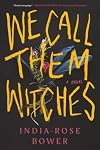
One night, without warning, a mysterious and terrifying force begins killing human beings, devouring them and spitting out what remains. It is nothing like vampires or zombies; perhaps it is some form of malevolent energy, drawing in all the dregs of humanity and creating whirlpools of despair. Whatever it may be, Sara and her family call these whirlpools ‘witches’.
They are among the few survivors and protect themselves by constantly moving from place to place, guided by the Mother, a formidable woman capable of using ancient forms of magic—which the modern world had long dismissed as mere superstition—to create protective wards.
One day, in the garden of the latest house where they have taken refuge, they discover an unconscious girl. After a heated debate, and despite Sara’s older brother remaining unconvinced, they decide to take her in and care for her.
When she wakes up, the girl introduces herself as Parsley and explains that she is the sole survivor of an attack by the witches, which wiped out the commune where she grew up. A deep bond quickly develops between her and Sara, the sort of intense teenage affection that is already beginning to blossom into first love.
Everything comes to a head when Noah, Sara’s younger brother, suddenly disappears, apparently abducted by the witches. Their mother and older brother immediately set off in pursuit, and Sara and Parsley soon follow, leaving the rest of the family behind.
Their journey, fraught with danger, horror show more and terror, ultimately leads them to the witches’ lair, where each girl must decide whether to save the growing bond between them or remain loyal to her family.
The novel aspires to be a post-apocalyptic dystopia infused with quasi-fantasy elements. Unfortunately, it never fully succeeds. Scene changes are often abrupt, character development is weak, and many of the characters’ reactions feel irrational. The LGBTQ element—which should represent the novel’s added value—comes across as somewhat forced, whilst Sara’s older brother, a trans man, seems lifted directly from a textbook discussion of patriarchy. Even the Mother, potentially one of the most intriguing figures in the story, remains frustratingly underdeveloped.
The one genuinely successful aspect is the relationship between Sara and Parsley. Their growing affection is portrayed as the kind of shy, tentative first love familiar to many teenagers, and it would have carried exactly the same emotional weight whether the protagonists had been a boy and a girl or two boys. show less
They are among the few survivors and protect themselves by constantly moving from place to place, guided by the Mother, a formidable woman capable of using ancient forms of magic—which the modern world had long dismissed as mere superstition—to create protective wards.
One day, in the garden of the latest house where they have taken refuge, they discover an unconscious girl. After a heated debate, and despite Sara’s older brother remaining unconvinced, they decide to take her in and care for her.
When she wakes up, the girl introduces herself as Parsley and explains that she is the sole survivor of an attack by the witches, which wiped out the commune where she grew up. A deep bond quickly develops between her and Sara, the sort of intense teenage affection that is already beginning to blossom into first love.
Everything comes to a head when Noah, Sara’s younger brother, suddenly disappears, apparently abducted by the witches. Their mother and older brother immediately set off in pursuit, and Sara and Parsley soon follow, leaving the rest of the family behind.
Their journey, fraught with danger, horror show more and terror, ultimately leads them to the witches’ lair, where each girl must decide whether to save the growing bond between them or remain loyal to her family.
The novel aspires to be a post-apocalyptic dystopia infused with quasi-fantasy elements. Unfortunately, it never fully succeeds. Scene changes are often abrupt, character development is weak, and many of the characters’ reactions feel irrational. The LGBTQ element—which should represent the novel’s added value—comes across as somewhat forced, whilst Sara’s older brother, a trans man, seems lifted directly from a textbook discussion of patriarchy. Even the Mother, potentially one of the most intriguing figures in the story, remains frustratingly underdeveloped.
The one genuinely successful aspect is the relationship between Sara and Parsley. Their growing affection is portrayed as the kind of shy, tentative first love familiar to many teenagers, and it would have carried exactly the same emotional weight whether the protagonists had been a boy and a girl or two boys. show less
Kercy was born with a host of physical defects, forcing her to undergo numerous reconstructive and cosmetic operations from an early age. The author introduces her at the age of eighteen, confined to a wheelchair because she struggles to walk, as she says goodbye to her father – who barely tolerates her – on the jetty of the family’s holiday home, built on an island in a Canadian lake where the family spends their holidays. The last thing he tells her is to do everything she can to assimilate, to become as much like everyone else as possible.
That very night, Kercy experiences a terrifying dream. Strange amphibian-like creatures enter her room and, whilst two of them pin her to the bed, a third inserts an unknown instrument into her body.
The following day, her father’s boat is found deserted, with no sign of him.
Kercy and her mother return to the mainland, and her mother extracts a promise from her never to return to the island – a promise the young woman promptly breaks as soon as her mother dies and she comes into her inheritance.
Now a beautiful young woman, fully assimilated and with a boyfriend who loves her, Kercy returns to the island accompanied by Cindy, her best friend and part-time lover – the very woman who had encouraged her to undergo her latest transformations.
What should have been a happy homecoming, however, soon turns into a nightmare, amid real bandits trying to take advantage of two women on their own, unfaithful employees, strange show more disappearances, apparitions of otherworldly creatures, deaths and some disturbing returns.
Despite the terrible grief caused by Cindy’s violent death and the aliens’ attempts to convert her to their cause, Kercy manages to make coherent choices and rid herself of the genetic legacy that has haunted her since birth, whilst at the same time freeing the world from a threat disguised as benevolence.
The novel wavers between an attempt at horror, a nod to "Alien", and the familiar cliché of aliens who want to improve humanity at all costs, even if it means depriving it of free will. The purpose of some characters remains unclear, and certain scenes of violence feel entirely gratuitous: the same result could have been achieved through less drastic means. The whole section concerning Kercy’s journey to the alien world lacks realism and reads more like a dream sequence than an actual experience.
Unfortunately, the author fails to make full use of the interesting ideas scattered throughout the plot, which leaves the reader with a slightly bitter aftertaste.
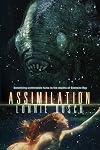
It must also be said that the cover is truly awful. show less
That very night, Kercy experiences a terrifying dream. Strange amphibian-like creatures enter her room and, whilst two of them pin her to the bed, a third inserts an unknown instrument into her body.
The following day, her father’s boat is found deserted, with no sign of him.
Kercy and her mother return to the mainland, and her mother extracts a promise from her never to return to the island – a promise the young woman promptly breaks as soon as her mother dies and she comes into her inheritance.
Now a beautiful young woman, fully assimilated and with a boyfriend who loves her, Kercy returns to the island accompanied by Cindy, her best friend and part-time lover – the very woman who had encouraged her to undergo her latest transformations.
What should have been a happy homecoming, however, soon turns into a nightmare, amid real bandits trying to take advantage of two women on their own, unfaithful employees, strange show more disappearances, apparitions of otherworldly creatures, deaths and some disturbing returns.
Despite the terrible grief caused by Cindy’s violent death and the aliens’ attempts to convert her to their cause, Kercy manages to make coherent choices and rid herself of the genetic legacy that has haunted her since birth, whilst at the same time freeing the world from a threat disguised as benevolence.
The novel wavers between an attempt at horror, a nod to "Alien", and the familiar cliché of aliens who want to improve humanity at all costs, even if it means depriving it of free will. The purpose of some characters remains unclear, and certain scenes of violence feel entirely gratuitous: the same result could have been achieved through less drastic means. The whole section concerning Kercy’s journey to the alien world lacks realism and reads more like a dream sequence than an actual experience.
Unfortunately, the author fails to make full use of the interesting ideas scattered throughout the plot, which leaves the reader with a slightly bitter aftertaste.
It must also be said that the cover is truly awful. show less
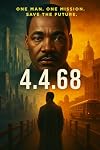
There is no doubt that 22 November 1963 and 4 April 1968 are two significant dates in modern history. They are the kind of dates that invite speculation, prompting people to wonder what might have happened had the events associated with them never taken place.
The first date—the assassination of John F. Kennedy by Lee Harvey Oswald—inspired Stephen King to write a true masterpiece of alternate history. The assassination of Martin Luther King Jr. by James Earl Ray, which occurred on the second date, is the obvious inspiration behind Desmond T. Lewis’s novel. Perhaps wishing to follow in King’s footsteps, Lewis has in turn written a work of alternate history. Comparisons between the two novels therefore arise naturally.
It therefore follows that, whilst King’s work is essentially pure speculative fiction with elements of horror and fantasy, Lewis’s is firmly rooted in dystopian science fiction, built around repeated attempts to alter a single historical event.
The narrative opens in a future marked by a vast socio-economic divide. The protagonist, Derrick Ford, is highly intelligent but has lacked the opportunities to pursue higher education and survives largely by his wits.
One day, he is recruited by a mysterious organisation for a special mission: to travel back in time and prevent the assassination of Martin Luther King Jr. In addition to providing him with the psychosocial training necessary to blend into the past, the organisation equips him with various show more technological devices designed both to protect him and to facilitate his return to the future. He is also given strict instructions intended to prevent temporal paradoxes—instructions that the hapless Derrick, unsurprisingly, fails to follow.
The past, however, proves remarkably resistant to alteration, and each time Derrick returns to the future convinced that he has succeeded, he discovers that events have become even more complicated. Eventually, he finds himself returning with King himself, now suffering from a terminal illness. By this point, the organisation that originally recruited him has ceased to exist, and only the artificial intelligence responsible for his training remains capable of helping him make one final journey into the past and set things right.
Lewis has clearly devoted considerable thought to the mechanics of time travel: the interactions between Derrick and the past, the ways in which history resists change, and the manner in which even the smallest alteration can trigger consequences reminiscent of the butterfly effect. From this perspective, 4.4.68 is undoubtedly a successful novel.
It does, however, suffer from what I consider a fundamental flaw. Returning for a moment to King’s novel, the decision to alter the past in order to improve the present is made by a single individual acting on personal conviction. He takes advantage of a singularity of uncertain, almost magical origin to travel through time.
Lewis’s novel presents a very different situation. Here we have an organisation willing to invest enormous financial and technological resources in preventing a specific historical event. Yet nowhere is the reader told why that particular event must be prevented, what projections or analyses have led the organisation to believe that doing so will improve society, or what specific outcomes it hopes to achieve.
In other words, on the one hand we have an individual whose actions are driven by a kind of romantic, almost quixotic idealism; on the other, an organisation that ought to operate according to rational planning and coherent objectives. One can forgive the former a certain degree of unrealistic naivety. The latter, however, cannot be excused for its lack of strategic thinking. show less
The first date—the assassination of John F. Kennedy by Lee Harvey Oswald—inspired Stephen King to write a true masterpiece of alternate history. The assassination of Martin Luther King Jr. by James Earl Ray, which occurred on the second date, is the obvious inspiration behind Desmond T. Lewis’s novel. Perhaps wishing to follow in King’s footsteps, Lewis has in turn written a work of alternate history. Comparisons between the two novels therefore arise naturally.
It therefore follows that, whilst King’s work is essentially pure speculative fiction with elements of horror and fantasy, Lewis’s is firmly rooted in dystopian science fiction, built around repeated attempts to alter a single historical event.
The narrative opens in a future marked by a vast socio-economic divide. The protagonist, Derrick Ford, is highly intelligent but has lacked the opportunities to pursue higher education and survives largely by his wits.
One day, he is recruited by a mysterious organisation for a special mission: to travel back in time and prevent the assassination of Martin Luther King Jr. In addition to providing him with the psychosocial training necessary to blend into the past, the organisation equips him with various show more technological devices designed both to protect him and to facilitate his return to the future. He is also given strict instructions intended to prevent temporal paradoxes—instructions that the hapless Derrick, unsurprisingly, fails to follow.
The past, however, proves remarkably resistant to alteration, and each time Derrick returns to the future convinced that he has succeeded, he discovers that events have become even more complicated. Eventually, he finds himself returning with King himself, now suffering from a terminal illness. By this point, the organisation that originally recruited him has ceased to exist, and only the artificial intelligence responsible for his training remains capable of helping him make one final journey into the past and set things right.
Lewis has clearly devoted considerable thought to the mechanics of time travel: the interactions between Derrick and the past, the ways in which history resists change, and the manner in which even the smallest alteration can trigger consequences reminiscent of the butterfly effect. From this perspective, 4.4.68 is undoubtedly a successful novel.
It does, however, suffer from what I consider a fundamental flaw. Returning for a moment to King’s novel, the decision to alter the past in order to improve the present is made by a single individual acting on personal conviction. He takes advantage of a singularity of uncertain, almost magical origin to travel through time.
Lewis’s novel presents a very different situation. Here we have an organisation willing to invest enormous financial and technological resources in preventing a specific historical event. Yet nowhere is the reader told why that particular event must be prevented, what projections or analyses have led the organisation to believe that doing so will improve society, or what specific outcomes it hopes to achieve.
In other words, on the one hand we have an individual whose actions are driven by a kind of romantic, almost quixotic idealism; on the other, an organisation that ought to operate according to rational planning and coherent objectives. One can forgive the former a certain degree of unrealistic naivety. The latter, however, cannot be excused for its lack of strategic thinking. show less
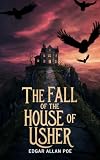
The plot of Edgar Allan Poe’s The Fall of the House of Usher is well known. An unnamed narrator arrives at the home of Roderick Usher, a childhood friend, after receiving a letter in which Usher describes an unspecified illness and begs him for help. As he approaches the house, the narrator is struck by its menacing appearance, with windows that seem like eyes fixed upon him with malicious intent. He also notices a thin crack running from the roof, down the façade of the building and all the way to the adjacent tarn.
Upon arrival, he discovers that Madeline, Roderick’s twin sister, also lives in the house. She too is gravely ill and suffers from frequent cataleptic fits.
In the days that follow, concerned by his friend’s deteriorating physical and mental condition, the narrator does his best to raise his spirits. Matters worsen dramatically, however, when Madeline dies.
Fearing that her body might be exhumed and dissected for scientific purposes — a practice not uncommon at the time — Roderick asks his friend to help him place her in one of the house’s vaults, where she is to remain for a fortnight before receiving a permanent burial.
The narrator continues his efforts to comfort Roderick, yet the atmosphere inside the house becomes increasingly oppressive. Strange sounds seem to reverberate through its walls, plunging both men into a state of mounting agitation. Then, during a violent storm, what appears to be a powerful gust of wind throws open the door of the show more room in which they have taken refuge, revealing Madeline herself, covered in blood after her desperate attempt to escape the vault. She throws herself upon her brother, terrifying him to death, and then dies herself.
The narrator flees in panic, only to witness the final destruction of the house, which splits apart along the crack he had noticed on his arrival and sinks into the tarn.
It is a remarkably short story, yet it contains all the essential elements of perfect Gothic fiction. Nothing is stated outright. The threat remains undefined, the horrors largely unseen, and even death itself is described with restraint. Yet the sense of impending doom is unmistakable.
It is precisely what remains unsaid that fills the characters with dread, that makes them glimpse shadows at the edge of their vision, that magnifies every creak and whisper until terror becomes overwhelming. Anyone can write horror with vampires, zombies, monsters or alien creatures. To create it using little more than a crack in a wall and a stretch of dark water is the mark of a master. show less
Upon arrival, he discovers that Madeline, Roderick’s twin sister, also lives in the house. She too is gravely ill and suffers from frequent cataleptic fits.
In the days that follow, concerned by his friend’s deteriorating physical and mental condition, the narrator does his best to raise his spirits. Matters worsen dramatically, however, when Madeline dies.
Fearing that her body might be exhumed and dissected for scientific purposes — a practice not uncommon at the time — Roderick asks his friend to help him place her in one of the house’s vaults, where she is to remain for a fortnight before receiving a permanent burial.
The narrator continues his efforts to comfort Roderick, yet the atmosphere inside the house becomes increasingly oppressive. Strange sounds seem to reverberate through its walls, plunging both men into a state of mounting agitation. Then, during a violent storm, what appears to be a powerful gust of wind throws open the door of the show more room in which they have taken refuge, revealing Madeline herself, covered in blood after her desperate attempt to escape the vault. She throws herself upon her brother, terrifying him to death, and then dies herself.
The narrator flees in panic, only to witness the final destruction of the house, which splits apart along the crack he had noticed on his arrival and sinks into the tarn.
It is a remarkably short story, yet it contains all the essential elements of perfect Gothic fiction. Nothing is stated outright. The threat remains undefined, the horrors largely unseen, and even death itself is described with restraint. Yet the sense of impending doom is unmistakable.
It is precisely what remains unsaid that fills the characters with dread, that makes them glimpse shadows at the edge of their vision, that magnifies every creak and whisper until terror becomes overwhelming. Anyone can write horror with vampires, zombies, monsters or alien creatures. To create it using little more than a crack in a wall and a stretch of dark water is the mark of a master. show less
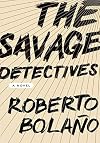
Talking about a work by Roberto Bolaño is always a complicated business. The length of the work, combined with its baroque and polyphonic style and a plot that branches off into a thousand strands only to converge unexpectedly into a single voice, can sometimes leave the reader feeling disoriented. Bolaño is not for everyone, and when you decide to start reading one of his novels, you must do so in the knowledge that you may only feel you have grasped something of it after pondering it at length. "The Savage Detectives" is no exception. It begins almost like a coming-of-age novel, with a very young student who discovers a poetic soul within himself and does everything possible to be accepted into the poetic movement he considers the most avant-garde in the country, represented by the visceral realists. The two leaders of the movement, however, are looking for a lost poetess, Cesárea Tinajero, whom they decide to track down by embarking on a mad journey that takes them, following her trail, across Mexico.
The first part of the novel follows the young student up to the start of the quest, aboard an Impala — perhaps borrowed, perhaps stolen — along with the two poets and a prostitute fleeing a violent pimp.
The second part is structured as a series of interviews: the search is over — how this happens is the subject of the third part of the novel — and a series of characters, scattered across time and space, describe their interactions with the two leaders of show more visceral realism.
As I said, the third part deals with the quest and the impact it has on the protagonists, who find themselves violently catapulted into a new phase of their lives.
But what lies behind this torrent of words, characters, stories and plotlines? Clearly, the journey from early youth to adulthood, complete with infatuations, disappointments and disillusionments. Then there is the poet’s journey, who must necessarily follow their muse until they see her dead at their feet, in order to unleash their creativity or lose their inspiration in the attempt. Finally, there is the varied, vibrant and fertile landscape of South American literature, made almost seething by one of the most incredible cultural fusions in history.
As I said, it is a long, complex and almost arduous read, which nevertheless gradually settles in the mind, remaining in the memory and serving almost as a touchstone. show less
The first part of the novel follows the young student up to the start of the quest, aboard an Impala — perhaps borrowed, perhaps stolen — along with the two poets and a prostitute fleeing a violent pimp.
The second part is structured as a series of interviews: the search is over — how this happens is the subject of the third part of the novel — and a series of characters, scattered across time and space, describe their interactions with the two leaders of show more visceral realism.
As I said, the third part deals with the quest and the impact it has on the protagonists, who find themselves violently catapulted into a new phase of their lives.
But what lies behind this torrent of words, characters, stories and plotlines? Clearly, the journey from early youth to adulthood, complete with infatuations, disappointments and disillusionments. Then there is the poet’s journey, who must necessarily follow their muse until they see her dead at their feet, in order to unleash their creativity or lose their inspiration in the attempt. Finally, there is the varied, vibrant and fertile landscape of South American literature, made almost seething by one of the most incredible cultural fusions in history.
As I said, it is a long, complex and almost arduous read, which nevertheless gradually settles in the mind, remaining in the memory and serving almost as a touchstone. show less

La saga di Colomba e Dante giunge al termine in un turbinio di colpi di scena, con nuove stragi e nuove rivelazioni, che però sembrano confermare ogni giorno di più le teorie complottistiche di Dante relative a un circuito internazionale di atroci esperimenti su bambini basate su strampalate teorie sul controllo comportamentale. In una folle corsa contro il tempo, seguendo gli attentati che, come briciole di Pollicino, semina a mo di indzi quello che Colomba credeva essere il collega Leo, Colomba riesce a ritrovare Dante. Nel frattempo nel suo orizzonte entra Tommy, ragazzone autistico che mostra tutti i sintomi dell'ex prigioniero del Padre. Il Padre però è morto, come è morta l'Angelo, una sua letale vittima che per vendicarsi di quanto subito aveva scatenato un turbine di violenza, e quindi chi sta tirando le fila del cemplotto, visto che evidentemente qualcuno lo sta facendo? Una volta ristabiltosi, Dante decide di entrare in contatto con gli ex prigionieri sopravvissuti e giunge alla conclusione che non tutte le prigioni sono state trovate e, seguendo alcuni indizi, lui e Colomba si ritrovano a Cremona, in una ex acciaieria, dove trovano molte prove in merito. Tuttavia, i servizi speciali stanno loro sul collo e riescono a fuggire appena in tempo, rifugiandosi dal padre putativo di Dante. Lì, però, li attendono nuove pericoli e una terrificante rivelazione.
Il romanzo conclude la trilogia con quello che sembra un lieto fine, però non risce a risolvere tutti i show more dubbi del lettore. Si ha l'impressione che Dazieri sia stato più occupato a inserire nel romanzo tutte le teorie che documenta nella bibliografia alla fine del volume, e a mantenere alto il quantitativo di sangue, che a tenere salde in mano le redini della trama. Resta comunque una lettura piacevole e ad alto tenore adrenalinico. show less
Il romanzo conclude la trilogia con quello che sembra un lieto fine, però non risce a risolvere tutti i show more dubbi del lettore. Si ha l'impressione che Dazieri sia stato più occupato a inserire nel romanzo tutte le teorie che documenta nella bibliografia alla fine del volume, e a mantenere alto il quantitativo di sangue, che a tenere salde in mano le redini della trama. Resta comunque una lettura piacevole e ad alto tenore adrenalinico. show less
Ghosts of Panama: A Strongman Out of Control, A Murdered Marine, and the Special Agents Caught in the Middle of an Invasion by Mark Harmon
I started reading "Ghost of Panama" at around the same time as the US attack on Iran. I hadn’t chosen it on purpose, and yet, as often happens with chance readings, it felt as though I’d stumbled upon a glimpse of what was unfolding. Because the United States has a nasty habit of instigating coups to depose democratically elected governments it does not approve of, replacing them with the strongman of the moment who, in Panama’s case, turned out over time to be a raving madman as well as a dangerous criminal. Who, after a while, bites the hand that put him in power and becomes a bigger problem than the one they set out to solve. And so what does the United States do? It invades with the army, using the most absurd pretexts and telling the craziest lies, without caring about the lives of either its own soldiers or the civilians caught in the middle; it calls the resulting graveyard “peace” and prepares for a new invasion when things get out of hand again.
In addition to the ghosts of Panama, one would therefore have to reckon with those of Iraq, Afghanistan, Argentina and who knows how many others.
As for the book, it is not a novel and does not aspire to be one, and its narrative is rather dry, being essentially constructed from the memoirs of those who experienced the events first-hand.
In addition to the ghosts of Panama, one would therefore have to reckon with those of Iraq, Afghanistan, Argentina and who knows how many others.
As for the book, it is not a novel and does not aspire to be one, and its narrative is rather dry, being essentially constructed from the memoirs of those who experienced the events first-hand.
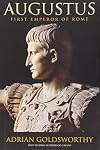
A very substantial text that explores the life and works of Caesar Augustus, known as Octavian by his detractors, from his ambitious youth as the posthumous adopted son of the great Julius Caesar to his death in old age.
In practice, from the young firebrand, perhaps cruel even by the standards of the time, to the elderly firefighter intent on strengthening the foundations of Rome by trying to recover its ancient values.
The word “emperor” has taken on the meaning of absolute ruler for us, but it should be remembered that Caesar Augustus, despite being one in all respects, did not perceive himself as such, partly because the word had a completely different meaning at the time, and the new meaning originated with him. A very interesting essay, but with one flaw: it is presented as a biography, but I expect a biography to reveal some personal aspects of the person in question.
It is true that much has been lost over the centuries, but what the author does is more of a reconstruction of events, well written, well documented and enjoyable to read, but in the end there is very little about Caesar Augustus as a person, apart from his breakfast of dates, bread and cheese.
In practice, from the young firebrand, perhaps cruel even by the standards of the time, to the elderly firefighter intent on strengthening the foundations of Rome by trying to recover its ancient values.
The word “emperor” has taken on the meaning of absolute ruler for us, but it should be remembered that Caesar Augustus, despite being one in all respects, did not perceive himself as such, partly because the word had a completely different meaning at the time, and the new meaning originated with him. A very interesting essay, but with one flaw: it is presented as a biography, but I expect a biography to reveal some personal aspects of the person in question.
It is true that much has been lost over the centuries, but what the author does is more of a reconstruction of events, well written, well documented and enjoyable to read, but in the end there is very little about Caesar Augustus as a person, apart from his breakfast of dates, bread and cheese.
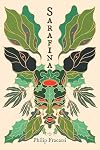
Sarafina can only be described as a masterpiece. What begins as a novel set during the American Civil War, with three brothers who, in order to survive, desert and try to return home, gradually takes on increasingly strange, mysterious, dark and demonic contours. The narrator is the youngest and apparently most innocent of the three, a 17-year-old boy shocked by the cruelty and horrors of war, whose mind sometimes seems to waver while at other times he shows extraordinary lucidity, in contrast to the natural cruelty and mean-spiritedness of the other two. It is he who discovers the stream, meets Titus and leads the others to Sarafina, towards a fate they cannot imagine.
However, there is also a sister, Ellie, the twin of young Ethan, who gradually reveals herself in the narrative until she becomes the protagonist, putting all the details of the story in their place and finally allowing the reader to discover where the real horror lies.
However, there is also a sister, Ellie, the twin of young Ethan, who gradually reveals herself in the narrative until she becomes the protagonist, putting all the details of the story in their place and finally allowing the reader to discover where the real horror lies.
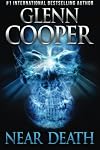
As always, Glenn Copper's writing is absolutely brilliant and highly entertaining, so much so that the pages turn themselves. The story, especially in these times when there is much debate about end-of-life issues, is very interesting: a child who, involved in a terrible accident in which he loses his beloved father, has a near-death experience, becomes a neuroscientist. One of his side projects is to discover a substance that will allow him to relive what was, for him, an all-encompassing experience. He succeeds, but by less than legal means, attracting the attention of the FBI. Meanwhile, the new substance escapes his control and begins to be sold as a drug, with devastating effects. Here the novel shows its first weakness, because our neuroscientist begins to act like a prophet, a bit like Charlie Manson, a bit like Valentine Michael Smith in Stranger in a Strange Land (on the other hand, Manson, as we know, was greatly influenced by Heinlein's book). Obviously, contact takes place between him and Cyrus O'Malley, the FBI detective investigating him.
To cut a long story short and avoid spoilers, the scientist manages to drug the detective, but the result is not what he hopes for. And here lies the second and more serious weakness, because the way in which the detective is saved from the most terrible effects of the drug is decidedly hasty and simplistic, which somewhat undermines an otherwise rather well-constructed house of cards.
To cut a long story short and avoid spoilers, the scientist manages to drug the detective, but the result is not what he hopes for. And here lies the second and more serious weakness, because the way in which the detective is saved from the most terrible effects of the drug is decidedly hasty and simplistic, which somewhat undermines an otherwise rather well-constructed house of cards.
Ambientato in un villaggio ungherese devastato da una pioggia perenne e dall'apatia dei suoi abitanti, sfiancati dal colletivismo comunista e incapaci di reagire dalla sua caduta, il romanzo mostra una parata di personaggi che incarnano tutti i vizi dell'umanità più abbruttita, vizi che si possono riassumere con quel tipo di credulità che porta ala gregarietà: al seguire un leader senza porsi domande. Nessuno si salva, non il Dottore, che pure osserva dall'esterno prendendo minuziosi appunti, ma che pur osservando non capisce cosa succede, e nemmeno la piccola Estike, che pure è una vittima. In questa miseria morale ha facile gioco Irimiás, un criminale di bassa lega che con le sue pur scarse doti carismatiche riesce a proporsi come un salvatore e a disperdere la piccola comunità - che disprezza - utilizzando i singoli per i propri scopi.
Il romanzo è abbastanza sbilanciato. La prima parte, quella dell'attesa, in cui i personaggi in qualche modo vengono presentati, presenta pagine capaci di tenere incollato il lettore. La seconda, quando Irimiás entra in scena e prede in mano le redini dell'azione, è invece zoppicante e decisamente meno convincente.
Il romanzo è abbastanza sbilanciato. La prima parte, quella dell'attesa, in cui i personaggi in qualche modo vengono presentati, presenta pagine capaci di tenere incollato il lettore. La seconda, quando Irimiás entra in scena e prede in mano le redini dell'azione, è invece zoppicante e decisamente meno convincente.
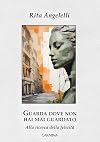
“Guarda dove non hai mai guardato” è un percorso poetico in cui il viaggio e la memoria diventano strumenti di guarigione interiore. Attraverso paesaggi urbani segnati da crepe e silenzi, la voce lirica invita a riallacciare il dialogo con se stessi, riscoprendo le tracce lasciate dal passato. È nella memoria – intessuta di sogni e desideri sopiti – che si radica la forza necessaria per ricostruirsi: ogni verso è un invito a riconoscere le ferite, ad accoglierle come crepe da cui filtrano nuovi germogli di speranza.
Il viaggio, fisico e metaforico, si fa veicolo di trasformazione. Si cammina in città stanche, si attraversano paesi sospesi tra promesse mantenute a metà e voci dimenticate, e in questo muoversi lento si ritrova la possibilità di rinascere. L’itinerario poetico non è mai solitario: attraverso l’ascolto attento dei passi, delle memorie collettive, emerge un profondo sentimento d’inclusività. Gli spazi urbani e le storie personali si mescolano, facendo spazio a chi normalmente resta ai margini.
Al contempo, la silloge sprigiona un sottile senso di ribellione: è ribelle chi si ferma a guardare le crepe, chi resiste con la tenacia delle mani operose, chi cerca la bellezza nei gesti più umili. Non è un grido fragoroso, ma una rivoluzione discreta, un’appassionata insofferenza verso l’indifferenza. In questo equilibrio tra delicatezza e forza, tra memoria e azione, il lettore scopre un orizzonte di guarigione spirituale: un percorso che show more abbraccia il sé, gli altri, e invita a guardare con cuore aperto, perché soltanto così si può trovare la luce. show less
Il viaggio, fisico e metaforico, si fa veicolo di trasformazione. Si cammina in città stanche, si attraversano paesi sospesi tra promesse mantenute a metà e voci dimenticate, e in questo muoversi lento si ritrova la possibilità di rinascere. L’itinerario poetico non è mai solitario: attraverso l’ascolto attento dei passi, delle memorie collettive, emerge un profondo sentimento d’inclusività. Gli spazi urbani e le storie personali si mescolano, facendo spazio a chi normalmente resta ai margini.
Al contempo, la silloge sprigiona un sottile senso di ribellione: è ribelle chi si ferma a guardare le crepe, chi resiste con la tenacia delle mani operose, chi cerca la bellezza nei gesti più umili. Non è un grido fragoroso, ma una rivoluzione discreta, un’appassionata insofferenza verso l’indifferenza. In questo equilibrio tra delicatezza e forza, tra memoria e azione, il lettore scopre un orizzonte di guarigione spirituale: un percorso che show more abbraccia il sé, gli altri, e invita a guardare con cuore aperto, perché soltanto così si può trovare la luce. show less
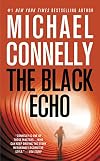
Un Connelly d'annata, con un Bosh veramente pimpante, perspicace e incazzato al punto giusto, e ovviamente accompagnato da tutti i suoi demoni, provenienti dal Vietnam e non.
Lettura divertente e adrenalinica.
Lettura divertente e adrenalinica.

The beginning of the end is a bullet destined for a real piece of shit. As often happens with bullets, it causes collateral damage, namely the death of a little girl. From there, a thread of death begins to unravel, linking a film set whose star is being stalked, three brothers considered the golden boys of the area but secretly bloodthirsty criminals, and a vicious drug trafficking cartel. Jack Bertolino, a retired detective turned private investigator, bodyguard and film consultant, tries to follow this thread to prevent further deaths, particularly that of the actress he is assisting. A fast-paced thriller with the right amount of psychological depth, in which the scenes of violence, although never sugar-coated, do not disturb the reader. An excellent read.

Ovviamente non si tratta di un capolavoro della letteratura, ma questa autobiografia-memori che Max Pezzali scrive usando come filo conduttore le sue canzoni, che sono vecchie come noi che le citiamo a memoria eppure non riescono a diventare datate, visto che le amano anche i più giovani, è un viaggio nella nostalgia che porta a galla ricordi che, volenti o nolenti, abbiamo dimenticato. Ripeto, non un capolavoro della letteratura, ma l'ho letto volentieri.
Il cavallante della «Providence»: Le inchieste di Maigret (16 di 75) (Le inchieste di Maigret: romanzi Vol. 118) (Italian Edition) by Georges Simenon
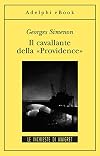
Gli aspetti di questo romanzo, che dal punto di vista giallistico è piuttosto zoppicante, sono la descrizione degli ambienti e la potenza della descrizione dei personaggi, che sono, ognuno a proprio modo, monumentali.
Le peregrinazioni del commissario Maigret tra le chiuse che costituiscono lo sfondo dell'indagine, sotto una pioggia perenne, riescono a provocare nel lettore un'angoscia quasi palpabile.
Il finale è geniale e dà la dimensione della maestria di Simenon.
Le peregrinazioni del commissario Maigret tra le chiuse che costituiscono lo sfondo dell'indagine, sotto una pioggia perenne, riescono a provocare nel lettore un'angoscia quasi palpabile.
Il finale è geniale e dà la dimensione della maestria di Simenon.

Libro "per ragazzi" dal valore più storico che letterario, sicuramente non una delle migliori opere di Doumas padre, che ha preso le leggende sassoni sul ladro gentiluomo e le ha rimasticate in salsa da operetta. Nessun vero spessore dei personaggi, tranne forse nell'ultima parte, un clima ridanciano e stupidotto, irrealmente idilliaco.
Senza contare i numerosissimi svarioni per cui l'autore richiama cose che dice di averci detto prima, e invece non l'ha mai fatto.
Direi che l'unica cosa per cui ritenere memorabile l'opera, è il fatto che da un suo episodio è stato tratto il musical Sette spose per sette fratelli.
Senza contare i numerosissimi svarioni per cui l'autore richiama cose che dice di averci detto prima, e invece non l'ha mai fatto.
Direi che l'unica cosa per cui ritenere memorabile l'opera, è il fatto che da un suo episodio è stato tratto il musical Sette spose per sette fratelli.
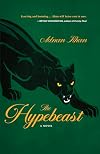
The myth of wealth at all costs leaves no way out, especially if you are the son of Indian immigrants in Canada, who to survive had to do the most menial jobs, those that they would never have done in their own country, relegated to a servitude that is very similar to slavery. Hamid Shaikh learns this the hard way, first becoming the stooge of another Indian man's stooge, this time a really rich one, and then getting lost following a strange character, a former Guantanamo prisoner turned social media imam, who he somehow holds responsible for his girlfriend leaving him. Breaking free from these shackles is difficult, and perhaps requires a skill in crime that he doesn't have. A really interesting novel, which tells of the difficulties of young immigrants suspended between a tradition they no longer understand, and which has marked them with its mannerisms and prejudices, and a new life they still don't understand, complicated by the devastating effects of the attack on the Twin Towers.
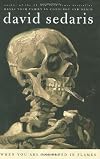
Try the reading challenges. Without one of these I would never have discovered the work of Sedaris, probably the funniest American author after the first Roth, the one who wrote Portnoy's Lament. After all, Sedaris also comes from an ethnic minority, the Greek minority, and ethnic minorities often develop a certain kind of cutting humour as a form of self-defence against the majority of their fellow citizens. In Sedaris' case, the target of this humour is often himself, in a sort of self-deprecating self-celebration. Hence the hyperbole about his addictions, about being gay, about being untidy, especially in relation to his partner, a model of order and precision. The sketches that make up this collection are part of the writer's daily life, and range from the acute to the scathing, with moments so hilarious that you risk falling out of bed with laughter. A marvellous discovery.
L'amore è più forte del tempo: Antologia di racconti di fantascienza sull’amore nel tempo scelti da Maria Grazia Beltrami by Alethea Kontis

Cos'è il Tempo? E cos'è l'Amore? Qual è il loro rapporto? Chi dei due ha dominio sulle nostre vite?
A quattordici autori provenienti da tutto il mondo sono state fatte queste domande e ciascuno di loro ha magistralmente risposto con un racconto in cui ha legato queste due entità così importanti per l'essere umano, proiettandole su uno sfondo dettato dalla speculazione.
Con le loro sensibilità così diverse; la loro diversa formazione; gli specifici punti di vista sia geografici sia culturali; le ancora più diverse esperienze di vita, hanno parlato di diverse forme d'amore, romantico o meno, con qualsiasi forma di relazione tra i protagonisti, e della loro evoluzione del tempo.
Così, si va dall'amore materno a quello planetario passando per una litigiosa amicizia amorosa tra Intelligenze artificiali, con nel mezzo tutto quello che al lettore potrebbe venire in mente.
La conclusione? L'Amore è più forte del Tempo, come si evince dal titolo di questa antologia.
A quattordici autori provenienti da tutto il mondo sono state fatte queste domande e ciascuno di loro ha magistralmente risposto con un racconto in cui ha legato queste due entità così importanti per l'essere umano, proiettandole su uno sfondo dettato dalla speculazione.
Con le loro sensibilità così diverse; la loro diversa formazione; gli specifici punti di vista sia geografici sia culturali; le ancora più diverse esperienze di vita, hanno parlato di diverse forme d'amore, romantico o meno, con qualsiasi forma di relazione tra i protagonisti, e della loro evoluzione del tempo.
Così, si va dall'amore materno a quello planetario passando per una litigiosa amicizia amorosa tra Intelligenze artificiali, con nel mezzo tutto quello che al lettore potrebbe venire in mente.
La conclusione? L'Amore è più forte del Tempo, come si evince dal titolo di questa antologia.
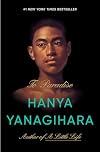
A strange, highly engaging novel, in which, with a prestidigitator's skill, the author exploits many of the modes of speculative fiction. It starts with the uchrony of the first part, set immediately after the American War of Secession, from which two confederations of states emerge: the rich northern states, extremely classist but in which certain personal freedoms are safeguarded (such as same-sex marriage, central to the events). The second part takes place at the time of the beginning of the HIV epidemic and features the last descendant of one of Hawaii's dynastic families who, in order to escape his father's madness and follow his own nature, emigrates to the United States to become the toy boy of a rich lawyer. The third part is entirely dystopian and takes place in a future shaped by epidemics, in which the United States has become an authoritarian state that completely controls the lives of its citizens, to the point of sterilising those who dare raise a voice in protest. Three parts that feature characters with the same name, leaving the reader to speculate what the real links are, personal and temporal, and recurring places, fixed points in the narrative, whose evolution is always interrupted just a step away from paradise.
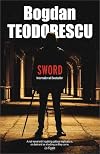
This novel is not a thriller, despite the fact that it is presented in this way (perhaps to ensure greater sales success) and despite the fact that the whole story is based on the exploits of a murderer. A murderer of whom nothing is known, whose motives are not known except that he kills ethnic Roma linked to crime, and who will never be caught. The novel, on the other hand, is an accurate description of the political dance between the ruling party and the opposition - in this case in Romania, but with many similarities to what happens all over the world - when some heinous event involving minorities occurs. Interesting, but at some point the attempt to keep up the pretence that this is a thriller becomes tedious.
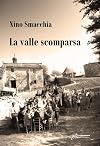
La nostalgia fa brutti scherzi. Quando si abbandona il posto in cui si è nati e cresciuti, prima o poi si torna a pensarlo. Spesso e volentieri questo accade al termine della vita lavorativa, quando le spinte ad andare avanti, a cercare di innovarsi, diminuiscono o cessano del tutto, e la mente si rivolge al passato. Si rivolge ai tempi e ai luoghi che ci hanno visto essere promesse e che sono le basi solide della nostra formazione. Così, come accade al protagonista di questo breve romanzo, basta un vecchio album di fotografie per aprire le cateratte dei ricordi, che sono sempre illuminati dal sole splendente della felicità. Sarà per questo che tutti sembrano pensare che nel passato si stava meglio? Che è nato il mito di "una volta"? O quello di "ai miei tempi"? Fatto sta che la nostalgia è al lavoro, ma guai a chi si lascia sedurre dalle sue lusinghe. Perché il tempo passa per tutti e per tutto, compresi i mitizzati luoghi dell'infanzia, che al nostro occhio adulto e disincantato mostrano un aspetto desolato. Brutta bestia, la nostalgia. Va benissimo provarla, ma guai a cedere a essa.
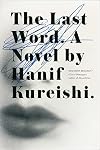
Kureishi is probably one of the funniest writers around. Amusing not in the sense of humorous, but because he entertains the reader in a very fine way, playing and mistreating his characters, putting them at odds with each other, presenting them as cowardly, cynical, manipulative, and yet at the same time in need of sympathy. Characters that are as realistic as possible. This is the case of the author on his twilight years, whose biography the young writer Henry has to write in order to revive his and his own fortunes a little, giving rise to a singular tussle whose very worthy seconds are all the supporting characters, each a little gem. Spectacular.
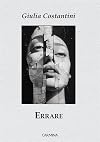
Una voce giovane per versi che hanno tutta la rabbia e l'ingenuità della giovinezza. Piccoli diamanti grezzi un po' dissing un po' serenate rap, che raccontano la fatica di crescere, di trovare il proprio posto in un mondo che vorrebbe smussare tutti gli spigoli affinché anche chi grida il proprio disagio finisca con stampato in faccia un sorriso finto.
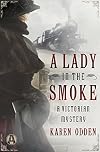
Una specie di Orgoglio e pregiudizio al contrario e con mistero. Una giovane Lady e sua madre rimangono coinvolte in un terribile incidente ferroviario, e si salvano solo grazie all'aiuto di un giovane "chirurgo delle ferrovie", un praticante privo di laurea in medicina, ma assai preparato e pieno di idee innovative. Purtroppo però l'incidente ferroviario non è stato così casuale, ma è parte di uno schema di eventi che rischia di far finire sul lastrico proprio la famiglia della giovane Lady. Ovviamente le orrende trame verranno sventate e l'amore trionferà.
Bel libro, molto ben scritto, ben documentato per quanto riguarda gli usi e costumi dei tempi e con una protagonista caparbia al punto giusto.
Ringrazio Random House Publishing Group - Alibi e Netgalley per avermi fornito una copia gratuita in cambio di una recensione onesta.
A kind of Pride and prejudice in reverse and with mystery. A young Lady and her mother are involved in a terrible train accident, and saved only with the help of a young 'Surgeon of the railways', a practitioner with no medical degree, but very prepared and full of innovative ideas. Unfortunately the train accident was not so random, but part of a pattern of events that threatens to go broke just the young Lady family. Of course the horrendous plots will be foiled and love will triumph.
Beautiful book, very well written, well documented with regard to the times and customs, and with a just enough stubborn main character.
Thank Random House show more Publishing Group - Alibi and Netgalley for giving me a free copy in exchange for an honest review.
Merged review:
Una specie di Orgoglio e pregiudizio al contrario e con mistero. Una giovane Lady e sua madre rimangono coinvolte in un terribile incidente ferroviario, e si salvano solo grazie all'aiuto di un giovane "chirurgo delle ferrovie", un praticante privo di laurea in medicina, ma assai preparato e pieno di idee innovative. Purtroppo però l'incidente ferroviario non è stato così casuale, ma è parte di uno schema di eventi che rischia di far finire sul lastrico proprio la famiglia della giovane Lady. Ovviamente le orrende trame verranno sventate e l'amore trionferà.
Bel libro, molto ben scritto, ben documentato per quanto riguarda gli usi e costumi dei tempi e con una protagonista caparbia al punto giusto.
Ringrazio Random House Publishing Group - Alibi e Netgalley per avermi fornito una copia gratuita in cambio di una recensione onesta.
A kind of Pride and prejudice in reverse and with mystery. A young Lady and her mother are involved in a terrible train accident, and saved only with the help of a young 'Surgeon of the railways', a practitioner with no medical degree, but very prepared and full of innovative ideas. Unfortunately the train accident was not so random, but part of a pattern of events that threatens to go broke just the young Lady family. Of course the horrendous plots will be foiled and love will triumph.
Beautiful book, very well written, well documented with regard to the times and customs, and with a just enough stubborn main character.
Thank Random House Publishing Group - Alibi and Netgalley for giving me a free copy in exchange for an honest review. show less
Bel libro, molto ben scritto, ben documentato per quanto riguarda gli usi e costumi dei tempi e con una protagonista caparbia al punto giusto.
Ringrazio Random House Publishing Group - Alibi e Netgalley per avermi fornito una copia gratuita in cambio di una recensione onesta.
A kind of Pride and prejudice in reverse and with mystery. A young Lady and her mother are involved in a terrible train accident, and saved only with the help of a young 'Surgeon of the railways', a practitioner with no medical degree, but very prepared and full of innovative ideas. Unfortunately the train accident was not so random, but part of a pattern of events that threatens to go broke just the young Lady family. Of course the horrendous plots will be foiled and love will triumph.
Beautiful book, very well written, well documented with regard to the times and customs, and with a just enough stubborn main character.
Thank Random House show more Publishing Group - Alibi and Netgalley for giving me a free copy in exchange for an honest review.
Merged review:
Una specie di Orgoglio e pregiudizio al contrario e con mistero. Una giovane Lady e sua madre rimangono coinvolte in un terribile incidente ferroviario, e si salvano solo grazie all'aiuto di un giovane "chirurgo delle ferrovie", un praticante privo di laurea in medicina, ma assai preparato e pieno di idee innovative. Purtroppo però l'incidente ferroviario non è stato così casuale, ma è parte di uno schema di eventi che rischia di far finire sul lastrico proprio la famiglia della giovane Lady. Ovviamente le orrende trame verranno sventate e l'amore trionferà.
Bel libro, molto ben scritto, ben documentato per quanto riguarda gli usi e costumi dei tempi e con una protagonista caparbia al punto giusto.
Ringrazio Random House Publishing Group - Alibi e Netgalley per avermi fornito una copia gratuita in cambio di una recensione onesta.
A kind of Pride and prejudice in reverse and with mystery. A young Lady and her mother are involved in a terrible train accident, and saved only with the help of a young 'Surgeon of the railways', a practitioner with no medical degree, but very prepared and full of innovative ideas. Unfortunately the train accident was not so random, but part of a pattern of events that threatens to go broke just the young Lady family. Of course the horrendous plots will be foiled and love will triumph.
Beautiful book, very well written, well documented with regard to the times and customs, and with a just enough stubborn main character.
Thank Random House Publishing Group - Alibi and Netgalley for giving me a free copy in exchange for an honest review. show less
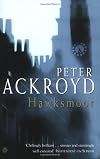
Writing a book like Hawksmoor is most probably very difficult. Certainly reading it is. The story takes place between the past of London immediately after the Plague and the Great Fire and modern times, with two protagonists who in their dichotomy are reminiscent of Dr. Jekyll and Mr. Hyde, mirror-like as they are in their life paths and intentions, yet united in a mysterious way. The problem in reading is language. I can imagine Akroyd's immense effort to reconstruct 17th century English; effort, however, which in my opinion is detrimental to the novel's structure, because instead of helping the reader to immerse himself in the atmosphere of the time - for which the purely meticulous description of the settings and characters would have sufficed - it makes it difficult for them to follow the narrative.
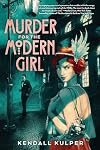
A hilarious summer murder mystery featuring a young woman who is decidedly out of the box for the place and time in which she lives, namely the crime-plagued Chicago of the 1930s. Ruby is not only unconventional because she has decided to solve the problem of violence against women in an unorthodox way, but also because she has a peculiarity that, if known, would turn her into something of a freak. Neither her family nor her best friend are aware of this, until a young man, himself very very strange, appears on the scene and turns the tables. Certainly not a masterpiece, but a well-written novel, capable of providing a few hours of entertainment and some food for thought.
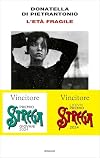
Fragile è fragile, questo romanzo, per quanto ben scritto. È fragile perché soffre della regressione che pare aver colpito negli ultimi anni il romanzo italiano "non di genere" (orrenda definizione, ma spero che serva a capire che cosa intendo dire). Non ci sono più storie di ampio respiro, tutto è domestico, ne senso peggiore del termine: ogni cosa è misurata col piccolo metro della personale esperienza quotidiana, senza nemmeno un tentativo di mettere il capino fuori dal nido. La protagonista di questo romanzo (che ha vinto il Premio Strega 2024, ma solo perché nella valle dei ciechi l'orbo è re) è la perfetta personificazione di quello che ho appena detto. Niente la fa uscire dal suo guscio: non il femminicidio che in qualche modo l'ha coinvolta quando era adolescente, né il progressivo allontanamento del marito. È così chiusa nel suo nido di bambagia che non capisce gli evidentissimi sintomi di disagio della figlia e persino la sua (pseudo) ribellione finale è riluttante e, si capisce benissimo, si spegnerebbe come un fuoco di paglia se non ci fossero altri a tenere viva quella fiamma. Peccato, perché con così tanti spunti si sarebbe potuta scrivere una magnifica storia.
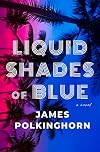
A father so despotic and distant that even his children call him ‘The Duke’, a brother who commits suicide for no apparent reason, and whose death is passed off as accidental so as not to fuel gossip, the mother's addictions. All of this Jack stoically survives, until his father turns him into the scapegoat of a fraudulent practice. At this point Jack leaves and only the news of his mother's suicide will make him return, forcing him to dig deep into the tangle of snakes dominated by appearances and intolerance in which he grew up. Despite a few weak points (there are moments when the relationships between cause and effect are unclear), this is an excellent novel, accurately depicting a certain type of character and toxic family climate that is far more prevalent than one would like to admit.