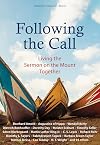
Thanks to the publisher for an Early Reviewer's copy via LibraryThing.
Jesus's Sermon on the Mount is central to this book. It certainly can be read alone but is meant for weekly discussion groups. The questions for each chapter make it easy for group discussions.
What's really interesting is that some world-famous writers from various time periods give their thoughts and reflections on what Jesus was trying to tell us. Some of the writers are Martin Luther King, Jr., Mother Teresa, C. S. Lewis, Leo Tolstoy, Wendall Berry, and Jane Tyson Clement.
If I could sum this book up in one word: inspirational.
Jesus's Sermon on the Mount is central to this book. It certainly can be read alone but is meant for weekly discussion groups. The questions for each chapter make it easy for group discussions.
What's really interesting is that some world-famous writers from various time periods give their thoughts and reflections on what Jesus was trying to tell us. Some of the writers are Martin Luther King, Jr., Mother Teresa, C. S. Lewis, Leo Tolstoy, Wendall Berry, and Jane Tyson Clement.
If I could sum this book up in one word: inspirational.
 This review was written for LibraryThing Early Reviewers.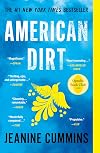
I am glad that I was not aware of all the controversy about this novel before I read it. I knew it was about migrants from Mexico and Central America coming to the US, but little else. I had not read any reviews which I feel helped me enjoy the book even more. I knew only what was written on the inside flap of the dust jacket and some blurbs from other authors saying how terrific it was: "extraordinary," "riveting," and "a dazzling accomplishment."
The controversy stems from the fact that the author is not Latino. Those who criticize her seem to have forgotten that this novel is fiction. The author did research so did not write the novel being totally naive. For example, it's as though these critics are saying that if you did not serve in WWII, you have no legitimacy/ability to write a fiction novel with anything to do with that War.
Lydia, a wife and mother, runs a bookstore in Acapulco. Her husband is a journalist and they have an 8-year-old son, Luca. After Lydia and Luca are forced to flee Acapulco, the storyline is about how much Lydia loves her son and wants to keep both of them alive. They head to the US because Lydia believes that it's the only place she and Luca will be safe from the drug cartel who has ruined their lives. They encounter other migrants who, for a variety of reasons, want to come to the US. Each of these characters has a story to tell about their former lives.
This novel is not for sensitive readers. There are scenes that are hard to read. Spanish show more words are sprinkled throughout and, since I don't read Spanish, I was not aware that some of those words were "bad words." I was happy that the novel did not have political undertones. There's terror but also joy, fear but also hope, and the entire novel is totally unpredictable. show less
The controversy stems from the fact that the author is not Latino. Those who criticize her seem to have forgotten that this novel is fiction. The author did research so did not write the novel being totally naive. For example, it's as though these critics are saying that if you did not serve in WWII, you have no legitimacy/ability to write a fiction novel with anything to do with that War.
Lydia, a wife and mother, runs a bookstore in Acapulco. Her husband is a journalist and they have an 8-year-old son, Luca. After Lydia and Luca are forced to flee Acapulco, the storyline is about how much Lydia loves her son and wants to keep both of them alive. They head to the US because Lydia believes that it's the only place she and Luca will be safe from the drug cartel who has ruined their lives. They encounter other migrants who, for a variety of reasons, want to come to the US. Each of these characters has a story to tell about their former lives.
This novel is not for sensitive readers. There are scenes that are hard to read. Spanish show more words are sprinkled throughout and, since I don't read Spanish, I was not aware that some of those words were "bad words." I was happy that the novel did not have political undertones. There's terror but also joy, fear but also hope, and the entire novel is totally unpredictable. show less
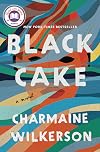
This is the debut novel for Charmaine Wilkerson. It was highly rated and on all the best-seller lists. I was on the waiting list for this novel at my library for a very long time.
It started off fine for the first few chapters. Benny (sister) and Byron (brother) are siblings who have been estranged for 8 years. When their mother dies, they are reunited because she has left an 8-hour audio about her secretive life story. As the audio proceeds, there are too many shifts in the timeline, too many different locations, way too many characters and their POV's. I was getting confused and some of the super-short chapters made the story seem disconnected.
The novel was too long because, for some reason, the author decided to weave many social issues into the story: gambling, discrimination toward gays and Blacks, parental abandonment, workplace harassment and rape, domestic abuse, forced adoption, and protection of the oceans. I probably missed a few, there were so many.
I was curious about the title: In the Caribbean, Black Cake is a rum-soaked fruit cake which was a family recipe handed down through the generations. There was one left in the freezer at their mother's house so Benny and Bryon could eat it when the right time came for them to do so.
It started off fine for the first few chapters. Benny (sister) and Byron (brother) are siblings who have been estranged for 8 years. When their mother dies, they are reunited because she has left an 8-hour audio about her secretive life story. As the audio proceeds, there are too many shifts in the timeline, too many different locations, way too many characters and their POV's. I was getting confused and some of the super-short chapters made the story seem disconnected.
The novel was too long because, for some reason, the author decided to weave many social issues into the story: gambling, discrimination toward gays and Blacks, parental abandonment, workplace harassment and rape, domestic abuse, forced adoption, and protection of the oceans. I probably missed a few, there were so many.
I was curious about the title: In the Caribbean, Black Cake is a rum-soaked fruit cake which was a family recipe handed down through the generations. There was one left in the freezer at their mother's house so Benny and Bryon could eat it when the right time came for them to do so.
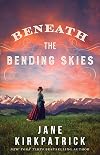
When it comes to historical fiction, Jane Kirkpatrick does a wonderful job. She finds a notable historical person and writes a novel that brings that person and family to life. In each of her historical novels, it's evident that she has done a tremendous amount of research.
The person this time is Mary Catherine "Mollie" Sheehan Ronan who lived in Montana in the mid-1800s. She is divided over whether to obey her father or follow her heart's desire to marry the man she loves. The novel follows her through the years as a young girl who loses her mother but eventually gets a loving stepmother, finding the courage to stand up to her father, then on to her marriage and family life on the Flathead Reservation where her husband is a federal agent. There are many interesting side stories regarding Mollie's education, family life as they moved from place to place, what life was like in Montana during that era, and the various family relationships. I especially enjoyed reading about her positive dealings with the Salish, Kootenai, and Pend d' Oreille tribes. She was a strong, positive, Christian woman who struggled to find her place in the world.
I was sent a free Advanced Reader's Copy from Revell Books, via LibraryThing, in exchange for my honest opinion.
The person this time is Mary Catherine "Mollie" Sheehan Ronan who lived in Montana in the mid-1800s. She is divided over whether to obey her father or follow her heart's desire to marry the man she loves. The novel follows her through the years as a young girl who loses her mother but eventually gets a loving stepmother, finding the courage to stand up to her father, then on to her marriage and family life on the Flathead Reservation where her husband is a federal agent. There are many interesting side stories regarding Mollie's education, family life as they moved from place to place, what life was like in Montana during that era, and the various family relationships. I especially enjoyed reading about her positive dealings with the Salish, Kootenai, and Pend d' Oreille tribes. She was a strong, positive, Christian woman who struggled to find her place in the world.
I was sent a free Advanced Reader's Copy from Revell Books, via LibraryThing, in exchange for my honest opinion.
This review was written for LibraryThing Early Reviewers.
This is an older novel of Anne Tyler's which was nominated for a Pulitzer Prize in 1983. It deals with family life and is set in Baltimore during the 1950's and 1960's. Pearl is a young mother with three children and a husband, Beck, who is not home much because he is a travelling salesman. One day he comes home and tells her he is leaving her and the family. She is stunned but does not tell her children he is gone. When they ask, she tells them that he is travelling and they accept that for a very long time. She gets a job at a local grocery store to help make ends meet and, through the years, Beck occasionally sends money along with notes to Pearl about his latest job.
There are alternating points-of-view which I liked since this has become a dysfunctional family and I liked the children's viewpoints as they matured. The oldest, Cody, was insecure and had antisocial behavior; Ezra was a peacemaker and wanted a normal family; and Jenny, the youngest, was very determined, yet cautious. Pearl became complicated and used verbal abuse, mostly at Jenny.
I was curious about the title: Ezra owned a restaurant and featured a varied menu so if a diner felt hungry for a specific food, he would try to make it. He was always trying to get his family to eat together but something always happened and they never finished a meal at his restaurant. I felt sorry for Ezra through most of this novel because he was so easy going and put up with Cody's terrible behavior toward him.
I felt love show more existed in this family even though the fractures in their relationships were evident. Tyler creates and develops characters in a way that, for me, brings them to life. She writes about world-wide subjects: forgiving and loving each other, being kind and accepting, and the moral obligation of parents to their children and children to their parents. show less
There are alternating points-of-view which I liked since this has become a dysfunctional family and I liked the children's viewpoints as they matured. The oldest, Cody, was insecure and had antisocial behavior; Ezra was a peacemaker and wanted a normal family; and Jenny, the youngest, was very determined, yet cautious. Pearl became complicated and used verbal abuse, mostly at Jenny.
I was curious about the title: Ezra owned a restaurant and featured a varied menu so if a diner felt hungry for a specific food, he would try to make it. He was always trying to get his family to eat together but something always happened and they never finished a meal at his restaurant. I felt sorry for Ezra through most of this novel because he was so easy going and put up with Cody's terrible behavior toward him.
I felt love show more existed in this family even though the fractures in their relationships were evident. Tyler creates and develops characters in a way that, for me, brings them to life. She writes about world-wide subjects: forgiving and loving each other, being kind and accepting, and the moral obligation of parents to their children and children to their parents. show less
I have read many of Anne Tyler's novels. It's amazing how she can take any routine situation and create a storyline with wonderful character development. This novel starts at the beginning of WWII (1940's) and spans about one-half century. It begins with a short relationship between spirited Pauline and serious Michael, they fall in love and marry. From the beginning, they were a mismatched couple with very different personalities which put a strain on both of them and, eventually, their three children. One child as a teen ran away and that put more problems in their lives. So this novel also focuses on other family members and their relationships to the two protagonists.
Tyler manages to make the reader feel sympathetic with the characters despite their foolish behavior. She makes it easy to get inside a character's thoughts. I don't want to include spoilers but I must say I was happy with the ending. The last sentence was a tear-jerker!
Tyler manages to make the reader feel sympathetic with the characters despite their foolish behavior. She makes it easy to get inside a character's thoughts. I don't want to include spoilers but I must say I was happy with the ending. The last sentence was a tear-jerker!
I am a huge fan of Rick Bragg and thoroughly enjoyed My Southern Journey. It's a compilation of various essays he has written through the years for various publications, i.e., magazines Southern Living, Sports Illustrated, GQ, ESPN The Magazine, Best Life, Long Leaf Style, Garden & Gun, Smithsonian, Louisiana Kitchen, and Bon Appetit. Some of the essays had no byline so I assume they were written for this book.
If you are not familiar with Rich Bragg, he was born and raised in Alabama. He lovingly writes about all aspects of being a Southerner not only in this collection, but in his novels as well. I must mention his sense of humor since I often laugh out loud. He also writes with emotion when it comes to his beloved family. Small-town life is the basis for much of his writing but in this book he travels around various parts of the South, i.e., Cajun country, the Gulf Coast, and his native Alabama . The book is divided into five subjects: Home, Table, Place, Craft and Spirit.
The college football essays lost me in parts but college football is a "religion" in the South so, of course, a couple of essays on it had to be included. I thoroughly enjoyed his candor about community, food, fishing, holiday traditions, feeling like an outsider while teaching in the North, romance and break-ups. If reading these essays doesn't give you a connection with the South, nothing will.
If you are not familiar with Rich Bragg, he was born and raised in Alabama. He lovingly writes about all aspects of being a Southerner not only in this collection, but in his novels as well. I must mention his sense of humor since I often laugh out loud. He also writes with emotion when it comes to his beloved family. Small-town life is the basis for much of his writing but in this book he travels around various parts of the South, i.e., Cajun country, the Gulf Coast, and his native Alabama . The book is divided into five subjects: Home, Table, Place, Craft and Spirit.
The college football essays lost me in parts but college football is a "religion" in the South so, of course, a couple of essays on it had to be included. I thoroughly enjoyed his candor about community, food, fishing, holiday traditions, feeling like an outsider while teaching in the North, romance and break-ups. If reading these essays doesn't give you a connection with the South, nothing will.
After my husband's diagnosis of Parkinson's Disease, we were at a loss as to what to expect since it's a progressive disease. This book gives up-to-date information since it's the Second Edition.
Chapters are well organized so you can read how the disease progresses or just read a chapter by subject. I liked that the book contains practical advice in addition to more complicated information, i.e., the current medications being used, current research, etc. I feel this book will be used as a reference in the future depending on how the disease progresses.
Chapters are well organized so you can read how the disease progresses or just read a chapter by subject. I liked that the book contains practical advice in addition to more complicated information, i.e., the current medications being used, current research, etc. I feel this book will be used as a reference in the future depending on how the disease progresses.
I have read two of Diane Chamberlain's novels which I loved and have two on my TBR shelf. Her latest novel is an intense and emotional read. There are two timelines, 1965 and 2010. The author does a great job of keeping the story interesting while switching timelines nearly every other chapter.
In 1965, Ellie, a well-to-do, 20-year-old, White college student decides to help with SCOPE (Summer Community Organization and Political Education Project) much to the dismay of her family and friends. The SCOPE program is for college students volunteering to canvas Black neighborhoods to get them to register to vote. Mostly Black students, but also a few White students, from northern communities come to North Carolina to work on this program. So Ellie defies her family, starts working with SCOPE, and is an outcast right from the start but is dedicated and passionate about helping.
In 2010, Kayla, a widowed architect with a 3-year-old daughter, is ready to move into the house she and her husband (also an architect) designed. Her husband died in an accident at the house when it was being built. Weird things start happening to Kayla and she becomes afraid to move into the house. However, she does move in and mysterious things continue to happen.
There are two stories here with two points-of-view and we soon know they will become intertwined because of a decades-long, unsolved murder, Even though the two women are a generation apart, they are united by tragedy. This novel is very show more educational and informative. The author's note tells of her research for this novel and that much of it is true.
You will read about prejudice, racism, the Civil Rights Movement, and the Ku Klux Klan in NC. show less
In 1965, Ellie, a well-to-do, 20-year-old, White college student decides to help with SCOPE (Summer Community Organization and Political Education Project) much to the dismay of her family and friends. The SCOPE program is for college students volunteering to canvas Black neighborhoods to get them to register to vote. Mostly Black students, but also a few White students, from northern communities come to North Carolina to work on this program. So Ellie defies her family, starts working with SCOPE, and is an outcast right from the start but is dedicated and passionate about helping.
In 2010, Kayla, a widowed architect with a 3-year-old daughter, is ready to move into the house she and her husband (also an architect) designed. Her husband died in an accident at the house when it was being built. Weird things start happening to Kayla and she becomes afraid to move into the house. However, she does move in and mysterious things continue to happen.
There are two stories here with two points-of-view and we soon know they will become intertwined because of a decades-long, unsolved murder, Even though the two women are a generation apart, they are united by tragedy. This novel is very show more educational and informative. The author's note tells of her research for this novel and that much of it is true.
You will read about prejudice, racism, the Civil Rights Movement, and the Ku Klux Klan in NC. show less
Anne Cetas is an author for Our Daily Bread. She uses her vast experience and Biblical knowledge to write this new book with a focus on the Bible. She writes a short story each day to correspond to that day's reading. There are questions to ponder on whether or not you are living your life to honor our Lord and Savior, Jesus Christ. There is a place to journal your answers.
Each day's devotion ends with one of the following: a Bible verse, a prayer, words from a Christian song, words of inspiration, or more questions. I felt like each day was a mini-Bible study. The title says it's for women but I feel it would be appreciated by men also.
Each day's devotion ends with one of the following: a Bible verse, a prayer, words from a Christian song, words of inspiration, or more questions. I felt like each day was a mini-Bible study. The title says it's for women but I feel it would be appreciated by men also.
The setting is in Nebraska first, then New York City, in the mid-1950s. Emmett and Billy are brothers and I loved their relationship. They plan to drive to San Francisco to find their mother but get side tracked and end up in NYC. So much is going on during their adventure due to all the unnecessary side stories. And everything went wrong for them no matter what they did or where they were. The book was way too long for me at nearly 600 pages. However, I stuck with it because I liked the main characters enough to want to know how things worked out for them. I could have done without many of the characters - there were just too many of them.
Each chapter had a different character's point-of-view. It just felt like a lot of shifting around and was unnecessary. I like quotation marks to indicate when a character is speaking. However, for some reason, the author chose to use a dash to begin a quote and I found this to be very unusual. It was distracting for me.
I loved Gentleman in Moscow and know that Amor Towles is an author I enjoy. When I started this novel, I felt it would be a 5-Star read but somewhere along the way, the author seemed to get off the Highway!
Each chapter had a different character's point-of-view. It just felt like a lot of shifting around and was unnecessary. I like quotation marks to indicate when a character is speaking. However, for some reason, the author chose to use a dash to begin a quote and I found this to be very unusual. It was distracting for me.
I loved Gentleman in Moscow and know that Amor Towles is an author I enjoy. When I started this novel, I felt it would be a 5-Star read but somewhere along the way, the author seemed to get off the Highway!
I didn't know what to expect since this was my first novel by this author. I don't usually like to read reviews about novels I'm planning on reading because I don't want spoilers, but this novel is one where I should have read reviews. I doubt that I would have read this because there is constant reference to sexual abuse on children. This novel is fiction but we all know it happens in real life and how damaging it is in so many ways. To the author's credit, she did include the damage it causes as the novel proceeded. In addition to rape, there's adultery, incest, and child molestation which are heavy subjects for me.
Ms. Heller described nearly every scene, setting, surrounding, etc., in such unnecessary detail, it became like debris. However, lots of description certainly makes the book longer if that's important to the publisher.
I did not like a single character, mostly they were underdeveloped, annoying, and there was no communication between the adults. With all the differences between them, wouldn't it be a normal thing for two adults to have an honest conversation? Not in this novel.
This is a book picked by Reese for her Book Club so I assumed it was worth reading. I was wrong. The constant flashbacks were all over the place. We would be in present time, then it would be the 1950's, then 1970's, present again, constantly jumping back and forth.
I should have stopped reading but with all the 4 and 5-Star reviews, I thought it was bound to improve. It didn't. If show more this is the type of book that is at the top of the best-seller lists, it speaks poorly of the reading habits of Americans. We can do so much better. show less
Ms. Heller described nearly every scene, setting, surrounding, etc., in such unnecessary detail, it became like debris. However, lots of description certainly makes the book longer if that's important to the publisher.
I did not like a single character, mostly they were underdeveloped, annoying, and there was no communication between the adults. With all the differences between them, wouldn't it be a normal thing for two adults to have an honest conversation? Not in this novel.
This is a book picked by Reese for her Book Club so I assumed it was worth reading. I was wrong. The constant flashbacks were all over the place. We would be in present time, then it would be the 1950's, then 1970's, present again, constantly jumping back and forth.
I should have stopped reading but with all the 4 and 5-Star reviews, I thought it was bound to improve. It didn't. If show more this is the type of book that is at the top of the best-seller lists, it speaks poorly of the reading habits of Americans. We can do so much better. show less
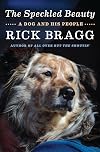
When my monthly copy of Southern Living Magazine arrives, the first thing I do is turn to the last page to read Rick Bragg's latest essay. I am a huge fan of Bragg and have read nearly all of his books. He won the Pulitzer Prize for Feature Writing for the New York Times in 1996. He writes about his southern upbringing, his family, and the interesting things that have happened to him during his 62 years.
This novel is about his dog, Speck (for short), and what a bad dog he has been. Speck was a stray Australian Shepherd, who appeared at Rick's mother's home in Alabama and stayed due to being fed. Bragg was back home living in his mother's basement due to health issues and the COVID pandemic. Bragg tried to train Speck but to no avail. Speck continued to misbehave but was always so overjoyed when Bragg appeared. The dog arrived when not only Bragg, but his family, needed him the most. Bragg's life seemed to be transformed by his love for this poorly behaved, half-blind, stray dog.
Bragg writes about his life, his family, his hardships, and his joys with such meaning and there's always plenty of humor in just about everything. He is southern-writing at its very best. 5 Stars*****
This novel is about his dog, Speck (for short), and what a bad dog he has been. Speck was a stray Australian Shepherd, who appeared at Rick's mother's home in Alabama and stayed due to being fed. Bragg was back home living in his mother's basement due to health issues and the COVID pandemic. Bragg tried to train Speck but to no avail. Speck continued to misbehave but was always so overjoyed when Bragg appeared. The dog arrived when not only Bragg, but his family, needed him the most. Bragg's life seemed to be transformed by his love for this poorly behaved, half-blind, stray dog.
Bragg writes about his life, his family, his hardships, and his joys with such meaning and there's always plenty of humor in just about everything. He is southern-writing at its very best. 5 Stars*****
I like to start a book without knowing a lot about it. If it gets good reviews, is on the best-seller list, or has an author I've enjoyed in the past, I'm happy to start reading it. I've enjoyed books by Jennifer Weiner in the past so figured this is her "beach read" for the summer of 2021. Wrong! This is not what I consider to be a beach read. The main subject is a heavy and important one connected to the MeToo movement.
The first half of the book was slow but probably because the characters were being well-developed. The two main characters were both named Diana, one of them nicknamed Daisy so we would know which character we were reading about. There were too many characters to keep track of and a bit too many side stories. Some of these characters were unlikable, especially Daisy's daughter who was a brat. Also the timeline jumped back and forth between the present and a summer on Cape Cod when one of the Diana's was a teenager with a summer job. After a horrific incident to this Diana, the rest of her life was affected, she was highly traumatized, and unable to adjust to a normal life in many ways.
It gets interesting when Diana decides to get revenge and goes about it in an unusual way. It's hard to review this any further without revealing spoilers which I was glad I didn't know about before reading the book.
The first half of the book was slow but probably because the characters were being well-developed. The two main characters were both named Diana, one of them nicknamed Daisy so we would know which character we were reading about. There were too many characters to keep track of and a bit too many side stories. Some of these characters were unlikable, especially Daisy's daughter who was a brat. Also the timeline jumped back and forth between the present and a summer on Cape Cod when one of the Diana's was a teenager with a summer job. After a horrific incident to this Diana, the rest of her life was affected, she was highly traumatized, and unable to adjust to a normal life in many ways.
It gets interesting when Diana decides to get revenge and goes about it in an unusual way. It's hard to review this any further without revealing spoilers which I was glad I didn't know about before reading the book.
This is a book of essays by humorist, Laurie Notaro. It's about her failures in her life mostly to do with cooking, cleaning, and other things related to housekeeping. She also tells about her relationship with her Mom mostly when she (Laurie) was buying or renting a house. It seems she is able to find humor in just about everything going on in her life. Two of the funniest essays had to do with her trying to make homemade Twinkies and the other was trying to control a pile of leaves in her front yard which grew very high before the "leaf pick-up people" finally arrived.
This is a fast and easy read but I felt the recipes included were unnecessary and were just to make the book a bit longer. I can't even comprehend what listening to the recipes on an audio version would be like. Here's the main reason this book gets only 3 stars: Ms. Notaro has an abrasive personality which must be what leads her to use such vulgar language. I cringed when these words were included because they were totally unnecessary. If the author feels/thinks that using this kind of language makes her writing funnier, she is grossly wrong.
This is a fast and easy read but I felt the recipes included were unnecessary and were just to make the book a bit longer. I can't even comprehend what listening to the recipes on an audio version would be like. Here's the main reason this book gets only 3 stars: Ms. Notaro has an abrasive personality which must be what leads her to use such vulgar language. I cringed when these words were included because they were totally unnecessary. If the author feels/thinks that using this kind of language makes her writing funnier, she is grossly wrong.
This is a debut novel by Karma Brown about a woman, Tegan, who loses her unborn baby in a car accident while her husband, Gabe, was driving. She had to undergo surgery and, as a result, will no longer be able to have a baby. She blames Gabe for the accident and grieves for months afterward, is unable to return to her teaching job, and refuses to go on with her life.
Eventually Gabe talks Tegan into going on a trip to Thailand, Italy, and Hawaii which are places they had on their bucket list. He hopes that a change in scenery and doing some specific things in each location will help her recover.
I have mixed feelings about this book. First, the cons: Tegan was agonizing throughout the book. I felt guilty for not liking her after the loss she had experienced, but all the grief and sadness wore me down. There were way too many flashbacks, some of which I didn't consider necessary, but they helped the author make the book longer.
The pros: I loved the visits to the three places. The author did a nice job with the descriptions, landscaping, and activities chosen for each location even though I've only been to Hawaii. I've always liked to read about other people's travels and these were especially interesting, very well-done.
The twist at the end was mind-blowing. I didn't see it coming and, at first, didn't know what to think. In a way, I felt tricked, but glad that it all came together in the end.
Eventually Gabe talks Tegan into going on a trip to Thailand, Italy, and Hawaii which are places they had on their bucket list. He hopes that a change in scenery and doing some specific things in each location will help her recover.
I have mixed feelings about this book. First, the cons: Tegan was agonizing throughout the book. I felt guilty for not liking her after the loss she had experienced, but all the grief and sadness wore me down. There were way too many flashbacks, some of which I didn't consider necessary, but they helped the author make the book longer.
The pros: I loved the visits to the three places. The author did a nice job with the descriptions, landscaping, and activities chosen for each location even though I've only been to Hawaii. I've always liked to read about other people's travels and these were especially interesting, very well-done.
The twist at the end was mind-blowing. I didn't see it coming and, at first, didn't know what to think. In a way, I felt tricked, but glad that it all came together in the end.
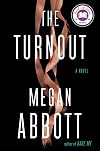
This is my first novel by Megan Abbott. I won a copy on Bookreporter.com and this is my honest review. This is a book about ballet dancing, management of the dance studio, and a whole lot more. There is a lot of suspense and much disturbing subject matter. I don't want to include what they are because of spoilers.
Dara and Marie are sisters and Charlie is Dara's husband. The sisters' mother was a ballet teacher and they inherited the studio after their parents' death. Early on, Charlie was a foster child who lived with the family and also was a dancer until injuries forced him to stop dancing and become the manager of the studio. These characters have very weird relationships that started in childhood.
Enter Derek. He is a conniving contractor hired to repair the studio after a damaging fire. Things start to get creepy and the twists get more frequent toward the end. I thought the novel started slowly but kept me interested enough, especially showing how much work the ballet students and teachers go through to put on a production of the Nutcracker. The ending seemed rushed in order to tie up everything in a big Christmas bow.
Ms. Abbott's atmospheric writing was excellent especially describing the ballet studio during the repair work. I felt as cold, damp, dusty, and messy as the studio seemed to be.
Dara and Marie are sisters and Charlie is Dara's husband. The sisters' mother was a ballet teacher and they inherited the studio after their parents' death. Early on, Charlie was a foster child who lived with the family and also was a dancer until injuries forced him to stop dancing and become the manager of the studio. These characters have very weird relationships that started in childhood.
Enter Derek. He is a conniving contractor hired to repair the studio after a damaging fire. Things start to get creepy and the twists get more frequent toward the end. I thought the novel started slowly but kept me interested enough, especially showing how much work the ballet students and teachers go through to put on a production of the Nutcracker. The ending seemed rushed in order to tie up everything in a big Christmas bow.
Ms. Abbott's atmospheric writing was excellent especially describing the ballet studio during the repair work. I felt as cold, damp, dusty, and messy as the studio seemed to be.
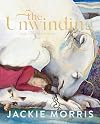
This small book is designed to keep on your bedside table to read after a hard day. The author says in her introduction: "....Slight of word, rich of image, its purpose is to ease the soul." And it does just that with its few words and gorgeous illustrations. The few words are lyrical and there are just fragments of a story in each small section leaving lots to your imagination, affecting your feelings and dreams. The illustrations have a cold landscape but, believe me, the words will warm your heart.
What a talented writer and illustrator! So very beautifully done!
I received a copy of this book from the publisher, Unbound, a crowdfunded publisher. I did not contribute to get this book published. This is my honest review.
What a talented writer and illustrator! So very beautifully done!
I received a copy of this book from the publisher, Unbound, a crowdfunded publisher. I did not contribute to get this book published. This is my honest review.
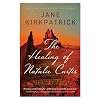
Jane Kirkpatrick is not a new author for me. I've read two of her many novels: All She Left Behind and One More River to Cross. So I was happy to get an ARC from the publisher, Revell, via a LibraryThing giveaway. All opinions are my own.
This novel is inspirational historical fiction set in the early 1900's out West (New Mexico, California, etc.) Natalie Curtis was a real person who was a renowned ethnomusicologist, American Indian activist and lecturer, a singer and a classical pianist. She worked very hard for many years to preserve the Native Americans' music, customs, food, music, and art.
When she found out how the U.S. Government was treating the American Indians, she felt obligated to do something to help them. She even went as far at the White House to get President Roosevelt's help. She wrote a book called The Indians' Book in 1907. She believed her book was written by the Indians and she was just a pencil in their hands.
The author did a tremendous amount of research into Natalie Curtis' life and the notes at the end of this novel are very informative and interesting.
This novel is inspirational historical fiction set in the early 1900's out West (New Mexico, California, etc.) Natalie Curtis was a real person who was a renowned ethnomusicologist, American Indian activist and lecturer, a singer and a classical pianist. She worked very hard for many years to preserve the Native Americans' music, customs, food, music, and art.
When she found out how the U.S. Government was treating the American Indians, she felt obligated to do something to help them. She even went as far at the White House to get President Roosevelt's help. She wrote a book called The Indians' Book in 1907. She believed her book was written by the Indians and she was just a pencil in their hands.
The author did a tremendous amount of research into Natalie Curtis' life and the notes at the end of this novel are very informative and interesting.
This review was written for LibraryThing Early Reviewers.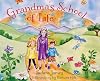
Thanks to LibraryThing for an e-copy of this Christian children's book in exchange for my honest opinion.
Children ask questions because of their inquisitive nature. The grandmother in this book answers their questions about God, life, heaven, etc. Her answers are inspirational and answered in such a way that are easy to understand by young children. I was impressed by the loving way she explained how much God loves us in all we do.
I was also impressed by the wonderful watercolor illustrations by Barbara Hall that fit the narrative. They are the kind of illustrations young children like.
What did NOT impress me was that Ms. James constantly referred to God as a female. As a Bible-reading Christian adult, I have never seen God referred to as "She" or "Her." Because of this, I am giving the book 4 Stars instead of 5.
Children ask questions because of their inquisitive nature. The grandmother in this book answers their questions about God, life, heaven, etc. Her answers are inspirational and answered in such a way that are easy to understand by young children. I was impressed by the loving way she explained how much God loves us in all we do.
I was also impressed by the wonderful watercolor illustrations by Barbara Hall that fit the narrative. They are the kind of illustrations young children like.
What did NOT impress me was that Ms. James constantly referred to God as a female. As a Bible-reading Christian adult, I have never seen God referred to as "She" or "Her." Because of this, I am giving the book 4 Stars instead of 5.
This review was written for LibraryThing Early Reviewers.
This is the fourth novel by Shari Lapena that I've read. I didn't enjoy this one as much as the others because there were too many characters and, as a result, none were well-developed. I had a hard time keeping the various families straight.
This is a murder mystery with lots of twists and turns. There was too much repetition re-hashing the plot so that slowed down the pacing for me. The plot involves the teen-age son of a couple living in the neighborhood. He sneaks out at night, breaks into neighbors' homes, snoops around, and hacks into their computers. He never steals anything.
A woman, Amanda, in the neighborhood is reported missing by her husband a couple of days before her battered body is found in the trunk of her car in a lake. So an investigation begins into the murder and the detectives find out that everyone in the neighborhood has secrets and lies. It seems Amanda has been involved with several of the men. It was hard to keep track of who was sleeping with who, how many trips various people made to the police station for interviews, etc.
This story was told from several points-of-view. While it was nice to get different views, there were too many for me. I didn't like the unrealistic ending. I have another novel by Lapena on my TBR shelf which I plan to read. I just hope it's better than this one.
This is a murder mystery with lots of twists and turns. There was too much repetition re-hashing the plot so that slowed down the pacing for me. The plot involves the teen-age son of a couple living in the neighborhood. He sneaks out at night, breaks into neighbors' homes, snoops around, and hacks into their computers. He never steals anything.
A woman, Amanda, in the neighborhood is reported missing by her husband a couple of days before her battered body is found in the trunk of her car in a lake. So an investigation begins into the murder and the detectives find out that everyone in the neighborhood has secrets and lies. It seems Amanda has been involved with several of the men. It was hard to keep track of who was sleeping with who, how many trips various people made to the police station for interviews, etc.
This story was told from several points-of-view. While it was nice to get different views, there were too many for me. I didn't like the unrealistic ending. I have another novel by Lapena on my TBR shelf which I plan to read. I just hope it's better than this one.
My book log tells me that I've read four other novels by Jennifer Weiner. This time I was looking for a book that was light, chick-lit, happy, maybe a "beach" read. The first half of this novel was just that, then BAM! Right in the middle, there is a twist and it suddenly becomes a mystery. I purposely had not read any reviews and I am glad I didn't.
The location is Cape Cod, in June, with preparations being made for a summer society wedding between the daughter of a wealthy business owner and a TV celebrity. The protagonist is the maid-of-honor, Daphne, whose weight has always been a problem for her. She has no self-esteem and her weight alone could have been a "character" since it was mentioned constantly throughout the novel. There are several side stories which were just okay but all tied into the premise.
During the second half, the mystery part, I found it unrealistic to have such a bumbling police detective that Daphne and two friends had to take over the investigation.
This is not easy to review because of spoilers. You will read about the many sides of friendships, family feuds, and forgiveness. There are many lessons to be learned about the pitfalls of on-line living. Very little, if any, bad language which was refreshing. But there is a sex scene, in a hot tub no less, that certainly was not necessary. Sex can be implicated but these details were over-the-top.
The location is Cape Cod, in June, with preparations being made for a summer society wedding between the daughter of a wealthy business owner and a TV celebrity. The protagonist is the maid-of-honor, Daphne, whose weight has always been a problem for her. She has no self-esteem and her weight alone could have been a "character" since it was mentioned constantly throughout the novel. There are several side stories which were just okay but all tied into the premise.
During the second half, the mystery part, I found it unrealistic to have such a bumbling police detective that Daphne and two friends had to take over the investigation.
This is not easy to review because of spoilers. You will read about the many sides of friendships, family feuds, and forgiveness. There are many lessons to be learned about the pitfalls of on-line living. Very little, if any, bad language which was refreshing. But there is a sex scene, in a hot tub no less, that certainly was not necessary. Sex can be implicated but these details were over-the-top.
This novel is promoted as a thriller but it was not very suspenseful for me until the last third. The first 2/3rd had poor pacing while the characters were being set with details pertinent to the plot. The premise of the story is gentrification of a Brooklyn neighborhood. There is a look into the past regarding the history, racism, poverty, and history of this neighborhood.
The protagonist is Sydney who is trying to save her mother's home from being sold as many of her neighbors have sold their homes and left the area. She notices all the changes that have taken place and starts to investigate what's happening. She becomes friends with a neighbor, Theo, who she meets on a walking tour of the neighborhood. We soon learn that there is a system regarding housing developments that harms and afflicts minority residents. This was very disturbing to me. There was a lot of gun and racial violence during the last third of the book, also very disturbing.
There was a secondary plot with a romance between Sydney and Theo which wasn't necessary to the plot. They could have been friends so we wouldn't have had to experience the open door sex scene between them. But what was really uncomfortable to me was the use of the "F" word. It was used 4 times on the first, short, page; actually used 94 times throughout the novel, according to Kindle's count.
If I didn't know much about gentrification, I surely do now. I felt this was a good learning experience but there was not much enjoyment due to show more the violence and language. show less
The protagonist is Sydney who is trying to save her mother's home from being sold as many of her neighbors have sold their homes and left the area. She notices all the changes that have taken place and starts to investigate what's happening. She becomes friends with a neighbor, Theo, who she meets on a walking tour of the neighborhood. We soon learn that there is a system regarding housing developments that harms and afflicts minority residents. This was very disturbing to me. There was a lot of gun and racial violence during the last third of the book, also very disturbing.
There was a secondary plot with a romance between Sydney and Theo which wasn't necessary to the plot. They could have been friends so we wouldn't have had to experience the open door sex scene between them. But what was really uncomfortable to me was the use of the "F" word. It was used 4 times on the first, short, page; actually used 94 times throughout the novel, according to Kindle's count.
If I didn't know much about gentrification, I surely do now. I felt this was a good learning experience but there was not much enjoyment due to show more the violence and language. show less
The Immune Mystery: A Doctor's Impassioned Quest to Solve the Puzzle of Autoimmune Disease by Anita Dr. Kåss
Thanks to Greystone Books, via LibraryThing, for an Uncorrected Proof in exchange for my honest opinion.
The author was 13 years old when her mother died prematurely from severe rheumatoid arthritis (RA). All of her life she had seen how much suffering her mother went through and vowed she would someday find a cure. So she became a doctor and researcher and has spent decades trying to find out how the immune system works. In easy-to-understand language, she leads us through her years of research and how to treat many autoimmune disorders like lupus, multiple sclerosis, and of course, RA.
Through her determination and many years of hard work despite the accepted wisdom of the medical industry, she discovered a potential treatment for autoimmune diseases. At the end of the book, there is an overview of these diseases describing each with an interesting "Did You Know" for each of them, and for RA it says "About 70% of patients have the auto-antibody rheumatoid factor (RF) in their blood. Norwegian Erik Waaler discovered RF by chance in 1937 when he ran a syphilis test on a patient who was also suffering from rheumatoid arthritis."
Dr. Kaas made a discovery and it eventually led to a record-breaking deal with a pharmaceutical company which resulted in the largest licensing agreement in Norwegian medical history (90 million dollars USD). I was very disappointed to discover at the end of the Epilogue that a postscript or addition would come with the latest update on her discovered show more medication when the book is ready for publication this month, May 2021. While I understand why this is necessary, I felt let down. Also at the end of the book is a list of immune-suppressing medications.
This is an excellent reference book for anyone with an interest in autoimmune diseases. I had a special interest in this book because my brother suffered from RA for over 20 years. My older daughter also suffers from an autoimmune condition which has yet to be correctly diagnosed. I sometimes suffer from extremely painful Episcleritis, or inflammation of the episclera, which is the clear layer on top of the white part of the eye. The cause is unknown, but an autoimmune reaction is also suspected here. (less) show less
The author was 13 years old when her mother died prematurely from severe rheumatoid arthritis (RA). All of her life she had seen how much suffering her mother went through and vowed she would someday find a cure. So she became a doctor and researcher and has spent decades trying to find out how the immune system works. In easy-to-understand language, she leads us through her years of research and how to treat many autoimmune disorders like lupus, multiple sclerosis, and of course, RA.
Through her determination and many years of hard work despite the accepted wisdom of the medical industry, she discovered a potential treatment for autoimmune diseases. At the end of the book, there is an overview of these diseases describing each with an interesting "Did You Know" for each of them, and for RA it says "About 70% of patients have the auto-antibody rheumatoid factor (RF) in their blood. Norwegian Erik Waaler discovered RF by chance in 1937 when he ran a syphilis test on a patient who was also suffering from rheumatoid arthritis."
Dr. Kaas made a discovery and it eventually led to a record-breaking deal with a pharmaceutical company which resulted in the largest licensing agreement in Norwegian medical history (90 million dollars USD). I was very disappointed to discover at the end of the Epilogue that a postscript or addition would come with the latest update on her discovered show more medication when the book is ready for publication this month, May 2021. While I understand why this is necessary, I felt let down. Also at the end of the book is a list of immune-suppressing medications.
This is an excellent reference book for anyone with an interest in autoimmune diseases. I had a special interest in this book because my brother suffered from RA for over 20 years. My older daughter also suffers from an autoimmune condition which has yet to be correctly diagnosed. I sometimes suffer from extremely painful Episcleritis, or inflammation of the episclera, which is the clear layer on top of the white part of the eye. The cause is unknown, but an autoimmune reaction is also suspected here. (less) show less
This review was written for LibraryThing Early Reviewers.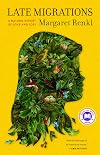
A friend read this book and left a glowing review so I decided to read it. I absolutely loved it! It's a debut book by Margaret Renkl who is a contributing opinion writer for The New York Times where her essays appear weekly. Late Migrations is a memoir of essays that anyone can relate to no matter where in their life they may be.
Reading this book was like taking a trip with Margaret as she told us bits of her life while growing up in Alabama to becoming a wife, mother, and caregiver to her parents and in-laws. She writes about love, an imperfect but beloved family life, caregiving, loss and grief, fear, and motherhood. She cares so much and is very knowledgeable about nature. She tells us about her interactions with birds, bees, butterflies, flowers, and snakes. She sees the beauty in things that most of us ignore.
I was moved by her beautiful, poetic writing which held a lot of meaning for me. I read the hardcopy so I could see the gorgeous illustrations done by her brother, Billy Renkl. So much talent in this sister and brother team! Highly recommended with 5 Stars.
Reading this book was like taking a trip with Margaret as she told us bits of her life while growing up in Alabama to becoming a wife, mother, and caregiver to her parents and in-laws. She writes about love, an imperfect but beloved family life, caregiving, loss and grief, fear, and motherhood. She cares so much and is very knowledgeable about nature. She tells us about her interactions with birds, bees, butterflies, flowers, and snakes. She sees the beauty in things that most of us ignore.
I was moved by her beautiful, poetic writing which held a lot of meaning for me. I read the hardcopy so I could see the gorgeous illustrations done by her brother, Billy Renkl. So much talent in this sister and brother team! Highly recommended with 5 Stars.
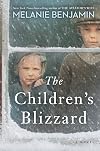
It's a warm spring-like day on January 12, 1888, in the Dakota Territory. There has been a log, cold spell and today was welcomed by most school children wearing lighter clothes. Little was known about weather forecasting but a brutal storm was headed their way.
Two very young teachers, Raina (16) and her sister, Gerda (18) Olsen, have to make important decisions about the children when the storm hits during the afternoon. They are teaching in different areas of the Dakota Territory but all will experience hardships with pain and fear.
This novel is dark and sometimes troubling. Melanie Benjamin does a great job of portraying the innocence of the children, the relationships between the teachers and the children, the side stories involving households, parents, and various personalities. It all seemed so real to me and I didn't want to put the book down. I never lost my interest and can't wait to read another novel by this author.
Two very young teachers, Raina (16) and her sister, Gerda (18) Olsen, have to make important decisions about the children when the storm hits during the afternoon. They are teaching in different areas of the Dakota Territory but all will experience hardships with pain and fear.
This novel is dark and sometimes troubling. Melanie Benjamin does a great job of portraying the innocence of the children, the relationships between the teachers and the children, the side stories involving households, parents, and various personalities. It all seemed so real to me and I didn't want to put the book down. I never lost my interest and can't wait to read another novel by this author.
Thanks to ROXY Publishing, via LibraryThing, for a copy in exchange for my honest opinion.
This is a must-read for anybody approaching 50 and beyond when you sense your body is starting to age. You don't have to accept old age! The authors tell us exactly what is needed to care for our body to prevent "decay and decrepitude" (their words). There are interesting case studies included.
The bottom line is to keep moving because both our body and our brain depend on it. Exercise is extremely important, but so is eating right, socializing, and keeping a positive attitude.
All aspects of exercising are discussed. The two authors take turns narrating the short segments so both a woman's and man's point-of-view are explained. Highly recommended!!
This is a must-read for anybody approaching 50 and beyond when you sense your body is starting to age. You don't have to accept old age! The authors tell us exactly what is needed to care for our body to prevent "decay and decrepitude" (their words). There are interesting case studies included.
The bottom line is to keep moving because both our body and our brain depend on it. Exercise is extremely important, but so is eating right, socializing, and keeping a positive attitude.
All aspects of exercising are discussed. The two authors take turns narrating the short segments so both a woman's and man's point-of-view are explained. Highly recommended!!
This review was written for LibraryThing Early Reviewers.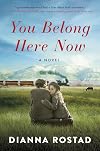
This is the debut novel for Dianna Rostad. Since I had read The Orphan Train by Christina Baker Kline, I was familiar with orphan trains that took homeless children from the NYC area across the country to find new homes. These children were subjected to tight, and sometime humiliating, scrutiny by people who were looking for various kinds of help. After being selected, many were treated like a free worker and not a member of a loving family.
It's 1925 and Charles, Patrick, and Opal were the last three children on an orphan train nearing Montana. They bravely jumped from the train rather than be overlooked again and have to go back to NYC. They bonded despite their different backgrounds and Charles, being the oldest at 18 but lied that he was 16, took the lead. Eventually they end up at the Stewart farm and, through hard work and lessons learned, experience what family love is all about.
There are interesting side stories throughout the novel but I felt that, at times, it was repetitive and it moved slowly in the middle. Overall, a nice debut, but the foul language was not needed.
Thanks to LibraryThing for the Uncorrected Proof in exchange for my honest opinion.
It's 1925 and Charles, Patrick, and Opal were the last three children on an orphan train nearing Montana. They bravely jumped from the train rather than be overlooked again and have to go back to NYC. They bonded despite their different backgrounds and Charles, being the oldest at 18 but lied that he was 16, took the lead. Eventually they end up at the Stewart farm and, through hard work and lessons learned, experience what family love is all about.
There are interesting side stories throughout the novel but I felt that, at times, it was repetitive and it moved slowly in the middle. Overall, a nice debut, but the foul language was not needed.
Thanks to LibraryThing for the Uncorrected Proof in exchange for my honest opinion.
This review was written for LibraryThing Early Reviewers.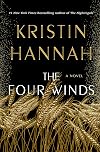
This is historical fiction at its best. Kristin Hannah must have done a tremendous amount of research to write a novel like this. I felt the same way about her novels The Nightingale and The Great Alone.
Written from a woman's point-of-view, The Four Winds is set in 1934 during the Great Depression starting out in Texas during the drought called The Dust Bowl. Farms were failing because they could not produce crops with no rain. The horrendous dust storms caused 'dust pneumonia' in many people.
The protagonist, Elsa, came from a well-to-do family who treated her unkindly and made her feel unloved. She had no self-esteem and longed to be loved and be a member of a family who cared about her. She found that love from her in-laws after getting married. Her son suffered from dust pneumonia so she and her children eventually decided to move to southern California after hearing there were jobs there.
This realistic novel was emotional for me from start to finish, sometimes I was on the verge of tears. The migrants from Texas, Oklahoma, and other states suffering from the dust storms were treated unfairly in California and many died from starvation, typhoid, dysentery, and other diseases. The owners of cotton fields, fruit orchards, etc. paid the workers very little and got away with it since there were way more workers than jobs.
Warrior Elsa was courageous and brave for her two children despite the extreme poverty they and other migrants endured. There is a lot of interesting show more information about union workers which the author wove into the story. Be forewarned: the ending is very bleak. show less
Written from a woman's point-of-view, The Four Winds is set in 1934 during the Great Depression starting out in Texas during the drought called The Dust Bowl. Farms were failing because they could not produce crops with no rain. The horrendous dust storms caused 'dust pneumonia' in many people.
The protagonist, Elsa, came from a well-to-do family who treated her unkindly and made her feel unloved. She had no self-esteem and longed to be loved and be a member of a family who cared about her. She found that love from her in-laws after getting married. Her son suffered from dust pneumonia so she and her children eventually decided to move to southern California after hearing there were jobs there.
This realistic novel was emotional for me from start to finish, sometimes I was on the verge of tears. The migrants from Texas, Oklahoma, and other states suffering from the dust storms were treated unfairly in California and many died from starvation, typhoid, dysentery, and other diseases. The owners of cotton fields, fruit orchards, etc. paid the workers very little and got away with it since there were way more workers than jobs.
Warrior Elsa was courageous and brave for her two children despite the extreme poverty they and other migrants endured. There is a lot of interesting show more information about union workers which the author wove into the story. Be forewarned: the ending is very bleak. show less
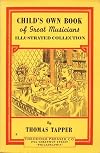
Thanks to the editor, Susan Braun, of Mr. Tapper's book for sending me an e-copy in exchange for my honest review. This collection of 12 short stories on musicians/composers contains lots of interesting information making it easy for young music students to become acquainted with these Masters of classical music. The stories are listed in alphabetical order starting with Bach and ending with Wagner. I loved all the photographs of the person being discussed, their family members, where they were born, the musical instruments, etc., accompanying each story. At the end of each story, highlights from each are listed and there is a question and answer section which makes for a great review. This little book speaks volumes!