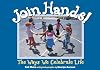
The text consists of poem written in the form of a pantoum (form is explained at the end of the book), which is a repeating type poem based on a Malaysian poetic form. Main themes of the poem include, "celebrating your individual uniqueness and celebrating our wonderful diversity." The poem also contains interesting words like ballyhoo, hoopla, and masquerade. The poem is illustrated with photos of children from many different ethnicities.
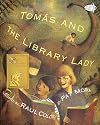
A story about a boy, Tomas, and his his family who are migrant framers that travel between Texas and Iowa throughout the year. While in Iowa, Tomas becomes a regular patron of a public library and befriends the librarian there. There is strong emphasis placed on family and storytelling, as well as imagination and reading. The book touches on the life of migrant farm workers and the intermixing of cultures. The story is based on the life of Tomas Rivera (see note in back of book). The illustrations are simple, but captivating and expand on the text.
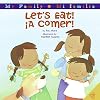
A story about a family that gathers around the table for dinner. There is a strong emphasis on the value of family and the story includes extended family (grandmother). The story also features traditional Hispanic foods, like beans, chile, and tortillas. Spanish and English are side-by-side on each page. The illustrations are appealing and correspond well with the text.
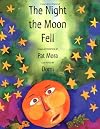
An adaptation of a Mayan myth about how the moon falls into the ocean one night. The moon, Luna, makes friends with the fish and creatures of the sea, but she longs for her home in the sky. Her new friends in the sea help put her back together and after raising her back up to the sky, they join her there. Some Spanish words are incorporated throughout the text. The illustrations feature interesting, colorful abstract art.
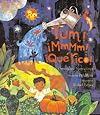
This book presents fun haikus about a variety of foods found natively in the Americas, including corn, peanuts, blueberries, cranberries, potatoes, pumpkins, tomatoes and more. Each poem is accompanied by a short informational paragraph about the food it describes. A chant is provided at the end of the book that includes all the foods and could be used for jump-rope or clapping. The illustrations are vivid and aesthetically pleasing and portray people of many different ethnicities while expanding on the text.
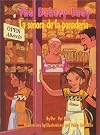
A young Hispanic girl, Monica, lives with her grandparents and brother above their bakery. Monica aspires to be a baker herself and is very pleased when she finds the baby Jesus figure in the traditional bread, called King's Rings. This means that she will host the party the next month. This story shows how even though Monica is determined to bake the cookies for her party, she still needs the help of her family. The book showcases some traditions of the Holiday season for Hispanic people and incorporates Spanish in the English text, with full Spanish text at the bottom of each page. The illustrations are nicely done and correspond well with the text.
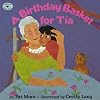
Cecilia, a young Hispanic girl, prepares a birthday basket for her great-aunt who is turning 90. Each new item she puts in the basket has symbolic meaning for her an aunt, like the mixing bowl that symbolizes how she and her aunt bake cookies for their family. This is a thoughtful book about family love, memories, and giving. The illustrations are interesting paper cut-outs.
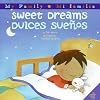
A simple bedtime story about a grandmother who puts her three grandchildren to sleep while the world around them falls asleep as well. Spanish and English are side-by-side on each page. The illustrations are appealing and expand on the text.
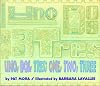
This simple book incorporates counting in Spanish and English as two girls venture through a Mexican market to find gifts for their mother's birthday. The illustrations are appealing and greatly expand on the text, showing images of a Mexican market and incorporating other Mexican culture (i.e. music, food and dancing) in the pictures. There is also a pronunciation guide in the back for the Spanish words.
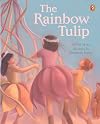
A young bi-lingual girl, Estelita, lives in an English-speaking community with her Spanish-speaking parents who immigrated form Mexico. The book shows how Estelita sees herself in both her English and Spanish speaking worlds and centers around a May parade celebration at her school where she dresses up as the only rainbow colored tulip in her class. Estelita embraces her own individuality and says she is happy she is the only multicolored tulip, even though it was hard to stand out. There is a strong emphasis on family (immediate and extended) and family history and heritage. The book's illustrations are appealing and correspond well with the text.
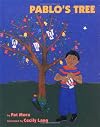
Pablo celebrates his fifth birthday by visiting his grandfather. Every year on Pablo's birthday, his grandfather decorates the tree he got when Pablo was born in a different special way. This book emphasizes the importance of traditions and family. It also touches on Pablo's personal history and how he was adopted. The illustrations are appealing but do not particularly expand on the text.
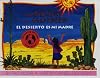
Each page presents a line of a poem about a girl who pays tribute to the desert. She describes how the land of her home, the desert, touches her life, from providing her with food and comforting her to making her feel beautiful and teaching her. The poem conveys the speaker's love and pride of her homeland. The illustrations correspond nicely with the text and portray the desert environment.