A Woman of No Importance: The Untold Story of the American Spy Who Helped Win World War II by Sonia Purnell
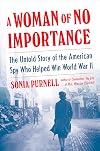
I'm giving this book 5 stars because the story of Virginia Hall is absolutely incredible. The writing, however, I would give 3 stars. Purnell did extensive research while writing this book and I'm sure she became very familiar with all the people involved in the life of Virginia Hall. She constantly brings up these names as if, of course, we too are very familiar. There is no way I could keep up. Also, there was mention of dozens of villages, towns and regions of France as if all readers lived there. I'm not a writer but I believe there was a way to tell this amazing story without confusing the reader with all these names and places.
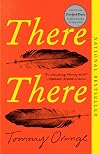
I cannot imagine why so many people like this book. I'm certain that part of the reason I didn't like "There, There" is because of my own inability to keep all of the characters separate. Obviously, most readers were able to handle such a large cast. Many people didn't like that there were so many characters but were able to deal with them better than I could. To me, by the end, I was just reading about people I didn't know and had no idea what their stories were. Their histories all turned to mush with too many back stories, too many relationships to keep track of and too much jumping from the present to the past.
What I do know about the characters is that I really didn't care for any of them.
The author wrote this book desperately trying to show how American Indians were treated so poorly in the past and still are today and how that has affected their lives. So why would he use characters who seem to have such low values and poor judgement and character? I hold american indians in very high esteem and this book hasn't changed that. But if I would have had no opinion about American Indians previously, after reading this book, I might now have a very low viewpoint of them. Why not write a book showing people who were able to rise above their past along with those who were not able? Why not show how their upbringing and their history, in many cases pose an insurmountable obstacle while others, with luck and hard work are able to rise above? Why not show them with the show more character that believe they have? A book showing the successful, along with those still struggling yet trying hard would have provided a much better basis for understanding their plight. Some people are delt a poor hand and no matter how hard they try and through no fault of their own, can't win, while others with slightly different circumstances, with the same effort and with luck, can. But this set of characters portrays Indians in a very poor light. This group of 12 consumed more drugs and alcohol and cigarettes and possessed more guns than any other group of 12 that I can imagine. If I was of Indian decent, this book would make me furious. show less
What I do know about the characters is that I really didn't care for any of them.
The author wrote this book desperately trying to show how American Indians were treated so poorly in the past and still are today and how that has affected their lives. So why would he use characters who seem to have such low values and poor judgement and character? I hold american indians in very high esteem and this book hasn't changed that. But if I would have had no opinion about American Indians previously, after reading this book, I might now have a very low viewpoint of them. Why not write a book showing people who were able to rise above their past along with those who were not able? Why not show how their upbringing and their history, in many cases pose an insurmountable obstacle while others, with luck and hard work are able to rise above? Why not show them with the show more character that believe they have? A book showing the successful, along with those still struggling yet trying hard would have provided a much better basis for understanding their plight. Some people are delt a poor hand and no matter how hard they try and through no fault of their own, can't win, while others with slightly different circumstances, with the same effort and with luck, can. But this set of characters portrays Indians in a very poor light. This group of 12 consumed more drugs and alcohol and cigarettes and possessed more guns than any other group of 12 that I can imagine. If I was of Indian decent, this book would make me furious. show less
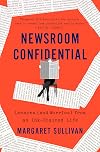
This should be required reading for every student of journalism. Newsroom Confidential is part memoir, part lesson for news media across America.
Sullivan recounts her career as a journalist spanning four decades while working for some of the most influential newspapers in the country. She holds interest while recounting the papers' successes and failures. This is especially true while working for the New York Times as Public Editor. That position serves the readers by making sure each article published meets the integrity and ethical standards expected of the Times. Not only did she hold the Times writers responsible for their reporting, she herself was responsible directly to the public as she answered demands from readers. The Public Editor position, sadly, is disappearing from US publications as it now has from the New York Times.
The most important part of the book is Sullivan's honest examination of the media including all forms of "news". Her honesty will make some uncomfortable, some angry and some rejoicing her words that should have been said long before this. Her criticism of "fair and balanced" is on the mark and she doesn't hold back when naming organizations that hold the responsibility for the divided nation we are today. Most importantly, Margaret Sullivan offers hope for the future with a road map for journalists to follow. We'll see what path the media follows.
I thank the author, publisher and NetGalley for allowing me to read an ARC of this book in show more exchange for my honest review. show less
Sullivan recounts her career as a journalist spanning four decades while working for some of the most influential newspapers in the country. She holds interest while recounting the papers' successes and failures. This is especially true while working for the New York Times as Public Editor. That position serves the readers by making sure each article published meets the integrity and ethical standards expected of the Times. Not only did she hold the Times writers responsible for their reporting, she herself was responsible directly to the public as she answered demands from readers. The Public Editor position, sadly, is disappearing from US publications as it now has from the New York Times.
The most important part of the book is Sullivan's honest examination of the media including all forms of "news". Her honesty will make some uncomfortable, some angry and some rejoicing her words that should have been said long before this. Her criticism of "fair and balanced" is on the mark and she doesn't hold back when naming organizations that hold the responsibility for the divided nation we are today. Most importantly, Margaret Sullivan offers hope for the future with a road map for journalists to follow. We'll see what path the media follows.
I thank the author, publisher and NetGalley for allowing me to read an ARC of this book in show more exchange for my honest review. show less
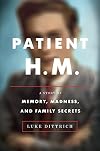
Patient HM Drowning in details
This is not a book about Patient HM (Henry G. Molaison). It is a book about the history of brain surgery to cure epilepsy, lobotomies and the study of the brain. That, in itself, could make a good book but in this case, the author’s diligent research got in the way of telling the story. Just because the research was extensive, doesn’t mean the author had to use every detail he uncovered.
I was very intrigued from the start as the story focused on Henry as a child who had a terrible accident that later, may have caused him to have frequent seizures. Henry underwent brain surgery by Dr. William Scoville, the author’s grandfather. Dr. Scoville removed portions of Henry’s brain based on a hunch that he knew the areas that were causing Henry’s seisures. I wanted to get to know Henry and also Dr. Scoville’s wife who spent time in an asylum for her mental issues. I never got to know these people. I don’t feel I ever knew Henry even though the book was supposedly about him. I never understood his personality and even though it was told he had a very high IQ, we were not told how Henry appeared to the world. There were extensive interviews where the reader could view his responses but I never felt I knew what he was like.
At one point the author told part of the story of Dr. Scoville’s wife and I got the feeling he would at some point finish her story but frankly, I was so overwhelmed in all the details, the dates, the institutions, the show more people, the laboratories the universities, that at times I would skim many pages at a time, so I could have missed the continuing story of Mrs. Scoville. She was in an institution where Dr. Scoville often performed lobotomies and I wanted to know if he performed surgery on her.
Another let down was that I wanted to understand how all the research on Henry Molaison throughout his life lead to a better understanding of the brain and and memory function. I’m sure that information is buried in the book somewhere.
This could have been so much better. show less
This is not a book about Patient HM (Henry G. Molaison). It is a book about the history of brain surgery to cure epilepsy, lobotomies and the study of the brain. That, in itself, could make a good book but in this case, the author’s diligent research got in the way of telling the story. Just because the research was extensive, doesn’t mean the author had to use every detail he uncovered.
I was very intrigued from the start as the story focused on Henry as a child who had a terrible accident that later, may have caused him to have frequent seizures. Henry underwent brain surgery by Dr. William Scoville, the author’s grandfather. Dr. Scoville removed portions of Henry’s brain based on a hunch that he knew the areas that were causing Henry’s seisures. I wanted to get to know Henry and also Dr. Scoville’s wife who spent time in an asylum for her mental issues. I never got to know these people. I don’t feel I ever knew Henry even though the book was supposedly about him. I never understood his personality and even though it was told he had a very high IQ, we were not told how Henry appeared to the world. There were extensive interviews where the reader could view his responses but I never felt I knew what he was like.
At one point the author told part of the story of Dr. Scoville’s wife and I got the feeling he would at some point finish her story but frankly, I was so overwhelmed in all the details, the dates, the institutions, the show more people, the laboratories the universities, that at times I would skim many pages at a time, so I could have missed the continuing story of Mrs. Scoville. She was in an institution where Dr. Scoville often performed lobotomies and I wanted to know if he performed surgery on her.
Another let down was that I wanted to understand how all the research on Henry Molaison throughout his life lead to a better understanding of the brain and and memory function. I’m sure that information is buried in the book somewhere.
This could have been so much better. show less
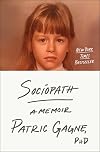
I have so many thoughts about this book so I thought I would wait a few days after finishing to write a review so I could collect my thoughts.
I guess I would have to say that I liked the book because it caused me to do a lot of analyzing and to have good discussions. That doesn't mean I liked the author or that I think she has any great advice for fellow sociopaths. So here's what I didn't like:
The book was full of descriptions of "bad" escapades she has done. As she tells these stories, I got the feeling she thought what she had done was kind of cute. But then, she's a sociopath so I guess I wouldn't expect her to truly be remorseful.
Next, I think Gagne thinks she has greatly dealt with her sociopathy but in reality, she has accepted it and that's her solution. Oh, I'm not saying she hasn't tried. She has spent her adult life trying to understand and help herself but I don't think she has succeeded and I'm not sure any sociopath can be cured. But I do give her tons of credit for all the research and effort she has put in. But I think her greatest help is having a husband and family who accept her the way she is and they are that accepting because she has explained herself to them and they have all worked together, and that's great!
Lastly, in many instances, she has blamed "normal" people for not liking sociopaths. Near the very end, she even went so far as to possibly blame others for there being sociopaths in the first place, because sociopaths aren't well liked and show more if there would be more compassion, maybe there wouldn't be sociopaths. I think she needs to revisit her thoughts. Of course, I think we all need to be more compassionate towards others but to blame "normal" people for sociopaths...?
Lastly, it really irked me near the end when she was talking about her current adjustment when she described how she apparently harmed a child who may have bullied her son on the playground and said she made it look like an accident. Lots of work to be done yet. show less
I guess I would have to say that I liked the book because it caused me to do a lot of analyzing and to have good discussions. That doesn't mean I liked the author or that I think she has any great advice for fellow sociopaths. So here's what I didn't like:
The book was full of descriptions of "bad" escapades she has done. As she tells these stories, I got the feeling she thought what she had done was kind of cute. But then, she's a sociopath so I guess I wouldn't expect her to truly be remorseful.
Next, I think Gagne thinks she has greatly dealt with her sociopathy but in reality, she has accepted it and that's her solution. Oh, I'm not saying she hasn't tried. She has spent her adult life trying to understand and help herself but I don't think she has succeeded and I'm not sure any sociopath can be cured. But I do give her tons of credit for all the research and effort she has put in. But I think her greatest help is having a husband and family who accept her the way she is and they are that accepting because she has explained herself to them and they have all worked together, and that's great!
Lastly, in many instances, she has blamed "normal" people for not liking sociopaths. Near the very end, she even went so far as to possibly blame others for there being sociopaths in the first place, because sociopaths aren't well liked and show more if there would be more compassion, maybe there wouldn't be sociopaths. I think she needs to revisit her thoughts. Of course, I think we all need to be more compassionate towards others but to blame "normal" people for sociopaths...?
Lastly, it really irked me near the end when she was talking about her current adjustment when she described how she apparently harmed a child who may have bullied her son on the playground and said she made it look like an accident. Lots of work to be done yet. show less

Very good book! The story of these five women, until now, has been untold. Each victom has been unknown in history but their killer has become famous and in some cases has been made a hero. Rubenhold brings to life London in the 1800s in a very dramatic fashion. She clearly makes the point of how hard life was for the working class and also shows a possible, if not likely outcome for women who fell on hard times during that period.
The detail of these women's lives has not been lost through the ages. Hallie Rubenhold must have done exhaustive research putting together this book, and it shows.
The detail of these women's lives has not been lost through the ages. Hallie Rubenhold must have done exhaustive research putting together this book, and it shows.
Very interesting book. I would strongly advise reading the author's note found at the end of the book, first. The note explains why the book was written the way it was.
One pet peeve I have about some biographies is when the author adds his or her own feelings or thoughts as if they are facts. This book is full of that. But I liked it. Please, read this book as a story, not a biography. I think the author does a very good job telling the story of the Van Gogh brothers from her own perspective after a good deal of research.
One pet peeve I have about some biographies is when the author adds his or her own feelings or thoughts as if they are facts. This book is full of that. But I liked it. Please, read this book as a story, not a biography. I think the author does a very good job telling the story of the Van Gogh brothers from her own perspective after a good deal of research.
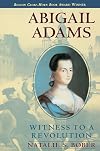
Good book! Luckily, Abigail Adams correspondence was mostly preserved. The author did an exhaustive job of not only reading nearly everything Abigail had ever written, but actually piecing together a timeline of her life from these letters. I found the earlier part of the book quite fascinating as it gives the reader a looking glass not only into the life of Adams but also what life was like in her time.
Definitely worth reading.
Definitely worth reading.
Everybody Had an Ocean
Everybody Had an Ocean, William McKeen, is a fun, extremely well documented book about the progression of the music explosion in America in the 1960’s. This was a time when music evolved as it never has before and this story shows the players, not only in the studios and on stage but behind the scenes. The west coast became the Mecca for musicians wanting to make a name for themselves. The interconnections between these artists is very interesting. Some were neighbors, friends or even adversaries but all were interested in making the 60’s, a revolution in american music.
There is a very dark figure lingering in the background throughout the 60’s. Charles Manson, woven into this story, plays a disturbing role in this 60’s revolution which makes this book reminiscent of Devil in the White City by Erik Larson.
I would highly recommend this book.
Everybody Had an Ocean, William McKeen, is a fun, extremely well documented book about the progression of the music explosion in America in the 1960’s. This was a time when music evolved as it never has before and this story shows the players, not only in the studios and on stage but behind the scenes. The west coast became the Mecca for musicians wanting to make a name for themselves. The interconnections between these artists is very interesting. Some were neighbors, friends or even adversaries but all were interested in making the 60’s, a revolution in american music.
There is a very dark figure lingering in the background throughout the 60’s. Charles Manson, woven into this story, plays a disturbing role in this 60’s revolution which makes this book reminiscent of Devil in the White City by Erik Larson.
I would highly recommend this book.
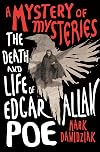
I'm giving this book three stars. I'd like to give it two but I'll take blame for one of those stars.
In a word, confusing. This book jumped all over and it was extremely distracting. In one case, a chapter ended with Poe marrying his 13 year old cousin and literally the next chapter he's courting another woman much older than he was 10 years later. Lots of biographies necessarily jump around timewise but in my opinion, it was too extreme in " A Mystery of Mysteries ". Another thing that I found quite annoying is the number of people introduced in this book. Again, Poe had a lot of friends, acquaintances and enemies so of course his story would contain a large number of people, however, I think this could have been handled better. Dawidziak seemed to think that once someone was mentioned, the reader would recognize that same person many pages or chapters on. Not me. I've read many books where the author handled this situation much better, often with a gentle reminder who this person was before mentioning again pages or chapters onward. So I'll take blame for not having a better memory but no, I'm not the whole problem here.
And as far as the "mystery", well that was a letdown too. I won't explain or I might give it away but the whole premise of the book was just flat at the end.
In a word, confusing. This book jumped all over and it was extremely distracting. In one case, a chapter ended with Poe marrying his 13 year old cousin and literally the next chapter he's courting another woman much older than he was 10 years later. Lots of biographies necessarily jump around timewise but in my opinion, it was too extreme in " A Mystery of Mysteries ". Another thing that I found quite annoying is the number of people introduced in this book. Again, Poe had a lot of friends, acquaintances and enemies so of course his story would contain a large number of people, however, I think this could have been handled better. Dawidziak seemed to think that once someone was mentioned, the reader would recognize that same person many pages or chapters on. Not me. I've read many books where the author handled this situation much better, often with a gentle reminder who this person was before mentioning again pages or chapters onward. So I'll take blame for not having a better memory but no, I'm not the whole problem here.
And as far as the "mystery", well that was a letdown too. I won't explain or I might give it away but the whole premise of the book was just flat at the end.
Sapiens, also by written Harari, had been on my “to read” list for quite some time. When I finally read it I realized I should have read it sooner. I think Sapiens is a must read book for everyone on the planet. So, of course I was thrilled to have an opportunity to read 21 Lessons for the 21st Century. I was not disappointed.
Harari has incredible talent for being able to analyse the world as it is today and project into the future. Touching on many subjects such as artificial intelligence, religion, fascism, meditation and more, the reader must decide whether or not to agree with Harari’s assessments. Personally I think his vision of the future is truly credible and for those who agree, this read may be frightening. Although Harari doesn't offer much upside, at least if mankind can see our possible future, maybe we can be vigilant and try to take steps to avoid what may be in store.
These are the lessons. There is no real roadmap to a better tomorrow, rather warning signs along the way. Mankind owes Harari gratitude for a chance to take a better way.
This is a must read.
Harari has incredible talent for being able to analyse the world as it is today and project into the future. Touching on many subjects such as artificial intelligence, religion, fascism, meditation and more, the reader must decide whether or not to agree with Harari’s assessments. Personally I think his vision of the future is truly credible and for those who agree, this read may be frightening. Although Harari doesn't offer much upside, at least if mankind can see our possible future, maybe we can be vigilant and try to take steps to avoid what may be in store.
These are the lessons. There is no real roadmap to a better tomorrow, rather warning signs along the way. Mankind owes Harari gratitude for a chance to take a better way.
This is a must read.
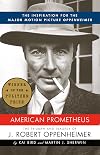
After seeing the movie, Oppenheimer, this summer (2023) I just had to read this book. The movie was very good but it left me with so many questions and I had to find answers.
This is one of the best books I've ever read! Granted, loving a book is very individual and I realize others could think a book I love is a book they hate, but I loved this book. That's saying a lot. I am a slow reader and just looking at a book with this many pages is daunting. But I found "American Prometheus" fascinating.
I have recently finished "Death of a President" by William Manchester, another daunting 700 page book and when finished, I was glad to be done. Personally, I thought the writing in "Death of a President" was terrible. So when I started "American Prometheus" I was worried about the writing style but found it very readable. There are hundreds of characters in this book and the authors realized that the reader would not be able to keep track of many of them. So they constantly threw in reminders as to who each character was but were careful not to over do it. This was greatly appreciated. The writing was smooth and understandable.
The entire book was a page Turner although I felt the "trial" portion dragged. But the trial portion was a huge part of Oppenheimer's life and that story had to be told. I don't think it could have been told differently. So that's not really a complaint.
I do have one negative comment. I felt the authors told the story with a very positive bias towards show more Oppenheimer but were still willing to show his negative aspects. I feel a biography should simply tell the story as it is. But early on, I formed a positive opinion of Oppenheimer and was perfectly willing to see him in the light that he was portrayed. After reading this book, I am a huge Oppenheimer fan.
Great read! show less
This is one of the best books I've ever read! Granted, loving a book is very individual and I realize others could think a book I love is a book they hate, but I loved this book. That's saying a lot. I am a slow reader and just looking at a book with this many pages is daunting. But I found "American Prometheus" fascinating.
I have recently finished "Death of a President" by William Manchester, another daunting 700 page book and when finished, I was glad to be done. Personally, I thought the writing in "Death of a President" was terrible. So when I started "American Prometheus" I was worried about the writing style but found it very readable. There are hundreds of characters in this book and the authors realized that the reader would not be able to keep track of many of them. So they constantly threw in reminders as to who each character was but were careful not to over do it. This was greatly appreciated. The writing was smooth and understandable.
The entire book was a page Turner although I felt the "trial" portion dragged. But the trial portion was a huge part of Oppenheimer's life and that story had to be told. I don't think it could have been told differently. So that's not really a complaint.
I do have one negative comment. I felt the authors told the story with a very positive bias towards show more Oppenheimer but were still willing to show his negative aspects. I feel a biography should simply tell the story as it is. But early on, I formed a positive opinion of Oppenheimer and was perfectly willing to see him in the light that he was portrayed. After reading this book, I am a huge Oppenheimer fan.
Great read! show less
The story is pointless. As many people have said, this is like a number of short stories, not connected, each having no point and no conclusion. So, this book is very weak and I would not recommend it.
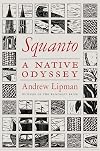
Oh, how to rate this book? First, the story is extremely interesting to me and I have learned so much, not only about native americans at the time of the pilgrims, but also about the world in general. As a, for instance, I had no idea that Europeans were fairly common to the native americans as there were many ships that came before the pilgrims for the purpose of exploration or simply fishing.
But, for me, this book was a real challenge. The challenge was two fold.
First, it was necessary for the author to include a vast array of characters and all of the names, of course, were totally foreign to me, plus, difficult to pronounce. So I had great difficulty keeping everyone straight in my head. In fact, I would say that I poorly understood half of the individuals in this book. But other readers might be able to do a better job than I.
Second, on top of this difficulty, the author, Lipman, very often made up "names" for some of these characters. This, I found terribly distracting. Squanto himself must have had at least 5 different "names". I use quote marks because a name was more of a description. For instance, Squanto, or his real name, Tisquantum, was referred to as, "the translator" or sometimes "the captive". Or maybe at times "the explorer". Honestly, I'm not sure of all of his "names" because it simply was too hard to keep track, especially because other characters also had descriptive "names". Also, a pet peeve of mine is the use of a pronoun without show more fully explaining who that pronoun is. For instance, in this book I often found paragraphs talking about two men and the use of "he" does not explain which of the men "he" is referring to. Extremely frustrating for me.!!!
The more frustrated I got, the less I would read each time I picked up the book until, finally, I felt disconnected. Often, after a day or two of not reading, I would dig in again, only to find a descriptive "name" and have absolutely no idea who that person is. For instance, today I started reading and literally the first sentence mentioned "the Stuart monarch". Not a clue. Not a single clue.
So, for me, this book was pretty bad but I can easily see that for others who may be able to handle these obstacles better than I, could really appreciate this read. Along with all my negative comments, I would like to compliment Lipman on all his research. Records were scant, I'm sure, and Lipman honestly did an amazing job. And where he couldn't find specific information about Squanto, he researched what life must have been like at that time and interjected what he thought Squanto must have gone through at different stages of his life. It was clearly spelled out that parts in this book are conjecture, based on research of native american life at that time. show less
But, for me, this book was a real challenge. The challenge was two fold.
First, it was necessary for the author to include a vast array of characters and all of the names, of course, were totally foreign to me, plus, difficult to pronounce. So I had great difficulty keeping everyone straight in my head. In fact, I would say that I poorly understood half of the individuals in this book. But other readers might be able to do a better job than I.
Second, on top of this difficulty, the author, Lipman, very often made up "names" for some of these characters. This, I found terribly distracting. Squanto himself must have had at least 5 different "names". I use quote marks because a name was more of a description. For instance, Squanto, or his real name, Tisquantum, was referred to as, "the translator" or sometimes "the captive". Or maybe at times "the explorer". Honestly, I'm not sure of all of his "names" because it simply was too hard to keep track, especially because other characters also had descriptive "names". Also, a pet peeve of mine is the use of a pronoun without show more fully explaining who that pronoun is. For instance, in this book I often found paragraphs talking about two men and the use of "he" does not explain which of the men "he" is referring to. Extremely frustrating for me.!!!
The more frustrated I got, the less I would read each time I picked up the book until, finally, I felt disconnected. Often, after a day or two of not reading, I would dig in again, only to find a descriptive "name" and have absolutely no idea who that person is. For instance, today I started reading and literally the first sentence mentioned "the Stuart monarch". Not a clue. Not a single clue.
So, for me, this book was pretty bad but I can easily see that for others who may be able to handle these obstacles better than I, could really appreciate this read. Along with all my negative comments, I would like to compliment Lipman on all his research. Records were scant, I'm sure, and Lipman honestly did an amazing job. And where he couldn't find specific information about Squanto, he researched what life must have been like at that time and interjected what he thought Squanto must have gone through at different stages of his life. It was clearly spelled out that parts in this book are conjecture, based on research of native american life at that time. show less
I read this for a book club. When I was about 100 pages from the end, I realized I wouldn't be able to go to the meeting so I decided to not finish seeing I really didn't think it was that good. But being that close to the end, I relented and decided to finish. I'm glad I did because I wouldn't have wanted to miss the part about the librarian.
At first, I thought Paulsen's writing was very beautiful and descriptive but as I read on, I thought many descriptions were very overdone. At times I would say that many passages were burdensome to read.
My next comment will, I'm sure, get eye rolls from many who read this review. It's just me but the many descriptions of killing, preparing and eating small critters was a real turnoff. At least eating them was done for the honest need of food and humans have been doing this since forever. But I don't have to hear about it. There was no killing for sport and the author even describes a thoughtless killing by what he called a "drunken hunter" as a very sad thing, feeling real passion for the dead animal. So at least Paulsen does understand the beauty of nature and for the most part, fully explains many times his appreciation of nature.
All that said, I didn't dislike the book. When I got the the end, which was very poignant, looking back on the author's life felt very epic to me.
So, although I would not recommend the book, except for my caveats, I can see how most people have liked it.
At first, I thought Paulsen's writing was very beautiful and descriptive but as I read on, I thought many descriptions were very overdone. At times I would say that many passages were burdensome to read.
My next comment will, I'm sure, get eye rolls from many who read this review. It's just me but the many descriptions of killing, preparing and eating small critters was a real turnoff. At least eating them was done for the honest need of food and humans have been doing this since forever. But I don't have to hear about it. There was no killing for sport and the author even describes a thoughtless killing by what he called a "drunken hunter" as a very sad thing, feeling real passion for the dead animal. So at least Paulsen does understand the beauty of nature and for the most part, fully explains many times his appreciation of nature.
All that said, I didn't dislike the book. When I got the the end, which was very poignant, looking back on the author's life felt very epic to me.
So, although I would not recommend the book, except for my caveats, I can see how most people have liked it.
American By Day: A Gripping Crime Thriller Sequel to Norwegian by Night – Inspector Sigrid's Second Mystery by Derek B. Miller
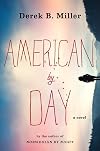
This book was just ok, nothing more. It seemed very predictable but I did enjoy the writing style. Derek Miller has a talent of writing in a very descriptive way without being overly flowery. I also enjoyed the characters, mainly the sheriff.
So overall, I'm giving it 3 stars. It was a quick, fun read but nothing special.
So overall, I'm giving it 3 stars. It was a quick, fun read but nothing special.
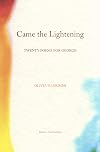
I'm not a poetry lover but I couldn't help but love this book. Honestly, this is the best book I've read in years. Olivia Harrison shares her deepest feelings. But these are more than love poems. She shares her experiences and some will be familiar to readers familiar with Beatle history. This is a very moving book.
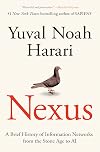
While Harari's "Nexus" explores the history of information networks from the Stone Age to AI, its core focus lies in illuminating the power and potential dangers of Artificial Intelligence. The historical overview, while interesting, sometimes overshadows the book's primary concern: AI's profound implications for our future.
Harari effectively conveys the urgency of understanding AI's risks, drawing a compelling analogy between AI and nuclear weapons. He argues that an AI arms race is inevitable, with nations vying for dominance in AI capabilities. This competition poses a significant threat, as it would be difficult to monitor and control the advancements made by different countries. "Nexus" serves as a wake-up call, highlighting the need for informed decision-making by our leaders.
Having read Harari's previous works, "Sapiens" and "21 Lessons for the 21st Century," I found "Nexus" to be more closely aligned with the latter. While some readers might find the overlap repetitive, it doesn't detract from the book's overall message. Nexus does explain the benefits of AI, however, "Nexus" presents a fairly dystopian outlook. This perspective might be necessary to fully grasp the potential consequences of unchecked AI development.
I recommend "Nexus" to readers who are prepared to engage with its central message about AI's potential helpfulness along with its dangers. While the book could have been more concise, it offers valuable insights into a critical issue facing our show more society.
Thanks to NetGalley, I was able to receive an Advanced Reader Copy (ARC) of “Nexus” in exchange for my honest review. show less
Harari effectively conveys the urgency of understanding AI's risks, drawing a compelling analogy between AI and nuclear weapons. He argues that an AI arms race is inevitable, with nations vying for dominance in AI capabilities. This competition poses a significant threat, as it would be difficult to monitor and control the advancements made by different countries. "Nexus" serves as a wake-up call, highlighting the need for informed decision-making by our leaders.
Having read Harari's previous works, "Sapiens" and "21 Lessons for the 21st Century," I found "Nexus" to be more closely aligned with the latter. While some readers might find the overlap repetitive, it doesn't detract from the book's overall message. Nexus does explain the benefits of AI, however, "Nexus" presents a fairly dystopian outlook. This perspective might be necessary to fully grasp the potential consequences of unchecked AI development.
I recommend "Nexus" to readers who are prepared to engage with its central message about AI's potential helpfulness along with its dangers. While the book could have been more concise, it offers valuable insights into a critical issue facing our show more society.
Thanks to NetGalley, I was able to receive an Advanced Reader Copy (ARC) of “Nexus” in exchange for my honest review. show less
The Demon of Unrest: A Saga of Hubris, Heartbreak, and Heroism at the Dawn of the Civil War by Erik Larson
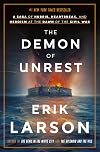
This book was too detailed, too many characters to keep track of and although I dearly wanted to understand the start of the Civil War, this book simply was too much.
I have absolutely loved other Eric Larson books. Devil in the White City is one of my all time favorites. This book, I had no interest in finishing.
I have absolutely loved other Eric Larson books. Devil in the White City is one of my all time favorites. This book, I had no interest in finishing.
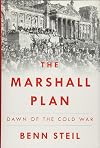
The Marshall Plan by Benn Steil
The Marshall Plan is an extremely well documented and extensively researched examination of how the plan changed the world in the late 1940’s, 50’s and even today. After World War II our European allies were on the verge of economic collapse. Those allies were ripe for Russian takeover but with great forethought, the Marshall Plan thwarted Russian dreams by helping Europe rebuild economically, reinforcing the strong bond between our allies and the US.
As stated earlier, the book is extensively researched. If you are looking for an extremely comprehensive account of the Marshall Plan, this will be a fascinating read. It can, however, seem overly documented if you are looking for a lighter read.
The Marshall Plan is an extremely well documented and extensively researched examination of how the plan changed the world in the late 1940’s, 50’s and even today. After World War II our European allies were on the verge of economic collapse. Those allies were ripe for Russian takeover but with great forethought, the Marshall Plan thwarted Russian dreams by helping Europe rebuild economically, reinforcing the strong bond between our allies and the US.
As stated earlier, the book is extensively researched. If you are looking for an extremely comprehensive account of the Marshall Plan, this will be a fascinating read. It can, however, seem overly documented if you are looking for a lighter read.
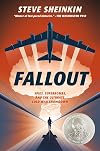
“Fallout” by Steve Sheinkin
You could call “Fallout” a sequel to Sheikin’s great book, “Bomb”, published in 2012. In “Fallout” Sheinkin writes about an amazing collection of the events leading up to and including the Cuban missile crisis. Much has been written about the subject but this book succinctly tells the story of the tumultuous events of the 50’s and 60’s that brought the world to the brink of total devastation.
“Fallout” is a quick read that seems more like a thriller novel but the reader never loses track of the grim reality that the world faced in 1962. The reader will hear how the bomb, the H bomb, spies, the space race, U2 spy planes, nuclear armed russian subs, and missiles in Cuba that were literally minutes away from being armed with devastating nuclear warheads all came together to nearly bring human civilization to its knees. Adding to all of this are stories of how incredible mishandling and incredible luck also played huge roles in this incredible story.
So much ground is covered, yet Sheinkin does not linger too long on any event. The writing is to the point, yet covers these events sufficiently. The book never becomes bogged down which left me waiting to see what might be revealed on the next page. It's a real page turner!
Five stars! This is a great book.
Thanks to NetGalley, I received an Advanced Reader Copy ARC in exchange for this honest review.
You could call “Fallout” a sequel to Sheikin’s great book, “Bomb”, published in 2012. In “Fallout” Sheinkin writes about an amazing collection of the events leading up to and including the Cuban missile crisis. Much has been written about the subject but this book succinctly tells the story of the tumultuous events of the 50’s and 60’s that brought the world to the brink of total devastation.
“Fallout” is a quick read that seems more like a thriller novel but the reader never loses track of the grim reality that the world faced in 1962. The reader will hear how the bomb, the H bomb, spies, the space race, U2 spy planes, nuclear armed russian subs, and missiles in Cuba that were literally minutes away from being armed with devastating nuclear warheads all came together to nearly bring human civilization to its knees. Adding to all of this are stories of how incredible mishandling and incredible luck also played huge roles in this incredible story.
So much ground is covered, yet Sheinkin does not linger too long on any event. The writing is to the point, yet covers these events sufficiently. The book never becomes bogged down which left me waiting to see what might be revealed on the next page. It's a real page turner!
Five stars! This is a great book.
Thanks to NetGalley, I received an Advanced Reader Copy ARC in exchange for this honest review.
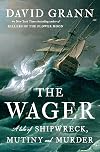
Wow! This book is a great read!
The Wager read like a thriller with plenty of unexpected turns. Even with a few pages left, I was shocked by yet another. Grann did a wonderful job researching this story but even a better job of piecing all his research together to write this amazing book.
The Wager read like a thriller with plenty of unexpected turns. Even with a few pages left, I was shocked by yet another. Grann did a wonderful job researching this story but even a better job of piecing all his research together to write this amazing book.
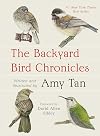
Actually I'd give this book 3.5 stars. I liked it, I just didn't like it a lot.
The book is exactly what the title says. Amy Tan shares with us her journal of bird events that have taken place in her backyard. There was humor and also some heart wrenching moments along with just plain good facts about birds.
I didn't expect two gifts this book gave me. First, Tan is a great artist and all the illustrations were done by her. The best part is that it appears that the illustration pages are literal copies from her journal along with hand written notes. Her illustrations tell a story and her notes on each page are the best part. Amy Tan is funny. It might take a while to appreciate her humor but it's there for the taking. Her notes are also very caring.
That brings up the second gift this book offers. I like Amy Tan. I have read only one of her books but my wife has enjoyed many. I have also heard her in interviews and also a podcast and she is truly enjoyable. This book offers a different look into Tan's personality and now I also like her for the caring person she is. Well, caring of birds at least. But it was honestly fun to get to know her a little better.
The reason for only 3.5 stars is that, aside from the good things I've mentioned, it was, actually, a book about someone chronicling watching birds in her backyard. Some will find that boring.
I do also want to mention that many of the negative reviews here are from people who listened to the audio book. Personally, I show more can't imagine enjoying this book without seeing the notes and illustrations. If you decide to "read" this book, please, actually read it. show less
The book is exactly what the title says. Amy Tan shares with us her journal of bird events that have taken place in her backyard. There was humor and also some heart wrenching moments along with just plain good facts about birds.
I didn't expect two gifts this book gave me. First, Tan is a great artist and all the illustrations were done by her. The best part is that it appears that the illustration pages are literal copies from her journal along with hand written notes. Her illustrations tell a story and her notes on each page are the best part. Amy Tan is funny. It might take a while to appreciate her humor but it's there for the taking. Her notes are also very caring.
That brings up the second gift this book offers. I like Amy Tan. I have read only one of her books but my wife has enjoyed many. I have also heard her in interviews and also a podcast and she is truly enjoyable. This book offers a different look into Tan's personality and now I also like her for the caring person she is. Well, caring of birds at least. But it was honestly fun to get to know her a little better.
The reason for only 3.5 stars is that, aside from the good things I've mentioned, it was, actually, a book about someone chronicling watching birds in her backyard. Some will find that boring.
I do also want to mention that many of the negative reviews here are from people who listened to the audio book. Personally, I show more can't imagine enjoying this book without seeing the notes and illustrations. If you decide to "read" this book, please, actually read it. show less
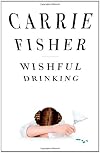
This was a guilty pleasure. It was a pleasure because I thoroughly enjoyed this book and quilty, because I felt guilty enjoying reading Carrie Fisher describe the tragedies in herself while laughing at herself and the issues she faced in her lifetime. She was a very remarkable person with a great sense of humor.
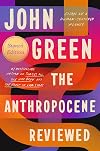
I'm giving this book a 4 star rating. I struggled with what rating to give it because parts I really enjoyed and parts, frankly, I just skipped over.
I didn't quite understand what the book was about before reading. Basically, it's John Green's thoughts on various "things" and experiences he has had throughout his life. Some chapters were extremely thought provoking and I thought, philosophical. So that's why I had a hard time rating this book. If I gave it a 3 star rating, it would dismiss the great parts. In the latest edition of this book, he includes two additional chapters. The last was quite awesome.
I'm glad I read The Anthropocene Reviewed. Not the greatest book but far from the worst. Read it and glean from it the profound parts.
I didn't quite understand what the book was about before reading. Basically, it's John Green's thoughts on various "things" and experiences he has had throughout his life. Some chapters were extremely thought provoking and I thought, philosophical. So that's why I had a hard time rating this book. If I gave it a 3 star rating, it would dismiss the great parts. In the latest edition of this book, he includes two additional chapters. The last was quite awesome.
I'm glad I read The Anthropocene Reviewed. Not the greatest book but far from the worst. Read it and glean from it the profound parts.
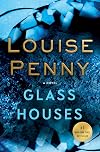
Well, it held my interest, mainly because I had to know if I was correct as to the outcome.
It was a weak plot. Also, I had a hard time remembering the characters. That was probably my fault but I read lots of books and don't general have as much trouble with characters as with this one. Maybe the character issue was me, or maybe character development was weak.
It was a weak plot. Also, I had a hard time remembering the characters. That was probably my fault but I read lots of books and don't general have as much trouble with characters as with this one. Maybe the character issue was me, or maybe character development was weak.
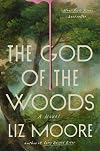
I really don't know how to rate this book. I had a very different reaction when I finished than from when I was reading it.
Overall, I enjoyed reading the book and it was one of those books that after I had put it down for a while, I was drawn to pick it back up to see what happens to the characters next. That's a sign of a good book. And it really was.
My reaction to the finish, was, "meh". I don't know why. The ending was fine. Two mysteries were solved in a satisfying and plausible way. It was all tied up and ended perfectly, I believe. So why my reaction? I don't know. So 4 stars and I didn't really deduct for my reaction but I do have to wonder if there was something inside me that wanted more. Did I pick up from the book that there would be more to the ending? I don't know. But no matter, it was a fun read and I would recommend it.
Overall, I enjoyed reading the book and it was one of those books that after I had put it down for a while, I was drawn to pick it back up to see what happens to the characters next. That's a sign of a good book. And it really was.
My reaction to the finish, was, "meh". I don't know why. The ending was fine. Two mysteries were solved in a satisfying and plausible way. It was all tied up and ended perfectly, I believe. So why my reaction? I don't know. So 4 stars and I didn't really deduct for my reaction but I do have to wonder if there was something inside me that wanted more. Did I pick up from the book that there would be more to the ending? I don't know. But no matter, it was a fun read and I would recommend it.

Although I found many parts of this book interesting, I had to skim through some parts that i did not care about. That's to be expected in a book covering the events of a decade. Overall, I liked it but I've certainly read much better books. Parts were hard to understand and I had to re-read in order to grasp what was being said. Admittedly, Klosterman's vocabulary is slightly above mine and I found that to be distracting also. All in all, I'm glad I read this book but not thrilled.
The Code Breaker: Jennifer Doudna, Gene Editing, and the Future of the Human Race by Walter Isaacson
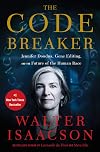
Wow! I did not expect this book to be a page turner, but it is! So much more than a biography. Isaacson tells the interesting story of genes and gene editing and how it helped develop mRNA vaccines that help us fight Covid. This book brings up controversial questions about ethics and the morality of how we use gene editing in the future. For this reason, Code Breaker would be an excellent read for book clubs. This book is a must read!
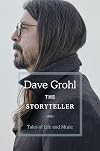
Interesting book with lots of stories of other rock stars. Even though Grohl is a rock star, he remains grounded and has a firm understanding of what is important in life.
The writing style, to me, was very good. There have been other comments about how Grohl jumps around too much but I didn't see that. Often he will start a chapter with a short story and then seem to veer course. Then he masterfully brings that course back to tie in the original story told at the chapter start. It's all done very neatly and I appreciated this.
Grohl's message is to follow our dreams no matter how unlikely those dreams may be. That's great advice if, like in his life, it all works out. Maybe "follow your dream" advice would be better with a "but have a plan B" clause. Just my opinion, but I think maybe he should have included that advice.
The only other issue I had with his book is that, to me, it was embarrassing how he didn't talk about his wife much. He even told how when he found out his wife was pregnant, he called his mother and said, "I'm having a baby!" That may not be an exact quote but he seemed to forget who was actually carrying the baby.
But all in all, it's a fun read.
The writing style, to me, was very good. There have been other comments about how Grohl jumps around too much but I didn't see that. Often he will start a chapter with a short story and then seem to veer course. Then he masterfully brings that course back to tie in the original story told at the chapter start. It's all done very neatly and I appreciated this.
Grohl's message is to follow our dreams no matter how unlikely those dreams may be. That's great advice if, like in his life, it all works out. Maybe "follow your dream" advice would be better with a "but have a plan B" clause. Just my opinion, but I think maybe he should have included that advice.
The only other issue I had with his book is that, to me, it was embarrassing how he didn't talk about his wife much. He even told how when he found out his wife was pregnant, he called his mother and said, "I'm having a baby!" That may not be an exact quote but he seemed to forget who was actually carrying the baby.
But all in all, it's a fun read.