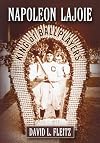
One of the better books from the SABR folks, as the author goes easy on statistics and strong on the narrative. His research was excellent and really makes games recreated largely from box scores come alive. Lajoie may be forgotten, but someday perhaps people will learn to appreciate those who played the game with grace, class and consistency.
 This review was written for LibraryThing Early Reviewers.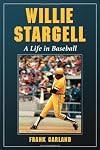
A solid biography of one of the last gentlemen to play the game right. While parts of the book needed stronger editing to reduce repetitiousness, this is still a comprehensive look at the life and career of a man who was not only a great ballplayer but a fine human being. The best passages in the book are found in the retelling of Stargell's career in baseball, which also form a fine narrative of Pirate baseball after the 1960 World Series win through the magical "We Are Family" year.
This review was written for LibraryThing Early Reviewers.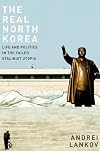
I received an uncorrected advance copy via LibraryThing's book giveaway, a very fortunate occurrence indeed! Mr. Lankov has written a concise but rich study of a country that has baffled many for decades. The descriptions of the dynamics of North Korean society are eye-opening, and his survey of North Korean history is both informative and engaging. He convincingly explains the method behind the apparent madness, which helps to bring North Korea into the realm of a solvable problem; however, he is also realistic in his extensive appraisal of strategy and possibility, so the North Korean people will have to suffer a good while longer before they know what a healthy society feels like.
This review was written for LibraryThing Early Reviewers.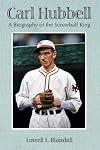
A solid biography of a great pitcher, with detailed accounts of his most important games. I disagree with other reviewers who found the book dull; I thought Mr. Blaisdell did a good job of holding the narrative and making this reserved individual an interesting read.
This review was written for LibraryThing Early Reviewers.Rube Foster in His Time: On the Field and in the Papers with Black Baseball's Greatest Visionary by Larry Lester
This is a virtual mini-encyclopedia on one of the greats in baseball history, one of the few in any league to achieve a high level of success both on the field and in the front office. Rube Foster's confidence, sense of humor and towering presence come through very clearly in Mr. Lester's book. The work is filled with actual newspaper clippings, box scores and other supporting documentation. Mr Lester writes extraordinarily well, so much so that I wish there had been more of his prose in this fine work.
This review was written for LibraryThing Early Reviewers.
Jim Newton has written an exceptionally readable, fascinating and fair biography of a man who had a significant impact on American life. The narrative is exceptionally strong, taking us from childhood to the end, and never losing the reader's interest for a second. Newton does an exceptional job in terms of balance; he validates Warren's greatest decisions and calls him to task for his mistakes and limitations (such as Warren's support for the Japanese internment and his sexual prudishness). There are several interesting subplots that play out over the years, none more interesting than Warren's ongoing struggle with the phenomenon of Richard Nixon. The discussions of the Supreme Court decisions are fascinating, with just enough attention to the legal details to inform the reader without getting bogged down in legalese. Like Warren, Newton emphasizes the human impact of these decisions and how they have played out in the lives of Americans. Given the strength of his study of Eisenhower's presidency, I will definitely pre-order whatever book Jim Newton decides to write next. He is an author of the highest caliber.
More of a sociological treatise than a biography or a baseball book, the author makes some interesting points supporting his hypothesis but loses both the narrative thread and the main character in the process. The baseball stories have no life. The book's dominant theme is assimilation and the difficulties inherent in that process; the author makes some good points that could have been stronger had he made the story more about human experience rather than theory.
This review was written for LibraryThing Early Reviewers.
Disclosure: I received a free, uncorrected copy of this book via a giveaway on LibraryThing. I have received books via giveaways on both LibraryThing and Goodreads and my average rating for these freebies is about 2.5.
After finishing The Hopkins Touch, I wanted to send the publisher a check for the full price.
The Hopkins Touch is an outstanding biography of a unique and exceptional person whose existence has been forgotten by many Americans. Harry Hopkins was considered the "man behind the throne" during the FDR years, wielding enormous power and influence in both established and undefined roles, in both domestic and foreign policy. The sources of his success were his crystal clear insight into reality (Churchill called him "Mr. Root of the Matter"), an unusually strong drive and superb facilitation skills. When Hopkins was given an assignment, whether that assignment was getting needed relief into the hands and mouths of the needy or negotiating agreements with men as complex and distrustful as Stalin, he got the thing done. While his education and early experience in social work accounted for some of his loftier ideals, his powerful sense of commitment to the task drove him to his great achievements.
David Roll proves to be an excellent biographer, balancing admiration for the man's truly great accomplishments with fair criticism of his mistakes. As is appropriate for a biography about a man who worked more behind the scenes than in the public eye, The Hopkins Touch show more tells the larger story of the major players on whose behalf Hopkins toiled, particularly the Big Three (Roosevelt, Churchill and Stalin). While Hopkins is never far away from the narrative, Mr. Roll never allowed himself to be constrained solely to his subject. The stories and background information he provides concerning the titanic personalities of the time are both appropriate and well-researched. Best of all, Mr. Roll managed to write a very readable narrative about a complicated character working in a complex period in world history; the book never feels too heavy or too light.
The relevance of this book to our current period in human history cannot be understated. We live in a time when the political atmosphere is so poisonous and polarized that it seems impossible to get anything accomplished. We could definitely use a skilled facilitator like Harry Hopkins---someone with the skills, dedication and insight to build trust between enemies and guide them to worthy accomplishments.
I look forward to buying The Hopkins Touch in its final form when it is released in early 2013. show less
After finishing The Hopkins Touch, I wanted to send the publisher a check for the full price.
The Hopkins Touch is an outstanding biography of a unique and exceptional person whose existence has been forgotten by many Americans. Harry Hopkins was considered the "man behind the throne" during the FDR years, wielding enormous power and influence in both established and undefined roles, in both domestic and foreign policy. The sources of his success were his crystal clear insight into reality (Churchill called him "Mr. Root of the Matter"), an unusually strong drive and superb facilitation skills. When Hopkins was given an assignment, whether that assignment was getting needed relief into the hands and mouths of the needy or negotiating agreements with men as complex and distrustful as Stalin, he got the thing done. While his education and early experience in social work accounted for some of his loftier ideals, his powerful sense of commitment to the task drove him to his great achievements.
David Roll proves to be an excellent biographer, balancing admiration for the man's truly great accomplishments with fair criticism of his mistakes. As is appropriate for a biography about a man who worked more behind the scenes than in the public eye, The Hopkins Touch show more tells the larger story of the major players on whose behalf Hopkins toiled, particularly the Big Three (Roosevelt, Churchill and Stalin). While Hopkins is never far away from the narrative, Mr. Roll never allowed himself to be constrained solely to his subject. The stories and background information he provides concerning the titanic personalities of the time are both appropriate and well-researched. Best of all, Mr. Roll managed to write a very readable narrative about a complicated character working in a complex period in world history; the book never feels too heavy or too light.
The relevance of this book to our current period in human history cannot be understated. We live in a time when the political atmosphere is so poisonous and polarized that it seems impossible to get anything accomplished. We could definitely use a skilled facilitator like Harry Hopkins---someone with the skills, dedication and insight to build trust between enemies and guide them to worthy accomplishments.
I look forward to buying The Hopkins Touch in its final form when it is released in early 2013. show less
This review was written for LibraryThing Early Reviewers.
Originally published six months after the tragedy at Kent State, the book is more of a summary of reporting than an historical narrative. The authors chose to simply publish what they had written forty-one years ago rather than do any additional research. The narrative itself is very choppy and only occasionally provides a sense of drama; it could have been vastly improved by reorganizing it into the parallel stories of the key players and those who died at the scene. For example, the story of the shootings makes no mention of those who died; they are simply bodies falling or people bleeding. We only learn about them after the tale is told. An entire chapter is devoted to Corso, but he disappears when the action unfolds and so his link to his responsibility for the shootings is severely weakened. The lack of diagrams showing the movement of students and soldiers on May 4 is inexcusable.
The value in the book is to remind us that the current period of divisiveness in the United States is hardly unique and relatively small potatoes when compared to the division in the country during the Vietnam War.
The value in the book is to remind us that the current period of divisiveness in the United States is hardly unique and relatively small potatoes when compared to the division in the country during the Vietnam War.
This review was written for LibraryThing Early Reviewers.
Vonnegut is one of the authors I've put aside for years because the temptation to copy his style is too great. Slaughterhouse-Five and Cat's Cradle would certainly make my Top 100 books list if I had one. There are few modern writers who have created more memorable lines, from brilliant socio-cultural observations ("History! Read it and weep!") to simple human experience ("then every cell in Billy's body shook him with ravenous gratitude and applause").
While I was delighted to hear that Mr. Shields had published a biography of this very influential writer, I was initially dissuaded from pursuing interest after reading Christopher Buckley's review in the Sunday Book Review section of the New York Times, which described a "sad, and often heartbreaking biography." Fortunately, I received it as a Christmas gift and my fundamental interest in Vonnegut overcame my reluctance to take on anything gloomy.
I think Janet Maslin's review reflects my reading experience more accurately than Mr. Buckley's. What Ms. Maslin and I read was a well-paced and structured narrative attempting to describe an enormously complicated and contradictory man. While there are certainly aspects of his life that would clearly qualify as tragic, Mr. Shields has compiled a compelling, cohesive and balanced narrative that weaves together tragedies and triumphs to give the reader a satisfying, complete picture of Kurt Vonnegut, Jr. Yes, he alienated his wife, most of his children, a good part of his family show more and numerous friends---but he was also capable of passionate love, strong commitment and unqualified friendship. Yes, he produced piles of forgettable stories for the mainstream magazine market and some very bad novels---but he also gave us one of the great American novels in Slaughterhouse-Five. The man was a fundamental contradiction, something that I believe made his writing that much stronger.
While Mr. Shields gives detailed accounts of his relationships with his wives, children and lovers, I found the passages dealing with writing to be more dramatic and engaging. The author chronicles in varying degrees of detail the development, publication and reception of each of the novels, giving the greatest amount of attention to Slaughterhouse-Five. I found it amazing that a book that reads like it wrote itself was instead the product of years of struggle against writer's block, which disappeared only when Vonnegut returned to Dresden and failed to find what he thought he needed to write the novel. Vonnegut went there to collect details and background on what he missed by waiting out the great firestorm in a cellar (about which he felt absurd guilt). Instead, he returned to a place that bore little resemblance to what he had experienced, which forced him to realize that he had to make a significant detour from the path he believed he had to take. Much to his credit, he literally went with the moment, discovering that time itself is the overriding influence on meaning. It was almost as if something inside him reached out and grabbed him by the ears and shouted, "Listen. Billy Pilgrim has come unstuck in time."
As a struggling writer (aren't we all?), I was encouraged by the fact that Vonnegut considered himself a failure during much of his early career, bemoaning the fact that one of his early novels "only" sold 6,000 copies, a figure that a self-published author would die for. Even to the end, he complains that he doesn't have the status of a Kerouac. These are the parts of the book that "rang true" (pun intended) for me, confirming that the author's job is to write the best book he or she can write and realize up front that the reading public may not be in sync with what you have created. Times change, tastes shift, and fame comes with its own form of baggage, as Vonnegut learned during the long, dry period following the success of Slaughterhouse-Five.
The downsides of the book, as Ms. Maslin as pointed out, are that the author did not get to spend much time with Vonnegut before his death and was denied permission to quote from Vonnegut's letters. I also would have liked it better had Mr. Shields devoted more attention to the development of Vonnegut's alter-ego, Kilgore Trout. That said, And So It Goes is a fascinating, readable story of a living paradox, a strange concoction of fire and ice, a writer who lived beyond his time . . . in more ways than one. show less
While I was delighted to hear that Mr. Shields had published a biography of this very influential writer, I was initially dissuaded from pursuing interest after reading Christopher Buckley's review in the Sunday Book Review section of the New York Times, which described a "sad, and often heartbreaking biography." Fortunately, I received it as a Christmas gift and my fundamental interest in Vonnegut overcame my reluctance to take on anything gloomy.
I think Janet Maslin's review reflects my reading experience more accurately than Mr. Buckley's. What Ms. Maslin and I read was a well-paced and structured narrative attempting to describe an enormously complicated and contradictory man. While there are certainly aspects of his life that would clearly qualify as tragic, Mr. Shields has compiled a compelling, cohesive and balanced narrative that weaves together tragedies and triumphs to give the reader a satisfying, complete picture of Kurt Vonnegut, Jr. Yes, he alienated his wife, most of his children, a good part of his family show more and numerous friends---but he was also capable of passionate love, strong commitment and unqualified friendship. Yes, he produced piles of forgettable stories for the mainstream magazine market and some very bad novels---but he also gave us one of the great American novels in Slaughterhouse-Five. The man was a fundamental contradiction, something that I believe made his writing that much stronger.
While Mr. Shields gives detailed accounts of his relationships with his wives, children and lovers, I found the passages dealing with writing to be more dramatic and engaging. The author chronicles in varying degrees of detail the development, publication and reception of each of the novels, giving the greatest amount of attention to Slaughterhouse-Five. I found it amazing that a book that reads like it wrote itself was instead the product of years of struggle against writer's block, which disappeared only when Vonnegut returned to Dresden and failed to find what he thought he needed to write the novel. Vonnegut went there to collect details and background on what he missed by waiting out the great firestorm in a cellar (about which he felt absurd guilt). Instead, he returned to a place that bore little resemblance to what he had experienced, which forced him to realize that he had to make a significant detour from the path he believed he had to take. Much to his credit, he literally went with the moment, discovering that time itself is the overriding influence on meaning. It was almost as if something inside him reached out and grabbed him by the ears and shouted, "Listen. Billy Pilgrim has come unstuck in time."
As a struggling writer (aren't we all?), I was encouraged by the fact that Vonnegut considered himself a failure during much of his early career, bemoaning the fact that one of his early novels "only" sold 6,000 copies, a figure that a self-published author would die for. Even to the end, he complains that he doesn't have the status of a Kerouac. These are the parts of the book that "rang true" (pun intended) for me, confirming that the author's job is to write the best book he or she can write and realize up front that the reading public may not be in sync with what you have created. Times change, tastes shift, and fame comes with its own form of baggage, as Vonnegut learned during the long, dry period following the success of Slaughterhouse-Five.
The downsides of the book, as Ms. Maslin as pointed out, are that the author did not get to spend much time with Vonnegut before his death and was denied permission to quote from Vonnegut's letters. I also would have liked it better had Mr. Shields devoted more attention to the development of Vonnegut's alter-ego, Kilgore Trout. That said, And So It Goes is a fascinating, readable story of a living paradox, a strange concoction of fire and ice, a writer who lived beyond his time . . . in more ways than one. show less

A superb first volume by a promising American poet. The imagery and emotional power are exceptional.
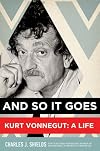
Vonnegut is one of the authors I've put aside for years because the temptation to copy his style is too great. Slaughterhouse-Five and Cat's Cradle would certainly make my Top 100 books list if I had one. There are few modern writers who have created more memorable lines, from brilliant socio-cultural observations ("History! Read it and weep!") to simple human experience ("then every cell in Billy's body shook him with ravenous gratitude and applause").
While I was delighted to hear that Mr. Shields had published a biography of this very influential writer, I was initially dissuaded from pursuing interest after reading Christopher Buckley's review in the Sunday Book Review section of the New York Times, which described a "sad, and often heartbreaking biography." Fortunately, I received it as a Christmas gift and my fundamental interest in Vonnegut overcame my reluctance to take on anything gloomy.
I think Janet Maslin's review reflects my reading experience more accurately than Mr. Buckley's. What Ms. Maslin and I read was a well-paced and structured narrative attempting to describe an enormously complicated and contradictory man. While there are certainly aspects of his life that would clearly qualify as tragic, Mr. Shields has compiled a compelling, cohesive and balanced narrative that weaves together tragedies and triumphs to give the reader a satisfying, complete picture of Kurt Vonnegut, Jr. Yes, he alienated his wife, most of his children, a good part of his family show more and numerous friends---but he was also capable of passionate love, strong commitment and unqualified friendship. Yes, he produced piles of forgettable stories for the mainstream magazine market and some very bad novels---but he also gave us one of the great American novels in Slaughterhouse-Five. The man was a fundamental contradiction, something that I believe made his writing that much stronger.
While Mr. Shields gives detailed accounts of his relationships with his wives, children and lovers, I found the passages dealing with writing to be more dramatic and engaging. The author chronicles in varying degrees of detail the development, publication and reception of each of the novels, giving the greatest amount of attention to Slaughterhouse-Five. I found it amazing that a book that reads like it wrote itself was instead the product of years of struggle against writer's block, which disappeared only when Vonnegut returned to Dresden and failed to find what he thought he needed to write the novel. Vonnegut went there to collect details and background on what he missed by waiting out the great firestorm in a cellar (about which he felt absurd guilt). Instead, he returned to a place that bore little resemblance to what he had experienced, which forced him to realize that he had to make a significant detour from the path he believed he had to take. Much to his credit, he literally went with the moment, discovering that time itself is the overriding influence on meaning. It was almost as if something inside him reached out and grabbed him by the ears and shouted, "Listen. Billy Pilgrim has come unstuck in time."
As a struggling writer (aren't we all?), I was encouraged by the fact that Vonnegut considered himself a failure during much of his early career, bemoaning the fact that one of his early novels "only" sold 6,000 copies, a figure that a self-published author would die for. Even to the end, he complains that he doesn't have the status of a Kerouac. These are the parts of the book that "rang true" (pun intended) for me, confirming that the author's job is to write the best book he or she can write and realize up front that the reading public may not be in sync with what you have created. Times change, tastes shift, and fame comes with its own form of baggage, as Vonnegut learned during the long, dry period following the success of Slaughterhouse-Five.
The downsides of the book, as Ms. Maslin as pointed out, are that the author did not get to spend much time with Vonnegut before his death and was denied permission to quote from Vonnegut's letters. I also would have liked it better had Mr. Shields devoted more attention to the development of Vonnegut's alter-ego, Kilgore Trout. That said, And So It Goes is a fascinating, readable story of a living paradox, a strange concoction of fire and ice, a writer who lived beyond his time . . . in more ways than one. show less
While I was delighted to hear that Mr. Shields had published a biography of this very influential writer, I was initially dissuaded from pursuing interest after reading Christopher Buckley's review in the Sunday Book Review section of the New York Times, which described a "sad, and often heartbreaking biography." Fortunately, I received it as a Christmas gift and my fundamental interest in Vonnegut overcame my reluctance to take on anything gloomy.
I think Janet Maslin's review reflects my reading experience more accurately than Mr. Buckley's. What Ms. Maslin and I read was a well-paced and structured narrative attempting to describe an enormously complicated and contradictory man. While there are certainly aspects of his life that would clearly qualify as tragic, Mr. Shields has compiled a compelling, cohesive and balanced narrative that weaves together tragedies and triumphs to give the reader a satisfying, complete picture of Kurt Vonnegut, Jr. Yes, he alienated his wife, most of his children, a good part of his family show more and numerous friends---but he was also capable of passionate love, strong commitment and unqualified friendship. Yes, he produced piles of forgettable stories for the mainstream magazine market and some very bad novels---but he also gave us one of the great American novels in Slaughterhouse-Five. The man was a fundamental contradiction, something that I believe made his writing that much stronger.
While Mr. Shields gives detailed accounts of his relationships with his wives, children and lovers, I found the passages dealing with writing to be more dramatic and engaging. The author chronicles in varying degrees of detail the development, publication and reception of each of the novels, giving the greatest amount of attention to Slaughterhouse-Five. I found it amazing that a book that reads like it wrote itself was instead the product of years of struggle against writer's block, which disappeared only when Vonnegut returned to Dresden and failed to find what he thought he needed to write the novel. Vonnegut went there to collect details and background on what he missed by waiting out the great firestorm in a cellar (about which he felt absurd guilt). Instead, he returned to a place that bore little resemblance to what he had experienced, which forced him to realize that he had to make a significant detour from the path he believed he had to take. Much to his credit, he literally went with the moment, discovering that time itself is the overriding influence on meaning. It was almost as if something inside him reached out and grabbed him by the ears and shouted, "Listen. Billy Pilgrim has come unstuck in time."
As a struggling writer (aren't we all?), I was encouraged by the fact that Vonnegut considered himself a failure during much of his early career, bemoaning the fact that one of his early novels "only" sold 6,000 copies, a figure that a self-published author would die for. Even to the end, he complains that he doesn't have the status of a Kerouac. These are the parts of the book that "rang true" (pun intended) for me, confirming that the author's job is to write the best book he or she can write and realize up front that the reading public may not be in sync with what you have created. Times change, tastes shift, and fame comes with its own form of baggage, as Vonnegut learned during the long, dry period following the success of Slaughterhouse-Five.
The downsides of the book, as Ms. Maslin as pointed out, are that the author did not get to spend much time with Vonnegut before his death and was denied permission to quote from Vonnegut's letters. I also would have liked it better had Mr. Shields devoted more attention to the development of Vonnegut's alter-ego, Kilgore Trout. That said, And So It Goes is a fascinating, readable story of a living paradox, a strange concoction of fire and ice, a writer who lived beyond his time . . . in more ways than one. show less
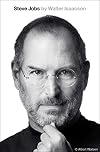
Let me first disclose that I have been a Mac user for all my adult life. My first computer was a Mac and I have owned several since. I currently own a MacBook Pro and an iMac as well as an iPhone and an iPad.
When I work on something made by Apple, I feel delight. When I have to work on an ugly piece of junk running the incredibly tedious Windows operating system, I feel depressed.
Steve Jobs is the person primarily responsible for creating that delight. His greatest achievement is to insist on high artistic standards in a world used to settling for mediocrity. That attitude led to defeat in the PC wars but also to a stunning turnaround and numerous victories after his return to Apple in the late 1990′s.
Image via Wikipedia
Walter Isaacson’s biography of Jobs clearly illustrates this fundamental genius, this obsession with doing things right rather than “good enough.” However, Isaacson is equally graphic about the man’s flaws: his habit of publicly humiliating others, his occasional deviousness, his strange dietary habits. The result is a balanced view of a person who had a tremendous impact on people all over the world, but also a person with defects like any other human being. Both his achievements and his defects were of the extreme variety, for the essential core of Steve Jobs was an endlessly burning intensity, and Isaacson certainly captures that all-consuming drive.
Unfortunately, it takes him a while to get there and find his literary rhythm. The first few show more chapters read like a biography rushed to publication too soon in order to capitalize on someone’s fame. The formula of anecdote/quote from Jobs becomes old very fast and I came very close to closing the book and moving on to something more interesting. What kept me going was I wanted to read the story of how Jobs saved Apple from destruction and as the story progresses, Isaacson’s writing becomes less formulaic and more compelling.
It is difficult to comprehend how low Apple had fallen in 1996. I had a PowerMac 7500 at the time running System 7.5.2 and I can’t tell you how many times each day the familiar exploding bomb would appear on the screen and I’d have to restart. They produced a laptop that kept catching fire. They were led by old, tired men in suits. Market share vanished, the stock bottomed out. The end game was near; Apple would either go belly-up or be carved up like the turkey it was.
Fast forward to 2011. For a couple of days, Apple was the richest company in the world. Apple stores have redefined the retail experience and are nearly always full of customers playing with various devices. iTunes and iPods created a new normal in music distribution. The iPhone and iPad redefined the mobile communications and entertainment experience.
How did Steve Jobs pull this off? This is where Isaacson’s story shines. The narrative is both exciting and educational, as it describes not only a marketer on top of his game but also the clear-headed strategist and the visionary synthesizing new opportunities that were on no one’s horizon. But while the story of Apple’s turnaround confirms this book’s value, the early years before, during and after Apple provide the paths that led to later success.
I want to make two small points. Bill Gates actually emerges as a respectable character, something that may offend some of the hardline Apple fanatics; he and Jobs simply saw the world differently, and both views had their value. Second, I have greater confidence in Apple’s future because Jobs simply didn’t create great products, he restructured the company’s DNA to ensure that his focus on artistic excellence would outlive him. It also doesn’t hurt that Jonathan Ives, Jobs’ equal in design, is still with Apple.
The general consensus is that this is a 4-star biography, and I would agree with that assessment. Weak opening aside, this is an educational book from a business perspective, a cautionary tale about self-balance and narcissism, and a story of how, in too rare circumstances, artistic vision can work to change the world. show less
When I work on something made by Apple, I feel delight. When I have to work on an ugly piece of junk running the incredibly tedious Windows operating system, I feel depressed.
Steve Jobs is the person primarily responsible for creating that delight. His greatest achievement is to insist on high artistic standards in a world used to settling for mediocrity. That attitude led to defeat in the PC wars but also to a stunning turnaround and numerous victories after his return to Apple in the late 1990′s.
Image via Wikipedia
Walter Isaacson’s biography of Jobs clearly illustrates this fundamental genius, this obsession with doing things right rather than “good enough.” However, Isaacson is equally graphic about the man’s flaws: his habit of publicly humiliating others, his occasional deviousness, his strange dietary habits. The result is a balanced view of a person who had a tremendous impact on people all over the world, but also a person with defects like any other human being. Both his achievements and his defects were of the extreme variety, for the essential core of Steve Jobs was an endlessly burning intensity, and Isaacson certainly captures that all-consuming drive.
Unfortunately, it takes him a while to get there and find his literary rhythm. The first few show more chapters read like a biography rushed to publication too soon in order to capitalize on someone’s fame. The formula of anecdote/quote from Jobs becomes old very fast and I came very close to closing the book and moving on to something more interesting. What kept me going was I wanted to read the story of how Jobs saved Apple from destruction and as the story progresses, Isaacson’s writing becomes less formulaic and more compelling.
It is difficult to comprehend how low Apple had fallen in 1996. I had a PowerMac 7500 at the time running System 7.5.2 and I can’t tell you how many times each day the familiar exploding bomb would appear on the screen and I’d have to restart. They produced a laptop that kept catching fire. They were led by old, tired men in suits. Market share vanished, the stock bottomed out. The end game was near; Apple would either go belly-up or be carved up like the turkey it was.
Fast forward to 2011. For a couple of days, Apple was the richest company in the world. Apple stores have redefined the retail experience and are nearly always full of customers playing with various devices. iTunes and iPods created a new normal in music distribution. The iPhone and iPad redefined the mobile communications and entertainment experience.
How did Steve Jobs pull this off? This is where Isaacson’s story shines. The narrative is both exciting and educational, as it describes not only a marketer on top of his game but also the clear-headed strategist and the visionary synthesizing new opportunities that were on no one’s horizon. But while the story of Apple’s turnaround confirms this book’s value, the early years before, during and after Apple provide the paths that led to later success.
I want to make two small points. Bill Gates actually emerges as a respectable character, something that may offend some of the hardline Apple fanatics; he and Jobs simply saw the world differently, and both views had their value. Second, I have greater confidence in Apple’s future because Jobs simply didn’t create great products, he restructured the company’s DNA to ensure that his focus on artistic excellence would outlive him. It also doesn’t hurt that Jonathan Ives, Jobs’ equal in design, is still with Apple.
The general consensus is that this is a 4-star biography, and I would agree with that assessment. Weak opening aside, this is an educational book from a business perspective, a cautionary tale about self-balance and narcissism, and a story of how, in too rare circumstances, artistic vision can work to change the world. show less
There isn't much to say that other reviewers haven't said. This is simply not a quality biography on any level. Sorry.
This review was written for LibraryThing Early Reviewers.
I love an intense experience: a rich cup of espresso, a fine Malbec, a taut and well-played game of baseball. Intensity is a state the occurs when a stimulus is powerful enough to remove you from current time and place and immerse you in an alternative world where senses, emotions and thoughts become more vivid and alive.
That pretty much describes what it's like to read Cassidy Jones and Vulcan's Gift.
The second installment in the Cassidy Jones Adventures series does not let up for a moment, from the exceptionally well-written prologue to the end of the book. Even the relatively quiet and "normal" parts (when superhero Cassidy exists in the context of teenage reality) turn out to be fascinating vignettes of the teenage experience, with all the wild-card emotions coming into play. Plot development is tight, the story is well-told and the characters surprisingly authentic for a fantasy adventure.
As I pointed out in my review of Cassidy Jones and the Secret Formula, Cassidy is an exceptional character who would still be exceptional if she were cured of her super powers. At times mature and perceptive, at other times hopelessly adolescent, Elise Stokes has developed a character that is anything but a caricature. This foundational strength is even more apparent in this second book as Cassidy becomes more comfortable with her accidental capabilities while becoming less comfortable with the simmering conflict inside her. She is a very competent superhero but also a teenager with show more shaky confidence, and it is this combination of strength and vulnerability that makes you want to cheer her on. We never forget that Cassidy, albeit in the exaggerated transformation to superhero, is a young girl always in danger of losing control, which also happens to be what it feels like to be a teenager.
Ms. Stokes has also strengthened the supporting cast, with Emery Phillips (Cassidy's partner in adventure) also serving as something of a role model who tries to temper Cassidy's typically teenage tendency to unfairly judge other people. We see this as Emery enlists the help of a chain-smoking layabout named Jason, whom Cassidy immediately rejects as a colleague and whom Emery calmly defends for his virtues and unique moral code. Emery's dispassionate and open-minded view of human nature contrasts nicely with the labeling tendency we all have in our teenage years (and which some of us cling to through adulthood).
Cassidy also befriends a homeless fellow named (appropriately) Joe, the kind of person who rarely appears on anyone's radar, much less that of a fourteen-year old girl. Her defense of Joe, who is being attacked by the typical gang of teenagers looking for kicks, tells us a lot about Cassidy's fundamental sense of decency and fair play. The only problem I had with the book was that there was no final scene with Joe, as I think he could serve as a good friend and mentor for Cassidy; sort of an ironic version of Dumbledore.
I should also mention the forces of evil against whom Cassidy and Emery do battle. The initial encounter with Metal Man was so well-written that I felt like I was there. The final battle against the evil Lily White (a perfect name if there ever was one!) is more tightly-written than the climax in the first book. Ms. Stokes has not spent much time developing the characters on the dark side, which I feel at this stage of the series is a good choice (Voldemort was hardly real until the end of Book 4). However, at some point in the series, we will have to have a better understanding of Cassidy's definition of evil so that we better understand Cassidy herself.
In my earlier review, I compared the first installment to Ms. Rowling's efforts and certainly felt that Cassidy Jones held up well. In this second installment, Cassidy takes the lead. I never felt that Harry Potter and the Chamber of Secrets added much to the series; Rowling really didn't get moving until Book 3. With Cassidy Jones and Vulcan's Gift, Ms. Stokes has taken the series to a higher level and the path forward is full of intriguing possibilities.
I will now exist in that exquisitely agonizing space of having to wait a whole year for those possibilities to play out in the next installment.
See the Cassidy Jones Adventures website for more information about the books and the author. show less
That pretty much describes what it's like to read Cassidy Jones and Vulcan's Gift.
The second installment in the Cassidy Jones Adventures series does not let up for a moment, from the exceptionally well-written prologue to the end of the book. Even the relatively quiet and "normal" parts (when superhero Cassidy exists in the context of teenage reality) turn out to be fascinating vignettes of the teenage experience, with all the wild-card emotions coming into play. Plot development is tight, the story is well-told and the characters surprisingly authentic for a fantasy adventure.
As I pointed out in my review of Cassidy Jones and the Secret Formula, Cassidy is an exceptional character who would still be exceptional if she were cured of her super powers. At times mature and perceptive, at other times hopelessly adolescent, Elise Stokes has developed a character that is anything but a caricature. This foundational strength is even more apparent in this second book as Cassidy becomes more comfortable with her accidental capabilities while becoming less comfortable with the simmering conflict inside her. She is a very competent superhero but also a teenager with show more shaky confidence, and it is this combination of strength and vulnerability that makes you want to cheer her on. We never forget that Cassidy, albeit in the exaggerated transformation to superhero, is a young girl always in danger of losing control, which also happens to be what it feels like to be a teenager.
Ms. Stokes has also strengthened the supporting cast, with Emery Phillips (Cassidy's partner in adventure) also serving as something of a role model who tries to temper Cassidy's typically teenage tendency to unfairly judge other people. We see this as Emery enlists the help of a chain-smoking layabout named Jason, whom Cassidy immediately rejects as a colleague and whom Emery calmly defends for his virtues and unique moral code. Emery's dispassionate and open-minded view of human nature contrasts nicely with the labeling tendency we all have in our teenage years (and which some of us cling to through adulthood).
Cassidy also befriends a homeless fellow named (appropriately) Joe, the kind of person who rarely appears on anyone's radar, much less that of a fourteen-year old girl. Her defense of Joe, who is being attacked by the typical gang of teenagers looking for kicks, tells us a lot about Cassidy's fundamental sense of decency and fair play. The only problem I had with the book was that there was no final scene with Joe, as I think he could serve as a good friend and mentor for Cassidy; sort of an ironic version of Dumbledore.
I should also mention the forces of evil against whom Cassidy and Emery do battle. The initial encounter with Metal Man was so well-written that I felt like I was there. The final battle against the evil Lily White (a perfect name if there ever was one!) is more tightly-written than the climax in the first book. Ms. Stokes has not spent much time developing the characters on the dark side, which I feel at this stage of the series is a good choice (Voldemort was hardly real until the end of Book 4). However, at some point in the series, we will have to have a better understanding of Cassidy's definition of evil so that we better understand Cassidy herself.
In my earlier review, I compared the first installment to Ms. Rowling's efforts and certainly felt that Cassidy Jones held up well. In this second installment, Cassidy takes the lead. I never felt that Harry Potter and the Chamber of Secrets added much to the series; Rowling really didn't get moving until Book 3. With Cassidy Jones and Vulcan's Gift, Ms. Stokes has taken the series to a higher level and the path forward is full of intriguing possibilities.
I will now exist in that exquisitely agonizing space of having to wait a whole year for those possibilities to play out in the next installment.
See the Cassidy Jones Adventures website for more information about the books and the author. show less
I'll begin with a disclaimer: I rarely read books in this genre and, outside of Harry Potter, I don't think I've read any series. According to the author's website, her motivation was "to create a series that will motivate girls to value individualism, courage, integrity and intelligence," so I will also have to disclose that I am not a teenage girl.
This is why when I say I can't wait for the next installment, you should be impressed.
The focus of the book is obviously Cassidy Jones. Cassidy is a vivid, complex character who has fantastic, bizarre things happen to her but always remains an authentic human being. The plot and the other characters serve more as a background to the more important journey as Cassidy's growth as a young woman. I'm sure the other characters will gain dimension as the series progresses, but in creating Cassidy, Elise Stokes has created a much more interesting hero for her series than Mr. Potter and Cassidy's journey is more relevant to our lives and times. Cassidy moves through mood swings, back-and-forth, one step forward, two steps back, crashes and falls, makes sudden turns, changes her mind, makes decisions and regrets decisions . . . in other words, she is a genuine non-linear human being like many teenagers (and like many adults, who are better at building facades to hide their human inconsistencies). Cassidy also makes mistakes, says dumb things and exhibits numerous flaws. She's human, and the reader can't help but develop a strong show more connection with her.
The contrast with the Potter books is just that. Harry Potter is more about the world Ms. Rowling created and a struggle of ideologies; Cassidy Jones is more about what it means to be a real human being at a time of life when possibilities are endless and endlessly confusing. While there are hints of that theme in the Potter novels, Ms. Stokes is more successful with it.
The book is definitely a page-turner (I finished it in three days while sneaking in some reading sessions at work) and features frequent bursts of ironic humor to keep the reader's perspective in check. The five-star rating I'm giving this book takes into account the fact that this is the first in a series and should be judged on that basis. The book does have flaws here and there, primarily having to do with Cassidy as narrator. Being narrator and hero of the book is quite a heavy load to carry and sometimes Cassidy-the-narrator speaks with too much sophistication and too rich a vocabulary for a 14-year old girl. It might be interesting to relieve her of the narration duty in future installments, or perhaps use the dual-narrator approach that Dickens used in Bleak House.
These are minor distractions that even the great novels contain. Ms. Stokes is off to a fabulous start in her journey "to create a series that will motivate girls to value individualism, courage, integrity and intelligence," but I think Cassidy Jones has the potential to transcend that limitation and appeal to all people, regardless of age or gender. show less
This is why when I say I can't wait for the next installment, you should be impressed.
The focus of the book is obviously Cassidy Jones. Cassidy is a vivid, complex character who has fantastic, bizarre things happen to her but always remains an authentic human being. The plot and the other characters serve more as a background to the more important journey as Cassidy's growth as a young woman. I'm sure the other characters will gain dimension as the series progresses, but in creating Cassidy, Elise Stokes has created a much more interesting hero for her series than Mr. Potter and Cassidy's journey is more relevant to our lives and times. Cassidy moves through mood swings, back-and-forth, one step forward, two steps back, crashes and falls, makes sudden turns, changes her mind, makes decisions and regrets decisions . . . in other words, she is a genuine non-linear human being like many teenagers (and like many adults, who are better at building facades to hide their human inconsistencies). Cassidy also makes mistakes, says dumb things and exhibits numerous flaws. She's human, and the reader can't help but develop a strong show more connection with her.
The contrast with the Potter books is just that. Harry Potter is more about the world Ms. Rowling created and a struggle of ideologies; Cassidy Jones is more about what it means to be a real human being at a time of life when possibilities are endless and endlessly confusing. While there are hints of that theme in the Potter novels, Ms. Stokes is more successful with it.
The book is definitely a page-turner (I finished it in three days while sneaking in some reading sessions at work) and features frequent bursts of ironic humor to keep the reader's perspective in check. The five-star rating I'm giving this book takes into account the fact that this is the first in a series and should be judged on that basis. The book does have flaws here and there, primarily having to do with Cassidy as narrator. Being narrator and hero of the book is quite a heavy load to carry and sometimes Cassidy-the-narrator speaks with too much sophistication and too rich a vocabulary for a 14-year old girl. It might be interesting to relieve her of the narration duty in future installments, or perhaps use the dual-narrator approach that Dickens used in Bleak House.
These are minor distractions that even the great novels contain. Ms. Stokes is off to a fabulous start in her journey "to create a series that will motivate girls to value individualism, courage, integrity and intelligence," but I think Cassidy Jones has the potential to transcend that limitation and appeal to all people, regardless of age or gender. show less
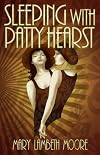
"As America debates its most famous kidnapping case of the 1970s, a divided family in North Carolina copes with its own missing person. Lily Stokes searches for her half-sister with help from her mother's boyfriend, a freewheeling man who likes Lily a little too much. While keeping secrets at home and then escaping into an odd marriage, Lily takes an imaginative look at her mother's notorious past and her sister's surprising future. Sleeping with Patty Hearst is a gripping coming-of-age story with edge and heart."
----Trailer for Sleeping with Patty Hearst
Sleeping with Patty Hearst is the finest work of literary fiction I have read in the last ten years---a great book by a writer who has the potential to be very influential on the American literary scene.
The characterization of this as a "debut novel" is technically true but somewhat misleading. Ms. Moore has extensive experience as a writer; it just so happens that she is now practicing this talent in the world of fiction. This book is written with confidence and courage; there are issues that Ms. Moore covers that the majority of Americans would prefer to wish out of existence (the positive and negative effects of family dysfunction, the soul-limiting impact of the practice of religion, and "inappropriate" expressions of sexuality that lie beneath the thin layers of our social facades). The character development and interplay are remarkable for their candor and authenticity and the Ms. Moore's descriptive powers are show more exceptional. The plot contains fascinating and unexpected turns that kept me on my toes; each time this happened, though, I had to admit that even though I didn't expect it, the twist was the most effective choice Ms. Moore could have made at that point in the narrative.
The relationships developed through the narrative are realistic, particularly so because the characters drift in and out of each other's lives due to various circumstances and reasons. All are marked by varying degrees of self-and-other deception, as is the case in nearly all human relationships. This may seem like a minor point, but it illustrates how committed Ms. Moore is to truthful depiction of the human condition. We are not linear beings on linear paths; we grow, change, make mistakes, experience love and hatred for the same person at different times. Ms. Moore allows the characters to be true to themselves and exhibit both human virtues and deficiencies. You will find them both heroic and despicable at times, but there are very few novels in which the characters were so vivid, so genuine and so well-drawn as they are in Sleeping with Patty Hearst
.
What is best about her writing style is I never felt she was laboring. I detected no "author noise" in the narrative, which is one of the hardest things for an author to do, especially when the narrative is revealed largely in the first-person by the lead character. The writing is so fluid that it seems effortless, even though we know the opposite is true. It takes great effort to appear effortless and I genuinely appreciated this exceptional effort by Mary Lambeth Moore. show less
----Trailer for Sleeping with Patty Hearst
Sleeping with Patty Hearst is the finest work of literary fiction I have read in the last ten years---a great book by a writer who has the potential to be very influential on the American literary scene.
The characterization of this as a "debut novel" is technically true but somewhat misleading. Ms. Moore has extensive experience as a writer; it just so happens that she is now practicing this talent in the world of fiction. This book is written with confidence and courage; there are issues that Ms. Moore covers that the majority of Americans would prefer to wish out of existence (the positive and negative effects of family dysfunction, the soul-limiting impact of the practice of religion, and "inappropriate" expressions of sexuality that lie beneath the thin layers of our social facades). The character development and interplay are remarkable for their candor and authenticity and the Ms. Moore's descriptive powers are show more exceptional. The plot contains fascinating and unexpected turns that kept me on my toes; each time this happened, though, I had to admit that even though I didn't expect it, the twist was the most effective choice Ms. Moore could have made at that point in the narrative.
The relationships developed through the narrative are realistic, particularly so because the characters drift in and out of each other's lives due to various circumstances and reasons. All are marked by varying degrees of self-and-other deception, as is the case in nearly all human relationships. This may seem like a minor point, but it illustrates how committed Ms. Moore is to truthful depiction of the human condition. We are not linear beings on linear paths; we grow, change, make mistakes, experience love and hatred for the same person at different times. Ms. Moore allows the characters to be true to themselves and exhibit both human virtues and deficiencies. You will find them both heroic and despicable at times, but there are very few novels in which the characters were so vivid, so genuine and so well-drawn as they are in Sleeping with Patty Hearst
.
What is best about her writing style is I never felt she was laboring. I detected no "author noise" in the narrative, which is one of the hardest things for an author to do, especially when the narrative is revealed largely in the first-person by the lead character. The writing is so fluid that it seems effortless, even though we know the opposite is true. It takes great effort to appear effortless and I genuinely appreciated this exceptional effort by Mary Lambeth Moore. show less
A comprehensive narrative of the insanity that beset much of the human race in the 1930's, focusing on the seven countries who would become the major belligerents in WWII. While there are passages that could have been dropped, the author does a creditable job describing the fear-driven universe created by the Great Depression and Nationalism.
A book that never really gets off the ground. We are buried in details of backroom staff, Cincinnati urban renewal and a lame attempt to resurrect Bill DeWitt's reputation but the author never forms a cohesive dramatic narrative that communicates the excitement of the 1961 season.
This review was written for LibraryThing Early Reviewers.The Greatest Game Ever Pitched: Juan Marichal, Warren Spahn, and the Pitching Duel of the Century by Jim Kaplan
I enjoyed the book even though the title is horribly misleading. There's actually very little about the game itself; nothing about pitch selection, what the hitters were thinking, pretty much just a written narrative of the box score. What makes the book worthwhile is the biographical information concerning Spahn and Marichal and the franchise histories of the Braves and Giants. We find out why the Giants were always coming up short and how the Braves came close to being one of the dominant teams of their time. Kaplan writes well and spices the narrative with comparatives to the modern day game that are not flattering towards the current state of the sport. Some people will find that distracting and irrelevant, but once I realized that the book was not simply a story of the game, I allowed Kaplan some latitude.
The quality I have admired most in President Kennedy was his ability to grow, to learn from his mistakes. This is the story of many of his early mistakes. The source of those mistakes was brilliantly identified by the author as Kennedy not wanting to deal with the problem he had inherited in Berlin (much like President Obama not wanting to deal with the problem he had inherited in the economy), but almost trying to wish it away so he could deal with what he considered more important issues.
Kempe is a fine writer who is not afraid to spice up the narrative with wry, ironic humor from time to time. At times the book is a genuine page turner, particularly those dealing with the construction of the wall and the historic faceoff at Checkpoint Charlie. For the most part, the book is an engrossing, intelligent analysis of the relationships and thinking of the four key players and how the chess game played itself out. The final analysis is a bit disappointing in terms of certain what-ifs, but I do not want to spoil the author's conclusion.
Kempe is a fine writer who is not afraid to spice up the narrative with wry, ironic humor from time to time. At times the book is a genuine page turner, particularly those dealing with the construction of the wall and the historic faceoff at Checkpoint Charlie. For the most part, the book is an engrossing, intelligent analysis of the relationships and thinking of the four key players and how the chess game played itself out. The final analysis is a bit disappointing in terms of certain what-ifs, but I do not want to spoil the author's conclusion.
This review was written for LibraryThing Early Reviewers.
A repetitive, dogmatic book filled with biased historical interpretations. Good points about the extent of American military presence around the world, but his main point is essentially about karma. I don't disagree that America has become excessively dependent on the military-industrial complex or that America is very clumsy at foreign policy, but the book itself suggests very little in the way of practical solutions.
Freedom from Fear: The American People in Depression and War, 1929-1945 (Oxford History of the United States) by David M. Kennedy
There are two things you should know before reading this book. The first is that it is a very thorough history of the period, and as such, a fairly long book that requires a serious commitment. The second is, as other reviewers have noted, there is very little about the people beyond statistics and a few anecdotes. Rather, this is a comprehensive textbook of American history from the Great Depression to the end of World War II, and as such, FDR gets a lot of air time.
That said, it is an excellent history that can serve both as a reference work and a debate-sparker. Certain passages are simply outstanding, such as the Japanese resettlement; a few are boring, such as the two barrages of economic statistics that appear in the early and late parts of the book. Much of the story has been told in many other works; still, Kennedy has to be given credit for writing some of the events in a way that makes them seem fresh and interesting (Pearl Harbor, for instance). There are of course new facts from the research, but what makes the book special is Kennedy's ability to synthesize fact, event and human impulse into valid interpretations of truth.
So, if you are entirely unschooled in the period, this is a must-read. If you have read a great deal of American history, you may find yourself wanting to skip certain passages that reveal little anything you do not already know. I fall into the latter category, but I still enjoyed the book as a masterpiece of a fine historian.
That said, it is an excellent history that can serve both as a reference work and a debate-sparker. Certain passages are simply outstanding, such as the Japanese resettlement; a few are boring, such as the two barrages of economic statistics that appear in the early and late parts of the book. Much of the story has been told in many other works; still, Kennedy has to be given credit for writing some of the events in a way that makes them seem fresh and interesting (Pearl Harbor, for instance). There are of course new facts from the research, but what makes the book special is Kennedy's ability to synthesize fact, event and human impulse into valid interpretations of truth.
So, if you are entirely unschooled in the period, this is a must-read. If you have read a great deal of American history, you may find yourself wanting to skip certain passages that reveal little anything you do not already know. I fall into the latter category, but I still enjoyed the book as a masterpiece of a fine historian.
Cuentos Completos, Benedetti/ Complete Works, Benedetti (Alfaguara Cuentos Completos) (Spanish Edition) by Mario Benedetti

A future Nobelist if there is any justice in the world.
One of the best political stories ever written. The 1948 election piece has to be read to be believed.
The castle / by Franz Kafka ; with an Introduction by Thomas Mann ; translated from the German by Edwin and Willa Muir by Franz Kafka
A frustrating, irritating book that accurately describes the impersonality of the bureaucracy.
100 Love Sonnets: Cien sonetos de amor (Texas Pan American Series) (English and Spanish Edition) by Pablo Neruda

The most beautiful love poems in any language.
Rushed, chaotic and not a particularly strong ending to the series.
I was surprised to learn that this book was published in the mid-90's, as a good chunk of it (the sections dealing with the technical aspects of movie making) is technologically passé. The book gave me a decent appreciation of the complexity of making a film and the challenges a director faces in terms of limitations and the simple realities of light and sound. The author is a serious name-dropper (there is one long paragraph towards the end of the book that is merely a list of directors he admires) and although he exercised tight control over his movies came across as a bit insecure. I would recommend this or Understanding Movies if you know nothing about filmmaking, but don't expect a thrilling read.
A disappointing ending to the series. While the segments covering TR's African safari and journey through uncharted Brazil are vivid and compelling, the narrative lacks the connectivity of the previous works. The author seems to have tired of his subject, as there are long passages when Roosevelt is more of a background character than the focus of the story. The author also interjects occasional sarcasm and unnecessary French that came across as showing off. The book ends with a weak summary of Roosevelt's place in history that you could glean from Wikipedia. Even the section on the 1912 election lacks punch and a sense of dramatic narrative; perhaps Mr. Morris was discouraged by the recent publication of a book on that particular election. I found it a page-skipper, not a page-turner.