The Saint and the Sultan: The Crusades, Islam, and Francis of Assisi's Mission of Peace by Paul Moses
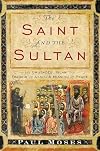
An interesting and important book for highlighting an episode of Saint Francis's life that has been largely forgotten, due primarily to efforts by the Catholic Church and Francis's own order centuries ago. Moses helps recapture a key component of Francis's teaching -- nonviolence -- and thus links him to more recent figures such as Mohandas Gandhi and Martin Luther King, Jr., as a proponent of seeking social change through peaceful coexistence, discussion, and example.
Moses is absolutely correct in identifying this episode, and the convictions behind it, as an important event for people of our time to ponder. Alongside and (mostly) beneath the Crusading zeal of the papacy and (some of) the medieval nobility ran a not-inconsequential strain of thought that believed in and sought mutual respect and understanding between Christians and Muslims, and it can help our efforts toward those ends today to realize that these goals are not merely the product of our time, of an age when the West no longer thinks in terms of "Christendom" and universities feature courses in comparative religion, but instead have existed for many centuries, even during the times when the divide between the two faiths flared most violently.
The main difficulty with Moses's book is that the story of Saint Francis's encounter with the Sultan Malik al-Kamil of Egypt is scantily recorded, and thus cannot fill even a relatively short book. Moses fills it out with a good summary of Francis's life before the show more event, and with an insightful analysis of how and why subsequent accounts -- including those written not long after Francis's death -- downplayed, distorted or outright omitted the remarkable meeting between the two men. Nevertheless, there's a fair amount of repetition. Moses might have done better spending more time placing Francis within the tradition of medieval thinkers who sought peaceful accord with Islam -- that would have filled out the book nicely, even at greater length.
Still and all, Moses brings to popular attention an important and inspiration event that might offer readers of today ideas and hope for bridging the gap between the faiths. Knowing that so revered a figure as Saint Francis believed it could be done, and took such risks to try to realize his dream, should make clear to all that mistrust, enmity and war are not the inevitable conditions of the relationship between the Muslim and Christian worlds. show less
Moses is absolutely correct in identifying this episode, and the convictions behind it, as an important event for people of our time to ponder. Alongside and (mostly) beneath the Crusading zeal of the papacy and (some of) the medieval nobility ran a not-inconsequential strain of thought that believed in and sought mutual respect and understanding between Christians and Muslims, and it can help our efforts toward those ends today to realize that these goals are not merely the product of our time, of an age when the West no longer thinks in terms of "Christendom" and universities feature courses in comparative religion, but instead have existed for many centuries, even during the times when the divide between the two faiths flared most violently.
The main difficulty with Moses's book is that the story of Saint Francis's encounter with the Sultan Malik al-Kamil of Egypt is scantily recorded, and thus cannot fill even a relatively short book. Moses fills it out with a good summary of Francis's life before the show more event, and with an insightful analysis of how and why subsequent accounts -- including those written not long after Francis's death -- downplayed, distorted or outright omitted the remarkable meeting between the two men. Nevertheless, there's a fair amount of repetition. Moses might have done better spending more time placing Francis within the tradition of medieval thinkers who sought peaceful accord with Islam -- that would have filled out the book nicely, even at greater length.
Still and all, Moses brings to popular attention an important and inspiration event that might offer readers of today ideas and hope for bridging the gap between the faiths. Knowing that so revered a figure as Saint Francis believed it could be done, and took such risks to try to realize his dream, should make clear to all that mistrust, enmity and war are not the inevitable conditions of the relationship between the Muslim and Christian worlds. show less

My favorite of the Dortmunder novels so far. (So far meaning so far as I have read, since of course there won't be any more Dortmunder novels.) I've only read a few, maybe 5 or 6, including some that came long after this one, but Drowned Hopes has some of the finest of Westlake's good-naturedly cynical writing that I've come across. The wedding scene at a tiny upstate NY church -- a whole chapter in itself -- is a near-perfect little vignette of its own. Westlake has a genius for quick but evocative characterization second to none, and he lavishes it on even the
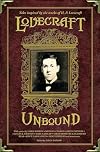
Another excellent set of stories assembled by Ellen Datlow (the premier original anthologist of the science fiction / fantasy / horror world), this one aimed at honoring the work of the great H. P. Lovecraft without the misguided imitation that has marred most "Lovecraftian" fiction since August Derleth wrote his first hommages-en-pastiches. Datlow asked her writers to evoke the feeling of Lovecraft's fiction without direct borrowings from his famous "mythos", to take the "Lovecraftian" in new and unexpected directions, and they responded with impressive variety.