
This is a cute, satisfying steampunk short story. Well written, wonderfully fleshed out world behind these characters, intriguing magic system. Conflict that keeps us engaged in the characters' struggles, and a fun, feel good ending that makes me want to see more of these characters.
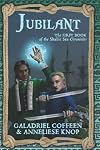
Summary:
A fun read for lovers of adventure, fantasy, and flawed yet moving characters. It’s a fun change from the sprawling epic fantasy that fills the market these days. I was a beta reader and I’ve particularly enjoyed seeing how far this story has come since early drafts! I highly recommend it and have rounded up to 5 stars!
Plot: 4/5
Fans of Temeraire and the Aubrey-Maturin series will enjoy this book. I’m not as versed in nautical fantasy, but the authors brought novices into a naval world in an exciting and accessible way, including very helpful illustrations in the front to explain the parts of the ship. The story has a slower pace than other genres of fantasy, but we are still kept engaged as we gradually discover more about the characters’ pasts and investigate a mystery plaguing the seas. A larger plot and story is set up in this first book, and I am excited to see more in sequels.
Characters: 5/5
This is a character driven story, dedicated to exploring grief, conflicts with authority figures, secrets, and friendship. There are two main characters. Wren’s story is a coming of age - he iis a young sea officer who we get to see struggle with loneliness, temper, a family who despises and controls him, and abusive leaders. He is a reckless, free spirit who longs for adventure and a chance to do what’s right despite the strict protocols of an aristocratic navy. Kelta is a runaway who doesn’t trust anyone - we don’t know what she’s running from, but show more we know she has traumas in her past that she means to resolve with her brutal, yet refined skill. It is rewarding to watch them struggle together, become friends, and find balance in the other that they lack.
Worldbuilding: 5/5
This world is richly developed, with some familiarity in the form of British-reminiscent naval officers, tropical pirate islands, and sea serpents, yet with many nations and cultures that are completely fresh. Cross-cultural interactions are actually a major theme in this story so we get to experience new foods, traditions, martial styles, funerals and more from the point of view of these characters. I can tell that there’s a vast history lurking in this fantasy world, with magic and mysterious plots waiting to be discovered.
Writing: 4/5
The writing is deft and practiced. It is clear and concise, with distinct voices in the dialogue, a great use of en media res, and smooth transitions between exposition, action, and character thoughts. The most unique element of this book is that we switch between the two POV characters, Wren and Kelta, not only between chapters, but within the same chapters. We flow back and forth between them in the same scenes. While this might take a bit of getting used to, I found the novelty enjoyable and refreshing. It has the chance to be groundbreaking as a new style of POV, especially for co-authors. The only reason I gave the language style 4/5 stars is because of personal preference. I like a more lyrical or poetic style of language in the narration, and more minimal descriptions, but from an objective standpoint of skill in this kind of style, I’d give it 5/5 stars.
Also, extra points for all the fun drawings throughout the book. Fun fact: they're all drawn by one of the authors, Galadriel Coffeen, including the cover! show less
A fun read for lovers of adventure, fantasy, and flawed yet moving characters. It’s a fun change from the sprawling epic fantasy that fills the market these days. I was a beta reader and I’ve particularly enjoyed seeing how far this story has come since early drafts! I highly recommend it and have rounded up to 5 stars!
Plot: 4/5
Fans of Temeraire and the Aubrey-Maturin series will enjoy this book. I’m not as versed in nautical fantasy, but the authors brought novices into a naval world in an exciting and accessible way, including very helpful illustrations in the front to explain the parts of the ship. The story has a slower pace than other genres of fantasy, but we are still kept engaged as we gradually discover more about the characters’ pasts and investigate a mystery plaguing the seas. A larger plot and story is set up in this first book, and I am excited to see more in sequels.
Characters: 5/5
This is a character driven story, dedicated to exploring grief, conflicts with authority figures, secrets, and friendship. There are two main characters. Wren’s story is a coming of age - he iis a young sea officer who we get to see struggle with loneliness, temper, a family who despises and controls him, and abusive leaders. He is a reckless, free spirit who longs for adventure and a chance to do what’s right despite the strict protocols of an aristocratic navy. Kelta is a runaway who doesn’t trust anyone - we don’t know what she’s running from, but show more we know she has traumas in her past that she means to resolve with her brutal, yet refined skill. It is rewarding to watch them struggle together, become friends, and find balance in the other that they lack.
Worldbuilding: 5/5
This world is richly developed, with some familiarity in the form of British-reminiscent naval officers, tropical pirate islands, and sea serpents, yet with many nations and cultures that are completely fresh. Cross-cultural interactions are actually a major theme in this story so we get to experience new foods, traditions, martial styles, funerals and more from the point of view of these characters. I can tell that there’s a vast history lurking in this fantasy world, with magic and mysterious plots waiting to be discovered.
Writing: 4/5
The writing is deft and practiced. It is clear and concise, with distinct voices in the dialogue, a great use of en media res, and smooth transitions between exposition, action, and character thoughts. The most unique element of this book is that we switch between the two POV characters, Wren and Kelta, not only between chapters, but within the same chapters. We flow back and forth between them in the same scenes. While this might take a bit of getting used to, I found the novelty enjoyable and refreshing. It has the chance to be groundbreaking as a new style of POV, especially for co-authors. The only reason I gave the language style 4/5 stars is because of personal preference. I like a more lyrical or poetic style of language in the narration, and more minimal descriptions, but from an objective standpoint of skill in this kind of style, I’d give it 5/5 stars.
Also, extra points for all the fun drawings throughout the book. Fun fact: they're all drawn by one of the authors, Galadriel Coffeen, including the cover! show less
4/5 Stars - I was late to the game reading this one, but I understand why it defined a genre! Noir detective meets paranormal urban fantasy in a gritty, witty mystery.
Characters 4/5 stars - Dresden is pessimistic, sarcastic, and absolutely iconic. I love the dialogue in this book, and he's such a mood. The secondary characters are rather flat though, and since part of the story is that he's bad at maintaining relationships, his dynamics with the other characters aren't as fun as they could be.
Plot 4/5 stars - I love a good mystery story. I've read a fair amount of murder mysteries in my time, and this fits into the genre quite well, with your expected red herrings, time crunches, banter between detectives, and personal angst that gets in the way of the character's solution. I'm interested to learn more about Dresden's past and the overall world (especially the wizards), which was mostly just hinted at here.
Writing 5/5 - Butcher has a great turn of phrase, smashing dialogue, and a quick pace that's enjoyable to read. Perfect for this genre I think.
Impact 3/5 stars - I didn't get to the end of this story and think, "I have to read the next one." Mysteries are often episodic in nature, so that's not necessarily problematic. Also, as this has spawned so many spin offs, it's possible it just doesn't have that same spark as it did when it first came out and was the new thing. I picked up the second one and it frustrated me. I keep meaning to go back and give it more of a show more try, but after you've read the first one (for your fantasy bingo card), I don't think it's really necessary to read more. show less
Characters 4/5 stars - Dresden is pessimistic, sarcastic, and absolutely iconic. I love the dialogue in this book, and he's such a mood. The secondary characters are rather flat though, and since part of the story is that he's bad at maintaining relationships, his dynamics with the other characters aren't as fun as they could be.
Plot 4/5 stars - I love a good mystery story. I've read a fair amount of murder mysteries in my time, and this fits into the genre quite well, with your expected red herrings, time crunches, banter between detectives, and personal angst that gets in the way of the character's solution. I'm interested to learn more about Dresden's past and the overall world (especially the wizards), which was mostly just hinted at here.
Writing 5/5 - Butcher has a great turn of phrase, smashing dialogue, and a quick pace that's enjoyable to read. Perfect for this genre I think.
Impact 3/5 stars - I didn't get to the end of this story and think, "I have to read the next one." Mysteries are often episodic in nature, so that's not necessarily problematic. Also, as this has spawned so many spin offs, it's possible it just doesn't have that same spark as it did when it first came out and was the new thing. I picked up the second one and it frustrated me. I keep meaning to go back and give it more of a show more try, but after you've read the first one (for your fantasy bingo card), I don't think it's really necessary to read more. show less
4/5 stars - This was a sweet, fun, creative story about a young woman's search for her sister. I have such a fondness for portal fantasy, the first kind I got into as a kid, so this was so nostalgic! I loved the unique magic system and the idea of saving the world through stories. Some great training sequences with characters broken up into different submagics and working together too.
The jokes about instalove got me. I love a story that revolves around the deep love between siblings and I thought the handling of how her past trauma affected her years later was well done! Bonus points for the gorgeous interior art!
Thank you to the author for my Advanced Reader copy!
The jokes about instalove got me. I love a story that revolves around the deep love between siblings and I thought the handling of how her past trauma affected her years later was well done! Bonus points for the gorgeous interior art!
Thank you to the author for my Advanced Reader copy!
Half a Lion is a beautiful, deeply researched fantasy tale that's a breath of fresh air. From the very first chapter, I was caught. The conflict and strength of the characters, even in the prologue, brought tears to my eyes, which is rarer for me these days after reading so much. The world is intricately crafted, with details of food, architecture, rituals, and more. I very much felt like I'd been drawn into a new and different world. I was so delighted to read a fantasy that wasn't based on a Western mythology and climate. It really gets old but I regained my wonder and curiosity as a reader by delving into a world based on African mythos. It took me longer to care about the characters. Sometimes it seemed like more effort and research had gone into crafting the world than the characters and more descriptions were based on the surroundings than the interior life of the people we followed. I appreciated the style of the writing however, glad for a more omniscient perspective that flowed between characters rather than large chunks of POV that switched back and forth after long chapters. Sometimes this was confusing, but I got more used to it as I went along and it's a more fluid and enjoyable read in my opinion than stories that have 10 POV characters in close 3rd that we have to wait ages to get back to. All in all, a great fantasy adventure story, with a fresh take and powerfully emotional characters. I certainly won't get bored with my TBR list if new authors produce show more original content like this! Thank you to Palle Oswald for providing me with a review copy. show less
Google translates the blurb as:
"It is said that long ago, long before Nusantara became Indonesia, there was a kingdom called Majapahit. A great kingdom that controlled almost the entire Nusantara, even the surrounding areas. A kingdom that was so famous during the reign of the capable king, Hayam Wuruk.
However, are you sure that the history you have learned so far is true? What if there was a king who was once erased from the history of the Majapahit kingdom?
A king who brought prosperity and was truly capable of politics and conquering his opponents. A king who was given a long life by Sang Hyang Widhi, even longer than the life of Indonesia itself. A gift that gradually became a curse.
And to escape the curse, the king had to atone for his mistakes to his late wife, who was eventually reincarnated as a beautiful girl with a different personality and no memory of her past."
I'm putting this in here in case there are other English readers who want to read Indonesian fantasy and are curious what this one is about! I hope we get a translation some day!
"It is said that long ago, long before Nusantara became Indonesia, there was a kingdom called Majapahit. A great kingdom that controlled almost the entire Nusantara, even the surrounding areas. A kingdom that was so famous during the reign of the capable king, Hayam Wuruk.
However, are you sure that the history you have learned so far is true? What if there was a king who was once erased from the history of the Majapahit kingdom?
A king who brought prosperity and was truly capable of politics and conquering his opponents. A king who was given a long life by Sang Hyang Widhi, even longer than the life of Indonesia itself. A gift that gradually became a curse.
And to escape the curse, the king had to atone for his mistakes to his late wife, who was eventually reincarnated as a beautiful girl with a different personality and no memory of her past."
I'm putting this in here in case there are other English readers who want to read Indonesian fantasy and are curious what this one is about! I hope we get a translation some day!
This story follows a varied cast of characters in an ancient, Pacific Islander-inspired culture. A grieving chief, a pair of mischievous brothers, an endangered priestess, and an adventurous high chief's daughter are just some of the characters we encounter in a world filled with richly developed religions, political turmoil, ancient spirits, and great songs of the seas and stars.
The prologue hooked me right away, as it was grounded in a high-stakes scene, made me relate to the emotions of the POV character, and provided a clear look at the lore and richness of their culture. However, the pacing in the rest of the story felt much slower due to heavy exposition, too many POV characters, and a distant style that focused on fact over emotion.
We follow a different character in each of the first 10 chapters - the first full 3rd of the book - which means I wasn't able to become fully invested in any one of them. The writing style is quite distant, with characters used more like a way to view different elements of the society, rather than acting as the driving force of the story. Because the author does not invite us much into the inner thoughts and experiences of each character, there was not much to differentiate each from the others in terms of personality or goals.
This story is a love letter to worldbuilding, which will certainly appeal to many readers of epic fantasy, but the sheer amount of exposition and description about the architecture, artisanship, history, and show more religion bogged the chapters down too much. The first several paragraphs of almost every chapter describe the scenery and context in great detail, with each new character taking a backseat in favor of the setting. I found myself skimming through some summaries of pottery making, sailing, reed collecting, and other day-to-day activities which could have been more interesting if we had been more fully invested in the characters before being shown their work.
I also am disappointed that the language itself did not have greater artistry. An exposition-heavy, mythological work seems like a great opportunity to use a lorekeeper's voice as narrator. These descriptions would have been so much more enthralling if shared as though by an old grandma recounting the beauty of her own culture, rather than through a neutral voice that did not change to match each new POV.
I would recommend this book to readers who prefer worldbuilding and plot as the focus of stories. If you want a character-driven story, this one will probably frustrate you - I noticed that the author does not actually include main character names in his synopsis. If you love ancient empires, mythology, Pacific and South American inspired settings, and lots of detail, give it a try!
I received a free ARC copy of this book from Reedsy Discovery and posted my original review here: https://reedsy.com/discovery/book/the-dawn-of-the-sacred-the-mawoakin-conspiracy..... show less
The prologue hooked me right away, as it was grounded in a high-stakes scene, made me relate to the emotions of the POV character, and provided a clear look at the lore and richness of their culture. However, the pacing in the rest of the story felt much slower due to heavy exposition, too many POV characters, and a distant style that focused on fact over emotion.
We follow a different character in each of the first 10 chapters - the first full 3rd of the book - which means I wasn't able to become fully invested in any one of them. The writing style is quite distant, with characters used more like a way to view different elements of the society, rather than acting as the driving force of the story. Because the author does not invite us much into the inner thoughts and experiences of each character, there was not much to differentiate each from the others in terms of personality or goals.
This story is a love letter to worldbuilding, which will certainly appeal to many readers of epic fantasy, but the sheer amount of exposition and description about the architecture, artisanship, history, and show more religion bogged the chapters down too much. The first several paragraphs of almost every chapter describe the scenery and context in great detail, with each new character taking a backseat in favor of the setting. I found myself skimming through some summaries of pottery making, sailing, reed collecting, and other day-to-day activities which could have been more interesting if we had been more fully invested in the characters before being shown their work.
I also am disappointed that the language itself did not have greater artistry. An exposition-heavy, mythological work seems like a great opportunity to use a lorekeeper's voice as narrator. These descriptions would have been so much more enthralling if shared as though by an old grandma recounting the beauty of her own culture, rather than through a neutral voice that did not change to match each new POV.
I would recommend this book to readers who prefer worldbuilding and plot as the focus of stories. If you want a character-driven story, this one will probably frustrate you - I noticed that the author does not actually include main character names in his synopsis. If you love ancient empires, mythology, Pacific and South American inspired settings, and lots of detail, give it a try!
I received a free ARC copy of this book from Reedsy Discovery and posted my original review here: https://reedsy.com/discovery/book/the-dawn-of-the-sacred-the-mawoakin-conspiracy..... show less
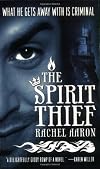
This was a lightly fun fantasy adventure with a rather short and simple plot, intriguing magic, but little character development. The whole story takes place over a few days, with the kidnapping of a king and a show-down with an evil sorcerer. The climactic battle, involving sword fights, demons, and several forms of magic, would have been more impactful if we'd had longer with the characters and more build-up. Instead, they manage to solve their problems in the work of a couple afternoons, which felt like a letdown.
We also don't get to learn much about the characters or their motivations past the surface level. Eli is a dramatic thief, Miranda is a lawful good sorceress, Josef is a proud swordsman. But we don't get to see much more than that. The author unravels their magical abilities as a mystery, and while satisfying, that shouldn't take the place of character development, which it does in this case. Any number of these characters could have died, and I wouldn't have cared. I was honestly more interested in side characters like Coriano and the Lord of Storms, as they seemed to have stronger motivations and more emotions on display.
It was a fun read, and I've heard people say the 2nd and 3rd books are better, but I wasn't invested enough to continue the series.
We also don't get to learn much about the characters or their motivations past the surface level. Eli is a dramatic thief, Miranda is a lawful good sorceress, Josef is a proud swordsman. But we don't get to see much more than that. The author unravels their magical abilities as a mystery, and while satisfying, that shouldn't take the place of character development, which it does in this case. Any number of these characters could have died, and I wouldn't have cared. I was honestly more interested in side characters like Coriano and the Lord of Storms, as they seemed to have stronger motivations and more emotions on display.
It was a fun read, and I've heard people say the 2nd and 3rd books are better, but I wasn't invested enough to continue the series.
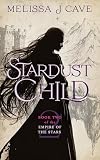
A well-written sequel featuring a precious couple, that unfortunately does not progress the plot much, and drags out the major emotional conflict.
This is a pretty slow book. Particularly in the first half, not much happens. It's almost slice-of-life, with the main characters meeting new servants, taking the next steps to build their new city, and completing scholarly research about the demon monsters that plague the region. I like character-driven stories, and ones with a cerebral focus or politically heavy plot. But I think a lot of the content in the first half of the book could have been condensed into Act 1. We keep waiting to hear more about the origin of the demons and to see our characters overcome this problem, but there is no action until the second half, and still no step toward a resolution. We are also still left wondering why the big scary bad, the Emperor, hadn't made a move.
When a book focuses more on an internal journey, rather than an external one, then it's even more important for the emotional arcs to be satisfyingly handled and concluded. But Ophele, the main character, has been worrying over the same issue, and hiding the same thing from her husband, for all of book 1 and now book 2. It gets quite repetitive, and the narrative tension is rather ruined due to her going over the same issue over and over in her head. By the time she openly talks about it with him, and resolves the issue almost immediately, I was just so frustrated and ready to be done show more with the misunderstanding, that I didn't find it emotionally satisfying.
I do think the author did an excellent job of portraying how someone overcoming emotional and physical abuse would act in a new relationship. And I definitely ship Remin and Ophele - they are so cute together, and so good for each others' growth. But the main character doesn't actually heal from her wounds and then choose to address her fears. She's essentially forced into talking about it when her husband's men discover her past. So it doesn't feel like earned growth. Instead, it feels like contrived tension. Which disguises the fact that if the main characters had had an open conversation at the end of the first act, there wouldn't really have been any other emotional conflict in the rest of the story.
Unless the author had gone all in with the theme of leadership. I think instead of making Ophele self-flagellate herself about her family for the whole book, it would have been much more impactful to see them get the misunderstanding out of the way, and then wrestle together with how their own actions affect those they're leading, and what it truly means to live a worthy life. We get a bit of that at the end, but it's mostly overshadowed by Ophele's repetitive self-loathing.
I'm certainly invested enough in these characters and the building of their new home that I'd read the next one. I hope it ties the threads together and advances the plot. This middle book felt like a waiting game before we get to a lot of reveals and action.
Thank you to the author and BookSirens. I received an advance review copy for free, and I am leaving this review voluntarily. show less
This is a pretty slow book. Particularly in the first half, not much happens. It's almost slice-of-life, with the main characters meeting new servants, taking the next steps to build their new city, and completing scholarly research about the demon monsters that plague the region. I like character-driven stories, and ones with a cerebral focus or politically heavy plot. But I think a lot of the content in the first half of the book could have been condensed into Act 1. We keep waiting to hear more about the origin of the demons and to see our characters overcome this problem, but there is no action until the second half, and still no step toward a resolution. We are also still left wondering why the big scary bad, the Emperor, hadn't made a move.
When a book focuses more on an internal journey, rather than an external one, then it's even more important for the emotional arcs to be satisfyingly handled and concluded. But Ophele, the main character, has been worrying over the same issue, and hiding the same thing from her husband, for all of book 1 and now book 2. It gets quite repetitive, and the narrative tension is rather ruined due to her going over the same issue over and over in her head. By the time she openly talks about it with him, and resolves the issue almost immediately, I was just so frustrated and ready to be done show more with the misunderstanding, that I didn't find it emotionally satisfying.
I do think the author did an excellent job of portraying how someone overcoming emotional and physical abuse would act in a new relationship. And I definitely ship Remin and Ophele - they are so cute together, and so good for each others' growth. But the main character doesn't actually heal from her wounds and then choose to address her fears. She's essentially forced into talking about it when her husband's men discover her past. So it doesn't feel like earned growth. Instead, it feels like contrived tension. Which disguises the fact that if the main characters had had an open conversation at the end of the first act, there wouldn't really have been any other emotional conflict in the rest of the story.
Unless the author had gone all in with the theme of leadership. I think instead of making Ophele self-flagellate herself about her family for the whole book, it would have been much more impactful to see them get the misunderstanding out of the way, and then wrestle together with how their own actions affect those they're leading, and what it truly means to live a worthy life. We get a bit of that at the end, but it's mostly overshadowed by Ophele's repetitive self-loathing.
I'm certainly invested enough in these characters and the building of their new home that I'd read the next one. I hope it ties the threads together and advances the plot. This middle book felt like a waiting game before we get to a lot of reveals and action.
Thank you to the author and BookSirens. I received an advance review copy for free, and I am leaving this review voluntarily. show less
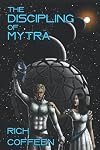
Characters: 5/5
These are the most moving characters I have ever read. I had never seen such real Christian characters live out their lives in an exciting adventure story in a way that entertained, made me cry, left me convicted in my spirit, and enthralled me with new ideas. Trigger warning: they sin. A LOT. This is not a soft, sweet story. These are messed up, hurt people, who hurt each other, yet see amazing growth through God, and get to experience a thrilling story. In other words, it’s like hearing a real life testimony, one that really impacts you, and yet it’s the kind of tale we all crave, as delightful as Lewis, Homer, and Star Wars. I read it again and again and resonate more with these characters each time. Also, they’re just super interesting people - an analytical genius with lots of trauma, a loner missionary with some messed up genetic engineering, and a slightly psychotic AI who just got some really… interesting upgrades.
Plot: 4/5
There are some shockers in this one. I loved the twists and turns. It’s definitely not predictable. The author kept taking the story in unexpected and fascinating directions. I loved how unique it felt and how character driven the plot is. The only reason I didn’t give it 5 stars is because the ending felt a bit rushed, slightly confusing, and didn’t draw out the emotion that was there in the finale.
Worldbuilding: 5/5
Fascinating! The larger world has a space opera feel. There is so much more to the history and show more cultures in this world that’s only hinted at. It’s clear the author has developed a vast universe with new religions, AI wars, politics, and more. The sub groups we do see have quite unique traditions and practices that I haven’t encountered in other sci-fi. Most interesting, was the development of new Christian traditions. This is often neglected, but it was fascinating to see how augmented humans might worship God thousands of years from now (the story takes place in our universe, which has been colonized). There were countless juicy tidbits like this throughout the story.
Writing: 5/5
The author is a master of the craft. The style is somewhat minimalistic in descriptions, which leaves room for imagination, and makes his existing descriptions even more powerful. With so many bloated novels filling the market that feel far closer to reports than poetry in style, it is such a breath of fresh air to read an author who understands that sometimes less is more. The chapters flow together excellently, the sentences are deft and moving, the dialogue is sharp and memorable and the author assumes the intelligence and creativity of the reader, leaving us to piece some things together, but not confusing us.
Impact: 5/5
It’s hard to fully explain the impact this story has had on me. As a lifelong lover of both Christ and sci-fi and fantasy, I have craved, but rarely found, stories that satisfy both passions. Even impactful works like those by Lewis and Tolkien rely on allegory or metaphor rather than directly bringing Christianity into a fantasy or futuristic world. This story not only combines outright Christianity and sci-fi adventure, but elevates both elements. Christian nerds often receive mockery from both sides - nonChristians will sneer at us for not treating faith and reason as though they are contradictory, and some Christians will act like we’re sinning by reading fanciful tales. This story is incredibly validating by making the combination seem utterly natural and edifying. It shows Christianity mattering in a future among the stars, and it shows God’s beautiful rulership over science in an unquestionable way. Some of the foundational fantasy works were written by Christians - why do atheists often rule these genres now? This book refuses to follow this trend, demonstrating excellence in craft, groundbreaking story elements, and weaving in biblical truths which cut me to the heart every time I read it. Why should we not learn how to share the gospel through reading fiction? What better way to practice logic, learn theology and psychology, and fall in love with God’s world than to see conversations play out between complex characters in a compelling story? Jesus himself used stories to explain ideas - this book does so as well, in an unforgettable way! show less
These are the most moving characters I have ever read. I had never seen such real Christian characters live out their lives in an exciting adventure story in a way that entertained, made me cry, left me convicted in my spirit, and enthralled me with new ideas. Trigger warning: they sin. A LOT. This is not a soft, sweet story. These are messed up, hurt people, who hurt each other, yet see amazing growth through God, and get to experience a thrilling story. In other words, it’s like hearing a real life testimony, one that really impacts you, and yet it’s the kind of tale we all crave, as delightful as Lewis, Homer, and Star Wars. I read it again and again and resonate more with these characters each time. Also, they’re just super interesting people - an analytical genius with lots of trauma, a loner missionary with some messed up genetic engineering, and a slightly psychotic AI who just got some really… interesting upgrades.
Plot: 4/5
There are some shockers in this one. I loved the twists and turns. It’s definitely not predictable. The author kept taking the story in unexpected and fascinating directions. I loved how unique it felt and how character driven the plot is. The only reason I didn’t give it 5 stars is because the ending felt a bit rushed, slightly confusing, and didn’t draw out the emotion that was there in the finale.
Worldbuilding: 5/5
Fascinating! The larger world has a space opera feel. There is so much more to the history and show more cultures in this world that’s only hinted at. It’s clear the author has developed a vast universe with new religions, AI wars, politics, and more. The sub groups we do see have quite unique traditions and practices that I haven’t encountered in other sci-fi. Most interesting, was the development of new Christian traditions. This is often neglected, but it was fascinating to see how augmented humans might worship God thousands of years from now (the story takes place in our universe, which has been colonized). There were countless juicy tidbits like this throughout the story.
Writing: 5/5
The author is a master of the craft. The style is somewhat minimalistic in descriptions, which leaves room for imagination, and makes his existing descriptions even more powerful. With so many bloated novels filling the market that feel far closer to reports than poetry in style, it is such a breath of fresh air to read an author who understands that sometimes less is more. The chapters flow together excellently, the sentences are deft and moving, the dialogue is sharp and memorable and the author assumes the intelligence and creativity of the reader, leaving us to piece some things together, but not confusing us.
Impact: 5/5
It’s hard to fully explain the impact this story has had on me. As a lifelong lover of both Christ and sci-fi and fantasy, I have craved, but rarely found, stories that satisfy both passions. Even impactful works like those by Lewis and Tolkien rely on allegory or metaphor rather than directly bringing Christianity into a fantasy or futuristic world. This story not only combines outright Christianity and sci-fi adventure, but elevates both elements. Christian nerds often receive mockery from both sides - nonChristians will sneer at us for not treating faith and reason as though they are contradictory, and some Christians will act like we’re sinning by reading fanciful tales. This story is incredibly validating by making the combination seem utterly natural and edifying. It shows Christianity mattering in a future among the stars, and it shows God’s beautiful rulership over science in an unquestionable way. Some of the foundational fantasy works were written by Christians - why do atheists often rule these genres now? This book refuses to follow this trend, demonstrating excellence in craft, groundbreaking story elements, and weaving in biblical truths which cut me to the heart every time I read it. Why should we not learn how to share the gospel through reading fiction? What better way to practice logic, learn theology and psychology, and fall in love with God’s world than to see conversations play out between complex characters in a compelling story? Jesus himself used stories to explain ideas - this book does so as well, in an unforgettable way! show less
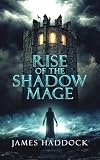
This was a fun book to read in a night, but the main character was OP to the point of being flat. He had no weaknesses, made no mistakes, had no difficulty overcoming any of his problems, and picked up skills with little effort. His magic was extremely powerful, but had no side effects or limitations. He could use magic seemingly endlessly, and he only got a headache and had to rest from exhaustion once. That would have been a good limitation to add, but it wasn’t consistent, even when he started using his magic more heavily.
He picks up skills in such quick succession that we don’t get to enjoy them before he moves on to the next one. He doesn’t have to work at developing his magic. It all seems to come naturally, and suddenly he can kill hundreds of people back to back with magic without breaking a sweat.
He doesn’t have any character flaws, which makes for kind of boring dynamics. He’s smart, physically and magically talented, kind, generous, good at business, money falls into his hands, a gorgeous, talented girl falls into his lap, and everyone seems to like him. That’s all awesome, but it’d be more realistic and interesting if he had any flaws that he had to overcome. As it is, there was no character development here.
His magic is really cool, but the fights are a letdown because no one stands a chance against him. If at least one of the enemy mages put up a good fight, and gave us a dramatic showdown, the ending would have felt more earned. Also, he show more spent years studying under the best spies on the continent, then immediately discovers magical items that allow him to disguise himself perfectly, so never needs his skills. What’s the point then?
Still, I loved the leveling up feel, the details of how he grows his business, and the humor of how he deals with his enemies, coming across as almost a trickster mage at points. A brain candy read. show less
He picks up skills in such quick succession that we don’t get to enjoy them before he moves on to the next one. He doesn’t have to work at developing his magic. It all seems to come naturally, and suddenly he can kill hundreds of people back to back with magic without breaking a sweat.
He doesn’t have any character flaws, which makes for kind of boring dynamics. He’s smart, physically and magically talented, kind, generous, good at business, money falls into his hands, a gorgeous, talented girl falls into his lap, and everyone seems to like him. That’s all awesome, but it’d be more realistic and interesting if he had any flaws that he had to overcome. As it is, there was no character development here.
His magic is really cool, but the fights are a letdown because no one stands a chance against him. If at least one of the enemy mages put up a good fight, and gave us a dramatic showdown, the ending would have felt more earned. Also, he show more spent years studying under the best spies on the continent, then immediately discovers magical items that allow him to disguise himself perfectly, so never needs his skills. What’s the point then?
Still, I loved the leveling up feel, the details of how he grows his business, and the humor of how he deals with his enemies, coming across as almost a trickster mage at points. A brain candy read. show less
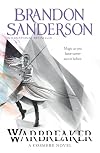
Just finished Warbreaker, and my previous conviction has been reaffirmed. This man (Sanderson the Sadistic Schemer) is tormenting my mind and soul! He CAN'T write a stinking denouement. His books take so long to build, the entire first 3rd of his books can get so frustrating because the characters take so long to start changing or say any of the things you want them to say. I've come to terms with this fact. He builds slowly because he rewards so spectacularly at the end with a deliciously unconventional, magically dramatic fight and/or a (partial) revelation regarding the book-long mystery. But because he builds so slowly, gradually revealing bits and pieces of the web, drawing them together, blowing your mind with the breadth of plot and world, there is so much tension at the end of each book. And he seems to always just drop off a beat too soon. Don't end at the penultimate moment when you've built towards that moment for so long! I'm going to lose my mind.
The readers want, NEED to see some validation, dramatic union for their characters. The characters finally coming together, seeing/knowing each other. The frustration of all the characters having one piece and not knowing the rest finally being resolved by the crowning union and celebration in victory. All the different people you've come to love really SEEING each other- recognition, delight in how they've changed, bonding, a public funeral, laughing and crying and embracing, trumpets in the court- where is the show more GLORY of an epic ending through people who've touched one another's lives? That's what we care most about! I love, love, love convoluted plots, Count of Monte Cristo style mysteries and webs coming together to blow your mind, but what does it matter if the characters don't come together over it?
Half a chapter at the end with almost all the characters finally together and talking? That's it?! Only two characters discussing future action over the mysteries of the stories, some sort of resolution, reference to how they've changed- and in an epilogue? That shouldn't be the epilogue! It should be the second to last chapter. Where's the one for Siri and Susebron? I know you're going to go write 20 more books, but come on, a little more of a wrap-up, please? An epilogue should be something like Siri shoving a bucket of pastries down Susebron's mouth at sunset on the roof with all the colors bending around them, servants and gods in the court below staring up at them like wtf did we miss? That's an epilogue- a curtain call- don't put a shred of what should have been a full denouement as an epilogue. I'm going to cry.
Not to be seen as an impatient millennial, it is not the slow-building, mysterious, serious political pace that bothers me- I love that. Basically, I go crazy because the timescale is shifted a beat too early overall, on a scale of chapters, and whole books (which is why I dropped the first books of both Mistborn and Stormlight partway through until my sister lavishly described an epic Kaladin moment and proved it was so worth the slow build. Note: the critiques in this review could be applied to any of his books I think). Chapters are started too early in my opinion. Unfortunately, Sanderson still keeps with the irritating high fantasy trend of describing scenery in extreme detail for the first page or two of every chapter. Is it necessary, vital? Do we see the world through the character each time? I actually listened to Warbreaker over audiobook which I rarely do, and noticed this tendency even more. I tended to zone out a bit at the start of each chapter, and realized how much I had been skimming when reading to myself, to get to the actual interactions in each chapter. If you CAN cut it out or zone out and it makes no difference, then maybe you should. I appreciate trying something slower instead of just abusing en media res, but then make those descriptions matter- make it poetry instead of just listed out. (Though, I had gotten annoyed by how many times he described the D'Denir statues, but that was actually a great Chekov's gun moment.)
So the chapters start early and take a while to build, and then by the end of the chapter something significant has happened and you've really gotten into that POV. But then you switch to another POV and start the whole cycle again, and by the time you get back to that character pages and pages later, the tension of that shift has been lost. It's super frustrating. This happens on a bookwide level too. You build and build the whole book, finally all the characters come together, and then the book ends a moment too soon! Ahhhhhhhh.
I have also noticed that Sanderson relies quite a lot on surprise in his finales- a shocking, dramatic conclusion. That might be one reason the rest of the book can feel like a very slow build. He has to be stingy with what he reveals so that the revelation at the end isn't given away. Perhaps this is why a denouement might not seem necessary. It would be strange if in the movie The Sixth Sense, after the shocking reveal, the movie didn't end, but had quite a few clinching scenes. Sometimes you want to go out with a bang, leaving the reader with the delicious mystery suddenly revealed, and what more can you say after that, that wouldn't in fact diminish the strength of that moment? But the shocking endings (more so in Stormlight) can leave the reader feeling like they've been thrown off a cliff into a major storm, glorying in it, and then when the book suddenly ends, you just plummet into the dark, left in that glorious moment but with no idea of direction after it. More shock factor leaves the readers chewing on more things, with more questions, and sometimes unavoidably, then the end focuses more on plot than characters. I suppose the type of climax changes whether this works or not- if characters already know one another like in Oathbringer, then the ending right after the final battle feels right. If they haven't known one another and you've been waiting all book long for them to meet, then the revealing climax feels more like it should be the method for getting the characters to clash or unite. If intimate moments between characters after that conflict is cut short, the dramatic conclusion itself feels less wonderful, incomplete, like with Warbreaker, or Way of Kings.
Even if an abrupt, dramatic conclusion works, then perhaps I'm demanding more fan service moments. What I call the right version of fan service. When the characters get to show off, when other characters show awe for the ones you love and you feel quite satisfied inside because they deserve to be seen, known as you've seen them in a close POV, when you finally see little moments of chemistry that you've imagined and yearned for all book long. Basically answers to smaller questions that are equally or more important than the main plot. Queries like, "What'll happen when they finally see each other again, what would their witty banter be like, what will he say when he finally hears of that dream, will people wept for him as I did?" Give it to us! Feed the obsession! Don't just drop off at the end! I want those little moments when I'm so raw after the final fight. Sneak that strike in after the big punch- I would lose it in the best of ways. Or you make my tears for my favorite reluctant hero turn to frustration as I close the cover.
I enjoyed this worldbuilding so much that I went and made a list called "15 High/Epic Fantasy Books About Tropical Settings and Cultures" which you can find here: https://creativecornerstones.com/2025/05/19/15-high-epic-fantasy-books-about-tro.... show less
The readers want, NEED to see some validation, dramatic union for their characters. The characters finally coming together, seeing/knowing each other. The frustration of all the characters having one piece and not knowing the rest finally being resolved by the crowning union and celebration in victory. All the different people you've come to love really SEEING each other- recognition, delight in how they've changed, bonding, a public funeral, laughing and crying and embracing, trumpets in the court- where is the show more GLORY of an epic ending through people who've touched one another's lives? That's what we care most about! I love, love, love convoluted plots, Count of Monte Cristo style mysteries and webs coming together to blow your mind, but what does it matter if the characters don't come together over it?
Half a chapter at the end with almost all the characters finally together and talking? That's it?! Only two characters discussing future action over the mysteries of the stories, some sort of resolution, reference to how they've changed- and in an epilogue? That shouldn't be the epilogue! It should be the second to last chapter. Where's the one for Siri and Susebron? I know you're going to go write 20 more books, but come on, a little more of a wrap-up, please? An epilogue should be something like Siri shoving a bucket of pastries down Susebron's mouth at sunset on the roof with all the colors bending around them, servants and gods in the court below staring up at them like wtf did we miss? That's an epilogue- a curtain call- don't put a shred of what should have been a full denouement as an epilogue. I'm going to cry.
Not to be seen as an impatient millennial, it is not the slow-building, mysterious, serious political pace that bothers me- I love that. Basically, I go crazy because the timescale is shifted a beat too early overall, on a scale of chapters, and whole books (which is why I dropped the first books of both Mistborn and Stormlight partway through until my sister lavishly described an epic Kaladin moment and proved it was so worth the slow build. Note: the critiques in this review could be applied to any of his books I think). Chapters are started too early in my opinion. Unfortunately, Sanderson still keeps with the irritating high fantasy trend of describing scenery in extreme detail for the first page or two of every chapter. Is it necessary, vital? Do we see the world through the character each time? I actually listened to Warbreaker over audiobook which I rarely do, and noticed this tendency even more. I tended to zone out a bit at the start of each chapter, and realized how much I had been skimming when reading to myself, to get to the actual interactions in each chapter. If you CAN cut it out or zone out and it makes no difference, then maybe you should. I appreciate trying something slower instead of just abusing en media res, but then make those descriptions matter- make it poetry instead of just listed out. (Though, I had gotten annoyed by how many times he described the D'Denir statues, but that was actually a great Chekov's gun moment.)
So the chapters start early and take a while to build, and then by the end of the chapter something significant has happened and you've really gotten into that POV. But then you switch to another POV and start the whole cycle again, and by the time you get back to that character pages and pages later, the tension of that shift has been lost. It's super frustrating. This happens on a bookwide level too. You build and build the whole book, finally all the characters come together, and then the book ends a moment too soon! Ahhhhhhhh.
I have also noticed that Sanderson relies quite a lot on surprise in his finales- a shocking, dramatic conclusion. That might be one reason the rest of the book can feel like a very slow build. He has to be stingy with what he reveals so that the revelation at the end isn't given away. Perhaps this is why a denouement might not seem necessary. It would be strange if in the movie The Sixth Sense, after the shocking reveal, the movie didn't end, but had quite a few clinching scenes. Sometimes you want to go out with a bang, leaving the reader with the delicious mystery suddenly revealed, and what more can you say after that, that wouldn't in fact diminish the strength of that moment? But the shocking endings (more so in Stormlight) can leave the reader feeling like they've been thrown off a cliff into a major storm, glorying in it, and then when the book suddenly ends, you just plummet into the dark, left in that glorious moment but with no idea of direction after it. More shock factor leaves the readers chewing on more things, with more questions, and sometimes unavoidably, then the end focuses more on plot than characters. I suppose the type of climax changes whether this works or not- if characters already know one another like in Oathbringer, then the ending right after the final battle feels right. If they haven't known one another and you've been waiting all book long for them to meet, then the revealing climax feels more like it should be the method for getting the characters to clash or unite. If intimate moments between characters after that conflict is cut short, the dramatic conclusion itself feels less wonderful, incomplete, like with Warbreaker, or Way of Kings.
Even if an abrupt, dramatic conclusion works, then perhaps I'm demanding more fan service moments. What I call the right version of fan service. When the characters get to show off, when other characters show awe for the ones you love and you feel quite satisfied inside because they deserve to be seen, known as you've seen them in a close POV, when you finally see little moments of chemistry that you've imagined and yearned for all book long. Basically answers to smaller questions that are equally or more important than the main plot. Queries like, "What'll happen when they finally see each other again, what would their witty banter be like, what will he say when he finally hears of that dream, will people wept for him as I did?" Give it to us! Feed the obsession! Don't just drop off at the end! I want those little moments when I'm so raw after the final fight. Sneak that strike in after the big punch- I would lose it in the best of ways. Or you make my tears for my favorite reluctant hero turn to frustration as I close the cover.
I enjoyed this worldbuilding so much that I went and made a list called "15 High/Epic Fantasy Books About Tropical Settings and Cultures" which you can find here: https://creativecornerstones.com/2025/05/19/15-high-epic-fantasy-books-about-tro.... show less
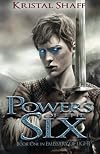
This was a pleasantly surprising find! I was looking for pure entertainment and I love books about societies of magic users, especially when there’s an element of oppression involved. The main character, Nolan, is a young man, but refreshingly different from many hot-headed heroes. He starts out as a scribe, hiding his magical ability to avoid being drafted. He’s clever, cool-headed, compassionate, and untrained in martial prowess. I deeply related to his greatest desire – to heal the rift in his relationship with his brother and save him from the life he was forced to live.
We get POV from a couple other characters too, including a more shounen-esque hot-headed male hero who Nolan pulls out of trouble. He annoyed me at first but grew on me as their friendship developed. I also loved the leader of the rebels they join, who’s an empath and former General to the King. It’s rare to see a military leader that’s depicted with more internal than external strength.
Nolan gathers quite a bit of magical power as the story progresses. It was fun to watch him level up, though it happened a bit fast. I would have enjoyed seeing him test and develop his abilities more, maybe attempting some practice missions before we get to the big showdown.
Content warning: The villain is known for sexually assaulting both male and female characters. The rapes happen off-screen but are an important part of the character arcs for two characters. I actually found this element one of the show more most compelling elements of the book and thought the discussion of how different people react to trauma was well-handled.
The ending was wrapped up a bit too neatly for me. I thought the conflict might last over at least a couple books. This was a quickly paced book, taking place over only a few weeks' time. If more of the conflicts had been left open, I would have wanted to continue the series. As it was, I didn’t feel a need to pick up the next one, though I really enjoyed it.
Don’t judge it by its cover!
You can find more great young adult/college fantasy with a male lead on my book list here: https://creativecornerstones.com/2025/04/01/18-high-epic-young-adult-fantasy-boo.... show less
We get POV from a couple other characters too, including a more shounen-esque hot-headed male hero who Nolan pulls out of trouble. He annoyed me at first but grew on me as their friendship developed. I also loved the leader of the rebels they join, who’s an empath and former General to the King. It’s rare to see a military leader that’s depicted with more internal than external strength.
Nolan gathers quite a bit of magical power as the story progresses. It was fun to watch him level up, though it happened a bit fast. I would have enjoyed seeing him test and develop his abilities more, maybe attempting some practice missions before we get to the big showdown.
Content warning: The villain is known for sexually assaulting both male and female characters. The rapes happen off-screen but are an important part of the character arcs for two characters. I actually found this element one of the show more most compelling elements of the book and thought the discussion of how different people react to trauma was well-handled.
The ending was wrapped up a bit too neatly for me. I thought the conflict might last over at least a couple books. This was a quickly paced book, taking place over only a few weeks' time. If more of the conflicts had been left open, I would have wanted to continue the series. As it was, I didn’t feel a need to pick up the next one, though I really enjoyed it.
Don’t judge it by its cover!
You can find more great young adult/college fantasy with a male lead on my book list here: https://creativecornerstones.com/2025/04/01/18-high-epic-young-adult-fantasy-boo.... show less
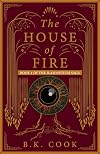
3.5/5 stars: This book has one of the best training sequences I’ve read in a while! What a great origin story. Our hero Ward starts out as a peasant, essentially a slave, and to everyone’s shock, becomes the first commoner to ever manifest magic. Two types, at that. He and the other initiates set out at a run towards their secret training grounds (reminiscent of the Hunter x Hunter trials!) and spend months learning strategy, spy craft, hunting and tracking, swordplay, and more. High stakes “you fail one task and you’re out for good” vibe.
There’s some satisfying character development here, with Ward having to overcome his hatred of the aristocracy that’s mistreated him his whole life, and the aristocrats around him slowly coming to accept and look up to him.
There’s a mystery lurking in the background regarding the founding of their country, the motives of their immortal King and founder, and the source of the magically deformed beasts they are sworn to protect their country from. I enjoyed learning more as the story progressed, including information about Ward’s parents and the source of all magic.
I didn’t feel much of an urge to continue the story, as it verged more into “the prophesized one who’ll save the world” territory, and I had been enjoying his story for the small-scale missions and close character dynamics. I might go back to it if the mood strikes, as there’s definitely more of a mystery to unravel around several characters!
Here show more are a couple other books (available on KU) with OP magic users that I enjoyed: https://creativecornerstones.com/2025/02/03/mini-reviews-of-3-fantasy-books-with.... show less
There’s some satisfying character development here, with Ward having to overcome his hatred of the aristocracy that’s mistreated him his whole life, and the aristocrats around him slowly coming to accept and look up to him.
There’s a mystery lurking in the background regarding the founding of their country, the motives of their immortal King and founder, and the source of the magically deformed beasts they are sworn to protect their country from. I enjoyed learning more as the story progressed, including information about Ward’s parents and the source of all magic.
I didn’t feel much of an urge to continue the story, as it verged more into “the prophesized one who’ll save the world” territory, and I had been enjoying his story for the small-scale missions and close character dynamics. I might go back to it if the mood strikes, as there’s definitely more of a mystery to unravel around several characters!
Here show more are a couple other books (available on KU) with OP magic users that I enjoyed: https://creativecornerstones.com/2025/02/03/mini-reviews-of-3-fantasy-books-with.... show less
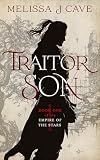
4/5 Stars - Traitor Son is a slow burn military fantasy romance with a satisfying civilization-building thread and a touching relationship-focused ending. However, it ends rather abruptly without resolving any of the plot problems. The second book is scheduled to release only 6 months after the first, so I'm guessing it was split for the sake of length, and is really one story.
Characters - 4/5 Stars
This is a character-driven story, based around Ophele and Remin and how they must overcome the abuse and traumas they've experienced in order to build a new city and life together. Basically her father, the Emperor, has ruined both their lives. Ophele is shy, sweet, and a total bookworm. It's fun seeing her gain confidence over the course of the story and apply her book smarts to the efforts of building their new city. She's the opposite of a morning person, which leads to many jokes I personally appreciated immensely. Remin was a bit less interesting to me - he's a brooding giant of a man, surly but loved by his men, untrusting and paranoid about the Emperor's plots on his life (with good reason). He fits squarely into the "strong, silent type" who gets softened up by the girl. I felt more attached to all of his knights, who are very well developed side characters.
Plot - 3/5 Stars
This plot feels almost identical to Under the Oak Tree, and I don't know how much of a coincidence that is. After the couple gets married and travels to Remin's new duchy, most of the book focuses show more on the minutiae of how they're planning the town (which I love - leveling up vibe!) and defending it from demons summoned by the former occupants Remin recently defeated. Otherwise, the plot centers on their relationship, or lack thereof. There's a lot of back and forth about Remin liking Ophele but thinking she's going to kill him on behalf of the Emperor, and acting like a total brute toward her. Then Ophele sits around feeling terrible about herself, and the misunderstanding drags on despite them both actually liking each other. This felt rather repetitive and miserable in the second half of the book. However, Remin's behavior is clearly shown as problematic and the conclusion centers around how they resolve the conflict in their relationship. It was a satisfying ending, except that nothing came of the Emperor's plots. It felt rather like Chekhov's gun - a setup that didn't deliver. But I'm deferring judgement because I really think that this was one story split into 2 books - I'll definitely read the second!
Worldbuilding - 3/5 Stars
Fun, but nothing super special. They have a perhaps Renaissance-level society. I think the best part of the worldbuilding was all the accurate details about the process of planning a civilization from the ground up - infrastructure, labor, moving supplies, planning for sponsoring of the arts. All of this was clearly well researched and I loved seeing the characters achieve each new step in their goals! There's definitely more to learn about the magic system of both the Emperor's bloodline and the sorcerers who've been summoning the demons. But that was all mostly setup, leaving mostly questions.
Writing - 4/5 Stars
Pretty good - nothing gorgeous, but clear to read and not too bloated. I feel like it got better as the book went on! The first few chapters had a lot of passive voice, but I stopped noticing that as I read. I might not have guessed this was a debut - it's well organized and enjoyable to read.
Content - there are 3 sexually explicit scenes in this book between the married couple. I almost wondered if someone else wrote these scenes because of how flowery the erotic parts are - I couldn't help but laugh. But there's good emotional content there too.
I received a free advance review copy from BookSirens and am leaving this review voluntarily.
More reviews here: https://creativecornerstones.com/2024/10/27/book-review-traitor-son-by-melissa-j.... show less
Characters - 4/5 Stars
This is a character-driven story, based around Ophele and Remin and how they must overcome the abuse and traumas they've experienced in order to build a new city and life together. Basically her father, the Emperor, has ruined both their lives. Ophele is shy, sweet, and a total bookworm. It's fun seeing her gain confidence over the course of the story and apply her book smarts to the efforts of building their new city. She's the opposite of a morning person, which leads to many jokes I personally appreciated immensely. Remin was a bit less interesting to me - he's a brooding giant of a man, surly but loved by his men, untrusting and paranoid about the Emperor's plots on his life (with good reason). He fits squarely into the "strong, silent type" who gets softened up by the girl. I felt more attached to all of his knights, who are very well developed side characters.
Plot - 3/5 Stars
This plot feels almost identical to Under the Oak Tree, and I don't know how much of a coincidence that is. After the couple gets married and travels to Remin's new duchy, most of the book focuses show more on the minutiae of how they're planning the town (which I love - leveling up vibe!) and defending it from demons summoned by the former occupants Remin recently defeated. Otherwise, the plot centers on their relationship, or lack thereof. There's a lot of back and forth about Remin liking Ophele but thinking she's going to kill him on behalf of the Emperor, and acting like a total brute toward her. Then Ophele sits around feeling terrible about herself, and the misunderstanding drags on despite them both actually liking each other. This felt rather repetitive and miserable in the second half of the book. However, Remin's behavior is clearly shown as problematic and the conclusion centers around how they resolve the conflict in their relationship. It was a satisfying ending, except that nothing came of the Emperor's plots. It felt rather like Chekhov's gun - a setup that didn't deliver. But I'm deferring judgement because I really think that this was one story split into 2 books - I'll definitely read the second!
Worldbuilding - 3/5 Stars
Fun, but nothing super special. They have a perhaps Renaissance-level society. I think the best part of the worldbuilding was all the accurate details about the process of planning a civilization from the ground up - infrastructure, labor, moving supplies, planning for sponsoring of the arts. All of this was clearly well researched and I loved seeing the characters achieve each new step in their goals! There's definitely more to learn about the magic system of both the Emperor's bloodline and the sorcerers who've been summoning the demons. But that was all mostly setup, leaving mostly questions.
Writing - 4/5 Stars
Pretty good - nothing gorgeous, but clear to read and not too bloated. I feel like it got better as the book went on! The first few chapters had a lot of passive voice, but I stopped noticing that as I read. I might not have guessed this was a debut - it's well organized and enjoyable to read.
Content - there are 3 sexually explicit scenes in this book between the married couple. I almost wondered if someone else wrote these scenes because of how flowery the erotic parts are - I couldn't help but laugh. But there's good emotional content there too.
I received a free advance review copy from BookSirens and am leaving this review voluntarily.
More reviews here: https://creativecornerstones.com/2024/10/27/book-review-traitor-son-by-melissa-j.... show less
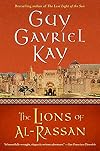
Rating: 4/5 stars
The Lions of Al-Rassan is a richly researched historical fantasy novel about a fading Golden Age and the rivalry and love between men and women across borders, but the distant writing style leaves readers aching to be invited more closely into these cherished characters’ heart-wrenching conclusion.
Snapshot:
The empire of Al-Rassan is crumbling. Jaddite raiders prey at their borders, led by the famous Captain Rodrigo Belmonte. The rulers of Al-Rassan turn on one another, compelling the infamous warrior poet Ammar to defy them. Jehane, a Kindath physician and daughter to the most famous doctor in the world, encounters and impresses both men as she seeks vengeance for her father. When both Rodrigo and Ammar run afoul of politics, they find themselves exiled to the same city, where Jehane helps binds their new mercenary band together. This is a story about the love and respect that can grow between people of warring cultures, but to a heartbreaking end.
Characters: 5/5
I read this story for Rodrigo Belmonte and Ammar ibn Khairan, two famous warriors from opposing countries. They form an understated friendship, deep and loyal, one that affects them for the rest of their lives. Ammar is quick to laugh, pretends to be a bit of a fop, is a master of disguise, blows where the winds take him – usually alone – and yet has an abiding, poetic love for his country and all things beautiful in the world. Rodrigo is a bit more stoic, collects talent around him, has show more twin sons and a wife whom he loves, and refuses to turn a blind eye to injustice. They are the best two warriors and strategists of their time, which means fate has pitted their swords against one another, though their hearts would rather stand together. It is achingly pleasurable to read.
Jehane intrigued me more as a character when she wasn’t with these men, honestly. When she is, she almost starts sounding like a YA character, snapping at them and throwing up a facade of indignant offense. But in her own thoughts she is self-aware, principled, deeply loyal, and a resolute professional. It was an interesting choice to make her a sort of bonding point for these two men. They both care for her, which enabled them to grow closer despite the growing war between their peoples. However, I was left feeling like she could have been removed from the plot, and Rodrigo and Ammar still would have had an unforgettable bond.
There are an overwhelming number of side characters in this book. While this slowed down the pacing and took the focus off the dynamic of the three main characters, perhaps damaging the ultimate emotional impact of the story, all of the side characters are fascinating and compel us to become invested in them. From the unique romance between Rodrigo’s King and Queen, and the shenanigans of his sons to the enduring friendship of an Asharite King and his advisor and the vulnerable spiritual musings of the leader of a fundamentalist warrior sect, we are treated to great intellect and heart from every quarter. Some of these chapters felt so well composed they could have been short stories of their own without losing their emotional impact.
I was particularly impressed by the author’s depiction of female characters. I find women, as written by modern authors, rather insufferable. Too often they seem like a cut-and-paste copy of the same self-consumed, cocksure, cheaply “witty” teenager. Not so of Guy Gavriel Kay’s female characters. We see a refreshing variety – a weary yet stoic wife caring for her disabled husband, a pious wife distraught by the lust she feels for her unbelieving husband, a ferocious mother and wife who doesn’t hesitate to kill her enemies and then punish her husband quite amusingly for causing the problem in the first place, and a vulnerable concubine grieving the loss of her partner even as she plots to overthrow his replacement. It shouldn’t feel like a treat to see a variety of personalities, careers, ages, and beliefs in female characters. This should be the norm. Until it is, I will cherish these characters all the more.
The kingdom of Al-Rassan is itself a character in this book. Or rather “a golden-age kingdom in its death throes.” We don’t necessarily love Al-Rassan itself, but we feel an incredible amount of melancholy and anguish for a fading empire that was once beautiful. This concept is so alive in our minds that at the end of the story we lament as much for her fall as we do for the human characters who are lost.
“Come, brother; Rodrigo Belmonte of Valledo had said today as five hard men with swords had walked forward to encircle the two of them. Shall we show them how this is done?
They had shown them. In no time at all, really, they were down, it was over. A dance.”
– Guy Gavriel Kay, The Lions of Al-Rassan
Story: 4/5
This plot jumps all over the place. Nearly halfway through the book, and I still had no real idea of where it was going. People wander from one city to another with a goal in mind that they just as quickly dismiss. There’s chaos in the world, and the reader knows a war is coming, but because this is built up so strongly in our minds, we think the plot will center around this war. Instead, we are treated to a series of much smaller, at times seemingly random, conflicts as they pop up for the characters. During the center of the book, some of our POV characters are sitting in a city doing very little, while we hop around to the POV of strangers who are actually pulling the strings of power. When I wanted to see Rodrigo and Ammar bonding, we were watching a fanatic chop peoples hands off.
I enjoyed looking at the fall of an empire from a smaller, character-driven perspective. The real plot was about cross-cultural interactions, lost relationships and dreams, surprising encounters and how they can shape our lives more surely than the ones we expected. However, I think the author needed to better set up reader expectations from the start. I think we needed fewer point of view characters in the first Act to focus more tightly on Jehane, Rodrigo, and Ammar. This would have clearly demonstrated that the story would follow them, not necessarily center around the war. Later insertions of POVs around the world could have pieced together larger events without risking leaving the reader feeling scattered.
Writing: 3/5
I didn’t know this book’s publication date when I picked it up, but based on the omniscient narration and at times dry writing style, I would have guessed it was older than 1995. The writing is certainly masterful and will stand the test of time, and the style often verges towards artistry, but didn’t quite hit it for me. The readers are kept rather emotionally distant from the characters, making the first half of the book rather slow. I almost put it down, but am so glad I did not.
There are far too many point-of-view characters in this book for my taste. We have four major POVs and move around to many more characters in other parts of the world for a chapter or two. It almost felt like the author couldn’t decide whether to make this book about the world or the characters, and the split attention makes us lose out on both. We don’t get the deep attention on the character dynamics that we crave, but the plot isn’t emphasized either. The war we’ve been anticipating for the whole book gets summarized in a single chapter near the end.
Sometimes it felt like Gavriel Kay chose to write a scene from the perspective of the character least emotionally impacted by the events. That felt like an almost cowardly choice, like he worried he wouldn’t be able to properly convey deep emotions from the character most affected, or like there’s something wrong with letting ourselves feel that deeply. It felt like he was maybe trying too hard to write “proper literature” and to maintain decorum and not get swept up in emotions. This diminishes the impact that otherwise powerful scenes had on us as readers.
I think this is the type of book that will endure for decades and even centuries to come. However, this writing style is not what’s popular with modern readers.
Impact: 4/5
I cried at the end of this story. I did not weep. Shame on you Guy Gavriel Kay! I gave you my heart hoping you’d rip it open. I loved these characters so much and you created such an unforgettable final encounter between them. It almost feels like you were afraid to get close. The final chapter should have been from the surviving character’s perspective, but instead we get another distant, external look at him. It was an artistic choice to portray the finale from a distant vantage, one that works incredibly well. But you still need the close up at the end that shows the emotions of the character actually involved! That’s the money shot! I needed to weep for these people. I was right at the edge, and you backed away even farther. You held my heart in your talons but set it down gently when you should have sunk in and never let go. I felt so incredibly frustrated, robbed of the emotional impact this ending could have had.
Rodrigo and Ammar are absolutely now two of my favorite characters in fiction, but I can see why this book is, lamentably, not more widely read among modern fantasy readers. The image below is the only piece of fan art I could find for this book, from a fight scene that should be world-famous. If Guy Gavriel Kay had focused this story more tightly on the friendship between these two men and then given us the emotional punch at the end that we needed, there wouldn’t be a reader alive who wouldn’t say the names Frodo and Sam, Sherlock and Moriarty, and Rodrigo and Ammar, in the same sentence.
Find more reviews here: https://creativecornerstones.com/2024/09/04/book-review-the-lions-of-al-rassan-b.... show less
The Lions of Al-Rassan is a richly researched historical fantasy novel about a fading Golden Age and the rivalry and love between men and women across borders, but the distant writing style leaves readers aching to be invited more closely into these cherished characters’ heart-wrenching conclusion.
Snapshot:
The empire of Al-Rassan is crumbling. Jaddite raiders prey at their borders, led by the famous Captain Rodrigo Belmonte. The rulers of Al-Rassan turn on one another, compelling the infamous warrior poet Ammar to defy them. Jehane, a Kindath physician and daughter to the most famous doctor in the world, encounters and impresses both men as she seeks vengeance for her father. When both Rodrigo and Ammar run afoul of politics, they find themselves exiled to the same city, where Jehane helps binds their new mercenary band together. This is a story about the love and respect that can grow between people of warring cultures, but to a heartbreaking end.
Characters: 5/5
I read this story for Rodrigo Belmonte and Ammar ibn Khairan, two famous warriors from opposing countries. They form an understated friendship, deep and loyal, one that affects them for the rest of their lives. Ammar is quick to laugh, pretends to be a bit of a fop, is a master of disguise, blows where the winds take him – usually alone – and yet has an abiding, poetic love for his country and all things beautiful in the world. Rodrigo is a bit more stoic, collects talent around him, has show more twin sons and a wife whom he loves, and refuses to turn a blind eye to injustice. They are the best two warriors and strategists of their time, which means fate has pitted their swords against one another, though their hearts would rather stand together. It is achingly pleasurable to read.
Jehane intrigued me more as a character when she wasn’t with these men, honestly. When she is, she almost starts sounding like a YA character, snapping at them and throwing up a facade of indignant offense. But in her own thoughts she is self-aware, principled, deeply loyal, and a resolute professional. It was an interesting choice to make her a sort of bonding point for these two men. They both care for her, which enabled them to grow closer despite the growing war between their peoples. However, I was left feeling like she could have been removed from the plot, and Rodrigo and Ammar still would have had an unforgettable bond.
There are an overwhelming number of side characters in this book. While this slowed down the pacing and took the focus off the dynamic of the three main characters, perhaps damaging the ultimate emotional impact of the story, all of the side characters are fascinating and compel us to become invested in them. From the unique romance between Rodrigo’s King and Queen, and the shenanigans of his sons to the enduring friendship of an Asharite King and his advisor and the vulnerable spiritual musings of the leader of a fundamentalist warrior sect, we are treated to great intellect and heart from every quarter. Some of these chapters felt so well composed they could have been short stories of their own without losing their emotional impact.
I was particularly impressed by the author’s depiction of female characters. I find women, as written by modern authors, rather insufferable. Too often they seem like a cut-and-paste copy of the same self-consumed, cocksure, cheaply “witty” teenager. Not so of Guy Gavriel Kay’s female characters. We see a refreshing variety – a weary yet stoic wife caring for her disabled husband, a pious wife distraught by the lust she feels for her unbelieving husband, a ferocious mother and wife who doesn’t hesitate to kill her enemies and then punish her husband quite amusingly for causing the problem in the first place, and a vulnerable concubine grieving the loss of her partner even as she plots to overthrow his replacement. It shouldn’t feel like a treat to see a variety of personalities, careers, ages, and beliefs in female characters. This should be the norm. Until it is, I will cherish these characters all the more.
The kingdom of Al-Rassan is itself a character in this book. Or rather “a golden-age kingdom in its death throes.” We don’t necessarily love Al-Rassan itself, but we feel an incredible amount of melancholy and anguish for a fading empire that was once beautiful. This concept is so alive in our minds that at the end of the story we lament as much for her fall as we do for the human characters who are lost.
“Come, brother; Rodrigo Belmonte of Valledo had said today as five hard men with swords had walked forward to encircle the two of them. Shall we show them how this is done?
They had shown them. In no time at all, really, they were down, it was over. A dance.”
– Guy Gavriel Kay, The Lions of Al-Rassan
Story: 4/5
This plot jumps all over the place. Nearly halfway through the book, and I still had no real idea of where it was going. People wander from one city to another with a goal in mind that they just as quickly dismiss. There’s chaos in the world, and the reader knows a war is coming, but because this is built up so strongly in our minds, we think the plot will center around this war. Instead, we are treated to a series of much smaller, at times seemingly random, conflicts as they pop up for the characters. During the center of the book, some of our POV characters are sitting in a city doing very little, while we hop around to the POV of strangers who are actually pulling the strings of power. When I wanted to see Rodrigo and Ammar bonding, we were watching a fanatic chop peoples hands off.
I enjoyed looking at the fall of an empire from a smaller, character-driven perspective. The real plot was about cross-cultural interactions, lost relationships and dreams, surprising encounters and how they can shape our lives more surely than the ones we expected. However, I think the author needed to better set up reader expectations from the start. I think we needed fewer point of view characters in the first Act to focus more tightly on Jehane, Rodrigo, and Ammar. This would have clearly demonstrated that the story would follow them, not necessarily center around the war. Later insertions of POVs around the world could have pieced together larger events without risking leaving the reader feeling scattered.
Writing: 3/5
I didn’t know this book’s publication date when I picked it up, but based on the omniscient narration and at times dry writing style, I would have guessed it was older than 1995. The writing is certainly masterful and will stand the test of time, and the style often verges towards artistry, but didn’t quite hit it for me. The readers are kept rather emotionally distant from the characters, making the first half of the book rather slow. I almost put it down, but am so glad I did not.
There are far too many point-of-view characters in this book for my taste. We have four major POVs and move around to many more characters in other parts of the world for a chapter or two. It almost felt like the author couldn’t decide whether to make this book about the world or the characters, and the split attention makes us lose out on both. We don’t get the deep attention on the character dynamics that we crave, but the plot isn’t emphasized either. The war we’ve been anticipating for the whole book gets summarized in a single chapter near the end.
Sometimes it felt like Gavriel Kay chose to write a scene from the perspective of the character least emotionally impacted by the events. That felt like an almost cowardly choice, like he worried he wouldn’t be able to properly convey deep emotions from the character most affected, or like there’s something wrong with letting ourselves feel that deeply. It felt like he was maybe trying too hard to write “proper literature” and to maintain decorum and not get swept up in emotions. This diminishes the impact that otherwise powerful scenes had on us as readers.
I think this is the type of book that will endure for decades and even centuries to come. However, this writing style is not what’s popular with modern readers.
Impact: 4/5
I cried at the end of this story. I did not weep. Shame on you Guy Gavriel Kay! I gave you my heart hoping you’d rip it open. I loved these characters so much and you created such an unforgettable final encounter between them. It almost feels like you were afraid to get close. The final chapter should have been from the surviving character’s perspective, but instead we get another distant, external look at him. It was an artistic choice to portray the finale from a distant vantage, one that works incredibly well. But you still need the close up at the end that shows the emotions of the character actually involved! That’s the money shot! I needed to weep for these people. I was right at the edge, and you backed away even farther. You held my heart in your talons but set it down gently when you should have sunk in and never let go. I felt so incredibly frustrated, robbed of the emotional impact this ending could have had.
Rodrigo and Ammar are absolutely now two of my favorite characters in fiction, but I can see why this book is, lamentably, not more widely read among modern fantasy readers. The image below is the only piece of fan art I could find for this book, from a fight scene that should be world-famous. If Guy Gavriel Kay had focused this story more tightly on the friendship between these two men and then given us the emotional punch at the end that we needed, there wouldn’t be a reader alive who wouldn’t say the names Frodo and Sam, Sherlock and Moriarty, and Rodrigo and Ammar, in the same sentence.
Find more reviews here: https://creativecornerstones.com/2024/09/04/book-review-the-lions-of-al-rassan-b.... show less
5/5 stars - a gripping adult fantasy tale that expertly juggles conflicts and mysteries on opposite sides of the world while entangling troubled characters in hilarious ways.
I haven't given a book 5 stars in years! It's been so long I can't remember the last time I did! If I broke it down to the individual components, I'd probably give it 4 or 4.5 stars, but in terms of enjoyment, it's 5/5.
Characters:
The first book didn't have a lot for some of our characters to do and some of them were rather isolated. This book brings all our characters clashing together and then builds their dynamic in realistic, infuriating, hilarious, and moving ways. We get the payoff we were waiting for in book 1. The jock becomes less of a jerk, the hardened warriors learn to trust and open up about their trauma, we get some romance, and all the fear, anger, and longing along the way. I was even more impressed by how Abercrombie juggled the many POV characters here. We have even more POVs in this book than the first, but he timed their arcs expertly, creating parallels in the battles, mysteries, and quiet moments in a quite enjoyable way. The cross-cultural interactions are also done quite well - all the misunderstandings, prickliness, and humor you'd expect from totally different people crossing paths.
Plot:
I put off starting the second book because I didn't like the sound of the plot. Our characters spending months wandering across a continent looking for a MacGuffin? While the more interesting show more characters stay on the other side of the world in a city under siege and a counter campaign against an invasion? Sounds like pulling teeth. Sounds like wasting my time with way too much horse riding, making me want to skip the "Frodo and Sam" scenes to get back to the good stuff. I could not have been more mistaken. Abercrombie is an expert at skipping unnecessary content. We skimmed over the 2 week long ship rides. We didn't have to slog through painful descriptions of every hill, town, and city the characters passed. The scenes on horseback became moments of charged dialogue and an exploration of our characters' pasts. We have a classic scar swapping scene around a campfire. The characters' best and worst traits all get mashed up with one another, compounding every time they get in a battle, pick a route, or blackmail a politician. Glokta's arc, though still interesting, was actually less compelling than that of the wanderers. I guess there's only so much self-pitying investigating you can take before you prefer the sparks that fly between characters of vastly different backgrounds. And quite a surprise at the end. A bit of a let down to be honest, but kind of fresh at the same time.
Worldbuilding:
We get to know a lot more about the ancient conflicts that shaped the larger world. As the characters travel through a fallen empire rife with internal conflict, chased by the lackeys of an opposing magical order, we learn many secrets that are much more interesting that the politics back in faux Britain. We do still have to suffer through the faux Muslims, though, cut and paste down to the daily prayer chants and intricate curling shapes in the architecture. You'd think authors could at least make an effort to change tiny details like that rather than just dumping their impression of a culture verbatim into their book. There's a time for familiarity and a time for originality. But then, this story isn't about the world, but about how the characters choose to live in it.
Writing:
Again, Abercrombie's writing was my favorite part of this story. Expertly intertwined arcs, much improved pacing, hilarious and realistic dialogue, highly readable prose, not clunky or bloated. I was taking tips.
Rating: even more R-rated than the first show less
I haven't given a book 5 stars in years! It's been so long I can't remember the last time I did! If I broke it down to the individual components, I'd probably give it 4 or 4.5 stars, but in terms of enjoyment, it's 5/5.
Characters:
The first book didn't have a lot for some of our characters to do and some of them were rather isolated. This book brings all our characters clashing together and then builds their dynamic in realistic, infuriating, hilarious, and moving ways. We get the payoff we were waiting for in book 1. The jock becomes less of a jerk, the hardened warriors learn to trust and open up about their trauma, we get some romance, and all the fear, anger, and longing along the way. I was even more impressed by how Abercrombie juggled the many POV characters here. We have even more POVs in this book than the first, but he timed their arcs expertly, creating parallels in the battles, mysteries, and quiet moments in a quite enjoyable way. The cross-cultural interactions are also done quite well - all the misunderstandings, prickliness, and humor you'd expect from totally different people crossing paths.
Plot:
I put off starting the second book because I didn't like the sound of the plot. Our characters spending months wandering across a continent looking for a MacGuffin? While the more interesting show more characters stay on the other side of the world in a city under siege and a counter campaign against an invasion? Sounds like pulling teeth. Sounds like wasting my time with way too much horse riding, making me want to skip the "Frodo and Sam" scenes to get back to the good stuff. I could not have been more mistaken. Abercrombie is an expert at skipping unnecessary content. We skimmed over the 2 week long ship rides. We didn't have to slog through painful descriptions of every hill, town, and city the characters passed. The scenes on horseback became moments of charged dialogue and an exploration of our characters' pasts. We have a classic scar swapping scene around a campfire. The characters' best and worst traits all get mashed up with one another, compounding every time they get in a battle, pick a route, or blackmail a politician. Glokta's arc, though still interesting, was actually less compelling than that of the wanderers. I guess there's only so much self-pitying investigating you can take before you prefer the sparks that fly between characters of vastly different backgrounds. And quite a surprise at the end. A bit of a let down to be honest, but kind of fresh at the same time.
Worldbuilding:
We get to know a lot more about the ancient conflicts that shaped the larger world. As the characters travel through a fallen empire rife with internal conflict, chased by the lackeys of an opposing magical order, we learn many secrets that are much more interesting that the politics back in faux Britain. We do still have to suffer through the faux Muslims, though, cut and paste down to the daily prayer chants and intricate curling shapes in the architecture. You'd think authors could at least make an effort to change tiny details like that rather than just dumping their impression of a culture verbatim into their book. There's a time for familiarity and a time for originality. But then, this story isn't about the world, but about how the characters choose to live in it.
Writing:
Again, Abercrombie's writing was my favorite part of this story. Expertly intertwined arcs, much improved pacing, hilarious and realistic dialogue, highly readable prose, not clunky or bloated. I was taking tips.
Rating: even more R-rated than the first show less
A gripping dark fantasy debut with a shocking conclusion. This story follows 2 POV characters - twins split at birth who are each wrestling with their inner "demon" or animal spirit which will either consume and transform them into a Draco Sang, an animalistic creature driven by their vices and instincts, or split out of them into a companion "spirit animal" that really shares their soul. Both boys seek belonging in their communities and wrestle with their own desires and instincts as they come of age. I found the discussion of human nature, morality, and redemption incredibly compelling. We all struggle with this battle within us, and sometimes would rather just serve ourselves. But these boys long for friendship, true connection with their parents, and to make a larger mark on the world. It's not easy, and they find themselves on either sides of a war. The ending was daring and truly surprised me. It's a tearjerker for sure, and well worth the read.
3.7/5 Stars
It definitely shows that this was Sanderson’s debut novel, as his style, particularly when it comes to how he switches POV characters, was not yet well-defined. Sometimes Sanderson goes over the same scenes again from each perspective, which would be interesting if done once or twice, but gets repetitive.
This story follows 3 POV characters in the city of Elantris – a prince who falls under a magical curse and is exiled to the old city with others who suffer the same fate, the princess betrothed to him who is at a loss when she shows up for her wedding to find him supposedly dead, and a magically twisted ambassador who actually came to start a religious war.
I loved that the story read like a mystery about the nature of the curse, magic, and their land. I found Prince Raoden to be a refreshingly straight-laced “good” prince, and I shipped him with Sarene – I liked their chemistry together. I think a lot more could have been done with Hrathen, whose ending was all “tell not show.” He had a lot more potential and could have had a much more compelling change. But otherwise, the ending had a satisfying reveal and resolution.
It definitely shows that this was Sanderson’s debut novel, as his style, particularly when it comes to how he switches POV characters, was not yet well-defined. Sometimes Sanderson goes over the same scenes again from each perspective, which would be interesting if done once or twice, but gets repetitive.
This story follows 3 POV characters in the city of Elantris – a prince who falls under a magical curse and is exiled to the old city with others who suffer the same fate, the princess betrothed to him who is at a loss when she shows up for her wedding to find him supposedly dead, and a magically twisted ambassador who actually came to start a religious war.
I loved that the story read like a mystery about the nature of the curse, magic, and their land. I found Prince Raoden to be a refreshingly straight-laced “good” prince, and I shipped him with Sarene – I liked their chemistry together. I think a lot more could have been done with Hrathen, whose ending was all “tell not show.” He had a lot more potential and could have had a much more compelling change. But otherwise, the ending had a satisfying reveal and resolution.
I love Heinlein's writing style! It's minimalistic, cerebral, and highlights unique character voices. It takes some time to get used to the lingo and slang of the main character, but it adds to the culture and worldbuilding of the lunar society.
Looking back, this story is satisfying in some of the ways progression fantasy is - the main character and sentient computer are building a secret, revolutionary group from the ground up. They hit certain predicted goals and overcome trials as they intensify.
Of course, the conclusion depicted one of the most iconic sci-fi threats to Earth - "throwing rocks." This story offers a great mix of technological realism and sociological commentary. I keep meaning to reread it. I'm sure I'd get more out of it the second time through!
Looking back, this story is satisfying in some of the ways progression fantasy is - the main character and sentient computer are building a secret, revolutionary group from the ground up. They hit certain predicted goals and overcome trials as they intensify.
Of course, the conclusion depicted one of the most iconic sci-fi threats to Earth - "throwing rocks." This story offers a great mix of technological realism and sociological commentary. I keep meaning to reread it. I'm sure I'd get more out of it the second time through!
5 stars - A heartbreaking yet eye-opening look into the world of poverty and mental illness in American families, The Glass Castle is the type of book that will make you fall in love with memoirs.
Jeannette caught me from the first chapter with her vivid descriptions, emotional language, and sharp wit. I kept thinking about her life and story long after finishing this book. I felt so frustrated and angry on her behalf as I saw the neglect from her parents, the horrible choices they made, but loved Jeannette's persistent curiosity and drive despite it all. She deftly narrates several decades of her life, covering the time from her first memories, through homes in multiple states, to her success in NY. This book reads like the best of fiction, yet it hits home even harder knowing that the author overcame hunger, neglect and being constantly uprooted to create a dear family of her own. It is such an important treatment of how much love can fill a family - even one that's broken by mental health and trauma.
Jeannette caught me from the first chapter with her vivid descriptions, emotional language, and sharp wit. I kept thinking about her life and story long after finishing this book. I felt so frustrated and angry on her behalf as I saw the neglect from her parents, the horrible choices they made, but loved Jeannette's persistent curiosity and drive despite it all. She deftly narrates several decades of her life, covering the time from her first memories, through homes in multiple states, to her success in NY. This book reads like the best of fiction, yet it hits home even harder knowing that the author overcame hunger, neglect and being constantly uprooted to create a dear family of her own. It is such an important treatment of how much love can fill a family - even one that's broken by mental health and trauma.
5 stars - A fascinating dialogue between a demon and his uncle as they discuss how best to tempt humans away from God. Say what you want of his theology, C.S. Lewis is a master of human nature. So many of his insights cut straight to the heart, perfectly describing spiritual and intellectual experiences I could not put into words. This story is both convicting and eye-opening, leaving so much to chew on. This is a great book to discuss with a group, and the type that you'll get more out of every time you read it.
3.7/5 Stars
This story feels like one of Sanderson’s most daring – how many authors turn their traumatized revolutionary leader figure into a psychopathic, narcissistic cult leader? Unlocking magic by consuming metals – so unique! Through the Inquisitors, secret police with metal spikes through their body, Sanderson also expertly dances along the line between villainy and horror.
This story had a unique flavor that instantly caught me, but it took longer for me to buy in to Vin as a character. She’s a street rat with magic powers who joins a heist crew’s attempt to overthrow an eternal tyrant. In lots of ways she felt like a typical YA character, but Sanderson draws much more nuance from her over the course of the story, letting us enjoy a true found family dynamic on top of the satisfying political webs and mysteries surrounding the nature of their Ruler.
Be forewarned, the second book in this series is hard to get through, and is pretty universally considered Sanderson’s weakest book. But the third one, which ties everything together in a glorious conclusion, is absolutely worth it.
Find more Cosmere reviews here: https://creativecornerstones.com/2025/09/22/5-mini-reviews-of-cosmere-books-by-b.....
This story feels like one of Sanderson’s most daring – how many authors turn their traumatized revolutionary leader figure into a psychopathic, narcissistic cult leader? Unlocking magic by consuming metals – so unique! Through the Inquisitors, secret police with metal spikes through their body, Sanderson also expertly dances along the line between villainy and horror.
This story had a unique flavor that instantly caught me, but it took longer for me to buy in to Vin as a character. She’s a street rat with magic powers who joins a heist crew’s attempt to overthrow an eternal tyrant. In lots of ways she felt like a typical YA character, but Sanderson draws much more nuance from her over the course of the story, letting us enjoy a true found family dynamic on top of the satisfying political webs and mysteries surrounding the nature of their Ruler.
Be forewarned, the second book in this series is hard to get through, and is pretty universally considered Sanderson’s weakest book. But the third one, which ties everything together in a glorious conclusion, is absolutely worth it.
Find more Cosmere reviews here: https://creativecornerstones.com/2025/09/22/5-mini-reviews-of-cosmere-books-by-b.....

5 Stars! An addicting progression fantasy that focuses on intellect and strategy, with a unique main character and fun worldbuilding.
Characters 5/5 stars - I love Callum, an architect from the Midwest with a unique combination of practicality, paranoia about the government, and curious intellectualism. I love how he embodies the best of what it means to be an American. It's so fun seeing him throw himself into learning about the magical world, trying new things, and acting like a vigilante hero.
Plot 5/5 - Some readers might find the plot a little slow, since much of it orients around Callum's discovery of his magic. I personally found this very satisfying. Otherwise, he's on the run from the evil magic government, and tangles with various other members of the supernatural world.
Worldbuilding 5/5 - It feels like a mix between anime/Webtoon fantasy worlds and modern paranormal fiction. Shifters, fae, vampires, dragons, and mage Big Brother, plus noble houses and portal hopping. I'm interested in all the history of the world, their laws, and how their society became this way. His ability, and the way he uses it, offers a nice twist to how he interacts with the world.
Writing 3-4 stars - The writing could definitely use some editing. It feels clunky at times and some of the sentences run on and get rather technical about his abilities and techniques. It improves as he goes, though, and on the whole I didn't think it detracted much from the story.
Impact - 5 stars! This was a show more really fun book to read. I tore through this one and the next couple in quick succession. Great pacing, cliffhangers, and characters. show less
Characters 5/5 stars - I love Callum, an architect from the Midwest with a unique combination of practicality, paranoia about the government, and curious intellectualism. I love how he embodies the best of what it means to be an American. It's so fun seeing him throw himself into learning about the magical world, trying new things, and acting like a vigilante hero.
Plot 5/5 - Some readers might find the plot a little slow, since much of it orients around Callum's discovery of his magic. I personally found this very satisfying. Otherwise, he's on the run from the evil magic government, and tangles with various other members of the supernatural world.
Worldbuilding 5/5 - It feels like a mix between anime/Webtoon fantasy worlds and modern paranormal fiction. Shifters, fae, vampires, dragons, and mage Big Brother, plus noble houses and portal hopping. I'm interested in all the history of the world, their laws, and how their society became this way. His ability, and the way he uses it, offers a nice twist to how he interacts with the world.
Writing 3-4 stars - The writing could definitely use some editing. It feels clunky at times and some of the sentences run on and get rather technical about his abilities and techniques. It improves as he goes, though, and on the whole I didn't think it detracted much from the story.
Impact - 5 stars! This was a show more really fun book to read. I tore through this one and the next couple in quick succession. Great pacing, cliffhangers, and characters. show less
4.2/5 Stars
I absolutely love Kaladin, a grieving slave dragged to the Shattered Plains, the location of a war of attrition, who is followed around by an ancient, mysterious spirit called a spren. His arc from despair to loyalty and self-sacrifice is incredibly moving – he’s my favorite character in all of fiction. We also follow a King trying to avenge his brother’s murder, a girl with seriously strange mental issues, and many other actors who all have their own conflicting opinions of how to save the world from impending Desolation.
However, I found it frustrating to get through this book because of how the many POV characters affected the pacing. That’s just a matter of preference – I usually don’t like reading books with more than 2 POV characters, especially when one of them is on the opposite side of the world the entire time (Shallan) – her story arc could have been an entirely separate book. I also found some of Dalinar and Adolin’s point of view to be unnecessary – sometimes less is more. But I am so glad I kept reading, because this world is stuffed full of incredible mysteries, such real people who are deeply broken and struggling to get back up again, and such dramatic magic and fight scenes!
The second book in this series, Words of Radiance, is my favorite (4.7/5 stars), and Sanderson’s writing style only improves from there. I think his handling of multiple POV’s became utterly masterful in books #3 and #4. I have yet to read #5 because show more I’m honestly afraid of how it’ll end. But that just goes to show how powerfully Sanderson has seized hold of my emotions and imaginations. A great book makes you cry, enrages you (F*** Moash!), blows your mind, and leaves you aching for more – this series definitely does all these things and more!
Read more Cosmere reviews here: https://creativecornerstones.com/2025/09/22/5-mini-reviews-of-cosmere-books-by-b..... show less
I absolutely love Kaladin, a grieving slave dragged to the Shattered Plains, the location of a war of attrition, who is followed around by an ancient, mysterious spirit called a spren. His arc from despair to loyalty and self-sacrifice is incredibly moving – he’s my favorite character in all of fiction. We also follow a King trying to avenge his brother’s murder, a girl with seriously strange mental issues, and many other actors who all have their own conflicting opinions of how to save the world from impending Desolation.
However, I found it frustrating to get through this book because of how the many POV characters affected the pacing. That’s just a matter of preference – I usually don’t like reading books with more than 2 POV characters, especially when one of them is on the opposite side of the world the entire time (Shallan) – her story arc could have been an entirely separate book. I also found some of Dalinar and Adolin’s point of view to be unnecessary – sometimes less is more. But I am so glad I kept reading, because this world is stuffed full of incredible mysteries, such real people who are deeply broken and struggling to get back up again, and such dramatic magic and fight scenes!
The second book in this series, Words of Radiance, is my favorite (4.7/5 stars), and Sanderson’s writing style only improves from there. I think his handling of multiple POV’s became utterly masterful in books #3 and #4. I have yet to read #5 because show more I’m honestly afraid of how it’ll end. But that just goes to show how powerfully Sanderson has seized hold of my emotions and imaginations. A great book makes you cry, enrages you (F*** Moash!), blows your mind, and leaves you aching for more – this series definitely does all these things and more!
Read more Cosmere reviews here: https://creativecornerstones.com/2025/09/22/5-mini-reviews-of-cosmere-books-by-b..... show less
Rating: 4/5 stars. Circe is a decadently beautiful mythological retelling for fans of ancient Greek mythology and high literature alike, but its ending misses the emotional mark.
Snapshot:
Circe makes an appearance in Homer's The Odyssey as an antagonist who famously turns Odysseus' men into pigs. Miller retells this story from her perspective, illuminating how her deeds intertwined with other mythic heroes and how the Fates spun the other threads of her life: her youth as a nymph daughter of Helios, her exile and discovery of sorcery, and her battle to save her oft-forgotten son and demigod Telegonus.
Characters 4/5
Circe has clinical depression - an interesting take on an immortal. She is lonely, withdrawn, and finds it difficult to love or pursue anything in life. Yet she is staunchly principled, with a huge heart, a sharp mind, and a fiercely protective nature.
She unfortunately models an “I’m not like other girls” attitude, showing nothing but contempt and standoffishness to all the other women in her life. She can’t be the only nymph or goddess in existence with a brain, yet she does nothing but mock the others for their vapid silliness, ignoring relatives and possible companions because she thinks herself better than every one of them. However, this doesn’t cross the line, partially because it’s accurate according to Greek myths - all the gods were capricious and petty. It’s also in line with how people with depression act, and comes across more as show more misery and feeling out of place rather than undue arrogance.
Much of the book takes place with Circe in isolation, whether willingly or during her exile, and other characters pass in and out of her long life rather than taking the stage alongside her. I found her dynamic with her siblings and Hermes and Athena more compelling that her relationship with Odysseus and her son, despite their greater importance to the plot.
Story 3/5
This is a character focused story, not a plot driven-one. Miller has clearly done great research to make the world of the ancient Greeks come alive! She weaves so many myths through this one tale, from a perspective we’ve never seen!
At times the book felt a bit slow, with Circe trapped alone on an island brewing plants for magic and feeling miserable. However, overall, Miller weaves together Circe’s 1000s of years of life masterfully, granting us a realistic female perspective in a mythos otherwise dominated by male narration.
I didn’t give this 5 stars for 2 reasons. One, the slowness and sometimes repetitive nature of the middle of the book. Two, the ending felt terribly frustrating, and in direct contradiction to the original myth and Greek philosophy. Looking back, Miller did plant the seeds of this ending, and it does tie in better with Circe’s arc as Miller portrays it. But the ending is a very American take, not fitting with Greek ideas of life and death. Unlike her other changes to the myth which still fit with the world, the ending felt out of place, and did not seem to tie together Circe’s story or give readers emotional closure.
Writing 5/5
Miller’s writing practically drips off the page like ambrosia. I recall making many faces of pleasure while reading her delicious descriptions. :D I kept thinking of the phrase “decadently lyrical” to describe her style. I read this before her debut, The Song of Achilles, and have discovered that her writing has only improved since then. Phrases that felt a bit purple in The Song of Achilles have been refined here and feel completely fitting in the mouth of an immortal.
Impact 5/5
It’s been a long time since my heart leapt so much when reading a book. I fell in love with language and story all over again. The more you read, the harder it is to find something that moves you, and this book truly did. I became inspired to reshape my own writing as well.
Audiobook 5/5
I listened to the audiobook version of this, and the narrator, Perdita Weeks, makes Miller’s words, already spun from gold, positively glow. What a delight to listen to, especially knowing this is how the Greeks would have enjoyed their stories - orally!
Find more reviews here: https://creativecornerstones.com/2024/04/22/book-review-circe-by-madeline-miller.... show less
Snapshot:
Circe makes an appearance in Homer's The Odyssey as an antagonist who famously turns Odysseus' men into pigs. Miller retells this story from her perspective, illuminating how her deeds intertwined with other mythic heroes and how the Fates spun the other threads of her life: her youth as a nymph daughter of Helios, her exile and discovery of sorcery, and her battle to save her oft-forgotten son and demigod Telegonus.
Characters 4/5
Circe has clinical depression - an interesting take on an immortal. She is lonely, withdrawn, and finds it difficult to love or pursue anything in life. Yet she is staunchly principled, with a huge heart, a sharp mind, and a fiercely protective nature.
She unfortunately models an “I’m not like other girls” attitude, showing nothing but contempt and standoffishness to all the other women in her life. She can’t be the only nymph or goddess in existence with a brain, yet she does nothing but mock the others for their vapid silliness, ignoring relatives and possible companions because she thinks herself better than every one of them. However, this doesn’t cross the line, partially because it’s accurate according to Greek myths - all the gods were capricious and petty. It’s also in line with how people with depression act, and comes across more as show more misery and feeling out of place rather than undue arrogance.
Much of the book takes place with Circe in isolation, whether willingly or during her exile, and other characters pass in and out of her long life rather than taking the stage alongside her. I found her dynamic with her siblings and Hermes and Athena more compelling that her relationship with Odysseus and her son, despite their greater importance to the plot.
Story 3/5
This is a character focused story, not a plot driven-one. Miller has clearly done great research to make the world of the ancient Greeks come alive! She weaves so many myths through this one tale, from a perspective we’ve never seen!
At times the book felt a bit slow, with Circe trapped alone on an island brewing plants for magic and feeling miserable. However, overall, Miller weaves together Circe’s 1000s of years of life masterfully, granting us a realistic female perspective in a mythos otherwise dominated by male narration.
I didn’t give this 5 stars for 2 reasons. One, the slowness and sometimes repetitive nature of the middle of the book. Two, the ending felt terribly frustrating, and in direct contradiction to the original myth and Greek philosophy. Looking back, Miller did plant the seeds of this ending, and it does tie in better with Circe’s arc as Miller portrays it. But the ending is a very American take, not fitting with Greek ideas of life and death. Unlike her other changes to the myth which still fit with the world, the ending felt out of place, and did not seem to tie together Circe’s story or give readers emotional closure.
Writing 5/5
Miller’s writing practically drips off the page like ambrosia. I recall making many faces of pleasure while reading her delicious descriptions. :D I kept thinking of the phrase “decadently lyrical” to describe her style. I read this before her debut, The Song of Achilles, and have discovered that her writing has only improved since then. Phrases that felt a bit purple in The Song of Achilles have been refined here and feel completely fitting in the mouth of an immortal.
Impact 5/5
It’s been a long time since my heart leapt so much when reading a book. I fell in love with language and story all over again. The more you read, the harder it is to find something that moves you, and this book truly did. I became inspired to reshape my own writing as well.
Audiobook 5/5
I listened to the audiobook version of this, and the narrator, Perdita Weeks, makes Miller’s words, already spun from gold, positively glow. What a delight to listen to, especially knowing this is how the Greeks would have enjoyed their stories - orally!
Find more reviews here: https://creativecornerstones.com/2024/04/22/book-review-circe-by-madeline-miller.... show less
This book contained more elements that frustrated me than ones I enjoyed.
This story wasn't as cool as I thought it'd be, considering how famous and enduring it is. Then I realized that's because large chunks of the original material are actually missing. The tablets containing the "heart of the bromance," when Gilgamesh and Enkidu are running around killing monsters, is missing. We hear some exposition summarizing it, and then of course Enkidu's death, but we don't get to see a big part of the adventure. Imagine if Beowulf's fight with Grendel's mother was missing... bummer! I still love the opening of this epic in particular, when they fight and then become best buds! The second half of the story was rather disappointing though - Gilgamesh doesn't seem to be grieving Enkidu so much as bemoaning our fate as mortals, and dreading his own death. Pretty self-centered, I thought. No where near the passion we see from Achilles over Patroclus or Bewoulf's men over his death after his fight with the dragon. But it's a different culture, and they process things differently - it was fascinating to see their etymology surrounding the world (I read the Enuma Elish around the same time, which helped expand their view of the gods). Fascinating too, how similar the style is in some ways to the Bible - no surprise! They're both ancient works from the near east and greater Mesopotamia! Abraham was from Ur, after all!
If you also love ancient epics, I made up a whole list of 16 epics from around the world: show more target="_top">https://creativecornerstones.com/2025/08/18/15-ancient-epics-around-the-world-pl.... show less
If you also love ancient epics, I made up a whole list of 16 epics from around the world: show more target="_top">https://creativecornerstones.com/2025/08/18/15-ancient-epics-around-the-world-pl.... show less
I would have given it 5 stars if it had an ending. Beautiful language, enticing worldbuilding, interesting characters and magic. But the plot doesn't come together at the end. We're waiting the whole book for the 3 main characters to come together, for there to be some connected meaning to it all, and just as this starts to happen, in the midst of the high climactic scene, the book ends. Forget a denouement, it ends as soon as the big conflict the book has hinted at all along begins! No closure with the characters, nothing to tie them together, no idea what might have happened. There's a difference between ending at the penultimate moment, leaving some mystery, some open-endedness and just not writing an ending. The other thing that bothered me was how every single one of them had the exact same tragic past. Social outcasts, no friends, their parents die tragically right before they can attain something good. If it was any other topic beside slavery it would be called a cliche for killing off the mentor figure so the kid can run loose on their adventure. It lost some of the emotional element and just became frustrating as it started to feel like misery porn. I stuck with it because I felt sure it was leading up to a meaningful conclusion. The longer you delay reader satisfaction, the more misery you dump on the characters, the more threads and character arcs you have open at once, the more you have to make sure you have an emotional impact and tie the plot threads show more together at the end. But this didn't even have an ending, let alone an average ending, let alone an astounding ending. Which surprised me, because I honestly thought it would. These characters deserved better. show less
Edmund Spenser's The Faerie Queene, a Prose Rendering: A Text-Faithful Translation of the 1590s Epic Poem by Rebecca K. Reynolds
I was able to get a sneak peak of these at Realm Makers this summer. It was lovely to meet the President of Sky Turtle Press. The cover, paper, and art are of beautiful quality and I can't wait to read them fully! The sample I read sounds like Tolkien, which is perfect since his prose is inspired by medieval literature.